Retail News CRM

Tag: exports

  • Vietnam’s Agricultural Exports to China Skyrocket by 66%: Exploring the $1.5 Billion Surge in January

    Vietnam’s Agricultural Exports to China Skyrocket by 66%: Exploring the $1.5 Billion Surge in January

    In January, the exports of agricultural, forestry, and fishery products from Vietnam to China saw a significant increase of 66% compared to the previous year, reaching a total value of US$1.5 billion. China established itself as the largest market for these sectors, contributing to 23% of the total $6.5 billion worth of shipments – a 29.5% rise.

    Key Exports to China

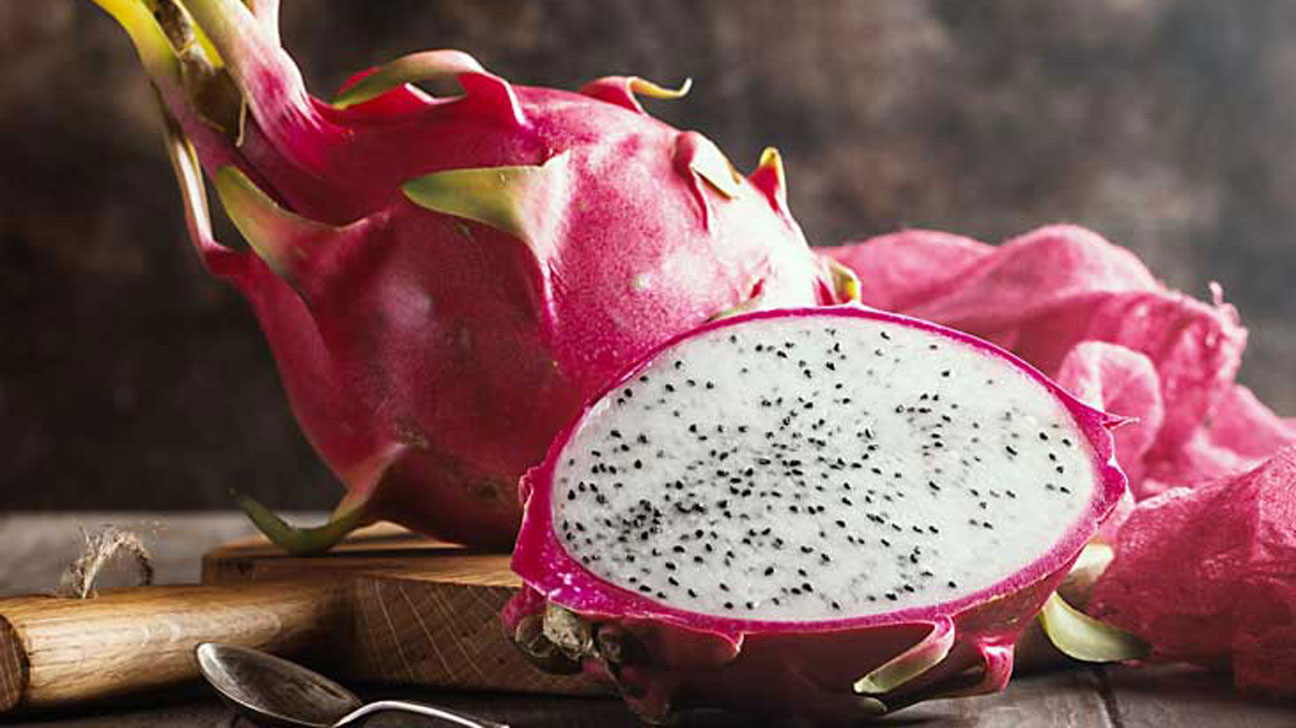
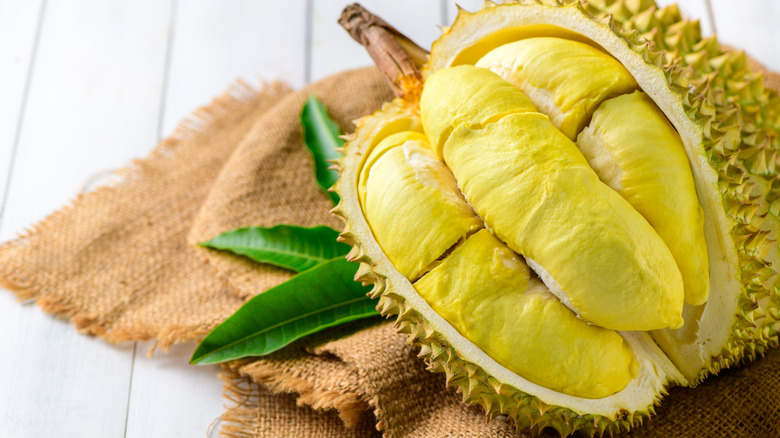
    The primary exports to China included durian, banana, dragon fruit, and jackfruit, with a combined export value of $480 million. China was the leading buyer of Vietnam’s cassava, accounting for 92.6% of purchases. It also purchased 75% of Vietnam’s rubber and 50% of its cashew exports. The country was the third-largest market for Vietnam’s fishery products, following the U.S. and Japan.

    Growth in Fruit and Vegetable Exports

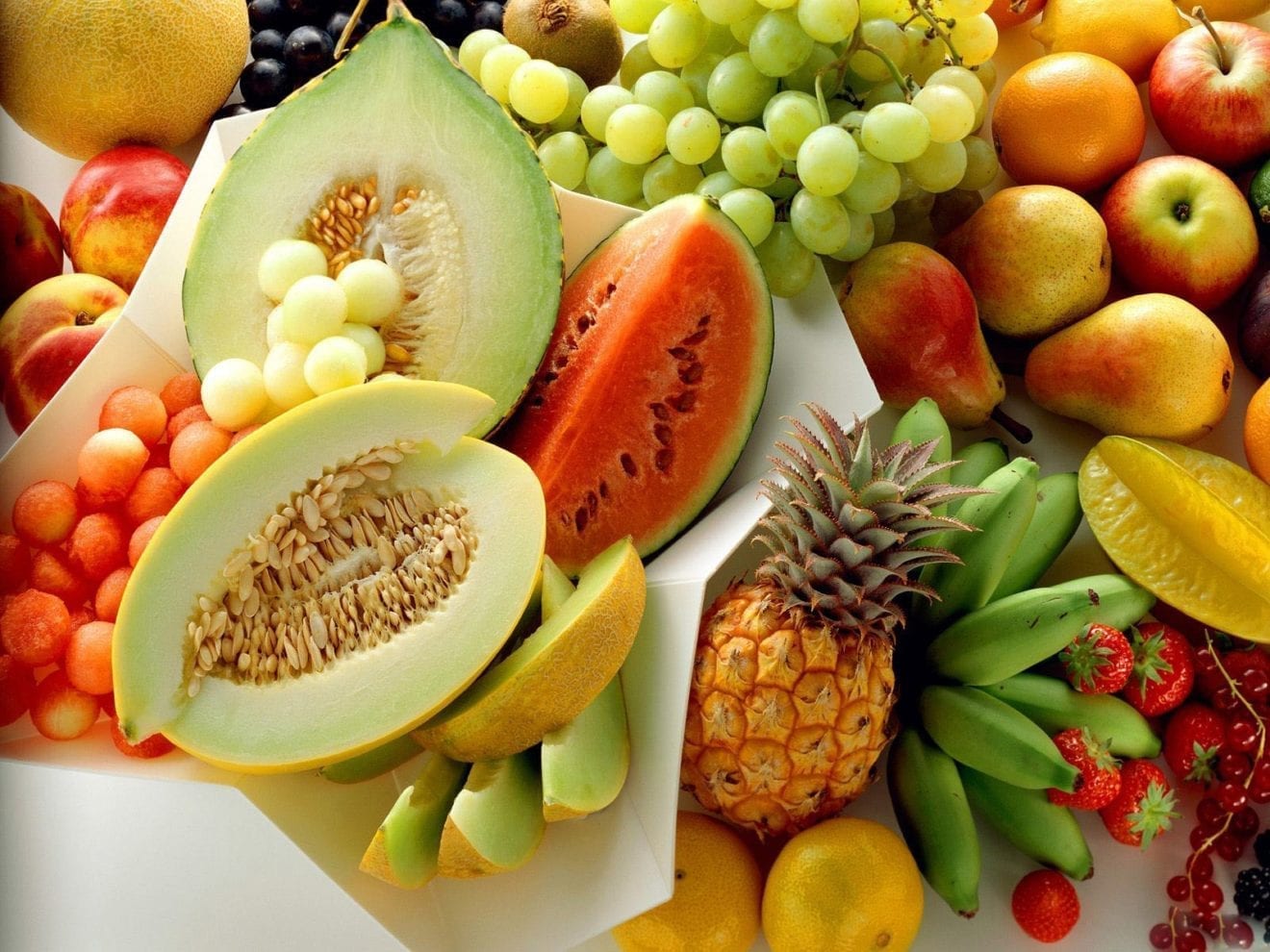
    According to the Ministry of Agriculture and Environment, the highest export growth was seen in the fruits and vegetables sector. The export value of these products doubled to $750 million, with marked increases in shipments going to the U.S. and Malaysia.

    Rise in Cashew and Pepper Exports

    Cashew exports were the second-highest growth category, with an increase of 70% that brought the total export value to $434 million. Pepper exports also saw a significant boost, rising by 53% to reach $133 million.

    Questions & Answers

    What was the percentage increase in Vietnam’s exports to China year-on-year in January?
    The exports of agricultural, forestry, and fishery products from Vietnam to China rose by 66% year-on-year in January.

    Which were the main products exported by Vietnam to China?
    The main exports to China were durian, banana, dragon fruit, and jackfruit, along with cashew, rubber, and cassava.

    Which products saw the highest growth in exports?
    Fruits and vegetables saw the highest export growth, doubling to $750 million. The second-highest growth was seen in cashew exports, which rose by 70% to $434 million.

  • Vietnam’s Durian Domination: Record-Breaking $3.8B Exports Propel Fruit to Top of Global Market

    Vietnam’s Durian Domination: Record-Breaking $3.8B Exports Propel Fruit to Top of Global Market

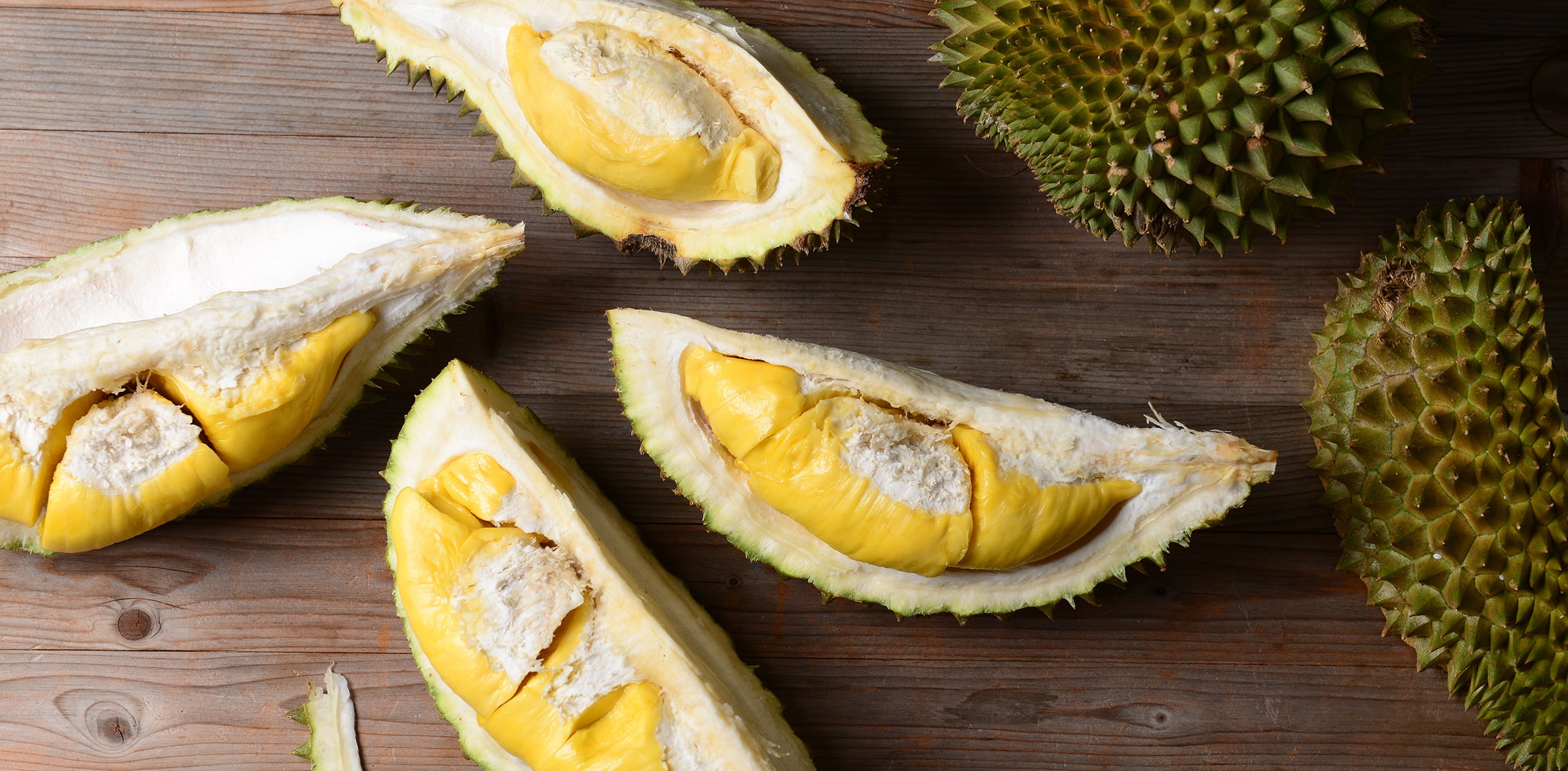
    Vietnam’s durian exports reached a new high last year, with the total value reaching US$3.86 billion. This figure is more than 20% higher than the previous year’s record, making durian the most significant export among all fruits and vegetables from Vietnam. The country’s customs data reveal that durian exports contributed over 45% to the total value of $8.56 billion.

    Other Top Fruit and Vegetable Exports

    Durian was not the only fruit of note in Vietnam’s export list. Fresh coconuts registered an impressive growth rate of 36.6%, although the total export value of $534 million placed it far behind durian. Dragon fruit, another significant export, earned $526 million, despite a slight decrease in its export value.

    Adaptation to Market Requirements Spurs Growth

    According to Dang Phuc Nguyen, General Secretary of the Vietnam Fruits & Vegetables Association, the increase in durian exports is due to Vietnamese businesses’ ability to meet stricter quality standards and other conditions set by some markets. However, he emphasized the importance of consistent quality control and market expansion for sustained growth.

    China – The Largest Market for Vietnam’s Durian Exports

    China continues to be the most significant market for Vietnam’s durian exports, a position strengthened by agreements signed last year permitting the export of frozen durians and fresh coconuts from Vietnam. In addition to China, shipments to the United States, Japan, South Korea, and Europe also experienced substantial growth. Looking ahead, the association anticipates fruit and vegetable exports to reach between $9 and $10 billion this year.

    Questions & Answers

    What was the total value of Vietnam’s durian exports last year?

    The total value of Vietnam’s durian exports last year was US$3.86 billion.

    What contributed to the growth of durian exports from Vietnam?

    The growth in durian exports from Vietnam is attributed to businesses’ ability to adapt to stricter quality standards and other conditions imposed by some markets.

    Which countries are the largest markets for Vietnam’s durian exports?

    China is the largest market for Vietnam’s durian exports, followed by the United States, Japan, South Korea, and Europe.

  • Vietnam’s Fruit and Vegetable Exports Soar: $10B Target in Sight for 2026 Amid Global Trade Growth

    Vietnam’s Fruit and Vegetable Exports Soar: $10B Target in Sight for 2026 Amid Global Trade Growth

    According to industry experts, Vietnam’s fruit and vegetable exports could hit the $10 billion mark as early as 2026, provided the current pace is sustained and structural issues are resolved. The total exports are projected to be in the range of $8-8.4 billion in 2025, marking a growth of 18% from the previous year, as reported by the Vietnam Fruit and Vegetable Association.

    Growth Amid Global Trade Volatility

    The resilience and growth of Vietnam’s fruit and vegetable export sector in spite of ongoing global trade instability underscore the enhanced competitiveness of the nation’s agricultural products in global markets. This remarkable performance can be attributed to an array of beneficial conditions, including substantial recovery of demand in major markets such as China, the U.S., South Korea, Japan and the European Union. Furthermore, an increase in official export approvals for Vietnamese fruits to high-demand markets has created new avenues for growth.

    Nguyen Thanh Binh, chairman of the association, indicated that the growth in exports in recent years has evolved from seasonal peaks into a consistent upward trend. An increased emphasis on quality, traceability, and compliance with market standards has aided Vietnamese produce in establishing a more stable presence within global supply chains.

    Despite being the largest market and accounting for a significant proportion of shipments, China also poses the greatest challenges to the industry, as Binh noted.

    Persistent Vulnerabilities

    While there has been a robust increase in export value, market volatility and policy changes continue to cause disruptions in shipments to China. Dr. Nguyen Dinh Bich, an expert in agricultural economics, pointed out that the sector’s greatest vulnerability is seen in production organization. Despite the speedy growth, it lacks a firm grounding and without stronger connections from raw material sources to processing and distribution, the industry could be susceptible to changes such as tightened standards or altered regulations by major markets.

    Learning from past instances of congestion at border gates remains crucial, particularly as importing countries continue to elevate their requirements regarding quarantine, food safety, and sustainability.

    Striving for the $10 Billion Goal

    Despite these challenges, the long-term prospects remain favorable. Riding on the wave of consistent double-digit growth in recent years and Vietnam’s position among the world’s top 25 trading nations, the association is confident that exports could reach $10 billion by 2026.

    Many businesses deem this target achievable if existing roadblocks are overcome. A representative from the Tien Giang Vegetables and Fruits Joint Stock Company said that there remains potential for processed goods and premium fresh fruit. However, businesses require stable policies regarding raw material zones, logistics, and market access.

    Logistics costs, particularly those related to cold-chain logistics, constitute a substantial portion of expenses, compromising competitiveness with regional counterparts.

    Experts emphasize the necessity for comprehensive, long-term solutions, including focused farming zones, standardized production unit codes, and packing facilities certified in line with market demand. Diversifying export markets and increasing the share of processed goods are also seen as essential.

    Binh further underscored that continued government support in areas such as market access, standardization, and credit and logistics infrastructure will be crucial to ensuring sustainable growth.

    Questions & Answers

    What are the main challenges to Vietnam’s fruit and vegetable export industry?
    The main challenges include market volatility, policy changes, high logistics costs, and the need for stronger connections from raw material sources to processing and distribution.

    What are the proposed solutions to these challenges?
    Proposed solutions include the creation of concentrated farming zones, standardization of production unit codes, certified packing facilities, diversification of export markets, and increased government support in various areas.

    What is the projected value of Vietnam’s fruit and vegetable exports in the near future?
    Industry experts believe that Vietnam’s fruit and vegetable exports could reach $10 billion as early as 2026, given the current pace of growth and provided structural issues are properly addressed.

  • Billion-Dollar Boom: Vietnam’s Banana Exports Set to Topple Records

    Billion-Dollar Boom: Vietnam’s Banana Exports Set to Topple Records

    Vietnam’s banana exports could potentially surpass the US$1 billion threshold in the near future due to increased investment, value-chain-driven production, and expanded export markets, a number of experts and industry insiders have highlighted. They shared this optimistic outlook during a recent forum held in Ho Chi Minh City that focused on strategies for preventing and controlling Panama disease in bananas.

    Current Production and Future Prospects

    Assoc. Prof. Dr. Le Quoc Doanh, a previous deputy minister of Agriculture and Rural Development and current chairman of the Vietnam Gardening Association, shed light on the current state of banana production in Vietnam. He indicated that the country produces approximately 2.8 million tonnes of bananas annually.

    Doanh pointed out that both the acreage dedicated to banana cultivation and the resultant yields have been on an upward trend. This growth reflects an increasing market demand and the sector’s expanding production capacity.

    In 2024, bananas accounted for about $372-378 million of Vietnam’s total fruit exports, trailing behind durian, dragon fruit, and coconut. Nonetheless, Doanh believes the current contribution of bananas to the export economy is still quite modest relative to the sector’s production scale and overall potential.

    Pham Quoc Liem, chairman of U&I Agriculture Corporation, shared his insights from a business point of view. He mentioned that the global banana market was worth approximately $15.3 billion in 2024, and is projected to balloon to $21 billion by 2030. Vietnam, despite being the ninth largest banana producer globally, has a relatively low share in banana exports.

    Liem also highlighted that Vietnamese bananas command less than 40% market share in China, around 3% in Japan, and below 17% in South Korea. These figures suggest that there is a significant potential for growth in these markets.

    Challenges Ahead

    The banana industry in Vietnam, while having strong prospects, faces several challenges. Nguyen Quoc Manh, deputy director of the Department of Crop Production and Plant Protection, stated that producers have limited access to market information. This problem is compounded by sharp fluctuations in prices, especially for shipments that fail to meet official export standards.

    Furthermore, stricter technical barriers in some markets, particularly those related to plant quarantine and chemical residue limits, are intensifying pressure on both farmers and exporters.

    Doanh identified plant disease as the greatest threat facing the sector, with Panama disease being the most dangerous. He called for a comprehensive strategy that encompasses plant varieties, cultivation techniques, production organization, and market development.

    Tackling Panama Disease

    Panama disease has been a major global issue since the mid-20th century, inflicting an estimated $1 billion in losses each year. Vietnam has experienced the effects of this disease since 2016-2017, leading to significant reductions in Cavendish banana production and forcing farmers to switch to alternative crops.

    To mitigate the disease’s spread, Vietnam has participated in international cooperation programs such as the Asia-Pacific Banana Network. The country has also boosted its own research and training efforts.

    Dr. Tran Ngoc Hung from the Fruit and Vegetable Research Institute emphasized that the most sustainable solution is developing banana varieties that are resistant to Panama disease.

    Future Developments

    Experts have concurred that with effective disease control, sustainable production restructuring, and stronger value chains, Vietnam’s banana industry can potentially become a billion-dollar export in the near future.

    Manh projected that the total area dedicated to banana cultivation in Vietnam this year would be around 163,000-163,500 hectares, with an estimated annual output of 2.75 million tonnes.

    Questions & Answers

    What is the current value of Vietnam’s banana exports?
    In 2024, Vietnam’s banana exports were worth approximately $372-378 million.

    What challenges does the banana sector in Vietnam face?
    The key challenges include limited access to market information for producers, price fluctuations, increasingly strict technical barriers in export markets, and threats from plant diseases, particularly Panama disease.

    What is the projected annual output of bananas in Vietnam?
    Vietnam is projected to produce an estimated 2.75 million tonnes of bananas annually.

  • Vietnam’s Aquatic Exports Soar to Historic Heights, Anticipating $11.3B Record Despite Global Challenges

    Vietnam’s Aquatic Exports Soar to Historic Heights, Anticipating $11.3B Record Despite Global Challenges

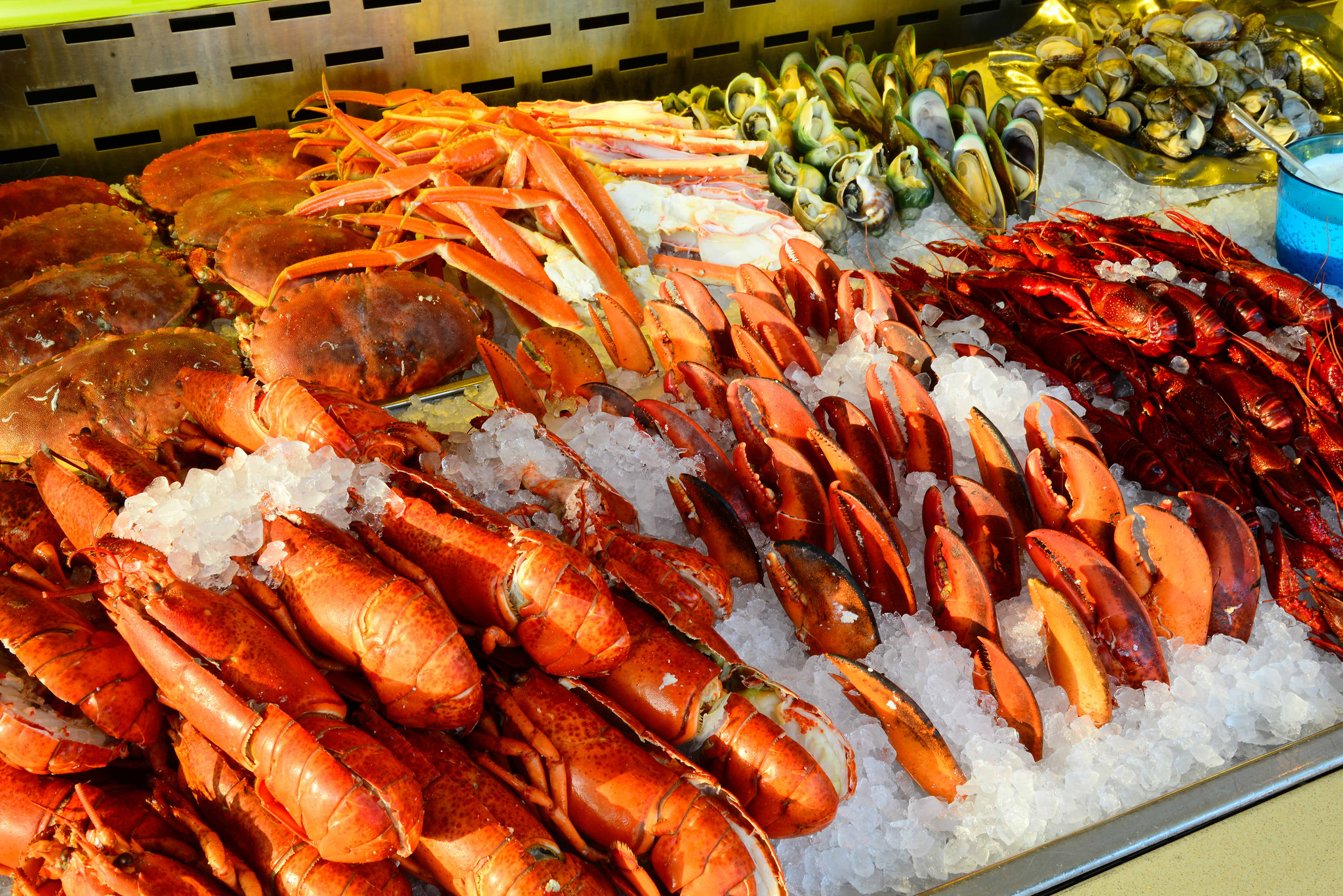
    Vietnam’s seafood exports have consistently shown strong growth, and they are on track to reach an unprecedented high this year, despite certain obstacles. In the initial 11 months of 2025, the total revenue from seafood shipments was over US$10.5 billion, marking an increase of 14.6% compared to the same period in the previous year, as reported by the Vietnam Association of Seafood Exporters and Producers.

    Breakdown of Seafood Exports

    Among the various types of seafood, shrimp was a significant contributor to the overall growth, generating $4.31 billion, representing a 21.2% increase year-on-year. Pangasius, a type of catfish, brought in over $2 billion, a rise of 9%, and tuna accounted for $855.7 million. Furthermore, molluscs, marine fish, and value-added products all experienced growth in the double digits.

    Major Export Markets

    Countries that are part of the Comprehensive and Progressive Agreement for Trans-Pacific Partnership (CPTPP) were the primary recipients of Vietnam’s seafood exports, accounting for 27.2% of total shipments. The volume of exports to these nations grew by 24.3% year-on-year.

    China and the EU also saw significant increases in shipments, with growth of 30.6% and 11.9% respectively. Additionally, exports to the U.S. increased by 8.1%, reaching $1.78 billion.

    Le Hang, the deputy general secretary of the association, observed that the success of Vietnam’s seafood exports, in spite of an unpredictable global market, is a testament to the strategies adopted by its exporters, which are both proactive and adaptable.

    Outlook for December and the Future

    The exports are expected to experience a minor decline in December due to seasonal impacts and a cautious approach from exporters dealing with the U.S., as several businesses have chosen to temporarily limit new orders from the U.S. due to the impending guidance on its Marine Mammal Protection Act. However, shrimp shipments may not be significantly affected due to steady demand from Japan, the EU, and CPTPP nations.

    Looking at the current data and end-of-year projections, it is anticipated that the annual revenue from seafood exports will reach somewhere between $11.2 and $11.3 billion, which would be the highest figure to date. Shrimp exports are projected to exceed $4.6 billion, thereby setting a new record, and it is forecasted that the shipments of pangasius will surpass $2.1 billion due to the recovering demand in Asia. Tuna exports are also estimated to surpass $900 million.

    Questions & Answers

    What factor contributed the most to the growth in Vietnam’s seafood exports?
    The largest contributing factor to the growth in Vietnam’s seafood exports was shrimp, which generated $4.31 billion and saw a 21.2% increase compared to the previous year.

    How have Vietnam’s seafood exports fared in the global market?
    Despite uncertainties in the global market, Vietnam’s seafood exports have shown consistent growth due to the proactive and adaptable strategies of its exporters.

    What is the projected revenue from Vietnam’s seafood exports this year?
    Based on current data and end-of-year predictions, the annual revenue from seafood exports will likely reach between $11.2 and $11.3 billion, which would be the highest figure to date.

  • Spicing Up Profits: Vietnam Rakes in $1.5B from Pepper Exports amid High Demand

    Spicing Up Profits: Vietnam Rakes in $1.5B from Pepper Exports amid High Demand

    By the end of November, Vietnam had exported approximately 225,000 tonnes of pepper, generating over US$1.5 billion in revenue. Despite a 4.4% year-on-year reduction in export volume, there was a 24.4% increase in revenue due to robust demand and consistently high export prices, as reported by the Vietnam Pepper and Spice Association (VPSA).

    Export Prices and Major Markets

    In the period from January to November, the average export price stood at $6,618 per tonne for black pepper and $8,636 per tonne for white pepper. This represented a rise of $767 and $2,175 respectively, compared to the same period the previous year.

    The U.S. continued to be Vietnam’s largest export market, accounting for 21.7% with 48,849 tonnes, despite a 28% decrease. This was followed by the United Arab Emirates (UAE) taking in 19,930 tonnes, China with 17,744 tonnes, India importing 11,750 tonnes, and Germany with 10,876 tonnes.

    November Trade Figures

    In November alone, Vietnam exported 18,582 tonnes of pepper, which included 16,322 tonnes of black pepper and 2,260 tonnes of white pepper. This resulted in earnings of $121.5 million. Compared to October, export volume decreased by 4.4% and value fell by 6.2%. However, compared to the previous year, there was a substantial increase of 16.5% in volume and 14.2% in value.

    The average export price in November was $6,519 per tonne for black pepper and $8,072 per tonne for white pepper. This represents a 1.2% increase for black pepper, but a 3.8% decrease for white pepper on a month-to-month basis.

    Imports of Pepper

    On the import front, Vietnam imported 2,459 tonnes of pepper in November, valued at $15.2 million. This was a significant 47.2% increase from October but a steep 43.9% decrease compared to November 2024. Cambodia was the largest supplier in that month, providing 1,506 tonnes (61.2%), followed by Brazil with 475 tonnes and Indonesia with 210 tonnes.

    By the close of November, Vietnam had spent a total of $252 million on importing 40,242 tonnes of pepper. The year-on-year increase in import volume was 22%, and the value rose by 62.3%, indicating stronger purchasing for re-export and processing. Brazil remained the largest supplier with 18,956 tonnes (an increase of 10.6%), followed by Cambodia with 11,211 tonnes (a surge of 65.5%). Meanwhile, Indonesia supplied 7,156 tonnes, a sharp decrease of 49.3%.

    Questions & Answers

    What was the total revenue from Vietnam’s pepper exports by the end of November?
    Vietnam generated over US$1.5 billion from pepper exports by the end of November.

    Which countries are the biggest importers of Vietnamese pepper?
    The U.S., the United Arab Emirates, China, India, and Germany are the major importers of Vietnamese pepper.

    Who are the main suppliers of pepper to Vietnam?
    Brazil, Cambodia, and Indonesia are the primary suppliers of pepper to Vietnam.

  • Radiation-Safe Indonesian Shrimp Lands on US Shores: A Triumph in Seafood Exports

    Radiation-Safe Indonesian Shrimp Lands on US Shores: A Triumph in Seafood Exports

    Indonesia has recommenced its shrimp exports to the United States with a hefty haul of 182 tonnes, valued at IDR25 billion, or approximately US$1.5 million. Importantly, these shipments come bearing certification of being free from Cesium-137 contamination.

    Regaining Market Trust

    Wahyu Sakti Trenggono, Indonesia’s Minister of Maritime Affairs and Fisheries, shared this encouraging news during an event at the Tanjung Priok Port in North Jakarta. He revealed that this marked the second such shipment since the Indonesian government confirmed that their shrimp products adhere to international radiation safety standards. This development seems to suggest that the confidence of the U.S. market in Indonesian shrimp is gradually being restored.

    Ensuring Radiation Safety

    Trenggono also explained that the assurance of the absence of Cesium-137, a radioactive isotope, was made possible through a collaborative effort between the fisheries ministry, the National Research and Innovation Agency, and the Nuclear Energy Regulatory Agency. This cross-institutional cooperation played a crucial role in ensuring the safety and international standard-compliant status of the shrimp exports.

    Quality Assurance

    The head of the MMAF Quality Assurance Agency, Ishartini, provided further insights into the certification process. She disclosed that the U.S. Food and Drug Administration (USFDA) had duly recognized their agency as a certifying body as of October 31 this year. As a result, only fishery products that successfully pass the Certificate of Quality and Safety of Fisheries Products (SMKHP) and radiation tests will be approved for export with this certified status.

    Following the approval, Indonesia had previously exported 121 containers of shrimp in October, after the fisheries ministry executed radiation scanning of a total of 920 containers destined for the U.S.

    Questions & Answers

    What is the significance of the recent shrimp shipment from Indonesia to the U.S.?
    The shipment indicates a recovery of U.S. market trust in Indonesian shrimp products after they were certified free from Cesium-137 contamination.

    Who issued the certification of freedom from Cesium-137 for the shrimp exports?
    The certification was issued through a collaboration between Indonesia’s fisheries ministry, the National Research and Innovation Agency, and the Nuclear Energy Regulatory Agency.

    What criteria must Indonesian fishery products meet to be approved for export to the U.S.?
    Fishery products must pass the Certificate of Quality and Safety of Fisheries Products (SMKHP) and radiation tests to be considered for export to the U.S.

  • Vietnam’s Agricultural Exports Soar by 12.6%: Thriving Market for Coffee, Fruits, and Vegetables

    Vietnam’s Agricultural Exports Soar by 12.6%: Thriving Market for Coffee, Fruits, and Vegetables

    In the first eleven months of 2025, the exportation of agricultural, forestry, and fisheries products increased by 12.6% on a year-on-year basis, totaling a whopping US$64 billion.

    Breakdown of Agricultural Exports

    The agricultural sector contributed significantly to this figure, accounting for $34.24 billion, representing an increase of 15% over the period. In particular, the average price of coffee exports experienced a significant boost, escalating by 40% to reach $5,667 per ton. Germany, Italy, and Spain emerged as the primary destination markets for these coffee exports.

    Furthermore, exports of fruits and vegetables witnessed a near 20% rise, amounting to $7.91 billion. This surge was primarily driven by robust demand from the Chinese and U.S. markets.

    Challenges in the Export Market

    Despite the general upward trend, not all products enjoyed the same level of success. Cashew and pepper exports did increase; however, some key commodities encountered challenges.

    Rice exports, for instance, took a substantial hit, declining by 27.7% to $3.83 billion due to increased competition. Similarly, exports of tea and rubber suffered a downturn as demand for these products weakened.

    Government’s Future Plans

    Phung Duc Tien, the Deputy Minister of Agriculture and Environment, recently stated that by the close of the year, the export value of agricultural, forestry, and fisheries products could reach an approximate $70 billion.

    In an effort to boost this sector further, the government is focusing on promoting green, organic, and circular agricultural models. These initiatives aim to preserve natural resources and biodiversity. Additionally, the government intends to fortify regional linkages to create a more unified, strong sector.

    Questions & Answers

    What was the total value of agricultural, forestry, and fisheries exports in the first eleven months of 2025?
    The total value was US$64 billion, representing a 12.6% increase year-on-year.

    Which agricultural products saw an increase in export value?
    The price of coffee exports rose by 40%, and there was a nearly 20% increase in the exportation of fruits and vegetables.

    Which agricultural products faced challenges in the export market?
    Rice exports faced a significant decline due to rising competition, and the shipment of tea and rubber products also dropped because of weakened demand.

  • Vietnam’s Exports Skyrocket: Breaking Records with $126 Billion Sales to US in 2022

    Vietnam’s Exports Skyrocket: Breaking Records with $126 Billion Sales to US in 2022

    The first ten months of the year saw a notable increase in exports to the U.S., with figures hitting a historical record that surpasses the full year of 2024. The boost was largely driven by the sectors of electronics and textiles. According to Vietnam Customs, there was a 28% year-on-year increase, bringing the total to US$126 billion, which represents over 30% of all exports.

    Key Contributors to the Export Increase

    A major factor in this increase was the growth in the export of computers, electronic products, and components. These rose by nearly 78% to over $34 billion, bolstered by a high demand for AI servers, tech devices, and parts required for semiconductor production.

    The shipment of machinery and equipment also experienced growth, with a 9.2% rise taking the total to $19.6 billion. Meanwhile, exports of phones and components saw a slight upward trend, totaling $9 billion, following a stagnant period of two years.

    The structure of Vietnam’s exports is also being transformed by a significant rise in the exports of toys and sporting goods. As numerous U.S. companies began to shift their orders away from China, this category witnessed an increase of over 255%, reaching $5.24 billion.

    Impressive Growth in Agriculture and Aquatic Exports

    There was also a substantial increase in agricultural and aquatic exports. Fruit and vegetables, coffee, and rubber products saw shipment increases of 58.5%, 60% and 51% respectively.

    Following a prolonged period of significant decline, aquatic products experienced a resurgence. There was a 7.5% increase in growth as U.S stocks dropped and the demand for premium seafood regained momentum. Textile and garment shipments also made a strong recovery, with an 11.4% rise bringing the total to $14.8 billion.

    Seafood companies in An Giang reported that goods with clear provenance and high quality were still being fairly easily accepted into the U.S. market. A number of firms are broadening their horizons and branching out into the halal market, whilst also exploring markets with consumption patterns that mirror the U.S.

    Shifting Global Supply Chains

    Analysts believe that this growth in exports is indicative of a significant shift in global supply chains. As U.S. companies increasingly look to reduce their dependence on China due to high tariffs, Vietnam’s standing in a range of product markets is being bolstered.

    Questions & Answers

    What factors contributed to the increase in exports to the U.S.?
    The increase in exports to the U.S. was driven by a surge in several sectors including electronics, textiles, toys, and sporting goods. The demand for tech devices and components for AI servers and semiconductor production also played a significant role.

    What changes occurred in the export structure of Vietnam?
    The export structure of Vietnam is experiencing a transformation due to the significant rise in the exports of toys and sporting goods. This is largely as a result of U.S. companies shifting their orders away from China.

    Has there been growth in the agricultural and aquatic exports?
    Yes, there has been a substantial increase in agricultural and aquatic exports. Shipments of fruits and vegetables, coffee, and rubber products rose significantly. After a steep decline, aquatic products also rebounded with a growth of 7.5%.

  • Vietnam’s Coffee Exports Skyrocket, Set to Surpass $8B in 2025 Thanks to Quality Boost and Market Expansion

    Vietnam’s Coffee Exports Skyrocket, Set to Surpass $8B in 2025 Thanks to Quality Boost and Market Expansion

    The Vietnam Coffee-Cocoa Association has recently projected that coffee exports for this year could greatly exceed expectations, potentially reaching over US$8 billion. This is a substantial increase from the previously set target of $6 billion for 2030. The association attributes this optimistic forecast to three primary factors, namely enhanced product quality, an increased proportion of processed products, and strategic long-term market expansion.

    According to the Ministry of Agriculture and Environment, Vietnam’s coffee exports in the first ten months of this year amounted to 1.3 million tonnes, bringing in $7.41 billion. This indicates a remarkable growth of 61.8% compared to the same period last year. Notably, shipments to several markets, including Mexico, experienced exceptional growth. Specifically, exports to Mexico increased by a factor of 34.7.

    The average export price of coffee also saw a significant increase, reaching $5,653 per tonne, a 42.5% surge from the previous year. The association cited that the low coffee prices prior to 2020 resulted in farmers reducing their plantations, thereby decreasing the overall supply. Conversely, businesses have increased their investments in sustainable production chains to enhance quality in compliance with international standards.

    The tight global supply paired with the continued rise in demand led to a spike in coffee prices, propelling export revenue to unprecedented levels. The Association went further to analyze that free trade agreements, particularly the EU-Vietnam Free Trade Agreement (EVFTA), have encouraged both businesses and farmers to adjust their practices to meet stricter emission and quality standards.

    This year saw the coffee industry develop a comprehensive ecosystem focused on responsible production, ranging from raw-material sourcing to processing. This move is expected to pave the way for sustainable growth in the years to come.

    Questions & Answers

    What led to the surge in Vietnam’s coffee exports?
    Enhanced product quality, an increased proportion of processed products, and strategic long-term market expansion are major factors that have contributed to the surge in Vietnam’s coffee exports.

    How have free trade agreements impacted the coffee industry in Vietnam?
    Free trade agreements, specifically the EU-Vietnam Free Trade Agreement (EVFTA), have encouraged businesses and farmers in Vietnam to adjust their practices to conform to stricter emission and quality standards.

    What steps have been taken towards sustainable growth in Vietnam’s coffee industry?
    The industry has developed a comprehensive ecosystem focused on responsible production, which spans from raw-material sourcing to processing. This is a strategic move towards achieving sustainable growth in the future.

  • Vietnam’s Fruit Exports Skyrocket to $4.06B in China: Durian and Banana Leading the Charge

    Vietnam’s Fruit Exports Skyrocket to $4.06B in China: Durian and Banana Leading the Charge

    In the first three quarters of 2025, Vietnam set a new export record, shipping out fruits and vegetables worth US$4.06 billion to China, marking a 19% increase in comparison to the previous year. This growth was largely driven by the export of durian and banana.

    Vietnam’s Market Share in China

    According to the data from Chinese customs, these exports accounted for 20% of China’s total fruit and vegetable imports, marking an increase from 17.9% a year earlier. Durian was the leading export product, with shipments valued at $2.3 billion. The average export price per ton was $3,696, which is 14-15% less than that of Thai durian. This fact has positioned Vietnam as the second-largest exporter of this fruit to China, preceded only by Thailand.

    The Popularity of Vietnamese Bananas

    Bananas were another significant export product, with shipments totaling $232 million, a 16% annual increase. With an average price of $409 per ton, Vietnamese bananas were considerably less expensive than those from the Philippines and Ecuador, which cost $589 and $757 respectively. This has made Vietnamese bananas a favorite among Chinese importers, particularly in border provinces such as Guangxi and Guangdong, where consumers value fresh, affordable, and high-quality products.

    China’s Fruit and Vegetable Imports

    Chinese imports of fruits and vegetables amounted to nearly $20.3 billion in the first nine months of 2025. Thailand was the leading supplier, with its exports to China accounting for $6.7 billion, representing a yearly increase of 10% and a 33% share of the market.

    Vietnam’s Export Strategy

    Dang Phuc Nguyen, the general secretary of the Vietnam Fruits & Vegetables Association, noted that Vietnamese exporters benefit from the close geographical proximity to China, resulting in lower transportation durations and costs. A representative from an exporter in Can Tho, a major durian producer, confirmed this, stating that this advantage enables them to maintain the freshness and quality of the fruit while cutting shipping costs by half compared to their Thai competitors.

    Free trade agreements, like ASEAN-China and RCEP, as well as bilateral quarantine protocols, have also facilitated exports. In response to China’s stricter import requirements, many Vietnamese businesses have improved their orchards and packaging lines and invested in cold storage facilities this year.

    Despite durians accounting for over half of Vietnam’s fruit and vegetable exports to China, export specialists have advised against over-reliance on a single product. To enhance its market share in China, they recommend that Vietnam diversify its products, improve storage technology, and adhere to quality standards.

    Questions & Answers

    What is the main fruit exported from Vietnam to China?
    Durian is the main fruit that Vietnam exports to China.

    How have Vietnamese businesses upgraded in response to China’s stricter import requirements?
    Vietnamese businesses have upgraded their orchards and packaging lines and invested in cold storage to meet China’s stricter import requirements.

    What are the recommendations for Vietnam to increase its market share in China?
    To increase its market share in China, Vietnam should diversify its products, improve its storage technology, and adhere to quality standards.

  • Vietnamese Pepper Exports Spice Up by 25%, Despite Increased Competition from Brazil

    Vietnamese Pepper Exports Spice Up by 25%, Despite Increased Competition from Brazil

    In the first ten months of 2025, Vietnam’s pepper exports experienced an increase of over 25% in comparison to the previous year. This growth occurred even though the export volume dropped 5.9% to 206,427 tonnes, as reported by the Vietnam Pepper and Spice Association.

    Key Export Markets

    The United States maintained its position as the largest market for Vietnamese pepper. The U.S. imported a total of 44,262 tonnes, which represented 21.4% of Vietnam’s total exports. Other important markets included the United Arab Emirates, China, India, and Germany.

    In the month of October, 19,430 tonnes of pepper were exported from Vietnam, valuing at $129.5 million. The quantity of black and white pepper exported was 16,464 tonnes and 2,966 tonnes respectively. Despite a minor decrease in both the export volume and value compared to September, there was a year-on-year increase of 5.1% and 7.7% respectively.

    Export Prices

    The average export prices for black and white pepper were $6,443 and $8,392 per tonne respectively.

    Imports of Pepper

    On the import side, Vietnam imported 37,783 tonnes of pepper during the first ten months, worth approximately $237 million. This represented a significant increase from last year. Brazil was the leading supplier, providing almost half of Vietnam’s total pepper imports.

    Despite Vietnam’s successful export performance, Brazil’s competitive position in the global pepper market is strengthening. With a weaker currency and competitive logistics costs, Brazil is expanding its output and presenting a greater challenge to Vietnam.

    Cinnamon Exports

    During the same period, cinnamon exports from Vietnam also performed well. Nearly 99,463 tonnes of cinnamon were exported, valuing at $249.5 million. This constituted a rise of 25.1% in volume and 13.2% in value compared to the previous year. The main markets for Vietnamese cinnamon included India, the U.S., Bangladesh, the UAE, and China.

    Questions & Answers

    What is the largest market for Vietnamese pepper?
    The largest market for Vietnamese pepper is the United States, which accounted for 21.4% of Vietnam’s total pepper exports.

    What is the current challenge for Vietnam in the global pepper market?
    The main challenge for Vietnam in the global pepper market is the intensifying competition from Brazil, which is increasing its output and benefiting from a weaker currency and competitive logistics costs.

    How did Vietnamese cinnamon exports perform in the first ten months of 2025?
    Vietnamese cinnamon exports performed well during this period, with an increase of 25.1% in volume and 13.2% in value compared to the previous year.

  • Vietnam Shrimp Exports Skyrocket by 22% in 2025: A Triumphant Three-Year High Driven by Global Demand

    Vietnam Shrimp Exports Skyrocket by 22% in 2025: A Triumphant Three-Year High Driven by Global Demand

    Vietnam’s shrimp industry has enjoyed a robust growth of 22% in export value year-on-year, reaching over US$3.4 billion in the first three quarters of 2025. This significant surge is the most considerable for this period within the last three years.

    Growth Drivers

    The notable increase in shrimp exports can be attributed to recovering demands from various markets, including China, the U.S, the EU, and the nations under the Comprehensive and Progressive Agreement for Trans-Pacific Partnership (CPTPP). Furthermore, the ability of Vietnamese businesses to adapt to the flux of the market has also played a key role in this growth.

    The exports to China and Hong Kong alone contributed $966 million, a 65% increase from the previous year, accounting for almost 30% of the total export value.

    Rising Inventories

    Even though there’s been a substantial growth, a surge in inventories in these markets might result in a slowdown in imports during the last quarter of this year and the beginning of 2026.

    Despite potential anti-dumping tariffs, the U.S market has also seen a growth of 4% in shrimp exports, amounting to $587 million. In a bid to diversify and mitigate risks, many businesses are steering their focus towards the EU and other Asian markets. The EU alone had a total export value of $434 million, marking an increase of 21%.

    Exports to CPTPP and Other Asian Markets

    The CPTPP bloc accounted for almost $941 million in shrimp exports, up by 34%. Within the bloc, Japan topped the chart with a total import of $426 million, due to its steady demand for convenient and sustainably processed products.

    Exports to other Asian markets such as South Korea and Taiwan experienced significant growth as well. However, exports to Canada and Russia have shown signs of stagnation.

    Future Projections

    The Vietnam Association of Seafood Exporters and Producers predicts a slight downturn in shrimp exports in the final quarter due to potential hurdles in shipments to the U.S. On a positive note, stricter controls on Indonesian exports and Ecuador’s priority on China might decrease competition in other markets, paving the way for Vietnamese shrimp in the EU, Japan, and South Korea.

    The association expressed optimism for exports to the EU throughout the festive season and into 2026. The industry could further expand its market share by adjusting promptly to market trends and enhancing the national seafood brand.

    Despite the potential slowdown due to abundant global supply and cooling prices, Vietnam’s advantages under the EVFTA, coupled with its strong processing capacity and export experience, are expected to maintain the momentum.

    Questions & Answers

    What factors contributed to the growth in Vietnam’s shrimp exports?
    The recovery of demand from China, the U.S., the EU, and CPTPP nations, along with the adaptability of Vietnamese businesses to changing market conditions, were key to the growth of shrimp exports.

    What challenges does the shrimp industry potentially face in the coming months?
    The surge in inventories could lead to a slowdown in imports in the last quarter of 2025 and the beginning of 2026. In addition, potential anti-dumping tariffs in the U.S. might pose a hurdle to the industry.

    What strategies are Vietnamese businesses employing to maintain momentum in the shrimp industry?
    To mitigate risks, businesses are diversifying their focus towards the EU and other Asian markets. They are also adapting swiftly to market trends and strengthening the national seafood brand to expand their market share.

  • Despite Shipping 7 Million Tonnes, Vietnam Rice Exports Witness Slump Amid Falling Prices and Weak Global Demand

    Despite Shipping 7 Million Tonnes, Vietnam Rice Exports Witness Slump Amid Falling Prices and Weak Global Demand

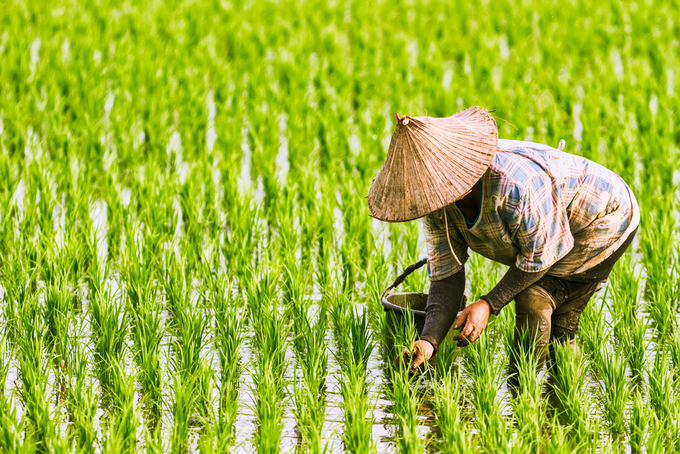
    From the start of the year through October 15, Vietnam exported more than 7 million tonnes of rice. Despite this significant export volume, domestic paddy and rice prices have seen a decline due to reduced purchases from exporters.

    Rice Export Data

    The cumulative rice exports from Vietnam for the mentioned period were 7.02 million tonnes. These exports were valued at approximately $3.59 billion. When compared to the same time frame from the previous year, there was a 4.4% decrease in volume and a 21.9% reduction in value, according to data from the Vietnam Food Association (VFA).

    Last week, the cost of 5% broken jasmine rice was between $420 and $435 per tonne, which is close to a two-month low. A trader based in Ho Chi Minh City reported that domestic trading activity has been relatively stagnant. This is primarily due to many exporters slowing their paddy purchases from farmers as a result of weak overseas demand.

    Domestic Market Performance

    In the domestic market, jasmine paddy was trading at approximately $0.20 per kilogram, reflecting a decrease from the previous week. Conversely, the price of ordinary paddy saw an increase to an average of $0.20 per kilogram, as reported by the VFA.

    In Can Tho, a city in the Mekong Delta region, prices for various types of paddy remained steady. For instance, jasmine paddy was priced at $0.36 per kilogram, OM 18 at $0.29, IR 5451 at $0.27, and ST25 at $0.40, as per the data shared by the Institute of Policy and Strategy for Agriculture and Environment.

    In An Giang province, the Department of Agriculture and Environment reported that fresh paddy prices ranged from $0.21 to $0.25 per kilogram, depending on the variety. Retail rice prices within the province were observed to range between $0.52 and $0.95 per kilogram.

    Production Updates

    Regarding production, the Ministry of Agriculture and Environment stated that by October 20, nearly 1.24 million hectares of the 2025 summer-autumn crop were sown across the Mekong Delta provinces. Harvesting has been completed with an average yield of approximately 6.06 tonnes per hectare, or an estimated total of 7.51 million tonnes of paddy.

    For the autumn-winter crop, 763,000 hectares were planted, surpassing the planned area by 102.8%. Of this, 263,000 hectares have been harvested with an average yield of 5.68 tonnes per hectare.

    Questions & Answers

    What is the total volume of rice that Vietnam exported from the beginning of the year through October 15?
    Vietnam exported more than 7 million tonnes of rice during this period.

    How have domestic paddy and rice prices in Vietnam been affected?
    Domestic paddy and rice prices have seen a decline due to reduced purchases by exporters.

    What has been the impact on domestic trading?
    Domestic trading activity has been relatively stagnant due to many exporters slowing their paddy purchases from farmers because of weak overseas demand.

  • Us Spirit Exports Plunge Amid Rising Trade Tensions, Major Markets Show Sharp Decline

    Us Spirit Exports Plunge Amid Rising Trade Tensions, Major Markets Show Sharp Decline

    The Distilled Spirits Council of the United States (DISCUS) has reported that the nation’s spirit exports saw a 9% decrease in the second quarter. The organization indicated that this marked a sharp downturn from the solid export performance recorded in 2024. The major markets that experienced steep falls include the European Union, Canada, Britain, and Japan, which collectively contribute to 70% of the total export value. DISCUS, a trade association representing leading spirit producers such as Pernod Ricard, maker of Jameson Irish whiskey, and Brown-Forman, producer of Jack Daniel’s, attributed the slump to increasing trade tensions.

    Significant Market Drops

    Canada recorded the highest decline, with US spirit exports plummeting 85% to less than $10 million in the second quarter. The majority of Canadian provinces maintain a ban on American spirits in their stores, a measure implemented in response to US tariffs targeting Canada. However, Canada lifted retaliatory tariffs in September.

    Meanwhile, other significant markets also experienced drops. Exports to the EU, the industry’s largest market, declined 12% to $290.3 million, while shipments to Britain decreased 29% to $26.9 million. Exports to Japan also fell 23% to $21.4 million.

    Industry Concerns

    “There’s a growing concern that our international customers are increasingly opting for domestically-produced spirits or imports from countries other than the US, signalling a shift away from our great American spirits brands,” commented DISCUS President Chris Swonger.

    Swonger’s statement reflects wider apprehensions in the consumer goods industry about rising anti-American sentiment in the wake of the extensive tariff regime and other policies pursued by the US government.

    Reports have also suggested that this export slump coincides with American whiskey producers struggling with slowing domestic sales and historically high inventory levels.

    Call for Tariff Revisions

    Swonger emphasized the interconnectedness of the spirits sector, implying that US tariffs impact the industry as a whole. He appealed to the administration to focus on reestablishing zero-for-zero tariffs with trading partners.

    Questions & Answers

    What was the percentage drop in US spirit exports in the second quarter?
    There was a 9% decrease in US spirit exports.

    Which country recorded the most dramatic fall in US spirit exports?
    Canada recorded the most dramatic fall with an 85% decrease in US spirit exports.

    What are some of the challenges faced by American whiskey producers?
    American whiskey producers are facing challenges such as slowing domestic sales and record-high inventory levels.