Tag: eyes

  • Fintech Giant Icapital Plans Major Expansion In Asia-pacific Amid Growing Wealth Management Opportunities

    Fintech Giant Icapital Plans Major Expansion In Asia-pacific Amid Growing Wealth Management Opportunities

    Fintech platform, iCapital, is reportedly planning to expand its presence in the Asia-Pacific region, including in cities such as Hong Kong, Singapore, and Australia.

    Expansion in Singapore

    iCapital is currently relocating to a larger office in Singapore, fueled by an expanding team and increased client activity. The firm’s Head of International, Marco Bizzozero, reported that around 30 staff members are employed in the city-state, which constitutes half of the total headcount in Asia.

    Moving to Larger Spaces

    The fintech platform is also seeking a larger office in Hong Kong as part of its expansion strategy. The goal is to acquire more sales staff in both markets to support its growing operations. In addition to this, the firm is planning to open its first Australian office.

    The Wealth Management Market

    Marco Bizzozero pointed out that the wealth management sector is still in its early stages when it comes to integrating private markets into client portfolios. He noted that current allocations to private markets by the wealth management sector are low, averaging at around three percent. However, most wealth managers are now aiming for allocations between 10 and 20 percent. This trend presents significant opportunities for firms like iCapital.

    Questions & Answers

    What is iCapital’s expansion strategy in Asia-Pacific?
    iCapital plans to expand its presence by relocating to larger offices in Singapore and Hong Kong. It is also looking to hire more sales staff in these markets and open an office in Australia.

    How many staff members does iCapital currently employ in Singapore?
    The fintech platform currently employs around 30 staff members in Singapore, which makes up half of its total headcount in Asia.

    What trends in the wealth management sector present opportunities for firms like iCapital?
    The wealth management sector is still in its infancy in terms of integrating private markets into client portfolios. However, with most wealth managers now targeting allocations between 10 and 20 percent to private markets, firms like iCapital stand to benefit significantly.


  • Saizeriya Sets Sights On Doubling China Presence With Local Production Strategy By 2035

    Saizeriya Sets Sights On Doubling China Presence With Local Production Strategy By 2035

    Saizeriya, a Japanese-owned Italian restaurant chain, has unveiled an ambitious plan to double its presence in China from its current footprint to approximately 1,000 outlets by the year 2035.

    Expansion Strategies and Local Production

    In order to facilitate its expansion, Saizeriya established a subsidiary in Wuhan in July. Furthermore, they have plans to inaugurate a $30 million plant in Guangzhou next year. This new plant will produce local ingredients, including sauces, pasta, and pizza.

    The restaurant chain aims to attract “cost-conscious” consumers with its pricing strategy. As an illustration, at its Shanghai branches, Milan-style rice is priced at 15 yuan (roughly $2), and squid-ink pasta is available for 16 yuan.

    Noboru Nagaoka, the General Manager for overseas business, provided insight into the company’s performance. According to Nagaoka, the company currently generates an annual operating income of $40 million, a figure that is triple the amount earned from its operations in Japan.

    “We initially wanted to challenge the notion that Western food had to be expensive. Our goal was to demonstrate that genuine Italian meals could also be affordable,” he explained.

    Established Presence and Future Growth

    Saizeriya launched its first branch in Guangzhou in 2007, followed by a branch in Beijing in 2008. Recently, in July, the restaurant chain established a head office in Guangdong Province. This office is responsible for managing its operations in China and standardizing menu development.

    Nagaoka stated, “The Chinese market is of utmost importance to us. Our profits from this market have already surpassed those from Japan. Moreover, the potential for future growth in China is much larger.”

    To continue expanding its presence in the Chinese market, Saizeriya plans to open a minimum of 50 new stores per year. This would align its presence in China with the approximately 1050 restaurants it currently operates in Japan.

    Questions & Answers

    What is Saizeriya’s expansion plan for China?
    Saizeriya aims to double its presence in China to about 1,000 outlets by 2035.

    How does Saizeriya plan to support its expansion in China?
    The company plans to open a $30 million plant in Guangzhou to produce local ingredients. Additionally, a subsidiary has been established in Wuhan, and a head office has been set up in Guangdong Province to manage operations and standardize menu development.

    What is Saizeriya’s pricing strategy?
    Saizeriya targets “cost-conscious” diners by offering affordable prices for its dishes. For instance, at its Shanghai branches, Milan-style rice is priced at 15 yuan, and squid-ink pasta is available for 16 yuan.

  • Nike’s Strategic Pivot To Outdoor Recreation: Revitalizing Acg Amid Rising Competition

    Nike’s Strategic Pivot To Outdoor Recreation: Revitalizing Acg Amid Rising Competition

    Nike, the sportswear behemoth, is making a strategic move into the expanding outdoor recreation industry. Starting with the launch of a new trail running shoe, Nike aims to invigorate its lesser-known sub-brand, ACG, and turn it into a vital source of growth.

    Nike’s Outdoor Recreation Strategy

    Beginning with the Ultra-Trail du Mont-Blanc event, an ultramarathon in France, Nike plans to release its Ultrafly trail running shoe, which is a part of the ACG (All Conditions Gear) outdoor sub-brand. This move is an attempt by Nike to reestablish ACG as a credible contender in the realm of performance-focused trail running shoes.

    Commenting on the broader strategy, Nike’s CEO, Elliot Hill, explained that the company is refocusing on core sports such as running in response to the growing competition from smaller brands. Nike is striving to catch up in the outdoor recreation industry, which has seen substantial growth during the pandemic, and in China, where outdoor activities have gained considerable popularity. The company’s struggle in these two markets has been a factor in its diminished share of the global sportswear industry.

    ACG Ultrafly and Future Plans

    Nike-sponsored athletes, including Anthony Costales, will wear the ACG Ultrafly during races. The shoe is scheduled to be available to consumers in spring 2026. In addition, a rejuvenated version of the Zegama trail runner, also under the ACG brand, will be released later in 2026.

    However, revitalizing the ACG brand, initially launched in 1989 with an emphasis on hiking and biking, will not be without its challenges. The brand is currently associated with “gorpcore”, a fashion trend that blends functional gear with style. Despite these challenges, Nike is looking towards the long-term benefits of this strategy, especially in the Chinese market.

    The Chinese Market

    Nike established its ACG team as a sub-brand in October and appointed Angela Dong, VP for all of Greater China, to lead the unit. Sales of outdoor apparel in China nearly doubled between 2019 and 2025, and outdoor footwear sales increased by 65% in the same period. Despite this, Nike has reported double-digit sales declines in China over the past three quarters.

    The Chinese market has posed significant challenges for Nike as it faces stiff competition from other retailers. Economic instability and high youth unemployment have also impacted spending.

    Nike’s global sportswear market share fell to 26% from 29% in 2021. Other brands such as Hoka have used trail running to bolster growth, underscoring the potential that Nike sees in this segment.

    Launching at a Hoka-sponsored event could be viewed as Nike’s attempt to overshadow its rival, demonstrating Nike’s ability to leverage its financial strength against smaller brands.

    Questions & Answers

    What is Nike’s new strategy in the sportswear market?
    Nike is focusing on outdoor recreation, reviving its ACG sub-brand with the launch of a trail running shoe.

    What challenges does Nike face in revitalizing the ACG brand?
    ACG, launched with a focus on hiking and biking, has become associated with the “gorpcore” fashion trend, which may make it difficult for the brand to reposition itself as a serious contender in the outdoor recreation space.

    What is the current state of Nike in the Chinese market?
    Despite the growth in outdoor apparel and footwear sales in China, Nike has experienced double-digit sales declines in this market over the past three quarters due to tough competition and economic factors.

  • Vipshop Experiences Q2 Revenue Decline Amid Strategic Adjustments; Foresees Growth Ahead

    Vipshop Experiences Q2 Revenue Decline Amid Strategic Adjustments; Foresees Growth Ahead

    VIPshop Holdings, a prominent Chinese online discount retailer, has reported a decrease in revenue and profit for the second quarter of the 2025 fiscal year. This decline is part of a broader strategic adjustment that the company is currently undertaking.

    Revenue and Profit Decline

    The company’s total net revenues fell by 4.1 per cent, equating to RMB 25.8 billion (US$3.6 billion), a decrease from RMB 26.9 billion recorded in the second quarter of the 2024 fiscal year. The gross profit for the second quarter stood at RMB 6.1 billion (US$845.2 million), a small drop from RMB 6.3 billion during the same period in the previous year.

    Although the company experienced a reduction in earnings, it noted an increase in customer activity and signs of inherent robustness. The Gross Merchandise Value (GMV), a critical indicator of total sales on the platform, rose 1.7 per cent year-on-year to RMB 51.4 billion (US$7.12 billion). This increase suggests enhanced engagement and transaction volume.

    Business Stability and Growth Plans

    Eric Shen, Chairman and CEO of VIPshop, said, “We managed to stabilize our business trajectory by taking quick measures to boost customer activity and sales momentum. Our vision of discount retail for brands has guided us in implementing internal changes to augment the self-reinforcing flywheel across merchandising, operations, and customer engagement.”

    VIPshop has also seen growth in its high-value customer base. This growth is primarily attributed to the double-digit increases in its Super VIP membership program. The company continues to focus on fashion and lifestyle categories to retain value-conscious shoppers, with apparel remaining a key revenue driver.

    Platform Optimization Efforts

    The company’s current platform optimization strategies, which include more stringent inventory control, more focused brand partnerships, and enhanced personalization, are part of a broader effort to distinguish itself within China’s competitive e-commerce sector.

    Despite persistent revenue pressure, the management expressed cautious optimism that its revised strategy is taking hold. The stable GMV and the growing loyalty segment are seen as early signs of a turnaround.

    Mark Wang, CFO of VIPshop, stated, “We delivered another quarter of healthy profitability, demonstrating our consistent financial discipline in prioritizing growth initiatives and optimizing resource allocation. Looking ahead, our consistent strategy and focused execution position us well to return to sustainable growth.”

    Questions & Answers

    What could be the reasons for the decline in VIPshop’s revenue and profit?
    This decline is part of VIPshop’s ongoing strategic adjustment, which involves a more stringent inventory control and more focused brand partnerships.

    How is VIPshop planning to boost customer activity and sales momentum?
    VIPshop is implementing changes across merchandising, operations, and customer engagement to improve its business trajectory.

    What are the early signs of VIPshop’s strategic realignment taking effect?
    The stability of the Gross Merchandise Value (GMV) and the growth of the loyalty segment are early indicators of a positive turnaround.

  • Belgian Bakery Le Pain Quotidien Returns To India, Plans 100 Outlets By 2035

    Belgian Bakery Le Pain Quotidien Returns To India, Plans 100 Outlets By 2035

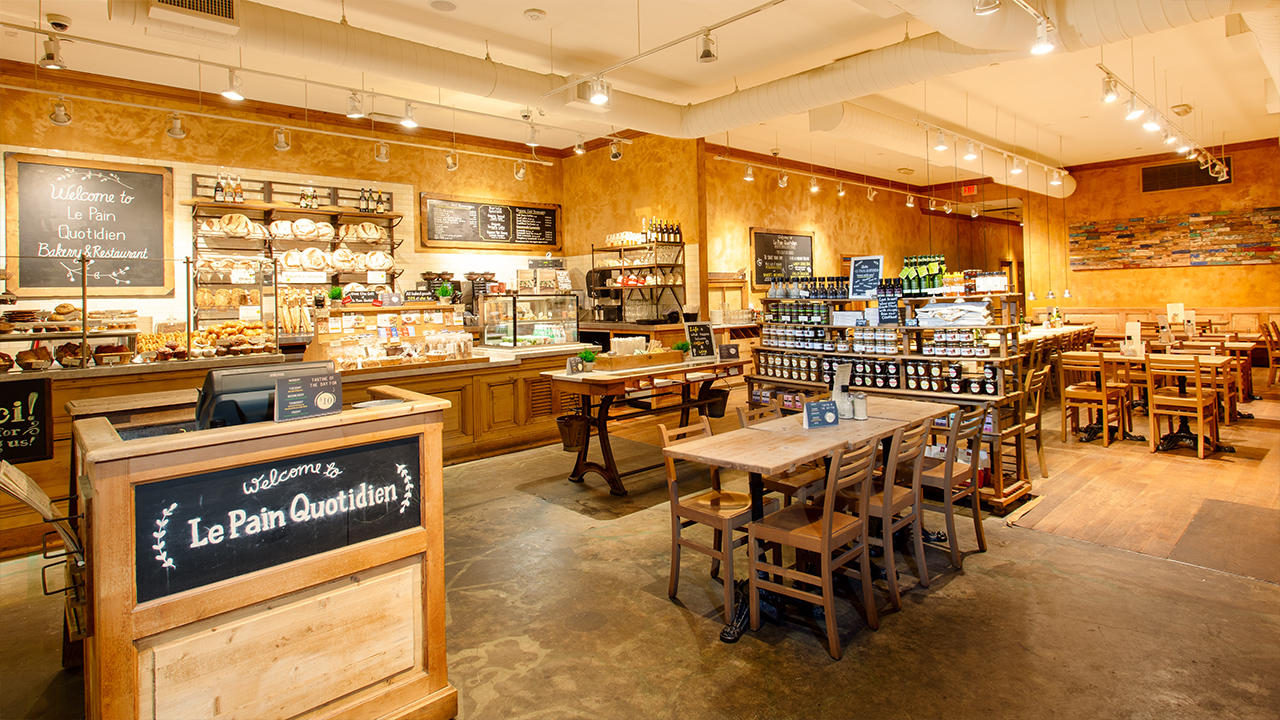
    Le Pain Quotidien, a renowned Belgian bakery-cafe chain, has made a comeback in the Indian market by establishing a fresh outlet in Palladium Mall, Mumbai. The brand’s return is facilitated through a master franchise agreement with Bake & Brew Private Limited.

    Le Pain Quotidien’s Location

    The latest store of Le Pain Quotidien is strategically positioned in the Gourmet Village zone of Palladium Mall. This zone is known for its assortment of local and international restaurants, some of which include Gold by Ice Cream Works, Burma Burma, and Kuuraku.

    Le Pain Quotidien, a name that translates to “the daily bread” in French, initially launched its venture in India in 2010. However, the brand withdrew from the Indian market during the pandemic in 2020.

    New Franchise Agreement

    In August last year, Le Pain Quotidien entered into a new franchise agreement with Bake & Brew. The arrangement has an ambitious target – to inaugurate upwards of 100 outlets across India by 2035.

    Le Pain Quotidien was first established in Brussels in 1990 by Alain Coumont. Today, the brand operates over 200 locations in 18 different countries.

    Future Expansion Plans

    Le Pain Quotidien has major expansion plans on the horizon. It aims to launch a second store in Mumbai by the close of this year, while other major cities are also in its crosshairs for expansion. The brand is particularly keen on tapping into travel and transit hubs.

    Questions & Answers

    What is Le Pain Quotidien’s expansion plan in India?
    Le Pain Quotidien plans to open more than 100 outlets across India by 2035 as a part of their franchise agreement with Bake & Brew. They also aim to open a second store in Mumbai by the end of this year.

    When did Le Pain Quotidien first launch in India and when did it exit?
    Le Pain Quotidien first launched in India in 2010 and withdrew from the market during the pandemic in 2020.

    What is Le Pain Quotidien’s focus area for its future expansion?
    Le Pain Quotidien intends to expand into major Indian cities, particularly focusing on travel and transit hubs.

  • Lenskart Eyes Expansion With $247.6m IPO; Major Shareholders To Sell Off Shares

    Lenskart Eyes Expansion With $247.6m IPO; Major Shareholders To Sell Off Shares

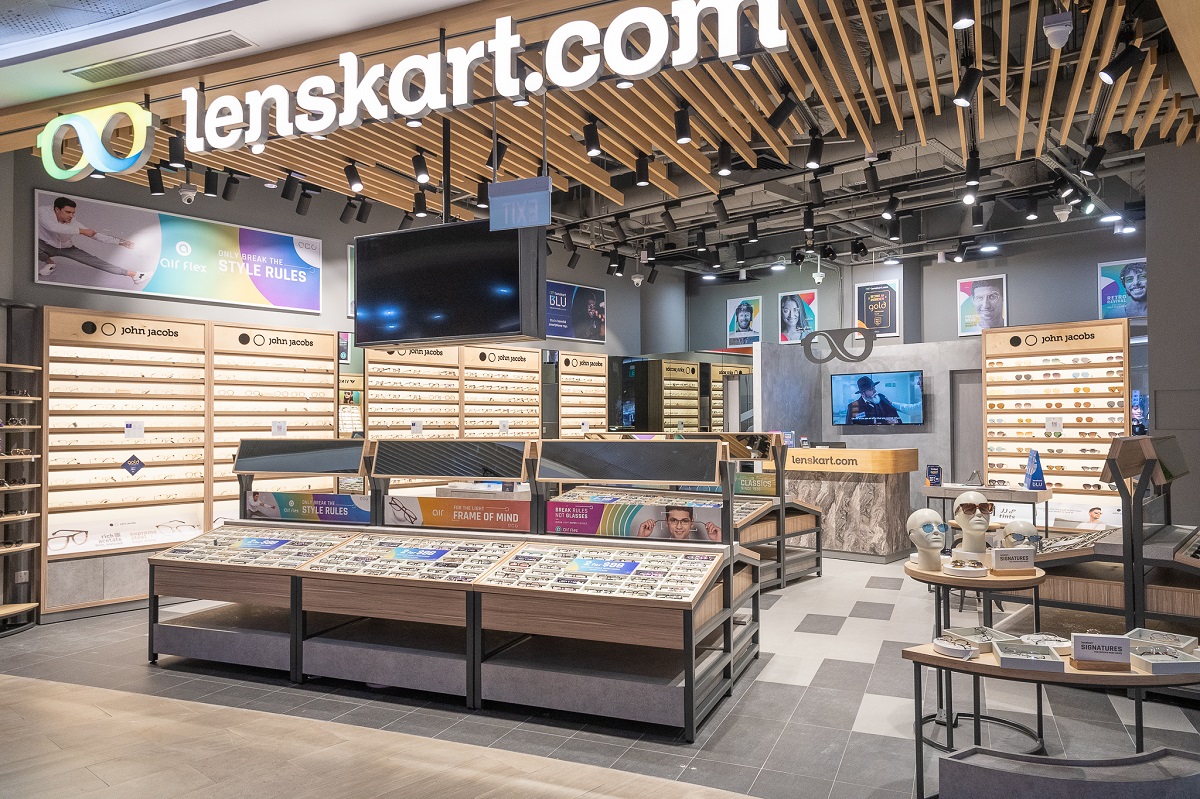
    India’s leading eyewear retailer, Lenskart, has recently submitted an application for an initial public offering (IPO), aiming to issue fresh shares valued at US$247.6 million as outlined in their draft prospectus.

    Major Shareholders Selling Shares

    The firm’s major shareholders, termed as ‘promoters’, will collectively sell off approximately 132.3 million shares. This group of promoters includes noteworthy investment firms such as Mumbai’s Kedaara Capital, Singapore’s state investment body Temasek, and SoftBank from Japan.

    Management of the IPO

    The IPO will be managed by a team of prominent financial firms. Among them are Morgan Stanley, Kotak Mahindra Capital, Axis Capital Holdings, and Citi.

    Allocation of Capital Raised

    As per the draft prospectus submitted to the Securities and Exchange Board of India (SEBI), the revenue generated from this new share issuance will be invested in establishing additional company-owned and operated stores nationwide.

    The funds from the IPO will also be allocated towards the enhancement of technology, the improvement of cloud infrastructure, and to cater for various other corporate purposes.

    Closer Look at Lenskart

    Established in 2010, Lenskart holds an impressive valuation of US$6.1 billion as of June 13. However, the company also carries a debt of US$57 million as of March 2024, as per the data provided by Tracxn.

    Questions & Answers

    What is the purpose of Lenskart’s IPO?
    Lenskart’s IPO is aimed at raising funds to invest in new company-owned and operated stores across India, as well as to enhance their technological capabilities and improve their cloud infrastructure.

    Who are the major shareholders, or ‘promoters’ of Lenskart?
    The major shareholders include Mumbai’s Kedaara Capital, Singapore’s state investment company Temasek, and Japan’s SoftBank.

    What is Lenskart’s current valuation and debt?
    Lenskart’s valuation stands at US$6.1 billion as of June 13. However, the company carries a debt amounting to US$57 million as of March 2024.

  • Indian Apple Reseller Ample Announces Ambitious Growth Plan, Aims For 35% Revenue Surge By 2026

    Indian Apple Reseller Ample Announces Ambitious Growth Plan, Aims For 35% Revenue Surge By 2026

    Ample, an Indian reseller of Apple products, has outlined ambitious growth plans aimed at achieving a 35 percent surge in revenue by the fiscal year 2026, according to the company’s Chief Executive Officer (CEO).

    Expanding Footprint and Brand Portfolio

    Based in Bengaluru, Ample supplies a variety of tech products, including Apple computers, to a large and diverse client base of over 1500 entities. Key clients include high-profile names such as SAP, Broadcom, Infosys, and Wipro. Currently, the firm operates more than 120 stores across India, with nearly 50 of these outlets dedicated to Apple products. Other brands, such as Under Armour and Asics, are also showcased in the company’s stores.

    CEO Rajesh Narang revealed plans to increase the company’s footprint to around 175 stores across various brands within the next three years. However, no specific target for the expansion of Apple-only stores was provided.

    Financial Performance and Growth Strategy

    As of the fiscal year that ended on March 31, Ample reported a revenue of 17 billion rupees (equivalent to US$197.33 million). Going forward, the company plans to focus on forging partnerships with global capability centers. These centers are operational hubs that manage various aspects such as operations, finance, and research for large multinational companies.

    Notably, Apple, which itself reported nearly $8 billion in sales in India for the year ending March 2024, operates its own stores in New Delhi and Mumbai. Despite this, Narang believes that Apple’s plans to further expand its presence in India will be beneficial for partners like Ample, as the market tends to expand in line with the brand’s presence.

    Future Plans and Investment Needs

    To fund its ambitious growth strategy, Ample plans to list on stock exchanges within the next five years. “Considering our growth ambition, there will be a requirement for capital,” Narang stated.

    Questions & Answers

    What is Ample’s future growth strategy?
    Ample plans to expand its store footprint to around 175 outlets across various brands within the next three years. The company also intends to forge partnerships with global capability centers to drive growth.

    How will Ample fund its growth plan?
    Ample plans to list on stock exchanges within the next five years to raise the necessary capital to fund its growth strategy.

    What is the anticipated impact of Apple’s expansion in India on Ample’s business?
    Ample’s CEO, Rajesh Narang, believes that Apple’s expansion in India will be beneficial for partners like Ample, as the market often grows in tandem with the brand’s presence.

  • EatKinda eyes US growth as cauliflower ice cream gains traction

    EatKinda eyes US growth as cauliflower ice cream gains traction

    New Zealand-based company EatKinda, which has garnered attention for its innovative cauliflower ice cream, is ramping up its expansion efforts in the United States as part of its global operational scaling.

    Established in 2023, EatKinda has pioneered a unique method for creating frozen treats. The company upcycles cauliflowers that may not be visually perfect, transforming them into plant-based ice cream. The eco-friendly approach extends to its packaging as well, with EatKinda opting for 100 per cent home-compostable tubs for its product.

    Mrinali Kumar, Co-founder and CEO of EatKinda, sees this expansion not only as a personal feat but also as an opportunity to highlight the inventive products emerging from Aotearoa, New Zealand. He emphasized the potential of building with a clear purpose in mind.

    According to EatKinda, the company’s ice cream formulation, which is free from dairy, gluten, soy, and nuts, has found favor among consumers looking for inclusive, sustainable sweet treats.

    In a strategic move, EatKinda is curbing its domestic operations to concentrate on its expansion in the US, a decision backed by investors such as Massey Ventures, WNT Ventures, and Beder Bite Ventures.

    EatKinda has made significant environmental contributions since its inception. The company has successfully redirected over 2900 kilograms of cauliflower from landfills and eliminated the necessity for over 45,000 plastic tubs through its compostable packaging.

    Questions & Answers

    What is unique about EatKinda’s ice cream?
    EatKinda’s ice cream is unique because it’s made from cauliflower, particularly those that are not cosmetically perfect, and it is free from dairy, gluten, soy, and nuts.

    What environmentally-friendly steps has EatKinda taken as a company?
    EatKinda has taken several steps to be environmentally friendly. They have diverted over 2900 kilograms of cauliflower from landfills and switched to 100 per cent home-compostable tubs for their product, eliminating the need for over 45,000 plastic tubs.

    What is the company’s focus in terms of its business operations?
    EatKinda is currently focusing on expanding its operations in the United States while curtailing its domestic operations in New Zealand. This strategic decision is backed by its investors.

  • Aeon eyes eightfold expansion in Vietnam by 2030

    Aeon eyes eightfold expansion in Vietnam by 2030

    Aeon, a renowned Japanese retail conglomerate, has laid out ambitious plans to increase its presence in Vietnam’s retail sector. The group is charting an eightfold expansion of its network of general merchandise stores and large-format supermarkets across Vietnam over the next half a decade, according to a report by Nikkei Asia.

    Current Operations

    Aeon currently manages 12 general merchandise stores in Vietnam, including a trio of “super-supermarkets” – a blended retail model that integrates groceries, food courts, and sections for beauty and household goods. In addition to these, the company also oversees 36 small-format supermarkets, which include Citimart outlets operated by an Aeon subsidiary.

    Yasuki Furusawa, President of Aeon Retail, shared the strategic plans with Nikkei Asia. Furusawa revealed that the company aims to operate 100 general merchandise stores and super-supermarkets, alongside 200 smaller-scale grocery stores by 2030.

    Flagship Store Expansion

    Earlier this year, Aeon inaugurated its latest flagship store, Aeon Xuan Thuy, located in a vibrant district of Hanoi, well-positioned near offices, schools, and a newly installed subway station.

    The four-level building offers a diverse range of products to its customers. The first three floors house a wide array of goods, including food, cosmetics, furniture, and apparel. The third floor also features a spacious dining area that can accommodate up to 450 patrons. Additionally, the store boasts a sizeable prepared foods section, covering 1620 square meters, where customers can choose from a variety of offerings such as sushi, ramen, boxed meals, fried dishes, and baked goods.

    “Family outings to the store, where each member can select what they want, followed by a meal around the table, is a major form of entertainment in Vietnam,” Furusawa mentioned, underscoring the cultural context of their business model.

    Questions & Answers

    What is Aeon’s expansion plan in Vietnam?
    Aeon plans to increase its network of general merchandise stores and large-format supermarkets in Vietnam eightfold over the next five years.

    How many stores does Aeon currently operate in Vietnam?
    Currently, Aeon operates 12 general merchandise stores in Vietnam, including three “super-supermarkets” and 36 small-format supermarkets.

    What does Aeon’s flagship store in Hanoi offer?
    Aeon Xuan Thuy, the flagship store in Hanoi, offers a range of products including food, cosmetics, furniture, and apparel across its first three floors. The third floor also features a 450-seat dining area and a substantial prepared foods section.

  • George & Matilda expands up to 70 practices

    George & Matilda expands up to 70 practices

    George & Matilda now has 70 practices in its network, a milestone for the eyecare retailer started in 2016, which brings together independent optometrists under a single banner.

    According to CEO Chris Beer, this model has been the key to success for the business, which recently added local optometrists in Victoria, Queensland and New South Wales.

    “We pride ourselves on being a home for any practice that is focused on delivering the best care for their patients, no matter how they do so,” Beer said.

    “This makes for a very varied and diverse group of partners, which we believe is our key strength.”

    According to Beer, the firm’s ability to listen and learn from its partners to gather information which can then be filtered through its marketing, supply chain and business support structures has resulted in “fantastic results at a time when a lot of retail is hurting.”

    IBISWorld estimates the optometry and optical dispensing industry to be worth approximately $3.7 billion in Australia, with an annual growth of 2.9 per cent between 2014-19.

    Much of this is due to the industry’s distinct mix of retail and service elements, according to IBISWorld senior industry analyst Liam Harrison.

    “With around half of Australians requiring glasses, there is a large market for industry services,” Harrison told IR.

    “Combining traditional retail with service elements has helped the industry both remain relevant and protect its profitability at a time when consumers are looking to reduce their expenditure where they can.”

    However, with businesses offering the purchase of eyewear online, the offering of service elements may not be mandatory to survive in the industry, Harrison argues.

    Looking forward, Beer believes the next year will be transformative for George & Matilda.

    “We started this business with the vision to help the world see better by supporting and uniting local independents to build the best optometry community,” Beer said.

    “It’s a big ambition, but we have invested the time and resources to create something that can bring about meaningful change for the industry in the long term.”