Tag: eyewear

  • Jins Makes Spectacular Debut in Vietnam: First Flagship Store Unveiled in Saigon Centre Amid Expansion Plans

    Jins Makes Spectacular Debut in Vietnam: First Flagship Store Unveiled in Saigon Centre Amid Expansion Plans

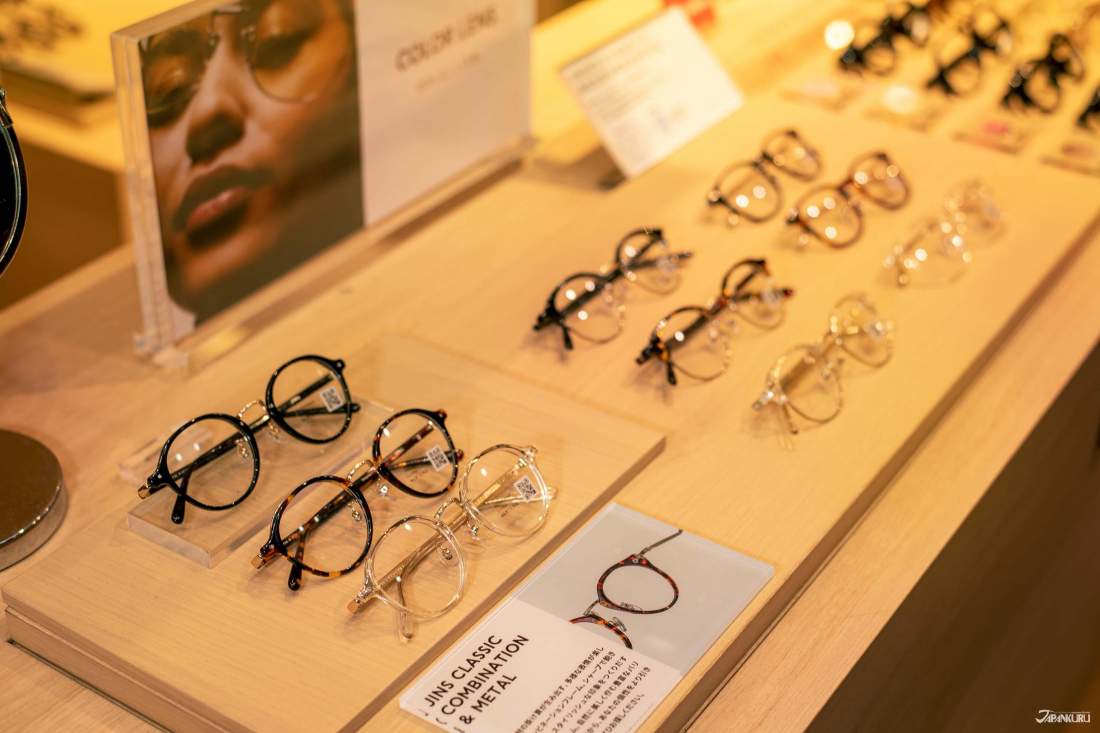
    In a strategic move to expand its footprint across Southeast Asia, Jins, a renowned Japanese eyewear retail brand, has inaugurated its introductory store in Vietnam. The expansive 200-square-meter flagship store is centrally located at Saigon Centre in Ho Chi Minh City.

    Reflective Design and Core Collections

    The design of the newly established store is a true reflection of the brand’s minimalist approach that combines unadorned simplicity with purposeful utility. The interior of the store embraces the Japanese spatial concepts, Shakkan-ho and Chigaidana, creating an environment of balance and systematic order. This design philosophy is a characteristic feature seen across all Jins outlets in Asia.

    The Vietnam branch offers the company’s key collections, namely Airframe, 360°, Home, and Combination Titanium. These collections are known for their lightweight materials, flexible hinges, and understated styling.

    A Significant Milestone

    The launch in Vietnam represents a significant landmark in the global expansion journey of Jins. Atsushi Ogawa, director of Jins Vietnam, expressed his delight in bringing the brand’s ‘Magnify Life’ philosophy to Vietnamese customers. This philosophy unifies functionality, creativity, and design aspects.

    Ogawa stated, “Jins is committed to establishing a long-lasting presence in Vietnam while also contributing to the growth of the local eyewear market. Our approach is centered on quality, innovation, and a customer-centric experience.”

    Future Expansion Plans

    In addition to launching the flagship store, Jins intends to unveil two more outlets in Ho Chi Minh City this month. The company initially entered the Vietnamese market in June with a temporary pop-up store. This store served to measure local demand before the brand’s permanent installation.

    This debut in Vietnam represents Jins’ eighth overseas market, following its presence in Japan, China, Taiwan, Hong Kong, the Philippines, the US, and South Korea. As of September this year, the company runs 810 stores worldwide, making Vietnam a significant addition to its Southeast Asian network.

    Questions & Answers

    What is the design philosophy of Jins?
    Jins follows a minimalist design ethos that combines simplicity with utility, reflecting Japanese spatial concepts such as Shakkan-ho and Chigaidana.

    What are the key collections offered by Jins in its Vietnam store?
    The Vietnam store carries Jins’ core collections, including Airframe, 360°, Home, and Combination Titanium, embodying lightweight materials, flexible hinges, and restrained styling.

    What are the future expansion plans of Jins in Vietnam?
    In addition to the flagship store, Jins plans to open two more stores in Ho Chi Minh City in the near future.

  • Jacques Marie Mage Flagship Store In Tokyo: A Blend Of Japanese Tradition And Western Modernity

    Jacques Marie Mage Flagship Store In Tokyo: A Blend Of Japanese Tradition And Western Modernity

    Jacques Marie Mage, the luxury eyewear brand based in Los Angeles, has recently opened its flagship store in Omotesando, Tokyo. The store is housed in a contemporary three-story building, boasting an interior lavishly designed by Shinichiro Ogata, the founder of the Tokyo and Paris-based design house, Simplicity.

    Blending Tradition and Modernity

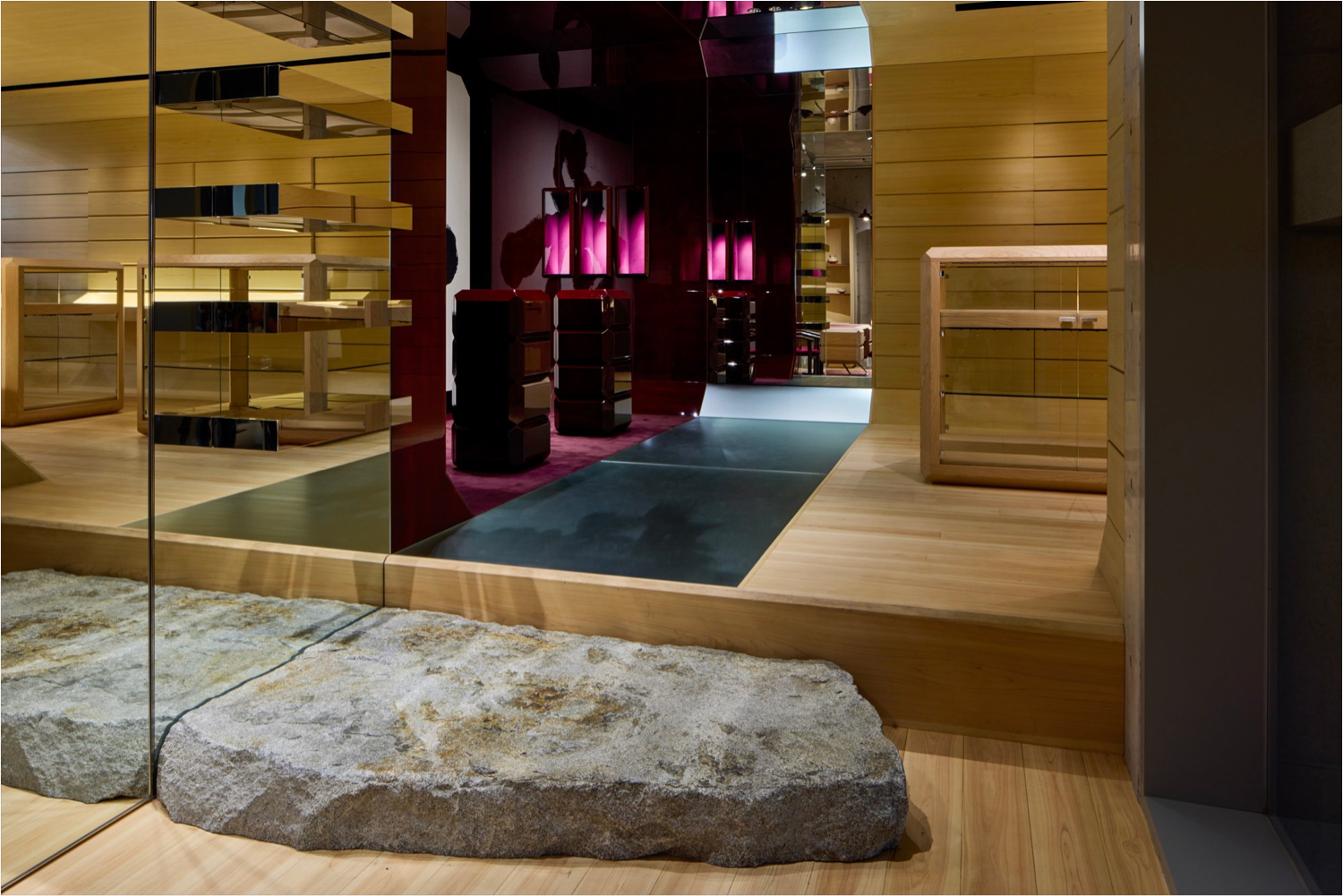
    The new store exhibits a unique balance of Japanese traditional aesthetics and Western contemporary elements. As customers step into the store, they are greeted by a mini corridor designed with sophisticated wall-embedded displays and cabinets. The walls, floors, and ceilings are constructed entirely from Hinoki wood, a choice material in Japanese architecture that lends a touch of authenticity to the store’s overall ambience.

    The store’s backdrop is an impressive piece of artwork by renowned calligrapher Daichiro Shinjo, providing a bold yet contemporary touch to the space.

    An Upstairs Lounge and Consultation Room

    The upper floor of the store is thoughtfully designed as a lounge-cum-consultation room. The space, fashioned out of the same Hinoki wood as the entrance, is filled with a selection of vintage furniture and unique Japanese decorative items. Visitors will find a six-panel folding screen from the late Edo period and a variety of Noh masks, a traditional form of Japanese theater.

    In addition to housing a range of eyewear, this floor also showcases an array of jewelry pieces. Customers can browse the selection and even place orders for custom pieces to suit their personal tastes.

    Basement Bar with Cultural Artifacts

    Descending to the store’s basement, customers will encounter a beautifully landscaped patio and a well-stocked bar. Against this backdrop, patrons can view a range of 17th-century European optical tools, Kokeshi dolls, and a larger-scale calligraphy piece by Shinjo, adding an artistic and historical dimension to their shopping experience.

    Questions & Answers

    Who is responsible for the store’s unique design?
    The store’s interior was designed by Shinichiro Ogata, the founder of Simplicity, a design house based in Tokyo and Paris.

    What are some distinct features of the store?
    The store exhibits a blend of traditional Japanese aesthetics and modern Western elements. It features an upper floor lounge-cum-consultation room and a basement bar, both decorated with vintage and traditional Japanese items, as well as a mini corridor made entirely of Hinoki wood.

    What products does the store offer, besides eyewear?
    In addition to eyewear, the store also showcases a selection of jewelry pieces which can be customized according to the customer’s preference.

  • Global Eyewear Market Set for Remarkable Growth, Projected to Reach $323.76 Billion by 2030!

    Global Eyewear Market Set for Remarkable Growth, Projected to Reach $323.76 Billion by 2030!

    The global eyewear market is on a meteoric rise, poised to expand from $200.46 billion in 2024 to an astonishing $323.76 billion by 2030, according to The Research Insights. This impressive growth translates to a compound annual growth rate (CAGR) of 8.3%, a trend largely fueled by an increase in vision problems, heightened screen time, and a surge in demand for both corrective and stylish eyewear.

    Vision Problems Fuel Eyewear Demand

    An uptick in vision-related issues such as myopia, hyperopia, and presbyopia is driving consumers toward prescription glasses. Adding to this demand is the rising popularity of blue-light blocking lenses, a must-have for anyone grappling with digital eye strain—an all-too-common affliction among both students and professionals as they spend longer hours glued to their screens.

    Fashion Meets Function

    Eyewear is no longer just a necessary accessory; it has firmly established itself as a fashion statement, particularly among younger demographics. Brands like Ray-Ban, Oakley, Gucci, and Warby Parker are seizing this opportunity, launching limited-edition collections and customizable designs crafted from sustainable materials. Who knew that protecting your eyes could also serve as a runway moment?

    Technology Reshapes Eyewear Retail

    Innovative technology is revolutionizing the eyewear market. Augmented reality try-on features and lightweight materials are enhancing user experience, while direct-to-consumer sales models are making eyewear more accessible and desirable than ever. Pioneering brands like Lenskart and Warby Parker are at the forefront of this transformation, embracing online-first strategies that offer home try-on services to consumers.

    Asia-Pacific’s Economic Surge

    The Asia-Pacific region is expected to see growth surpassing 7% annually through 2030. This surge is attributed to rising disposable incomes and an increasing appetite for premium eyewear. As more consumers look to align aesthetics with functionality, the region is becoming a hotbed for innovative eyewear solutions.

    Questions & Answers

    How significant is the growth projection for the global eyewear market?
    The eyewear market is set to grow from $200.46 billion in 2024 to $323.76 billion by 2030, reflecting a substantial CAGR of 8.3%.

    What factors are driving the demand for prescription glasses?
    An increase in common eye conditions such as myopia and presbyopia, coupled with the prevalence of digital eye strain, is significantly boosting the demand for prescription eyewear.

    How is technology impacting the eyewear shopping experience?
    Augmented reality try-on features, lightweight materials, and online-first sales strategies are making eyewear shopping more engaging and convenient, as brands like Lenskart and Warby Parker lead the charge in innovation.

  • Japanese eyewear retailer Aigan to exit China

    Japanese eyewear retailer Aigan to exit China

    The company said that Japanese eyeglasses seller Aigan will leave the Chinese market as the impact of the coronavirus dims its hopes for turning a profit.

    Already weak earnings in China have been squeezed further by coronavirus-related disruptions that forced temporary store closures.

    The Osaka-based company’s Chinese arm has lost money for seven straight years since 2015.

    Aigan set up a China unit in 1994 and later expanded to six stores in Beijing and Tianjin, including franchisees.

    Also, on Monday, the company projected a group net loss of 425 million yen ($3 million) for the fiscal year ending March 2023 — wider than the previously forecast 315 million yen. It cited losses related to liquidating the Chinese unit, estimating them at 110 million yen.

  • Ray-Ban maker EssilorLuxottica sees “good surprise” performance in Asia

    Ray-Ban maker EssilorLuxottica sees “good surprise” performance in Asia

    EssilorLuxottica reported a rise in its third-quarter revenues on Friday as the world’s biggest eyewear maker saw a rebound in sales in the Asia-Pacific region and slight growth in North America.

    The French-Italian company, which makes Oakley and Ray-Ban sunglasses, reported revenue of 6.39 billion euros ($6.24 billion) for the three months to Sept. 30, up 8.2% on the year at current exchange rates.

    Asia-Pacific was the group’s fastest-growing region with a 22.7% revenue rise in the quarter at constant exchange rates to 761 million euros.

    The retail business in particular bounced back strongly in the region, EssilorLuxottica said, after a negative second-quarter performance hit by COVID-19 lockdowns in mainland China.

    Sales in North America, the company’s biggest market, increased by 3.4% to 3.01 billion euros at constant exchange rates, driven by the direct-to-consumer division, the group said.

    “It’s a solid and reassuring publication,” Stifel analyst Cedric Lecasble told Reuters, noting a “resistant” performance in North America and a “good surprise” in other regions, notably Europe amid the macroeconomic downturn and Asia.

    While EssilorLuxottica’s broad consumer base in the United States and Europe exposes it to macro pressures in those regions, it is more insulated from inflation than peers in the discount eyewear business thanks to its luxury licences, Bernstein analyst Luca Solca said.

    EssilorLuxottica makes glasses for brands such as Chanel and Prada, among others.

    Despite concerns that the luxury industry’s post-pandemic boom could be cooling, Birkin bag maker Hermes on Thursday said there were no signs of a slowdown so far as U.S. shoppers took advantage of the dollar’s strength in Europe and China rebounded sharply, echoing earlier comments from Louis Vuitton owner LVMH.

    EssilorLuxottica’s shares were down 1.8% at 0743 GMT, slightly underperforming France’s blue-chip index CAC 40 that fell 1.2%.

  • Kering Eyewear opens first South Korea store, its largest yet in Asia

    Kering Eyewear opens first South Korea store, its largest yet in Asia

    Luxury brand Kering Eyewear has launched its first store in South Korea, located on the eighth floor of Lotte Duty Free’s store in Busan.

    A collaboration between Kering Group and Lotte, the brand claims the new boutique is its largest store in Asia to date.

    Center stage in the store is a giant media wall showcasing new products. A virtual fitting service for Kering eyewear is provided by Lotte Internet Duty Free using augmented reality (AR) technology. Lotte Internet Duty Free plans to implement a virtual reality (VR) tool allowing customers to view the boutique in 360 degrees without physically visiting the store.

    Kering Group wants to expand its presence in Asia and deepen its commitment to sustainability. The group has also revealed plans to strengthen its Gucci brand’s presence in China, where it aims to become the market leader by 2025.

    Kering wants to cut its carbon footprint by 40 per cent by 2025. It also emphasizes its efforts in sustainable sourcing, buying 30 per cent of organic cotton, 100 per cent of gold, and 73 per cent of sustainable leather from suppliers who source their materials ethically.

    Last March, Kering Eyewear bought luxury eyewear company Maui Jim as part of its expansion strategy.

  • India’s Lenskart buys Owndays

    India’s Lenskart buys Owndays

    India’s largest eyewear retailer Lenskart is buying an approximately 75% stake in Japanese eyewear chain Owndays.

    Lenskart will acquire all the shares held by a joint venture between an investment company affiliated with LVMH Moet Hennessy Louis Vuitton and a fund affiliated with Mitsui & co.

    The value of the deal is yet unknown.

    Owndays has around 460 stores in 13 countries and regions. Lenskart  has about 1,100 stores in India, Singapore, and other countries.

    “Under the deal terms, Owndays management will retain their stakes in the company. The management structure and store names will remain unchanged,” the report noted.

  • Neso Brands appoints CEO after $100 million funding round

    Neso Brands appoints CEO after $100 million funding round

    Neso Brands, a subsidiary of eyewear manufacturer Lenskart, has raised $100 million in a seed funding round, which will enable the firm to create a house of brands catering to the global market.

    The company did not divulge the details of the investors involved. However, Lenskart, which owns Singapore-headquarted Neso, has earlier raised large sums in funding from prominent investors such as KKR, SoftBank, Alpha Wave Global and Temasek.

    Founded in 2022, Neso Brands is an eyewear manufacturer and retailer that leverages analytics, tech, and its own supply chain and distribution, to create a large network of co-owned direct-to-consumer (D2C) brands.

    Based out of Singapore, Neso Brands plans to sell its eyewear products to a global market by partnering up with the top entrepreneurs in the industry. It plans to invest in consumer eyewear brands around the world and grow these brands by leveraging synergies across the Lenskart group to accelerate international expansion.

    Neso Brands will utilise e-commerce and technologies such as AR and AI for eyewear brands as a strategy to capture global market share. Neso Brands will house these brands and enable a quicker global rollout by giving the brands access to shared resources – particularly technology, supply chain, distribution, capital and best practices.

    Neso Brands also said Bjorn Bergstrom has joined the founding team as the CEO.

    Bergstrom is an experienced investor and D2C operator, having most recently served as chief growth officer and interim chief product & technology officer for the global fashion brand NA-KD. Bergstrom’s experience prior to that includes working as a venture capital investor focusing on early-stage growth startups, management consulting as well as operational roles at consumer startups.

    “Today, there is a perfect storm in the eyewear industry that makes it ripe for disruption. Consumers have increasingly high demands when it comes to customer experience, branding, and choice, but incumbent players have been unable to keep up. By investing in the most promising new brands in the industry and leveraging centralised resources across technology, manufacturing and distribution, Neso Brands will be uniquely positioned to scale the eyewear brands of the future,” Bergstrom, CEO of Neso Brands, said in a statement.

    “With this investment in Neso Brands, we want to accelerate our mission of transforming the way people see and experience the world. Consumers want better and better every day and while people’s quality of life has been uplifted through all other lifestyle products such as shoes, apparel and wearables, eyewear products are the same old with no innovation, just more expensive. And Neso is our initiative to partner with founders globally to help create eyewear brands of the future,” Peyush Bansal, CEO of Lenskart, said.

  • Owndays launches premium concept store in Singapore

    Owndays launches premium concept store in Singapore

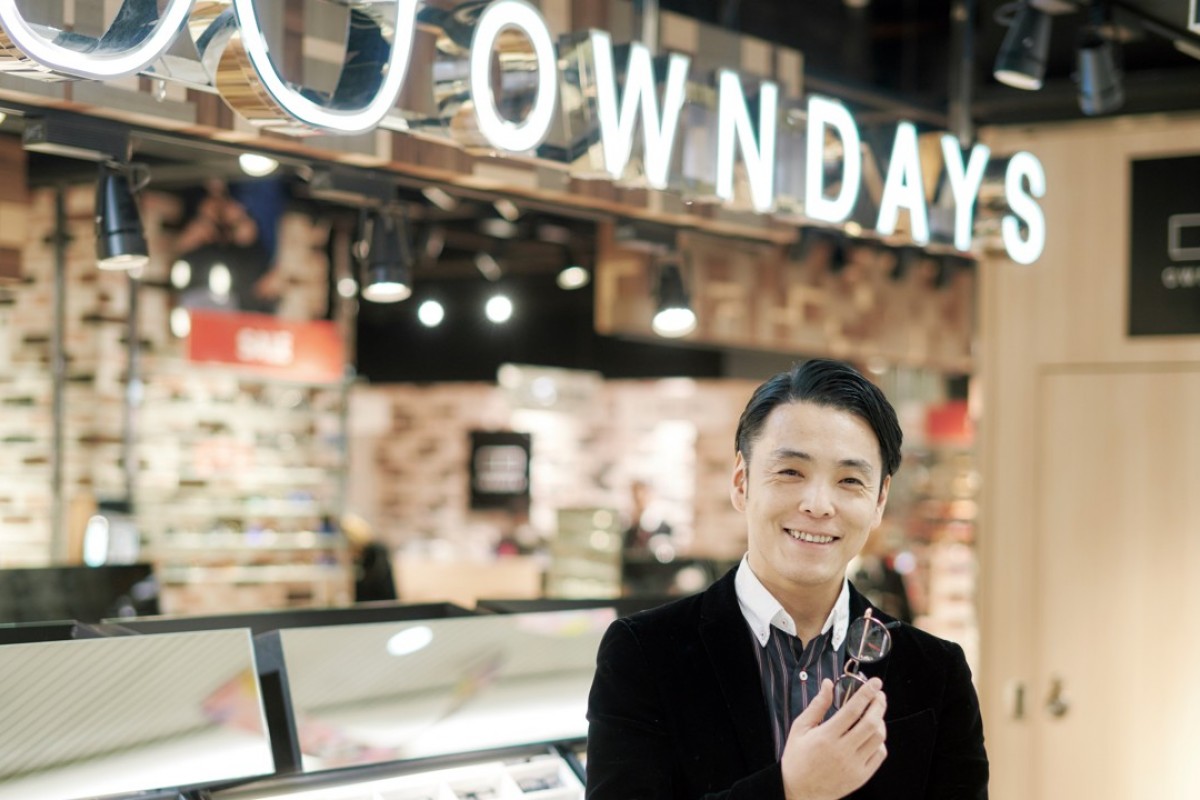
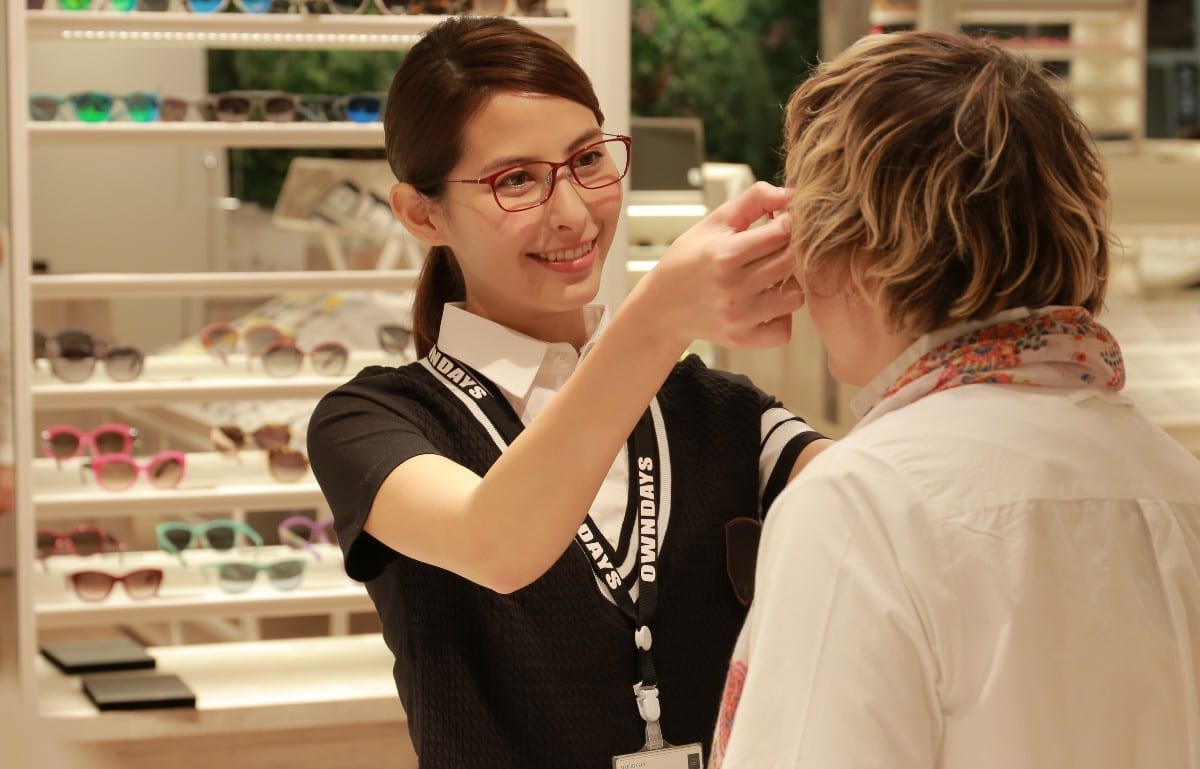
    Japanese fast fashion eyewear brand, OWNDAYS, is pleased to announce the opening of a new store at Takashimaya S.C., Ngee Ann City. This will be the brand’s second premium concept store in the world and its 33rd store in Singapore. The new store will open to public on 20 May 2022 and will house a collection of made-in-Japan eyewear and premium ophthalmic lenses curated exclusively for its premium concept stores.

    The Takashimaya S.C. store mirrors the concept of “Japanese Luxury” originally introduced at its first premium concept store at Marina Bay Sands, offering a premium eyewear shopping experience topped with Japanese hospitality and an extended product offering. Drawing inspiration from Ryoanji Temple, an UNESCO World Heritage Site and a popular attraction in Kyoto, Japan known for its famous rock garden, the new store features a distinct Japanese-styled aesthetics that pays homage to the origins of the brand while incorporating a touch of luxury.

    The main retail floor is flanked by a dry landscape complete with rock arrangements, gravel, moss and shrubs to achieve the Zen Garden interior. Beige wood elements are also heavily featured in the store interior to emphasise a sense of traditional Japanese-ness.

    Také Umiyama, Managing Director/COO of OWNDAYS INC. said, “The Takashimaya S.C. store reflects the core value of OWNDAYS, which is to constantly evolve and innovate in order to deliver quality eyewear to consumers at the best value. With a store that is located right in the heart of Orchard Road, it allows us to make well-designed, good quality eyewear more accessible to our customers. Besides, the new store is a space where we hope local consumers could enjoy a complete Japanese experience without having to physically travel to Japan. We welcome customers to visit the store even when they are not looking to purchase any spectacles and just to feel transported to Japan.”


  • Gentle Monster opens Haus Shanghai

    Gentle Monster opens Haus Shanghai

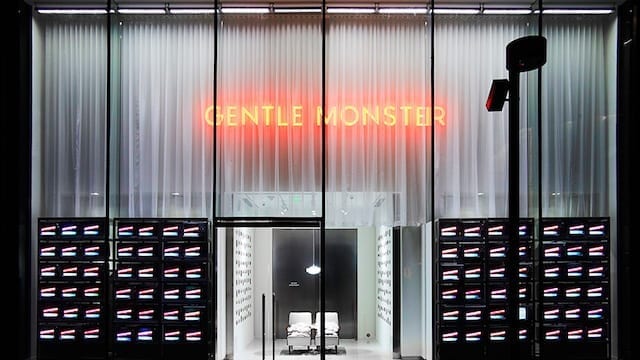
    Luxury eyewear label Gentle Monster has unveiled the design of its first Haus concept store outside South Korea in Shanghai, the world’s largest Gentle Monster store.

    The launch of the Shanghai store follows the opening of Haus Dosan in Seoul earlier this year, opening chapter two of the Haus project. Featuring a ‘Future Retail’ theme, the four-story Haus Shanghai houses fragrance brand Tamburins’ first physical store in China and dessert brand Nudake.

    “Haus Shanghai provides more than a commercial experience,” Gentle Monster said in a statement. “By inciting emotional provocation in visitors, Haus aims to deliver an unprecedented cultural experience.”

    Gentle Monster combines retail experiences, pop-ups, and art exhibitions inside the 3270sqm retail space. Haus Shanghai’s first floor houses the Nudake store, where visitors can find a variety of artistic desserts. Gentle Monster’s signature six-legged walking robot, The Probe, is located at the centre of the floor alongside kinetic horses, “capturing Nudake’s spirit of experimentation and fantasy”. Visitors can also find various forms of collaged media art and aesthetic furniture here.

    The second floor, Gentle Monster’s largest retail space, is designed under the theme ‘Circulation’ with pliant art pieces cutting through the centre, forcing an unexpected flow of traffic inside the space.

    Meanwhile, the third floor presents a large exhibition space designed for media art exhibitions and collaboration pop-ups. At the heart of the space, a robotic face called ‘The Giant’ is located alongside sculptures and installations, depicting the theme ‘The Giant Who Arrived at the Bird Village’.

    China’s first Tamburins flagship store is situated on Haus Shanghai’s top floor, “expressing elegance and individuality through the delicate balance of spatial elements”. The space is highlighted by a wall art installation ‘Twig’ covered in tree branches, illustrating “the intersection of luxury and rawness through the combination of contrasting materials”.

  • Gentle Monster opens another flagship store

    Gentle Monster opens another flagship store

    South Korean luxury eyewear brand Gentle Monster has unveiled its latest themed store in Starfield Hanam, Seoul.

    Dubbed ‘Self Similarity’, the theme reinterprets the mathematical concept through visual and spatial elements. The Starfield Hanam storehouses various artwork, images, and installations representing “the infinite possibility of ‘expansion’” through repeating geometric structures, such as fractals, Mandelbrot sets, and Julia sets.

    The newly opened flagship features The Probe, the brand’s six-legged walking robot which can also be seen in the Haus Dosan outlet.

    “The kinetic installations located at the facade, repeatedly expanding and contracting, and artwork that expresses infinite proliferation show Gentle Monster’s unique and artistic perspective on the concept of self-similarity,” the company described.

    Meanwhile, Gentle Monster chose Starfield Hanam to land Nudake’s second store in South Korea, offering a range of artistic desserts.

  • Owndays may be sold, fetching US$300 million

    Owndays may be sold, fetching US$300 million

    L Catterton Asia Advisors, the Asian arm of the namesake consumer-focused buyout firm, is exploring a sale of Japanese eyewear retailer Owndays Inc., people with knowledge of the matter said.

    L Catterton Asia has invited investment banks to submit proposals and will soon pick an adviser, said the people, who asked not to be identified as the information is private. The private equity firm is considering divesting the asset with its partner Mitsui & Co. in a sale that could fetch about $300 million, the people said.

    Established in 1989, Tokyo-based Owndays designs and manufactures optical eyewear glasses and runs 156 stores across Japan, its website shows. It has another 206 stores abroad at locations including Hong Kong, Taiwan, Malaysia, Thailand, Singapore and Australia. The company had 2,200 employees as of last February.

    In 2018, L Catterton Asia teamed up with Mitsui and its subsidiary to invest in Owndays for an undisclosed sum, according to a press release at the time.

    Deliberations on the sale of Owndays are at an early stage, while L Catterton and its partners could decide to keep the business, the people said. Representatives for L Catterton Asia and Owndays declined to comment, while a representative for Mitsui said the company hasn’t acknowledged details on the sale of Owndays at this moment.

  • Japanese Eyewear Brand Owndays expands India presence

    Japanese Eyewear Brand Owndays expands India presence

    Japanese eyewear brand OWNDAYS, one of the largest players in the fashion eyewear space, is now expanding its India footprint. The company announced the launch of a new store at Inorbit mall, Mumbai, others being in Kolkata, Chennai, Hyderabad, Bengaluru, and Chandigarh.

    Currently, the company has a global presence of 350 stores spread across 12 countries including Japan, Singapore, Taiwan, Hong Kong, Australia, Thailand, Philippines, Malaysia, Vietnam, Indonesia, and Cambodia. OWNDAYS’ India presence is in collaboration with GKB Opticals, which is a big name to reckon with in Indian Eyewear Industry already.

    Owndays will offer a range of around 1,500 styles from basic to functional, stylish, and fashionable eyewear for men and women starting at Rs. 2,990. With 24 brands under the parent company, Owndays offers eyewear for children, young adults, millennials, and the elderly.

    Established in Tokyo, Japan in 1989, Owndays Co., Ltd has redefined the world of optics by following Simple Pricing, Quick Servicing, and Value. With more than 1,500 designs of frames ranging from basic and functional, to stylish and fashion-forward.

    Owndays outlets have a list of a unique set of pointers to grab your interest:

    • State of the art Japanese eye testing equipment, that helps complete the process in almost half the time the regular testing process takes.
    • The company has a unique 20-minute process feature with over 2,000 lenses stocked in the store which allow glasses to be processed within 20 minutes after the eye check.
    • Pricing is simple and uncomplicated with price of best suitable lenses (minus customised ones) included with the frame

    Speaking on the launch Sanjay Malhotra Business Head – India, Owndays said, “We are thrilled to be opening yet another outlet in India as the demand for quality eyewear at affordable price is increasing considerably and our product has been loved by Indian customer’s youth and matured alike. The fact that we are even opening during the Covid environment shows that we are bullish about Indian market as we have been received exceptionally well in the country”.

    OWNDAYS Outlets in India:

    BANGALORE: Indiranagar & Phoneix Marketcity Mall

    CHENNAI: Palladium Mall

    HYDERABAD: Sarath City Capital Mall

    KOLKATA: South City Mall

    CHANDIGARH: Elante Mall


  • Owndays partners with Wagyumafia to launch new eyewear range

    Owndays partners with Wagyumafia to launch new eyewear range

    Eyewear retailer Owndays has launched a new sunglass range branded Chateaubriand in collaboration with restaurant brand Wagyumafia.

    The collaboration model is all about portraying the theme handmade in Japan with simple and basic in mind, the company says.

    The Chateaubriand collection has two types of sunglasses, both with a bold “Chateaubriand” logo on the temple. The normal type features a heavy- duty acetate black frame made from thick fabric and transparent green lens. The sporty type has a light gray frame and a polarised lens.

    Meanwhile, the restaurant has created a special VIP set menu where customers can “enjoy this collaboration of sunglasses and a gorgeous meal” with Wagyumafia and Owndays.

    Wagyumafia is an exclusive restaurant brand set up by Takafumi Horie and Hisato Hamada. Wagyumafia operates eight restaurants around the world with its mission to educate consumers and the restaurant industry on the appropriate application of high-end Japanese Wagyu beef.

    Bookings are strictly limited.

  • David Beckham launches eyewear line with Safilo

    David Beckham launches eyewear line with Safilo

    Football legend David Beckham has launched his own eyewear collection, Eyewear by David Beckham, in partnership with Safilo Group.

    Made in Italy, the collection features both optical frames and sunglasses with clean, modern silhouettes and a focus on “timeless” frame styles. His collection has been described by critics as “contemporary with traditional craftsmanship.”

    Last year, Safilo Group and David Beckham signed a global 10-year agreement to license for sunglasses and prescription glasses.

    “Safilo has a long history of creating high-quality eyewear brands. I wear sunglasses all the time and this is a category that I love,” said Beckham. “So, it’s important to me to work with a partner who cares as much about the design and craftsmanship of the product as I do.”

    Eyewear by David Beckham’s Spring/Summer 2020 Collection will be available to buy at selected retailers from March.