Retail News CRM

Tag: fake

  • Apple ‘fixed’ thousands of fake iPhones

    Apple ‘fixed’ thousands of fake iPhones

    Counterfeit goods are a big problem for any established brand, but when Apple is involved, you know that there will be both demand and supply through the roof given the iPhone role as a status symbol, especially in Asia where most of the fake goods originate from.

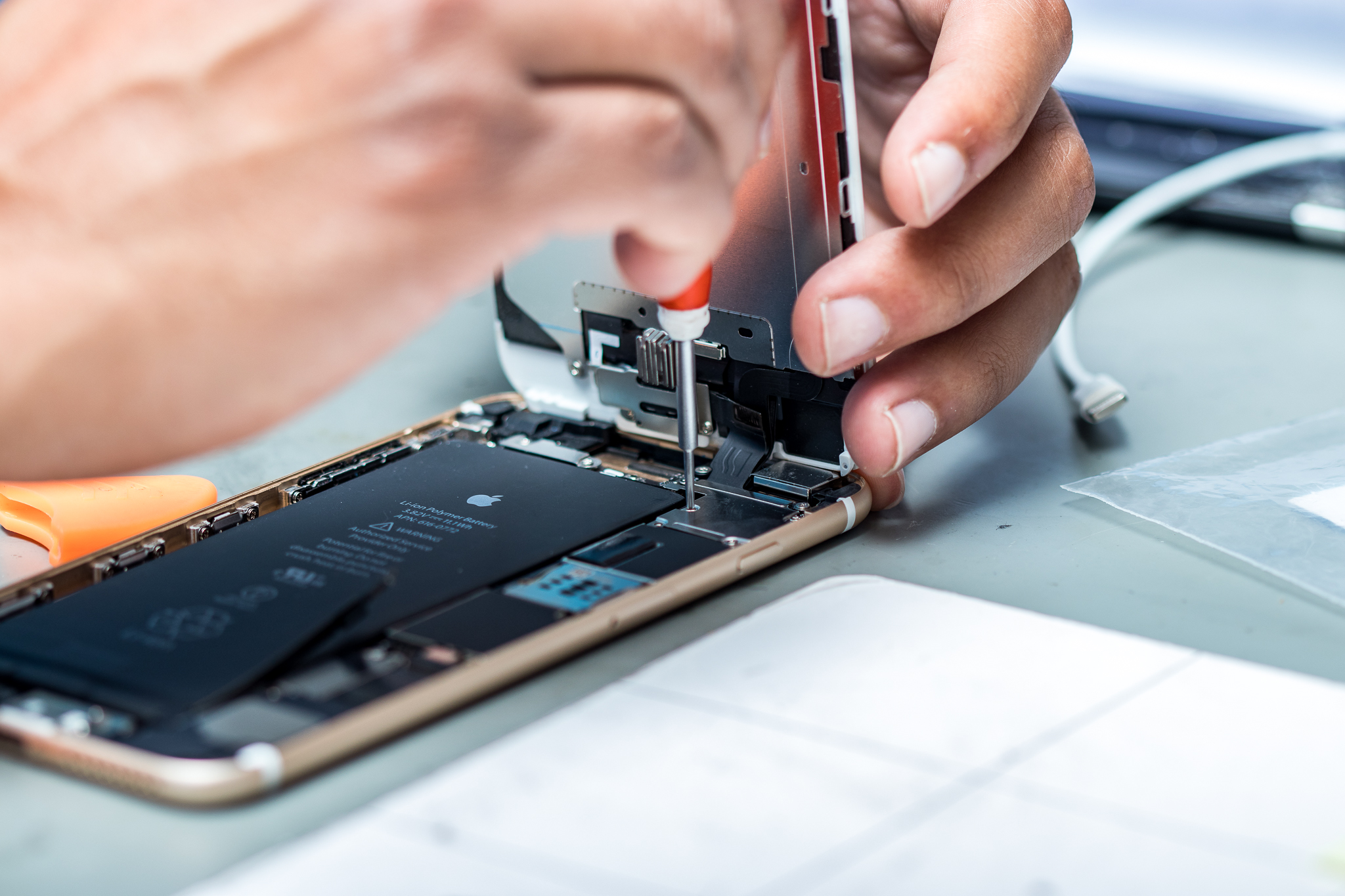
    Two Chinese students in Oregon,  Yangyang Zhou, and Quan Jiang, have been running a fake iPhone repair scheme since 2017, it turns out, defrauding Apple of $895,800 in total, according to the company’s estimates. They had bulk shipments of counterfeit handsets shipped to them from China, and submitted those to Apple as “iPhone won’t power on” cases, both online and in stores. The replacement phones were then shipped back to the source in China who deposited money into Jiang mother’s account he had access to in the States.

    Apple “repaired” (most likely just swapped them for refurbished ones) and returned 1,493 of the more than three thousand fake iPhones that were sent to its service before it got an alert that something was amiss on a grand scale. When the situation was raised with Apple’s fraud department in the summer of 2017, they sent Jiang two cease-and-desist orders to stop the scheme but got no response, presumably since the notices were sent to Zhou’s listed address.

    It’s not clear if the fraud alert came within Apple, or the port authorities that have been investigating suspicious bulk iPhone shipments from China since the spring of 2017 but in any case, the scheme started falling apart for the two Chinese on an engineering student visa. Zhou’s lawyer claims that his client will be “vindicated” as he did not know that the iPhones sent to him from China were counterfeit, and thought he was simply taking a cut for a service.

    Ditto for Jiang, who has been accused of wire fraud, as well as trafficking in counterfeit devices, so we’ll see if Apple manages to retrieve anything from the scheme, considering that the repaired real iPhones have already been sent to the vast Chinese prairies.

  • WhatsApp building a New Feature Allowing Users to detect spam and fake news

    WhatsApp building a New Feature Allowing Users to detect spam and fake news

    Facebook owned WhatsApp is testing a new feature that will allow a user to see how many times a message has been forwarded. The beta update to version 2.19.80 includes a new functionality allowing a user to view how many times a message he or she received has been forwarded. To obtain this information, the user needs to forward a received message, open up the Message info section, and the data will be there. A message that has been forwarded five or more times will receive a bubble that says “Frequently Forwarded.”
    The number of times that a message you sent via WhatsApp has been forwarded is something that can already be found in the Message info section. If you install the beta version of the messaging app on your Android or iOS phone (via TestFlight) you will be able to see the number of times both a sent and received message has been forwarded. WhatsApp is adding this feature to help a user see whether a message is spam. Some messages that have been forwarded a number of times are spam, or might be “fake news.”
    Facebook acquired WhatsApp in a blockbuster deal that closed in October, 2014. Originally valued at what was considered an outrageous amount of money at the time the deal was announced ($16 billion), by the time the transaction closed eight months later the purchase was valued at $21 billion.
  • Police smash massive China counterfeiting gang

    Police smash massive China counterfeiting gang

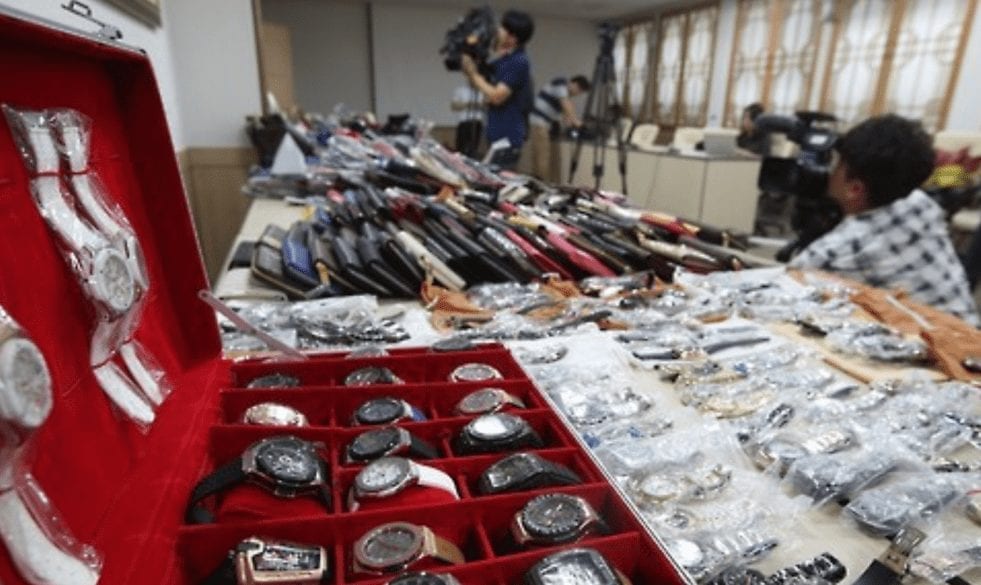
    Police have shut down a huge China counterfeiting ring estimated to have raked in some US$15 million.

    Chinese police have arrested 32 people believed to be part of the operation, which focused on counterfeiting luxury-branded goods.

    The Shanghai raid led to the seizure of more than 4000 items of luxury apparel and accessories bearing Louis Vuitton, Kenzo and Loewe labels, among other top brands. Two assembly lines producing the counterfeit items were shut down.

    The raid was in response to a tip-off to the Shanghai Qingpu district public security bureau that fake Louis Vuitton bags were selling on Chinese social media platform, WeChat.

    Estimates held that the ring had sold more than 100,000 fake luxury items at a value of around RMB100 million (US$14.9 million). Each item would have cost around RMB200 ($30) to produce.

    The rise of online markets all over the world has been blamed for a general increase in fake products sold globally. The counterfeit industry is now worth an estimated $590 billion a year, and accounts for around 3.3 per cent of total international trade.

    According to customs officials, the most frequently seized fakes are items of footwear, clothing, leather goods and IT equipment. China is by far the world’s largest source of pirated goods.

  • Facebook to reject ads from pages touting ‘fake news’

    Facebook to reject ads from pages touting ‘fake news’

    The move is the latest shot fired by Facebook in its war against ‘fake news’ used to deceive instead of enlighten.

    Facebook said that pages that make a habit of linking to bogus news stories will no longer be able to advertise at the world’s leading online social network.

    The move is the latest shot fired by Facebook in its war against ‘fake news’ used to deceive instead of enlighten.

    “If Pages repeatedly share stories marked as false, these repeat offenders will no longer be allowed to advertise on Facebook,” product managers Tessa Lyons and Satwik Shukla said in a blog post.

    “This update will help to reduce the distribution of false news which will keep Pages that spread false news from making money.”

    The social network already didn’t allow ads that link stories determined to be false by third-party fact-checkers.

    “False news is harmful to our community,” Lyons and Shukla said.

    “It makes the world less informed and erodes trust.”

    Fake news became a serious issue in last year’s US election campaign, when clearly fraudulent stories circulated on social media, potentially swaying some voters.

    Concerns have been raised since then about hoaxes and misinformation affecting elections in Europe this year, with investigations showing how “click farms” generate revenue from online advertising using made-up news stories.

    “We’ve found instances of Pages using Facebook ads to build their audiences in order to distribute false news more broadly,” Lyons and Shukla said.

    Facebook and Google have been working to curtail, or at least flag, stories crafted to deceive instead of enlighten.

    Google earlier this year added a fact-checking tag to search results globally, its latest initiative to help curb the spread of misinformation and “fake news.”

    The new tags, to be used in all languages for users worldwide, use third-party fact-checkers to indicate whether news items are true, false or somewhere in-between.

    The feature debuted about the same time Facebook added a new tool in news feeds to help users determine whether shared stories are real or bogus.

  • Nearly one in five smartphones shipped are fake

    Nearly one in five smartphones shipped are fake

    Nearly one in five mobile phones and one in four video game consoles shipped internationally are fake, according to a new OECD report.

    Trade in Counterfeit ICT Goods finds that a growing trade in counterfeit IT and communications hardware is impacting consumers, manufacturers and public finances.

    Smartphone batteries, chargers, memory cards, magnetic stripe cards, solid state drives and music players are also increasingly falling prey to counterfeiters.

    On average, 6.5% of global trade in ICT goods is in counterfeit products, according to analysis of 2013 customs data. That is well above the 2.5% of overall traded goods found to be fake in a 2016 report.

    The high value of smartphones and ICT accessories and insatiable demand makes them a lucrative target for counterfeiters, and cautions that the number and range of affected products is growing.

    Counterfeit ICT goods entail health and safety risks, service outages and loss of income for companies and governments. China is the primary source of fake ICT goods, and US manufacturers are the most hit by lost revenue and erosion of brand value. Almost 43% of seized fake ICT goods infringe the IP rights of US firms, followed by 25% for Finnish firms and 12% for Japanese firms.

    Counterfeits are goods that infringe trademarks. In an industry that relies heavily on intellectual property rights, ICT counterfeiting preys on consumers’ trust in established brands and poses risks to their health, safety and privacy. Counterfeit phones can contain more hazardous substances like lead and cadmium, while fake phone chargers can mean fire and electric shock risks. Fake intermediary ICT devices and components, including transistors, printed circuits and radio masts, are also being shipped.

    The report estimates the value of global trade in counterfeit ICT goods at $143 billion as of 2013, based on data from nearly half a million customs seizures around the world over 2011-13. Almost two-thirds of counterfeit ICT goods are shipped by express and postal services, significantly complicating the screening and detection process.

    The ICT sector accounted for 5.5% of total value added in the OECD area in 2013, equivalent to about USD 2.4 trillion. World exports of manufactured ICT goods grew 6% per year from 2001 to 2013 to USD 1.6 trillion, with China exporting almost a third of the total.

  • Police seize fake coffee shipment in robusta king Vietnam

    Police seize fake coffee shipment in robusta king Vietnam

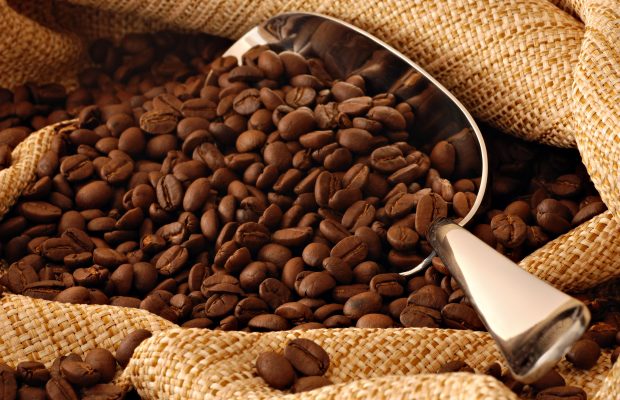
    Over three quarters of the 850kg shipment turned out to be soybeans soaked in chemicals and flavorings. Environment police seized a shipment of fake coffee at a bus station in the central town of Vinh on Tuesday, some 300km (186 miles) south of Hanoi.

    The officers were on a routine patrol when they spotted a truck laden with 16 suspicious-looking bags, which the truck driver declared as coffee.

    The bags weighed 850 kilograms (1,870 lb), but only 200kg was real coffee, while the rest turned out to be roasted soybeans soaked in chemicals and flavoring to make them look like coffee. The beans were on their way for sale in Nghe An Province from a company in the southern province of Binh Duong, the driver told police.

    The catch is the latest in a series of cases involving fake coffee exposed over the past five years in Vietnam, the world’s biggest robusta producer and exporter.

    Fake coffee has been found across the nation, which has one of the world’s fastest growing retail coffee markets, trailing only behind Indonesia, Turkey and India, as reported by global market intelligence agency Mintel.

    Police have also uncovered small processing plants making fake coffee by over-roasting soybeans and corn in Ho Chi Minh City, which is Vietnam’s main coffee trading market, as well as in Can Tho City and provinces like Binh Duong and Thanh Hoa.

    Even in Dak Lak, the country’s top coffee-growing province, market inspectors have found coffee powder containing only 10 percent real coffee, with the majority made up of soybeans, corn and chemicals used to create the bitter taste and bubbles.

    In July 2016, the Vietnam Standard and Consumers Association said it had taken 253 coffee samples from various shops in four locations, including Hanoi and Ho Chi Minh City, and found that one third of them had very low caffeine content, while the stimulant was totally absent in five samples.

    The coffee sold in street-side shops, hospitals and schools tended to have very low caffeine content or no caffeine at all, the association said.

    A kilogram of robusta beans now fetches around VND46,000 ($2.02), while imported soybeans can be bought on the domestic market for VND12,000-14,000 per kilo. These findings by police and market inspectors have caught public attention and have changed consumer behavior.

    Changing awareness

    “Consumers are now aware that fake coffee is a real problem,” said Le Duc Huy, deputy general director of the Dak Lak-based Simexco, one of Vietnam’s biggest exporters of semi-processed robusta beans. “Many now know how to spot fake coffee.”

    He said the content of real coffee sold on the market has now doubled to around 60 percent in the southern region and the Central Highlands coffee belt.

    “But in the northern and the central regions, which lie far from the coffee processing hub, consumers may not be aware, so the coffee content there is as low as 20-30 percent,” Huy told via telephone from Dak Lak.

    Improved awareness among Vietnamese coffee drinkers has been reflected in the rising domestic consumption rate in a country where tea is also a popular drink.

    Vietnam is forecast to use 172,200 tons of coffee at home in the 2016/2017 crop year, up 10 percent from the previous season, the U.S. Department of Agriculture (USDA) said in its December report.

    The domestic consumption rate has been rising in double digits since at least the 2012/2013 season, based on USDA data. The country’s crop year lasts between October and September.

    Rising exports

    Higher domestic consumption, coupled with a rush to sell by exporters in the first months of 2017 and the smaller 2016/2017 harvest due to adverse weather, could disrupt coffee exports, traders said. More instant coffee being produced locally has also been contributing to the tighter export flow, Vietnamese industry officials said.

    Vietnam could export an estimated 180,000 tons of coffee in March, the highest monthly shipment since April 2016, based on government data released on Wednesday.

    Most of the shipments were sold in late January or February as exporters tried to cash in on higher prices while cutting costs, traders said. On the other hand, foreign buyers said they had stepped up purchases based on expectations of a smaller crop in Vietnam.

    The March estimate has brought the country’s total export volume to 847,000 tons in the first half of the 2016/2017 season, up 4 percent from a year ago.

    Vietnam could face coffee shortages from May-June due to rising shipments and dwindling domestic stocks, top export firm Intimex has said.

    Huy of Simexco said Vietnam should do more to fight fake coffee.

    “The media should do its best to help consumers spot real coffee,” he said. “Related agencies should also step up inspections of coffee shops because shop owners are making money by selling fake coffee as it costs up to 50 percent less than real coffee.”

  • AirAsia warns of fake ticket sales on Facebook, Instagram

    AirAsia warns of fake ticket sales on Facebook, Instagram

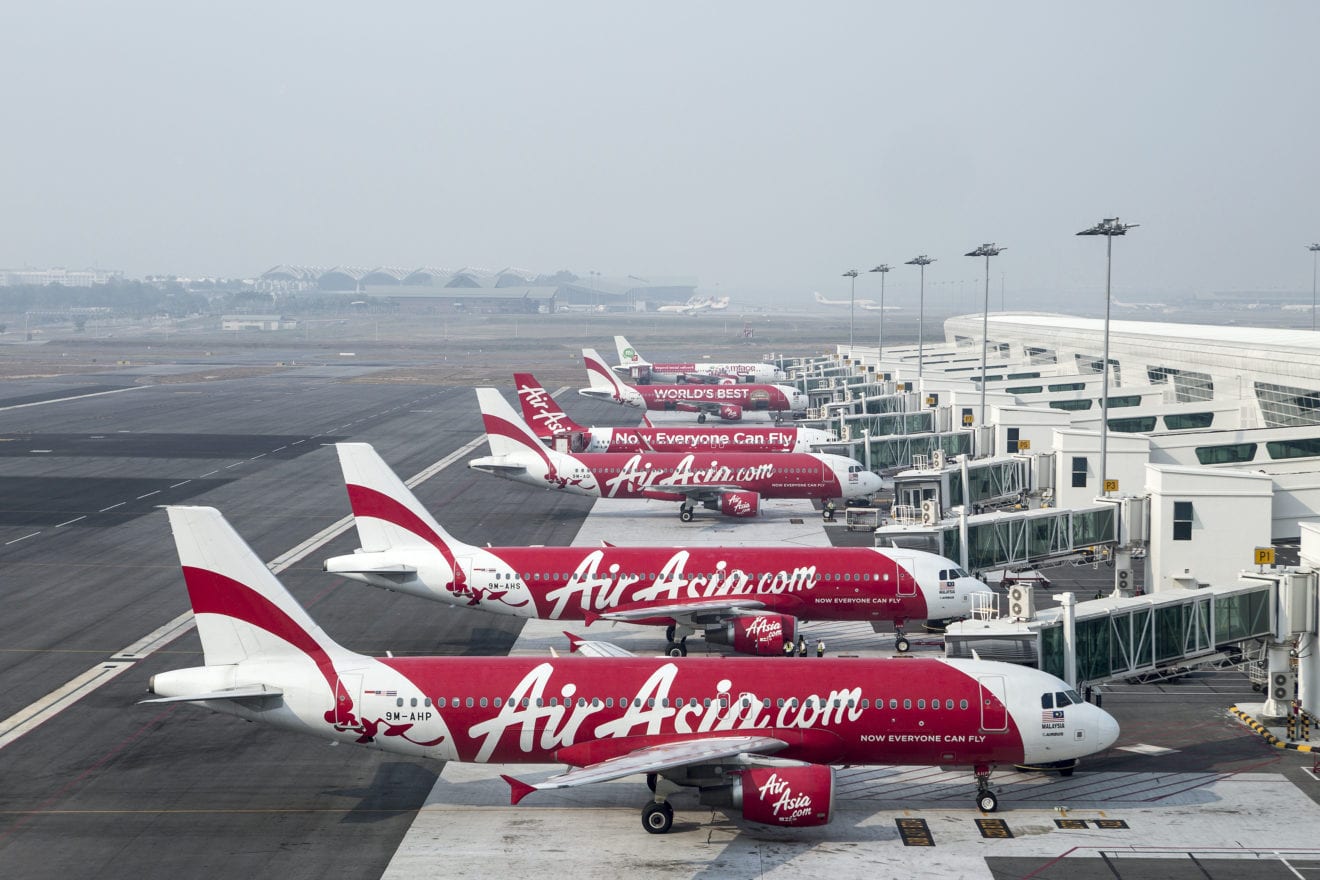
    Discounted AirAsia and AirAsia X tickets sold on social media platforms are likely fraudulent, the airline warned the public today.

    The low-cost carrier today said it has already encountered several complaints from consumers who procured the tickets from unauthorised resellers who advertised these at heavily discounted rates on Facebook and Instagram.

    “The airline would like to remind the public to book their flights only through official channels such as the website airasia.com, official websites of its affiliates (such as AirAsiaGo.com) and official sales centres listed on our website,” it said in a statement today.

    It then urged the public to verify such third-party offers via the airline’s social media channels on Facebook, Twitter and Ask.

    The low-cost carrier said that its popularity in the region made it an attractive target for such scams, further warning that it may take legal action against those involved, in addition to the police report it has already lodged.

  • Indonesia to set up agency to combat fake news

    Indonesia to set up agency to combat fake news

    Indonesia is setting up an agency that will tackle fake news after a flood of untrue stories on social media, an official said Thursday, including claims China was waging biological warfare against the country using contaminated chilli seeds.

    The new cyber agency will also seek to protect state institutions from hackers, said presidential spokesman Johan Budi.

    Chief Security Minister Wiranto said that the move was necessary to combat a flood of news on social media that was “slanderous, fake, misleading and spread hate”.

    “Freedom (of speech) is a right in a democracy but there is also an obligation to obey the law,” he said.

    Officials said among the agency’s tasks would be to monitor news circulating online to check for false stories. It will be overseen by the security ministry and will work alongside other government agencies, they said, without giving further details.

    It came after President Joko Widodo declared his intention at a cabinet meeting in December to combat fake news in a country where people are rapidly getting online for the first time, with over 130 million out of 255 million inhabitants now estimated to be internet users.

    One of the most high-profile cases in recent times was a false claim circulating on social media in December that Beijing was seeking to wage biological warfare against Indonesia, after a true story that four Chinese citizens were arrested for using imported chilli seeds infected with bacteria on a farm south of Jakarta.

    The Chinese embassy in Jakarta was forced to issue a statement saying that the reports were “misleading and have caused great concerns”.

    Another fake story that spread online said that millions of Chinese workers had entered Indonesia to replace local workers. It comes as anti-Chinese sentiment is running high with Jakarta’s ethnic Chinese governor standing trial for alleged blasphemy.

    Indonesian internet expert Nukman Luthfie said he hoped the new agency would not breach people’s privacy, but added it was too early to tell.

    “It would be really unfortunate if it was going to be used to monitor public discussions because that’s people’s right,” he said.

    There has been growing global concern about the spread of fake news, with some critics claiming a flood of false stories circulating online may have helped brash billionaire Donald Trump win the US election.

  • Fake Apple Stores In China Are On The Decline

    Fake Apple Stores In China Are On The Decline

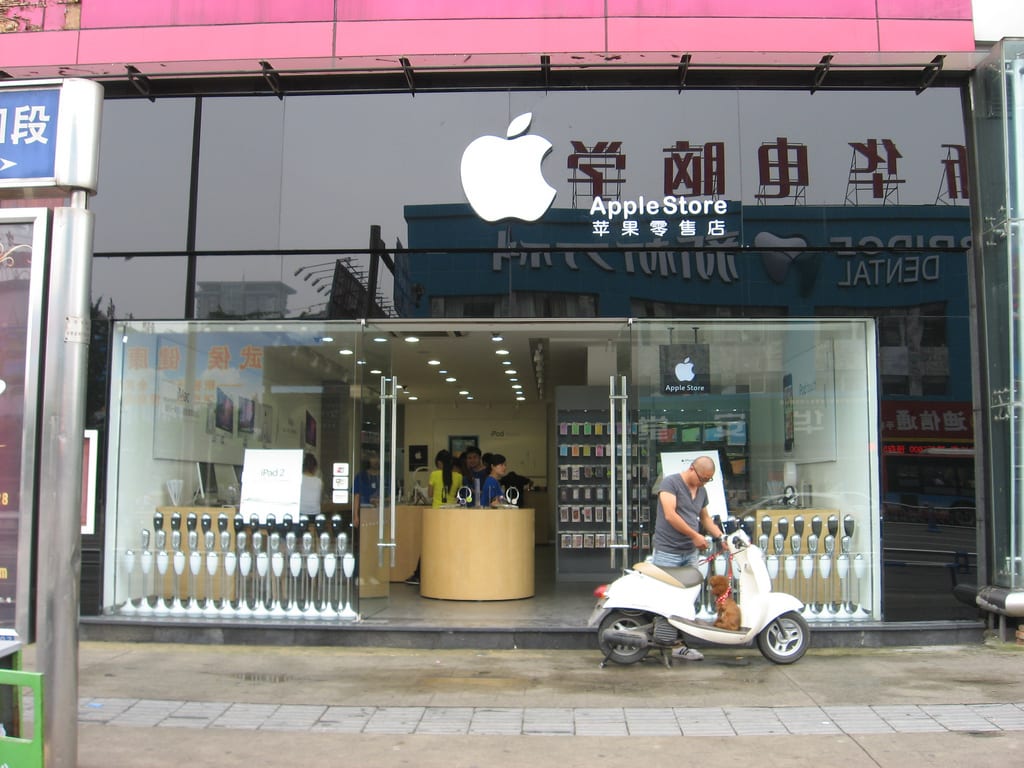
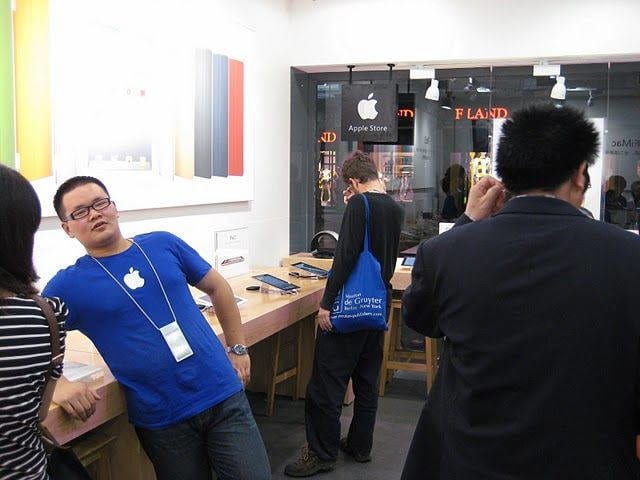
    Due to stricter copyright laws and laws to protect intellectual property in the US, finding a fake Apple retail store is next to impossible. However over in China, such stores used to run rampant several years ago where not only did the shops look like the official Apple Store, but employees were also given similar uniforms.

    In fact there was once this story about an employee who had no idea he was working in a fake Apple Store. That being said, a report from Reuters has recently noted that the number of fake Apple Stores in China are said to be on the decline. Some claim that this is because interest in Apple products in China are on the decline, while others speculate that Apple might be working with the government to clamp down on these stores harder.

    fake apple store

    A third possibility is that with Apple expanding their official retail presence in the country, residents of China are starting to wisen up to these fake stores, leading to their decline. The third option is probably the most likely, especially since Apple will be opening its 33rd store in the country this week, with plans to expand to 40 locations by the middle of the year.

    In the meantime some of these fake stores have since been replaced by regular smartphone stores which sells local brands such as Xiaomi, Huawei, Meizu, OPPO, and etc.