Tag: Family

  • Singha Beer Heiress Withdraws Ungrateful Child Suit Amidst Family Scandal

    Singha Beer Heiress Withdraws Ungrateful Child Suit Amidst Family Scandal

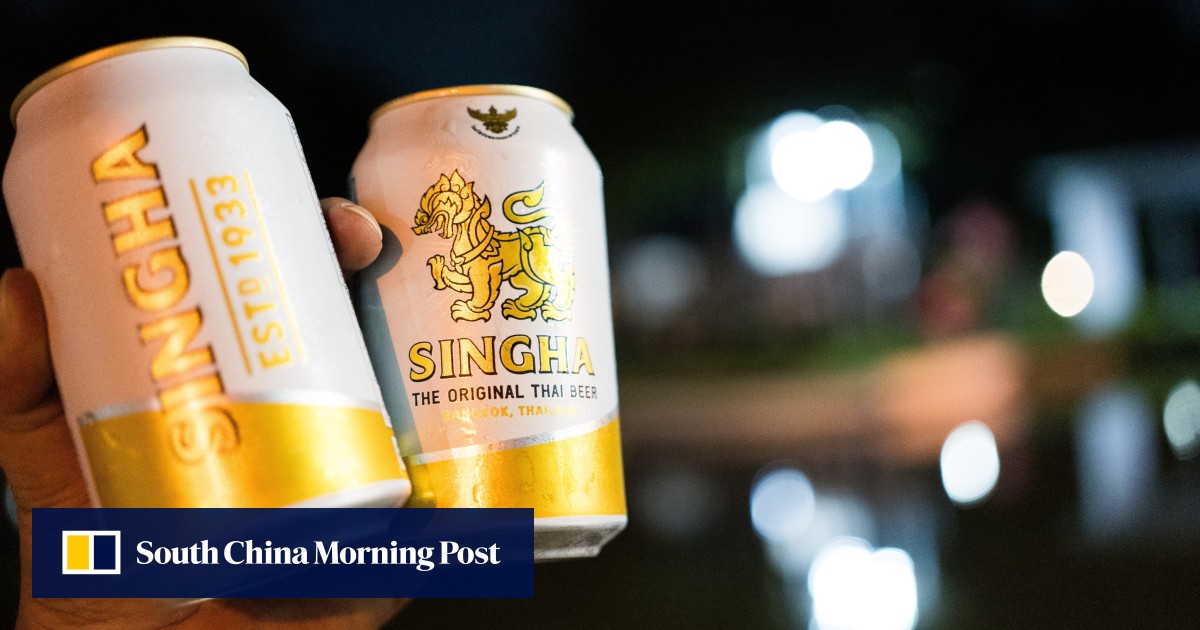
    On Wednesday, a mother from one of Thailand’s wealthiest families officially withdrew the lawsuit she lodged against her son under the “ungrateful child law.” The litigation stemmed from accusations her son, Siranudh “Psi” Scott, made against his older brother of sexual abuse. The mother, Jeeranuch Bhirombhakdi, is part of the billionaire family that founded Thailand’s Singha beer empire.

    The Ungrateful Child Law and Its Implications

    The “ungrateful child law,” invoked by Jeeranuch in February, provides parents the right to revoke gifts if their children are deemed ungrateful, abusive, neglectful in their later years or if they cause significant reputational damage. Triggered by the lawsuit, Siranudh disclosed in May that he had suffered sexual abuse at the hands of his elder brother, Sunit, and his babysitter.

    Jeeranuch contended that Siranudh’s accusations tarnished the family’s reputation. As a result, she sought to reclaim land valued in the millions that his late grandfather had bequeathed him. Despite the case withdrawal, Siranudh reported to journalists outside the courtroom, “Even though they withdrew the case, my life is still shattered.”

    Family Dispute Publicized

    Approximately 20 of Siranudh’s advocates assembled near the court, bearing paper flowers and photographs of him. Siranudh expressed that he could not consider the lawsuit withdrawal a victory, as the case should never have been initiated. He insisted, “I’ve never been ungrateful to anyone.”

    Parnthep Pourpongpan, Siranudh’s representative, informed reporters that Jeeranuch’s filing suggested resolution within the family due to the dispute’s familial nature. In a Friday-dated statement, Jeeranuch declared her willingness to converse, provided it was conducted with “love and genuine goodwill.” Jeeranuch also indicated her readiness to “respect and accept” the judicial process concerning the issue between her sons. She expressed her hope that “the truth will come to light and fairness will be served to both of my children.”

    Denying the allegations against him, Sunit admitted to roughhousing between the siblings. Singha’s parent company, Boonrawd Brewery, terminated Sunit’s executive role in May. According to Forbes, the Bhirombhakdi family ranks as Thailand’s 15th richest, with a net worth of approximately US$1.75 billion.

    Questions & Answers

    What is the “ungrateful child law”?
    The “ungrateful child law” is a measure that allows parents to revoke gifts to their children if they are deemed ungrateful, physically abusive, neglectful in old age, or responsible for serious reputational harm.

    Why did Jeeranuch Bhirombhakdi file a lawsuit against her son, Siranudh?
    Jeeranuch filed the lawsuit under the “ungrateful child law” after Siranudh accused his older brother of sexual abuse, which she claimed had damaged the family’s reputation.

    What happened to Sunit, the elder brother accused of sexual abuse?
    Sunit denied the allegations against him and was subsequently dismissed from his executive role at the family’s business, Boonrawd Brewery.

  • Florida Family Files Worm Contamination Suit against Campbells and Walmart over SpaghettiOs

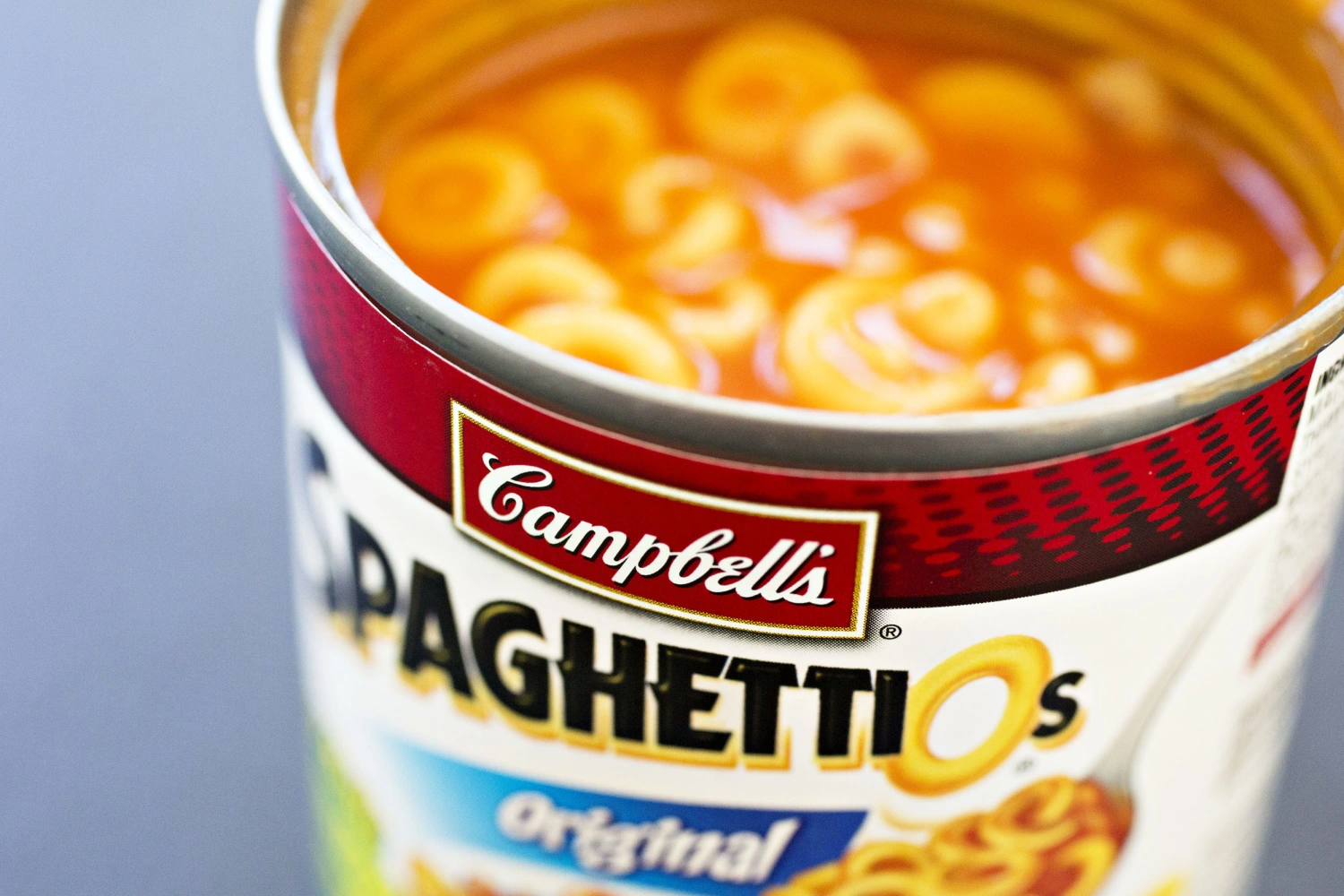
    Florida Family Files Worm Contamination Suit against Campbells and Walmart over SpaghettiOs

    A lawsuit has been filed against Campbell’s and Walmart by a Florida-based mother and her daughter, alleging that they consumed SpaghettiOs tainted with parasites or worms, rendering the product unfit for consumption.

    Accusations of Food Contamination

    In the legal complaint lodged on Tuesday, Mary Hubbard stated that she became aware of the alleged contamination on June 6, 2024, when they started eating the SpaghettiOs at their residence in Okeechobee County. It was mentioned that “worms or parasites appeared to be actively moving within the food.” In substantiation of this claim, Hubbard made videos that apparently portrayed worm-like organisms moving in the food item.

    According to her, the pasta product was purchased at Walmart, which is also named in the lawsuit. The plaintiffs, Hubbard and her daughter identified as PL, argue that they experienced parasitic infections after eating the SpaghettiOs, leading to various health issues. Hubbard suffered from a gastrointestinal illness and sepsis, while her daughter encountered nausea and vomiting.

    Companies Respond and Lawsuit Details

    In response to the allegations, Campbell’s, headquartered in Camden, New Jersey, dismissed the plaintiffs’ claims as baseless and expressed its intention to strongly refute them. Walmart, located in Bentonville, Arkansas, stated that it would respond to the allegations in court, underscoring that its customers’ health and safety are of paramount importance.

    The lawsuit seeks unspecified damages amounting to a minimum of US$75,000 from both Campbell’s and Walmart, citing alleged negligence and violation of federal food safety regulations. The father of young PL is also a plaintiff in the case, but lawyers representing the plaintiffs did not provide additional details when asked.

    Introduced to the market in 1965, SpaghettiOs was touted as “the world’s first spoonable spaghetti.” It is not uncommon for food manufacturers to face legal action over alleged contamination, often precipitated by lab tests, product recalls, or health alerts. For example, in April 2025, a public health alert was issued by the US Department of Agriculture’s Food Safety and Inspection Service for 12 varieties of soup, including four Campbell’s brand soups, on grounds of potential contamination with wood present in a federally regulated ingredient, cilantro.

    The lawsuit was filed in a federal court in Fort Pierce, Florida, and has been assigned to US District Judge Aileen Cannon.

    Questions & Answers

    What is the alleged contamination of Campbell’s SpaghettiOs about?
    The mother and daughter, Mary Hubbard and PL, claim they discovered worms or parasites in the SpaghettiOs they had purchased from Walmart. This allegedly led to parasitic infections and various illnesses.

    What are the companies’ response to this accusation?
    Both Campbell’s and Walmart have refuted the claims and intend to defend vigorously against the allegations. Walmart also highlighted that it considers customers’ health and safety a top priority.

    What compensation are the plaintiffs seeking with their lawsuit?
    They are seeking unspecified damages of at least US$75,000 from Campbell’s and Walmart, citing negligence and violation of federal food safety laws.

  • Family Offices Pivot towards AI and Diversification amid Geopolitical Uncertainty: UBS Report

    Family Offices Pivot towards AI and Diversification amid Geopolitical Uncertainty: UBS Report

    Global financial markets are experiencing profound shifts due to geopolitical and structural uncertainties, leading family offices globally to reconsider their investment strategies. This emerges from UBS’s “Global Family Office Report 2026”, which surveyed 307 family offices across over 30 markets, together representing around $2.7 billion in net worth.

    Significantly, this is the first time since the start of the study that 60% of participants expressed their intention to modify their strategic asset allocation in the coming year. The focus is shifting towards a broader diversification spanning regions, currencies, and asset types, coupled with an enhanced emphasis on long-term thematic investments.

    A Growing Interest in Artificial Intelligence

    The report reveals an increasing trend amongst family offices to adjust their portfolios in a calculated, disciplined manner, as explained by Benjamin Cavalli, Head of Strategic Clients & Global Connectivity at UBS Global Wealth Management. Several investors are diminishing their U.S. dollar exposure or diversifying more widely across regions, without fundamentally reevaluating their North American positions.

    Artificial Intelligence (AI) is an area that continues to pique significant interest. As per the report, 65% of family offices have invested across the full AI value chain, starting from data centers and software platforms to semiconductor manufacturers. Despite high valuations, a considerable number of investors intend to increase or at least maintain their exposure.

    “Artificial Intelligence continues to be the defining investment theme of this decade,” stated Yves-Alain Sommerhalder, Head of GWM Solutions at UBS. Family offices are taking a more discerning approach, merging growth opportunities with a heightened risk discipline.

    Challenges in Governance and Succession Planning

    Besides AI, investments in infrastructure and energy and commodities remain the preferred areas for family offices. Cryptocurrencies, however, remain a fringe allocation, with only 44% of invested family offices considering digital assets as part of their strategic asset allocation, but actual portfolio exposures are typically limited.

    For Swiss family offices, the trend appears to be more conservative. They maintain widely diversified portfolios with a strong emphasis on Western Europe and North America, and they are making portfolio adjustments more cautiously compared to international peers. AI, energy, automation, and robotics also dominate amongst Swiss investors.

    Despite these trends, there are noticeable gaps in governance and succession planning in many family offices. Only about one-third have a clearly defined succession plan, and a mere 27% are preparing the next generation in a structured manner for future leadership roles.

    Questions & Answers

    What’s the trend in asset allocation among family offices?
    A majority of family offices are planning to adjust their strategic asset allocation in the next year, with emphasis on wider diversification across regions, currencies, and asset classes.

    What’s the investment sentiment towards artificial intelligence?
    Artificial Intelligence continues to be of high interest, with 65% of family offices having invested across the full AI value chain. Many plan to increase or maintain their AI exposure despite high valuations.

    What are the challenges being faced by family offices?
    A significant number of family offices lack clearly defined succession plans and structured methods for preparing the next generation for future leadership roles.

  • Thai Beer Tycoon Dismisses Family Exec Following Brothers Abuse Claims

    Thai Beer Tycoon Dismisses Family Exec Following Brothers Abuse Claims

    A prominent member of Thailand’s Bhirombhakdi family, known for their control of Singha Beer, was dismissed from the family’s business empire due to allegations of sexual abuse. The dismissal followed several days of public controversy ignited by the allegations.

    A Family Rift

    Siranudh Scott, an environmental activist from the Bhirombhakdi family, accused his elder brother of sexually abusing him during his teenage years. Scott announced these allegations in an emotional video posted on his Facebook page. He claimed that his family was aware of the abuse, citing a taped confession as proof, but took no action against it.

    Scott expressed his disillusionment with his family, stating his unwillingness to be identified as a Singha heir and his desire to distance himself from a family that he felt lacked empathy for him. Scott, a marine conservationist known for his work with his group Sea You Strong in southern Thailand, is the son of a Scottish father.

    Company Response

    Following the allegations, the family’s business conglomerate, Boonrawd Brewery Company, announced the dismissal of Sunit, Scott’s brother, from all his positions within the company. In a statement, the company expressed regret for Scott’s experiences and declared their cooperation with authorities in ongoing investigations.

    The statement was given by the company’s CEO, Bhurit Bhirombhakdi, who is also a cousin of the two men. Bhurit additionally shared a letter from Sunit, in which the accused resigned from all his duties until the matter could be thoroughly investigated and resolved. Although Sunit has denied the allegations of sexual abuse, he admitted to instances of rough play between boys.

    The Bhirombhakdi family, who are identified as Thailand’s fifteenth wealthiest family by Forbes, with an estimated net worth of $1.75 billion, have interests extending beyond Singha Beer. They are also engaged in food manufacturing, hotel operations, power, and property.

    Questions & Answers

    What led to the dismissal of a member from the Bhirombhakdi family’s business empire?
    The dismissal occurred following allegations of sexual abuse made by Siranudh Scott against his elder brother, Sunit, which stirred public controversy.

    Who announced the dismissal from the family’s business empire?
    CEO Bhurit Bhirombhakdi, the cousin of the two men, announced the dismissal in a statement.

    What are the other business interests of the Bhirombhakdi family?
    Apart from Singha Beer, the family’s business interests include food manufacturing, hotels, power, and property.

  • Samsung’s Lee Family Wraps Up $7.95B Inheritance Tax Payment: Paves Way for Tech Investment Boom

    Samsung’s Lee Family Wraps Up $7.95B Inheritance Tax Payment: Paves Way for Tech Investment Boom

    The family of the late Chairman of the Samsung Group, Lee Kun-hee, is nearing the completion of a sizeable inheritance tax payment. The amount, approximately 12 trillion won ($7.95 billion USD), is expected to be settled later this month.

    Final Installment

    The heirs, including the Chairman’s widow Hong Ra-hee and their children Lee Jae-yong, Lee Boo-jin, and Lee Seo-hyun, will be making the sixth and concluding payment this month. This plan was initiated in 2021 after the Chairman’s passing in 2020.

    Estate Valuation

    Lee Kun-hee’s estate was estimated to be worth around 26 trillion won, comprising stocks, real estate, and art collections. Hong Ra-hee is shouldering the most significant proportion of the tax, around 3.1 trillion won. The children follow closely behind, each paying between 2.4 to 2.9 trillion won.

    Payment Strategies

    The family members navigated the tax payment through various strategies. Hong and her daughters allegedly sold shares in key Samsung affiliates like Samsung Electronics, Samsung SDS, and Samsung C&T. Hong also entered into a trust agreement earlier this year to sell 15 million Samsung Electronics in an apparent move to cover her portion of the tax.

    In contrast, Samsung Electronics Chairman Lee Jae-yong financed his share of the tax through dividends and personal loans. This approach is perceived as an attempt to maintain his influence over the group’s ownership structure, primarily centered on Samsung C&T.

    Investment Plans

    Over the past five years, the family is estimated to have received about 4 trillion won in dividends from affiliates following Lee Kun-hee’s death, and more than 6 trillion won when considering earlier dividends.

    With the tax nearly settled, the group is predicted to channel more investment into sectors like semiconductors, artificial intelligence, and biopharmaceuticals. The completion of the inheritance tax payments is significant as it coincides with improved earnings at Samsung Electronics and the resolution of legal risks.

    Questions & Answers

    What was the total worth of Lee Kun-hee’s estate?
    The estate, which comprised stocks, real estate, and art collections, was estimated to be worth around 26 trillion won.

    How did the Lee family manage to pay off the inheritance tax?
    The family used various strategies to pay the tax. This included selling shares in key Samsung affiliates and gaining dividends. Lee Jae-yong also utilized personal loans.

    What is the expected future investment direction of the Samsung Group?
    With the tax nearly settled, the Samsung Group is expected to increase investment in sectors like semiconductors, artificial intelligence, and biopharmaceuticals.

  • Familymart Accelerates Taiwan Expansion: 100 New Stores And Revamped Food Section Planned For 2022

    Familymart Accelerates Taiwan Expansion: 100 New Stores And Revamped Food Section Planned For 2022

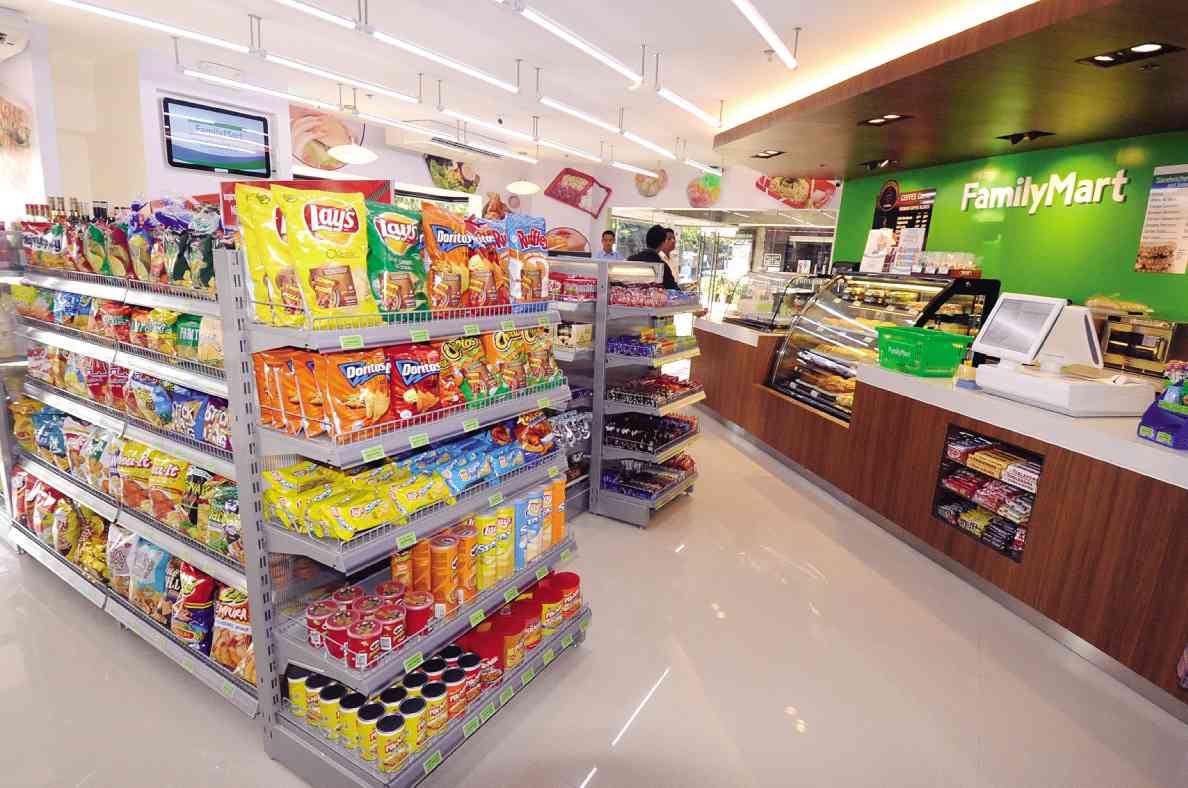
    FamilyMart, a renowned convenience store chain, is stepping up its growth strategy in Taiwan. The company has announced plans to inaugurate 100 new outlets this year, a significant step towards their long-term objective of establishing 5000 stores by 2029.

    Currently, FamilyMart operates around 4400 stores across the nation. Last year, the company added 80 new stores to its portfolio, and it now anticipates increasing the pace of expansion to approximately 150 stores annually in the forthcoming years.

    Reinventing Food Offerings

    In alignment with its comprehensive growth plan, FamilyMart is revitalizing its food section to keep pace with evolving consumer preferences. The company plans to introduce a wider range of customizable bento meals and increase its array of microwave-friendly dishes. The new offerings are aimed at catering to busy urban customers and to make the store an appealing destination beyond traditional meal times.

    Customer Experience Strategy

    In another strategy to enhance the customer experience, FamilyMart Taiwan will continue to keep dining spaces in their stores. The company views these areas as a crucial element of the customer journey, fostering longer stays, facilitating informal gatherings, and promoting additional purchases.

    FamilyMart ventured into the Taiwan market in 1988 with its first store in Taipei Station’s shopping district. Operated by Taiwan FamilyMart Co, the brand has now become one of the top convenience store chains in the country, competing with the likes of 7-Eleven and Carrefour.

    Questions & Answers

    What is FamilyMart’s expansion goal in Taiwan by 2029?
    FamilyMart aims to operate 5000 outlets in Taiwan by 2029.

    How is FamilyMart planning to modify its food offerings?
    FamilyMart plans to roll out more customizable bento meals and expand its selection of microwave-ready dishes, targeting urban consumers and beyond traditional meal times.

    What is FamilyMart’s strategy to enhance customer experience?
    FamilyMart Taiwan will continue to maintain dining areas in their stores as they see them as a key aspect of the customer experience, encouraging longer stays, informal meetings, and additional purchases.

  • Watsons creates a ‘family’ of collectables to tap into character craze

    Watsons creates a ‘family’ of collectables to tap into character craze

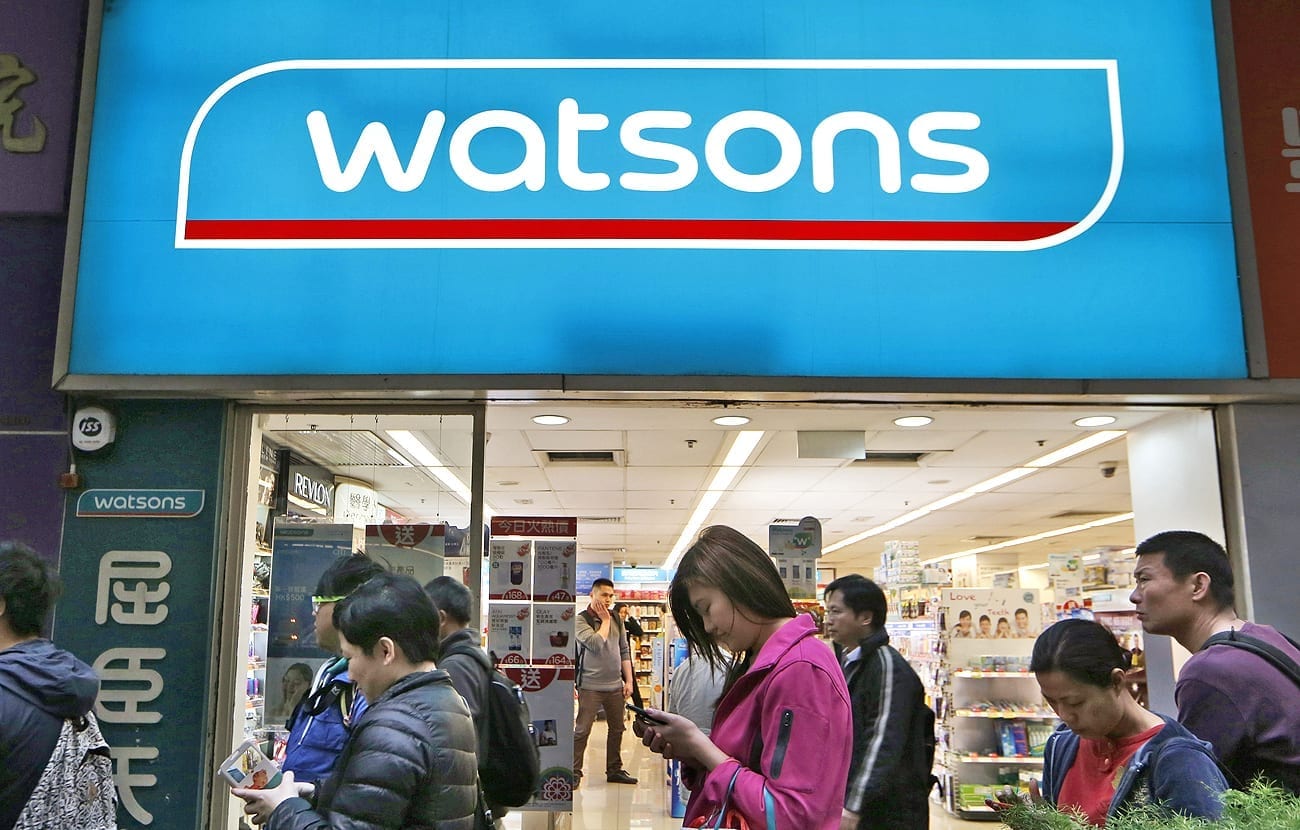
    Health and beauty retail giant Watsons has unveiled its new initiative, The Watsons Family, a character-driven brand strategy set to enhance customer interaction throughout Asia.

    The Watsons Family Initiative

    The Watsons Family comprises 16 distinctive characters inspired by the Myers-Briggs Type Indicator (MBTI). These characters are featured on the packaging of various Own Brand products, ranging from skincare to body care essentials. This creative marketing concept makes the packaging itself an appealing and collectible item.

    The campaign is set to kick off in Hong Kong where three core characters will take center stage:

    – Sunny, representing wellness supplements.
    – Kilo, symbolizing energy and wellness.
    – Flora, embodying beauty through facial masks.

    Jared DeGuzman, Customer Director of Brand Marketing at Watsons, explained that the objective of this campaign is to transition the brand from traditional retail into a more experience-driven model.

    “We are leveraging the power of character-based storytelling,” DeGuzman shared. “Our aim is to create a health and beauty universe that not only sells products but also brings joy, inspiration, and a sense of community to our customers across Asia.”

    Retail Transformation

    As part of the campaign, Watsons stores in Hong Kong will feature branded visuals, interactive campaigns, digital extensions, and even meet and greet events with the characters.

    Following its initial launch, the expansion of The Watsons Family will continue into Mainland China, Malaysia, Taiwan, and Thailand. These new markets will be supported by significant marketing campaigns tailored to each region.

    Questions & Answers

    What is the purpose of The Watsons Family initiative?
    The Watsons Family initiative is designed to transform Watsons from a traditional retailer into a more experiential brand, using character-driven storytelling to create a universe where health and beauty are sources of joy, inspiration, and community connection.

    Who are the three flagship characters of The Watsons Family initiative?
    The three main characters are Sunny, who represents wellness supplements; Kilo, embodying energy and wellness; and Flora, symbolizing beauty through facial masks.

    Where will The Watsons Family initiative be launched and expanded?
    The campaign will initially roll out in Hong Kong and later expand into Mainland China, Malaysia, Taiwan, and Thailand.

  • H&M Founding Persson Family Increases Stake, Sparking Privatization Rumors

    H&M Founding Persson Family Increases Stake, Sparking Privatization Rumors

    The Persson family, one of Sweden’s wealthiest clans, has made quite the splash in the fashion world. Since 2016, they’ve poured over US$6.6 billion into H&M, claiming nearly two-thirds ownership of the brand. This move has sparked lively speculation about a possible return to private ownership, even though the family asserts otherwise, as reported by Bloomberg.

    Increasing their stake through Ramsbury Invest, the Perssons have offered minimal insight into their intentions, merely stating their unwavering belief in H&M.

    Despite their denials about taking H&M private, their steady accumulation of shares is raising eyebrows among minority shareholders. “This is something we’ve been discussing for years, and few would doubt that this is the direction things are headed,” remarked Sverre Linton, chief legal officer and spokesperson for the Swedish Shareholders’ Association.

    Linton urged the family to clarify their intentions and consider halting their share acquisitions if they truly aren’t planning a switch to private ownership.

    Thanks to reinvested dividends, the Perssons have inflated their H&M stake from 35.5% to nearly 64% over the past nine years. When considering extended family holdings, the Perssons command about 70% of the capital and roughly 85% of the voting rights, according to H&M’s own website.

    In an interview with Bloomberg last year, H&M Chairman Karl-Johan Persson, the founder’s grandson, brushed aside rumors of privatization, asserting, “There are no plans. We just buy because we believe in the company.”

    However, competition is heating up, with H&M wrestling against heavyweights like Zara and the rapid-fire fashion disruptor Shein. Last year, this iconic Swedish brand, nearly 80 years in the making, dropped its margin targets for 2024 as higher discounting, increased costs, and stiff competition eroded their operating profits, as Reuters reported.

    Analysts, such as Niklas Ekman at DNB Carnegie, speculate that the family’s ongoing share purchases might signify intentions that extend beyond mere confidence. In a recent note to clients, he indicated a buyout could materialize within two years if the family’s current pace continues, with the potential for a delisting after reaching 90% ownership.

    Ekman mused that a transition to private ownership would likely stem from “emotional rather than financial motives,” given the family’s existing dominance and historical penchant for prioritizing their vision over that of minority shareholders.

    At the heart of this drive is Stefan Persson, 77, who transformed H&M into a global fast-fashion behemoth during his 16-year CEO stint and subsequent two decades as chairman. He remains heavily engaged in the brand’s future. With a fortune of $18.6 billion, largely in H&M stock, he stands as Sweden’s wealthiest individual, according to the Bloomberg Billionaires Index.

    As H&M’s shares have plummeted by about 60% since peaking a decade ago, the company now holds a valuation of around US$23 billion, a stark contrast to its former glory.

    Questions & Answers

    What is the Persson family’s current stake in H&M?
    The Persson family’s stake has risen from 35.5% to almost 64% over the past nine years, giving them control of around 70% of the capital.

    Why are minority shareholders concerned?
    Their concerns stem from the family’s ongoing share purchases, which some believe could indicate intentions to take H&M private, despite family denials.

    How has H&M been performing recently?
    H&M has struggled against fierce competition and has dropped its margin targets for 2024 due to increased costs, higher discounting, and declining operating profits.

  • Snapchat doubles down on Family Center, adds new controls for parents

    Snapchat doubles down on Family Center, adds new controls for parents

    Introduced last year, Snapchat’s Family Center was one of Snap’s most important steps toward allowing parents to control the accounts of their offspring. Today, the social app announced more improvements are coming to Family Center, which includes additional controls for parents who aren’t content with what they received in 2022.

    Suggestively dubbed “Content Controls,” the latest feature for Family Center allows parents to limit the type of content their children can watch on Snapchat. Surprisingly, this wasn’t available when Family Center was launched last year, but at least the feature if finally here.

    Particularly, the newly added controls enable parents to filter out Stories from publishers and creators that they feel are not a good match for their kids. Either they’re creating sensitive, suggestive content or their views are in contradiction with what parents believe about a particular topic, it’s now possible to filter out Stories based on who creates them.

    Snap’s policies are designed to prevent “unvetted content from going viral,” so it’s harder for certain content you can find on TikTok or other social networks to share widely on Snapchat. Not to mention that Snap moderates public-facing content from creators and Snapchatters before it’s eligible to get reach on Stories or Spotlight.

    Of course, to take advantage of the latest feature for Family Center, you’ll need to have an account set up with your child. The Family Center account is free and can be created in just a few minutes.

    In related news, Snap revealed plans to add even more new features to the Family Center. Some of these upcoming features will be built around My AI, Snap’s experimental chatbot, and are meant to provide parents with more visibility and control around their children’s usage of My AI. Other new features might be in the pipeline too, but these are the only ones we know of so far.

  • This popular family safety app will sell your location data to anyone who has the money

    This popular family safety app will sell your location data to anyone who has the money

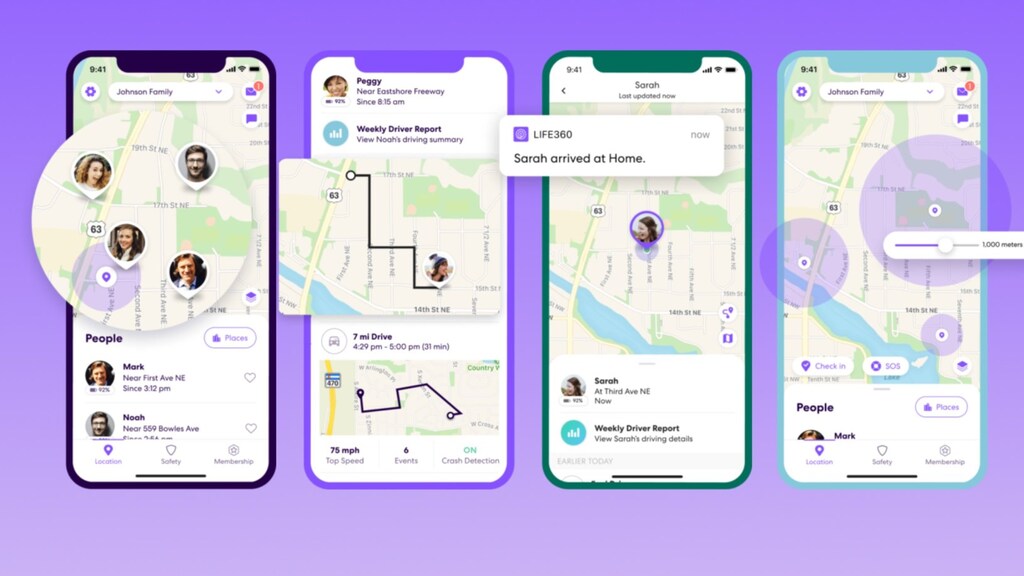
    Data sold by Life360, an app that helps people share their location with family members, is being sold by data dealers to whoever is willing to pay for it. At the center of the report are two former employees of Life360 and two people who in the past have worked for two of its customers – Cuebiq and X-Mode.

    The app has a user base of 33 million customers and is typically used by parents to keep an eye on their kids. Life360’s privacy policy clearly states that it sells data that it collects from app users in a de-identified form. The employees questioned by The Markup have revealed that the company doesn’t take the steps needed to ensure the information is not traced back to people. Some of the customers are sold raw location data and the company says it trusts its customers to obfuscate that information.

    Apparently, Life360 is the go-to source for location data for most entities, a claim that founder and CEO Chris Hulls neither confirms nor denies. He says that data is an important part of the company and allows them to keep core services free, including features that have “improved driver safety and saved numerous lives.” Last year, location data sales made up 20 percent of the revenue.

    The data is seemingly being used by hedge funds or firms that do targeted advertising and by government organizations like the Centers for Disease Control and Prevention and the U.S. Department of Defense.

    X-Mode has been found in the past to sell location data from Muslim prayers apps to U.S. government contractors. Cuebiq sold location data to news organizations like The New York Times and NBC News during the beginning of the pandemic as they were eager to learn about the new movement patterns of the public during the early lockdown period.

    Life360, which began selling data in 2016, instituted a policy barring the sale of data for law enforcement purposes in 2020 and this also applies to customers who get data from it. Whether they are complying with this is not known.

    Although Life360 made a loss of $16.3 million in 2020, it is expanding its business to include products for data breach alerts, credit monitoring, and identity theft protection.

    In 2019, it bought family screen-time monitoring app ZenScreen and in April, it acquired Jiobit which makes wearable location devices for kids, pets, and seniors. Most recently, it revealed plans to buy Tile, a company that makes Bluetooth trackers to help consumers find easily lost items like wallets and keys. Hulls says data from Tile devices won’t be sold.

    Life360 does give an option to its app users to disable the sale of location data.

  • Disney Plus Day brings a special 2$ offer for the first month of subscription

    Disney Plus Day brings a special 2$ offer for the first month of subscription

    Disney Plus first got released in 2019 on November 12th, which Disney refers to as Disney Plus Day. This year, for Disney Plus Day, the entertainment giant is making a special offer for new-to-be and returning subscribers. For their first month of subscription, the fee drops from 8$ to 2$.

    In addition to the 6$ cut for its streaming platform, Disney has some other special perks and offers under its sleeve as well. For example, you can get a five percent discount on Disney Plus products at WizKids and a 10 percent on Funko ones if you use the code DISNEYPLUSDAY.

    What’s more, over 200 AMC movie theaters will have surprise Disney movies playing for only 5$ a ticket between November 12th and 14th. On top of that, you will get a Disney Plus poster and some special concessions.

    On a different note, it seems the house of Mickey is keeping up with the new trends of the digital world. Disney will apparently be releasing NFTs in the form of golden statues of some of its most popular characters.

    Last but not least, Disney Plus Day is a good day to visit one of the famed Disney theme parks like Disney World or Disneyland. Visitors with a subscription can enter the parks 30 minutes earlier than usual, as well as free Disney PhotoPass photo downloads. There will also be new merchandise from Star Wars, Marvel, and Pixar, so parents get their wallets ready. Additionally, some e-books will get discounted to as little as 1$ a piece until November 17th.

    As for the 2$ special offer for your first month of Disney Plus, it will be available from November 12th until the 14th, so make sure you catch it. It’s a great opportunity to see if you would like the shows Disney has to offer if you haven’t jumped on that bandwagon yet. Just remember that after the first month the price jumps back to that monthly 8$ fee.

  • HSBC Rolls Out Institutional Family Office Services

    HSBC Rolls Out Institutional Family Office Services

    Single-family office clients across Asia will be able to tap on HSBC’s team of investment banking specialists and institutional execution services.

    HSBC said that combining the family office and wealth planning strengths of its private banking business with the expertise and reach of its global banking and markets business will allow it to better serve the growing needs and levels of sophistication of family offices.

    In an announcement on Thursday, the bank cited the growing number of ultra-high net worth families in Asia and the scale of wealth transfer happening in the region, where $1.9 trillion is expected to be passed on to the next generation.

    The bank’s family office relationships will be able to access a wider range of solutions and opportunities, including financing solutions and product capabilities, including institutional market access, prime services, and private deals, the announcement said.

    As wealthy individuals and businesses professionalize the management of their family wealth, we will deliver the full strength of advisory and structuring capabilities in our private banking and investment banking teams to meet our clients’ increasingly sophisticated investment and family needs, Siew Meng Tan, regional head of HSBC Private Banking, Asia-Pacific, said.

    HSBC said the move is aligned with its ambition to become the leading wealth bank in the region. The bank previously announced plans to invest over $3.5 billion in the next five years to accelerate the growth of its Wealth and Personal Banking (WPB) business in Asia.

  • SUVs, Crossovers dominate high-end segment in Vietnam

    SUVs, Crossovers dominate high-end segment in Vietnam

    Among consumers willing to spend at least VND1 billion ($43,135), the preference is for SUVs and Crossovers over sedans. In recent years, high ground clearance vehicles have gradually become the number one choice for the majority of Vietnamese consumers, having grown steadily in number sales and variety over the years. In contrast, the D-class sedan segment has seen low demand and limited variety.

    Sales of SUV and Crossovers (CUV) vehicles around the price of VND1 billion ($43,135) have risen steadily over the years. While 2014 saw only around 13,000 units sold, sales had more than doubled by 2018 at 24,264 units. 2018 only saw a slight increase over 2017, but this was because a decree on import conditions prevented many firms from importing these vehicles for most of the year.

    According to the Vietnam Automobile Manufacturers’ Association (VAMA), consumers have a choice of 10 SUV/CUVs in the VND1 billion price range. Car dealers have noted that almost all brands in Vietnam have at least one product in the SUV/CUV segment.

    Average sales per model was around 3,100 vehicles a year.

    Th SUV/CUV segment is predicted to boom in 2019, as firms get used to the new regulation and find stability in importing new vehicles.

    Meanwhile, from 2014 up to now, the D-size sedan segment has featured the same models, namely, Toyota Camry, Mazda6, Honda Accord, Nissan Teana and the Kia Optima, which was introduced last year.

    In the last 5 years, sales of D-size sedans reached a peak in 2016 at 8,148 units. The introduction of the Kia Optima in 2018 raised the number of models in the segment to 6, but annual sales fell to only 7,612 units.

    In 2018, Toyota Camry dominated the D-segment at over half of the 4,503 units sold, while the remaining models saw little growth. Total sales have nevertheless been fairly stable, hovering around 6,000 or 7,000 over the years.

    Vietnam’s total car sales increased 5.8 percent to 288,683 units in 2018 from a year ago, according to the Vietnam Automobile Manufacturers’ Association (VAMA).

  • Excess car demand for Tet holiday drives prices up in Vietnam

    Excess car demand for Tet holiday drives prices up in Vietnam

    The surge in demand for cars before the Lunar New Year means customers have to wait or pay extra to get immediate delivery. With only weeks to go for the Lunar New Year Festival (Tet), which falls on February 5 this year, consumers are rushing to order automobiles leading to a shortage in the market. They either have to wait for a long time for delivery or, for quick delivery, opt for accessories which can cost an extra VND70-150 million ($3,013-6,458).

    For instance, Hyundai SUV Santa Fe requires an extra VND70-160 million ($3,013-6,887), which is 7-16.1 percent above the minimum listed price, while for the Toyota Fortuner it is VND100-150 million ($4,305-6,457). But most customers will have to wait until March for delivery if they signed the purchase agreement last November or later.

    The only way to get guaranteed delivery before Tet is to buy from someone who signed earlier, car dealers said, explaining that a dealership only gets around 20 units in each model per month but demand is two to three times that number.

    The shortage is because of difficulties in importing at the beginning of 2018 as a result of a new regulation tightening imports, Tran Thanh Binh, director of Thanh Binh Automobile Import Export Trading Service Co Ltd, said.

    The regulation stipulates that traders are only permitted to import if they can provide valid vehicle registration certificates issued by authorities from the countries of origin.

    Original quality control certificates for each vehicle and letters of authorization regarding recalls of defective vehicles from the manufacturers are also required, along with copies of quality assurance certificates provided by the countries of origin.

    “This made companies stop ordering from factories in Indonesia and Thailand. The second half of 2018, however, with these difficulties resolved, businesses have started to order again. But, since the factories also produce for many other markets, Vietnam was not able to order enough,” he explained.

    Vietnam imported 6,362 cars, including 4,264 personal cars, 1,820 trucks in the first 15 days of 2019, according to Vietnam Customs.

  • Pizza Hut Malaysia 400th store opens soon

    Pizza Hut Malaysia 400th store opens soon

    Pizza Hut Malaysia will open its 400th store in within the next three months. The company says it plans 15 new stores this calendar year, part of the 67 it announced last year within three years. Parent QSR Brands operates 810 KFC locations in its territory of Malaysia, Singapore, Brunei and Cambodia, drawing 25 million customers per month. It has another 393 Pizza Huts in Malaysia and 80 in Singapore, attracting 6 million diners per month.

    QSR Brands restaurants division CEO Merrill Pereyra said Pizza Hut anticipates a strong year as it heads towards a planned IPO in the next quarter, partly aimed to raise capital for network expansion.