Retail News CRM

Tag: Family

  • Party supplies sales surge in South Korea

    Party supplies sales surge in South Korea

    Demand for party supplies from South Korean retailers is soaring as a growing number of people prefer to host end-of-year celebrations at home instead of going out. According to E-Mart, wine and cake sales at six stores in Daegu last month soared 18.9 per cent and 16.1 per cent, respectively, year on year.

    Frozen foods sales jumped 16.3 per cent compared to last year.

    More South Koreans are choosing to cook at home using a variety of home meal products, as so-called ‘meokbang’ (eating shows) and ‘cookbang’ (cooking shows) are sweeping the country.

    Lotte Department Store’s Sangin Branch in Daegu also saw its kitchenware sales increase by more than 70 per cent compared to last year.

    Suppliers are coming up with various promotions to capture the attention of end-of-year party throwers.

    Lotte Department Store’s Daegu Branch is offering discounts of up to 60 per cent on dinnerware and is showcasing a variety of props to help decorate the perfect party.

    Lotte Department Store’s Sangin Branch is also holding a promotion event for Christmas-themed tableware.

  • Sunway Pyramid celebrates christmas with Jolly Rainbow theme

    Sunway Pyramid celebrates christmas with Jolly Rainbow theme

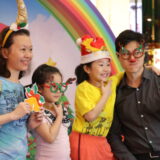
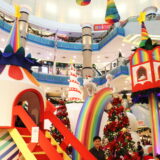
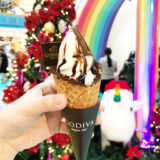
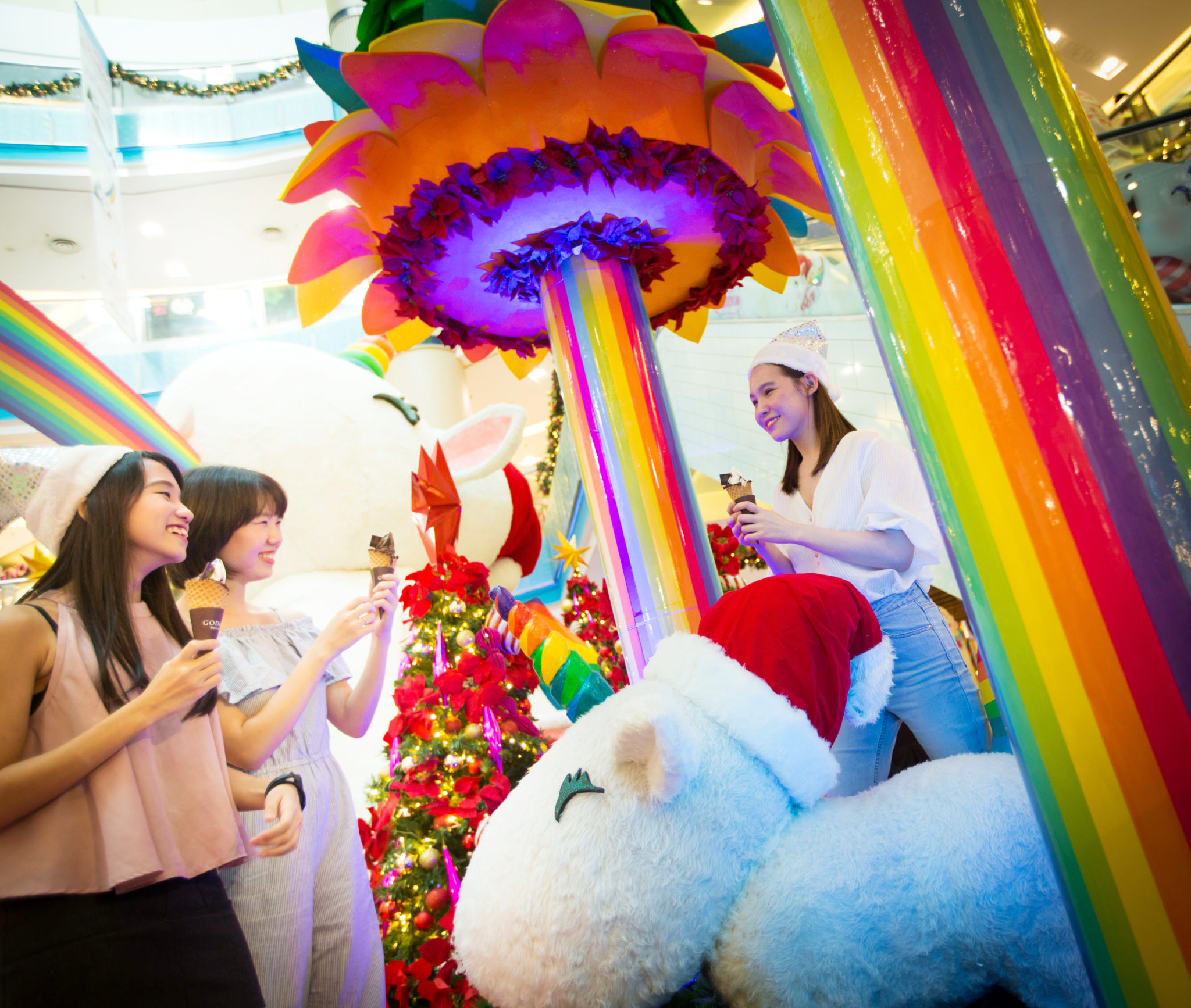
    Jolly Rainbow Christmas Fun Factory is now installed at Sunway Pyramid, this event will be on from 23 November 2018 till 1 January 2019 at the LG2 Blue Concourse. Themed Jolly Rainbow which signifies fresh beginnings and hope, get ready to embark on a fun, colourful and interactive Christmas journey as you enter the concourse.

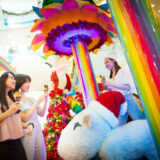
    Here, visitor can grab a Christmas passport from the Rainbow Booth to begin. Next, experience unicorn in the centre of the concourse. Visitor can colour the Christmas unicorn and characters, enter the dome and watch it come alive on the walls.

    Another fun is the Rainbow Slide installed in the dome. The slide will create a colourful rainbow on the interactive rainbow slide, and its suitable for all ages.

    View the full gallery below (5 images) :

  • VW new sedan model launched

    VW new sedan model launched

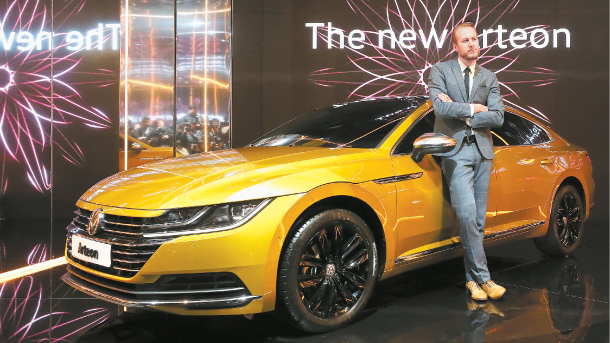
    Volkswagen launched its sleek new midsize Arteon sedan in Korea on Wednesday with high hopes that the car will overshadow consumers’ memories of the company’s emissions rigging scandal, which was first revealed three years ago. The sedan is the last of the five cars the German automaker promised to roll out in the local market in April, when it opened up a press event to show it was back in Korea after suspending sales in 2016.

    Stefan Krapp, the managing director of Volkswagen Korea, said he is “convinced the new Volkswagen Arteon will be another best seller in the Korean market, alongside the Tiguan, Tiguan Allspace and Passat,” during the launch event. He introduced the new sedan as its “new flagship model that opens a new chapter of Volkswagen’s design language.”

    The latest sedan is positioned at the top of the carmaker’s sedan line up, even above the Passat GT, according to Krapp.

    Under its sporty-looking exterior lies a spacious interior, thanks to the Arteon’s 28.40 centimeters (11.18 inches) wheelbase, which the carmaker says is the longest among its competition. The storage space can be as large as 1,557 liters (55 cubic feet) when the backseats are folded down.

    All Arteons come with a whole package of driving assistance programs, including adaptive cruise control and parking assist as basic features, in line with the digital trend sweeping the auto market. The cars come in two trims – Arteon Elegance Premium and Arteon Elegance Prestige. The most distinct feature of the Arteon is its quality assurance program.

    Krapp said the carmaker’s utmost priority is regaining consumer trust and reaffirmed the company will not compromise on quality.

    Volkswagen’s Triple Trust Program, exclusive to the Arteon, offers a bumper-to-bumper warranty for five years or 150,000 kilometers (93,205 miles), whichever comes earlier. The program also guarantees up to 1.5 million won ($1,347) in maintenance costs when metal plating or painting is necessary after an accident. For windshield glass, side mirrors and tires, which often need to be replaced, the company will guarantee up to 2 million won in repair cost.

    “This package is the best available in the market, I would say,” Krapp said. He added that in the import car market, where consumers usually sacrifice either style or value for money, the Arteon offers both.

    “This is how we will challenge our competitors,” he added.

    Though Volkswagen had no sales at all last year, it has gradually been coming back to life thanks to the popularity of the four models it launched earlier this year: the Passat GT, Tiguan, Tiguan Allspace and Passat TSI. The automaker’s market share in the local market is still in the single digits, low compared to good days when its shares were in the double digits, but it managed to reach 5.65 percent market share this year through October and sell a total of 12,294 cars.

    Whether the Arteon will help sales is another question, as it’s a pricey product. The more affordable Arteon Elegance Premium carries 52.2 million won price tag, while the Prestige model sells for 57.1 million won.

  • The Walt Disney Company appoints new Head of Consumer Products Commercialization

    The Walt Disney Company appoints new Head of Consumer Products Commercialization

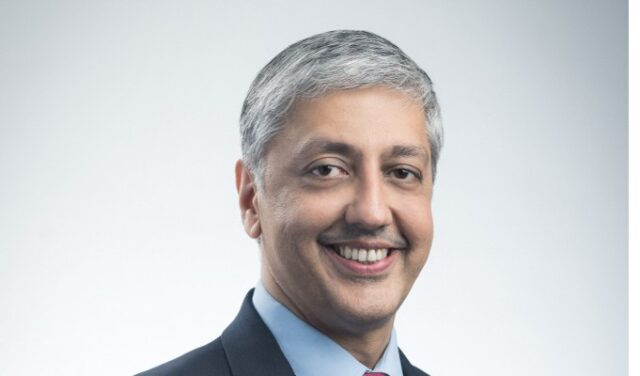
    The Walt Disney Company has announced the appointment of Mahesh Samat, Executive Vice President, Disney Consumer Products Commercialization for the Asia Pacific region. Reporting into Ken Potrock, President, Disney Consumer Products Commercialization, he takes on responsibility for the commercialization of Disney franchises across merchandise, publishing and licensed games throughout India, Southeast Asia, Greater China, Korea, Japan, Australia and New Zealand.

    Samat rejoined The Walt Disney Company in India in November 2016 and went on to integrate the Southeast Asia and India businesses to form The Walt Disney Company’s South Asia regional hub in September 2017. He led most of Disney’s integrated business units driving new strategies that are providing tremendous growth for global franchises and unilaterally creating new business opportunities for all Disney businesses. He previously led The Walt Disney Company’s India operations from 2008-2012.

    “The Asia Pacific region continues to provide immense opportunity for Disney products and experiences,” said Potrock. “I am confident that Mahesh’s proven leadership and steadfast focus on innovation and entrepreneurship will deliver dynamic growth across our brands and product categories.”

    “Disney products and experiences bring our stories and characters closer to fans every day. I am pleased to have the opportunity to lead this exceptional team to delight kids and families across these high growth Asian markets,” said Samat.

    With more than twenty-five years of experience in FMCG, Media and Healthcare across India, Asia-Pacific and Europe, Samat previously worked with Johnson & Johnson, Kellogg’s, Warner-Lambert/Parke-Davis and Boots India Limited. Between 2012 and 2016, he established the Epic Television Networks and its popular Hindi-language, The Epic Channel in India.

  • Toys R Us reopened in Brunei

    Toys R Us reopened in Brunei

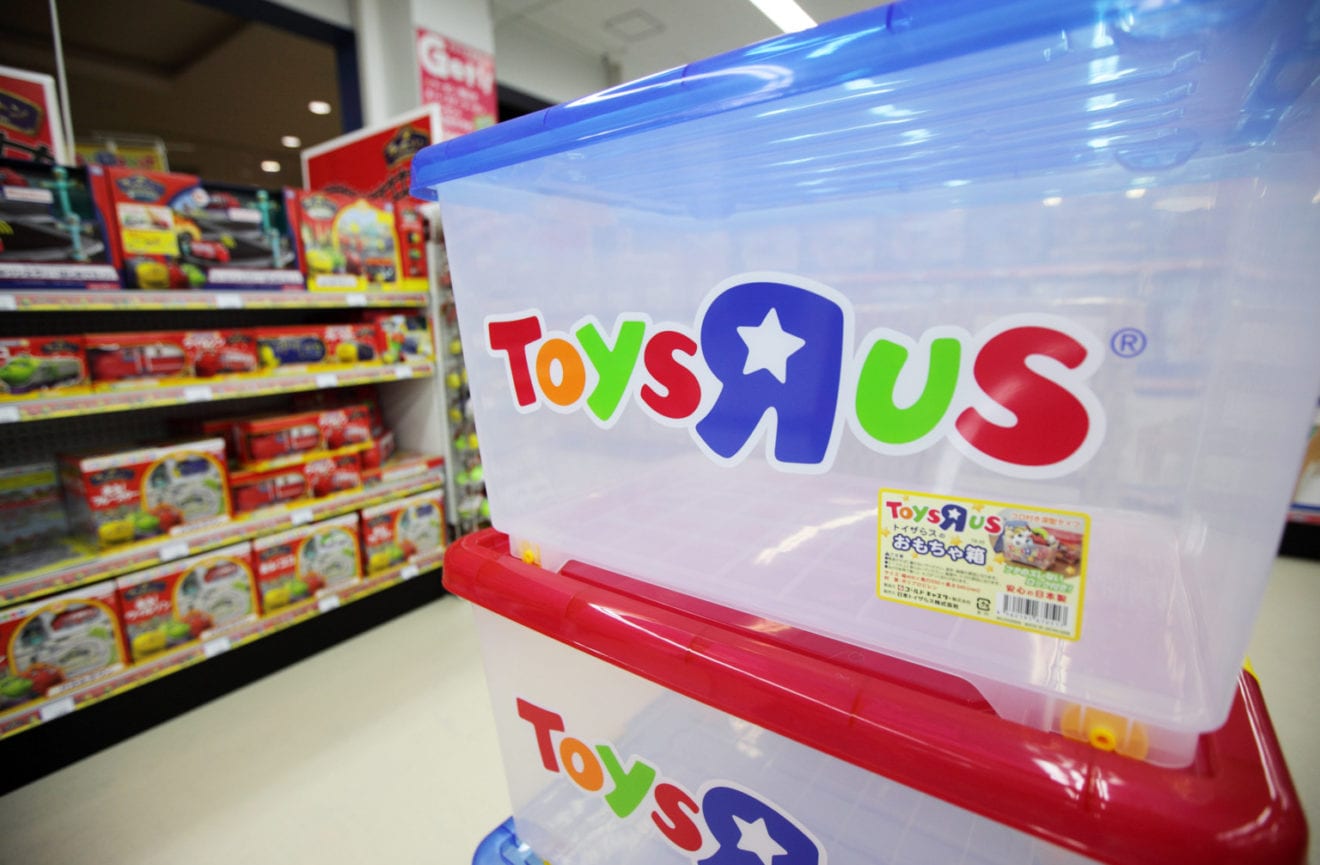
    Toys R Us Brunei has relaunched its Mabohai Shopping Complex store. The reopening, after extensive redesign and renovation works, attracted long queues of shoppers hoping to pick up special deals promoting the event. Along with the reopening, the store has expanded its product range by 70 per cent.

    Toys R Us (Singapore) group country director Raymond Burt reassured customers the brand is “here to stay”.

    “We have been in Brunei for around six years and we have re-signed our lease here at Mabohai Shopping Complex. We have also reinvested in the store and spent quite a bit of money to bring the latest design of the market to the store. We have renovated the store with a layout that is segmented by age for children, to make it easier for customers to shop.

    “We have updated the design and signage as well as added elements of interactive play that we didn’t have before.”

    Toys R Us operates 67 stores in Asia and has 18 new stores planned for launch by the end of the year, the majority in China. It is part-owned by Fung Retailing and not affected – as yet – by the collapse of the company in the US.

  • McDonald’s Singapore: Lock up your phone

    McDonald’s Singapore: Lock up your phone

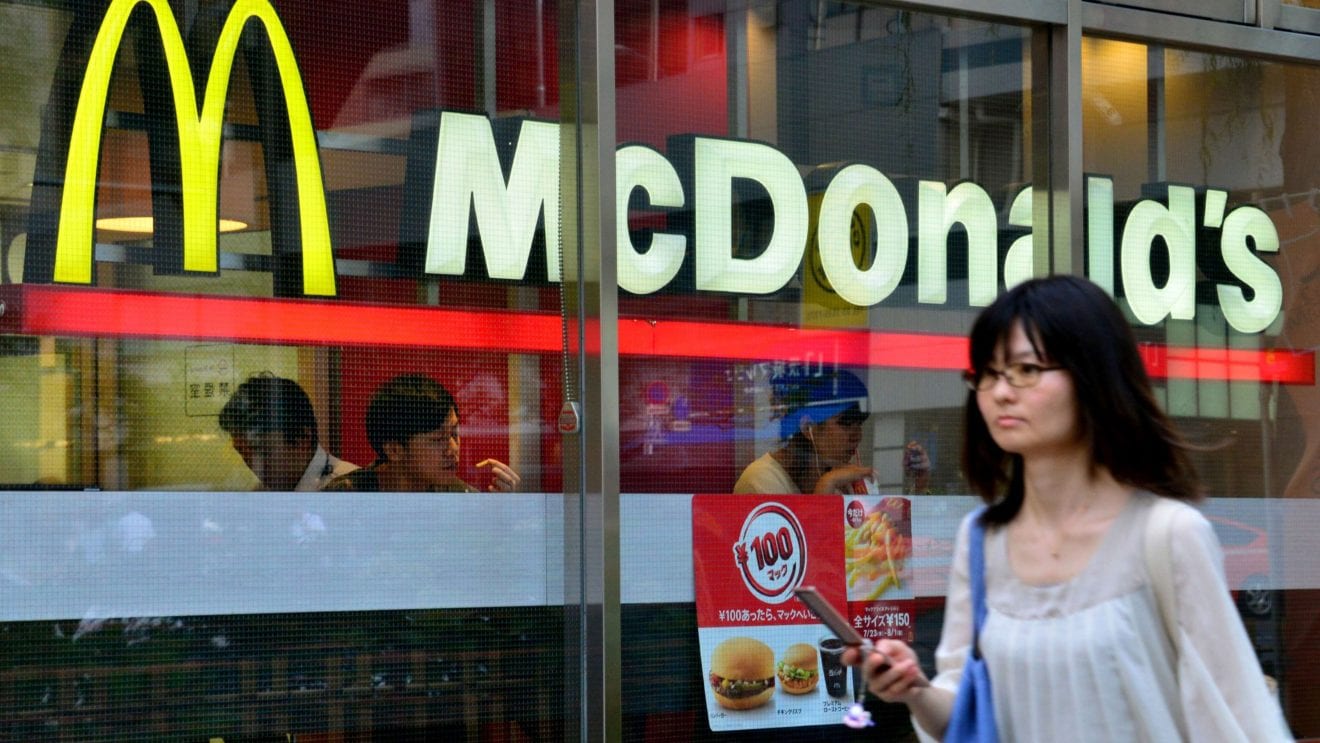
    In a bid to help families reconnect, McDonald’s Singapore has introduced a locker for mobile phones at its Marine Cove flagship.

    Its new“Family Playdate” concept includes table service with the aim of promoting human interaction.

    McDonald’s says a survey it ran shows that more than 90 per cent of parents and children use their mobile devices when they’re together, despite most parents wanting to be “more disciplined in staying away from digital distractions during family time”.

    Rather than go hi-tech, the 100 clear lockers have physical keys, and staff members will remind customers to take their phones when they leave.

    Staff members will also act as “guest experience leaders”, says the fast-food company. They will “engage with families”. When ordering at a self-service kiosk, customers can select the table-service option at no extra charge
    A McDonald’s Singapore says the restaurant will gather feedback on the initiatives to decide whether or not to expand them to other outlets.

  • Chearavanont family keeps crown as rich Thais get richer

    Chearavanont family keeps crown as rich Thais get richer

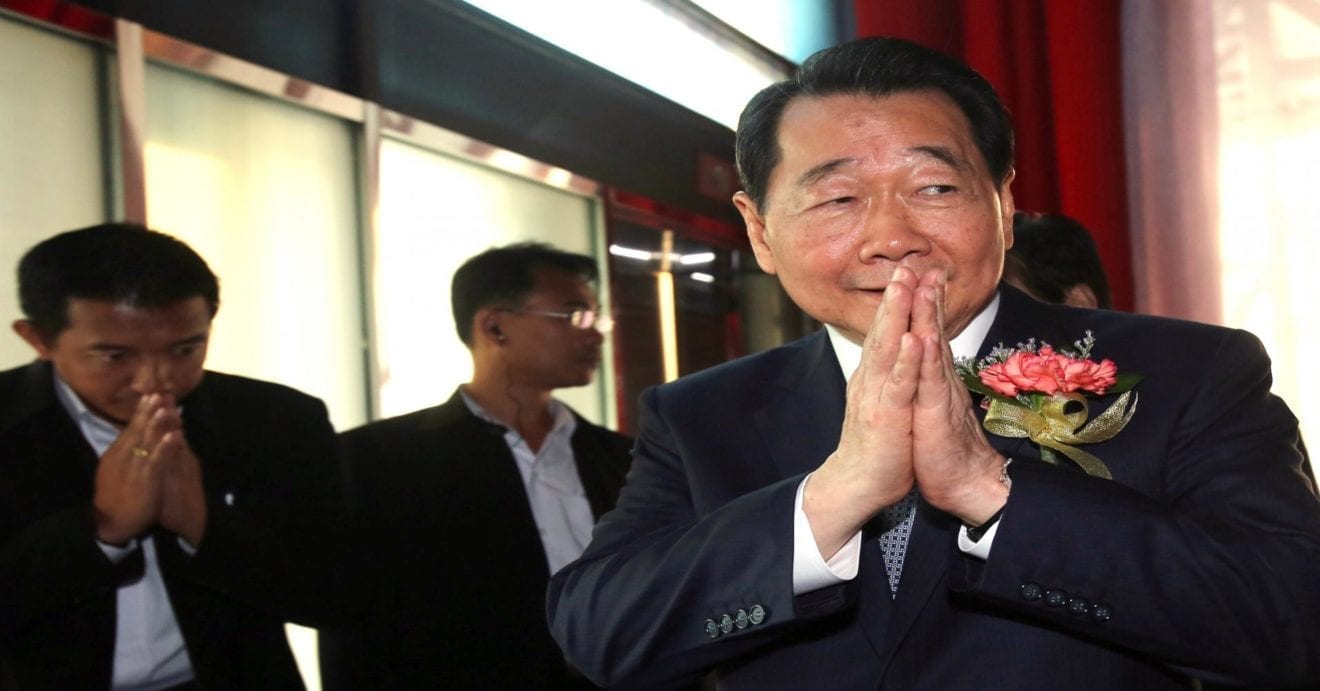
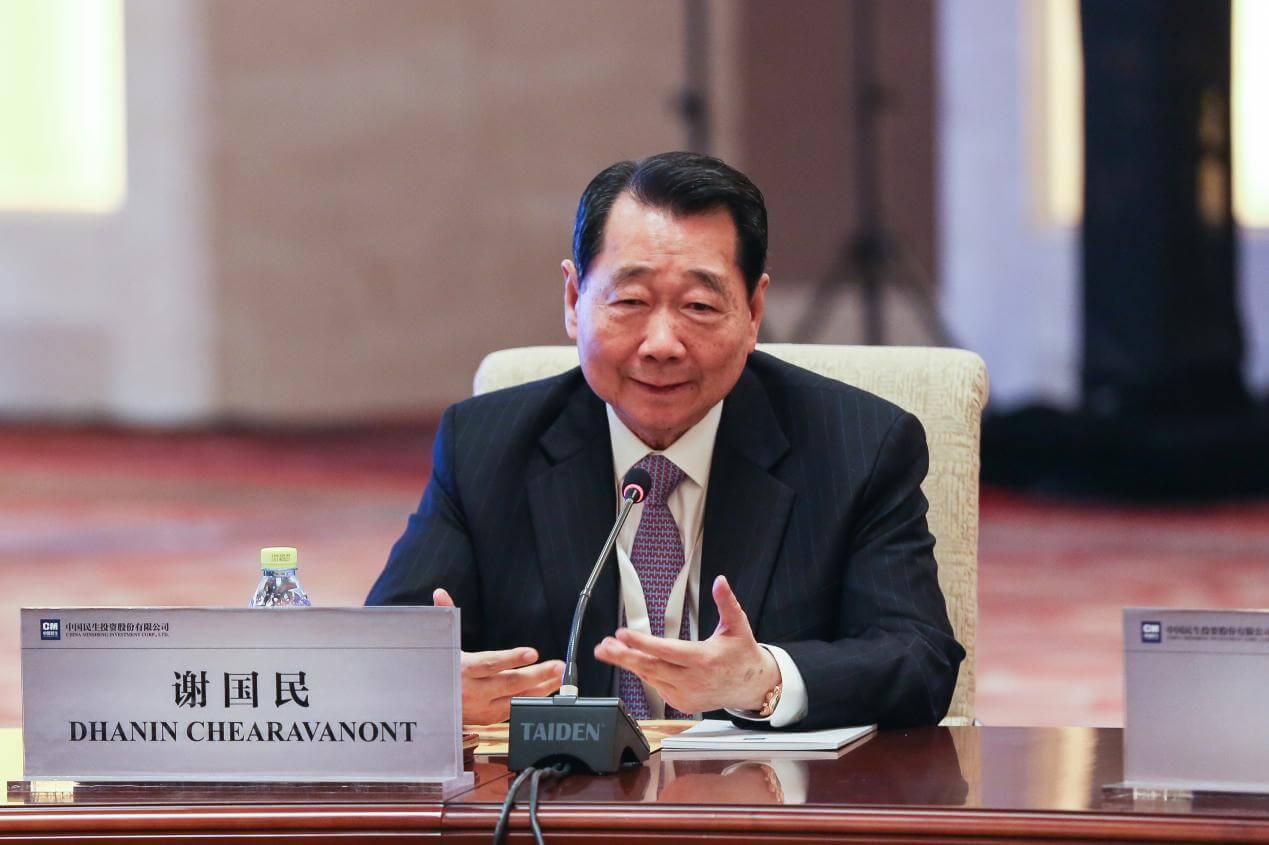
    The Chearavanont brothers, led by Dhanin Chearavanont, honorary chairman of Charoen Pokphand (CP) Group, Thailand’s agriculture and food conglomerate, remain the wealthiest family in Thailand this year, according to Forbes magazine.

    According to the Forbes list of Thailand’s 50 Richest in 2017, more than two-thirds of the tycoons saw their wealth increase, with the top five notching the biggest dollar gains. The collective net worth of Thailand’s 50 richest is US$123.5 billion, up 16% since 2016.

    The CP Group’s net worth includes shares owned by Mr Dhanin and his three brothers, Jaran, Montri and Sumet, who are the biggest gainers in dollar terms, adding $3 billion to their wealth to retain the top rank with a net worth of $21.5 billion.

    CP Group has operations in Thailand and overseas with core businesses involving agribusiness, retail and telecommunications. The empire now falls in the hands of Mr Dhanin’s two sons after he decided to step down earlier this year.

    His youngest son, Suphachai, succeeded him as chief executive of CP, while his eldest son, Supakit, is chairman of CP Group, overseeing CP’s business in China.

    Second on the wealth list is TCC Group chairman Charoen Sirivadhanabhakdi, who grew richer by $1.7 billion, making his net worth $15.4 billion.

    In April, Mr Charoen announced the largest property investment in a single site in the country with One Bangkok, a 120-billion-baht business district at the intersection of Rama IV and Wireless roads.

    Coming in third is the Chirathivat family, which operates retail businesses under the Central Department Store brand, as well as hotels and property, with $15.3 billion, up $2.3 billion.

    Central Group, under chief executive Tos Chirathivat, restructured its management board late last year by bringing in a number of key professionals, including former central bank governor Prasarn Trairatvorakul, to run the group’s operations and brace for increasing challenges in retail business.

    This is the first time the 70-year-old company recruited outsiders to help manage group business, which has a combined sales revenue estimated at 320 billion baht.

    A notable gainer on this year’s list is duty-free tycoon Vichai Srivaddhanaprabha, who moves up from No.7 to No.5 with $4.7 billion in wealth, up from $3.25 billion in 2016.

    Mr Vichai replaces Vanich Chaiyawan, a founder of Thai Life Insurance Co, whose rank dropped to No.7 as his net worth dipped by $200 million to $3.8 billion.

    Also dropping in wealth are Prasert Prasarttong-Osoth, a major shareholder of Bangkok Airways and Bangkok Dusit Medical Services Plc, and beer baron Santi Bhirombhakdi.

    Indian-born plastics tycoon Aloke Lohia emerged in 10th place to replace former prime minister Thaksin Shinawatra. The net worth of Mr Lohia, chief executive of SET-listed Indorama Ventures Plc, one of the world’s leading makers of polyethylene terephthalate, rose to $1.75 billion from $1.2 billion in 2016.

    The rich list was compiled using shareholding and financial information obtained from the families and individuals, stock exchanges and analysts, the Stock Exchange of Thailand and regulatory agencies. The stock market rose by 12% in the past 12 months.

    Newcomers to this year’s list include poultry producer Winai Teawsomboonkij (No.35), who founded Thaifoods Group; Itthipat Peeradechapan (No.44), founder of SET-listed Taokaenoi Food and Marketing; and Nutchamai Thanombooncharoen (No.46) of Carabao Group.
  • Two Thai clans stay on Forbes rich list

    Two Thai clans stay on Forbes rich list

    The Chearavanont and Chirathivat families are among the 50 richest Asia families in 2016 as ranked by Forbes Asia magazine. Families in the top five of this year’s list are in businesses that span technology, livestock, real estate and oil and gas, the magazine reported in its latest issue published yesterday. Leading the list for the second year in a row is South Korea’s Lee family, the founder of Samsung Group, with a combined wealth of US$29.6 billion, up from $26.6 billion last year.

    Thailand’s Chearavanont family, which controls the Charoen Pokphand Group (CP Group), rose to second place with US$27.7 billion in wealth, moving up from fourth place and $19.9 billion last year.

    CP Group led by billionaire Dhanin Chearavanont operates various businesses ranging from poultry, telecom and retail under the 7-Eleven convenience chain in Thailand.

    Third-richest are the Ambanis of India’s Reliance Group with a combined net worth of $25.8 billion, followed by the Kwok family of Hong Kong with $25.2 billion, Asia’s richest real estate family. The Lee family from Hong Kong ranks fifth with $24.7 billion.

    The Chirathivat family, which owns giant retail businesses in Thailand under the Central Group, retains the 14th spot with $13.8 billion. Its combined wealth grew from $11.7 billion last year.

    Headed by chief executive Tos Chirathivat, Central Group just restructured its organisation by recruiting professionals to run the group’s operations, including property, trading, food and online, which have combined sales revenue of about 320 billion baht this year.

    Slipping from this year’s list is the Ratanarak family, a Thai clan that controls Bangkok Broadcasting’s Channel 7 and ranked 45th with $3.5 billion in net worth last year.

    The reports notes that Indian families stood out on the 2016 Forbes list of Asia’s richest families, with 17 of the top 50 families hailing from India.

    Many of these Asian families’ conglomerates have worldwide footprints. Collectively, the top 50 families are worth US$519 billion.

    “Sources of Asian wealth are broadening. You can see that among the rich families here, and even within many of the families — no particular sectors of the economy dominate,” said Tim Ferguson, editor of Forbes Asia.

    The minimum net wealth to qualify for the list was $3.4 billion, up from $2.9 billion a year ago.

  • Duck-Snack Maker Flounders with Weak IPO Pricing

    Duck-Snack Maker Flounders with Weak IPO Pricing

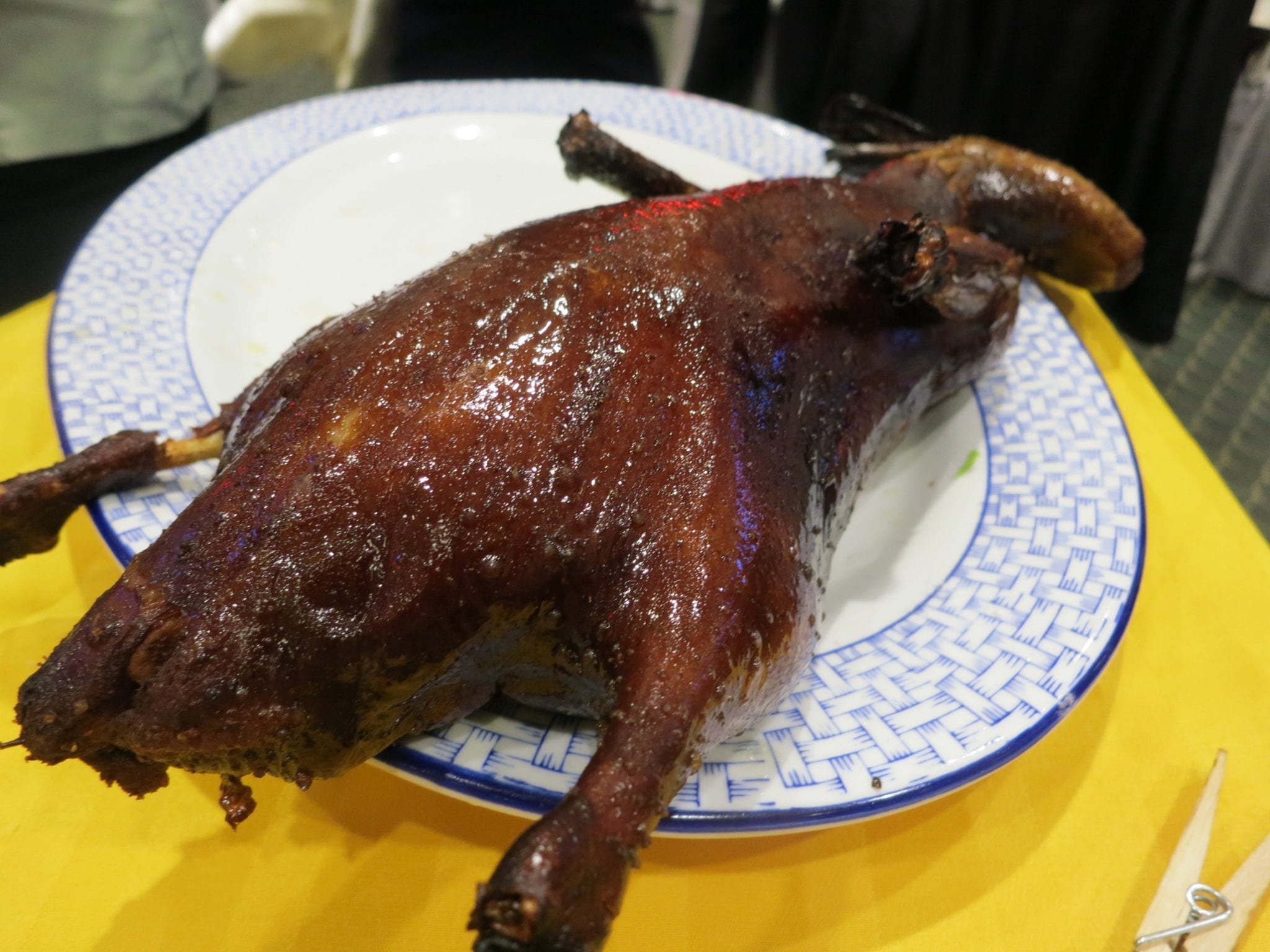
    One of the year’s quirkier IPOs had its wings clipped after investors’ appetites failed to take off for one of China’s leading makers of popular snack foods made from duck parts.

    After making a splash with its original listing announcement, Zhou Hei Ya International Holdings Co. Ltd. couldn’t impress investors even with a growth story that includes annual profit and revenue growth of more than 40% annually between 2013 and 2015.

    The offering in Hong Kong was ultimately priced at HK$5.88 (76 U.S. cents) per share, or near the bottom of its previously announced range of HK$5.80 to HK$7.80.

    Hong Kong retail investors, who normally flock to IPOs for famous brands, gave the offering an especially cold shoulder. Of the 42.4 million shares available for those mom-and-pop buyers, representing 10% of the total offering, only 81% were actually sold.

    That forced Zhou Hei Ya, whose name means “Zhou Family Black Duck,” to sell about 8 million orphaned shares from that portion of the allotment to institutional investors instead. Zhou Hei Ya raised HK$2.37 billion from the offering, far short of its original target of up to HK$3.3 billion.

    A big name in the domestic snack-food market, Zhou Hei Ya hopes to use the funds to expand internationally. Started in 2002 as a family-run snack stall in the interior city of Wuhan, Hubei province, the company’s products are now sold in 750 retail stores across 40 Chinese cities. In addition to its namesake duck necks, its products also include local delicacies like duck feet, braised peanuts and duck tongue.

    Braised snacks have a long history in China, where they are commonly sold at roadside stalls. But they are increasingly being marketed by major snack brands. Meat, tofu and other ingredients are simmered for hours in a rich savory broth, and many regions have their own special seasoning blends.