Retail News CRM

Tag: fashion designer

  • LOEWE’s 4th store in Korea opens

    LOEWE’s 4th store in Korea opens

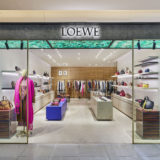
    Spanish brands LOEWE opened a women’s store on the second floor of the Hyundai Department Store. LOEWE is a Spanish leather brand with over 170 years of history and is now attracting the attention of global fashion people, led by designer Jonathan Anderson.

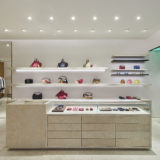
    According to LOEWE, the store is the 4th one to open in Korea, and Loewe plans on developing women’s bags, clothing, accessories and eye-wear in its newly opened store. In addition, the brand will present exclusive products for Hyundai Department Store in commemoration of the store opening.

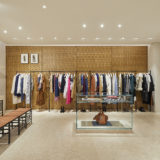
    The concept of this store is known as ‘Casa Loewe’, designed by Brand Creative Director Jonathan Anderson, using materials such as Spanish limestone, walnut wood and concrete to feature strong mood.

    Eye-catching furniture exclusive to the store are displayed around the space. The brand had a specially-made carpet to show the LOEWE DNA “craftsmanship”.

    With the upcoming holiday season, LOEWE plans on releasing its “Mackintosh” capsule collection. Some items of the collection are exclusive to the Hyundai department store.

    While the newly opened store is one for women, LOEWE opened the men’s store in Galleria department store last October.

    View gallery below for pictures (5 images) :

  • Life after Karl Lagerfeld

    Life after Karl Lagerfeld

    Chanel has named Virginie Viard, Karl Lagerfeld’s closest collaborator for more than 30 years, as its new creative director, the French fashion house said in a statement following the death of the legendary designer. The move muffled speculation over whether Chanel might seek out another big name to replace Lagerfeld, who was 85 years old. Potential successors often cited by industry observers over the years included Hedi Slimane, now ensconced at Celine, as well as Phoebe Philo, the designer he replaced there, and Alber Elbaz, formerly of Lanvin.

    Those designers would likely have sought to bring their own vision to one of the world’s biggest luxury brands, with $9.6 billion in sales in 2017. Instead, Chanel’s owners, the billionaire Wertheimer family, emphasised continuity in appointing Viard, who the brand said in a statement had been “entrusted by chief executive Alain Wertheimer with the creative work for the collections, so that the legacy of Gabrielle Chanel and Karl Lagerfeld can live on.” The decision is in character for the Wertheimers, who waited 12 years after Gabrielle Chanel died in 1971 before appointing Lagerfeld in 1983.

    Viard, who has been called “Karl’s secret weapon,” joined Chanel as an intern in haute-couture embroidery in 1987, four years after Lagerfeld became creative director of the brand. (She was recommended for the job by a chamberlain of Prince Rainier of Monaco.) After working together at Chanel, Viard joined Lagerfeld at Chloé in 1992 — where he was also the head designer — and worked there for five years before returning to Chanel and working her way up to become director of the company’s fashion design studio.

    “Virginie is the most important person, not only for me but also for the atelier, for everything,” Lagerfeld said in a Netflix documentary released in 2018. “She is my right arm and even if I don’t see her, we are on the phone all the time.”

    Still, Viard remained largely in the shadow of her larger-than-life boss. “I hate being in the spotlight,” she said last year.

    In recent seasons, she began taking a bow with Lagerfeld at the end of each Chanel show, including the Chanel Métiers d’Art show in New York in December 2018, which marked the designer’s final runway appearance. At the end of Chanel’s haute couture show in January 2019, Viard stepped out solo to take a bow, raising concerns about Lagerfeld’s health and prompting the brand to issue a press release.

    Other fashion houses have tapped studio heads who have demonstrated their ability to channel a departed designer’s vision after their deaths, most notably Sarah Burton, the late Alexander McQueen’s right-hand, who was named creative director of the London-based fashion house after McQueen’s suicide in 2010.

    LVMH-owned Italian house Fendi, where Lagerfeld was the artistic director of women’s ready-to-wear and couture collections, has yet to announce a succession plan, saying it intends to take its time to pay the designer the homage he deserves. Fendi is to present Lagerfeld’s last collection on Thursday in Milan.

  • Karl Lagerfeld dies at 85

    Karl Lagerfeld dies at 85

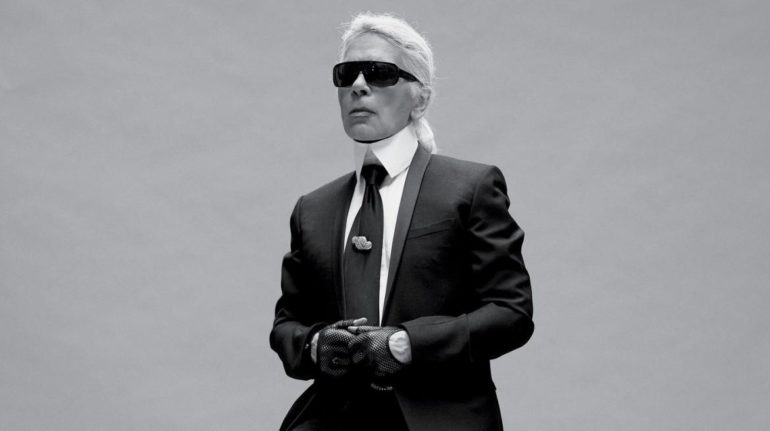
    Karl Lagerfeld, arguably the world’s most iconic designer and undoubtedly the most prolific, has died in Paris. He was 85. In a seven-decade career as fashion’s ultimate free agent, Lagerfeld created collections simultaneously for the celebrated houses of Chanel and Fendi, in addition to his signature label, at a pace without rival in the luxury industry.

    Virginie Viard, director of Chanel’s design studio and Lagerfeld’s closest collaborator for more than 30 years, will take the creative reins at the storied brand’s fashion business. A succession plan has yet to be announced at Fendi.

    For Lagerfeld, to design was to breathe, “so if I can’t breathe, I’m in trouble,” he often quipped to journalists who were astonished by his inexhaustible work ethic and his insistence that he would never retire.

    In fact, his creative output seemed only to become more bountiful in his golden years, a period during which his extravagant runway productions at the Grand Palais in Paris achieved a staggering level of theatrical opulence. At a cost of millions of dollars per season, the events surpassed the mundane boundaries of a fashion show to become something more like large-scale performance art — media spectacles where Lagerfeld, as both gifted designer and visual provocateur, could best demonstrate his ability to interweave the superficialities of fashion with matters of great depth, while also parading seemingly endless ways to keep Chanel’s classic tweeds looking modern and fresh.

    His Autumn/Winter 2017 collection featured a 115-foot-tall mechanical rocket ship that simulated blast off. For Fall 2014, he built a Chanel shopping centre, its superstore-like aisles bursting with more than 500 different products that included a Chanel-logo chainsaw, doormats, candy, and ketchup. For Fall 2010, he imported enough snow and ice from Sweden to create a 265-ton indoor iceberg. Backdrops of a man-made beach with rippling waves (Spring 2019), a scale rendering of the Eiffel Tower (Fall 2017 Couture), a French brasserie with uniformed bartenders (Fall 2015) and an enormous model of a passenger ship (Cruise 2019) suggested no idea was too fantastical, nor expense too decadent.

    His incredible longevity and success as a designer, and, following his logic, the fortunes of the companies for which he worked, owed at least partly to Lagerfeld’s intentional detachment from the business side of fashion. He claimed never to discuss sales figures or budgets with management. “I am a hired gun, even in my own business,” he said in a BBC interview, noting that his contracts with Chanel and Fendi allowed him to do whatever he wanted on the side. “I work my own marionette in a way, my own puppet,” he told The New York Times. “It’s something I control.” That extraordinarily rare freedom from the restraints of financial responsibility enabled him to continually make clothes that inspired consumers to dream.

    “We created a product nobody needs, but people want,” he said. “If you need an ugly old car, it can wait, but if you want a new fashion item, it cannot wait.”

    As designers half his age complained of burnout from fashion’s maddening pace, Lagerfeld made himself even busier by dabbling in a constant stream of publishing, photography, film and design projects, including a rule-breaking “fast fashion” collaboration with the mass retailer H&M in 2004 that predated the industry obsession with disruption by more than a decade. Ignoring the traditional expectations of a luxury player, he also designed hotel rooms, video games, motorcycle helmets, a BMW, and a cosmetics range inspired by his also-famous cat, Choupette, and directed an ad campaign for Magnum ice cream bars that featured a life size sculpture of model Baptiste Giabiconi rendered in chocolate. More than most of his sober-minded peers at fashion’s pinnacle, he relished his iconic status both within the industry and in popular culture. Despite all this extra-curricular output, though, he was driven by one thing in fashion, he said, which was to make his designs better than they were the season before.

    As most profiles of Lagerfeld have noted, another thing that drove him was a desire to know everything. He filled his numerous homes, in Paris, Biarritz, and Saint-Tropez among others, with stacks of history books and biographies, iPods loaded with various types of music, and museum-worthy collections of artwork and furniture that he would, unceremoniously, dispose of every few years, once a new period or style captured his attention. With his vast memory and a rapid-fire way of working and speaking, he could summon details and themes on command, exploit them ruthlessly in a collection, and then immediately move on to the next thing. He once said he had a “Google mind.”

    “Whatever it is, good or bad, it influences fashion,” Lagerfeld said. “You can see that in fashion quicker than in any other thing going on. Fashion is something that reflects our lives and times with the shortest release, because, cars, design and architecture take years to realise.”

    Lagerfeld was, in many ways, a self-drawn caricature of what a powerful designer should look and sound like, a stylistic god who was worldly and intellectual, commanding and capricious. His bitchy quips (“sweatpants are a sign of defeat,” “trendy is the last stage before tacky,” “I think tattoos are horrible — it’s like living in a Pucci dress full-time,” and many, many nasty digs at celebrities he considered fat or unattractive) became as much a part of the Lagerfeld mystique as were his signature white powdered ponytail and dark sunglasses, or his habit of drinking only Coca-Cola (later, Diet Coke or Coke Zero). But his penchant for flamboyance, combined with occasionally reckless comments in recent years, also resulted in backlash for Chanel. His critiques of Angela Merkel drew particular outrage, as when he evoked the Holocaust on a French talk show in 2017 while protesting Germany’s open-door policy toward Muslim refugees fleeing the Syrian civil war. In any event, there had never been any serious repercussions for the designer nor attempts to unseat him, likely as a result of his outsize stature in the industry and his long history of accomplishments.

    He was best known for his work, since 1983, as artistic director at Chanel, which became one of the most profitable and admired luxury brands in the world under his tenure. While the company remains privately held by brothers Alain and Gérard Wertheimer, Chanel took the unusual step of releasing its annual results for the first time last year, stating its sales of $9.6 billion were larger than those of Gucci and approaching those of Louis Vuitton. Chanel’s sales for 2017 were up 11 percent, driving operating profit of $2.69 billion. Chanel said it had decided to reveal its financial strength in response to speculation that the company could be a takeover target, and to demonstrate it was determined to remain independent.

    When Lagerfeld was first approached by the Wertheimer family, which had created the Chanel fragrance business and its blockbuster No. 5 scent in the 1920s, and took control the fashion house after World War II, it had been more than a decade since the death of its founder, Gabrielle “Coco” Chanel. Chanel’s hallmark tweed bouclé jackets and dresses, once viewed as liberating, by then seemed old-fashioned and bourgeois, and the company was in need of new direction. Lagerfeld was already well-known for the soft and poetic party dresses he had been making at Chloé in the 1970s, which was during the dynamic growth of European ready-to-wear movement for easy-to-wear and less precious clothes. At the same time, Lagerfeld, since he first arrived in Paris, had harboured a burning desire to work in high fashion as a couturier, and Chanel’s established atelier offered that chance.

    “People tend to forget that once upon a time, Chanel was old hat,” Lagerfeld said. “It was only Parisian doctors’ wives who still wore it.” But it was Lagerfeld’s belief that the image could be changed with a sense of humour and a lack of nostalgia, in order to make customers forget everything that had come before.

    “Because fashion is about today,” Lagerfeld said in a 2007 New Yorker profile. “You can take an idea from the past, but, if you do it the way it was, no one wants it.”

    Lagerfeld described his first collections for Chanel as reflecting a modern and “chic-sexy” approach, with longer and thinner proportions, unlike Coco’s boxy-proportioned precedent. For his spring 1984 ready-to-wear show, he re-imagined classic suits and dresses with matching hats — all in denim, and for fall that year he added a hockey uniform worn with pearls and a skiing outfit in gaudy, glittering silver and red. His transformation of the brand would combine elements of the alluring (softly tailored pantsuits and charming white camellias affixed to tweed suits) with the shocking (oversize logos, micro-miniskirts, sequinned running shoes, heels moulded to look like pistols). The phenomenal transformation of Chanel became an industry model for how to turn an aging fashion house into a status symbol as its sales continued to soar. Lagerfeld’s role was so secure there he was contractually considered its “designer for life.”

    “Why should I stop working?” he mused to anyone who dared broach the subject of retirement. “If I do, I’ll die and it’ll be all finished.”

    Karl Lagerfeld was born Karl-Otto Lagerfeldt in Germany, and raised in the countryside near Hamburg, on Sept. 10, 1933, according to most recent biographies and some of his relatives, although Lagerfeld had for many years claimed he had been born in 1938 or 1935. In her 2006 book, “The Beautiful Fall,” which chronicled the heady decadence of fashion in the 1970s, the writer Alicia Drake argued that Lagerfeld had inflated many details of his childhood as part of a self-invention as a German aristocrat upon his arrival in the Paris demimonde. Lagerfeld sued the writer for invasion of privacy, but his case was thrown out of court.

    Lagerfeld, who changed the spelling of his name for commercial reasons, himself frequently joked about the discrepancy of his age, saying his mother, Elisabeth, a trim, stylish violinist who was highly critical of her son in his childhood, had chosen the date because it was easier to write. (As recently as 2013, Lagerfeld told Paris Match that he was born in 1935.) Further confusing matters, his father, Christian Ludwig Otto Lagerfeldt, was the wealthy managing director of a company that distributed condensed milk from the United States, and had moved the family to the countryside to shelter them from the hardships of the war years under Hitler, leaving little reliable evidence from the early years of Karl, an older sister, Martha Christiane, and a half-sister, Thea, from Lagerfeldt’s previous marriage.

    In the end, Lagerfeld described his childhood as a misery. He was a gifted scholar and loved to sketch, thinking he would pursue a career in illustration, but he had few friends and his mother often complained about his looks, telling him he should not smoke because his hands were unattractive, and that his nose was so large he should order curtains for his nostrils. Nevertheless, his parents supported his artistic ambition and sent him to Paris, where Lagerfeld found immediate success in fashion. In 1954, he won a design contest, called the International Woolmark Prize, based on the sketch of a coat he submitted that was produced for the competition by the designer Pierre Balmain. Of particular note, a young Yves Saint Laurent also won that year in the dress category, foreshadowing what would become a lifelong rivalry between the two designers.

    In their younger years, Lagerfeld and Saint Laurent were close friends. Whereas Saint Laurent was the tortured, fragile artiste who ascended to the coveted role of couturier at Christian Dior following Dior’s sudden death in 1957, Lagerfeld was a pragmatic mercenary. After working for three years for Balmain, who had hired him as an assistant, Lagerfeld designed collections for Patou, Chloé, Krizia, Charles Jourdan, Mario Valentino, and, beginning in 1965, Fendi, the Italian fur company where he contributed designs for an astounding 50 years. Fendi’s sales were estimated by analysts at $1.3 billion in 2017, while the company, acquired by LVMH in 2001, has experienced a major street style moment over the last year with its logo-driven FF Reloaded collection. (In January, Silvia Venturini Fendi, creative director of accessories and menswear, paid tribute to Lagerfeld’s contributions to the house with a fall men’s collection inspired by him, including styles he designed.)

    By the 1980s, Lagerfeld was widely known to the public, even as he was just beginning to design under his own name (Saint Laurent had started a signature company that popularised the French concept of ready-to-wear in the 1960s). Lagerfeld’s own label, called at different times Lagerfeld Gallery or Karl Lagerfeld Paris, has existed on and off as a licensing venture through various partnerships, including a high-profile venture with Tommy Hilfiger in 2004 and most recently with G-III Apparel Group in the United States since 2016, though it has always been perceived as a side project for the designer.

    Still, Lagerfeld was the more disciplined of the two when it came to image and self-control; he was cast as an aristocratic German designer in one of Andy Warhol’s more obscure films, the 1973 “L’Amour,” playing up his persona as the ringleader in the absurdist circus of fashion. His personal iconography included tightly fitted blazers over starched white shirts with startlingly tall collars, and skinny jeans – a complete look he perfected in the 1990s, only after undertaking a dramatic diet. He said he lost 92 pounds in order to fit into the prevailing silhouette of the day, a modern rock-and-roll style orchestrated by Hedi Slimane, who was then at Dior Homme. Lagerfeld became so recognisable for this look that he started using his own likeness as a logo on T-shirts, handbags and furry key chains for Fendi.

    While his competition with Saint Laurent intensified throughout their lives, until Saint Laurent’s death in 2008, Lagerfeld’s ultimate success with Chanel gave him immense confidence and enabled him to pursue opportunities that no other designer would dare touch. His 2004 collection for the Swedish retailer H&M was especially risky, given the fate of other luxury brands like Halston that had lost their credibility after making a mass play. Lagerfeld described the one-off collaboration, which included slim blazers and T-shirts emblazoned with a cartoon logo of his face, as “mass elitism, which has long been my dream… It’s the future of modernity.”

    The collection was an enormous hit, selling out in many markets, unleashing all manner of unorthodox designer crossovers to follow, and further fuelling Lagerfeld’s fame. He was also the subject of at least three documentaries, “Lagerfeld Confidential” (2007), “Un Roi seul” (2007), and “Karl Lagerfeld se dessine” (2013), and several books, including a compilation of his quotations, “The World According to Karl,” from Flammarion (2013), and “The Karl Lagerfeld Diet,” a weight-loss book he published with his physician, Jean-Claude Houdret (2002). For many years, Lagerfeld ran his own publishing imprint, 7L, photographed his own advertising campaigns, and directed short films that imagined the life of Coco Chanel and highlighted connections from Chanel’s history to his own work.

    At Chanel, Lagerfeld was given the artistic license and financial resources to acquire the best talent, including his longtime collaborators Virginie Viard, the creative studio director and tipped as a likely internal candidate to succeed him as Chanel’s designer, and Eric Pfrunder, Chanel’s director of image. At Lagerfeld’s urging, the company also embarked on a campaign to acquire many specialised French craft ateliers, like Lesage for embroidery, Lemarié for feathers and artificial flowers, Maison Michel for millinery, and Causse for glove making. Those resources were celebrated with lavish Métiers d’Art fashion shows held in far-flung destinations, including in Edinburgh, Shanghai, Hamburg, and most recently at the Metropolitan Museum of Art in New York City in December, while Chanel’s cruise collections have been staged from Dubai to Havana, Cuba, reflecting Lagerfeld’s approach to making Chanel’s interlocking “CC” mark recognisable around the world.

    “Logos are the Esperanto of marketing, luxury, and business today,” he said.

    Lagerfeld often said that his only love in life was his work. But he showed his softer side near the end of his life by casting his godson, Hudson Kroenig, the older son of the model Brad Kroenig, in his runway shows. He also gleefully promoted his lavishly spoiled cat, a gift from Kroenig, in interviews and on social media. He once said he wished he could marry Choupette, in what was presumably a humorous jab at his own cartoon-like image.

    “There is no secret to life,” Lagerfeld said. “The only secret is work. Get your act together, and also, perhaps, have a decent life. Don’t drink. Don’t smoke. Don’t take drugs. All that helps.”

  • From Gucci to Dolce & Gabbana: racism in fashion continues?

    From Gucci to Dolce & Gabbana: racism in fashion continues?

    Luxury fashion is all about breaking codes, creating a new, irresistible message that captivates consumers. But some of the globe’s top brands have raised eyebrows with designs that have seemingly racist undertones. The latest instance of that was Italian fashion designer Gucci, which produced a black wool balaclava jumper with an oversized collar that pulls over the chin and nose. It includes a slit where the mouth is, ringed with what look like giant red lips.

    Its similarity to blackface prompted an instant backlash from the public and forced the company to apologise publicly on Wednesday.

    Gucci also withdrew the offending garment from sale on websites and stores. It said the incident would be “a powerful learning moment for the Gucci team and beyond”.

    But the question persists: how can fashion houses that thrive on detail miss such critical social cues?

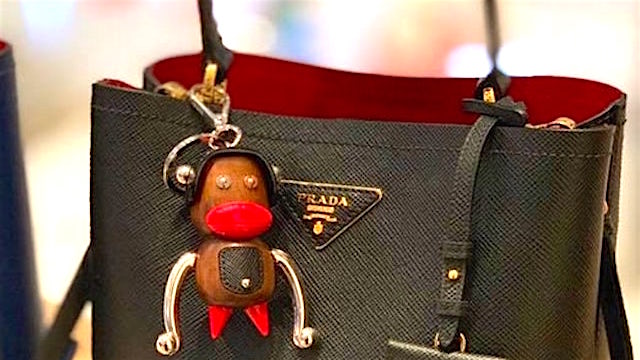
    Prada similarly withdrew a monkey bag charm that recalled blackface in December, saying it “abhors racist imagery.” And Dolce & Gabbana issued a video apology after one of the designers made insulting remarks about Chinese people in a private chat discussing the questionable depiction of a Chinese model in a campaign.

    “Luxury brands used to be able to get away with provocative and eccentric ads that push the boundaries of our society and culture in the name of being creative and cutting edge,” says Qing Wang, a professor of marketing at Warwick Business School in the United Kingdom.

    “However, a long list of recent incidents have caused public outrage, suggesting that era is now gone, or that luxury brands have lost touch with public sentiment. What used to be considered ‘creativity’ has now turned into ‘bad taste’ or even ‘racist’.

    He cited other fashion fails that evoked stereotypes, including Dolce & Gabbana’s “slave sandal” in its spring-summer 2016 collection and a recent Burberry campaign for the Chinese New Year that was compared to Asian horror films.

    While many of these incidents have caused immediate social media backlashes, the longer-term impact will take time to measure, and will depend on the brands’ reaction and future sensitivity.

    Dolce & Gabbana was forced to cancel its Shanghai runway show after the insulting remarks were publicised, top Asian influencers backed out of campaigns and Chinese websites dropped their line – a warning sign from a region that holds great sway in global luxury sales.

    The blackface images have particular resonance in the United States, where the governor of Virginia and his attorney general have been caught up in a scandal over blackface incidents from their college days in the 1980s. The offensive depictions are reminiscent of travelling entertainers from the 19th century, who would paint their faces black to portray African characters in a ridiculous and mocking fashion, spreading racial stereotypes along the way.

    Italian sociologist Michele Sorice at Rome’s Luiss university says that the evocation of blackface by Italian fashion houses signals “a mixture of good faith, and ignorance”. He notes that Italian society still isn’t fully aware of the racial charge in some words and images.

    “I imagine that they don’t truly think they are racist,” Sorice says. “I think they didn’t have the instruments to understand that these images are archetypes that were used to contrast the concept of blackness and make them ridiculous. I think that many simply don’t know. It is a cultural issue.”

    Paolo Cillo, a marketing professor at Milan’s Bocconi University, says the designer’s intent may have been taken out of context and amplified, and she credits Gucci with acting swiftly to quell the controversy.

    “I wouldn’t stigmatise fashion,” Cillo says, comparing the fashion designer process to artistic pursuits like filmmaking, painting or music. “There are artists in the world of culture that did more outrageous things and no one ever said a thing. There is a perception that fashion is ephemeral, or commercial. But from my point of view, it is not. It reflects the times, like all other artistic forms.”

    While the fashion world has been at the forefront of addressing sexual norms – Gucci has been redefining genderless dress codes under Alessandro Michele – it has lagged behind other industries in taking on social issues such as racial tolerance, climate change or women’s empowerment, according to Larry Chiagouris, a marketing professor at Pace University, US.

    “It is not clear why this is,” Chiagouris says, “but the evidence clearly points to the fashion industry’s need … to catch up with the rest of the world.”

  • Ralph Lauren continues momentum in Asia

    Ralph Lauren continues momentum in Asia

    Premium lifestyle brand Ralph Lauren increased gross profit across its third quarter period by 6 per cent to  $1.46 billion (US$1.05 billion), compared to $1.37 billion (US$996 million) the year prior. The growth was driven by a 90 bps increase in gross margin to 61.6 per cent, as a result of reduced promotional activity and improved pricing.

    “Solid execution on our key initiatives, especially during the important holiday period, delivered better-than-expected results for the third quarter as we drove higher average unit retail and continued to improve quality of sales overall,” Ralph Lauren president and chief executive Patrice Louvet said.

    “These results give us confidence that our strategic investments in brand-building, product, digital, and global expansion are on the right track, while the strength of our balance sheet will continue to be a competitive advantage as we manage through an increasingly volatile global environment.”

    The business saw momentum in Asia continue, with 11 per cent revenue growth to $379.65 million (US$275 million) led by 19 per cent constant currency growth in Greater China, and strength across Japan, South Korea and Australia.

    North American sales increased by 3 per cent to $1.25 billion (US$909 million), and enjoyed flat comparable bricks-and-mortar sales and a 21 per cent increase in digital sales for the region.

    Global revenue for the brand’s digital offering improved 20 per cent over the last year, with growth in the brand’s directly-operated digital flagships exceeding expectations.

    Net income for the period grew to $165.67 million (US$120 million), or $2.04 per diluted share (US$1.48).

    Looking toward the final quarter of fiscal 2019, Ralph Lauren expects net revenue to drop slightly due to a planned reduction in off-price sales, though predicts net revenue for the fiscal year will be up slightly, though didn’t provide concrete figures.

  • Avery Baker resigns from Tommy Hilfiger

    Avery Baker resigns from Tommy Hilfiger

    Tommy Hilfiger will jettison the chief brand officer role following the departure of incumbent Avery Baker in June, the fashion label has confirmed. Baker has announced plans to step down from the job in June. The marketer will then rejoin the company on a consulting basis, primarily as part of a new brand advisory board staffed by external advisors and chief executive officer Daniel Grieder.

    Baker’s C-suite brand responsibilities will be divided among other senior members of staff. She is currently responsible for global marketing, communications, brand strategy, creative direction for product design, global licensing and creative services.

    The marketer joined the PVH-owned company in 1998. She landed the chief marketing officer title in 2011 after a stint as executive vice-president of global communications and marketing.

    She was named chief brand officer in 2014.

  • LVMH’s 2018 sales revenue hits record high

    LVMH’s 2018 sales revenue hits record high

    Following a record-breaking year of sales in 2017, LVMH recently announced that it has surpassed its earnings record in 2018. The French multinational luxury goods conglomerate revealed that it made an incredible €46.8 billion EUR (approximately $53.4 billion USD) last year. Additionally, the impressive feat comes with a record net profit growth of 18 percent.

    LVMH is noting that it was the profitability of Louis Vuitton and Dior that lead to its strong 2018 earnings. The fashion and leather offerings from the two labels has been credited with driving the double-digit increase in both revenue and profit.

    Moving into 2019, it is expected that Virgil Abloh and Kim Jones will be amplifying the popularity of the two houses.

    LVMH also noted a state of reorganization of the Marc Jacobs label, and looked back on the global response to Hedi Slimane‘s inaugural collections for CELINE.

    Aside from a mixed critical reception, LVMH is ambitiously looking towards Slimane’s place at CELINE.

    The results were roughly in line with analysts’ forecasts.

    Bernard Arnault, chairman and chief executive, said LVMH expected its brands and companies, which include Louis Vuitton, Christian Dior and Moët & Chandon champagne, to deliver continued progress in 2019 in spite of “an environment that remains uncertain at the start of the year”.

    Sales growth was steady in all regions in the fourth quarter except the US — similar to the performance earlier in the year, according to Jean-Jacques Guiony, finance director.

    Organic growth in Asia, excluding Japan, was 15 per cent compared with last year. Sales in Europe were up 7 per cent on the same measure, while in the US they climbed 8 per cent.

    “We see no particular sign of a slowdown in the China market,” he said, although purchases by Chinese customers had shifted slightly to the mainland from Hong Kong and other east Asian markets, perhaps because of a weaker renminbi. “The market sees the glass as half empty. We see it as half full.”

    Luxury goods companies and other exporters dependent on sales to China are bracing for the impact of the country’s economic slowdown and for possible fallout from any worsening of the US-China trade conflict.

    In recent days, companies including US chipmaker Nvidia and Caterpillar, which sells earthmoving equipment, have blamed China’s slowing growth for disappointing profit predictions.

    Mr Guiony said luxury goods consumers tended to be affected more by sudden shocks than by gradual changes in economic conditions. “If there was to be real trade war between the US and China — and we’re not there yet — that would have an effect,” he said.

    The company also performed well in Europe, Mr Guiony said. Although LVMH had to close early on several Saturdays because of the gilets jaunes protests in France, many customers had switched to Sunday shopping and there was no obvious impact on LVMH’s numbers in the latest quarter.

    LVMH said it was stockpiling champagne and cognac in the UK in case of severe disruption from a “no-deal” Brexit.

    “We’ve added four months of stock in the UK,” said Philippe Schaus, head of Moët Hennessy, the wines and spirits part of the group.

    Profit from recurring operations in fashion and leather goods, the core of LVMH’s business, rose 21 per cent last year, accounting for €5.94bn of the total. The highest growth in profit from recurring operations came from watches and jewellery, at 37 per cent, and the slowest from wines and spirits, at 5 per cent.

    The company said it planned to lift the total dividend by 20 per cent for the year to €6.

  • Handsome markets brands in Paris Fashion Week

    Handsome markets brands in Paris Fashion Week

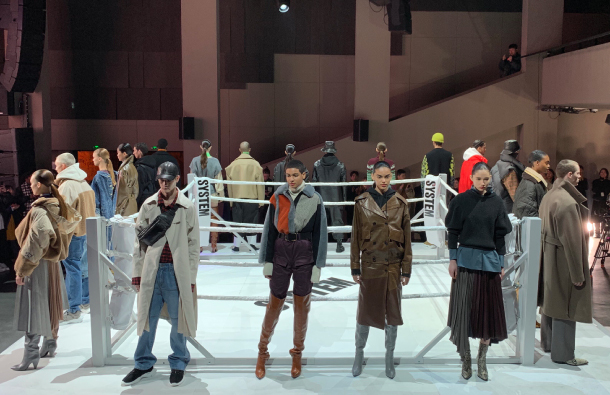
    Handsome, a Korean fashion brand owned by Hyundai Department Store, brought two of its labels to Paris Fashion Week in an effort to expand on the global stage. System for Women and System Homme, the two Handsome brands, showcased their fall and winter collections in a rented showroom for eight days starting from Jan. 17. The Handsome event included a presentation of the collections followed by showroom events, where item were modeled for clients.

    The brands are presenting their new collection one season early to major buyers in the fashion industry.

    In addition to 180 buyers, the event was attended by the Wall Street Journal, Vogue and GQ as well as by fashion influencers.

    It was the first time Handsome has taken its brands to a foreign showroom since being founded in 1987.

    System for Women debuted in 1990 and System Homme in 2008. The company has also introduced other names, including Time, Mine and SJSJ.

    Handsome was acquired by Hyundai Department Store Group in 2012.

    At the Paris event, which featured 200 items for men and women, around 40 department stores from 14 countries participated. Samples were purchased ahead of possible quantity orders.

    It was a buyers’ who’s who. The list included representatives from Bloomingdales, France’s Le Bon Marche, Hong Kong’s Lane Crawford, Japan’s Isetan and Shanghai’s 10 Corso Como. Inquiries also came in from parties in Switzerland and Israel.

    “We predicted the number of businesses that would visit our showroom would be 40 at maximum. But since System Homme was introduced via major media outlets and social media after the presentation on Jan. 18, a great number of fashion businesspeople visited,” said a source from Handsome.

    The company said that visitors appreciated the designs as being unique and set apart from other major Asian brands.

    “In the case of businesses that received the samples, they will decide on quantity purchases in February, and in June, the main products of System [for Women] and System Homme will be sold at department stores and in multibrand shops of each country,” said a source from Handsome.

    Handsome is planning to use the Paris showroom event as a stepping stone for its international expansion efforts.

    In line with the strategy, it will complete its product development earlier and present new design concepts to the market one season ahead.

    It is rare for a ready-made brand to utilize this sort of advanced development.

    “Our brand is still new in the global fashion market, but we will elevate awareness to the point where we could open an exclusive fashion show at a foreign fashion week,” said Kim Hyung-jong, the CEO of Handsome.

  • Sandro parent unphased by trade spat

    Sandro parent unphased by trade spat

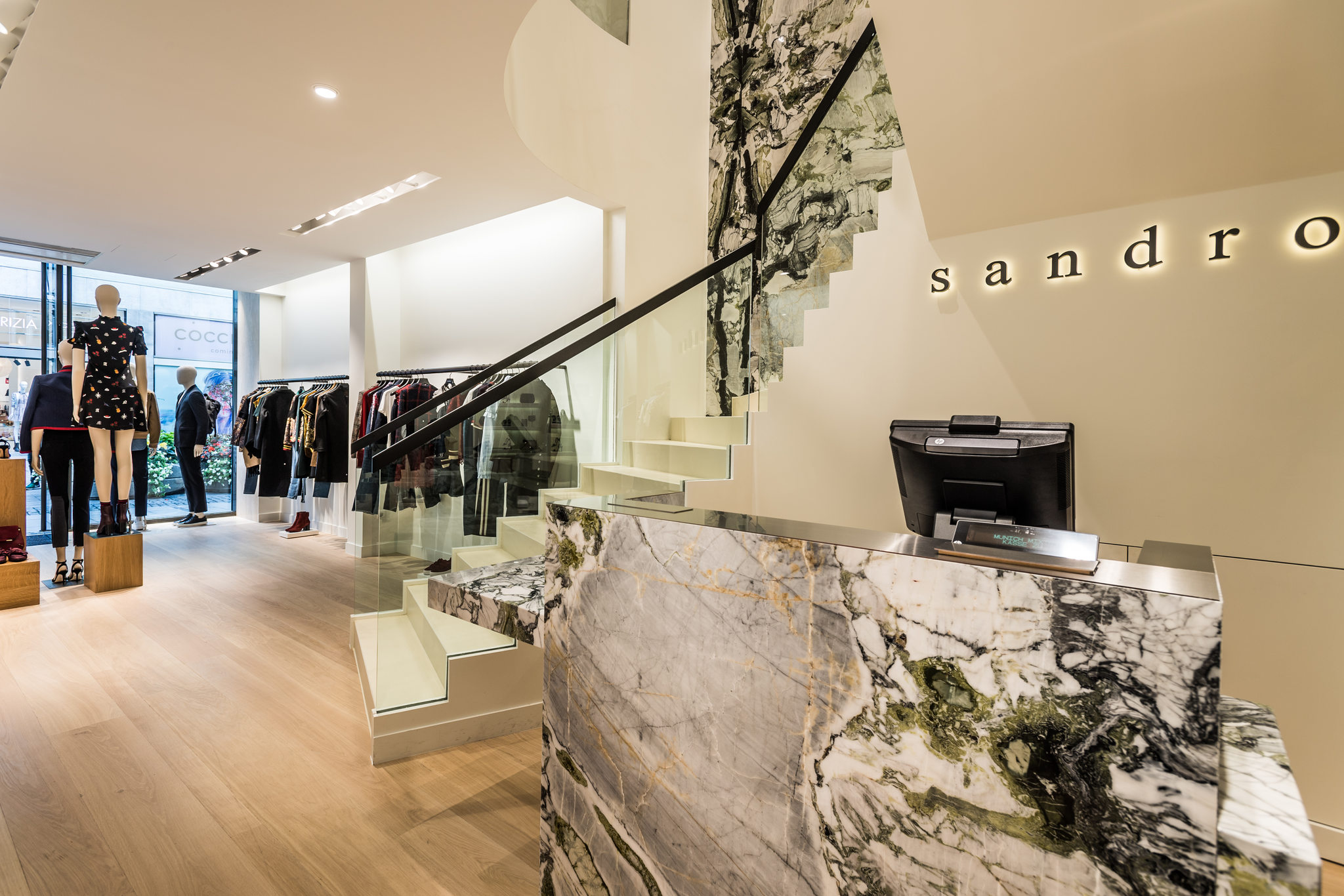
    The parent of affordable-luxury fashion labels Sandro, Claudie Pierlot and Maje appears unphased by the Sino-US trade spat, vowing to continue its expansion in the region. SMCP’s CEO Daniel Lalonde said in an interview that the company plans to continue to open new stores in Mainland China and invest in e-commerce across the region.

    “From our perspective, everything is still intact [in China]. Any slowdown in our business is related to the comparison base … and we still expect to grow that market by more than 20 per cent this year,” Lalonde said. “We’re still confident on the region.”

    France-based SMCP is controlled by Chinese company Shandong Ruyi. This week it reported an 8.1 per cent increase in fourth-quarter sales to €276.1 million.

    SMCP has doubled its annual sales during the past four years, reaching €1 billion last year, largely due to rapid expansion in Mainland China. Asia is now SMCP’s third-largest geographic market behind France and the rest of Europe, with China accounting for the bulk.

    However, he said sales in Hong Kong were “a little softer” as a result of currency fluctuations between the Hong Kong dollar and the renminbi.

  • LVMH is “eyeing stakes” in OFF-WHITE‘s parent company

    LVMH is “eyeing stakes” in OFF-WHITE‘s parent company

    LVMH is “eyeing stakes” in OFF-WHITE‘s parent company, New Guards Group, WWD reports. If the rumors are true, the move would bring LVMH Moët Hennessy Louis Vuitton even closer to fashion’s main man, Virgil Abloh, the founder of OFF-WHITE and artistic director of menswear at Louis Vuitton.

    New Guards Group Holding SpA is a Milan-based holding company that also looks after OFF-WHITE as well as Palm Angels, Heron Preston, and Marcelo Burlon County of Milan.

    This is not the only venture on the cards over at LVMH at the moment, either. The company is reportedly also making moves to create Rihanna her own luxury fashion house.

  • Record results for LVMH in 2018

    Record results for LVMH in 2018

    The world’s largest luxury retailer LVMH shrugged off broader market pessimism overnight reporting record revenue of €46.8 billion last year, up 10 per cent over 2017. Excluding the closure of the unprofitable Hong Kong airport duty-free business in December 2017, the group’s organic growth was 12 per cent. Every business division delivered what the company described as “excellent performances”.

    Group profit rose a staggering 21 per cent to €10 billion with operating margin reaching 21.4 per cent, an increase of 1.9 percentage points.

    “LVMH had another record year, both in terms of revenue and results,” said chairman and CEO Bernard Arnault. “The desirability of our brands, the creativity and quality of our products, the unique experience offered to our customers, and the talent and the commitment of our teams are the group’s strengths and have once again made the difference.”

    Arnault said this year the company would continue to innovate and target investments combining tradition and modernity.

    “In an environment that remains uncertain, we can count on the appeal of our brands and the agility of our teams to strengthen, once again, our leadership in the universe of high-quality products.”

    The company’s flagship Louis Vuitton business was a standout for the group, contributing much of the 15 per cent organic sales growth of the fashion and leather goods business division where profit from recurring operations was up 21 per cent.

    “Christian Dior had an excellent first full year within LVMH thanks to the creativity of Maria Grazia Chiuri for the women’s collections and to the arrival of Kim Jones, the new artistic director of Dior Homme,” the company said in its earnings statement.

    “Fendi and Loro Piana continued to assert their know-how throughout their collections. Celine entered a new and ambitious stage of its development with the arrival of Hedi Slimane as artistic, creative and image director of the brand.”

    Givenchy, Loewe and Kenzo “progressed well” while the other brands, Berluti and Rimowa continued to gain momentum.

    Watches and jewellery profit soars

    LVMH’s watches and jewellery business recorded organic revenue growth of 12 per cent – and a stunning 37 per cent increase in profit from recurring operations.

    “Bulgari performed very well and gained market share. Its iconic jewellery and watchmaking lines Serpenti, Diva’s Dream, B.Zero1, Lvcea and Octo grew strongly.”

    Chaumet’s growth was driven by the success of the Liens and Joséphine collections, particularly in Asia.

    In the watchmaking sector, Tag Heuer continued to expand its range and Hublot enjoyed strong growth, partly due to high visibility as the FIFA World Cup official timekeeper.

    DFS returns to profit

    A return to profitability for the travel-retail business DFS after it exited its Hong Kong airport concessions at the end of 2017 was a highlight of LVMH’s ‘selective retailing’ business unit last year. The business group achieved a 12 per cent improvement in organic revenue growth (excluding the airport business from the 2017 base comparison) and a 29 per cent improvement in profit.

    “DFS progressed strongly thanks to a particularly good performance in Hong Kong and Macau. The recently opened Gallerias in Cambodia and Italy also grew rapidly,” said LVMH.

    Sephora enjoyed unspecified growth in sales and market share, with strong online sales growth in Asia and North America. About 100 new stores opened worldwide, including the new Nanjing Road store in Shanghai and the first Sephora-branded stores in Russia.

    Scents of success

    The perfumes and cosmetics business division achieved organic revenue growth of 14 per cent, driven by the performance of its flagship brands, with profit from recurring operations up 13 per cent.

    “Parfums Christian Dior experienced remarkable growth and increased its market share in all regions of the world. The launch of its new perfume Joy and the exceptional worldwide success of Sauvage and the other iconic perfumes J’adore and Miss Dior are behind the strong growth of the Maison,” said LVMH.

    “Makeup and skincare also grew rapidly. Guerlain progressed well, driven in particular by the success of Abeille Royale in skincare and Rouge G in makeup. Benefit strengthened its leading position in the eyebrow segment and Parfums Givenchy accelerated its performance, thanks in particular to makeup and its new perfume L’interdit. Fresh and Fenty Beauty by Rihanna continued their exceptional growth.”

    Strong spirits

    The wines and spirits business group achieved organic revenue growth of 5 per cent and profit from recurring operations also increased by 5 per cent.

    “The business group reaffirmed its leadership position by pursuing its value strategy and balanced geographic development.”

    The Hennessy business enjoyed “strong momentum” in Mainland China, LVMH said.

  • Lanvin names Bruno Sialelli as its new creative director

    Lanvin names Bruno Sialelli as its new creative director

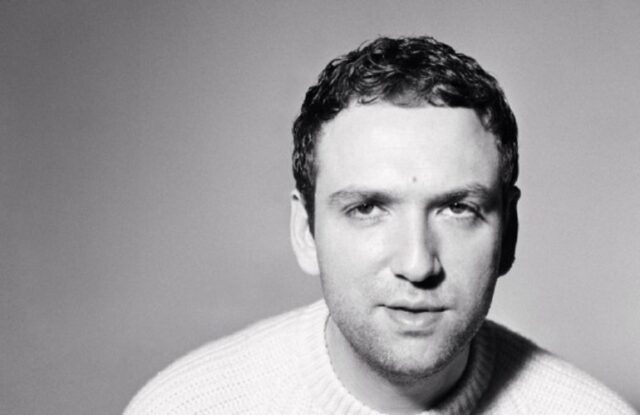
    Luxury fashion house Lanvin announced the appointment of Bruno Sialelli to the role of creative director. A relative unknown in the fashion world, Sialelli has worked for other luxury companies including most recently, Loewe, where he was head of menswear, under the guidance of the Spanish company’s creative director, Jonathan Anderson. Chinese conglomerate Fosun, who acquired Lanvin in 2018, said that the 31-year-old Frenchmen was hired to take the company in a “pivotal new direction,” a crucial call for the world’s oldest couture house.

    Lanvin’s chief executive Jean-Philippe Hecquet harmonised the sentiment.

    “We’re thrilled to welcome Bruno as the new creative director of Lanvin,” commented Hecquet. “His singular and very personal vision, his audacity, his culture, his energy and ability to build a strong creative team definitely convinced us. I can’t wait to discover Bruno’s first collections which will fully bring back to life this beautiful and unique fashion house, and once again inspire a passion among our customers.”

    In what has been a rollercoaster of a ride for the high-end French brand, Sialelli will take the top design spot as the fourth creative director to work at Lanvin in just four years.

    In 2015, Lanvin announced the shock departure of the label’s acclaimed designer Alber Elbaz, who was let go after disagreements with its previous owner, Taiwanese media magnate Shaw-Lan Wang. Elbaz had worked as Lanvin’s creative director for 14 years prior.

    Since then, it has been a tough slog for the 130-year-old company, which at its peak in 2012, was reportedly made 235 million euros, but sales have been steadily dropping ever since.

    In 2016, Lanvin reported a massive 18.3 million euro loss, after ten years of profitability.

    Following Elbaz’s departure, Bouchra Jarrar joined Lanvin, but quit as creative director after just a year-and-half, making way for Olivier Lapidus, who also quit, making way for Siaelli, the brand’s ray of hope.

    Before coming to Lanvin, Sialelli has also held design roles at brands like Paco Rabanne and Balenciaga. He is a fashion graduate of Studio Berçot in Paris.

  • Gucci adds 6 new intriguing Gucci Places

    Gucci adds 6 new intriguing Gucci Places

    Luxury fashion brand Gucci has labelled six international destinations as ‘Gucci Places’ – a list that includes Daelim Museum in Seoul. The Gucci Places were selected by the Italian Fashion House as destinations that “surprise, arouse interest, and inspire a creative response”, according to a report in Prestige Online. They were chosen in collaboration with well-known artists who were tasked with visiting the place and record their impressions, establishing a visual journey of photographs, travel notes and sketches.

    Daelim Museum was named for its association with Coco Capitan, an artist whose calligraphy has appeared on Gucci collections.

  • Net-a-Porter launches kidswear with Gucci

    Net-a-Porter launches kidswear with Gucci

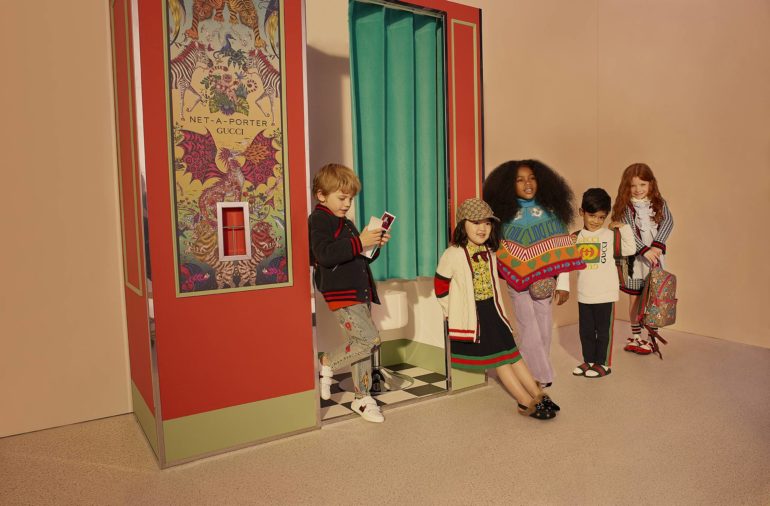
    After its Gucci and Dolce & Gabbana childrenswear pop-up e-shops generated a resounding “more!” from Net-a-porter.com customers, the retailer is launching a multi-brand kidswear collective. By “collective”, Net-a-porter.com means, quite simply, a tight edit of brands which have all created exclusive capsule collections for the website. Yeah Right NYC Kids, Alanui Kids, ATM Kids, Chinti & Parker Kids, Lingua Franca Kids, Golden Goose Deluxe and Veja make up the list of seven labels for girls and boys ages one to 12.

    “The new year felt like the perfect time to launch this collective,” Elizabeth von der Goltz, Net-a-porter.com’s global buying director, tells Mini Vogue. “It’s January – kids are back to school but there’s this idea of cosiness and wanting to feel comfortable.”

    The capsules, accordingly, reflect this: cashmere sweaters, comfy cardigans, track pants and trainers populate the new section. “Whether it’s for ourselves or for our kids, we are always thinking about wellness in January so this this an extension of that – it’s luxe athleisure for kids!”

    If the list of brands feels more offbeat than the global labels Net-a-porter.com first dabbled in the kidswear market with, this was intentional.

    “As an online global retailer known for our distinct fashion point of view, we wanted to take this and bring it to the kidswear market, creating something different from traditional retailers.”

    Von der Glotz is particularly excited about the patterned cardies from Alanui Kids collection and the mini-me versions of Golden Goose and Veja sneakers – two of Net-a-porter.com’s best-selling shoe styles.

    The e-tailer is confident it has quietly developed a recipe for success: “Our customers have been highly engaged with all of our kidswear pop-ups with most styles selling out within just a matter of weeks of launching,” she continues.

    Four out of five of the Gucci products sold were logo T-shirts, and the fifth was the belt bag. “It’s so interesting to see, as the pieces are in such high demand in our adult range too.” Starting them early is certainly paying off for the business.

  • Sergio Rossi redefines the power pump

    Sergio Rossi redefines the power pump

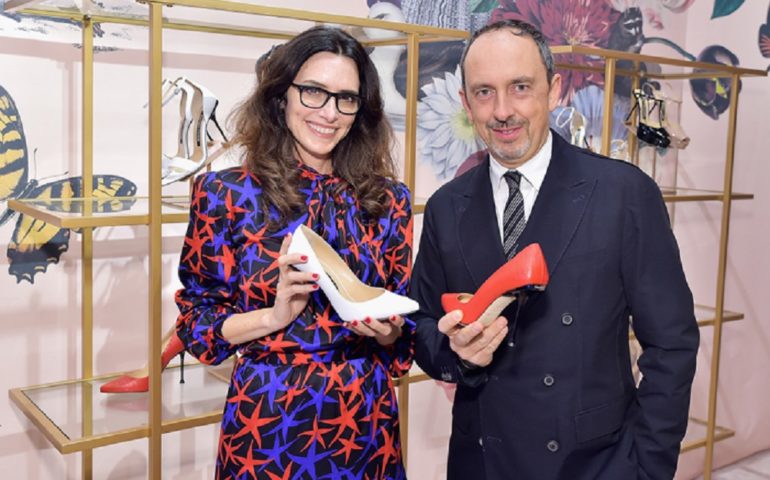
    “It is a new definition of the power pump,” is how celebrity stylist Elizabeth Stewart describes styles from her capsule collection with Sergio Rossi. Stewart, who counts Julia Roberts and Viola Davis among her clients, celebrated the launch of the collaboration Thursday in Los Angeles at the Italian luxury brand’s pop-up store at Westfield Century City.

    Pumps and sandals in black, red and light pink are emblazoned with empowering words like “strength,” “hope,” “kindness” and “sharing.” The messages are meant to give women a chance to embrace style, substance and solidarity, with 100 percent of sales supporting Time’s Up, an organization dedicated to women’s safety and equality in the workplace.

    “I wanted the shoes to be a sort of a talisman for the wearer,” Stewart told Footwear News at the event. “First it was ‘strength’ and ‘power’. The idea being you can go on a job interview and you put them on and it gives you strength, but also I don’t want to forget things that women want to be, like kind and sharing. It’s a reminder and source of strength.”

    Sergio Rossi Group CEO Riccardo Sciutto said working with Stewart on the collection was an organic process as she has had a longtime relationship styling her famous clients in the brand’s shoes.

    “When you get trust, the relationship is stronger and it’s easy to do something together all the time,” Sciutto said, adding that it’s the label’s first time supporting a social movement issue.

    Though the words and messages on the shoes were easy to conceive, rendering them on the shoes proved to be a challenge. Initially, Serigo Rossi designers tried to emboss the verbiage, but the production technique used to pull the leather material made the words unreadable, Sciutto explained. To achieve the desired effect, the designers created a special technique to print the words in a slightly different but matching color on the material.

    Along with Stewart’s capsule, which is sold exclusively at the store through March 6, the space also features 37 different styles from Sergio Rossi’s resort ’19 and spring ’19 collections, as well as a customization bar.

    The temporary digs are a part of Sciutto’s retail expansion strategy in the American market. “Half of the business is in Asia, and the rest is split between Europe and America. America is the opportunity. It’s the smallest market for us,” he added.