Tag: fashion designer

  • Burberry sales saved by Mainland China

    Burberry sales saved by Mainland China

    A mid-single-digit rise in Burberry sales in Mainland China in the third quarter helped produce a solid result for the luxury fashion retailer. The strong China performance helped mitigate reduced footfall in the Americas and a subdued European market where tourist spending showed only a small improvement. Global same-store sales rose just 1 per cent.

    However, CEO Marco Gobbetti said the company was buoyed by improvements and ongoing customer excitement ahead of new product delivery – the launch of new creative director Tisci Riccardo’s first runway collection which will hit stores next month.

    “I am pleased with our progress in the quarter as we continued to build brand heat around our new creative vision and shift consumer perception of Burberry. Excitement is growing ahead of next month’s launch of Riccardo’s debut collection,” said Gobbetti.

    “We will continue to manage the business dynamically as we reposition the brand. We confirm our outlook for the full year.”

    He said the company was seeing a continued shift in consumer perceptions of the brand, driving increases in digital engagement and drawing endorsements from key influencers. Increased Burberry sales can only follow.

  • Calvin Klein seeking a New Creative Lead

    Calvin Klein seeking a New Creative Lead

    Less than a month after announcing the departure of Raf Simons, Calvin Klein is looking for a new creative lead, said a person with knowledge of the business. Chief executive officer Steve Shiffman said in a separate statement on Thursday that the brand will close its 654 Madison Avenue flagship store, which Simons renovated in 2017, relaunch its ready-to-wear line and consolidate some teams in North America.

    Shiffman said the brand will relaunch the 205W39NYC ready-to-wear line under a different name and a new creative direction. He kept the details vague, stating that the business will be “designed to evolve the traditional luxury fashion model by connecting with a diverse range of communities, offering an unexpected mix of influences and moving at an accelerated pace.”

    Some had speculated after Simons’ departure that Calvin Klein would not hire another creative face of the company, but instead take a collaboration approach similar to Moncler‘s recent strategy. But the search for a new design lead indicates otherwise.

    The source with knowledge of the business also said that several of Simons’ longtime collaborators have exited the business, specifically Pieter Mulier, creative director, and Matthieu Blazy, the design director of women’s ready-to-wear. Michelle Kessler-Sanders, president of the 205W39NYC business, will stay on in an executive position.

    Shiffman’s statement also announced the formation of a new consumer marketing division focused on consumer engagement and shopper experience. According to the source, this department is led by chief marketing officer Marie Gulin-Merle.

    Calvin Klein in North America will see further changes: Shiffman said the brand will consolidate the men’s sportswear and the Jeans businesses, and also integrate the retail and e-commerce teams.

    “Our industry is witnessing a historic transformation in consumer behavior which presents a significant growth opportunity as we look to grow the brand to $12 billion in global retail sales over the next few years,” said Shiffman.

  • Jaspal unveils collection joined by Lynnie Z

    Jaspal unveils collection joined by Lynnie Z

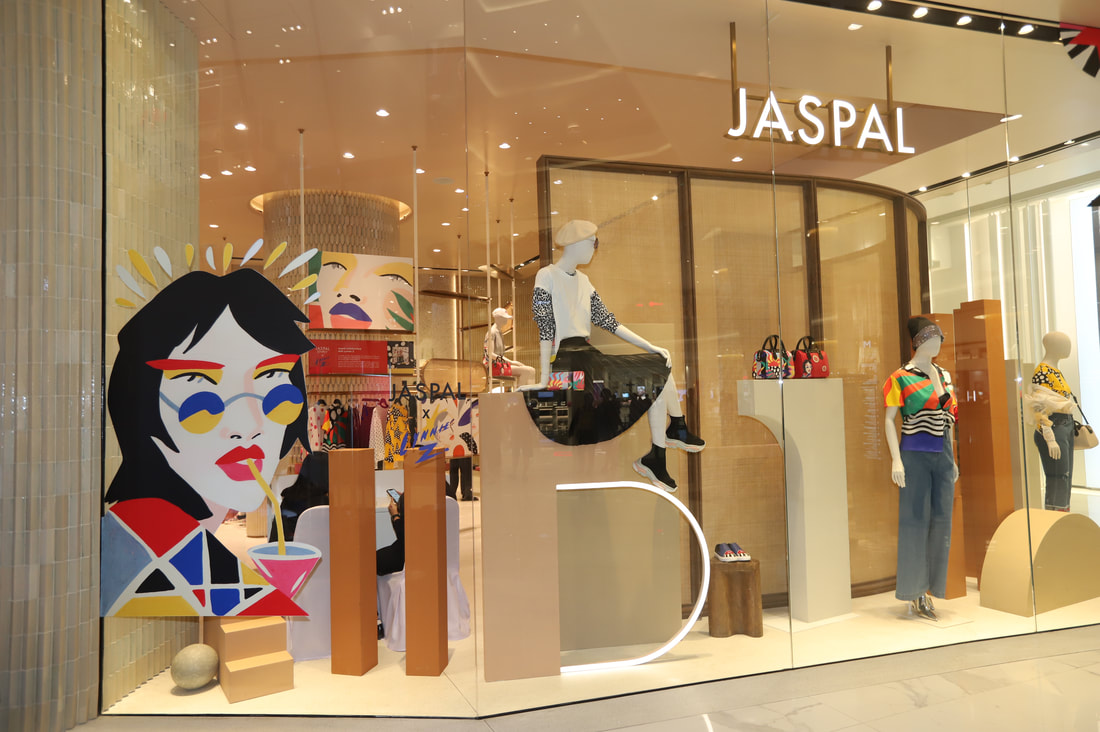
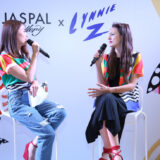
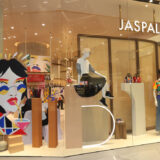
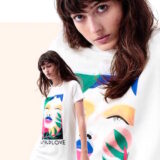
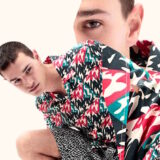
    Thai fashion brand Jaspal has opened a new flagship store featuring its limited edition collaboration with London-based artist Lynnie Z. The partnership with Jaspal’s Hi Life collection marks the opening of the brand’s new IconSiam flagship. It is one of a series of partnerships between Jaspal and global artists to ensure that unique styles emerge each season.

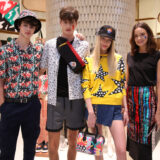
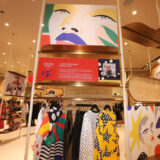
    The Hi Life collection for men and women features stars, hearts, lips and faces as motifs with strong colour themes referencing Africa.

    “I was so honoured to be a part of such a wonderful project,” said Z. “Thailand has an outstanding heritage and Thai people love art and fashion, which is the reason why I decided to come on board. Also, I think Jaspal and I share the same artistic soul, and, more importantly, the brand fully understands the story relayed behind my works,” she said.

    “To me, this project was really wonderful, allowing me to create a masterpiece collection with a famous local brand, and communicate my inspiration, passion, and uniqueness through the collection. This is one of the best works I’ve ever created. As for the process in making this collection, for the most part, I came up with ideas and colours from my sketchbook. These are organic and abrupt but they reflect a liveliness that I wanted to communicate through the collection.”

    View the images of the collection below (6 images) :

  • Burberry and Louis Vuitton lose counterfeiting appeal in Singapore

    Burberry and Louis Vuitton lose counterfeiting appeal in Singapore

    Burberry and Louis Vuitton have lost their appeal in a trademark dispute against local transport company Megastar Shipping. The luxury brands alleged that Megastar Shipping had handled counterfeit goods in Singapore that were headed for Indonesia, citing the Trade Marks Act that states a trademark is infringed by any person found to import or export goods using that mark without the proprietor’s consent.

    The upper division of the Singapore Supreme Court found this week that Megastar was not the importer of counterfeit goods shipped from China that were seized in March 2013, and was only intended to handle the goods in transit to their final destination in Indonesia. Megastar Shipping had been listed on seaway bills and arrival notices as the consignee of the goods.

    The appeals court ruled that the protection of IP rights had to be balanced against extending liability for infringement to “honest commercial persons who happened to be tangentially involved” in the shipping of counterfeit goods.

  • China, Japan boost Brunello Cucinelli revenue growth

    China, Japan boost Brunello Cucinelli revenue growth

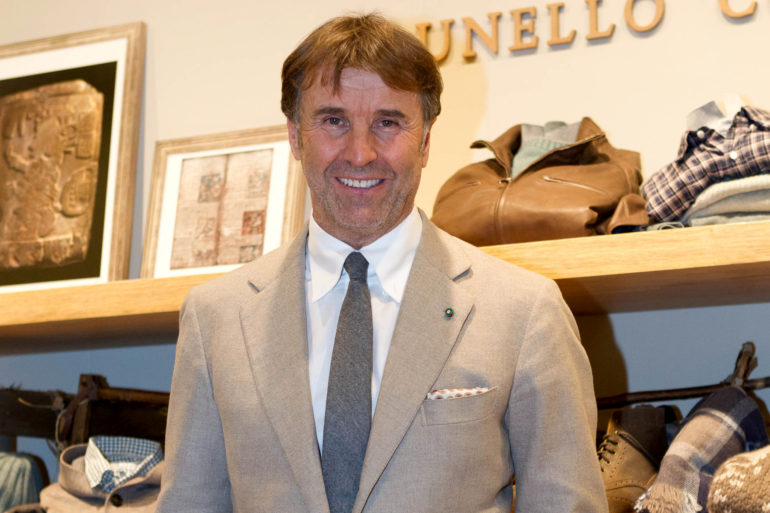
    Italian luxury house Brunello Cucinelli reported a leap in revenues for the 2018 fiscal year, with all geographic regions recording sales growth, particularly Greater China and Japan. For the year ending December 31, 2018, Brunello Cucinelli said total revenues increased 8.1% to €553 million, (+10.7% at constant exchange rates), compared to €511.7 million in 2017.

    The Solomeo-based company saw a significant rise in sales at 8.8% in the international markets and 4.2% in the Italian market, according to a press release published on the Italian stock exchange on Monday.

    By region, Greater China witnessed the biggest increase with an incredible 28.5% sales growth, followed by the Rest of the World region, up 10.7%, which was lead by Japan and the Middle East. Sales in Europe increased 8.5% and the U.S. saw growth of 3.9%.

    By distribution channel, Brunello Cucinelli’s retail sales gained 6.3% globally, with wholesale monobrand and multibrand up 19.4% and 9%, respectively.

    Capital expenditure for the twelve months was approximately €45 million, with “the objective of keeping the brand image extremely high in both the physical and digital channels,” said the company.

    Net debt narrowed €15 million, a slight improvement compared to 2017.

    “Another year has come to an end in a splendid manner, both in terms of numbers and from the standpoint of the general image of the brand at a global level,” said Brunello Cucinelli, Chairman and CEO.

    “We continue to support, believe in and invest in our beloved Italy, perceiving the great value this represents at a world level for the country’s creativity, quality and craftsmanship.”

    Following the stellar results, which included the sell out of the past winter collections, followed by strong spring/summer 2019 orders, the brand said it expects “another year ahead of gracious growth in line with 2018.”

  • New Michael Kors to increase focus on Asia

    New Michael Kors to increase focus on Asia

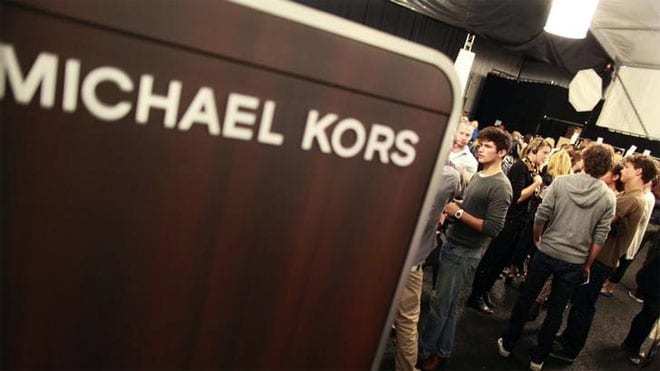
    With the completion of its acquisition of Versace, global fashion group Michael Kors Holding has successfully transitioned into its new identity as Capri Holdings Limited. The group, which now owns Michael Kors, Jimmy Choo and Versace, hopes to leverage its brands to grow group revenue to US$8 billion, while increasing its exposure to the Asia pacific region from 11 per cent to 19 per cent.

    The group also notes an effort to reduce its exposure to the American market, from 66 per cent to 57 per cent, in the long term.

    “We have now created one of the leading global fashion luxury groups in the world,” Capri chairman John D. Idol said.

    However, considering the past performance of these brands, one cannot be certain whether this merged entity can turn them around says IBISWorld senior industry analyst Kim Do, though “Capri Holdings seem confident in their ability to do so.”

    “While many are concerned about the company diffusing its newly acquired brands, similar to that of its own, this is unlikely as, similar to Jimmy Choo’s agreement with Kors Holdings, Donatella Versace will continue to remain the creative director [of] her namesake brand, leading the brand’s creative vision,” Do said.

    “However, while it is likely that Versace will be pushed into new avenues of revenue (such as a stronger focus on Asian markets) it will likely not include mass-retailers – which is how Michael Kors expanded previously.”

    According to Do, IBISWorld expects Capri to hold off on further acquisitions for the time being, and will most likely focus on growing the three brands it now hold in its portfolio.

    In November 2018, the group saw total group revenue decline 32 per cent to $189.76 million (US$137.6 million), from $279.81 million (US$202.9 million) the year prior, which GlobalData Retail managing director Neil Saunders called “disappointing”.

    “Although overall revenue growth looks robust, it continues to be flattered by the acquisition of Jimmy Choo, which has yet to annualise out,” Saunders said.

    “In short, after slowly climbing the steep hill of recovery, Michael Kors now appears to be rolling back down in reverse.”

    Saunders also said the acquisition of Versace could prove to be a distraction that limits the group’s abilities to fix the core problems within it’s main brand.

    In November 2018, the group saw total group revenue decline 32 per cent to US$137.6 million, from US$202.9 million the year prior, which GlobalData Retail MD Neil Saunders called “disappointing”.

    “Given Michael Kors’ relative lack of success with its own label, we do not see the group being able to [easily] undertake the retooling required to generate superior results.”

  • Burberry unveils first-ever Chinese New Year campaign

    Burberry unveils first-ever Chinese New Year campaign

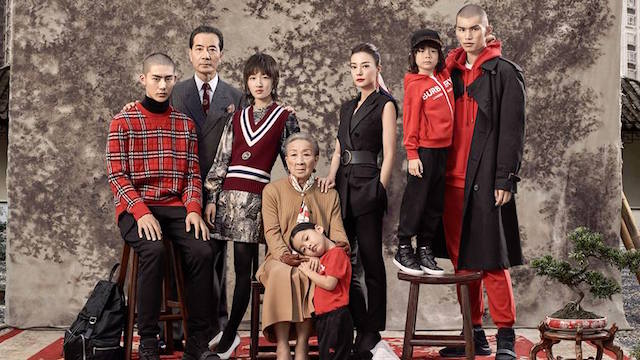
    British luxury fashion house Burberry has unveiled its first Chinese New Year campaign, celebrating family traditions and togetherness. The commercials, shot and directed by photographer Ethan James Green, star Chinese actresses and Burberry brand ambassadors Zhao Wei and Zhou Dongyu, who make their Burberry campaign debut. Inspired by classic portraiture, the campaign has been reimagined in an informal urban environment, and features classic Burberry pieces including archive-print scarves, the trench coat and tailoring, contrasting with urban staples including hoodies, t-shirts and joggers, all of which are now available globally online and in-store.

    “The campaign draws on the concept of families reuniting for the most important holiday of the year, and represents a sense of belonging, but in a very fresh way,” explains Zhao Wei. “It was great fun being back on set with Zhou Dongyu – I enjoyed it very much!”

    Gallery of the campaign (4 images) :

    Zhou Dongyu added: “A family portrait is a very simple concept, but the ceremonial sense behind it holds so much more. For me, being able to go home once a year to spend quality time with my family is something I value above all else, and I wouldn’t trade it for anything.”

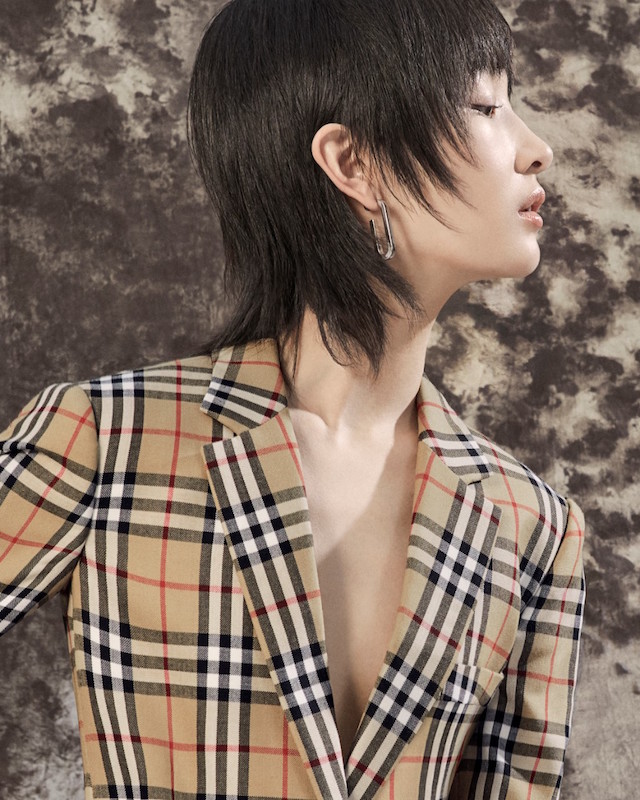
    For the campaign, Zhao Wei wore a sleeveless keyhole detail top, reissued Society-print silk scarf and gold plated link drop earrings. Zhou Dongyu wore a vintage check wool jacket with palladium plated link drop earrings.

  • Ermanno Scervino opened store in Chinese Hangzhou

    Ermanno Scervino opened store in Chinese Hangzhou

    Italian fashion house Ermanno Scervino is launching a new boutique in Chinese Hangzhou. The 140sqm store, located inside the Hangzhou Tower shopping centre, houses the brand’s womenswear and menswear pret-a-porter and accessories collections. Its interior design follows the style of the maison’s flagship store inaugurated in Florence last June, with large surfaces featuring industrial concrete flooring and concrete wall finishing punctuated by inlaid and laminated gold frames. The store showcases wooden furnishings with stucco decorations and retro-inspired details.

    “The growth and development of our brand in Far East has been proceeding systematically and consistently since a few years now,” said Ermanno Scervino Group CEO Toni Scervino.

    “After Shanghai and our recent opening in Hong Kong, Hangzhou is now a further step forward. The Chinese clientele is proving more and more its passion for the tailoring and Made in Italy proposal of our Maison. In collaboration with our partner Riqing we are therefore working to be more and more present on the territory”.

  • Pooey Puitton toy purse makers file lawsuit against Louis Vuitton

    Pooey Puitton toy purse makers file lawsuit against Louis Vuitton

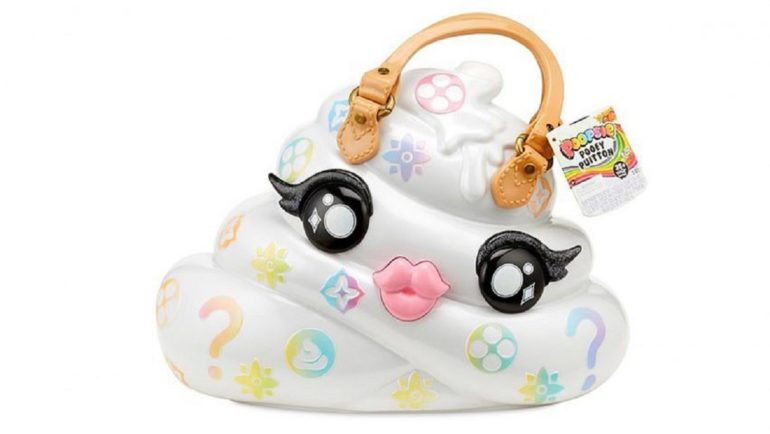
    Toy company MGA Entertainment has preemptively sued Louis Vuitton in an attempt to prevent the fashion house from taking actions that might impact sales of its slime-filled children’s purse Pooey Puitton. Filed 28 December 2018 in Los Angeles federal court, the lawsuit aims to prevent any potential claims of trademark infringement that Louis Vuitton might have against the plastic, poop-shaped purse.

    Instead, it asserts that the product is a “protected parody” of Louis Vuitton’s luxury handbags.

    The Pooey Puitton plastic purse takes the shape of a poop emoji with a handle and sparkly eyes. It is printed with a colourful, printed monogram, similar to the floral trademark pattern found on Louis Vuitton products, particularly the Spring/Summer 2003 collaboration with Japanese artist Takashi Murakami.

    Intended as a children’s toy, the purse is designed to store “unicorn poop”, a glittery toy slime.

    The children’s toy manufacturer launched the lawsuit in response to a claim that Pooey Puitton’s name and image violates the fashion label’s intellectual property rights.

    But MGA Entertainment asserted that “no reasonable consumer would mistake the Pooey product for a Louis Vuitton handbag”, citing the difference in material, price, marketing and stockists.

    According to the toy giant, the product is actually a parody of the luxury fashion brand, “designed to mock, criticise, and make fun of the wealth and celebrity” associated with Louis Vuitton products.

    “The use of the Pooey name and Pooey product in association with a product line of magical unicorn poop is intended to criticise or comment upon the rich and famous, the Louis Vuitton name, the ‘LV’ marks, and on their conspicuous consumption,” the statement reads.

    The interlocking “L” and “V” floral monogram pattern was designed by Louis Vuitton’s son, Georges Vuitton, in 1896.

    This is not the first time that MGA Entertainment has found itself in legal battles. The brand was famously sued by Barbie-manufacturer Mattel for allegedly stealing the idea behind its Bratz doll franchise.

    Elsewhere, Virgil Abloh – who was appointed artistic director of menswear for Louis Vuitton in March 2018 – unveiled his polychromatic menswear collection for the brand during Paris fashion week.

  • Raf Simons exits Calvin Klein

    Raf Simons exits Calvin Klein

    Raf Simons is exiting Calvin Klein less than two years after his debut as its first chief creative officer and eight months before the end of his contract. The brand will not stage a runway show in February. The designer’s stint at Calvin Klein — coming after his turn as artistic director of women’s haute couture, ready-to-wear and accessory collections at Dior — won plaudits within the industry but failed to resonate commercially. His exit was widely expected after Calvin Klein parent PVH Corp. chief executive Emanuel Chirico last month criticised the brand’s uneven financial performance and skew toward “high-fashion” under Simons.

    “Both parties have amicably decided to part ways after Calvin Klein Inc. decided on a new brand direction which differs from Simons’ creative vision,” the company said in a statement. A representative for Simons declined to comment.

    Simons’ appointment in 2016 was met with much fanfare. The Belgian designer, as well known for his cult menswear label as his well-regarded stints at Jil Sander and Dior, was given a multi-million-dollar salary and the title of chief creative officer, with oversight over all aspects of marketing and design for the American megabrand, a degree of control he did not have at Dior.

    From the start, hiring a high-concept fashion designer for a brand best known to consumers for its denim, underwear and provocative marketing was a risky move. But PVH leadership saw competing businesses like Ralph Lauren stagnating for lack of creative innovation, while European stalwarts like Gucci soared after radical creative overhauls.

    With Simons, Calvin Klein hoped to not only generate a halo effect for its lower-priced products, but transform the label’s high-end ready-to-wear business, renamed 205W39NYC, from a marketing expense into a commercial powerhouse.

    But from the very beginning of Simons’ tenure, there was a disconnect between his personal aesthetic and the needs of a multi-billion-dollar, multi-tiered brand, driven less by high design and more by mass marketing, an area in which Simons had no experience. His first advertising campaign for the ready-to-wear collection, received mixed feedback. Shot by longtime collaborator Willy Vanderperre, it was arty and bloodless; far from the sexualised minimalism for which the brand was so well known.

    Yet there was plenty of industry praise for Simons’ catwalk shows. And in the first season alone, doors selling 205W39NYC jumped from 30 to 300. What’s more, Simons seemed committed to the cause of translating his designs into mass sales, visiting with Macy’s executives and hiring the Kardashian family to pose for underwear and denim advertisements.

    As recently as March, PVH appeared committed to the partnership as well, with Chirico touting the “credibility” that 205W39NYC would bring to the brand’s other lines. But PVH’s patience began to wear thin over the course of 2018, as the buzz generated by Simons failed to translate into consistent revenue growth.

    In September, a runway concept that required Simons to show off-site (recent catwalks have been held on the ground floor of the company’s headquarters) was scrapped due to budgetary constraints. Then, according to multiple sources, PVH expressed concerns that Calvin Klein’s extensive partnership with the Andy Warhol Foundation — which included merchandise — was too arty and high-brow for a mass audience.

    PVH, which also owns Tommy Hilfiger, missed sales projections in its most recent quarter. And Chirico last month called out the 205W39NYC ready-to-wear collection’s failures, adding that Calvin Klein’s recent denim collection had been a “fashion miss.” The brand’s revenue grew just 2 percent in the third quarter to $963 million. PVH shares are down 35 percent this year.

    “We will cut back on a number of these planned investments in the 205 collection business, and as we move forward, we will [be taking] a more … commercial approach to this important business,” Chirico said after PVH released financial results in November, adding that Calvin Klein will shift the focus of its marketing campaigns from high-fashion to more affordable items targeting a more mainstream audience.

    In recent months, the company had begun to dial back on some of Simons’ responsibilities, installing L’Oréal veteran Marie Gulin-Merle to be Calvin Klein’s new chief marketing officer, reporting not to Simons but to the brand’s chief executive Steve Shiffman.

    Simons earned multiple awards from the Council of Fashion Designers of America during his time at Calvin Klein and his absence will be keenly felt at New York Fashion Week, where he was one of the few designers who could command true international attention.

    “Raf brought a unique point of view to American fashion and the CFDA wishes him future success,” said CFDA chief executive Steven Kolb. “Calvin Klein is an iconic American brand that will continue to flourish under new creative direction.”
  • Prada ‘racist’ incident ended up with apology

    Prada ‘racist’ incident ended up with apology

    Prada has apologised for selling a US$550 monkey figurine after a social media backlash from US consumers alleging the character is racist. The monkeys, with oversized red lips and dark skin have been likened to “racist caricatures historically used to dehumanise black people” according to a commentary in The Business of Fashion.  Some social media users pointed out a resemblance to golliwogs, the fictional children’s book character created by Kate Upton in the late 19th Century, which brands worldwide have avoided using in marketing for reasons Prada executives could have easily found with a quick Google search.

    The ‘racist’ monkey character was part of the Pradamalia range of small accessories like keychains and toys featuring cartoon characters.

    Prada said in a statement that the creatures were “not intended to have any reference to the real world and certainly not blackface”.

    “Prada Group never had the intention of offending anyone and we abhor all forms of racism and racist imagery. In this interest, we will withdraw all of the characters in question from display and circulation.”
    The Business of Fashion described the company’s design as “at best tone-deaf, at worst racist and exploitative”.

    Some people in the retail industry may well ask how Prada released such a product after the high-profile case of H&M having to apologise after releasing marketing images of a black child wearing a hoodie with the text “Coolest monkey in the jungle” in January, which prompted a similar chorus of disapproval. H&M immediately withdrew the hoodies from sale globally and recycled them, but not before some stores in South Africa had to be closed temporarily after protests and vandalism.

    And just last month, Dolce & Gabbana was forced to apologise to Asians customers around the world for a video campaign mocking a Chinese model trying to eat pasta with chopsticks, followed by an extraordinarily racist rant on Twitter by one of the label’s founders (which he later claimed – to widespread skepticism – was the result of his account being hacked).

    Facebook user Chinyere Ezie (who took the photo of the Prada monkey used with this story) was one black American woman outraged by the product. Her post had been shared more than 10,000 times by Monday morning and received some 4300 comments.

    “Today after returning to NYC after a very emotional visit to the Smithsonian National Museum of African American History and Culture, including an exhibit on blackface, I walked past Prada’s Soho storefront only to be confronted with the very same racist and denigrating #blackface imagery,” she wrote.

    “I entered the store with a coworker, only to be assaulted with more and more bewildering examples of their Sambo-like imagery. When I asked a Prada employee whether they knew they had plastered blackface imagery throughout their store, in a moment of surprising candor I was told that *a black employee had previously complained about blackface at Prada, but he didn’t work there anymore.*

    “History cannot continue to repeat itself. Black America deserves better. And we demand better.”

    The products were withdrawn from window displays – and sales – within hours of Ezie’s post on Friday.

  • Moncler open store in Changi Airport

    Moncler open store in Changi Airport

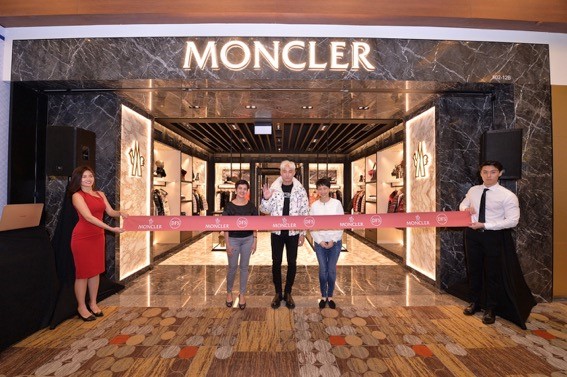
    DFS Group, the world’s leading luxury travel retailer, is pleased to introduce global luxury brand Moncler at Changi Airport Terminal 1. The opening of the new Moncler boutique adds an important presence within the DFS Group’s luxury fashion offerings that are housed within a world-class travel retail destination.

    The new Moncler boutique represents a new milestone that reflects the DFS Group’s focus on experiential shopping. It also complements the DFS Group’s impressive luxury retail line-up at Changi Airport, which is home to a prominent stable of premium fashion offerings. The latest collaboration with the fashion-forward and iconic outerwear leader underlines DFS Group’s commitment to deliver the finest product offerings and exclusive experiences to fashion-conscious shoppers.

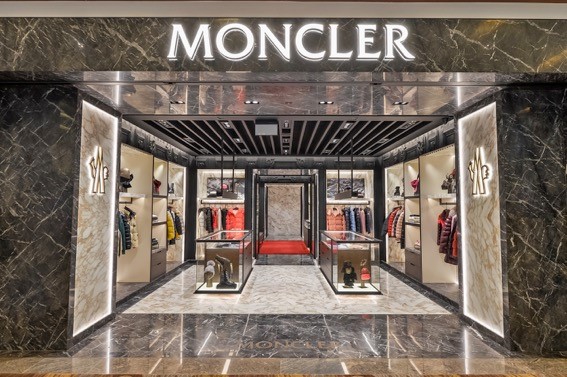
    The new boutique reflects Moncler’s haute montagne aesthetic and vision, at the same time keeping in tune with the maison’s roots and heritage. Boasting a floor area that measures around 110 square metres, the clever layout maximises the use of space while the addition of select materials adds a contemporary feel. A unique effect has been achieved with the marble flooring, which alternates herringbone white Calacatta Vagli with black Gricio Carnico, while sleek glass cases with black varnished wood complete the look. The boutique hosts the Moncler men’s, women’s and accessory collections.

    “We are very honoured to welcome a distinguished and respected heritage brand such as Moncler into our portfolio of fashion and watch brands. As part of the strategy to up the ante of the retail experience for our global travellers when they visit DFS Changi, Moncler has been carefully curated to offer a wide selection from their latest collection for savvy travellers.” Wilcy Wong, DFS Group Managing Director Singapore and Indonesia, shares.

    Teo Chew Hoon, Group Senior Vice President of Airside Concessions from Changi Airport Group adds, “We are pleased to open the first Moncler boutique with our valued partner DFS Group to offer passengers an exceptional shopping experience with fashion offerings from luxury to high street designs across a range of price points.”

    The boutique was officially opened on 14th December with a grand opening ceremony. The festivities featured a ribbon cutting ceremony officiated by renowned local actor Desmond Tan with Wilcy Wong, DFS Group Managing Director Singapore and Indonesia and Chandra Mahtani, Changi Airport Group Vice-President of Terminal 5 Planning. Hosted by Constance Lau, the ribbon cutting ceremony and lion dancers kick-started the celebrations for esteemed guests, who were treated to a live nitrogen cocktail performance and styling tips by Celebrity fashion stylist and personality, Glenn Goh.

  • Herschel teams up with Starbucks for launch in China

    Herschel teams up with Starbucks for launch in China

    Does a new new designer collaboration revealed this week represent growing Starbucks fashion cred? Accessories and apparel brand Herschel has created a capsule collection inspired by Starbucks China’s Sumatra coffee blends.

    It follows the release of two seasonal ranges of homewares designed by Los Angeles label Ban.Do in the coffee company’s Asia-Pacific stores, the first of them on sale in July last year.

    Vancouver-based Herschel established a headquarters in Shanghai this year and is currently working on expansion plans within the territory along with retail partners nationwide. A permanent store location will open in the third quarter, and 15–20 Herschel Supply stores are are expected to be open before the end of next year.

    Cofounder Lyndon Cormack said: “Coffee is significant in one aspect or another in just about every part of the world. Of course, it’s a huge part of our culture in Vancouver, here in the Northwest, just a few hundred kilometres away from Starbucks’ birthplace in Seattle.

    “To work with one of the most globally recognised brands and collaborate with them directly is an incredible opportunity to bring both of our stories to life in a unique and meaningful way. We’ve also been active in the market for years and certainly experienced robust growth.

    “To receive the stamp of approval, so to speak, from the Starbucks China team shows us we’re off to an amazing start and that there’s a lot of opportunity for us to expand in the territory.”

    The Starbucks fashion-influenced range, which is currently sold exclusively at Starbucks locations within China, includes carryalls, mugs and a Starbucks card featuring a custom Sumatra Cherry Woodland Camo print.

  • ‘The store of the future’ by Tommy Hilfiger opens in Amsterdam

    ‘The store of the future’ by Tommy Hilfiger opens in Amsterdam

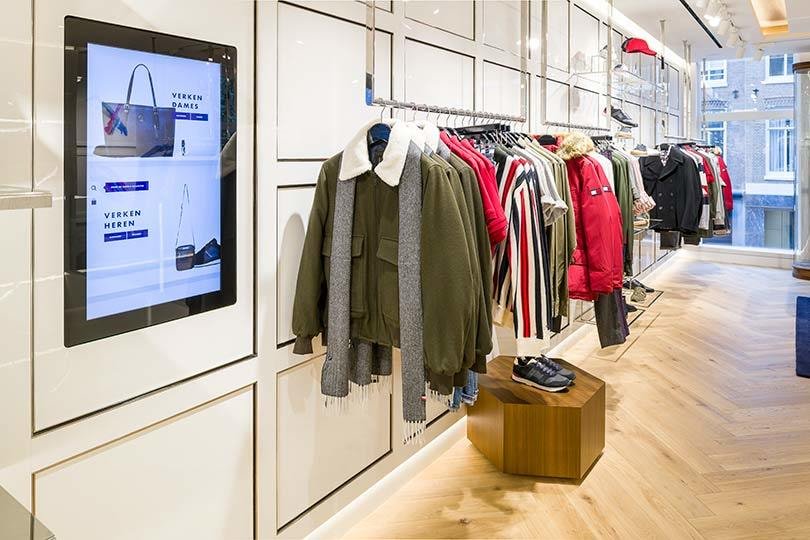
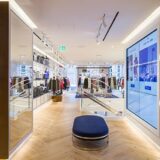
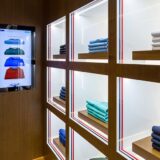
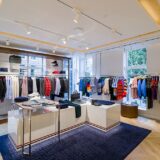
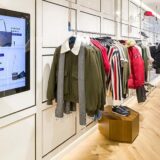
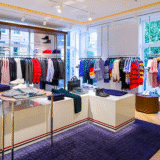
    A new generation Tommy Hilfiger store of the future has opened in Amsterdam. The store emerges from the firm’s evolving omnichannel strategy and features floor-to-ceiling interactive mirrors, personalised embroidery stations and a cafe with digital screens built into the tables. The more than 300sqm interior has been described in a CPP Luxury report as boasting “modern finishes and a bright, airy aesthetic, taking cue from the nautical lifestyle – one of Tommy Hilfiger’s long standing sources of inspiration.

    Tommy Hilfiger CEO Daniel Grieder said: “You can’t just expect shoppers to come into the store when you do nothing, you have to excite them. You have to give customers a reason to come into the store.”

    View the gallery below (7 images) :

    The Tommy Hilfiger store of the future features large monitor screens which serve as “digital endless aisles” that allow customers to browse the brand’s complete online catalogue, facilitating home-delivered or store-delivered orders. Customers can also identify items from different looks featured online.

    Store manager Mark commented: “It’s about bridging that gap between online and offline, and making the shopping experience as easy as possible … People still want to be able to feel the material and see the products in person. That’s always important, so where we can we always want to encourage customers to come into the store.

    “For example with suits, we’ll offer an appointment for the customer to come in and try it on. We’ll make sure the dressing room is prepared for them with fitting shoes and a shirt. So for us it’s really about taking that extra step and building on the customer relationship.”

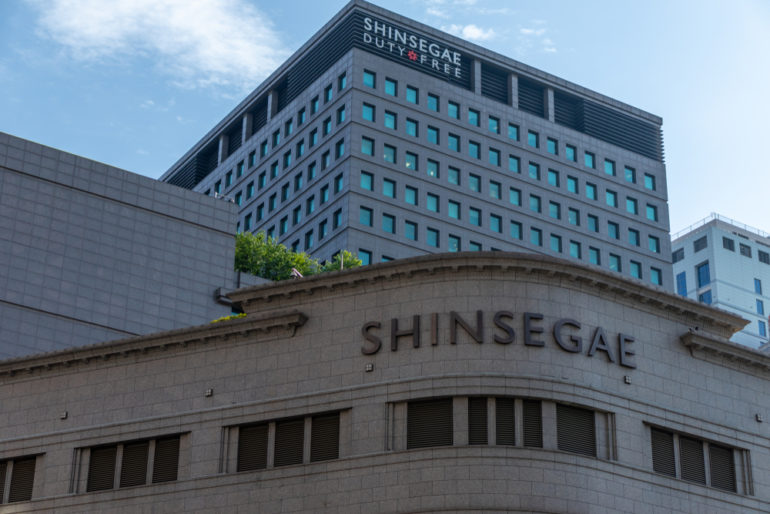
  • Shinsegae International Opens Select Shop for S. Korean Designer

    Shinsegae International Opens Select Shop for S. Korean Designer

    South Korean retailer Shinsegae International aims to promote South Korean designer brands through a new online store. The company says ‘Select Shop’ will specialise in South Korean designer brands, on its S.I.Village online shopping portal. Select Shop accommodates 30 designer brands for clothing, bags, and footwear.

    “Select Shop will serve as a new channel for South Korean designers as well as for young and sensational new brands, which will also boost the competitiveness of our online shopping mall,” said a Shinsegae International spokesperson.

    Shinsegae International said S.I.Village’s high-end reputation is what encouraged many of the designers to join Select Shop.

    To mark the grand opening, Select Shop will provide discounts of 5 to 20 per cent on all member products and will give away movie tickets to the first 300 customers to make a purchase on Select Shop.

    The website will also be the exclusive distributor for 99 T-shirts designed in collaboration with 99%IS by Bajowoo.