Tag: Fashion

  • China’s Fosun makes bid for Tom Tailor

    China’s Fosun makes bid for Tom Tailor

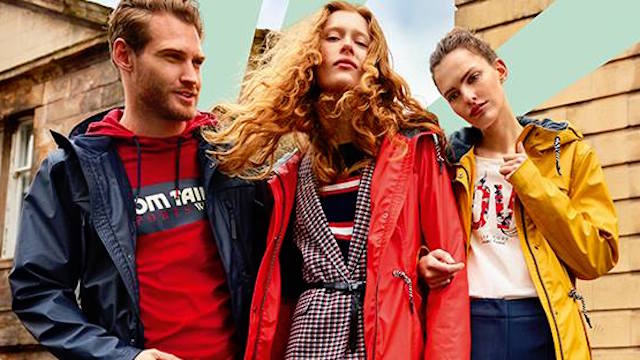
    Hong Kong-listed Chinese trading group Fosun has launched a Tom Tailor takeover bid. Fosun has long held a cornerstone stake in the German-listed fashion retailer, which has several thousand stores, franchises and shops-in-shops around the world, trading under its own name selling men’s and women’s fashion and under the womenswear label Bonita. Its core markets are Germany, Austria, Switzerland, Southeastern Europe and Russia.

    Fosun said in a stock exchange filing that the Tom Tailor takeover bid follows an increase in its shareholding which will take its stake above the 35 per cent level which triggers a mandatory takeover offer under German law.

    In a statement, Fosun said it would benefit from the target company’s long-term growth potential.

    “The company considers the transaction to be an attractive investment in its sector as it sees economic potential in Tom Tailor.”

    Founded in Hamburg in 1962, Tom Tailor has encountered challenges in recent years. Its share price has plunged 80 per cent since January last year.

    The company focuses on mid-priced casual wear for men, women and children, accessories, and home textiles.

    Fosun has been expanding its interests in Europe in recent times, acquiring Lanvin last year, along with Austrian luxury lingerie brand Wolford. It also has a stake in menswear label Caruso.

  • Karl Lagerfeld dies at 85

    Karl Lagerfeld dies at 85

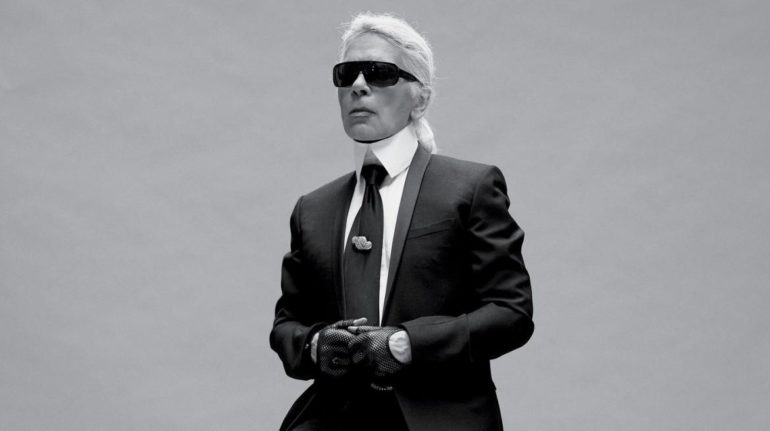
    Karl Lagerfeld, arguably the world’s most iconic designer and undoubtedly the most prolific, has died in Paris. He was 85. In a seven-decade career as fashion’s ultimate free agent, Lagerfeld created collections simultaneously for the celebrated houses of Chanel and Fendi, in addition to his signature label, at a pace without rival in the luxury industry.

    Virginie Viard, director of Chanel’s design studio and Lagerfeld’s closest collaborator for more than 30 years, will take the creative reins at the storied brand’s fashion business. A succession plan has yet to be announced at Fendi.

    For Lagerfeld, to design was to breathe, “so if I can’t breathe, I’m in trouble,” he often quipped to journalists who were astonished by his inexhaustible work ethic and his insistence that he would never retire.

    In fact, his creative output seemed only to become more bountiful in his golden years, a period during which his extravagant runway productions at the Grand Palais in Paris achieved a staggering level of theatrical opulence. At a cost of millions of dollars per season, the events surpassed the mundane boundaries of a fashion show to become something more like large-scale performance art — media spectacles where Lagerfeld, as both gifted designer and visual provocateur, could best demonstrate his ability to interweave the superficialities of fashion with matters of great depth, while also parading seemingly endless ways to keep Chanel’s classic tweeds looking modern and fresh.

    His Autumn/Winter 2017 collection featured a 115-foot-tall mechanical rocket ship that simulated blast off. For Fall 2014, he built a Chanel shopping centre, its superstore-like aisles bursting with more than 500 different products that included a Chanel-logo chainsaw, doormats, candy, and ketchup. For Fall 2010, he imported enough snow and ice from Sweden to create a 265-ton indoor iceberg. Backdrops of a man-made beach with rippling waves (Spring 2019), a scale rendering of the Eiffel Tower (Fall 2017 Couture), a French brasserie with uniformed bartenders (Fall 2015) and an enormous model of a passenger ship (Cruise 2019) suggested no idea was too fantastical, nor expense too decadent.

    His incredible longevity and success as a designer, and, following his logic, the fortunes of the companies for which he worked, owed at least partly to Lagerfeld’s intentional detachment from the business side of fashion. He claimed never to discuss sales figures or budgets with management. “I am a hired gun, even in my own business,” he said in a BBC interview, noting that his contracts with Chanel and Fendi allowed him to do whatever he wanted on the side. “I work my own marionette in a way, my own puppet,” he told The New York Times. “It’s something I control.” That extraordinarily rare freedom from the restraints of financial responsibility enabled him to continually make clothes that inspired consumers to dream.

    “We created a product nobody needs, but people want,” he said. “If you need an ugly old car, it can wait, but if you want a new fashion item, it cannot wait.”

    As designers half his age complained of burnout from fashion’s maddening pace, Lagerfeld made himself even busier by dabbling in a constant stream of publishing, photography, film and design projects, including a rule-breaking “fast fashion” collaboration with the mass retailer H&M in 2004 that predated the industry obsession with disruption by more than a decade. Ignoring the traditional expectations of a luxury player, he also designed hotel rooms, video games, motorcycle helmets, a BMW, and a cosmetics range inspired by his also-famous cat, Choupette, and directed an ad campaign for Magnum ice cream bars that featured a life size sculpture of model Baptiste Giabiconi rendered in chocolate. More than most of his sober-minded peers at fashion’s pinnacle, he relished his iconic status both within the industry and in popular culture. Despite all this extra-curricular output, though, he was driven by one thing in fashion, he said, which was to make his designs better than they were the season before.

    As most profiles of Lagerfeld have noted, another thing that drove him was a desire to know everything. He filled his numerous homes, in Paris, Biarritz, and Saint-Tropez among others, with stacks of history books and biographies, iPods loaded with various types of music, and museum-worthy collections of artwork and furniture that he would, unceremoniously, dispose of every few years, once a new period or style captured his attention. With his vast memory and a rapid-fire way of working and speaking, he could summon details and themes on command, exploit them ruthlessly in a collection, and then immediately move on to the next thing. He once said he had a “Google mind.”

    “Whatever it is, good or bad, it influences fashion,” Lagerfeld said. “You can see that in fashion quicker than in any other thing going on. Fashion is something that reflects our lives and times with the shortest release, because, cars, design and architecture take years to realise.”

    Lagerfeld was, in many ways, a self-drawn caricature of what a powerful designer should look and sound like, a stylistic god who was worldly and intellectual, commanding and capricious. His bitchy quips (“sweatpants are a sign of defeat,” “trendy is the last stage before tacky,” “I think tattoos are horrible — it’s like living in a Pucci dress full-time,” and many, many nasty digs at celebrities he considered fat or unattractive) became as much a part of the Lagerfeld mystique as were his signature white powdered ponytail and dark sunglasses, or his habit of drinking only Coca-Cola (later, Diet Coke or Coke Zero). But his penchant for flamboyance, combined with occasionally reckless comments in recent years, also resulted in backlash for Chanel. His critiques of Angela Merkel drew particular outrage, as when he evoked the Holocaust on a French talk show in 2017 while protesting Germany’s open-door policy toward Muslim refugees fleeing the Syrian civil war. In any event, there had never been any serious repercussions for the designer nor attempts to unseat him, likely as a result of his outsize stature in the industry and his long history of accomplishments.

    He was best known for his work, since 1983, as artistic director at Chanel, which became one of the most profitable and admired luxury brands in the world under his tenure. While the company remains privately held by brothers Alain and Gérard Wertheimer, Chanel took the unusual step of releasing its annual results for the first time last year, stating its sales of $9.6 billion were larger than those of Gucci and approaching those of Louis Vuitton. Chanel’s sales for 2017 were up 11 percent, driving operating profit of $2.69 billion. Chanel said it had decided to reveal its financial strength in response to speculation that the company could be a takeover target, and to demonstrate it was determined to remain independent.

    When Lagerfeld was first approached by the Wertheimer family, which had created the Chanel fragrance business and its blockbuster No. 5 scent in the 1920s, and took control the fashion house after World War II, it had been more than a decade since the death of its founder, Gabrielle “Coco” Chanel. Chanel’s hallmark tweed bouclé jackets and dresses, once viewed as liberating, by then seemed old-fashioned and bourgeois, and the company was in need of new direction. Lagerfeld was already well-known for the soft and poetic party dresses he had been making at Chloé in the 1970s, which was during the dynamic growth of European ready-to-wear movement for easy-to-wear and less precious clothes. At the same time, Lagerfeld, since he first arrived in Paris, had harboured a burning desire to work in high fashion as a couturier, and Chanel’s established atelier offered that chance.

    “People tend to forget that once upon a time, Chanel was old hat,” Lagerfeld said. “It was only Parisian doctors’ wives who still wore it.” But it was Lagerfeld’s belief that the image could be changed with a sense of humour and a lack of nostalgia, in order to make customers forget everything that had come before.

    “Because fashion is about today,” Lagerfeld said in a 2007 New Yorker profile. “You can take an idea from the past, but, if you do it the way it was, no one wants it.”

    Lagerfeld described his first collections for Chanel as reflecting a modern and “chic-sexy” approach, with longer and thinner proportions, unlike Coco’s boxy-proportioned precedent. For his spring 1984 ready-to-wear show, he re-imagined classic suits and dresses with matching hats — all in denim, and for fall that year he added a hockey uniform worn with pearls and a skiing outfit in gaudy, glittering silver and red. His transformation of the brand would combine elements of the alluring (softly tailored pantsuits and charming white camellias affixed to tweed suits) with the shocking (oversize logos, micro-miniskirts, sequinned running shoes, heels moulded to look like pistols). The phenomenal transformation of Chanel became an industry model for how to turn an aging fashion house into a status symbol as its sales continued to soar. Lagerfeld’s role was so secure there he was contractually considered its “designer for life.”

    “Why should I stop working?” he mused to anyone who dared broach the subject of retirement. “If I do, I’ll die and it’ll be all finished.”

    Karl Lagerfeld was born Karl-Otto Lagerfeldt in Germany, and raised in the countryside near Hamburg, on Sept. 10, 1933, according to most recent biographies and some of his relatives, although Lagerfeld had for many years claimed he had been born in 1938 or 1935. In her 2006 book, “The Beautiful Fall,” which chronicled the heady decadence of fashion in the 1970s, the writer Alicia Drake argued that Lagerfeld had inflated many details of his childhood as part of a self-invention as a German aristocrat upon his arrival in the Paris demimonde. Lagerfeld sued the writer for invasion of privacy, but his case was thrown out of court.

    Lagerfeld, who changed the spelling of his name for commercial reasons, himself frequently joked about the discrepancy of his age, saying his mother, Elisabeth, a trim, stylish violinist who was highly critical of her son in his childhood, had chosen the date because it was easier to write. (As recently as 2013, Lagerfeld told Paris Match that he was born in 1935.) Further confusing matters, his father, Christian Ludwig Otto Lagerfeldt, was the wealthy managing director of a company that distributed condensed milk from the United States, and had moved the family to the countryside to shelter them from the hardships of the war years under Hitler, leaving little reliable evidence from the early years of Karl, an older sister, Martha Christiane, and a half-sister, Thea, from Lagerfeldt’s previous marriage.

    In the end, Lagerfeld described his childhood as a misery. He was a gifted scholar and loved to sketch, thinking he would pursue a career in illustration, but he had few friends and his mother often complained about his looks, telling him he should not smoke because his hands were unattractive, and that his nose was so large he should order curtains for his nostrils. Nevertheless, his parents supported his artistic ambition and sent him to Paris, where Lagerfeld found immediate success in fashion. In 1954, he won a design contest, called the International Woolmark Prize, based on the sketch of a coat he submitted that was produced for the competition by the designer Pierre Balmain. Of particular note, a young Yves Saint Laurent also won that year in the dress category, foreshadowing what would become a lifelong rivalry between the two designers.

    In their younger years, Lagerfeld and Saint Laurent were close friends. Whereas Saint Laurent was the tortured, fragile artiste who ascended to the coveted role of couturier at Christian Dior following Dior’s sudden death in 1957, Lagerfeld was a pragmatic mercenary. After working for three years for Balmain, who had hired him as an assistant, Lagerfeld designed collections for Patou, Chloé, Krizia, Charles Jourdan, Mario Valentino, and, beginning in 1965, Fendi, the Italian fur company where he contributed designs for an astounding 50 years. Fendi’s sales were estimated by analysts at $1.3 billion in 2017, while the company, acquired by LVMH in 2001, has experienced a major street style moment over the last year with its logo-driven FF Reloaded collection. (In January, Silvia Venturini Fendi, creative director of accessories and menswear, paid tribute to Lagerfeld’s contributions to the house with a fall men’s collection inspired by him, including styles he designed.)

    By the 1980s, Lagerfeld was widely known to the public, even as he was just beginning to design under his own name (Saint Laurent had started a signature company that popularised the French concept of ready-to-wear in the 1960s). Lagerfeld’s own label, called at different times Lagerfeld Gallery or Karl Lagerfeld Paris, has existed on and off as a licensing venture through various partnerships, including a high-profile venture with Tommy Hilfiger in 2004 and most recently with G-III Apparel Group in the United States since 2016, though it has always been perceived as a side project for the designer.

    Still, Lagerfeld was the more disciplined of the two when it came to image and self-control; he was cast as an aristocratic German designer in one of Andy Warhol’s more obscure films, the 1973 “L’Amour,” playing up his persona as the ringleader in the absurdist circus of fashion. His personal iconography included tightly fitted blazers over starched white shirts with startlingly tall collars, and skinny jeans – a complete look he perfected in the 1990s, only after undertaking a dramatic diet. He said he lost 92 pounds in order to fit into the prevailing silhouette of the day, a modern rock-and-roll style orchestrated by Hedi Slimane, who was then at Dior Homme. Lagerfeld became so recognisable for this look that he started using his own likeness as a logo on T-shirts, handbags and furry key chains for Fendi.

    While his competition with Saint Laurent intensified throughout their lives, until Saint Laurent’s death in 2008, Lagerfeld’s ultimate success with Chanel gave him immense confidence and enabled him to pursue opportunities that no other designer would dare touch. His 2004 collection for the Swedish retailer H&M was especially risky, given the fate of other luxury brands like Halston that had lost their credibility after making a mass play. Lagerfeld described the one-off collaboration, which included slim blazers and T-shirts emblazoned with a cartoon logo of his face, as “mass elitism, which has long been my dream… It’s the future of modernity.”

    The collection was an enormous hit, selling out in many markets, unleashing all manner of unorthodox designer crossovers to follow, and further fuelling Lagerfeld’s fame. He was also the subject of at least three documentaries, “Lagerfeld Confidential” (2007), “Un Roi seul” (2007), and “Karl Lagerfeld se dessine” (2013), and several books, including a compilation of his quotations, “The World According to Karl,” from Flammarion (2013), and “The Karl Lagerfeld Diet,” a weight-loss book he published with his physician, Jean-Claude Houdret (2002). For many years, Lagerfeld ran his own publishing imprint, 7L, photographed his own advertising campaigns, and directed short films that imagined the life of Coco Chanel and highlighted connections from Chanel’s history to his own work.

    At Chanel, Lagerfeld was given the artistic license and financial resources to acquire the best talent, including his longtime collaborators Virginie Viard, the creative studio director and tipped as a likely internal candidate to succeed him as Chanel’s designer, and Eric Pfrunder, Chanel’s director of image. At Lagerfeld’s urging, the company also embarked on a campaign to acquire many specialised French craft ateliers, like Lesage for embroidery, Lemarié for feathers and artificial flowers, Maison Michel for millinery, and Causse for glove making. Those resources were celebrated with lavish Métiers d’Art fashion shows held in far-flung destinations, including in Edinburgh, Shanghai, Hamburg, and most recently at the Metropolitan Museum of Art in New York City in December, while Chanel’s cruise collections have been staged from Dubai to Havana, Cuba, reflecting Lagerfeld’s approach to making Chanel’s interlocking “CC” mark recognisable around the world.

    “Logos are the Esperanto of marketing, luxury, and business today,” he said.

    Lagerfeld often said that his only love in life was his work. But he showed his softer side near the end of his life by casting his godson, Hudson Kroenig, the older son of the model Brad Kroenig, in his runway shows. He also gleefully promoted his lavishly spoiled cat, a gift from Kroenig, in interviews and on social media. He once said he wished he could marry Choupette, in what was presumably a humorous jab at his own cartoon-like image.

    “There is no secret to life,” Lagerfeld said. “The only secret is work. Get your act together, and also, perhaps, have a decent life. Don’t drink. Don’t smoke. Don’t take drugs. All that helps.”
  • Under Armour Thailand predicts sales growth

    Under Armour Thailand predicts sales growth

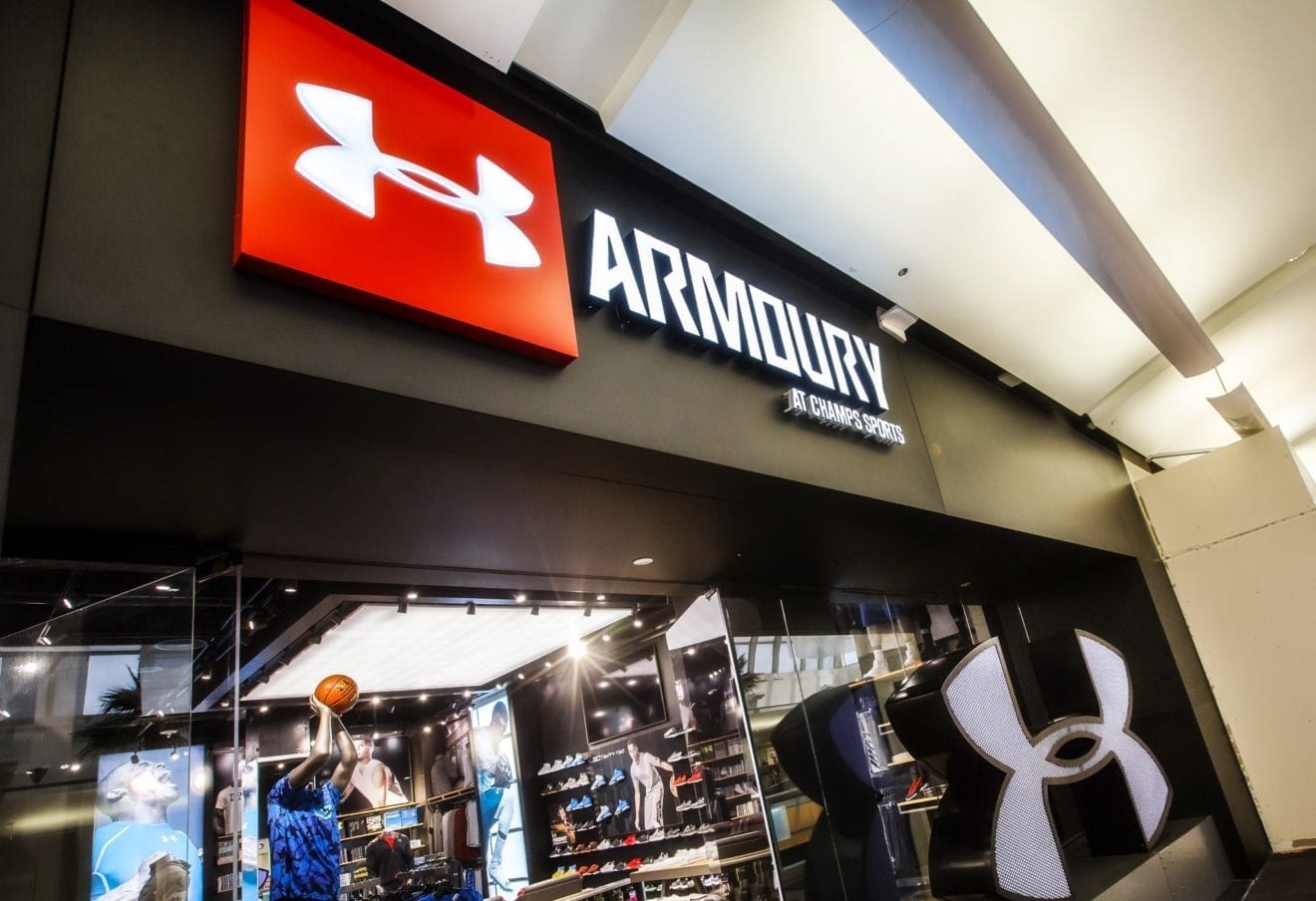
    Under Armour Thailand is targeting a 20-per-cent sales increase in the kingdom, according to the brand’s exclusive Asian distributor Triple Pte Ltd. The company is focusing on footwear sales to follow up on its gains in the apparel sector in a sporting goods market expected to see 5–7 per cent growth this year. It will also offer a wider range of branded products, including sleepwear.

    “Under Armour is a relatively new brand in Thailand, and it has huge potential to spread its wings here,” said company CEO Michael Binger during a visit to Thailand last week. “We want to grow our footwear business at a faster pace than in the past and expect footwear sales to increase to 35 per cent of total sales by 2020, up from 25 per cent last year.”

    As part of this year’s expansion plans, Triple Pte is planning exploratory Under Armour Thailand outlets in the country’s north, with a shop-in-shop scheduled for the Mall Nakhon Ratchasima as well as a potential new shop in popular tourist destination Chiang Mai. It will also launch another branch in suburban Bangkok.

    “We see huge potential in the sporting goods business in Thailand,” said Binger, “and we feel confident in our capability to propel Under Armour to success here because we are an alternative brand for people looking for innovative performance shoes.”

    Thailand is Under Armour’s second fastest-growing market in Southeast Asia after Singapore.

  • New Celine store design was made for Asia

    New Celine store design was made for Asia

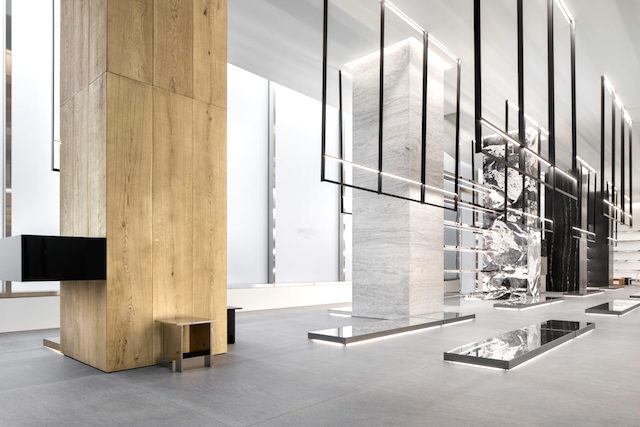
    The new Celine store design unveiled in New York City is destined for China and Japan in the early stages of a global rollout. The white and grey dominated, minimalist design illustrated here in official photographs released by the luxury fashion brand, was conceived by the label’s creative director Hedi Slimane. The first store, which has opened at 650 Madison Avenue, takes up 5000sqft, making it Celine’s largest store yet anywhere in the world.

    According to company sources, the new look will be implemented next in Los Angeles, Paris and Milan before being launched in Shanghai, Beijing and Tokyo.

    Slimane uses natural materials as a contrast to stark white walls and polished railings.

    He used natural stones like basaltina on the floors and ginger and cream-streaked black granite on walls and some shelving together with a combination of marbles and grey travertine.

    Contrasting yet complementing the stone, reclaimed oak, polished stainless steel, brass, gold, and concrete are used and in the case of the Madison Avenue store, a large rock creates a focal point in the store.

    Celine says future stores will feature commissioned artworks relevant to the locations. Commissioned artists include Jose Davila, Oscar Tuazon, Elaine Cameron Weir and James Balmforth.

    The stores will also feature furniture designed by Slimane, such as wooden benches, tanned leather chairs and brass side table.

    The timeline for the rollout of the new Celine store design has not yet been released.

  • Japanese fund buys Vietnamese fashion chain Elise

    Japanese fund buys Vietnamese fashion chain Elise

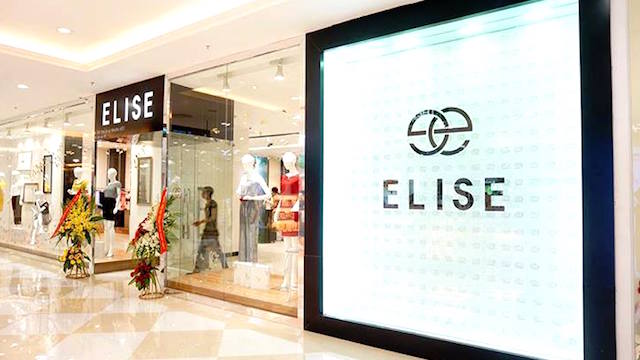
    Japanese investment fund Advantage Partners (AP) is to buy Vietnamese fashion brand Elise and its affiliate companies. This transaction marks AP’s first foray into Vietnam. Going forward, AP will focus on accelerating Elise’s growth, using its experience in women’s fashion investments in other markets. Founded in 2011, Elise is a leading Vietnamese fashion label targeting women aged 20-45. It currently operates 95 stores across the country.

    Last year, Elise was reported to have been acquired by Uniqlo parent Fast Retailing however, the Japanese group has since denied the move.

    Advantage Partners is a private investment firm with asset platforms in Asia, and offices in Tokyo, Hong Kong, Singapore and Shanghai.

  • The personal care company start using refillable containers

    The personal care company start using refillable containers

    On a trip to Thailand in 2017, serial entrepreneur Brian Bushell went diving for the first time and expected that the water would be pristine. Instead, it was filled with trash. “We were about to dive off the back of the boat, and all of the sudden we’re surrounded by junk plastic containers,” he says. That night, he went back to his hotel room and looked at the products he had sitting on the bathroom counter. “I realized that I was part of the problem.”

    Bushell, who had recently left Baked by Melissa, the chain of successful New York City-area cupcake bakeries he co-founded, started researching the challenge of plastic waste.

    “We learned that a third of all the single-use plastic products in landfills are personal care products,” he says. “So we decided that personal care was really an important nut to crack.”

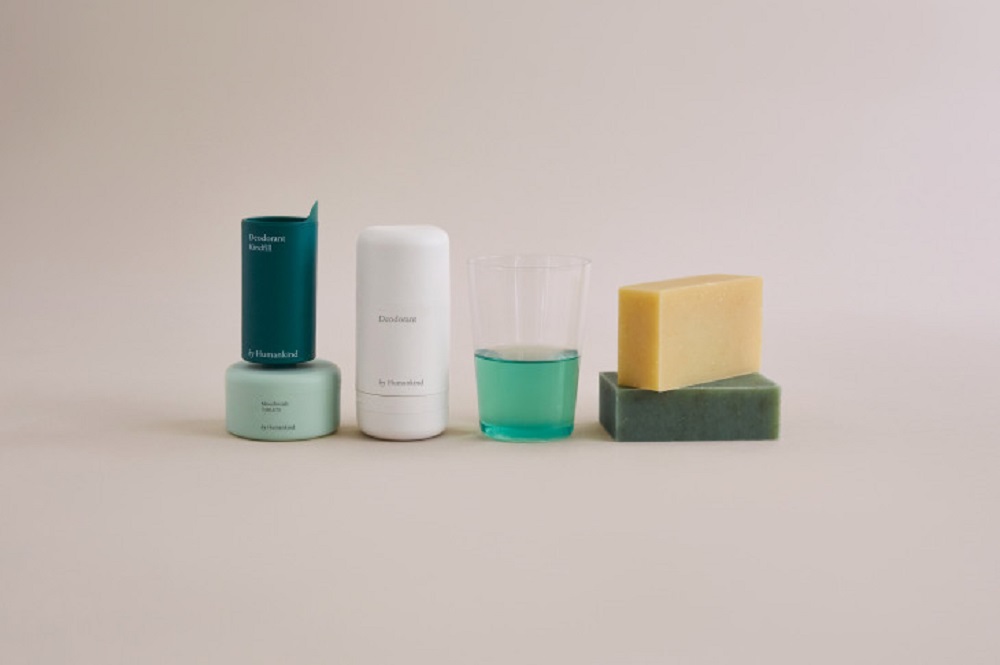
    With co-founder Joshua Goodman, he started working on By Humankind, a new line of personal care products that launched today. Each product eliminates single-use packaging.

    A new type of deodorant, made from natural ingredients that the company says are formulated to kill bacteria more quickly than other natural products, comes in a reusable container the first time you order. (The reusable container is plastic; the founders say they believe that plastic is not inherently bad, but it needs to be designed in a way that it doesn’t immediately land in the trash.)

    In the next order, the product shows up in a paper pod that pops into the original package and then twists out like a typical deodorant. The company’s mouthwash comes in tablets that customers drop in water, eliminating the need for a plastic bottle. Its shampoo comes in a bar form wrapped in paper instead of liquid in a bottle.

    Unlike Loop, a new experiment from major brands that will sell products like deodorant in packaging that is sent back to manufacturers for reuse, the startup thought that it made more sense to make packaging that consumers would keep and reuse themselves.

    “We didn’t think that customers were going to want to do the work to send it back,” Bushell says. “And there’s also an additional cost in that reverse or return logistics.”

    With the first three products, available online, the startup has calculated that in a year, an average American consumer can keep five pounds of plastic out of the environment. The company will also donate $1 for ocean plastic cleanup for each first purchase of a product. It plans to continue adding new personal care products.

    “Our whole thesis is, what if you could help save the world from single-use plastic just by getting ready in the morning?” he says. “And so anything that’s within that morning routine is within our target.”

  • Pandora appoints Alexander Lacik as chief executive officer

    Pandora appoints Alexander Lacik as chief executive officer

    The Board of Directors of Pandora has appointed Alexander Lacik as President and Chief Executive Officer. Mr. Lacik’s strong track-record as a consumer marketer and brand architect will help drive the execution of Programme now and assert Pandora’s position as the world’s largest jewellery brand. He will join Pandora as soon as possible.

    Alexander Lacik (54) brings international experience from growth and brand building in global consumer companies. He joins Pandora from the position as CEO of Britax Ltd., a world leader in child safety products. Prior to this, he was President of North America at RB (Reckitt Benckiser) from 2013-2017 and has held key management positions with the leading global consumer goods company since 2004. Previously, Lacik held positions in sales and marketing with Procter & Gamble from 1992 to 2004.

    At RB, Lacik contributed significantly to the company’s growth turnaround in a competitive global consumer business where brand distinction and brand equity are critical components. He successfully drove strategic brand positioning and above market growth in the group’s largest region with more than USD 3.5 billion in revenue and a full value chain. Lacik has lived and worked in five countries and managed businesses in regions across the world, covering manufacturing, product development, sales, marketing, and retail partnering.

    Peder Tuborgh, Chairman of the Board of Directors says: “I am delighted that we have secured Alexander Lacik as CEO of Pandora. Alexander is a strong match for our recently announced strategic direction and will be instrumental in executing Programme NOW. Alexander is a brilliant marketer and brand architect and has throughout his career shown himself as a great leader and a highly effective executor. His skills and experience will be key to revitalising the Pandora brand.”

    “I am honoured and excited to join Pandora. Pandora is an incredible company that has grown to be the world’s largest jewellery brand at unprecedented speed. I am encouraged by the current direction with a strong focus on brand reignition to restore growth. These are business aspects that I am particularly passionate about, and I look forward to joining and supporting the management team in the execution of Programme NOW”, says Alexander Lacik.

    Following the appointment, The Executive Management team of Pandora will consist of Alexander Lacik (CEO), Anders Boyer (CFO) and Jeremy Schwartz (COO). Until Lacik joins, the joint leadership of Anders Boyer and Jeremy Schwartz will continue unchanged.

  • AS Watson to start selling Amorepacific

    AS Watson to start selling Amorepacific

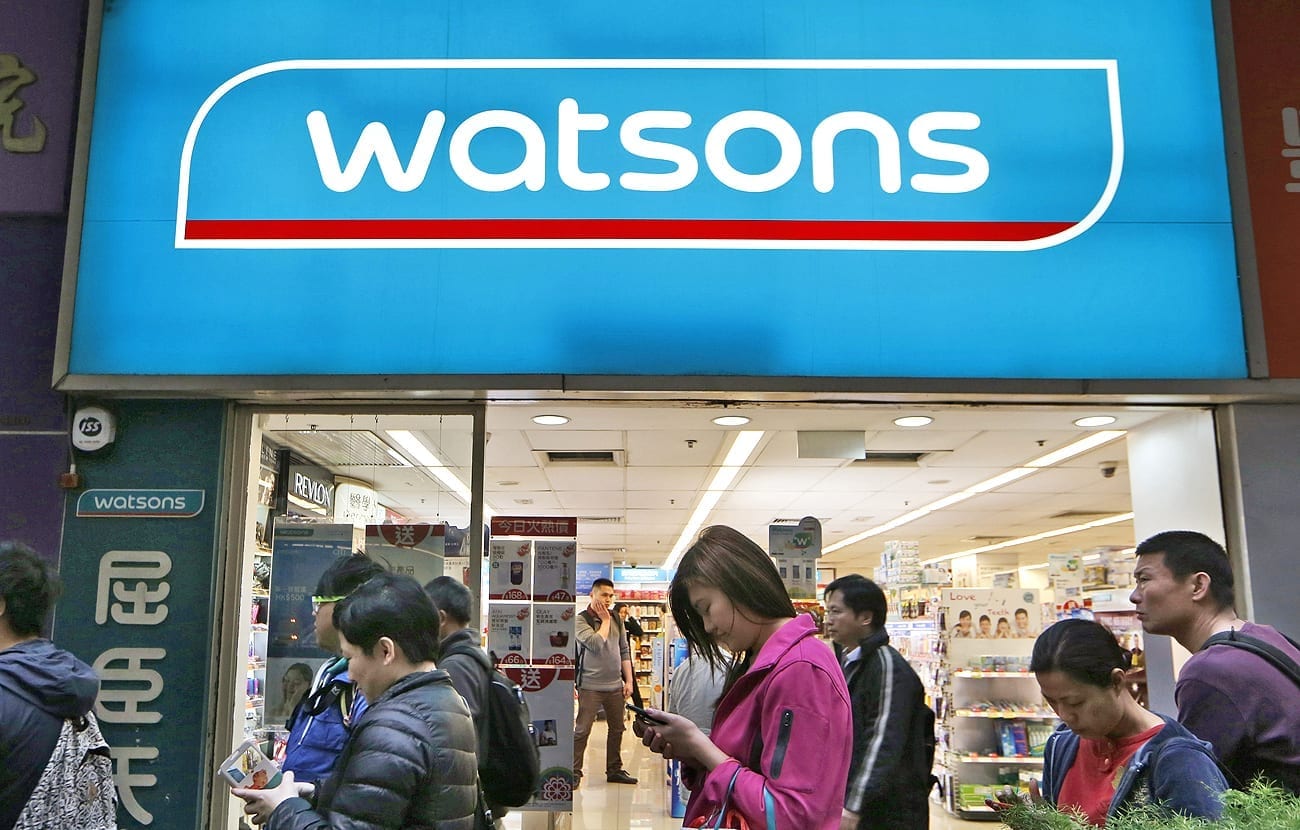
    South Korean beauty group Amorepacific and AS Watson have expanded their partnership to cover Asia and Europe. The partnership will enable Amorepacific to increase its product presence through Watsons-owned stores and online. Before this, the two had already partnered to launch Amorepacific’s botanical skincare brand Mamonde, haircare brands RYO and Mise-En-Scene across Asia.

    “AS Watson and Amorepacific are both leading players in serving beauty customers. Our customers love Korean beauty products that bring not only innovation but also quality. This is what Amorepacific can provide,” said Malina Ngai, AS Watson Group COO.

    “Through this partnership, we are both passionate and committed to combining our knowledge and capabilities to bring the best products and shopping experience to our customers.”

    Saehong Ahn, president of Amorepacific Corporation and Malina Ngai, group COO of AS Watson Group sign the strategic partnership.

    President of Amorepacific Saehong Ahn said the group “looks forward to developing concrete plans that create synergy and is a win for both companies”.

    “Amorepacific will continue our efforts to expand accessibility for customers globally, and create novel experience for customers this year.”

    AS Watson Group has a store network of more than 14,900 stores under 12 retail brands in 25 markets. Included in that are about 6800 Watsons health and beauty stores in 12 markets in Asia and Europe.

    Core customer groups are relatively young, and K-beauty is experiencing 56 per cent compound sales growth since 2015, and gaining traction in Europe with last year’s growth at 122 per cent.

    Amorepacific is the leading beauty company in South Korea, with more than 70 years of experience in beauty and a wide brand portfolio.

  • Millionaires are showing off their money in a new way

    Millionaires are showing off their money in a new way

    The definition of luxury is evolving, and the change applies to not only what people are spending money on, but how they’re doing it. “In the last few years, we have seen the crystallization of two luxury worlds: one which focuses on an encyclopedic choice of luxury products available at a click; another which is doubling down on the experience mantra,” the global ultra-high-net-worth intelligence firm Wealth-X said in its 2019 handbook, which examines the spending habits and preferences of people whose net worth is between $1 million and $30 million.

    That shift coincides with an era in which people are choosing to display their wealth differently than previous generations did.

    This is an era where brands like Goyard— a two-century-old Parisian company that eschews any type of advertising but represents the pinnacle of luxury for the world’s elite — and investments like education, security, and privacy are the chosen trappings of the world’s wealthiest people.

    Still, luxury fashion is booming, and it partially has to do with how it is consumed.

    Technology has left nearly no industry unchanged, and luxury is no exception.

    “Mass-market principles have worked their way into luxury and are disrupting the market,” Mike Phillips, Wealth-X’s vice president of marketing and communications said. “Now you can be selling something — and there might be only one made — but it’s on an app.”

    Whereas previously the ultimate luxury shopping experience might have included shutting down an entire store for a top spender, that person now has access to the same goods with the increased convenience of an app.

    Phillips said apps and sites like Net-a-Porter, Farfetch, and Moda Operandi that sell designer clothes, shoes, and accessories had capitalized on this trend as a new generation of wealthy shoppers emerges.

    “When it comes to wealthy millennials or Gen Xers, there are still instances where they are seeking an immersive brand experience at a brick-and-mortar store,” Phillips said, “but at other times they may want to avoid that more traditional pomp and circumstance and opt for the ‘Seamless’ option.”

    “Younger generations are less likely to be staunch loyalists to a single brand when compared to their parents and grandparents,” Phillips said. “They’re more likely to try something new if it speaks to their personal values and passions.”

    In this way, experiences may not be outright replacing the role of brands in wealthy people’s lives, but they are augmenting the significance of and consideration that goes into buying a particular brand.

    “More and more,” Phillips said, “the wealthy are evaluating a brand in terms of: What mission does this brand represent? How does it contribute to the greater good … If I choose to purchase this product, what does that say about me and my values?”

    And entire industries are developing or adjusting services to cater to this customer interest too. Wellness is increasingly regarded as a modern embodiment of luxury, and accordingly, an array of spas and studios offering treatments like cryofacials, weeklong retreats, and vitamin IV drips are delivering those experiences.

    Exclusivity and personalization also play important roles in the way luxury experiences are marketed. Customers do not want just any experience — they want a unique one tailored to them.

    Both of those preferences can clearly be seen in the hospitality industry, where high-end hotels are remembering their guests and tweaking their experiences with personalized touches. Other hotels, meanwhile, are fulfilling guests’ appetites for exclusivity by making their most luxurious or expensive rooms “invisible” and available only to well-connected clients who heard about the room by word of mouth.

  • Leather brand Kompanero to expand in Europe

    Leather brand Kompanero to expand in Europe

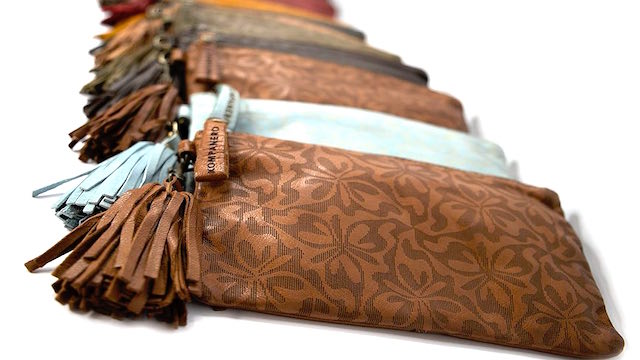
    India’s premium leather bag brand Kompanero plans to open 100 outlets by 2025. The company will open four stores, raising its network to 34, this year. “With four new stores in the pipeline, we are expanding our presence in existing cities with Express Avenue Mall in Chennai and Sarath City Mall in Hyderabad,” said Indranath Sengupta, Kompanero CEO. “In addition, the brand’s airport presence is being strengthened with our newly launched store at Guwahati Airport and Chandigarh Airport, and an upcoming one at Chennai Domestic Airport.”

    The brand is also entering Europe this year with its exclusive stores; however, the exact location of the first store has yet to be revealed.

    The company’s turnover has grown by 60 per cent within the last year.

    Kompanero products are available in Australia, the UK, Japan, and Korea via distribution networks as well as e-commerce portals including Amazon, Myntra and Jabong.

  • LVMH registers company called “Project Loud” with Rihanna

    LVMH registers company called “Project Loud” with Rihanna

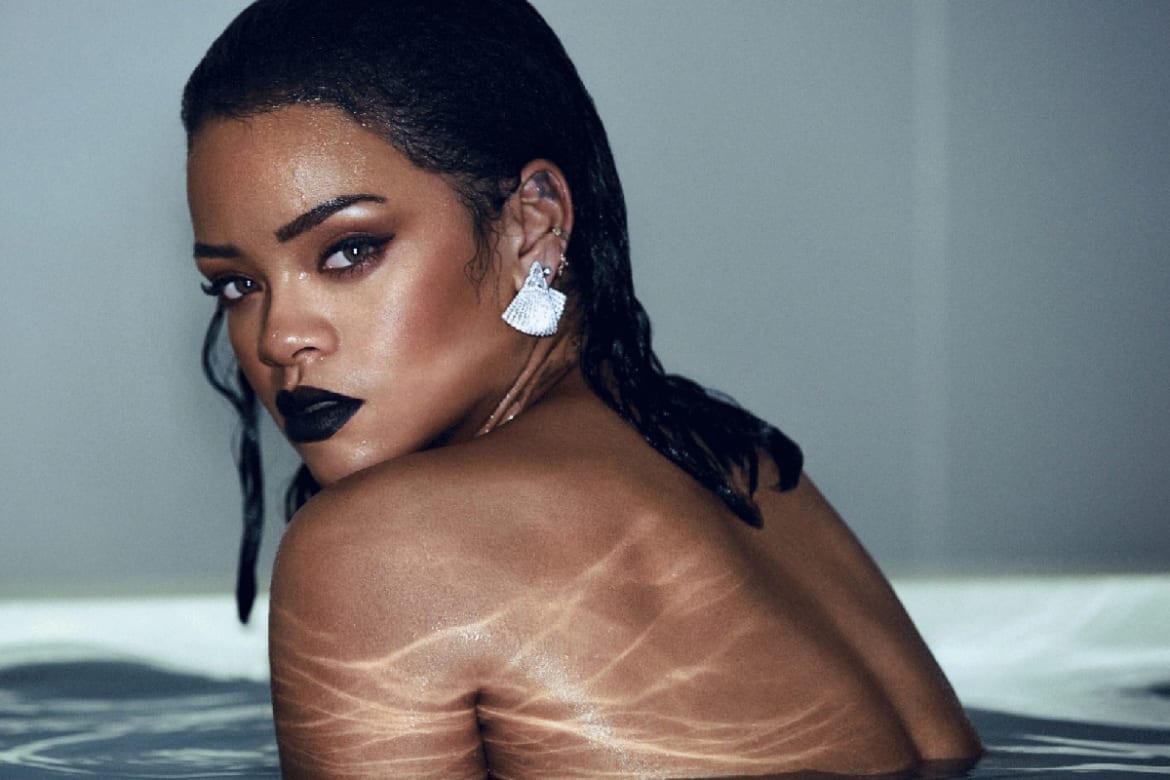
    Plans by luxury fashion house LVMH to quietly collaborate with popular celebrity Rihanna on a new fashion business have been exposed, according to Fashion United. Citing a Fashion Network report on the partnership, the website reveals that the new fashion company Project Loud – originally registered as a shell firm in 2017 – took in a €60 million (US$67.8 million) capital investment from LVMH last year. The firm’s president was shown to be senior LVMH executive Jean-Baptiste Voisin.

    Rihanna’s Fenty line – which, according to LVMH chairman Bernard Arnault achieved €500 million in sales last year – was also launched with the support of LVMH. Its Fenty x Puma collaboration in 2017 resulted in a boost in Puma sales by 23 per cent.

    The success of Fenty indicates high potential sales volumes for Project Loud and bodes well for this latest LVMH investment.

    News of the collaboration first broke in January when online portal WWD and the New York Times cited multiple unnamed sources confirming plans.

    Writer Vanessa Friedman flagged the question “Is Rihanna the Coco Chanel of the 21st century?” in a feature published last month.

    “Robyn Rihanna Fenty, one of the defining musical artists of the millennium and a multi-hyphenate talent, has no formal fashion training. What she does have is a clear vision for her own image, 14 No. 1 singles on the Billboard 100 chart and more than 50 Top 40 hits, 67 million Instagram followers, and an ability to disrupt the status quo,” Friedman wrote.

    “While the details of the agreement remain unclear, it is a turning point in both fashion and fame.

    “The combination of Fenty and LVMH will be the clearest expression yet of how celebrity, social media and influencers have redefined the power balance between culture and consumption, changing the way brands of all kinds relate to their audience,” wrote Friedman.

  • 97-year-old style icon Iris Apfel signs with IMG Models

    97-year-old style icon Iris Apfel signs with IMG Models

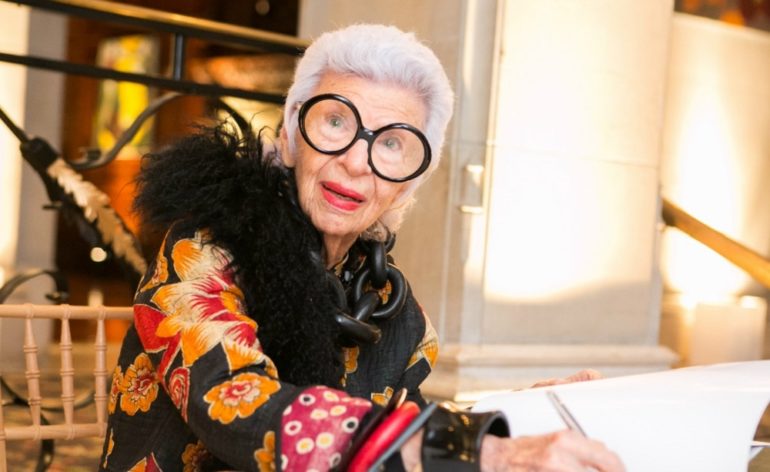
    The nonagenarian fashion icon had been modeling for major fashion and beauty brands for years, but last week it was announced that she is newly represented by IMG Models — the same agency that managed the careers of Gigi Hadid, Karlie Kloss, and Miranda Kerr, among many others. Even as she is pushing 100, Apfel shows no signs of slowing down, and told WWD she is very excited about her new deal.

    IMG will represent her for modeling, appearances, and endorsements — though do not expect to see her strutting her stuff on the catwalk.

    “How can I compete on runway? That’s ridiculous,” she said. “We’ll be doing hopefully collaborations, or maybe I’ll be a spokesperson. I leave it to them. They know better than I.”

    “I’ve had all kinds of interesting commissions in my limited career. Everything from vodka and automobiles to beauty products, and I’ve also had a number of interesting collaborations with big stores like Bon Marché in Paris, the Landmark Mall in Hong Kong, Macy’s and Bergdorf Goodman.”

    Over the past decade, in particular, Apfel has modeled for a seriously impressive roster of big-name fashion and beauty brands.

    Sheis faced campaigns for Kate Spade, MAC Cosmetics, Alexis Bittar, Macy’s INC, Blue Illusion, HSN, Le Bon Marché, and the German brand Aigner.

    In each one, she showed off a facet of her style, including her signature over-sized round glasses.

    For several, she posed right alongside models a quarter of her age, including Karlie, Toni Garnn, Tavi Gevinson, and Jourdan Dunn.

    And no one is as surprised by her late-in-life modeling career than Apfel herself. Though she had a long career in fashion, it was owning her own textile company, Old World Weavers, from 1950 that kept her in the fashion world.

    “I never expected my life would take this turn so I never prepared for it. It all just happened so suddenly, and I thought at my tender age, I am not going to set up offices and get involved with all kinds of things,” she said.

    “I thought it was a flash in the pan, and it is not going to last. Somehow, people found me. People would just call. Tommy Hilfiger said that was no way to do it, and he put us together. I am very excited and very grateful.”

    In addition to modeling, she also designs her own clothing and accessories line for HSN and published a book last year.

    Her new agency is home to an impressive list of stars, inducing Alessandra Ambrosio, Ashley Graham, Amber Valletta, Barbara Palvin, Bella Hadid, Candice Swanepoel, Elsa Hosk, Gisele, Hailey Bieber, Joan Smalls, Kaia Gerber, Kate Moss, Lily Aldridge, Martha Hunt, Rosie Huntington-Whiteley, Stephanie Seymour, and Thylane Blondeau.

    The have also signed another mature model: Elon Musk’s 70-year-old model Maye Musk.

  • BA&SH expects to quadruple sales in Greater China

    BA&SH expects to quadruple sales in Greater China

    Affordable luxury brand BA&SH has marked the second anniversary of its launch in Asia by revealing plans to quadruple its sales in the region within two years and introduce a new store concept. Last year the company opened seven stores in Mainland China, three in Hong Kong and two in Macau, taking its Greater China footprint to 20 points of sale.

    “We are thrilled about Hong Kong hitting the podium already and convinced China has the potential to drive the brand’s growth in a near future,” says Isolde Andouard, BA&SH’s CEO for Apac.

    “Asian market accounts for 6 per cent of our global sales as of today and we are targeting to reach 17 per cent by 2020. We forecast to multiply our turnover fourfold within the next two years,” she said.

    Stores in Hong Kong and Mainland China achieved profitability after just three months of operation, allowing the brand to build a regional store pool contributing significantly to global results.

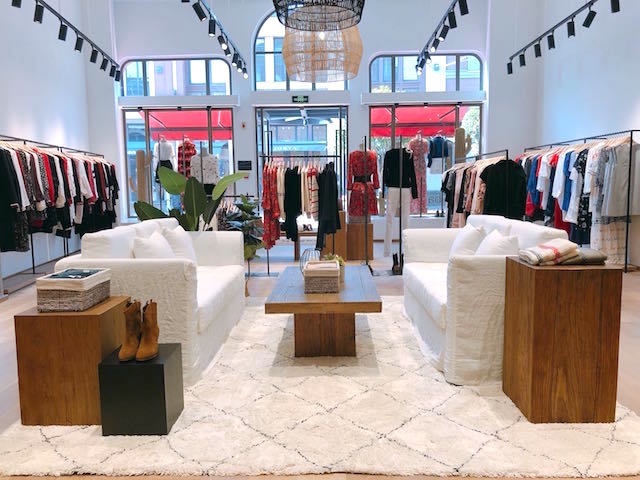
    BA&SH unveiled a new store concept in the US last September, located in New York City’s Nolita neighbourhood, a store designed around themes of friendship and customer experience.

    “We chose New York to test the water with this new concept as this retailtainment experience must be combined with a heavy digital approach and US is clearly ahead of time on this,” says the company’s global CEO Pierre Arnaud Grenade.

    “As the US and Asia are our two strongest focuses for the time being, Hong Kong will definitely be the second city to inaugurate this model.”

    Sustained investments from LVMH-sponsored L Catterton have been supporting BA&SH’s strong growth over the past years and a strong emphasis on Greater China was seen as critical to the brand’s globalisation.

    Hong Kong stores, the first of which opened almost two years ago, now rank within BA&SH’s top five worldwide in turnover. Andouard says that proves the BA&SH concept is a great fit for Asia, with the Hong Kong stores recording average like-for-like sales growth of more than 40 per cent year on year. Some stores in Greater China doubled their sales year on year.

    BA&SH has focused on opening boutiques in premium locations and already counts most of the city’s major retail property owners among their landlords – including Swire, Sun Hung Kai, Sands, Wharf, China Resources and Value Retail.

    “We didn’t bet on such a warm welcome from the local operators, because BA&SH is quite a new concept to Asia,” says Laura Marquant, strategy & development director Apac. “Yet we see the market is becoming more mature and is looking for the freshness BA&SH is offering.”

    E-commerce focus

    Meanwhile, on the strength of the Greater China success, BA&SH has expanded its reach online through Alibaba, opening a flagship on Tmall last June, less than a year after the brand launched in Mainland China.

    “As far as digital is concerned, New Retail and omnichannel are more than ever on the table, and the redesign of the brand’s Hong Kong website with new features and tools are the next steps to come,” says Andouard.

  • Lifestyle deploys new retail technologies

    Lifestyle deploys new retail technologies

    A part of Dubai-based retail and hospitality conglomerate Landmark Group, Lifestyle has been enhancing its Omnichannel experience for its customers at a very fast pace in the recent years. With 75 stores at present, Lifestyle is now also available online through www.lifestylestores.com where customers can shop from the convenience of their home.

    Offering men’s, women’s and kids’ apparel, footwear, handbags, fashion accessories, beauty products and much more, all under the same roof, the fashion retailer has added features such as ‘Self-Checkout Kiosk’, ‘Mobile POS’, Fitting Room Assistance’, etc., to augment its in-store experience.

    “Lifestyle has always endeavored to provide its customers the best-in-class shopping experience. With technological advancements, the shopping experience has evolved and we, as a progressive retailer, have embraced many of these technological advancements to further enhance the shopping experience we off er our customers,” says Vasanth Kumar, Managing Director, Lifestyle International.

    New Tech-Advancements

    Lifestyle has introduced ‘Self- Checkout Kiosk’ in a few key stores, a facility that allows customers to bill their merchandise and complete the payment transaction in a few simple steps on their own with no or very little intervention from the staff thereby greatly solving the long queue by enabling quicker checkouts. Another initiative to further ease checkouts is the ‘Mobile POS’, which was introduced for billing products such as watches, fragrances or cosmetics.

    Using insights from customer shopping behavior, the retailer has also launched ‘Fitting Room Assistance’ program that allows for size retrieval with the help of technology where the store assistants are alerted on the size and style required in the fitting room. “This initiative has helped in enhancing our conversions and is now being scaled up across key stores,” Kumar says.

    “Several of our initiatives are technological solutions to real customer problems which we discovered through our interaction with customers as well as staff . Using this feedback, we have created simple yet impactful solutions leveraging technology. These have led to positive impact on our overall customer experience and helped increase engagement with the brand,” he further adds.

    At the same time, with features like ‘Click & Collect’ and ‘In-store Endless Aisle’, Lifestyle is offering a true Omnichannel experience to its customers. An Omnichannel initiative, ‘Click & Collect’ allows customers to order online and collect merchandise from a Lifestyle store of their choice. ‘In-store Endless Aisle’ helps customers find missing in-store sizes on the e-commerce channel. Also, the retailer has introduced visual search and enabled voice-based search for its mobile applications which has helped in creating a more personalised and convenient shopping experience. Lifestyle has also implemented the ‘Put-to-Light’ system for effective storing and distribution at its warehouses. It has enabled single view of inventory for its e-commerce portal, www.lifestylestores.com, making the entire inventory across all warehouses accessible to the online customers thereby enhancing the merchandise availability and online conversion.

    “We are continuously evolving our stores with new technologies. To fully enable our customers to enjoy these new introductions, it is important for our sales personnel to understand, communicate and comfortably operate all new innovations. Before implementing any new technology or introducing product innovation, our entire store team goes through an extensive knowledge session, which enables them to understand the product/technology being introduced,” says Kumar.

    Lifestyle regularly tracks consumer satisfaction through NPS (Net Promoter Score) in store, by the virtue of offering, staff interactions, store ambience and consistently deliver an overall delightful shopping experience thereby winning customer trust and loyalty.

  • Haute Hijab bags US$2.3 million funding

    Haute Hijab bags US$2.3 million funding

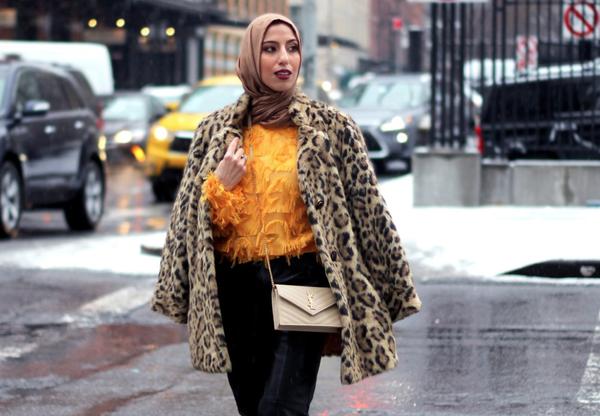
    US-headquartered fashion and lifestyle startup targeting Muslim women, Haute Hijab, has raised US$2.3 million in seed funding. The investor group was led by Cue Ball and also includes Ludlow Ventures, Sinai Ventures, Maveron, Muse Capital, AngelList and The Helm. The funds will be used to help Haute Hijab accelerate growth and extend its reach worldwide.

    “Cue Ball invests in category-defining and culturally-shaping ideas and Haute Hijab fits that description perfectly,” said Tony Tjan, managing partner of Cue Ball. “[Founders] Melanie and Ahmed are building a purposeful company that not only outfits but also supports and empowers Muslim women across all areas of their lives.”

    Haute Hijab has recently introduced the Ultimate Underscarf (a garment worn under the hijab), which uses specially designed tech fabric engineered for breathability and with anti-bacterial properties.

    “We are pleased to welcome a new group of investors as partners in our mission to empower Muslim women,” said co-founder and CEO Melanie Elturk. “Haute Hijab is entering an exciting phase of growth and innovation. We look forward to using this capital infusion to build the first digital-native Muslim cultural lifestyle brand across the globe.”

    The brand had elevated the hijab category and creating an engaged online community of Muslim women, offering a variety of innovative and high-performance fabrics, styles, and designs ranging from every day to luxury via its online store.

    According to The Guardian, the Muslim middle class is expected to triple to 900 million by 2030, with one-third of Muslims under the age of 15 and two-thirds under the age of 30. The average Muslim woman wears up to four hijabs per day and owns more than 100 hijabs.