Tag: Fashion

  • Ralph Lauren Partners with Korea National Cancer Center for 2028 Facility

    Ralph Lauren Partners with Korea National Cancer Center for 2028 Facility

    Ralph Lauren will open its first Asian cancer recovery facility in Goyang, South Korea, in 2028 through a partnership with the Korea National Cancer Center Foundation.

    This project extends the New York-listed luxury group’s philanthropy into South Korea. Government registry figures show more than 2.7 million people in the country live with or beyond cancer.

    Inside the Goyang facility

    Plans place the Ralph Lauren Center for Patient and Family Recovery inside the Phase II Proton Therapy Center at the National Cancer Center’s new Innovative Cancer Research Center. The facility will provide recovery rooms, psychological counseling, family education and social welfare support for proton therapy patients.

    Funding flows through Pink Pony, Ralph Lauren’s global oncology initiative founded in 2000. That program currently supports 38 beneficiary projects across 17 countries. The company has funded local cancer programs in South Korea since 2012, but the Goyang project is its first physical center in the region.

    Cancer care should extend beyond treatment itself to helping patients return to their daily lives and improve their quality of life.

    Han-Kwang Yang, president of the National Cancer Center of Korea and chairman of the Korea National Cancer Center Foundation, noted that proton therapy requires extended care. Those long treatment cycles place heavy emotional demands on families, making non-clinical support spaces essential.

    Luxury philanthropy across Asian markets

    Global apparel and luxury houses have shifted corporate giving in North Asia away from generic sponsorships toward long-term civic infrastructure. For luxury groups operating in Seoul’s department stores and duty-free corridors, institutional healthcare partnerships build local goodwill. Transactional marketing cannot match that standing.

    The Goyang facility mirrors Ralph Lauren’s healthcare network in the West. That roster includes facilities at Memorial Sloan Kettering in New York, Georgetown University in Washington, USC Norris in Los Angeles, the University of Chicago and the Royal Marsden in Britain. Adapting that model to East Asia tests whether Western lifestyle brands can anchor specialized public health infrastructure in state-run Asian medical institutions.

    Building out regional healthcare commitments

    Overseas, the retailer recently established the UChicago Medicine Ralph Lauren Center in the United States as part of a wider run of foundation grants. In South Korea, the National Cancer Center has operated under the Ministry of Health and Welfare since 2000. The agency serves as the central coordinator for nationwide oncology research, clinical practice and patient screening.

    Construction on the broader Innovative Cancer Research Center is underway in Goyang. When the complex opens in 2028, the Ralph Lauren facility will begin welcoming proton therapy patients and their families.
  • Birkenstock Opens First Indonesian Concept Store in Bali with 180-Sqm Community Hub

    Birkenstock Opens First Indonesian Concept Store in Bali with 180-Sqm Community Hub

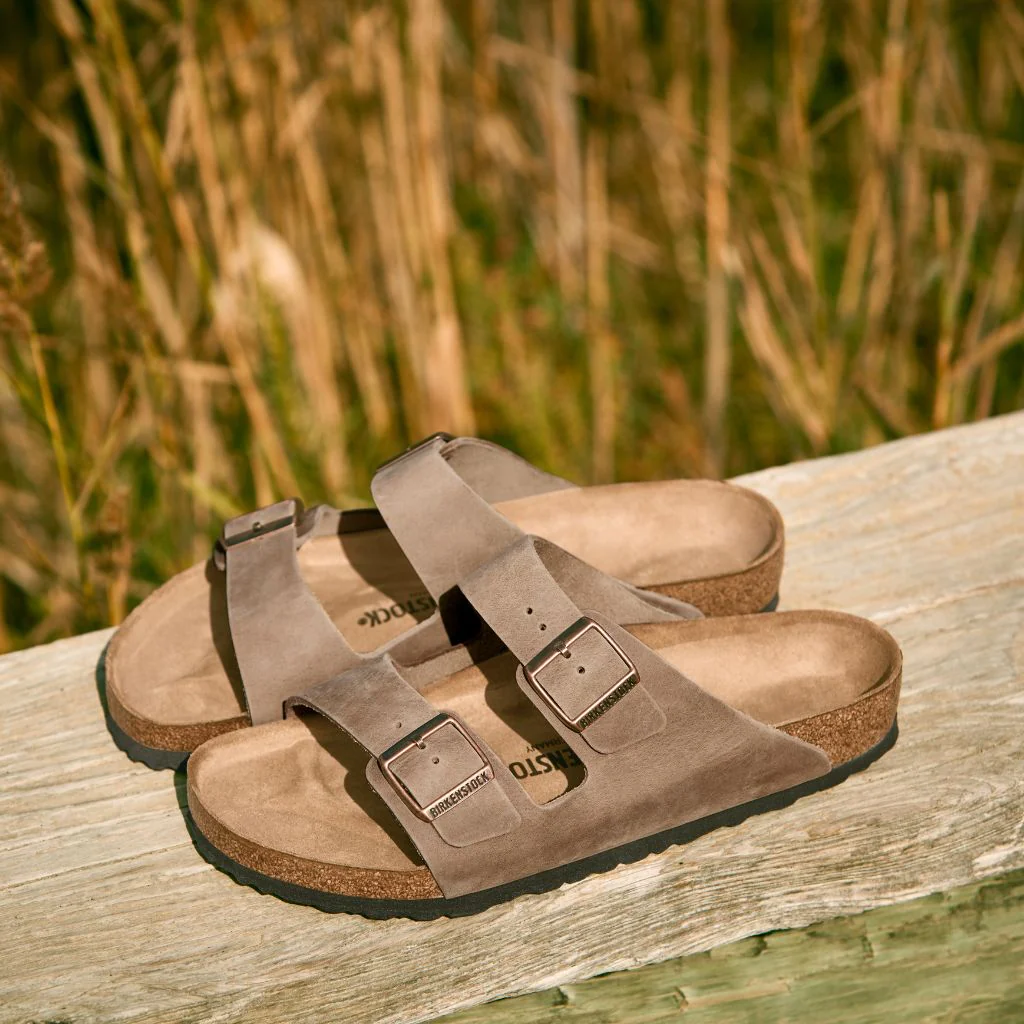
    Birkenstock opened its first standalone concept store in Indonesia on September 10, adding a two-storey, 180-square-metre community space in Ubud, Bali.

    The location takes the German footwear brand into direct retail in Southeast Asia’s largest consumer market after years of selling exclusively through local department stores.

    Balinese Architecture and Premium Footwear

    Architect Yoka Sara designed the Ubud property around traditional Balinese residential layouts, using the concept of ‘Umah’, the local word for home. Sara placed the store entrance around a kitchen layout, reflecting the traditional first room entered in a Balinese house.

    Retail space on the upper floor carries Birkenstock’s higher-margin 1774 line alongside an exhibition detailing shoe assembly methods and raw materials. Adjoining the sales floor, the two-level community hub hosts sound healing sessions, yoga classes, and craft workshops run by local practitioners.

    We want to strengthen our presence in strategic markets while staying true to what defines us; creating experiences that are relevant to the places and communities we become part of.

    Direct Retail Over Wholesale Shelves

    Choosing Ubud over Jakarta shifts Birkenstock’s commercial entry point away from high-traffic Indonesian shopping malls. Bali gives the footwear maker direct access to international tourist footfall and resident expatriates who already know the brand, keeping customer acquisition costs lower than a ground-up push in the capital.

    The format also protects pricing power. Selling premium lines like the 1774 collection inside department stores limits brand control and exposes inventory to concession discounting, whereas a dedicated venue allows Birkenstock to sell full-price stock alongside experiential programming.

    Regional Expansion Track

    Direct store rollouts across Asia-Pacific have accelerated following Birkenstock’s flagship opening in Tokyo’s Shibuya district in July 2026. The shift reflects a wider push across the region to convert third-party wholesale accounts into owned mono-brand flagships in primary resort and metropolitan locations.

    Store traffic metrics from Ubud will determine whether Birkenstock expands the standalone concept into Jakarta and Surabaya mall developments later in the financial year.

  • Sydney Fashion Label Asta Resort Opens Permanent Flagship in New York

    Sydney Fashion Label Asta Resort Opens Permanent Flagship in New York

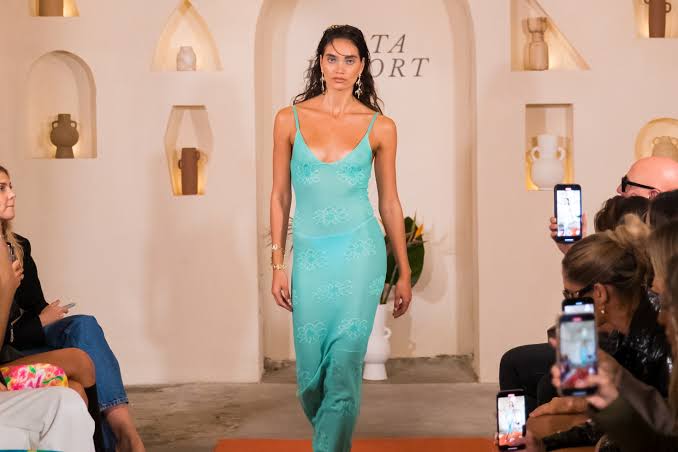
    Sydney luxury label Asta Resort opened its first permanent US flagship in Manhattan’s SoHo. Helena and Jasmine Ammitzboell founded the brand in 2021. The permanent boutique converts an earlier New York pop-up trial into a long-term presence.

    The retail launch coincides with a back-office buildout in Williamsburg, designated as the operational base for North American distribution.

    From Sydney Harbour to Manhattan

    Designers Joel Harding and Yuria Kailich of Studio of Enso planned the SoHo space around a Mediterranean resort aesthetic. The boutique features a quartz-clad champagne bar and a dedicated bridal podium. Ceramic plates hand-painted by the founders line one wall.

    Sydney is where Asta Resort began. New York is where we are laying down roots for our North American home.

    Wholesale Bypass and Direct Retail

    High digital customer acquisition costs push Australian resortwear labels toward physical flagships in global hubs. Securing permanent SoHo space lets independent brands bypass wholesale intermediaries. It also captures higher direct margins from affluent shoppers who first discovered the label online.

    Operating in New York brings steep lease commitments in a commercial market far costlier than Sydney. Operators expanding abroad also face inventory exposure across two hemispheres with opposing seasonal apparel demands.

    Building the US Operations Base

    Asta Resort opened its first permanent flagship boutique in Sydney in December. That domestic store served as the testbed for translating its online catalogue into an experiential physical space.

    Centralising regional management in Brooklyn gives the label direct control over inventory dispatches, styling appointments and client services across North American time zones.

    RetailNews Asia will track whether the label follows Manhattan with dedicated resort outposts in Florida or California retail corridors.

  • China Luxury Label Icicle Hires Former Gucci Head Sabato De Sarno

    China Luxury Label Icicle Hires Former Gucci Head Sabato De Sarno

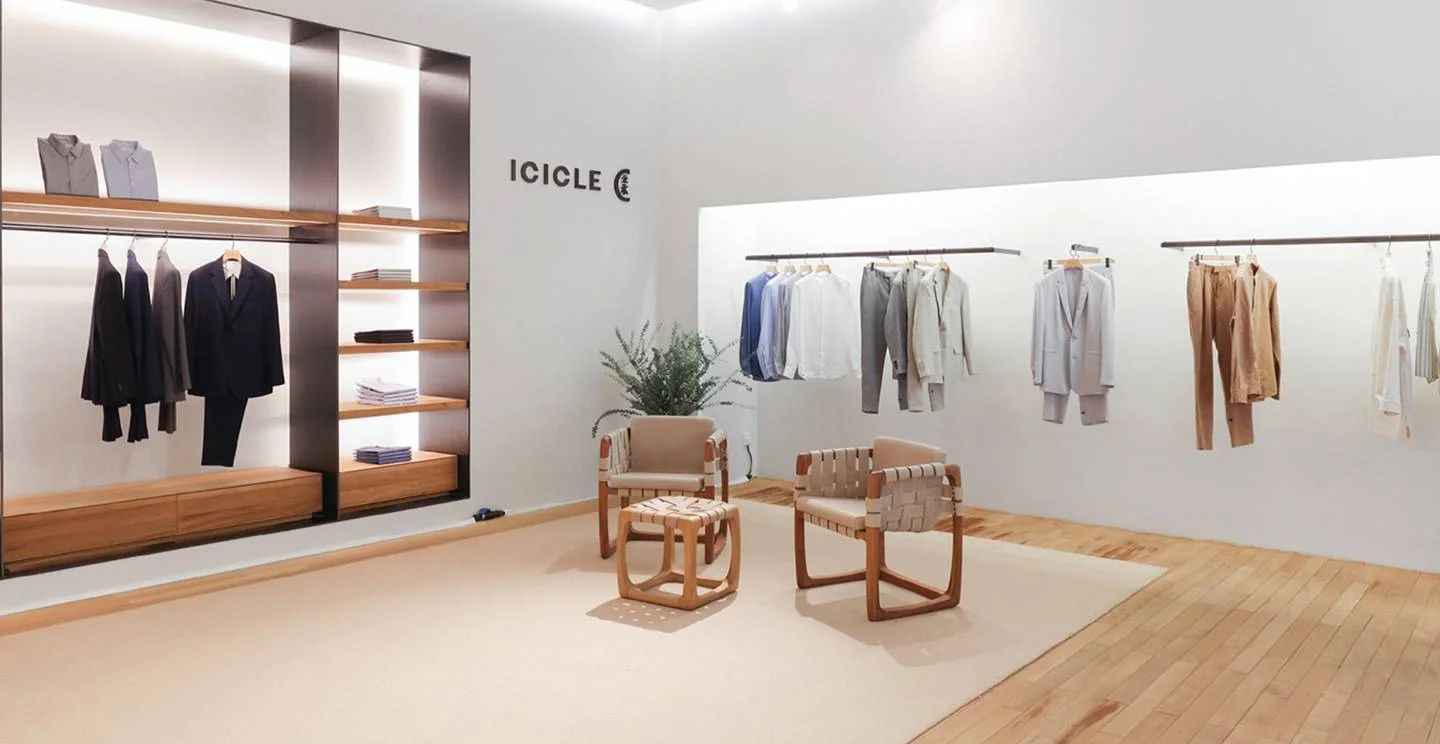
    China’s Icicle hired former Gucci creative director Sabato De Sarno on Monday to lead its design operations across ready-to-wear, accessories and eyewear.

    His debut collection for the Shanghai-based fashion house will arrive for the autumn/winter 2027-2028 season.

    The Kering connection and design scope

    De Sarno takes direct control of creative direction for both women’s and men’s lines. The Italian designer previously ran design at Gucci, the flagship label of French luxury group Kering.

    The appointment deepens ties between the two businesses. Kering took a minority stake in Icicle in April 2026, giving the Chinese brand financial backing and direct access to European luxury executive networks.

    Chinese brands buying European prestige

    Chinese fashion groups are increasingly hiring established European designers to push their brands upmarket and expand outside mainland China. Icicle built its domestic business on high-end natural fabrics and understated cuts, but matching European heritage houses requires international design pedigree.

    The approach carries clear execution risks. Integrating European creative directors into Chinese corporate structures has produced mixed commercial returns, requiring labels to balance Western aesthetic direction with a core domestic customer base that values different proportions and styling.

    Precedents across the domestic sector

    Down-jacket specialist Bosideng followed the same playbook in 2025 when it hired British designer Kim Jones to lead its luxury line, Areal. French luxury group Hermes took a similar path with Shang Xia, which hired London-based designer Yang Li in 2021.

    Icicle is now preparing its production pipeline and marketing rollout ahead of De Sarno’s first autumn/winter 2027-2028 show.

  • Virtue Mirage Launches 17-Tool Fashion Personalisation Platform

    Virtue Mirage Launches 17-Tool Fashion Personalisation Platform

    Australian entrepreneur Lukas Cervenan launched Virtue Mirage in September 2026, introducing a hyper-personalisation platform designed to reshape the online fashion shopping experience.

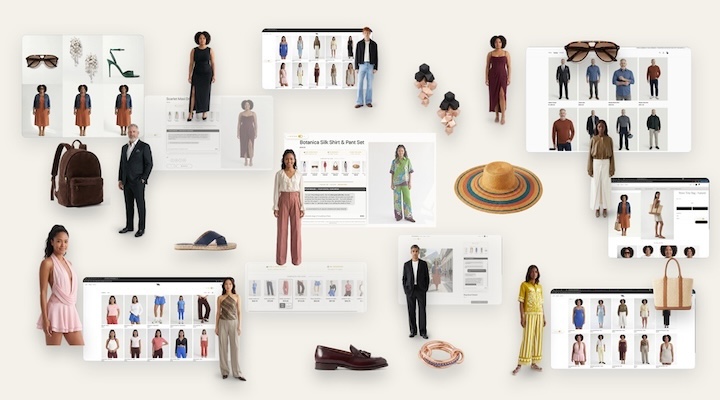
    The system offers 17 tools that create a digital twin of a shopper using photos or exact measurements, extending personalisation across entire online stores rather than limiting it to individual products.

    By replacing traditional model imagery across every product gallery, the platform allows shoppers to see garments on their real body sizes across participating stores running on services such as Shopify and BigCommerce.

    How the Network Functions

    Shoppers manage their profiles through a central dashboard that stores saved outfits, real-time stock availability, and tailored size advisories for specific garments. A semantic search engine pairs items across a merchant’s inventory directly onto the user’s avatar, rather than displaying isolated product grids. New inventory drops can be pre-rendered for registered customer profiles before users land on the store page.

    To our knowledge, we are the only platform in the world that is transforming entire websites. So a size-16 shopper is never looking at a professional size-6 model; she sees her real size, on her real body, in every image across a brand’s entire store.

    The Return Problem Across Regional Fashion

    Retail margins across Asia-Pacific e-commerce continue to erode under the weight of reverse logistics. Fit failures drive the bulk of fashion returns, worsened by bracket-buying habits where shoppers purchase several sizes of a single item with the intention of returning most of them. Eliminating the disconnect between model proportions and real customer bodies attacks reverse logistics costs at the point of discovery.

    Standalone virtual fitting widgets rarely alter overall conversion because they sit isolated on individual product detail pages. By transforming whole catalogues into personalised galleries, operators attempt to lift checkout completion while defending independent web stores against dominant regional marketplaces like Shein and Zalora. The primary technical hurdle remains rendering fidelity, as artificial intelligence tools frequently struggle with drape and textile weight across edge sizes.

    Decade of Commercial Imaging Preceded Launch

    The platform builds directly on Cervenan’s commercial imaging business, Virtue Creative Studios, which produced e-commerce and campaign photo shoots for more than 500 apparel brands over the past ten years. That production background informed the platform’s visual architecture, which formats store catalogs to allow external AI shopping agents and semantic web scrapers to parse inventory data directly.

    Participating merchants on Shopify and BigCommerce are now integrating the software into their live storefronts ahead of peak year-end trading cycles.

  • Siam Center Adds Three New Concepts in Three Weeks to Anchor Local Brands

    Siam Center Adds Three New Concepts in Three Weeks to Anchor Local Brands

    Siam Piwat opened three concept stores across fashion, beauty and wellness at Bangkok’s Siam Center over three weeks. The openings add local labels alongside Italian apparel brand Subdued.

    Among them is domestic apparel maker Maison Keeps, which opened its largest flagship to date on the first floor on September 4.

    The brand started in 2017 as an officewear line called Keeps. During pandemic lockdowns, it shifted into durable everyday basics for young adults and children. Earlier, on August 17, nail artist Grace Kantima Banjobdee opened Kantima House on the first floor. Her salon is styled like a living room and takes bookings through Line and Instagram. Local fragrance house 3rd Sense opened its first physical counter near the first-floor escalator on August 26. The brand sells scents themed around four energy paths, featuring artwork by Thai painter Juart Woraset.

    Local flagships and first-floor concepts

    These domestic labels join Italian Gen Z fashion retailer Subdued, which entered Thailand on Siam Center’s ground floor in July. Securing space requires tenants to follow Siam Piwat’s exclusivity mandate. The mall operator requires multi-branch brands to reserve a fixed share of their inventory exclusively for Siam Center. This keeps tenants from simply replicating standard mall assortments.

    That policy turns the venue into an incubator rather than a volume driver. By demanding bespoke stock allocations and custom store designs, the landlord trades standard chain rollouts for distinct merchandising. The goal is keeping foot traffic from migrating to larger neighbouring complexes.

    Exclusivity rules test tenant margins

    For independent labels like Maison Keeps and 3rd Sense, physical retail drives up overhead through staffing, fit-outs and custom production runs. Yet a ground- or first-floor lease in the Siam interchange district provides high footfall. It draws younger domestic shoppers and regional tourists that digital channels cannot match.

    Inventory management poses the main challenge. Carrying dedicated stock for a single branch ties up working capital. Smaller designers must maintain fast sell-through rates to justify prime-district rents against rivals in less restrictive centres.

    Competing along the Rama 1 corridor

    Siam Piwat also operates Siam Discovery and Iconsiam, and holds a stake in Siam Paragon. It has spent years positioning Siam Center against retail rivals Central Pattana and The Mall Group. Competition along Rama 1 Road and Ploenchit Road is tight as operators chase discretionary spend.

    Just over a kilometre to the east, Central Pattana’s renovated Central Chidlom department store is hosting its Time and Treasures luxury watch exhibition. The show runs from September 2 to October 11, displaying limited pieces priced up to US$15,000.

  • Bonds Launches Resale Marketplace After Tracking 30,000 Secondary Listings

    Bonds Launches Resale Marketplace After Tracking 30,000 Secondary Listings

    Australian apparel brand Bonds launched a dedicated secondhand marketplace called Village Marketplace on September 1, aiming to capture transactions after tracking more than 30,000 listings across third-party platforms.

    The service lets shoppers buy and sell pre-owned Bonds garments directly on the retailer’s primary website. Bonds built the peer-to-peer system in partnership with re-commerce technology provider Treet, focusing initially on children and baby clothing before rolling the model out to other high-demand product lines.

    Reclaiming Secondary Market Traffic

    Third-party resale platforms have built sizable volumes on staple family apparel, pulling consumer traffic and margin away from brand storefronts. By creating an owned resale channel, Bonds captures secondary transaction data and keeps existing shoppers inside its digital network rather than losing them to generalist marketplaces like eBay or Depop.

    Brand-managed resale platforms also solve authentication and condition concerns for parents buying second-hand children’s wear. Operating the marketplace directly gives the retailer a steady engagement loop with families as children outgrow sizes every few months.

    “Our new ‘Kids & Baby’ marketplace gives pre-loved Bonds items a new lease of life, making it easier for parents to pass on pieces they’ve loved and discover quality items for their own little ones,” said Kedda Ghazarian, head of marketing at Bonds.

    The Economics of Owned Re-Commerce

    Apparel retailers across the Asia-Pacific region are shifting toward structured resale platforms to protect brand equity and extract incremental revenue from garments already in circulation. For basic apparel brands with high unit volumes, customer retention often hinges on whether the trade-in process offers immediate digital store credit to fund the next full-price basket.

    Managing peer-to-peer fulfillment carries operational friction, particularly around customer disputes and reverse logistics. Partnering with specialized software vendors allows apparel groups to run resale storefronts without holding used inventory on their own warehouse balance sheets.

    Expanding Beyond Babywear

    Bonds developed the dedicated exchange after an internal audit revealed tens of thousands of its branded garments circulating unmonitored on independent peer-to-peer networks. That audit prompted the company to formalize an in-house channel rather than let external platforms monetize its secondary market.

    The company plans to expand Village Marketplace from children’s wear into higher-margin adult basics and seasonal apparel categories as listing volumes scale across Australia.

  • Shein Commits US$80 Million to Everlane Takeover as Shares Slump

    Shein Commits US$80 Million to Everlane Takeover as Shares Slump

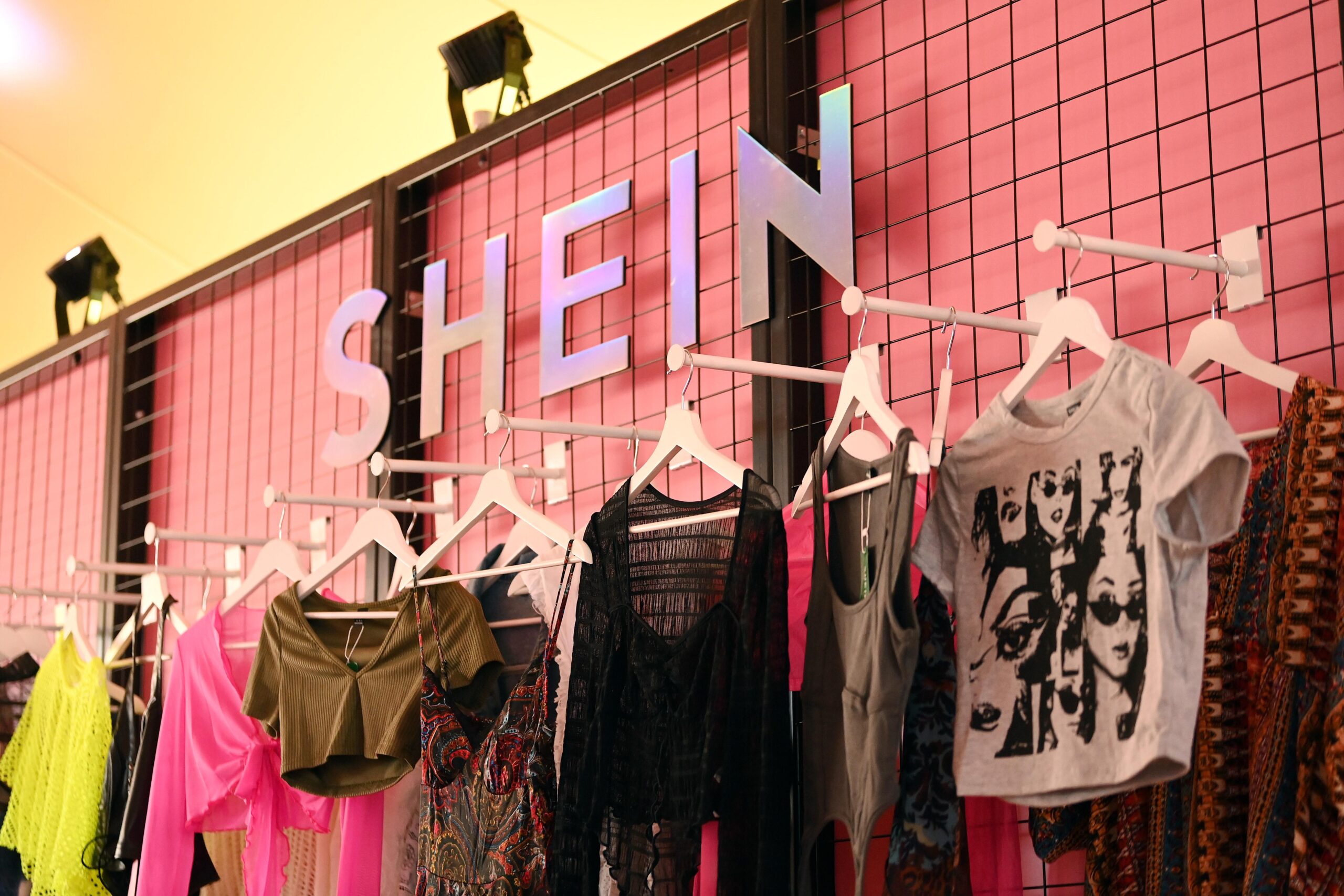
    Shein agreed to buy United States clothing brand Everlane for US$80 million. The company is deploying part of its US$16.74 billion cash reserve to reignite slowing revenue growth.

    The purchase follows a difficult trading debut in Hong Kong this week. Retailer shares finished Friday at HK$38.14 (US$4.86), down more than 20 per cent from the initial public offering price.

    People familiar with the matter said the transaction tests a broader strategy to buy labels across multiple price tiers. Shein held US$15 billion in cash before listing and added US$1.74 billion in net proceeds from the share sale. It plans to plug acquired businesses into its proprietary supply chain and global sales portal.

    Plugging Brands into the Xcelerator Network

    Under the plan, Shein intends to channel targets through its Xcelerator programme. It sells third-party labels access to its on-demand manufacturing system, automated warehousing, and cross-border shipping networks. The platform tracks online consumer demand. It instructs partner factories to scale production up or halt lines within days, keeping unsold stock minimal.

    Everlane will retain independent operations and keep its ethical manufacturing guidelines, Chief Executive Officer Alfred Chang told staff in an internal memo. The US label built its business on organic cotton basics and factory transparency. That approach contrasts with Shein’s high-volume polyester catalogue.

    Slowing Sales and Tariff Pressures

    For Asian fashion operators and global apparel vendors, the takeover shifts how Chinese-founded e-commerce platforms handle slowing organic traffic. Competitors like Temu and TikTok Shop fight on price. Shein is instead trying to buy higher-income shoppers directly rather than relying on deep discounts. If the model works, contract manufacturers across southern China and Southeast Asia will produce higher-margin runs under Western labels instead of unbranded fast fashion.

    Execution and brand equity present financial risks. Buying Western premium labels does not immediately solve Shein’s volume problem. It also offers no guarantee of customer retention if core buyers reject the new owner. Marketplace service revenue is growing faster than direct apparel sales, but it still makes up a small fraction of the balance sheet.

    From Listing Delays to Slower Expansion

    Regulatory changes are already squeezing cross-border logistics margins. Shein’s sales growth slowed to 1.1 per cent in the first quarter of 2026, down from 8 per cent across 2025, after the United States government revoked the de minimis tariff exemption on small incoming parcels. The company previously bought British fast-fashion chain Missguided in 2023 to test brand integration, before regulatory pushback delayed listing attempts in New York and London.

    Investors and suppliers will now watch Shein’s second-quarter earnings and the completion filing for the US$80 million Everlane deal to see if marketplace volume can offset core margin compression.

  • Victoria’s Secret Profit Tripled in Second Quarter Despite Sales Miss

    Victoria’s Secret Profit Tripled in Second Quarter Despite Sales Miss

    Victoria’s Secret nearly tripled its profit in the second quarter and lifted its full-year earnings guidance, overcoming a narrow top-line sales miss that rattled equity investors.

    Higher merchandise margins drove the profit surge as shoppers bought more lingerie and apparel at regular price points rather than clearance discounts.

    Margin Gains and Product Overhauls

    Chief executive Hillary Super faces scrutiny from financial markets to prove that the turnaround plan can deliver consistent revenue expansion alongside margin gains. The recovery strategy relies on fresh product lines, tighter brand positioning and the return of a revamped fashion show.

    Full-price sell-through provided the foundation for the quarterly improvement. By pulling back on heavy discounting, the apparel group protected profitability across its physical store fleet and digital sales channels.

    The Balance Between Price and Volume

    For store operators and regional franchisees, the profit rebound confirms that higher retail pricing can offset sluggish foot traffic and cautious consumer spending. Yet relying entirely on margin expansion without broad sales volume growth carries structural risk in competitive markets.

    Rival innerwear and athleisure brands continue to fight for floor space and customer wallet share across shopping centres. Landlords and retail partners need steady transaction volume to support retail footfall, not just cleaner balance sheets from lower inventory markdowns.

    The Turnaround Path

    The latest quarterly report follows multiple management efforts to reposition the brand away from outdated marketing concepts and rebuild credibility with mainstream apparel shoppers. Earlier restructuring phases focused on rationalising store networks, overhauling product assortments and adjusting wholesale partnerships.

    Attention now shifts to whether the upcoming fashion show and new seasonal merchandise can lift revenue through the second half of the financial year.

  • Richemont Anchors Asian Network Through Dual Hubs in Hong Kong and Tokyo

    Richemont Anchors Asian Network Through Dual Hubs in Hong Kong and Tokyo

    Richemont manages its expanding Asian luxury operations through dedicated regional hubs in Hong Kong and Tokyo, supporting a global footprint of 2,369 monobrand boutiques generating 22 billion euros in revenue. Direct sales to retail clients now account for 77 per cent of total group turnover across its 23 Maisons and businesses.

    The Swiss luxury conglomerate employs more than 40,000 people across upwards of 150 international locations. Central corporate management in Geneva coordinates policy and governance across five regional headquarters, with Asia commanding two distinct reporting territories.

    Regional Footprint Across Nine Asian Markets

    From its regional Asia Pacific headquarters in Hong Kong, Richemont directs operations across nine major territories: mainland China, Australia, South Korea, Macau, Malaysia, Singapore, Taiwan, and Thailand. A separate regional headquarters in Tokyo oversees the Japanese market, backed by two satellite offices in Fukagawa and Osaka.

    Western Asia and South Asian expansion run through a third regional division based in Dubai. That office coordinates commercial operations across India, Saudi Arabia, and South Africa from an operations base at the Dubai Airport Free Zone.

    Direct Retail Shift and Infrastructure Targets

    The operational concentration in Hong Kong and Tokyo reflects the luxury sector’s reliance on Asian consumer demand, even as brand houses take closer control of physical distribution. Operating 2,369 monobrand boutiques allows the group to secure higher margins while managing client relationships without wholesale intermediaries.

    Richemont also reported that renewable electricity powers 97 per cent of its global operations, alongside holding Global Equal-Salary certification across its business units. Group leadership continues to focus resources on store productivity and direct boutique expansion across key metropolitan shopping districts in Greater China and Southeast Asia.

  • Country Road Group Returns to Profit on Disciplined Inventory Management

    Country Road Group Returns to Profit on Disciplined Inventory Management

    Country Road Group posted an operating profit of $2.3 million for the year ended June 28, rebounding from a loss in the prior year. Earnings before interest and tax climbed 113 per cent as the Australian apparel group trimmed inventory by 14 per cent and curbed promotional discounting.

    Total sales edged up 1 per cent across the portfolio, while comparable sales rose 1.5 per cent. Gross profit increased 3 per cent over the twelve-month period.

    Brand splits and inventory cuts

    Repositioning efforts drove the bulk of the gains across the group’s standalone menswear and womenswear banners. Witchery recorded comparable sales growth of 9.5 per cent, and Politix delivered a 10.2 per cent increase in comparable sales.

    Stock levels dropped 14 per cent as management focused on inventory turnover rather than clearance sales to support margins. Chief executive Steven Cook said the retailer focused on tighter cost control and establishing clearer product positioning across individual labels to support sustainable expansion.

    Fashion groups across the region have spent the past year paring back stock purchases to protect margins against sluggish discretionary spending, swapping aggressive discounting cycles for smaller, targeted product drops.

    Leadership shifts into FY27

    Flagship brand Country Road recorded sales improvements in the second half of the financial year following management adjustments. Trenery tightened its product assortments, while accessories brand Mimco began initial restructuring for its next operational phase.

    The group enters the 2027 financial year tracking whether the reconstituted leadership team at the Country Road banner can sustain full-price sales momentum in a cautious retail market.

  • Singapore Fashion Boutiques Pivot from Thrift to Regional Multi-Label Stores

    Singapore Fashion Boutiques Pivot from Thrift to Regional Multi-Label Stores

    Singaporean boutique owners in their twenties are converting second-hand stores into multi-label outlets anchored by emerging Southeast Asian fashion brands. The shift replaces vintage racks with small-batch imports from Vietnam, Indonesia, and China to capture shoppers looking beyond standard shopping mall chains.

    Multi-label retail models give small operators flexibility. Instead of relying entirely on unpredictable thrift sourcing, shopkeepers import limited runs directly from independent designers discovered via social media platforms such as TikTok and Instagram.

    Shifting Shelf Space to Regional Labels

    In November 2025, 26-year-old retailer Audrey Hong rebranded her Haji Lane vintage store, previously operating under the Un.wastelands banner, as Uno Collectives. Hong shifted inventory from purely second-hand garments to an even split between curated vintage and Vietnamese apparel brands, expanding her supplier roster from two to five rotating labels, including Tiemmem, Push Push, Twenti, Migcool, and 777angels.

    Other independent operators are adopting similar sourcing structures. At Zabu Boutique on Hamilton Road, co-owner Cherry Pretty has built a roster of six consignors, shifting inventory toward Indonesian labels to balance curated vintage. Plop Apparels founder Jermaine Ho, who set up her multi-label concept in 2022, built the business on offering multiple variations of niche indie garments to mirror online search behaviour in physical spaces.

    Along Jalan Berseh, 21-year-old Kalen Piamthipmanus opened Incoleur in August 2025. Piamthipmanus invested S$30,000 from savings and loans into the 800-square-foot ground-floor unit, stocking 10 to 12 independent labels alongside second-hand Japanese designer pieces from labels such as Junya Watanabe and Yohji Yamamoto. The brand selection includes Shanghai label Read Moh In Red, Vietnamese streetwear brand The Idiot, and local knitwear creator String of Kisses, with garment prices spanning S$10 to S$200.

    Capitalising on Regional Sourcing

    For independent fashion retailers across Southeast Asia, the multi-label boutique model provides a low-overhead buffer against high commercial rents in prime districts. Sourcing directly from regional manufacturing hubs like Ho Chi Minh City and Bangkok allows operators to maintain higher gross margins than consignment-heavy vintage retail, while offering exclusivity that mass-market fast-fashion chains cannot replicate.

    Uno Collectives plans to add at least two more Southeast Asian apparel brands to its Haji Lane roster before the end of the year.

  • Thailand Luxury Market Outpaces Singapore as Gen Z and Pop Culture Drive Sales

    Thailand Luxury Market Outpaces Singapore as Gen Z and Pop Culture Drive Sales

    Thailand has overtaken Singapore as Southeast Asia’s fastest-growing luxury market, led by surging demand from domestic Gen Z consumers and entertainment partnerships.

    High-end fashion houses are shifting resources and marketing budgets toward Bangkok as spending by younger Thai demographics outpaces historic regional benchmarks.

    Pop Culture Powers Store Footfall

    Luxury labels have accelerated brand ambassador appointments across both Korean and Thai entertainment industries. Global houses such as Dior, Gucci and Prada now regularly sign Thai actors and musicians, commonly grouped as T-pop talent, alongside established K-pop idols to front regional campaigns.

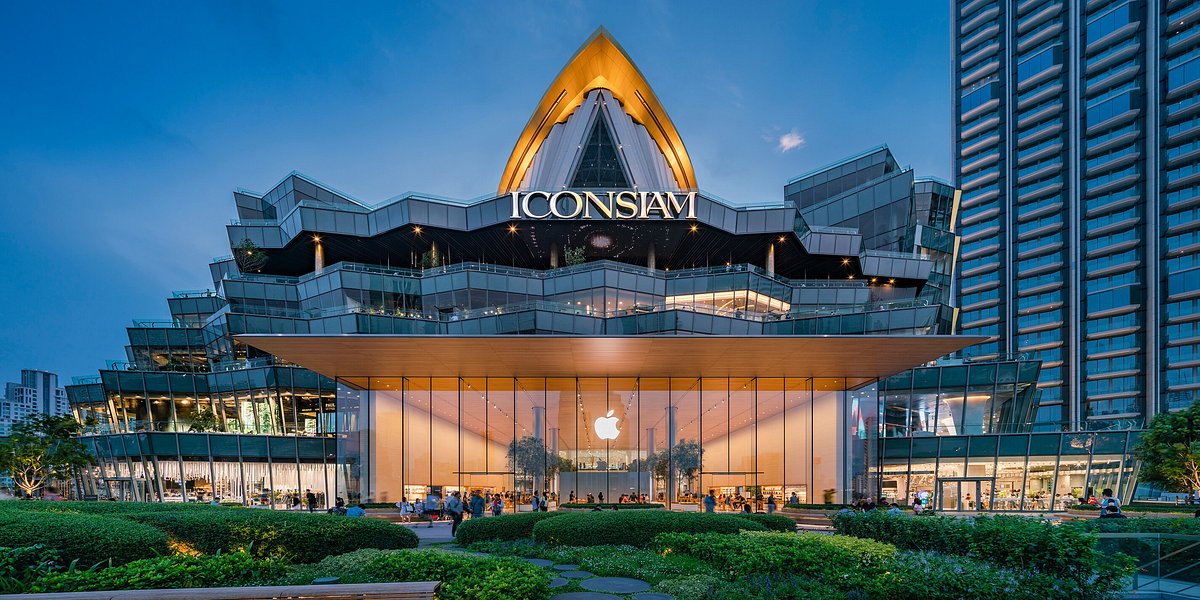
    These endorsements convert directly into store traffic across Bangkok’s prime shopping corridors. Flagship boutiques in malls such as Siam Paragon, IconSiam and EmSphere report elevated sales of ready-to-wear lines, leather goods and fine jewellery purchased by shoppers under 30.

    Regional Retail Balances Shift to Bangkok

    Singapore long served as the default gateway for luxury groups entering Southeast Asia, relying heavily on international business travellers and high-income expatriates. Bangkok, by contrast, combines resilient domestic demand with a rapid rebound in regional tourist arrivals from across Asia.

    Major European luxury groups are now expanding floor space in central Bangkok developments and revamping VIP salons rather than relying solely on Singaporean outposts. The shift marks a broader recalibration toward markets where pop culture fandom directly drives retail transaction volumes.

    Luxury brands will monitor upcoming mall completions along Bangkok’s Sukhumvit and Ploenchit corridors through 2024 to determine whether new retail square footage matches high-end consumer absorption rates.

  • Kering Redirects up to €300 Million to Asia as Regional Sales Grow 12 per Cent

    Kering Redirects up to €300 Million to Asia as Regional Sales Grow 12 per Cent

    Kering has reallocated up to €300 million in capital toward Asia-Pacific markets as regional sales growth of 8 to 12 per cent outpaced softer Western demand across its fashion portfolio.

    Asian territories now generate nearly half of total group revenue, led by Greater China at 20 to 25 per cent, Japan at 8 to 10 per cent, and the rest of Asia-Pacific contributing 10 to 15 per cent.

    Where the Revenue Comes From

    Direct-to-consumer flagship boutiques in cities like Shanghai and Tokyo anchor the group’s regional retail network, capturing full-margin sales. Wholesale partnerships with upscale department stores account for 35 to 40 per cent of total volume, while digital commerce platforms generate 15 to 20 per cent. The standalone eyewear division adds between €1.5 billion and €2 billion annually across all licensed and owned lines.

    Yves Saint Laurent proved the strongest performer in the region. The label expanded at annual rates of 25 to 30 per cent in Asian markets between 2019 and 2023, lifting global house sales from €3.18 billion in 2022 to an estimated €3.7 billion by 2024.

    Brand Performance and Capital Shifts

    Gucci remains the conglomerate’s largest single cash generator, producing roughly €9.5 billion in 2024 revenue. Its share of group intake fell from 52 per cent in 2022 to 48 per cent, prompting management to divert capital toward faster-growing labels and regional retail upgrades.

    Bottega Veneta generated between €1.8 billion and €1.95 billion with gross margins reaching 68 per cent, driven by leather goods demand. Balenciaga showed signs of recovery with projected growth of 5 to 8 per cent after revenues contracted 15 per cent during 2023.

    European luxury groups spent the past two years reassessing their heavy reliance on flagship labels in Asia. While rivals like LVMH diversified early across jewellery and hospitality, Kering’s concentrated bets on fashion houses make regional retail productivity critical to its bottom line.

    Management continues to review smaller portfolio brands generating under €200 million annually, with further divestment decisions expected as capital shifts to primary retail hubs.

  • Louis Vuitton Exits Chinese Province After Sales Drop and Trademark Dispute

    Louis Vuitton Exits Chinese Province After Sales Drop and Trademark Dispute

    Louis Vuitton closed its retail footprint in a Chinese province after local store sales dropped and a trademark dispute sparked consumer backlash against the French luxury house.

    The pullout follows intense public scrutiny in China over the brand’s legal enforcement of its intellectual property, which prompted pushback from shoppers and weakened foot traffic across regional department stores.

    Reassessing Regional Footprints

    Luxury groups in mainland China are reviewing their exposure to lower-tier provincial markets where operating costs outpace store revenue. Falling retail demand across secondary cities has pushed European fashion houses to trim underperforming storefronts and redirect capital toward flagship flagships in tier-one hubs.

    Shopper sentiment in the affected province turned sharply against the brand during the legal dispute. Local consumers shifted spending away from the label, accelerating management’s decision to shut down operations in the territory entirely.

    Consolidation in Core Hubs

    European luxury labels previously expanded across provincial capitals to capture rising domestic wealth outside Beijing and Shanghai. That expansion model now faces pressure as consumer spending concentrates in top-tier commercial centres and duty-free zones such as Hainan.

    LVMH continues to review its retail network across Greater China, with future store renewal deadlines and regional lease expiries determining where the group will prune or retain square footage.