Tag: Fashion

  • Uniqlo Plans 20 Urban Flagship Stores Across Japan over Next Decade

    Uniqlo Plans 20 Urban Flagship Stores Across Japan over Next Decade

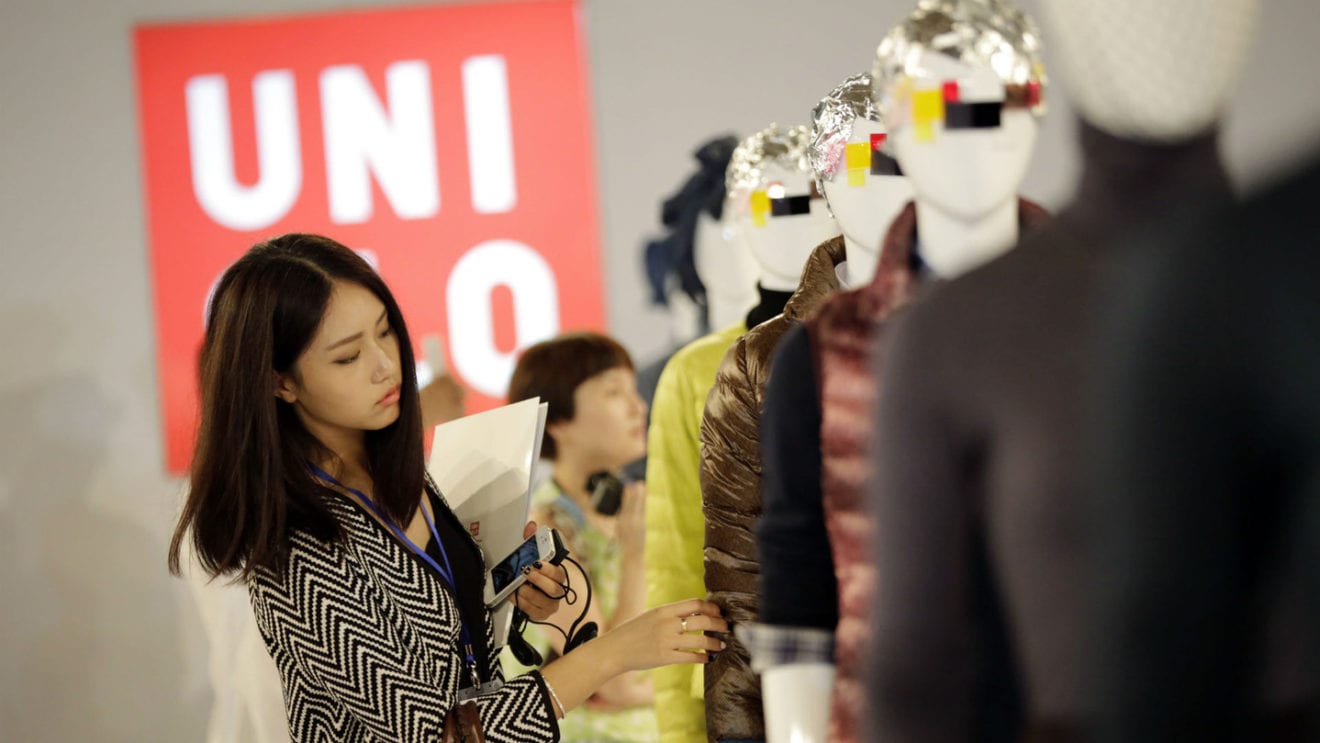
    Fast Retailing plans to expand Uniqlo’s flagship store network in Japan to around 20 locations over the next decade. The apparel group is shifting capital away from standardised suburban shopping centres to focus on multi-storey urban showpieces in prime metropolitan districts.

    The strategy alters the retail footprint that built Uniqlo into Japan’s dominant clothing chain. For decades, the brand expanded by opening uniform formats along roadside corridors and inside suburban shopping complexes across provincial prefectures. Future capital expenditure will prioritise high-traffic urban centres designed to deliver higher sales density and elevated brand visibility.

    Shifting capital from roadside formats

    Standard suburban outlets offer limited scope to show the brand’s full product range or create distinctive customer experiences. Flagship formats allow the group to display complete seasonal collections, test specialty service concepts, and handle heavier transaction volumes per square metre.

    Across Asian retail markets, apparel groups face maturing domestic suburban populations and rising store operating overheads. Flagship locations in transit hubs capture both regular daily commuters and high-spending international tourists, delivering better returns on lease costs than distributed suburban networks.

    New locations and tourist hubs

    Uniqlo currently runs global flagship stores in Tokyo’s Ginza district and Osaka’s Umeda commercial hub. Future openings under the revised 10-year plan will target prime retail corridors in Nagoya and Sapporo, along with additional high-footfall central Tokyo districts such as Shibuya.

    The urban rollout begins in western Japan, with Uniqlo scheduled to open its first global flagship store in Kyoto in November.

  • SKIMS Opens Flagship Store at Times Square in Hong Kong

    SKIMS Opens Flagship Store at Times Square in Hong Kong

    SKIMS opened a flagship store at Times Square in Hong Kong, establishing a dedicated physical location in one of the city’s busiest shopping destinations. The opening brings the brand’s core shapewear, loungewear, and apparel lines directly to local shoppers in Causeway Bay.

    Causeway Bay Footprint

    The Times Square location anchors the brand’s direct retail operations in Hong Kong. By securing floor space in a prime commercial mall, the company shifts from wholesale and regional e-commerce fulfilment toward standalone branded storefronts that handle higher foot traffic.

    Shoppers gain direct access to the full product catalogue across sizing ranges and seasonal collections. Physical fitting and immediate inventory availability remain central to the store format, addressing sizing demands that online channels cannot replicate.

    Expansion Across Regional Hubs

    Western direct-to-consumer labels continue to target top-tier retail properties across Asia to capture resilient domestic consumer spending. Hong Kong remains a testing ground for international fashion brands gauging appetite before committing to broader rollouts across mainland China and Southeast Asia.

    Retail property managers in Causeway Bay have adjusted tenancy mixes over the past two years, replacing legacy luxury concessions with high-engagement lifestyle and specialty apparel names. Mall operators look to these direct-to-consumer openings to lift younger demographic footfall and weekday mall conversion rates.

    Attention turns to foot traffic numbers and sales productivity per square foot through the opening quarter, alongside any future site announcements across Greater China.

  • Regatta Opens Refreshed Flagship at SM Mall of Asia

    Regatta Opens Refreshed Flagship at SM Mall of Asia

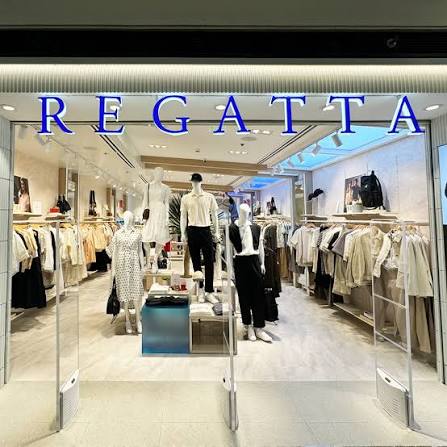
    Filipino lifestyle apparel brand Regatta opened a refreshed flagship store at SM Mall of Asia in Metro Manila, expanding its footprint inside one of the country’s largest retail centers.

    The store occupies space on the third floor of the South Main Mall, introducing an updated coastal retail layout paired with a new apparel sub-category.

    Inside the unit, merchandise is organized into dedicated product zones. A central accessories display carries lifestyle goods, including fragrances, headwear, drinkware, and towels, while an entire wall shows the retailer’s core polo shirt collection next to a customer lounge section.

    Athletic range expands casual lineup

    Alongside the store launch, Regatta introduced Regatta Sport, a product line targeting daily activewear. The collection includes quarter-zip pullovers, polo dresses, sweat shorts, lightweight nylon shorts, and jackets designed to bridge classic country club styling with functional athletic wear.

    The apparel rollout gives the brand broader coverage across technical fabrics and leisure categories as consumer demand for hybrid sportswear grows across Southeast Asia.

    Mall footprints anchor local brands

    Domestic apparel brands in the Philippines continue to renovate key metro flagships to hold floor space against competing international fast-fashion chains. High-traffic centers such as SM Mall of Asia serve as testing grounds for local operators seeking to expand product categories into lifestyle accessories and performance apparel.

    Regatta will monitor sales performance from the sports range at the South Main Mall location before rolling the inventory across its wider domestic store network in subsequent seasons.

  • Lanvin Group Narrows First-Half Loss to €34.6 Million as Store Closures Bite

    Lanvin Group Narrows First-Half Loss to €34.6 Million as Store Closures Bite

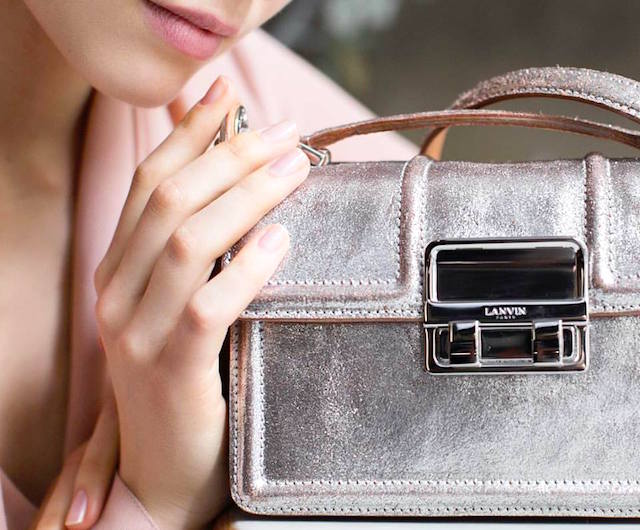
    Shanghai-based Lanvin Group narrowed its first-half adjusted EBITDA loss to €34.6 million as store closures and restructuring outpaced a 12.9 per cent revenue drop to €100.8 million.

    The New York-listed luxury group cut its adjusted EBITDA loss from €52.2 million a year earlier, achieving its first period since listing where operating cuts exceeded top-line decline. The prior-year base excludes Italian tailor Caruso, which the company sold in February to Abu Dhabi-backed MondeVita.

    Management closed 23 directly operated stores during the six months to June 30, bringing its active boutique network down to 151 sites. Over the past 18 months, the company has eliminated 74 stores from a peak of 225, cutting its physical footprint by a third to curb overhead.

    Mixed fortunes across four fashion houses

    St John overtook the namesake maison to become the group’s largest revenue contributor, generating €35.5 million. While that represented a 10.5 per cent decline in euros, sales fell roughly 5 per cent in US dollars, helped by a 31 per cent jump in e-commerce. Chief commercial officer Mandy West, promoted in March, will roll out two capsule collections during the second half.

    Austrian skinwear label Wolford delivered €31.0 million, down 6 per cent. Direct-to-consumer sales slipped 2 per cent while e-commerce expanded 22 per cent, lifting gross margin four percentage points to 60 per cent following the resolution of earlier supply chain bottlenecks. Marco Pozzo took over leadership of the brand in February.

    Revenue at flagship house Lanvin slid 17.9 per cent to €22.9 million, making it the group’s third-largest unit. Barbara Werschine took charge as chief executive in May following stints at Hermès and Eric Bompard, while designer Peter Copping presented his winter 2026 collection in Paris. Footwear brand Sergio Rossi remained the weakest unit, tumbling 28.6 per cent to €10.9 million after artistic director Paul Andrew departed in January and the business phased out third-party manufacturing contracts.

    Asset-light transition across global operations

    Chinese luxury groups that expanded through European acquisitions have spent the past two years paring down overhead to adjust to weaker global wholesale demand. Greater China generated 8.1 per cent of Lanvin Group’s sales last year, leaving the company heavily exposed to European and American department store channels where foot traffic has softened. Trimming company-owned real estate while shifting brands toward licensing mirrors the defensive posture adopted by mid-tier European fashion houses.

    Chairman Zhen Huang expects the broader corporate transformation to wrap up before the end of the year. The group is now preparing second-half wholesale deliveries and expanding asset-light franchise partnerships across Sergio Rossi and Lanvin.

  • Lovisa Hits $938.8 Million in FY26 Sales on Fast Jewellery Demand

    Lovisa Hits $938.8 Million in FY26 Sales on Fast Jewellery Demand

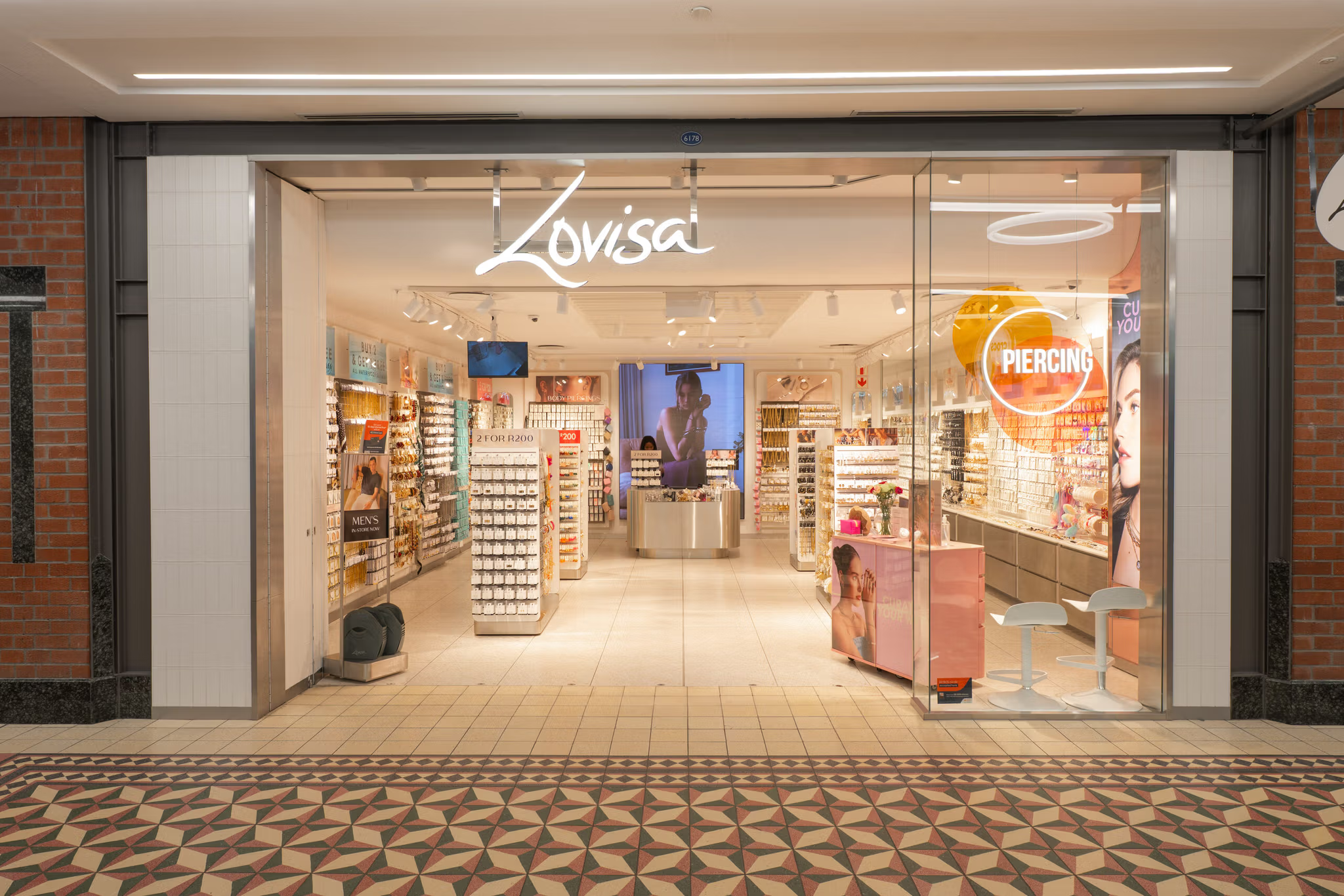
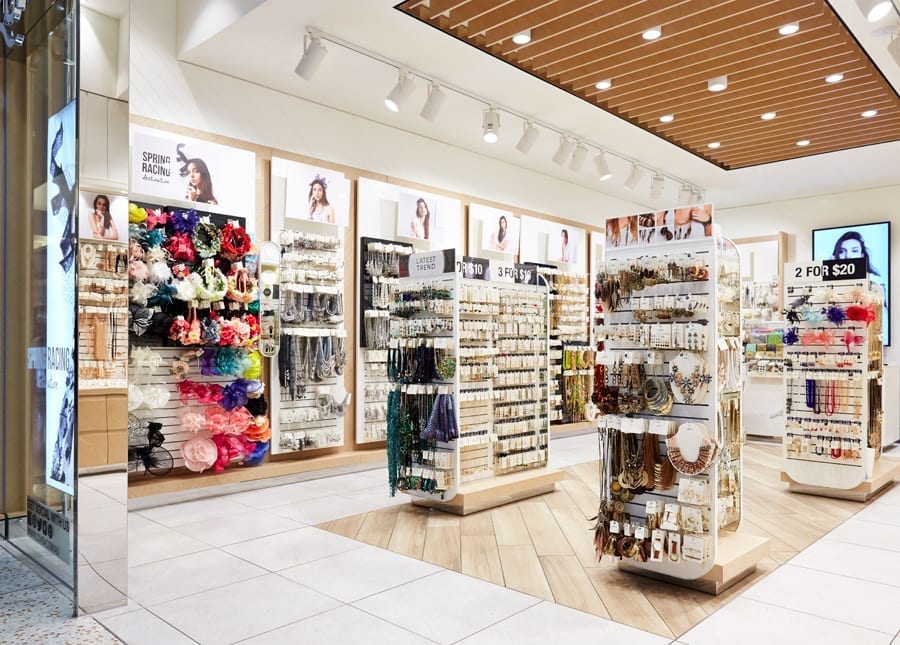
    Lovisa posted double-digit revenue and profit growth for fiscal 2026, generating $938.8 million in total sales across its global store network. The result shows budget-conscious shoppers continued buying affordable accessories despite persistent cost-of-living pressure in Australia and key overseas markets.

    Tightened household budgets did little to slow store turnover. Fast-fashion jewellery continues to capture discretionary spending from consumers who pull back on higher-priced apparel and luxury goods, giving mass-market operators sustained foot traffic across shopping centres.

    Demand across budget accessories

    Lovisa relied on its high-turnover model to drive revenue across its retail footprint. Low price points allowed the brand to maintain transaction volume even as inflation squeezed general consumer spending.

    The performance reflects a broader split in retail spending across the Asia-Pacific region. While big-ticket discretionary categories face softer demand, impulse-driven accessory purchases continue to clear inventory rapidly.

    Market rivals and category pressure

    Competition in the affordable jewellery segment is intensifying across major retail hubs. New challenger brands, including ventures launched by former Lovisa executives, are expanding store networks and targeting the same demographic with rapid product drops.

    Sustaining double-digit expansion will depend on how effectively the chain defends mall real estate and controls store operating costs. Market watchers will track upcoming store rollout milestones and regional trading updates in the next financial reporting cycle.

  • Loewe Opens Largest Japan Flagship in Tokyo’s Ginza District

    Loewe Opens Largest Japan Flagship in Tokyo’s Ginza District

    Loewe has opened CASA LOEWE Ginza in Tokyo. It is the brand’s largest flagship in Japan and its second-largest retail footprint worldwide.

    Located at the intersection of Chuo-dori and Miyuki-dori in Tokyo’s luxury district, the street-level store lands as the Spanish fashion house marks its 180th anniversary. The opening anchors its retail presence in Japan’s resilient high-end consumer market.

    Suna Fujita Collaboration and Exclusive Ranges

    Inside, the flagship features an exclusive collaboration with Kyoto ceramic studio Suna Fujita. The studio produced designs specifically for the Tokyo location. Those artworks appear on the signature Hammock bag, a shearling coat, and a jacket detailed with cherry blossom motifs.

    Alongside the bespoke launch pieces, the store secured an advance pre-release of the wider Loewe and Suna Fujita collection. That lineup includes reworked versions of the Amazona and Basket bags. Dedicated floor displays show small leather goods, charms, and accessories.

    Luxury Brands Cement Prime Ginza Real Estate

    Securing corner plots along Chuo-dori remains a core strategy for European luxury labels competing for tourist spending and domestic shoppers in Japan. Following flagship rollouts in Shanghai and Seoul, Loewe’s expanded presence shows top-tier brands still view Tokyo street retail as essential for long-term brand equity in North Asia.

    Doors are now open to the public. Retail traffic around Ginza’s prime intersections will test full-year footfall targets across the brand’s expanded footprint in the months ahead.

  • Laopu Gold Targets Global Expansion as Sales Growth Moderates

    Laopu Gold Targets Global Expansion as Sales Growth Moderates

    Laopu Gold is pushing ahead with overseas expansion plans to secure new sales channels as top-line retail growth cools across its core Chinese market.

    The Beijing-based luxury heritage gold brand reported a moderating pace of domestic expansion while confirming plans to establish footprints in key international shopping hubs.

    Slowing Domestic Demand

    Consumer appetite for pure gold jewellery in China faced pressure after a prolonged run of sharp price gains. Shoppers who drove previous surges in heritage gold sales have pulled back on discretionary luxury purchases, forcing premium jewellers to adjust their operational expectations.

    Laopu Gold built its brand equity on handcrafted traditional gold ornaments sold at significant premiums through boutique locations. As domestic store productivity normalises, management is looking beyond mainland shopping centres to sustain revenue momentum.

    Pushing Into Global Retail

    International luxury corridors represent the next commercial frontier for the brand. Establishing outposts in regional financial hubs and tourist destinations allows the jeweller to capture affluent Chinese travellers as well as international high-net-worth consumers.

    Rival jewellers across Hong Kong and mainland China have made similar shifts into Southeast Asia and the Middle East over the past two years. For Laopu Gold, competing on international high streets requires convincing foreign consumers to pay luxury design markups on traditional Chinese craftsmanship rather than treating items purely as gold weight assets.

    Execution details on specific international leases and overseas opening schedules will determine whether foreign revenue can counterbalance cooling domestic retail volumes.

  • Amazon Expands Quick Commerce Fashion Delivery to 300 Indian Cities

    Amazon Expands Quick Commerce Fashion Delivery to 300 Indian Cities

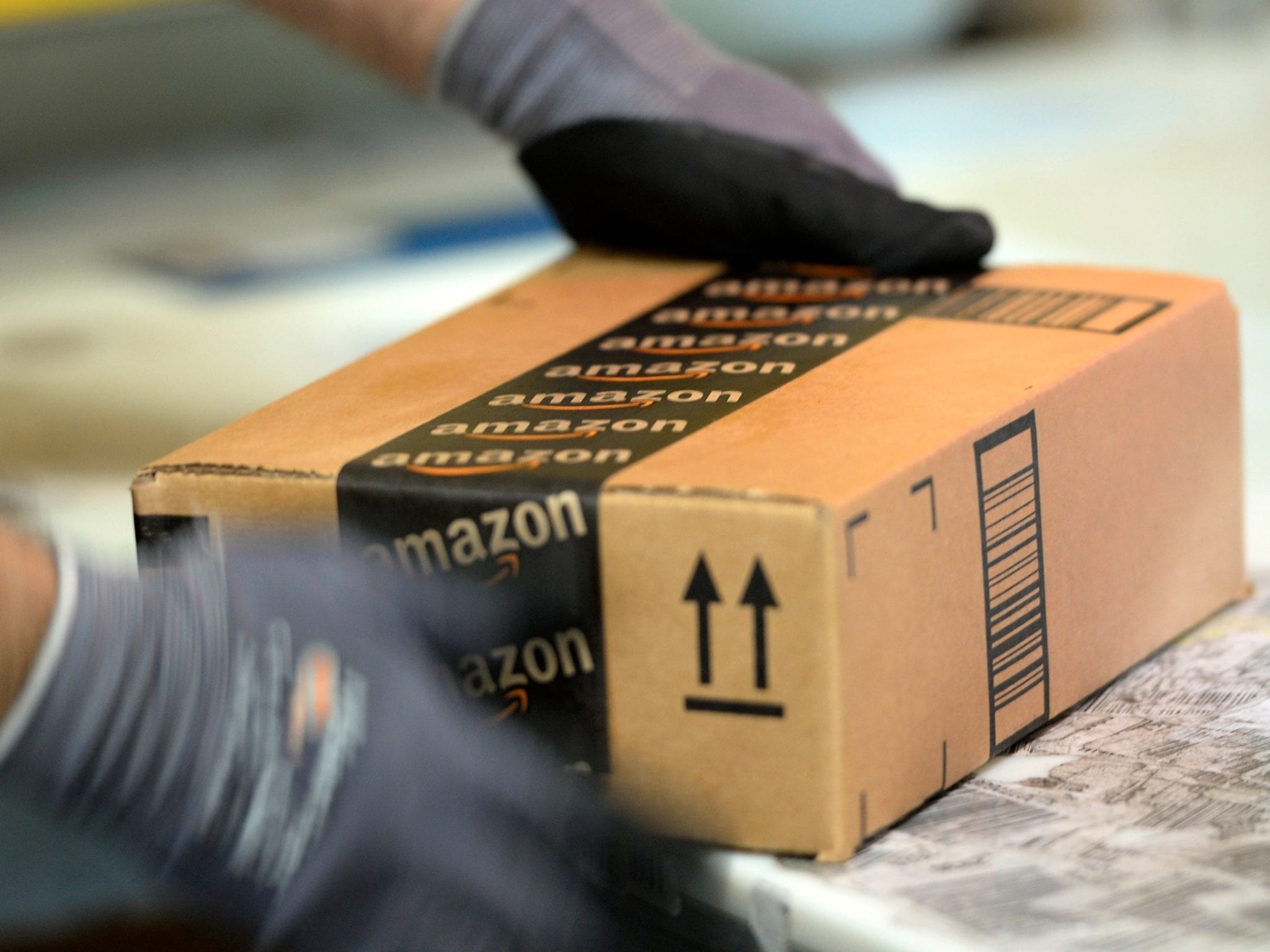
    Amazon plans to expand its Amazon Now quick delivery service for fashion to 300 cities across India. Orders on the platform doubled every quarter since launch, while Prime members who adopt the rapid option purchase three times more frequently.

    Micro-Fulfilment and Event Demand

    The service uses compact, technology-enabled micro-fulfilment centres placed close to residential clusters. Inventory algorithms position stock according to neighbourhood demand patterns rather than broad regional forecasts.

    Amazon is directing the rapid delivery network toward sudden, occasion-led purchases instead of planned wardrobe restocking. During the T20 World Cup, cricket jersey sales rose 2.5 times before match days and spiked eightfold on match days.

    Demographic Shift Toward Gen Z

    Younger shoppers are driving the platform’s fastest gains. Gen Z consumers now account for more than half of Amazon Fashion’s customer base in India, up from 30 per cent two years ago, with order volumes in Tier 2 and Tier 3 cities expanding at double the national pace.

    Premium labels now account for nearly 20 per cent of fashion spending on the platform and are expanding at twice the broader category rate. The company channels this traffic through its Gen Z portal SERVE, an influencer network of over 100,000 creators, and digital sizing tools including virtual try-on and Rufus.

    Across India, quick commerce operators such as Blinkit, Zepto, and Instamart have pushed aggressively into apparel and lifestyle items, forcing traditional e-commerce marketplaces to compress delivery windows from days to hours. Amazon is relying on its micro-hub density and Prime ecosystem to defend fashion market share against those dedicated hyper-local rivals.

    The company has not disclosed the completion schedule for the 300-city rollout, making the pace of micro-hub deployment the key operational figure to track across the country.

  • Fossil India Bets on Analogue Revival as Young Buyers Build Watch Wardrobes

    Fossil India Bets on Analogue Revival as Young Buyers Build Watch Wardrobes

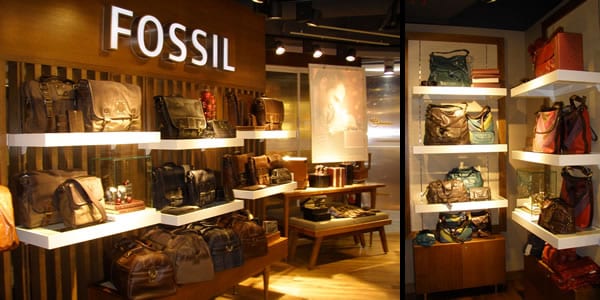
    Fossil India is repositioning its product lineup toward premium analogue timepieces as younger domestic consumers buy multiple watches for different occasions rather than relying on a single device.

    The shift follows a rebound in traditional watch demand across India, aided by the proliferation of secondary wearables like smart rings that free up wrist space previously dominated by connected screens.

    Freeing wrist space for premium mechanicals

    Speaking at the ETRetail ShopFWD Summit in Bengaluru, Fossil India managing director Johnson Verghese said younger shoppers are researching models independently, entering the category earlier and curating separate watches for work, sports and evening social events. Fossil manages its own label alongside licensed fashion brands including Michael Kors, Emporio Armani and Diesel in the Indian market.

    To capture higher spending, the group introduced higher-priced mechanical models such as the racing-inspired X1 automatic watch, pricing it well above Fossil’s historic average in India. Verghese noted that buyers willingly paid the premium because of upgraded materials like ceramic and titanium, automatic movements and distinct visual design.

    Across Asia-Pacific markets, watchmakers face a dividing consumer base: entry-level connected fitness monitors on one side and design-led mechanical timepieces on the other. For accessible fashion watch brands, category growth depends on positioning the traditional watch as a personal accessory rather than a functional clock.

    Expanding retail footprint beyond metropolitan centres

    In-store services, particularly caseback engraving, have become central to conversion rates by turning purchases into personalised gifts and commemorative items. Verghese stressed that modern buyers research specifications online before testing weight and wrist fit in physical stores, making consistent pricing and stock data essential across both channels.

    Fossil India plans to direct its next store rollouts toward tier-II and tier-III cities, where quality retail space remains limited despite rising disposable incomes among first-time corporate workers.

  • Coach Targets 10 Billion Dollars in Sales by 2028

    Coach Targets 10 Billion Dollars in Sales by 2028

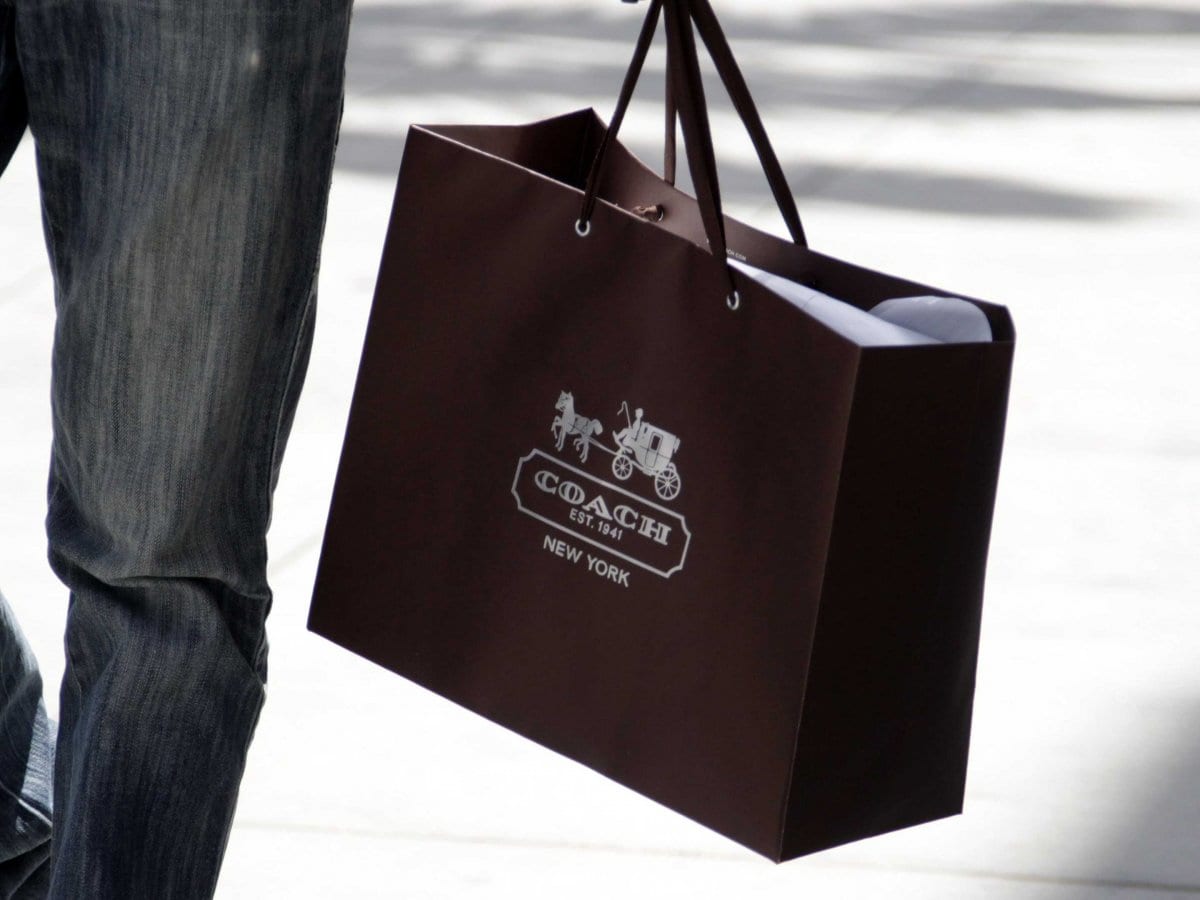
    Coach plans to reach 10 billion dollars in annual sales by 2028, up from its current 7 billion dollar revenue base. The expansion relies on growing international store networks, pushing deeper into ready-to-wear and footwear, and recruiting younger shoppers.

    The brand generates the vast majority of revenue for parent company Tapestry Inc., which recently reported 8 billion dollars in annual sales. Chief executive officer and brand president Todd Kahn, who took the helm in 2020 after joining as general counsel in 2008, is steering the push as the label marks 85 years since its founding in 1941.

    Expanding Global Footprint and Gen Z Reach

    Attracting Gen Z buyers sits at the center of the sales roadmap. Coach has broadened its assortment beyond signature leather handbags into ready-to-wear lines, footwear collections, dedicated brand cafes, and circular fashion initiatives like Coachtopia.

    Creative director Stuart Vevers continues to lead product design, balancing heritage leather craftsmanship with youth-focused styling. Kahn noted that while the company started as a small workshop run by immigrant artisans on 34th Street in Manhattan, preserving core leather craft remains essential to its identity as an accessible luxury house.

    From Leather Workshop to Tapestry Growth Engine

    Department store distribution once dominated accessible luxury, but direct retail networks and localized experiential spaces across Asia, Europe, and North America now anchor the brand’s margins. Rivals in the premium leather goods category face tighter consumer spending, yet Coach has maintained price discipline and direct-to-consumer momentum across international markets.

    Tapestry will measure progress against the 10 billion dollar milestone across its quarterly filings leading up to the fiscal 2028 deadline.

  • Lovisa Lifts Full-Year Profit 10.7 per Cent as Network Reaches 1,136 Stores

    Lovisa Lifts Full-Year Profit 10.7 per Cent as Network Reaches 1,136 Stores

    Australian fast-fashion jewellery retailer Lovisa increased net profit after tax by 10.7 per cent to $95.6 million for the 2026 financial year.

    Total revenue rose 17.6 per cent to $938.8 million, supported by 160 store openings and a 2 per cent rise in global comparable store sales. Gross margin widened by 60 basis points to 82.6 per cent, helped by lower sourcing costs and tighter promotional spending, while earnings before interest, tax, depreciation and amortisation grew 20.9 per cent.

    Offshore sales outpace domestic trade

    Western markets delivered the bulk of the growth. Sales in the Americas rose 29.6 per cent, while European revenue increased 29.5 per cent over the twelve-month period.

    The company accelerated its physical expansion by launching 160 locations and shuttering 43 underperforming sites. That netted 117 additions and lifted the total footprint to 1,136 stores across more than 50 markets. Lovisa relies on small-format stores with low fitout costs to enter new territories quickly, a model that allows it to exit unprofitable leases without heavy capital losses.

    Early momentum in the new financial year

    Trading in early fiscal 2027 maintained that pace. Total sales climbed 16.4 per cent over the first eight weeks of the new financial year, with comparable store sales up 3 per cent and momentum accelerating through August.

    Management plans to add further physical and digital stores across both established and new territories. Investors will track whether store opening targets hold as the group rolls into additional franchise and company-owned markets in the first half.

  • European Luxury Houses See China Rebound as Burberry Sales Climb 9%

    European Luxury Houses See China Rebound as Burberry Sales Climb 9%

    European luxury groups are tracking a tentative rebound across mainland China, led by high-net-worth spending and demand for premium beauty and apparel.

    July retail sales across the country’s top 25 luxury labels dropped more than 10 percent under tighter scrutiny on offshore wealth, but corporate earnings forecasts point to an autumn turnaround. Household spending on cosmetics has begun to stabilize, while quarterly reports from fashion houses reveal pockets of early momentum.

    Divergence Across Brands

    Burberry Group posted a 9 percent increase in Greater China retail sales during its latest quarter, helped by younger shoppers and localized campaigns. The British fashion house partnered with Chinese National Geography magazine on documentary marketing to lift brand engagement among Gen Z consumers.

    Gucci parent Kering expects sales in the region to return to positive growth by the fourth quarter of 2026. Chief Executive Luca de Meo called the country a strategic priority as trading conditions improved steadily through the latest reporting period.

    LVMH reported steadying demand in mainland stores, citing improving figures for its Sephora retail chain and cognac labels. Swiss group Richemont captured higher tourist spending across Hong Kong and Macau, while Moncler gained ground in market niches.

    Uneven Recovery Profile

    The rebound remains concentrated among high-net-worth buyers rather than broad middle-income households. That divide keeps the pace uneven across retail categories and price points.

    Hermes continues to accelerate sales in the region, while Danish jeweler Pandora is seeing sales declines narrow. For retail operators across Asia, the test will be whether luxury spending broadens beyond top-tier VIP clients before fourth-quarter results land.

  • On Opens First Sydney Store at Westfield Bondi Junction

    On Opens First Sydney Store at Westfield Bondi Junction

    Swiss sportswear company On has opened its first Sydney store at Westfield Bondi Junction. The launch brings its Australian retail network to two physical locations.

    Located on Level 3, the 493-square-metre space pushes the brand’s global corporate-owned store count past 70 units across major metropolitan centres.

    Footwear, Collaborations and Local Design

    The shop carries On’s core inventory across running, training, tennis, and lifestyle footwear, apparel, and accessories. Shoppers can also buy limited-edition collaborative collections with external partners, including Post Archive Faction, Sky High Farm Goods, and grocery brand Erewhon.

    Local design elements run throughout the interior. Builders fitted the unit with textured concrete, sandstone-style seating, regional tiles, and a bespoke accent wall created by Australian finish firm Pretty in Paint Australia to match coastal running corridors around Bondi.

    “It is a place that feels deeply connected to what On stands for,” said Lauren Portelli, commercial director for Oceania at On.

    Direct Retail Push in Asia-Pacific

    Direct retail expansion has become a primary channel for performance footwear labels seeking higher margins and greater control over brand presentation across Asia-Pacific. Wholesale distribution through specialty running shops gave On its initial market volume in Australia. Dedicated company stores now allow the business to show full technical lines alongside higher-priced lifestyle apparel that multi-brand stockists rarely carry.

    Founded in Zurich in 2010, the company now distributes products across more than 80 countries worldwide. Attention turns to whether the Swiss group will add direct retail sites in Melbourne and Brisbane as it scales regional store operations.

  • Luxury Evermore Flags Cloned Chanel Serial Code Found 127 Times Across 36 Countries

    Luxury Evermore Flags Cloned Chanel Serial Code Found 127 Times Across 36 Countries

    Singapore resale platform Luxury Evermore found a single Chanel serial code repeated 127 times across 36 countries in its authentication database, exposing widespread counterfeit production.

    The code, 10218184, showed up on multiple bag models submitted to the firm’s free authentication screening tool, directly contradicting the brand’s rule that each code belongs to one specific bag.

    Database Flags Cloned Code

    Submissions came through Luxury Evermore’s consumer review service, which screens pre-owned luxury items to weed out fakes in the secondary market. Counterfeiters routinely duplicate legitimate serial strings because they lack access to internal luxury brand databases.

    “There are specific patterns and details on these tags that are very difficult to replicate,” Luxury Evermore founder Mingchuan Tian said. The company noted that while a single code match does not automatically prove a bag is fake, any pre-owned piece bearing the 10218184 string requires physical inspection before purchase.

    Shift to Microchip Authentication

    Chanel changed its authentication architecture in 2021, replacing physical authenticity cards and interior sticker tags with embedded microchips and metal plaques. Bags made before that transition remain heavily traded across Asian consignment platforms, leaving older serial numbers exposed to industrial-scale cloning.

    Secondary luxury platforms across Southeast Asia and East Asia face rising costs as authentication moves from simple serial checks to multi-point material inspections. As counterfeit operations replicate physical tags across multiple product lines, resale operators are tightening screening protocols on legacy inventory to protect platform credibility.

    Resellers tracking the 10218184 code are now screening pre-2021 inventory for matching batch anomalies across regional intake hubs.

  • Borsalino Opens First China Boutique at Shanghai Plaza 66

    Borsalino Opens First China Boutique at Shanghai Plaza 66

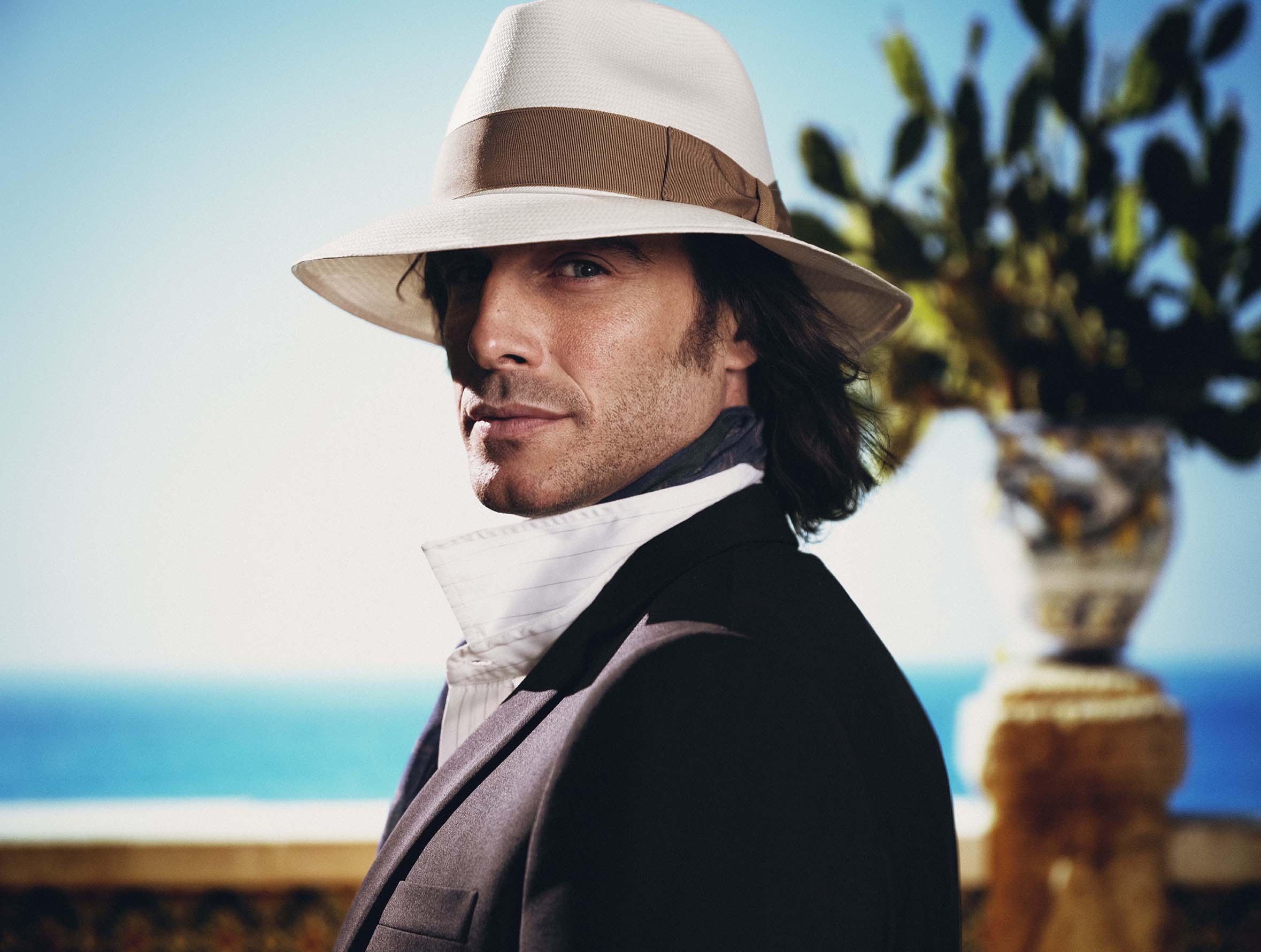
    Borsalino opened its first permanent boutique in mainland China at Shanghai’s Plaza 66, launching the 170-year-old Italian luxury hatmaker’s direct retail presence in the country.

    The Shanghai debut anchors the company’s broader expansion push across Greater China and key international retail destinations.

    Mauro Baglietto, managing director of Borsalino, led the ribbon-cutting ceremony alongside Alec Hou, chief executive of Essence Group, joined by representatives from the Italian government and Plaza 66 leasing management. To accompany the launch, the brand unveiled a limited-edition jewellery collection featuring a Fedora finished with an 18-carat gold logo set with rubies, sapphires and diamonds.

    Heritage and Pop-Up Operations

    Plaza 66 hosted a Borsalino pop-up installation from 22 to 27 August to support the boutique opening. The temporary space showed archival vintage headwear, demonstrations of Italian millinery craft, and bespoke personalisation services for local shoppers.

    Giuseppe Borsalino established the company in Alessandria, Italy, in 1857, making it the country’s oldest operating luxury hatmaker. The business currently pairs its own-brand boutiques and wholesale accounts with global distribution networks, fashion collaborations and film-industry styling partnerships.

    Niche Luxury in Prime Retail Malls

    Heritage European craft houses continue to seek dedicated real estate across top-tier Chinese commercial centers to engage high-net-worth buyers directly rather than relying solely on multi-brand stockists. Placing a standalone store inside Plaza 66 gives Borsalino immediate access to Shanghai’s most concentrated luxury customer base.

    The next metric to watch is whether Essence Group and Borsalino follow this flagship opening with additional retail leases in secondary luxury hubs such as Beijing and Chengdu.