Tag: Fashion

  • Shein and BHV Call it Quits: End of Controversial Fashion Partnership in Paris

    Shein and BHV Call it Quits: End of Controversial Fashion Partnership in Paris

    The partnership between French department store BHV and online fast-fashion retailer Shein has concluded, following a brief and controversial seven-month duration. The collaboration was marked by contention from the beginning, as the establishment of a permanent Shein retail spot within the Parisian department store sparked widespread debate.

    Change in Store Ownership and End of Partnership

    Societe des Grands Magasins (SGM), the organization responsible for managing BHV in Paris since 2023, has announced its decision to sell the department store to its current management team, led by Karl-Stéphane Cottendin. The decision to end the partnership with Shein was described as rectifying an error, according to a spokesperson for Cottendin.

    The alliance between BHV and Shein was a point of contention, primarily due to the business practices of the Singapore-based online retailer. Shein’s business model, characterized by extremely low pricing and alleged sales of illicit products, was viewed unfavorably by critics.

    However, Shein maintains that their collaboration with SGM was designed to be short-term from the onset.

    Controversy and Challenges

    The launch of Shein within BHV in November was met with significant opposition. On the day of the launch, the French government attempted to close its platform, a decision later overturned by a court in Paris.

    Shein’s loyal customer base also expressed disappointment with the retail store’s offerings. Many noted that the prices were considerably higher than those listed on Shein’s expansive online platform, renowned for its $5 dresses and $10 jeans.

    Even before the partnership with Shein, SGM faced financial difficulties and was lagging in payments to its suppliers. The controversial Shein launch resulted in several brands withdrawing from the department store in protest.

    Despite the end of the partnership, Shein expressed respect for BHV’s decision and noted it was unfortunate that customers had to deal with ongoing construction works in the department store.

    Questions & Answers

    Why did the partnership between BHV and Shein end?
    The collaboration ended due to widespread criticism and controversy surrounding Shein’s business practices and the significantly higher in-store prices compared to its online platform.

    Who will take over the ownership of BHV?
    The current management team of BHV, led by Karl-Stéphane Cottendin, will take over the ownership from Societe des Grands Magasins.

    What was the public response to Shein’s launch at BHV?
    The launch was met with significant opposition, including an attempt by the French government to close the platform. Loyal Shein customers were also disappointed with the higher prices in the retail store compared to Shein’s online offerings.
  • Frasers Group Boldly Bids $2.3 Billion for Complete Control of Hugo Boss

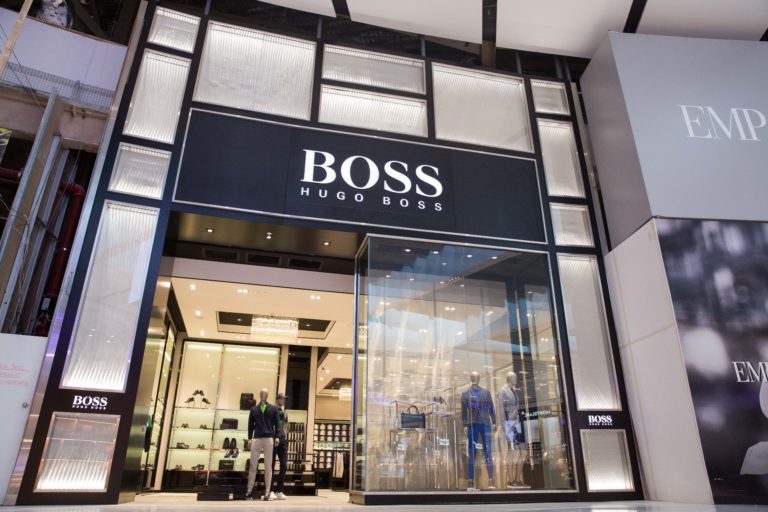
    Frasers Group Boldly Bids $2.3 Billion for Complete Control of Hugo Boss

    Frasers Group, a prominent UK retail corporation, recently unveiled an unexpected voluntary takeover bid for Hugo Boss. Their goal is to procure the remaining shares of the renowned German fashion brand and obtain complete ownership. Currently, Frasers Group possesses a 26.06% stake in Hugo Boss, and their proposal to acquire the unowned 73.94% stake stands at €38 per share in cash. This proposition elevates the total bid value to roughly US$2.3 billion.

    Frasers Group’s Confidence in Hugo Boss

    Frasers Group’s proposed takeover reflects its sustained assurance in Hugo Boss’s potential and facilitates possibilities for additional business investment. The company regards Hugo Boss as one of its most critical strategic brand associates. Furthermore, Frasers Group continues to back the growth strategy and management team of the fashion firm.

    However, Hugo Boss confirmed that it had received the unrequested bid and emphasized that the company had no prior involvement in coordinating the proposal. The fashion group’s management board and supervisory board will assess the proposal document once it is officially available. Subsequently, they will issue an informed viewpoint for the shareholders.

    The company also assured that it would keep its shareholders and the public updated about any future developments and the following steps as per the legal and regulatory stipulations.

    Frasers’ Association with Hugo Boss

    The affiliation between Frasers Group and Hugo Boss traces back to 2020. This was when Mike Ashley, the founder of Frasers, initiated an investment in the German fashion company. The group also secured representation on Hugo Boss’s supervisory board through its CEO, Michael Murray.

    Questions & Answers

    What is Frasers Group’s current stake in Hugo Boss?
    Frasers Group currently holds a 26.06% stake in Hugo Boss.

    What is the proposed offer per share by Frasers Group for the remaining stake in Hugo Boss?
    The proposed offer by Frasers Group for the remaining stake in Hugo Boss is €38 per share in cash.

    What is the history of the relationship between Frasers Group and Hugo Boss?
    The relationship between the two companies began in 2020 when Frasers Group’s founder, Mike Ashley, started investing in Hugo Boss. Additionally, Frasers Group has representation on Hugo Boss’s supervisory board through CEO Michael Murray.

  • Musinsa: Powering Korean Fashion Invasion in China with Dual Tmall Presence

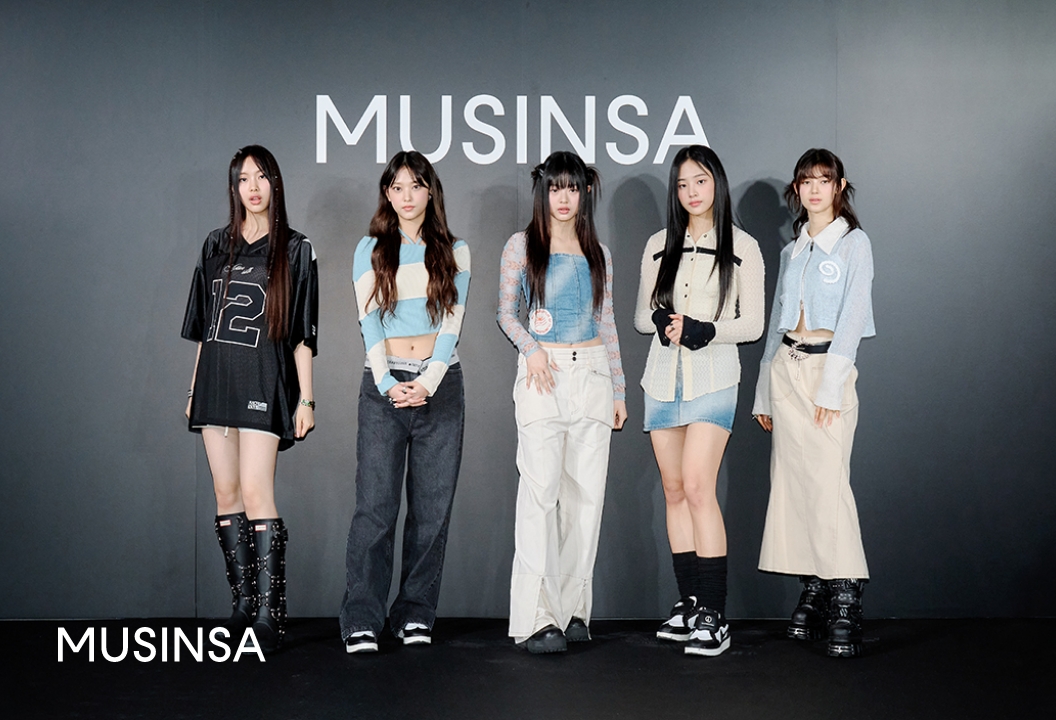
    Musinsa: Powering Korean Fashion Invasion in China with Dual Tmall Presence

    South Korean fashion marketplace, Musinsa, is advancing its business strategy in China by launching on Tmall Global, the cross-border e-commerce platform owned by Alibaba Group. This step builds upon Musinsa’s initial foray into the Chinese market last year through the domestic Tmall marketplace. This dual-platform presence gives Musinsa the advantage of permeating both the local Chinese e-commerce ecosystem and the cross-border shopping channel.

    Musinsa’s aim is to assist small and mid-sized Korean fashion brands who have traditionally encountered high barriers to China’s market entry, such as regulatory complexity, logistical hurdles, and the high costs associated with establishing local operations. By leveraging the platform model, these brands can sell their products directly to Chinese consumers without the need to establish a local entity. Musinsa is also in a position to extend comprehensive services to participating brands. These services include platform integration, logistics coordination, marketing, and customer service.

    Content-Led Curation Strategy and Promotional Initiatives

    Musinsa is adopting a content-led curation strategy to introduce Korean fashion trends to Chinese consumers. Alongside this, the company is outlining various marketing initiatives. These include co-branded campaigns with Tmall Global, promotional events, and livestream shopping activations.

    Musinsa had already made headway into the Chinese market through a joint venture with Anta Sports, establishing Musinsa China to expand through both online and offline channels. The company launched its flagship store on Tmall last year, introducing its modern basic casual wear brand, Musinsa Standard, as well as Musinsa Store.

    A representative from Musinsa China stated that the opening of the online flagship store was the first step towards introducing competitive emerging Korean brands to China’s younger generation. The representative also indicated that Musinsa would utilize its vast experience in the fashion industry and localization strategies to quicken the global expansion of K-fashion.

    Questions & Answers

    What is Musinsa’s plan for the Chinese market?
    Musinsa plans to aid small and medium-sized Korean fashion brands in accessing the Chinese market by providing a platform for them to sell directly to Chinese customers.

    What services is Musinsa offering to participating brands?
    Musinsa is providing comprehensive services including platform integration, logistics coordination, marketing, and customer service.

    What is Musinsa’s strategy to promote Korean fashion trends in China?
    Musinsa is adopting a content-led curation strategy to introduce Korean fashion trends to Chinese consumers and is planning various marketing initiatives such as co-branded campaigns with Tmall Global, promotional events, and livestream shopping activations.

  • OTB Amplifies Luxury Portfolio with Complete Acquisition of Fashion Powerhouse Viktor&Rolf

    OTB Amplifies Luxury Portfolio with Complete Acquisition of Fashion Powerhouse Viktor&Rolf

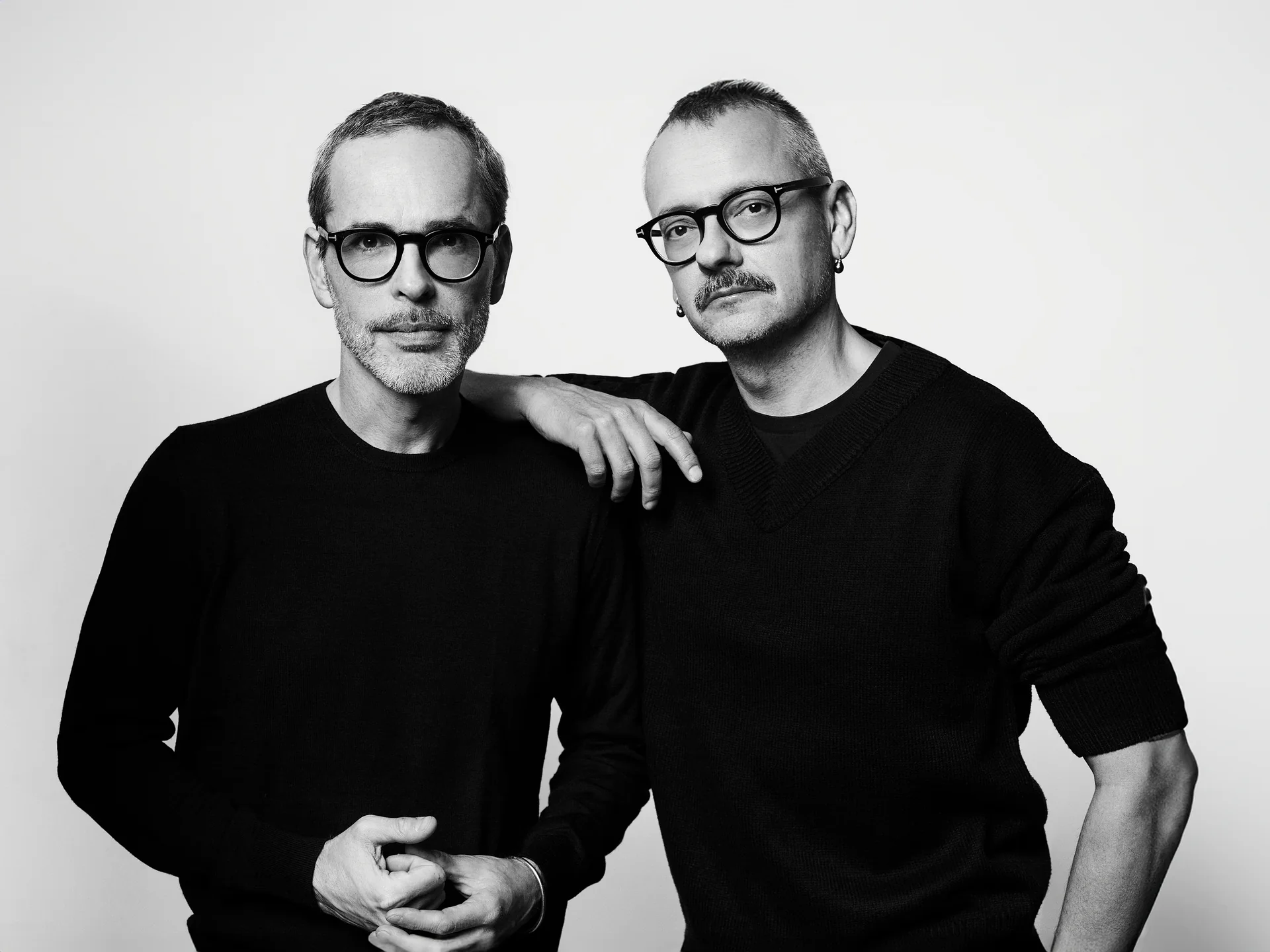
    OTB Group, a prestigious Italian luxury conglomerate, has recently procured the remaining shares of Dutch fashion house Viktor&Rolf, thereby securing complete ownership of this innovative label. This acquisition comes after OTB’s initial investment in 2008 and two decades of a partnership marked by shared creative vision and commercial growth.

    Strengthening Creative Ties

    Originally, OTB increased its stake from an initial 51% to 70%, and now, with full ownership, the partnership between the two entities is set to deepen even further. Viktor&Rolf, established in 1993 by Viktor Horsting and Rolf Snoeren, is celebrated for its unconventionally creative take on haute couture, incorporating elements of art, fashion, and theatrical storytelling. The brand has since diversified, extending its reach into ready-to-wear, bridalwear, eyewear, and fragrances.

    Renzo Rosso, the founder and chairman of OTB Group, expressed his elation over the strengthened partnership. He praised Viktor&Rolf for its unique presence in the international luxury market, known for its emphasis on creativity, artistic research, and cultural relevance, values that accord with OTB Group’s own.

    Securing the Future

    This strategic move follows an agreement signed last year, which confirmed the continuation of Horsting and Snoeren as creative directors for an additional five years. They will continue to shape the creative and strategic direction of Viktor&Rolf, maintaining the brand’s signature innovative style.

    OTB Group, owner of renowned labels including Diesel, Maison Margiela, Marni, and Jil Sander, has progressively concentrated on constructing an assortment of distinctive creative brands. This recent acquisition further solidifies its commitment to fostering creative development and expanding its luxury portfolio.

    Questions & Answers

    What is the significance of OTB’s acquisition of Viktor&Rolf?
    The acquisition represents the strengthening of a long-standing partnership, with OTB taking full ownership of Viktor&Rolf after being a shareholder for nearly two decades. Furthermore, it cements OTB’s commitment to developing a portfolio of distinctive, creative brands.

    Who are the founders of Viktor&Rolf?
    Viktor&Rolf was established in 1993 by designers Viktor Horsting and Rolf Snoeren. The pair will continue to shape the creative and strategic direction of the brand as Creative Directors.

    What is Viktor&Rolf known for within the fashion industry?
    Viktor&Rolf is renowned for its experimental approach to haute couture, blending elements of fashion, art, and theatrical storytelling. It has diversified its offerings into ready-to-wear, bridalwear, eyewear, and fragrances.

  • Modella Capital Scoops Up Danish Retailer Flying Tiger, Eyeing Global Expansion

    Modella Capital Scoops Up Danish Retailer Flying Tiger, Eyeing Global Expansion

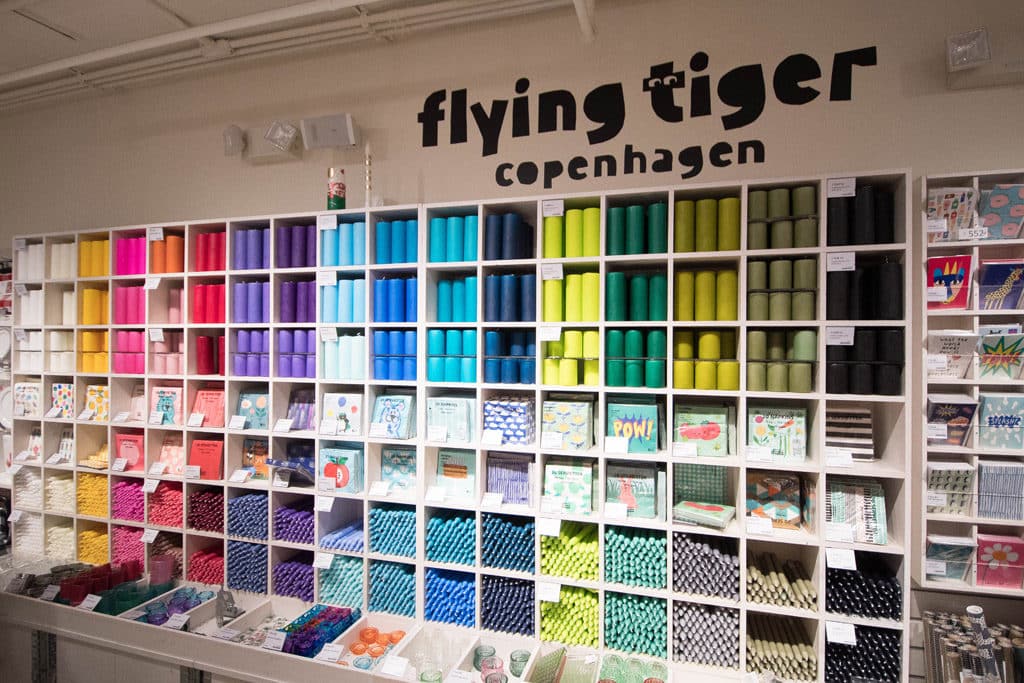
    Flying Tiger Copenhagen, a Danish variety store chain renowned for its affordable home goods and craft kits, has been acquired by Modella Capital, a UK-based private equity firm. Established in 1995, Flying Tiger Copenhagen operates nearly 1000 outlets in over 40 markets. Since last year, the chain has been managed by Danske Bank, Nordea, and its leadership team as part of a debt restructuring effort.

    Modella Capital’s First Acquisition Outside The UK

    TG Jones’s owner, Modella Capital, also owns Claire’s and The Original Factory Shop, both of which declared bankruptcy earlier this year. This acquisition of Flying Tiger Copenhagen signifies Modella’s initial venture beyond the UK.

    Modella’s Managing Director, Joseph Price, lauded Flying Tiger Copenhagen’s unique product offering and strong retail brand, which has garnered a loyal customer base spanning over 40 countries. “Flying Tiger Copenhagen is a business with tremendous potential. We are delighted to invest in its future, and we eagerly anticipate collaborating closely with the management team to furnish the stability, capital, and retail expertise the business requires to realize its growth plan,” stated Price.

    The chair of Flying Tiger, John Dueholm, declared that the management team had been dedicated to identifying the most suitable long-term proprietor for the business. He expressed confidence that Modella is “exceptionally well-positioned” as the new primary shareholder.

    Modella Capital pledged to back Flying Tiger’s expansion strategy, which includes adding over 700 franchise stores by the year 2030. The financial conditions of the agreement were not made public.

    Questions & Answers

    What does Flying Tiger Copenhagen specialize in?
    Flying Tiger Copenhagen is a variety store chain recognized for its affordable home goods and craft kits.

    Who has purchased Flying Tiger Copenhagen?
    The UK-based private equity investor, Modella Capital has acquired Flying Tiger Copenhagen.

    How does Modella Capital plan to support Flying Tiger Copenhagen’s growth?
    Modella Capital plans to support Flying Tiger’s expansion strategy, including the addition of more than 700 franchise outlets by 2030.

  • DKNY Debuts First Chinese Flagship Store, Boosting Fashion Footprint in Shanghai

    DKNY Debuts First Chinese Flagship Store, Boosting Fashion Footprint in Shanghai

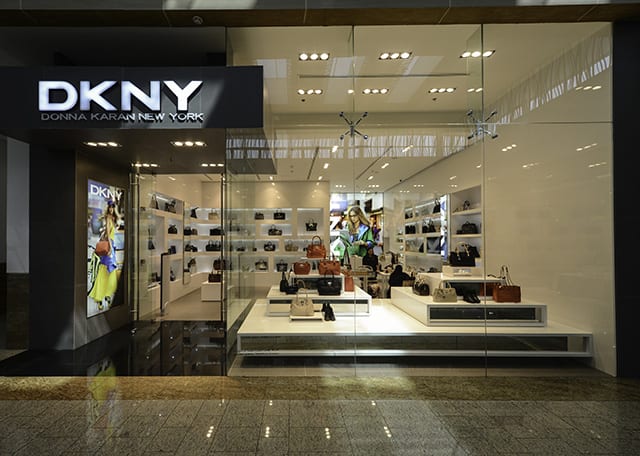
    DKNY, the renowned fashion label, has marked its first significant stride in China, with the inauguration of its flagship store. The store is situated along Huaihai Middle Road, thus fortifying the brand’s foothold in the country.

    The expansive store, spread across 245 square meters, finds its place on the ground floor of Lady Huaihai. Here, DKNY’s presence amplifies the area’s retail diversity that already includes eminent brands like Gentle Monster and Songmont.

    The shop’s unique design mirrors New York City’s dynamic spirit and attitude. It boasts polished aluminium finishes, intricate wood detailing, and upholstery inspired by the city’s iconic yellow cabs.

    The DKNY store is a one-stop-shop for fashion enthusiasts as it offers the brand’s latest ready-to-wear collections, footwear, handbags, and accessories. The retail space also highlights images from DKNY’s Spring 2026 campaign featuring popular model Hailey Bieber.

    Jeff Goldfarb, the executive vice president of G-III Apparel Group, DKNY’s parent company, shared his enthusiasm about the store’s location. Goldfarb believes Shanghai, one of the world’s most influential fashion markets, is the perfect place for DKNY’s next expansion in China.

    He also expressed his anticipation for DKNY’s future growth in China. He emphasized the brand’s effort to create a deeper connection with the Chinese consumers through elevated retail experiences and collections that evoke the energy of urban life.

    DKNY made its initial foray into the Chinese market through the online platform Tmall in 2017.

    Questions & Answers

    What is the significance of DKNY’s new store in China?
    The new flagship store marks DKNY’s first major step in expanding its physical presence in China.

    What distinguishes the store’s design?
    The store’s design reflects the energy and attitude of New York City, featuring polished aluminium finishes, wood detailing, and yellow cab-inspired upholstery.

    When did DKNY first enter the Chinese market?
    DKNY first entered the Chinese market in 2017 through the online marketplace Tmall.

  • Matin Kim in Partnership with Musinsa Launches Flagship Store in Tokyo’s Fashion Hub

    Matin Kim in Partnership with Musinsa Launches Flagship Store in Tokyo’s Fashion Hub

    Matin Kim, a renowned fashion brand from South Korea, is set to expand its presence in Japan with the inauguration of a flagship store in Tokyo. The move is a part of the brand’s continuing collaboration with Musinsa.

    A New Addition to Tokyo’s Fashion Scene

    The upcoming store will be situated in Harajuku, a neighborhood widely known for its vibrant fashion culture. Spanning two floors, the outlet will occupy roughly 195 square meters. Slated to open its doors on April 26th, the new location marks Matin Kim’s third establishment in Japan, following the successful launches in Shibuya and Nagoya.

    Unlike its previous outlets located in shopping malls, this new store stands out as Matin Kim’s first standalone store in the country. The brand perceives this as a significant progression and intends to utilize the venue as a platform to exhibit its unique identity and innovative approach to fashion design.

    Offering an Enhanced Shopping Experience

    Apart from showcasing its extensive array of regular products, the store will feature Matin Kim’s latest Spring/Summer 2026 collection and exclusive limited-edition items. Additionally, the brand plans to enrich the customer experience by hosting a variety of experiential events and other engaging activities.

    Matin Kim, a portfolio brand of Hago Haus, a premier brand incubator in South Korea, currently boasts approximately 70 stores at both domestic and international locations.

    In November of 2024, Matin Kim entered into an exclusive agency agreement with Musinsa for the Japanese market. This led to the opening of its first permanent store in Japan at Miyashita Park in Shibuya, Tokyo, in April last year.

    Questions & Answers

    What is unique about Matin Kim’s new store in Tokyo?
    The new store, located in the Harajuku district, is the brand’s first standalone store in Japan. It will also serve as a showcase for the brand’s identity and creative vision.

    What can shoppers expect at the new Matin Kim store?
    Shoppers can look forward to a wide range of products, including Matin Kim’s latest Spring/Summer 2026 collection and exclusive limited-edition items. The store will also host experiential events and other activities to enhance the shopping experience.

    What is Matin Kim’s history in Japan?
    Matin Kim entered the Japanese market in November 2024, in partnership with Musinsa. The brand opened its first permanent store in Japan at Miyashita Park in Tokyo’s Shibuya in April the following year. The Harajuku store is the brand’s third in Japan.

  • Hermès Soars with Robust Q1 Sales Amid Global Economic Uncertainties: A Revealing Peek into Luxury Fashion Resilience

    Hermès Soars with Robust Q1 Sales Amid Global Economic Uncertainties: A Revealing Peek into Luxury Fashion Resilience

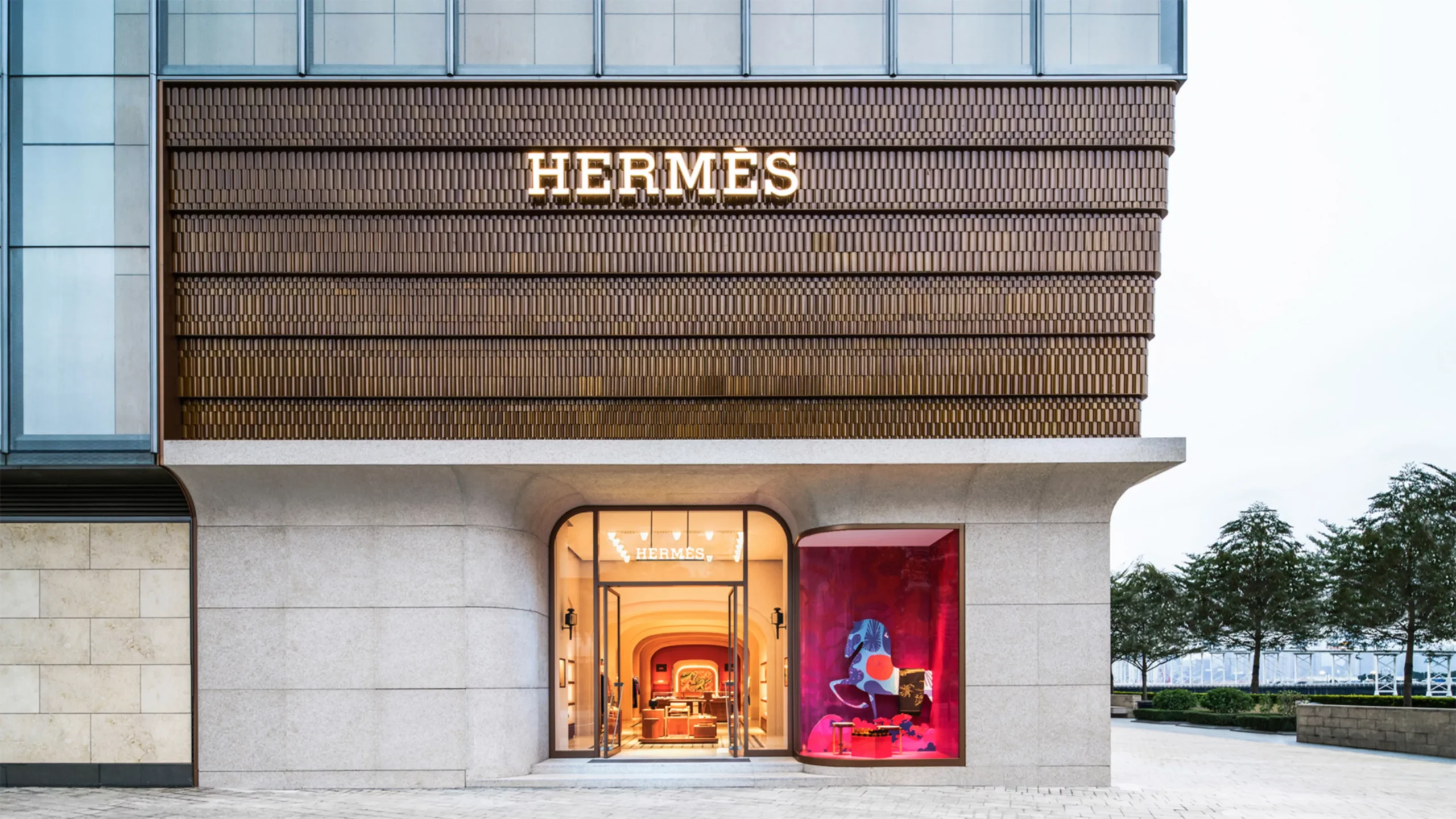
    Despite geopolitical tensions affecting the Middle East, Hermès, the renowned French luxury fashion brand, has reported a strong performance in its Q1 sales. The company’s consolidated revenue stood at €4.1 billion (US$4.8 billion) for the quarter ending March 31, marking a 6% increase at constant exchange rates. However, on a reported basis, revenue dipped by 1% due to the adverse effects of currency fluctuations.

    Regional Performance

    The company attributed much of its growth to impressive gains in Japan, the Americas, and Europe, excluding France. Japan saw a 10% increase in sales, while the Americas and Europe, excluding France, each reported a 17% and 10% sales increase, respectively.

    Sales in Asia, excluding Japan, also rose slightly by 2%, with Greater China maintaining its marginal growth. However, France’s revenue decreased by 3%, a decline influenced by a reduced tourist flow, particularly in March. This downturn is mainly linked to the unfolding situation in the Middle East.

    The Middle East, classified under the ‘Other’ region in the company’s report, experienced a 6% decline in sales. The geopolitical developments in countries such as the UAE, Kuwait, Qatar, and Bahrain have had a significant impact on the region’s performance.

    Sales Channels

    Despite these challenging conditions, sales in the group’s stores increased by 7%. In contrast, wholesale activity was significantly affected, recording lower sales to concession stores, especially in the Middle East and airports.

    According to Axel Dumas, Executive Chairman of Hermès, the brand remains steadfast in its long-term strategy, even amidst a tense geopolitical environment. The company’s abundant creativity, unwavering quality standards, and loyal customer base enable Hermès to continue its profitable growth trajectory into 2026 with confidence. He further emphasized that the fundamentals of the Hermès model are a distinguishing strength more than ever.

    In the medium term, the group has confirmed its goal to achieve revenue growth at constant exchange rates. This is notwithstanding the persistent economic, geopolitical, and monetary uncertainties that pervade the global landscape.

    Questions & Answers

    What were Hermès’ consolidated revenue figures for Q1?
    The consolidated revenue for Hermès in Q1 stood at €4.1 billion (US$4.8 billion), marking a 6% increase at constant exchange rates.

    Which regions reported the most growth for Hermès?
    The regions that reported the most growth for Hermès were Japan, the Americas, and Europe (excluding France), with sales increases of 10%, 17%, and 10% respectively.

    How did the geopolitical situation affect Hermès’ sales in the Middle East?
    The geopolitical situation in the Middle East led to a 6% decline in Hermès’ sales in the region. This was particularly notable in countries such as the UAE, Kuwait, Qatar, and Bahrain.

  • Uniqlo’s Parent Company Fast Retailing on Path to Historic Earnings amid Global Expansion and Resilience to Middle East Crisis

    Uniqlo’s Parent Company Fast Retailing on Path to Historic Earnings amid Global Expansion and Resilience to Middle East Crisis

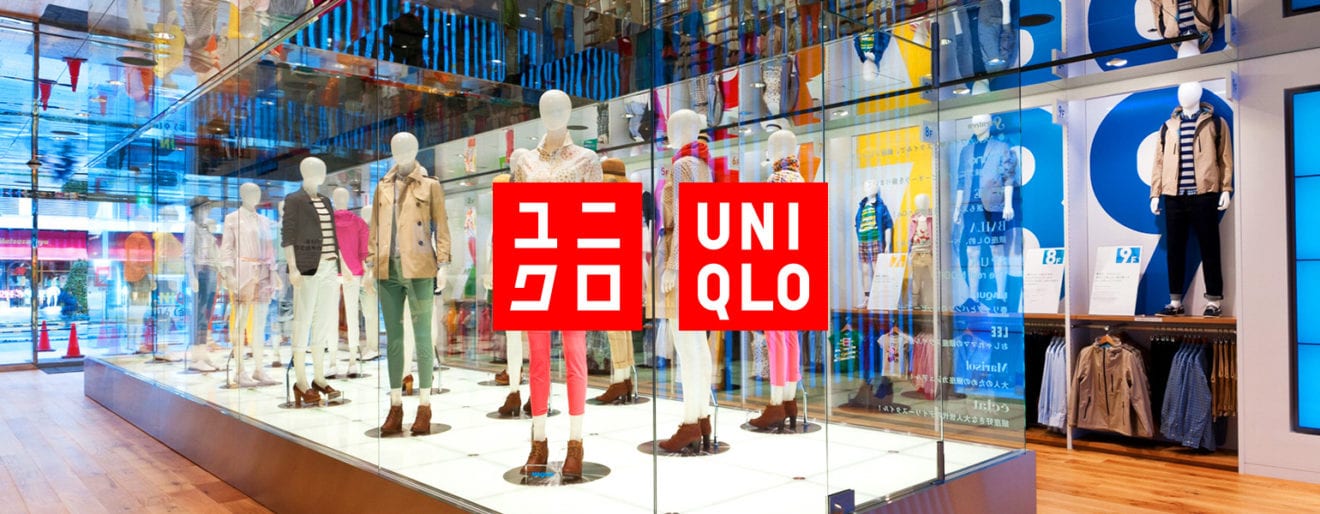
    Fast Retailing, the Japanese firm which owns the Uniqlo brand, has upgraded its yearly forecast, anticipating another year of record-breaking profits driven by strong international expansion. The company reported a 29.4% increase in operating profits during the quarter ending in February, reaching 189.8 billion yen (approximately US$1.19 billion) from last year’s 146.7 billion yen.

    This robust growth in earnings surpassed the 161.6 billion yen average estimate drawn from seven analysts. Consequently, Fast Retailing raised its full-year operating profit forecast from 650 billion yen to 700 billion yen, setting the stage for the fifth consecutive year of record earnings.

    Projected Stability Amidst Global Tensions

    In its statement, the company indicated it doesn’t foresee any significant repercussions from the ongoing Middle East crisis affecting its production and logistics for the fiscal year 2026. The conclusion of the company’s second financial quarter occurred just before the commencement of the US-Israeli air strikes against Iran. This conflict has led to an escalation in oil prices and disrupted supply chains, creating an atmosphere of uncertainty in the markets around the feasibility of a permanent peace agreement.

    The main concern for Fast Retailing is how the crisis in Iran could impact the production costs for Uniqlo, a retailer known for affordable basic clothing, many of which are made of polyester.

    Despite a 0.5% drop in Fast Retailing’s shares on the Tokyo Stock Exchange ahead of the results, the company’s shares have risen by over 18% so far in 2026. Teijin Frontier, a supplier to the company based in Japan, recently announced a 20% increase in polyester fibre prices due to the hike in oil prices.

    Retail Industry’s Concerns

    European retailers, including clothing behemoth H&M and British supermarket chain Co-op, have voiced concerns that a protracted Middle East conflict could push prices upward and hamper consumer demand. Fast Retailing’s CFO, Takeshi Okazaki, stated that the crisis has already complicated air freight from production bases in Southeast Asia to Europe.

    Fast Retailing is regarded as a barometer for consumer spending in Japan and mainland China, where it operates nearly 900 stores. From humble beginnings in 1984 with one store in Hiroshima, Uniqlo has expanded to over 2,500 locations worldwide, with a particularly aggressive growth strategy in Europe and North America.

    The company’s North American and European segments have reported an annual sales growth of 30% – 50% since fiscal 2022. The company expects annual revenue from these regions to reach 3 trillion yen each over the medium term, a significant increase from this fiscal year’s 300 billion yen and 500 billion yen, respectively.

    Challenges and Reforms

    While the weak yen has generated a tourism boom that has bolstered Fast Retailing’s Japanese sales, growth in China has decelerated due to weak consumer sentiment, leading to store closures and restructuring. Okazaki commented on the situation in China, stating, “We’re pushing forward with structural reforms … I think it’s fair to interpret that the results are now beginning to show in our performance.”

    The company’s Asia-based supply chain faced pressure last year from the US’s frequently changing tariffs, and it now confronts the added challenge of increased costs due to the Middle East conflict. Tadashi Yanai, Fast Retailing’s founder, Japan’s wealthiest individual, and an outspoken critic of the risks posed by tariffs, has an ambitious goal to make his company the world’s top clothing brand.

    Questions & Answers

    How has the Middle East crisis impacted Uniqlo?
    The crisis has the potential to increase production costs for Uniqlo, especially as many of its products are made with polyester, the price of which is likely to rise due to increased oil prices. The situation has also complicated air freight from production bases in Southeast Asia to Europe.

    What is Fast Retailing’s future growth strategy?
    Fast Retailing is pursuing aggressive growth in Europe and North America, expecting these regions to generate annual revenues of 3 trillion yen each over the medium term.

    How has consumer sentiment in China affected Fast Retailing?
    The weak consumer sentiment in China has slowed growth, leading to store closures and restructuring. However, the company is pushing forward with structural reforms, the results of which are beginning to show in their performance.

  • H&M: Shrinking Store Network Hits Sales, But Profits Skyrocket Amid Optimized Portfolio

    H&M: Shrinking Store Network Hits Sales, But Profits Skyrocket Amid Optimized Portfolio

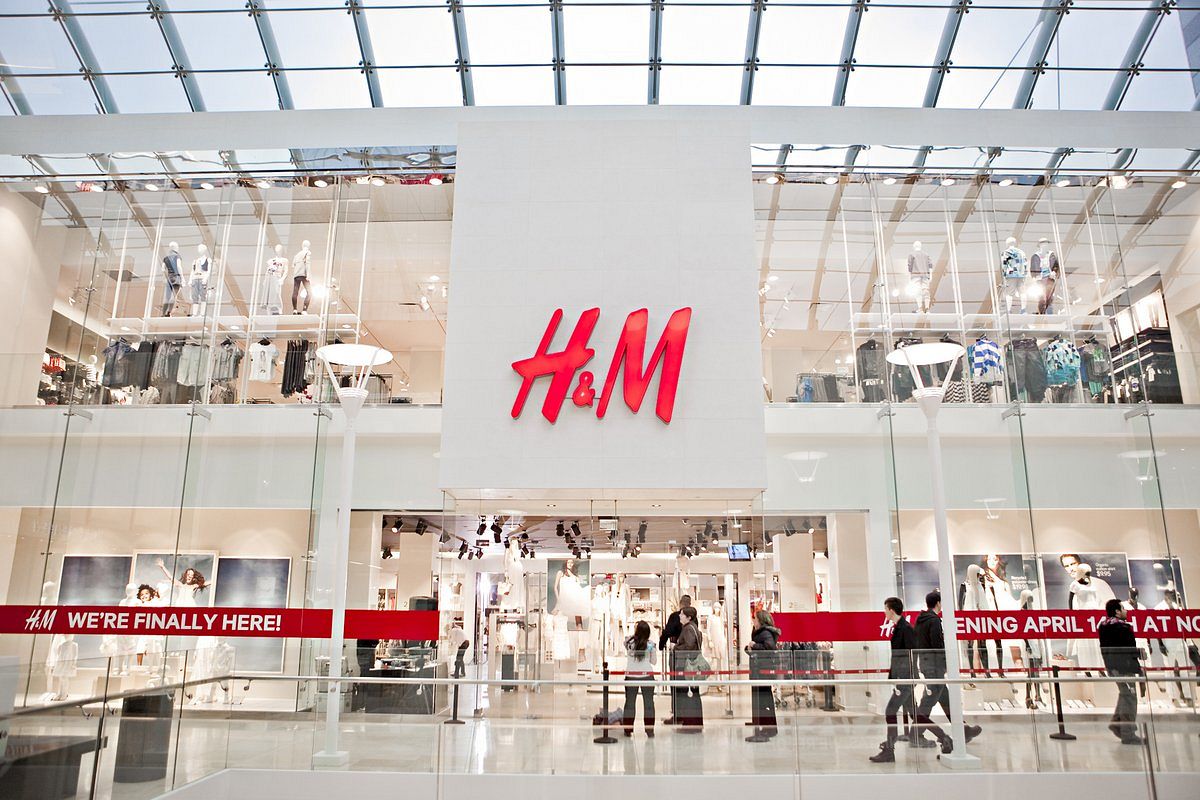
    In the first fiscal quarter, Swedish fashion powerhouse H&M witnessed a decrease in sales, corresponding with a reduction in the total number of store locations.

    Sales Performance

    By the end of the quarter, which concluded on February 28, net sales were reported to be SEK49.6 billion (US$5.2 billion)—a 1% year-on-year decrease in constant currency. The company saw a 4% reduction in stores, or 163 fewer outlets, compared with the same timeline last year. The global store count was noted to be 4050 as of February 28.

    H&M is undertaking steps to strengthen its long-term position and further enhance profitability through the optimization of its store portfolio. Actions include the renovation of existing stores, the opening of new outlets, and closure of others.

    However, reported net sales witnessed a 10% decrease, largely due to currency translation. The quarter began with a weak December, with a noticeable demand drop after November’s Black Friday trading. However, a positive sales trend emerged towards the end of the quarter, driven by the successful reception of the spring collections.

    Regional Sales Performance

    Sales in Asia, Oceania, Africa, and the Americas fell 3% when calculated in constant currency. In Western and Eastern Europe, sales were down by 1%, whereas Southern Europe saw a sales increase of 3%. Sales performance in the Nordics remained steady.

    Gross margin rose from 49.1% to 50.7% during the quarter. The operating profit saw a significant boost with an increase of 26%, amounting to SEK1.512 billion. Profit for the period also grew by 21.5% to SEK704 million. CEO Daniel Ervér attributed the strengthened profitability to good cost control and an improved gross margin, despite cautious consumption and large currency translation effects.

    Ervér also stressed the significance of flexibility in the current challenging macroeconomic environment, which is marked by increased geopolitical uncertainty.

    Future Expectations and Concerns

    H&M anticipates a 1% increase in sales in constant currency for March in the current quarter. The company is closely observing the developments in the Middle East, along with the potential implications on global trade. The Middle Eastern markets, which are managed through franchise partners, account for a minor portion of H&M’s sales.

    Questions & Answers

    What was the net sales value for H&M in the first fiscal quarter?
    The net sales value was SEK49.6 billion (US$5.2 billion).

    What changes are being undertaken within H&M’s store portfolio?
    Actions include updating existing stores, opening new ones, and closing some outlets.

    What is the anticipated sales increase for March in the current quarter?
    H&M expects a 1% increase in sales for March in the current quarter.

  • Nanamica Breaks into China’s Fashion Scene: Japanese Brand Launches First Store in Shanghai

    Nanamica Breaks into China’s Fashion Scene: Japanese Brand Launches First Store in Shanghai

    Renowned Japanese fashion label, Nanamica, has announced the inauguration of a new retail outlet in Shanghai, China. This is set to be the brand’s second international presence.

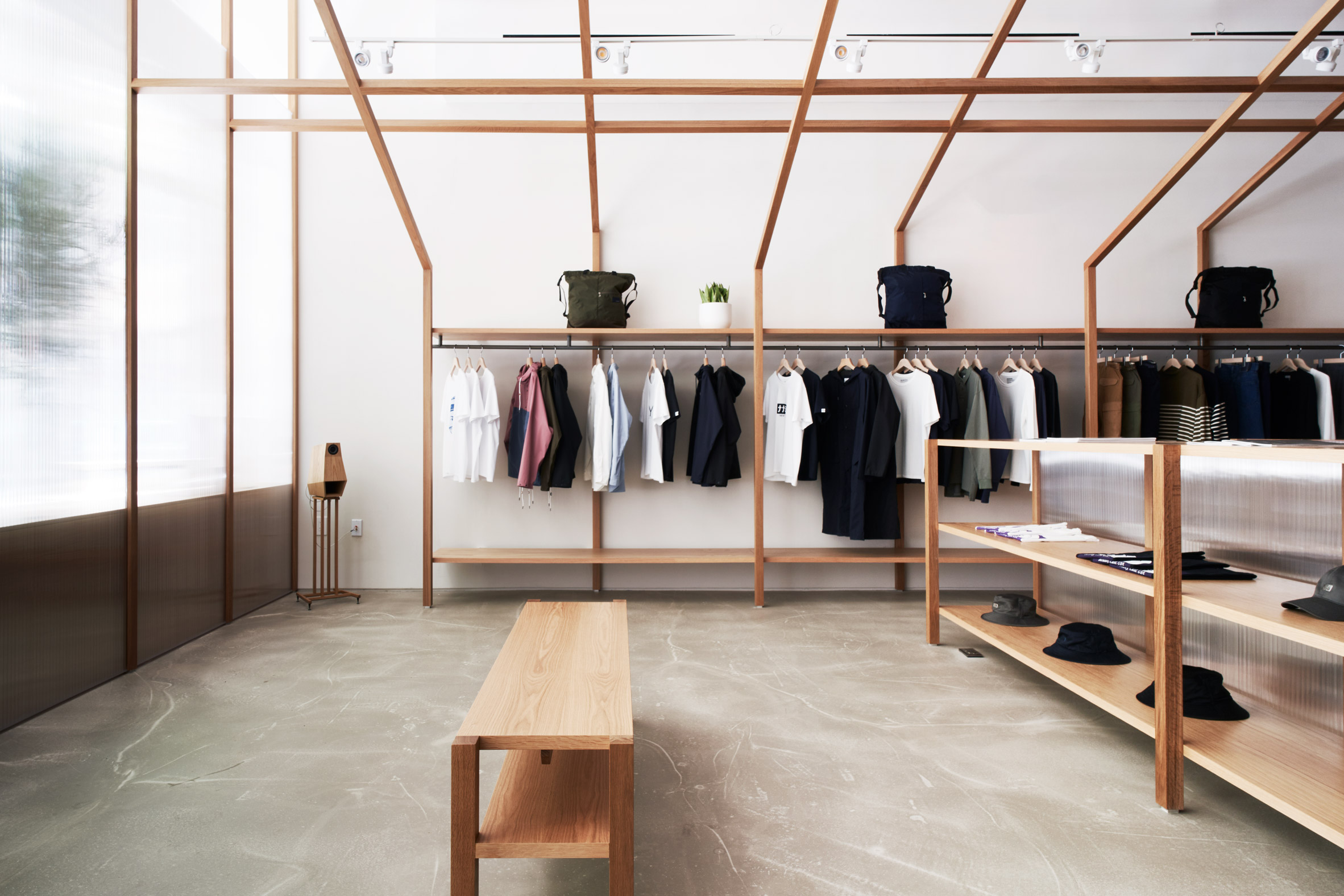
    The shop is strategically situated on Wukang Road, a bustling area within Shanghai’s Xuhui district. The location’s existing architecture is expected to harmoniously blend with the brand’s contemporary, minimalist aesthetics.

    Nanamica is recognized for its unique blend of attire that impeccably combines fashion with functionality. The brand prides itself on its versatile offerings that effortlessly “transcend genre, age, and gender”, setting it apart in the global fashion industry.

    The company expressed its vision for the newly launched Nanamica Wukang branch. It aims to provide a unique space where customers can experience the brand’s ethos in line with the local cultural backdrop and creative ambiance.

    As part of its consumer-centric approach, Nanamica has a clear message for its customers: the brand is determined to create garments that can be worn and cherished for an extended period. The company values longevity, coupling it with style and comfort.

    Nanamica has a strong retail presence, with stores operating in various locations such as Daikanyama, Kobe, Fukuoka, Kyoto, New York, and now making its mark in Shanghai.

    Questions & Answers

    What is the vision for the new Nanamica store in Shanghai?
    The vision for the new Nanamica Wukang store is to provide a space where customers can experience the brand’s ethos in a setting that harmonizes with the local cultural backdrop and creative ambiance.

    What is unique about Nanamica’s range of clothing?
    Nanamica’s clothing range is unique in its combination of fashion and functionality, offering versatile designs that transcend genre, age, and gender.

    Where else does Nanamica have store locations?
    In addition to its new Shanghai location, Nanamica operates stores in Daikanyama, Kobe, Fukuoka, Kyoto, and New York.

  • Guess Joins Fashion Exodus: All Mainland China Stores Shutting Down

    Guess Joins Fashion Exodus: All Mainland China Stores Shutting Down

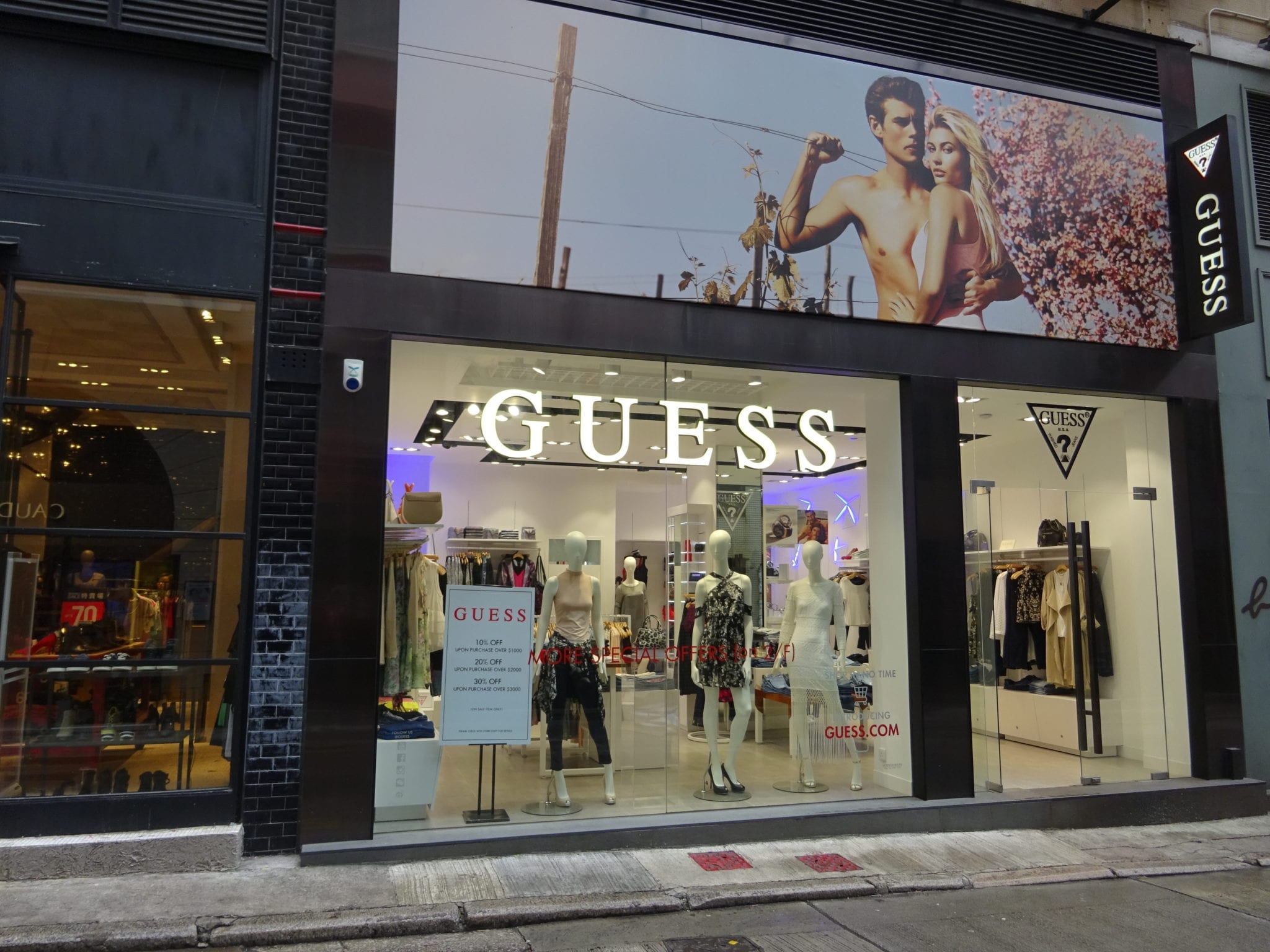
    US-based fashion behemoth, Guess, has announced plans to shutter all its outlets in Mainland China by the end of this month. This move is seen as a continuation of the trend witnessed in recent years where multiple foreign labels have ceased operations in the region.

    Guess has let its customers know of this impending closure through text messages, stating that both its brick-and-mortar and online stores will be affected. Consequently, the company has already ceased the sale of its products on its Tmall online flagship stores.

    The fashion giant has hinted towards a strategic repositioning within the Chinese market, utilizing an innovative model. However, specifics of this new strategy have not been divulged yet.

    Guess first set foot in Mainland China back in 2007, launching its inaugural store in Shanghai. The brand witnessed impressive growth, boasting around 250 stores in the region at its peak in 2019.

    Guess’s withdrawal from China echoes the actions of various international brands over the past few years. Prominent labels including Old Navy, Topshop, Bershka, Pull&Bear, Stradivarius, and Oysho have all left the Chinese market.

    Questions & Answers

    Why is Guess closing its stores in Mainland China?
    Guess is following the trend of many foreign brands that have exited the Chinese market in recent years. Specific reasons for Guess’s decision have not been provided.

    What is the company’s future plan in the Chinese market?
    Guess plans to reposition itself in the Chinese market with a new business model, although the company has not released any details regarding this plan.

    Which other foreign brands have exited the Chinese market recently?
    Several foreign brands have closed their operations in China in the past few years, including Old Navy, Topshop, Bershka, Pull&Bear, Stradivarius, and Oysho.

  • Siddhartha Shukla Exits Lanvin: A Shift in Luxury Fashion Leadership Amid Market Volatility

    Siddhartha Shukla Exits Lanvin: A Shift in Luxury Fashion Leadership Amid Market Volatility

    Siddhartha Shukla is set to leave his position as deputy CEO of the high-end fashion label Lanvin after a four-year tenure. Shukla, who has extensive experience in the luxury industry, joined Lanvin towards the end of 2021 with a vision to assist in the brand’s transition.

    Shukla’s Background

    Prior to his role at Lanvin, Shukla held the position of chief brand officer at the prestigious US label, Theory. His expansive career also includes over ten years at notable fashion houses such as Gucci and Saint Laurent.

    Lanvin’s Leadership

    In the wake of Shukla’s departure, Lanvin Group, the parent company of the fashion brand, announced that Andy Lew, the group’s executive president and Lanvin’s chairman and CEO, will continue to maintain control of the brand and its strategic aspirations.

    Leadership Changes Within the Group

    The exit of Shukla is the latest in a series of leadership changes within the group. Recently, Mandy West was designated as CEO of women’s clothing brand St John Knits, and Marco Pozzo took on the role of CEO at Wolford.

    Strategic Decisions

    Additionally, the group has taken significant strategic steps towards focusing on its central brands, primarily due to the ongoing fluctuations in the luxury market. This includes the divestment of the Italian menswear label Caruso, which was sold to MondeVita Italy, a subsidiary of the Mondevo Group.

    Recent Financial Performance

    In terms of fiscal performance, the group experienced a downturn in the first half, noting a 22% decline in revenue. The Lanvin brand, in particular, witnessed the most considerable decrease, with a fall of 42%.

    Questions & Answers

    Why is Siddhartha Shukla leaving Lanvin?
    The specific reasons for Siddhartha Shukla’s departure from Lanvin have not been disclosed.

    Who will take over Shukla’s responsibilities at Lanvin?
    Andy Lew, the group’s executive president and Lanvin’s chairman and CEO, will continue to oversee the brand and its strategic ambitions.

    How has Lanvin’s financial performance been recently?
    In the first half of the fiscal year, Lanvin’s revenue saw a significant decrease of 42%.

  • Japanese Retail Giant Beams Set to Launch US Flagship Store in Los Angeles, Amplifying Fashion Footprint

    Japanese Retail Giant Beams Set to Launch US Flagship Store in Los Angeles, Amplifying Fashion Footprint

    Beams, a prominent fashion and lifestyle retailer originating from Japan, is gearing up to establish a flagship store in Los Angeles, significantly expanding its influence in the US market.

    Expanding Retail Space

    This new retail location will cover approximately 1250 square meters over a single level. It is designed to serve as a pivotal hub for the company’s North American operations, while simultaneously broadening its reach to a wider American clientele.

    Curated Selection

    The store will feature an extensive range of products, including clothing, accessories, and lifestyle goods. This selection embodies the retailer’s ‘select shop’ approach, which merges their own brand with a collection of items from an array of other brands.

    Beams America

    In line with its expansion strategy, Beams has also formed Beams America. This venture will manage regional operations and facilitate retail growth and other brand initiatives in the US.

    Digital Presence

    Prior to this physical expansion, Beams launched an e-commerce platform for the US market last year. The company has also been assessing consumer demand through the operation of three pop-up stores in Los Angeles.

    The Company’s History

    Established in 1976 in Tokyo, Beams currently manages approximately 175 stores across Japan and other regions in Asia.

    Questions & Answers

    What is the purpose of the new Beams store in Los Angeles?
    The new store is set to serve as a key base for Beams’ operations in North America and aims to introduce its fashion and lifestyle concept to a broader US audience.

    What is Beams’ ‘select shop’ format?
    The ‘select shop’ format is a retail approach where the store combines its own labels with items sourced from a variety of brands, offering customers a curated selection of products.

    What is Beams America?
    Beams America is a venture established by Beams to oversee its regional operations and support retail growth and wider brand initiatives in the US.

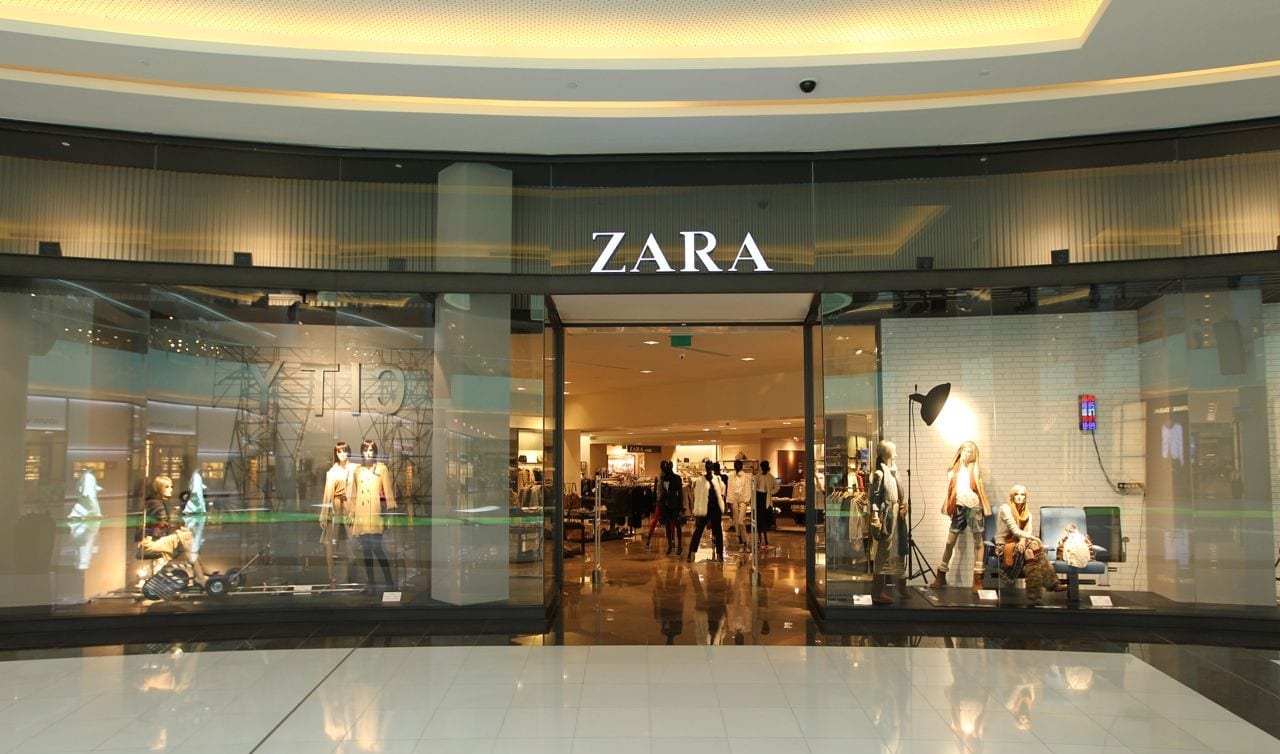
  • Zara’s Enhanced Shopping Experience: Grand Reopening of Flagship Store in Japan’s Yokohama District

    Zara’s Enhanced Shopping Experience: Grand Reopening of Flagship Store in Japan’s Yokohama District

    Zara, the renowned fashion retailer, has reopened its relocated Minatomirai Tokyu Square store in Yokohama, Japan. The store spans a generous 2000 square meters and features a design aesthetic that aligns with the company’s latest global vision.

    Moving Up

    The outlet has transitioned from its previous location on the first floor, to now occupy a more spacious area on the second level of the shopping center. Shoppers can access the store either directly from Minatomirai Station, which is conveniently situated within the mall, or from a designated street entrance.

    A New Interior Design

    The interior of the store is composed of a number of ’boutique-style’ rooms, each defined by structural beams and portal openings. The mall’s glazed facades and skylights allow natural light to fill the space. The contrast between the textured wall finishes and a black open ceiling adds to the contemporary feel of the store.

    Personalized Shopping Sections

    The women’s department of the store has a fluid layout featuring lighter tones for the main collections. Conversely, the selections aimed at a younger demographic are presented against darker backdrops with details in stainless steel.

    The men’s section echoes the same design principles but employs a segmented sequence of rooms. Dark tones, wood finishes, and black metal accents dominate this part of the store, setting a more defined, masculine atmosphere.

    Tech-Forward Shopping Experience

    Zara has integrated modern technology into the shopping experience, with the inclusion of interactive screens throughout the store. Customers can browse the store’s inventory in real-time, locate specific items within the store, and even utilize dedicated pick-up points for online orders made through Zara’s website or app.

    Questions & Answers

    Why has Zara moved its store to the second level of the Minatomirai Tokyu Square shopping center?
    The move to the second level was part of a strategy to provide a more spacious shopping environment for customers while also aligning with the latest global store design concept.

    How does the new store cater to different customer preferences?
    The new store features separate sections for men and women, each with distinct design elements and varying tones to cater to diverse tastes. There are also interactive screens to assist with browsing and purchasing items.

    What is the benefit of the interactive screens installed throughout the store?
    Interactive screens offer customers the ability to browse the store’s inventory in real-time, locate specific products in the store, and collect online orders placed through Zara’s website or app. This enhances the overall shopping experience by making it more efficient and user-friendly.