Tag: Fashion

  • Superdry forays into sports fashion category, to open 50 retail stores in 3 years.

    Superdry forays into sports fashion category, to open 50 retail stores in 3 years.

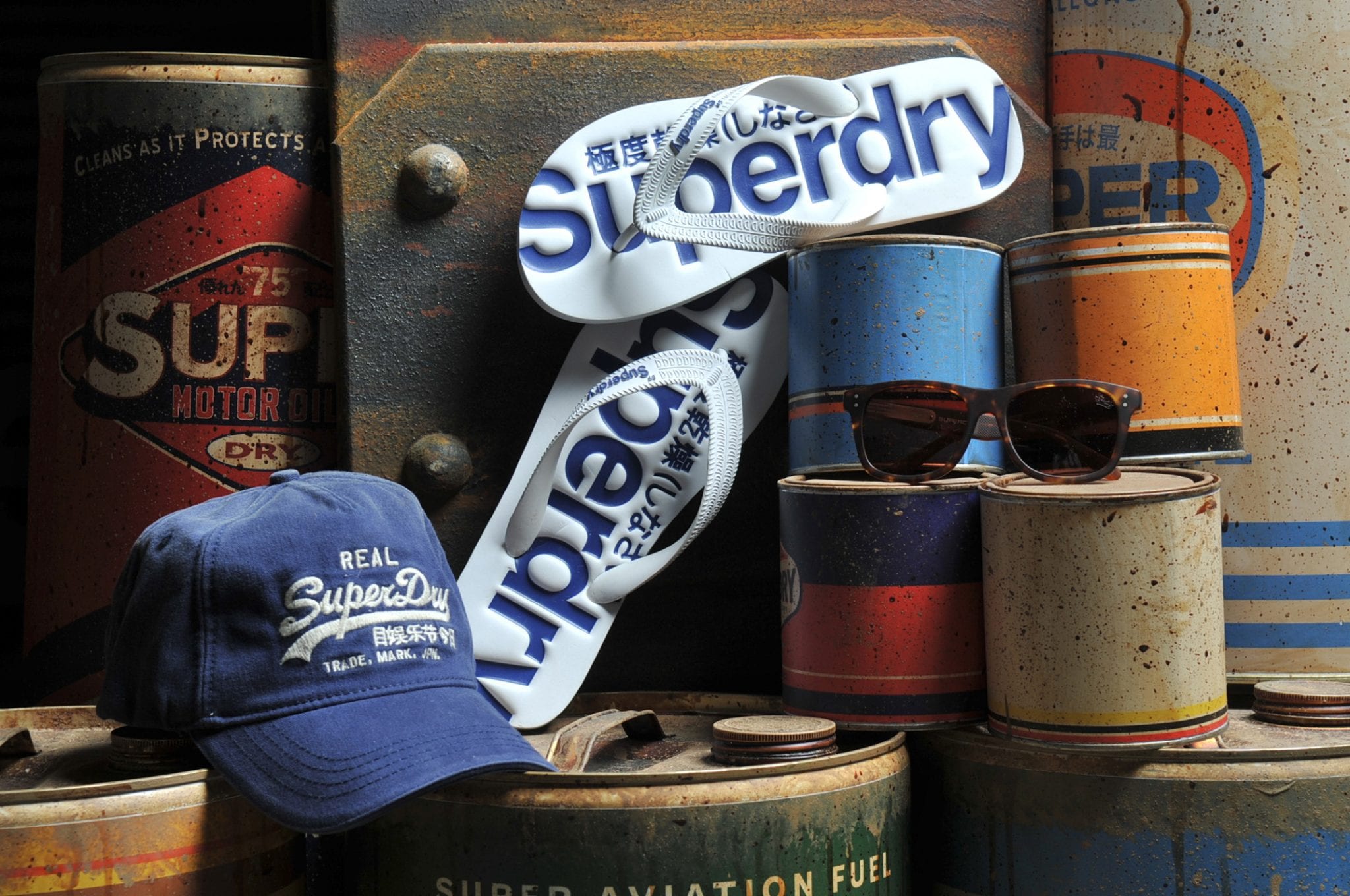
    Recognizing the immense scope in the lucrative fitness market that has hit the country, Superdry announces its venture into Sports category under the name SuperdrySport. The brand is all set to open its first exclusive Sport store in the country that will celebrate technical sports gear, athleisure, great design and outstanding craftsmanship at DLF promenade, Delhi.

    From technical gear to workout essentials, SuperdrySport has everything from active wear, athleisure and sportswear. With pieces engineered to enhance performance and aid- goal focused activity, to more fashion lead items made with sports fabrics but designed more to turn heads, there are items carefully mastered to suit whatever your ability. Geometry and pop grid structures are complimented with layered mesh weaves. The highly technical performance range is created with a distinct ‘win’ attitude featuring compression fits and engineered ventilation designs.

    The 1076sqft, brand-owned Delhi outlet located at this premium location retains the Superdry DNA of clean lines set against raw finishes yet takes a leap forward into the fresh brand of SuperdrySport by merging the future technology, lighting and finishes to enhance the experience of the customers. SuperdrySport stores will have the ability to evolve with seasonal change, product sales and popularity or gender demand allowing maximum traction from every square meter. It is sure to catch the eye of a millennial customer.

    Millennials are increasingly buying clothing that’s characterized by durability and utility, this shift has led to a surge of interest in brands offering innovative designs, new functionality and practical fashion.

    With many celebrities donning the athleisure look, the trend has reached Tier 2 & Tier 3 cities as well. Having understood this potential Superdry plans to open stores in these cities as well soon.

    The report published by Global Industry Analysts Inc., the global market for Sports and Fitness Clothing is projected to reach US $231.7 billion by 2024. The research also indicates that technological developments designed to improve comfort and performance has also led to the growth in sales of sports apparel. The report points out that the Asia-Pacific region is expected to be fastest growing region, with a CAGR of 6.9 percent over the forecast period. Sales came from emerging markets, such as India and Thailand, as well as the US, the world’s largest sportswear market.

  • Puma Shuffle makes its debut in India

    Puma Shuffle makes its debut in India

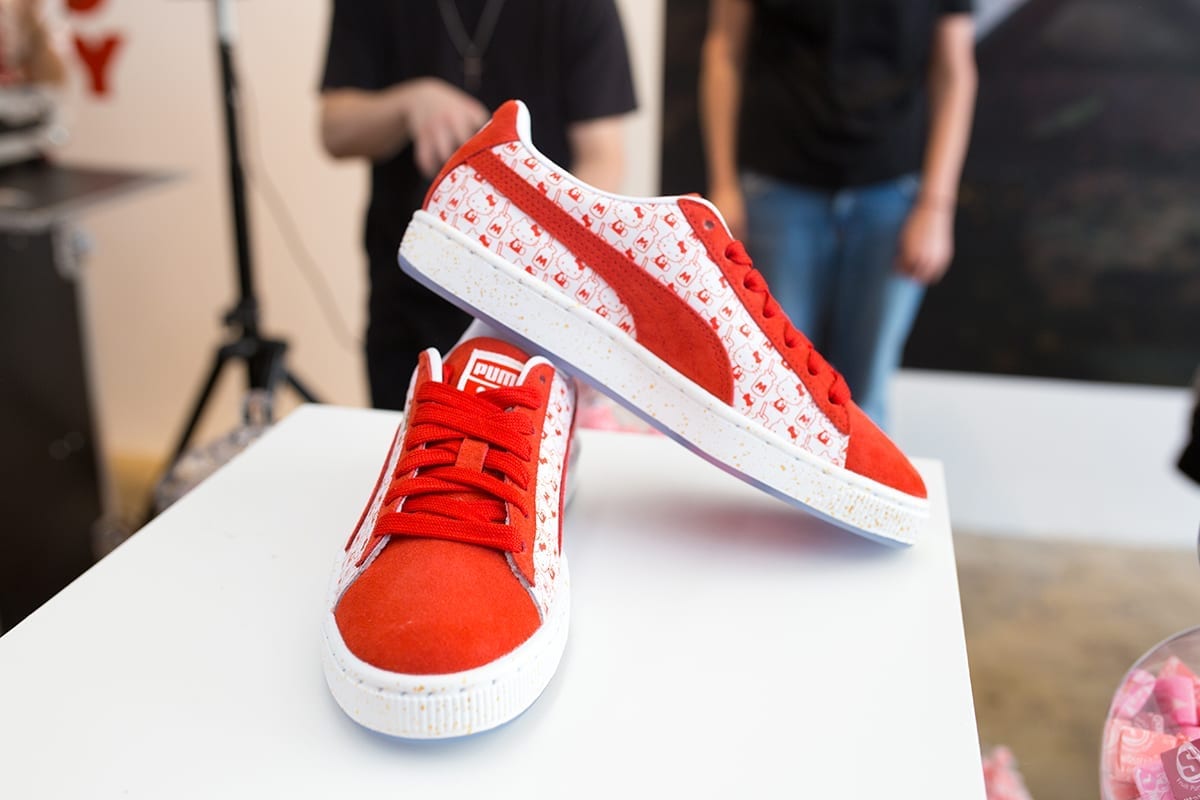
    Global sportswear brand Puma has launched Puma Shuffle, a street style weekend pop up space in Indiranagar, Bangalore on February 02, 2019. With an aim to become the hub for growing sub-cultures in the city, Puma has introduced a brand new concept that emerges over weekends to provide a dedicated space for creative expression.

    PUMA Shuffle is created on the notion of an alter ego where the identity of the place oscillates between a friendly neighbourhood bar, Watson’s and a high-energy creative space that celebrates live music and sub-cultural communities of the city over the weekend. The fluid pop up space by Puma comes to life on Friday and Saturday evenings with gigs by an eclectic selection of DJ’s, musicians, artists, designers and sneakerheads.

    Speaking about the new concept, Abhishek Ganguly, MD, Puma India, says, “Bangalore has always been a hub for culture, but it’s time to re imagine the city’s cultural landscape with the rise of a new generation of youngsters who are using sneaker, street art, skateboard, hip hop battles, and basketball as a form of self expression. Puma Shuffle, is an innovative concept aimed at being the hotbed for such communities and sub cultures, giving them a dedicated space, impetus and empowerment they need. This new concept of shuffling between two spaces will also be a great visual, gastronomical and creative experience for our consumers all under one roof.”

    Resonating the dual identity of the space, the aesthetics are all about fusing the two entities and creating a concept that allows a smooth transformation from one identity to the other. The interiors exude an old world, heritage charm with soaring arched windows and a barrel roof with an unfinished surface that gives the space raw yet regal feel. The quirky wall art and live animation breaks the earthy palette to give the space a distinct personality. The mezzanine floor displays live graffiti – a cat silhouette and Puma Shuffle artwork are brought to life by animated projections. Vibrant layered art with mixed styles of graffiti adorns the wall beside the staircase.

    Created by artist Badaal, the edgy illustration also pays homage to two of Puma’s big sneaker names – Puma Suede and RS-X Toys. There are also 5 arched frames that house images of international Puma assets on the top floor. In keeping with Puma’s first sustainable store, located below, the idea was to retain elements from the existing space and reuse materials to construct the new venue.

    Puma Shuffle provides both a great visual and gastronomical treat for the audience. Much like the vibe of the place, the menu curated for Puma Shuffle is new age, vibrant and refreshing. On offer is a medley of cuisines from different corners of the world, including a few local favourites, that makes one keep coming back for more. In keeping with the theme of the space, the bar is hooked up with a mechanical pulley system used to elevate the wrought iron lighting at the facade. Here, an array of fun cocktails are created by expert mixologists.

  • Ralph Lauren continues momentum in Asia

    Ralph Lauren continues momentum in Asia

    Premium lifestyle brand Ralph Lauren increased gross profit across its third quarter period by 6 per cent to  $1.46 billion (US$1.05 billion), compared to $1.37 billion (US$996 million) the year prior. The growth was driven by a 90 bps increase in gross margin to 61.6 per cent, as a result of reduced promotional activity and improved pricing.

    “Solid execution on our key initiatives, especially during the important holiday period, delivered better-than-expected results for the third quarter as we drove higher average unit retail and continued to improve quality of sales overall,” Ralph Lauren president and chief executive Patrice Louvet said.

    “These results give us confidence that our strategic investments in brand-building, product, digital, and global expansion are on the right track, while the strength of our balance sheet will continue to be a competitive advantage as we manage through an increasingly volatile global environment.”

    The business saw momentum in Asia continue, with 11 per cent revenue growth to $379.65 million (US$275 million) led by 19 per cent constant currency growth in Greater China, and strength across Japan, South Korea and Australia.

    North American sales increased by 3 per cent to $1.25 billion (US$909 million), and enjoyed flat comparable bricks-and-mortar sales and a 21 per cent increase in digital sales for the region.

    Global revenue for the brand’s digital offering improved 20 per cent over the last year, with growth in the brand’s directly-operated digital flagships exceeding expectations.

    Net income for the period grew to $165.67 million (US$120 million), or $2.04 per diluted share (US$1.48).

    Looking toward the final quarter of fiscal 2019, Ralph Lauren expects net revenue to drop slightly due to a planned reduction in off-price sales, though predicts net revenue for the fiscal year will be up slightly, though didn’t provide concrete figures.

  • Will Condé Nast’s paywall work?

    Will Condé Nast’s paywall work?

    Earlier this week, legacy publisher Condé Nast announced sweeping plans to implement digital paywalls across its titles in the United States, including Glamour, Vogue and GQ. Currently, The New Yorker, Wired, and Vanity Fair have metered paywalls, with The New Yorker’s paywall driving $115 million in subscription revenue in 2018, up 69 percent from 2015, according to a report in the Wall Street Journal.

    With annual subscriptions to The New Yorker ranging from $89.99 for a digital-only subscription to $119.99 for a digital and print subscription, this implies more than 1 million paying subscribers who drive almost enough revenue to cover the reported $120 million that Condé Nast is said to have lost in 2017, faced with a rapid and sustained decline in advertising revenue. No wonder the company is taking a closer look at digital subscriptions to secure its future.

    Condé Nast is not alone. Paywalls are the latest trend among publishers looking fill the hole left by advertisers, which are spending more of their marketing budgets on creating their own content as well as advertising on digital platforms like Facebook, Google and Instagram where consumers spend huge amounts of time and they can micro-target the audiences they want to reach.

    In addition to selling access to articles, there are no doubt interesting opportunities for Condé Nast to turn some of its content into paid services. For instance, Bon Appétit might leverage its bank of recipes to create an indispensable cooking resource; the NYTimes Cooking App, for which users can pay $5 a month or $40 a year to access, has been a hit for the paper of record and has amassed more than 120,000 subscribers.

    The Vogue Runway archive of reviews and images from fashion shows is an essential research tool, used by stylists and other fashion industry executives who may be willing to pay a fee to access it.

    But not every Condé Nast title has very high-quality content like The New Yorker or a must-use product opportunity. Indeed, for a paywall to work, a publication needs to have must-use products, must-read stories or must-follow writers — and ideally a combination of all three. Trade and business publications often have these attributes, and they also have a leg up because consumers can write off those subscriptions as a business expense.

    In a recent podcast, Condé Nast International president Wolfgang Blau spoke to Digiday about the opportunity in B2B subscriptions as well as “that whole ecosystem of conference and consulting and everything you can build around that.”

    “The borders are really blurry between B2B and B2C,” he added. “I’d say most of our conferences for instance are B2B, most of our current thinking goes more towards B2B, most of our editorial products — if not all — are B2C. They’re being sold as B2C while now the Vogues have a high share of B2B readers and in print it’s learnt behaviour to know which story is B2B or B2C. Digitally we want to untangle that a little bit over the course of this year.”

    Perhaps Blau was referring to the imminent launch of Vogue Business, a new title that the company says will fill “the gap in the market for industry decision-makers, from start-ups to CEOs,” according to a press release, which will be issued next week. Vogue certainly has a sizable following within the fashion industry, but the decision to use the consumer facing brand for a B2B title is curious and raises plenty of questions when it comes to the traditional influence held by Vogue advertisers and the real ability to do independent reporting.

    Then, there is the slew of publications in the Condé Nast portfolio such as Glamour, Self and Teen Vogue, which are fundamentally consumer propositions and will also have to compete with primary news sources like The New York Times and The Washington Post for share of wallet, as well as subscriptions to other consumer services, like Netflix, in a market where people spend only a small fraction of their total media-technology consumption time on publisher websites.

    It is likely that these other Condé Nast subscriptions will cost nowhere near the price of a subscription to The New Yorker — which will soon charge $149 per year for a print and digital subscription — and will be more in line with Vanity Fair and Wired which currently charge $30 per year for a print and digital and will soon bump up their prices to $49 per year.

    The fundamental question is: how many people will pay? Condé Nast will need to convert a good portion of casual web browsers into paying readers, while retaining what’s left of its print subscribers. It has already started to reduce its print issues for publications like Allure, W and Bon Appétit, and cut them altogether for Glamour and Self.

    Magazine subscription figures were inflated for years, based on heavy consumer promotions which were used to acquire readers, similar to paid traffic acquisition online. (The department within Condé Nast long responsible for upping circulation was called “Consumer Marketing.”) The company could use equivalent tactics to up subscription numbers online, but to make the subscription model work it will also need to retain users to make paid acquisition tactics worthwhile over the long term.

    But again, none of this gets to the core issue, which is that these businesses may never be as big as they once were. We no longer live in a culture where the likes of Vogue are singular bibles in their verticals and today’s consumers have a vast universe of media and technology platforms competing for what is ultimately a finite amount of attention.

    For Condé Nast to make online subscription models work, they will have to construct entirely different businesses focused on delivering true excellence and value to their readers — not just pleasing their advertisers. Whether Condé Nast can pull off the pivot remains to be seen.
  • China’s SMCP tops 1 billion euros revenue for first time

    China’s SMCP tops 1 billion euros revenue for first time

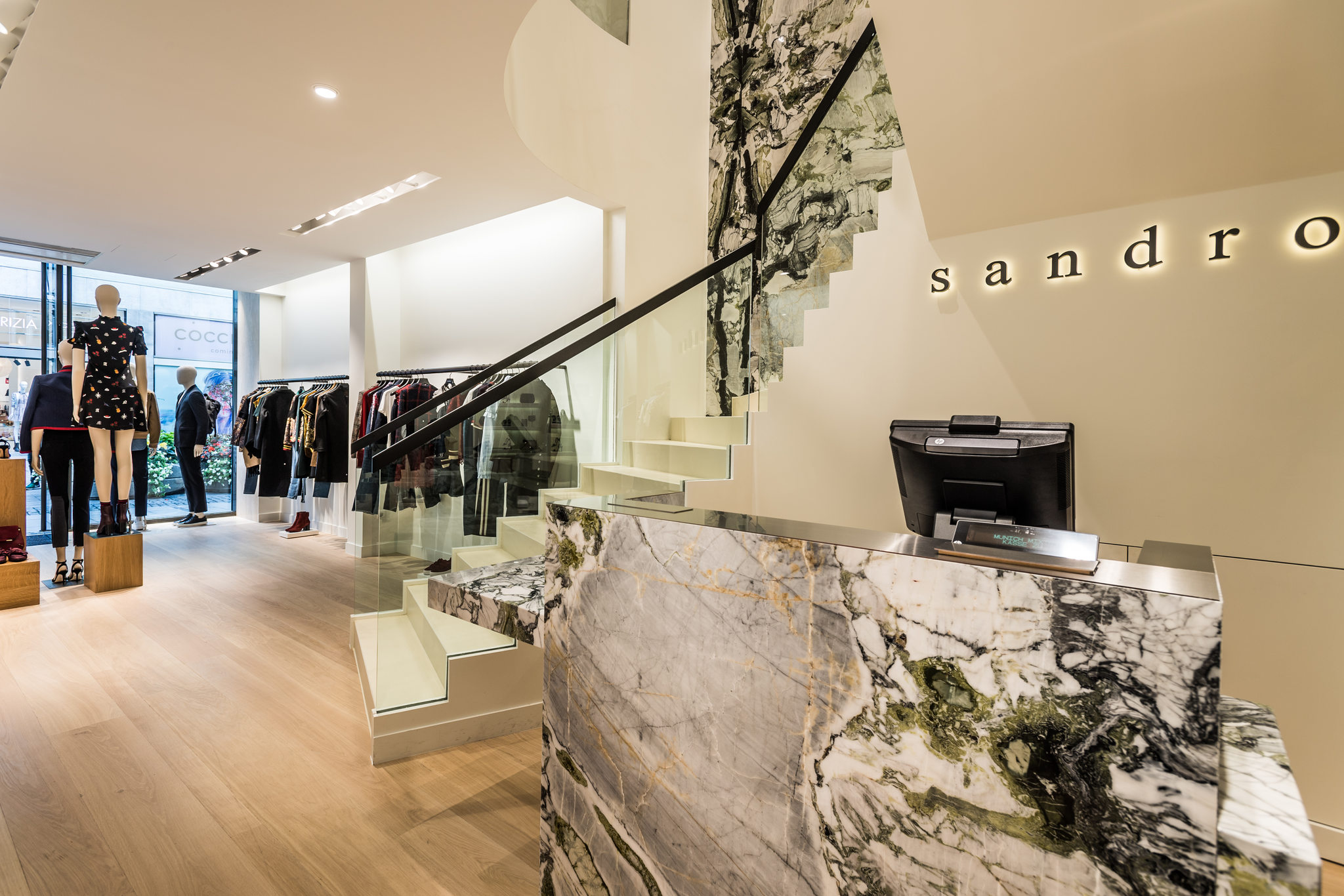
    Chinese-owned SMCP Group said that total company sales exceeded 1 billion euros in 2018, marking a revenue-first for the French fashion group. “With double-digit sales growth in 2018, SMCP posted a remarkable performance and continued to deliver on its strategic roadmap,” said Daniel Lalonde, SMCP’s Chief Executive Officer. For the year ending December 31, SMCP recorded sales increasing 13%, in line with its previously upgraded full-year 2018 guidance.

    Lalonde said the achievement signalled rapid sales increase was fuelled by online and digital, with the company working hard to fight market headwinds, which have taken out other European retailers in 2018.

    “Our performance throughout the year, and more particularly over the last quarter, demonstrates that SMCP is built on strong foundations and further illustrates the resilience of our business model in the midst of unprecedented market headwinds,” said Lalonde, in a press release.

    “I would also like to place a special emphasis on our significant progress in digital: it has been growing consistently and strongly over the past years and now represents nearly 15% of our total sales,” he added.

    The sales growth included a solid like-for-like sales growth of 3.7% for the twelve-month period “despite challenging market conditions in the fourth quarter,” which saw sales climb less, up 8%.

    Full-year reported sales were up 11.5%, including a negative currency impact of -1.6% reflecting the appreciation of the euro.
    Over the last twelve months, SMCP net openings reached 134 points of sale, including 102 directly operated stores, surpassing its annual target. By region, 59 stores were opened in APAC alone, the zone receiving the most new outlets compared to the Americas and Europe.

    In APAC, the group posted a strong double-digit sales growth of 18.2% at constant currency, driven by mainland China which generated over 20% of sales growth.

    The operator of French fashion brands Sandro, Maje and Claudie Pierlot said Sandro sales grew 6% in 2018, while Claudie Pierlot recorded a 7% increase. Maje was the biggest grower, up 10% for the year.

    For 2018, SMCP confirmed its adjusted EBITDA margin guidance at around 17%.

    Evelyne Chetrite and Judith Milgrom founded Sandro and Maje in Paris, in 1984 and 1998 respectively, and continue to provide creative direction for the brands. Claudie Pierlot was founded in 1984 by Claudie Pierlot and acquired by SMCP in 2009.

    SMCP was acquired China’s Shandong Ruyi in 2016.

  • Avery Baker resigns from Tommy Hilfiger

    Avery Baker resigns from Tommy Hilfiger

    Tommy Hilfiger will jettison the chief brand officer role following the departure of incumbent Avery Baker in June, the fashion label has confirmed. Baker has announced plans to step down from the job in June. The marketer will then rejoin the company on a consulting basis, primarily as part of a new brand advisory board staffed by external advisors and chief executive officer Daniel Grieder.

    Baker’s C-suite brand responsibilities will be divided among other senior members of staff. She is currently responsible for global marketing, communications, brand strategy, creative direction for product design, global licensing and creative services.

    The marketer joined the PVH-owned company in 1998. She landed the chief marketing officer title in 2011 after a stint as executive vice-president of global communications and marketing.

    She was named chief brand officer in 2014.

  • Shandong Ruyi buys Invista’s global Lycra business

    Shandong Ruyi buys Invista’s global Lycra business

    Chinese textile and retail investment company Shandong Ruyi has bought the US-based Lycra business for an undisclosed sum. Shandong Ruyi, whose retail investments include Aquascutum and SMCP (Sandro, Maje, and Claudie Pierlot), will take over the world-famous lycra brand, all assets and contracts relating to Lycra from current owner Invista and rename the business The Lycra Company.

    Lycra’s CEO Dave Trerotola said in a statement the company was fortunate to have been acquired by Shandong Ruyi.

    “[The] company shares our vision and our commitment to delivering high-quality products, technical expertise, and unmatched marketing support to our valued customers,” he said.

    The new company will operate as an independent subsidiary, and will continue to manufacture advanced fibre and technology solutions for the apparel and hygiene industries. The Lycra Company also owns a raft of consumer and trade brand names, including Lycra HyFit, Lycra T400, L by Lycra, Coolmax, Thermolite, Elaspan, Supplex, Tactel, and Terathane.

    “With the continued investment of Ruyi, we look forward to working with our customers to bring exciting innovations to market. Our new shareholder’s textile and retail experience will be a tremendous asset as we develop differentiated fibres that deliver the lasting performance benefits consumers have come to know and expect from our brands,” said Trerotola.

    The acquisition includes eight manufacturing facilities, four research and development labs, 17 offices located in 14 countries, and about 3000 employees. Current management and employees will continue in their roles.

    Yafu Qiu, chairman of the board of Shandong Ruyi, promised his company would continue to invest in The Lycra Company’s innovation pipeline and brands in order to grow the business.

    “As a spandex producer ourselves, we have admired the iconic Lycra brand for years, and we see the value The Lycra Company adds to our business. We believe its assets and capabilities are a perfect complement to our own and will help strengthen our position as a world-class, fully integrated textile company.”

    The Lycra Company’s legacy stretches back to 1958 with the invention of the original spandex yarn, Lycra fibre.

    Shandong Ruyi Investment Holding is the largest textile and apparel company in China, and ranks among the Top 100 Chinese multinational enterprises. It is headquartered in Jining, Shandong and operates 13 domestic industrial parks.

  • LVMH’s 2018 sales revenue hits record high

    LVMH’s 2018 sales revenue hits record high

    Following a record-breaking year of sales in 2017, LVMH recently announced that it has surpassed its earnings record in 2018. The French multinational luxury goods conglomerate revealed that it made an incredible €46.8 billion EUR (approximately $53.4 billion USD) last year. Additionally, the impressive feat comes with a record net profit growth of 18 percent.

    LVMH is noting that it was the profitability of Louis Vuitton and Dior that lead to its strong 2018 earnings. The fashion and leather offerings from the two labels has been credited with driving the double-digit increase in both revenue and profit.

    Moving into 2019, it is expected that Virgil Abloh and Kim Jones will be amplifying the popularity of the two houses.

    LVMH also noted a state of reorganization of the Marc Jacobs label, and looked back on the global response to Hedi Slimane‘s inaugural collections for CELINE.

    Aside from a mixed critical reception, LVMH is ambitiously looking towards Slimane’s place at CELINE.

    The results were roughly in line with analysts’ forecasts.

    Bernard Arnault, chairman and chief executive, said LVMH expected its brands and companies, which include Louis Vuitton, Christian Dior and Moët & Chandon champagne, to deliver continued progress in 2019 in spite of “an environment that remains uncertain at the start of the year”.

    Sales growth was steady in all regions in the fourth quarter except the US — similar to the performance earlier in the year, according to Jean-Jacques Guiony, finance director.

    Organic growth in Asia, excluding Japan, was 15 per cent compared with last year. Sales in Europe were up 7 per cent on the same measure, while in the US they climbed 8 per cent.

    “We see no particular sign of a slowdown in the China market,” he said, although purchases by Chinese customers had shifted slightly to the mainland from Hong Kong and other east Asian markets, perhaps because of a weaker renminbi. “The market sees the glass as half empty. We see it as half full.”

    Luxury goods companies and other exporters dependent on sales to China are bracing for the impact of the country’s economic slowdown and for possible fallout from any worsening of the US-China trade conflict.

    In recent days, companies including US chipmaker Nvidia and Caterpillar, which sells earthmoving equipment, have blamed China’s slowing growth for disappointing profit predictions.

    Mr Guiony said luxury goods consumers tended to be affected more by sudden shocks than by gradual changes in economic conditions. “If there was to be real trade war between the US and China — and we’re not there yet — that would have an effect,” he said.

    The company also performed well in Europe, Mr Guiony said. Although LVMH had to close early on several Saturdays because of the gilets jaunes protests in France, many customers had switched to Sunday shopping and there was no obvious impact on LVMH’s numbers in the latest quarter.

    LVMH said it was stockpiling champagne and cognac in the UK in case of severe disruption from a “no-deal” Brexit.

    “We’ve added four months of stock in the UK,” said Philippe Schaus, head of Moët Hennessy, the wines and spirits part of the group.

    Profit from recurring operations in fashion and leather goods, the core of LVMH’s business, rose 21 per cent last year, accounting for €5.94bn of the total. The highest growth in profit from recurring operations came from watches and jewellery, at 37 per cent, and the slowest from wines and spirits, at 5 per cent.

    The company said it planned to lift the total dividend by 20 per cent for the year to €6.

  • Place to reate your own watch

    Place to reate your own watch

    The Mills officially opened at the end of 2018, becoming a new landmark that combines historical and cultural retailing, attracting a number of local brands in Hong Kong. The Mills is a revitalization project from Nan Fung Group scheduled for completion and actually completed in 2018. A destination consisting of a business incubator, experiential retail, and a non-profit cultural institution may be relatively unfamiliar to Hong Kong people; yet The Mills’ vision and history is a purely Hong Kong story.

    It witnessed the manufacturing heyday in the 1960s, and now it carries the legacy towards a future of applied creativity and innovation. Visitors can explore the continuity of an authentic Hong Kong story, where themes of textile and industry are woven into experiences of innovation, culture, and learning.

    Eoniq successfully raised funds for launching a project a few years ago on the Indiegogo crowdfunding network, which is for customers to make their own personalized unique watches at The Mills. Through engaging in different workshops such as designing automatic tourbillon, printing dial and burning blue steel pointer, customers may experience the watchmaking process.

    In recent years, Swiss watchmaking brands have opened shops all over Hong Kong, however, the Hong Kong local watch industry has also had a glorious history during the 1950 – 1980.

    Although local watchmaking has already faded out, Li Junguo (Quinn), one of Eoniq’s founders, decided to set up his own brand with two partners in 2014.

    “I started building up the brand after I left my work at McKinsey since 2011. It is because I am interested in watchmaking, so I find some fine caliber factory online, and  contact the French freelancer to help me ordering from France as the people from Swiss watch factory usually only speak in French,” he said.

    After buying the caliber from the factory, the brand will assemble the watch according to the custom design of the guests.

    In fact, Eoniq had opened stores in Sheung Wan and Tsim Sha Tsui K11 before, but the shop could hardly afford a monthly rental fee of 1 million HKD in Tsim Sha Tsui.

    In terms of online sales, Eoniq’s customer profile is diversified and located in different regions, namely, Taiwan, Malaysia, Australia, the United States, and Europe.

    “The Mills was interested in Eoniq, knowing that we were assembling the watchmaking on our own, and asked if we could make the watchmaking process transparent so that the visitors could see the process of watchmaking. Thus, we have been given a space on the ground floor at The Mills, which became our current flagship store.”

    For the Automatic Tourbillon design workshop, customers can engrave their name, special phrase, signature or pattern on the watch. With the assistance of a watchmaker, guests can assemble the watch by themselves.

    Guests can also add personal elements to the dial, such as handwritten words or patterns, and there is a traditional printing machine to allow customers experiencing the traditional printing method on the surface of the watches.

    “Our brand is getting bigger, so I hired more masters in watches, including a watchmaker who had previously worked in Omega. In addition to allowing our guests to design their own watches, we want to let more people understand the value of watchmaking.”

  • Louis Vuitton celebrates the launch of Virgil Abloh’s SS19 collection

    Louis Vuitton celebrates the launch of Virgil Abloh’s SS19 collection

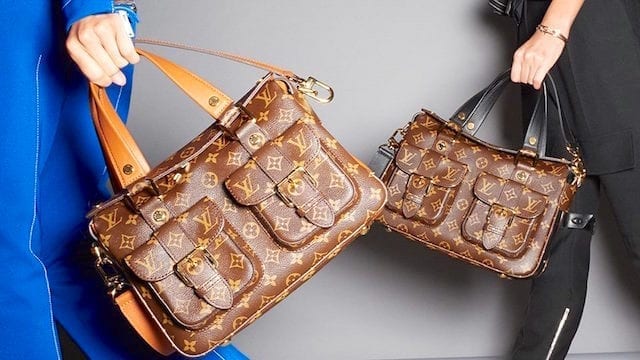
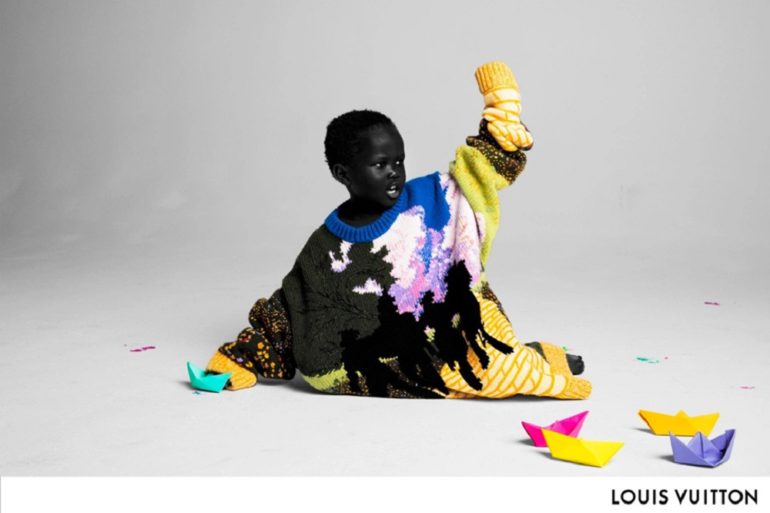
    For those that have been patiently waiting to get their hands on Virgil Abloh‘s debut Louis Vuitton collection, the highly anticipated Spring/Summer 2019 offerings are now available online. The online release comes shortly after Virgil opened up an exclusive pop-up at Chrome Hearts’ New York City flagship.

    The Yellow Brick Road Hand-Knitted Crewneck, Poppies Dorothy Graphic Windbreaker and colorful Calfskin Cut Away Vest serve as notable garments from the collection. Standout carrying options include the iridescent take on the classic Keepall Bandouliere 50, Soft Trunk Messenger Bag, Mini Polochon Messenger Bag and a host of holster-style utility pouches. Rounding things up is Virgil’s take on LV’s iconic Millionaire Sunglasses, early Jordan Brand model-inspired LV Trainer Sneakers, and the LV Creeper Ankle Boot Timberland homage.

    Check out some of the items above and head over to louisvuitton.com now to shop Louis Vuitton’s SS19 collection.

    In case you missed it, Virgil Abloh recently launched a comprehensive archive of his work.

  • Handsome markets brands in Paris Fashion Week

    Handsome markets brands in Paris Fashion Week

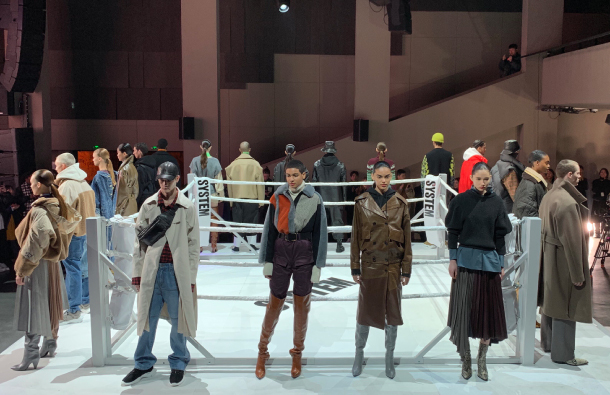
    Handsome, a Korean fashion brand owned by Hyundai Department Store, brought two of its labels to Paris Fashion Week in an effort to expand on the global stage. System for Women and System Homme, the two Handsome brands, showcased their fall and winter collections in a rented showroom for eight days starting from Jan. 17. The Handsome event included a presentation of the collections followed by showroom events, where item were modeled for clients.

    The brands are presenting their new collection one season early to major buyers in the fashion industry.

    In addition to 180 buyers, the event was attended by the Wall Street Journal, Vogue and GQ as well as by fashion influencers.

    It was the first time Handsome has taken its brands to a foreign showroom since being founded in 1987.

    System for Women debuted in 1990 and System Homme in 2008. The company has also introduced other names, including Time, Mine and SJSJ.

    Handsome was acquired by Hyundai Department Store Group in 2012.

    At the Paris event, which featured 200 items for men and women, around 40 department stores from 14 countries participated. Samples were purchased ahead of possible quantity orders.

    It was a buyers’ who’s who. The list included representatives from Bloomingdales, France’s Le Bon Marche, Hong Kong’s Lane Crawford, Japan’s Isetan and Shanghai’s 10 Corso Como. Inquiries also came in from parties in Switzerland and Israel.

    “We predicted the number of businesses that would visit our showroom would be 40 at maximum. But since System Homme was introduced via major media outlets and social media after the presentation on Jan. 18, a great number of fashion businesspeople visited,” said a source from Handsome.

    The company said that visitors appreciated the designs as being unique and set apart from other major Asian brands.

    “In the case of businesses that received the samples, they will decide on quantity purchases in February, and in June, the main products of System [for Women] and System Homme will be sold at department stores and in multibrand shops of each country,” said a source from Handsome.

    Handsome is planning to use the Paris showroom event as a stepping stone for its international expansion efforts.

    In line with the strategy, it will complete its product development earlier and present new design concepts to the market one season ahead.

    It is rare for a ready-made brand to utilize this sort of advanced development.

    “Our brand is still new in the global fashion market, but we will elevate awareness to the point where we could open an exclusive fashion show at a foreign fashion week,” said Kim Hyung-jong, the CEO of Handsome.

  • Shinesegae targets US$90 million with a new brand

    Shinesegae targets US$90 million with a new brand

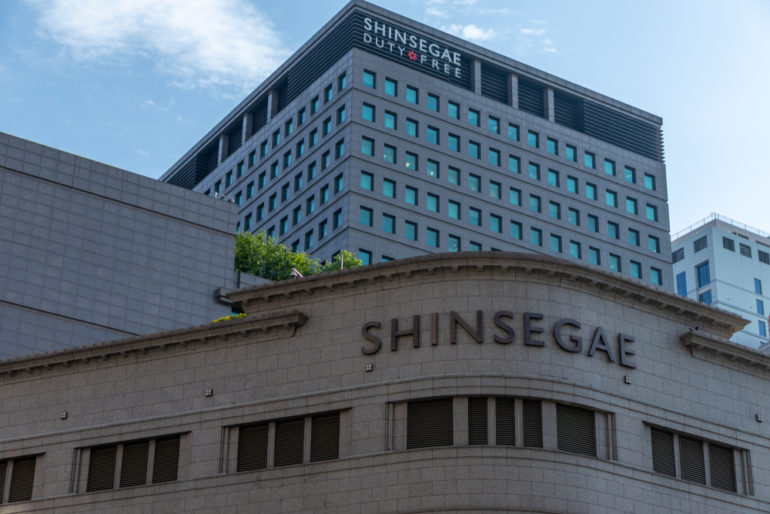
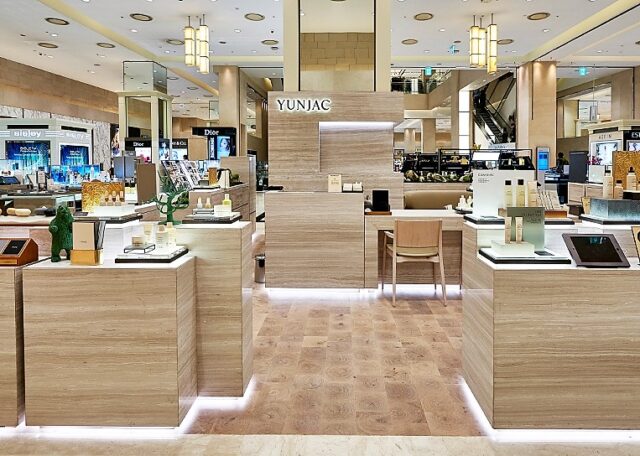
    Major South Korean travel retailer Shinsegae Group is set to launch an in-house developed cosmetics line, Yunjac, into the duty free channel at its Myeong-dong store in the capital city, Seoul. An ambitious sales target has been set for the brand. The opening on 2 February of an independent Yunjac cosmetics area adds to existing domestic market locations in Jung-gu and Gangnam in Seoul, and Centrum City in Busan. The brand was launched in October 2018.

    Fashion, beauty and lifestyle specialist, Shinsegae International, which developed the 42-strong product line, has told The Moodie Davitt Report that it aims to make US$90 million in sales by 2020. Four travel retail exclusive sets are part of the product range.

    The duty free exposure will promote Yunjac to a wider audience, with a particular focus on Chinese travellers. A Shinsegae Duty Free spokesman said: “The Myeong-dong store is a trendy shopping place where you can easily experience the world’s most popular brands. We will try our best to be the centre of world beauty. The line is targeting the global market including China.”

    Yunjac, which means ‘nature’s masterpiece’, is chiefly built around skincare with some makeup and other smaller segments, also part of the portfolio. It is the result of several years research and preparation by Shinsegae International. The product development was a joint effort with global cosmetics maker Intercos and world-renowned botanical research institute Vitalab.

    The manufacturing process involves extracting active ingredients from the best Korean herbs and combining them with state-of-the-art science. The end result is what Shinsegae describes as “the whole plant effect” which is claimed to restores the skin’s natural strength.

    Yunjac’s 42 products are priced at around US$30 for cleansing products, US$100 for skincare and US$50 for mother and infant items, according to Shinsegae Duty Free.

  • Sandro parent unphased by trade spat

    Sandro parent unphased by trade spat

    The parent of affordable-luxury fashion labels Sandro, Claudie Pierlot and Maje appears unphased by the Sino-US trade spat, vowing to continue its expansion in the region. SMCP’s CEO Daniel Lalonde said in an interview that the company plans to continue to open new stores in Mainland China and invest in e-commerce across the region.

    “From our perspective, everything is still intact [in China]. Any slowdown in our business is related to the comparison base … and we still expect to grow that market by more than 20 per cent this year,” Lalonde said. “We’re still confident on the region.”

    France-based SMCP is controlled by Chinese company Shandong Ruyi. This week it reported an 8.1 per cent increase in fourth-quarter sales to €276.1 million.

    SMCP has doubled its annual sales during the past four years, reaching €1 billion last year, largely due to rapid expansion in Mainland China. Asia is now SMCP’s third-largest geographic market behind France and the rest of Europe, with China accounting for the bulk.

    However, he said sales in Hong Kong were “a little softer” as a result of currency fluctuations between the Hong Kong dollar and the renminbi.