Tag: Fashion

  • UK fashion retailer New Look to exit China

    UK fashion retailer New Look to exit China

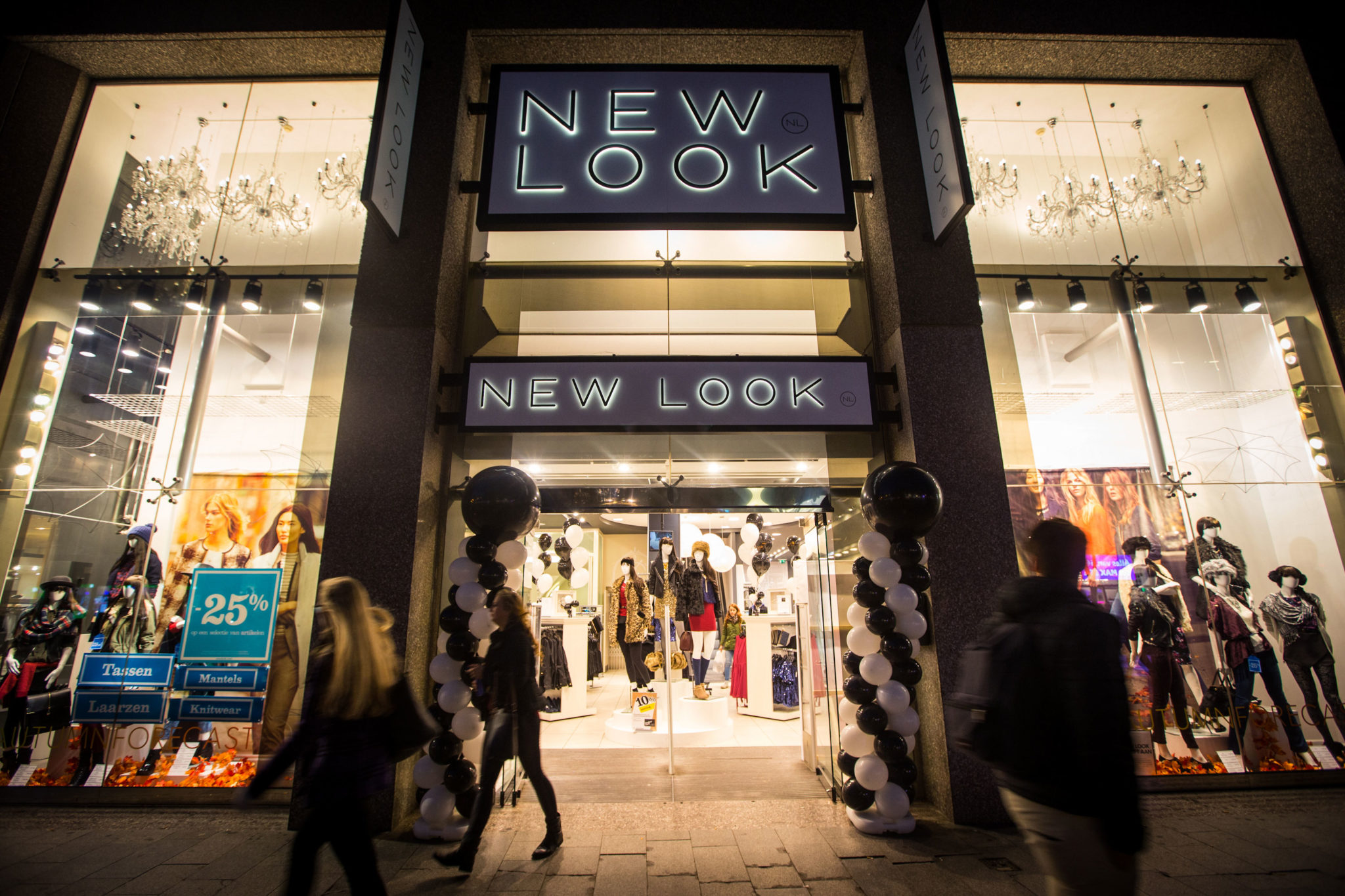
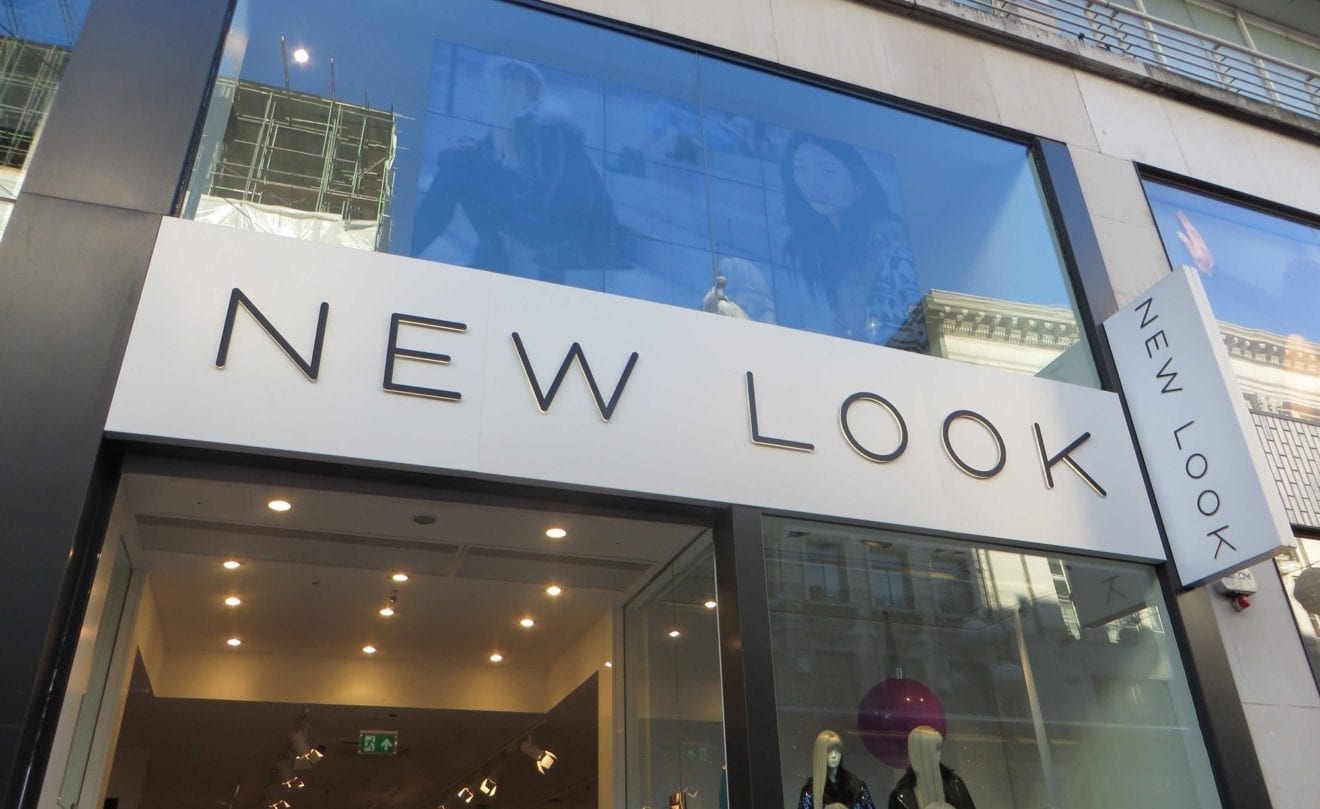
    Embattled UK fashion retailer New Look is to quite China, closing some 130 remaining stores. The move follows a strategic review of the China business announced back in June, when the company put the brakes on an ambitious 450-store rollout plan after opening just 148.

    New Look has appointed property specialist CBRE to find new tenants for the 130 remaining stores in the country.

    In March, South African-owned New Look signed a Company Voluntary Arrangement with its creditors and landlords in the UK allowing 60 stores there to be closed. Chairman Alistair McGeorge at the time cast doubt on the future of the China plans announced by former CEO Anders Kristiansen.

    New Look’s China exit comes two months after rival chain Topshop terminated a franchise agreement with local partner Shangpin “by mutual agreement”.

  • Tod’s chairman denies rumours about a possible sale

    Tod’s chairman denies rumours about a possible sale

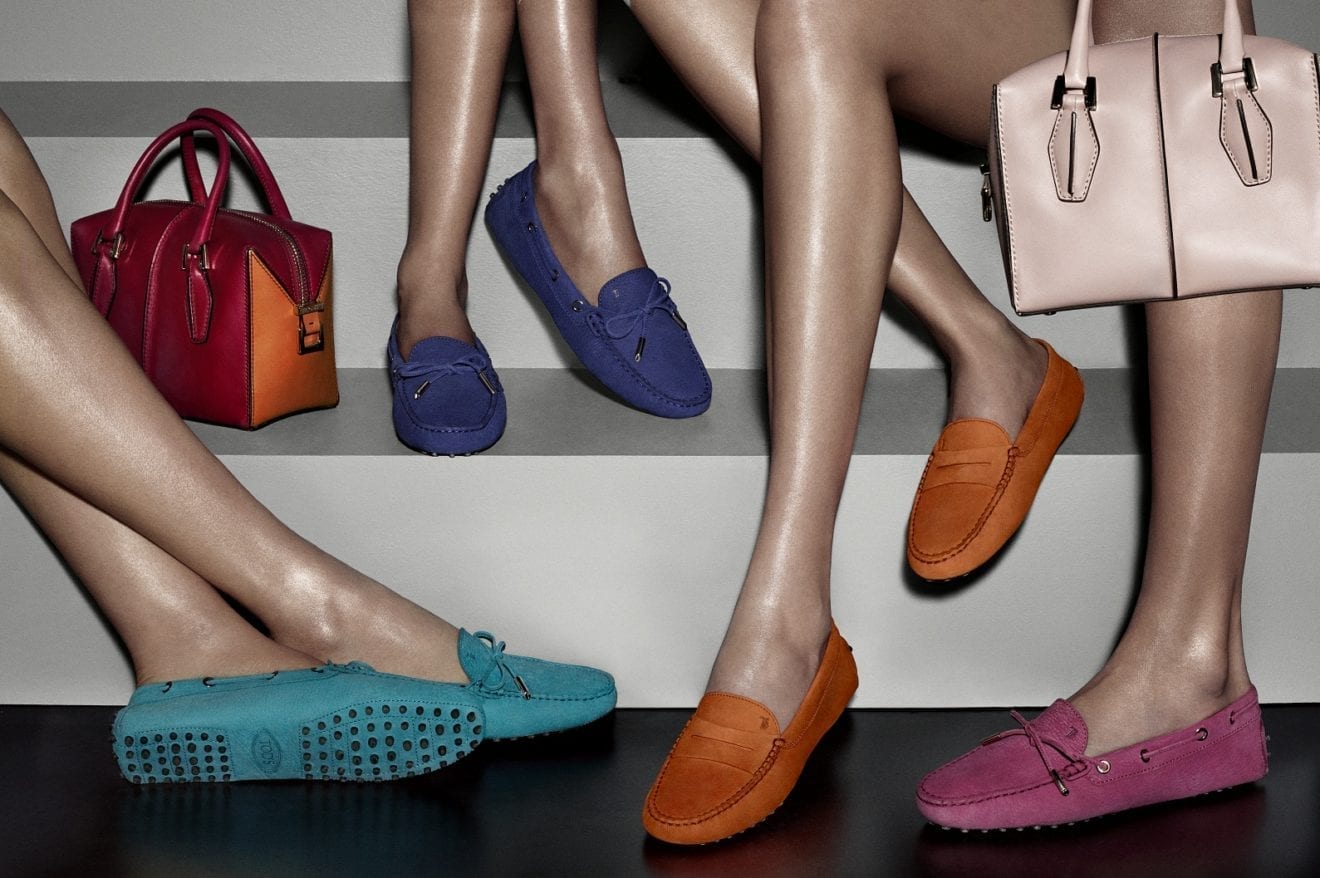
    Speaking at the 2018 Milano Fashion Global Summit, Tod’s Chairman and CEO Diego Della Valle denied rumours surrounding a possible sale of the Tod’s group, reports WWD. The report quoted Della Valle saying: “This rumor is a “recurring” one, but “if we really had to do an operation, it would be to buy, not to sell. “We are preparing the company for the next 10 years, when we will surely be attentive to new consumers, but carefully avoiding going overboard in chasing trends. We must not lose sight of who we are,” he added.

    Speculations followed after an Italian newspaper reported on Monday that Della Valle’s reorganization of the family’s holding companies may be an indication to a future sale of the group.

    The Della Valle family currently owns majority 60 percent of the Tod’s group through two separate holding companies – the Di.Vi. Finanziaria vehicle and the Diego Della Valle & C.

    For the first six months, Tod’s reported a 2.8 percent decline in its net profit to 33.7 million euros, while sales decreased 1.3 percent to 477 million euros compared to 483 million euros in the first half of the previous year but increased 1.8 percent at constant exchange.

  • H&M lingerie line that fits Asian lauched

    H&M lingerie line that fits Asian lauched

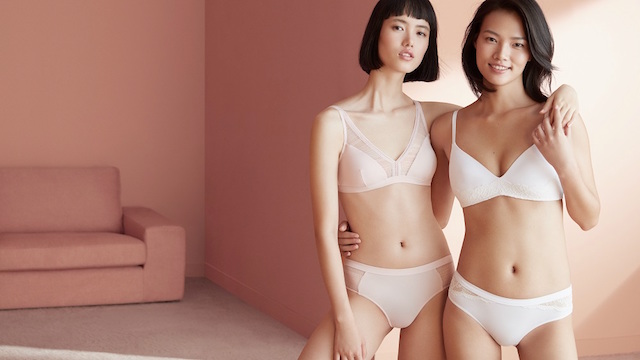
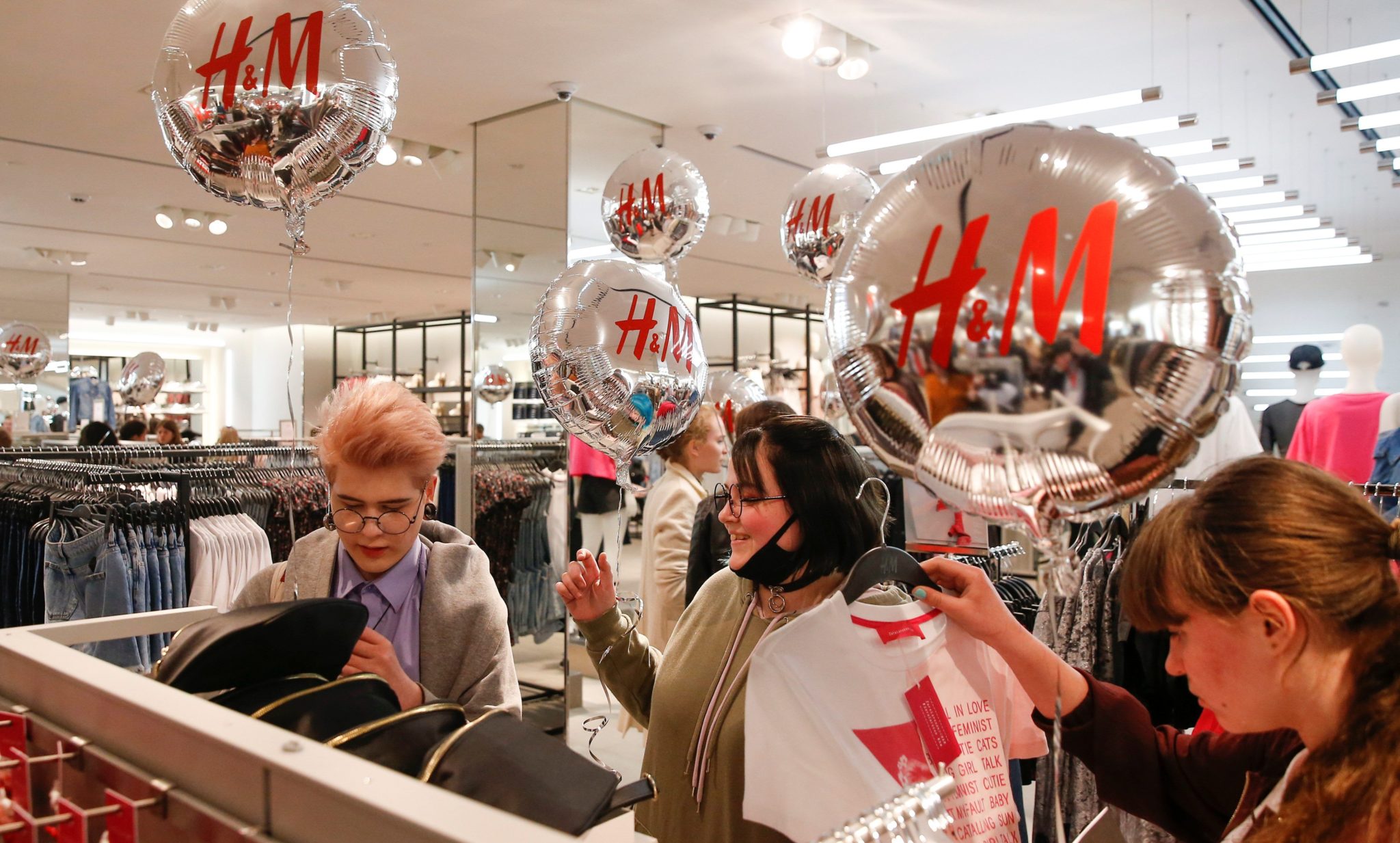
    H&M has launched its first Asian-fit lingerie collection. The collection, now available at H&M stores with lingerie departments within Hong Kong as well as on hm.com, has been designed to impress Asian women with its comfortable fabric and skin-friendly design.

    The label’s 44-stitch superfine fibre has been used to bring a soft touch to the skin, while the wire-free feature and triangle-cup design is intended for comfort and fit for all sizes and cups, with side support for comfortable body shaping.

    Promotional materials for the collection emphasises the use of superior materials to offer a high level of skin-friendly, breathable comfort.

  • Ralph Lauren introduces the Polo Bear Watches collection

    Ralph Lauren introduces the Polo Bear Watches collection

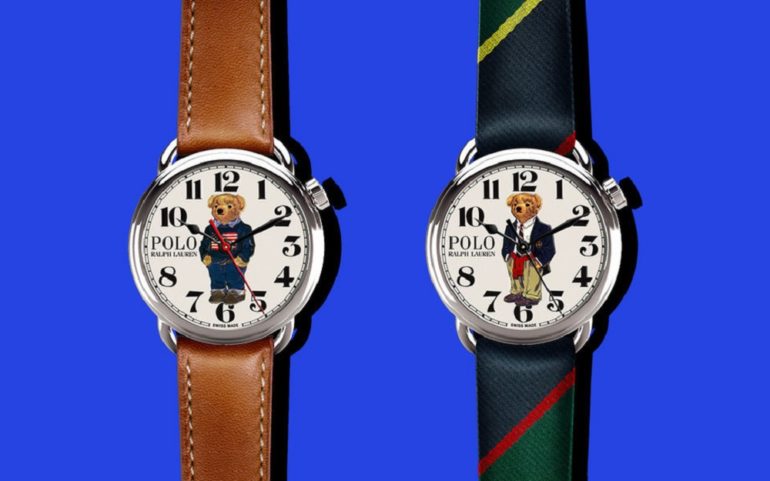
    Continuing his 50th anniversary celebration, Ralph Lauren is launching the Polo Bear Collection, which combines Swiss watchmaking with the Polo Bear — a favorite icon in the designer’s world. The collection represents the first time Lauren has created timepieces specifically for the Polo brand. The four bears that are featured are Flag Bear, Martini Bear, Preppy Bear, and Spectator Bear, each inspired by his personal style and retailing for $2,000 a piece.

    In an interview at his Manhattan office last week, Lauren said the idea of the watches was just for fun. They’re not smart watches, nor are they rife with complications such as minute repeaters, chronograph, time zones or moon phase.

    “It’s purely a fun project. It was not about who’s out there and what are they doing” said Lauren, chairman and chief creative officer of the $6.2 billion Ralph Lauren Corp.

    Asked why he chose now to launch Polo Bear watches, Lauren said there was a lot of activity around the 50th anniversary, and it seemed like an appropriate time.

    The Polo Bear has been a constant theme at the company for over 25 years.

    In 1991, the Polo Bear was introduced with 200 limited-edition bears produced by Steiff, the German toy manufacturer, and dressed in miniaturized Polo Ralph Lauren apparel. Since then, the stylish bear has appeared as embroidery, prints and patches on a variety of items, from neckties to sweaters.

    Lauren anticipates that these four unisex watches will evolve into other bears, as well as other designs under the Polo banner.

    Taking a page from the first piece Lauren designed, the necktie, each watch can be customized with interchangeable straps crafted from necktie silk twill patterns as well as options in French calfskin or exotic alligator.

    The buckles on all the watches are a stainless-steel pink buckle, engraved with Polo while the case includes a commemorative 50th anniversary plaque set over the rotary.

    Manufactured in Switzerland in partnership with Compagnie Financière Richemont, the watches will be distributed exclusively to select Ralph Lauren stores and the Ralph Lauren web site, beginning next month.

    A collection for kids could be a possibility down the road. “I’d like kids to have it. That might be next,” he said.

    Lauren said they made the decision to put the Polo Bear watches into the new Polo watch division, rather than the Ralph Lauren watch division for a specific reason. “There is a charm to Polo watches and a price difference. The Polo Bear is a younger, more sporty, fun watch, and it felt more like Polo,” he said.

    The price range of Ralph Lauren Watches is from $1,500 to $99,500.

    With all the interest with Polo Bears, Lauren said he would consider doing stuffed animal bears as a category. “We might. It could be the beginning of something. You might see them on television,” said Lauren, but quickly added he has no plans to do a TV show with the Polo Bears.

    Speaking of television, the conversation turned to a Lauren documentary that will appear on HBO early next year directed by Susan Lacy.

    Having spent the last few months celebrating 50 years of the Ralph Lauren brand, the designer was asked what’s on deck for the next 50 years.

    “I think I accomplished 99 percent or more that I ever dreamt of.” he said.

  • Superdry expect loss from prolonged summer

    Superdry expect loss from prolonged summer

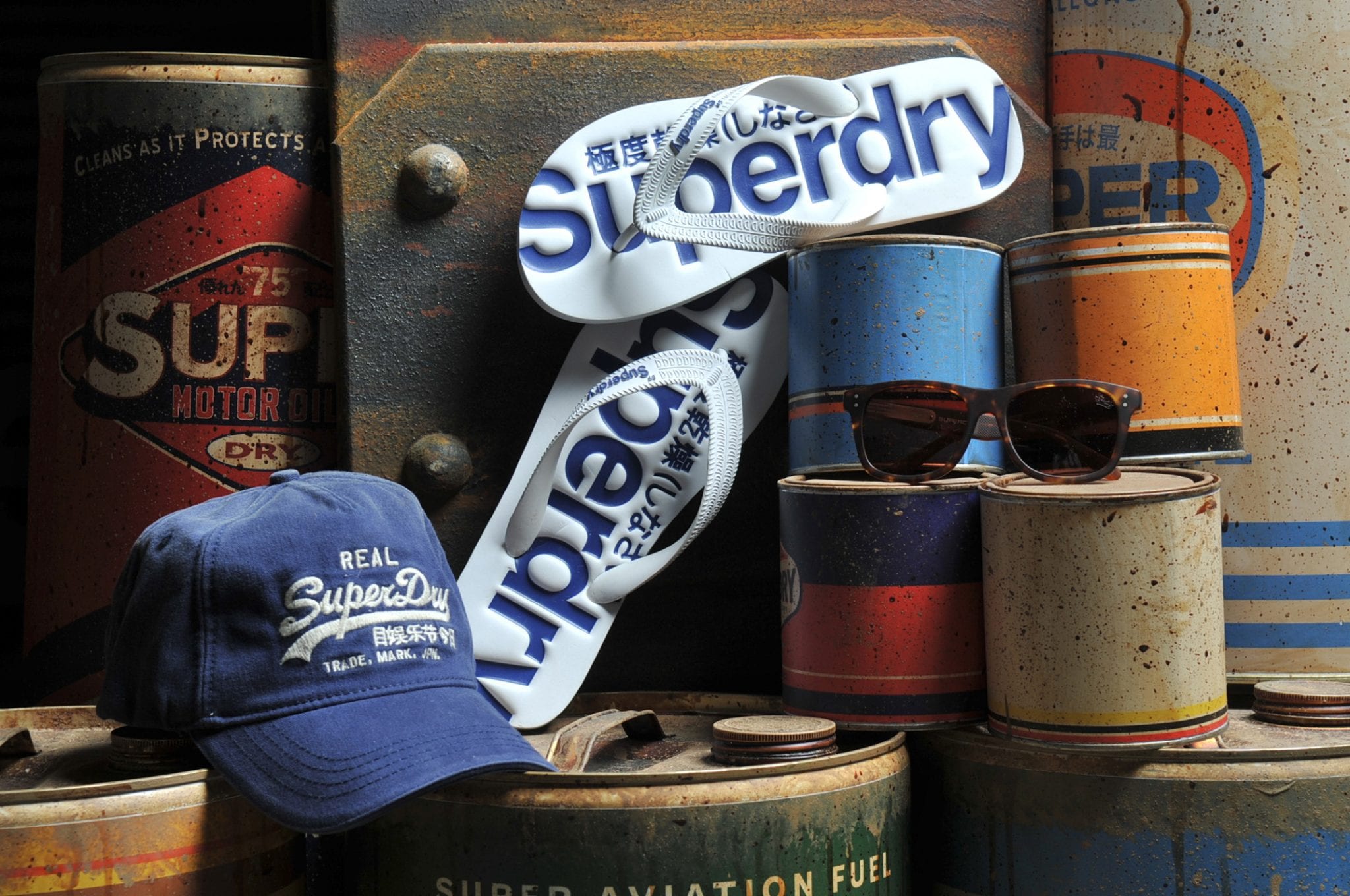
    Superdry has issued a profit warning, saying an unseasonably warm European and US east coast summer together with foreign exchange costs will reduce income by about £10 million. “Superdry is a strong brand with significant growth opportunities, backed by robust operational capabilities, but we are not immune to the challenges presented by this extraordinary period of unseasonably hot weather,” said CEO Euan Sutherland in a statement.

    “We are well prepared for peak trading, but the second half of financial year 2019 presents both risks and opportunities.”

    The company’s share price fell a heavy 20 per cent in early trading after the announcement was made.

    Foreign exchange costs are expected to be about £8 million higher this year and the collapse of department store chain House of Fraser has left the fashion retailer an estimated £236,000 out of pocket.

    Sofie Willmott, senior retail analyst at GlobalData, said rival chains Quiz, Coast and Ted Baker have all been hit by the downfall of House of Fraser. “Superdry, the usually untouchable brand that consistently delivers double-digit sales growth, is the next to be affected.”

    Willmott said Superdry has had an unhealthy reliance on autumn/ winter stock and was unable to trade in season.

    “Given that the only certainty with weather is that it can be unpredictable, Superdry should have been better prepared to react to the prolonged warm summer, cutting back on volumes of jackets and coats to avoid overstocks and the need for markdowns.”

    Superdry knows this is an issue and is five months into an 18-month product-diversification program to broaden its range.

  • Karen Millen helps Coast recover

    Karen Millen helps Coast recover

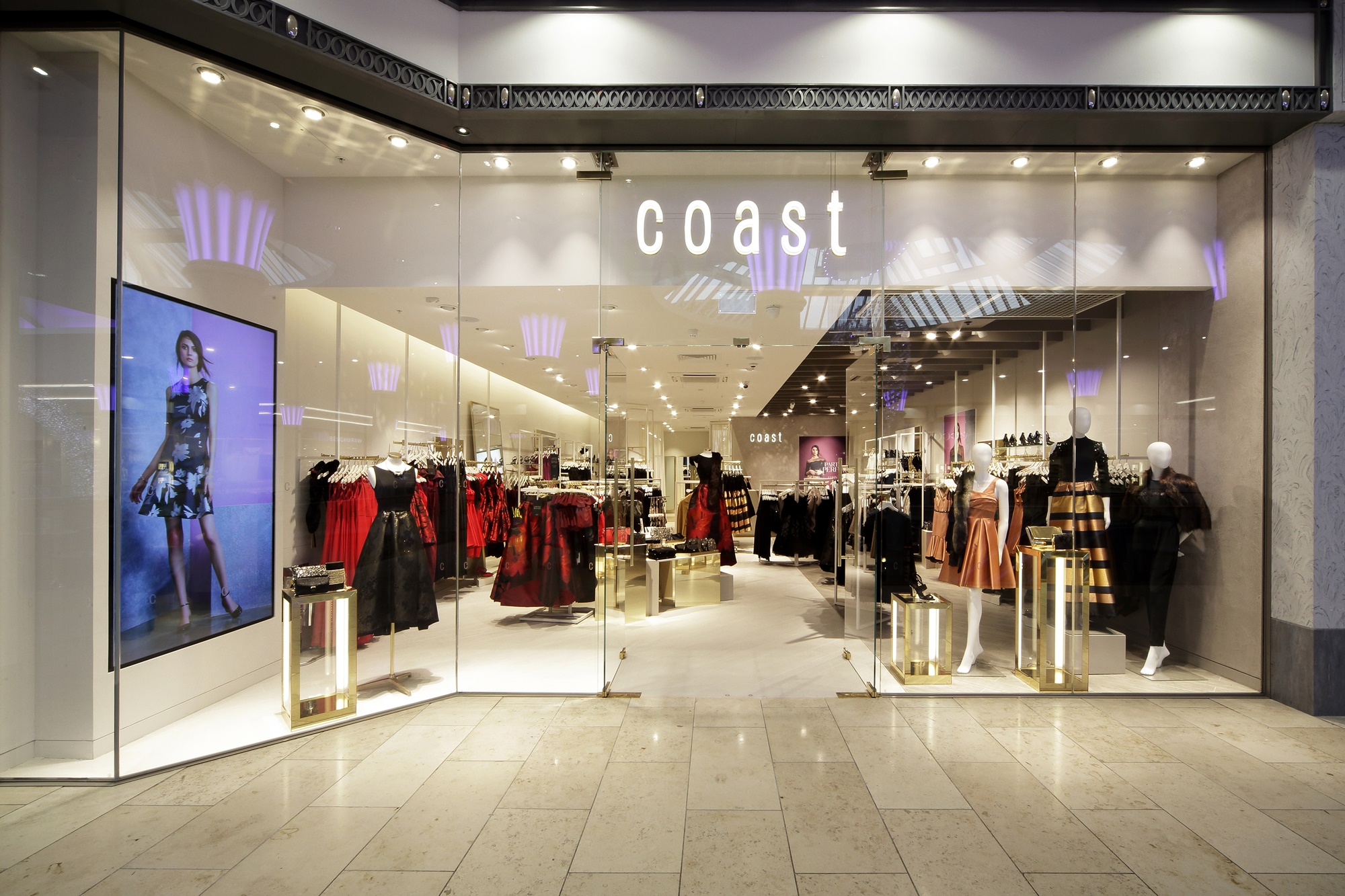
    British clothing retailer Karen Millen has bought a stake in fashion label Coast following the brand’s administration by PwC. The purchasing company has agreed to take on Coast’s UK concessions portfolio and online businesses, saving 600 jobs in the ailing firm. It will be trading through cooperating wholesale and franchise businesses. Coast’s standalone stores were excluded from the deal.

    Karen Millen CEO Beth Butterwick said: “We are excited to be welcoming over 600 Coast employees to the family. With its beautiful fabrics, stunning colours and signature designs, Coast is a much-loved fashion brand that has dressed women for all occasions since 1996. Our expertise and infrastructure puts us in a unique position to create a lean and profitable business, ensuring it remains a thriving destination in department stores and online.”

    Coast was originally part of a group owned by Karen Millen’s parent company, Icelandic bank Kaupthing.

    Coast gift cards and returns will be honoured by its new owners.

  • Li-Ning launches outlet in Lahore Pakistan

    Li-Ning launches outlet in Lahore Pakistan

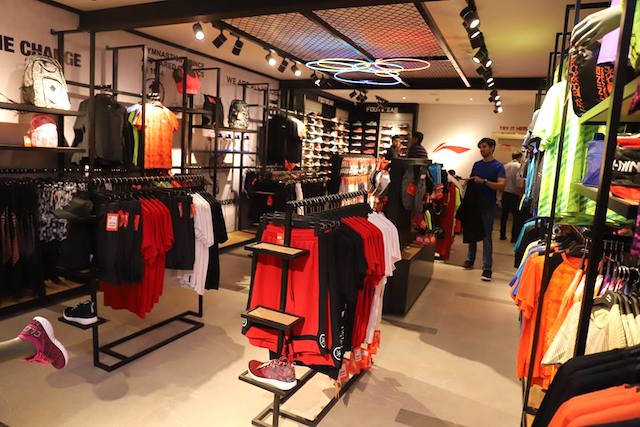
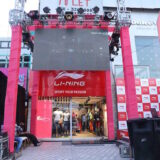
    Li-Ning Pakistan has made its debut with a flagship in the capital city of Lahore.

    The Chinese sportswear and accessories giant says the new Gulberg flagship, opened late last month, signals a nationwide expansion in the territory following the introduction of Li-Ning products in resellers earlier this year.

    Pakistan’s international badminton champion Mahoor Shehzad has been made the face of the brand in this market.

    Li-Ning was founded by its namesake, a prominent Chinese gold medallist athlete in 1990, before becoming one of the world’s largest sports apparel brands.

    Li-Ning operates more than 6400 stores and outlets worldwide.

  • Luxury brands turn their gaze to increasingly picky millennial buyers

    Luxury brands turn their gaze to increasingly picky millennial buyers

    Multimillion-dollar fashion brands in Hong Kong are transforming themselves to appeal to rich young customers.

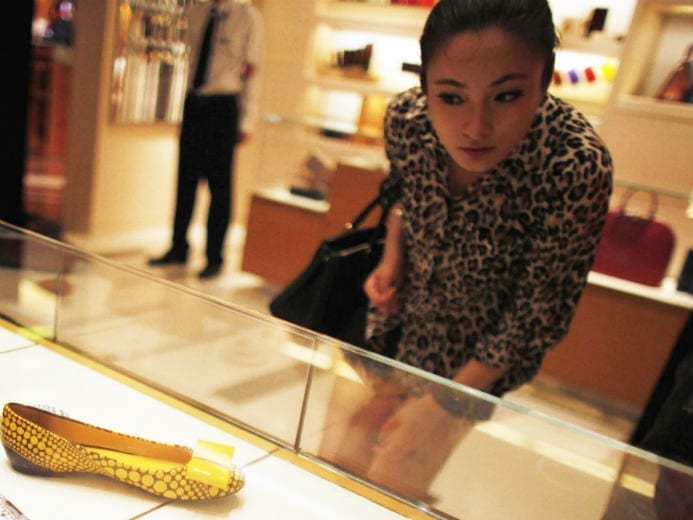
    Christine Chen, 27, was looking for a special wedding gift for her best friend. Loaded with cash, she went into one luxury store after another at a mall. Doors were opened obsequiously and staff in tuxedos fawned over her.

    But soon her interest in luxury fashion dissipated, at least temporarily, because of the overwhelming attention she received.

    Fifteen minutes later she was out of the door without completing her shopping.

    Christine’s story epitomes the experience of many young Hong Kong shoppers: They have no problems buying item after item online but quickly lose interest when the very same items are physically displayed in front of them along with an army of sales staff.

    High prices are not a problem, according to Christine, but the shopping experience at luxury stores often makes her and her friends reluctant to buy.

    Hong Kong has seen many changes in buying behavior in recent years. Some have not been kind to sellers as the closure of many Burberry, Coach and Louis Vuiton stores due to lack of patrons testifies.

    Bloomberg presumed that wealthy Chinese, who account for much of the luxury items purchased, are no longer willing to wait in queues for the latest watch or handbag.

    On the other hand, the surge of millennial buyers in the ages of 20-34 is transforming the traditional demographic at shopping malls. Their increasing incomes and family financial support allow the young to shift from fast fashion to posh clothing and accessories.

    Bain & Co has predicted that by 2025 millennials and the Generation Z (people born after 1996) will be the consumers of 45 percent of luxury fashion sold on the planet.

    Then again, it is not easy to make them buy. After being accustomed to middle-aged buyers for long, sellers of luxury goods now have to turn their gigantic marketing machinery toward increasingly younger buyers.

    Chow Tai Fook is one of the top 10 luxury fashion brands and has colossal revenues. It is larger than brands like Hermès, Rolex, and Prada, according to Deloitte.

    Since 2016 Chow Tai Fook has been making over its traditional outlets to make them millennial-friendly. It also has online shopping portal ctfeShop.

    At another of its outlets in Hong Kong, Chow Tai Fook even offers customers the experience of personally wrapping a jewelry gift box with items bought on the spot.Standing out is its branch in Kwai Fong, one of the island’s nightlife hotspots. Guests encounter a pink-themed café inside the store that ensures no one leaves thirsty. The selfie generation also loves the Kwai Fong branch for its check-in area specifically meant for taking photos.

    In each area, stores have their own signature color, with red being a symbol of fortune and light blue and pastel pink representing youth.

    The company came up with the idea of jewelry vending machines in Shanghai inspired by traditional vending machines.

    It also bought copyrights from Disney and rolled out jewelry lines inspired by the latter’s cartoon characters.

    All these are meant to help young buyers feel more comfortable at Chow Tai Fook, Po Liu, its international business director, explained.

    Chow Tai Fook’s range of campaigns for the brands under its umbrella works toward the same goal.

    T MARK is a diamond brand that focuses on the diamond traceabilityand authenticity. diamond is inscribed with a mark that carries a set of unique serial numbers, enabling customers to trace the life journey of a diamond from sourcing to production.

    SoInLove is a jewelry gifting brand with affordable price, young style. Monolgues is an on-trend jewelry brand for trendsetting millennials .

    French luxury brand Guy Laroche recently launched a series of art watches in Hong Kong and China.

    Instead of thin leather straps in classic yellow and brown tones, they come with pastel straps and large faces with imprints of French paintings.

    This personalization was in response to millennials’ need to express themselves, and the watches are a favorite item, especially for online shoppers.

    “Young people have innovative views that help us reach our target audience quickly, while the experience of older executives reduces potential risks.”Elise S.M. Tsui, a distributor of Guy Laroche watches in Hong Kong, said young people were becoming her main customers. So her company also employs young people in managerial positions.

    Vietnam too

    This shift in demographics is also happening in Vietnam.

    Since the beginning of last year Lacoste Vietnam has seen VIP customers aged 24 – 35 years increase by 315 percent. A VIP customer is one who makes a one-time purchase of at least VND27 million ($1,155).

    Bui Thu Phuong, marketing director of Lacoste Vietnam, said in the last two years, amid fierce competition from international and domestic fashion brands and the entry of many global names, Lacoste set out to build strategies to attract millennials and the Generation Z in addition to the middle-aged segment.

    “This is a very promising customer group that many brands are interested in. They were and have been key players in the global workforce. This young group always wants its needs gratified immediately.”

    Concurring with Phuong, Nguyen Thi Minh Thu, marketing director of Precita jewelry, said millennials as a customer group account for a big proportion of purchases of high-end brands.

    They were born in the digital age and live with the digital world for more than 24 hours a week. Health and beauty are their major interests, but they are also very particular about the quality of the products they buy and how practical their spending is.

    Designer Do Long has been in the fashion industry for eight years and runs a design shop. A few years ago his clients started to see younger buyers, aged 25-35, flood in, but now many 18-20-year-olds can afford customized, expensive attires, he said.

    To gain market share, designers and luxury fashion businesses are forced to innovate strategies and technologies to produce esthetic, trendy, cost-effective, and versatile lines while simultaneously their clients offering new experiences.

    For instance, someone who has four Precita earrings can wear them in 20 different ways. The brand personalizes wedding rings by engraving hearts on their inside.

    Earlier this year Precita tweaked its website to enable customers to research products and buy with a few clicks.

    In 2017 and 2018 Lacoste spent its entire marketing budget on digital media like online newspapers and magazines, social networks and outdoor displays in malls and other venues frequented by young people.

    The brand also employs young influencers to promote its items, including models Quang Dai and Helly Song, Miss Vietnam H’Hen Nie and singers Noo Phuoc Thinh and Isaac.

    This marketing ploy has been adopted by many businesses to connect with the millennial customer.

    As for Christine Chen, not only did find jewelry for her friend, but also got to personally enclose it for her in a small, pretty chest.

    “This shop is decorated like a treasure chest and each chest has its own code. All I have to do is pass the code to my friend and she will have a pleasant gift experience.”

  • Growth of Indian fashion e-commerce

    Growth of Indian fashion e-commerce

    E-commerce is the future of retail, and is taking giant steps as technology is being redefined with each successive year. But, contrary to popular belief, e-tailing can be expected to actually augment the growth of traditional retail in India along with consolidating wholesale and distribution channels.

    The Indian retail market is emerging as one of the most dynamic and fast-paced sector attracting several new domestic and international players. It accounts for over 10 percent of the country’s Gross Domestic Product (GDP) and around 8 percent of the employment. India is the world’s fifth-largest global destination in retail space. The Indian retail market is estimated at Rs 46,15,000 crore (US $710 billion) in 2017, and is expected to grow at a CAGR of 9 percent to reach Rs 1,08,58,000 crore (US $1,672 billion) by 2027. Corporatized retail had only a share of 11 percent in 2017, out of which, e-retail accounted for meagre 2 percent (Rs 92,300 crore). After the implementation of unified taxation under GST regime, it is expected that the share of corporatized retail will increase at higher rate. With increasing penetration of Internet in India, the acceptability of online shopping is expected to grow at a phenomenal pace.

    INDIAN RETAIL MARKET

    The Indian retail market is primarily dominated by food and grocery (~67 percent) followed by apparel and accessories (~8 percent), jewellery and watches (~8 percent) and others.

    India has witnessed a drastic shopping revolution in terms of retail formats, distribution channels and consumer buying behaviour. There has been an increase in purchasing power of consumers owing to the growth of middle class with higher share of disposable income, easy financial options, etc. The consumers today are more educated and well informed thus becoming more experimental and willing to try new products and new modes of purchases.

    E-retail is one of the fastest growing formats in Indian retail market owing to the convenient and personalized shopping experience. The Indian e-retail is estimate at US $16.3 billion in 2017 and is expected to grow at CAGR of 45 percent to reach US $49.5 billion by 2020.

    E-TAILING IN INDIA

    India is expected to become one of the world’s fastest growing e-tail markets, driven by robust investment in the sector and rapid increase in the number of internet users. Under Government initiatives like ‘Digital India’, Internet has penetrated to 400 million users, 48,000 gram panchayats are connected by optical fibres under Bharatnet program and 120.8 million have access to broadband. The increasing spectrum of Internet reach across geographies of India coupled with corporatization of apparel sector is paving way for emergence of e-commerce as a major retail channel in apparel category.

    E-tailing evolution took place in India starting with books and media as the key category. Electronics joined the e-tail bandwagon next and apparel, lifestyle were the third product categories. The other categories that have found traction include babycare, home and living, etc.

    At present, the e-commerce market is led by electronics category with a share of ~49 percent followed by apparel and lifestyle which is ~25 percent (including footwear, bags, belts, wallets, watches, jewellery, etc.). The adoption of e-tail in apparel and fashion industry is resisted by the consumers’ willingness to touch-and-feel the product before making purchase decision. To address this issue, initiatives like cash on delivery, easy return and exchange, discounts and offers are being implemented to encourage consumers to use online channel for shopping.

    E-tailing is in early stage but is growing rapidly and it will be further catalysed with the digital India program and structural reforms like GST implementation. Current share of e-retail in apparel and lifestyle segment is estimated at 4 percent in 2017 and is expected to grow four times from US $4 billion in 2017 to US $13 billion by 2020.

    E-retailers have rapidly scaled up their product offerings, providing a wide choice to customers. Several players have adopted marketplace models (pure or managed) which has enabled them to offer more categories, more brands and greater market reach for brands. E-retailers are opting for Omnichannel retail model by opening their physical store to capture a bigger market share. In addition, E-tailers are also investing into studios to improve uniformity in product catalogue for different suppliers, thereby enhancing customer’s shopping experience.

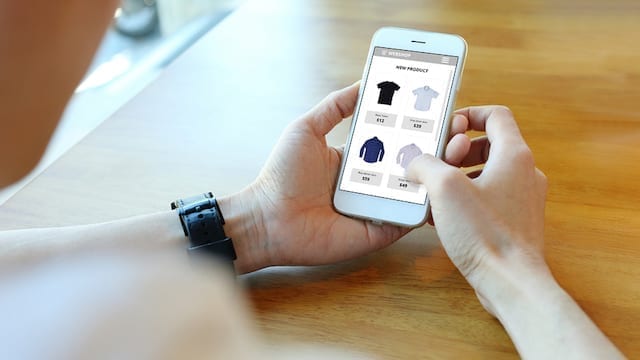
    Along with faster and easier navigation, most e-tailers provide detailed specifications of the products to make it easier for consumers to make purchase decisions. For instance, high resolution pictures and zoom in features are provided on the website to showcase the details of the products. Multiple images from different angles enable detailed view of product. Measurement charts assist the customer to make the right fit decision in case of apparel products, etc.

    KEY GROWTH DRIVERS OF E-TAIL IN INDIA

    Indian online retail has witnessed a surge in recent years and is expected to swell up to ~15 percent of the total retail by 2020 from current contribution of 4 percent (2017) in apparel and lifestyle segment. There are multiple factors which contribute to the growth of e-tail in India.

    Growth of digital penetration – India is in the midst of a digital revolution. The number of Internet users is likely to cross 650 million by 2020 and it is expected that half of the Indian population will be online in the next 3 years. Mobiles have become the most preferred device to access internet. The availability and affordability of smartphones with access to cheap internet data coupled with the rise in disposable income is fuelling the growth of digital penetration.

    Reach of e-retail channel – In next 3-4 years, more than half of India’s incremental Internet growth is expected to come from rural India. Additionally, the digital user demographic is expected to expand beyond the traditional stereotype, with a significant growth in female and older Internet users by 2020. This will result in a larger market size across different geographies, age and genders and not just a small targeted group. The diversity in the Internet users will facilitate an opportunity for online retailers to expand their product portfolio as per the increasing customer base.

    Impact of digital age – Though, Internet has penetrated to 400 million users today, but they are different in usage behaviour and needs. 60 percent of rural Internet users go online using Internet enabled phones and not smartphones. The major use of Internet in rural consumers is limited to entertainment, education and social networking. The online purchase behaviour is best predicted by the ‘digital age’ (years spent online), and not by demographics. With an increase in digital age, the internet users even from rural areas are expected to use e-retail for making their purchase decisions.

    Increasing fashion demands in small cities and towns – With the media exposure, rising awareness, growing aspirations and increasing share of disposable income, Indian consumers are looking to get access to global fashion brands. Limited reach of brick and mortar retail outlets of brands in smaller cities provides an opportunity for online retailers. Heavy discounts and promotions, availability of exclusive products, customized experience, availability of global brands, etc. Have made consumers residing in Tier -II and -III cities and semi-urban areas migrate to these online channels.

    Improved supply chain and end delivery logistics – E-commerce business is completely dependent on effective supply chain management. Successful supply chain management coordinates and integrates activities like manufacturing, operations, transportation and physical distribution of product with last mile connectivity to end users into a seamless process. For customer acquisition from traditional way of brick-and-mortar channel and their retention, it is necessary to provide customized shopping experience to the consumer by giving several convenience options like various payment options, mode of delivery, point of delivery, etc.

    Growth of private labels – With increasing acceptability of private labels among Indian consumers, e-retailers are entering into this emerging segment. The access to exhaustive informative data on consumer’s buying behaviour and preferences have provided an advantage to online retailers in terms of understanding the consumer’s needs. With private labels, online retailers are able to increase their revenues owing to lower distribution overheads, lesser number of intermediaries and negligible marketing cost involved in private labels.

    KEY CHALLENGES

    Despite high growth, e-tailers face several challenges in the country. Challenges and concerns related to e-tailing in India are enumerated as under:

    Competitive intensity – Changing customer preferences and their competitive demand has made e-tailing a highly competitive business which results in cash-burn with regular promotions/ discounts. High discounts by e-retailers to acquire customers have led to unreal customer expectations, low loyalty and losses.

    Sub-optimal logistics and infrastructural bottlenecks – Most of the logistics companies do not have pan-India reach. As some regions are not easily accessible, retailers have to cancel such orders due to inability of logistics partners to provide service in those areas. Inadequate infrastructure such as poor conditions of roads, highway, etc., is one of the main challenges faced by the e-retailers resulting in a major roadblock in their growth story.

    Inability to convert returns into retails – The conventional brick-and-mortar channel is able to convert the return of product into sales. Consumers when go to shop to return the product, they generally shop for other goods due to easy accessibility to other designs and variety in the shop, which is not the same in case of online shopping.

    Different Drivers for online purchase – The purchase drivers are very different across different geographies, regions and population centres. Factors such as promotions, discount and offers are the key driving factor for online purchase across all the regions – metros, tier -I and II cities. But there are other region specific factors such as, availability of new products, better product assortments, easy return policy, express delivery options, etc., which drive growth in different cities and regions. Thus e-tailers have to develop different strategies for different regions and geographies.

    CONCLUSION

    In the current shopper-centric era, Indian fashion industry is joining hands with technological advancements. Retailers are progressively accepting innovative ideas and tactics to create a memorable and personalized shopping experience, at the same time ensuring lower logistics and operational cost thus leading to higher revenues. With increasing internet penetration, e-commerce is expected to grow at relatively higher rate in comparison to conventional retail channels. With increasing acceptance of private labels within the Indian consumers, e-retailers are venturing into private labels.

    E-tailing can play a crucial role in consolidating wholesale and distribution channels, and in developing India-specific business models. By virtue of the advantages discussed in previous sections, e-tailing can bring down the cost of distribution and can complement the growth of traditional retail. In future, e-retail is expected to take a step ahead in adopting Omnichannel retail strategy, capturing higher market share.
  • How blockchain is disrupting fashion

    How blockchain is disrupting fashion

    One of the most cutting-edge development is the incorporation of blockchain technology. Blockchain is a global online database that anyone with an internet connection can use, but it doesn’t belong to anyone.

    Block What?

    A blockchain is a distributed database maintaining a constantly-growing list of data records secured from tampering and revision. The data are recorded in a blocks structure, with each block holding batches of individual transactions. Meaning the database is secure, open, auditable and what makes it unique is that it runs without a single centralized operator. The defining feature of a blockchain is that it cannot be modified by any party, it is coded in the way that prevents fudging the data, whether that data is bitcoin quantities or the origin of a piece of clothing. That means information can be transmitted through huge networks, such as supply chains, and can be added to by users on those networks without compromising on security.

    Conceived in 2008, it is mostly used in the banking sector for the moment, because the technology easily helps tracing transactions and it happens to be the main technical innovation of the bitcoin. The idea was to create a decentralized digital property that keeps track of who owns what. Today it is not bitcoin, but blockchain that everyone is buzzing about.

    Blockchain Meets Fashion

    A few months ago, blockchain made its fashion debut during Shanghai Fashion Week. Babyghost, a young Chinese-New York label, teamed up with BitSE, a company specialized in blockchain, and VeChain, an anti-counterfeiting application to showcase its Spring and Summer 2017 collection. VeChain is a cloud product management solution integrated with blockchain technology that puts unique IDs on the blockchain and can verify if an item is genuine or not. So the collection could be verified on the blockchain to fulfill a bunch of possibilities: anti-counterfeiting, supply chain management, asset management and client experiences. The result of this union is called FashTech, where a clothing collection canbe verified on the blockchain through Near field communication or by scanning the QR code on the label. A person’s phone communicates with the small VeChain chip embedded inside the clothing which then tells its ‘story’ to the consumer. VeChain can be programmed with photographs, videos and even personalized information such as to whom it was purchased for and why.

    Blockchain Is Use At Shanghai Fashion Week

    Blockchain is based on a simple idea, but built upon a complex technological framework. Its goal is to establish trust, accountability and transparency while streamlining business processes. Blockchain relates to fashion in different ways.

    Intellectual Property

    The most immediate and obvious use of blockchain in fashion is to verify the originality of a garment. Microchips utilizing blockchain can tell a customer with complete certainty whether a piece of cloth is genuine or an imitation, whether it was stolen, where it was made, and the item’s general history. All this information is accessible via smartphone. With revenues around US$ 600 billion per year, counterfeiting hurts brands and consumers alike.

    Supply Chain and Transparency

    Blockchain could conceivably tell a customer not only where an item was made, but who it was made by, the conditions they worked in, and how much they were paid. Shoppers could have immediate access to information such as composition of an item’s fabric, where the cotton was grown, which polyester compounds are used, what chemicals have been used for bleaching and so on. Blockchain technology has the ability to garner greater trust and brand loyalty throughout the product lifecycle.

    Especially in the fashion community, supply transparency has been a major concern. The Fashion Revolution began a campaign to show ‘who made my clothes’. The movement is humanizing a manufacturing process that we forget is still controlled by human hands. Blockchains can bring transparency to supply chains and on the governmental level, let them request information from
    even distant suppliers.

    History has shown that centralizing data into the hands of one single party doesn’t work for transparency: having a single party able to control what is seen creates bias, even when it is a third party, and cannot be totally disinterested whilst being incentivized enough to maintain the system, without being vulnerable to bribery, social engineering or targeted hacking. Even without mentioning if the party is the brand itself, or the biggest actor in the supply chain, making a major conflict of interest. Blockchains will entirely change the game for certifying, tracking and tracing the origin of goods.

    Customer Experience

    It’s the dawn of a new era in fashion, in which customers interact with their clothes on a profound and meaningful way. Blockchain therefore is storytelling and brands can do that actually fairly easily and merge it with Social Media.

    By looking beyond sustainability to production, and getting consumers to understand the layers of complexity involved in bringing a product to market, the blockchain can help move the mentality away from throwing products into landfill and instead appreciating the value of items. Over a third of garments purchased find their way into landfill sites or are otherwise disposed of within just one year. The Internet is the digital medium of information, and blockchain is the digital medium of value. We cannot predict the future, but undoubtedly, blockchain is a technology that is worth getting to know, as it may very well spark a revolution across various industries. It is estimated that until 2025 up to 70 percent of all global markets will depend on blockchain, directly or indirectly. A huge potential will be the so called ‘Smart Contracts’, these are automatically executed agreements, with no human intervention. As one of the unfolding technologies, blockchain is empowering fashion brands to take a lead towards greater transparency. By educating consumers via the product journey, it is going to redefine the meaning of fashion by including elements like honesty and real transparency.

  • S. Korea’s overseas direct purchases up sharply in H1

    S. Korea’s overseas direct purchases up sharply in H1

    South Korea’s direct purchases from foreign countries continued to increase at a sharp pace in the first half of this year on rising consumer demand for cheaper and quality products, customs data showed.

    A total of US$1.32 billion worth of foreign goods was directly bought by South Korean shoppers via overseas Internet shopping malls in the January-June period, up 35 percent from US$974.1 million tallied a year earlier, according to the data compiled by the Korean Customs Service (KTS).

    The number of overseas direct purchases jumped 36 percent on-year to a record 14.94 million cases over the same period, the data showed.

    The value and the number of direct purchases have been on a steep rise in recent years, with the half-yearly amount nearly doubling from two years ago.

    The customs office said booming demand for cheaper Chinese electronic goods, U.S.-made dietary supplements and Japanese toys led the sharp increase, with foreign foodstuffs, clothes and cosmetics still popular among South Korean shoppers.

    Purchases of dietary supplements jumped 34 percent on-year to 3.09 million cases in January through June, while 1.92 million purchases of garments and 1.68 million picks of electronic goods were reported, up 60 percent and 91 percent, respectively, from a year earlier.

    By country, the United States was the biggest seller with US$730.1 million in the six-month period, surging 55 percent from a year earlier, while some US$204.8 million worth of Chinese goods were shipped, up 16 percent from a year earlier. Purchases from Europe and Japan rose 19 percent and 6 percent to US$253.3 million and US$85.2 million, respectively.

  • New Look about to Quit China

    New Look about to Quit China

    Struggling UK fashion retailer New Look is set to cull its China store network.

    Weeks after signing a Company Voluntary Arrangement with its creditors and landlords in the UK – a plan which will see it close 60 stores – chairman Alistair McGeorge has cast doubt on the future of the ambitious China plans announced by former CEO Anders Kristiansen.

    “We are taking a view on all our stores,” he told the Press Association in the UK. “We are taking a good hard look, and we will probably do some downsizing.”

    So far, New Look has opened 148 stores across China, barely one third of its target. The stores are company owned rather than franchised as many international retailers choose to in China. It did not open any in Hong Kong or Macau.

    In the year to March 24, New Look recorded a loss of £74.3 million (US$98.4 million; HK$772.6 million) after a £97.6 million profit the previous year.

    Besides store closures, McGeorge is planning to reduce prices and broaden its target market from the millennials it was targeting under Kristiansen.

  • Zara owner hits another revenue record

    Zara owner hits another revenue record

    Inditex Group announced a new first quarter record revenue of €5.7 billion, driven by flagship brand Zara.

    This marks a 2 per cent increase in net sales growth, up from €5.6 billion in the first quarter of 2017, which was underpinned by solid business performance and same-store sales growth across all geographies.

    Gross margin rose to 58.9 per cent, a 3 per cent increase year over year.

    Inditex’s chairman and CEO, Pablo Isla, noted that “the strength of the integrated store and online model, bolstered by continued innovation, is driving solid growth and notable job creation.”

    During this period, the Group continued to push its ‘integrated store model’, with many stores receiving refurbishments and expansions to bring them up to date, while launching online sales in Australia and New Zealand.

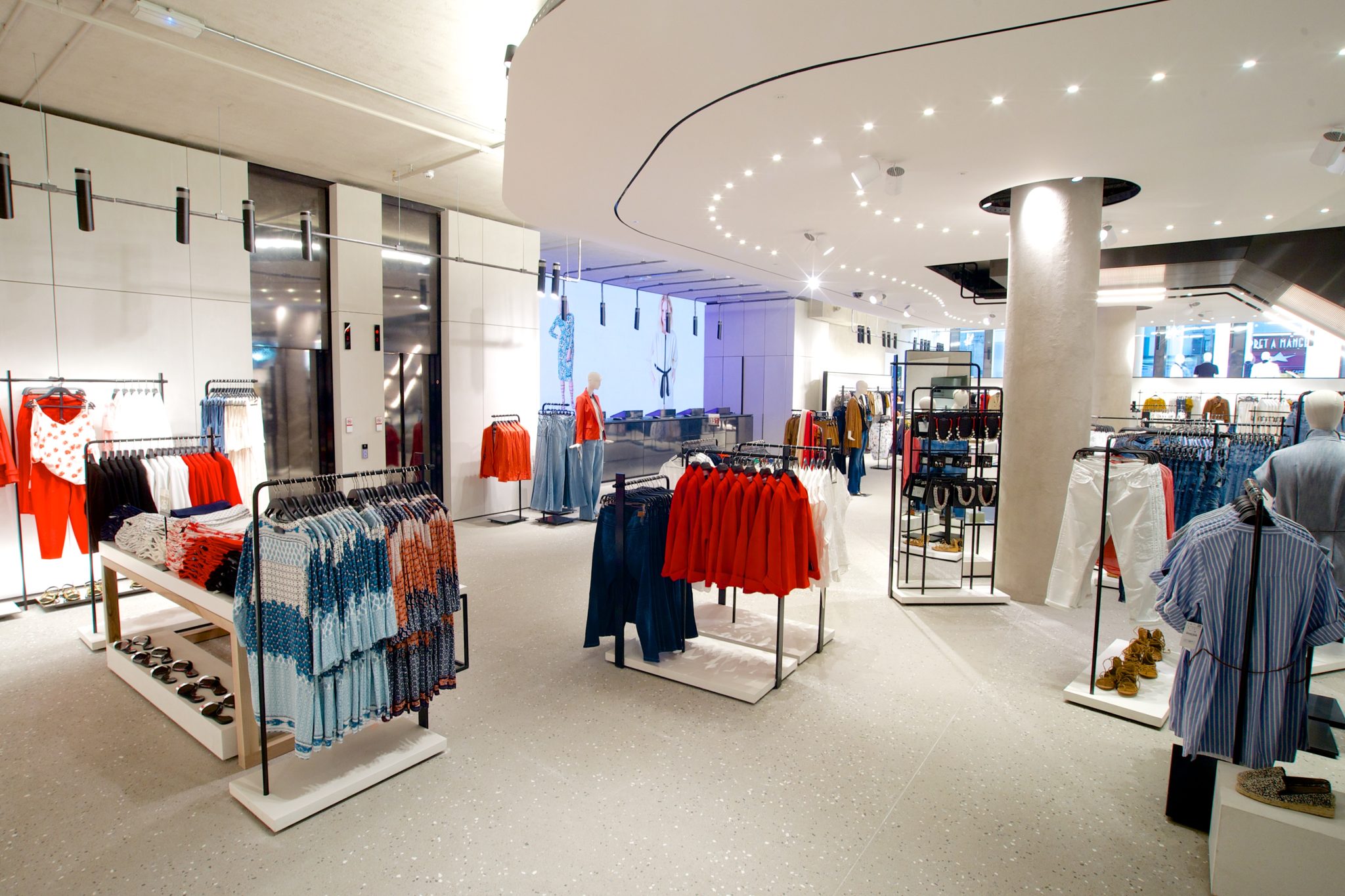
    Zara launched its first stores in Buffalo, New York and Murray, Utah in the United States, as well as in Pune, India, while bringing its augmented reality technology, ZaraAR, to 130 flagships globally.

    ZaraAR allows customers to use their phones to view AR models wearing Zara outfits either by holding the app up to a sensor within stores, or over online delivery packaging, offering a chance to easily preview what the clothes look like in motion.

    As a part of its Employee Profitsharing Plan, Inditex distributed €42 million among 88000 employees.

    The plan rewards employees with at least two years service in its stores, manufacturing facilities, logistics platforms, brands and subsidiaries, and commits to pay out 10 per cent of the annual growth in new profit.

    Competitor H&M Group will publish its six-month report for 2018 on 28 June.

  • H&M sales stagnates due to record inventory

    H&M sales stagnates due to record inventory

    H&M sales worldwide – in local currencies – stagnated in the second quarter, reaching SEK 51.98 billion (US$5.88 billion).

    The poor figure was achieved despite a net increase of 303 stores between May 31 this year and the same time last year, taking the network to 4801.

    H&M was carrying record levels of inventory estimated at US$4 billion at the end of the first quarter and had to resort to discounting in the second quarter to shift stock.

    Analysts were unimpressed by the figure. “It’s worrying,” Magnus Raman, an analyst at Handelsbanken told Bloomberg. He estimated the fall in like-for-like sales over the past year at 6.8 per cent.

    “The consensus estimate was already at very low levels and still the company doesn’t manage to meet them.”

    “H&M is undertaking a series of turnaround initiatives,” said a Barclays analyst. “Although many of these sound sensible in the longer term, we think they will take time to materialise and continue to view the next 12 months as challenging.”

  • Falke Ergonomic makes debut in Fysical stores in IFC Mall

    Falke Ergonomic makes debut in Fysical stores in IFC Mall

    Falke Ergonomic Sport Systems has opened its first Hong Kong store in IFC Mall in Central.

    With a “breathtaking backdrop”, according to the sportswear brand, the store offers 54sqm of high-end shopping.

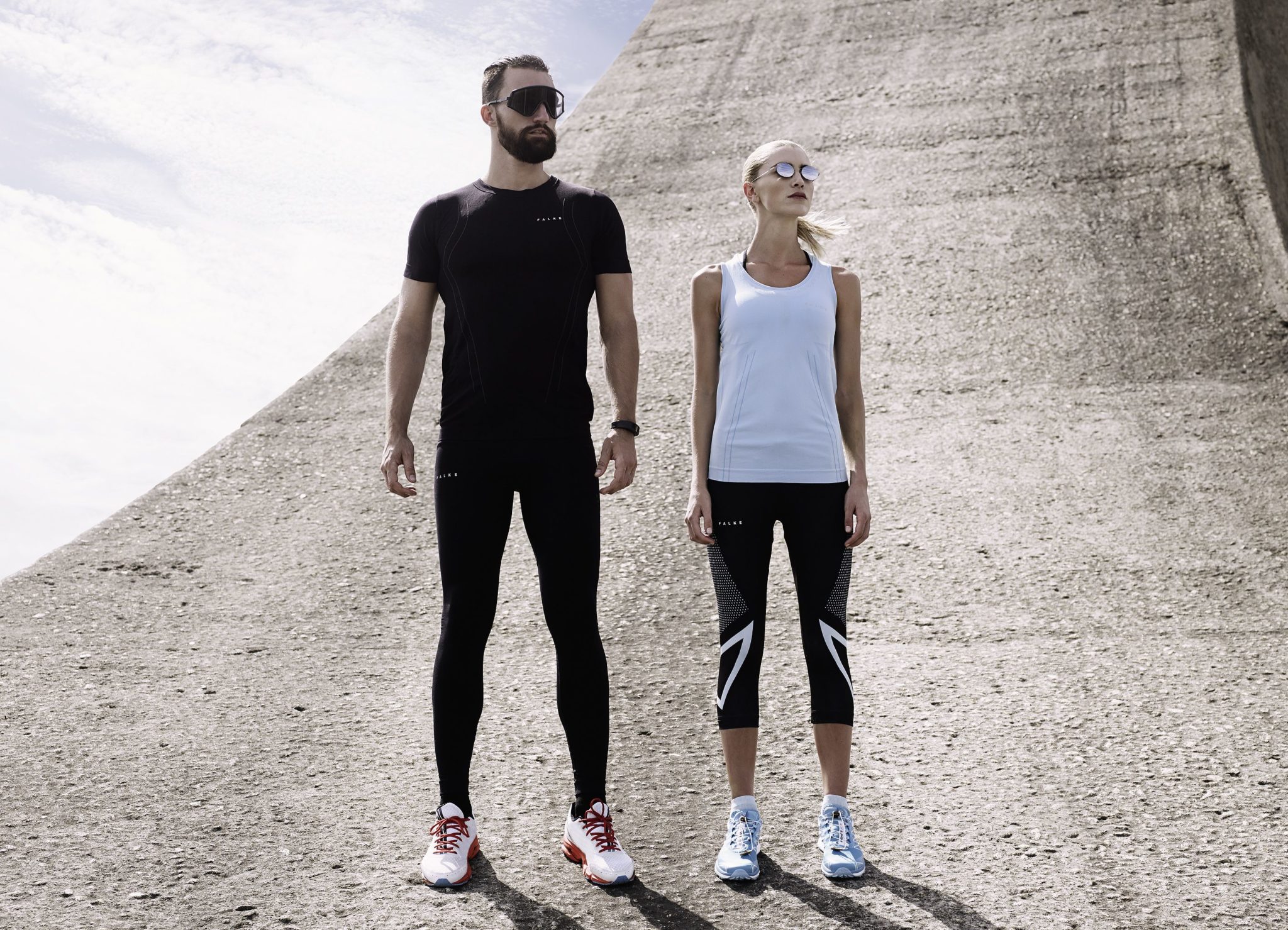
    Falke says its collection includes a mix of functionality and subtle elegance, with playful cuts in combination with curated colour combinations.