Tag: fast fashion

  • H&M Fined $138,600 over Children’s Fire Hazard Labels in Australia

    H&M Fined $138,600 over Children’s Fire Hazard Labels in Australia

    H&M Australia has paid $138,600 in penalties after the Australian Competition and Consumer Commission issued seven infringement notices for alleged breaches of the Consumer Law.

    The regulator cited the retailer for supplying 4,473 items across four types of children’s nightwear that failed mandatory fire safety requirements. Under Australian standards, children’s nightwear must display explicit hazard ratings of either ‘high fire danger’ or ‘low fire danger’, dictated by fabric makeup and rigorous flammability testing.

    The enforcement action follows voluntary recall notices that H&M Australia issued for the non-compliant lines in July 2024, April 2025 and June 2025.

    Inspection Failures and Label Deficiencies

    Some garments reached store shelves with no warning tag at all. Other items carried labels with inaccurate warning wording or displayed the tags in unauthorised positions, obscuring critical hazard information from shoppers.

    H&M admitted to the conduct following the enforcement action. The retailer has committed to funding a public awareness campaign explaining fire hazard labels on children’s clothing, advertising its recall notices further, and overhauling internal compliance checks via a formal safety compliance program.

    “Without the correct labelling, parents or carers may have been unaware of the severity of the risk to children wearing these garments and being close to heat or flame. This creates an unacceptable risk of serious injuries to children,” said ACCC deputy chair Catriona Lowe.

    Operational Exposure Across Fast-Fashion Supply Chains

    For international apparel groups operating in Asia-Pacific, the penalty exposes the operational vulnerability of global inventory pipelines entering strictly regulated domestic jurisdictions. Global fashion networks depend on centralized sourcing hubs across Asia, but local safety rules do not tolerate harmonized, one-size-fits-all factory tagging.

    When fast-fashion retailers push thousands of seasonal units through distribution hubs into regional retail networks, manual inspection lapses trigger immediate statutory liability. The fine itself is modest for an international brand, but mandatory corrective advertising and safety audits disrupt merchandising cadence and draw sharp regulatory scrutiny.

    Stricter Regulatory Enforcement in Australia

    The enforcement follows three separate voluntary recall rounds executed by H&M Australia in July 2024, April 2025 and June 2025. Those recalls pulled the four affected nightwear lines from stores after internal audits and regulatory queries identified the missing and misplaced warning tags.

    Australian watchdogs have systematically targeted children’s sleepwear over the past two years. Davie Clothing, the firm behind loungewear label The Oodie, paid $101,280 in 2024 after failing to attach mandatory high fire danger warning labels to its children’s products.

    Attention now shifts to H&M’s rollout of its court-enforceable compliance program and the public launch of its mandatory safety awareness campaign across Australian retail channels.

  • Asos Shares Fall 10% After Hackers Hijack App to Send Extortion Alerts

    Asos Shares Fall 10% After Hackers Hijack App to Send Extortion Alerts

    Shares in Asos dropped 10 per cent after hackers hijacked the retailer’s mobile notification network to deliver an extortion demand directly to shoppers’ phones.

    Global markets including Australia, Ireland, France and Sweden received the alert on Tuesday. Shares tumbled as low as 432 pence in London trade.

    The rogue push message hit customer devices around 10:00 BST. Addressed directly to the retailer’s data protection officer and technology teams, the notification read: “we have fully compromised the Snowflake instance. Engage with us, or we will leak it.” It linked users to a Telegram channel run by a group calling itself Xuanye Group. In follow-up messages, the hackers claimed customer records were safe on their server and would not be touched for a set period. They also claimed payment data was untouched.

    Breakdown of customer data exposure

    Asos cut access to its third-party customer messaging systems once the broadcast went out. Core systems, the shopping app and regional websites continue to trade normally, management said. External forensic specialists are now investigating alongside regulators to determine the scope of the breach.

    Basic personal records including names and contact details were exposed, the group confirmed. Payment-card details and passwords remained secure. Cloud storage provider Snowflake said its internal review found no compromise of its underlying platform.

    Ransom notes on customer screens

    Hijacking a retailer’s push alert pipeline creates an operational headache for digital merchants across Asia-Pacific and Western markets. Intruders usually negotiate data ransoms behind closed doors. By weaponizing an app installed on over 10 million mobile devices, attackers force the victim into a public crisis before forensic teams can map the intrusion.

    Vendor integrations create direct exposure for consumer brands using automated tools for customer alerts and data lakes. Here, the commercial risk is not system downtime. The storefront remains live. Instead, the danger lies in app uninstalls, consumer hesitation and friction at the digital checkout during peak shopping quarters.

    Earlier data sprees and corporate recovery

    Cyber gangs have targeted cloud repositories relentlessly over the past two years. Google subsidiary Mandiant tracked an intrusion campaign targeting Snowflake credentials across at least 165 corporate clients in 2024. British operators have also suffered hits, with Marks & Spencer, the Co-op and Jaguar Land Rover enduring major operational disruption from security breaches.

    This breach hits Asos during a delicate corporate turnaround. Asset sales and an improved fiscal 2026 earnings forecast had lifted its share price by more than 60 per cent earlier this year. The group holds cyber insurance covering business continuity. Management noted it is too early to assess the financial impact on trading.

    Investigation underway with regulators

    Technical teams are now investigating how the payload bypassed internal controls on the notification platform. Asos has not disclosed how many of its 17 million active global customers received the message.

    Attention now turns to whether the UK Information Commissioner’s Office receives a formal breach filing once forensic checks conclude. Investors will look to the next trading update to see if customer orders softened after the scare.

  • Shein Net Revenue Rose 1 per Cent in First Report as Public Company

    Shein Net Revenue Rose 1 per Cent in First Report as Public Company

    Shein reported that its net revenue rose just 1 per cent year on year in its first earnings report as a public company, as rising shipping costs and changing customs rules squeezed profits.

    The fast-fashion retailer built its business on delivering cheap clothing to shoppers quickly, but the economics behind that promise have become harder to sustain while attempting to broaden its appeal without losing low prices.

    While orders and active customer numbers grew, retail advisor Deanna Andersen noted on October 1, 2026, that rules changed faster than Shein’s model could.

    Regional Sales Slump in Western Markets

    Western consumers pulled back sharply during the quarter as import rules tightened. Revenue across European markets dropped 13.9 per cent to $3.77 billion. In the United States, sales contracted 6 per cent to $2.5 billion. Growth across Latin America offset the Western downturn just enough to keep overall group revenue marginally above the prior year.

    Cross-border direct dispatch from Chinese factories made Shein a global retail power, but that direct-to-consumer logistics network is facing regulatory resistance. Customs authorities in North America, Europe and South Africa have tightened de minimis duty exemptions on small postal parcels. The introduction of handling fees and import duties immediately chips away at low-ticket transactions, forcing the company to decide between absorbing extra fees or hiking list prices.

    “The rules changed faster than Shein’s model could,” said advisor Deanna Andersen.

    The Limits of Centralised Air Freight

    For Asia-Pacific supply chains, the squeeze on Shein signals a forced restructuring of cross-border e-commerce. Chinese manufacturing networks configured solely for fast-turnaround, air-shipped parcels are losing their cost edge when border duties apply. Domestic apparel brands and established department store chains in regional markets are holding their ground against offshore competitors as price parity narrows.

    Rival platform Temu has also stepped up pressure by broadening its product catalogue beyond apparel into general merchandise and home goods. That rivalry has inflated digital advertising acquisition costs across search and social channels, compounding the margin decline for pure-play fashion sellers.

    Inventory Risk Shifts to Local Warehouses

    To bypass package-level border scrutiny and lower delivery times, cross-border sellers must move bulk inventory into regional warehouses closer to target consumers. Doing so breaks the core mechanism that made Shein profitable: producing tiny batches on demand with zero local inventory carrying cost.

    Bulk sea shipping and local distribution centres demand working capital and introduce markdown risk on unsold inventory. Passing higher freight and warehousing expenses onto shoppers risks alienating the core demographic that uses the app strictly for bargain pricing.

    Losses in Early 2026 Followed by Weak Rebound

    The margin contraction follows a difficult start to the financial year. Shein posted a net loss of $99 million in the first quarter of 2026, reversing a $395 million net profit recorded in the corresponding period of 2025. Although the business returned to positive net income in the second quarter, profitability remains far below historic performance.

    Investors now await third-quarter trade volume data and customs clearance metrics ahead of the peak year-end holiday shopping quarter.

  • Shein Net Profit Drops 67 Percent to 228 Million Dollars as Air Freight Squeezes Margins

    Shein Net Profit Drops 67 Percent to 228 Million Dollars as Air Freight Squeezes Margins

    Shein reported a 66.6 per cent slump in second-quarter adjusted net profit to $228 million, hit by surging air cargo rates and falling revenue in Western markets.

    Net profit margins narrowed to 2.1 per cent from 6.2 per cent a year earlier, even as the platform fulfilled 298 million orders between April and June.

    Group revenue inched up 0.9 per cent year-on-year to $11.08 billion during the period. Active customers climbed to 291 million over the 12 months to June, up from 254 million, but shoppers spent less per order while overhead surged.

    Higher shipping costs hit the bottom line

    Fulfillment costs surged 18.1 per cent during the three-month period. Shein relies on direct air shipments from contract factories in southern China to consumers worldwide, leaving operating margins exposed to sudden swings in aviation fuel and commercial cargo pricing caused by Middle East route disruptions.

    Growth in Latin America compensated for contractions in primary markets, preventing top-line sales from shrinking outright. Total order volume increased by 21 million transactions compared with the second quarter of last year.

    Tariffs and parcel fees bite in the West

    Revenue from Europe fell 13.9 per cent to $3.77 billion as Shein pulled back on digital marketing spend and lifted retail prices ahead of regional regulatory changes. The European Union introduced a flat 3-euro customs fee on low-value e-commerce packages on July 1.

    United States revenue declined 6 per cent to $2.5 billion. Price adjustments followed the removal of de minimis duty exemptions by US authorities, which had previously allowed parcels valued under $800 to enter the country free of import tariffs.

    Warehouses and premium labels

    Cross-border operators in Asia now face the end of the frictionless air-freight model that built ultra-fast fashion. Temu and AliExpress face identical regulatory scrutiny in Brussels and Washington, but Shein carries heavier direct inventory risk as it attempts to reposition itself toward higher-priced apparel categories.

    Shifting higher up the price ladder creates direct competition with established European apparel chains such as Inditex and H&M without guaranteeing the same local store network or brand equity. Shein must absorb heavy fixed property costs across Europe while defending its low-cost apparel base against newer discount apps.

    Hong Kong stock slides

    The company listed in Hong Kong on September 1 at an offer price of HK$48.56 per share. Trading has dropped 27.3 per cent since the debut, reflecting investor concern over margin erosion and sluggish Western revenue.

    To reduce dependence on individual air parcels, the group is expanding land-based logistics hubs inside the European Union. Shein opened a 740,000-square-metre distribution facility in Wroclaw, Poland, in December and leased an additional 66,000 square metres of warehouse space from industrial developer CTP earlier this year.

    Investors now await third-quarter earnings figures in November, which will show the full impact of the European Union’s 3-euro parcel surcharge during the peak autumn trading period.

  • SM Retail Keeps 15 Forever 21 Stores Open in the Philippines

    SM Retail Keeps 15 Forever 21 Stores Open in the Philippines

    SM Retail will keep all 15 Forever 21 stores open across the Philippines following a bankruptcy filing by the brand’s US parent company in October 2019.

    SM Retail, which holds the majority stake in the local joint venture, confirmed that domestic operations will remain unaffected by the overseas restructuring.

    Insulation From Global Closures

    The voluntary bankruptcy in the United States ensures the parent company retains control of its assets while restructuring, even as it is expected to close around 350 stores worldwide, primarily in its main US market.

    Ponciano Manalo, president and chief executive officer of SM Retail, confirmed that domestic sales diverge sharply from struggling Western markets.

    There is no effect on our Philippine operations. Forever 21 Philippines continues to be one of the stronger global operations.

    Joint Venture Structure Protects Footprint

    Local ownership shields the Philippine network from overseas insolvency fallout. SM Retail controls domestic operations and houses the stores inside its nationwide mall network. This structure spares the brand from the heavy standalone lease liabilities that broke its Western counterpart.

    Across flagship commercial centres, the steady 15-store footprint prevents sudden vacancies. North American landlords face empty retail space as hundreds of large-format units wind down. Philippine commercial tenancy under SM Retail remains fixed.

    Decade of Local Expansion

    Do Won and Jin Sook Chang founded Forever 21 in California in 1984. The chain expanded rapidly across international shopping centres on a fast-turnaround, budget apparel model.

    Its Philippine debut arrived in 2010 through the SM Retail partnership, opening at SM Megamall in Mandaluyong. The domestic footprint expanded steadily across metropolitan retail hubs over the following nine years.

    Marketing Push for Peak Quarter

    Fresh capital is now moving into inventory and promotional campaigns for the fourth-quarter shopping period. Year-end consumer spending in the Philippines represents the most lucrative sales window for apparel merchants.

    Regular merchandise shipments will reach retail floors throughout the final quarter as marketing campaigns roll out across all 15 branches.

  • Shein Second Quarter Profit Plunges 67 per Cent to US$228 Million

    Shein Second Quarter Profit Plunges 67 per Cent to US$228 Million

    Shein posted an adjusted net profit of US$228 million for the second quarter, down 67 per cent from a year earlier. Freight costs surged while sales across Europe fell.

    Net margin shrank to 2.1 per cent from 6.2 per cent a year ago. Flying low-cost parcels directly from Asian factories to consumers worldwide became far more expensive. Total revenue edged up 0.9 per cent to US$11.08 billion for the three months to June 30. Gains in Latin America counterbalanced declining receipts in Western markets.

    European sales dropped 13.9 per cent to US$3.77 billion during the quarter. The retailer raised prices and trimmed marketing budgets across the region ahead of July 1, when the European Union introduced a 3-euro customs charge on low-value parcels. United States revenue declined 6 per cent to US$2.5 billion. That drop continued a slide that began after American authorities ended duty-free treatment under de minimis rules last year.

    Air Freight and Customs Squeeze Margins

    Conflict in the Middle East disrupted aviation routes and pushed up jet fuel prices. That drove an 18.1 per cent increase in quarterly fulfillment costs. Shein’s direct-to-consumer model depends entirely on affordable air cargo capacity out of southern China. When air freight rates spike, the margin on five-dollar apparel vanishes.

    Shares in Hong Kong have fallen 27.3 per cent below their HK$48.56 offer price since the company went public on September 1. Institutional investors had already priced in regulatory scrutiny. Even so, the rapid deterioration in core operating earnings caught market analysts off guard.

    European Warehouses and On-the-Ground Logistics

    Shein is shifting inventory onto European soil to insulate operations from cross-border customs fees and volatile air cargo rates. The group opened a 740,000-square-metre logistics hub in Wroclaw, Poland, in December. It secured an additional 66,000 square metres of Polish warehouse space through developer CTP earlier this year.

    Holding stock locally cuts delivery transit times and skirts per-parcel import tariffs. Yet it also creates lease liabilities and inventory holding risks the platform once avoided. For suppliers in Guangdong province, bulk sea shipments to European distribution centres require longer production planning cycles. That slows down the ultra-fast test-and-reorder batches that built the brand.

    Pivot to Higher Price Points and Brand Acquisitions

    Executive leadership plans to adjust the product catalogue toward higher price tiers to rebuild profitability. Moving beyond ultra-cheap garments requires winning market share from established mid-market apparel groups. It also means managing higher marketing and acquisition costs.

    “As the product mix shifts towards brands at higher price points, the platform’s overall average selling price will rise accordingly,” Shein chief executive and chair Yangtian Xu said in a statement.

    Potential fast-fashion acquisition targets are under review as the company seeks to build a portfolio of distinct labels across different price tiers. Buying regional brands gives the group immediate recognition in overseas territories. It avoids relying purely on paid online advertising to acquire customers.

    Next Steps on Customs and Third Quarter Results

    Second-quarter figures reflect business conditions before the European Union’s 3-euro parcel levy took effect in July. Shein cautioned that the full financial hit could exceed the disruption caused by the end of American de minimis exemptions.

    Investors will watch third-quarter trading updates to see whether European warehouse operations can restore gross margins before the peak year-end holiday shopping rush.

  • Newme Expands Indian Store Footprint Targeting Break-Even

    Newme Expands Indian Store Footprint Targeting Break-Even

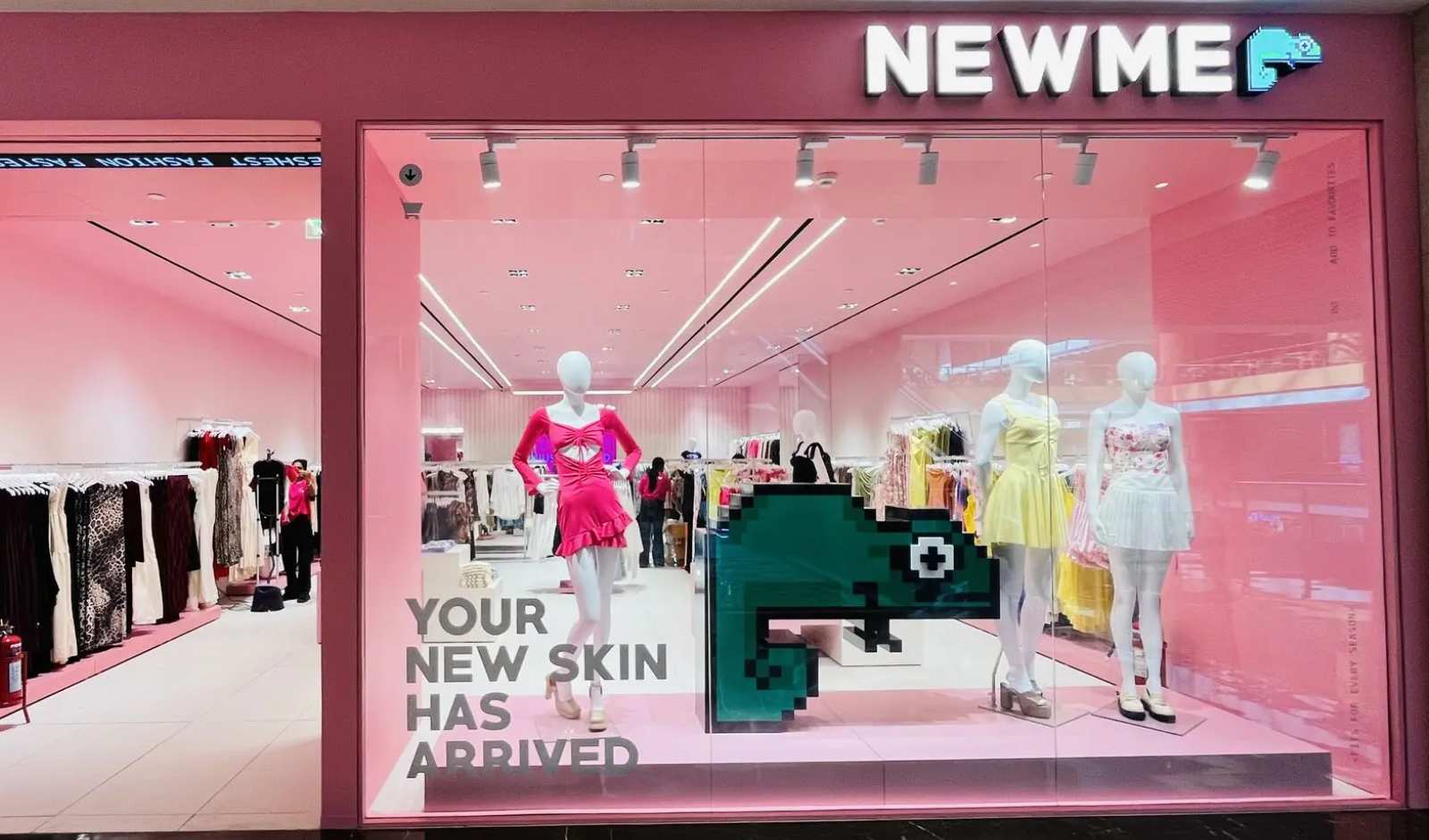
    Indian apparel brand Newme is expanding its brick-and-mortar footprint across secondary cities to reach young female shoppers and achieve break-even this year.

    The Bengaluru-based fast-fashion startup recorded revenue gains through the financial year ended March 31, 2025, and is pushing into regional markets where digital sales are accelerating ahead of physical retail supply.

    Targeting Underserved Regional Hubs

    Chief executive officer and co-founder Sumit Jasoria said the company is opening stores in cities that established apparel chains often overlook. The brand focuses on affordable Western wear designed for Gen Z women.

    Physical expansion is targeting tier-two and tier-three centers, including Ahmedabad and markets across northern India, where online customer acquisition has outpaced physical retail space.

    “Ahmedabad is a market which is underserved by every brand. North is a market underserved by every brand. We feel there is a very big space for us to go and build a very big brand there,” Jasoria said.

    Balancing Unit Economics and Expansion

    Opening physical stores across non-metro cities lowers customer acquisition costs compared to pure-play online marketing, but it introduces fixed overheads and inventory risks.

    For retail landlords in secondary Indian cities, fast-fashion brands targeting young shoppers offer high footfall and reliable rental yields. The risk for Newme sits in managing inventory turnover across a wider physical network while keeping prices low enough to retain Gen Z buyers.

    The Shift to Omnichannel Retailing

    Direct-to-consumer apparel labels across India have increasingly moved offline after reaching digital growth ceilings. Rising digital ad rates on social platforms have made pure-play online customer acquisition prohibitively expensive.

    By setting up storefronts in high-density shopping districts, Indian fashion startups are converting digital brand awareness into immediate cash flow, mirroring strategies deployed by regional value-fashion competitors.

    Financial Targets and Next Steps

    Newme recorded revenue gains through the financial year ended March 31, 2025, and is prioritizing operational profitability over growth at any cost.

    Management is tracking store opening targets through the end of the calendar year as the company works to deliver its first break-even financial year.

  • Zara Opens 2,100-Square-Metre Flagship Store in Seoul’s Gangnam District

    Zara Opens 2,100-Square-Metre Flagship Store in Seoul’s Gangnam District

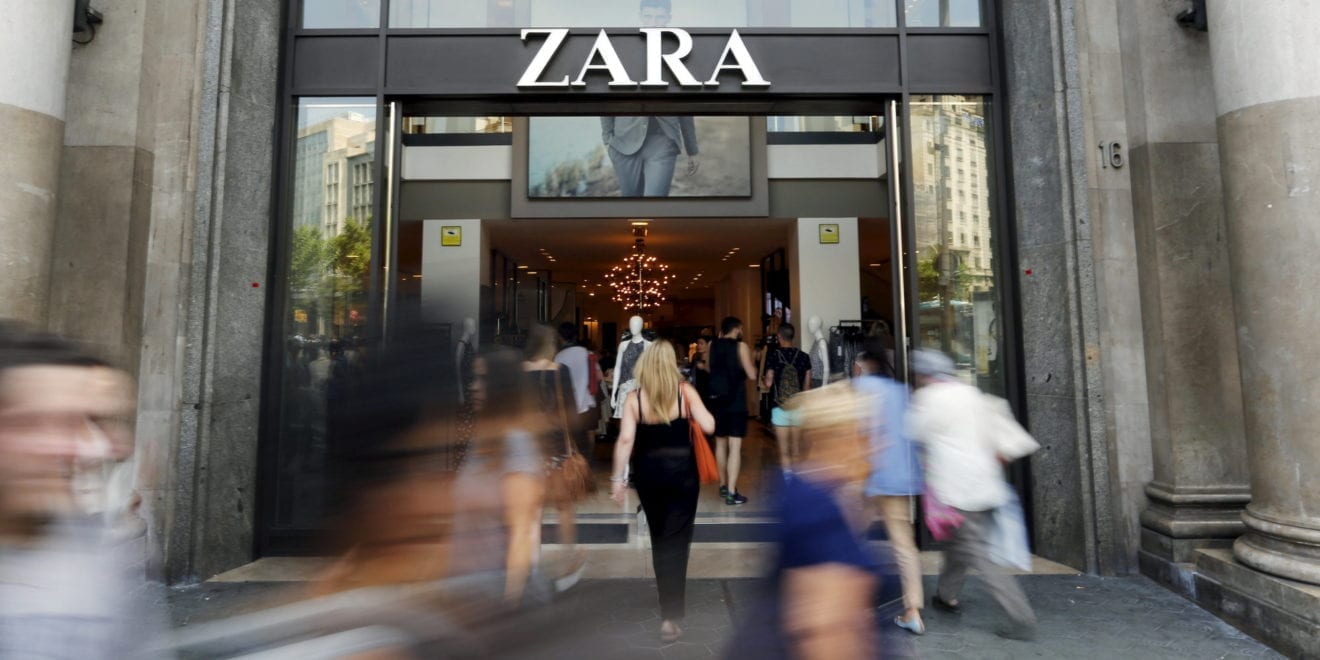
    Zara opened a flagship store spanning more than 2,100 square metres in Seoul’s Gangnam district on September 8. The three-storey space is part of the retailer’s push into larger, experience-driven flagships across key Asian commercial hubs.

    Designed by Zara’s Architecture Studio, the interior uses stone, wood, concrete, and metal finishes to segment product categories across three levels. Womenswear and youth collections occupy the ground floor. The second floor carries an expanded women’s range, plus dedicated footwear and handbag sections. Menswear lines sit on the third floor, including Zara Origins, Athleticz, and limited collaboration releases.

    Floor Layout and In-Store Cafe

    The Gangnam store incorporates a Zacaffe outpost with an outdoor terrace and a book collection focused on Korean authors. It also houses a site-specific art installation titled Imugi, created with Seoul-based creative studio Our Labour. The artwork spans all three floors. It draws on Korean folklore, traditional timber construction, and dancheong decorative painting.

    Digital retail functions are embedded across the sales floor. Shoppers can check real-time store inventory through the Zara mobile app. They can also pick up online orders at dedicated counters and process refunds at automated return terminals alongside assisted checkout lanes.

    Store Rationalisation and Format Upgrades

    Across prime Asian shopping corridors, global apparel brands are trading smaller mall units for high-visibility, multi-category flagships. By bundling hospitality, local art, and specialized collections into destination spaces, operators aim to drive physical footfall against domestic e-commerce platforms. Seoul high street landlords face rising demand for experiential tenants who can draw sustained weekend crowds.

    This format brings operational complexity. Running in-store cafes and custom art installations alongside fast inventory cycles demands higher operating expenditure than standard retail units. It also requires tighter inventory turn rates. Fast-fashion retailers must balance these interior costs against strict store-level margin targets.

    Expansion Across East Asian Flagship Hubs

    The Seoul opening follows the June debut of Zara’s flagship on Huaihai Road in Shanghai, which introduced the brand’s updated global format to mainland China. Both openings show the company’s focus on prime retail corridors across North Asia rather than secondary market expansion.

    Attention now turns to how Inditex manages its remaining South Korean store fleet as leases expire. Industry watchers are also tracking whether the group brings the Zacaffe concept to other major metropolitan locations across the region.

  • Shein Commits US$80 Million to Everlane Takeover as Shares Slump

    Shein Commits US$80 Million to Everlane Takeover as Shares Slump

    Shein agreed to buy United States clothing brand Everlane for US$80 million. The company is deploying part of its US$16.74 billion cash reserve to reignite slowing revenue growth.

    The purchase follows a difficult trading debut in Hong Kong this week. Retailer shares finished Friday at HK$38.14 (US$4.86), down more than 20 per cent from the initial public offering price.

    People familiar with the matter said the transaction tests a broader strategy to buy labels across multiple price tiers. Shein held US$15 billion in cash before listing and added US$1.74 billion in net proceeds from the share sale. It plans to plug acquired businesses into its proprietary supply chain and global sales portal.

    Plugging Brands into the Xcelerator Network

    Under the plan, Shein intends to channel targets through its Xcelerator programme. It sells third-party labels access to its on-demand manufacturing system, automated warehousing, and cross-border shipping networks. The platform tracks online consumer demand. It instructs partner factories to scale production up or halt lines within days, keeping unsold stock minimal.

    Everlane will retain independent operations and keep its ethical manufacturing guidelines, Chief Executive Officer Alfred Chang told staff in an internal memo. The US label built its business on organic cotton basics and factory transparency. That approach contrasts with Shein’s high-volume polyester catalogue.

    Slowing Sales and Tariff Pressures

    For Asian fashion operators and global apparel vendors, the takeover shifts how Chinese-founded e-commerce platforms handle slowing organic traffic. Competitors like Temu and TikTok Shop fight on price. Shein is instead trying to buy higher-income shoppers directly rather than relying on deep discounts. If the model works, contract manufacturers across southern China and Southeast Asia will produce higher-margin runs under Western labels instead of unbranded fast fashion.

    Execution and brand equity present financial risks. Buying Western premium labels does not immediately solve Shein’s volume problem. It also offers no guarantee of customer retention if core buyers reject the new owner. Marketplace service revenue is growing faster than direct apparel sales, but it still makes up a small fraction of the balance sheet.

    From Listing Delays to Slower Expansion

    Regulatory changes are already squeezing cross-border logistics margins. Shein’s sales growth slowed to 1.1 per cent in the first quarter of 2026, down from 8 per cent across 2025, after the United States government revoked the de minimis tariff exemption on small incoming parcels. The company previously bought British fast-fashion chain Missguided in 2023 to test brand integration, before regulatory pushback delayed listing attempts in New York and London.

    Investors and suppliers will now watch Shein’s second-quarter earnings and the completion filing for the US$80 million Everlane deal to see if marketplace volume can offset core margin compression.

  • HSBC and W. Management Secure Prime Causeway Bay Flagships as Rents Soften

    HSBC and W. Management Secure Prime Causeway Bay Flagships as Rents Soften

    HSBC has secured a five-floor flagship branch at Causeway Bay’s Capitol Centre for HK$4 million a month, taking space long dominated by international fashion retailers.

    The 3,900-square-metre lease lets the lender replace two nearby outlets with a single customer hub that exceeds the combined floor area of both prior locations.

    Renovation is now underway across the ground floor and four upper levels. The space previously housed apparel brands including Victoria’s Secret, Forever 21 and Chanel. Land Registry filings confirm HSBC signed a five-year agreement for the site, making it the first long-term non-fashion occupant at the property since 2008, when casualwear chain Giordano paid HK$5.06 million monthly for the basement and five upper floors.

    Shifting from Apparel to Wealth Hubs

    A few streets away on Paterson Street, fast-fashion retailer W. Management took three floors spanning roughly 2,790 square metres in Fashion Walk. The company agreed to pay more than HK$2 million monthly for space vacated by Swedish rival H&M, which previously paid as much as HK$10 million a month for the entire four-floor building.

    Financial institutions across Asia-Pacific are increasingly stepping onto prime retail strips that once priced out non-luxury operators. Where fashion giants previously bid up core retail corridors to unsustainable peaks, wealth managers, private banks and insurance firms now view discounted street-front flagships as essential physical hubs for customer acquisition and private client meetings.

    Prime Street Rents Level Off

    Data from Savills shows Hong Kong retail sales climbed 7.1 per cent year on year in the second quarter, while online sales rose 25.3 per cent. Street-level rents across the four core shopping districts of Central, Causeway Bay, Mong Kok and Tsim Sha Tsui held flat quarter on quarter, while mall rents slipped 1.8 per cent over the same timeframe.

    HSBC will close its Premier centre at Causeway Bay Plaza 2 on Lockhart Road and its branch at Park Lane on Gloucester Road on October 17, with the new Capitol Centre flagship scheduled to open on October 20.

  • Shein Shares Close Flat in Hong Kong After Raising US$1.7 Billion

    Shein Shares Close Flat in Hong Kong After Raising US$1.7 Billion

    Shein shares closed broadly flat on their Hong Kong debut after opening at HK$48.56, raising US$1.7 billion in an offering that valued the retailer at US$26.5 billion.

    The listing price matched the initial offer level after early trading saw the stock drop as much as 10 per cent to HK$43.8. The final valuation sits well below the nearly US$100 billion private valuation the company achieved in 2022.

    Management allocated 40 per cent of the IPO proceeds to technology infrastructure and another 40 per cent to global brand expansion. The remaining funds will cover corporate responsibility programs and general corporate needs. The public debut follows years of regulatory hurdles after Shein abandoned listing attempts in New York and London before securing Chinese regulatory approval in July.

    Tariffs and the End of Tax Exemptions

    The company built its business on exporting small, low-value parcels directly from mainland China to consumers overseas under duty exemptions. More than 90 per cent of Shein’s 2025 revenue came from inventory held in central Chinese warehouses.

    That channel has narrowed quickly. The United States removed its duty exemption on commercial imports valued under US$800, leaving Shein’s China-origin shipments facing import tariffs between 10 and 87.5 per cent. The European Union has also increased charges and tightened controls on low-value e-commerce packages.

    To counter border duties, Shein now imports bulk containers into regional hubs and operates 18 fulfillment warehouses across Europe. Shipping containers once rather than millions of individual parcels daily forces the group to absorb higher local storage and handling costs.

    Slowing Sales and Margin Pressures

    Top-line momentum has dropped sharply over the past three years. Revenue grew 41.1 per cent in 2023, 20.7 per cent in 2024 and 8 per cent in 2025 to US$41.8 billion. First-quarter revenue in 2026 reached US$9.05 billion, up just 1.1 per cent from the prior year.

    Profitability shrank over the same stretch. Net income fell 38.7 per cent in 2025 to US$2.06 billion. The company posted a net loss of US$99 million in the first quarter of 2026, compared with a US$395 million profit a year earlier, weighed down by a US$328 million fair-value charge on convertible preferred shares.

    RetailNews Asia views the shift toward onshore inventory as a fundamental change in Shein’s cost profile. Moving inventory closer to Western consumers erodes the asset-light advantage that allowed Chinese cross-border platforms to outprice established domestic department stores and apparel chains.

    To broaden its customer reach, Shein acquired US apparel brand Everlane for roughly US$100 million, alongside earlier deals for Missguided and an equity stake in Forever 21. Investors will track whether second-quarter operating margins recover as these acquired brands integrate with its third-party marketplace platform.

  • Shein Targets US$1.7 Billion Hong Kong Listing After Shifting Focus to China

    Shein Targets US$1.7 Billion Hong Kong Listing After Shifting Focus to China

    Shein will debut on the Hong Kong stock exchange on Tuesday, seeking to raise US$1.7 billion after abandoning earlier plans to list in New York and London.

    The listing values the fast-fashion group at US$26.5 billion, down from its peak valuation of more than US$100 billion in 2022. That drop follows years of regulatory hurdles in the West and an extensive effort to secure approval from Chinese market authorities.

    Supply Chain Commitments and Regulatory Clearances

    Founded in Nanjing in 2012, Shein shifted its corporate headquarters to Singapore in late 2021 as part of an attempt to position itself as a global retail player. That strategy ran into resistance from Chinese regulators, including the China Securities Regulatory Commission, which reviews foreign-registered businesses with substantial domestic operations.

    Founder Sky Xu responded by taking direct charge of regulatory relations in China. Xu made a rare public appearance at a February business forum in Guangdong province, pledging a US$1.5 billion investment to expand the company’s supply chain network across the region.

    The company also opened a research and development centre in Nanjing. In its Hong Kong listing prospectus, Shein confirmed that mainland China remains the central anchor of its logistics network and accounts for nearly 80 per cent of its total workforce.

    Western Market Pressures Reshape Listing Strategy

    Attempts to secure listings in the United States and the United Kingdom unraveled under heightened political and regulatory scrutiny. US lawmakers pushed for supply chain audits under the Uyghur Forced Labor Prevention Act, while trade policy shifts eliminated the US$800 de minimis customs exemption that originally accelerated Shein’s cross-border parcel volumes. European authorities introduced comparable parcel handling charges.

    Former executive chairman Donald Tang stepped down ahead of the Hong Kong filing after his previous public remarks claiming American corporate values drew criticism from Chinese officials.

    For retailers across Asia, Shein’s pivot illustrates the limits of cross-border corporate restructuring when manufacturing remains concentrated in southern China. Regional e-commerce operators face a tighter compliance environment globally, leaving Hong Kong as the primary capital market for Chinese-rooted digital exporters.

    Trading begins on Tuesday on the Hong Kong exchange, where investors will test Shein’s revised pricing against slowing margins in overseas markets.

  • Shein Shares Drop 8 per Cent in Hong Kong Debut

    Shein Shares Drop 8 per Cent in Hong Kong Debut

    Shares in Shein fell 8 per cent on their first day of Hong Kong trade on Tuesday, valuing the online fast-fashion retailer at roughly US$24 billion.

    The morning price of HK$44.60 represents a steep reset from the company’s peak valuation of nearly $100 billion in 2022. Hong Kong’s benchmark Hang Seng Index slipped 0.6 per cent over the same session.

    Shein turned to Hong Kong after regulatory pushback from Chinese authorities blocked earlier listing attempts in New York and London. The public offer sold about 6.6 per cent of the company’s enlarged share capital. Cornerstone investors took roughly one-fifth of the shares on offer, leaving just 5 per cent freely tradeable under a six-month lockup agreement.

    Valuation gap with regional rivals

    Investor appetite remained muted throughout the sale. The retail portion was subscribed 5.63 times and the international tranche 2.59 times, trailing the hundreds-fold subscriptions common in Hong Kong’s technology and robotics listings.

    Saxo market data shows Shein listed at 15 times forward earnings. That multiple is more than double the valuation of PDD Holdings, the owner of Temu, giving Shein a premium price tag despite heightened geopolitical friction and slower earnings visibility across major Western markets.

    RetailNews Asia notes that the muted debut reflects how quickly cross-border e-commerce economics deteriorated once Western customs loopholes vanished. For years, Chinese discount retailers expanded into the US and Europe by relying on tax exemptions for low-value parcels. Now that both jurisdictions levy duties on direct-shipped goods, margins across the entire ultra-fast fashion export sector are compressing simultaneously.

    Tariffs squeeze operating margins

    Policy changes in Shein’s largest markets dismantled its core cost advantage. The US repealed its duty exemption for packages under $800 last year, and the European Union instituted collection fees on small consumer shipments.

    Higher customs duties, tariffs and logistics expenses across Europe and the Middle East dragged Shein’s net income down 39 per cent last year, pushing the business into an operating loss in the first quarter. To compensate earlier venture backers who bought in at higher price points, Shein agreed to disburse $3.5 billion in cash payments and execute share adjustments for select preferred stockholders.

    Management has turned to acquisitions and marketplace fees to diversify revenue. The company purchased American clothing label Everlane in May, adding to earlier takeovers of British brand Missguided and French fashion label Pimkie.

    Attention now turns to Shein’s upcoming first-half financial report, where the company projected operating profit margins will fall below first-quarter levels.

  • Shein Budgets $15M for Product Safety in 2025 Compliance Push

    Shein Budgets $15M for Product Safety in 2025 Compliance Push

    Shein will spend $15m in 2025 to tighten product safety and regulatory compliance across its global marketplace.

    That budget will fund 2.5 million individual product tests this year, a 25 per cent increase from the testing volume completed in 2024.

    Tighter Rules for Childrenswear and Electronics

    The Singapore-headquartered platform is expanding working agreements with 15 commercial inspection groups, including SGS, Intertek, and Bureau Veritas. The checks target baseline safety benchmarks such as the US Consumer Product Safety Act and the European Union’s General Product Safety Regulation. Suppliers and third-party marketplace merchants must now clear internal standards set out in Shein’s Restricted Substances List.

    Under the new rules, the retailer limits garment production to an approved materials library of certified fabrics, trims, and hardware. Starting April 2025, every fabric used in Shein-branded children’s clothing must clear mandatory chemical and flammability screening before listing. Similar requirements apply to all decorative trims and fasteners.

    A second enforcement phase begins in May 2025, focusing on high-risk third-party merchandise such as consumer electronics, toys, cosmetics, and personal protective equipment. Sellers in these categories must supply verified certifications, including RoHS compliance and FCC documentation, before their listings go live.

    Enforcing Penalties on Third-Party Merchants

    Cross-border retail platforms operating out of Asia face mounting scrutiny from Western regulators over illicit chemical residues and untested electrical goods shipped directly to consumer doorsteps. Direct-to-consumer marketplaces built on rapid-turnaround contract manufacturing must prove they can police hundreds of independent workshops without slowing delivery cycles.

    Shein has already removed more than 540 non-compliant sellers from its marketplace since introducing third-party vendor onboarding. Merchant accounts now undergo recurring audits based on random laboratory screenings and shopper complaints. Vendors that fail testing thresholds face product delistings, financial penalties, or permanent account termination, with Shein committing to notify government regulators of severe safety violations.

    Marketplace teams will track merchant compliance rates closely as the documentation mandate takes effect for electronics and cosmetics vendors in May 2025.

  • Shein Prices Hong Kong IPO at $26.5 Billion Valuation to Raise $1.73 Billion

    Shein Prices Hong Kong IPO at $26.5 Billion Valuation to Raise $1.73 Billion

    Shein priced its Hong Kong initial public offering at HK$48.56 a share, raising HK$13.6 billion ($1.73 billion) and valuing the fast-fashion retailer at $26.5 billion.

    The price sits near the midpoint of the marketed HK$47.60 to HK$49.50 range. That crystallises a sharp valuation reset, leaving the business worth roughly one-quarter of its $100 billion private market peak in 2022 and down from $66 billion in 2023.

    Valuation Reset and Shareholder Payouts

    Cornerstone investors committed about $383 million to the offering. Existing backers Boyu Capital, Tiger Global and General Atlantic led that group, joined by Tencent, Greenwoods, Taikang Life and UBS Asset Management. Shein plans to spend 80 per cent of the net proceeds on upgrading technology infrastructure and expanding its international market reach.

    Cash outflows will also head straight to legacy backers. The company agreed to pay up to $3.5 billion to settle obligations with investors who bought special share classes during earlier private fundraising rounds.

    The listing ends a four-year hunt for a public venue after regulatory hurdles blocked attempts to float in New York and London. For Asian equity capital markets, securing a $26.5 billion consumer tech platform provides welcome liquidity to the Hong Kong exchange, but the steep discount shows investors now demand hard profitability rather than runaway gross merchandise volume.

    Slowing Growth and Market Scrutiny

    Financial filings show operating momentum has cooled across key Western markets. Shein reported revenue growth of just 1.1 per cent in the first quarter, with management projecting first-half performance to match that pace alongside slightly weaker operating margins.

    Local retail demand in Hong Kong proved muted during the bookbuild following a broader regional equities retreat in July. Alvin Cheung, associate director at Prudential Brokerage, noted that retail investors questioned Shein’s expansion prospects as shipping expenses and competition climbed.

    Goldman Sachs, Morgan Stanley and JPMorgan served as joint sponsors on the deal. Final institutional and retail allotment figures will be published on Monday, ahead of the stock’s trading debut on the Hong Kong Stock Exchange on Tuesday.