Retail News CRM

Tag: f&b

  • Singapore: The Springboard For Chinese F&b Brands Eyeing Global Expansion Amid Domestic Challenges

    Singapore: The Springboard For Chinese F&b Brands Eyeing Global Expansion Amid Domestic Challenges

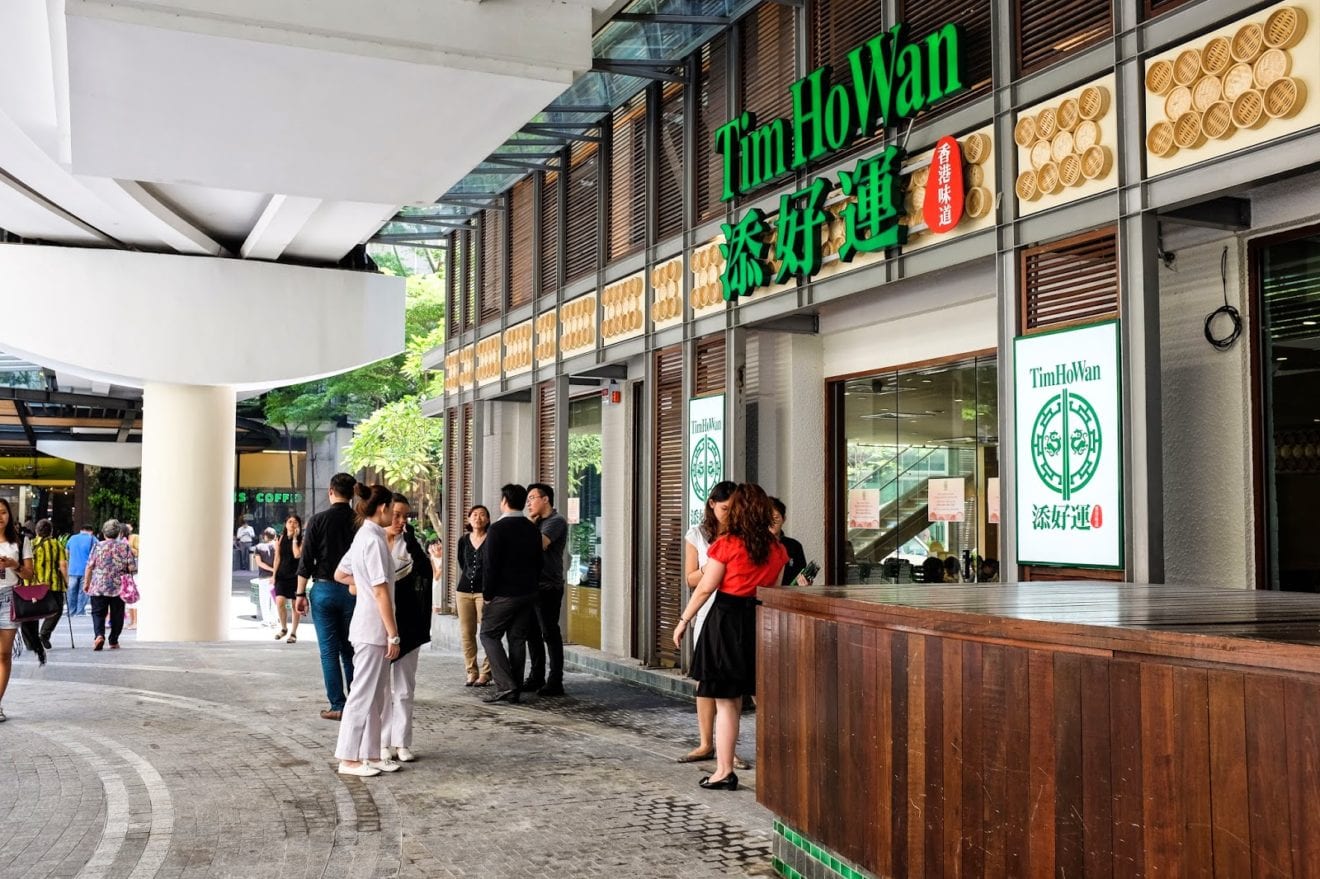
    In the last year, an unprecedented influx of Chinese restaurants and cafes has made their mark in Singapore. These establishments view the island as an ideal launchpad for their global expansion plans, largely spurred by lackluster consumer demand, fierce price competition, and extremely tight profit margins in their domestic market.

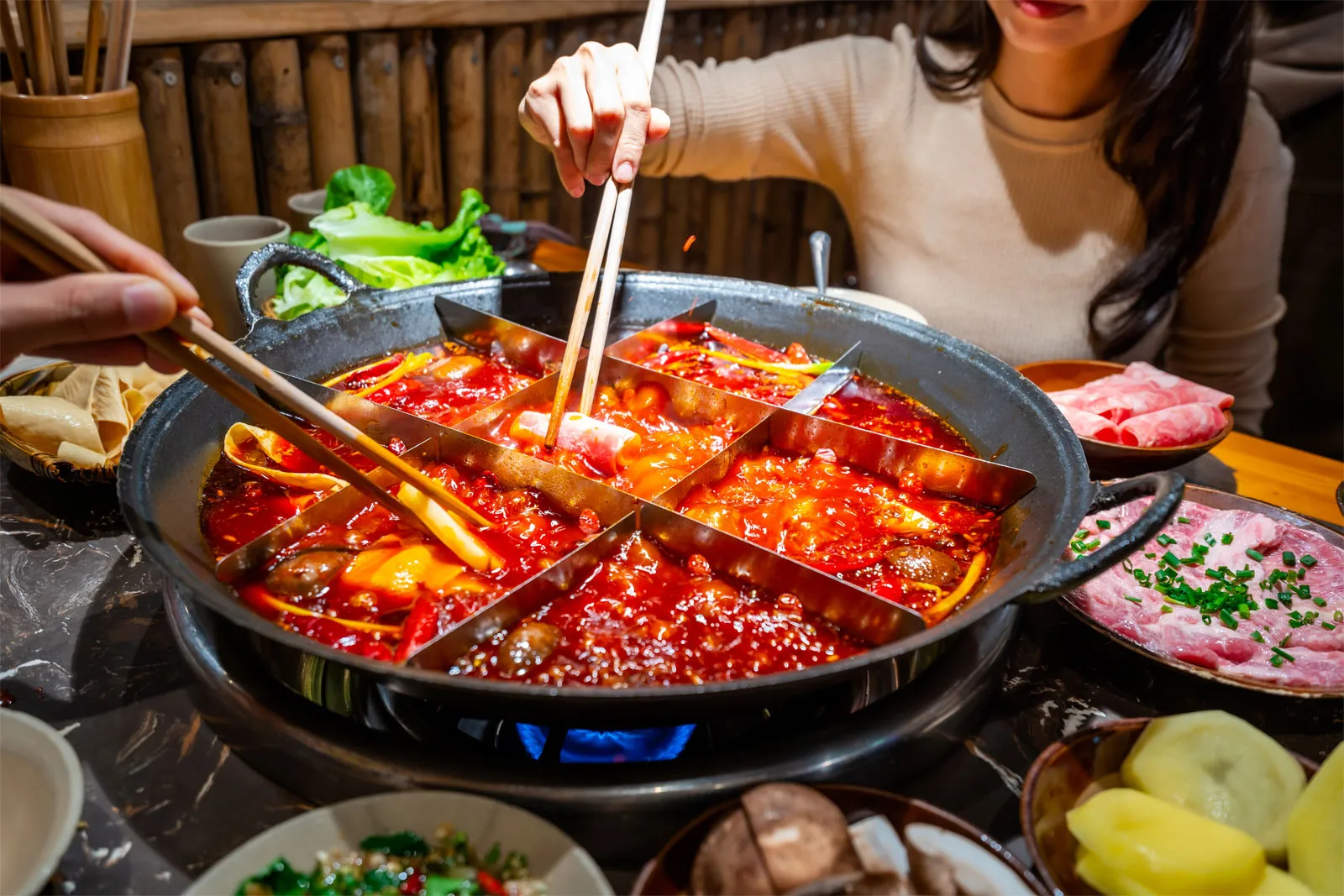
    Popular Chinese companies like Luckin Coffee and Mixue, a major bubble tea player, have joined a wave of hotpot and mala restaurants setting up shop overseas following the pandemic. They aim to leverage the international allure of the city-state, a trend that industry experts and executives predict will only gain momentum.

    Challenges in the Domestic Market

    According to Josie Zhou, the overseas general manager of Hunan cuisine restaurant Nong Geng Ji, the challenging business environment in China has prompted many brands to consider international expansion. Nong Geng Ji chose Singapore as the first stop in its global growth strategy.

    Persistent price wars have compelled Chinese food and beverage companies to seek new growth models abroad, says Joanna Jia, Singapore manager of bubble tea chain ChaPanda. The chain opened two franchisee tearooms in the city in July and is planning for more.

    Stagnant demand, exacerbated by a prolonged property market slump and US tariffs on Chinese goods, has hampered growth in China since the end of the Covid-19 lockdown nearly three years ago. This has intensified price wars across various sectors, leading to increasing deflationary pressure.

    Singapore: A Stepping Stone for Global Expansion

    Culturally similar Singapore has often served as a gateway for Chinese companies aiming to expand globally. As of August, about 85 Chinese food and beverage brands were operating approximately 405 outlets in Singapore, a considerable increase from the 32 brands that had 184 outlets in June of the previous year, according to data from consultancy firm Momentum Works.

    This rapid growth unfolds as local operators, including low-cost hawker stalls and Michelin-star restaurants, grapple with rising costs and lower consumer spending. However, Chinese brands remain optimistic about their prospects in Singapore, confident in their lean business models and supply chain management practices that allowed them to weather the storm in their home market.

    For example, tearoom chain Chagee can prepare a customized iced milk tea in just eight seconds using machines developed in-house, according to Jonathan Ng, Chagee’s director of government and public affairs for the Asia-Pacific region. This kind of agility has helped companies like Luckin and Mixue withstand the growth of Western competitors such as Starbucks in China.

    Backlash from Local Businesses

    These ready-made models have not been well received by all, however. Singapore Tenants United for Fairness, which represents 700 local business owners, stated in June that domestic companies struggle to compete with these larger Chinese entrants.

    “They are not even in the same stadium,” said the cooperative, implying the vast disparity between the resources of local SMEs and those of their Chinese counterparts.

    Gateway Singapore

    Singapore is often seen as a bridge between Eastern and Western cultures and is viewed as an attractive platform for expansion, especially given its 6.1 million predominantly Chinese population. Furthermore, Singapore’s reputation as a wealthy, fashionable location can significantly enhance a brand’s image.

    “If we can build up our brand in Singapore, the brand awareness can go to Malaysia and Vietnam, even Indonesia,” said ChaPanda’s Jia.

    Some smaller Chinese firms are often backed by deep-pocketed investors, giving them a competitive edge when it comes to securing prime locations. However, an influx of investment from large Chinese conglomerates has resulted in increased rents, especially in high-traffic areas, according to Ethan Hsu, head of retail for real estate firm Knight Frank.

    Questions & Answers

    Why are Chinese restaurants and cafes expanding to Singapore?
    A challenging business environment in China, characterized by fierce price competition and weak consumer demand, has prompted these businesses to explore new growth opportunities abroad. Singapore, with its cultural similarities to China and globally-oriented market, presents an attractive option for expansion.

    How are Chinese companies faring in the competitive Singaporean market?
    Despite the challenges faced by local operators, Chinese brands are optimistic about their prospects in Singapore. Their lean business models and robust supply chain management practices, which have been tested in their home market, provide them with a competitive edge.

    Is there any backlash against the influx of Chinese companies in Singapore?
    Yes, there has been some backlash, particularly from local businesses. Singapore Tenants United for Fairness, representing 700 business owners, has voiced concerns about the ability of local companies to compete effectively against their larger Chinese counterparts.

  • Aldi ranked Australia’s top supermarket for fifth consecutive year

    Aldi ranked Australia’s top supermarket for fifth consecutive year

    For the fifth time in a row, Aldi has been named Supermarket of the Year 2024 in Roy Morgan’s Customer Satisfaction Awards.

    The supermarket has won this title eight times. The ratings are calculated from an annual survey of 60,000 Australians and cover 40 industry categories.

    “With the rising cost of living, we know many Aussie families are feeling the pinch,” said Simon Padovani-Ginies, group director of Aldi Australia. “That’s why we’re more focused than ever on keeping grocery prices low and making every dollar count. Our entire business model is based on saving people money while making sure only the best products make it onto our shelves.”

    “As well as delivering a dependably high level of customer satisfaction to millions of Australians Aldi is also recognised by Roy Morgan as one of Australia’s top five most trusted brands – a position Aldi has held consistently over the last five years despite the challenges faced by the sector in an era of high inflation and rising interest rates,” said Roy Morgan CEO Michele Levine.

    She said Aldi had a perfect record of winning all 12 monthly customer satisfaction awards during 2024 with an average customer satisfaction rating of “an exceptional” 88.8 percent.

  • Some users are locked out of FB account if they didn’t to set up Facebook Protect

    Some users are locked out of FB account if they didn’t to set up Facebook Protect

    At the beginning of this month, some Facebook users received an email from the company to enable Facebook Protect for their accounts. However, many people seem to have ignored the email, as some generally thought it was just spam, in failing to activate Facebook Protect, some people are now locked out of their accounts.As you may have heard, not everyone has gotten emails urging them to enable Facebook Protect. According to Meta, this feature is specifically targeted at journalists, people who could generally be targeted by malicious users, including human rights activists and government officials. Emails urging them to activate Facebook Protect were coming from [email protected] and generally could have been ignored as spam.

    However, the emails were legitimate. Users had until March 17 to sign up for Facebook Protect, which is, long story short, a two-factor authentication system to improve the security of Facebook accounts. The emails that were sent had a link to sign up for Facebook Protect.

    And now, it seems some of the users who didn’t sign up (but had received the email) have trouble logging into their accounts and getting back on Facebook. Reportedly, Facebook has given info to the affected users on how to get back to their accounts, but it seems that it is not working for everyone. Some of the users took it to Twitter in order to get a fix for the situation.

    Facebook’s Head of Security Policy at Meta, Nathaniel Gleicher, has acknowledged the issue on Twitter and has announced they are working on the cases where people have been locked out of their Facebook accounts and trying to fix the issues.

    Generally, Facebook (as well as any other platform) recommends every user use two-factor authentication for their accounts for security reasons. However, the Facebook Protect program is specifically designed for people who are more likely to get attacked by hackers in comparison to the average Facebook user.

    For the regular user, no action is required unless you’re prompted by Facebook to enroll in Facebook Protect. It is a program that helps the set group of people to have stronger account security protections, such as two-factor authentication, but at the same time, monitors for potential hacking threats.

    The program was first tested in 2018 and expanded in 2020 in the United States. The global expansion of Facebook Protect started in September of 2021. According to a blog post by Meta on the topic, back in December, around 1.5 million accounts have the Facebook Protect feature enabled.

    Basically, it makes two-factor authentication easier and provides a better user experience and support, according to Meta. A similar requirement is related to Page admins that have enrolled Pages. They are required to go through Page Publishing Authorization to ensure the security of the Page. This process has to be made regardless of whether the individual Page admin has decided to enroll in the Facebook Protect program or not.

    It seems that Facebook is trying to step up its game when it comes to security on the social media platform, but not only that: as we reported recently, it is also actively fighting misinformation in an attempt to make the platform safer. The thing is, you probably have heard that in the past, Facebook has been heavily criticized for allowing misinformation to spread on there, and since then, the company has worked to prevent it.

    The latest step that Facebook has taken in this direction is a new set of group Admin tools aimed at preventing misinformation.

  • The FTC’s attempts at splitting up Meta are continuing

    The FTC’s attempts at splitting up Meta are continuing

    The Federal Trade Commission (FTC) has been trying to break up Meta for quite some time now, due to alleged anti-competitive practices the company did: pretty much, the act of buying rising possible competitors Instagram and WhatsApp has been considered as anticompetitive by the FTC. It had filed a lawsuit last year, and the “amended and more detailed” version of it was now allowed to proceed.

    The documentation provided by CNN’s Brian Fung shows that the social media giant has again tried to dismiss the case; however, the judge didn’t agree with its argument and allowed the case to move forward.

    This lawsuit was initially filed back in December of 2020, and it indeed accused the social media giant of anti-competitive practices. According to the complaint, Facebook violated antitrust regulations with the purchase of Instagram and WhatsApp (which have been rising rivals to it) in an attempt to eliminate possible competition.

    Back in June, the complaint was dismissed by a federal court, and the main reason for this decision was the lack of evidence that Facebook is indeed a monopoly in its market. Despite the dismissal though, the FTC went ahead with a 3-2 vote to refile the complaint.

    As many of you may have probably heard so far, many regulators (not only in the United States but in Europe as well) have been scrutinizing tech giants for at least a couple of years now. The reason: supposed anti-competitive practices. And it’s not only Facebook but Google, as well as Apple, that have been under the radar of antitrust entities.

    Many of these antitrust regulations, research, proposals, or lawsuits are continuing for years. In some of the cases, tech giants have been found to behave in an anti-competitive manner, and of course, fined by commissions quite heavily.

    One of the more recent cases was involving Google vs the EU court, and the Mountain View tech giant ended up having to pay a fine of $2.8 billion. In this particular case, the fine was due to the fact Google had paid phone makers to have Google Search pre-installed on Android phones.

    Additionally, back in July, Google was ruled to stand trial for recording and disseminating private conversations of people who accidentally activated Google Assistant.

    On the other hand, both Apple and Google are currently being investigated for their alleged monopoly by a UK watchdog. In this case, we are talking about the mobile operating systems Android and iOS; for which the two companies have been alleged to hold a monopolistic position on the global market.

    Facebook is one of the big tech companies that US regulators are looking to split up, but it is not the only one. The effort to empower healthy competition (at least, according to the US regulators) could end up affecting all four big companies (Apple, Google, Facebook, and Amazon), and any of these might have to go against similar complaints that we have reported on above. This means that technically, US regulators might try to split up Amazon, Google, and Apple.

    Back in June last year, five bills were introduced aimed at these four tech giants, because of their domination in online shopping, search dominance, and entertainment. Basically, anti-trust practices. All of this comes to say that these tech companies have been having quite a hard time with regulators across the globe for their alleged monopolies over the mobile (or generally the tech) market.

    In summary, the tech giants are facing scrutiny all over the world. Australia and India have also aimed laws at reducing their monopolistic power.

  • Messenger to start testing bill splitting feature in the US

    Messenger to start testing bill splitting feature in the US

    Recapping everything that’s been released from the beginning of the year, Messenger revealed a couple of surprises that haven’t yet been implemented. One of these surprises is a sneak peek at the bill splitting feature that Messenger will be testing in the United States.

    Starting next week, Messenger users in the US will be able to test Split Payments, a free way to share the cost of bills and expenses. If you’re selected for the testing sample, you can find the Split Payments feature by clicking the “Get Started” button in a group chat or the Payments Hub in Messenger.

    Any bill can be split evenly, but Messenger users can also modify the contribution amount for each individual in the chat, with or without themselves included. All requests will be sent and viewable in the group chat thread after entering a personalized message and confirming Facebook Pay details.

    Messenger doesn’t say when Split Payments will be available for everyone, but if we were to guess, they will probably be ready for prime time early next year.

  • How Covid-19 is impacting food-and drink-markets in Southeast Asia

    How Covid-19 is impacting food-and drink-markets in Southeast Asia

    The spread of Covid-19 is forcing Southeast Asian consumers to change their eating habits and embrace new shopping practices, says Mintel Apac food-and-drink analyst Tan Heng Hong.

    Given today’s consumer climate, food and drink categories with strong immunity claims can drive home the importance of immunity to protect wary consumers, he says.

    “Manufacturers of immunity-boosting food and drink products are actively promoting the importance of immunity to strengthen the body during the pandemic. These immunity-enhancing products include vitamin-fortified food and drinks, as well as spoonable yogurt, drinking/cultured yogurt, and nutritionally-complete drinks,” says Heng Hong.

    According to the Mintel Global New Products Database, growing-up milk (1–4 years) (16 percent), meal replacement drinks (6 percent), and drinking yogurt/liquid cultured milk (6 percent) make up the largest share of food and drink product launches in Southeast Asia that carried an immunity claim between March 2017 and February this year.

    The research also confirmed more and more consumers are turning to the convenience of ordering their groceries online as people choose to stay indoors to minimize their exposure to Covid-19. As a result, online grocery vendors have witnessed a surge in orders.

    This trend presents huge opportunities for grocery retailers to better engage with consumers through measures that bring added value and convenience, he says.

    “We’re also seeing growing interest in at-home cooking, which presents challenges and opportunities for brands looking to engage with those preparing and enjoying tasty meals at home.

    “Online grocery players can maximize the current situation and gain new users by showcasing the benefits of shopping for groceries online, including having sufficient stock of popular items during the pandemic, safe handling and delivery of parcels, free delivery, promotions, and use of e-payments.”

    There is evidence that consumers stuck at home are finding it challenging to prepare healthy meals that taste good. According to Mintel’s research, 72 percent of consumers in Vietnam cook meals from scratch all or most of the time, and 52 percent say it is difficult to prepare healthy food with great flavor.

    Heng Hong says as more consumers dine at home to avoid crowds, food manufacturers can step in to provide them with a more convenient, tasty and healthy meal solution.

    “Even after the current situation calms down, given the scale of the outbreak, and depending on the duration of lockdown measures, the pandemic is likely to leave an indelible mark on consumer lifestyles. Key behaviors such as vigilance around immunity and hygiene will stick around for the long term, as will dependence on online grocery shopping and, possibly, even the habit of at-home cooking.”

  • McDonald’s China Teams up loyalty program with Ele.me app

    McDonald’s China Teams up loyalty program with Ele.me app

    McDonald’s customers in China can now earn loyalty points when they order a Big Mac or Filet-o-Fish through Ele.me, Alibaba Group’s on-demand delivery platform.

    Ele.me users can activate a McDonald’s membership card with just one click on the app to earn loyalty points for purchases and receive vouchers worth up to RMB 88.5 (US$12.80). The fast-food giant attracted nearly 20,000 new members on its first day of launching the service on May 20, while single-day orders increased about 20 per cent week-on-week, McDonald’s China said.

    McDonald’s China is one of the first restaurant chains to pilot the new Ele.me service, one of the app’s latest tools to help the food-and-beverage sector seamlessly connect their online and offline operations.

    “McDonald’s is an important strategic partner for us, and we are thrilled to fully integrate their loyalty program with our platform. We look forward to continuing to work together to improve the delivery experience for consumers and provide even more services, benefits and perks,” said Hu Xiaoyu, VP of Ele.me.

    There are more than 3100 McDonald’s restaurants in Mainland China, more than 2000 of which also have a virtual presence on Ele.me. McDonald’s China launched its membership program last year, rewarding members for purchases made in-store or via its app and mini-program. It now counts more than 75 million members.

    “Integrating our loyalty program with Ele.me helps us provide more customers with a complete set of membership services and benefits, which ultimately enhances the delivery experience,” said Emily Pang, head of brand extension at McDonald’s China.

    Also among the first batch of global restaurant chains to bring their membership program to Ele.me are Burger King, Dairy Queen and Papa Johns, all of which reported higher sales in the 30 days that followed their launch. Burger King was the first to opt in last November, and has since attracted 2 million new members, with members contributing to nearly 40 percent of its gross merchandise volume on Ele.me.

    Ele.me plans to roll out even more features, such as birthday perks and member-only sales campaigns, to “bring more value to every purchase,” Hu said.

  • Online food store Grain Expanding Rapidly

    Online food store Grain Expanding Rapidly

    Singapore-based online food store Grain has raised US$10 million in series B funding. The cash will be used to accelerate growth in Singapore, and expand into Thailand.

    To do that, the company will be cooperating with Thailand’s Boonrawd Brewery group’s subsidiary Singha Corporation.

    Singha will help Grain gain clearer insights into the target audience in Bangkok, and develop better products and services.

    “Grain will work with Singha by using Singha’s extensive F&B network across the country, including logistics and distribution, to bring delightful innovations to consumers,” said Bhurit Bhirombhakdi, chairman of the executive board at Singha Ventures.

    The collaboration between the two companies aims to help online food store Grain expand in Southeast Asia and realize its regional vision.

    “We want to disrupt the F&B landscape and evolve with consumer preferences, but also have solid fundamentals,” said Yi Sung Yong, Grain’s co-founder and CEO.

  • Khun Thai Tea appoints First Indonesian Franchise

    Khun Thai Tea appoints First Indonesian Franchise

    Entrepreneur Amelia Fransisca has been appointed master franchise holder for Khun Thai Tea Indonesia.

    Fransisca, who has a 10-year tenure in the foodservice industry, said she chose Khun Thai Tea for its novel, fresh taste despite its low sugar content compared to other competitors, amidst trending consumer demand in Indonesia for original tea and healthier beverage options.

    “This brand will be huge as an option for fresh tea and healthier choices,” said Fransisca. “I believe the brand will also become more recognizable to our people (especially among young people) because it is introduced and organized by a great team and a great plan.”

    Indonesia is already home to four Khun Thai Tea outlets – three in Jakarta and one in Bali. Fransisca plans to spur growth by focussing her efforts in Indonesia’s cities and suburban areas, with special care given to the Jakarta, Bogor, Tangerang and Bekasi areas, where she says new outlets will help the brand gain more recognition.

    She has also chosen to open in these areas first due to local consumers’ strong buying power, range of food and beverage choices and exposure to product innovation. They are also well-positioned in terms of proximity, allowing closer supervision of procedures, services, and product quality.

    “The food and beverage business still has lots of room to develop and innovate nowadays, especially in Indonesia. That is why F&B is a good business,” she said. “Selling drinks is also simpler, and delivers good margins for comparatively average business costs … Compared to starting up a new business, it is also safer to choose a franchise.”

    “According to recent research conducted through social media in Indonesia, a glass of milk tea with boba is still the number-two most-wanted product on most Indonesians’ must-buy list, after famous chicken dishes called ‘Ayam Geprek’.”

    Khun Thai Tea is currently amongst the fastest-growing beverage store brands in Singapore, Malaysia, and Indonesia.

  • Gong Cha bubble tea could fetch US$442 million

    Gong Cha bubble tea could fetch US$442 million

    South Korean private equity firm Unison Capital is selling its Gong Cha bubble tea franchise in a deal likely to fetch up to US$442 million.

    The company purchased the brand four years ago for KRW34 billion ($30 million), before taking over its global headquarters in Taiwan in a KRW40 billion ($35.45 million) deal in 2017. The brand’s HQ operates stores in 16 countries.

    The offer has attracted interest from major South Korean F&B players, considering the brand’s stable cash flows and EBITDA margin of 24–25 per cent, compared with Starbucks’ 21 per cent.

    The brand runs 448 outlets within South Korea, and derives 70 per cent of its sales from directly managed stores within Korea and Japan. The firm plans to expand its global store count from 900 to 1700 by 2021, expanding into 10 more countries during the period – with concrete plans to establish stores in the UK, Mexico, Thailand, Indonesia and Cambodia.

    Sales are forecast at KRW180 billion ($159.54 million) this year, compared to KRW134 billion ($118.77 million) last year.

  • F&B outlets get bigger bite in shopping malls Malaysia

    F&B outlets get bigger bite in shopping malls Malaysia

    Shopping malls are now allocating a higher percentage of their tenant mix (more space) to food & beverage (F&B) retailers, partly because competition from online platforms has impacted other types of retailers such as fashion, according to a market research and consulting firm. “Traditionally, F&B made up less than 20% of a mall’s tenant mix, but can go up to 40% nowadays,” Stratos Consulting Group Sdn Bhd managing director Tina Leong said.

    She said with the tenant mix now consisting of more F&B, this means that malls will need to design or renovate in such a way as to cater to the specific technical requirements that F&B retailers have, for example provisions for water, grease traps, storage, waste disposal and daily delivery.

    “F&B as a segment itself has become the anchor for some malls,” said Leong.

    She said malls that have a high F&B tenant mix include the refurbished 3 Damansara (formerly Tropicana City Mall), which now has more F&B compared to before. Similarly, Paradigm Mall in Petaling Jaya has refurbished its lower ground floor, which now consists of more F&B than previously.

    Sunway Velocity Mall general manager centre management Danny Lee said F&B makes up 27% of the mall’s tenant mix currently, and that it is targeting to have F&B reach 30%.

    “Naturally, F&B is doing better compared to others,” Lee said.

    Meanwhile, Leong noted that having more or certain types of F&B can also be part of experiential retailing.

    “For example, people nowadays, especially millennials, appreciate and are willing to spend on meals or drinks with friends and family, within nicer ambience restaurants or cafes, due to the memorable experiences this create.”

    She said to continue to draw shoppers (rather than them shopping online), more shopping malls are looking at creating engaging “experiences” for their customers. Experiential shopping simply means making the physical act of spending money more than simply handing over cash in exchange for goods and services.

    “More grocery stores are incorporating food and wine bars where people can enjoy a meal or a drink as well as a social experience before or instead of shopping,” said Leong, adding that some retailers have also integrated augmented reality into their stores, for example Starbucks Reserve Roastery in Shanghai and US-based fashion brand Reformation.

    Examples of experiential shopping are malls that have attractively themed or landscaped spots on every floor, where one can stop to take photographs with their friends or family, such as Aeon Mall Kuching. Some community malls in Bangkok, Thailand, have incorporated spaces for pet parks, children’s sand pits and jogging tracks.

    “Another recently opened mall, Kiara 163 in Mont Kiara, has incorporated the ‘experiential’ element into their mall design, with a central garden and water features for people to relax. Apart from design features, other ways of creating memorable shopper experiences are through interesting or unique events, activities, decorations, pop-up stores, technological innovations and customer service,” explained Leong.

    She said some of the major major malls have been doing this all along, such as Suria KLCC and Pavilion Kuala Lumpur that usually have attractive and unique festive decorations.

    “What is different is that nowadays, the customer experience aspect is becoming a focal point. It has become more important as malls and retailers try to attract and retain shoppers in the midst of competing options such as online shopping,” said Leong.

  • Changi Airport Group seeks partners for latest food & beverage concessions

    Changi Airport Group seeks partners for latest food & beverage concessions

    Changi Airport Group (CAG) is seeking partners for four brand name restaurant concessions at Singapore Changi Airport Terminal 3 through a Direct Marketing Exercise. The units are located in the Departures Check-In Hall, Level 3 and are each around 190sq m in size.

    CAG said: “We are looking for brands with a proven track record over the years or innovative concepts that will enhance, add value and differentiate the dining experience for passengers in Terminal 3.”

    For each brand name proposed, interested companies may submit a proposal with separate rental bids for Concessions A to D respectively. If bidders intend to propose and operate more than one brand name, separate proposals must be submitted.

    The concession terms are three years each, with the option of a three-year extension at CAG’s discretion. Contracts for the four concessions begin in March, April, July and September 2018.

    Changi Airport Group won the prestigious FAB Award for Airport F&B Offer of the Year last week in Toronto; the award was accepted by General Manager, Advertising, Marketing and Promotions, Airside Concession Division Edwin Lim As reported, Changi Airport captured the award for Airport Food & Beverage Offer of the Year at last week’s FAB Awards, organised by The Moodie Davitt Report in Toronto. A special edition of The Foodie Report e-Zine will feature full details on the winners.

  • AirAsia to introduce ePos system for F&B orders on flights

    AirAsia to introduce ePos system for F&B orders on flights

    Budget carrier AirAsia will introduce an electronic point of sales (ePos) system in the next eight months to allow passengers to make food and beverage (F & B) orders and payments online during flights.

    AirAsia group chief executive officer Tan Sri Tony Fernandes said the ePos system could be accessed through the on board WiFi service, roKKi, and this was a part of the airlines digitalisation efforts at creating better, more innovative inflight offerings.

    “It is opposed to just pushing the food trolley, and will help us serve customers faster and efficiently with them making orders from their smart phones,” he told the media at the AirAsia Santan Food Festival in Sepang on Monday.

    Fernandes said since the roKKi Wi-Fi service was launched in 2014, about 6% of passengers on board had used it.

    On the Santan Food Festival, he said AirAsia had collaborated with about 50 Asean F & B enterprises in offering the meals from across the region.

    “What we are doing is bringing the wonderful flavour of Asean into Santan to create a unique food experience, with the vision of replicating the on-ground gourmet experience on board flights,” he added.

    He said the company was also exploring the use of green packaging and an inflight coffee trolley to enable freshly brewed coffee to be served on board flights.

  • Singtel announces tie-up with polytechnics to help F&B businesses go digital

    Singtel announces tie-up with polytechnics to help F&B businesses go digital

    Singtel has announced a new initiative with the two Singapore-based polytechnics — Nanyang Polytechnic (NYP) and Singapore Polytechnic (SP) — in Singapore to help F&B and retail businesses go digital.

    First, it will collaborate with the NYP – Singapore Institute of Retail Studies (SIRS) to help these SMEs hire digital professionals who will offer their expertise in e-commerce, retail analytics and digital marketing solutions such as SEO and Search Engine Marketing.

    These digital professionals will comprise of professionals, managers, executives and technicians (PMETs) who have been re-skilled.

    SMEs which sign up for this scheme will be able to claim up to 90 per cent in government subsidies.

    In addition, they can also seek additional support on social media marketing, online merchandising and analysis of online consumers from students and lecturers at the NYP’s Customer Experience and Analytics Centre.

    Next, Singtel will work with an integrated team of business, IT and communication students from SP to help F&B owners showcase their offerings on the 99% SME website — a portal set up by DBS and Singtel in 2015 which provides digital tools and resources to SMEs to boost productivity.

    Additionally, the SP students will help these businesses adopt Singtel’s Connected Restaurant solution. This solution offers an online reservation and pick up service.

    SP students will also offer recommendations and develop a suite of solutions to boost businesses’ products and digital and marketing capabilities.

    “Through the 99% SME movement, our collaboration with Nanyang Polytechnic and the Singapore Institute of Retail Studies are three-fold. First, it helps SMEs improve productivity, reduce costs, gain new revenue and scale their businesses,” said Andrew Lim, Managing Director, Business Group, Group Enterprise at Singtel, in an official press statement.

    “Second, PMETs are being re-skilled and re-employed while using their skills to help SMEs in their digital journey. Third, the students will acquire deep skills and develop entrepreneurial spirit, which prime them for their career development in the digital field.”

    Last week, Singtel and Lazada announced the launch of 99% SME e-marketplace – a dedicated portal hosted on Lazada Singapore’s website for SMEs to advertise their offerings and tap on a wider online customer base.

  • EU wants more access to Indonesian F&B market

    EU wants more access to Indonesian F&B market

    The EU demands Indonesia to ease trade barriers in the food and beverage (F&B) sector to give European producers more access to  Southeast Asia’s largest market, an official representing the world’s largest trading bloc has said.

    EU Commissioner of Agriculture and Rural Development Phil Hogan said many European producers had expressed their interest to enter the Indonesian market. However, both tariff and non-tariff measures, such as import quotas and local content requirements, held them back from doing so.

    “Many businesses are interested in Indonesia but they are waiting for improvement in market access,” Hogan said during the 6th EU-Indonesia Business Dialogue in Jakarta on Tuesday.

    He also mentioned the requirement to provide halal certificate as an obstacle for European F&B companies that wanted to explore opportunities in the world’s largest Muslim-majority country. Some European producers, Hogan said, had experiences in producing halal products, but some others did not.

    “We respect religion, but it [halal certification] prevent exports to Indonesia,” he said.

    He suggested that halal certification should be an option instead of being obligatory. Then producers that had not yet obtained certification could still export their products to Indonesia.

    Indonesia and the EU are currently in talks for the Comprehensive Economic Partnership Agreement (CEPA). The anticipated agreement, expected to be concluded by 2019, will remove various trade barriers between both parties.