Tag: financial results

  • Baby Bunting Lifts Australasian Sales as Store Upgrades Drive 20% Growth

    Baby Bunting Lifts Australasian Sales as Store Upgrades Drive 20% Growth

    Baby Bunting lifted sales across Australia and New Zealand between August 15 and October 4, driven by a 20 per cent cumulative revenue rise across its newly refurbished locations.

    Australian store sales rose 2 per cent during the period, while New Zealand operations jumped 8.7 per cent following capital investments in redesigned shop floors.

    Store of the Future rollout gathers pace

    The specialty nursery retailer poured $44.5 million into its Store of the Future program during fiscal 2026. Management plans to refurbish or open 120 locations across both markets before the overhaul finishes.

    Seven stores entered fiscal 2027 closed for renovations. The redesign swaps traditional category aisles for activity-based displays organised around nursery setup, feeding, travel and play routines.

    “The new format moves our stores from a category-led layout to an activity-led layout, designed around how parents actually shop, and the results speak for themselves,” Chief Executive Officer Mark Teperson said.

    Divergence between new and old formats

    Older stores without the redesign lagged internal sales targets as broader discretionary retail spending softened. The upgraded footprint carried total revenue higher instead.

    That divide mirrors challenges across specialty retail in Australasia. Big-box specialty chains face higher wage rates, utility bills and cautious consumer budgets, forcing operators to extract higher sales density from existing square metres rather than purely opening new doors.

    Landlords face increased scrutiny over tenant allowances and lease terms. Retailers willing to invest capital into physical experiential formats hold stronger use in lease renegotiations across key suburban homemaker centres.

    Margin targets and consumer headwinds

    The capital expenditure follows a fiscal 2026 recovery after inventory corrections and discount pressures weighed on earnings across the baby goods sector. The company disclosed the early fiscal 2027 figures in an ASX filing ahead of its annual general meeting.

    Teperson told shareholders the executive team is tracking interest rates and cost-of-living pressure on young households ahead of the peak year-end holiday shopping cycle.

    Baby Bunting aims to lift its earnings before interest, tax, depreciation and amortisation margin back above 10 per cent as the network refurbishment scales toward its 120-store target.


  • Samsung India Profit Drops 36% to Rs 7,228 Crore in FY26

    Samsung India Profit Drops 36% to Rs 7,228 Crore in FY26

    Samsung India Electronics posted a 36 per cent drop in net profit to Rs 7,228.10 crore for the financial year ended March 31, 2026, as operational expenses outpaced revenue gains.

    Revenue from operations rose 1.2 per cent to Rs 1.12 lakh crore, keeping the South Korean brand as the sole consumer electronics and appliances maker in India with an annual turnover exceeding Rs 1 lakh crore.

    Margin pressure across consumer divisions

    Filings submitted to the Registrar of Companies and compiled by business intelligence platform Tofler show total consolidated income, which includes other income, reached Rs 1,14,738.60 crore during FY26. That compares with a total operating revenue of Rs 1,11,183.40 crore in FY25, when net profit stood at Rs 11,287.50 crore.

    Smartphones generated the bulk of top-line earnings across the twelve-month period. The Indian subsidiary also sells tablets, televisions, home appliances and personal computers through national retail chains, brand-owned stores and online platforms.

    Cost structures test electronics retail

    For appliance and device retailers across South Asia, the margin erosion at the market leader reflects broader inventory and component inflation. Rising bill-of-materials costs across display panels and memory chips have squeezed unit economics faster than retail shelf prices could absorb them.

    The sharp profit contraction confirms that volume stability in mobile handsets no longer guarantees bottom-line expansion in India. Premium device sales kept headline revenue flat, yet promotional discounts and elevated retail dealer commissions eroded operating margins across Tier 2 and Tier 3 distribution networks.

    Rival performance and regional positioning

    Korean competitor LG Electronics reported total income of Rs 2,46,049.12 in its corresponding local filing, marking an increase of nearly 1 per cent. While LG maintains strong white-goods distribution, Samsung continues to hold the dominant scale advantage in India through its combined appliance and mobile ecosystem.

    Samsung pushed through workforce reductions in early September, cutting roughly 100 positions in divisions facing margin stress, including televisions. The company also saw senior management changes during the same quarter following the departure of public policy director Rajiv Aggarwal after four years in the role.

    What to watch in the next cycle

    Retail partners now face tighter credit terms and stricter inventory allocations as the manufacturer shifts capital expenditure toward domestic production lines for artificial intelligence-enabled appliances and premium handsets.

    The key metric to track over the coming quarters is whether Samsung can lift gross margins during the autumn festive shopping season without conceding market share to aggressive Chinese handset rivals in the sub-Rs 20,000 retail segment.

  • Axiata Reports Stronger 1H26 Earnings and Declares 5.5 Sen Dividend

    Axiata Reports Stronger 1H26 Earnings and Declares 5.5 Sen Dividend

    Axiata Group Berhad posted higher earnings in the first half of the fiscal year. The company declared an interim cash dividend of 5.5 sen per share.

    Operational gains drove the payout across core markets. Network rationalisation and tighter cost controls helped lift regional performance.

    Regional Markets Drive Operating Momentum

    The Kuala Lumpur-based telecommunications conglomerate manages digital telcos and digital businesses across ASEAN and South Asia. Its portfolio spans frontier and emerging markets including Indonesia, Bangladesh, Sri Lanka, and Cambodia, alongside digital infrastructure provider EDOTCO.

    Strong cash generation across operating units supported the distribution. Institutional funds and retail shareholders receive direct returns after sustained capital expenditure on regional network infrastructure.

    Asset Consolidation and Capital Allocation

    Regional operators continue adjusting balance sheets following large-scale consolidation across Southeast Asian mobile markets. Axiata restructured operations over recent quarters to cut debt exposure, streamline holding structures, and focus capital on cash-generating assets.

    For enterprise suppliers and telecom equipment vendors, steady cash flow at group level keeps network maintenance and connectivity contracts on schedule. Frontier market foreign exchange volatility and inflation remain the primary risks. Both pressures compress margins when earnings convert back into Malaysian ringgit.

    Balancing Debt and Shareholder Returns

    Balance sheet pressure drove management to prioritise structural repairs, selective asset monetisation, and strict capital allocation across all operating subsidiaries. Earlier quarters saw earnings tempered by currency depreciation in South Asian markets and rising interest financing costs.

    Investors now look to the group’s full-year earnings release and subscriber growth metrics in Indonesia and frontier markets to confirm dividend sustainability.

  • Victoria’s Secret Profit Tripled in Second Quarter Despite Sales Miss

    Victoria’s Secret Profit Tripled in Second Quarter Despite Sales Miss

    Victoria’s Secret nearly tripled its profit in the second quarter and lifted its full-year earnings guidance, overcoming a narrow top-line sales miss that rattled equity investors.

    Higher merchandise margins drove the profit surge as shoppers bought more lingerie and apparel at regular price points rather than clearance discounts.

    Margin Gains and Product Overhauls

    Chief executive Hillary Super faces scrutiny from financial markets to prove that the turnaround plan can deliver consistent revenue expansion alongside margin gains. The recovery strategy relies on fresh product lines, tighter brand positioning and the return of a revamped fashion show.

    Full-price sell-through provided the foundation for the quarterly improvement. By pulling back on heavy discounting, the apparel group protected profitability across its physical store fleet and digital sales channels.

    The Balance Between Price and Volume

    For store operators and regional franchisees, the profit rebound confirms that higher retail pricing can offset sluggish foot traffic and cautious consumer spending. Yet relying entirely on margin expansion without broad sales volume growth carries structural risk in competitive markets.

    Rival innerwear and athleisure brands continue to fight for floor space and customer wallet share across shopping centres. Landlords and retail partners need steady transaction volume to support retail footfall, not just cleaner balance sheets from lower inventory markdowns.

    The Turnaround Path

    The latest quarterly report follows multiple management efforts to reposition the brand away from outdated marketing concepts and rebuild credibility with mainstream apparel shoppers. Earlier restructuring phases focused on rationalising store networks, overhauling product assortments and adjusting wholesale partnerships.

    Attention now shifts to whether the upcoming fashion show and new seasonal merchandise can lift revenue through the second half of the financial year.

  • Giordano Net Profit Drops to HK$108 Million as Asian Margins Lag

    Giordano Net Profit Drops to HK$108 Million as Asian Margins Lag

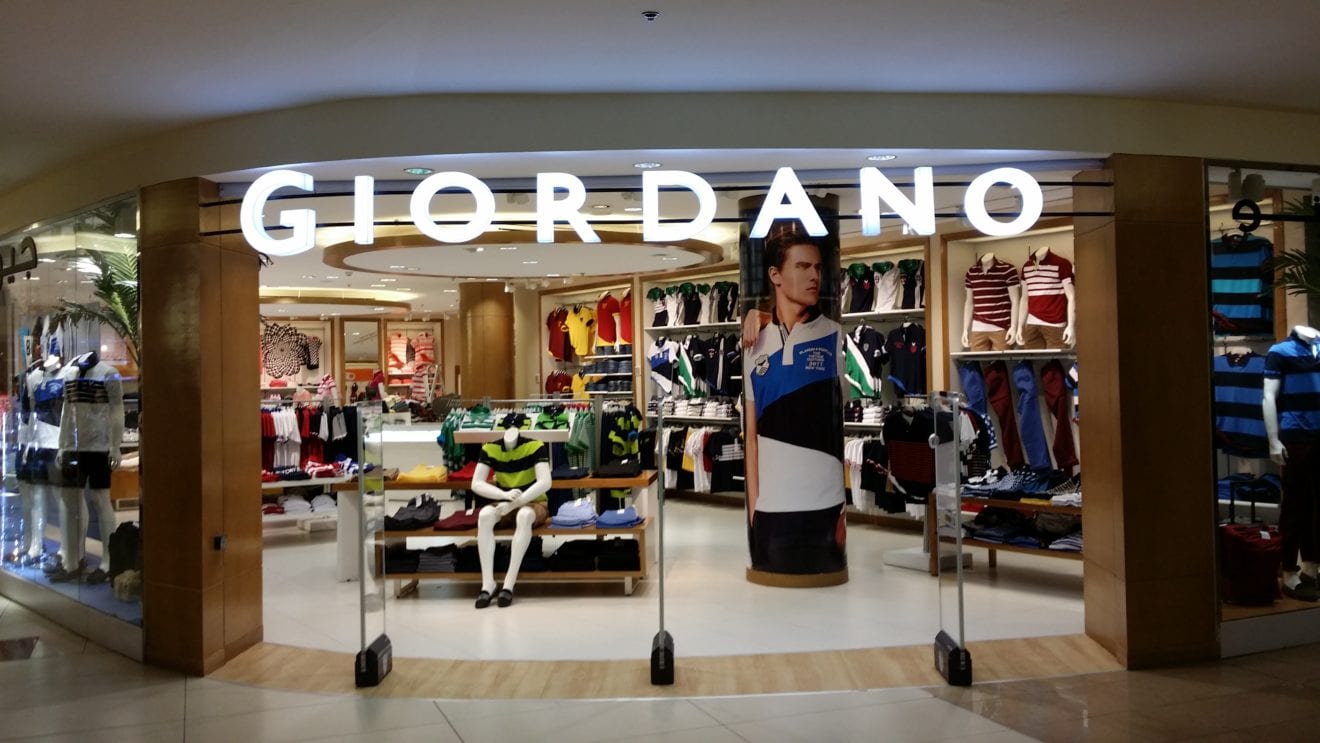
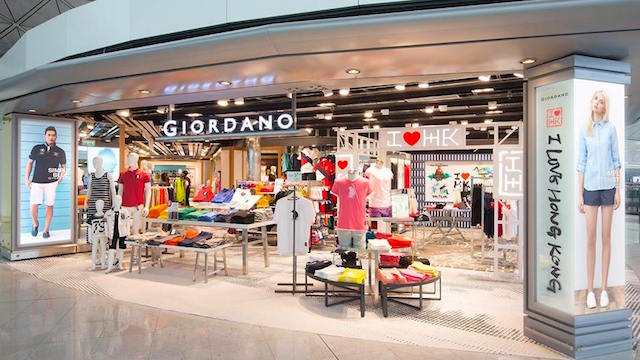
    Giordano International reported a net profit drop to HK$108 million for the six months to June 30, down from HK$121 million a year earlier.

    Group revenue slipped 1 per cent to HK$1.914 billion as store counts dropped across Mainland China and Indonesia, leaving the apparel retailer heavily dependent on earnings from the Gulf Cooperation Council.

    The geographic split reveals an uneven business. Greater China, Southeast Asia and Australia generated HK$1.572 billion, representing 82.1 per cent of total sales, but produced only 61 per cent of segment results. In contrast, the GCC delivered HK$62 million in segment profit on just 18 per cent of revenue, even after traffic in Gulf stores fell by up to 40 per cent following regional disruption in late February.

    Pruning China and Sourcing Locally

    In Mainland China, Giordano cut its store footprint to 239 doors from 359 a year earlier, halving its directly operated outlets to 48. The downsizing helped narrow the mainland segment loss from HK$16 million to HK$9 million, with constant-currency revenue down 0.9 per cent at HK$334 million. Management cleared older stock through VIP.com and shifted higher-margin product lines to Tmall, intending to rebuild physical retail starting in southern China.

    Southeast Asia and Australia remained the largest regional earnings contributor at HK$86 million in segment results on revenue of HK$699 million. Indonesia, the anchor market, brought in HK$330 million after import restrictions slowed merchandise shipments and forced store closures from 199 locations to 176. The company countered the disruption by shifting production to Indonesian factories, which began delivering local stock in June.

    Taiwan proved the regional exception. Segment profit climbed to HK$21 million from HK$15 million on a 5.9 per cent constant-currency revenue gain, meaning Taiwan generated more profit than Hong Kong, Macau and Mainland China combined.

    Korean Drag and the Next Overhaul

    The company faced additional pressure from its 48.5 per cent-owned South Korean joint venture, where revenue slid 8.9 per cent to KRW59.7 billion and 19 stores closed. Giordano deliberately restricted wholesale shipments into the venture to clear excess stock, causing group wholesale revenue to decline 12.2 per cent and cutting royalty income.

    For years, Giordano relied on high-density physical networks in lower-tier Chinese cities and steady franchised wholesale to support its balance sheet. With those legacy channels retreating under fierce domestic e-commerce competition and supply chain friction, the group is now forced to extract higher gross margins from a much smaller physical footprint across Asia.

    Management plans to launch its Giordano 2.0 concept in the fourth quarter, rolling out revamped store layouts and core product lines in Hong Kong and Singapore before expanding to overseas digital channels in Europe and North America.

  • Miniso First-Half Revenue Rises 22% to $1.7 Billion on China and US Gains

    Miniso First-Half Revenue Rises 22% to $1.7 Billion on China and US Gains

    Miniso lifted its first-half revenue 22.4 per cent to RMB11.5 billion (US$1.69 billion) as Chinese domestic demand rebounded and foreign store openings accelerated. Second-quarter revenue rose 17 per cent to RMB5.81 billion (US$856.4 million) in the three months to June 30.

    Domestic sales supplied the momentum. Mainland China revenue climbed 26.2 per cent during the six months, marking the company’s fastest first-half expansion rate in three years. North American operations posted a 37 per cent top-line increase over the same period, while the Top Toy pop-culture unit grew revenue 32.7 per cent.

    Global Store Count Nears 8,700

    Network growth continued across offshore territories. Miniso finished June with 8,674 stores worldwide, adding 769 doors in 12 months. International locations accounted for almost half of all net-new store openings during the year.

    New market entries pushed the retailer’s footprint to 113 countries and territories after opening its first store in Switzerland. Top Toy also moved past mainland borders, adding storefronts in Taiwan and the US. Domestic registered members reached 130 million, up 31 per cent year on year, while US loyalty members doubled to roughly 5.8 million.

    IP Formats and Capital Allocation

    Value retailers across East Asia face margin pressure from discount e-commerce platforms, pushing operators to rely on licensed intellectual property and larger destination shops to protect transaction values. Miniso has shifted toward branded character goods and blind-box toys to lift average basket spend rather than relying solely on cheap household consumables.

    Founder and chief executive Guofu Ye said the group will keep directing capital toward proprietary IP lines and large-format retail sites while pursuing regional localisation.

    Capital management plans remain active following the June rollout of a HK$2 billion (US$255 million) share buyback program, which runs alongside Ye’s personal commitment to increase his equity stake in the business.

  • Bubs Australia Revenue Reaches $111.9 Million as US Distribution Expands

    Bubs Australia Revenue Reaches $111.9 Million as US Distribution Expands

    Bubs Australia lifted group revenue 9.2 per cent to $111.9 million for the twelve months ended June 30, driven by rapid retail expansion in North America.

    Underlying earnings before interest, tax, depreciation and amortisation climbed 338 per cent to $5.3 million. The top-line gain masked tightening margins at the Australian infant formula maker, where gross profit dropped 9 per cent over the period.

    Expansion in the American market

    Sales growth centered on the United States, where revenue rose 24 per cent across the fiscal year. The company widened its physical retail presence to more than 10,000 American stores, turning the market into its primary growth engine outside Australasia.

    Higher distribution scale helped absorb overheads, but rising costs and shifting regional demand checked profitability across secondary territories.

    Margin pressures and regional divergence

    Results across regional markets outside the United States delivered mixed performances. While volume moved through larger overseas retail networks, gross margins contracted under higher cost pressures across the supply chain.

    For dairy and infant nutrition exporters across the Asia-Pacific region, rapid volume growth in Western supermarket aisles continues to balance uneven purchasing patterns across legacy Asian cross-border channels. Maintaining profitability now depends on turning trial into repeat shelf velocity.

    Attention turns to whether the brand can defend shelf space across its expanded 10,000-store US footprint while repairing gross margins in the next reporting cycle.

  • Shaver Shop Posts Record FY26 Sales of AU$225.1M Before Early FY27 Slump

    Shaver Shop Posts Record FY26 Sales of AU$225.1M Before Early FY27 Slump

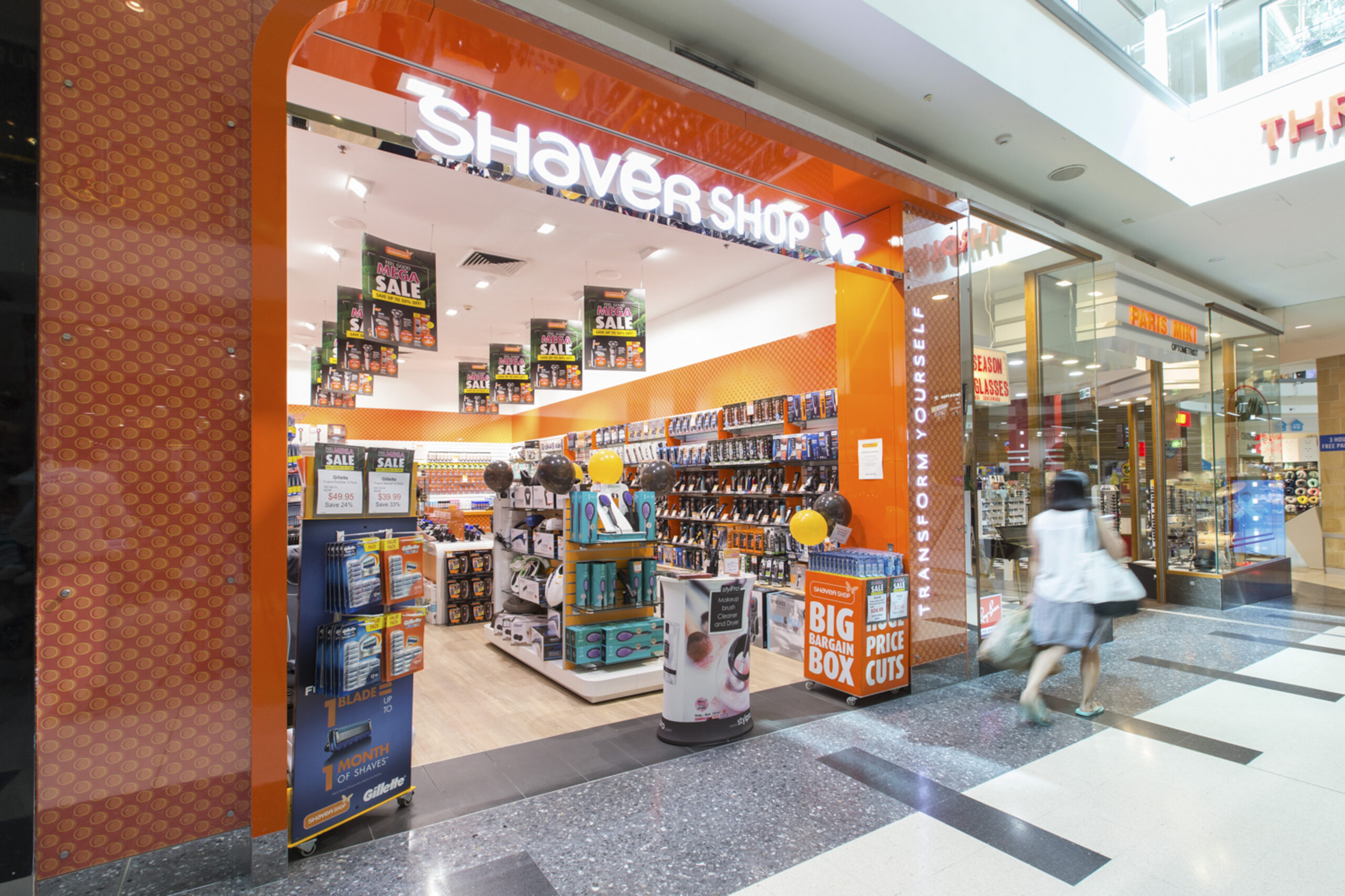
    Shaver Shop generated record sales of AU$225.1 million in the year ended June 30, lifting annual revenue by 3 per cent.

    Gross profit climbed 4.7 per cent to a record AU$104.2 million as the personal grooming specialist leaned on higher-margin private labels to counter inflation.

    Private brand Transform-U drove much of the margin gains, accounting for about 8 per cent of total sales compared with 3.4 per cent in the prior year. Managing director and chief executive Cameron Fox noted that strong operating execution helped offset macroeconomic headwinds that intensified during the second half.

    Store expansion and the early FY27 drop

    The retailer altered its store footprint across the twelve months by opening three new sites and shuttering one underperforming location. That brought the store network to 126 shops at the end of June, followed by a new store opening in Brighton in late July.

    Trading conditions deteriorated immediately after the financial year closed. Sales between July 1 and August 22 dropped 3.2 per cent compared to the prior corresponding period, while like-for-like sales fell 4.3 per cent.

    Management blamed the slow start on heavy promotional discounting pulled forward into June, paired with stock shortages and transport disruptions across supplier networks.

    Margin defence through private labels

    Specialty personal care and electronics chains across the region face tighter household budgets, forcing operators to rely on exclusive brand ranges rather than top-line volume growth. Shaver Shop’s strategy mirrors broader retail trends where house labels provide a vital buffer against freight costs and supplier price hikes.

    Gross margins through the first eight weeks of the new financial year tracked slightly above last year despite the top-line decline. Attention turns to whether supplier shipments stabilise before peak holiday inventory build-up begins in October.

  • Lovisa Hits $938.8 Million in FY26 Sales on Fast Jewellery Demand

    Lovisa Hits $938.8 Million in FY26 Sales on Fast Jewellery Demand

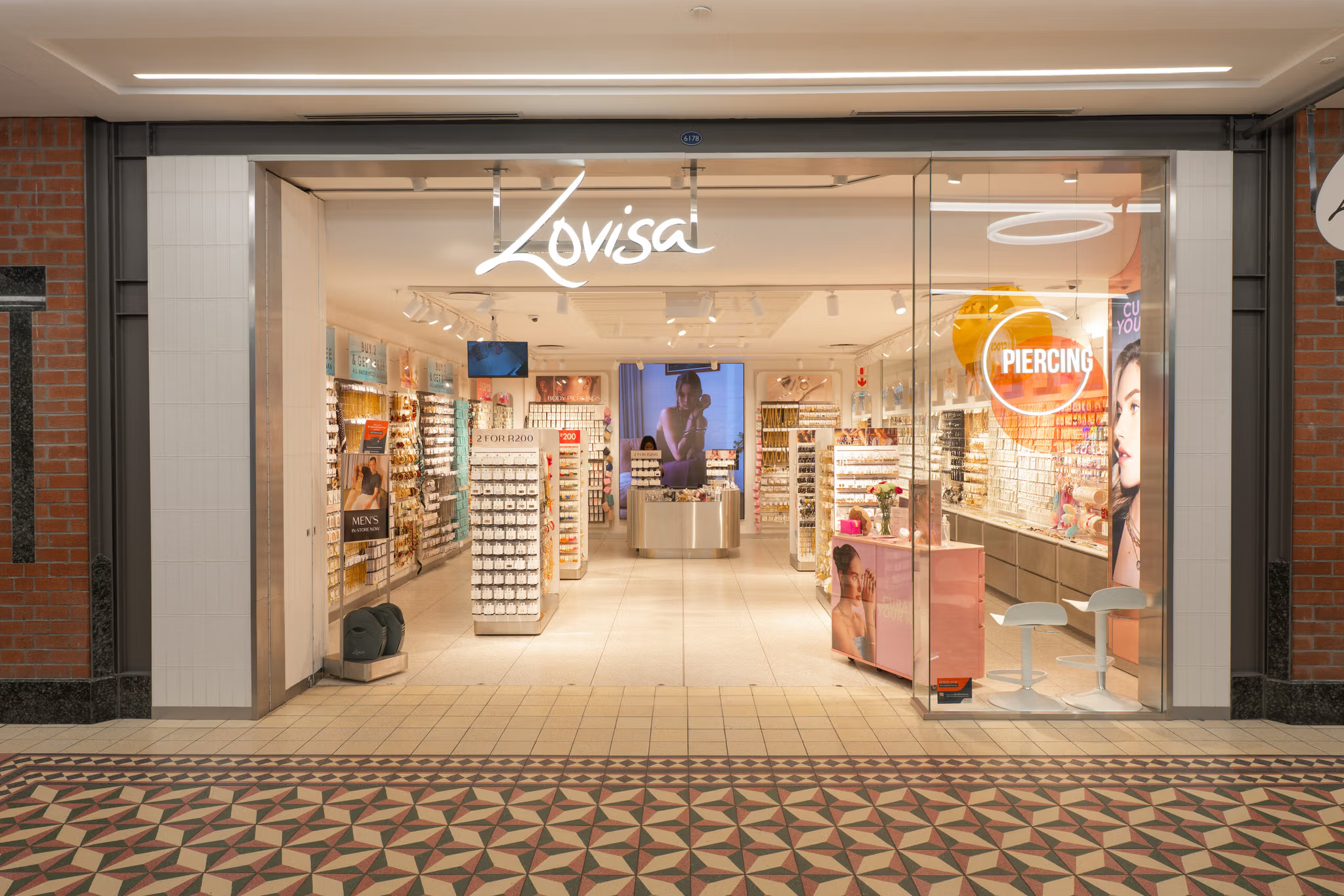
    Lovisa posted double-digit revenue and profit growth for fiscal 2026, generating $938.8 million in total sales across its global store network. The result shows budget-conscious shoppers continued buying affordable accessories despite persistent cost-of-living pressure in Australia and key overseas markets.

    Tightened household budgets did little to slow store turnover. Fast-fashion jewellery continues to capture discretionary spending from consumers who pull back on higher-priced apparel and luxury goods, giving mass-market operators sustained foot traffic across shopping centres.

    Demand across budget accessories

    Lovisa relied on its high-turnover model to drive revenue across its retail footprint. Low price points allowed the brand to maintain transaction volume even as inflation squeezed general consumer spending.

    The performance reflects a broader split in retail spending across the Asia-Pacific region. While big-ticket discretionary categories face softer demand, impulse-driven accessory purchases continue to clear inventory rapidly.

    Market rivals and category pressure

    Competition in the affordable jewellery segment is intensifying across major retail hubs. New challenger brands, including ventures launched by former Lovisa executives, are expanding store networks and targeting the same demographic with rapid product drops.

    Sustaining double-digit expansion will depend on how effectively the chain defends mall real estate and controls store operating costs. Market watchers will track upcoming store rollout milestones and regional trading updates in the next financial reporting cycle.

  • Flight Centre Posts Record $25.7 Billion Transaction Value as Leisure Slips in Q4

    Flight Centre Posts Record $25.7 Billion Transaction Value as Leisure Slips in Q4

    Flight Centre Travel Group booked a record $25.7 billion in total transaction value for FY26, but fourth-quarter flight disruptions cut underlying pre-tax profit by 4 per cent to $278 million.

    Group revenue rose 2.5 per cent to $2.9 billion for the twelve months ended June 30. Statutory earnings before interest, tax, depreciation, and amortisation increased 8 per cent to $430.6 million, while underlying EBITDA climbed 3.9 per cent to $466 million.

    Middle East Flight Reductions Hit Leisure Bookings

    A $60 million earnings decline in the fourth quarter derailed what had been nine months of steady profit expansion. Managing director Graham Turner said the leisure business was tracking toward $200 million in pre-tax profit before conflict in the Middle East prompted airlines to trim flight schedules.

    Full-year leisure transaction value still rose 7.4 per cent to $12.6 billion, generating $1.4 billion in revenue. Early trading showed signs of recovery, with July transaction values setting a monthly record as seat capacity normalised on key routes connecting the Asia-Pacific region to Europe.

    Corporate Bookings Provide Buffer

    Corporate travel accounts insulated the broader business from sharper consumer pullbacks. Corporate transaction value rose 2.9 per cent to $12.7 billion and revenue gained 3.3 per cent to $1.2 billion, pushing the division’s underlying EBITDA up 24.4 per cent to $275 million.

    Small and medium business unit Corporate Traveller exceeded $5 billion in transaction value for the first time, while the group’s US operations turned in more than US$2 billion. Management is counting on its proprietary booking platforms and cost programmes to protect margins as capacity stabilises across the first half of FY27.

  • Giordano Profit Drops 9% to HK$121 Million as Middle East Sales Slump

    Giordano Profit Drops 9% to HK$121 Million as Middle East Sales Slump

    Giordano’s first-half profit after tax dropped 9 per cent to HK$121 million as revenue slipped 1 per cent to HK$1.9 billion (US$243 million). A sharp sales contraction across Gulf Cooperation Council markets dragged down the Hong Kong-listed retailer during the six months ended June 30.

    Management pinned the downturn on Middle Eastern disruptions that began hitting regional trade in March. Excluding the Gulf business, underlying revenue rose 0.4 per cent, supported by steady demand in core Asian territories and a 12.5 per cent expansion in online sales.

    Pricing Shifts and Margin Gains

    Gross margin climbed 1.6 per cent during the period. The margin improvement followed a deliberate channel shift away from lower-margin wholesale volume, tighter product pricing, and cost reductions across production.

    For Asian apparel chains running international store networks, regional diversification usually provides insulation from domestic slumps, but leaves earnings vulnerable to distant geopolitical shocks. Giordano protected its unit margins through tighter price discipline, yet lower store turnover in the Middle East quickly eroded operating profit.

    Rebranding and Western Push

    The business is currently in the second year of its five-year “Beyond Boundaries” restructuring plan. Management wants to restore top-line momentum by overhauling existing lines and entering new regions.

    Execution now turns to the rollout of the Giordano 2 brand refresh, while the company prepares digital launches in North America and Europe alongside a brand relaunch across India.

  • Domino’s Cuts Discounts to Lift FY26 EBIT to $200.1 Million as Asian Earnings Jump

    Domino’s Cuts Discounts to Lift FY26 EBIT to $200.1 Million as Asian Earnings Jump

    Domino’s Pizza Enterprises lifted full-year underlying operating profit 1 per cent to $200.1 million in FY26, curbing heavy discounting and pruning underperforming stores across Asia.

    Total network sales fell 6.8 per cent to $3.87 billion, while group same-store sales dropped 4.1 per cent as the franchisor traded transaction volume for franchisee margin relief.

    Average franchise partner profitability rose 11.3 per cent across the network, pushing free cash flow to $164.1 million. The Brisbane-headquartered company captured $35.3 million in realized savings during the fiscal year toward an annualised target of $67 million, while global corporate overhead fell 5.8 per cent through stricter discretionary spending controls.

    Asia store closures lift regional margins

    Asia delivered the sharpest regional earnings rebound. Underlying earnings before interest and taxes across the Asian business climbed 19.7 per cent despite a 6.7 per cent drop in same-store sales, helped by tighter cost controls and the closure of unprofitable locations, particularly in Japan.

    Performance across Western markets was more mixed. Underlying operating profit in Australia and New Zealand slipped 5.9 per cent alongside a 4.7 per cent drop in same-store sales as the chain reduced promotional price cuts. European earnings rose 2.6 per cent against a 2.2 per cent same-store sales decline, with steady trading in the Benelux markets outweighing sluggish demand in France and Germany.

    Pricing discipline replaces mass vouchers

    The margin turnaround reflects a broad retreat from the low-price delivery wars that eroded quick-service restaurant returns across the Asia-Pacific region over the past three years. Fast-food operators in Japan and Australasia have faced stubborn ingredient costs and high delivery wages, forcing franchise systems to protect store-level solvency rather than chasing top-line market share.

    Executive chairman Jack Cowin said the company deliberately sacrificed short-term order counts to stabilize partner balance sheets. Group chief executive Andrew Gregory will now test whether the chain can rebuild customer order frequency in FY27 through menu execution and clearer base pricing without returning to blanket discount vouchers.

  • Retail Food Group EBITDA Drops 31% as Network Trims 29 Stores

    Retail Food Group EBITDA Drops 31% as Network Trims 29 Stores

    Retail Food Group posted a 31.4 per cent drop in underlying EBITDA to $20.3 million for FY26 as weak consumer spending dragged down domestic sales.

    Domestic network sales across its franchise brands dropped 3.1 per cent to $489.5 million, while same-store sales slipped 0.7 per cent over the twelve-month period.

    The company, which owns Gloria Jean’s, Donut King, Crust, Brumby’s and Beefy’s, closed 35 underperforming stores and opened six new locations during the financial year. That left the group with a net reduction of 29 outlets across Australia as management trimmed non-core real estate.

    Rolling Out Firehouse Subs

    To reverse the sales slide, the franchisor is leaning into regional expansion and imported quick-service formats. It launched the US sandwich chain Firehouse Subs in Australia during the year, opening the debut site at Mt Gravatt in Queensland. The location produced the highest opening-day sales of any international Firehouse Subs restaurant to date, the company said.

    Retail Food Group plans to have four Firehouse Subs locations trading by December. Management aims to expand that footprint to 15 stores by the end of next year.

    Cost Targets and Franchise Margins

    Multi-brand franchise operators across Asia-Pacific face squeezed household discretionary budgets and rising labor costs, pushing holding groups to prune marginal mall sites in favor of higher-volume fast-food models. The group spent recent years re-engineering legacy bakery and coffee networks to stabilize store-level profitability following earlier portfolio contractions.

    Executive chairman Peter George said trading conditions remained difficult throughout FY26, with macroeconomic pressures hitting the second half. The company is now pursuing between $5 million and $7 million in cost savings in FY27, with capital focused on franchise partner economics, cash generation and the planned December store openings.

  • City Chic Lifts Underlying Earnings 92% to $12.3 Million Despite US Sales Drop

    City Chic Lifts Underlying Earnings 92% to $12.3 Million Despite US Sales Drop

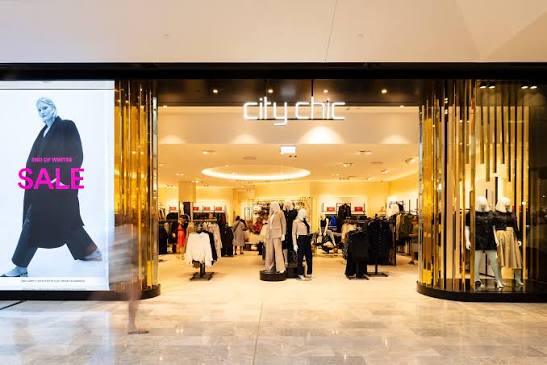
    City Chic Collective nearly doubled its underlying core earnings to $12.3 million in the fiscal year ended June 28, despite total group revenue slipping 3 per cent to $130.5 million.

    Margin expansion and strict operational discipline drove underlying earnings before interest, taxes, depreciation, and amortisation up 92 per cent from the previous year.

    Australia and New Zealand anchored the turnaround. Revenue across the home market rose 7.6 per cent to $113.8 million, with comparable sales lifting 5.6 per cent across physical stores and digital channels. Higher average selling prices and steady customer acquisition cushioned the group while its overseas operations took a hit.

    Retreat from American Tariffs

    The United States delivered a sharp contraction. US sales plunged 42 per cent after management deliberately throttled purchasing activity to limit exposure to import tariff volatility.

    To fix the unit economics, City Chic converted its US Amazon operation from a wholesale setup to a direct marketplace model. Group inventory fell 11 per cent to $24.1 million by the close of the financial year, reflecting reduced capital tied up in North American stock.

    The Sydney-based apparel retailer has deployed automated forecasting and software tools to sharpen buying decisions and lower product return rates. Chief executive Phil Ryan said the company has built a simpler and more resilient operating base after clearing out high-risk inventory channels.

    Trading Momentum in Early FY27

    Cross-border apparel brands have faced intense margin pressure across international channels over recent reporting cycles, forcing operators to protect local margins rather than chase unprofitable foreign volume. City Chic’s retrenchment in North America reflects a broader shift among Australasian specialty chains refocusing on core domestic trade.

    Early numbers indicate the strategy is holding. Comparable store sales in Australia and New Zealand rose 11.4 per cent through the first seven weeks of FY27, with management forecasting a return to revenue and margin growth in the US during the first half.

  • Coty Full-Year Revenue Drops Five per Cent to US$5.8 Billion Ahead of Gucci License Loss

    Coty Full-Year Revenue Drops Five per Cent to US$5.8 Billion Ahead of Gucci License Loss

    Coty posted a five per cent decline in full-year net revenue to US$5.8 billion as the beauty group prepares to surrender its lucrative Gucci license.

    Fourth-quarter adjusted EBITDA dropped 26 per cent to US$93.6 million, dragging operating margins down 270 basis points to 7.4 per cent. Like-for-like sales in the final quarter slipped one per cent to US$1.3 billion, prompting Coty shares to fall 7 per cent in after-hours trading after management withheld financial guidance for fiscal 2027.

    Markus Strobel, Coty executive chairman and interim chief executive, designated fiscal 2027 a transition year focused on lowering fixed overheads. The departure of Gucci Beauty will trigger an additional drop in revenue and profit in fiscal 2028.

    Fixed costs and new fragrance licenses

    Management plans to counter the Gucci exit by cutting fixed corporate costs and expanding newer licensing contracts. The pipeline relies on cosmetics under Marc Jacobs Beauty alongside fragrance agreements with Swarovski, Etro and Marni.

    GlobalData managing director Neil Saunders noted that replacing Gucci volume requires stronger performance from remaining prestige lines, especially across department stores and travel retail networks. Retail OCD chief executive Barney Stacher cautioned that cost reductions cannot compensate for weak brand heat across mass colour cosmetics lines such as CoverGirl, Rimmel and Max Factor.

    Mass beauty shelf pressure

    Fragrance sales continue to generate cash across Asian metropolitan markets, but Coty’s mass cosmetics portfolio faces intense shelf competition from nimble regional and domestic beauty labels. Rebuilding brand visibility in physical retail and digital storefronts requires targeted product development rather than broad promotional discounting, according to Pepperdine Graziadio Business School marketing professor Kimber Maderazzo.

    Coty will deliver the final decisions from its strategic review of the Consumer Beauty unit by the end of 2026 before the Gucci transition takes effect in fiscal 2028.