Tag: flagship

  • Samsung rolls out free cloud backups for Galaxy flagships, but there is a catch

    Samsung rolls out free cloud backups for Galaxy flagships, but there is a catch

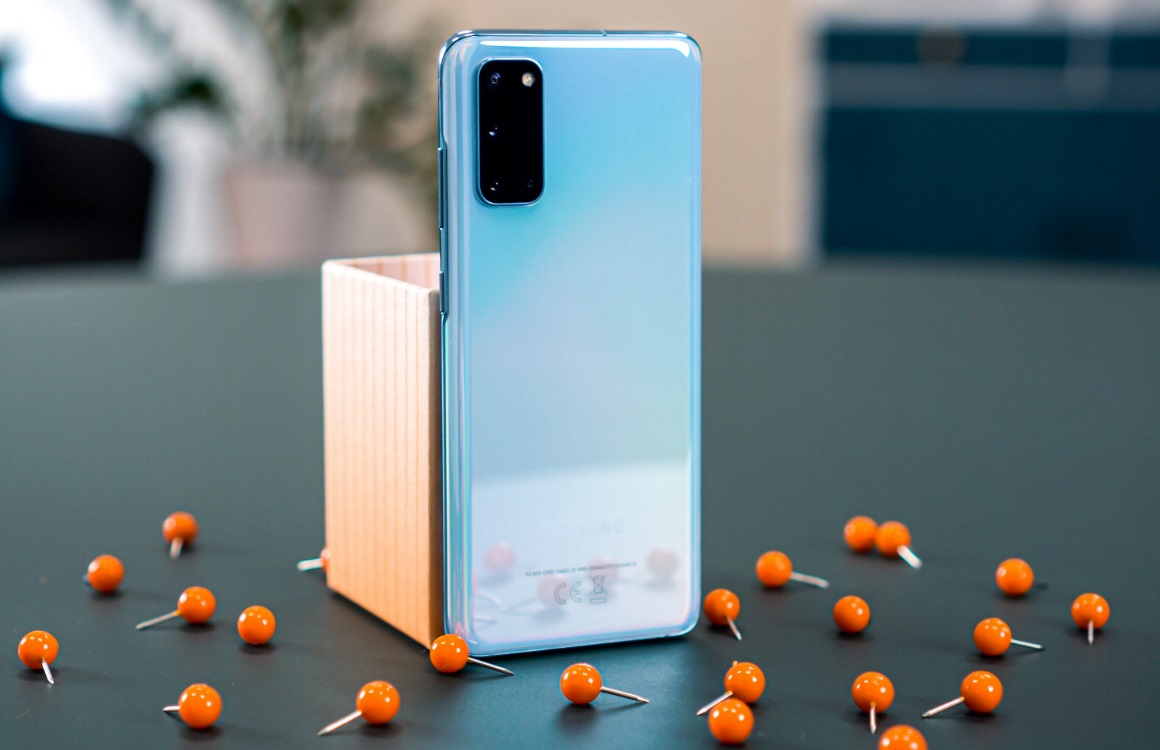
    Samsung is simplifying the challenge of finding sufficient storage for smartphone backups with its new free solution. Named Temporary Cloud Backup, this service is designed for Galaxy smartphone and tablet users, providing them with access to as much temporary storage as needed.

    Samsung’s Temporary Cloud Backup provides users with complimentary file storage in the cloud for 30 days. There is a file size restriction of 100 GB each; however, users can store an unlimited number of files through their Samsung device running One UI 6.0 or higher, which is another stipulation.

    “This upgraded switching experience based on Samsung Cloud aims to provide peace of mind to Samsung Galaxy users that precious data will not be lost, thanks to the connected power of Galaxy’s ecosystem,” said Chiyoung Seo, VP & Head of Cloud Team, Mobile eXperience Business at Samsung Electronics.

    Temporary Cloud Backup would be particularly useful for scenarios where users may fear data loss, such as when getting a smartphone repaired. Samsung has integrated Temporary Cloud Backup into Maintenance Mode, ensuring the secure backup of personal data, including files within the Secure Folder, for recovery after repairs.

    Samsung released Maintenance Mode a year ago to give its users more security. Maintenance Mode creates a separate user account for repairs, keeping your private stuff safe. To use it, just go to Battery and device-care in Settings, hit Maintenance Mode, and reboot. Your personal info, like photos and messages, stays off-limits after the restart.
    When using Temporary Cloud Backup, users should note that a notification will be sent when the 30-day storage period concludes, and files stored for the full period will be automatically deleted. The 30-day limit applies to each file individually, and the countdown starts upon file upload.

    Initially, this feature is rolling out to Galaxy S models running One UI 6.0 or higher for users in South Korea. Global availability is expected to expand gradually from this fall.
  • Samsung Electronics to open flagship store in Gangnam to target Gen Z

    Samsung Electronics to open flagship store in Gangnam to target Gen Z

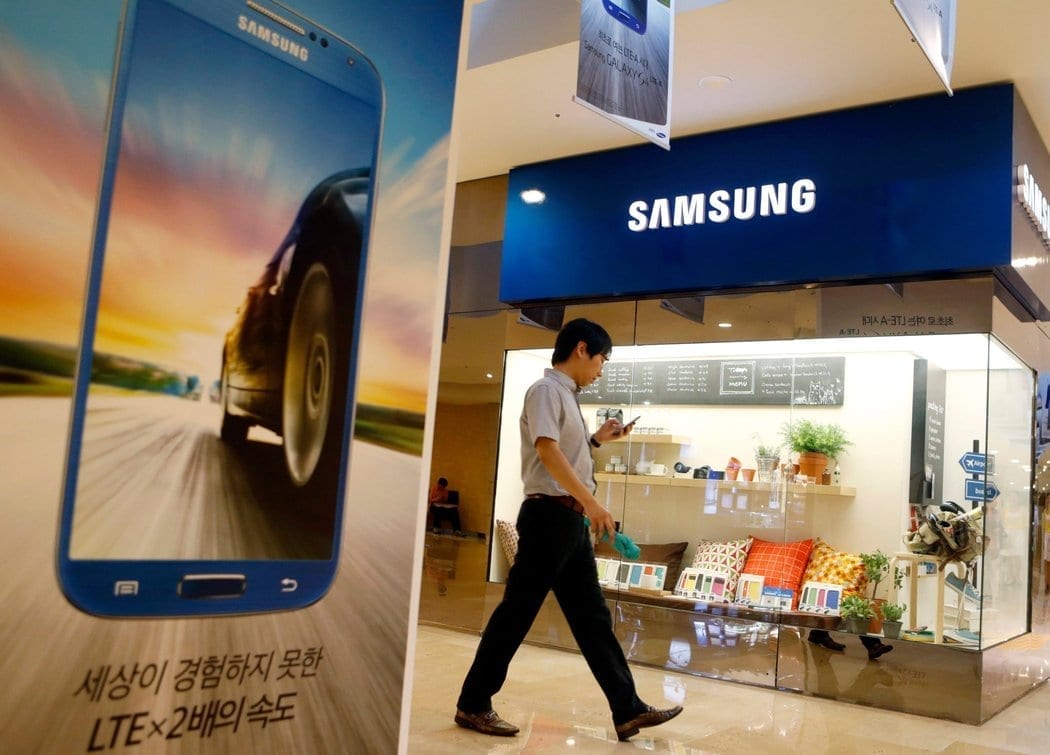
    Samsung Electronics said Wednesday it will open a six-story flagship store in Gangnam, southern Seoul, to offer customers, especially the Gen Z population, more personalized services and experiences.

    In a media event, one day prior to the public opening, the tech giant said it expected the Samsung Gangnam store to serve as a “playground” for young users where they can learn and experience the cutting-edge technologies and innovation Samsung has to offer.

    “The area near Gangnam Station has always been a place for young people to gather and spend time together,” Jung Ho-jin, vice president of Samsung’s mobile experience division, said when asked why the company chose the area to open its first such store.

    The 2,000-square-foot venue, 10 minutes away on foot from its rival Apple’s Gangnam store, felt more like a brand experience center than a retail outlet. Located on Gangnam Boulevard, one of Seoul’s main shopping and business districts, it comes with an after-sales service center, a seminar and lecture space, a small Galaxy museum, a coffee shop and Instagrammable photo zones filled with artworks.

    “We would like to see people freely come visit here, even for just a quick bathroom run,” Jung added.

    The opening came amid continued headwinds from global economic uncertainties, slow consumer demand and muted brand loyalty for Samsung’s Galaxy smartphones among young people.

    A survey released early this year by the Seoul-based Vinu Labs showed Apple’s iPhones are more popular than Samsung’s Galaxy phones among South Koreans in their 20s, who chose “trendy” and “upscale” as the two words that describe Apple’s brand image. The words for Samsung were “friendly” and “practical.”

    The opening also took place about a month prior to Samsung’s scheduled first Galaxy Unpacked event in South Korea, where it is set to unveil its latest foldable phones, watches and other innovative products.

    “The store is designed to target not only young customers but also anyone with open and young minds,” Jung said.

    “I believe Samsung has its own know-how to deliver unique benefits and color to customers through a variety of products,” Jung said, while avoiding answering directly how the tech giant plans to address lower adoption rates than those of rival Apple among Gen Z.

    “At Samsung Gangnam, people can feel Samsung Galaxy products have never stopped evolving,” he said. “We will continue to run our business with such pride in mind going forward.”

  • Miniso opens first Malaysian flagship store

    Miniso opens first Malaysian flagship store

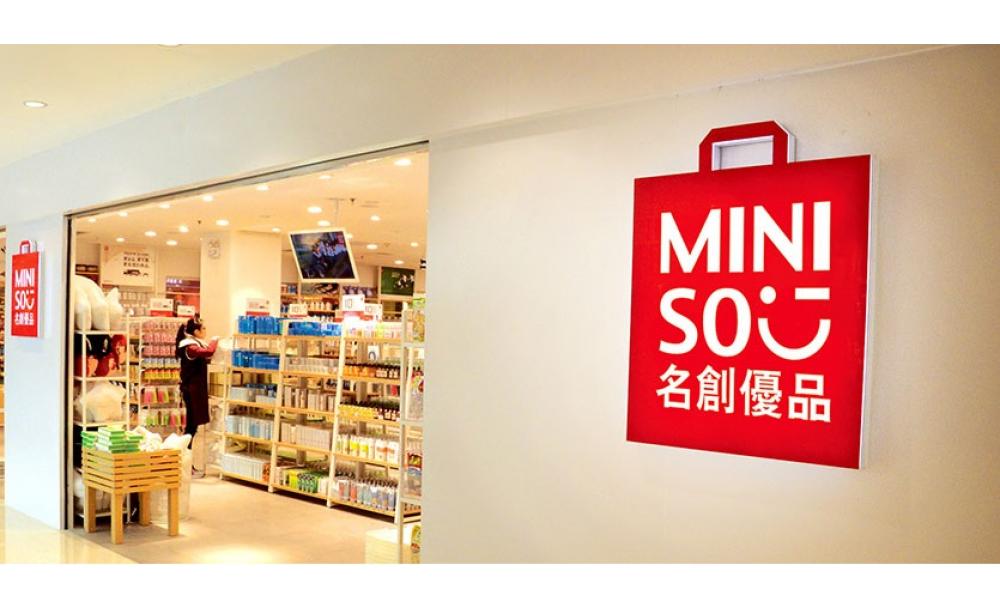
    On June 17, lifestyle retailer MINISO introduced a brand-new store format through the launch of its first flagship store in Selangor, Malaysia. The 684.6m2 retail space is located in Setia City Mall, one of the largest shopping complexes in Shah Alam, Selangor.

    The new store concept, referred to as MINISO 3.0, puts an emphasis on a family-friendly shopping experience. Every member of the family has somewhere to shop and something to enjoy in the store.

    The biggest difference between the flagship store and other MINISO stores is its brand-new toy section. It presents not only popular licensed products from world-renowned intellectual property owners, but also MINISO’s original MINI Family collection.

    The toy section occupies 20% of the retail space in the store and appeals to shoppers the most. This section also incorporates trendy and modern design in the decor and display, featuring a unique plushie wall, blind box wall, and a play area for building bricks.

    “The dedicated toy section allows every MINISO customer to experience the immense fun and joy brought about by our toys, while enjoying the treasure hunt shopping experience in our store,” said Vincent Huang, Vice President of International Business Department at MINISO. “The flagship store truly speaks our belief – ‘Life is for fun’.”

    In addition to toys, the Selangor flagship store has a fragrance feature wall showcasing a variety of MINISO’s scented products, including perfumes and home fragrances.

    This addition was made after MINISO noticed many Southeast Asian consumers were more interested in shopping for fragrances or scented products. One study put that figure at around 72%. Pricewise, the majority of products available in the store range from RM10 to RM20.

    “Malaysia is a melting pot of ethnicities, religions and cultures. These inspire MINISO to reflect diversity in our products and stores,” Vincent added. “MINISO first entered the Malaysian market in 2016 and saw huge potential in the country. We’re delighted to announce the grand opening of our first and biggest flagship store here. I’d like to take this opportunity to thank our customers who have supported MINISO over the years, and our partners who have grown with us.”

  • Coca-Cola opens London flagship store

    Coca-Cola opens London flagship store

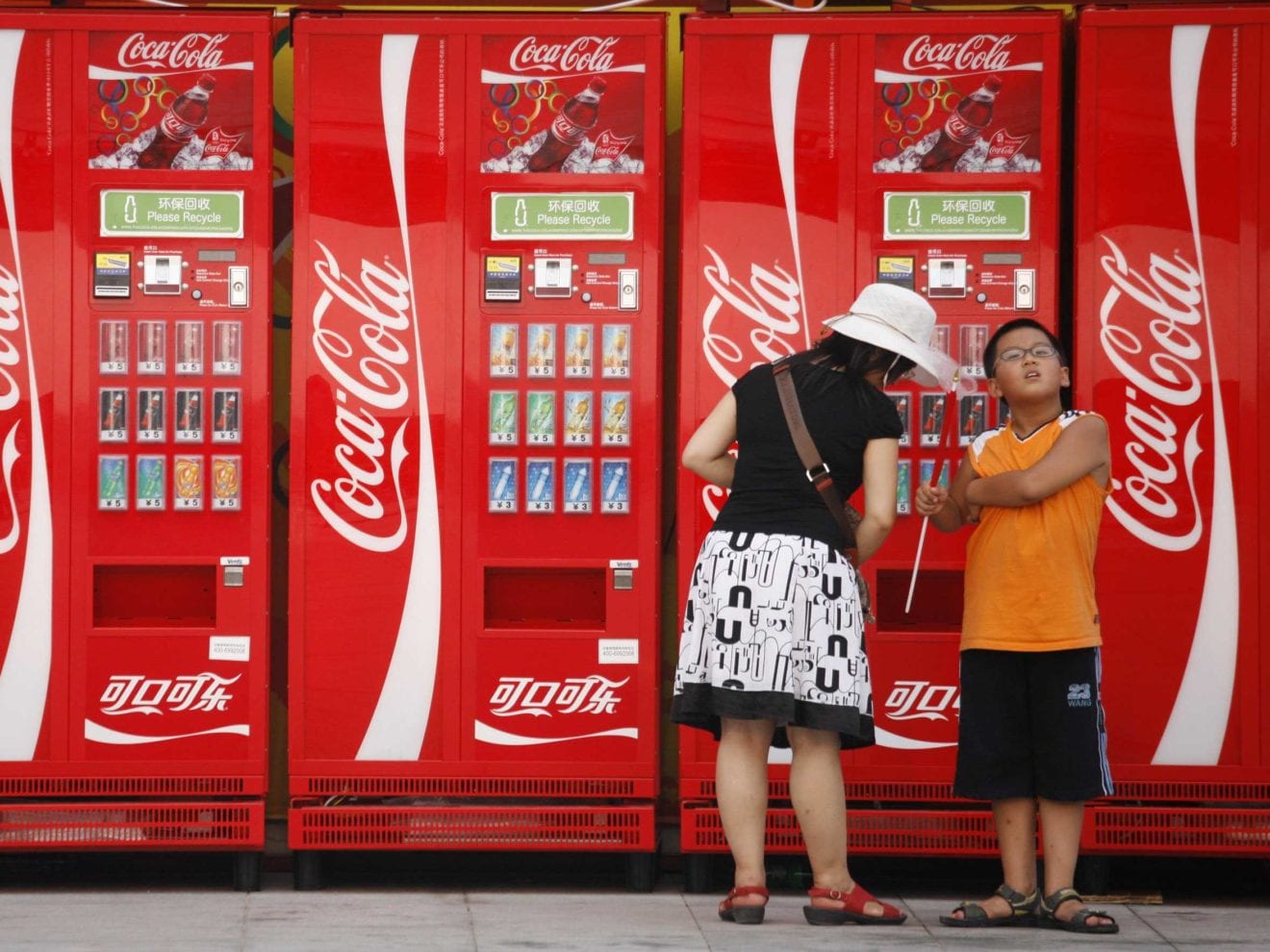
    Coca-Cola has opened the doors to its first flagship store in Europe today, in a vote of confidence for the West End. After a number of stores in the US, including the beverage titan’s home territory in Atlanta, Coca Cola is testing the waters with a UK experiential destination.

    The store is set to be open until September at the moment, as bosses trial a direct-to-consumer store format in Europe for the first time.

    Shoppers will be able to purchase limited-edition merchandise, including fashion collaborations with Staple and Lees.  Other collaborations include designers such as Soho Grit, Alma de Ace, BAPE, Herschel, and BE@RBRICK.

    Visitors can buy mocktails made with Coca-Cola products at a dedicated beverage bar – drinks on the menu at the moment include Winners Circle, Mango Sunset, and an Orange Lolly Float. There is also an opportunity for shoppers to design customized drink cans, with personalized messages on.

    Michelle Moorehead, vice president of licensing and retail, said the store would give shoppers “fresh ways to experience our drinks.”

    “Through a collection of products made from recycled materials, it also gives us a great opportunity to share our sustainability commitments with people and bring them with us on our journey to a World Without Waste,” she added.

    It comes as retail goliaths have continued to be keen to stake a physical presence in the West End, despite the departure of big names such as Topshop.

    Furniture giant Ikea is set to open up shop, after buying Topshop’s former flagship store on Oxford St for £378m.

    “I don’t think [high street shopping] necessarily is dying, it’s changing,” Alex Loizou, the co-founder of online boutique marketplace Trouva said. earlier this year. “Offline becomes more about the experience and something different. Online is driven by transactional behavior.”

    In recent years, the Apple and Nike stores have become weekend destinations for many, Loizou explained. “People will go into those destination spaces to just experience it and look at physical objects up close, even if people don’t buy them there,” he said.

    Earlier this week, Coca-Cola Co surpassed quarterly revenue expectations after raising prices and the reopening of theatres and restaurants.

    In results published on Monday, the firm said demand for soft drinks had come back with zest after entertainment and hospitality venues had reopened with the easing of Covid restrictions.

    Net revenue lifted 16 per cent to $10.5bn in the first quarter of the year, beating analyst expectations of $9.83bn, according to Refinitiv data.

    However, the soft drinks titan warned its suspension of operations in Russia would result in a hit to annual profit worth four cents per share.

  • Swensen’s Thailand opens next-gen regional flagship

    Swensen’s Thailand opens next-gen regional flagship

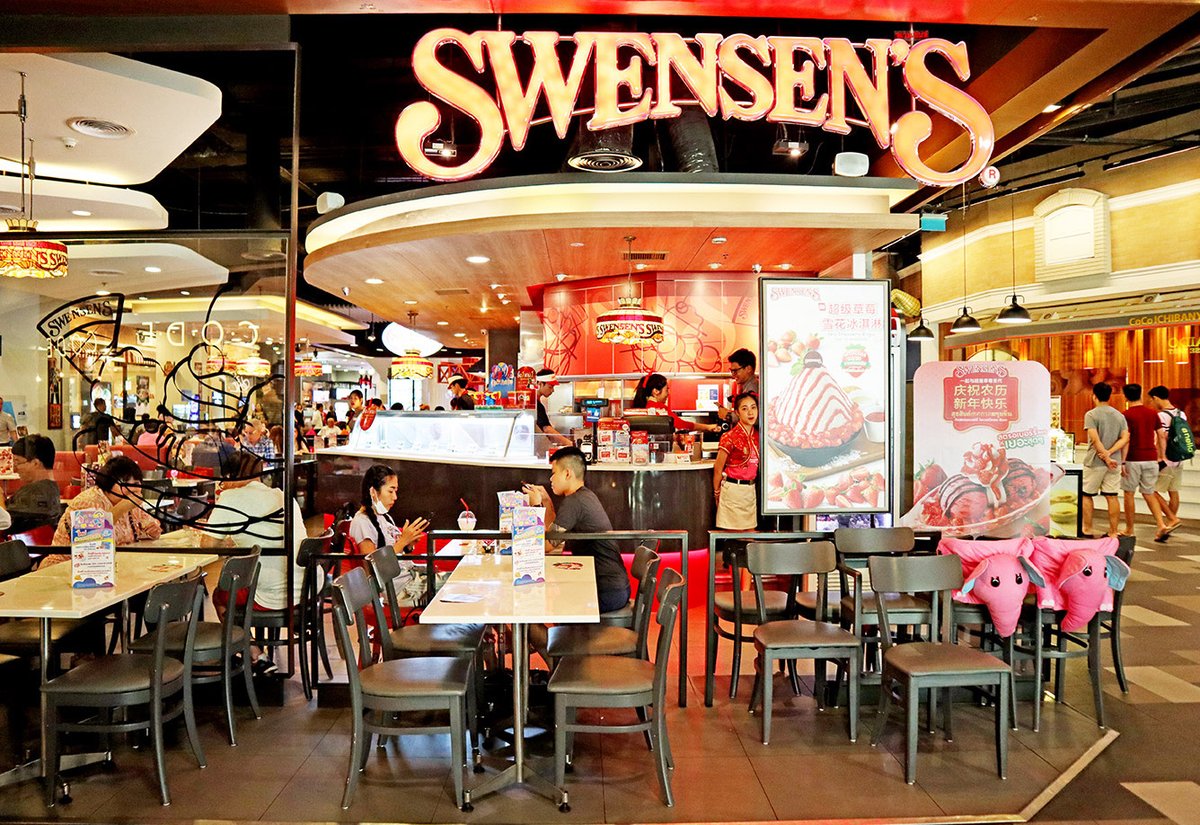
    Once again, Swensen’s reinforces to be the leading ice-cream brand that delivers a unique customer experience with the opening of Swensen’s Nan Regional Flagship Store. This store is the second store in Thailand after Phuket Town that is designed in accordance to the Regional Flagship Store concept. This concept is not just about expanding stores, but also to select a province with a character and local people including a distinctive local culture.

    Like Nan province, there is a strong community. So Swensen’s joins with local franchisee who truly understands  the Nan culture, to develop the area to become a new tourist attraction of Nan province.

    About store design, we bring the wisdom of Nan culture to create economic innovation through the store design. Customers can enjoy delicious ice-cream with a special ambience. We consulted with Nan historians, cultural experts and local designers  for store design,  to ensure that store ambience truly resonates with the local culture.

    Additionally, Swensen’s also adds a special menu ‘Bualoy Coconut Ice-cream’, which is available only in this store. If you travel to Nan, then do not forget to visit Swensen’s – Nan Regional Flagship Store and you will be truly impressed.

  • Diptyque unveils its largest flagship yet, in South Korea

    Diptyque unveils its largest flagship yet, in South Korea

    Diptyque’s new flagship store in Seoul is its largest yet, anywhere in the world, reflecting its confidence in the South Korean perfume market which is showing rapid growth.  Located in the upscale shopping street Garorugil, the Diptyque flagship’s design was inspired by the French brand’s original space on 34th Avenue Saint-Germain in Paris, resembling a cozy apartment with a dining room, kitchen, living room and bathroom.  The ground floor houses Diptyque’s full collection of

    The ground floor houses Diptyque’s full collection of perfumes and home fragrances, including limited editions and boutique-exclusive products. The 260sqm store offers customization services such as engraving, perfume message ribbon, embossing, and candle message capsules.

    A large marble staircase leads to the upper floor, which was designed with a layout of an up-market Paris apartment. While the cozy living room is decorated with a counter “reminiscent of a herbalist”, the kitchen is inspired by the one in the “magnificent private residence of Moise de Camondo” built in the 18th-century style, a space for olfactory experiments and workshop.

    The living room is a space where customers can rest and see artwork and decoration items that pay a tribute to the craftsmanship of Korea. The bathroom features a black and white checkered tiled floor and a large retro-styled bathtub. The room is highlighted with traditional Korean pottery.

    Diptyque said it has seen double-digit sales growth in South Korea annually since Shinsegae International secured the domestic sales rights in 2017. According to Euromonitor, South Korea’s perfume market reached US$491.6 million in 2019 and is expected to exceed $532 million next year.

  • Burberry opens new French flagship store

    Burberry opens new French flagship store

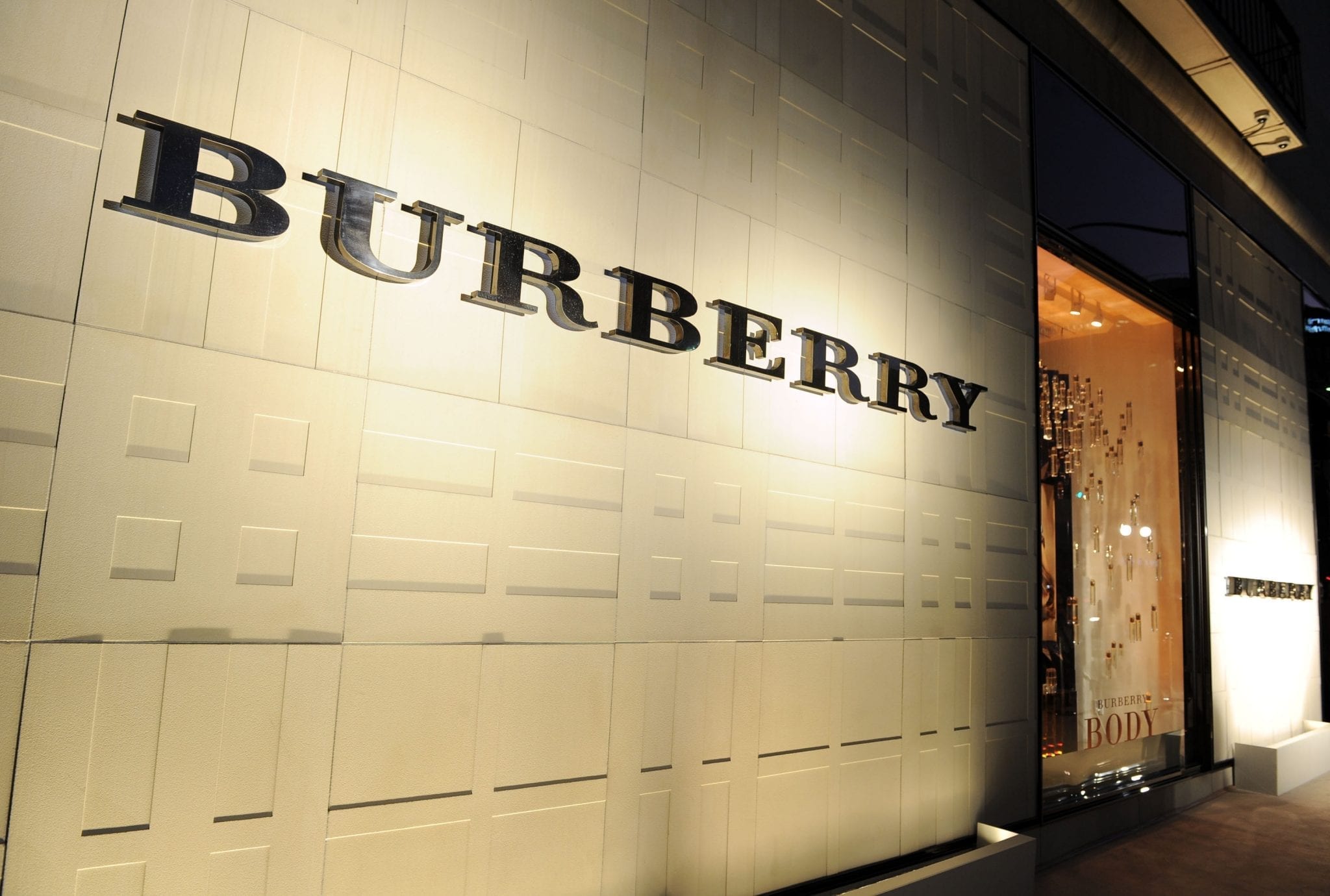
    British luxury brand Burberry has unveiled its new French flagship store on Rue Saint-Honore, designed by architect Vincenzo de Cotiis.

    Located in the heart of Paris, the flagship features the brand’s new global design concept and offers customers what Burberry describes as a chance to experience a space that connects Burberry’s past, present and future.

    “The store represents all that we stand for as a brand – being authentic, bold and creative – and we look forward to inspiring our customers with a truly elevated British luxury experience in this iconic setting,” said Gianluca Flore, chief commercial officer at Burberry.

    The store has three floors. Its design features Burberry’s famous check concept with the main colours of beige, black, white and red. Burberry says it has achieved modernity and openness by using mirrored ceilings with intersecting metallic grids and chequerboard-style tiled floors.

    On the ground floor a hand-painted, recycled fibreglass sculpture by Vincenzo de Cotiis stands at the entrance. The first floor houses menswear.

    The second floor features the brand’s womenswear range. The space is designed with traditional French doors with Haussmann-era glazing, white terrazzo and mirrored elements. A women’s shoe room integrates seating and fixtures into the windowsills that emphasise the view into the city of Paris.

    The third and final floor houses an apartment space, the largest private area of any of Burberry’s stores worldwide, offering a bespoke and elevated in-house experience for VIP customers who prefer to browse goods in privacy.

    “This Paris opening writes a new chapter of Burberry’s timeless story.” said architect Vincenzo De Cotiis.

  • HTC shares details about first flagship phone in more than 3 years

    HTC shares details about first flagship phone in more than 3 years

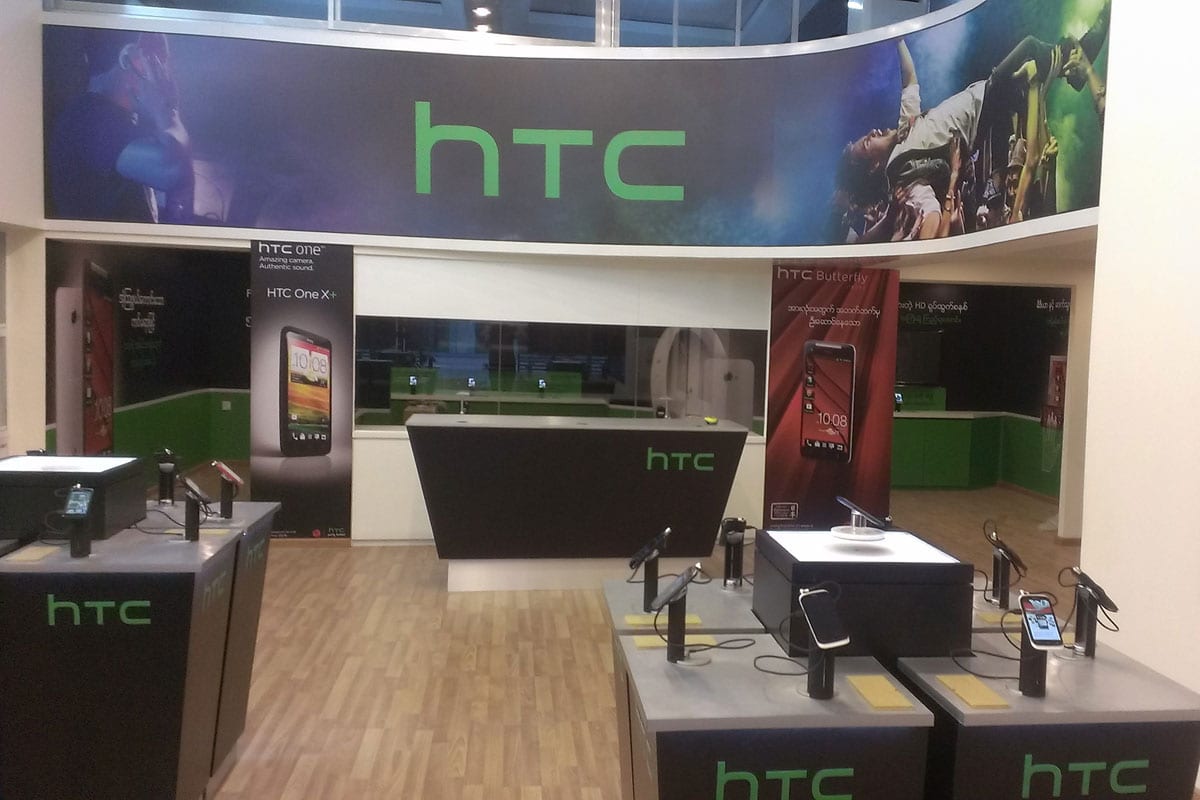
    Around a decade back, HTC was one of the biggest smartphone makers in the world but has almost sunk into oblivion in recent times. The company never announced a retreat from the market, and even though it scaled back operations after selling a chunk of its business to Google in 2018, it still quietly sells affordable phones in select markets. The Taiwanese manufacturer has now revealed plans to release a flagship smartphone in April.

    Vice President of HTC’s Asia-Pacific Region, Charles Huang said during the ongoing Mobile World Congress (MWC) that the company will introduce a high-end smartphone next month.

    The company last released a flagship smartphone, the Exodus 1, in 2018. It was a blockchain-focused handset and was powered by Qualcomm’s premium Snapdragon 845 chip. HTC, which was the first to make both an Android device and a Windows Mobile handset, has been in the red since 2015 and has shifted focus to virtual reality headsets and accessories.

    During MWC, the company announced Viverse, which is its version of the metaverse and will make use of the in-house Vive VR headsets. It comes as no surprise that HTC is planning on integrating some metaverse features into the phone. It looks like the company wants to target consumers who would like to use their phone for augmented reality and virtual reality applications.

    Other details are still under wraps, but more information will likely be coming soon. Whether it will help HTC turn things around and give a tough time to the best phones of 2022 remains to be seen.

  • Malaysia’s AirAsia eyes air cargo carrier

    Malaysia’s AirAsia eyes air cargo carrier

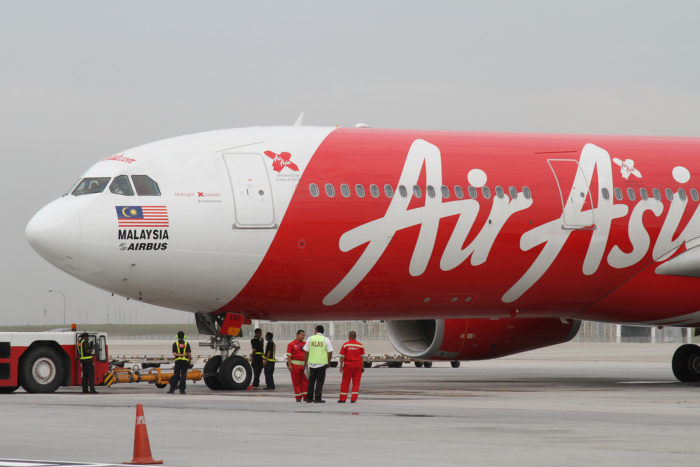
    Malaysia’s flagship budget airline AirAsia Group is in early acquisition discussions for air cargo carrier Raya Airways to beef up its logistics business, The Edge Weekly reported on Saturday (Jan 22) citing sources.

    The business weekly said the airline has approached businessman Ishak Ismail whose family owns Raya Airways, to acquire the carrier, and are in early conversations, according to people familiar with the matter.

    AirAsia and Raya Airways did not immediately respond to requests for comment.

    AirAsia’s logistics unit Teleport said in November it was aiming to expand its fleet of cargo planes and scale up its freight business.

    Top executives at Raya Airways were not keen to sell the carrier, however, as they have plans for an initial public offering, the report said.

    AirAsia was last week classified as a PN17 firm by Malaysia’s stock exchange, a tag given to financially distressed firms. It said it was working on a plan to “regularise its financial condition”.

  • Huawei announces P50 Pocket foldable flip phone will be unveiled

    Huawei announces P50 Pocket foldable flip phone will be unveiled

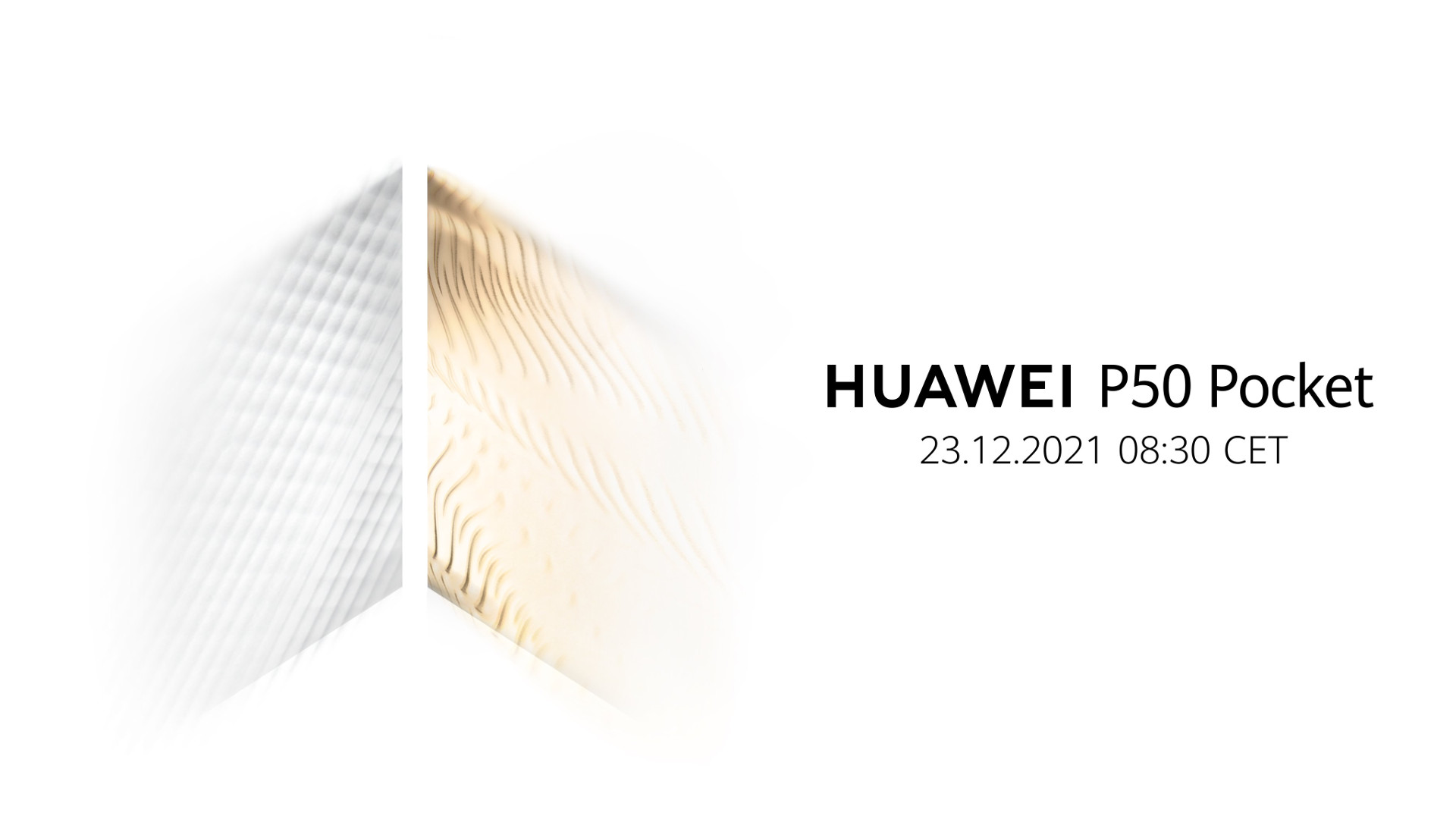
    Huawei announced today on Weibo that its new flagship product launch winter conference will take place on December 23rd. On that date, the company said that it will announce the Huawei P50 Pocket which is believed to be a foldable phone that shuts vertically like the Samsung Galaxy Z Flip 3 and the Motorola Razr.

    The new Huawei foldable flip phone will supposedly sport a next-generation hinge from Zhaoli Technology. It contains fewer parts making it not as expensive and more reliable compared to the hinges used on previous generations of flip phones. Some who have seen the device say that there are no creases on the display, which have become the bane of the modern foldable handset.

    According to images on Huawei’s verified Weibo post, the P50 Pocket will be available in White and Gold. A leaked image of a protective case for the device indicates that the back of the P50 Pocket will have two large camera lenses in the back, similar to the design of the Huawei P50. Volume rockers and the power button are on the right.

    Other products that we expect to see announced a week from Thursday include the Huawei Watch D. As we mentioned just the other day, a leaked image of the device’s box revealed that the timepiece will be able to provide blood pressure readings, and will be powered by HarmonyOS. Also, a possibility to be unveiled at the event could be Huawei’s Bluetooth glasses.

    Huawei has already released three variants of foldable phones. The Mate X and Mate XS both folded outward to reveal their larger tablet-sized display. Because the screen folded outward, the two panels that created the larger display were available for use as smaller “exterior” screens when the device was closed. Earlier this year, the Mate X2 was launched with a design similar to the Galaxy Fold 3.

    The Mate X2 closes like a book and features a 6.5-inch front cover display and an 8-inch tablet-sized screen. As for the P50 Pocket, we could see a 6.5-inch to 6.7-inch 21:9 display when opened. Will it support 5G? Huawei socked enough Kirin 9000 chips away for the foldable Mate X2 to offer 5G support for that model. But if it didn’t keep enough inventory of the chip for the P50 Pocket, it might have to resort once again to a 4G version of the Snapdragon 888 which it used on the P50 series earlier this year.

    As you probably know, the U.S. government’s export rules prevent any foundry using American technology to build chips from shipping any cutting-edge chips to Huawei without a license from the U.S. Commerce Department.

  • McDonald’s showcases its China headquarters flagship

    McDonald’s showcases its China headquarters flagship

    31 years ago, McDonald’s opened its first store in China on the 8th of October. 31 years later, the fast-food industry giant announced the opening of a new China headquarters building in Shanghai’s West Bund. It will be home to the company’s over 600 HQ-based employees.

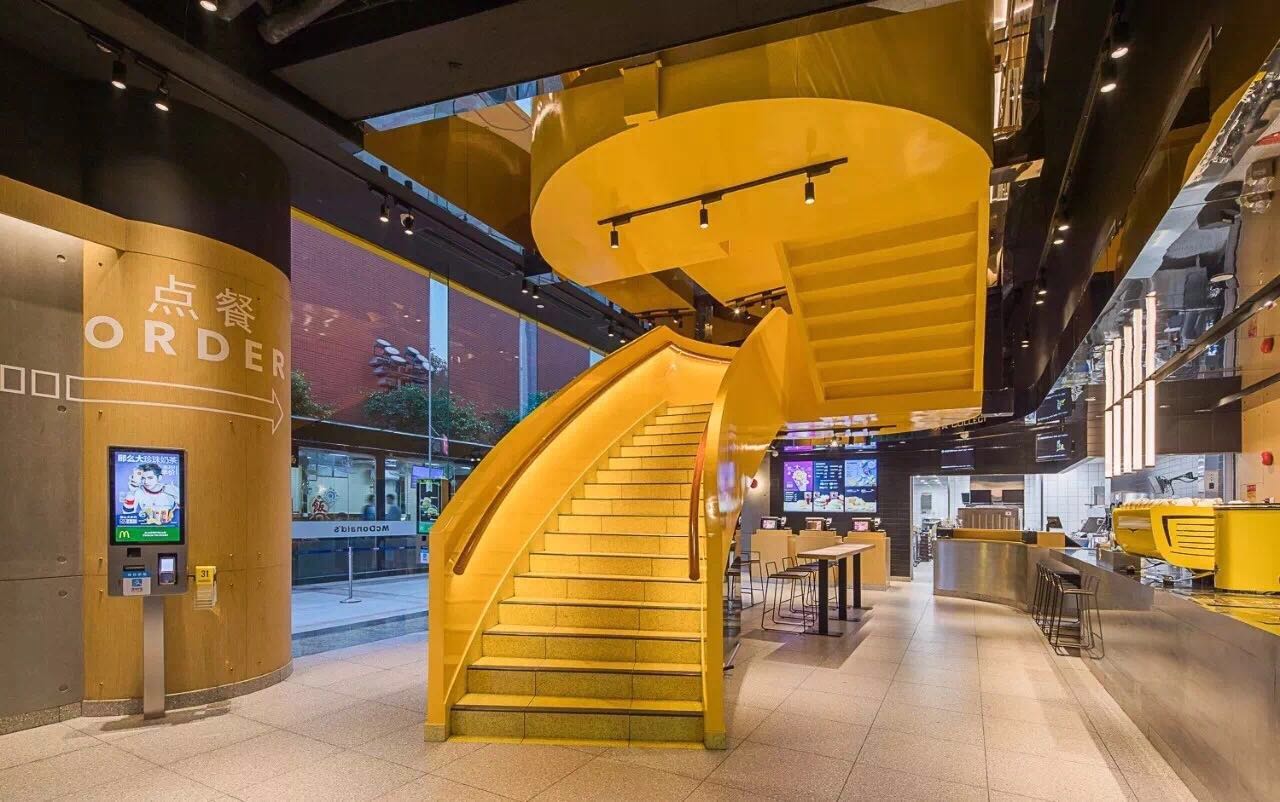
    Zhang Jiayin, McDonald’s China CEO, compares the move of the headquarters to a new journey. The cube-shaped building contains more futuristic elements of McDonald’s: an intensive-style innovation lab, the seventh Hamburger University, and the largest McDonald’s flagship store, which represent the company’s commitment to the Chinese market.

    “The Chinese market will be one of the most important markets in the world, and we will witness more here,” said Zhang Jiayin.

    The flagship store, which opened the same day as the new building was officially launched, is also the company’s first cube-style flagship restaurant in East China and McDonald’s China’s first LEED platinum-certified flagship restaurant. Another highlight is its various cross-over attempts with the CITIC Press Group, including the children’s bookstore and mini-theater.

    The third floor of the building contains McDonald’s in-house training institution, the Hamburger University, which will launch its first class next Monday.

    “The reason why we chose Shanghai is that it is a highland of talents, where you can find the best talents in the country and even the world,” noted Zhang. This year, McDonald’s China has planned over 130 university recruiting events across the country, to support the rapid development of its business. At present in McDonald’s China, employees born from 1995 account for more than 60%, and employees born from 2000 are close to 43%.

    Apart from talented people, the company chose Shanghai for its headquarters as it is a giant test field for cutting-edge concepts, be it light meals or plant-based meat. “It is a base camp radiating the entire market in China. We will continue to develop, continue to expand in scale with brand differentiation, and serve more consumers,” added Zhang.

  • Drone maker DJI to shut Hong Kong flagship within a week

    Drone maker DJI to shut Hong Kong flagship within a week

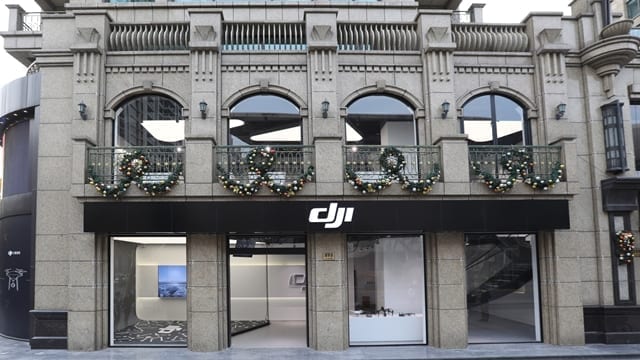
    Shenzhen-headquartered drone maker DJI is to close its Hong Kong flagship store in Causeway Bay – but the company says the move is unrelated to strict new laws restricting drone use in the territory.

    The three-story, 930sqm store, which displays the brand’s range of aerial and handheld devices and includes a space where people can carry out test flights, will close from next Monday.

    A sign affixed to the storefront says DJI remains committed to its customers and partners in Hong Kong and elsewhere in the world and that the company would continue to develop the industry’s most advanced drones and creative camera technology.

    Responding to an inquiry from the South China Morning Post, a DJI spokesperson said the flagship’s closure reflected the company’s evolving needs and had “no connection” with the new regulations requiring drone operators to be trained and licensed to fly the devices. That law takes effect next June.

    After the store’s closure, the company’s drones will remain on sale online and through authorized dealers.

    DJI opened the store in September 2016. At the time it was the brand’s third retail store, following one in Shenzhen and another in Seoul.

    A flight cage on the ground floor showcases drones in action and a SkyPixel Gallery on the first floor features international aerial photography. A technical support center and space for workshops, seminars, and special events are located on the second floor.

    Under the new Hong Kong law, drones weighing between 250gm and 7kg must be registered, and pilots must undertake online training. Insurance will become mandatory.

  • Hugo Boss showcasts its first Japanese flagship store

    Hugo Boss showcasts its first Japanese flagship store

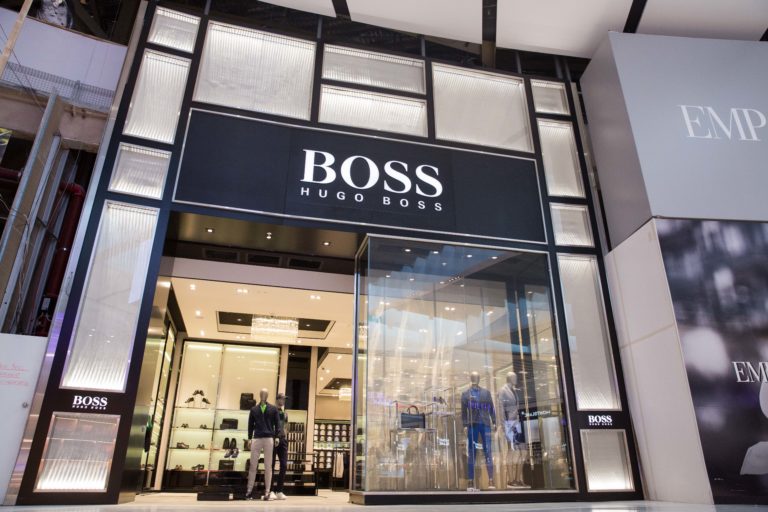
    German luxury fashion house Hugo Boss has launched its first Boss flagship store on Tokyo’s famous shopping street the Ginza.

    Spanning two stories, the Hugo Boss Japan flagship occupies 480sqm of the Tokyu Plaza Ginza shopping centre. The store features a giant glass facade where a digital wall is installed to showcase campaign videos and content.

    Meanwhile, the store interior design follows a white, black, and beige colour palette, using materials such as marble, wood and chrome. While the first floor houses men’s and women’s apparel, accessories, and fragrances, the second floor features a personalization space called ‘Made to Measure’, where customers can enjoy tailoring services.

    Marking the launch, the Hugo Boss Japan flagship store also houses a limited-edition capsule collection and a corner offering limited items with HB-Moji graphics, including hoodies, T-shirts, shorts, and caps.

  • H&M closes Shanghai flagship

    H&M closes Shanghai flagship

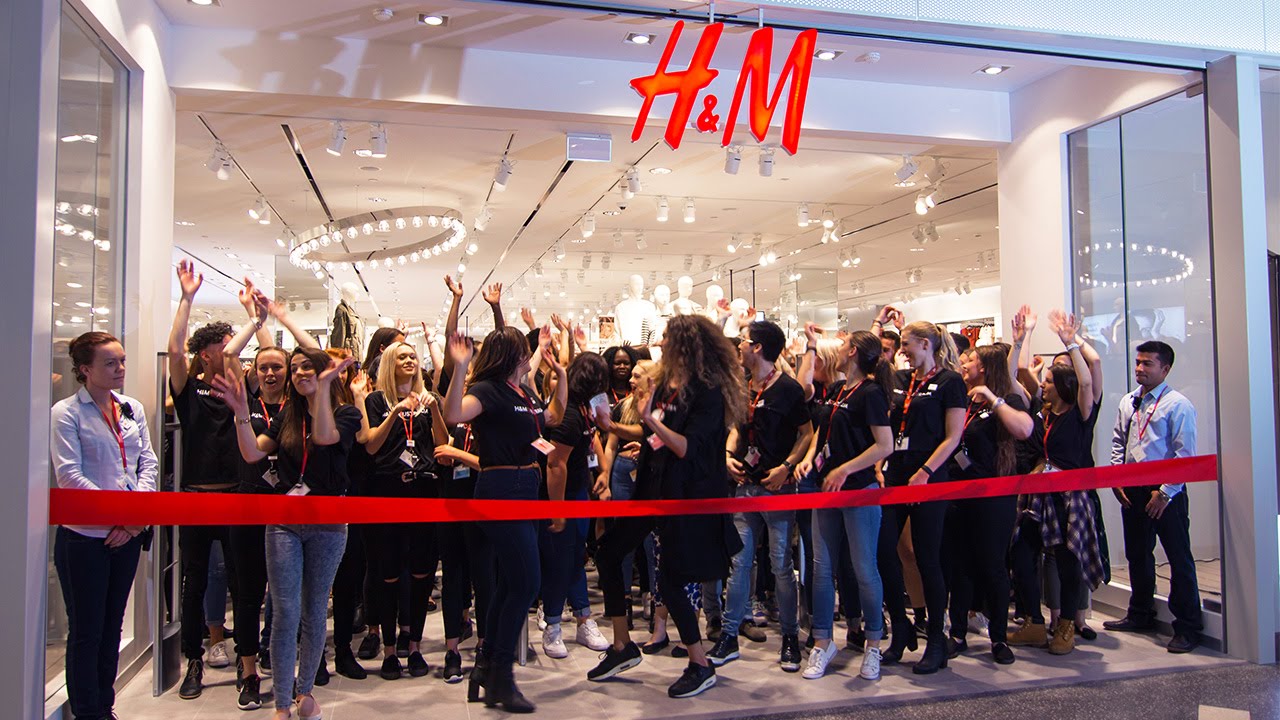
    H&M has closed one of its Shanghai flagship stores on the Nanjing West Road. The store, which was open for ten years, was considered a key part of the brand’s retail strategy as it was on a high-traffic shopping street.

    According to a statement made to Chinese media, H&M closed this store due to the lease ending. H&M says they will continue to review locations as business develops in China.

    Both Bloomberg and The New York Times have reported that landlords in China have forced the closure of H&M stores across the country after the controversy in late March regarding the company’s stance on using cotton sourced in China’s Xinjiang region. H&M products currently aren’t being sold on China’s top two e-commerce platforms, Tmall and JD.com.

    It’s been a tough year for H&M. In addition to taking a hit last year due to the global COVID-19 pandemic, H&M also saw a 21 percent fall in sales for Q1 2021. The company is projected to close 250 stores this year.

  • Papa John’s launches in Cambodia

    Papa John’s launches in Cambodia

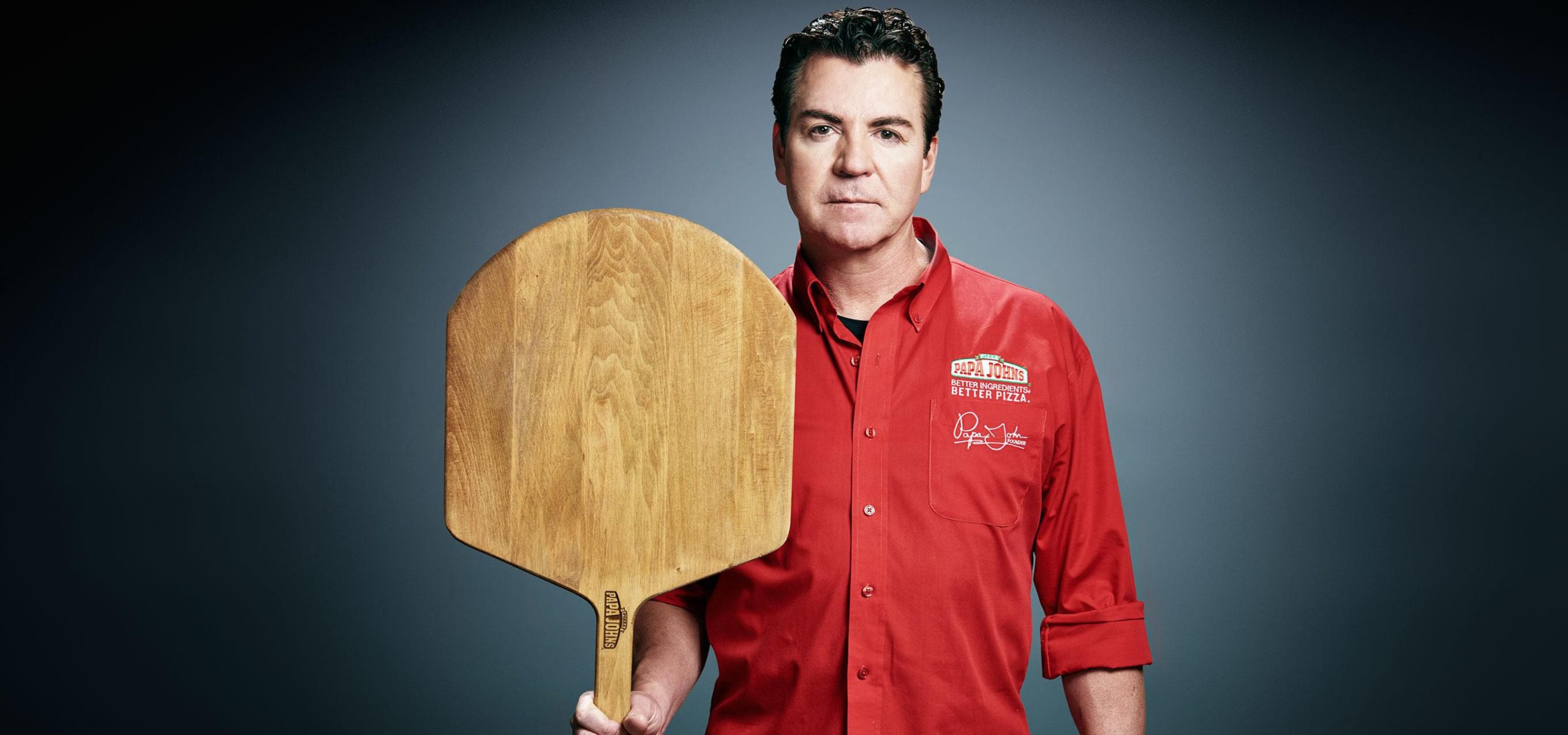
    US pizza chain Papa John’s is launching in Cambodia with 15 restaurants scheduled to open during the next three years. The company opened its flagship store in Phnom Penh last month.

    “Papa John’s Cambodia team is truly passionate about pizza,” said Peter Xu, Papa John’s Cambodia franchisee.

    “With our ‘Better ingredients – Better pizza’ promise, we look forward to providing local pizza lovers with quality products and outstanding services.”

    Xu also owns a Papa John’s franchise in New York and other business ventures in Cambodia.

    Jack Swaysland, Papa John’s COO, international, said that following a record year of sales and growth, Papa John’s is well-positioned to accelerate international development, a key pillar for the brand’s long-term growth.

    Papa John’s has restaurants in 48 countries, with the latest new openings in France, Spain, Tunisia, Iraq, the Netherlands, Morocco, Kazakhstan, Kyrgyzstan, Poland, the Bahamas, Pakistan, and Portugal. The company is eyeing expansion in Brazil, Japan, and Southeast Asia.