Retail News CRM

Tag: flight

  • Cathay Pacific Reduces Flight Frequency Amid Surging Jet Fuel Prices: Is Global Aviation at Risk?

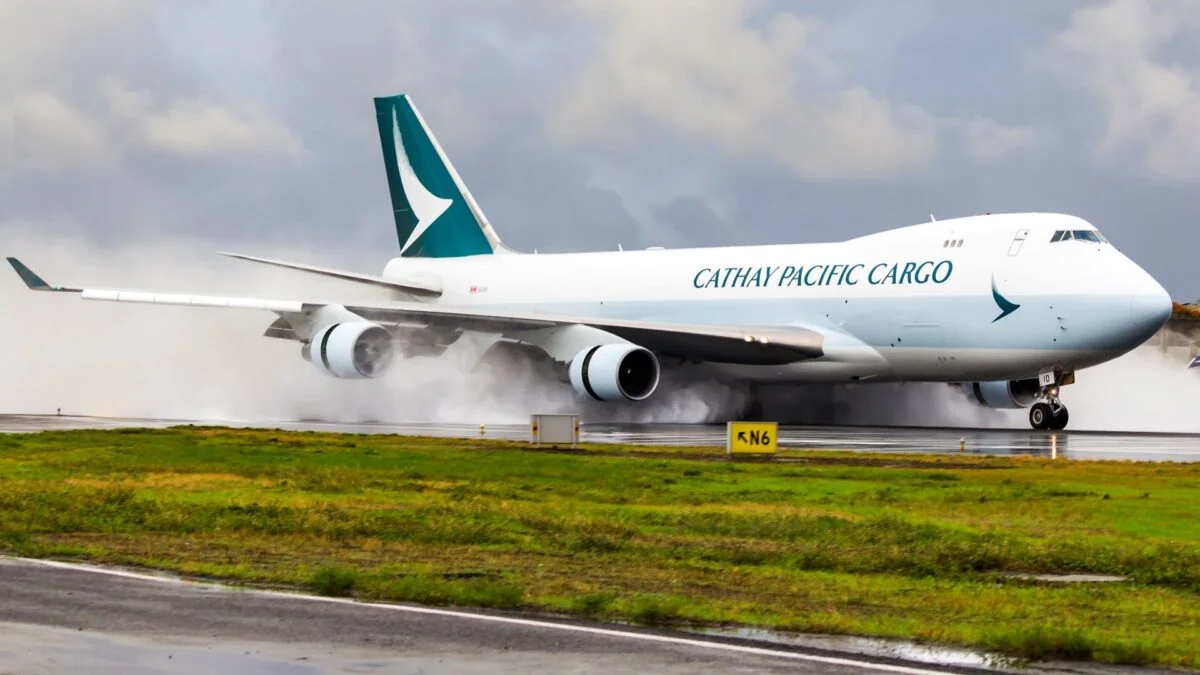
    Cathay Pacific Reduces Flight Frequency Amid Surging Jet Fuel Prices: Is Global Aviation at Risk?

    Cathay Pacific Airways has announced that it will reduce several flights from mid-May until the end of June due to escalating jet fuel prices, influenced by the ongoing crisis in the Middle East. The company plans to eliminate approximately 2% of its scheduled passenger services from May 16 to June 30, 2026. In correlation, its budget division, HK Express, will also reduce about 6% of its flights from May 11, as stated in a recent press release.

    Expansion Plans Remain Unchanged

    Despite the current challenges, the CEO of Cathay Pacific, Ronald Lam, confirmed last month that the Hong Kong-based airline would continue with its strategies to boost passenger capacity by 10% this year. The decision was spurred by the robust demand for long-haul flights to North America, Europe and Australia, following the decrease in traffic through the Middle East after the Iran war.

    Post-June Operations

    After June, Cathay Pacific and HK Express anticipate resuming all their scheduled passenger services, as per the recent announcement.

    Despite a temporary ceasefire between U.S. President Donald Trump and Iran, industry executives have expressed that the global aviation industry is unlikely to experience immediate relief.

    Aviation industry officials have cautioned that jet fuel supplies will continue to be limited and expensive for several months, even if Iran decides to reopen the Strait of Hormuz.

    Questions & Answers

    What is the reason for Cathay Pacific Airways cutting some flights from mid-May to the end of June?
    The airline is reducing flights due to the increasing costs of jet fuel, which are being driven up by the ongoing conflict in the Middle East.

    What plans does Cathay’s CEO Ronald Lam have for this year despite the rise in fuel costs?
    Despite the increase in fuel prices, Ronald Lam said that the airline would push forward with its plans to increase passenger capacity by 10% this year. He cited strong demand for long-haul flights to North America, Europe, and Australia.

    What effect will the ceasefire between U.S. President Donald Trump and Iran have on the aviation industry?
    According to industry executives, the temporary ceasefire is unlikely to bring immediate relief to the global aviation industry. They warn that jet fuel supplies will continue to be limited and costly for several months, even if Iran decides to reopen the Strait of Hormuz.

  • Singapore Airlines and Scoot Extend Flight Cancellations in Middle East Amid Escalating Tensions

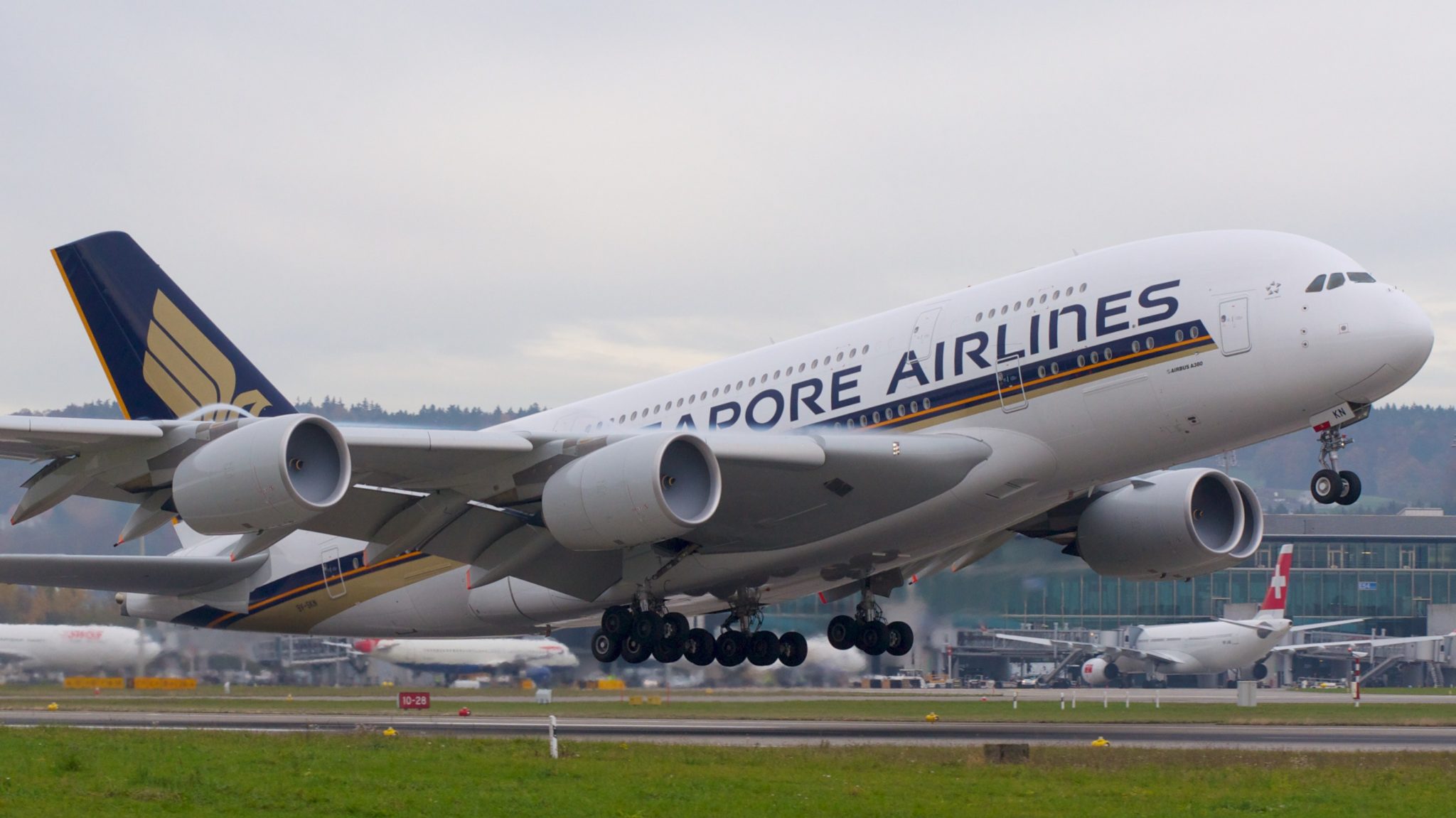
    Singapore Airlines and Scoot Extend Flight Cancellations in Middle East Amid Escalating Tensions

    Singapore Airlines and its budget subsidiary, Scoot, have announced further cancellations of various Middle East flights due to the ongoing tensions associated with the Iran conflict. These service suspensions are expected to last until March 15.

    Singapore Airlines Flight Cancellations

    Singapore Airlines stated on Thursday that Flights SQ494 (Singapore–Dubai) and SQ495 (Dubai–Singapore) will remain suspended until March 15 due to the volatile geopolitical situation in the Middle East. The airline further cautioned that additional flights could also be affected as the situation remains uncertain.

    Scoot Flight Cancellations

    Scoot also revealed that flights TR596 (Singapore–Jeddah) and TR597 (Jeddah–Singapore), which were scheduled for March 9 and March 10, will also be cancelled. These flights to Jeddah, which Scoot operates four times a week, have been suspended since February 28.

    Passengers Impacted by Flight Cancellations

    Passengers who have been affected by the cancellations will be accommodated on alternative flights or if they choose, they can receive a full refund for the unused portion of their tickets. The airlines also encourage their customers to keep their contact details updated via the manage booking function on their website or to subscribe to a mobile notification service to receive updates about their flight status.

    Resumption of Outbound Flights and Repatriation Efforts

    This week saw the resumption of a limited number of outbound flights from the United Arab Emirates, which were operated by long-haul carriers Etihad Airways and Emirates, based in Abu Dhabi and Dubai, respectively.

    Notably, the first plane carrying Singapore residents who were stranded in the Middle East arrived on Thursday morning.

    Singapore’s Minister of State for Foreign Affairs, Gan Siow Huang, announced that Singapore will conduct repatriation flights from Muscat, Oman on the upcoming weekend. She also noted that approximately one-fourth of Singaporeans who have e-registered with the Ministry of Foreign Affairs have requested assistance to return home since the conflict began.

    Faishal Ibrahim, Acting Minister-in-Charge of Muslim Affairs, reported that he has reached out to over 40 Singaporean students studying in various countries including Jordan, Egypt, Saudi Arabia, and Kuwait, to ensure their safety and well-being. According to him, the students are safe and there have been minimal disruptions to their studies.

    Questions & Answers

    What are the airlines doing for passengers affected by the cancellations?
    The airlines are placing the affected passengers on alternative flights. Passengers also have the option to receive a full refund for the unused portion of their tickets.

    How are the airlines keeping their customers updated about their flight status?
    The airlines are encouraging their customers to update their contact details via the manage booking function on their website or to subscribe to a mobile notification service to receive flight status updates.

    What measures are being taken to assist Singapore residents stranded in the Middle East?
    The Singapore government is running repatriation flights from Muscat, Oman. The Minister of State for Foreign Affairs noted that around one-fourth of Singaporeans who have e-registered with the Ministry of Foreign Affairs have requested assistance to return home.

  • Revolutionizing Trade and Travel: Vietnam’s Inaugural Direct Flight to Amsterdam Set to Soar in June

    Revolutionizing Trade and Travel: Vietnam’s Inaugural Direct Flight to Amsterdam Set to Soar in June

    Vietnam Airlines has announced its intention to initiate the nation’s inaugural direct flight to the Netherlands. The flight will connect Hanoi and Amsterdam and is expected to begin operations in June. Utilizing the wide-bodied Airbus A350, the airline is set to run the service three times weekly, as stated in a recent public release.

    Vietnam Airlines has successfully managed to obtain operating slots at Amsterdam Airport Schiphol, the principal international airport in the Netherlands. Despite ongoing restrictions on capacity, the airline has secured a foothold into this major European gateway.

    The Netherlands holds the position of Vietnam’s top trading partner within Europe. The annual value of exports from Vietnam to this European country surpassed the $11 billion mark in 2025.

    The presence of Dutch enterprises in Vietnam, whose investments are valued at around $16 billion, solidifies the economic ties between the two nations. Additionally, the Netherlands hosts approximately 27,000 Vietnamese individuals who reside and work there, generating a consistent demand for travel between the two countries.

    The yearly passenger traffic between Vietnam and the Netherlands is estimated to be about 122,000. The introduction of this direct flight service will not only cater to this passenger demand but also provide enhanced alternatives for cargo transportation. This is particularly significant for the delivery of high-value exports to Europe.

    Upon launching this new route, Vietnam Airlines will be operating a total of 12 direct routes to Europe, facilitating connections with eight different cities.

    Questions & Answers

    When is Vietnam Airlines planning to launch its direct flight to the Netherlands?
    The direct flight between Hanoi and Amsterdam is set to start operations in June.

    What is the frequency of the planned flight service?
    Vietnam Airlines plans to operate this service three times a week.

    What is the significance of the new direct flight service to the Netherlands?
    The service will not only cater to the consistent travel demand from the approximately 27,000 Vietnamese individuals residing in the Netherlands, but it will also provide improved options for cargo transport, aiding high-value exports to Europe.

  • Hanoi-HCMC Flight Path Soars: Retains Spot as 4th Busiest Global Route in 2025

    Hanoi-HCMC Flight Path Soars: Retains Spot as 4th Busiest Global Route in 2025

    Data from an aviation intelligence firm has revealed that the flight route between Hanoi and Ho Chi Minh City in Vietnam was the fourth busiest worldwide in 2025, with a total of 11.07 million seats. There was a 4% rise in seat numbers from the previous year, continuing a trend which has placed the route within the top ten busiest globally for eight consecutive years.

    Cost and Competition

    The average cost of a one-way journey on this route was US$67 in 2025, representing an 11% decrease from 2024. Six different airlines operated on this route in 2025, indicating high levels of competition. The largest operators were Vietnam Airlines and Vietjet, both offering numerous flights daily along the 1,000-kilometre route.

    New and Existing Operators

    In the final quarter of 2025, new entrant Sun Phu Quoc Airways began operating on this route. Other airlines offering services on this route included Bamboo Airways, Pacific Airlines and Vietravel Airlines.

    Global Rankings

    The top five busiest flight routes of 2025 were largely consistent with the previous year. Holding the top spot was South Korea’s Jeju International-Seoul Gimpo route with 14.38 million seats. This was followed by Japan’s Sapporo New Chitose-Tokyo Haneda route with 12 million seats, and the Fukuoka-Tokyo Haneda route with 11.5 million seats.

    In fifth place was Saudi Arabia’s Jeddah-Riyadh route with 9.8 million seats, displacing Australia’s Melbourne-Sydney route which fell to sixth place. The Jeddah-Riyadh route also saw the fastest growth rate, with a 13% increase in seat capacity, and was the sole non-Asia-Pacific route among the top ten.

    Questions & Answers

    What has been the trend for the Hanoi-Ho Chi Minh City flight route over the last eight years?
    The Hanoi-Ho Chi Minh City route has consistently been within the top ten busiest flight routes globally for eight consecutive years.

    Which airlines operate on the Hanoi-Ho Chi Minh City route?
    Six airlines operated on this route in 2025: Vietnam Airlines, Vietjet, Sun Phu Quoc Airways, Bamboo Airways, Pacific Airlines, and Vietravel Airlines.

    Which flight route was the fastest growing in 2025?
    The Jeddah-Riyadh route in Saudi Arabia was the fastest-growing in 2025, with a 13% increase in seat capacity.

  • Hanoi-HCMC Soars High: World’s 4th Busiest Flight Route for Second Year Running

    Hanoi-HCMC Soars High: World’s 4th Busiest Flight Route for Second Year Running

    The flight route between Hanoi and Ho Chi Minh City (HCMC) once again ranked as the fourth busiest worldwide in 2025, boasting a seat capacity of 11.07 million, according to data from an aviation intelligence firm. The route saw a 4% increase in seat numbers from the previous year.

    Consistent Top Contender

    The Hanoi-HCMC route has consistently held a position in the top ten busiest flight routes over the past eight years. Notably, this was its fourth consecutive year in the fourth position.

    The average cost of a one-way flight along this route decreased by 11% in 2025, with the current average ticket price sitting at $67. This is highly competitive due to the presence of six carriers operating the route in 2025.

    Vietnam Airlines and Vietjet are the main operators on this 1,000-km route, providing several daily flights. The recent addition of Sun PhuQuoc Airways in the last quarter has added to the competition on this route. Other service providers on this sector include Bamboo Airways, Pacific Airlines, and Vietravel Airlines.

    Global Ranking: Top Five Busiest Flight Routes in 2025

    When it comes to the world’s busiest flight routes in 2025, the top five remain largely unchanged from the previous year. South Korea’s Jeju International-Seoul Gimpo route takes the lead with 14.38 million seats, followed by Japan’s Sapporo New Chitose-Tokyo Haneda with 12 million seats and Fukuoka-Tokyo Haneda with 11.5 million seats.

    Saudi Arabia’s Jeddah-Riyadh route, with a seat capacity of 9.8 million, has dethroned Australia’s Melbourne-Sydney route (8.9 million seats) to claim the fifth spot. Interestingly, the Jeddah-Riyadh route also reported the fastest growth, with a 13% increase in seat capacity. It is also the only non-Asia-Pacific route in the top ten.

    Questions & Answers

    What was the fourth busiest flight route in 2025?
    The flight route between Hanoi and Ho Chi Minh City ranked as the fourth busiest flight route in 2025.

    Which flight routes were the busiest in 2025?
    The busiest flight routes were South Korea’s Jeju International-Seoul Gimpo, Japan’s Sapporo New Chitose-Tokyo Haneda, Fukuoka-Tokyo Haneda, Vietnam’s Hanoi-HCMC, and Saudi Arabia’s Jeddah-Riyadh.

    Which route showed the fastest growth in 2025?
    Saudi Arabia’s Jeddah-Riyadh route reported the fastest growth, with a 13% increase in seat capacity.

  • Bamboo Airways Amplifies Fleet Post-FLC Acquisition, Aims to Elevate Flight Frequency and Launch New Routes

    Bamboo Airways Amplifies Fleet Post-FLC Acquisition, Aims to Elevate Flight Frequency and Launch New Routes

    Bamboo Airways has recently expanded its fleet with the addition of an Airbus A320 aircraft, taking its total count to eight. This move comes as part of an augmentation strategy laid out by the airline, which was recently re-acquired by property developer FLC.

    Expansion and Frequency

    Bamboo Airways’ CEO, Truong Phuong Thanh, regards this fleet expansion as a crucial foundation for increasing flight frequencies and initiating new routes. The airline has an ambitious goal of adding eight to ten aircraft annually which includes wide-body aircraft for long-haul flights, with the aim of expanding its fleet to 30. As of now, the airline only operates narrow-body jets.

    Increased Capacity and Route Resumption

    In light of the new aircraft acquisition, Bamboo Airways anticipates a 16% increase in seat capacity during the Lunar New Year holidays in early February. Additionally, the airline plans to recommence services on several routes that had been previously put on hold.

    Capital for Expansion

    In November, FLC CEO Bui Hai Huyen disclosed that the company was in discussions with various partners to secure funding for the fleet expansion and other related tasks. The property developer had re-purchased Bamboo Airways in September from a consortium of investors, two years after it had initially divested its ownership.

    Expansion among Vietnamese Airlines

    Bamboo Airways is not the only Vietnamese airline in an expansion phase. Vietjet has acquired seven Airbus and two Comac aircraft, while Sun PhuQuoc Airways has added a fifth plane to its fleet.

    Questions & Answers

    What is the goal of Bamboo Airways in terms of fleet expansion?
    Bamboo Airways aims to add eight to ten aircraft annually with the objective of expanding its fleet to 30.

    How does Bamboo Airways plan to increase its flight frequency and capacity?
    The airline plans to increase its flight frequency and capacity by adding to its fleet and increasing the number of seats available with the help of new aircraft.

    How are other Vietnamese airlines expanding their fleet?
    Other Vietnamese airlines such as Vietjet and Sun PhuQuoc Airways are also expanding their fleet by acquiring new aircraft.

  • Global Flight Disruptions as Airlines Race to Fix A320 Software Glitch Amid Peak Travel Season

    Global Flight Disruptions as Airlines Race to Fix A320 Software Glitch Amid Peak Travel Season

    A host of global airlines experienced temporary disruptions as they carried out software repairs on a widely utilized commercial aircraft following an analysis that discovered a computer code fault possibly led to an unexpected altitude dip of a JetBlue plane last month.

    Software Issues and Solar Radiation

    Airbus, the aircraft manufacturer, stated on Friday that an investigation into the JetBlue incident exposed that intense solar radiation might tamper with data essential for the operation of flight controls on the A320 aircraft family.

    The Federal Aviation Administration collaborated with the European Union Aviation Safety Agency to mandate airlines to confront this issue through a fresh software update. The update is set to affect more than 500 aircraft registered in the U.S.

    The EU safety agency warned of potential “short-term disruption” to flight schedules due to this problem, which was inadvertently introduced by a previous software update to the plane’s onboard computers.

    A Message from Airbus’ CEO

    Airbus’ CEO, Guillaume Faury, offered an apology to customers as the mandatory fix resulted in “significant logistical challenges and delays.” In a message shared on LinkedIn on Saturday, he said, “Our teams are working around the clock to support our operators and ensure these updates are deployed as swiftly as possible to get planes back in the sky and resume normal operations, with the safety assurance you expect from Airbus.”

    Thanksgiving Disruptions in the U.S.

    In Japan, All Nippon Airways, operator of over 30 planes, cancelled 65 domestic flights scheduled for Saturday, with further cancellations likely for Sunday.

    The software modification coincides with U.S. passengers returning from the Thanksgiving holiday – the busiest travel period in the country.

    American Airlines, which has roughly 480 planes from the A320 family, with 209 affected, anticipates the repair will take about two hours for many aircraft. The airline expects updates to be completed for the vast majority of their fleet by Friday.

    Global Impact of the Software Update

    Air India confirmed that their engineers were in the process of implementing the fix, having completed the reset on more than 40% of aircraft that necessitate it, without any cancellations.

    Delta anticipates the issue to affect fewer than 50 of its A321neo aircraft, while United reports six planes in its fleet are affected, predicting minor disruptions to a handful of flights. Hawaiian Airlines stated it was unaffected by the issue.

    European Flights Normalizing

    In France, Transport Minister Philippe Tabarot confirmed that the situation had stabilized as several software updates had already been installed. He said there was an “almost complete return to normal in French airports.”

    Meanwhile, in the UK, disturbance was minimal. British Airways mentioned only three of its aircraft required the update. Germany’s Lufthansa implemented most software updates during the night and the following morning. Despite minor delays over the weekend, no cancellations were anticipated.

    Scandinavia’s SAS also reported normal operations on Saturday after teams worked overnight to install the necessary software.

    Aircraft Manufacturer Overview

    Airbus, whose main headquarters are in France, is among the world’s largest airplane manufacturers, rivalling Boeing. The A320 model, which is the primary competitor to Boeing’s 737, is the world’s bestselling single-aisle aircraft family.

    Questions & Answers

    What was the cause of the recent software issue affecting the A320 aircraft family?
    The software problem was inadvertently introduced by a previous update to the plane’s onboard computers. An investigation into a JetBlue incident revealed that intense solar radiation might interfere with data critical for the operation of flight controls on the A320 aircraft family.

    How are airlines addressing the software issue?
    The Federal Aviation Administration, alongside the European Union Aviation Safety Agency, is requiring airlines to implement a new software update to address the issue. Airlines around the world are working around the clock to deploy these updates and ensure a swift return to normal operations.

    What impact has the software issue had on global flight operations?
    The software issue has caused short-term disruptions to flight schedules worldwide. While some airlines such as All Nippon Airways in Japan cancelled flights, others like American Airlines and Lufthansa have reported minimal impact with minor delays and no cancellations.

  • Korean Air Takes Flight with A350F: New Era of Eco-Friendly and Efficient Cargo Transport Unveiled

    Korean Air Takes Flight with A350F: New Era of Eco-Friendly and Efficient Cargo Transport Unveiled

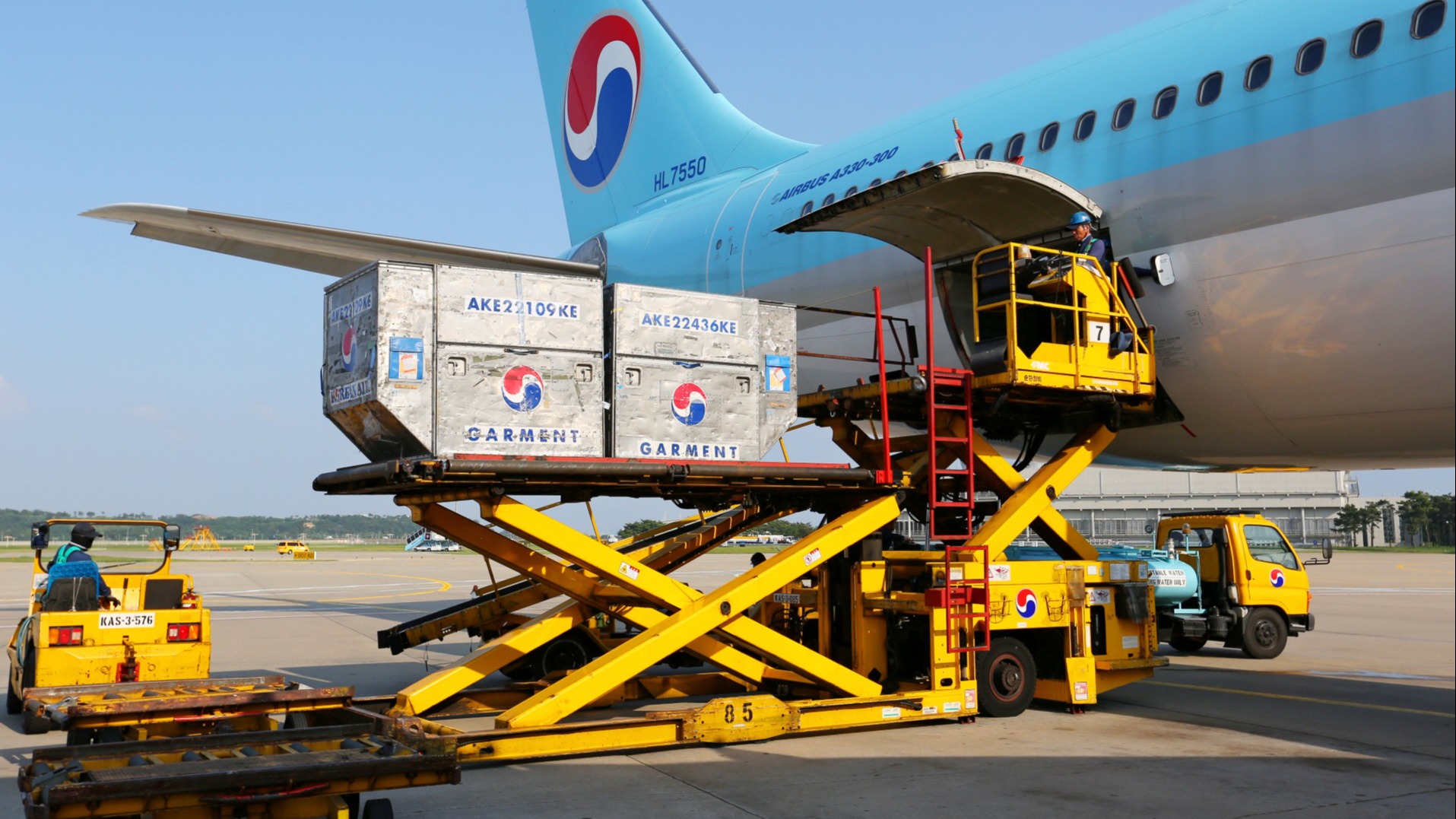
    Korean Air has joined the ranks of customers for the world’s only newly designed large freighter, the A350F, by modifying seven of its current A350-1000 passenger aircraft orders to the freighter model.

    Endorsement from a Major Cargo Operator

    Korean Air is a leading global cargo operator, making its choice to incorporate the A350F into its fleet a significant endorsement of the freighter’s unique capabilities. The A350F is set to provide Korean Air with the most efficient solution in the large freighter segment.

    The A350F’s Unique Features

    The A350F stands out with the industry’s largest main deck cargo door, its fuselage length and capacity optimally designed for standard pallets and containers. More than 70% of its airframe boasts advanced materials, resulting in a take-off weight that is 46 tonnes lighter than its nearest competitor. Indeed, the A350F is the only freighter aircraft that completely complies with the International Civil Aviation Organization’s (ICAO) forthcoming CO₂ emissions standards, set to take effect in 2027.

    Technological Advancements and Payload Capacity

    The A350F, which is currently under development, can carry an impressive payload of up to 111 tonnes and can fly up to 4,700 nautical miles or 8,700 kilometers. It’s equipped with the latest Rolls-Royce Trent XWB-97 engines, which will enable the aircraft to reduce its fuel consumption and carbon emissions by up to 40% compared to previous generation aircraft with similar payload-range capabilities.

    A350 Family’s Growing Popularity

    As of the end of September 2025, the newest generation A350 family had secured 1,445 orders from 63 global customers. This includes 65 orders for the brand-new A350F from 10 cargo carriers and one leasing company.

    Korean Air’s total order of A350 aircraft now stands at 33, which includes 20 A350-1000s, seven A350Fs, and six A350-900s. The first two of these have already been delivered.

    Questions & Answers

    What is significant about Korean Air’s decision to incorporate the A350F into its fleet?
    Korean Air is a major global cargo operator. Its decision to include the A350F in its fleet is seen as a significant endorsement of the aircraft’s unique capabilities.

    What sets the A350F apart from other freighter aircraft?
    The A350F has the industry’s largest main deck cargo door and has a fuselage length and capacity designed to optimize standard pallets and containers. The airframe uses advanced materials in more than 70% of its construction, making the aircraft lighter and more efficient.

    What can be expected from the A350F in terms of its payload and emissions?
    The A350F can carry a payload of up to 111 tonnes and fly up to 4,700 nautical miles or 8,700 kilometers. Powered by the latest Rolls-Royce Trent XWB-97 engines, the aircraft is expected to reduce fuel consumption and carbon emissions by up to 40%, meeting the ICAO’s enhanced CO₂ emissions standards due in 2027.

  • Vietnam Airlines Set to Launch Inaugural Direct Route to Italy Next Month!

    Vietnam Airlines Set to Launch Inaugural Direct Route to Italy Next Month!

    Vietnam Airlines is set to make waves in the skies with the launch of its inaugural direct flight between Hanoi and Milan, Italy, on July 1. This move is a crucial step in expanding the airline’s European network and marks a historic first for a Vietnamese carrier, which has previously required passengers to transit through Germany or France for Italian destinations.

    New Route to Milan

    The airline will kick off this service with three weekly flights, utilizing its state-of-the-art Boeing 787 aircraft. A spokesperson for Vietnam Airlines revealed that plans are already in motion for a future direct service from Ho Chi Minh City to Milan post-2025, further enhancing connectivity between Vietnam and Italy.

    Why Milan?

    Milan, the bustling metropolis in northern Italy, is renowned as the country’s fashion capital and boasts a rich tapestry of historic architecture. It attracts millions of tourists, particularly from June to August, making it an appealing destination for both leisure and business travel. The allure of Italy is strong for Vietnamese travelers, with the country ranking among the top 10 fastest-growing sources of visitors to Vietnam. In 2024 alone, arrivals from Italy surged by a remarkable 155%, according to the Vietnam National Administration of Tourism.

    A Boost for Tourism

    The launch of this direct route is anticipated to significantly boost tourism flows between the two nations. In a promising development, discussions are underway for a visa waiver targeted at tour groups from Vietnam, which could further facilitate travel.

    Vietnam Airlines currently operates an expansive network with 106 routes, including 36 international destinations, supported by its diverse fleet of Boeing 787s and Airbus aircraft. The airline has ambitious plans for this year, aiming to launch or revive 15 international services.

    Curiously, with Milan’s fashion weeks turning heads globally, will we soon see a Vietnamese flair added to the runway?

    Questions & Answers

    What is the significance of the new flight from Hanoi to Milan?
    This direct flight is a historic first for Vietnam Airlines, enhancing travel options between Vietnam and Italy and positioning the airline as a key player in European travel.

    How many flights per week will Vietnam Airlines operate to Milan?
    Initially, Vietnam Airlines will operate three flights per week between Hanoi and Milan.

    What are the future plans for Vietnam Airlines regarding Italy?
    Vietnam Airlines intends to launch a direct service to Milan from Ho Chi Minh City after 2025, further expanding its European routes.

  • Airasia SuperApp denies Batik Air’s claims of ‘unauthorised’ ticket sales

    Airasia SuperApp denies Batik Air’s claims of ‘unauthorised’ ticket sales

    Airasia SuperApp has denied a claim by Batik Air that it has acted in an “unauthorised manner” by selling the airline’s and Super Air Jet’s flights on its online travel agency (OTA) platform.

    In a statement, airasia SuperApp said its OTA platform holds a travel agent licence and is also accredited by the International Air Transport Association (IATA) as an authorised agent to sell flights from any airline on its app and website.

    The app said that as an accredited OTA, its flight inventories come from established partner aggregators and direct airline partners, a common OTA industry practice.

    “As any accredited OTA in the market, we will continue to sell flights from any airline, including those we do not have direct relationships with, through our established partner aggregators and consolidators,” said acting CEO of airasia SuperApp Hafidz Fadzil.

    Yesterday, the Edge reported that Batik Air demanded airasia SuperApp to immediately remove and delete all the airline’s products and services on the platform, saying it has never consented to place them on the app.

    The airline claimed that the app had acted in an “unauthorised manner” by selling the airline’s and Super Air Jet’s flights on its platform.

    “We wish to notify the public that Batik Air Malaysia, and all the airlines within the Lion Air Group, namely Lion Air, Batik Air Indonesia, Wing’s Air, and Super Air Jet, have not given any consent for airasia SuperApp to include their services on its OTA platform,” it was quoted as saying.

    Batik Air also threatened “legal redress” if airasia SuperApp failed to comply.

    Malaysia Aviation Group Bhd managing director Izham Ismail said it had filed an injunction to stop the low-cost carrier from selling Malaysia Airlines tickets on the app.

    Izham said the group had not reached a commercial agreement before this, yet airasia SuperApp “continued to sell our inventory”.

    In response, Hafidz today said the Malaysia Airlines flight tickets displayed on the app were taken from inventories supplied by their established partner aggregators.

    “The flight fares and fare class (economy or business) information is supplied directly by our partner aggregators without any intervention from airasia SuperApp. The same fare information was also displayed on other OTA platforms,” he said.

    He added that the legal action Malaysia Airlines has taken against them is premised on allegations of potential trademark infringement and passing off, and unrelated to the supply of inventory.

    Airasia SuperApp said it continues to call on Malaysia Airlines and other airlines to partner directly with it for better efficiency and performance, towards offering Malaysians the best value for travel.

  • AirAsia X expands China network

    AirAsia X expands China network

    AirAsia X (AAX) continues to expand its China network with two weekly flights to Beijing restarting last week after almost a three-year pause.

    The flight from Kuala Lumpur lands at Beijing Daxing International Airport at 0105, while the return flight from Beijing arrives in Kuala Lumpur International Airport (Terminal 2) at 0830.

    AirAsia X Malaysia CEO Benyamin Ismail said: “Our service resumption to Beijing reflects our commitment to boosting our network in China, which has historically been one of our biggest and most popular markets and providing our guests with more options to travel affordably to and from Beijing from Kuala Lumpur.”

    Flights will ramp up from twice weekly on Thursday and Saturday to four weekly flights starting 1 June 2023 to meet growing forecast demand, further boosting travel and tourism in the region.

    “More expansion in China is on the horizon for AAX as we plan to relaunch more routes and introduce more unique, less travelled destinations in China in the near future,” he concluded.

    Flight Schedule between Kuala Lumpur (KUL) and Beijing-Daxing (PKX):

  • Airasia CEO says the high rates aren’t going anywhere

    Airasia CEO says the high rates aren’t going anywhere

    Even low-cost carriers, which struggle to increase capacity amidst labor shortages, soaring fuel prices, and closed airspace, have set prices that have stumped travelers.And if you think this is going anywhere, it’s not – at least that’s according to AirAsia’s CEO Tony Fernandes.

    Speaking last week at the Aviation Festival Asia in Singapore, Fernandes revealed his belief that airlines have been under-pricing their services and that the industry has a way to go in charging passengers an appropriate price.

    However, higher airfares have not deterred or slowed down flight demands or demand projection, and Fernandes believes these airfares are more authentic prices that should have been charged pre-pandemic.

    “After not having flown for three years, passengers’ value of travel has also increased,” Fernando said.

    With many airlines facing challenges that hinder their ability to maintain and increase required capacity, classic supply and demand become a consideration. A shortage of available seats cannot meet the heightened demand, so Fernandes believes passengers can expect to be greeted with higher airfares this year.

    Alongside this, airlines cannot acquire more planes due to the manufacturers’ ability to speed up production rates impacted by the pandemic. Without new planes readily available and old planes suffering from technical setbacks, carriers have to outsource third-party agreements for wet leasing and maintenance, increasing expenses.

    Fernandes said AirAsia has faced these challenges, but the low-cost carrier will have its fleet of over 200 planes back in service by May.

    “The main obstacle for us has been getting our planes back into active service, and bringing about 204 planes back is no easy feat,” he said

    “And what was initially predicated on being finished by May of next year, we’ll be able to do by May of this year.”

    The global commercial aviation industry struggles to get back on its feet due to similar problems AirAsia, so, unfortunately for travellers, getting back to pre-pandemic prices may still take a while.

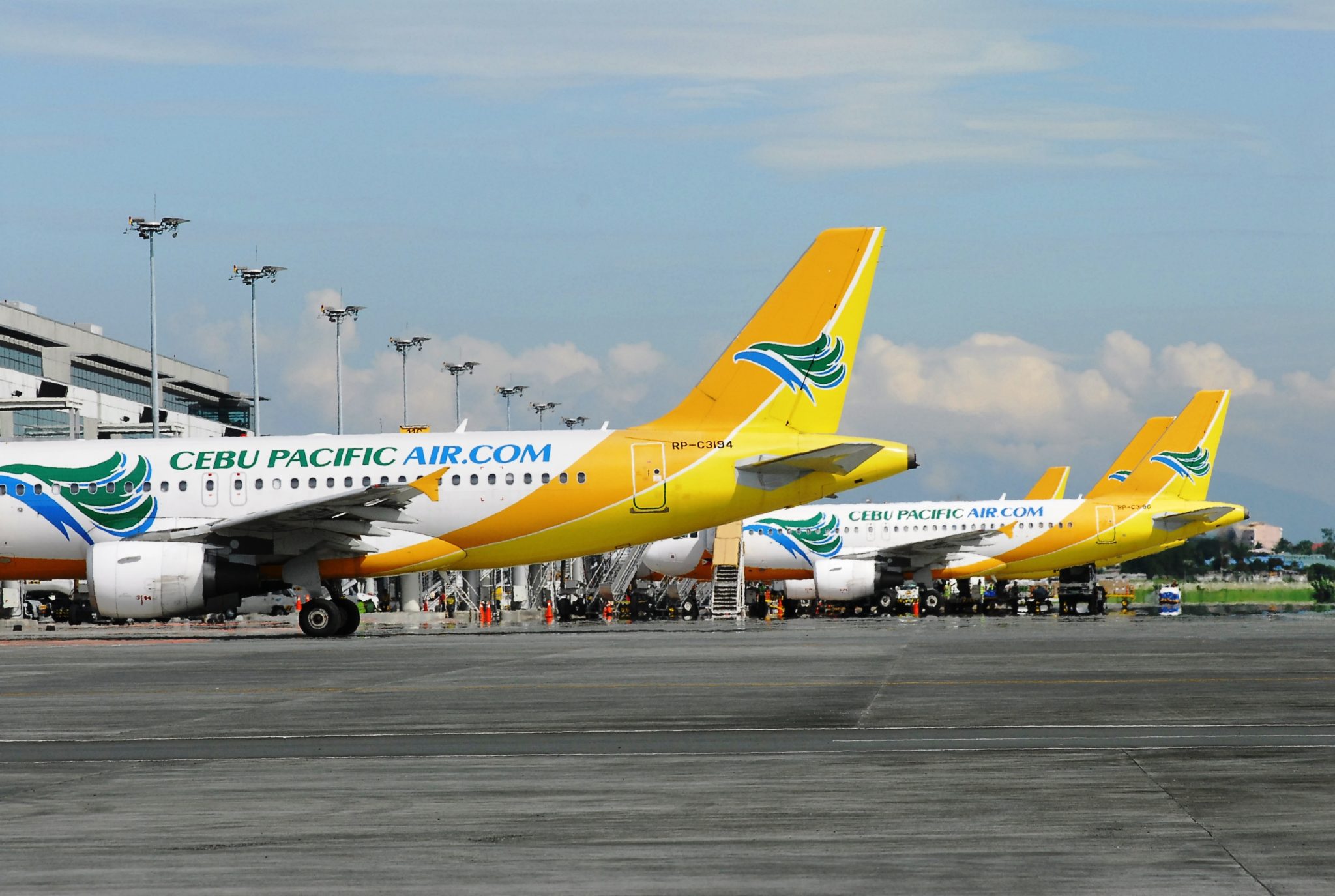
  • Cebu Pacific looking to restore Clark flights

    Cebu Pacific looking to restore Clark flights

    Cebu Pacific is working to restore more of its flights in other air hubs in the Philippines, such as Clark International Airport, the budget carrier’s president told reporters last week.

    “We will be happy to resume flights at Clark and the other destinations we used to fly in,” Xander Lao, president and chief commercial officer, said. “Actually, when we said we were back at 100 percent operations, it referred to the seats and not actually to our fleet. From a pacing perspective, we are not there yet. For now, it is a matter of connecting the points and going from there.”

    He continued that on whether there is a possibility of moving some of their flights from the Ninoy Aquino International Airport to Clark International Airport, he said they are open to that idea.

    “Honestly, we welcome any capacity growth that comes from the market, but I think it should come down to the airlines on where they would want to designate flights to,” the Cebu Pacific president remarked. “We think Clark on its own has a lot of potential as it has around 20 million people in its catchment area, but Clark from Manila is very far as it is around 100 kilometers apart. It will be hard to convince businessmen or some passengers to travel that far to an airport.”

    Lao said that it is very good that the government is trying to improve the airport infrastructure in the Philippines, and said that they are excited about its various developments.

  • AirAsia X Eyes A Return To New Zealand

    AirAsia X Eyes A Return To New Zealand

    AirAsia X, the medium to long-haul affiliate airline of AirAsia Aviation Group, is launching flights to Auckland, New Zealand, via Australia. The announcement is the latest from the Kuala Lumpur International (KUL) based airline, which will offer seats to several new destinations as it returns from a significant restructuring.

    The Malaysian airline resumed operations earlier this year and currently serves Seoul and New Delhi from its base in Kuala Lumpur.

    AirAsia X CEO Benyamin Ismail has confirmed that the carrier aims to restart flights to Australian destinations Melbourne and Perth, as well as a route to Auckland, New Zealand, via Australia.

    Adding a round-trip leg to New Zealand from Australia is quite a common practice. The flights are able to use fifth-freedom rights to carry on to New Zealand as opposed to parking the plane at an Australian airport for the day. Qatar Airways, for instance, flies to Auckland via Adelaide on one of the OneWorld carrier’s Boeing 777-300ERs. AirAsia X did not mention which airport would see the stopover service carry on to New Zealand.

    The airline previously operated flights to Auckland via Gold Coast Airport in Queensland but cut the Auckland leg of this service in February 2019. AirAsia X also launched direct flights to Christchurch in 2011 as the island was recovering from severe earthquake damage and donated a six-figure sum to help with restoration. The 11-hour flight lasted less than a year before being cut in early 2012.

    AirAsia X briefly restarted Sydney flights on Valentine’s Day of this year. The service only continued until April, however. Flights are now scheduled to resume in September of this year. The carrier previously flew from Kuala Lumpur to Sydney, carrying one million of some 2.4 passengers flying between the two countries in 2019.

    The airline has also now scheduled flights to resume to Tokyo Haneda on the 14th of July. The service will join the resumption of Osaka, also in Japan, in October. The Osaka flights will then continue to Honolulu before returning. Flights to Sapporo, the capital of the mountainous northern Japanese island of Hokkaido, will resume in December.

    The airline still has several next generation Airbus jets on order as it seeks to rebuild its network. Photo: AirAsia x

    AirAsia X also announced it intends to resume its London service, which will operate from Kuala Lumpur to London Gatwick via Dubai. The carrier initially launched the route to London Stansted Airport in 2009 using Airbus A340s before pulling it in January 2012. The service will include a layover in Dubai and launch in conjunction with a service to Istanbul.

    The airline’s fleet currently consists of twelve Airbus A330-300 aircraft, which seat 365 in economy class and 12 passengers in business class. AirAsia X currently has orders for twenty of the Airbus A321 family, alongside fifteen A330-900s for its upcoming long-haul service.

    Simple Flying previously reported that AirAsia X had canceled part of its sizeable outstanding order with Airbus. AirAsia X, the largest customer for the A330-900, has confirmed the cancellation of 63 A330neo orders, equaling a fifth of outstanding orders for the type. The airline also canceled ten A321neo aircraft orders, according to the latest available data from Airbus.

  • AirAsia brings back fuel surcharge

    AirAsia brings back fuel surcharge

    AirAsia Malaysia will be reintroducing fuel surcharge beginning March 8 for all its domestic and international flights.

    The reintroduction of the fuel surcharge by AirAsia is to offset the escalating jet fuel prices, which has exceeded US$120 per barrel. AirAsia has not been charging fuel surcharge since it was abolished in 2015. The airline said it has been absorbing the oil price increase over the years.

    The fuel surcharge will be applicable for new flight bookings made on and after March 8. All bookings made before March 8 will not be affected.

    The fuel surcharge rates for all domestic routes within Malaysia is RM10 while rates for international routes within one to two hours is RM25.

    The rates for international routes for two to three hours, three to four hours and more than four hours are RM35, RM50 and RM60, respectively.

    AirAsia Malaysia Chief Executive Officer Riad Asmat said airlines the world over are affected by the rising oil prices and the continuous upward spiral caused by the situation in Eastern Europe and other external factors have made it imperative for the airlines to reintroduce the fuel surcharge, despite the low-cost operator’s best efforts to resist it for as long as it could.

    “Since we last abolished fuel surcharges in 2015 when the global fuel price was as low as US$48 a barrel, we have faced numerous occasions when the fluctuations have caused other airlines to start imposing surcharges.

    “However, at AirAsia, we have been absorbing past increases in oil prices to continue to provide the best value to our guests. Unfortunately, the current situation where the oil price has shot up more than 160 per cent than what it was in 2015 has made it no longer sustainable,” he said in a statement today.

    Riad hoped that the fuel surcharge will only be a temporary measure.

    He said AirAsia will continue to ensure its fares remain as low as possible despite the fuel surcharge.

    Even when faced with the devastating Covid-19 pandemic, AirAsia still managed to deflect the rising operational costs and continued to offer low fares to the people, he explained.

    “We will continue to monitor the situation and at the same time capitalise on technological and digital innovations as ways to keep costs at bay and make air travel affordable for everyone.”

    AirAsia removed its fuel surcharge twice in the past. It first introduced a fuel surcharge in 2005 and abolished it in 2008, and later reintroduced it in 2011.

    In 2015, the jet fuel price was at its high of US$78 per barrel but AirAsia removed the fuel surcharge as soon as the price went down to around US$48 per barrel that year.