Tag: flight

  • AirAsia enhances digital self check-in prior to flights resumption

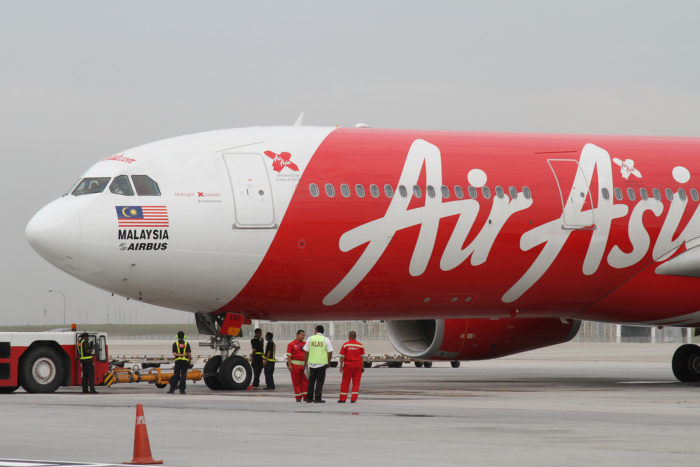
    AirAsia enhances digital self check-in prior to flights resumption

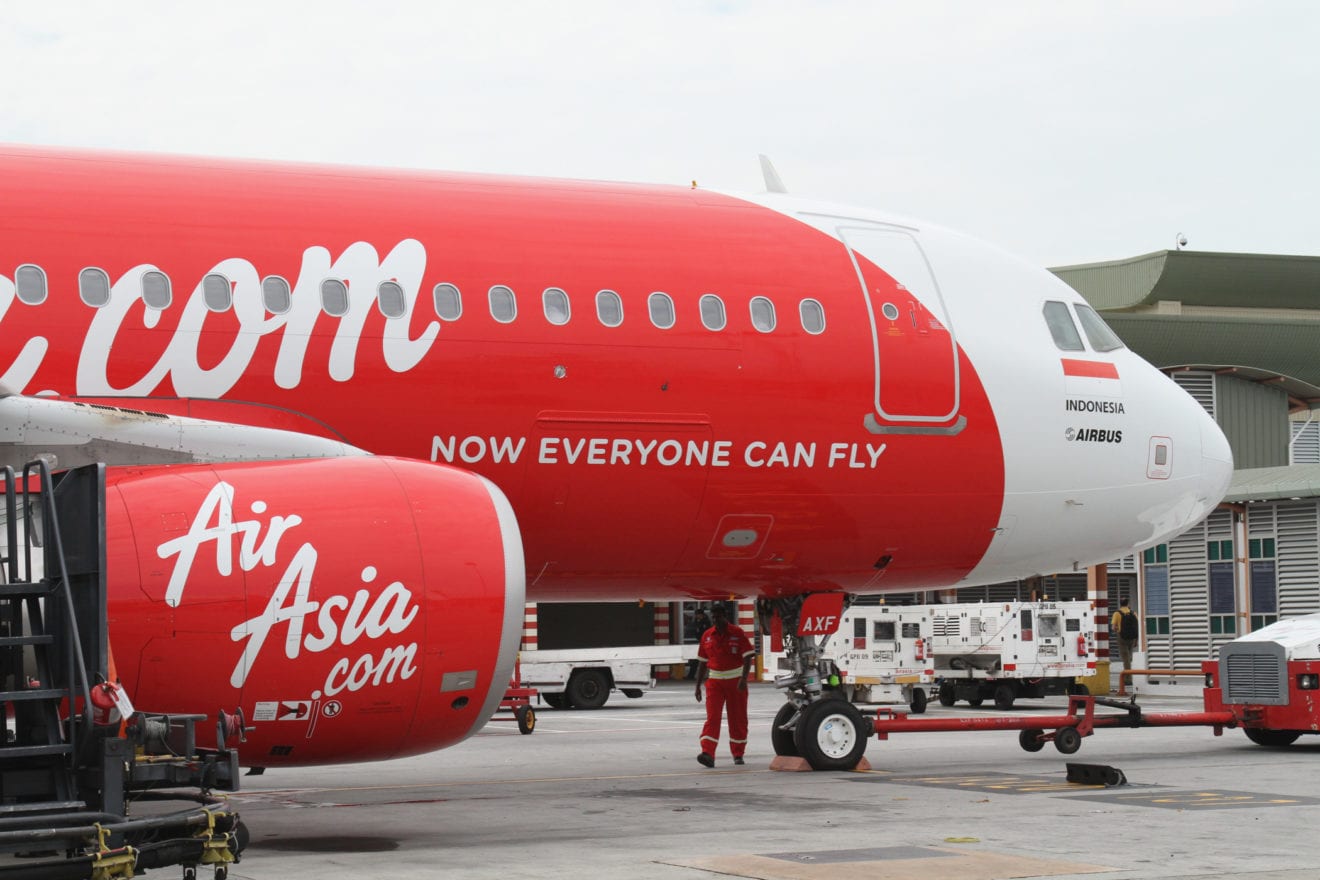
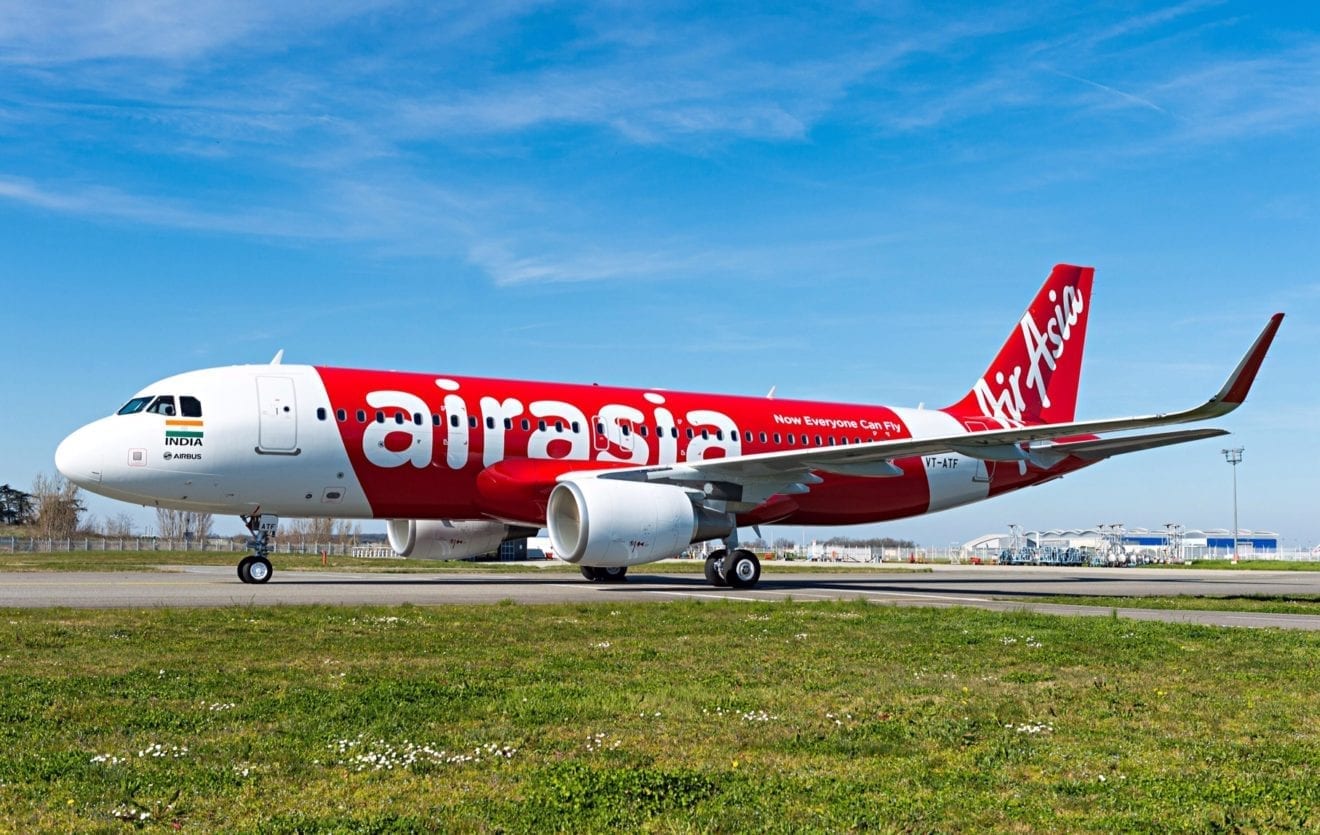
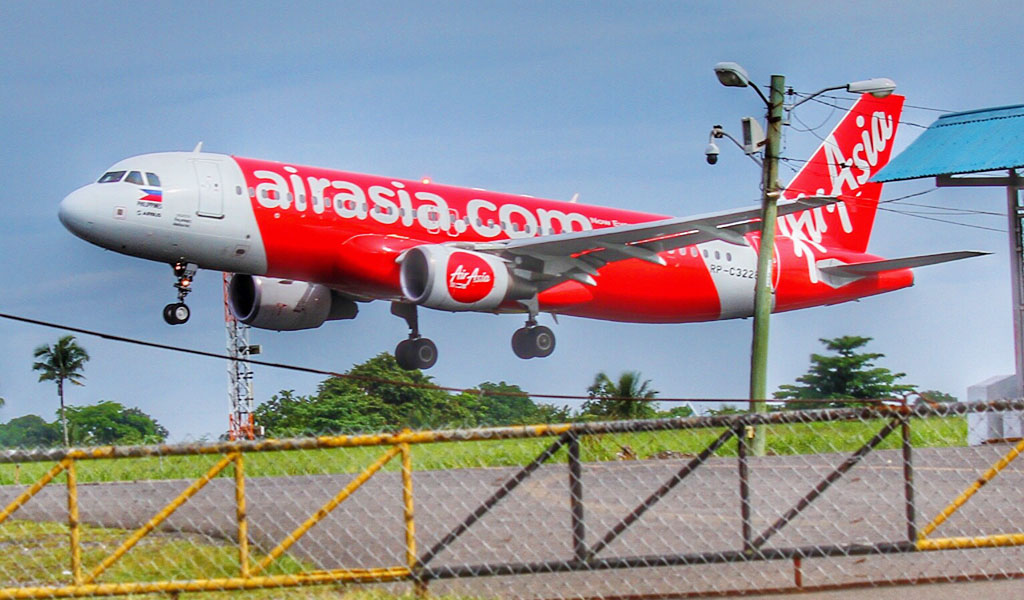
    AirAsia has rolled out a number of additional safety procedures prior to the resumption of its flights, including enhanced digital self-check-in procedures.

    AirAsia check-in kiosks at airport terminals have been designed to perform contactless transactions by scanning QR codes of flight bookings from mobile devices or printed boarding documents. Guests only need to check-in online to generate a code, which will activate the kiosks automatically.

    “We look forward to flying with our guests as soon as circumstances allow it. With the hope that the global community is on its way to recovery, we continue to put in place measures that will safeguard the health and wellbeing of our passengers and crew. One way AirAsia is doing this is by maximizing the power of technology in line with our vision of becoming a fully digital company,” AirAsia Philippines Chief Executive Officer Ricky Isla said.

    To initiate a contactless transaction at kiosks, guests are advised to check-in first on the AirAsia.com website or mobile app. The generated QR code on their mobile device or printed document after checking-in may then be scanned at the kiosk, which will always be on “active mode” to read QR codes. Scanning a QR code will automatically print boarding passes and baggage tags without having to touch the kiosk’s screen.

    Guests may seamlessly self-check-in on the AirAsia.com website and mobile app 14 days up to 1 hour before the scheduled departure time.

    AirAsia’s mobile app will also see an enhancement soon where guests can scan their passports via the app itself, facilitating more streamlined user experience and a seamless and contactless self-check-in process. There are also plans to progressively add other features such as travel visa scanning capabilities in the near future.

    Meanwhile, measures that will be strictly enforced as part of the safety procedures include physical distancing at check-in and boarding queues.

    Guests will be required to have their body temperature checked by airport or airline personnel. Protective gear such as face masks will also be required inside the aircraft, and all passengers will be encouraged to practice high personal hygiene throughout the flight.

    Guests who experience symptoms related to Covid-19 during a flight are advised to seek assistance from cabin crew, who have been trained to handle inflight medical situations. Flight crew who attend to guests with said symptoms will be placed under home quarantine for 14 days in compliance with government guidelines.

    Protective equipment will be provided to ground and cabin crew while all aircraft will be furnished with antibacterial sanitizers compliant with the Bureau of Quarantine.

    All AirAsia aircraft, which are fitted with hospital-standard High-Efficiency Particulate Air (HEPA) filters, will also be sent for thorough disinfection after each flight with the use of disinfectant approved by the Bureau of Quarantine and the Civil Aviation Authority of the Philippines.

    AirAsia is complying with advice and regulations from the local government, civil aviation authorities, global and local health agencies, including the World Health Organization.

    AirAsia continues to closely monitor the situation and reserves the right to announce further policies according to the latest developments.
  • Cebu Pacific, Cebgo, AirAsia flights still canceled until May 31

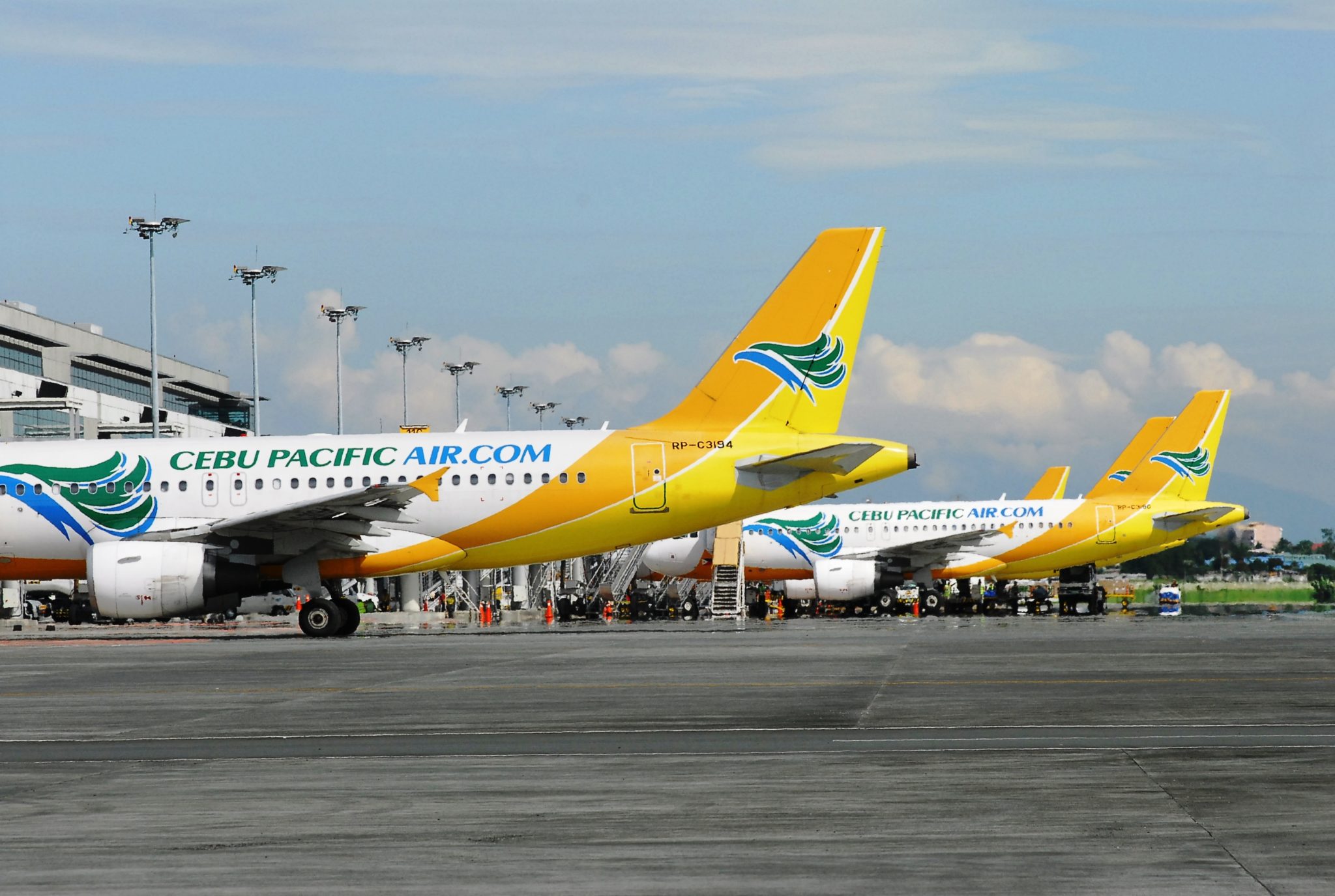
    Cebu Pacific, Cebgo, AirAsia flights still canceled until May 31

    All domestic and international flights of the Cebu Pacific, Cebgo, and AirAsia airlines remain canceled until May 31, 2020 in line with the implementation of the modified enhanced community quarantine in Metro Manila.

    “We encourage passengers on canceled flights to manage their bookings online via the website, before their scheduled travel dates,” Cebu Pacific said in an advisory on Wednesday.

    When rescheduling, passengers may select from either free rebooking or full travel fund.

    Under free rebooking, passengers may rebook to any travel date within three months. Change rebooking fees and fare difference are waived, according to Cebu

    For a full travel fund, passengers may place the full cost of the ticket in a travel fund valid for one year. This fund can then be used within one year either to book a flight up to one-year ahead or pay for add-ons like baggage allowance and seat selection.

    If the travel fund is not used within one year, passengers can also apply for a full refund, said Cebu Pacific.

    Processing of refunds will start after the community quarantine is lifted and regular work schedules resume.

    “However, due to the unprecedented volume of requests for refunds, the process will take as long as three to four billing cycles,” the airlines company said.

    Passengers with booked flights from June 1 to September 30, 2020 who want to change travel plans have the option to rebook to any other travel date within one year or place the full cost of the ticket in a travel fund valid for one year.

    Meanwhile, AirAsia also said it is offering provisions for passengers affected by flight cancellations following the government directive.

    “Guests with existing flight bookings made on or before 12 May 2020 with a departure date between 23 March and 31 July 2020 will now be able to select from a range of extended flexibility options for future travel,” the airlines said in a separate advisory.

    AirAsia said one of these options is unlimited flight change or changing to a new travel date before October 31 on the same route for unlimited number of times and without any additional cost subject to seat availability. The other option is a credit account or retaining the value of the flight booking for future travel with AirAsia to be redeemed within 730 calendar days from the issuance date.

  • AirAsia shares drop further, salary cut for top management

    AirAsia shares drop further, salary cut for top management

    AIRASIA Group Bhd’s share price dropped to the lowest level in 48 months despite the low-cost carrier’s move to cut operational costs and shield the company from being battered by the coronavirus outbreak.

    Carriers across the globe are in panic mode as millions of people cancel their flights as the virus wreaks havoc around the world.

    AirAsia’s shares closed yesterday’s trading at 97 sen, down 2 sen from the 99 sen recorded on Monday — compared to around RM4.41 in February 2018. The company’s market capitalization plummeted to RM3.42 billion.

    Shares of AirAsia’s long-haul unit AirAsia X Bhd declined to 7.5 sen.

    AirAsia’s acting CEO Tharumalingam Kanagalingam in an internal memo to the carrier’s staff warned of the need to cut expenditures.

    The carrier had reduced wage costs, suspended Free Munch for all non-operations managers and above; restricted unnecessary duty travel canceled big social events for the year and suspended external training unless required by law or regulation.

    He said the company’s highest earners have agreed to take a pay cut, but did not provide any quantum. In the replacement of traveling, employees should use voice or video conferencing.

    Kanagalingam, who is popularly known as Bo Lingam, said the measures are put in place to reduce costs, conserve funds and protect the future of the business.

    He said the company has reviewed every option to minimize the impact on its employees.

    “These measures are not permanent. Senior management and I will review them periodically until the situation normalizes.

    “But we may need to announce additional measures if things continue for longer or get worse. Your manager or HoD (head of department) will explain this exercise to you in more detail,” Kanagalingam said in.

    In a press statement on Monday, the acting CEO said the cost-containment measures would have zero or minimal impact on most AirAsia employees, especially those in the lower-income bracket.

    He said AirAsia continues to monitor the developments and employ aggressive marketing and education strategies to instill the confidence of flying back in the traveling community.

    “To further spur local and regional tourism, capacity is now being redeployed to domestic and intra-Asean flights. We are also continuously engaging industry stakeholders and tourism authorities for incentives, as well as marketing and promotional collaborations,” he said.

    AirAsia is expected to register a core net loss of RM1.1 billion following lower demand and yields in Malaysia, Thailand and the Philippines on significant exposures to flights to China, Hong Kong and Macau, CGS-CIMB Research said in a note last month.

    An analyst said the market outlook for AirAsia is “definitely grim for 2020”. “This year will be a watershed year. It is a matter of mitigating from deeper losses,” the analyst said.

    Its competitor Malaysia Airlines Bhd has also slashed the salary of the senior management staff by 10% and removed all allowances effective this month.

    The national flag carrier canceled more than 1,600 flights and the figure is expected to rise further.

    Group CEO Captain Izham Ismail said in a video message to the carrier’s staff that MAB has reduced 7.1% of its capacity in the first quarter this year, including 53% of the capacity to China and 23% for North Asia, namely Korea and Japan.

    Malindo Airways Sdn Bhd was reported to have asked its staff to take up to a 50% pay cut and two weeks’ unpaid leave.

    As part of the pay cut, Malindo employees were asked to reduce their number of working days by up to 15 days a month, Reuters reported.

    The International Air Transport Association has projected a total global lost revenue of between US$63 billion (RM265.6 billion) and US$113 billion in the passenger business, more than double than its previous assessment of US$29.3 billion revenue loss.

    Markets in Australia, China, Japan, Malaysia, Singapore, South Korea, Thailand and Vietnam are estimated to see a 23% reduction in passenger numbers that translates to a loss of US$49.7 billion in revenue.

    Last month, the Malaysian Aviation Commission reduced Malaysia’s passenger traffic growth forecast from between 5% and 6% to between 4.6% and 5.7% this year as a direct impact of Covid-19.

  • South Korean carriers cut Vietnam flights as coronavirus infections spiral

    South Korean carriers cut Vietnam flights as coronavirus infections spiral

    South Korea’s largest carriers have decreased the frequency of flights to Vietnamese tourist hotspots over rising Covid-19 infections at home.

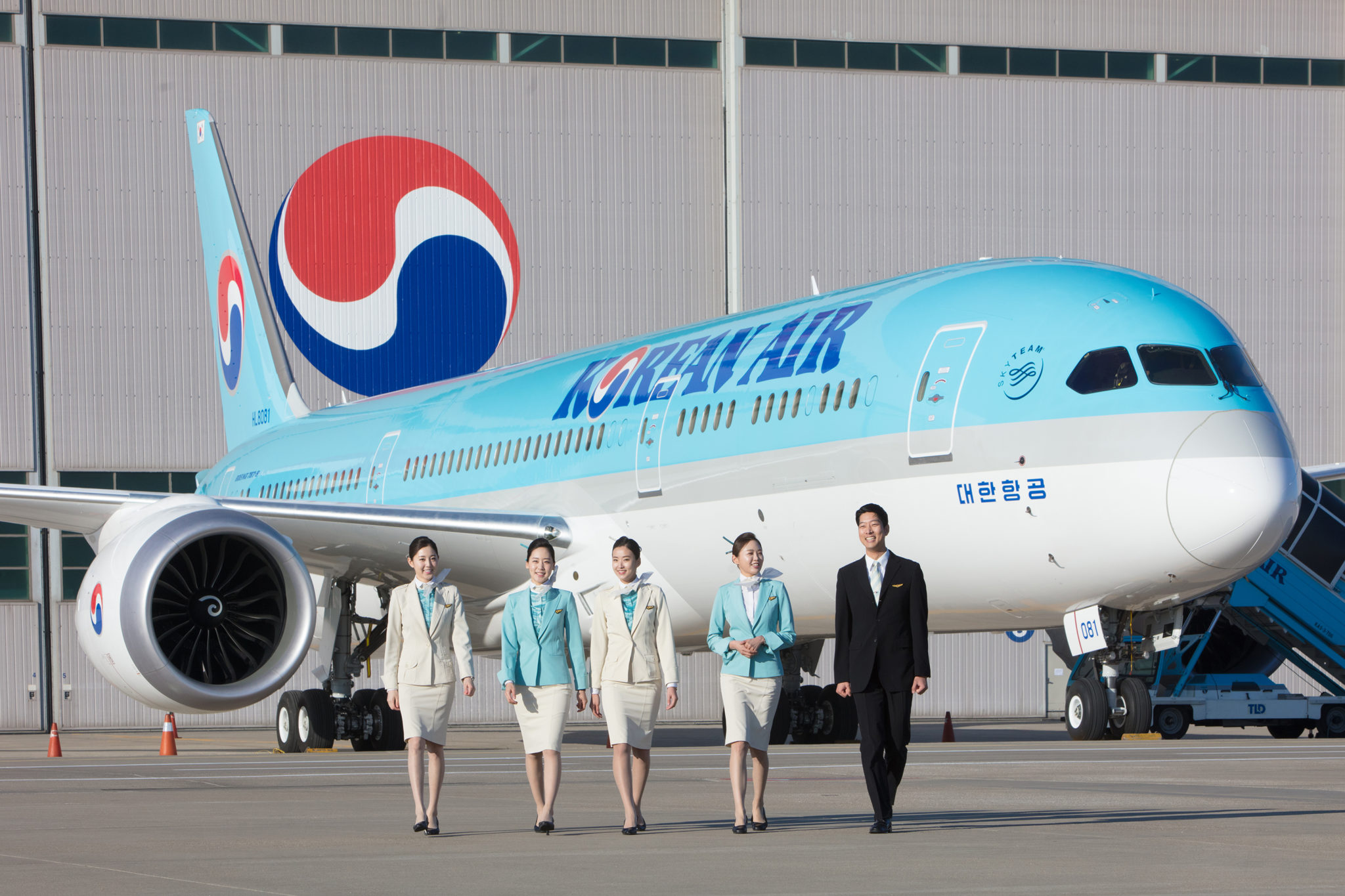
    Korean Air, the largest airline in South Korea, has announced that it will suspend many flights departing from Seoul and Busan to Ho Chi Minh City and Hanoi, Vietnam’s two largest metropolises, Da Nang and Nha Trang in central region and Phu Quoc Island in the south until the end of March.

    Asiana Airlines, the country’s second-largest carrier, has also canceled many flights from Incheon Airport in Seoul to Hanoi, Da Nang and Nha Trang at least until mid-March. This airline’s Incheon-Phu Quoc route will continue operations, but the frequency will be reduced from four flights a week to two.

    Korean Air normally operates 20 flights between the two countries a day, while Asiana Airlines has an average 4 flights a day. The two carriers did not reveal specific numbers of suspended flights.

    The flight suspensions follow the rapid spread of the novel coronavirus in South Korea, where more than 4,800 infections and 23 deaths have been recorded.

    Vietnam is a leading destination among South Koreans, ranked third after Japan and mainland China, according to Global Destination Cities Index (GDCI), released by Mastercard last year. South Korea is the second-largest feeder market of Vietnam’s tourism after China, with around 4.2 million visitors in 2019, up 23.1 percent year-on-year.

    Nha Trang and Da Nang are among top holiday destinations for South Koreans.

    The Covid-19 outbreak, with its epicenter in China, has severely cut the number of South Koreans traveling abroad, and Vietnam’s tourism sector has borne the brunt.

    Around 322,000 South Koreans came to Vietnam in February, down 16 percent from a year ago. Worse still, the number is expected to decrease dramatically in the coming months after the South Korean government declared a red alert, its highest level of epidemic alarm.

    The Vietnamese government, too, has deployed various measures to prevent the spread of the virus, including canceling many flights to South Korea and suspending visa-free entry for South Koreans starting last Saturday.

    In Vietnam, national flag carrier Vietnam Airlines has said it will suspend all flights to South Korea from Thursday while private carrier Bamboo Airways halted services to the country South Korea from February 26.

    Hanoi’s Noi Bai and Ho Chi Minh City’s Tan Son Nhat, Vietnam’s two largest airports, had stated they would stop receiving South Korea arrivals starting Sunday.

    Passengers scheduled to land in Noi Bai will have to do so at Van Don Airport in northern Quang Ninh Province, around four hours drive away, while those headed for Tan Son Nhat will have to travel a similar distance to Can Tho Airport in the Mekong Delta.

    This decision was taken after a large number of Vietnamese returning from South Korea overloaded medical quarantine facilities in both cities.

    All 16 people with Covid-19 recorded in Vietnam so far have been discharged from hospitals.

    Globally, the death toll has reached 3,069, mostly in mainland China, followed by Iran (66), Italy (52) and South Korea (34). The U.S and Japan which have reported six deaths each.

  • Cebu Pacific, PAL to resume Taiwan flights after travel ban lifting

    Cebu Pacific, PAL to resume Taiwan flights after travel ban lifting

    Two local airlines will again mount flights to and from Taiwan after the government lifted the travel ban on the territory.

    Cebu Pacific flights will resume February 17.

    In an advisory, the airline will have one flight from Manila on Monday and only arrival flights from Taiwan beginning February 18.

    On February 21, there will be two flights from Manila and two from Taiwan.

    “We are notifying passengers both on those flights on the resumption of scheduled flights starting Monday,” said Cebu Pacific spokesperson Charo Logarta- Lagamon in a phone patch interview.

    Lagamon said the airline has carried out safety measures since the coronavirus disease (COVID-19) outbreak.

    “Ever since the situation with the COVID-19 broke out, we have implemented precautionary measures — disinfection of aircraft, measures for personnel — and we try as best as we could to keep them in place all through these weeks,” she said.

    Meanwhile, Philippine Airlines announced in an advisory that Taiwan flights will begin February 21. Trips will initially be four times weekly — Monday, Wednesday, Friday, and Sunday — until February 29.

    Daily flights will resume March 1.

    “Passengers originally confirmed on canceled MNL-TPE and TPE-MNL flights now have the opportunity to book on the restored PR890 and PR891 flights,” said PAL.

    Presidential spokesperson Salvador Panelo earlier said that the Inter-Agency Task Force for the Management of Emerging Infectious Diseases lifted the travel restriction given Taiwan’s strict security protocols against the COVID-19.

  • AirAsia X Launches Kuala Lumpur – Taipei – Okinawa Flights

    AirAsia X Launches Kuala Lumpur – Taipei – Okinawa Flights

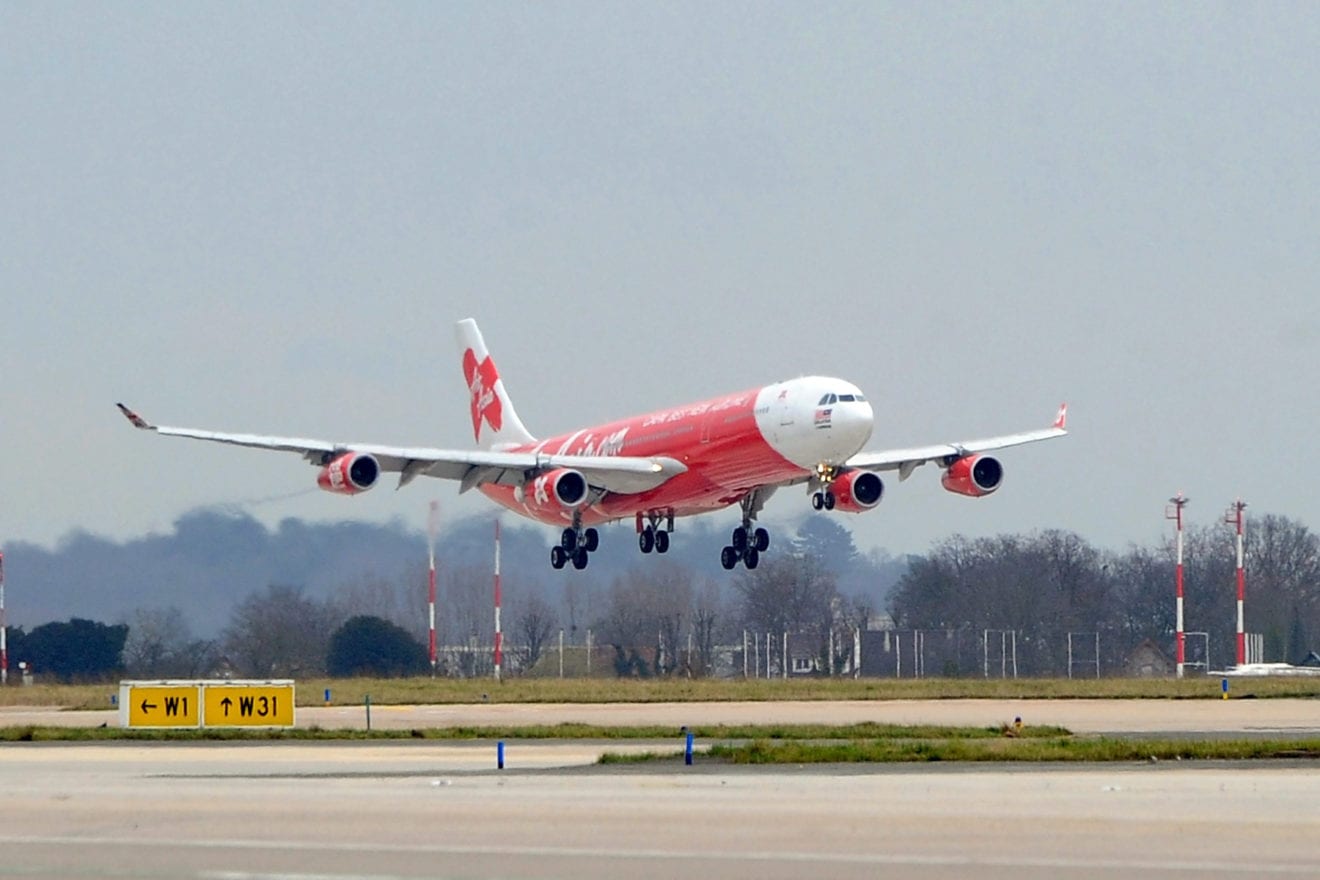
    AirAsia X has launched flights between Kuala Lumpur and Naha Airport in Okinawa, Japan.

    AirAsia will operate the flights, which will fly via Taipei, four times per week on Mondays, Wednesdays, Fridays and Sundays.

    Flight D7 384 is scheduled to leave KL at 07:35 and land in Taipei at 12:20. The aircraft then departs Taipei at 13:20, landing in Okinawa at 16:00.

    The return flight, D7 385, is timed to leave Naha Airport at 17:30 and land in Taipei at 18:10 before departing for KL at 19:10. The aircraft is scheduled to land back in KL at 00:05 the following day.

    AirAsia X Chairman, Tan Sri Rafidah Aziz, said, “With the addition of Okinawa, AirAsia X now flies to 35 destinations. Together with AirAsia Group, our combined fleet of over 250 aircraft can now connect Okinawa with over 150 destinations across ASEAN, Asia Pacific, the Middle East and the US.”

    Travelers from Kuala Lumpur to Okinawa Naha are not required to obtain a visa during their one-hour stopover in Taipei and may return to their seats after clearing a quick security check of their carry-on bags and inflight belongings.

    “As we begin to accept the delivery of the technologically-advanced Airbus A330neo aircraft later this year, the Group will continue to evaluate and consider launching exciting and viable new routes to destinations such as in Eastern Europe, within Asia and Australia. Such new routes, if viable, can accelerate domestic and regional tourism growth, especially in key markets with high demand,” added Tan Sri Rafidah.

  • AirAsia picks creative agency in India

    AirAsia picks creative agency in India

    AirAsia India has appointed Wunderman Thompson South Asia to manage creative duties following a pitch in 2019. The agency will be responsible for brand strategy and shaping the communications narrative in India, taking care of above-the-line and digital creative mandates.

    According to the press statement, Wunderman Thompson understood AirAsia India’s strategic and brand objectives and will be working on developing the brand’s strong and sustainable positioning that will cut across geographies, demographics, and mindsets and deliver differentiated content with incisive insights. A+M has reached out to Wunderman Thompson for additional information.

    AirAsia India is a joint venture between Tata Sons and AirAsia Investment. AirAsia India commenced operations on 12 June 2014 with Bengaluru as its primary hub. Its agenda is to drive salience across markets with customized content and clutter-breaking communication that inspires diverse audiences with its brand promise and the aspirational journey ahead.

    AirAsia India’s CMO Siddhartha Butalia said the agency approached the opportunity with strong strategic insights and compelling creative ideas that bring the emotion and inspiration back to travel. “We’re looking forward to partnering with them to drive consideration and relevance across the customer journey, take off to even greater heights and explore new territories,” Butalia added.

    Senior VP and managing partner at Wunderman Thompson, Kundan Joshee, said AirAsia has a unique value proposition and a distinct challenger brand spirit that makes it such a powerful brand.

    “Our job is to partner with AirAsia and bring alive its philosophy of service, efficiency and innovation. In today’s times, it’s essential for a brand to have multiple conversations with people across touchpoints and this gives us the opportunity to do new-age work and drive interesting conversations around the brand,” he said.

    Closer to home, AirAsia Group and Universal Music Group partnered last year to launch RedRecords, a new label partnership focused on signing, developing and breaking new Asian artists and elevating “A-pop” globally to new audiences throughout the region and around the world. RedRecords will focus on discovering and developing talent from Southeast Asia and throughout the wider continent and form a clear and unique sound that reflects the diverse and rich musical culture of the continent.

    The airline also announced last November that it is expanding its online offering to include flights on other airlines as it transforms airasia.com into Asia Pacific’s leading travel and lifestyle platform. This was done in partnership with leading travel technology company Kiwi.com. It also unveiled SNAP, a new name for flight + hotel packages on airasia.com offering the lowest guaranteed package prices in 2019.

  • AirAsia and AirAsia X have been named best low-cost airline in Asia again

    AirAsia and AirAsia X have been named best low-cost airline in Asia again

    AirAsia and its partner airline AirAsia X have been jointly named the best low-cost airline in Asia Pacific again at this year’s Airline Excellence Awards by AirlineRatings.com.

    The award is judged by the Australia-based aviation website through a five-star rating system considering factors such as in-flight entertainment, cabin space and comfort, beverages, food, and seat recline.

    This is the second time the Malaysian low-cost carrier has bagged the award, after taking the title from Scoot in 2018.

    Geoffrey Thomas, editor-in-chief at AirlineRatings.com, said that the AirAsia win was “richly deserved” and that the airline is in a “dominant market position”

    “These airlines have made travel affordable for tens of millions throughout Asia, and they offer outstanding value and a great experience,” he added.

    In June, AirAsia has also named the world’s best low-cost airline at the Skytrax World Airline Awards.

    AirAsia Group chief executive Tony Fernandes said in a statement that the airline will continue to focus on “delivering the very best value airfares for short, medium and long haul travel throughout Asia Pacific”.

    The airline is currently looking at slashing fuel burns to help keep airfares low through the new additions of Airbus’ A330 neo wide-body and A321 Xtra Long Range aircraft.

    Benyamin Ismail, AirAsia X’s chief executive officer, said that the two aircraft will provide the carrier with the “lowest possible operating costs to expand its network and enable even more people to fly further for less”.

    This will allow AirAsia X to further expand into markets like Australia, and “explore new longer haul markets including Europe, which are currently under review,” he added.

    The two Kuala Lumpur-based airlines have 272 total aircraft today, flying to more than 150 destinations in 25 markets.

  • AirAsia X plans for direct flights into Kazakhstan

    AirAsia X plans for direct flights into Kazakhstan

    AirAsia X , the long-haul arm of AirAsia Group Bhd, has met with the Civil Aviation Committee (CAA) of Kazakhstan to discuss the possibility of the airline introducing a direct flight from Malaysia to the Central Asian country.

    The New Straits Times learnt that the meeting was held between AirAsia Group executive chairman Datuk Kamarudin Meranun, AAX chief executive Benyamin Ismail and Kazakhstan CAA chairman Talgat Lastayev as well as representatives from Almaty, Nur-Sultan and Karaganda airports and Kazakhstan embassy to Malaysia.

    The meeting includes discussions on the potential for AAX to introduce a direct route from Kuala Lumpur to Kazakhstan as well as a presentation on the development of the aviation industry in Kazakhstan and the country’s adoption to the Open Skies policy.

    “The interest is there but we must do further research on how to introduce this plan. They (AAX) have expressed interest to use Kazakhstan as a hub for them to fly to the US and Europe,” a source said.

    The potential US and European cities that AAX might fly into include New York, Rome, Milan and Nice.

    The meeting was held at AirAsia’s RedQ office in Sepang on Tuesday.

    Recently, Kazakhstan President Kassym-Jomart Tokayev asked the country to adopt Open Skies policy and expand its international routes while attracting more foreign airlines.

    The sources said that although the move will pose a big competition to Kazakhstan-based airlines, it was time to open the country to the world with more flight connections.

    The move will also help to develop the Astana International Financial Center as well as the country’s tourism industry.

    “Kazakhstan is very excited to have AAX to introduce a direct flight, but of course this is all preliminary. But on Kazakhstan’s side, the country is ready to fully support them (AAX),” another source said, adding that the discussion also included incentives that would be given to the airline such as airport and tariff fees, and marketing support for flight promotion.

    Currently, the only direct flight available is from Almaty to Kuala Lumpur and vice versa via Kazakhstan’s national carrier, Air Astana.

    AAX would be the first international budget airline to fly into Kazakhstan should the carrier introduces the direct flight.

    Meanwhile, Kamarudin expressed his gratitude to Kazakhstan for showing strong interest and offering attractive airport incentives for the airline to fly to various airports in the country.

    “Having been to Kazakhstan, both Nur-Sultan and Almaty, it definitely suits our expansion plan and we have agreed in forming a working team from both parties to seriously explore this possibility.”

    “I would not be surprised to see the flights into Kazakhstan from any of our various hubs some time next year,” he said yesterday.

  • AirAsia to link Lombok with Surabaya, Yogyakarta

    AirAsia to link Lombok with Surabaya, Yogyakarta

    Low-cost carrier AirAsia is set to launch new routes to Surabaya in East Java and Yogyakarta from Lombok, West Nusa Tenggara.

    The inaugural flight from Lombok to Surabaya will depart on Nov. 25 and be available four times a week, namely on Mondays, Wednesdays, Fridays and Sundays.

    The flight from Lombok International Airport Praya leaves at 8:35 p.m. local time and arrives at Juanda International Airport at 8.40 p.m. local time. The Surabaya-Lombok route, meanwhile, departs at 9.05 p.m. local time and arrives at 11.20 p.m. local time. Surabaya is one hour ahead of Lombok.

    The Lombok-Yogyakarta route will begin on Nov. 26 with thrice-weekly flights, namely on Tuesdays, Thursdays and Saturdays.

    The flight from Lombok will leave at 8.35 p.m. local time and arrive at Adisucipto International Airport in Yogyakarta at 9.10 p.m. local time. The return flight from Yogyakarta to Lombok will depart at 9.35 p.m. local time and arrive at 12.05 a.m. local time. Yogyakarta is also one hour ahead of Lombok.

    Both routes will use the Airbus A320, which has a capacity of 180 passengers.

    Veranita Yosephine, deputy CEO of AirAsia Indonesia, said the new routes were expected to boost Lombok’s tourism.

    “The routes also provide options for travelers in Lombok who wish to extend their vacation to destinations in East Java and Yogyakarta, and vice versa,” she said in an official statement.

    Tickets are available at the airline’s official website and app, with prices starting from Rp 446,000 (US$33.91). Promotions are available until Nov. 25 for the travel period of Nov. 25 to March 28, 2020, for AirAsia BIG members.

    As with AirAsia domestic routes, passengers are allowed free luggage of up to 15 kilograms on both routes.

  • AirAsia X’s 3Q flight frequencies fail to boost overall capacity

    AirAsia X’s 3Q flight frequencies fail to boost overall capacity

    AIRASIA X Bhd’s additional flight frequencies in the third quarter of the year (3Q19) were insufficient to boost overall capacity, MIDF Amanah Investment Bank Bhd said.

    The long-haul affiliate of low-cost carrier AirAsia Group Bhd increased flight frequencies to Gold Coast, Sydney and Melbourne to cater for increased demand following the school-term holidays in Australia.

    However, this was insufficient to boost overall capacity, causing AirAsia X’s average stage length to remain flat on a yearly basis between July and August this year.

    In 3Q19, AirAsia X’s average seat per kilometer (ASK) declined by 3% year-on-year (YoY), outpacing the 2% YoY dip in revenue per kilometer (RPK).

    “This was due to seasonal capacity management which saw the total capacity (-3% YoY) decline more than the number of passengers carried,” MIDF said in a research note yesterday.

    The destinations involved were Sapporo and Taipei in response to weaker demand during the leanest season of the year for these routes.

    Meanwhile, AirAsia X Thailand recorded a 32% YoY increase in passengers carried in 3Q19, underpinned by additional seat capacity and the inauguration of the fifth Japanese destination, Fukuoka, on July 2019.

    ASK grew at a faster pace of 48% YoY due to high capacity, leading to a decline of 10 points in load factor to reach 77% in 3Q19.

    MIDF forecasts a loss of RM8.1 million for AirAsia X in the financial year ending Dec 31, 2019 (FY19), and lower earnings of RM45.6 million for FY20.

    “We are imputing a lower jet fuel estimate as our Brent crude oil estimate for FY19 has been lowered to US$63 (RM264.60) per barrel (previously US$70 per barrel).

    “Nonetheless, the effect of lower estimated fuel expenses is moderated by a higher US dollar to ringgit rate of 4.15 (previously 4.08). We have also taken into account lower growth in capacity amid the group’s ongoing network rationalization exercises in its key markets,” the research house said.

    Moving forward, lower passenger service charges (PSC) of RM50 for international departures from Asean will deliver an additional boost to the current traveling trend.

    The PSC was revised last month for passengers traveling outside of Asean from RM73 to RM50, effective Oct 1, 2019.

    “Notwithstanding this, we believe the ongoing capacity deployment will remain a headwind for the rest of FY19,” MIDF added.

    The adoption of the Malaysian Financial Reporting Standard 16 will be a hurdle to AirAsia X, since the majority of the group’s fleet are leased, with gains from lower interest to be realized beyond the fifth-year of the leased term.

    MIDF maintained a Neutral call on the low-cost long-haul carrier with a target price of 17 sen per share based on the adjustment in earnings.

    AirAsia X share price closed one sen higher yesterday at 17 sen, valuing the airline at RM705 million.

  • AirAsia sees in-flight Wi-Fi as next income source

    AirAsia sees in-flight Wi-Fi as next income source

    AirAsia has been exemplary in using digital and disruptive technologies in increasing its ancillary income, including the introduction of in-flight Wi-Fi, which is expected to create a US$130 billion global market by 2035, according to London School of Economics research.

    AirAsia is the pioneer of low-cost airline in-flight Wi-Fi in the region.

    “Currently, we have about slightly over 50% of our aircraft (in Malaysia) Wi-Fi-enabled. We expect AirAsia Wi-Fi to be installed fleetwide in all AirAsia Malaysia in 2020,” chief executive officer Riad Asmat said.

    The other AirAsia companies are expected to follow suit, he said.

    “Wi-Fi these days is like oxygen. The moment you sit in a place the first thing we ask is if it has Wi-Fi and it is slowly gaining traction in the aviation sector,” he told Bernama when asked on the growing sector.

    For the Malaysian operation, the flights are all within the one-to four-hour range.

    “Within the AirAsia Wi-Fi ecosystem, the airline has entertainment, we have our e-shop, digital in-flight magazine and some level of entertainment, especially for kids. Besides enhancing the experience of passengers, the service also enables them to connect with their loved ones on air,” said Riad.

    “Hooking up to the AirAsia” Wi-Fi ecosystem is free (browsing kids entertainment, e-shop and magazine) but if you want to use your social media or do real work, then you’ve got to pay and I believe our rates are competitive as compared with other airlines around the region,” he said.

    A check on the service revealed that the Wi-Fi plans range from RM9 to RM58, with the most basic plan capped at 10MB. There is also a top-of-the-line 200MB plan, which is best for streaming. Riad said more than 30% of its passengers have accessed the AirAsia Wi-Fi services and the figure is expected to hit 50% soon.

    Knowing AirAsia, Riad was also quick to point out that incorporating a lot of its services in the AirAsia Wi-Fi ecosystem would also help them cut costs via fuel-saving.

    “Once the aircraft is Wi-Fi-enabled the in-flight magazine (hardcopy) should not be there. It is fuel-saving,” he said, adding that although the hardcopy uses some of the lightest paper material available, going 100% digital would save kilos for every fleet.

    Hence, Wi-Fi is crucial for AirAsia’s business, he said, noting “it is part and parcel of embracing technology.” Riad, however, said the portion of WiFi contribution now to its overall ancillary income is negligible.

    “But the growth potential is phenomenal because once all the aircraft have the service, people start using dependent on the needs of that day. I am sure you can get business out of it, directly and indirectly, especially when passengers browse and make a purchase via OURSHOP,” he said. OURSHOP is AirAsia’s e-commerce platform.

    However, for the service to have a bigger impact on its ancillary income, Riad said it has to remain attractive, noting the company is constantly on the lookout for more content providers.

    AirAsia currently uses the high-speed Ka-band platform, which claims to provide connectivity beyond basic broadband, supporting real-time video, music streaming and more.

    A recent survey by the International Air Transport Association, which represents some 290 airlines comprising 82 percent of global air traffic, revealed that some 53 percent of surveyed passengers found Wi-Fi important to have.

    The importance is highest in Africa (71 percent), followed by Latin America (68 percent) and the Middle East (67 percent), with the lowest in Europe (44 percent) and North America (49 percent).

    The 2019 Global Passenger Survey was based on 10,877 responses from passengers across 166 countries.

    “With the availability of Wi-Fi connectivity continuing to have a direct impact on the overall travel experience, adopting the latest onboard Wi-Fi technology continues to be an effective way for airlines to distinguish their product offering,” said the association.

    Besides WiFi, Riad said there is also a huge potential to increase ancillary income through its cargo business Teleport, which is the second-largest cargo airline group in Southeast Asia by capacity after Singapore Airlines Cargo as of July 2019, according to the Centre for Aviation.

    “We’re currently utilizing only approximately 15% of the available belly space for cargo, in which approximately 40% of our revenues are generated from connections through our network,” he said.

    It delivered approximately RM206 million in revenue in the financial year 2018 and is on track to deliver approximately RM400 million in financial year 2019.

    “We have invested in technology, with the goal to deliver the same day as standard anywhere within Southeast Asia. Airports are at the heart of this ability to do so,” he noted.

    Riad said AirAsia foresees bigger growth in the small parcel business.

  • AirAsia India flights on new route starts

    AirAsia India flights on new route starts

    AirAsia India will start a daily flight on the Delhi-Jaipur route from October 20. The flight will depart daily from Delhi airport at 10.35 am and arrive at Jaipur airport at 11.45 am. The return flight will depart daily at 12.15 pm from Jaipur and arrive at 1.25 pm at Delhi airport. Tickets are available for as low as ₹1,315 on the route.

    The airline had recently announced flights from Agartala to destinations like Guwahati, Imphal, Kolkata, and New Delhi, starting October 20. The airline is offering tickets starting ₹1,019 on this route. Booking of tickets can be done on airasia.com or the AirAsia mobile app.

    AirAsia India is a joint venture between Tata Sons Limited and AirAsia Investment Limited.

    The airline commenced operations on June 12, 2014, and currently flies to 20 destinations across India with a fleet of 23 A320 aircraft.

    Another budget carrier, GoAir offered tickets for as low as ₹1,296 (inclusive of taxes) for international and domestic routes in its 24-hour pre-Diwali ‘super saver fares’ deal. The ‘super saver fares’ was a boon for passengers who would like to usher in Diwali in style.

    The domestic air passenger traffic fell for the fourth consecutive month during September, the monthly decline worsening to 2.20% as compared to 0.94% during the previous month.

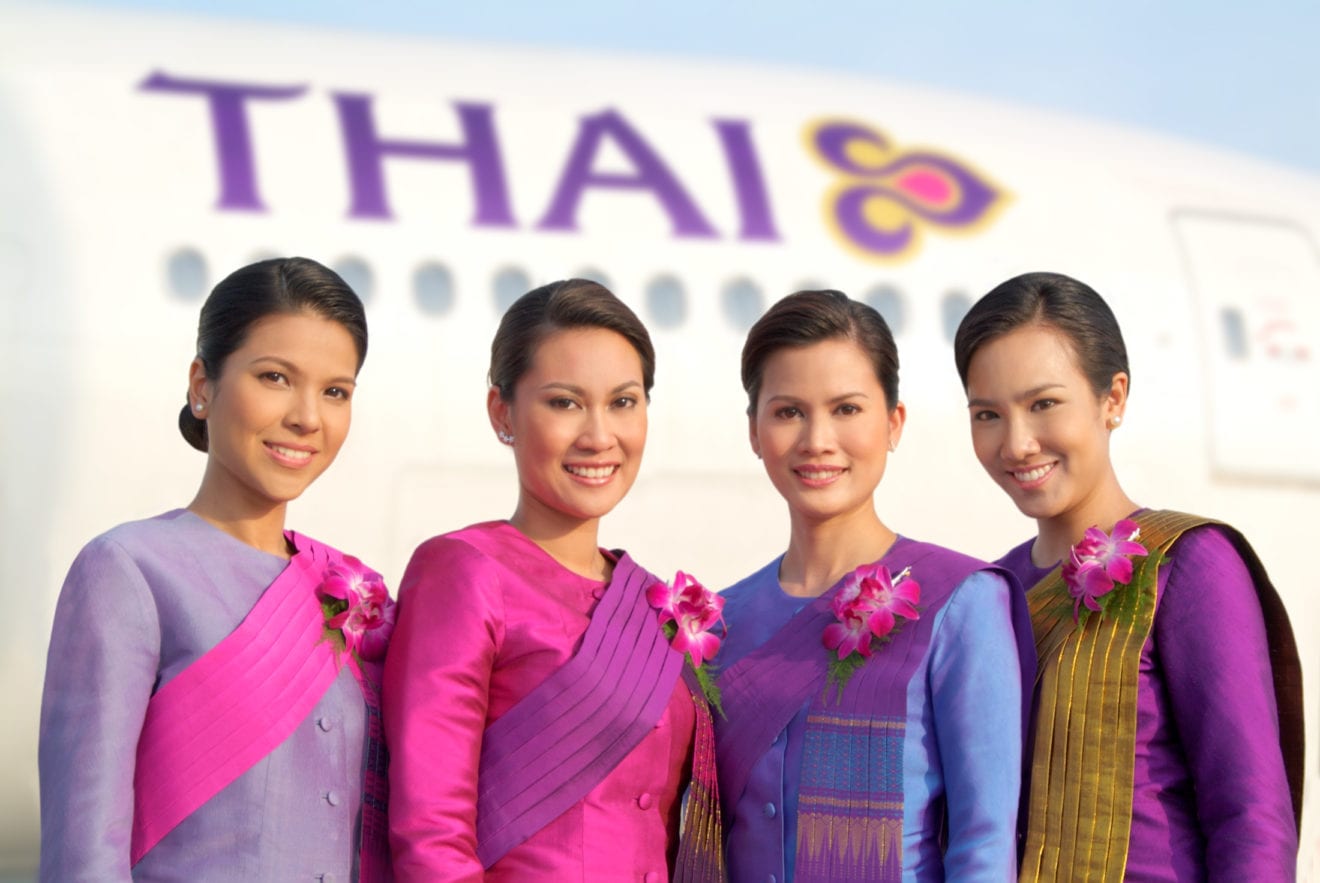
  • Thai Airways eyes passenger growth

    Thai Airways eyes passenger growth

    Financially struggling Thai Airways is eyeing 8% in passenger growth by year’s end as it plans to launch new routes.

    Nond Kalinta, Vice President of Sales at Thai Airways International Public Company Limited (THAI) told the media the airline’s financial situation is likely to improve. The airline’s debts by the end of the year will be reduced to under six billion baht thanks to the steady rise of passengers throughout the year.

    Over the past nine months, the airline has achieved passenger growth of 4%-5%, which is higher than last’s year figure year-on-year. The national carrier is hopeful of growth as projected passenger numbers for the last quarter shows an 8% uptick.

    Mr Nond said more routes will be launched by the end of the year, especially popular routes to Europe such as Bangkok-Vienna, Bangkok-Brussels, and Bangkok-Paris, as the airline seeks to make the most of the recent improvement in passenger numbers.

    Mr Nond said business will be brisker next year thanks to the well-performing baht as well as positive signs from the economy. He added that THAI has already seen advanced bookings for the first quarter of next year. Next year, THAI will also place emphasis on routes to East Asia, maintain its hold over Europe, and nourish growth in emerging markets such as India.

    “The Japan route has been a potential market for some time now, so more routes to Japan will be available to serve the needs of a certain group of passengers,” he said.

    “Also, flights to Europe should not be ignored as 80% of these flights have been booked in advance.”

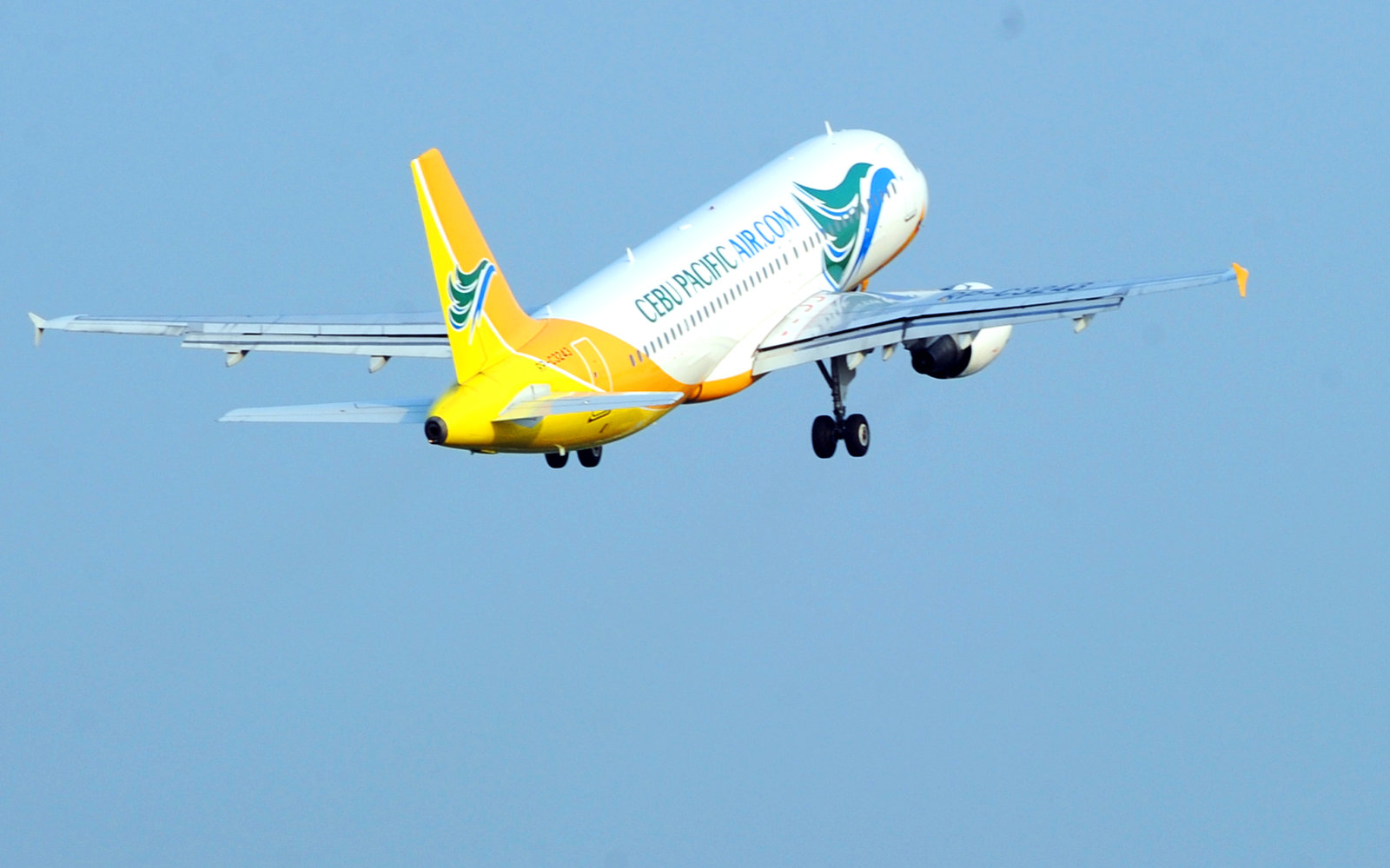
  • Cebu Pacific gives travelers flexibility to rebook flights

    Cebu Pacific gives travelers flexibility to rebook flights

    Available starting October 22, 2019, CEB Flexi gives CEB passengers the freedom to rebook flights until (2) hours before departure, offering convenience and peace of mind. This add-on can be purchased during booking through the airline website, www.cebupacificair.com or the official mobile app.

    “CEB Flexi is a great complement to year-round low fares as it provides the power and option to rebook flights should the need arise. We encourage passengers to book in advance to avail of great low fare deals, now we also provide the ability to change travel dates, giving peace of mind that the flights they booked won’t go to waste,” said Candice Iyog, CEB Vice President for Marketing and Customer Experience.

    Compared to current rebooking fees, CEB Flexi is 60% cheaper, and travelers only have to pay the difference in fare (if applicable). CEB Flexi is priced at PHP499 for domestic flights, PHP799 for international short-haul flights, and PHP1,099 for international long-haul flights. Along with the roll-out of CEB Flexi, all new flights booked starting October 22, 2019 will be non-refundable.

    CEB Flexi is the newest add-on that Cebu Pacific passengers can avail of, giving the power to choose conveniences that best fit their travel needs. Other options include prepaid baggage allowance, in-flight meals and buy-on-board snacks, seat selection, travel insurance, and the CEB WiFi kit.