Tag: flight

  • Cebu Pacific to expand its hubs in Clark, Cebu

    Cebu Pacific to expand its hubs in Clark, Cebu

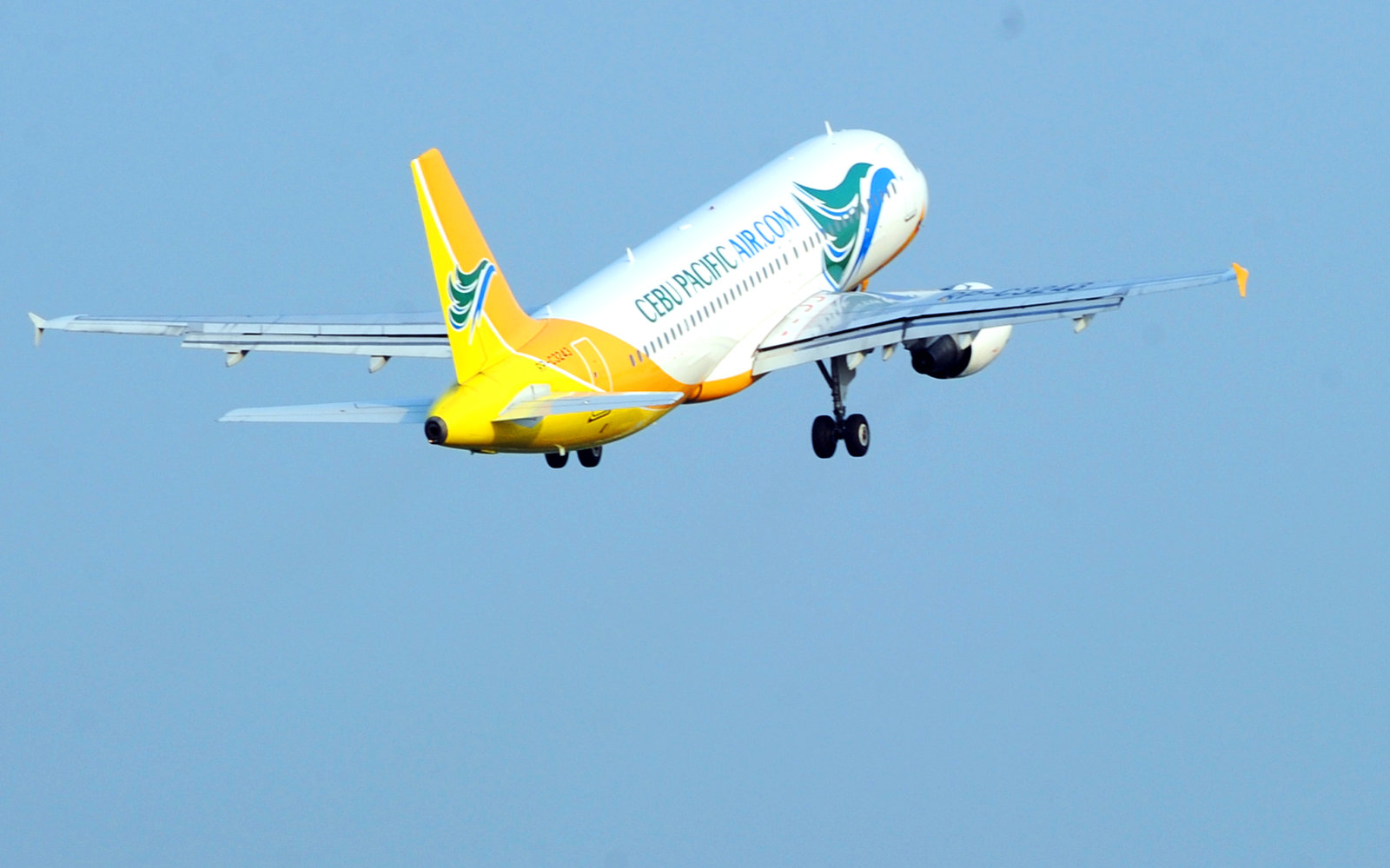
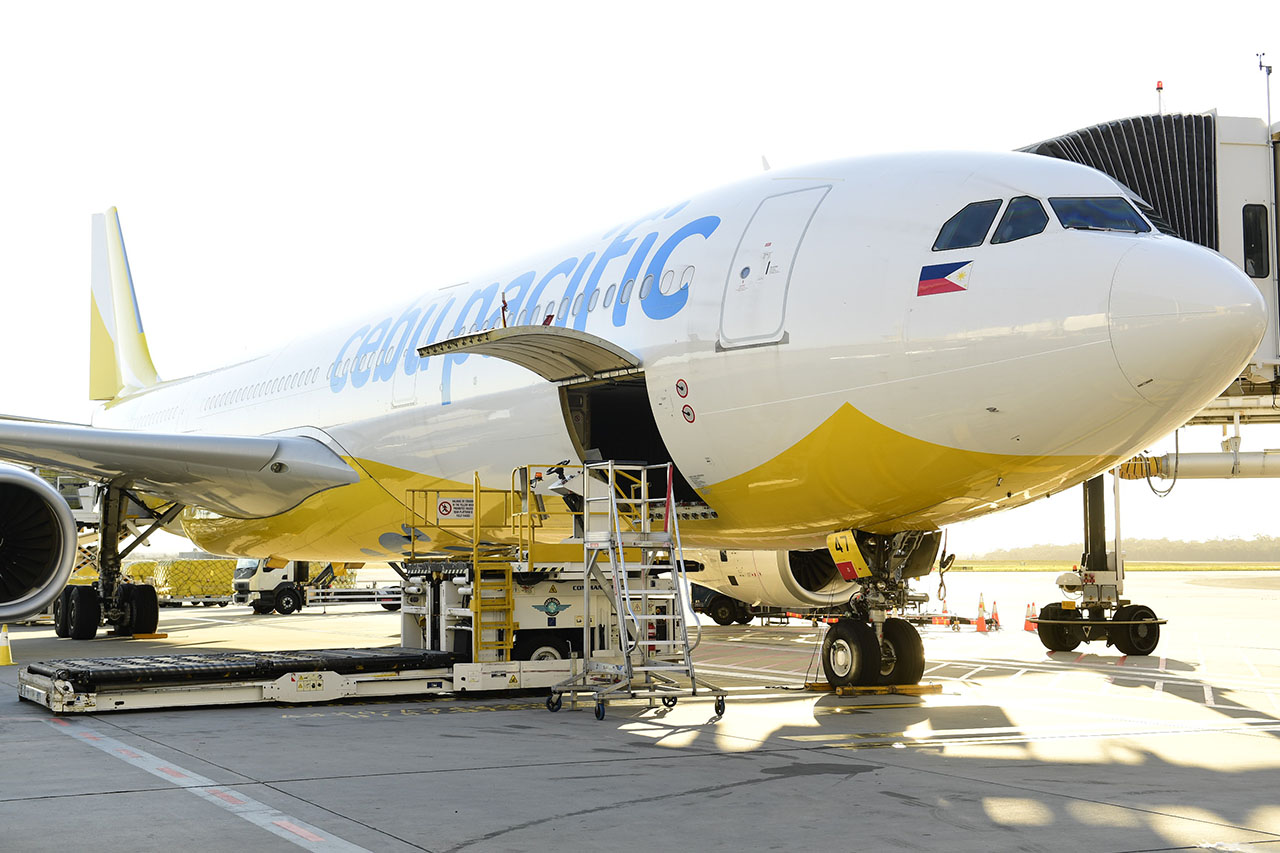
    Cebu Pacific said it is eyeing to expand its hubs in Clark and Cebu as it continues to boost its fleet with a target of 83 aircraft by end-2022.

    Lance Y. Gokongwei, president of Cebu Pacific operator Cebu Air, Inc., said the budget carrier will be adding “a lot of frequency” in its hubs in Cebu and Clark.

    “In Clark, we’re going to try to connect the dots so that a lot of North Asia will be able to fly into the south without having to connect through Manila… I think in the next two to three years, you’ll see a lot of flights into Japan, (South) Korea and China from Clark,” he told BusinessWorld on the sidelines of the JG Summit Holdings, Inc. stockholders’ meeting last week.

    For Cebu, Mr. Gokongwei said they will ramp up the frequencies of its existing routes, which currently connect the city to both Japan and South Korea. Cebu is a popular destination for Japanese and Korean tourists.

    “The (Airbus A321neos), we put them into Manila. Then we pull out the (Airbus A320s) and put them to Clark or to Cebu,” he said.

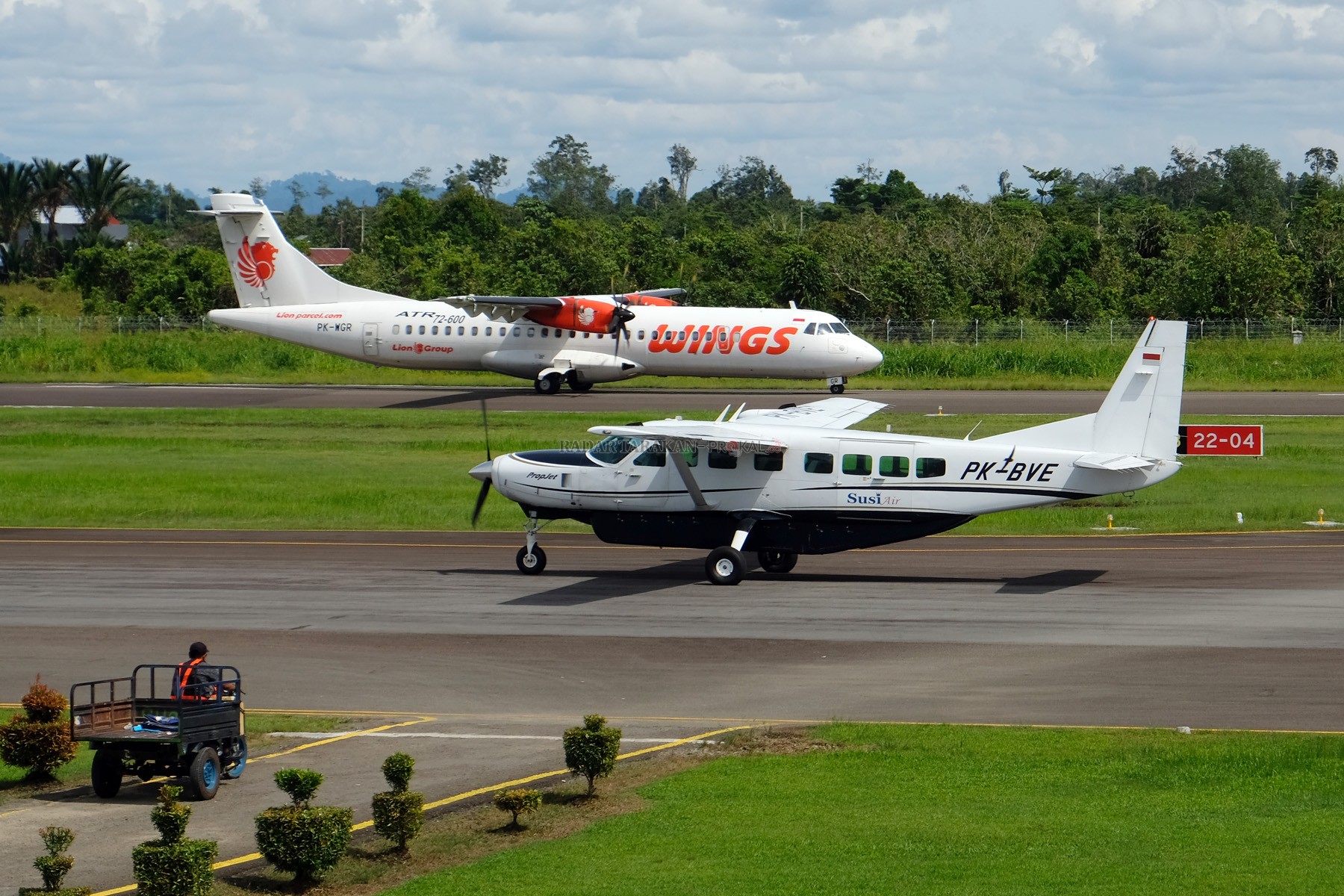
    The carrier is currently on fleet expansion mode and expects the delivery of 12 new aircraft this year, namely six Airbus A321neos (new engine option), five A320neos and one ATR 72-600.

    Mr. Gokongwei said in the long term, what Cebu Pacific wants is to make its Clark operations as big as its Manila operations. “We have to complete the Bacolods, the Iloilos, the Taclobans, the CDOs. Whatever we have in Manila, we’ll replicate in Clark,” he said, but noted it may take about 15 years from now.

    Cebu Pacific said its hubs in Clark and Cebu have already seen rapid growth since the start of the year, both in terms of new routes and frequency of flights.

    For the Clark hub, the carrier already increased its capacity to and from Caticlan by 231% after shifting to use the bigger Airbus A320 starting March 31 from the 78-seater ATR 72-600.

    It also noted it will be opening daily from its Clark hub going to and from Iloilo, Bacolod and Narita by Aug. 9, and daily flights to and from Puerto Princesa by Oct. 9.

    For its Cebu hub, the airline noted it already added frequency to its flights going to Cagayan de Oro, Dumaguete, Siargao, Iloilo, Caticlan, Ozamiz and Zamboanga by an average of 63% since April 15.

    “Flights between Manila and Cebu had likewise increased 24%. The increase in flights from its Cebu hub is on top of its six-times weekly Cebu-Shanghai and Shanghai-Cebu routes which began on April 15, 2019,” it added.

    Cebu Pacific currently has flights from Clark to Cebu, Caticlan, Tagbilaran, Davao, Singapore, Macau and Hong Kong.

    In its Cebu hub, the carrier flies to and from Bacolod, Caticlan, Butuan, Cagayan de Oro, Calbayog, Camiguin, Clark, Davao, Dumaguete, General Santos, Iloilo, Kalibo, Legazpi, Ozamis, Pagadian, Puerto Princesa, Siargao, Surigao, Tacloban, Zamboanga, Hong Kong, Macau, Tokyo (Narita), Singapore and Incheon.

    Listed Cebu Air posted a net income of P3.43 billion in the first quarter, up 138.4% from the same period last year due to a growth in passenger volume and average fares

  • AirAsia transitioning to asset-light business model

    AirAsia transitioning to asset-light business model

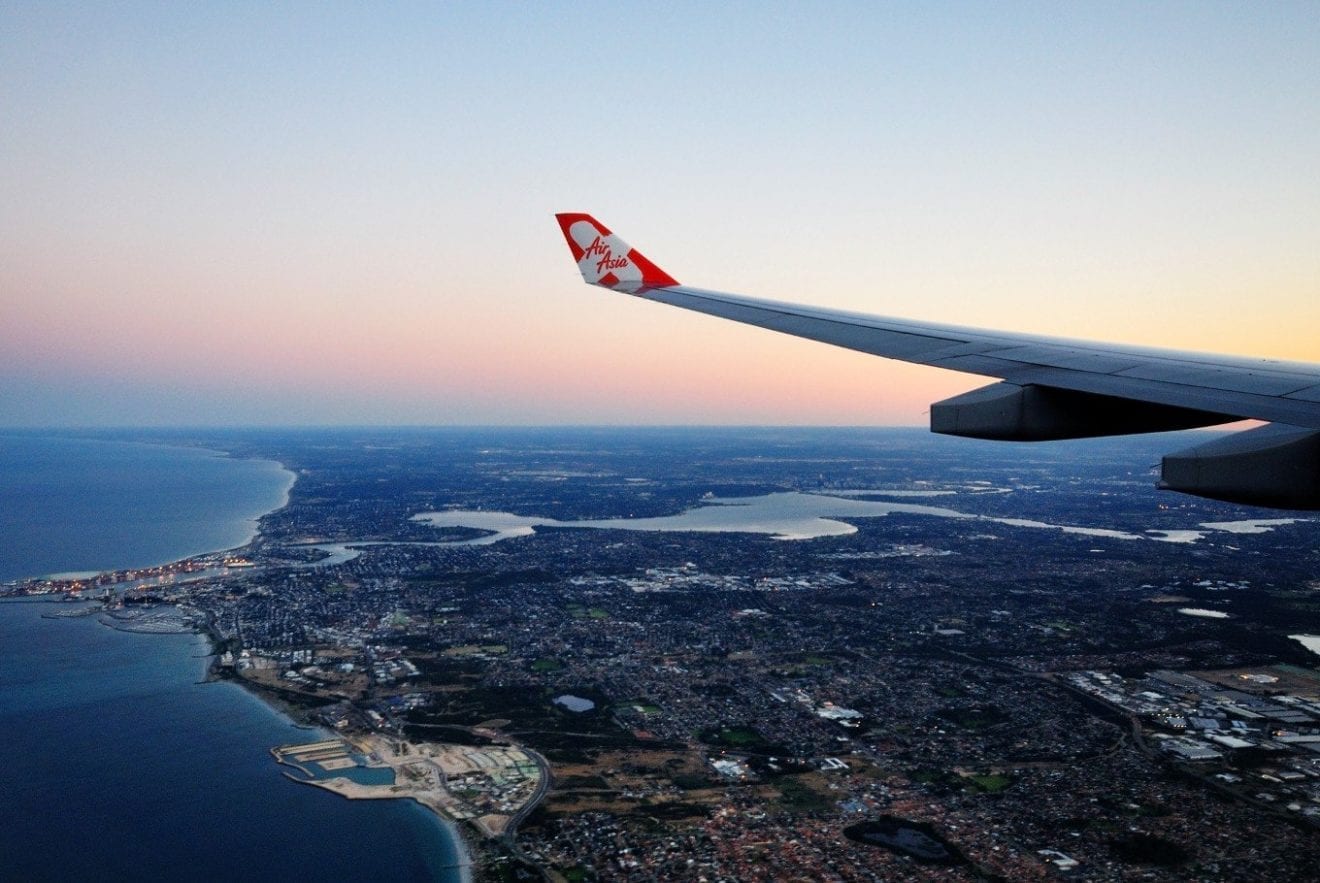
    AirAsia is moving from the traditional model of owning aircraft to become an asset-light airline. The company plans to fully shift to the new model by completely withdrawing from aircraft ownership, a move that would bring the obvious benefit of lowering its financial liabilities.

    During AirAsia’s conference call with analysts last Wednesday, its management said it is targeting to sell another 19 aircraft this year.

    AirAsia is also focusing on its “digitalization” agenda, management added.

    The analyst said AirAsia would be looking to secure a deal similar to what it achieved last year when it went into sale and leaseback agreements that helped it raise a lot of funds.

    AirAsia’s management expects to raise around RM1.5bil from the sale and leaseback of its remaining 19 aircraft.

    Last year, the airline group sold 79 aircraft and 14 aircraft engines to US private investment firm Castlelake LP in a deal worth RM4.38bil.

    Following the success of the sale, AirAsia had last week announced a bumper dividend of 90 sen a share, which is worth more than RM3bil in total payout.

    For shareholders of AirAsia, this strategy has worked out well. AirAsia began its aggressive sale and leaseback programme and dishing out dividends around 2017.

    Here’s an interesting fact: AirAsia shareholders who bought the company shares on Jan 2, 2017 would have paid RM1.78 per unit. Since then, that’s exactly how much the airline has paid back in dividends, giving back those investors their entire cost of buying those shares.

    “AirAsia is a different company now. It is transitioning into an asset-light model, focusing its services through its platform and on-the-plane experience as well as its mobile wallet,” an analyst said.

    Going forward, though, not all analysts have a positive view on the airline’s earnings growth prospects.

    Going by Bloomberg data, analysts have a varied target price on AirAsia’s shares, ranging from RM1.56 to RM5.20.

    For the first quarter ended March 31, AirAsia posted a 92% drop in net profit to RM96.09mil compared with RM1.14bil recorded last year, when it recorded extraordinary gains. Its shares closed at RM2.88 last Friday.

    CIMB Research analyst Raymond Yap expects AirAsia’s future earnings to be under pressure, stemming from rising operating costs and higher depreciation as well as interest expenses due to the Malaysian Financial Reporting Standards 16.

    He added that other risks included higher fuel prices and a weaker ringgit against the US dollar.

    “The poor results will likely shock the market and cause analysts to slash their earnings forecasts, although the share price may be supported in the next two months by the 90 sen special dividend per share,” he said in a report.

    Yap has recommended investors to sell their positions in AirAsia prior to the dividend ex-date on June 30.

    “We recommend investors to take advantage of any share price upside post-announcement of the 90 sen special dividend to sell into strength, and to sell their AirAsia holdings prior to the dividend ex-date on June 30, 2019, to avoid the rush out of the door,” he said.

    Although AirAsia’s management has highlighted that it is targeting to continue with special dividend payments to shareholders for every two years, Yap believed the group is unlikely to declare additional special dividends in the near future beyond the 90 sen per share it had announced.

    “Continued losses at AirAsia India and Indonesia AirAsia may require the group to provide further equity injection or continuous working capital support,” he said.

    A different view is held by Nomura Research analyst Ahmad Maghfur Usman, who has the highest target price of RM5.20 for AirAsia shares. He expects AirAsia’s core earnings in financial year 2019 (FY19) to double to RM1.37bil compared with RM656mil last year.

    “We remain optimistic on the earnings outlook on the back of lower fuel costs, coupled with the turnaround from its Asean affiliates, while we expect losses from India to narrow on improved scalability as passenger volumes increase,” he said in a research note.

    For this year, AirAsia is targeting to add 18 aircraft including additional 11 for AirAsia India.

    In terms of its digital business, AirAsia is targeting to roll out remittance and lending products and expand its BigPay offerings to other Asean countries this year.

  • AirAsia to Expand E-Commerce Beyond Selling Plane Tickets

    AirAsia to Expand E-Commerce Beyond Selling Plane Tickets

    AirAsia Group, Southeast Asia’s largest budget carrier, wants to sell more than cheap flight tickets. AirAsia is talking to potential partners to build an e-commerce app that it wants to see overtake the size of its airline business, Group Deputy Chief Executive Aireen Omar said in an interview. The carrier, which is seen getting about 1 billion ringgit ($240 million) revenue a year from its AirAsia.com website, expects to earn 20 times more as it expands into an app that will offer lifestyle goods and services.

    “This will be bigger than the airline itself,” Aireen said at her office at the Kuala Lumpur International Airport. “There’s a lot you can do in just one app and that’s what we are trying to do with our travel and lifestyle app.”

    The budget airline, which carries 100 million passengers annually, is bolstering its digital capability to tap a regional e-commerce market that’s set to increase threefold to $240 billion by 2025, CEO and Founder Tony Fernandes said last month. Premium carriers Singapore Airlines Ltd. and Cathay Pacific Airways Ltd. are already turning to onboard duty-free sales to boost revenue, while AirAsia’s app will also offer everything from hotel bookings to beauty products and dinner vouchers.

    AirAsia, which announced a special dividend of 90 sen a share Wednesday, climbed 8% as of 4:14 p.m. in Kuala Lumpur. The shares rose as much as 16% earlier, the steepest gain since 2004.

    The digital business is likely to be spun off in the near future, Aireen said, without giving details.

    Fernandes has slowly but surely prepared the company to focus on this digital drive. AirAsia has sold aircraft parked in leasing companies and disposed a stake in its ground-handling operations. He also restructured the company to have an investment holding group as its publicly listed entity and separated the Malaysian airline business.

    The moves come as the budget carrier grapples with rising risks to its airline business, from the closing of holiday destination Boracay island and natural disasters in Indonesia last year, as well as Malaysia’s clampdown on price surges during high season.

    Meanwhile, Brent has gained almost 30% this year, increasing costs for airlines from Singapore Air to Deutsche Lufthansa AG, which posted lower first-quarter profit partly due to higher oil prices. AirAsia’s net income slipped 92% in the three months through March from a year earlier, it said in a filing on Wednesday.

    The company realized about three years ago that it’s rich with consumer data that a lot of people would want access to, Aireen said. It plans to use the data to market goods and services in a targeted way and provide Internet connection on all its planes to sell products to passengers during the flight.

    The new app will eventually consolidate its current AirAsia BIG Loyalty program, which already partners with vendors from Nike Inc. to Sephora to give special offers and discounts.

  • India needs 10k pilots by 2030 says AirAsia

    India needs 10k pilots by 2030 says AirAsia

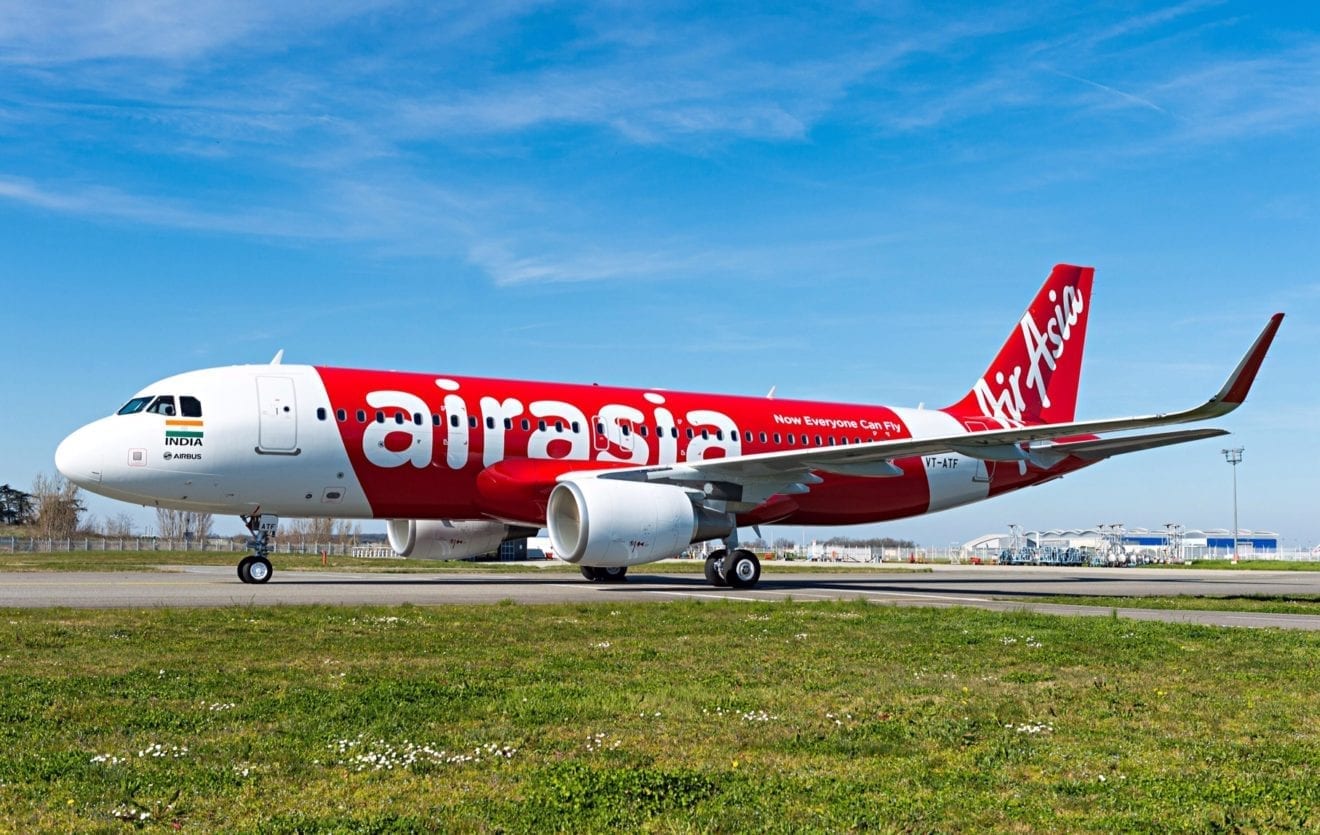
    Despite the current slump in the domestic aviation market, India will require up to 10,000 new pilots by 2030. Acknowledging this, AirAsia India on Tuesday launched the country’s first cadet-pilot program, ready to send its first batch of 15 cadets to New Zealand for flight training.

    By passenger volumes, India was ranked second globally among the fastest growing domestic markets for aviation. This would only mean the requirement for pilots will spike in the future, even as the Kingfisher and Jet Airways pilots are being quickly absorbed by other airlines.  To get the cadet-pilot project going, AirAsia India has partnered with New Zealand Academy and Harrison Omniview Consulting. As part of the 18-24 month course, selected candidates will be trained at the currently under-utilized Oamaru airport in New Zealand’s Waitaki district.

    The first batch of the cadets will come out in 2021, informs AirAsia India’s Head of Operations, Capt Manish Uppal. Cadets earn their second officer rank and commercial pilot license after 500 hours of flying before graduating to first officer, senior first officer, and captain, in charge of the entire aircraft and crew.

    The first batch of the cadets will come out in 2021, informs AirAsia India’s Head of Operations, Capt Manish Uppal. Cadets earn their second officer rank and commercial pilot license after 500 hours of flying before graduating to first officer, senior first officer and captain, in charge of the entire aircraft and crew.  Headquartered in Bengaluru, AirAsia India currently has a fleet of 21 Airbus-A320 aircraft covering 19 destinations across the country. The airline had commenced operations in India on June 12th.

    Uppal informs 11% of the airline’s crew are women. Most of the batch passing out from the cadet-pilot program are expected to be absorbed by the airline.

  • AirAsia, beyond 1Q19 and headline numbers

    AirAsia, beyond 1Q19 and headline numbers

    Tan Sri Tony Fernandes tweeted two months ago that AirAsia Group Bhd will have its “best year” in 2019, and so far headline numbers look okay, if not promising, at least for the first quarter ended March 30, 2019 (1QFY19). Jet fuel prices are at around its hedging price — 52% of its fuel needs in FY19 has been hedged at an effective exercise price of around US$78 (RM326.82) of jet fuel — while passenger load factor is expected to stay solid at 87.9%. The group chief executive officer (CEO) has also hinted that its Asean joint ventures would “perform well”.

    Notwithstanding that, AirAsia’s share price has been underweight so far this year ahead of the release of its 1QFY19 results, scheduled on Wednesday, probably because investors remain wary after the airline’s biggest loss-making quarter last year.

    MFRS16 on pricier sale-leaseback model

    AirAsia made two sale-leaseback deals with BBAM Ltd Partnership for US$1.185 billion (RM4.62 billion) in 2018 and Castlelake LP worth US$768 million (RM3.17 billion) in 2019 to lease back a combination of 108 planes to free up cash, pare debt and fund its digital venture.

    The higher operating lease expenses partly caused AirAsia’s RM394.97 million loss in 4QFY18, despite its 6.2% year-on-year (y-o-y) rise in revenue to RM2.82 billion on the back of a 16% jump in passenger count. Other main factors were higher fuel costs and a stronger US dollar against the ringgit in the period — both of which retreated temporarily in 1Q this year.

    But in 1QFY19, AirAsia will adopt the Malaysian Financial Reporting Standards 16 (MFRS16). This accounting practice recognises all lease assets and liabilities, including planes that are currently treated as off balance sheet operating leases.

    With the change, AirAsia’s operating lease expenses — which rose 73% y-o-y to RM1.13 billion in FY18 because of the sale-leaseback model — will be removed from the calculation.

    On the flip side, estimates show that MFRS16 will result in AirAsia’s profit before tax retreating by around RM400 million y-o-y for the whole of FY19. It may also front-load the lease expense of these planes at a depreciation of around RM3.5 billion and interest expense of RM1.1 billion in the same period.

    Fernandes, in his Twitter account, said the adoption of MFRS16 has no impact on the airliner’s cash position, arguing that the non-cash impact is “not very material” at around RM35 million a year.

    CGSCIMB Research, in an April 8 note, estimated that the group would book a net gain of RM174.3 million from the Castlelake deal in its profit and loss statement, with net cash proceeds of around RM891 million.

    Still, AirAsia is set to expand its fleet size from 226 planes in 2018 to 399 units in 2024, as it fully adopts the sale-leaseback structure from this year onwards. With 244 planes this year, AirAsia will book over RM11 billion of lease assets and liabilities on its balance sheet, while net gearing is expected to jump to 1.5 times. Analysts, meanwhile, confirmed that AirAsia management has guided there will be another special dividend this year, although the quantum has yet to be determined.

    AirAsia is committed to pay special dividends every two years. Recall its bumper FY18, which declared total dividends of 64 sen, inclusive of a 40 sen special dividend in 3QFY18, for a total of over RM2.14 billion.

    As at end of last year, AirAsia held cash equivalents of RM3.35 billion. TA Research in a note dated May 9 published its in-house estimate of AirAsia’s FY19 total dividend at 70 sen per share, ahead of the conclusion of the Castlelake deal.

    Others are more conservative until 1QFY19’s results are out. Full-year dividend estimates among analysts covering the stock, according to Bloomberg, average at 15.5 sen. CGSCIMB’s special dividend assumption was trimmed to 13 sen per share, from 19 sen per share previously, after lowering expectations on net cash proceeds from the Castlelake deal.

    Of 17 analyst calls on Bloomberg, AirAsia has seven “buy”, six “hold” and four “sell”. Twelve-month target prices (TPs), which range from RM1.50 to RM5.20, average at RM2.84. Of the total TPs, 35% were below its last close of RM2.45.

    The group, meanwhile, announced on April 26 that it is seeking shareholders’ approval for the proposed share buy-back of up to 10% of its total issued share. The last time it did so was in 2015.

    As in the past, AirAsia’s minority shareholders may approve both the special payout and the share buy-back.

    Beyond 1QFY19, the strengthening of the greenback against the ringgit and rising fuel costs are some of the things to watch out for. Amid strong load factors across its subsidiaries, market competition continues to put pressure on yields.

    In the horizon is the group’s digital venture, which Fernandes appears to be quite stoked about, given the number of his tweets referring to it of late. Come Wednesday, AirAsia could provide a breakdown of its digital businesses, which includes mobile payment app BigPay and one-stop travel platform, AirAsia.com.

    Fernandes told investors as early as March 1 to “look out” for AirAsia’s 1QFY19 results, which will provide a gauge on its operational changes. With its digital venture and changing market movements thrown into the mix, it remains to be seen if the stock will stay a darling among investors in the long run.

  • Thai AirAsia parent Q1 operating profit halves

    Thai AirAsia parent Q1 operating profit halves

    Revenue for the quarter ended 31 March was flat at Bt11.6 billion, but expenses rose 10% to Bt10.5 billion. Net profit fell 50% to Bt497million. The company says that fuel costs rose during the quarter, as did airport and MRO costs. Despite this, the carrier’s CASK was flat compared with a year ago at Bt1.53 due to a 10% increase in ASKs and a longer average stage length.

    RPKs grew 9%, while load factor was flat at 91%. The carrier’s average fare for the first quarter was Bt1554, down 7%.b Cash and cash equivalents were Bt4.1 billion on 31 March, down from Bt5.97 billion a year earlier.

    In its outlook, the carrier notes that international trade frictions could hurt the global economy and affect exchange rates.

    “As the company has revenues and expenses in various different currencies such as passenger fares, repair, and maintenance as well as aircraft rental, the company has adopted the practice of natural hedging by matching cash expenses and revenues in the same currency as practically possible,” it says.

    It believes that global crude prices could fall in the second half of the year, but has hedged 52% of its 2019 fuel conception at cost of $80 per barrel.

    It adds that Thailand’s tourism industry will remain strong in 2019. It plans to add new routes later this year from Bangkok Don Mueang to new Vietnam destinations such as Can Tho and Nha Trang, as well as the addition of a Chiang Mai-Da Nang service.

    It plans two Cambodia services, Bangkok Don Mueang-Sihanoukville, and Phuket-Phnom Penh. In addition, it will add a Bangkok Don Mueang-Ahmedabad service.

    “This diversified strategy tends to minimize the risk of dependence on the major customer base, enhancing the company and Thai AirAsia’s sustainable revenue growth in the future and maintain its leading low-fare airline in Thailand,” it says.“In 2019, Thai AirAsiamaintains a target of 23.15 million passengers, with a solid load factor at 86%, and plans to acquire more energy efficient aircraft during the year to bring its fleet to 63 aircraft.”

  • AirAsia India Offers Up To 70% Discount On Flight Tickets

    AirAsia India Offers Up To 70% Discount On Flight Tickets

    AirAsia India is offering up to 70 per cent discount on flights tickets, according to the airline’s official website – airasia.com. Bookings under the sale – valid for travel between October 1 and June 2 – can be made till April 28, 2019.
    AirAsia India’s latest offer is applicable on all destinations, the carrier said on its website. The discount is available on selected fare classes and non-peak periods only. In order to avail AirAsia’s offer on flight tickets, customers need to book flight tickets in advance, according to the airline. How to avail AirAsia’s discount on flight tickets:

    1. Pick the preferred AirAsia flight for departure and arrival.

    2. Select the dates stated in the promo travel period.

    3. Choose the preferred flight.

    4. You would get up to 70 per cent off on base fare or 20 per cent discount on premium flatbed category.

    Value pack and premium flex bundled category, DJ carrier code flights and QZ carried code domestic flights are not included in the offer, the airline noted.

    Meanwhile, rival GoAir is offering domestic flight tickets at a starting all-inclusive price of Rs. 1,375 in a limited-period sale, according to the airline’s official website – goair.in. Bookings under the sale – valid for travel till August 31, 2019 – can be made till April 25, 2019.

    IndiGo, on the other hand, has announced six additional daily direct flights from Delhi. The new flights by IndiGo will be operated to and from Allahabad, Bhopal and Patna, with effect from May 25.

    SpiceJet has also announced the introduction of 24 new flights on its domestic network. The daily direct flights introduced by the airline will be operated to connect Mumbai and Delhi with other cities.

  • Cebu Pacific receives highest ranking for safety

    Cebu Pacific receives highest ranking for safety

    Cebu Pacific has now achieved the highest ranking for safety with 7-stars from the world’s only safety and product rating agency AirlineRatings.com

    After careful evaluation and feedback from the airline and aviation industry AirlineRatings.com has upgraded its seven-star safety rating system to give more importance to IOSA and this move elevates Cebu Pacific up to 7-stars – the highest ranking.

    IOSA – the International Air Transport Association Operation Safety Audit – was first introduced in 2003 to curb the disturbing trend in airline accidents that could be attributed to simple processes and maintenance programs.

    Since it was introduced airlines that have completed IOSA have up to a four-fold safer safety record than airlines that do not do the audit.

    In 2017, the all accident rate for airlines on the IOSA registry was nearly four times better than that of non-IOSA airlines (0.56 vs. 2.17 accidents per million flights) and it was nearly three times better over the 2012-16 period.

    Of significant importance to Airlineratings.com is that the audit is done every two years and covers over 1060 parameters.

    AirlineRatings.com now awards an airline that has completed IOSA three stars.

    AirlineRatings.com Editor-in-Chief Geoffrey Thomas congratulated Cebu Pacific on this achievement.

    “Cebu Pacific has become a major part of the fabric of life in the Philippines bringing affordable travel to most,” said Thomas.

    “The airline has a very modern fleet and operationally is now up there with the best.”

    “That is great news for the traveling public,” said Thomas.

    The rating agency has reduced the stars allocated for ICAO compliance from two to one.

    The International Civil Aviation Organization (ICAO) was created to promote the safe and orderly development of international civil aviation throughout the world.

    It sets standards and regulations necessary for aviation safety, security, efficiency, and regularity, as well as for aviation environmental protection.

    It has 8 audit parameters that pertain to safety and they are; Legislation, Organization, Licensing, Operations, Airworthiness, Accident Investigation, Air Navigation Service and Aerodromes.

    If the country meets between 6 and 8 of the audits one star is awarded to the airline. Five secures 1/2 star. However, if any of the criteria are below the average by less than 5 percent it is considered a pass. If the country only meets up to four criteria no star is given.

    The other main criteria are; Is the airline on the European Union (EU) Blacklist; has it a fatality free record for the past 10 years and is the airline FAA (USA) endorsed?

    Cebu Pacific commenced services in March 1996, initially only domestic operations but launched international operations in November 2001.

    It now flies to 64 tourist/business destinations within Asia and operates 67 mainly Airbus aircraft

    Cebu was the first local airline to introduce e-ticketing, prepaid excess baggage and seat selection in the Philippines.

  • Cebu Pacific to launch flights Between Clark, Philippines and Narita

    Cebu Pacific to launch flights Between Clark, Philippines and Narita

    Cebu Pacific has unveiled plans to launch flights from its rapidly growing hub in Clark, Philippines to Narita Airport.

    The airline will operate four flights per week between Clark and Narita on Mondays, Wednesdays, Fridays and Sundays, beginning Aug 9.

    Cebu Pacific will also begin direct flights between its hubs in Clark and Iloilo; as well as between Clark and Bacolod on Aug 9; as well as daily flights between Clark and Puerto Princesa in Palawan by Oct 9 October 2019.

    The four new routes will boost Cebu Pacific’s total capacity in Clark by 40% in 2019 alone, following a 75% increase in 2018 with the launch of direct flights to and from Davao and Panglao (Bohol); as well as additional frequency for the Clark-Macau route.

    “There is so much untapped potential in Clark, and we are committed to expanding our Clark hub to expand tourism, trade and investment opportunities. This will open up the areas around Clark to more investors and entrepreneurs,” said Candice Iyog, Vice President for Marketing and Distribution of Cebu Pacific.

    With a population of over 23 million in its catchment area, Clark International Airport is one of Asia’s fastest-growing airports, with passenger volume reaching about 2.5 Million in 2018.

    Cebu Pacific has been operating flights in and out of Clark since 2006 and today has direct flights to Cebu, Caticlan, Tagbilaran, Davao, Singapore, Macau and Hong Kong.

    “With direct air service between Clark and Narita, it will be easier for Japanese tourists to access destinations in Pampanga, Pangasinan, Baguio, La Union and the rest of Luzon. Conversely, it will also be easier for residents in these areas to enjoy Tokyo, with a direct flight from Clark,” added Candice Iyog.

    Japan is one of the Philippines’ top sources of inbound tourists, with 631,801 Japanese visiting the country in 2018.

    In 2018, Cebu Pacific flew 20.3 million passengers on over 2,130 weekly flights across 37 domestic and 26 international destinations.

  • AirAsia’s Penang-Melaka flights to start Early July

    AirAsia’s Penang-Melaka flights to start Early July

    AirAsia will begin its new direct flight from Penang to Melaka on July 1, 2019. The budget airline said the flights would boost tourist arrivals to Melaka, helping to support the state government’s target to attract 20 million visitors in 2019.

    In a statement today, AirAsia said in its quest to celebrate this milestone, the airline is offering free seats for the new route with all-in member fares from as low as RM12 for one-way travel.

    Chief executive officer Riad Asmat said with its Unesco world heritage listing and rich history, Melaka is a choice tourist destination in Malaysia.

    “This new route further strengthens our tourism footprint in Malaysia, providing more options for international visitors to travel between the states of Penang and Melaka.

    “We look forward to continuing our work to explore even more new routes to Melaka from other parts of our Asean network,” he said.

    To mark the occasion, AirAsia is offering its guests up to 50% off hotels in Melaka or Penang, and an extra 5% off using the promo code HOTEL5.

    To book, log in to airasia.com or the AirAsia mobile app from now until April 21, 2019 and travel from July 1, 2019 to June 2, 2020. “To book for hotel in Penang and Melaka, you can visit https://bagasi.my/hotel for more recommended stays.”

  • AirAsia X Wants To Launch A330neo Flights To Europe

    AirAsia X Wants To Launch A330neo Flights To Europe

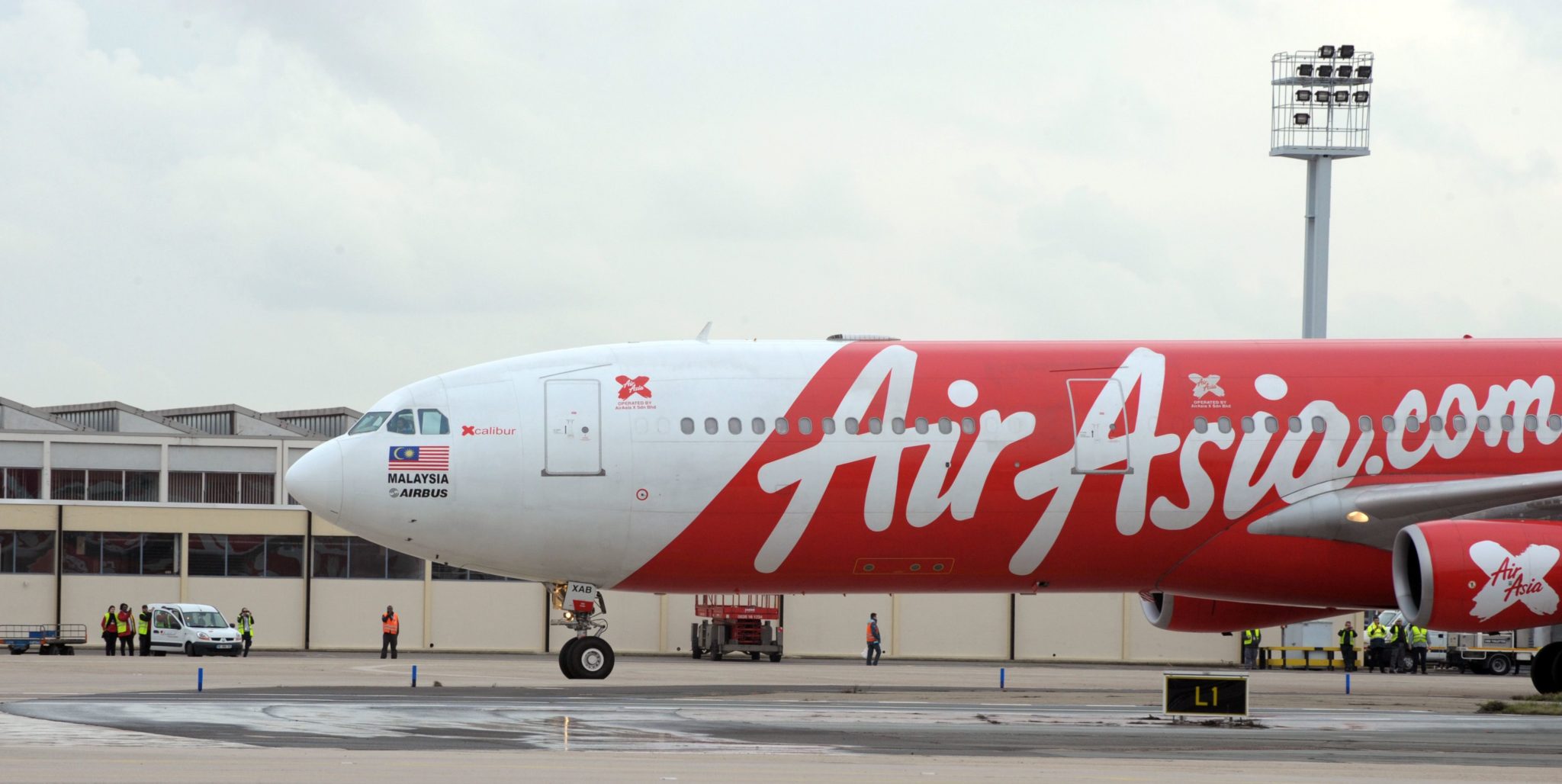
    AirAsia X is looking to launch flights to Europe using the Airbus A330neo. Flights could commence as soon as 2019, with the airline keen to reenter the market as quickly as possible.

    AirAsia X previously operated flights to Europe, but suspended these flights back in 2012. Now, it seems that the airline is ready to restart these flights. AirAsia X have 100 A330neo aircraft on order, with deliveries due to start later this year. As well as eyeing European service for these new planes, they may also look to start flying to the US too.

    Europe Again

    When AirAsia X abandoned their European flights in 2012, they said this was to “focus on markets where it can build a leadership position”. It seems that now they are happy with their place in the world, and are ready to start service to Europe once again.

    When it flew to Europe, AirAsia X flew to Paris’ Orly Airport (ORY), London’s Stansted Airport (STN), and London Gatwick Airport (LGW). Given the airline’s low-cost operation, it is likely that AirAsia would look at flying to Stansted Airport again. In September last year, the airport announced that it plans to launch direct services to at least 25 new long-haul destinations in the next five years. This includes services to Los Angeles, Shanghai, Vancouver, and Manila. As such, Flights to Malaysia with AirAsia X could be an attractive route for them.

    The A330neo

    The A330neo, the newest iteration of the family, would be used by AirAsia X for flights to Europe. The neo in its name stands for New Engine Option, as the aircraft are equipped with newer, more fuel-efficient engines.

    There are two models of the A330neo; the A330-800 and the A330-900. While the A330-900 has sold relatively well, the -800 has not sold well at all. In fact, as of January, only eight had been ordered in total, all by the same carrier, Kuwait Airlines.

    AirAsia has ordered a total of 100 A330-900 aircraft, with the most recent order being for 34 at the Farnborough Airshow in 2018. The airline will be the first airline in Asia to operate the A330neo, and deliveries of the aircraft are due to begin in late 2019. The total list price of the order was just short of $30billion.

  • AirAsia receives highest number of air traffic rights from Mavcom

    AirAsia receives highest number of air traffic rights from Mavcom

    Airasia received the highest number of approvals from the Malaysian Aviation Commission (Mavcom) for Air Traffic Rights (ATR) with 26 allocations, followed by Malindo Air with 15 allocations.

    This was revealed in an update release from Mavcom for the Commissions’ allocation of ATR to Malaysia’s local carriers for the period of Jan 1 to march 31, 2019.

    One hundred percent of Air Traffic Rights (ATR) applications by Malaysia’s local carriers for the period of Jan 1 to March 31, 2019 were approved by MAVCOM, with 53 allocations in total. Of these, 52 ATR applications were approved in full while one application was approved partially.

    As reference, for the year 2018, a total of 205 ATR were issued. AirAsia Group was recorded as the highest recipient with 98 ATR allocated, followed by Malindo Air with 52.

    Of the 53 applications, 32.1 per cent were for domestic routes while 67.9 per cent was for international routes. Mavcom approved ATRs for 17 domestic routes, 13 for routes to Asean destinations, 11 for destinations in China, two for destinations in India, five for destinations in Australasia and five for other Asian destinations.

    Breaking down the numbers further, a total of 26 international ATR were issued for flights originating from Kuala Lumpur International Airport, three for Kota Kinabalu International

    Airport, one each for Penang International Airport and Senai International Airport and five for other airports in Malaysia.

    In addition, 20 ATR that were previously approved by Mavcom were not utilised by the ATR recipient and were returned to the Commission during the period of Jan 1 to March 31, 2019.

    The highest number of unused ATR returned to the Commission was from the AirAsia Group with 13, followed by Malindo Air with five.

    “In allocating ATR, the Commission undertakes a thorough analysis, taking into consideration multiple aspects in order to facilitate orderly growth, competition and consumer choice over the long term as well as the prevention of consumer inconvenience,” Mavcom executive chairman Dr. Nungsari Ahmad Radhi said in a statement.

  • Lion Air to reduce Ticket Prices From April

    Lion Air to reduce Ticket Prices From April

    Airlines under the Lion Air group, namely Lion Air, Wings Air and Batik Air, operate with reduced airfares on all routes starting Saturday.

    “The reduction in ticket prices is Lion Air group’s answer to challenges and opportunities in the travel business, and aims to accommodate demand for air travel while improving flight operations,” Lion Air spokesman Danang Mandala Prihantoro said in a release on Saturday.

    He went on to say that Lion Air was striving to provide convenience for passengers while prioritizing safety and comfort.

    Lion Air tickets with the new lower fares can be reserved through all travel agents and Lion Air’s website.

  • AirAsia prepares to fly to Japan starting in July

    AirAsia prepares to fly to Japan starting in July

    Budget carrier AirAsia Philippines is launching its first flights to Japan on July 1 this year. The carrier, a unit of Malaysia’s AirAsia Berhad, said in a statement over the weekend that it would link its Manila hub to Osaka, paving the way for direct flights to Japan.

    “The launch of direct flights between the Philippines and Japan is a milestone occasion, and we’re excited to connect our capital, Manila, with Osaka,” said AirAsia Philippines President and CEO Dexter Comendador.

    “We are also excited to welcome guests from Osaka and its neighboring regions to the Philippines. This international route will contribute to the government’s target of 8.2 million visitors this year,” he added.

    Similar to the launch of other new routes, the budget airline said it would offer promotional fares at P1,990 for a one way ticket.

    For the whole of 2018, AirAsia Philippines carried 6.87 million passengers, a gain of 30 percent.

    Capacity for the year also rose 34 percent as it increased its fleet of Airbus A320s to 22 planes in 2018 versus 17 aircraft the previous year.

    AirAsia Philippines was established in 2012 with a fleet of two A320s operating out of Clark International Airport.

    Since then, it has opened new hubs, including Manila’s Ninoy Aquino International Airport and Mactan Cebu International Airport.

    At present, it flies to 13 international destinations from Manila in the Philippines, including Kuala Lumpur, Kota Kinabalu, Bangkok, Bali, Seoul, Taipei, Kaohsiung, Shanghai, Guangzhou, Shenzhen, Hong Kong, Macau and Ho Chi Minh City.


  • How founder’s distaste for buying drove AirAsia’s growth

    How founder’s distaste for buying drove AirAsia’s growth

    AirAsia, the region’s biggest budget airline, said it prefers to pursue organic growth instead of expansion through acquisitions, partly explaining why it declined to buy Hong Kong’s sole low-cost carrier Hong Kong Express Airways (HK Express). Cathay Pacific Airways, Hong Kong’s flagship premium carrier, this week offered HK$4.93 billion (S$850 million) to buy its budget competitor from the indebted HNA Group. AirAsia looked at the proposal to buy HK Express and its full-service sibling Hong Kong Airlines, declining to acquire either, said founder Tony Fernandes.

    “My philosophy has been organic growth,” Fernandes said in an interview with South China Morning Post during Credit Suisse’s Asia Investment Conference in Hong Kong. “I generally don’t believe in acquisition because it comes with a lot of inherent issues. When you import through acquisition, it comes at a risk, so it’s not my preference.

    Fernandes’ approach illustrates how he turned the Kuala Lumpur-based airline from a near-bankrupt company into Asia’s largest budget carrier in less than two decades, with more than 140 destinations and flying on 320 routes at the lowest unit cost in the global aviation industry.

    Fernandes, who worked for Warner Music Group before striking out on his own, bought AirAsia in December 2001 for a token 1 ringgit, taking on the carrier’s 40 million ringgit (S$15 million at the time) of debt. Within a year, the carrier reported a profit, qualifying for a listing on the Kuala Lumpur Stock Exchange two years later.

    AirAsia’s 2018 revenue rose 9 per cent to 10.6 billion ringgit (US$2.5 billion), while pre-tax profit rose by the same quantum to a record 1.7 billion ringgit. Low-cost, long-haul AirAsia X notched revenue of 4.5 billion ringgit, flat year-on-year, but the 2017’s profit performance turned into a loss of 312 million ringgit.

    The airline and its affiliates flew 73 million passengers last year, a figure that beat even full-service flag carriers in Southeast Asia. AirAsia had made a single acquisition in 18 years, when it bought 49 per cent of Zest Airways for an undisclosed sum to secure a landing slot in the Philippines in 2013. Elsewhere in the region, AirAsia expands its network through joint ventures in seven countries, including Japan, India and Thailand.

    The airline, operating with 21,000 employees with no union representation, wants to steer clear of importing “inherent issues” and excess baggage from taking on another airline, Fernandes said.

    Now AirAsia has a chance to help revive Malaysia Airlines, the very competitor that the low-cost carrier had beaten into the ground. Malaysia’s Premier Mahathir Mohamad broached the idea of either selling or shutting the nation’s flag carrier two weeks ago.

    Malaysia Airlines, now under the ward of the country’s sovereign wealth fund Khazanah Nasional after a 6 billion ringgit capital infusion, “can definitely be turned around,” Fernandes said.

    Still, AirAsia is in no hurry to revive its 2011 share swap plan with the flag carrier, which was vetoed by the government of then-premier Najib Razak.

    “Many people will say that [AirAsia’s] expertise could be used to hurt Malaysia Airlines and benefit AirAsia. There is a genuine interest to help but in this day and age, not everyone will see it that way, ” Fernandes said. “It’s best that we do our own thing, and we’ve got a lot on out plate.”

    Worldwide aviation is booming, where 8.2 billion passengers could take to the sky by 2037, according to a 20-year forecast made in October by the International Air Transport Association (IATA), with the Asia-Pacific region driving the biggest growth.

    Still, not everything is hale and rosy in the region, as intense competition in a price-sensitive travelling weighed on airlines’ bottom lines. Only six of the 20 publicly traded airlines or affiliates in Southeast Asia were in the black, with 19 of them reporting declines in third-quarter profitability compared with a year earlier, according to CAPA Centre for Aviation.

    AirAsia had been approached for help. It has already evaluated and declined buying a stake in Bangkok-based NokAir. AirAsia’s Indonesia unit was also linked to – and denied – the possible purchase of Citilink, the low-cost brand of Indonesia’s flag carrier Garuda.

    “I never say no to any M&A, but it has to be a sexy opportunity to go down that route,” Fernandes said.

    Turning to India, and the troubles associated with Jet Airways, which was saved from near-bankruptcy at the last minute, the Malaysian-owned budget carrier said it was positioning itself for the opportunity to grow if runways slots relinquished come up for sale.

    “India is a prize, but just like with prizes, nothing comes easy. It’s been a lot of hard work,” Fernandes said.

    Expecting runway slots to be freed up, the AirAsia chief added. “We want to [buy] it in the right way. We’re not vultures. There will be a few airlines hoping Jet goes bust and we don’t want anyone to lose their jobs, we want every airline to survive and grow, but if an opportunity arises to take those slots, then for sure.”