Retail News CRM

Tag: flying

  • Vietjet offers tickets at VNĐ5,000

    Vietjet offers tickets at VNĐ5,000

    Vietjet will sell five million air tickets at only VNĐ5,000 (20 cents) per ticket from December 28, 2016 to February 28, 2017, as part of its fifth anniversary celebrations.

    The carrier’s “Win a 1-kg gold airplane, Fly to a happy future” promotions offers super-cheap airfares on www.vietjetair.com between noon and 2pm. Passengers who book tickets within the promotional period have the chance to take part in a lucky draw for 3.75-gram gold bullion prize every week and a 1-kg gold airplane.

    The discounted fares apply for all domestic routes and international services between Việt Nam and Hong Kong, Taipei, Kaohsiung, Taichung, Tainan, Seoul, Busan, Singapore, Bangkok, Kuala Lumpur, Yangon and Siem Reap.

    All passengers flying from December 28, 2016 to February 28, 2017 will also get the chance to win free return air tickets every day onboard Vietjet flights.

    The airline is also planning a series of other promotional activities such as photo ops with bikini models and surprise performances at several domestic and international airports.

  • AirAsia India mulls A320 aircraft option for UDAN

    AirAsia India mulls A320 aircraft option for UDAN

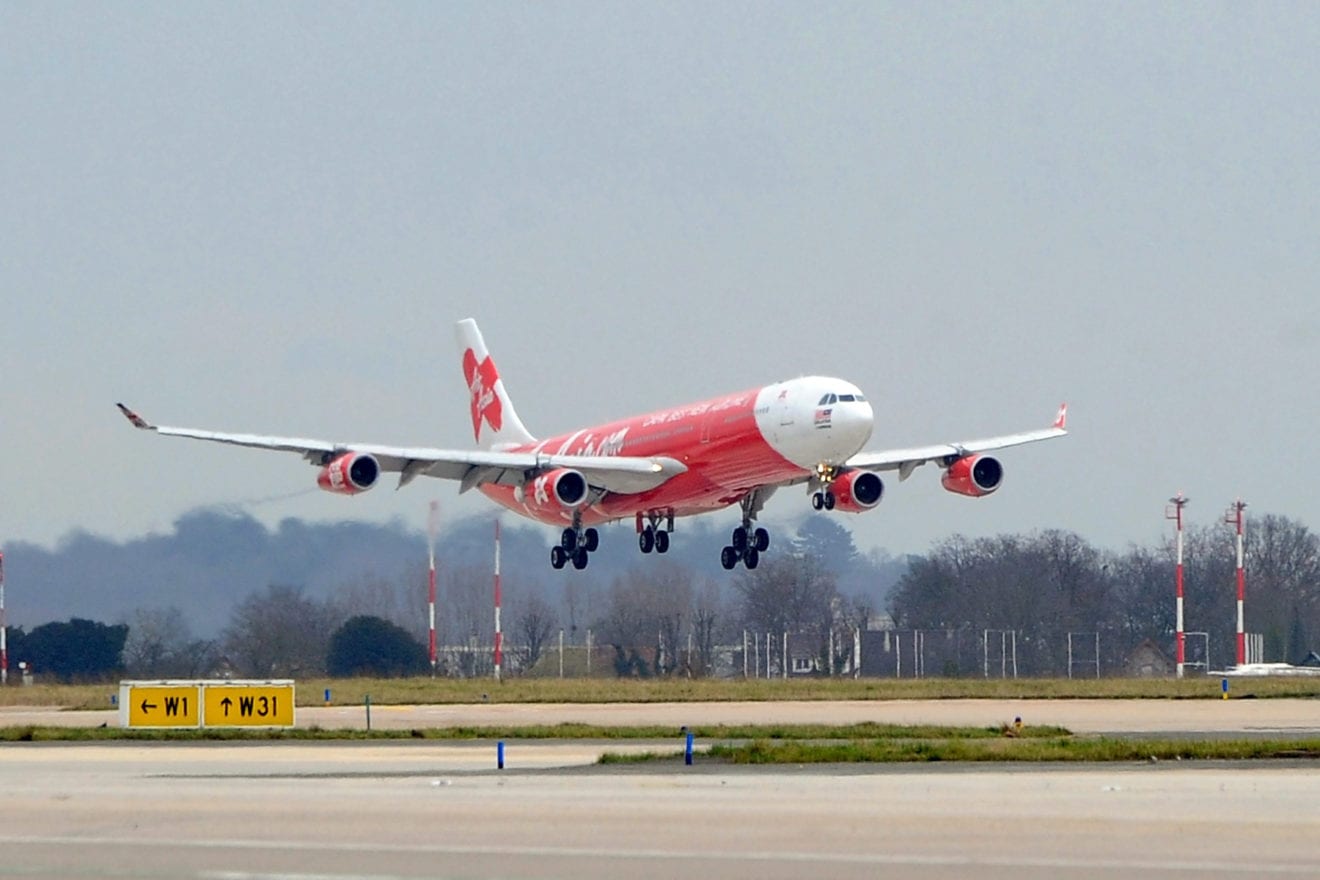
    Keen to expand its domestic presence, AirAsia India is evaluating the proposition of operating regional flights with A320 planes under the government’s UDAN scheme. The ambitious UDAN (Ude Desh Ka Aam Naagrik) scheme aims to connect unserved and under-served airports in the country while participating airlines would get various incentives, including viability gap funding and other financial concessions.

    AirAsia India, which currently has eight A320 planes, expects to have a fleet of 10 aircraft by end of this fiscal. According to a senior airline official, options of participating in UDAN are being evaluated and a decision would be taken depending on the commercial viability of the regional routes.

    “We are evaluating which routes can be served by A320. If it is viable, we will certainly look into it,” the official told PTI. Manufactured by Airbus, A320s are single-aisle planes that can have up to 180 seats depending on the configuration opted for by the carriers.

    Fares would be capped at Rs 2,500 for one-hour flights under UDAN and the first flight under the scheme is expected to take off in January 2017. Along with increasing its fleet size to 10 planes, AirAsia India also expects to have a headcount of around 1,000 by the end of March next year.

    In the three months ended September 2016, the budget carrier saw its loss marginally narrow to Rs 62.18 crore from Rs 63.14 crore in the year-ago period. However, revenues increased 31 per cent to Rs 175.11 crore in the latest September quarter. The same stood at Rs 132.95 crore in the same period a year ago.

    AirAsia India, now a joint venture between Tatas and Malaysia’s AirAsia Berhad, began operations in June 2014. Tata Sons owns 49 per cent stake while two of the airline’s directors — S Ramadorai and R Venkataramanan –have 2 per cent shareholding, and the remaining is with AirAsia Berhad.

    Meanwhile, Malaysia’s AirAsia Berhad has invested additional funds to the tune of Rs 115 crore in AirAsia India.

  • Now you can book a cook on Singapore Airlines

    Now you can book a cook on Singapore Airlines

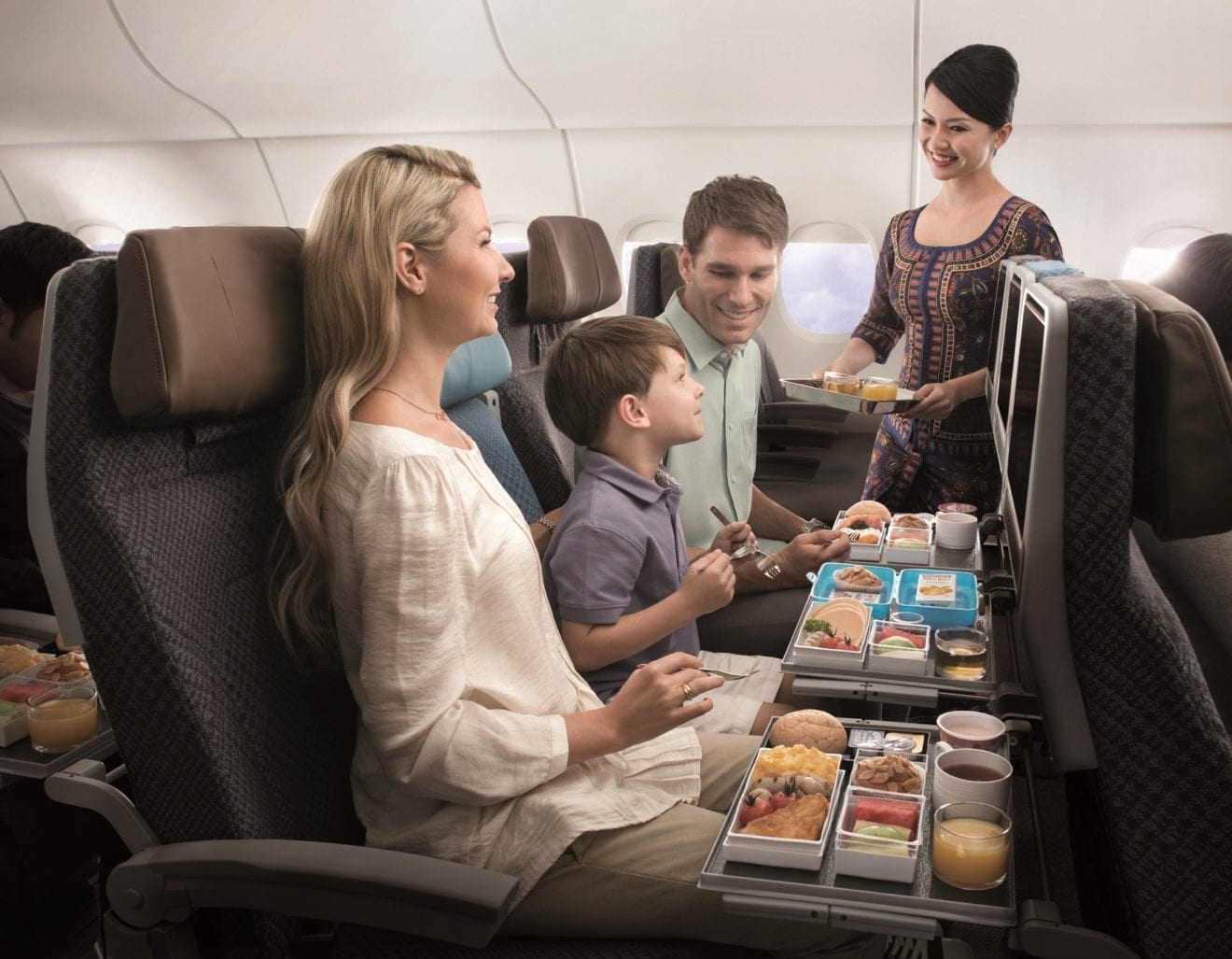
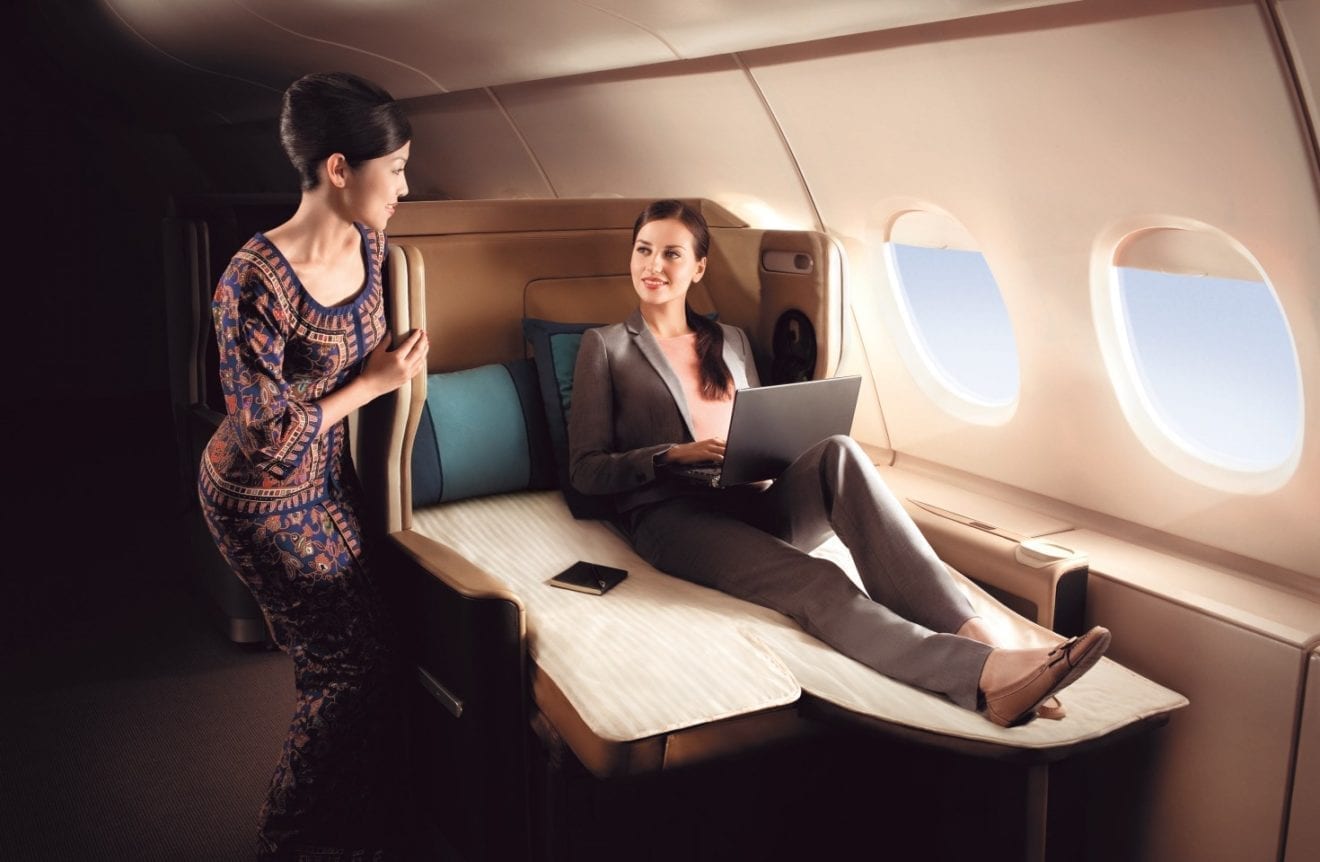
    It’s like dining a la carte 34,000 feet above sea level. That’s the “Book the Cook” experience that you get when you fly Singapore Airlines. It’s an exclusive advance inflight meal-ordering service that allows passengers in Suites, First Class, Business Class and Premium Economy Class to pre-select a gourmet dish of their choice before their flight.

    “It’s a departure from our regular meal service,” says Hermann Freidanck, food and beverage, inflight services manager. “You get to order your main course from a wide selection in a specially prepared menu up to 24 hours before your flight. Now you won’t have to settle for a dish that is not your choice.”

    At the exclusive meal presentation before local media recently at Singapore Airline’s new-concept Silver Kris Lounge in NAIA3, we got to experience firsthand what this was like. A couple of days before the event, we were sent a special menu to choose from, which included beef tenderloin steak, roasted rack of lamb, slow-cooked marinated duck leg with mushroom risotto, marinated free-range chicken, and baked herb-marinated salmon.

    The sit-down meal included an appetizer of marinated lobster with Mediterranean vegetable salad and balsamic dressing, as well as roasted pumpkin soup or snow fungus chicken soup with Chinese mushroom and quail egg. The salad was spinach and green frisée garnished with cherry tomatoes and olives with a choice of balsamic vinegar and extra-virgin olive oil or honey-mustard dressing, while dessert was a choice of  either chocolate and banana cake with vanilla ice cream and raspberry coulis or fresh mango tiramisu with verbena mango compote and biscotti by three-Michelin-starred chef Georges Blanc.

    As part of the Book the Cook service, passengers can choose from a menu of ICP dishes. “These are dishes created by Singapore Airline’s esteemed International Culinary Panel (ICP), which is a team of celebrated Michelin chefs who have restaurants or groups of restaurants in our main destinations in Europe, America and Asia,” Freidanck explains. “They work closely with our own chefs to develop unique dishes that we serve on board.” The panel includes Alfred Portale (United States), Carlo Cracco (Italy), Goerges Blanc (France), Matt Moran (Australia), Sanjeev Kapoor (India), Suzanne Goin (United States), Yoshihiro Murata (Japan), and Zhu Jun (China).

    “Our menus are planned four to five months ahead of time, on a four-month cycle. First Class and Business Class have four different main courses, while Premium Economy Class has a third choice in addition to the usual two choices,” Freidanck shares. “The way we do our menus is what we call ‘destination-specific.’ If you are going to Frankfurt, for example, you’ll have a German dish. In First Class and Business Class, you will always have  an ICP dish. Seasonal ingredients would also affect which dishes would be available.  The Japanese, as well as the Chinese dishes, go by the seasons. A bestseller is the Maine lobster, but not every country has it. It is difficult to get lamb, for instance, but because you can order in advance, you are guaranteed your main course.”

    “And then we have the Asian dishes. We look at the passenger profile, and if it’s predominantly Singaporean, for example, we try to put a Singaporean dish. We emphasize that we must represent the cuisine properly. It always has to be authentic. It must be traditional,” Freidanck adds. ‘There are also what we call the special meals which address certain conditions of the passenger, either due to religious beliefs, dietary or allergy restrictions. You can order them and we will serve you according to what you order. It’s not like other airlines where one menu fits all.”

    Singapore Airlines also launched a new “Deliciously Wholesome” program catering to the needs of an increasing number of health-conscious travelers.

    Preservation of freshness is an important consideration. Dishes are cooked with the reheating process in mind. “There is a fine line because we have to follow the hygiene regulations,” Freidanck explains. “Steak, for instance, has to be seared from the outside, so when it’s reheated on board, it’s just right. Sushi has to either be grilled or pickled or smoked. Nothing is raw. Oysters have to be cooked, following hygiene regulations.” Certain dishes can be a challenge. “Not impossible, but difficult,” Freidanck says. Dim sum, like pasta, does not reheat very well. The texture of risotto can be less appealing when overdone.

    The dishes are cooked in the kitchen, then kept in the chiller below 10 degrees so no bacteria can thrive, until it goes on board. The dishes are deconstructed and put into different containers. On board, it goes in the oven where the heat is calibrated to a certain temperature. “There is a training center in Singapore where the crew learn to do this. It’s very specific. There’s a lot of details which they have to go through,” Freidanck says. The crew gets a plating guide, which they must follow when they assemble the dishes.  First Class passengers get their meals served on real plates with fine cutlery.

    “Complementing Singapore Airline’s World Gourmet Cuisine is a selection of the finest wines from the very best vineyards, selected by some of the world’s most educated and sought-after palates. These wines are handpicked by world-renowned wine experts and blind-tasted under simulated cabin pressure, since our taste buds are affected by the cabin pressure,” notes Carol Ong, Singapore Airlines general manager for the Philippines, Guam and USTT. The Singapore Airlines Wine consultants include three Masters of Wine: Michael Hill-Smith, Jeannie Cho-Lee, and Oz Clarke.

    “So, you have just flown First Class, basically,” Freidanck says, addressing the intimate media group of happy diners at the end of the meal. The only thing missing was the altitude.

  • SIA delays launch of Jakarta-Sydney route after Indonesia withdraws approval

    SIA delays launch of Jakarta-Sydney route after Indonesia withdraws approval

    Flag carrier Singapore Airlines (SIA) said on Wednesday (Nov 9) it has delayed plans to launch a new route linking Singapore, Jakarta and Sydney, after Indonesia withdrew its approval due to runway maintenance work.

    The airline had earlier announced that it planned to launch the thrice-weekly Singapore-Jakarta-Sydney route on Nov 23. SIA said Indonesia’s civil aviation authorities had issued written approval, and the airline had secured the necessary airport slots.

    However, Indonesian authorities have informed the airline that they are now unable to approve the flights due to runway maintenance work at Jakarta’s Soekarno-Hatta International Airport, SIA said. The runway work also affects other airlines, it added.

    In response to media queries, the Civil Aviation Authority of Singapore (CAAS) said it was aware of the delay in the launch of the new route.

    “SIA’s new service will enhance air connectivity between Singapore, Jakarta and Sydney, which will facilitate people and trade flows between these cities,” CAAS said.

    “We hope the Indonesian civil aviation authorities can give approval for this new service as soon as possible so that it can be launched.”

    SIA said it will contact customers with bookings on the route and transfer them to other flights. “The airline apologises for the inconvenience caused to our customers,” it said.

  • Airasia to serve Kuala Lumpur-Jakarta-Labuan Bajo route

    Airasia to serve Kuala Lumpur-Jakarta-Labuan Bajo route

    The Malaysia-based low cost carrier AirAsia will soon serve the Kuala Lumpur-Jakarta-Labuan Bajo route, according to East Nusa Tenggara Tourism and Creative Economy Office Chief Marius Ardu Jelamu.

    “There has been an agreement with the central government and the airline company that AirAsia will serve this new route starting from next year,” Jelamu said here on Wednesday.

    He said the AirAsias new route will have a positive impact on the flow of tourists to the province of East Nusa Tenggara through the entry gate of Labuan Bajo.

    “This new service of AirAsia will enable more foreign tourists to visit the leading destinations in East Nusa Tenggara,” he said, adding that tourism progress is dependent on smooth air transport connectivity.

    Jelamu said that in addition to the Kuala Lumpur-Jakarta-Labuan Bajo route, his party is also trying to accelerate the implementation of Kupang-Dili-Darwin route.

    “In addition to air connectivity from the west, the one from the south, namely from Australia to East Nusa Tenggara, also has its share of attractive markets for linking the three countries,” he said.

    Jelamu expressed hope that the Kupang-Dili-Darwin route, which had been halted since 1990s, can be reopened soon to support the advancement of tourism in the island province.

    “We hope that the Ministry of Transportation will quickly agree on the proposed route service with the airline,” he said.

    Further, Jelamu said he appreciated the efforts of the Ministry of Transportation to have opened the Jakarta-Kupang and Jakarta-Labuan Bajo routes, served by Garuda Indonesia.

    However, he said the flight path from the south also has attractive market potential related to the flow of tourists and expressed hope that the Kupang-Dili-Darwin route would be reopened soon.

  • Garuda re-exploring plans for flights to US in 2017

    Garuda re-exploring plans for flights to US in 2017

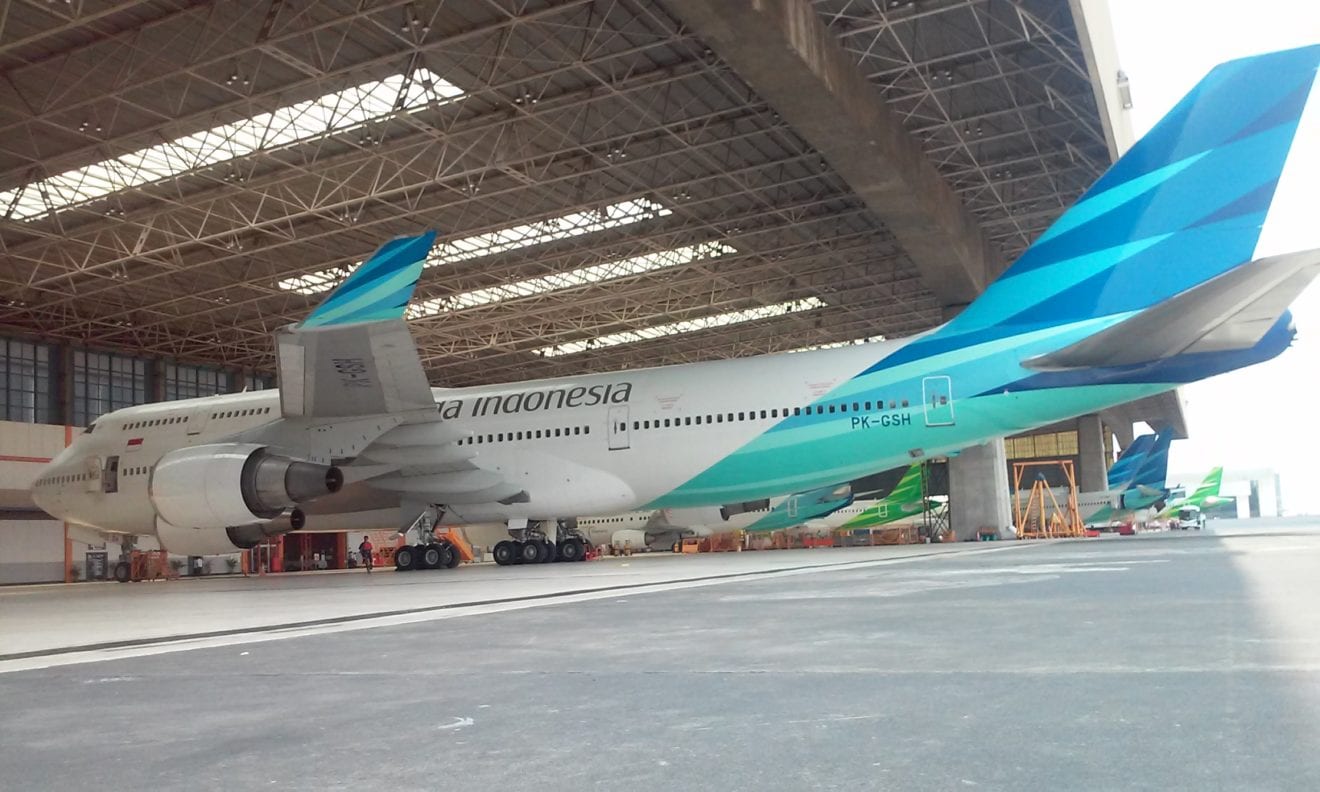
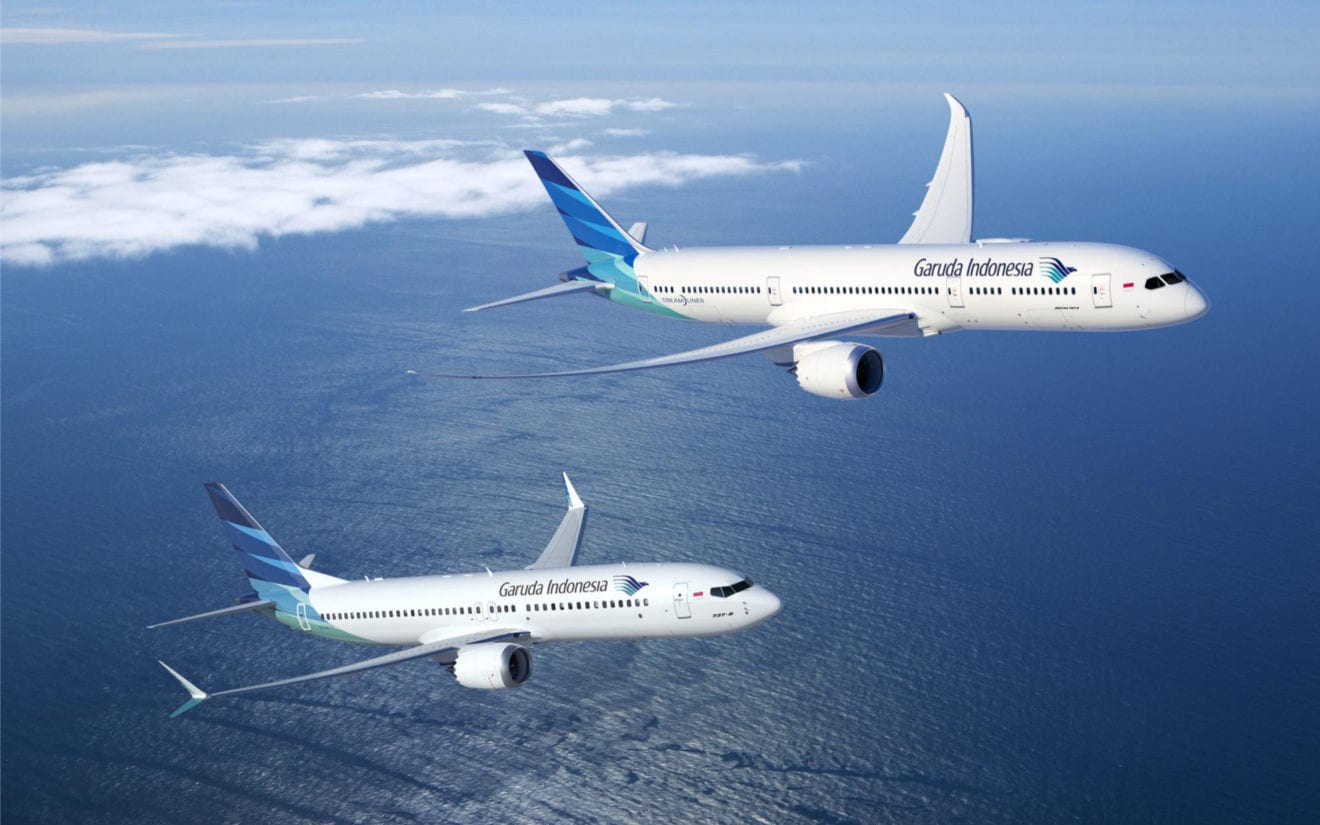
    Garuda Indonesia plans to re-explore the feasibility of starting flights to the United States in 2017 if the national flag carrier passes Category 1 test of safety and security standards as mandated by the Federal Aviation Administration (FAA).

    “Next year, we will try and clear this test as it is part of our five year plan, or this may be achieved even earlier,” the Garuda Indonesia President Director, M Arif Wibowo, said here on Wednesday.

    He noted that 400 thousand passengers travel from the US to Indonesia every year.

    The cities which receive maximum visitors are Los Angeles and New York, he added.

    “The number of potential passengers departing from Los Angeles is 120 thousand, while many more depart from New York,” Arif said.

    The flights will transit through Narita, Japan and will use two units of Boeing 777.

    “Actually, we want to start direct flights but that is not possible as of now. The option is to fly via Narita, Japan,” he said.

    Meanwhile, the Director General of Air Transportation at the Transportation Ministry, Suprasetyo, said the audit result of the FAA will be declared by July 2016 at the latest.

    “We have completed and reported all the documents and are optimistic that we can achieve our target,” he added.

    The Director of Airworthiness and Aircraft Operation at the Transportation Ministry, Mohammad Alwi, said the last seven documents related to flight inspection have been reported online to the FAA auditors.

    “All the documents have been accepted. God willing, this July we will receive the good news as Ramadan and Eid gift,” he said.

    According to him, if Garuda is awarded Category 1 status, then its aviation safety standards and security aspects must conform to international standards, in line with the flag carriers in the same category.

  • Indonesia’s Lion Air removed from EU air safety blacklist

    Indonesia’s Lion Air removed from EU air safety blacklist

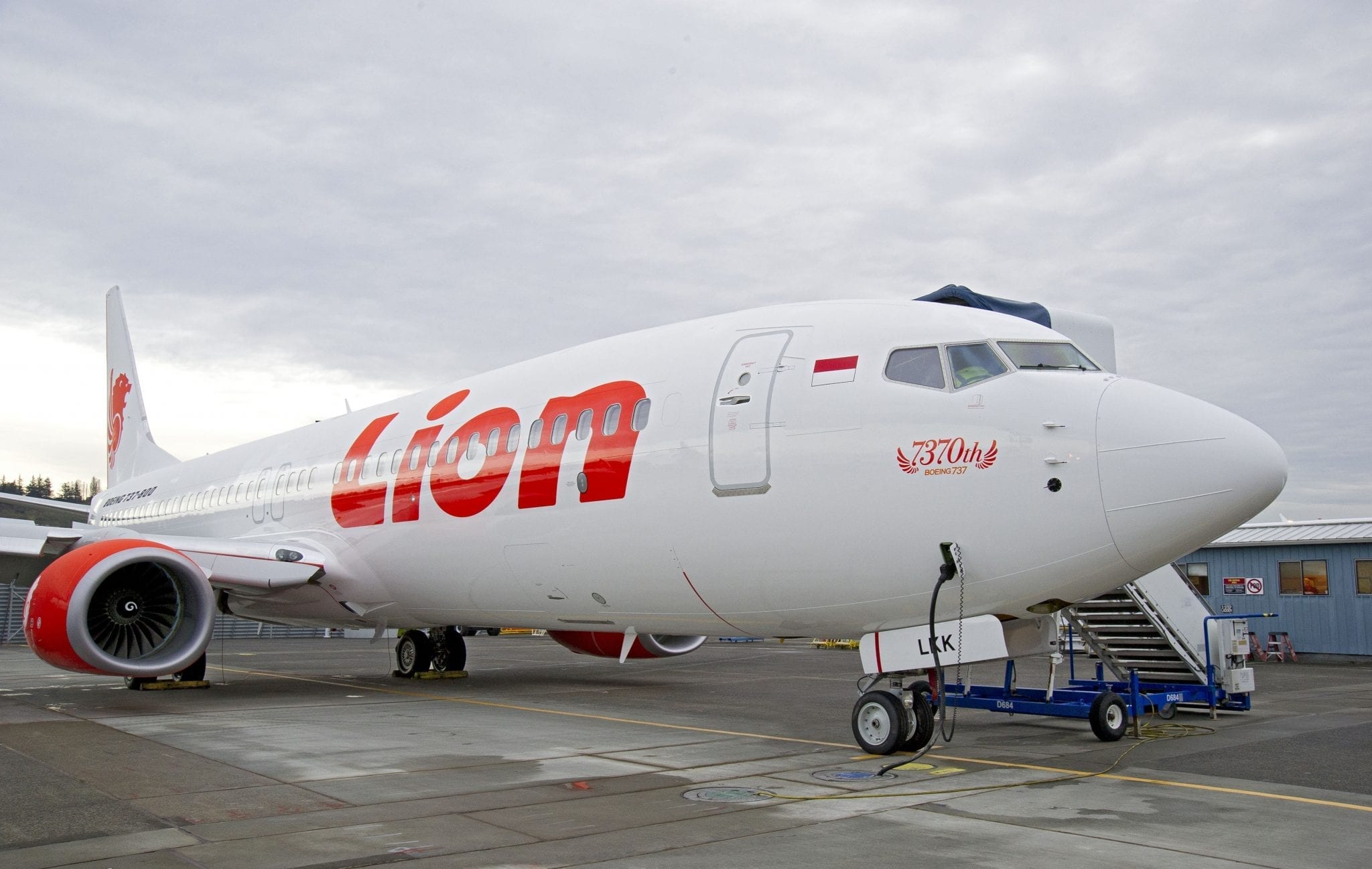
    Indonesia’s Lion Air, a major buyer of Airbus and Boeing jets, was removed from the European Union’s air safety blacklist, the European Commission said in a statement on Thursday.

    That means Lion Air is no longer banned from flying in the 28-nation EU.

  • In-flight connectivity wants to be free

    In-flight connectivity wants to be free

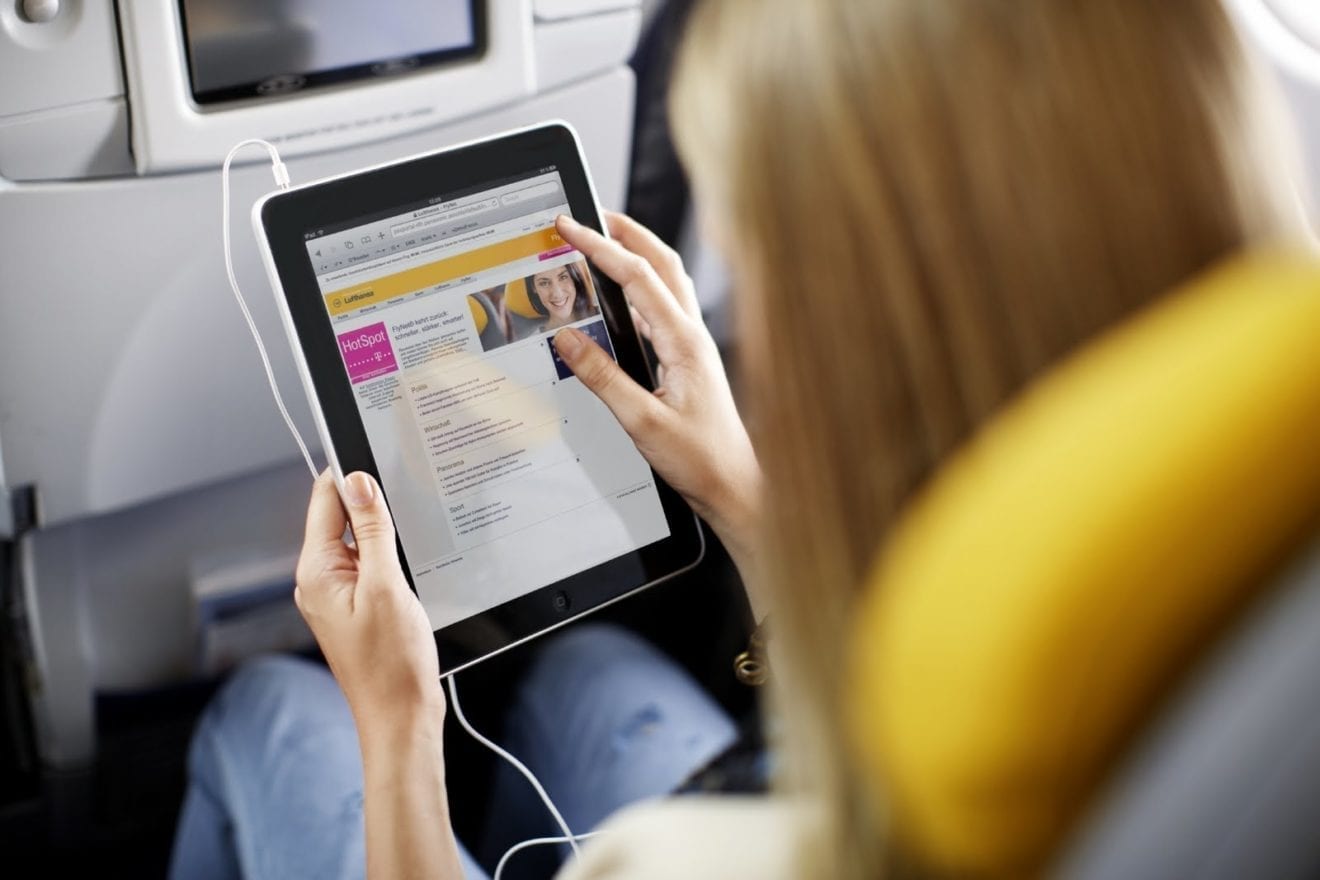
    In-flight connectivity (IFC) is in high demand from consumers, but depending on where you are in the value chain, it won’t be easy to monetize that demand, especially when many passengers expect it to be free.

    “Right now the satellite operators are the ones making the profit on in-flight connectivity,” says Todd Hill, senior director of GCS Satellite Services at Panasonic.

    Part of the problem has to do with the cost of aircraft antennas, which are hard to install, “although the technology is improving.” Hill says.

    The other issue is the cost of the actually connectivity itself. While HTS satellites and Ka-band are touted for their ability to bring the cost per megabit down, the problem is that Ka-band isn’t an all-purpose solution that will be available everywhere.

    “We’re building a global network, so one size is not going to fit all,” Hill says. “Ka-band doesn’t fit every need. HTS can bring the cost down, but you also get these spikes in supply whenever a new gigabit satellite goes up that affects pricing.”

    Erwin Hudson, VP/GM at ViaSat, says that everyone in the IFC value chain – satellite players, the service providers and the airlines – can make money, but that for the airlines, it’s as much about value creation as literally earning money from in-flight broadband. “For example, enhancing customer satisfaction – there’s great value there for the airlines.”

    Which is as well, because if airlines have learned anything about IFC, it’s that customers generally aren’t willing to pay for it, especially as they become accustomed to Wi-Fi as a complimentary service in hotels, airports and coffee shops.

    “Customers do expect this for free, which is to say they expect it to be included in the ticket price, and that’s the way we’d rather see it go,” Hudson says. “There are different business models out there, such as pay-as-you-go, freemium or free, and we’ll see all three in play. But when you charge money for it, your take-up rate is around 10% to 15%, whereas when it’s free the take-up rate is as high as 100% or even 105%, because we count devices, not people, and many people have more than one device. So we think free is where it’s ultimately going to go.”

    Hudson adds that IFC is a segmented market – commercial airlines, private jets, military/government, etc – with different requirements and business models for each, “so there’s a substantial opportunity there.”

  • Garuda Indonesia unveils new Business Class

    Garuda Indonesia unveils new Business Class

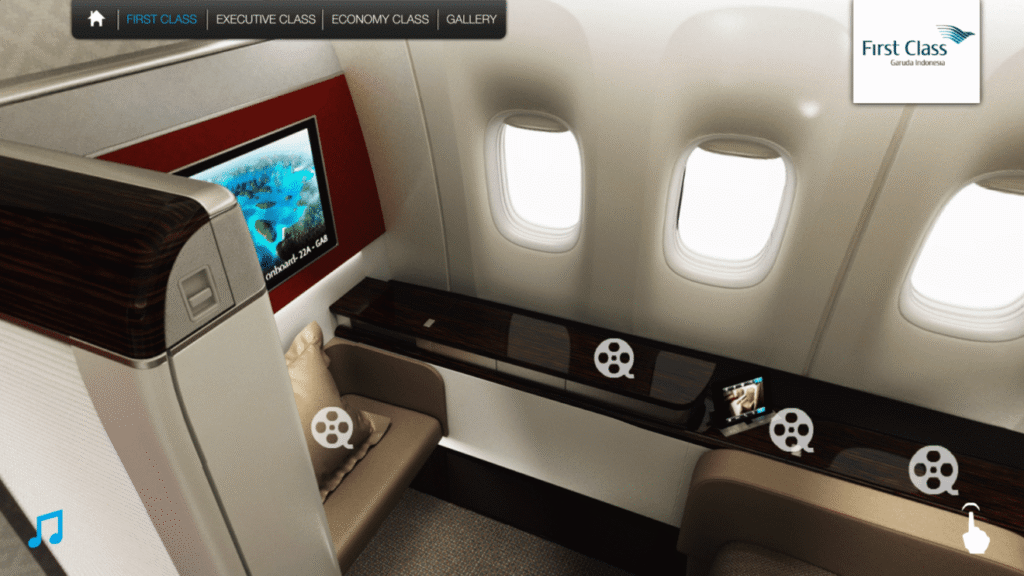
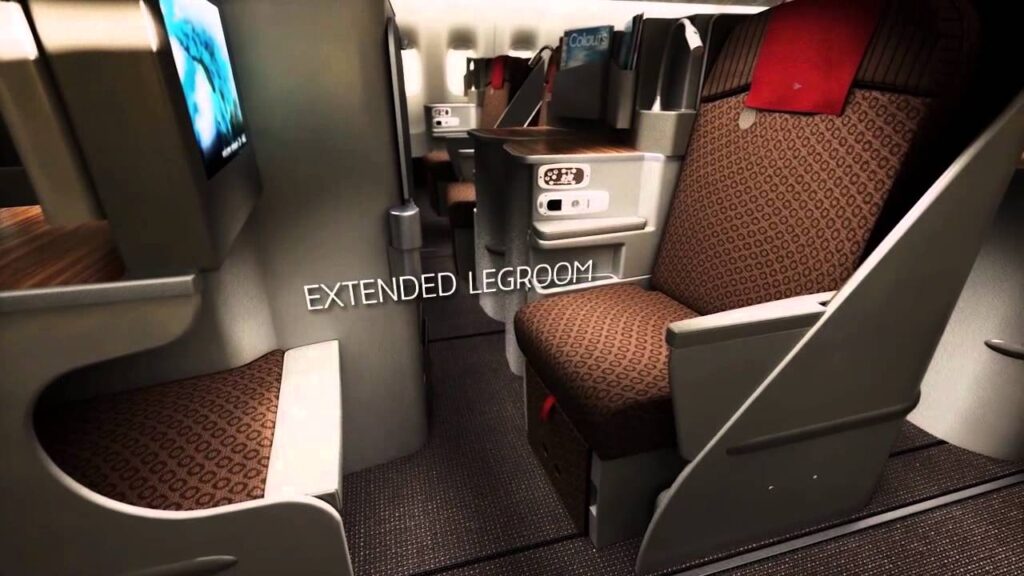
    The layout of Garuda Indonesia’s new Business Class with Super Diamond Seats is unveiled in this Garuda photo. The Airbus A330-300 is configured with 24 Business Class seats and 263 Economy Class seats.

    Garuda Indonesia has unveiled its new Business Class service following the arrival of its latest Airbus A330-300 aircraft on Monday.

    The aircraft, which is the first of four Airbus A330-300s that will be delivered in 2016, features 24 and 263 Business and Economy Class seats, respectively.

    The former, dubbed Super Diamond Seats,  offer an all-aisle configuration (1-2-1), fully flat-bed seat, adjustable arm-rest, head-rest, meal table and reading light, integrated baby bassinet stowage, new mini bar display, 16-inch LCD touchscreen with a touchscreen handset/remote, double USB plug and power outlet.

    “Garuda Indonesia is the first airline in the world to implement the Super Diamond Seat Business Class service on its A330-300 aircraft; as opposed to competitors who implement it only on their A350 aircraft,” said Garuda Indonesia president and CEO Arif Wibowo in a press release on Monday.

    unnamed

    Meanwhile, passengers sitting in Economy Class seats can expect new features such as a 4-inch articulating recline ability, foot-rest, 11-inch LCD touchscreen, USB plug and power outlet.

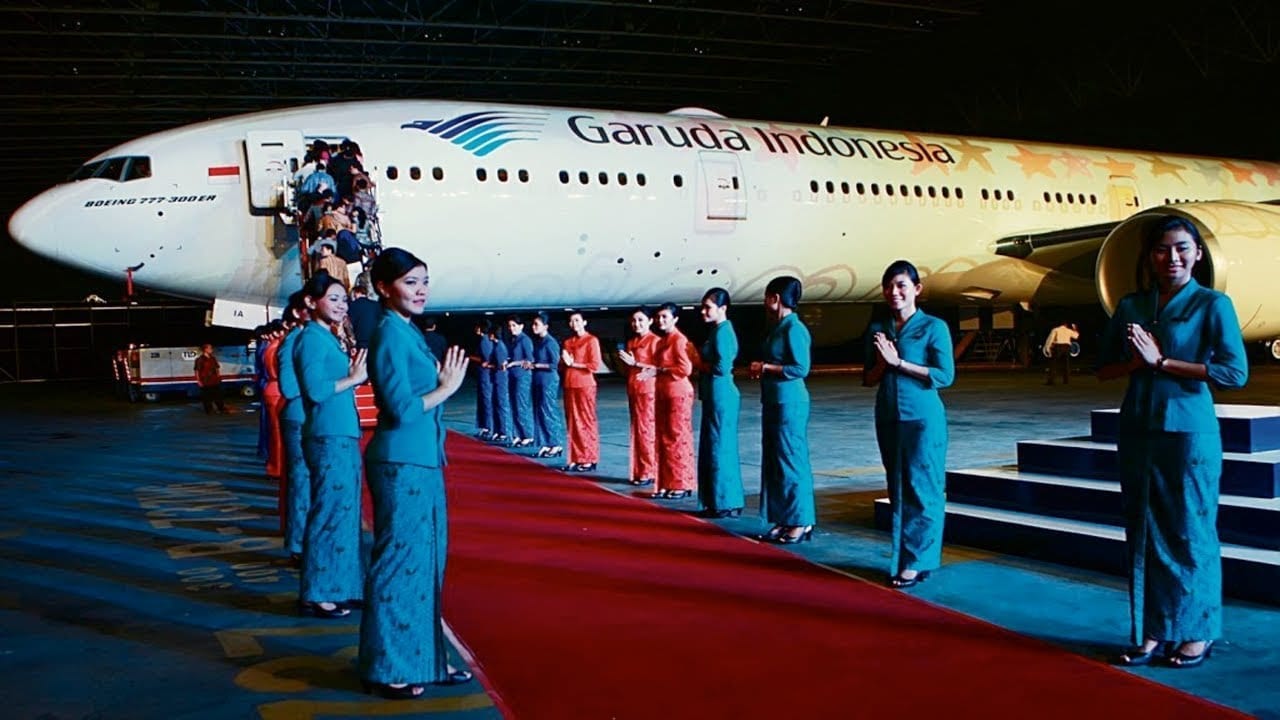
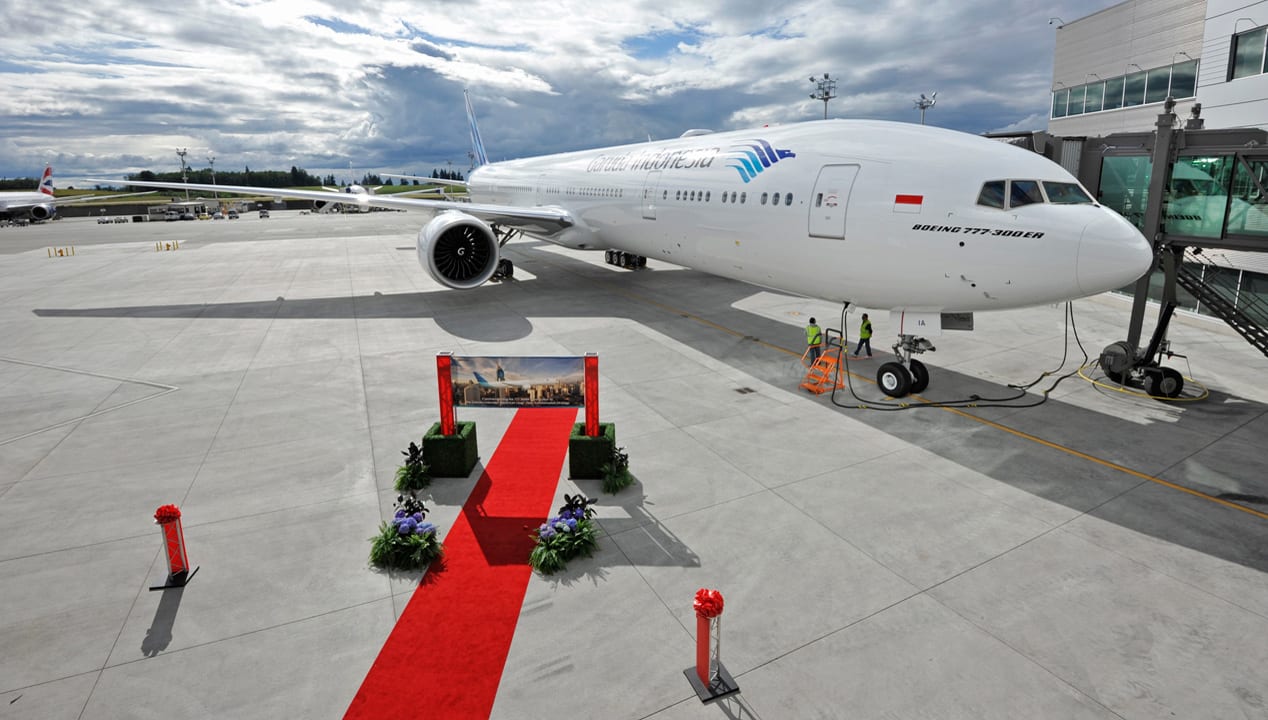
    The national flag carrier also received the delivery of its last Boeing 777-300ER aircraft on Monday, of a total of 10 that were ordered in 2013. Configured with a 393-seat capacity, the 10th aircraft consists of 26 Business Class seats and 367 Economy Class seats.

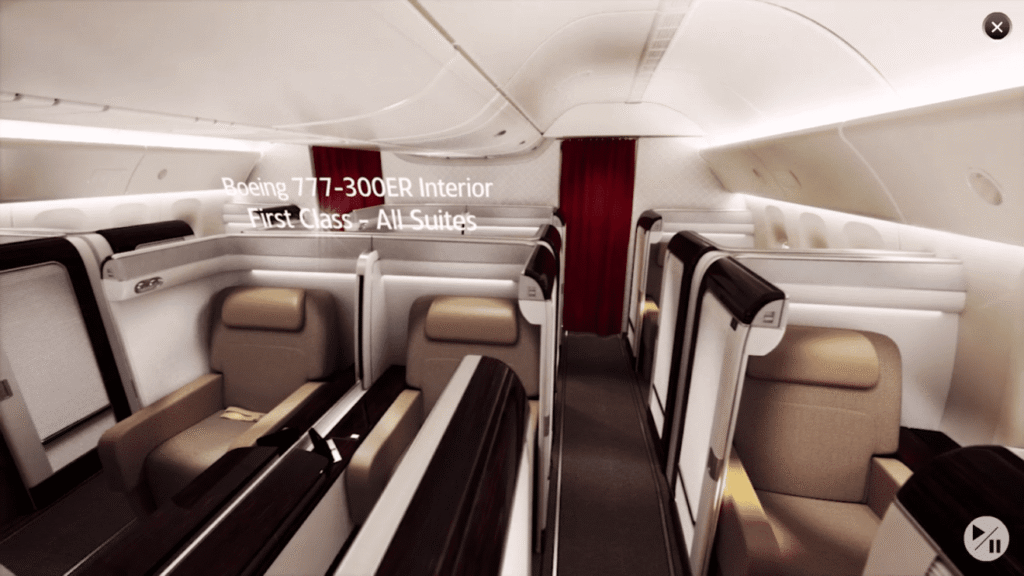
    Six out of 10 Boeing 777-300ERs operated by Garuda Indonesia are equipped with First Class service, with eight First Class seats, 38 Business Class seats and 268 Economy Class seats.

    unnamed (1)

    As part of Garuda’s fleet revitalization program, the airline is set to receive 16 new aircraft in total throughout this year, consisting of the one Boeing 777-300ER, four Airbus A330-300s, four ATR72-600s and eight Airbus A320s to be operated by Citilink.

    By the end of 2016, Garuda Indonesia Group expects to operate a total of 188 aircraft; 144 aircraft by Garuda Indonesia and 44 aircraft by Citilink.

    maxresdefault

  • Direct flights between Indonesia, India likely this year

    Direct flights between Indonesia, India likely this year

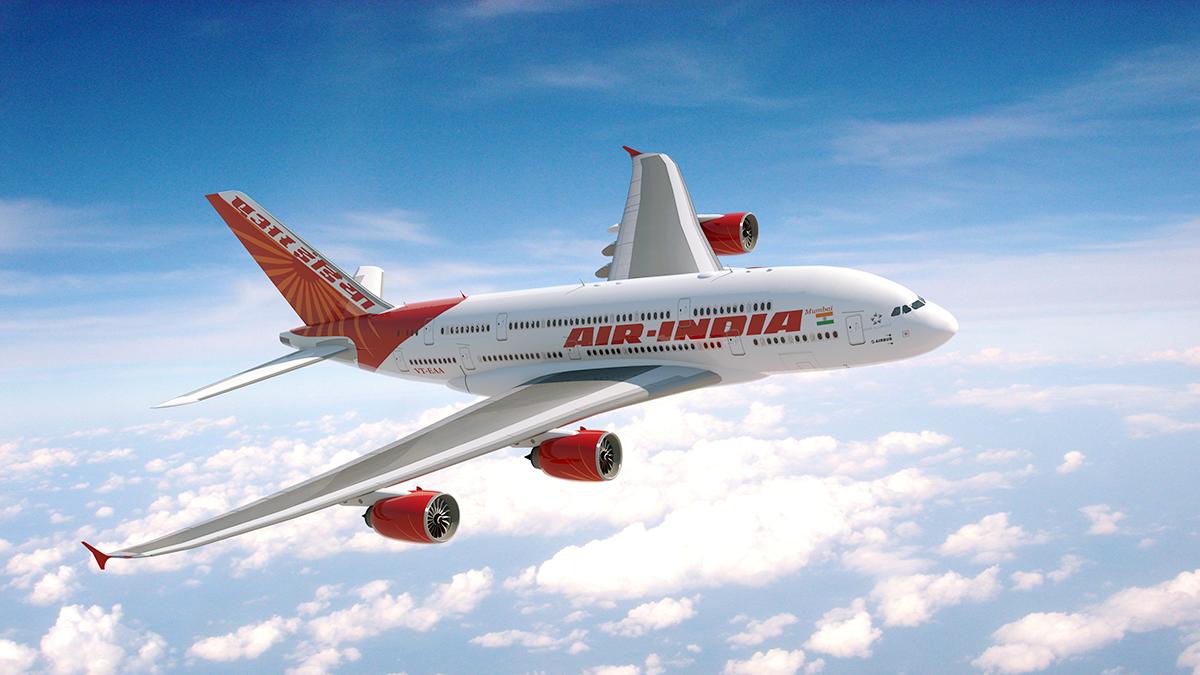
    Direct flights between India and Indonesia are likely to begin this year to facilitate tourism, Indonesian ambassador Rizali W. Indrakesuma said on Wednesday.”The Indian government has already given permission; it is a matter of how Indonesia responds. We are hoping that direct flights between the two countries begin by this year or by next year at the latest,” said Indrakesuma said.The first flights both governments plan to launch initially are between Delhi and Jakarta and Mumbai and Bali. Garuda Indonesia and Air India will operate flights between the two countries.

    The ambassador said a deal on the matter could be finalised in March when the transport minister of Indonesia will participate in an event organised by the civil aviation ministry in India.”This is an opportunity for our minister to engage with the Indian civil aviation minister (Ashok Gajapathi Raju Pusapati) at an event organised in Hyderabad in March,” the ambassador said.”The consulate general of Indonesia in Mumbai will push the ministry of tourism to open direct flights for the first time between Delhi and Jakarta and Mumbai and Bali.

    Last year, 262,000 tourists from India visited Indonesia; we expect the figure to go up to 350,000 this year. First it’ll be a government-to-government engagement and later we can engage private airlines,” said Taufik Nurhidayat, deputy director, ministry of tourism, Republic of Indonesia.Indonesia attracts the highest number of tourists from Singapore, followed by Malaysia, Australia, China, Japan, Korea and India.

  • AirAsia India Rolls Out Promotional Fares Starting Rs 1,269

    AirAsia India Rolls Out Promotional Fares Starting Rs 1,269

    Budget carrier AirAsia India has yet again rolled out a promotional fare scheme, offering tickets as low as Rs 1,269 (all-inclusive). The offer ends on November 8, 2015 and is applicable on travel between January 15 and April 30, 2016.

    Under this AirAsia offer, tickets on Bengaluru to Kochi route are priced from Rs 1,269 (all-inclusive). Tickets on Bengaluru to Goa route is priced from Rs 1469 and Bengaluru to New Delhi at Rs 3,469.

    Its parent AirAsia is also offering fares starting from Rs 3,399 (all-inclusive) on overseas routes as part of a separate promotional scheme. This offer is open till November 8. For example, tickets from Kochi to Kuala Lumpur are priced from Rs 3,399.

    Many airlines have come up with promotional fares to tap the festive season demand.

    Air India’s offer christened ‘Diwali Dhamaka’ is valid till November 7 for travel between January 15 and April 15, 2016. Earlier, SpiceJet had also come up with ‘Diwali Sale’ with fares staring at Rs 749 (base fare-excluding taxes) for domestic sector and from Rs 3,999 (all-inclusive) on international sectors.

    Airlines have rolled out many promotional fares this year on the back of a sharp fall in oil prices. Domestic airlines in the first nine months of this year – January to September – have carried 590 lakh passengers, a growth of 20 per cent.

  • Garuda Indonesia to Launch Promotion on Friday

    Garuda Indonesia to Launch Promotion on Friday

    Garuda Indonesia will launch a three-day online sale on Friday.

    Between 9 and 11 October 2015, discounted airfares to 37 Indonesian destination will be available for travel between 13 October 2015 and 31 May 2016.

    The 7-month validity period offers the perfect opportunity to book and save on fares for short getaways to popular Indonesian hotspots such as Bali. Flights to the scenic island will be on sale from Sin$130 for a one-way flight and Sin$230 for a return, while seats to Surabaya will be available from Sin$110 for a single ticket and Sin$210 for a return.

    Travellers will be able to fly to Indonesia’s capital city Jakarta one-way from Sin$110, with return flights priced at Sin$185.

    Travellers can also take advantage of the online seat sale to discover other interesting Indonesian destinations such as Lombok, Jogjakarta, Makassar and beyond from Sin$180 one-way onwards via Jakarta or Bali.

  • Mid-flight theft increases in Asia

    Mid-flight theft increases in Asia

    Mid-flight theft-related offences on board airplanes have become more common in several Asian countries over the past two years, including in Indonesia.

    According to daily newspaper Kompas, the latest incident occurred on a Qatar Airways flight from Doha, Qatar, to Jakarta on Sunday evening, around three hours after the airplane took off.

    When the cabin lights were switched off and most of the passengers were asleep, offenders allegedly opened the overhead compartments, removed several bags and began searching through them back at their seats or in the plane’s main aisle. When the Qatar Airways plane landed, four bags were found to have been moved, allegedly by two different people.

    It was reported by tribunnews.com that four Chinese citizens, who were allegedly members of a theft syndicate, were being questioned by the Soekarno-Hatta International Airport Police on Monday.

    “We are still developing our investigation,” said head of airport police Iptu Waluyo.

    According to aviation analyst Gerry Soejatman, airlines are responsible for handling theft cases that occur during their flights.

    “Regarding the case involving Qatar Airways, it would be better if the police were joined by Qatar Embassy officials during questioning. Then the suspects could be extradited to Qatar to face legal proceedings there,” said Gerry.

    Separately, Qatar Airways corporate communications official Koh Wei Ling said that there was no official statement yet regarding the case.

    “We are still waiting for our head office in Doha to issue the official statement,” said Ling.

    Meanwhile, national flag carrier Garuda Indonesia has called on passengers to keep their belongings safe.

    “We always tell the crew to be alert when checking on the cabin, especially when passengers are asleep,” said Garuda Indonesia corporate communications vice president Benny S Butarbutar.

    State-owned airport operator Angkasa Pura (AP) II’s president director Budi Karya Sumadi said that theft-related offences on board airplanes were under the airline’s jurisdiction. But airport security are available to support them in bringing the alleged offenders to airport police.

    In a press release on Tuesday, Garuda Indonesia informed that these offenders usually checked-in without any luggage, stayed for only one day in their destination, owned passports and tickets issued outside Indonesia and allegedly were part of a criminal syndicate. The theft itself usually occurred during the night when passengers were asleep or at the lavatory.

    Currently Garuda is cooperating with other airlines through the Association of Asia Pacific Airlines (AAPA) to share information and conduct preventive actions, including conducting passenger profiling, issuing policies for assist air crew to prevent such incidents and providing security officers in destination cities.

  • Air Asia to connect 4 more cities with Kuala Lumpur

    Air Asia to connect 4 more cities with Kuala Lumpur

    Low-cost carrierAir Asia today said it will connect four more Indian cities with its hub in Kuala Lumpur to take the number of destinations linked to the Malaysian capital to 12.

    Its Executive Director and CEO Aireen Omar announced here that four more Indian cities will be connected with the Malaysian capital.

    She, however, did not specify the cities which will be connected or offer details on the timelines by when the new flights will start.

    The airline, which entered the country in 2008, had launched a Visakhapatnam-Kuala Lumpur service in May, which was followed up by a flight to Goa from the Malaysian capital.

    Other Indian cities it connects with Kuala Lumpur include Tiruchirappalli, Kochi, Kolkata, Chennai, Bengaluru and Hyderabad.

    Omar today said it is also increasing the frequency of the Kochi-Kuala Lumpur route to 14 per week, from the present 10 per week, starting November 19.

    The airliner has chosen Bengaluru as its operating hub in the country.

    “India is an important market to us, and together with AirAsia India, we are committed towards providing the Indian consumers with low fares and high-value services. We entered the Indian market with Tiruchirappalli as AirAsia Berhad’s first destination back in 2008, and today, we serve eight cities to Kuala Lumpur and beyond,” she said.

    She said factors like exhaustion of traffic rights sometimes hampers its plans and added that the airline has already sought to increase bilateral rights so that AirAsia Berhad can expand frequencies on existing routes.

    The average flight load of the Visakhapatnam-Kuala Lumpur route since its launch in May has been 78 per cent, she added.

  • Thai AirAsia sets up Utapao base

    Thai AirAsia sets up Utapao base

    Thai AirAsia (FD, Bangkok Don Mueang) has set about establishing a base in Utapao with the launch of flights to Hangzhou, China on September 1. The 3x weekly charter service runs until October 24.

    Airline Route indicates the AirAsia (AK, Kuala Lumpur Int’l) subsidiary will also launch a 4x weekly service to Nanning on September 25 followed by a 3x weekly Nanchang service on September 26.

    Flights are on-board an A320-200.

    Currently, Thai AirAsia serves forty-four destinations spread across eleven countries including China, India, Macau, Myanmar, Vietnam, Hong Kong, Malaysia, Cambodia, Singapore, and Indonesia. It has four bases in Thailand, Bangkok’s Don Mueang airport, Chiang Mai, Krabi and Phuket.