Tag: food and beverage

  • Japan’s I’m Donut? Enters Southeast Asia with First Kuala Lumpur Store

    Japan’s I’m Donut? Enters Southeast Asia with First Kuala Lumpur Store

    Japanese bakery concept I’m donut? Opened its first Southeast Asian store at The Exchange TRX in Kuala Lumpur on September 12, 2026. The outlet brings more than 30 pastry varieties to Malaysia.

    The launch is the brand’s first physical retail location outside Japan. It follows rapid growth across Tokyo and other major Japanese cities.

    The Exchange TRX Deployment

    Located at lot GS.05.0 in The Exchange TRX, the shop trades daily from 10:00 AM to 10:00 PM. Staff make every pastry fresh on site throughout the day.

    Chef and founder Ryouta Hirako built the concept around signature nama donuts. His recipe uses a soft dough to produce an airy texture. The Kuala Lumpur branch stocks the brand’s core menu, including the Original, Nama French Cruller, Pistachio Cream, Cacao and Custard variants.

    “We are very happy to finally bring I’m donut? To Malaysia and to introduce our nama donuts to customers in Kuala Lumpur,” said Chef Ryouta Hirako, Founder of I’m donut?.

    Localization and Menu Structure

    Alongside its Japanese lineup, the retailer rolled out items designed specifically for Malaysian consumers. The localized menu incorporates regional breakfast staples and drinks into bakery formats.

    Exclusive items feature sweet and savoury combinations, including Masala Chicken, Cham, Hojicha Kaya Jam, Milo Glazed, Banana Fritter Caramel and Pandan Coconut Cream. Menu localization helps specialty bakeries keep footfall steady once initial novelty fades.

    Mall Dynamics and Food Retail Competition

    Mall operators across Southeast Asia have turned to viral Japanese and Korean food concepts to anchor retail floors. The Exchange TRX serves as a primary landing pad for foreign food and beverage brands entering Malaysia.

    Single-product bakery concepts face sharp competition in Kuala Lumpur’s top retail hubs. Long-term performance requires a balance. Operators must pair core imported recipes with localized seasonal items to hold a broad customer base.

    Expansion Trajectory

    The Malaysian launch follows an announcement in late August 2026 detailing plans to expand across the region. This Kuala Lumpur site gives the company an operating base to test Southeast Asian demand.

    RetailNews Asia tracks store productivity across prime commercial developments in Malaysia. Sales and foot traffic at The Exchange TRX will establish the baseline for future growth. Those figures will determine whether the business adds locations in the Klang Valley or pushes into Singapore and Thailand.
  • Soul Origin to Double Store Network to 400 Locations over 10 Years

    Soul Origin to Double Store Network to 400 Locations over 10 Years

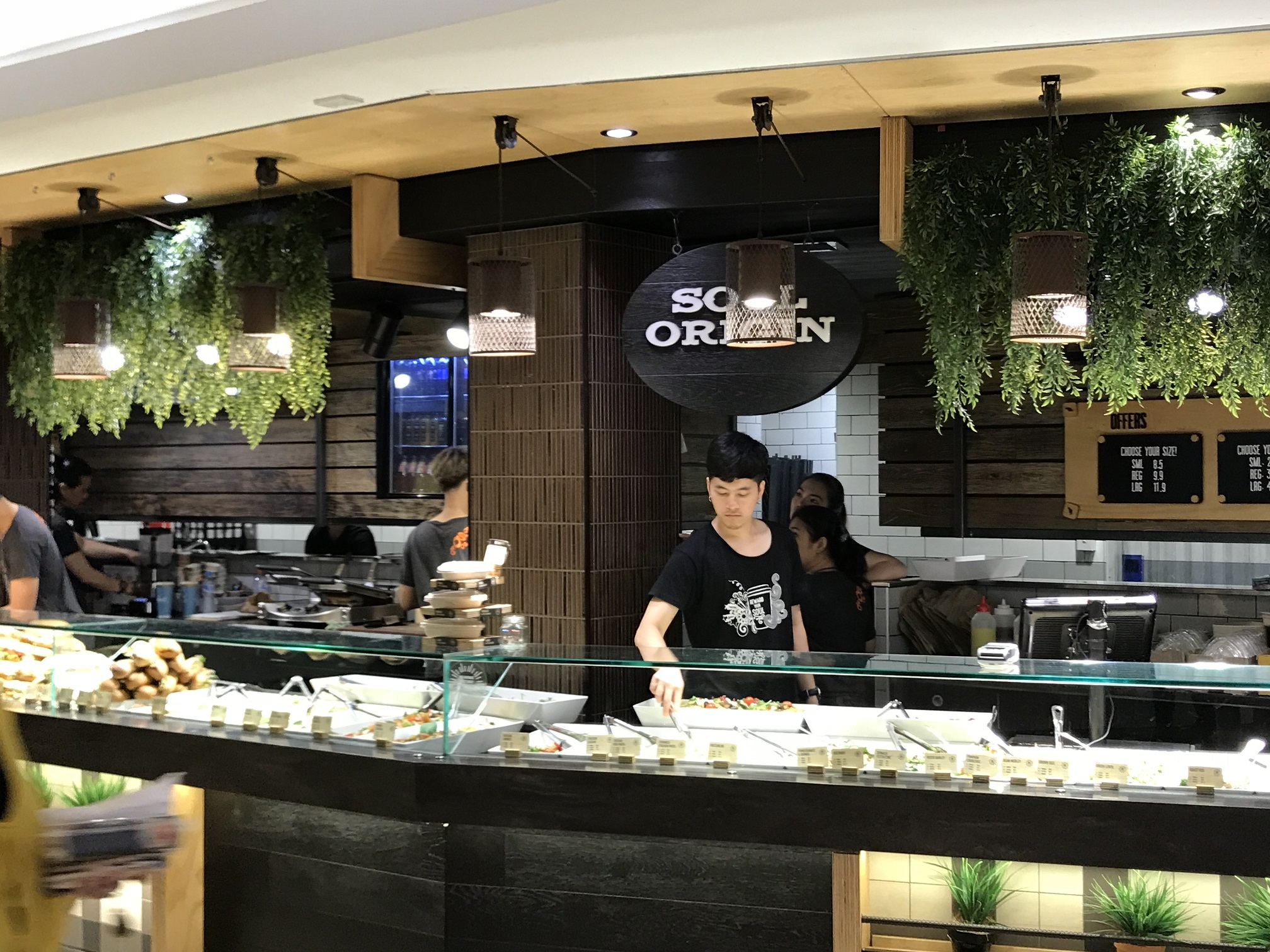
    Fast-casual chain Soul Origin plans to more than double its store network to approximately 400 locations globally over the next 10 years.

    The company, which marks its 15th anniversary this year, has grown into a network of 178 locations with around 22 million customer visits each year. Opening 15 to 20 stores annually across Australia, New Zealand and additional international markets will drive the expansion.

    Shifting Out of the Food Court

    Alongside continued growth in shopping centres, Soul Origin will add more regional, drive-through, airport, hospital, university and service-centre locations. Six new stores are scheduled to open before Christmas, including a new company-owned flagship at Sydney International Airport.

    Highway retailing forms a central pillar of the push. Soul Origin operates a hybrid service-centre format in partnership with fuel retailer Ampol, with two additional co-located sites scheduled to open before the end of the year. The business is scouting further roadside and regional plots across New South Wales, Queensland and Victoria.

    Trans-Tasman Growth and Extended Trading

    New Zealand represents the immediate cross-border priority. The company currently runs four stores across the country and has mapped out approximately 10 additional openings there over the next two years.

    Longer operating hours in roadside and transit hubs require a wider menu. Kitchens across the network are rolling out hot dinner items, matcha drinks and expanded iced beverage selections. Soul Origin is also taking side dishes and add-ons first tested in its drive-through prototypes and adding them to traditional metro counters.

    Franchise Pressures and Highway Formats

    Transitioning from enclosed shopping mall food courts into roadside and transit locations alters the underlying store economics. Food court units rely on captive foot traffic with heavy daytime peaks, whereas highway service centres and airport terminals demand split-shift staffing, higher capital expenditure for kitchen fit-outs and steady evening volume to recover rent.

    Competing quick-service operators across Australia and the wider region have pursued identical fuel-convenience partnerships to escape rising mall occupancy costs. For Soul Origin, sustaining average transaction values during afternoon and dinner trading will determine whether these extended-hour formats generate acceptable returns for franchise partners.

    Management Transition at Fifteen Years

    The expansion plan arrives as the company marks 15 years since its founding as a single family-run food outlet. Current chief financial officer George Gebran will step into the chief executive role on October 1 to manage the operational expansion.

    Co-founder and current managing director Hao Quach will step down from day-to-day management on the same date. Quach will remain with the business to focus on long-term strategy, market entry and corporate development.

    Network development will center on the delivery of the six pre-Christmas openings, the performance of the new Sydney Airport terminal site, and the execution of the 10-store pipeline planned for New Zealand through 2028.

  • South Korea Partners with Shin-Line on Food Cluster and 70 CU Stores

    South Korea Partners with Shin-Line on Food Cluster and 70 CU Stores

    South Korea’s food cluster agency signed a partnership on Tuesday with Kazakhstan’s Shin-Line Group to build an industrial food hub and expand bilateral market cooperation.

    The agreement opens a pathway for food producers from the National Food Cluster in Iksan to gain access to Central Asia’s largest ice cream manufacturer and its network of about 70 CU convenience stores.

    Advisory terms and network access

    Korea Food Industry Cluster Promotion Agency Chairperson Kim Deok-ho and Shin-Line Group Chairman Andrei Shin signed the memorandum of understanding at the Four Seasons Hotel in Seoul during the Korea-Kazakhstan Business Roundtable. Under the agreement, the Korean agency will consult on operating strategies, infrastructure planning, and enterprise support programs for the planned food cluster.

    Packaged goods made by tenants at South Korea’s National Food Cluster will flow directly into Shin-Line’s retail footprint. The company operates local production plants, cold-chain routes, and roughly 70 CU franchised convenience stores across Kazakhstan.

    Supply chains push into Central Asia

    For Korean packaged food manufacturers, the deal tackles their toughest operational bottleneck in Central Asia: shelf space and cold-chain logistics. Exporters entering Kazakhstan typically face fragmented wholesale channels and unpredictable refrigerated transport. Partnering with Shin-Line gives suppliers an immediate pipeline into modern convenience retail.

    Operational risk centers on product fit and price positioning. Central Asian consumers embrace Korean pop culture, but everyday convenience store spending remains sensitive to freight costs and local purchasing power. Shin-Line must balance higher-margin imported Korean inventory with high-turnover domestic staple foods. That balance keeps store traffic steady.

    Expanding the Iksan blueprint

    In North Jeolla Province, the Korean agency runs the National Food Cluster in Iksan, providing research, development, and pilot production support to domestic food processors. The Kazakhstan project exports that state-managed industrial model. It also secures captive export destinations for cluster tenants.

    This agreement provides an opportunity to expand food industry cooperation with Kazakhstan by drawing on our experience operating the National Food Cluster.

    Store counts and development timeline

    Teams from both sides will now set working schedules for technical consultations on the industrial park and outline vendor requirements for Korean exporters. The key early milestone is tracking how quickly National Food Cluster packaged lines reach shelves across Shin-Line’s 70 CU stores in Kazakhstan.

  • Japan Targets Food Consumption Tax Cut to 1 per Cent Under Reshuffled Cabinet

    Japan Targets Food Consumption Tax Cut to 1 per Cent Under Reshuffled Cabinet

    Japan plans to cut its consumption tax on food from 8 per cent to 1 per cent for two years starting April 2027 under a retained economic team.

    The tax cut anchors Prime Minister Sanae Takaichi’s legislative agenda. She plans to submit the bill to parliament before the end of 2026. Finance Minister Satsuki Katayama will defend the policy and outline how the government will plug the resulting revenue shortfall.

    Tax relief timeline and Cabinet posts

    Takaichi maintained stability across key portfolios while broadening her governing alliance. Foreign Minister Toshimitsu Motegi and Defense Minister Shinjiro Koizumi keep their posts. Chief Cabinet Secretary Minoru Kihara stays on as top government spokesperson. Hiroshi Nakatsuka from the Japan Innovation Party joins as state minister for special missions. The appointment gives the junior coalition partner its first Cabinet seat since the two parties allied in October 2025.

    Keeping Katayama at the Ministry of Finance secures an experienced administrator for the coming tax debates. Officials must draft statutory text and win parliamentary approval in the upcoming session. That schedule gives cash-register vendors and food distributors time to update billing software before the April 2027 start date.

    Implications for grocers and state coffers

    For supermarket chains, convenience store operators, and food manufacturers, the seven-percentage-point cut offers direct margin relief. Grocers have absorbed higher wholesale costs for imported staples and energy for years, passing higher shelf prices to cautious shoppers. A drop to a 1 per cent rate reduces register prices immediately. That discount should support sales volumes across physical stores and food delivery apps.

    Operational challenges center on IT systems. Japanese retailers spent heavily to install dual-rate cash register infrastructure during the October 2019 tax revision. Adjusting cash desks to a temporary 1 per cent bracket will require fresh software updates and staff training across thousands of stores nationwide.

    Parliamentary battles ahead

    Coalition ties date back to October 2025, when the Liberal Democratic Party partnered with the Japan Innovation Party without allocating ministerial seats. Takaichi defeated Koizumi in a party leadership runoff last year. Keeping rivals inside the Cabinet binds potential challengers to her fiscal plans ahead of the September 2027 party presidential election.

    Lawmakers will debate the food tax legislation and its funding mechanisms before the end of December 2026. That vote will set the baseline for consumer prices across Japan’s food retail sector through 2029.

  • Jessica Locarnini Named Inaugural Seedlab Australia Churchill Fellow

    Jessica Locarnini Named Inaugural Seedlab Australia Churchill Fellow

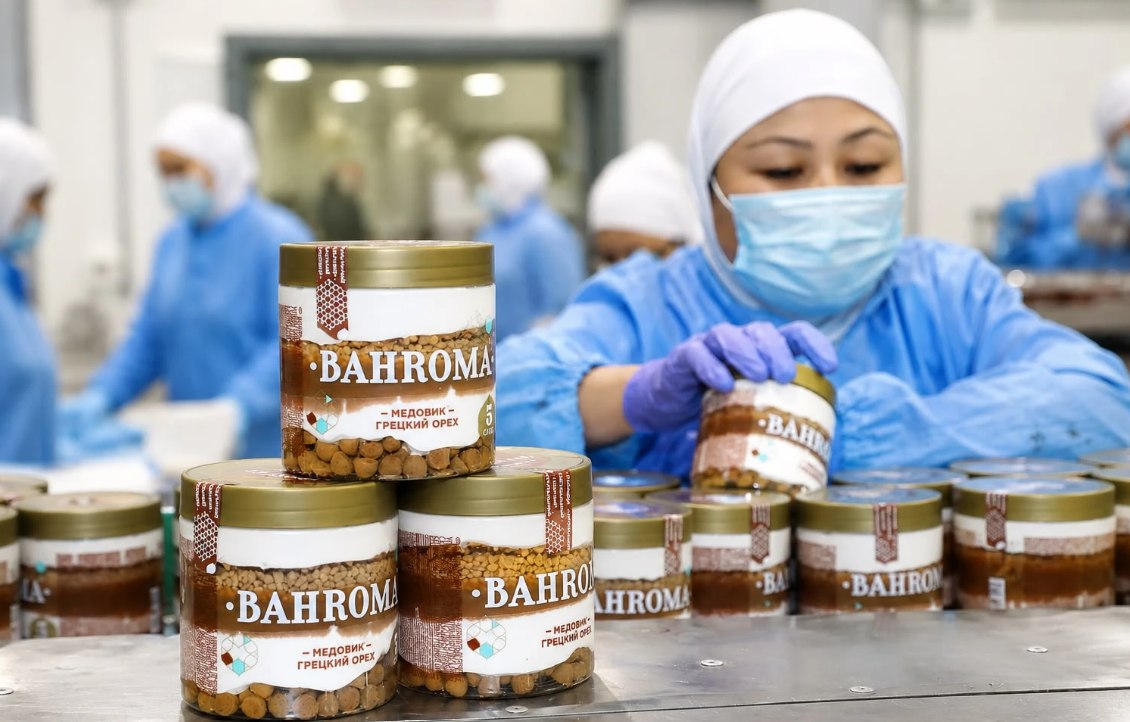
    Australia’s only master honey sommelier, Jessica Locarnini, has won the inaugural Seedlab Australia Churchill Fellowship. She will use the award to build a national evaluation standard for the domestic honey sector.

    Her 2026 fellowship involves studying international grading systems. From there, she will develop formal training pathways for sensory experts and competition judges across Australia.

    Building sensory standards

    Locarnini has spent eight years in honey sensory analysis. She already judges regional and national competitions. Her research focuses on translating structured sensory methods into commercial benchmarks for Australian producers.

    Standardised tasting panels allow commercial apiaries to separate high-grade floral varietals from bulk blended honey. Clear sensory criteria give producers defensible data. That helps justify premium shelf pricing in domestic supermarkets and export markets across the Asia-Pacific.

    Value protection for commercial apiaries

    Domestic honey brands face stiff competition from cheap imported syrups and adulterated blended products on retail shelves. Independent sensory certification creates a verification layer. This protects premium mono-floral lines against category price erosion.

    Retail buyers in North Asia demand certified origin and flavour profiles for table honey. Accredited Australian judging and tasting standards give exporters a practical tool to defend margins in key accounts.

    National rollout targets

    Selected for the 2026 cohort of Churchill Fellows, Locarnini will conduct her research overseas. Seedlab Australia backed the food fellowship to build technical capability among boutique and mid-tier fast-moving consumer goods producers.

    The project findings will feed into a national curriculum. It aims to train the first accredited cohort of regional honey judges within two years.

  • 7-Eleven Malaysia Launches Four Michelin-Crafted Ready Meals at RM15.90

    7-Eleven Malaysia Launches Four Michelin-Crafted Ready Meals at RM15.90

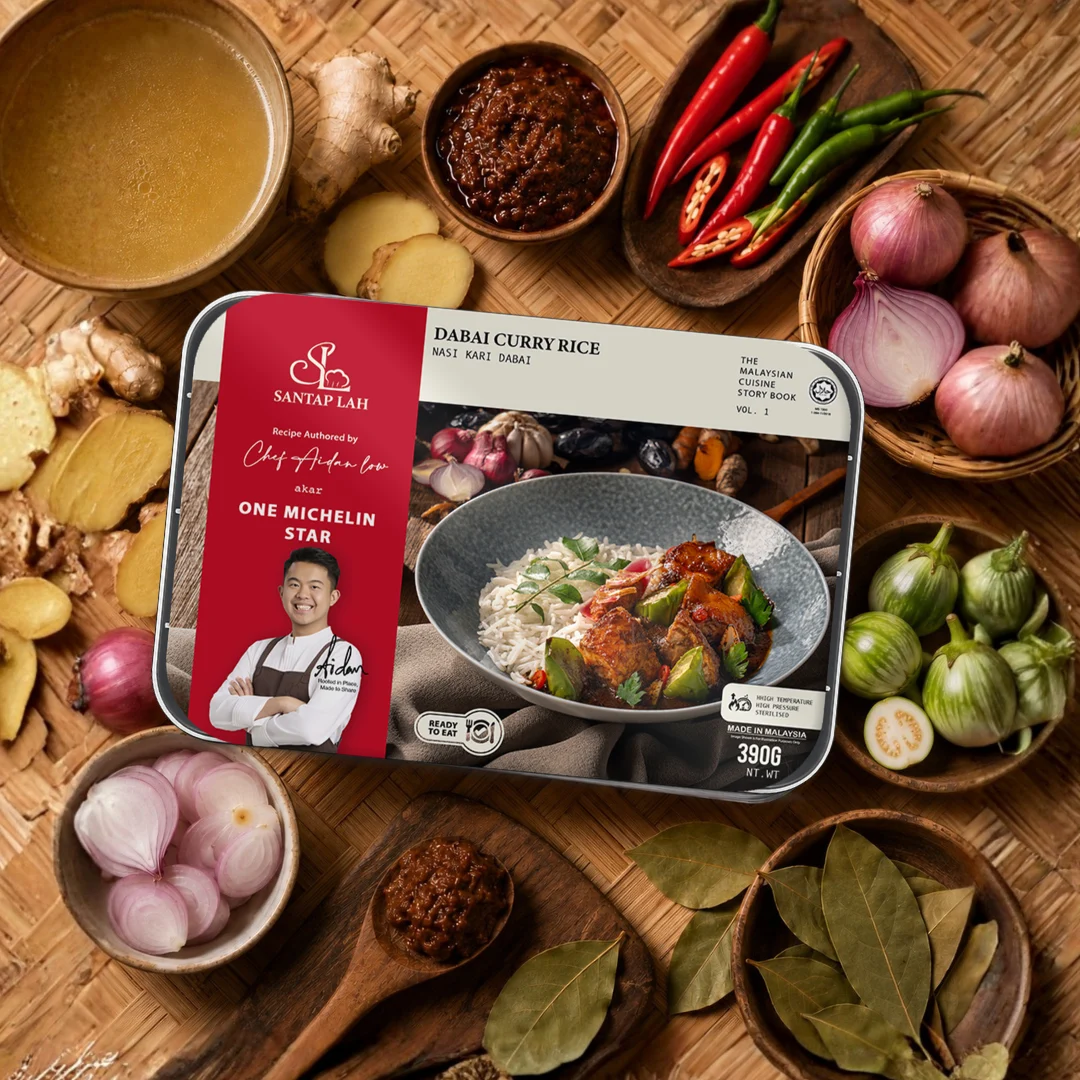
    In September 2026, 7-Eleven Malaysia rolled out a four-dish ready-to-eat meal range developed with Michelin Guide chefs. Each counter-served rice dish costs RM15.90.

    Branded as Santap Lah, the collection is available exclusively across the chain’s CAFÉ by 7-Eleven store format in Malaysia. Every meal is halal-certified and made without preservatives. Staff heat each portion directly at the service counter.

    Star chefs take to the convenience counter

    The lineup pulls recipes directly from high-end kitchens in Kuala Lumpur and Penang. Raymond Tham, chef at one-star Beta KL, developed the Kadok Chicken Rice. Aidan Low of one-star akar contributed the Dabai Curry Rice. Penang-based Kim Hock Su from one-star Restaurant au Jardin created a vegan option, Hericium Mushroom Rendang with Rose Water Rice. A fourth dish, Rose Chicken with Buttered Rice, comes from Nurilkarim of Michelin-selected Jawi House.

    Selling fine-dining recipes in plastic trays requires rigid cold-chain controls and tight commissary standardisation. The retailer is using shelf-stable heating techniques and preservative-free recipes to tackle the quality drop common in mass-produced convenience food.

    The margin fight in fresh food

    Convenience operators across Southeast Asia are leaning heavily on proprietary ready meals to defend gross margins against grocery discounters and food delivery platforms. Ready-to-eat lines yield higher gross margins than packaged consumer goods. However, they carry sharp inventory risks if off-peak sales drop.

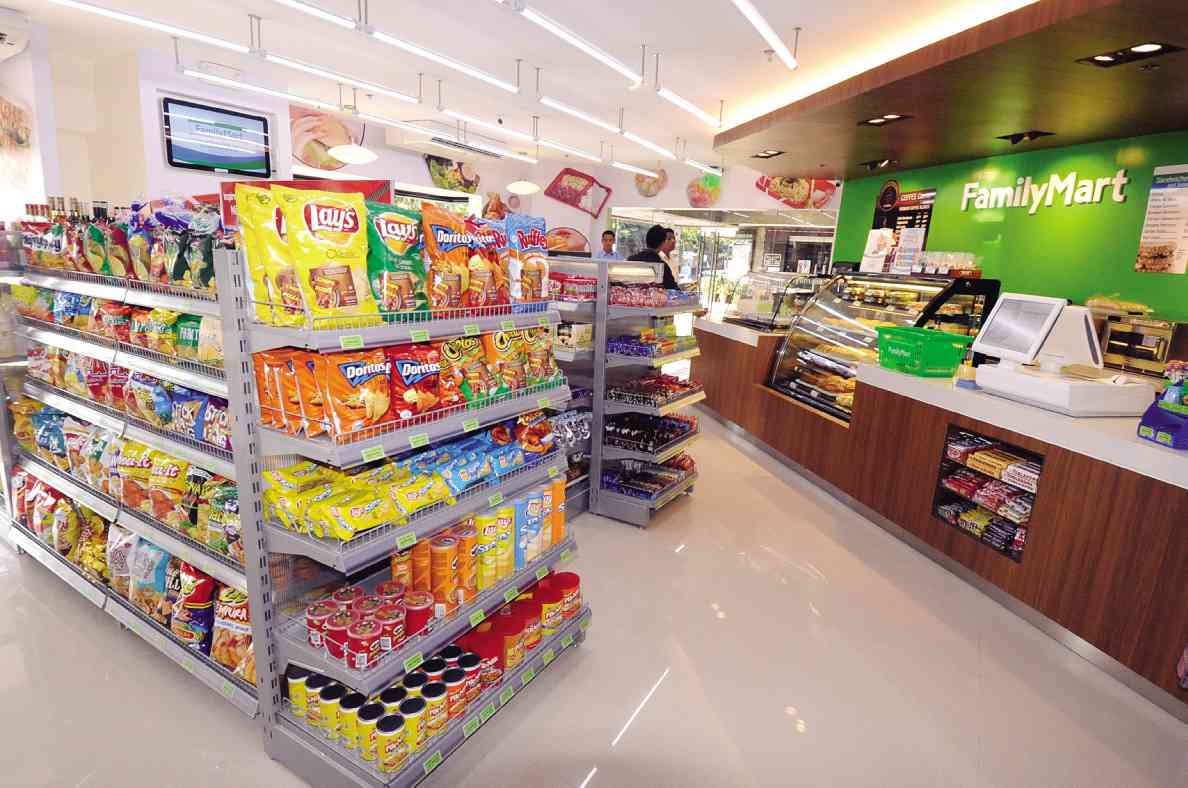
    In Malaysia, 7-Eleven faces stiff competition in fresh food from FamilyMart. That rival built its local market share on hot snacks, oden, and chilled lunch boxes. By putting Michelin-starred names on its menu, 7-Eleven aims to capture office workers looking for quality lunches without paying full restaurant table rates.

    Expanding the cafe footprint

    This rollout ties into the chain’s broader conversion of standard convenience outlets into the larger CAFÉ by 7-Eleven format. These stores dedicate more floor space to seating, barista coffee, and ready-to-eat meals.

    Customer uptake across suburban locations outside central Kuala Lumpur will test the Santap Lah range next. Spending power is tighter in these areas, where standard hawker meals still sell well below the RM15 mark.

  • Oriental Kopi Named Coffee Partner at Palm Garden Hotel Putrajaya

    Oriental Kopi Named Coffee Partner at Palm Garden Hotel Putrajaya

    Palm Garden Hotel Putrajaya partnered with Malaysian café chain Oriental Kopi on September 11, 2026. The brand now supplies the daily afternoon coffee service at the hotel’s Courtyard lounge.

    Guests get Oriental Kopi’s brew alongside local teatime snacks. The service runs daily between 3:30pm and 5:30pm.

    Daily Courtyard Service Details

    The hotel runs the programme under the name Kopi Dulu, drawing on the Malay word’s double meaning for first and the past. Executives from the hotel, property owner IOI Properties Group, and Oriental Kopi launched the offering together on site.

    Attendees included Palm Garden Hotel Putrajaya general manager Marshall Chai and IOI Properties Group property investment chief operating officer Chris Chong. Hospitality assistant general manager Tan Lee Fong and Oriental Kopi chief executive officer Dato’ Calvin Chan also took part.

    Local Brand Tie-Ups In Hospitality

    Hotel operators across Southeast Asia increasingly swap generic food programmes for branded domestic concepts. The strategy pulls foot traffic into underused lobby spaces. Teaming up with recognisable local F&B names also gives property owners a ready-made audience without the overhead of developing in-house menus.

    For domestic chains like Oriental Kopi, hospitality tie-ups secure brand placement in higher-spending leisure and corporate settings. But operational risks exist. External retail partners must match hotel service standards across every daily shift.

    Retail Expansion Footprint

    This tie-up follows other distribution deals by Oriental Kopi across Malaysia, including an August campaign with FamilyMart Malaysia featuring packaged kopitiam food items. Palm Garden Hotel previously ran seasonal activations at the venue, including a dedicated durian lounge in July.

    Oriental Kopi is expanding its retail footprint and corporate distribution channels across Peninsular Malaysia. Next, the chain plans further menu integrations across commercial properties in the Klang Valley.

  • FamilyMart Launches AI-Designed Desserts to Speed up Product Cycles

    FamilyMart Launches AI-Designed Desserts to Speed up Product Cycles

    Japanese convenience store operator FamilyMart will roll out its first dessert formulated by generative artificial intelligence in September 2026, aiming to cut product development workloads by 20 per cent.

    The Tokyo-based chain is deploying algorithm-driven recipe creation across its chilled dessert counters to capture fast-moving consumer tastes faster than human product teams can test them.

    Automating Recipe Formulation

    FamilyMart is using generative AI platforms to analyse consumer social discussions and purchase patterns, generating finished dessert recipes directly from raw trend data. The software evaluates ingredient combinations, texture profiles, and flavour pairings before human development teams test the formulations for mass production.

    Sweets and chilled bakery items generate disproportionate store traffic compared with daily staples like rice balls and bento meals. Convenience store operators in Japan rotate novelty desserts every few weeks, creating intense pressure on research teams to find fresh flavour profiles that stand out on shelves.

    Rival Pressures Across Japanese Convenience Chains

    Convenience retailers across Japan face shrinking domestic margins and high labour costs, pushing operators to automate back-office operations and supply chain decisions. Seven & i Holdings and Lawson have similarly turned to algorithmic demand forecasting, but using automated systems directly for consumer recipe design shifts technology from logistics into core merchandising.

    For food ingredient suppliers and packaging manufacturers, shorter development timelines will require more agile production lines. Suppliers that cannot adjust ingredient batches within tight AI-driven launch schedules risk losing shelf space to more flexible competitors.

    The Timeline for Store Rollouts

    FamilyMart has spent recent quarters testing automated shelf-stocking tools and digital signage across its store network to trim operational overhead. Applying generative technology to food product design represents the next stage of that operational overhaul.

    The company will track sales performance and inventory waste for the September 2026 AI dessert before deciding whether to expand automated development into its wider bento and prepared beverage lines.

  • Tealive Unveils Layan Coffee Series with Da Hong Pao Tea in Malaysia

    Tealive Unveils Layan Coffee Series with Da Hong Pao Tea in Malaysia

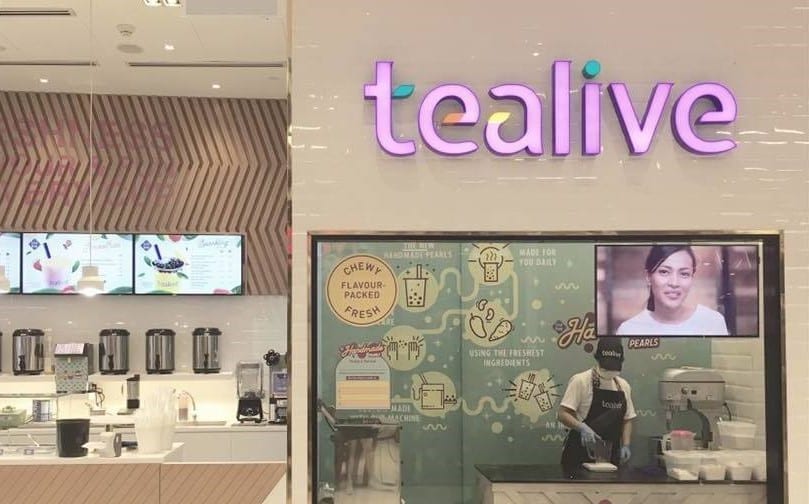
    Tealive unveiled its Layan Coffee lineup in Malaysia this week. The drinks combine brewed espresso with Da Hong Pao oolong tea across its domestic store footprint.

    That updates the traditional Malaysian coffee-and-tea blend known locally as cham and in Hong Kong as yinyeung, pairing 2 staple beverages.

    Upgrading Traditional Cham Recipes

    The new menu pairs concentrated coffee extractions with steeped Da Hong Pao, a roasted oolong tea cultivar. By substituting standard black tea with specialty oolong, Tealive targets consumers looking for higher-grade drinks at quick-service prices.

    Outlets sell the beverages in hot and iced formats. The rollout expands Tealive’s portfolio beyond core bubble milk tea selections and fruit teas.

    Chasing Value in Malaysia’s Coffee Rush

    Regional low-cost coffee chains continue to crowd Malaysian mall basements and shoplots. Local operators must now compete directly against aggressive discounting from these value brands.

    Leaning into cham allows Tealive to tap familiar domestic taste profiles that foreign rivals rarely prioritize. For store operators, tea-coffee fusions lift ticket averages during morning and afternoon dayparts without adding complex kitchen hardware or extra supply chains.

    Menu Innovation Across Regional Networks

    Expansion through drive-through locations and suburban shoplots established Tealive’s footprint across Malaysia and neighboring markets. Adding specialty tea to coffee follows earlier regional efforts to cross-sell traditional tea drinkers into daily coffee routines.

    Store-level sales figures and repeat purchase rates across Malaysian outlets will determine whether premium tea fusions claim a permanent share on company menus.

  • Pakistan Approves 200,000 Tonnes of Sugar Exports Alongside Maritime and Energy Reforms

    Pakistan Approves 200,000 Tonnes of Sugar Exports Alongside Maritime and Energy Reforms

    Pakistan’s Economic Coordination Committee approved the export of 200,000 tonnes of sugar on Monday. The decision followed a submission by the Ministry of National Food Security.

    Safeguards built into the quota aim to prevent supply shortages and retail price spikes in the domestic market. Finance Minister Muhammad Aurangzeb chaired the cabinet committee session in Islamabad. Officials cleared agricultural trade proposals alongside industrial and security funding measures.

    Domestic Price Safeguards For Food Processors

    Local mills can now offload surplus inventory into overseas markets to generate foreign exchange. Shipments, however, will face strict monitoring. The committee designed these checks to protect local consumers and commercial food processors from wholesale price inflation.

    The release adds short-term supply for regional commodity traders and food manufacturers across Asia. South Asian sugar millers balance export earnings against domestic price stability. Sudden export bans often follow retail price surges. Under this mechanism, operational risk falls on millers, who must prove domestic market stability before volumes clear customs.

    Logistics Restructuring And Refinery Upgrades

    Beyond agriculture, the committee cleared a restructuring framework for the state-owned Pakistan National Shipping Corporation. The Maritime Affairs Division presented the plan. It changes ownership and management control based on recommendations from the Privatisation Ministry.

    Energy supply chains also secured regulatory clearance under the Petroleum Division’s Draft Upgrade Agreement. Built on the Pakistan Oil Refining Policy for Upgradation of Existing Brownfield Refineries 2023, the framework gives local refineries five years to modernize with state incentives. Separately, oil marketing companies secured an interim settlement mechanism through the Inland Freight Equalisation Margin to resolve unadjusted input sales tax claims for FY26.

    Vehicle Import Rules Put On Hold

    Ministers deferred an immediate decision on commercial vehicle imports. The Science and Technology Division had proposed new inspection regimes for used vehicles. Officials directed the division to incorporate findings from an Engineering Development Board review committee before resubmitting the standards.

    A 3 billion rupee technical supplementary grant was cleared to buy 15 bulletproof sedans. The vehicles will transport visiting heads of state during the Shanghai Cooperation Organisation Council Summit in Islamabad later this month.

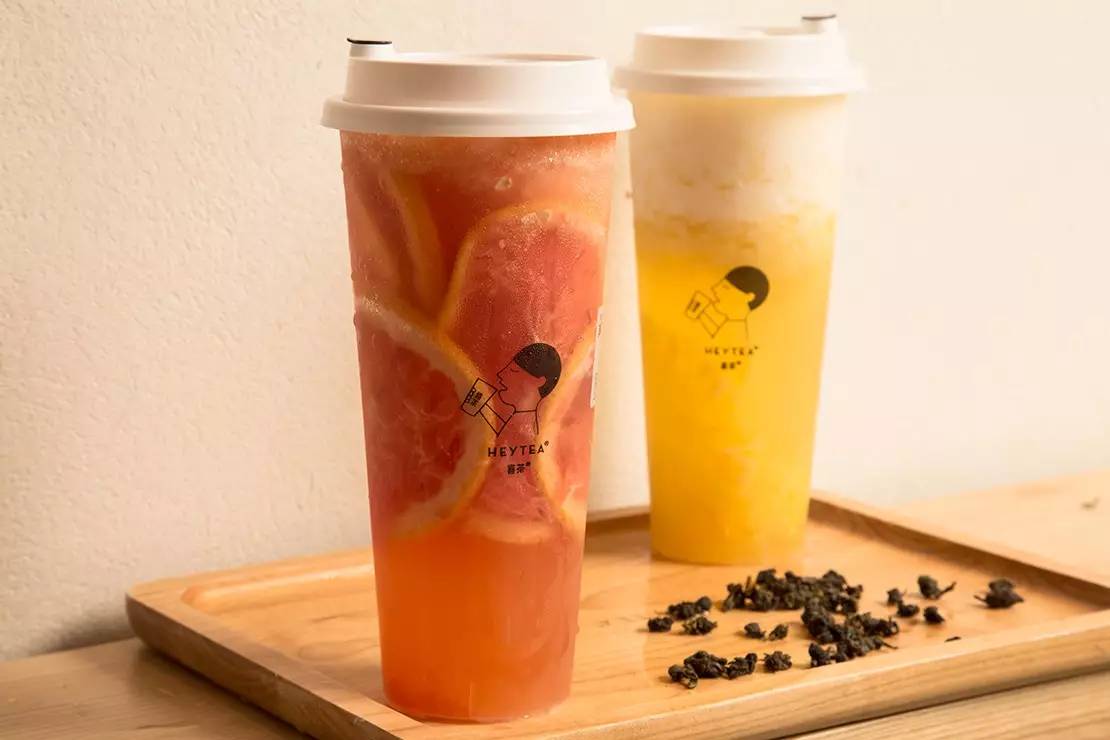
  • Heytea Expands US Footprint with Philadelphia Store as Chinese Chains Scale Up

    Heytea Expands US Footprint with Philadelphia Store as Chinese Chains Scale Up

    Staff deployed crowd-control barriers at 10th and Arch Streets as Heytea opened its first Philadelphia store. Lines for its chilled fruit teas stretched down the block.

    Headquartered in Shenzhen, the chain operates more than 4,000 stores worldwide. It sells drinks like King Jasmine Guava tea for $7.99 while ramping up its international footprint.

    That debut follows a launch on New York’s Upper West Side weeks earlier. Heytea press representative Yinnan Shen said more than 600 people lined up across three city blocks for that opening. Founded in Guangdong in 2012, the company specialises in what it calls new-style tea. It blends brewed whole-leaf tea with fresh fruit rather than powdered mixes.

    Challenging the First Generation of Boba Retailers

    This expansion reflects a broader shift across North American beverage retail. Scaled mainland Chinese operators are pushing past first-generation Taiwanese bubble tea concepts. Early entrants like Vivi Bubble Tea, Kung Fu Tea, and Mr. Wish established US footprints between 2015 and 2017, alongside Gong Cha, Chi Cha San Chen, and Tiger Sugar. Most of those networks operate between 80 and 300 locations globally. That leaves them exposed to rivals backed by deeper capital and larger supply chains.

    Mainland brands rely on industrial throughput and heavy digital marketing. Smaller franchise networks and independent operators now face rising rents across prime Chinatown strips. In those corridors, quick-service and beverage chains continue to displace legacy family restaurants, pharmacies, and dry goods merchants.

    The Scale Race Led by Chinese Coffee and Tea

    Scale gives these mainland chains their chief advantage. Luckin Coffee entered Manhattan in 2025 and already operates 25 outlets in New York City out of 36,310 stores globally. Its buyout of specialty roaster Blue Bottle earlier this year strengthened that network. Budget rivals Cotti Coffee and Mixue run more than 18,000 and nearly 60,000 global stores respectively. Both entered New York in 2025.

    Western cafe chains build around seating and customer dwell time. By contrast, these Chinese operators design compact stores for fast mobile app pickups. High transaction volume and lean store footprints allow them to absorb steep urban rents.

    Franchise Proliferation Across East Coast Hubs

    Standardised franchise systems are multiplying across the East Coast. Over the past twelve months, Philadelphia has absorbed a string of mainland franchise concepts. Arrivals include dessert and snack operators Kyo Matcha and Yin Ji Rice Roll, alongside yogurt drink chain Hey I Am Yogost.

    Taiwanese brands spent the past decade establishing Asian tea across Western metropolitan centres. Now, mainland competitors are testing whether volume models built in tier-one Chinese cities can generate profit on expensive American real estate.

    Heytea is scouting further locations across the US Northeast corridor. Future sites will target high-density student and commercial districts in New York and Pennsylvania.

  • SM Supermalls Shifts Tenant Mix to 30 Percent Dining as First-Half Revenue Reaches P41.8B

    SM Supermalls Shifts Tenant Mix to 30 Percent Dining as First-Half Revenue Reaches P41.8B

    SM Supermalls raised its food and beverage tenant share to 30 percent while lifting first-half revenue 8 percent to 41.8 billion Philippine pesos. The shift marks a fundamental redesign of floor plans across the country’s largest retail network.

    Dining accounted for less than 5 percent of the group’s leasable space when current president Steven Tan joined in 2004. The operator is now reallocating square meters from apparel and standard department store goods to dining, sports, and live events under a five-year platform called My SM.

    Retrofitting Floor Space for Food and Sports

    Expanding dining requires heavier investments in physical infrastructure than dry retail. Malls require upgraded water connections, higher-capacity electrical systems, grease traps, and expanded kitchen exhaust ducts to handle restaurant tenants at scale.

    Alongside dining, the landlord is adding non-retail recreation to fill communal areas. The group added 41 pickleball courts during the first six months of the year, taking its total to 102 courts across 32 properties. In June, its commercial complex cohosted the Galaxy Manila Marathon, bringing 25,000 runners onto the grounds.

    Internal merchandising direction now runs partly through an internal advisory unit. The operator created a Gen Z Council of junior staff to evaluate pop-culture trends, such as pop-up matcha fairs, before senior managers commit capital to physical rollouts.

    You have to constantly inject freshness to your centers so that you keep the interest in coming back.

    Regional Realignment from Shelves to Social Space

    Mall operators across Southeast Asia face identical pressures as e-commerce captures routine apparel and consumer electronics purchases. Landlords in Bangkok, Jakarta, and Manila are converting between 25 and 35 percent of gross leasable area to food and leisure to defend foot traffic. SM watched Chinese shopping centers retrofit for hospitality a decade ago and applied the template locally before domestic online shopping reached similar penetration levels.

    The operational risk sits in capital expenditure and lease yields. Restaurants and recreational concepts cost more to fit out, consume more utilities, and post higher tenant turnover rates than legacy fashion retailers. Operators must turn over pop-up concepts and specialty dining fast enough to sustain foot traffic without squeezing margins on rental collection.

    Expanding the Footprint Across South Luzon

    Revenue growth reflects solid consumer spending despite inflationary pressures across basic goods. The 41.8 billion pesos generated in the first half of 2026 improved on 38.6 billion pesos recorded during the same period in 2025, driven by steady leasing income and higher foot traffic across metropolitan centers.

    Construction is underway on SM Nuvali in Laguna, which will serve as the company’s 91st Philippine mall. The property will test an upscale store format aimed at higher-income residential enclaves across Cavite, Laguna, Batangas, Rizal, and Quezon.

  • Harrods Develops Bespoke Collaboration with Hong Kong Brand Silk

    Harrods Develops Bespoke Collaboration with Hong Kong Brand Silk

    In September 2026, London department store Harrods flew members of its global marketing team to Hong Kong to develop a bespoke collaboration with Silk, a young local beverage brand. The partnership aims to place Hong Kong-style bubble tea directly into premium lifestyle culture.

    Silk was founded on the conviction that Hong Kong-style bubble tea deserves a place in premium retail. For the young beverage maker, working directly with 1 of the world’s most recognisable department stores confirms its place in high-end lifestyle branding.

    Global Retailers Target Local Asian Culture

    Department stores across Europe and Asia increasingly look past standard licensing deals in favour of direct, culturally rooted partnerships. Securing authentic local products gives established department stores cultural credibility with younger Asian travellers and domestic luxury shoppers.

    For Silk, entering a joint project with Harrods validates a premium pricing and branding strategy for a product category traditionally sold at low street prices. The commercial risk sits in execution: luxury consumers expect elevated ingredients, distinct packaging and narrative depth rather than standard co-branding.

    Shifting Playbook for Independent Beverage Brands

    Regional beverage brands in Asia previously relied on regional franchise networks or overseas store openings to build global scale. Partnering directly with legacy international retailers offers an alternative route to worldwide visibility without the capital expense of offshore physical stores.

    The Harrods project mirrors broader retail shifts where Western heritage operators seek relevance in Asian consumer hubs through high-profile regional collaborations. The development process required London brand teams on the ground in Hong Kong to oversee formula and packaging design.

    Next Steps for the Collaboration

    Harrods and Silk will confirm rollout schedules and retail availability across physical counters and export channels once final product formulations clear development.

  • Cinnabon to Exit Singapore as Final Ion Orchard Store Closes

    Cinnabon to Exit Singapore as Final Ion Orchard Store Closes

    Cinnabon will pull out of Singapore on September 22, shutting its final Ion Orchard outlet after a three-year comeback attempt failed to gain commercial traction. The closure leaves master franchisee Wabi-Sabi empty-handed against an initial target to build a network of 10 locations across the city-state within five years.

    The American cinnamon roll brand announced the wind-down on September 8, confirming that operations at its sole remaining store in Orchard Road will finish before the end of the month. Outlets at Raffles City Shopping Centre and Jewel Changi Airport have already ceased trading.

    High Rents and Footfall Realities

    Securing high-profile retail space in Singapore demands relentless sales volume to cover overheads. Single-category bakery concepts face a severe margin squeeze when novelty fades and everyday demand fails to match prime shopping mall rental rates. Ion Orchard, Raffles City and Jewel Changi offer heavy pedestrian traffic, but they rank among the most expensive commercial addresses in Southeast Asia.

    For food and beverage operators, relying on a narrow product catalogue creates immediate vulnerability when footfall shifts or local consumer spending tightens. While larger multi-brand operators can cross-subsidise prime leases, standalone single-concept franchisees bear direct exposure to rising mall rents and labour costs. Wabi-Sabi took on substantial lease commitments in premier corridors rather than testing lower-cost suburban clusters first.

    The Second Exit in Two Decades

    This shutdown marks the second time Cinnabon has abandoned the Singapore market. The chain previously operated in the city before closing its retail footprint in 2002. It returned in February 2023 with the Raffles City debut, aiming to build a broader local presence through standard units and smaller kiosk formats.

    Master franchisee Alvin Ng outlined plans at the launch to take the franchise into suburban residential hubs. Those outer-island locations never materialised, leaving the business dependent on tourist-heavy downtown malls where foot traffic fluctuates and local repeat purchases remain harder to lock down.

    Regional Footprint After Singapore

    The retreat from Singapore leaves Cinnabon adjusting its wider Southeast Asian strategy. The brand re-entered neighbouring Malaysia in mid-2024 with a different franchise partner, testing whether suburban mall clusters and lower operating costs in that market can sustain unit economics that proved unviable in Singapore.

    Final trading at the Ion Orchard store concludes on September 22, when Wabi-Sabi hands back the premises and Cinnabon officially vacates the Singapore market.

  • Starbucks Opens Vietnam’s First Signing Store in Ho Chi Minh City

    Starbucks Opens Vietnam’s First Signing Store in Ho Chi Minh City

    Starbucks opened its first Signing Store in Vietnam on Ho Chi Minh City’s Cao Thang Street on Wednesday, expanding a regional format that already runs 26 outlets across four other Asian markets.

    Deaf staff work alongside hearing employees across counter service and daily operations, using visual menus, gestures and written order systems rather than spoken prompts.

    Operations on Cao Thang Street

    The unit sits set back from the main roadway on Cao Thang Street with a garden-style layout planned to lower ambient street noise for staff and guests. It serves the chain’s standard beverage and food menu while changing the service counter workflow to accommodate point-and-sign ordering.

    Chi Nguyen, director of external affairs at Starbucks Vietnam, stated to local media that the location functions as an inclusive space where staff and visitors interact directly through visual methods.

    Format Expansion Across Asia

    Specialised format stores of this type allow multinational food and beverage operators to test altered counter workflows without changing back-of-house supply chains. Starbucks established its first signing outlet in Kuala Lumpur in 2016 before expanding the concept to China, Japan and South Korea, where dedicated customer communication tools were integrated into standard point-of-sale setups.

    For commercial landlords, quiet and garden-style layouts of this type offer ways to activate secondary street frontage and deeper, non-standard retail floorplates that struggle to accommodate high-turnover drive-throughs or standard counter lines. The operational friction sits in staff onboarding and maintaining service speed during peak morning trade, where non-verbal communication systems must process complex drink customisations without causing counter bottlenecks.

    Market Positioning in Vietnam

    Starbucks opened its initial location in Ho Chi Minh City in 2013 and has spent more than a decade building a store network across major commercial hubs including Hanoi, Da Nang and Binh Duong. The brand competes against established domestic chains such as Highlands Coffee and Phuc Long, which operate larger branch networks at lower price points across Vietnam’s urban centres.

    The Cao Thang unit brings the company’s regional signing store count to 27 locations across Asia, with operators watching whether the model will be adapted for additional high-density retail districts in Hanoi.