Tag: food delivery

  • TabSquare raises S$10 Million to fuel AI-powered restaurant solutions

    TabSquare raises S$10 Million to fuel AI-powered restaurant solutions

    TabSquare, a leading provider of AI-Powered Smart In-Restaurant solutions, today announced it has raised S$10 million (US$7.2 million) in Series B financing led by Kakaku.com.

    Tabsquare’s platform has three critical elements: consumers, restaurants and F&B brands; now strengthened with the latest funding round.

    Founded in 2012, TabSquare has rapidly grown to be the leading in-restaurant technology provider in Singapore.

    The company’s main products are the SmartTab eMenu and the SmartKiosk – applicable to both sit-down and counter-service restaurants.

    The company’s products use AI to make personalised menu recommendations and improve customers’ ability to order, pay and deliver feedback.

    Chirag Tejuja, Co-Founder said, “TabSquare’s fast-paced growth proves there is a strong
    demand for innovative and effective technology that can solve issues commonly faced by restaurants in the region such as low restaurant profitability, high staffing costs and language barriers.”

    Through 6000 devices that serve more than 12 million diners and 6 million orders annually, TabSquare’s AI-Powered solutions leverage consumer data and learning algorithms to better predict demand, personalize offerings and improve the overall diner experience which aims at creating greater efficiencies and profits for restaurants.

  • Swiggy India expands services in 8 new cities

    Swiggy India expands services in 8 new cities

    The new cities are Dehradun, Puducherry, Mysore, Vijayawada, Nashik, Guwahati, Kanpur and Ludhiana, Swiggy said in a statement.

    The company has partnered with over 1,200 restaurants in these cities, it added.

    Commenting on the development, Swiggy COO Vivek Sunder said, “Expanding to these eight new markets is very important to us”.

    Over the years, Swiggy has played an instrumental role in making food ordering and delivery more accessible, reliable and convenient for consumers across the country, he added. Founded in 2014, Swiggy is an online platform with over 40,000 restaurant partners spread across 27 cities.

  • War in the food delivery market on its way

    War in the food delivery market on its way

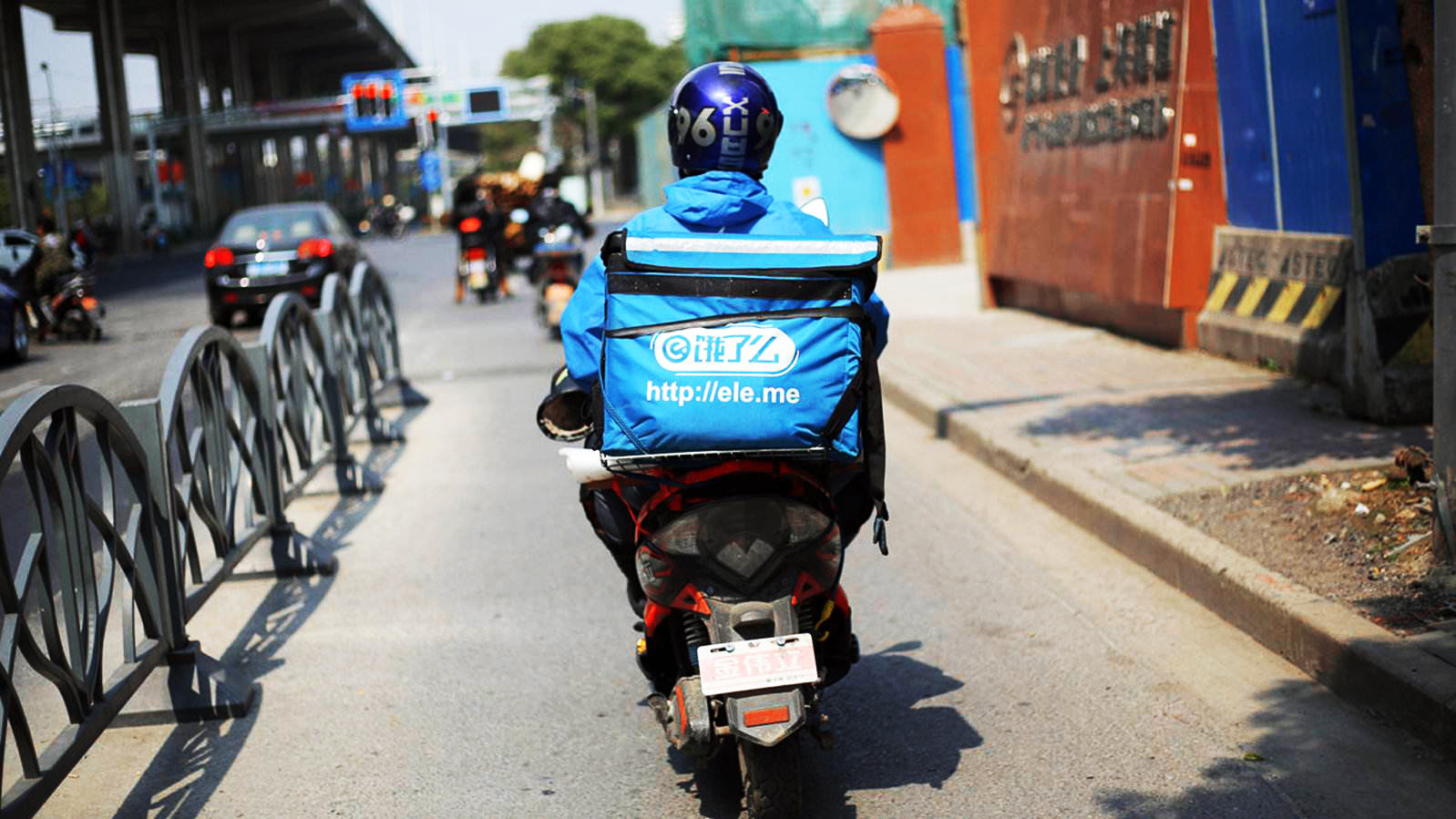
    Chinese e-commerce giant Alibaba is preparing to spend big on the country’s food-delivery market, setting aside hundreds of millions of dollars this summer to regain the lead from Tencent-backed rival Meituan Dianping.

    SEE ALSO : Alibaba Group-owned Ele.me to further expand into the food delivery business

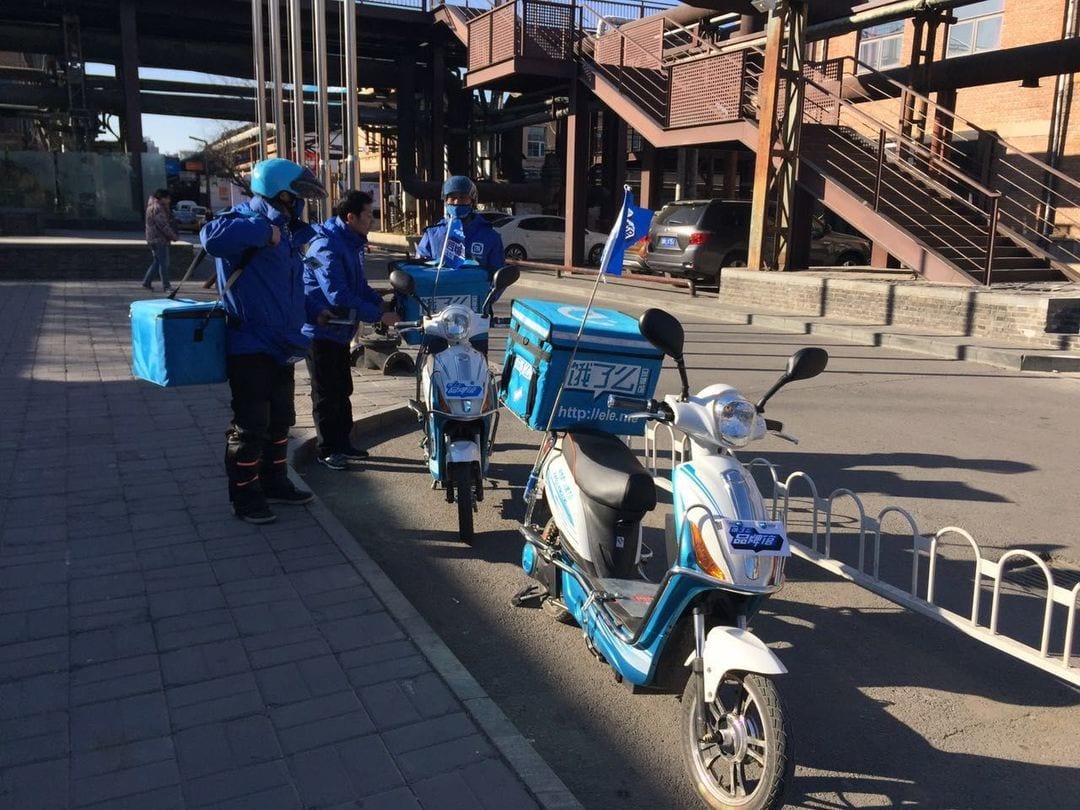
    The Hangzhou-based company will splash a whopping 3 billion yuan ($450 million) in the next three months to help Ele.me, the food-delivery platform it acquired for $9.5 billion in April, capture a greater share of the market from Meituan, Ele.me CEO Wang Lei says in an interview with Forbes. Ele.me, whose name means “Are you hungry?” in Chinese, will hand out more meal subsidies, boost payments to its logistics personnel and expand into more segments like express delivery to become No.1 in China’s 205 billion yuan ($30 billion) online food-delivery market, Wang says.

    “This is a huge market that is only at early stage development,” he says. “We have a really clear strategy, and that is capture a more than 50% market share in the short to medium term.”

    To that end, Wang says Alibaba is launching what he calls a “summer war” on Meituan, which had 46.1% of China’s online food takeout market last year, ahead of Ele.me’s 39.5%, according to consultancy Trustdata. In June, Beijing-based Meituan filed for an initial public offering in Hong Kong, seeking a valuation of $60 billion as part of its plan to raise more capital for further expansion. In an e-mailed statement, a Meituan spokesman said the company “has a track record of competing effectively against its competitors.” The company also said “the competitive landscape of on-demand delivery in China is led by Meituan Dianping, which saw its market share increase from 31.7% in 2015 to 59.1% in the three months ended March 31, 2018.”

    ut analysts say Alibaba’s investment seems likely to be effective—in the near term at least. In this potentially lucrative but hugely competitive market, customer loyalty is hard to come by, with the majority of customers often opting for the platform that offers the cheapest meals. For years, Ele.me and Meituan have doled out discounts to attract users, and the aggressive spending has led to heavy losses on both sides. Now, by offering fresh discounts, Ele.me can win back some short-term market share, says Zhang Yi, head of consultancy iiMedia Research.

    “In China’s food delivery market, as long as you are willing to spend, there will be results,” he says. “Customers will always go to the platform that has the best discounts.”

    Meanwhile, Ele.me is reportedly tapping private investors to raise another $2 billion in its fight against Meituan. Wang won’t comment on the report, but says the company has an open attitude towards outside funding.

    What’s more, to forestall Meituan’s progress, Alibaba also plans to connect users of its shopping sites and entertainment units with Ele.me. That means viewers of its Youku Tudou video platform will be offered Ele.me coupons and Ele.me’s members can access some of Youku’s paid channels for free.

    “Food delivery is a market we must take,” Wang says. “We will keep investing, and there is no limit to our budget.”

    And he considers the rising spending worthwhile. Aside from opportunities in the rapidly expanding food-delivery market, which iiMedia estimates will reach $36 billion by year end, Ele.me can also help to promote Alibaba’s payment services. The delivery platform currently uses Alipay, the e-wallet developed by Alibaba affiliate Ant Financial, as the default payment method. Meituan, by comparison, lists its own e-wallet Meituan Zhifu as the first payment option on its site.

    More importantly, Ele.me will become a cornerstone of Alibaba’s new-retail strategy, Wang says. To find new avenues of growth, the company is seeking to revamp China’s entire retail sector by analyzing customer data more efficiently and integrating online and offline shopping. Founder Jack Ma envisions delivering orders placed in both physical stores and online shops to consumers’ doorsteps within 30 minutes, freeing customers from the need to carry their shopping bags elsewhere. With its three million-strong delivery personnel that are already delivering meal orders within half an hour, Ele.me can support Alibaba’s logistics operation, he says.

    SEE ALSO : Amazon is hungry: food delivery to your door

    “In the future, we will open up Ele.me’s delivery capacity to more merchants on our shopping sites,” Wang says. “When you order something online, it may well be delivered within the same day, or even the same hour.”
  • Food2U scores a long term investment

    Food2U scores a long term investment

    Myanmar food-delivery platform Food2U has raised a six-digit investment from Premium Distribution, which handles retail, food services and non-food products.

    It imports and distributes products from such food brands as Cadbury, Ferrero, Fontana and Nestle, as well as items from Lock & Lock and Luminarc.

    The valuation of the startup, founded in early 2015, is said to be more than US$2 million. The company is led by founder/MD Kyaw Myo Thet, whose background is software engineering. In May last year, Food2U raised a six-digit amount from three individual investors including iMyanmarHouse.com founder Nay Min Thu.

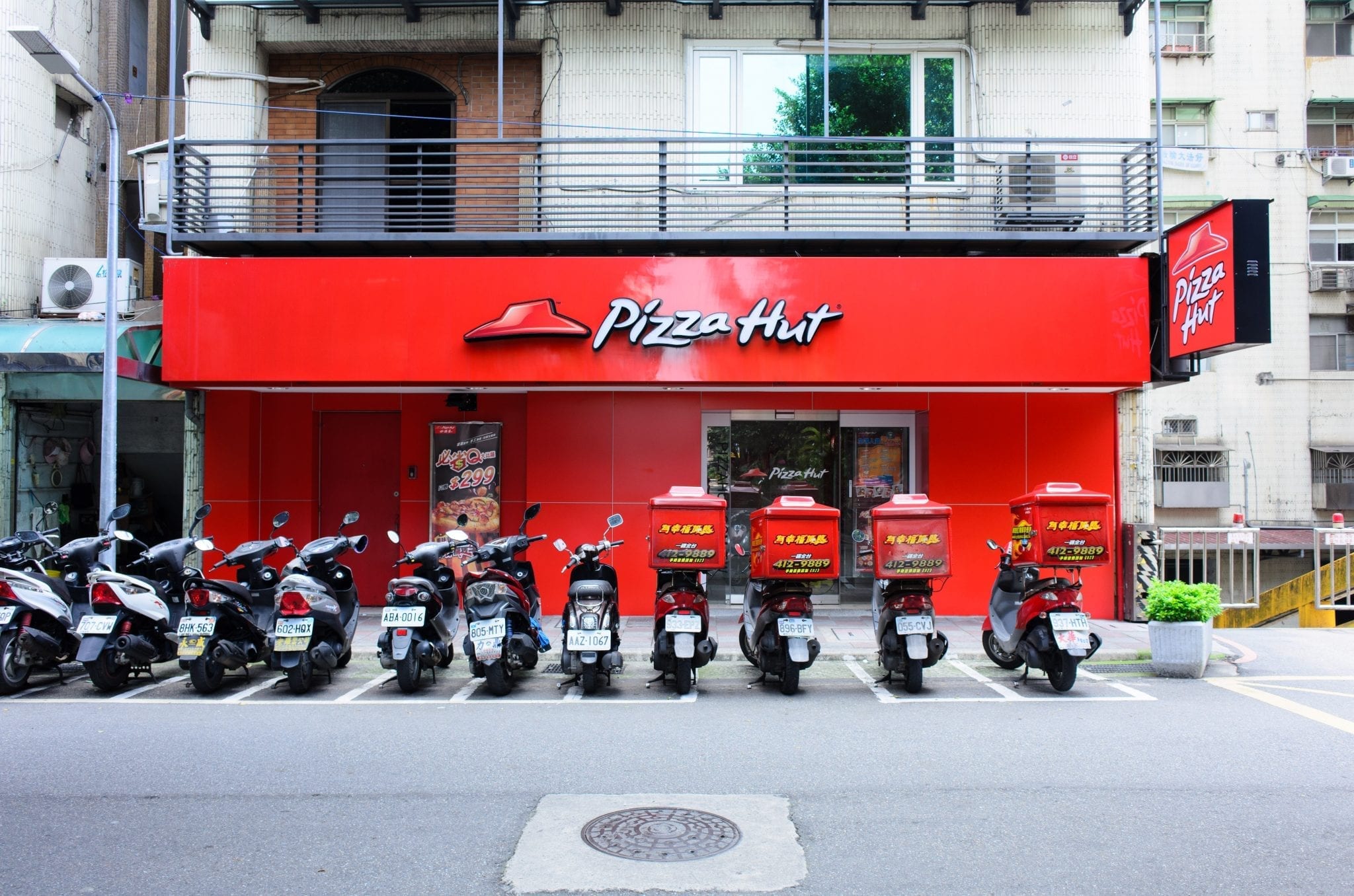
    Food2U, which handled about 5000 deliveries a month last year, has expanded its services beyond Yangon to Mandalay and Taunggyi. It has also forged a partnership with Pizza Hut in Myanmar, a JV involving Pizza Hut Myanmar, City Mart Holding and Jardine Restaurant Group.

  • Honestbee aims for national expansion in the Philippines

    Honestbee aims for national expansion in the Philippines

    After launching last year, online grocery- and food-delivery service Honestbee Philippines has set a goal of national expansion.

    Set up in Singapore in 2014, the concept soon spread to such neighbouring countries as Malaysia, Taiwan, Indonesia, Thailand, Hong Kong and Japan.

    In the Philippines, meanwhile, the Honestbee team has grown from five members to 150 “and counting”, says country manager Crystal Lee-Gonzalez. “We have about 100 grocery partners and nearly 300 food partners on the platform.”

    Services have expanded to include Metro Manila areas like Antipolo, Cainta, Malabon, Malolos Bulacan, Marikina, Meycauayan, Novaliches and Valenzuela. It has also launched in Metro Cebu, with other locations such as Camanava under consideration.

    “Right now, we have our eyes on highly populated urban areas with relatively difficult traffic conditions, such as Dasmariñas, Imus and Lipa,” says Lee-Gonzalez.

    Aside from online grocery shopping, a Wet Market Concierge Service has been added. Consumers can choose and buy the best produce and freshest seafood from the Alabang Wet Market, Cubao Farmer’s Market and the Pasay Wet Market.

    Honestbee has also launched concierge services for laundry pick-up and delivery (including dry-cleaning), and will soon offer deliveries from restaurants.

  • Lalamove Adds Delivery Toppings to Burger King Online Orders

    Lalamove Adds Delivery Toppings to Burger King Online Orders

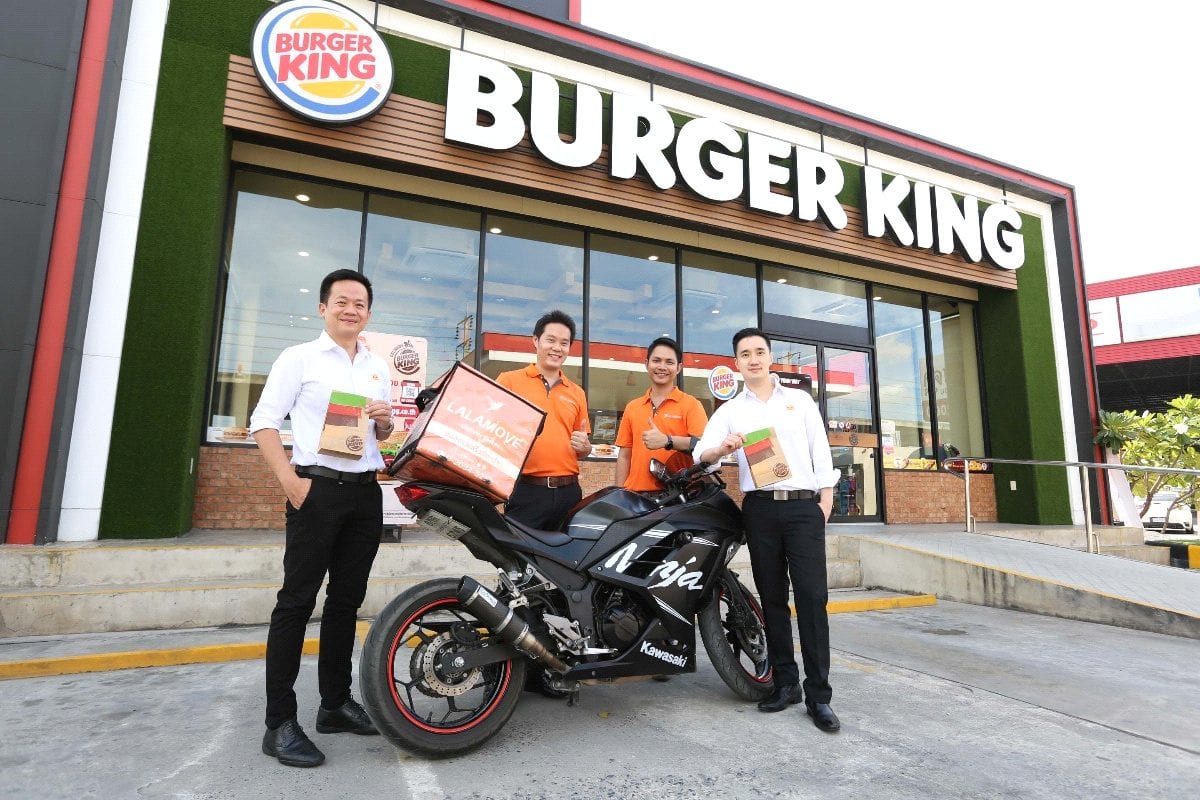
    US global fast-food chain BURGER KING has teamed up with Hong Kong-based on-demand delivery app and Thailand’s top food delivery platform, Lalamove, to launch its new partnership in November 2017 that will ensure better delivery of perfectly flame-grilled burgers to online customers all over Thailand.

    Burger King is the first fast-food burger restaurant chain to be added to the Lalamove delivery service and according to Chanon Klahan, Managing Director of Lalamove Thailand, this represents the delivery app’s reputation and focus on expansion. “To be chosen to join forces with such a successful household name as Burger King is a true sign of confidence in what we can deliver business-wise and of course burger-wise! It also shows Lalamove’s focus on building

    strong partnerships as we grow. With our food-delivery network of drivers, we can definitely help stimulate demand as Burger King continues to expand into new delivery locations.”

    In October 2017, Lalamove announced its own plans for global expansion too, by setting its sights on a presence in more than 100 cities across Asia after securing USD100M Series C funding.

    Prapat ‘Patrick’ Siangjan, General Manager at Burger (Thailand) Limited says, “Burger King has seen an opportunity to grow its customer base substantially. With the addition of an online food ordering channel, which is very popular today, Burger King can greatly expand its delivery zones.”

    “Thanks to Lalamove, which is Thailand’s leading same-day delivery and logistics provider, this collaboration will enable us to meet the needs of our customers better than ever before. By steadily launching new menu items to satisfy the appetites of our increasingly sophisticated customers, Burger King has seen the burger market continuously grow and receive consumer good response, especially in Q1 and Q3 of this year.”

    “In 2018, we plan to increase the number of branches by another 15-20 more new outlets, each with an average investment of 25 million Baht, in Greater Bangkok and strategic provinces nationwide. BURGER KING’s strong selling points will continue to be its focus on sourcing fresh, quality ingredients and creating unique menu offerings that will tantalize consumer taste buds, alongside our famous flame-grilled Australian beef for great-tasting deals at unbeatable prices.”

    With 16 branches already opened this year which brings the company to 89 outlets in total, (84 in Thailand and another 5 overseas), the Burger King brand is firmly established in this country. Consistently rolling out new restaurants in high potential locations enhances the brand and enables Burger King to extend its online delivery service zones to better meet growing consumer demand throughout Thailand. This is why Burger King chose to partner with the new Lalamove online delivery service as a part of its ongoing process to improve its online business as a whole.

    To celebrate this new partnership with Lalamove, Burger King is currently running a promotion offering free delivery with orders of 500 Baht or more from December 1st – 29th  2017.

  • Deliveroo Singapore plans its own restaurant

    Deliveroo Singapore plans its own restaurant


    Food-delivery service Deliveroo Singapore may soon run its own table-service restaurant, a potential first for a delivery app.

    The London-based startup, which launched into Singapore in late 2015, will open remote kitchens across the island next year, one of which could evolve into a fast-casual eatery, The Business Times reports.

    Known as Deliveroo Editions, these remote kitchens produce food for delivery only. They house multiple restaurant brands under one roof and can quickly make meals on order and access zones where particular restaurants do not have a presence.

    Deliveroo unsuccessfully applied for a dine-in permit at its Katong Editions site, its first kitchen, with the concept of a casual-dining food court with an alfresco area where customers could have dishes from any onsite restaurant. Now the company will explore the dine-in concept at its new Editions sites. It will also consider offering pick-up services, allowing customers to place orders through the app then collect their meals from one of the sites.

    GM Siddharth Shanker says the new Editions sites are likely to be in the heartlands. “It’s a data-driven bet. The first decision is usually where to open, which depends on restaurants and cuisines already in the area. The second is what restaurants to take on to the site, which will depend on food trends in the area.”

    He says that because Editions are designed for delivery only, the average time taken for food to reach customers is 23 minutes, shaving about 10 minutes off Deliveroo’s citywide average delivery time.

    The Katong Editions site is home to five restaurants. Each has its own kitchen and pays zero rent or utility fees. Instead, they pay a cut of their revenues to Deliveroo in exchange for using the space.

    Singapore is the first market outside London to have the Deliveroo Editions concept.

  • Food delivery and out-of-home dining are thriving in China

    Food delivery and out-of-home dining are thriving in China

    China is one of the world’s largest e-commerce economies, but that doesn’t mean people are only opting to consume in the comfort of their homes.

    In fact, a study by consultancy Bain and Company and Kantar Worldpanel found that the growth rate of FMCG (fast-moving consumer goods) home consumption is only tepid compared to the strong growth of dining out.

    According to that 2017 China shopper report, released on Tuesday, dining out and food delivery are seeing robust growth with Chinese consumers, who have traditionally cooked at home.

    The results revealed that while the value of food purchased for in-home meal preparation grew by only 3 percent annually from 2013 to 2016, food delivery rose by 44 percent and dining out grew by 10 percent over the same period.

    “You can still have family lunches and dinners at home but there is so much variety of delicious food that is available at 30 minutes from where you live or where you work, why would you bother cooking at home?” said Bruno Lannes, partner in Bain’s Greater China Consumer Products Practice.

    The study analyzed responses from a panel of 40,000 households and 4,000 individuals in tier 1 and tier 2 cities.

    The report’s findings this year are a continuation of a “two-speed” trend identified last year, said Lannes.

    In the case of dining, it’s “high-speed dining out and delivery versus low-speed home cooking” and this divergence will present new opportunities and strategies for food businesses, the report added.

  • Alibaba to lead $1b round into Chinese food delivery startup

    Alibaba to lead $1b round into Chinese food delivery startup

    Alibaba and its finance affiliate, Ant Financial, are in talks to lead a round of at least US$1 billion into Ele.me, one of China’s leading food delivery startups, according to anonymous sources that spoke to us.

    The fresh boost in capital will value Ele.me at US$5.5 billion to US$6 billion, and will help the startup battle against Meituan-Dianping, a competing service backed by Tencent, citing people familiar with the matter.

    “We do not comment on market speculation,” an Alibaba spokesman told us. Ant Financial declined to comment.

    China’s food delivery industry reached a heyday of activity in 2015, the year that food delivery startup Meituan and daily deals service Dianping merged into one entity. That year, both startups employed cash-burning subsidies to win market share.

    The industry quickly became a proxy war between Alibaba and Tencent, with the former backing Meituan and the latter investing in Dianping. However, after making peace over Meituan-Dianping, the fight has reignited – this time between Ele.me and Meituan-Dianping.

    Both are cornerstones of Tencent and Alibaba’s empires. In particular, the two startups fit into Tencent and Ant Financial’s mobile payment strategy, where online services, peer-to-peer payments, and purchases at brick-and-mortar retailers are conducted through the phone. By investing in Meituan-Dianping and Ele.me, both tech giants can embed their digital wallets inside the food delivery apps – and gather transaction data about customers.

  • Yum China seeking delivery deal

    Yum China seeking delivery deal

    Fast-food giant Yum China Holdings is looking at buying food-delivery services firm Daojia.com.

    Discussions are at an early stage, but a deal could be worth up to US$200 million, as reported.

    Established in 2010, Daojia.com focusses on online food orders and delivery services targeting the middle class urbanites in 10 Chinese cities. With a 3000-strong logistics team, it works with more than 6000 restaurants.

    Food-delivery apps are becoming more popular in China with services being offered by Baidu Inc’s Waimai, Alibaba Group Holding’s Meituan and Tencent Holdings’ Ele.me.

    China’s second-largest eCommerce fim JD.com and Macquarie Capital were investors in a $50 million round of fundraising by Daojia two years ago.

    Yum China was spun off from US-based fast Yum Brands Inc 12 months ago. The company’s brands include KFC and Pizza Hut.

    CEO Micky Pant says that while only 10 per cent of the company’s sales are delivered, deliveries are growing at double digits and will be an important driver of growth.

    Yum China secured a $460 million investment from Primavera Capital and Alibaba affiliate Ant Financial before its spin-off. Yum China already is the biggest user of Ant’s Alipay mobile payments service. The restaurant company is also investing in its mobile ordering system and loyalty programs.

  • Ele.me may go to Alibaba

    Ele.me may go to Alibaba

    As more people start using their smartphones or the internet to order food, China’s eCommerce leaders are in a battle for supremacy.

    Now a food-delivery startup backed by Tencent Holdings, Ele.me, is planning a fast funding round of at least $1.25 billion, in a deal led by competitor Alibaba Group Holding, reports Deal Street Asia. It is aiming to close the round next month.

    If it goes ahead, Alibaba will become Ele.me’s controlling shareholder. It values the service at about $4.5 billion, and the deal could be announced before the Lunar New Year holiday starting on February 8, according to an insider.

    Earlier merger talks between Ele.me and group-buying site Meituan.com fell through, and Caixinpreviously reported that Ele.me was in discussions with Alibaba to raise funds.

    Meanwhile, Tencent and Alibaba are battling with China’s largest search company Baidu for front position as the local-services industry gains traction with more people going online or using mobile technology to order food, schedule beauty treatments or hire domestic helpers. Users of these services are predicted to rise 29 per cent to 400 million by next year, with sales expected to reach 7.28 trillion yuan ($1.1 trillion).

    Chinese internet companies have been the subject of $91.6 billion in acquisitions and investments over the past 12 months, according to Bloomberg data. Meanwhile, Tencent shares have fallen 1.7 per cent in Hong Kong to HK$133.10 ($17.08) – the lowest in almost four months.

    Alibaba and its financial affiliate, Zhejiang Ant Small & Micro Financial Services Group, have formed a joint venture called Koubei, in which each has agreed to invest three billion yuan to help the company expand into neighbourhood services.

    Baidu last year said it would invest $3.2 billion over three years in its own provider of local services,Nuomi.

  • Foodpanda Singapore to deliver food in 30 minutes

    Foodpanda Singapore to deliver food in 30 minutes

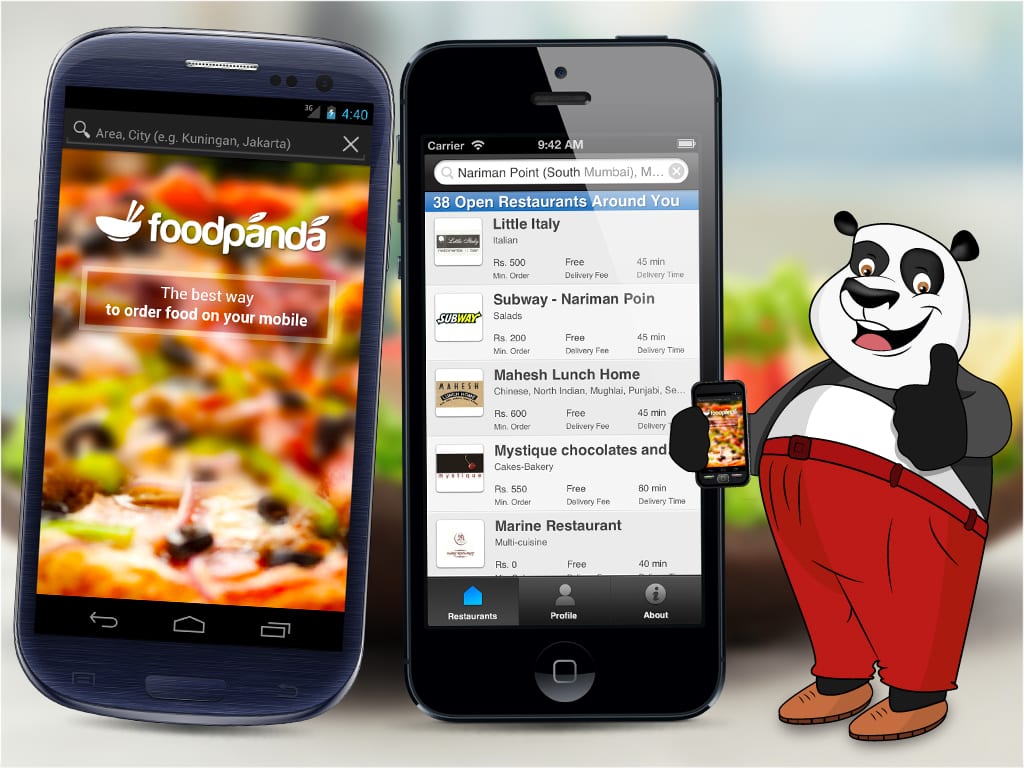
    foodpanda is promising to drastically reduce delivery time in Singapore to 30 minutes. This, it said, will be achieved by its own fleet of over 500 couriers, along with advanced delivery technology.

    “foodpanda’s service is all about delivering the most popular dishes around Singapore from kitchen to doorstep as quickly as possible. Having our own foodpanda fleet of riders means our service is now more consistent and speedier than ever, ensuring food consistently arrives on time,” said Jakob Angele, CEO for foodpanda Singapore.

    Using proprietary technology with advanced algorithm, delivery routes of riders are intelligently optimized.

    Recently, it signed partnerships with new healthy and popular restaurants to offer an even wider choice of healthy options at home and in the office. New partner
    restaurants include Sushi Burrito, District 10, The Assembly Ground and Nandos.

    foodpanda also exclusively offers delivery of hearty soups, stews, salads and sandwiches from The Soup Spoon.

    Anna Lim, Executive Director of The Soup Spoon Pte Ltd, says foodpanda’s fleet has allowed them to focus on more pressing elements such as service and the quality of food.

    “With foodpanda, we don’t have to dispatch our own staff or hire a third party delivery company anymore, which saves us an incredible amount of time,” she said. “We are also very pleased that each driver now has a receipt printer allowing them to have a copy of the bill – a common customer request.”