Tag: food retail

  • Indonesia’s Annual Inflation Eased to 3.23% in October

    Indonesia’s Annual Inflation Eased to 3.23% in October

    Indonesia’s annual inflation eased slightly to 3.23% in October 2026 from 3.28% in September, Central Statistics Indonesia (BPS) reported on Monday. The result keeps price growth within the government’s target band of 2.5% ± 1%, with food, transportation and personal care costs driving the index.

    Addressing reporters at a hybrid press conference at agency headquarters, BPS Deputy for Distribution and Services Statistics Ateng Hartono noted that the national consumer price index climbed to 112.56 in October 2026 from 109.04 a year earlier. Across the provinces, annual inflation ranged from a low of 2.52% in Jakarta to a peak of 8.07% in North Sulawesi.

    By expenditure group, food, beverages and tobacco added 1.4 percentage points to headline inflation as prices climbed 4.82% year-on-year. Ateng identified bird’s eye chilli, fresh fish, rice, cooking oil, broiler chicken, machine-made kretek cigarettes and beef as the primary upward drivers within the basket.

    Food and Household Staples Drive Index Gains

    Expenditure on food, beverages and tobacco delivered the biggest push to the national headline rate, climbing 4.82 per cent year-on-year and contributing 1.40 percentage points to the total figure. Within this basket, agency officials identified bird’s eye chilli, fresh fish, milled rice, cooking oil, broiler chicken, machine-made kretek cigarettes and beef as the primary upward drivers.

    The volatile food basket advanced 5.81 per cent on an annual basis, contributing 0.96 percentage points to the headline reading. That rate outstripped both core and administered components, underlining persistent retail price friction in basic wet-market and supermarket perishables.

    Core inflation registered at 2.56 per cent, accounting for 1.64 percentage points of the national total. Beyond food staples such as cooking oil and rice served with side dishes, core baskets reflected price increases across gold jewellery, mobile phones, laptops and engine lubricants.

    Logistics and Personal Care Add Broad Pressure

    Transportation recorded the second-largest category contribution, rising 4.87 per cent annually and adding 0.59 percentage points to the aggregate print. Higher domestic outlays for gasoline, air passenger fares, engine lubricants, motorcycles, private vehicles and workshop maintenance services drove the sector upward.

    Administered prices regulated by public authorities advanced 3.24 per cent year-on-year, contributing 0.63 percentage points. Gasoline tariffs, commercial aviation tickets, kretek cigarettes and domestic household fuels drove the bulk of that index basket.

    Personal care and miscellaneous services advanced 4.52 per cent, contributing 0.32 percentage points to the annual print. Central Statistics Indonesia Deputy for Distribution and Services Statistics Ateng Hartono noted that higher retail prices for gold jewellery underpinned gains across the personal goods category.

    “The annual inflation rate in October 2026 stood at 3.23%, with the consumer price index rising from 109.04 in October 2025 to 112.56 in October 2026,”

    Regional Divergence Across the Archipelago

    Price trends fractured across island markets. North Sulawesi posted the steepest annual inflation rate in the country at 8.07 per cent, driven by elevated regional distribution costs and local food price increases. Jakarta recorded the lowest annual figure among all provinces at 2.52 per cent, benefiting from tighter supply-chain integration and dense modern grocery retail infrastructure.

    For consumer goods manufacturers and retail chains, persistent inflation across staple groceries and vehicle running costs constrains discretionary purchasing power outside top-tier urban centres. While top-line inflation sits within official macroeconomic thresholds, the sticky 5.81 per cent climb in volatile food forces middle-income households to divert cash from apparel, electronics and dining toward fundamental pantry items.

    The factory side of the domestic economy showed counterbalancing strength. Indonesia’s Manufacturing Purchasing Managers’ Index rose to 54.0 in October from 52.4 in September, indicating expanding factory output and rising order volumes across consumer goods producers.

    Preceding Trajectory and Factory Output

    The October print marks a fractional deceleration after two straight months of accelerating cost pressure. Annual inflation had risen to 3.19 per cent in August before quickening to 3.28 per cent in September on food and fuel adjustments.

    Broader external trade data also reflected shifting domestic demand. Indonesia logged a merchandise trade surplus of $3.36 billion in September, based on exports of $27.59 billion and imports of $24.23 billion.

    Consumer product groups and retail operators now track the upcoming November harvest yields and regional logistics fuel costs to determine whether volatile food inflation eases back toward the central bank’s midpoint target.


  • EU Trade Talks Put Thai Seed Rules and Farm Costs in Focus

    EU Trade Talks Put Thai Seed Rules and Farm Costs in Focus

    Negotiations for a free trade agreement between Thailand and the European Union have brought intellectual property standards for agriculture to the fore, with Brussels proposing alignment under the 1991 International Convention for the Protection of New Varieties of Plants (UPOV 1991).

    Adopting the framework could lift domestic crop production costs by up to 1,000 baht per rai and push consumer prices for rice-based products up by 4%, according to projections cited by Aat Pisanwanich, a lecturer at Rangsit University’s Institute of Economics.

    As of November 2026, Thailand regulates plant varieties under its Plant Varieties Protection Act of 1999 and has taken no formal stance on accession, even as regional trade partners prepare bilateral pacts scheduled for implementation through 2027.

    The Cost Burden on Farm Inputs and Shelf Goods

    Seed procurement represents between 10 per cent and 15 per cent of total crop production costs in Thailand, based on operational metrics from the Thai Seed Trade Association. Shifting to international breeder mandates would alter those balance sheets quickly. Production costs for staple paddy rice would increase by 125 to 500 baht per rai, while feed corn costs would rise by 200 to 800 baht per rai. Industrial sugar cane crops face added outlays between 250 and 1,000 baht per rai, and tapioca expenses would jump by 125 to 500 baht per rai.

    For food manufacturers, feed millers, and grocery distributors, these upstream increases squeeze operating margins along the retail supply chain. The projected 4 per cent consumer price increase on packaged rice and processed grain products comes as food retailers across Southeast Asia work to contain shelf inflation. While commercial seed companies argue that stronger intellectual property laws spur private research and development, commercial buyers face immediate procurement pressure.

    Regional Precedents Across Southeast Asia

    Vietnam provides an operating precedent for what happens when a regional farm exporter signs the agreement. Hanoi acceded to UPOV in 2006 before implementing its bilateral trade pact with the European Union in August 2020. Commercial breeders increased their registered local varieties by 50 per cent following accession. Seed prices for those protected crop lines rose six to eight times above standard open varieties, concentrating input supply among licensed private distributors.

    India took a divergent path by rejecting UPOV membership entirely, relying instead on its domestic protection framework under the World Trade Organization TRIPS agreement to protect farmers alongside commercial breeders. That stance did not block market access: New Delhi concluded its free trade agreement negotiations with the European Union, with formal signing scheduled for 16 December 2026. Meanwhile, Indonesia adopted the 1991 standards with bespoke domestic exemptions as it prepares for its EU trade pact to take effect in January 2027.

    Legislative Conflicts and Breeder Rights

    Commercial seed houses maintain that greater intellectual property protection will not distort open-market retail pricing if variety choice expands. The Thai Seed Trade Association wants the government to amend the 1999 domestic act by clarifying the legal definitions of general domestic plant varieties, preventing companies from claiming existing public germplasm while establishing protection for newly engineered strains. The group also advocates retaining legal allowances for smallholders to save seed supplies across seasons.

    Thidakoon Saenudom, director of the Plant Standard and Certification Division at the Agriculture Department, argued for explicit state backing for public cultivation pipelines. “The government must allocate sufficient funding for plant breeding R&D to ensure that publicly developed varieties remain available as an alternative for farmers.”

    Trade negotiators in Bangkok continue to review the agricultural chapter of the European trade text without taking a formal accession stance. Commercial operators and packaged food brands are tracking the ministerial review of draft exemption clauses, which will establish whether staple cereal grains receive statutory carve-outs before final bilateral ratification schedules are set.

  • Coupang Partners with Sartori Cheese to Expand US Dairy Exports

    Coupang Partners with Sartori Cheese to Expand US Dairy Exports

    Sartori Cheese has partnered with Fortune 150 retail and technology firm Coupang to expand distribution of its artisanal cheese across South Korea, targeting a consumer base of more than 51 million people. The arrangement builds on Coupang’s export pipeline, which generated over $5 billion in overseas sales of U.S. Goods and services in 2025 alone.

    Through Coupang’s Rocket Fresh online grocery service, the Plymouth, Wisconsin-based manufacturer is introducing flagship lines including SarVecchio Parmesan and BellaVitano varieties directly to Korean households. Bert Sartori, chief executive of the fourth-generation family-owned company, noted that the digital platform allows the producer to reach Asian buyers faster and at greater scale after more than a decade of developing international sales.

    South Korea stands as Wisconsin’s third-largest overseas agricultural market. Coupang absorbs the primary operational hurdles of cross-border trade for Sartori by managing international marketing, shipping logistics, customs paperwork, foreign regulatory compliance and last-mile delivery across the country.

    Cold Chain Distribution from Plymouth to South Korea

    Exporting perishable dairy across the Pacific requires strict temperature control and fast customs processing. Coupang takes over ocean and air freight logistics, customs filings, regulatory approvals and last-mile cold-chain delivery for the American producer, bypassing domestic wholesale distributors.

    Sartori produces its cheese in Plymouth, Wisconsin, sourcing 150,000 gallons of milk daily from Majestic Crossing Dairy and other family farms located within 75 miles of its plants. The manufacturer converts local raw dairy into finished cheese wheels within hours of collection before packaging them for international transit.

    Coupang Builds Cross-Border Export Corridor

    Coupang generated more than $5 billion in overseas sales of American goods and services in 2025 alone. The retail operator deploys automated fulfillment facilities, robotics and artificial intelligence routing across its South Korean hub network to absorb cross-border volume from thousands of American suppliers.

    The company also runs a parallel trade corridor connecting American brands directly into Taiwan. By managing regulatory compliance and inventory intake centrally, Coupang acts as both merchant of record and logistics carrier for food businesses that lack overseas offices.

    Direct Import Threatens Traditional Importers

    Coupang’s end-to-end import model cuts out South Korea’s traditional multi-tiered food brokerage cartels. Conventional food importers usually take hefty margins while struggling to guarantee cold-chain integrity across urban delivery networks, leaving foreign specialty brands confined to high-end department store basements.

    Rocket Fresh changes that distribution math by placing short-shelf-life dairy directly onto consumer doorsteps within hours of ordering. Rival platforms now face heavier pressure to source overseas agricultural goods directly rather than buying through local intermediaries.

    Building Out Fresh Fulfillment Infrastructure

    The Wisconsin partnership follows heavy capital expenditure by Coupang into automated regional distribution centers across South Korea over the past three years. The platform poured billions of dollars into automated sorting machinery and temperature-zoned storage facilities to protect perishable grocery margins.

    Those investments turned Coupang from a general merchandise marketplace into South Korea’s dominant online grocery seller. The company now uses that infrastructure to win exclusive digital distribution arrangements with foreign agricultural cooperatives and specialty food makers.

    Volume Targets in Korea

    Attention turns to how fast Coupang can scale fresh dairy turnover across secondary Korean cities. Competitors will watch whether Coupang extends the Sartori cold-chain template to replicate similar direct-import arrangements for European and Australasian dairy producers.

  • Huat Lai Launches Five Frozen Poultry Products Under Little Farmer Brand

    Huat Lai Launches Five Frozen Poultry Products Under Little Farmer Brand

    Huat Lai Resources Berhad launched Little Farmer in Malaysia in October 2026, entering the retail frozen poultry category with five value-added chicken products processed from its domestic farming network.

    The company is Malaysia’s largest supplier of Certified Humane cage-free eggs and one of the country’s biggest integrated poultry producers, giving the new consumer label immediate upstream supply support.

    The Initial Five-Product Retail Lineup

    Little Farmer debuts with Shiok Mamak Drumettes, standard Chicken Drumettes, Japanese Crispy Chicken Bites, Tempura Nuggets, and Tempura Nuggets Smokey Cheese. The lineup targets home cooks and quick-meal shoppers through supermarket freezer aisles, carrying the sub-brand tagline “Farm Goodness by Huat Lai”.

    Packaging across the range highlights “Nenek Approved” branding alongside the producer’s farm heritage. The push takes Huat Lai directly into value-added, packaged processed meats, a segment that commands higher margins than wholesale fresh broilers and commodity table eggs.

    Value-Added Processing vs Commodity Poultry

    Upstream livestock producers across Southeast Asia face steady margin pressure from volatile feed grain imports and local retail price controls on standard fresh chicken. Moving into cooked and breaded frozen meats lets producers capture processing margins that commodity wholesale contracts do not provide.

    Retail buyers in Malaysia have allocated more freezer space to local, halal-certified processed foods as shoppers look for convenient meal options. Little Farmer enters a competitive shelf already contested by established regional brands, meaning shelf velocity and distribution reach will matter more than brand heritage alone.

    Farm Integration and Certification History

    Huat Lai built its market position as an early adopter of commercial cage-free egg facilities in Southeast Asia, securing third-party animal welfare certification for its layer operations. That farming scale provides complete traceability for its meat processing lines.

    Controlling feed, breeding, and processing under one corporate umbrella protects product consistency across the new retail line. It also allows Huat Lai to absorb wholesale supply fluctuations that pure-play food packagers must buy through open contracts.

    Retail Expansion to Watch

    The company is deploying Little Farmer across Malaysian grocers and modern trade outlets through the final quarter of 2026. Store distribution numbers and potential category extensions into raw chilled cuts will determine how much supermarket market share the brand takes in 2027.

  • Hackers Raise Fridge Temperatures Across 400 French Supermarkets

    Hackers Raise Fridge Temperatures Across 400 French Supermarkets

    A coordinated cyber attack struck roughly 400 French supermarkets in October 2026, forcing commercial freezers to 50 degrees Celsius overnight and destroying tens of millions of euros in refrigerated stock.

    The breach hit stores operated by Intermarché Coopérative U, Carrefour, Monoprix, and E.Leclerc, causing immediate inventory write-offs across fresh food and frozen aisles.

    How Hackers Infiltrated Cooling Controls

    Intruders targeted centralised refrigeration software supplied by Danish engineering group Danfoss, which enables remote monitoring and automatic temperature regulation across commercial networks. Rather than breaching individual retail units on site, attackers exploited outdated firmware to alter master temperature settings across hundreds of stores simultaneously.

    Les Mousquetaires, parent company of Intermarché and Netto, confirmed that cooling units across approximately 150 of its outlets were heated to 50 degrees Celsius for six consecutive hours. The chain disconnected another 100 stores from the network during the incident to prevent further damage. Carrefour reported compromised systems across 80 stores, while Monoprix lost inventory across 5 per cent of its locations.

    Supply Chain Exposure Across Asia-Pacific

    For supermarket operators across Australia and the wider Asia-Pacific region, the incident shifts operational technology from backroom maintenance into board-level risk. Australian grocers manage thousands of distributed stores using identical internet-facing refrigeration and building management systems to cut energy costs and meet emissions targets.

    Retailers in the region carry heavy exposure when third-party maintenance contractors retain direct administrative access to store controllers. An intrusion into a corporate facility network or a shared vendor management platform bypasses store-level alarms and ruins cold-chain compliance before morning shift managers enter the building.

    Legacy Systems and Unpatched Firmware

    The technical fault line sits in legacy hardware that operators rarely replace during routine store refurbishments. Danfoss stated that the compromised units in France ran outdated firmware that could not support current defensive updates. The manufacturer maintains that it has long advised commercial clients to update supported hardware and migrate obsolete systems.

    Cybersecurity researchers at Claroty documented critical flaws in the Danfoss AK-SM 800A controller in August, showing that attackers could bypass authentication protocols to execute remote code. Danfoss issued software patches following that disclosure, but independent franchise operators and decentralized supermarket networks frequently lag in deploying updates across thousands of field devices.

    Investigations Open as Retailers Audit Assets

    French prosecutors and national cybersecurity agency ANSSI have opened a formal investigation into the breach, treating the incident as a coordinated assault on commercial food infrastructure. Retailers across Australia and Asia-Pacific must now verify whether local cold-chain assets run unpatched Danfoss controllers or unprotected vendor links before investigators publish the final incident report.

  • Seven & I Targets Europe as Fourth Growth Pillar for 7-Eleven

    Seven & I Targets Europe as Fourth Growth Pillar for 7-Eleven

    Seven & I Holdings is looking to Europe for the next phase of 7-Eleven’s global expansion following its exit from India in October 2026.

    According to Nikkei Asia, president and CEO Steve Dacus said the company aims to make Europe its fourth major growth pillar, alongside Japan, North America and Asia.

    The region’s relatively small store network presents an opportunity for the Tokyo-based retail conglomerate to expand its footprint as it reassesses its international growth strategy.

    Building a Fourth Regional Base

    The European push elevates the continent alongside Seven & I’s three core operational strongholds. While 7-Eleven maintains dominant networks across East Asia and North America, its European presence has historically lagged far behind domestic rivals and fuel station operators.

    Expanding across Europe requires tailored franchise models and fresh supply chain infrastructure. Local planning laws and dense urban competition in Western Europe present a very different operating environment than suburban North American forecourts or high-density Asian city centres.

    North American Overhaul and Fuel Dependencies

    The push into Europe coincides with an ongoing operational overhaul across Seven & I’s North American business. Under 7-Eleven Inc. Head Mauricio Leyva, the group has been importing fresh food merchandising and supply chain practices directly from Japan to upgrade standard US convenience formats.

    North American earnings delivered strong overseas profitability during the second quarter, largely lifted by fuel margins. Group net profit fell during the quarter as weak domestic Japanese retail performance outweighed overseas gains.

    Strategic Shifts After India Retreat

    Exiting the Indian retail market closed a difficult chapter for Seven & I’s Asian licensing division. Expanding deep into India required heavy logistical spending without delivering the high-margin packaged food velocity that sustains the chain in markets like Japan, Taiwan and Thailand.

    Redirecting expansion resources into developed European economies shifts the group away from low-margin, high-risk emerging markets toward consumer bases with higher disposable spending power. The risk sits in high European labour costs and entrenched regional supermarket chains already operating compact express formats.

    Next Steps in Overseas Expansion

    Seven & I now faces the task of securing master franchise partners and real estate pipelines across targeted European cities. Investors will watch for specific country entry timelines and capital allocation details in upcoming corporate strategy filings.

  • Hashi Market Takes 35,715 Square Feet of Former Amazon Fresh Space in Seattle

    Hashi Market Takes 35,715 Square Feet of Former Amazon Fresh Space in Seattle

    Japanese grocer Hashi Market leased a 35,715-square-foot retail unit in North Seattle to open its first location in the city.

    The store occupies space at 13025 Aurora Avenue N previously run by Amazon Fresh. The site became available after Amazon closed its Fresh- and Go-branded brick-and-mortar grocery stores nationwide earlier this year.

    New footprint on Aurora Avenue

    Hashi Market plans to stock fresh Japanese produce, packaged groceries, and home goods across the single-level footprint. The North Seattle format will also run on-site catering services alongside dedicated sections for beauty products and household essentials.

    Taking over built-out supermarket real estate reduces upfront capital spending on refrigeration and distribution fixtures. Former Amazon Fresh properties feature heavy electrical infrastructure, cold storage rooms, and loading docks that grocery operators can repurpose without full structural refits.

    Filling vacancies left by Amazon Fresh

    Amazon spent years testing automated checkouts and custom grocery layouts before shuttering dozens of Go and Fresh units across US metropolitan markets. That retrenchment opened suburban strip-centre boxes to specialty food operators hunting for turnkey retail space.

    Asian grocery chains have expanded steadily into North American secondary and primary corridors, filling mid-sized footprints between 30,000 and 50,000 square feet. Hashi Market steps into a corridor where demographic demand for imported Japanese pantry staples, prepared foods, and cosmetics remains underserved by traditional supermarkets.

    Asian specialty grocers take suburban sites

    Specialty grocers benefit from higher basket sizes and stronger customer retention than conventional general merchandisers in competitive metro areas. Asian supermarket operators often rely on extensive fresh counters, hot meal programs, and imported stock keeping units that conventional chains do not carry.

    The Aurora Avenue location gives the Japanese banner highway visibility in a dense commercial corridor. Reallocating the floor plate to prepared meals and catering allows the operator to generate secondary revenue streams beyond standard shelf-stable retail sales.

    Timeline and upcoming launch

    Amazon’s decision to exit its experimental grocery formats in 2026 accelerated store turnover throughout the Puget Sound region. Landlords have moved quickly to backfill these suburban shells with established ethnic grocery operators able to draw consistent foot traffic.

    Hashi Market has begun fitting out the 13025 Aurora Avenue N property ahead of its scheduled public opening.

  • Indofood CBP Launches Two New POP Spageti Flavours in Indonesia

    Indofood CBP Launches Two New POP Spageti Flavours in Indonesia

    PT Indofood CBP Sukses Makmur Tbk has launched two instant pasta variants in Indonesia this week under its POP Spageti brand. The new flavours are Pizza Bolognese and Fried Chicken Carbonara.

    Marketing for the rollout targets younger consumers under the New Taste, New Vibe campaign banner.

    Fast-food flavours in instant packs

    Both additions merge Western fast-food recipes with instant noodle preparation. Pizza Bolognese combines herb-seasoned tomato sauce with spaghetti noodles. Fried Chicken Carbonara pairs creamy white sauce with fried chicken seasoning notes.

    Each item uses a dry noodle format. Consumers rehydrate the noodles with boiling water before mixing in the sauce and seasoning sachets for quick at-home meals.

    Product shifts in convenience meals

    Indofood CBP is testing crossover flavours across its processed food divisions to protect shelf space in modern retail channels. Local supermarket aisles lean heavily toward traditional savoury and chilli blends. Novel combinations give the company a reliable way to drive trial among younger shoppers.

    These Western-style instant pasta packs carry a higher price point than standard instant ramen. Retailers rely on them to lift basket values without dedicating floor space to chilled or frozen ready meals.

    Positioning against standard noodle lines

    Convenience stores across Java and regional hubs serve as the main testing ground for the new lines. Steady foot traffic from students and office workers turns novelty food items into reliable impulse buys at checkout.

    Market competition across Indonesian instant noodles remains aggressive. Domestic producers regularly rotate limited-edition lines to defend volume share against imported Asian brands.

    Retail distribution across modern trade

    A vast distribution network across Southeast Asia gives the manufacturer immediate access to modern trade chains and traditional minimarkets.

    Shoppers can find the Pizza Bolognese and Fried Chicken Carbonara packs in Indonesian modern grocers, minimarkets, and e-commerce platforms selling the Indofood portfolio.

  • Indonesia Court Orders Mandatory Front-of-Pack Nutrition Labels

    Indonesia Court Orders Mandatory Front-of-Pack Nutrition Labels

    Indonesia’s Constitutional Court ruled that packaged food and beverage products must carry front-of-pack nutrition labels specifying 3 dietary components: sugar, salt and fat. The decision binds regulators to enforce standardized warnings across the retail packaged goods sector.

    Food manufacturers and consumer packaged goods brands across Southeast Asia’s largest retail market now face mandatory compliance overhauls for product packaging. The ruling directs national regulators to set up color-coded nutritional indicators designed to limit the intake of high-risk dietary ingredients.

    Enforcement across packaged goods

    The legal mandate requires Health Minister Budi Gunadi Sadikin’s Health Ministry and the Food and Drug Supervisory Agency, known locally as BPOM, to establish an evidence-based labeling standard after previewing prototypes on April 14. Advocacy groups including the Center for Indonesia Strategic Development Initiatives and the Indonesian Consumers Foundation backed the court order to accelerate implementation.

    Regulators previously introduced a Nutri-Level system preview in Jakarta on April 14, where BPOM chief Taruna Ikrar and Health Minister Budi Gunadi Sadikin examined prototype color grades. The court decision now turns what was an administrative proposal into a strict legal obligation for food processors.

    Operational shifts for food brands

    Consumer brands face immediate reformulations and inventory packaging write-offs once technical rules take effect. Companies selling high-sugar drinks, processed snacks and convenience foods will have to display prominent health warnings that directly influence basket choices at supermarket shelves and convenience stores.

    Supermarket operators and minimarket chains must prepare for altered product velocity. In neighboring markets such as Singapore and Thailand, graded nutrient profiling reshuffled packaged beverage sales toward lower-sugar alternatives, forcing multinational suppliers to adjust localized recipes.

    Standardizing color-coded grades

    The policy framework targets non-communicable diseases linked to excessive dietary sodium, saturated fat and refined sweeteners. Policy analysts emphasize that clear graphic indicators are necessary to ensure consumer comprehension at point of sale.

    CISDI policy analyst Ika Nindyas Ranitadewi said on Thursday that “such a labeling requirement is an important step to ensure consumers’ rights to food information” across the retail supply chain.

    YLKI chair Niti Emiliana noted that mandatory warning labels provide an opportunity for state agencies to enforce uniform standards across domestic producers and imported grocery lines.

    Regulatory timeline and implementation

    BPOM and the Health Ministry must now draft the implementing technical guidelines governing threshold metrics, typography and package placement. The forthcoming ministerial regulation will dictate transition windows for consumer goods conglomerates and small-scale domestic food processors alike.

  • Marley Spoon Expands Australian Menu to over 200 Items as Subscriber Numbers Slide

    Marley Spoon Expands Australian Menu to over 200 Items as Subscriber Numbers Slide

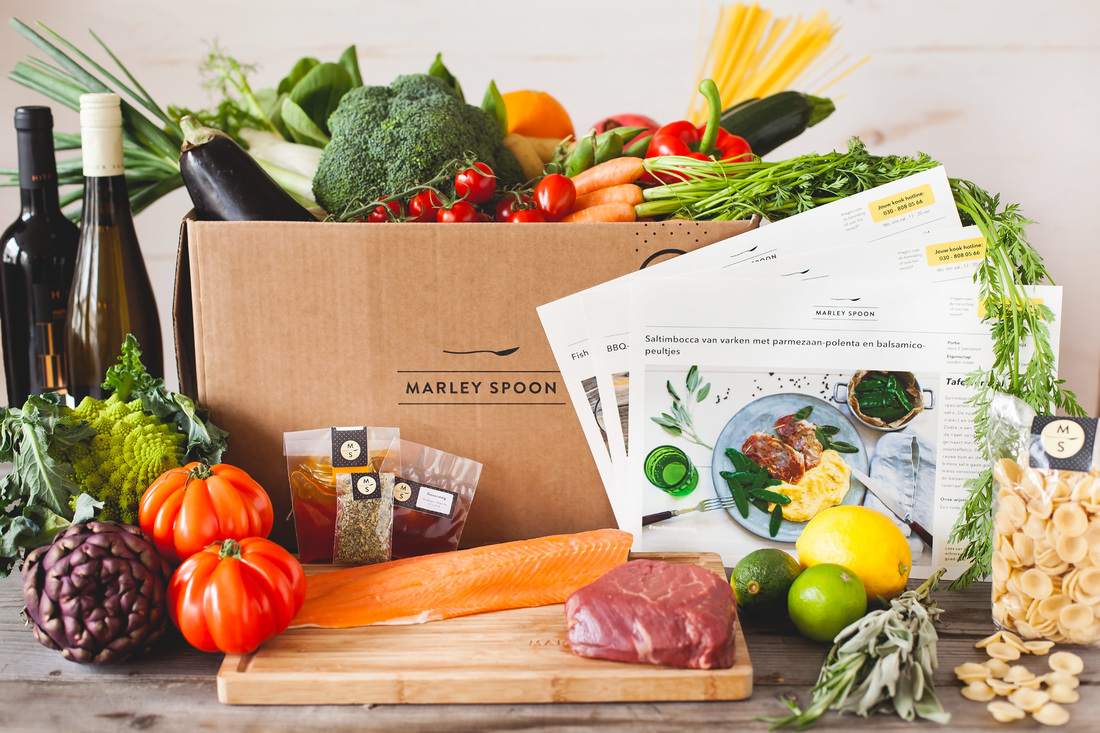
    Marley Spoon has expanded its Australian catalog beyond dinner meal kits to more than 200 weekly recipes. The lineup now includes ready-to-eat dishes, breakfasts, lunches and pantry items.

    That rollout follows an 11,000 drop in the company’s Australian active subscriber base during the first half of 2026.

    Australian customers can now order single-serve prepared meals, snacks, beverages and dietary ranges alongside standard dinner boxes. This shifts the brand from dinner kits toward all-day food. Rolf Weber, chief executive officer of Marley Spoon Australia, is steering the strategy to capture a larger share of household grocery budgets.

    Adding Meals Across the Day

    Dinner kits require prep time and cooking skills that busy households often abandon. By adding single-serve heat-and-eat dishes and breakfast items, Marley Spoon is chasing customers who want speed over a culinary project. The expanded menu gives existing buyers fewer reasons to supplement orders at supermarket chains.

    Adding snacks, drinks and lunches also lifts average basket sizes. That helps offset high refrigerated delivery freight costs across Australia. Global order frequency edged up 0.8 per cent in the first half of 2026. Retaining engaged users generated incremental spend even as overall accounts fell.

    Subscriber Churn and Revenue Pressure

    Menu expansion in Australia comes during severe operational contraction across Marley Spoon Group SE. Group revenue fell 23.9 per cent to €105.6 million in the first half, down from €138.9 million in the prior corresponding period. Total active subscribers across all markets dropped 21 per cent, sliding from 154,000 to 121,000.

    Australia proved more resilient than other markets, but average active subscribers still fell from 58,000 to 47,000 in the first half. United States subscribers dropped from 73,000 to 57,000, while European accounts declined from 23,000 to 17,000. Contribution margins held at 36.5 per cent against 36.3 per cent a year earlier, protecting unit economics despite lower volume.

    Supply Chain Troubles Compound Losses

    Global operations suffered disruption when key manufacturing partner FreshRealm entered Chapter 11 bankruptcy in April 2026. Marley Spoon transferred its United States meal-kit fulfillment to Misfits Market in a ten-week move, while shifting its BistroMD ready-meal arm to ColdTrack.

    Those sudden vendor handoffs caused inventory shortages, missing ingredients and recipe substitutions that drove cancellations through August. Australian operations rely on domestic supply networks, but the corporate balance sheet absorbed the cost of customer credits and emergency logistics in North America.

    Restructuring and the Australian Market

    Marley Spoon announced group-wide job cuts and fresh refinancing measures on September 29, 2026, to stabilize its cash position. The company is leaning on menu variety to lower customer acquisition costs, which have risen across the direct-to-consumer food sector.

    A broader Australian menu widens defenses against rival HelloFresh and local ready-meal producers such as Youfoodz. Success depends on whether local warehouse teams can manage 200 distinct recipes per week without driving up packing errors and spoilage.

    Management will report its third-quarter trading update later this year. Those customer retention figures will show whether the expanded Australian catalog arrested subscriber decline.

  • Bangladesh Pushes Fruit Importers to Open Credit Lines as Orange Prices Hit Tk 520

    Bangladesh Pushes Fruit Importers to Open Credit Lines as Orange Prices Hit Tk 520

    Bangladesh Commerce Minister Khandakar Abdul Muktadir pressed fruit traders in Dhaka on Saturday to accelerate letters of credit for imported produce. The push aims to curb surging retail prices.

    Retail prices for imported sweet oranges, known locally as malta, climbed to Tk 520 per kilogram. That surge came despite regular landed costs and existing customs duty schedules. Muktadir met commercial traders and state regulatory bodies at the Secretariat to demand an explanation and outline immediate supply adjustments.

    Supply deficit triggers retail squeeze

    Traders blamed container shortfalls at maritime ports for the price spike. Weekly arrivals dropped to between 12 and 29 containers of sweet oranges. That falls far short of Bangladesh’s normal daily market consumption of roughly 15 containers.

    Importers reported that compounding logistics costs, port turnaround delays, and steep import taxes forced businesses to curb order volumes. Financial losses suffered on earlier shipments also discouraged merchants from booking high-volume consignments for perishable items carrying high spoilage risks.

    Muktadir instructed the Directorate of National Consumer Rights Protection to monitor retail markets and penalise vendors charging unjustified markups. He told traders the government will not tolerate speculative pricing on household fruit.

    Tariff reassessment for dates and fresh produce

    The Ministry of Commerce offered tariff relief to encourage fresh import financing through commercial banks. Muktadir pledged that the government will review the duty structure on sweet oranges. He also promised a formal decision on date duties and taxes within the week.

    Fruit importers raised concerns over shipping windows for dates ahead of seasonal consumption cycles. International transit hurdles require early tax clarity to avoid supply bottlenecks. Customs valuation disputes have also complicated date clearances at border checkpoints.

    A representative from the National Board of Revenue confirmed that actual purchase prices across different grades of dates vary widely. Customs assessments frequently fail to reflect those tiers accurately. The Bangladesh Trade and Tariff Commission plans to meet importers to determine realistic baseline prices verified against international source markets before submitting a revised schedule to revenue authorities.

    Supermarkets face inventory costs

    Grocery chains and retail fruit sellers across Dhaka and regional urban hubs face shrinking sales margins under the import bottleneck. When fruit consignments arrive at irregular intervals, procurement desks compete for scarce spot containers. That drives wholesale terminal auction prices upward before stock reaches store displays.

    Lowering duty barriers without ensuring commercial banks clear foreign exchange allocations for letters of credit will keep wholesale prices elevated. Traders must also identify alternative overseas agricultural suppliers quickly to rebuild port inventory pipeline volumes before winter consumption peaks.

    Regulatory scrutiny on staple food chains

    This pricing clash follows repeated government interventions across Bangladesh’s essential food supply chains over the past year. Authorities have maintained active price ceilings and import duty waivers on core commodities such as edible oil, onions, and sugar to counteract stubborn food inflation.

    Extending formal pricing reviews to imported table fruits reflects broader consumer pressure on non-staple grocery budgets. The commerce ministry is threatening enforcement actions through the consumer rights directorate while dangling duty concessions to push commercial trading houses toward voluntary price moderation.

    Importers agreed to explore alternative overseas sourcing destinations to diversify citrus procurement away from disrupted traditional routes. Next, the Bangladesh Trade and Tariff Commission must set its new valuation schedule for date consignments before revenue collectors implement the revised import framework.

  • Japan Veers from Rice Shortage to Glut as Farmers Suffer Whiplash

    Japan Veers from Rice Shortage to Glut as Farmers Suffer Whiplash

    Japan has swung from a severe rice shortage to an oversupply glut after releasing emergency grain stockpiles last year to curb soaring consumer prices.

    Although cheaper grain brings relief to shoppers, the rapid price drop is dealing a sharp blow to agricultural producers nationwide.

    Supply reversal squeezes farm margins

    In Chiba Prefecture, Hiroshi Asano, 59, who farms 38 hectares of rice fields, is among the commercial growers feeling the impact of the sudden surplus.

    Large commercial farms with tens of hectares can absorb cyclical downturns through equipment depreciation and land scale. Family operations and independent growers on small plots lack the capital buffers needed to survive prolonged wholesale discounting.

    Retail price shifts and supermarket supply

    Supermarket chains across Tokyo and surrounding prefectures had spent months rationing bags and passing wholesale surcharges onto consumers. Falling purchase costs allow food retailers to restore inventory volume and stabilize shelf pricing on private-label and branded rice products.

    Food manufacturers and restaurant chains also gain short-term margin relief from cheaper grain inputs. The price collapse creates procurement instability for buyers who rely on long-term supplier contracts with domestic farming cooperatives.

    Policy intervention and stockpile dynamics

    The supply swing stems partly from emergency market measures deployed during the previous pricing surge. Japanese authorities released state reserve stocks to quell consumer frustration over grain inflation and empty retail racks.

    That flood of public reserves, combined with incoming crop harvests, pushed commercial inventories beyond normal distribution capacity. State planners now face the reverse challenge of balancing consumer affordability against rural producer solvency.

    Structural risks for aging growers

    Japan’s agricultural sector already faces demographic pressures, with the average age of farm operators rising and abandoned arable acreage increasing nationwide. Sharp swings between scarcity and surplus accelerate the exit of independent operators from the staple crop sector.

    Distribution networks must now manage excess inventory flows through regional logistics hubs while wholesale auctions establish new baseline prices for the upcoming harvest cycle.

  • Mini-Supermarkets Challenge Southeast Asia’s Large Food Formats

    Mini-Supermarkets Challenge Southeast Asia’s Large Food Formats

    In October 2026, neighbourhood convenience chains are driving deeper into provincial Southeast Asia, pulling daily food spending away from large-format hypermarkets as small-box networks expand across rural farming communities.

    The push into lower-tier population centres shows how compact grocery footprints now compete directly with destination retail hubs across markets such as Thailand.

    Rural Demand Shifts to Local Doors

    In farming hubs like Duan Yai in southern Sisaket province, where roughly 5,000 residents anchor the surrounding agricultural trade, consumer demand for modern retail is outstripping local physical supply. Shoppers in the district currently travel 10 kilometres west to Bu Sung, a town of 10,000 people, to access the nearest 7-Eleven branch.

    That distance illustrates the remaining runway for convenience operators. The appetite for modern trade in smaller towns creates immediate footfall whenever corporate operators consider new postcodes.

    Format Pressure on Destination Stores

    Large grocery formats built their business models on weekly car trips and high average basket sizes. Mini-supermarkets and convenience operators upend that calculation by positioning fresh staples and daily packaged goods within minutes of residential clusters.

    For regional operators, smaller floor plans lower upfront capital expenditure, shorten opening timelines and reduce exposure to mall lease cycles. The operational challenge shifts entirely to logistics density and cold-chain route efficiency across secondary highways.

    Supply Chains Adapt to Fragmented Stops

    Servicing fragmented rural stores requires automated replenishment schedules and higher delivery frequencies per route. Distributors that fail to match the delivery cadence of corporate convenience networks lose shelf space to direct operator contracts.

    Suppliers must also tailor packaging formats to smaller baskets, swapping bulk family packs for single-serve items and everyday portion sizes suitable for local farm workers and rural households.

    Network Density Decides Format Winners

    Convenience networks in Thailand have steadily filled urban corridors and are now systematically mapping tier-three administrative subdistricts. Each new branch in a secondary town cuts into the trade radius of the nearest regional commercial centre.

    Network expansion now hinges on whether store operators can maintain gross margins on rural logistics routes as store density spreads into districts with fewer than 10,000 residents.

  • Chobani Enters Australia High-Protein Milk Category with Five Flavours

    Chobani Enters Australia High-Protein Milk Category with Five Flavours

    Chobani entered Australia’s high-protein drinks category on September 29 with a five-flavour line of ready-to-drink yogurts packing up to 30 grams of protein per bottle.

    The rollout targets health-focused shoppers across the country, selling in 270ml and 400ml bottle sizes with 20-gram and 30-gram protein formulations.

    Formulation and format specifications

    Chobani’s new line arrives in Vanilla, Mixed Berry, Tropical, Mango and Strawberry. The company sources the protein content entirely from fresh milk rather than added milk powders.

    Each bottle is lactose-free and contains no added sugar or artificial sweeteners. The formulation gives supermarket buyers a clean-label dairy option in grab-and-go refrigerated beverage cases, where shelf competition from RTD shakes and functional milks has sharpened.

    Shifting fridge space beyond traditional yogurt

    Australian retailers are allocating more linear shelf space to high-protein dairy beverages as consumer demand shifts toward functional snacking. Chobani built its market position in Australia on traditional tub Greek yogurt, but chilled beverage aisles offer higher purchase frequency and faster inventory turn.

    Entering liquid drinks puts the brand into direct competition with established functional milk processors and sports nutrition brands. The clean-ingredient profile is Chobani’s main lever to pull shoppers away from powder-reconstituted protein shakes that dominate convenience coolers.

    Broader protein and ready-to-drink expansion

    The Australian rollout aligns with the group’s global pivot toward high-protein formats and functional ready-to-drink beverages. Chobani recently introduced its 20-gram Protein Flip yogurt snacks in North America, pairing strained dairy bases with nuts and freeze-dried fruit mix-ins across four varieties.

    Beverage diversification has also accelerated through coffee. Chobani expanded into ready-to-drink cold brews and liquid creamers after acquiring La Colombe, which has generated more than 30 per cent annual growth in ready-to-drink coffee formats.

    Manufacturing investment backs volume goals

    Capacity expansions underpin this product pipeline across international territories. The company recently committed $1.2 billion to acquire and expand a 1.5 million square-foot manufacturing facility in Allentown, Pennsylvania, to support production scale for dairy, coffee and prepared foods.

    Supply chain control remains central to the brand’s margin strategy. Sourcing liquid milk directly from regional dairy farm networks allows the group to avoid processed whey concentrates while sustaining production volumes across expanding product categories.

    Australian retail stockists are expected to complete nationwide shelf resets for the new beverage line across supermarket and convenience channels over the coming quarter.

  • Saeki Selva Holdings Begins Training for 100-Store Vietnam Push

    Saeki Selva Holdings Begins Training for 100-Store Vietnam Push

    Japanese supermarket operator Saeki Selva Holdings plans to enter Vietnam with an operational rollout targeting 100 stores across the country. The Tokyo-based grocer is now training local personnel in Japan and Vietnam to handle store operations from floor basics to full management.

    The retailer is using its Japanese stores to teach prepared food assembly, inventory controls and daily floor management. Vietnamese staff working in Japan will move directly into store leadership tracks once the company begins opening locations in Southeast Asia.

    Building a Store Management Pipeline

    Staff development forms the baseline of the expansion model. Trainees learn food preparation, food safety standards and Japanese service techniques at existing domestic sites before deploying to Vietnam. That pipeline cuts the overhead of dispatching large teams of Japanese expatriates to run individual sites.

    Supermarket operators expanding into Southeast Asia frequently struggle with middle-management retention. By offering a defined career path from floor staff to store manager, Saeki Selva Holdings aims to stabilise its local store leadership before opening its first doors.

    The Competitive Field in Vietnam

    Vietnam remains one of the primary targets for foreign food retailers seeking growth outside mature home markets. Japanese retail giants like Aeon have already invested heavily in large shopping malls and compact supermarket formats across Hanoi and Ho Chi Minh City, while domestic chains retain strong footholds in the convenience and neighbourhood grocery segments.

    Saeki Selva Holdings enters a market where ready-to-eat meals and fresh foods drive foot traffic. Japanese supermarket formats carry a strong reputation for cleanliness and cold-chain reliability among urban Vietnamese consumers. Success for a 100-store network will hinge on whether the operator can price its fresh offerings to compete with entrenched local wet markets and neighbourhood minimarts.

    Supply Chain and Fresh Food Execution

    Prepared foods serve as a core differentiator for Japanese supermarket operators entering overseas markets. Saeki Selva Holdings is placing food preparation at the center of its training curriculum to maintain consistent product quality across its planned store base.

    Sourcing fresh ingredients locally while maintaining Japanese hygiene standards requires rigorous back-of-house supervision. Training workers directly in Japanese kitchens allows the company to replicate its central kitchen and in-store deli workflows before rolling out physical units in Vietnamese cities.

    Next Steps for the Market Entry

    Establishing operational readiness in Tokyo marks the initial phase of the cross-border strategy. Saeki Selva Holdings must next secure local store sites, establish distribution partnerships and clear regional commercial licensing requirements in Vietnam.

    The pace of the 100-store rollout will depend on site acquisition and the speed at which the first cohort of trained managers completes their preparation in Japan.