Tag: food retail

  • Robinsons Retail Opens First Panglao Supermarket in Island Push

    Robinsons Retail Opens First Panglao Supermarket in Island Push

    Robinsons Retail Holdings opened its first supermarket in Panglao, Bohol on September 4, targeting an island market where tourism operators and local households still lack modern grocery chains.

    Net sales in the food division reached 125.8 billion pesos in 2025, generating 59.8 per cent of company revenue. Same-store sales grew 3.2 per cent. That performance gave the Manila-listed group clear incentive to add square footage outside the capital.

    Located near Bohol’s international airport and beach strip, the Panglao store supplies commercial buyers such as resorts, restaurants, and hotels alongside residents and hospitality workers. In tandem with the supermarket opening, the company launched a Rose Pharmacy at Bellemar Lifestyle Center, bringing its provincial pharmacy network to nine sites.

    The Imbalance Outside Luzon

    Total food store count reached 799 across the group at the end of 2025, spanning Robinsons Supermarket, The Marketplace, Shopwise, Robinsons Easymart, and convenience brand Uncle John’s. The footprint remains concentrated in Luzon. Metro Manila held 410 locations, and outer Luzon accounted for 308.

    Southern regions hold only a fraction of that total. The company operated 56 food stores in the Visayas and 25 in Mindanao at the end of 2025. Together, those 81 outlets equal less than a fifth of the Metro Manila network. That gap leaves substantial room for modern formats to expand across central and southern provinces.

    Sari-Sari Dominance in Provincial Trade

    Island expansions shift operating risk toward tourism cycles and local supply logistics rather than standard household traffic. Cold-chain transport to island provinces costs more than urban replenishment. Turnover also depends partly on seasonal visitor arrivals. Securing supply contracts with hotels and restaurants helps smooth those volume swings, shielding stores from local spending constraints.

    Traditional retail continues to handle most grocery volume outside major cities. Government data from the 2023 National Nutrition Survey showed 66.9 per cent of households bought groceries regularly from neighborhood sari-sari stores and micro-retailers. Only 45.6 per cent shopped at supermarkets or modern outlets once or twice a month. Independent shops remain the chief competitor for formal chains entering provincial towns.

    Scaling Beyond Capital Malls

    Network consolidation in recent years helped RRHI sharpen its food stable across upscale, mass-market, and convenience formats. Revenue growth in 2025 paired store openings with like-for-like sales gains. Better integration across banners also improved regional supply lines.

    Future quarters will show whether provincial same-store sales outrun the 3.2 per cent baseline set in 2025 as resort hubs absorb modern supermarket formats.

  • FamilyMart Plans 10 AI-Developed Desserts by End of Fiscal Year

    FamilyMart Plans 10 AI-Developed Desserts by End of Fiscal Year

    FamilyMart will release its first generative AI-developed dessert in Japan later this month. The company aims to roll out roughly 10 algorithm-assisted products before the current fiscal year ends.

    Store buyers want faster development cycles for fresh sweet counters. They are using machine learning to parse consumer demand patterns and speed recipes straight to shelves.

    Building on July Pilot Sales

    Executives cleared the wider rollout after a limited run in July. Strong customer uptake for an AI-recommended cream sandwich during that trial convinced management to expand the pipeline across the chilled dessert category.

    That push slashes the months normally required to pitch, test and approve new confectioneries for nationwide distribution.

    Shifting Shelf Battles in Tokyo

    Japanese convenience chains compete fiercely on chilled sweets, where weekly turnover drives regular foot traffic and protects basket margins against inflation. Rivals such as 7-Eleven and Lawson pour heavy investment into proprietary foods. Generative design cuts development lead times down to weeks.

    Suppliers face tighter turnaround windows as retail buying teams swap conventional seasonal planning for continuous, data-driven formulation. Manufacturers will need flexible production lines capable of switching ingredients rapidly to meet shorter product life cycles.

    Next Pipeline Milestones

    September’s launch sets the operational template for the remaining automated recipe rollouts scheduled across the rest of the financial year.

    FamilyMart will track repeat purchase rates and sales velocity from this month’s debut before locking in the final batch of AI recipes due on shelves before the fiscal year closes.

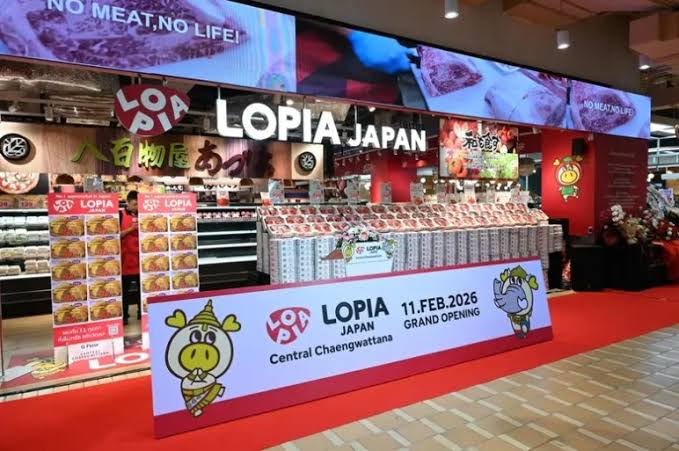
  • Lopia Expands into Chugoku with Hiroshima Store Opening

    Lopia Expands into Chugoku with Hiroshima Store Opening

    Discount supermarket chain Lopia has entered Japan’s Chugoku region with store openings across Hiroshima and Yamaguchi prefectures. The expansion intensifies pricing pressure on established regional grocery operators.

    The Kawasaki-based chain opened its first outlet in the Chugoku-Shikoku district in April at the Hiroshima Pacela shopping complex in Hiroshima’s Naka Ward. Shopper traffic at the location remained heavy through September. Steep discounts on everyday food staples drove the crowds.

    Expansion across western Japan

    Lopia built its reputation on meat-led merchandising and aggressive discount pricing. The operating model relies on high turnover to offset thin margins. Bringing that footprint into Hiroshima and Yamaguchi takes the company directly into territory long defended by regional supermarket chains.

    Regional grocers in western Japan are responding by overhauling fresh-food assortments and restructuring operational costs. Several operators have deployed leaner store formats. That allows them to defend sales volumes without matching Lopia dollar-for-dollar on commodity pricing.

    Incumbent grocers rework store formats

    Mall landlords see high-volume food discounters like Lopia as dependable traffic drivers while discretionary retail spending faces pressure. At Pacela, the anchor tenant shows how commercial real estate operators are replacing traditional department-store tenancies with daily-necessity grocers.

    Local supermarket operators face direct margin compression. Incumbents cannot easily match Lopia’s buying scale across packaged goods. That leaves them reliant on local sourcing relationships, prepared meals, and perishables to protect basket size.

    Fresh food versus deep discounting

    This Chugoku push follows Lopia’s multi-year geographic rollout across Japan. The chain previously expanded from its base in the Kanto region around Tokyo into Kansai and Kyushu. Each regional move followed the same playbook: enter a central urban retail complex, then spread into surrounding suburbs.

    Competitors across Hiroshima and Yamaguchi are tracking how quickly Lopia adds follow-up sites in the region. The critical test comes with year-end trading, when regional grocers will see whether footfall at the Pacela flagship stabilizes or keeps pulling shoppers away from neighborhood stores.

  • Lindt Opens First India Boutique at New Delhi Aerocity

    Lindt Opens First India Boutique at New Delhi Aerocity

    Swiss confectionery maker Lindt has opened its first retail store in India, launching an 1,100-square-foot boutique at New Delhi’s Aerocity. The opening gives the Zurich-headquartered brand a direct-to-consumer storefront. Previously, Lindt reached Indian shoppers mainly through wholesale channels, supermarkets and travel retail counters.

    Aerocity sits between the capital’s domestic and international airport terminals. That location gives the company immediate access to business travellers, tourists and affluent transit crowds. The district has become a key testing ground for premium international consumer labels looking for high-spending footfall outside traditional suburban shopping malls.

    Aerocity footprint and retail layout

    Inside, the boutique carries the brand’s core line of chocolate bars, packaged gifting selections and seasonal product drops. Central to the layout is a dedicated Pick & Mix installation. Shoppers can select individual confections across more than 25 flavours.

    “The opening of our first retail store in India reflects our continued commitment to enchanting consumers around the world with Lindt chocolate,” the company said in a statement.

    Custom gifting ranges and loose assortments form the operational core of the outlet. Lindt is directly targeting high-ticket festive purchases and corporate gifting. Both segments drive premium confectionery volumes across Indian metropolitan centers.

    Direct retail shift in premium confectionery

    Operating dedicated boutiques changes how international confectionery brands in India manage inventory and product freshness. The country’s hot climate and fragmented cold-chain infrastructure have historically created shelf-life and display challenges for imported chocolate sold through general trade. A standalone store allows the company to regulate storage temperatures. It also lets Lindt present entire seasonal product lines that general retailers rarely stock in full.

    Competition is intensifying with local artisanal chocolate makers and multinational rivals that have expanded their boutique footprints in Mumbai, Bengaluru and Delhi. Lindt is betting that brand recognition built through years of supermarket distribution will translate into destination footfall at standalone retail price points.

    Global scale and network reach

    Founded in Zurich in 1845, Lindt operates 12 manufacturing facilities across Europe and North America. The company manages more than 600 company-owned retail boutiques worldwide and distributes products through wholesale partners in over 120 countries.

    India now joins the list of international markets where Lindt operates proprietary retail stores alongside its wholesale network. Expansion into high-end retail hubs across Mumbai and Bengaluru represents the next phase of that rollout.

  • 127-Year-Old Italian Brand Mutti Enlists Sam Kerr for ANZ Campaign

    127-Year-Old Italian Brand Mutti Enlists Sam Kerr for ANZ Campaign

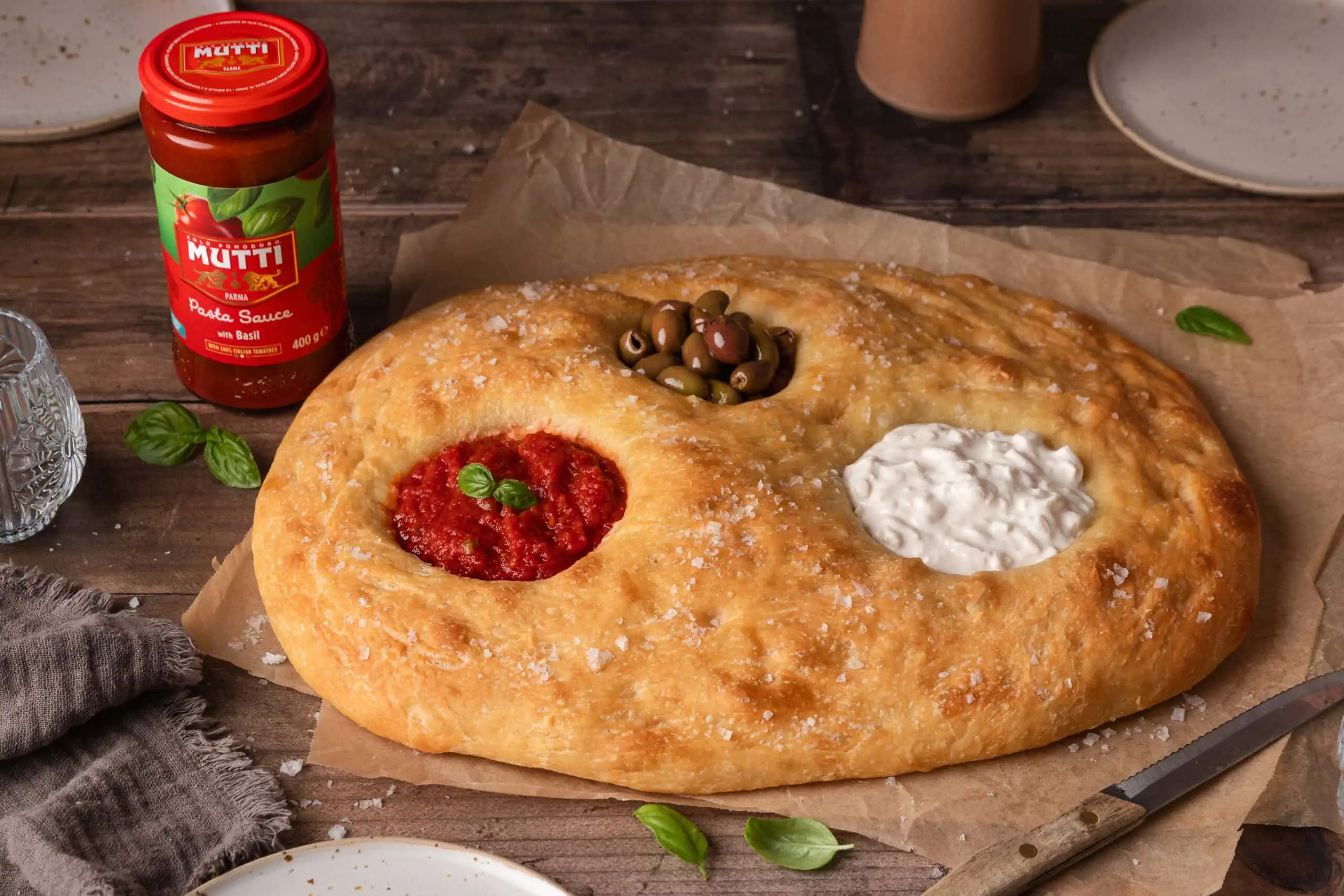
    Italian packaged tomato producer Mutti launched a marketing campaign across Australia and New Zealand in September 2026. Football star Sam Kerr, Paralympic champion Dylan Alcott and television presenter Chris Brown front the push.

    The 127-year-old Italian company targets pantry staple shoppers across Australian supermarkets. It relies on character-driven storytelling rather than standard recipe demonstrations.

    Celebrity Roster and Storytelling Pivot

    Creative spots take the form of scripted vignettes framed as confessions from dedicated brand buyers. In the lead spot, Kerr carries Mutti Passata in her luggage at a hotel and interacts with a chef named Matteo. The scene sets an intentionally humorous tone for the packaged grocery category.

    Samantha Filocamo, marketing director for Australia and New Zealand at Mutti, designed the platform to inject personality into the heritage canned tomato business. She aims to expand brand recall across competitive retail aisles.

    Supermarket Shelf Competition

    Packaged food brands in Australia face sharp margin pressure from private-label supermarket lines. Premium European suppliers must defend higher price points through distinct branding. Mutti has historically relied on provenance and quality credentials to justify its shelf premium over standard tinned tomato competitors.

    Enlisting national sporting figures shifts the brand from niche culinary positioning into mainstream consumer recognition. For grocery retailers, strong branded campaigns in staple ambient categories help protect category value against lower-priced store brands.

    Category Dynamics Across ANZ

    Mutti built its presence in Australasian retail through major supermarket distribution, focusing on whole peeled tomatoes, chopped tomatoes and passata. The promotional push pivots away from traditional food service and home-cooking messaging toward mass-market entertainment.

    Supermarket operators across Sydney and Melbourne will track shelf velocity across the ambient tomato range as the campaign rolls out across broadcast and digital channels.

  • Metcash Boosts Sales 2.8 per Cent but Warns of Food Margin Pressures

    Metcash Boosts Sales 2.8 per Cent but Warns of Food Margin Pressures

    Wholesaling giant Metcash lifted sales by 2.8 per cent in the first 18 weeks of the financial year, excluding tobacco, but warned investors that elevated food inflation could dent profit margins.

    Hardware and tools led the gains with a 6 per cent rise, while wholesale liquor climbed 5.1 per cent over the same period.

    Hardware and Drinks Outpace Core Food

    Core food expanded 2.6 per cent against the previous year, with group chair Peter Birtles noting that cost inflation continues to challenge the company’s bottom line.

    Logistics and retail expenses stayed elevated. Supply lines held stable, however, with no material disruption from Middle East shipping conflicts.

    Birtles told investors that Metcash’s “diversified portfolio, disciplined execution” and independent retail model have supported resilience despite external challenges.

    Cost Pressures Squeeze Independent Grocers

    For independent supermarkets, rising wholesale prices present a direct dilemma. Passing costs to shoppers risks losing market share to dominant chains. Absorbing them erodes thin retail margins.

    Margin pressure shifts the burden onto wholesale inventory. Distributors must lean on categories like trade hardware and commercial tools, where pricing flexibility beats daily grocery staples, to protect profits.

    New Zealand Liquor Exit Nears Completion

    Trading updates follow fiscal 2026 results of higher sales revenue but lower net profit. Warehousing and freight costs weighed on full-year earnings despite steady turnover.

    Metcash is now closing its New Zealand liquor distribution business to simplify operations and protect returns. The wind-down wraps up before the second half of fiscal 2027, reducing total earnings by approximately $2 million.

  • Japan Convenience Store Chains Cut Onigiri Base Prices

    Japan Convenience Store Chains Cut Onigiri Base Prices

    Japan’s three largest convenience store operators, 7-Eleven, FamilyMart and Lawson, have cut base retail prices on onigiri rice balls after years of inflation doubled shelf prices for the staple snack.

    The reductions mark a permanent reset of baseline pricing rather than temporary sales promotions, targeting everyday basket affordability across thousands of urban outlets.

    Price Cuts Across Major Chains

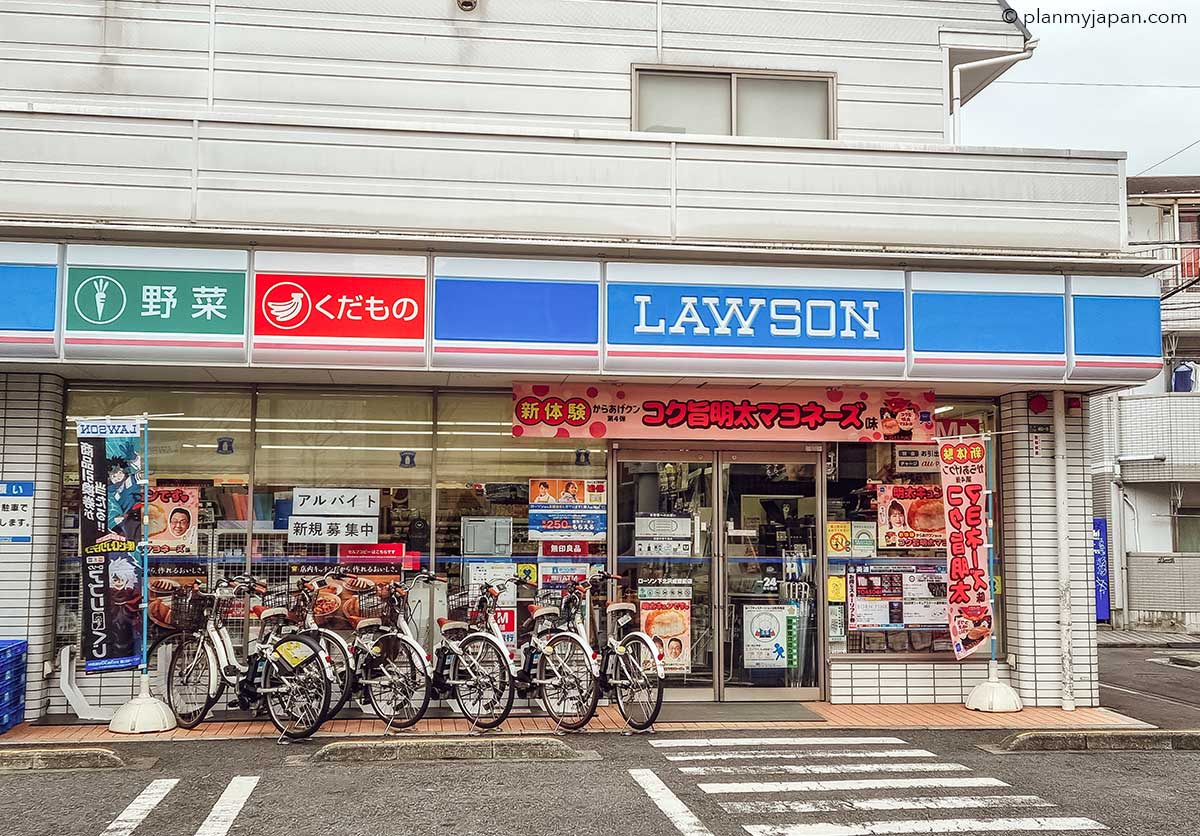
    Lawson will reduce after-tax prices by 10 yen across all 20 varieties in its Temaki Onigiri lineup on September 29. Its Sea Chicken Mayonnaise drops from 181 yen to 171 yen, grilled salmon falls from 221 yen to 211 yen, and spicy cod roe mentaiko drops from 235 yen to 225 yen. Plum, kombu, and okaka variants will each decline from 194 yen to 184 yen.

    7-Eleven Japan is lowering prices on its core salmon and mentaiko rice balls by 19 yen, reducing both from 214 yen after tax. FamilyMart initiated its adjustments on August 24, cutting the price of its Kombu and Tuna Mayonnaise Big Musubi from 320 yen to 298 yen.

    Wholesale Relief and Volume Recovery

    Data from Japan’s Ministry of Agriculture, Forestry and Fisheries shows the average supermarket retail price for a five-kilogram bag of rice dropped 27.7 per cent between early this year and mid-August. Falling raw grain costs have given convenience chains room to adjust procurement and restore unit volumes that slowed when onigiri crossed historical psychological price barriers.

    For Japanese convenience operators, rice balls serve as primary foot-traffic drivers alongside canned coffee and ready-to-eat lunches. Chains spent two years passing input costs directly to shoppers, but price resistance pushed consumers to trim daily spend, prompting this coordinated push to protect store traffic.

    The repricing rollout will test whether lower shelf prices can restore transaction counts before quarterly sales figures reveal the impact on gross retail margins.

  • Haigh’s Chocolates Enters Queensland with First Brisbane Store

    Haigh’s Chocolates Enters Queensland with First Brisbane Store

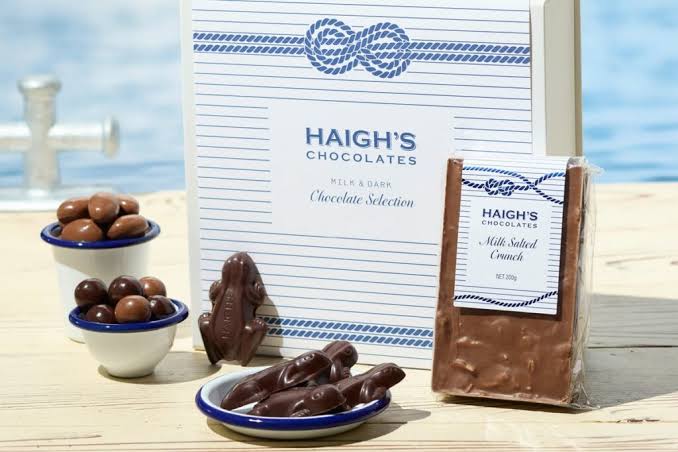
    Haigh’s Chocolates has launched its first physical store in Queensland at Westfield Mt Gravatt in Brisbane. The opening establishes a direct retail footprint in the state ahead of two further Brisbane outlets scheduled for November.

    The family-owned South Australian confectioner took space on Level 2 of the shopping centre next to cosmetics retailer Mecca. The store sells the brand’s core artisan chocolate lines alongside complimentary tasting counters.

    Queensland Footprint Expands

    Online sales in Queensland prompted the physical rollout. Customer order volumes across the state showed sufficient local demand to justify bricks-and-mortar leases, according to the company.

    “Since announcing that we were coming to Brisbane, we have had so many Haigh’s fans and online customers reaching out, asking where they can visit and when we will be open,” said Haigh’s Chocolates chief executive Peter Millard.

    Two more retail sites are in the pipeline. Outlets at Westfield Chermside in Brisbane’s north and Westfield Carindale in the east will open before the end of the year.

    Supply Chain Backing

    The Queensland rollout relies on supply chain capacity completed last year. Haigh’s opened a 120 million Australian dollar production and logistics facility in Salisbury South, South Australia, designed to support national distribution and higher store volumes.

    Converting digital customer density into shopping centre tenancies mirrors how regional specialty retailers derisk capital expenditure in Australia. By validating regional demand through online fulfilment first, brands reduce opening risk in major retail malls before committing to long-term leases.

    Fit-out work is continuing at both the Chermside and Carindale locations ahead of their planned November trade debut.

  • Best Mart 360 Lifts First Half Revenue to HK$1.45 Billion

    Best Mart 360 Lifts First Half Revenue to HK$1.45 Billion

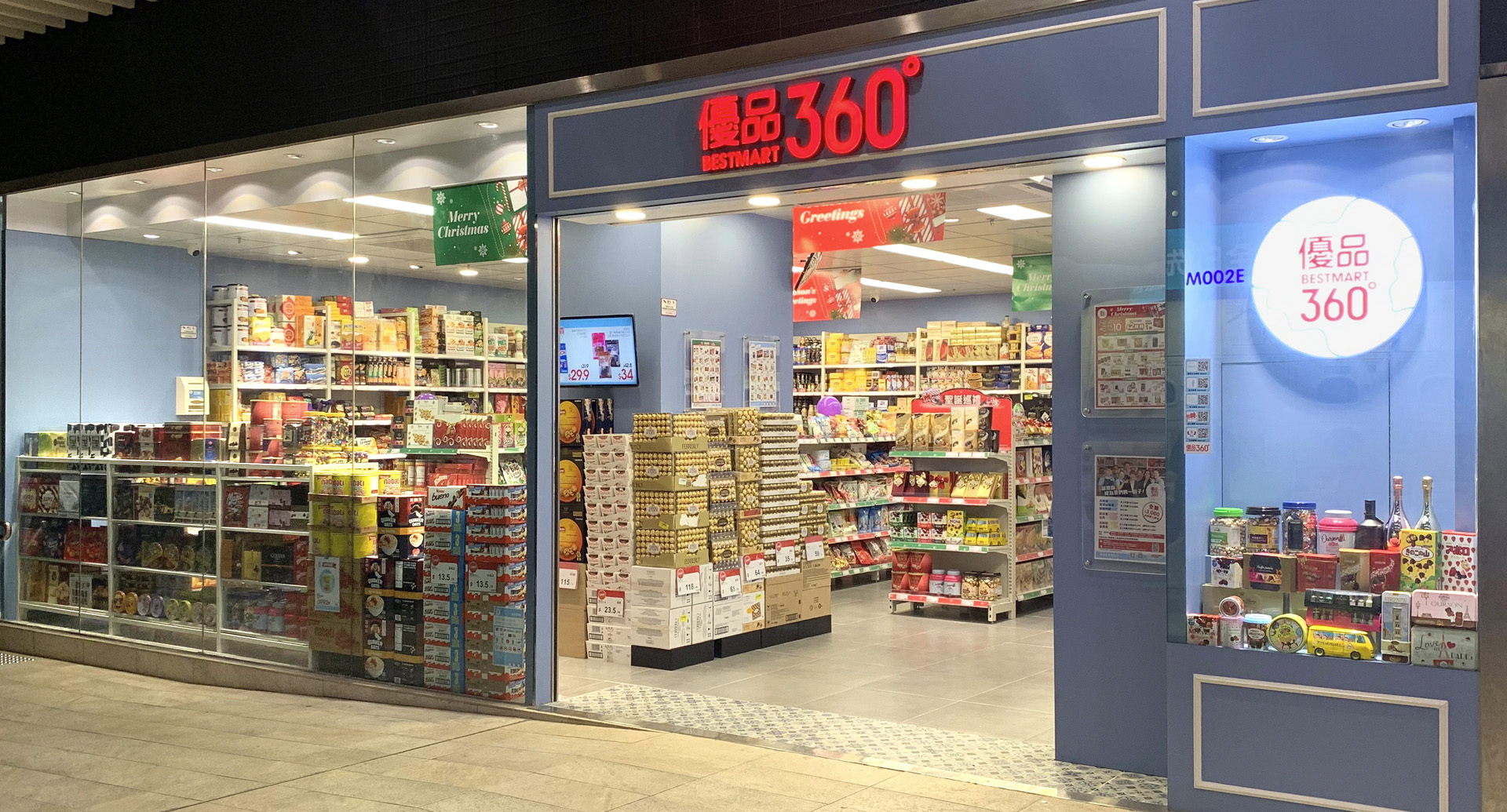
    Hong Kong snack retailer Best Mart 360 Holdings reported a 1.0 per cent rise in revenue to HK$1.45 billion for the six months ended 30 June 2026. Profit attributable to owners reached HK$116.2 million, supported by steady store-level demand for imported packaged food and household staples.

    Gross profit edged up 0.1 per cent to HK$518.8 million, translating to a gross profit margin of 35.8 per cent. The board declared an interim dividend of HK11.0 cents per share on basic earnings of HK11.6 cents.

    Private labels drive margin defence

    Sales from in-house private labels generated HK$277.2 million, up 10.3 per cent from HK$251.2 million a year earlier. These proprietary lines now represent 19.1 per cent of total turnover, spanning 12 private labels and 272 stock-keeping units across dried fruits, canned seafood delicacies, cereals, honey, and personal care items.

    Total store count reached 190 outlets at the end of June 2026, comprising 184 locations in Hong Kong and six in Macau. Cash-basis rental expenses absorbed 9.7 per cent of sales revenue during the period, while staff costs accounted for 9.6 per cent across an operational workforce of 1,257 employees.

    Expanding the FoodVille footprint

    The company continues to run a dual-banner model, deploying eight premium specialty shops under the FoodVille brand alongside its core chain. FoodVille targets mid-to-high-end consumers with selections of imported wine, chocolates, cheeses, and Western condiments. Across its entire business, the group catalogued over 3,054 stock-keeping units from 1,045 global brands.

    Hong Kong packaged food retailers face mounting headwinds as mainland Chinese e-commerce platforms expand cross-border grocery deliveries into the territory. At the same time, weekend outbound travel to Shenzhen continues to divert discretionary retail spending away from local neighborhood shopping malls. Best Mart 360 has countered this pressure by deepening promotions through its foodpanda mall delivery channel and expanding its direct-procurement supply base.

    Customer membership reached 2.47 million registered accounts by mid-year, including 1.37 million app users. Management is now negotiating lease renewals across high-density residential clusters while testing automated workflow tools to trim store-level administrative costs before the peak year-end retail season.

  • Australian Supermarkets Adapt to In-Between Shoppers Seeking Asian Groceries

    Australian Supermarkets Adapt to In-Between Shoppers Seeking Asian Groceries

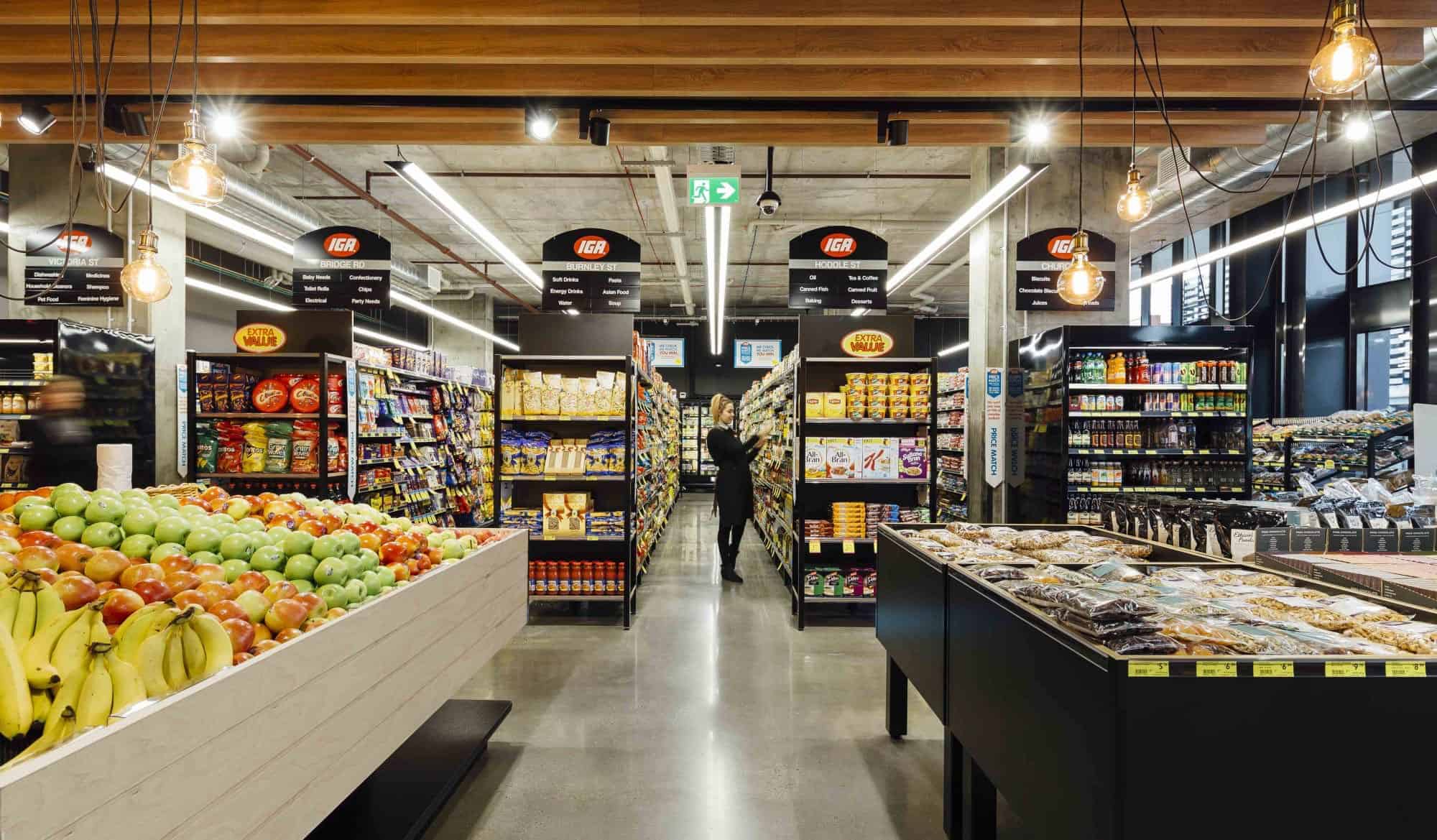
    Australian mainstream grocers are restructuring their international food aisles as demand from second-generation shoppers erodes the traditional gap between independent Asian grocers and major supermarket chains.

    The shift challenges decades of split retailing, where consumers bought standard household staples at major chains and visited specialty Asian grocers for authentic ingredients.

    Breaking the Specialty Divide

    May Wong, who concluded her tenure as a category manager at Coles Group on August 31, 2026, after seven years managing an Asian grocery store, said the boundary between the two channels is disappearing. Shoppers from second-generation migrant backgrounds increasingly expect mainstream supermarkets to stock the authentic food items that match their cultural heritage.

    Specialty grocers long held a monopoly on authentic imported brands, while major supermarkets focused on westernised pantry staples. Younger shoppers now seek authentic taste profiles without making a separate trip to suburban ethnic markets.

    Shifting Demographics on Mainstream Aisles

    For supermarket operators across the Asia-Pacific region, tailoring shelf space to multicultural demographics has turned ethnic aisles into high-growth territory rather than niche perimeter displays. Major chains in markets with large diaspora populations are expanding direct sourcing relationships with Asian food exporters to meet tighter consumer standards on authenticity.

    Coles and competing Australian supermarket operators will test updated product assortments across metropolitan store networks through the coming retail quarters.

  • Taiwan Convenience Chains Expand Southeast Asian Goods as Migrant Numbers Double

    Taiwan Convenience Chains Expand Southeast Asian Goods as Migrant Numbers Double

    Taiwan convenience operators FamilyMart and 7-Eleven are rewiring hundreds of store layouts to target more than 870,000 Southeast Asian migrant workers now living on the island. FamilyMart has installed dedicated import sections across 1,200 outlets, roughly 30 percent of its total network, after sales in the category jumped 70 percent last year.

    Government labour data shows the island’s migrant workforce expanded from 390,000 in 2011 to over 870,000 this year. When including international students, spouses, and undocumented workers, the consumer cohort reaches an estimated 1.2 million people. A study by non-profit group One-Forty found these residents visit convenience stores every two days on average, relying on them for food, parcel pick-ups, and cross-border remittances.

    Halal hot food and bilingual shelves

    FamilyMart began testing dedicated shelves in residential and manufacturing districts in 2020. Those sections stock roughly 100 packaged items from Indonesia, Vietnam, Thailand, and the Philippines, supported by dual-language Chinese and English labelling alongside halal marks. The chain introduced pork-free hot food stations across 220 locations near transport hubs, hospitals, and industrial zones in 2024, and now distributes halal-certified ready-to-eat meals to 700 stores.

    Rival operator 7-Eleven has rolled out Southeast Asian merchandise fixtures to 400 branches. Its inventory focuses on high-turnover staples such as Indonesian instant noodles and sambal, Philippine dried mangoes, Thai roasted peanuts, canned coconut water, and energy drinks placed near universities and factory zones.

    Supermarkets tailor fresh produce

    Supermarket chain PX Mart is adjusting its own assortments in response to heavy footfall around manufacturing clusters. At its branches near the Hukou Industrial Park in Hsinchu County, one quarter of migrant worker shoppers visit more than once a week. PX Mart has divided its foreign range into four core groups: packaged groceries, instant meals, household goods, and fresh produce tailored by nationality, adding specific herbs for Vietnamese cooks and personal care lines imported from Indonesia.

    Convenience retailers across East Asia frequently tweak shelf space to protect store yields as domestic populations age and shrink. In Taiwan, where convenience store density is among the highest in the world, shifting floor space toward Southeast Asian staples allows operators to extract higher basket sizes from a daily captive audience without adding physical square footage.

    Store planners are now watching whether 7-Eleven expands its 400 dedicated sections deeper into residential neighbourhoods, while FamilyMart continues rollouts of halal-certified hot food counters across remaining transit-hub locations.

  • 7-Eleven Singapore Adds 1,500 Products and Expands Digital App Across 460 Stores

    7-Eleven Singapore Adds 1,500 Products and Expands Digital App Across 460 Stores

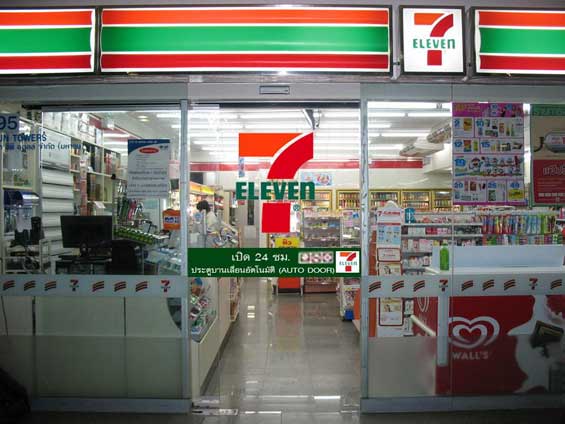
    7-Eleven Singapore added more than 1,500 exclusive products over the past 24 months and linked its digital app across more than 460 outlets nationwide.

    The convenience chain expanded its footprint beyond traditional impulse snacks, shifting square footage toward hot meals, private-label beverages, and licensed merchandise to build daily basket values.

    Self-Checkout and Hospital Automation

    Operational upgrades centered on store throughput. The chain installed dual self-checkout systems in more than 300 stores, giving staff the ability to toggle cashier stations to automated mode during morning and evening rush hours. At Singapore General Hospital, the operator opened a fully unmanned location using overhead computer vision and frictionless exit gates to process payments without cashier intervention.

    Physical refits also introduced dedicated sit-down dining counters and modular food prep stations. These spaces support branded ready-to-eat partnerships, including baked goods, personal-sized pizzas, and regional food collaborations with local operators such as Old Chang Kee and Andes by Astons.

    Omnichannel Ordering and App Metrics

    Digital ordering operations scaled through the dedicated 7-Eleven Singapore mobile platform, which accumulated 300,000 downloads within ten months of its February 2025 rollout. The app integrates three core transactional functions: EasyCollect, which routes click-and-collect fulfillment to neighborhood branches within 15 minutes, a digital stamp loyalty tracker, and prepaid product bundles called ValuePacks.

    Convenience operators across Southeast Asia face intense competition from instant-delivery platforms and specialty coffee chains, forcing traditional corner shops to emulate the Japanese konbini model. By building out prepared food counters, private-label collaborations, and in-app pickup, 7-Eleven is defending store margins against rising labor costs and higher urban commercial rents.

    The retailer is now tracking pickup adoption rates and repeat transaction frequencies through the app as it evaluates further autonomous store deployments in transport and healthcare facilities.

  • Maxim’s Overhauls Brand Strategy to Win Younger Asian Consumers

    Maxim’s Overhauls Brand Strategy to Win Younger Asian Consumers

    Maxim’s Food Group is overhauling its branded product strategy across Hong Kong and regional markets to target Gen Z consumers over the next 15 years. The initiative focuses on core festival sales periods, including Mid-Autumn Festival, Chinese New Year and the Dragon Boat Festival, where younger shoppers show shifting buying habits.

    Carmen Chiu, director of branded products at the Hong Kong-headquartered food and restaurant group, is leading the transformation. Chiu previously directed brand expansion for Godiva across Asia between 2012 and 2019, scaling the chocolatier from 30 stores to an opening rate of roughly one new shop per week across Mainland China and the wider region.

    The 80-20 Localization Rule

    Chiu runs brand adaptation on an explicit ratio: 80 percent global brand consistency in look, packaging and tone, with 20 percent dedicated to local market adjustments. At Godiva, low per-capita chocolate consumption across Asia forced a pivot from boxed gift sales into in-store cafes and soft-serve ice cream to build direct trial.

    A similar playbook governed Chiu’s regional rollout at British retailer Fortnum & Mason. The 315-year-old grocer adjusted tea storytelling and fine-tuned product recipes, altering sweetness and saltiness levels to match local palates while keeping core British store aesthetics intact.

    Preserving Festival Demand for Gen Z

    Heritage food brands across East Asia face an aging buyer base as legacy gifting habits weaken among younger demographics. Maxim’s relies heavily on seasonal bakery and gift box lines, where older cohorts remain loyal but younger consumers demand digital engagement and faster product iteration.

    Maxim’s is now testing new product segmentation, alternate distribution channels, and social media touchpoints integrated with artificial intelligence tools. The next phase will measure how these packaging and channel changes perform across Hong Kong retail shelves during upcoming seasonal festival cycles.

  • No-Frills Noodles See Surge in Japan as Consumers Seek Value Amid Rising Prices

    No-Frills Noodles See Surge in Japan as Consumers Seek Value Amid Rising Prices

    Major Japanese convenience store and supermarket chains are significantly increasing their offerings of no-frills noodle products. This strategic shift aims to cater to consumers actively seeking more affordable food options as inflation continues to impact household budgets across the nation.

    Lawson, a prominent convenience store operator, introduced two types of frozen noodles without toppings in late June 2026, priced at ¥297 (US$1.90) each. This represents a more than 20% price reduction compared to its existing frozen noodle products that include toppings. The company had previously found success with a line of cup noodles without toppings launched in October 2024, which sold over 5 million units due to their focus on quality broth and customizability.

    Retailers Adapt To Shifting Consumer Habits

    Kanako Ochi, an official in Lawson’s product division, highlighted the importance of responding to evolving consumer needs as shoppers become more budget-conscious. The expansion of no-frills options allows the company to offer new product angles while maintaining competitive prices. Similarly, supermarket giant Aeon began selling fried noodles without toppings such as pork and cabbage in April 2025. This product, priced at just ¥320, contains three times the noodle quantity of its standard fried noodle offering.

    Initially launched in select regions, including the Tokyo metropolitan area, the no-frills fried noodles proved immensely popular, selling ten times more than anticipated. This success prompted a nationwide rollout. An Aeon spokesperson attributed the strong performance to consumers appreciating the cost benefits during a period of increased cost of living. Following this, Aeon also launched topping-free soba noodles in July 2026, featuring double the quantity of its regular product.

    Inflation Drives Demand For Value

    The trend towards value-focused products underscores the ongoing impact of inflation in Japan. According to research firm Teikoku Databank, approximately 18,000 products have either seen price increases this year or are slated for increases by November 2026. This pervasive inflationary environment is expected to ensure the continued popularity of no-frills options among Japanese consumers. RetailNews Asia observes this trend as indicative of broader shifts in consumer spending across the region, where economic pressures often lead to a renewed focus on essential, value-driven purchases, prompting retailers to innovate their product portfolios to meet these demands.