Tag: food service

  • Krispy Kreme Japan Rolls Out Free Doughnut Breakfast Offer Nationwide

    Krispy Kreme Japan Rolls Out Free Doughnut Breakfast Offer Nationwide

    Krispy Kreme Japan rolled out its Asa OriGre morning campaign nationwide, pairing an Original Glazed doughnut at no charge with beverage purchases until 11am.

    A takeaway hot coffee priced at ¥345 unlocks a pastry that normally retails alone for ¥216.

    How the morning pricing structure works

    The promotion applies across company locations that operate drink service and open before the 11am cutoff. For dine-in patrons, hot coffee costs ¥352 while the companion doughnut carries a standard standalone price of ¥220.

    Exclusions remain tight across the regional footprint. Outlets opening after 11am do not qualify, and Kobe Marui sits outside the campaign despite running Sunday morning trade from 10.30am.

    Targeting commuter transit corridors

    Urban railway nodes anchor the Kansai deployment. Seven outlets across Osaka prefecture participate, led by early-trading sites at Kita Shinsaibashi and JR Osaka Station opening at 8am.

    Two later mall locations join the roster: Diamor Osaka underground mall in Umeda from 10am and Kyobashi Keihan Mall from 10.30am. In Kobe, the brand relies on its Kobe Harborland Umie branch, which opens doors at 10am.

    The morning daypart contest in Japan

    Securing commuter traffic before noon pits international sweet-treat operators against entrenched convenience chains and traditional kissaten morning sets. Major chains and domestic operators have long defended low-cost morning beverage bundles.

    Giving away the core pastry compresses gross unit margins on the initial transaction. Krispy Kreme bets that absorbing the ¥216 product cost turns occasional afternoon browsers into habitual morning coffee buyers, building beverage volumes that carry higher baseline gross margins over time.

    Expanding from regional trial runs

    The national rollout follows localized market testing where the operator monitored morning footfall and ticket averages under the same discount mechanics. Early trial data supported extending the format across corporate and franchise counters that maintain full espresso bar equipment.

    Store managers now face the operational burden of balancing early-morning baking schedules against strict 11am cutoffs without generating midday waste. Attention turns to whether Krispy Kreme maintains the bundle beyond its limited-time window or adjusts minimum beverage price thresholds across regional menus.

  • Krispy Kreme Trims Third-Quarter Loss to $13.4 Million

    Krispy Kreme Trims Third-Quarter Loss to $13.4 Million

    Krispy Kreme narrowed its third-quarter loss to $13.4 million on Thursday as restructuring moves began lowering overheads.

    The deficit narrowed from $20.3 million in the second quarter and $19.4 million reported a year ago.

    Adjusted earnings hit $9.9 million when excluding expenses from selling Krispy Kreme Doughnut Japan Co. Ltd. And paring its stake in a western US joint venture with WKS Restaurant Group from 55% to 20%.

    Pruning Capital in Asia and Beyond

    Krispy Kreme confirmed plans to refranchise select company-owned operations in Japan, Australia, New Zealand, Mexico, Ireland and the UK. The strategy trades direct capital investment for steady franchise fees, reducing balance-sheet exposure in overseas territories where local supply chains and retail leasing costs compress margins.

    International division revenue fell 11.9 per cent to $123.5 million during the quarter. US sales dropped 25.6 per cent to $160.9 million, heavily influenced by the closure of roughly 1,400 underperforming American shops during the third quarter of 2025.

    By contrast, the company’s market development unit surged 135.3 per cent to $44.4 million. The division captures smaller fresh shops, direct delivery channels and mobile food trucks, formats that demand substantially less capital than traditional factory stores with dedicated production lines.

    The Shift to Capital-Light Operations

    For quick-service operators across Asia, running corporate-owned production hubs in high-cost metro markets like Tokyo has grown increasingly punitive. Rising import expenses for core ingredients, utility inflation and tight retail labour markets have made master franchisee models far more attractive to multinational head offices.

    Local partners absorb local operational risk. They handle storefront rent negotiations, regional distribution logistics and store-level staffing while the parent company collects recurring royalties and brand fees.

    Krispy Kreme outlined four restructuring pillars: establishing fresh US and international refranchising channels, prioritising franchise expansion over company capital spending, repairing operational margins and building stable US revenue streams.

    We made significant progress on our turnaround in the third quarter

    Said chief executive Josh Charlesworth.

    Network Footprint and Logistics Overhaul

    The restructuring follows an April overhaul in which Krispy Kreme outsourced the bulk of its US logistics operations to third parties, seeking predictable distribution budgets while concentrating factory hubs strictly on manufacturing.

    Total global access points reached 15,889 by September 30, up from 15,194 a year earlier. That network includes 6,462 locations in the United States, 4,497 international sites and 4,930 access points managed through market development formats.

    Franchise momentum remains central to that footprint growth. During fiscal 2026, the chain secured new franchise development agreements to enter Pakistan, Estonia, Mauritius and the Netherlands.

    Full-Year Guidance and Expansion Targets

    Krispy Kreme raised its fiscal 2026 full-year revenue guidance to between $1.35 billion and $1.4 billion, up from an earlier projected band of $1.25 billion to $1.35 billion.

    Management reiterated targets to add at least 100 new shops worldwide this year. Capital expenditures for the period remain capped at $45 million, keeping spending strictly tied to higher-margin hub-and-spoke rollouts rather than company-owned real estate.

  • Lawson Deploys First Mobile Trailer Store in Japan

    Lawson Deploys First Mobile Trailer Store in Japan

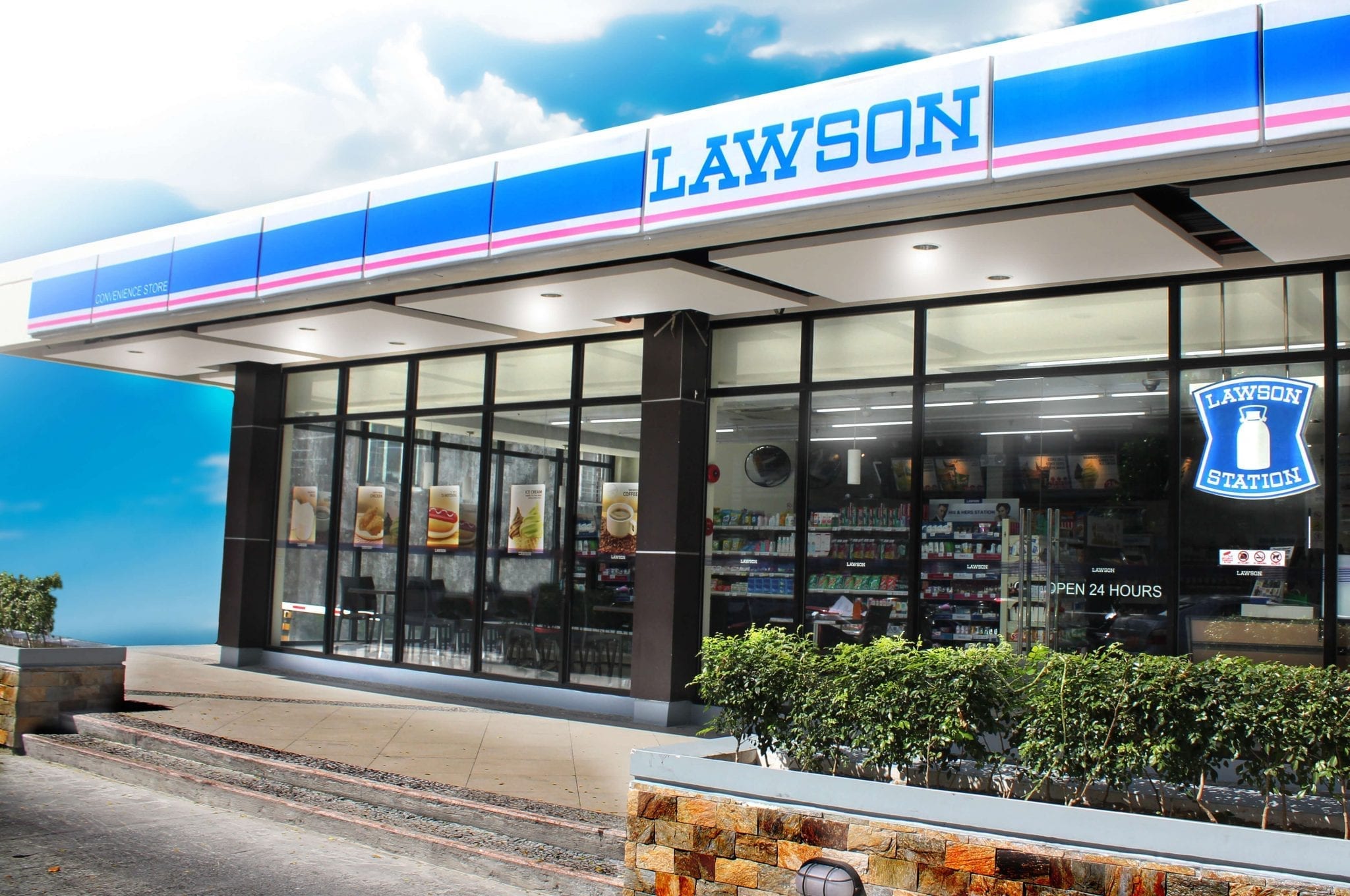
    Lawson opened its first mobile trailer-style convenience store on August 27 at Ebina Sports Park in Kanagawa Prefecture, deploying a 33.60-square-meter unit designed for underserved sites and disaster zones.

    The pilot operates through March 31 as the retail chain evaluates commercial viability beyond standard brick-and-mortar storefronts.

    Measuring 12.2 meters long, the trailer provides roughly one-fifth the space of a standard Lawson branch and carries about 500 items, including bento, onigiri, fried foods, desserts, drinks, and daily necessities. An attached 6.1-meter kitchen and office module handles hot-food preparation on site.

    Inside the mobile floorplan

    Space constraints forced hardware trade-offs. The trailer operates without standard network fixtures such as automated teller machines, multi-function copy machines, or Lawson’s Loppi ticketing terminals.

    Operating economics without permanent leases

    Deploying standalone retail boxes on wheels lowers fixed property development costs and bypasses commercial leasing friction. Japanese convenience chains face heavy urban real estate competition and rising build-out costs for standard brick-and-mortar storefronts.

    For operators, the mobile setup tests a flexible inventory footprint in public recreation areas, commercial parks, and transport interchanges where permanent buildings face zoning restrictions. The risk lies in unit economics. Stripping out high-margin administrative services like ticketing, bill payments, and cash machines limits the basket to immediate food and drink purchases.

    Disaster deployment and emergency logistics

    Emergency readiness anchors the trial design. Because technicians can hitch and relocate the trailer quickly, Lawson plans to evaluate the structure as a field response unit during disasters such as earthquakes.

    Major convenience chains serve as designated civil infrastructure points in Japan during natural disasters. Mobilising fully equipped prep kitchens into severed distribution corridors creates a direct supply line for municipal authorities and local communities.

    Target dates for the Ebina test

    The Kanagawa experiment builds on sector efforts across Japan to crack micro-footprints and unstaffed satellite retail. Competitors have largely tested autonomous checkout kiosks inside office towers and train platforms to trim labour expenses.

    Lawson is testing physical portability instead. Operating data collected at Ebina Sports Park through March 31 will decide whether Lawson commissions additional trailer units for seasonal deployments and prefecture-level civil protection reserves.

  • Luckin Coffee Shares Rise to $33.20 After Beating Quarterly Earnings

    Luckin Coffee Shares Rise to $33.20 After Beating Quarterly Earnings

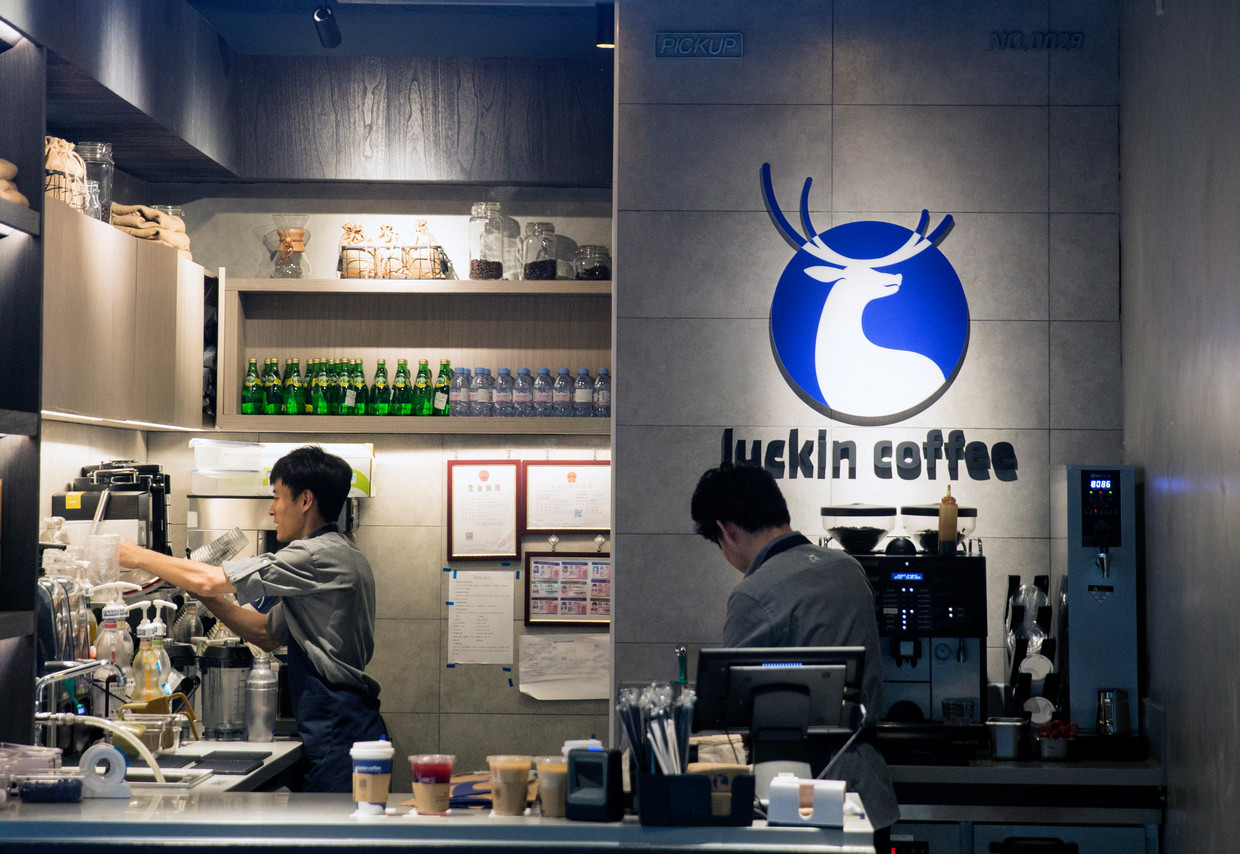
    Shares of Luckin Coffee Inc. Surged before Tuesday’s opening bell after the company reported quarterly earnings of $0.89 per share, beating consensus estimates of $0.83 by $0.06.

    The stock opened at $32.90 following a previous close of $31.20, eventually changing hands at $33.20 with 781,481 shares traded, which lifted the beverage chain’s market capitalization to $9.52 billion.

    Margins and Returns Hold Firm

    The China-based chain posted a net margin of 6.78 percent for the quarter alongside a return on equity of 24.91 percent. The company trades at a price-to-earnings multiple of 19.76, with a price-to-earnings-growth ratio of 0.46 and a beta of -0.34.

    Its 50-day simple moving average sits at $33.68, hovering slightly above its 200-day simple moving average of $33.47. Investors reacted by driving an immediate morning price gap, reflecting operational resilience in a competitive mainland drinks market where rivals continue to slash prices on freshly brewed coffee.

    Digital Fulfillment Anchors Growth

    Founded in 2017, Luckin Coffee built its footprint around small-format pickup booths and app-driven orders. Customers buy freshly prepared coffee, tea drinks, fruit juices and packaged light snacks almost exclusively through mobile software rather than traditional seated cafe counters.

    Fulfillment relies on a dual setup of self-operated flagship sites and franchised partner locations that keep overhead costs low. By sidestepping large floorplans and prime street-level seating, the chain protects unit profitability even when competing beverage chains launch aggressive discount coupons.

    Broker Sentiment Diverges

    Wall Street research desks hold divided stances on the stock’s runway. BNP Paribas Exane upgraded the company to an outperform rating on September 15 with a price target of $48.00 per share.

    Zacks Research moved in the opposite direction on October 5, cutting its view from strong-buy to hold. MarketBeat tracking shows four analysts covering the firm, yielding an average target of $46.87 alongside an overall buy consensus.

    Discounter Pressure on Mainland Operators

    The margin performance creates immediate headaches for competing coffee and milk-tea chains operating in tier-one and tier-two Chinese cities. Retail operators fighting for commercial real estate face high customer acquisition costs, but Luckin’s app ecosystem delivers repeat orders without retail concessions or heavy landlord rent burdens.

    The principal risk sits in domestic pricing fatigue. Sustaining a 6.78 percent net margin requires steady ingredient supply pricing and disciplined wage controls across thousands of pickup points, especially if consumer spending tightens further across China’s urban centers.

    Trading desks now track whether Luckin’s share price can clear its 50-day moving average barrier of $33.68 and push toward the consensus target of $46.87 as year-end transaction numbers roll in.

  • Japan Foods Posts S$234,000 Profit as Halal Pivot Offsets Store Cuts

    Japan Foods Posts S$234,000 Profit as Halal Pivot Offsets Store Cuts

    Japan Foods swung to a half-year net profit of S$234,000 for the six months ended Sep 30, arresting losses sustained since 2023 after slashing nearly a third of its dining network in Singapore.

    The Catalist-listed restaurant group had reported a net loss of S$3.3 million during the corresponding period a year earlier. First-half revenue fell 18 per cent to S$30.2 million as its total store count dropped from 68 to 46 restaurants by late September.

    Management turned the business around by terminating unviable leases and converting underperforming locations into Steak 99, a proprietary halal dining format launched in October 2025.

    Pruning Legacy Noodle Brands for Halal Beef

    The format serves steak meals starting from S$9.90 with free-flow side dishes. It expanded to 14 locations by the end of September, generating S$9.5 million in first-half revenue, or nearly one-third of the group total.

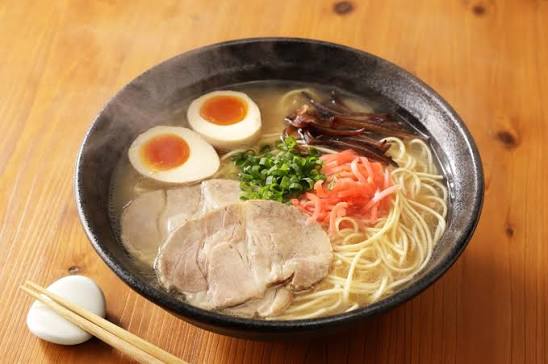
    To build the budget steak network, Japan Foods took over shopping centre units previously occupied by its Ajisen Ramen brand, including high-footfall sites at Plaza Singapura, Bedok Mall and Tampines Mall. Ajisen Ramen shrunk from 12 outlets to eight over the 12-month period, while Tokyo Shokudo dropped from 14 restaurants to two. The operator removed brands including Menya Musashi and Osaka Ohsho entirely from its active roster.

    Operating Costs Fall Across the Chain

    Shrinking the restaurant network produced immediate cost relief across primary overhead lines. Selling and distribution expenses fell 27.8 per cent to S$22.3 million as store closures reduced headcounts, utility bills and lease depreciation charges. Administrative costs dropped 22.4 per cent to S$1.4 million, while other operating expenses decreased by roughly half to S$747,000.

    The balance sheet adjustments funded an interim dividend of S$0.0013 per share, payable on December 15. The group distributed no interim payout a year earlier.

    Why Suburban Value Squeezes Mid-Tier Dining

    For mall landlords across Singapore, the retreat of established Japanese noodle concepts illustrates how aggressively casual dining economics have shifted. Suburban retail mall rents have held firm even as labor costs and ingredient prices climb, leaving mid-tier dining chains with little room to absorb softer traffic. Operators that rely on S$15 to S$20 noodle bowls face consumer pushback as inflation-weary families trade down to food courts or aggressively priced casual dining alternatives.

    Pivoting to certified halal menus solves a structural occupancy problem for multi-concept restaurant operators. By securing halal certification, Japan Foods opened its suburban dining rooms to Muslim families who could not dine at its traditional pork-broth ramen stores. Retaining those retail leases under a value-led S$9.90 entry price point allowed the company to keep prime mall locations without maintaining the staff levels required by complex Japanese specialty menus.

    From Red Ink to Budget Offshoots

    The overhaul addresses operational losses for Japan Foods, which had been loss-making since 2023. Management responded by testing variations of its budget steak model, rolling out Wagyu Steak 99, Shabu Suki 99 and Yaki Zakana 99 under the same pricing structure. Each variation offers an entry-level meal priced at S$9.90 to defend suburban table turnover.

    The company informed investors that the rate of store closures will slow during the financial year ending March 31, 2027, as it works on optimizing remaining operations. The board will monitor early trading figures across its newer value spin-offs before committing capital to additional retail conversions.

  • Vincom Retail Partners with Korea’s QooQoo to Expand Dining Formats

    Vincom Retail Partners with Korea’s QooQoo to Expand Dining Formats

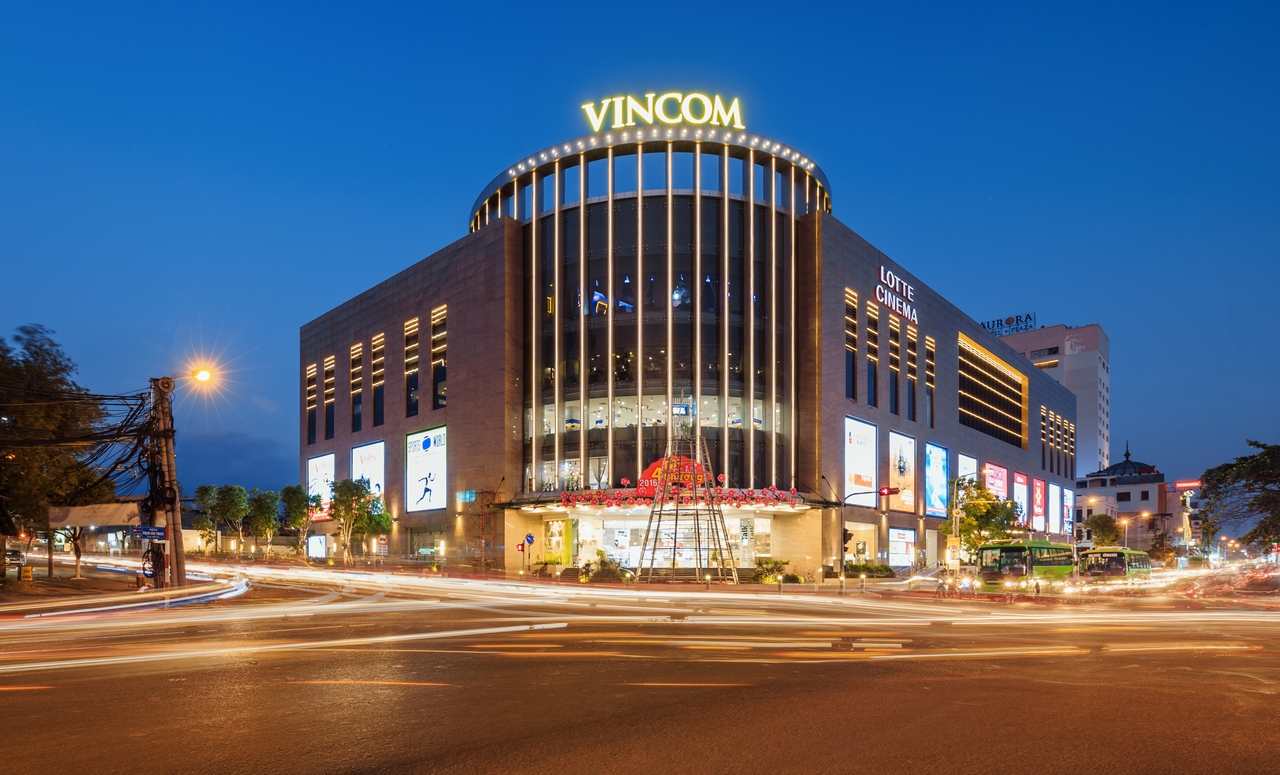
    Vincom Retail entered into an agreement with South Korea’s QooQoo Franchise Group on October 22 to introduce dining concepts to Vietnam. The rollout targets properties across Hanoi and Ho Chi Minh City through 2027.

    Founded in 2011, QooQoo recorded KRW 397.6 billion, or approximately VND 7 trillion, in 2024 system-wide revenue across roughly 90 locations in its home market.

    The partnership introduces QooQoo’s sushi buffet alongside conveyor-belt format Blue Rail and hot pot brand Always Shabu to Vincom Retail’s portfolio. QooQoo Chairman Kim Young-gi and Vincom Retail Deputy Chief Executive of Sales Pham Thi Thu Hien signed the agreement in Hanoi. Under the terms, Vincom Retail will support local marketing, while QooQoo introduces the landlord’s properties to Korean retail groups and investors.

    Anchor Tenants Shift Toward Experiential Dining

    Vietnamese shopping center owners face structural shifts in floor space allocation as standard apparel retail yields ground to large-format dining. Landlords in Southeast Asia increasingly rely on high-capacity food operators to draw steady footfall during weekday evenings and weekends. Dedicating several thousand square meters to a multi-brand Korean buffet group locks in regular traffic, but it also ties rental yields to high customer volume and tight inventory turnover.

    For mall operators, high-turnover buffets reduce vacancy risk in multi-level developments where upper floors struggle to draw fashion shoppers. The risk shifts directly to operational execution. All-you-can-eat seafood concepts require constant cold-chain deliveries and strict waste control to maintain margins, particularly in tropical climates where spoilage costs mount quickly.

    Supply Lines and Franchise Competition in Southeast Asia

    Founded in 2011, QooQoo built its domestic Korean business around an integrated supply chain that handles food imports, logistics and digital commerce. That background protects margins in South Korea, where the business maintained average annual sales gains above 30 percent since 2022. Replicating those logistics in Vietnam tests the company against entrenched regional competitors.

    QooQoo brings recognizable scale from its home market, but it enters Vietnam without an established domestic ingredient network. Sourcing fresh sushi components and maintaining consistent pricing across two major metropolitan areas will determine whether its unit economics survive beyond promotional launch periods.

    Cross-Border Retail Push Through 2027

    The Korean operator expanded steadily over the past decade, securing industry recognition that includes six consecutive Brand of the Year titles in South Korea for its sushi buffet division alongside ministerial awards in 2024 and 2025. Partnering with Vietnam’s dominant commercial property owner gives it immediate access to a market of more than 100 million people without negotiating site leases one property at a time.

    Site selections and initial lease allocations for the first QooQoo outlets in Hanoi and Ho Chi Minh City are scheduled to take shape as the rollout phase runs through late 2027.

  • Krispy Kreme Japan Launches Limited Fox Doughnuts Across Four Outlets

    Krispy Kreme Japan Launches Limited Fox Doughnuts Across Four Outlets

    Krispy Kreme launched a limited-edition fox doughnut across four store locations in Japan on May 25, testing ultra-concentrated product scarcity.

    The restricted release confines the themed pastry to a tiny fraction of the chain’s national store footprint. Limiting distribution creates immediate localized foot traffic while managing production runs for intricate, hand-finished menu items.

    Targeted Store Allocations

    Restricting specialty bakery products to specific stores allows chain operators to test niche product appeal without burdening nationwide supply chains. In Japan, quick-service dessert operators frequently use regional or store-exclusive runs to drive localized foot traffic and generate organic social engagement without standard advertising spend.

    For retail landlords and station-adjacent retail hubs, hyper-local limited releases direct customer volume directly to specific commercial corridors. The trade-off sits squarely in execution: tight allocations risk customer frustration if inventory sells out too early in the trading day, shifting footfall away from neighboring tenants.

    The Hyper-Local Fast Food Playbook

    Rival confectionery chains across East Asia rely on similar micro-drops to maintain menu novelty against intense convenience store competition. Japanese convenience chains routinely turn over bakery shelves weekly, forcing standalone doughnut operators to create distinct, photogenic items that justify a dedicated store visit.

    Krispy Kreme Japan previously restructured its operations by trimming oversized standalone units and pivoting toward high-efficiency transit kiosks and compact shopping center locations. Concentrating short-run specialty items into selected stores tests how well these distinct formats capture impulsive commuter spending.

    The four selected locations will carry the fox doughnut for a limited period, with store-level sales volumes determining whether the concept rolls into wider regional distribution.

  • Singapore Hawker Stall Lao Liang to Shut on Oct 31 After 45 Years

    Singapore Hawker Stall Lao Liang to Shut on Oct 31 After 45 Years

    Lao Liang Pork Trotter Jelly & Shark Meat will permanently close its Singapore hawker stall on Oct. 31 after 45 years of continuous operation. The shutdown ends one of the city’s few remaining stalls preparing traditional Teochew pork trotter jelly by hand.

    Co-owners Yu Zhongrong and Lin Cailuan, both 75, confirmed they will retire at the end of the month without passing the business to their children. Rising operating demands and the physical toll of preparing the dish forced the decision.

    Labor Demands and Slim Unit Economics

    Preparation begins at 3 a.m. Daily ahead of a 10 a.m. Opening at Berseh Food Centre in Jalan Besar. The signature pork trotter jelly requires boiling trotters for seven to eight hours under constant stirring, followed by half a day of refrigeration to set the gelatin naturally.

    Cleaning and preparing additional braised items takes several more hours each morning. Lao Liang sells individual portions of pork trotter jelly from S$5 ($3.91) and Teochew kway chap sets for S$4, price points that leave little margin against the intense labor required.

    Structural Succession Headwinds for Food Centres

    The closure reflects an ongoing attrition across Singapore’s hawker and casual dining footprint, where multi-decade operators face generational handover bottlenecks. Younger workers consistently reject arduous kitchen prep shifts that deliver low gross yields, leaving aging founders with liquidation as their sole exit strategy.

    For food court managers and government landlords, these exits accelerate the transition toward centralized prep kitchens and standardized fast-casual menus. Heritage recipes that depend entirely on manual butchery and extended braising cycles are disappearing from municipal centres as private operators find them commercially unviable at entry-level hawker prices.

    From Theatre Street Pushcarts to Berseh

    The business traces back to Yu’s grandfather, who ran a Teochew eatery in mainland China before bringing the trotter recipe to Singapore. Yu began working the family’s pushcart along Theatre Street near the former Thong Chai Medical Institution during the 1960s at age 10.

    Yu and Lin assumed full ownership in 1987 when operations shifted into the now-demolished Hill Street Food Centre. The business relocated to its current second-floor unit at Berseh Food Centre in 1998, maintaining its five-day weekly schedule for the subsequent 28 years.

    Final Weeks of Trading

    Regular customers, many of them elderly diners who have bought from the stall since childhood, will have through late October to visit the counter. The stall continues to operate Wednesday through Sunday from 10 a.m. To 2 p.m. At unit #02-37 until its final service on Oct. 31.

  • DFI to Take over 1,100 Starbucks Stores in $340 Million Deal

    DFI to Take over 1,100 Starbucks Stores in $340 Million Deal

    DFI Retail Group said on Wednesday that its unit will take control of more than 1,100 Starbucks stores across seven Asian markets through a deal with Maxim’s Caterers.

    Maxim’s will pay DFI US$340 million in cash to buy back the 50 per cent stake the pan-Asian retail group currently holds in the Hong Kong catering giant.

    The mechanics of the seven-market swap

    Under the reorganization agreement, a DFI business unit takes over Maxim’s operating interests in licensed Starbucks stores across Hong Kong, Macau, Singapore, Thailand, Vietnam, Cambodia and Laos. The transfer converts DFI from a passive joint-venture shareholder in a broad food-service group into the direct operating licensee for the world’s largest coffee brand across Southeast Asia and Greater China.

    Management expects the absorbed coffee business to generate between US$600 million and US$650 million in subsidiary revenue during the nine months from April to December 2027. Full-year contributions are projected to reach roughly US$900 million by 2028.

    Immediate gains in group revenue and operating margins will follow completion. Additional financial upside will stem from retail procurement and logistics integration across existing store networks.

    Shifting risk from broad dining to branded coffee

    Swapping a diversified dining portfolio for a focused coffee business sharpens DFI’s retail profile during intense regional competition. Running full-service restaurants and traditional bakeries across Hong Kong has exposed operators to shifting consumer habits, rising labor overheads and cross-border spending leakage to mainland Chinese cities. Direct ownership of the Starbucks network gives DFI a single, high-frequency format backed by strong customer loyalty and higher gross margins.

    For retail landlords and supply partners, the consolidation brings Starbucks operations under the corporate umbrella behind major grocery, health and beauty, and convenience store chains. That operational scale provides use over prime mall leases, freight routes and warehousing across Bangkok, Singapore and Ho Chi Minh City. Execution risks center on sustaining store productivity and managing beverage price points across developing markets like Laos and Cambodia as consumer budgets tighten.

    Starbucks overhauls its Asian footprint

    Chief executive Brian Niccol is orchestrating a broader restructuring of Starbucks licensed and equity holdings across the Asia-Pacific region. The Seattle-based coffee chain has cut corporate headcount and closed underperforming North American outlets to protect operating margins while reworking partner equity in Asian territories.

    In mainland China, Starbucks finalized a joint venture structure in April, selling a 60 per cent controlling stake in retail operations to private equity firm Boyu Capital while keeping a 40 per cent interest. Seattle headquarters is also evaluating the divestment of a majority stake in its Japanese retail arm, delegating operational weight to capitalized regional specialists.

    Earnings guidance and payout targets

    Alongside the transaction terms, DFI lifted its 2027 dividend payout ratio target to 80 per cent to return more operational cash flow directly to shareholders. Management reaffirmed its standalone 2028 underlying profit forecast within a range of US$310 million to US$350 million.

    Both companies plan to close the transaction ahead of April 2027, when the initial US$600 million revenue run rate begins registering in group financial statements.

  • Luckin Coffee Opens 100Th Singapore Store in Bugis Expansion

    Luckin Coffee Opens 100Th Singapore Store in Bugis Expansion

    Luckin Coffee opened its 100th store in Singapore on September 29, 2026, setting up in the commercial and transit hub of Bugis. The milestone establishes the Chinese chain as the city-state’s second-largest coffee operator by store count three years after its local launch.

    Customer volumes drove the physical expansion. More than 1.9 million cumulative transacting customers have bought drinks through the brand’s app-led ordering system in Singapore since the first outlet began trading in 2023.

    Footprint Strategy in Transit Nodes

    The Bugis site follows Luckin’s standard format across Southeast Asia: compact footprints near high-density commuter pathways and retail developments. Placing locations directly inside transport interchanges and office basements reduces seating overhead while maintaining order throughput during morning and lunch rush hours.

    Digital pickups handle the bulk of transactions. By requiring customers to order and pay via mobile application before collecting at the counter, the chain keeps queue times low and processes hundreds of drinks per hour with small front-of-house teams.

    Shifting Market Dynamics for Local Operators

    Reaching 100 outlets in three years puts immediate pressure on established mid-market chains and legacy regional brands. Fast store rollouts backed by aggressive digital discounting force competing operators to protect market share by upgrading their own mobile ordering apps and matching promotional drink pricing.

    Commercial landlords benefit from the format’s flexibility. Luckin takes micro-units and irregular floor plans that sit outside traditional full-service cafe requirements, generating steady rental income from transit corridors that previously housed service kiosks or sat vacant.

    International Growth Beyond the Domestic Base

    Singapore served as Luckin’s first international testing ground when the company entered the market in early 2023. Building a profitable operating model outside mainland China required adapting supply chains and menu profiles for Southeast Asian consumer tastes while retaining its core low-cost automated store design.

    Sustained transaction growth in Singapore validates the exportability of the grab-and-go model across high-rent Asian cities. The rapid climb to 100 units demonstrates that digital-first coffee retail can secure substantial market penetration even in mature, highly competitive metropolitan markets.

    Next Steps for Southeast Asian Expansion

    Attention now turns to whether Luckin can sustain repeat purchase frequency without deep promotional couponing. As the network reaches saturation in central commercial districts, subsequent sites must extract volume from suburban housing estates and secondary retail malls.

    Market watchers will track upcoming company filings for unit-level margins and regional store target updates across neighbouring Southeast Asian markets.

  • 7-Eleven Japan Expands In-Store Pizza Size by 30 Percent at Unchanged Prices

    7-Eleven Japan Expands In-Store Pizza Size by 30 Percent at Unchanged Prices

    7-Eleven Japan expanded the surface area of its in-store baked pizzas by approximately 30 percent across its network on 15 September. Retail prices stayed flat.

    Customers still pay 780 yen for the Margherita option. The Teriyaki Chicken variation remains 880 yen.

    Baking Specs and Packaging Adjustments

    Each revised pizza measures roughly 23 centimetres across. That is an increase in diameter of about three centimetres, or 15 percent. The operator raised dough moisture levels to produce a denser, chewier crumb while maintaining baseline crust thickness. Staff bake the items on demand using dedicated high-heat ovens behind store counters.

    Alongside the resizing, the chain replaced its custom octagonal takeaway box with a standard square carton. The change simplifies assembly and trims packaging overhead. That helps offset the cost of the larger dough portion.

    Convenience Stores Pressing into Quick Service

    Convenience operators across East Asia are pushing deeper into territory traditionally held by quick-service restaurants. Baking fresh items on site rather than relying strictly on chilled commissary meals helps 7-Eleven capture higher ticket averages during evening meal hours. The pizzas also feed directly into the proprietary 7NOW app, which handles local delivery from store inventory.

    Operational risks remain at the store level. Adding bulky bakery items and dedicated ovens squeezes prep space in standard Japanese convenience store footprints. At the same time, labour shortages limit staff availability during peak lunch and dinner rushes.

    Prior Formats and Menu Testing

    Seven & i Holdings continues to push prepared-to-order hot foods across its domestic network. The company opened its next-generation SIP format store in March 2024 to test broader fresh food assortments. It followed that launch with expanded trials of western-style items, including specialised bakery goods and hot sandwiches.

    Management is monitoring consumer uptake across urban outlets. Future store equipment orders will tie directly to 7NOW delivery volume through the final quarter.

  • Starbucks Plans to Close 250 North American Stores

    Starbucks Plans to Close 250 North American Stores

    Starbucks announced plans last week to close 250 more underperforming stores across North America.

    The cafes represent about one per cent of Starbucks’ 18,000 US and Canadian locations, which COO Mike Grams argued either offered a poor customer experience or were not performing financially.

    The decision follows a similar move last year, when Starbucks reduced its store count by one per cent while investing in renovations and overhauling its loyalty program in a major turnaround push.

    Culling underperforming real estate

    Trimming the bottom tier of a massive store base reflects standard operating discipline for mature retail networks. In dense metropolitan centers, older cafes often suffer from cramped layouts that cannot efficiently process digital mobile orders or accommodate higher-volume food preparation. Shutting these units protects operating margins and eliminates lease liabilities on drag assets.

    For commercial landlords, the loss of an anchor tenant creates immediate vacancy risk, though prime street corners rarely stay empty long. In urban cores, independent operators and regional bakery chains have moved quickly to claim vacated ground-floor footprints, benefiting from existing plumbing, grease traps, and electrical fit-outs left behind by the outgoing chain.

    Transfers and site takeovers

    In Starbucks’ home market of Seattle, two of the 250 locations are slated for closure. At least six previously shut Starbucks sites across the city have already transitioned into local bakeries and independent specialty cafes, including Petit Pierre Bakery, which took over a former cafe in the Ballard neighborhood for its third retail outlet.

    Secondary operators gain substantial capital expenditure savings by stepping into pre-fitted food and beverage real estate. Taking over spaces with established beverage counters and drainage cuts store setup costs significantly compared to building out a raw shell.

    Previous cuts across Europe and America

    The latest 250 closures follow a larger restructuring drive completed last year, when Starbucks closed 627 stores across North America and Europe. That earlier round also trimmed approximately one per cent of the network while the chain directed capital toward store refurbishments and an overhaul of its customer loyalty program.

    Capital discipline has taken priority over raw store expansion in Western markets as operational costs, wages, and lease renewals rise. By pruning weak units, the company channels investment into higher-yielding drive-thrus, digital order pickup hubs, and renovation programs for top-quartile stores.

    What comes next for the network

    Starbucks will manage staff transfers and lease expirations across the 250 affected North American locations through the coming quarter. Financial impacts from the closures and related severance expenses will appear in subsequent quarterly filings as the portfolio adjustment concludes.

  • L Catterton Buys $30 Million Minority Stake in Nandhana Foods

    L Catterton Buys $30 Million Minority Stake in Nandhana Foods

    L Catterton has acquired a minority stake in South Indian restaurant chain Nandhana Foods for $30 million this week.

    The cash injection gives the global consumer private equity firm a direct foothold in India’s regional casual dining market. Regional food service businesses across southern India have historically relied on internal cash flows and promoter capital to fund new locations. That pattern is breaking down as institutional investors seek scalable dining concepts with proven local demand.

    Capital deployment in regional dining

    Consumer appetites in tier-1 and tier-2 Indian metros continue to shift toward organized dining formats. Nandhana Foods built its brand identity around regional South Indian cuisine, catering to everyday lunch traffic and family dining. Securing $30 million in equity funding provides the balance sheet capacity required to expand kitchen footprints, secure premium retail real estate, and build out centralized supply chains.

    Institutional backing allows regional operators to compete directly with national multi-brand conglomerates. When well-funded private equity sponsors enter single-concept restaurant groups, the immediate focus turns to margin protection and real estate acquisition. Prime retail frontage across major South Indian commercial corridors commands rising rents, making external capital essential for multi-city expansion.

    Private equity playbook in Indian food service

    L Catterton has targeted consumer-facing food and lifestyle brands across Asia-Pacific to capture rising household discretionary spending. The firm looks for high-repeat transaction models with defensible regional loyalty. Fast-casual and specialized regional dining concepts offer clear unit economics, predictable inventory cycles, and steady cash generation compared to untested Western formats.

    Competition among private capital allocators in India has tightened around profitable consumer businesses. Global funds that previously backed digital consumer platforms are now directing capital into cash-generating physical retail and restaurant chains. Food service operators that control their supply relationships and maintain consistent kitchen standards represent defensive bets against broader market volatility.

    Operating risks and scaling discipline

    Scaling a regional dining chain beyond its home base presents operational friction. Standardizing recipes, managing bulk procurement of specialty ingredients, and maintaining identical service quality across dozens of outlets tests management teams. Expanding too fast across state borders often dilutes the brand equity that made the original footprint successful.

    Labor retention and kitchen staff training create additional cost pressures. As restaurant networks grow, operators must invest in central commissary hubs to keep unit costs manageable. Centralized production cuts kitchen square-footage requirements at retail outlets, lowering rental expenses while stabilizing gross margins.

    Valuation discipline and the road to liquidity

    Private equity investors enter minority positions with clear timetables for liquidity. For Nandhana Foods, bringing in a global investor sets an institutional governance framework and prepares the operating company for larger equity rounds or a public listing once network scale is achieved.

    The benchmark for this investment sits in how effectively the chain uses the $30 million check to open new doors without compressing unit-level operating margins. Industry attention now shifts to the company’s real estate pipeline across key southern metro hubs and the rollout speed of its next batch of restaurant locations.

  • NakNak Expands Malaysian Menu with Ultimate Cheese Bomb and New Sides

    NakNak Expands Malaysian Menu with Ultimate Cheese Bomb and New Sides

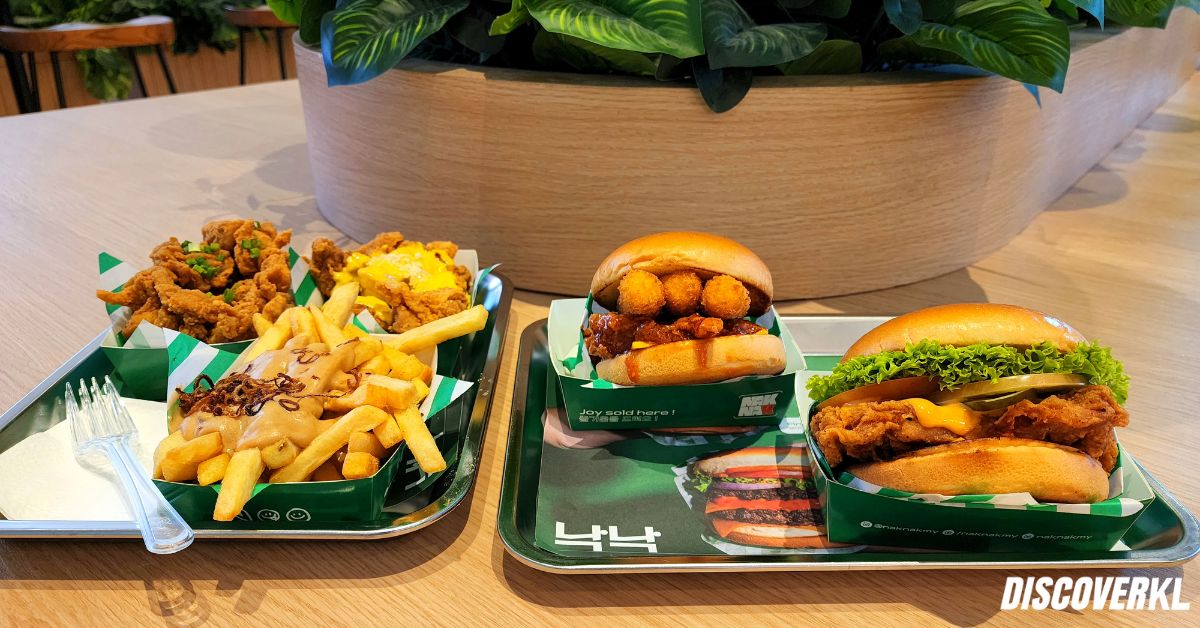
    Malaysian fast-casual operator NakNak expanded its domestic menu on September 21, 2026. The chain rolled out a cheese-loaded fried chicken line priced from RM24.90 alongside new dessert and salad options.

    The limited-time Ultimate Cheese Bomb pairs fried chicken and fries with melted mozzarella. The launch targets higher evening ticket sizes across the brand’s Malaysian footprint.

    Pricing and menu mechanics

    NakNak structured the launch across two price tiers. The Original Ultimate Cheese Bomb starts at RM24.90, combining Korean fried chicken and fries with melted mozzarella. The Spicy version lists from RM26.90, swapping in the brand’s Spicy Gochujang Nak Dak sauce. Diners can also add an extra Ultimate Cheese Bomb Sauce portion for RM8.00.

    To capture multi-item orders, the chain introduced lower-cost sides and sweets. The Shake Shake Salad retails from RM9.90 with Korean or sesame dressing, or RM12.90 bundled with a carbonated soft drink. Extra dressing cups cost RM1.50. For dessert, the Joy Cookie Tiramisu lists at RM12.90 to anchor the sweet end of the ticket.

    Cadence of limited-time offerings

    This release maintains NakNak’s 2026 promotional cycle. The chain ran its Thai Basil Pow series in February 2026, the Hot Honey Butter Crunch series in May, and a Tropical Punch beverage campaign in July. Rotating hero items every eight to ten weeks keeps store traffic steady without overhauling core kitchen equipment.

    Korean-inspired fried chicken chains in Malaysia rely on visual items to drive food court footfall. Melted cheese pours deliver strong social media engagement. However, they complicate dinner rush operations. Melted dairy requires strict temperature control and fast table delivery before texture degrades.

    Add-ons and ticket engineering

    Pricing across the menu shows how quick-service chains manage ingredient inflation while lifting receipts. By pricing the core plate at roughly RM25 to RM27 and selling sauces and tiramisu separately, NakNak pushes the full check above RM40 per person. That lifts revenue per square metre against rising urban mall occupancy costs.

    Salad combos at RM12.90 offer an option for mixed groups. Including lighter items prevents group vetoes, where a single health-conscious diner diverts an entire party from a fried chicken outlet. For store kitchens, assembling pre-portioned salads takes minimal prep time and zero fryer capacity.

    Korean quick-service battleground

    Malaysia is one of Southeast Asia’s most competitive markets for Korean dining concepts, with local brands battling international franchises like KyoChon and 4Fingers. Sauce-coated chicken and cheese pairings are standard across the segment. This keeps switching costs low and forces operators to refresh promotional menus continuously.

    Margin control remains the central commercial challenge. Mozzarella and dairy inputs face global commodity price volatility and currency exposure in Malaysia, where raw dairy is mostly imported. Sustaining profits depends on customers ordering high-margin soft drinks, salads and desserts alongside cheese-heavy mains.

    Outlets across Kuala Lumpur and surrounding urban centres have begun serving the full promotional line-up, which runs while promotional inventory lasts.

  • Tim Ho Wan Opens First Global Dim Sum Innovation Lab in Hong Kong

    Tim Ho Wan Opens First Global Dim Sum Innovation Lab in Hong Kong

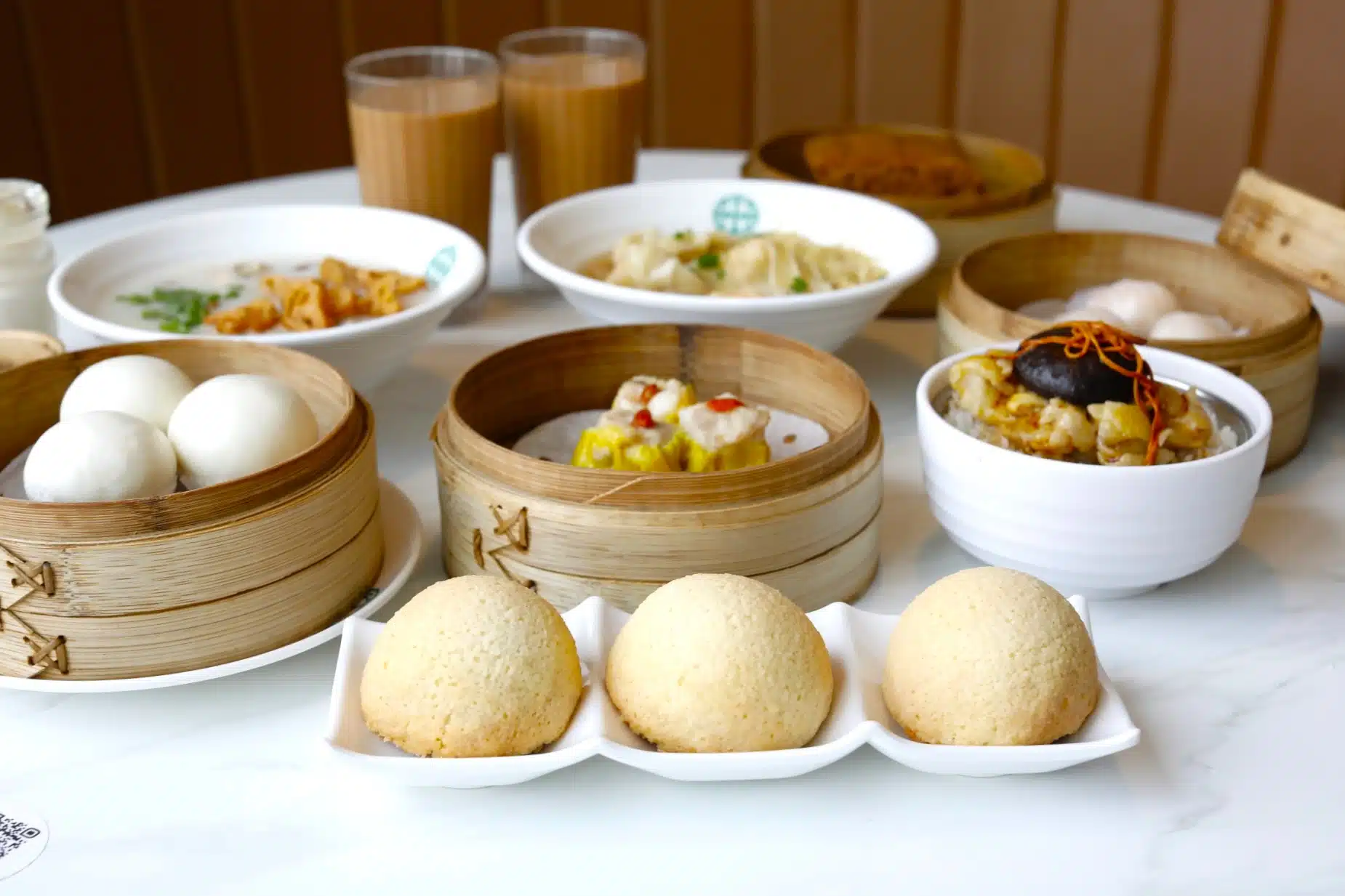
    Tim Ho Wan opened its first Global Dim Sum Innovation Lab at Lee Garden Two in Hong Kong in September 2026. The site serves as the central development kitchen for its worldwide restaurant network.

    The facility centralises recipe testing and chef training to standardise food quality across international branches. Glass walls separate the test kitchen from the dining room. Diners in Causeway Bay can watch staff test ingredients, adjust steamer temperatures, and refine techniques.

    Developing Standardised Dim Sum Menus

    Culinary teams at the site test recipe tolerances and intentional errors. This work establishes baseline operating procedures before dishes roll out overseas. Global creative director Chef Cheung Yat Sing leads menu development inside the Causeway Bay kitchen, focusing on consistency across varied kitchen setups.

    Global chief executive Sheng Lee said the objective is converting high-end dim sum craft into replicable commercial formats across all markets.

    “Our ultimate goal is to translate our best recipes into standardised processes,” Lee said.

    Operational Impact on Global Franchises

    Centralised recipe development addresses quality control challenges during rapid cross-border expansion. Dim sum relies heavily on skilled pastry folding, precise steaming moisture, and fresh filling preparation. These factors often vary widely between franchise operators in different countries.

    By turning the kitchen into an operational testing hub, the group aims to lock down ingredient specifications and cooking parameters before overseas branches introduce new items. Success depends on whether strict procedural standards can maintain texture and flavour when local franchisees substitute regional flour grades and fresh proteins.

    Menu Engineering and Causeway Bay Exclusives

    Causeway Bay is also using the facility to test consumer demand directly through exclusive trial dishes. The company introduced three launch items for the site: a Chef’s Special Siu Mai Trio, a Roasted Tea and Fig Steamed Pudding, and an Iced Apple Lychee Lu’an Tea.

    Dishes that perform well with local diners and meet production efficiency benchmarks will join the master menu distributed to overseas franchisees and joint-venture partners.

    Regional Expansion and Concept Testing

    The lab opening follows recent operational adjustments across the chain’s regional footprint, including trials of a dedicated takeaway format in Taiwan. That trial examined throughput speed and packaging durability for off-premise sales in dense urban transit corridors.

    Staff at the Lee Garden Two innovation lab are now preparing the first batch of seasonal recipes for rollout across Asian outlets later this year.