Tag: food service

  • Hikiniku to Come Opens Second Manila Store at SM Megamall

    Hikiniku to Come Opens Second Manila Store at SM Megamall

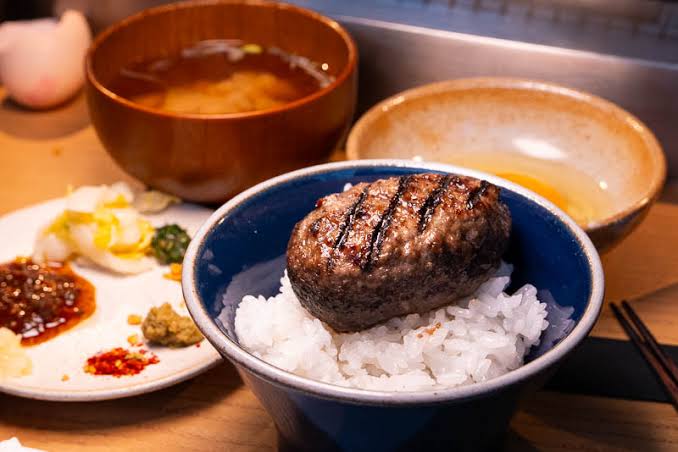
    Japan’s charcoal-grilled hamburg chain Hikiniku to Come opened its second Philippine outlet at SM Megamall, setting up a third location for 2027.

    The expansion adds prime mall retail space in Metro Manila to the Japanese concept, which entered the market under local operator The Standard Group. Diners receive freshly ground, charcoal-grilled beef patties served individually on bowls of rice rather than pre-cooked patties held in warmers.

    How the concept operates

    Founded in Tokyo in 2020, the brand built its format around single-item execution. Counter seating surrounds central charcoal grills where staff cook patties directly in front of customers.

    The format relies on high inventory turns and strict batch preparation. The Standard Group handles daily operations, sourcing, and retail site selection across the country.

    Mall landlords and format demand

    Japanese dining concepts continue to secure high-traffic anchor positions in Metro Manila shopping centres. Landlords favour specialty operators that generate queues and consistent ticket averages over standard food-court counters.

    For Philippine mall operators, bringing single-specialty Japanese brands into central retail clusters drives weekday footfall and boosts food and beverage revenue per square metre. The model carries operational discipline: tight menus minimise raw material waste, while the open-grill theatre speeds customer turnaround.

    The operational hurdles

    Replicating Tokyo counter dining across Southeast Asia carries supply chain pressure. Operators must maintain daily beef consistency and import Japanese short-grain rice while navigating local import tariffs and currency fluctuations.

    Labor training presents another operational bottleneck. Grilling fresh beef to precise specifications at a live counter leaves little room for service errors during peak meal rushes.

    What comes next

    Hikiniku to Come launched its initial Manila flagship earlier before expanding to the Mandaluyong retail corridor. The Standard Group is now scouting real estate for the brand’s third branch, with additional metropolitan sites under review for development over the coming year.
  • Yakima Opens Ombak KLCC Outlet in Push for Halal Japanese Street Food

    Yakima Opens Ombak KLCC Outlet in Push for Halal Japanese Street Food

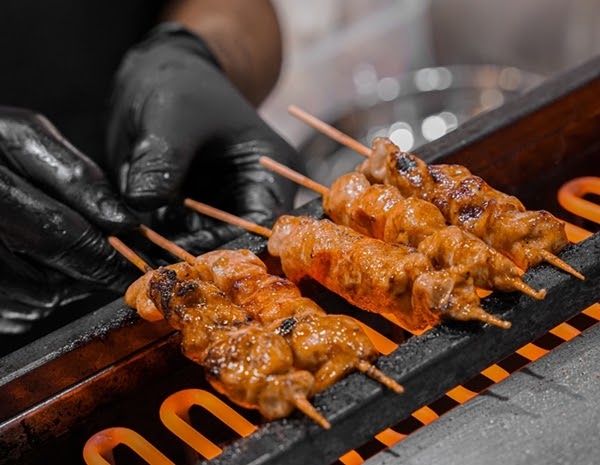
    YAKIGO opened an outlet at Ombak KLCC on 11 September 2026. The launch anchors its quick-service Japanese skewer format inside Kuala Lumpur’s central commercial district.

    Located at Lot C1 on the Urban Eats concourse floor, the branch is the brand’s third operating site. It forms part of a planned five-location network spanning retail malls, university campuses and highway rest stops.

    Central kitchen backing and localized recipes

    The concept adapts Japanese yakitori into a fast-casual format built around batch grilling. Kitchens prepare skewers throughout service. They pair them with three sauces: a classic yakitori glaze, a spicy Golden Buttermilk sauce and a localized Sambal Bara.

    Menu bundles divide into three tiers tailored for high-footfall concourses. Options include a three-piece Snack Bag for on-the-go eating, a five-piece Signature Box, or a four-piece Full Meal served over Japanese rice.

    To serve Malaysia’s mainstream Muslim consumer base, the chain runs a halal-certified central kitchen. It sources all ingredients from compliant suppliers. Strategy officer Matthews Chang stated the business intends to make Japanese street dining broadly accessible through localized flavours and inclusive sourcing.

    The fast-casual shift in quick-service Asian dining

    For mall landlords and concourse operators, compact skewer formats deliver high revenue density per square metre. Stalls with limited, standardized stock-keeping units drive quick turns and high takeaway volume during peak lunch and evening commuting windows.

    Central kitchen certification clears the main operational hurdle facing Japanese concepts in Southeast Asia. Shifting butchery, skewer assembly and sauce production offsite strips complexity out of compact stores. It also ensures regulatory compliance across every point of sale.

    Expanding across commuter and campus hubs

    The Ombak KLCC site follows earlier launches aimed at different foot-traffic demographics. YAKIGO began operations at KIPMall Kota Warisan before opening a campus branch at Taylor’s University to capture student dining spend.

    Another retail store opened at Coalfields Retail Park on 10 September 2026, just ahead of the KLCC launch. The location establishes an outer-suburban presence in Selangor.

    Next stop on the North-South highway

    YAKIGO will open its next counter at the Seremban Rest and Service Area along the North-South Expressway in early October 2026. The branch takes the format into high-volume highway transit retail.

  • Dairy Queen Returns to Hong Kong with Four Outlets in Fourth-Quarter Push

    Dairy Queen Returns to Hong Kong with Four Outlets in Fourth-Quarter Push

    American ice cream chain Dairy Queen will open four Hong Kong outlets in the fourth quarter of 2026. The rollout starts with a flagship in Causeway Bay.

    The launch reintroduces the 85-year-old brand to the market 47 years after a brief stint in 1979. Outlets will spread across Hong Kong Island, Kowloon, the New Territories and the outlying islands.

    Locations and Product Formats

    Its first flagship site opens at the One Causeway Bay shopping centre in November. A second store in Kowloon is under hoarding at The Angle shopping centre in Kwun Tong. The remaining two branches will open before the end of December.

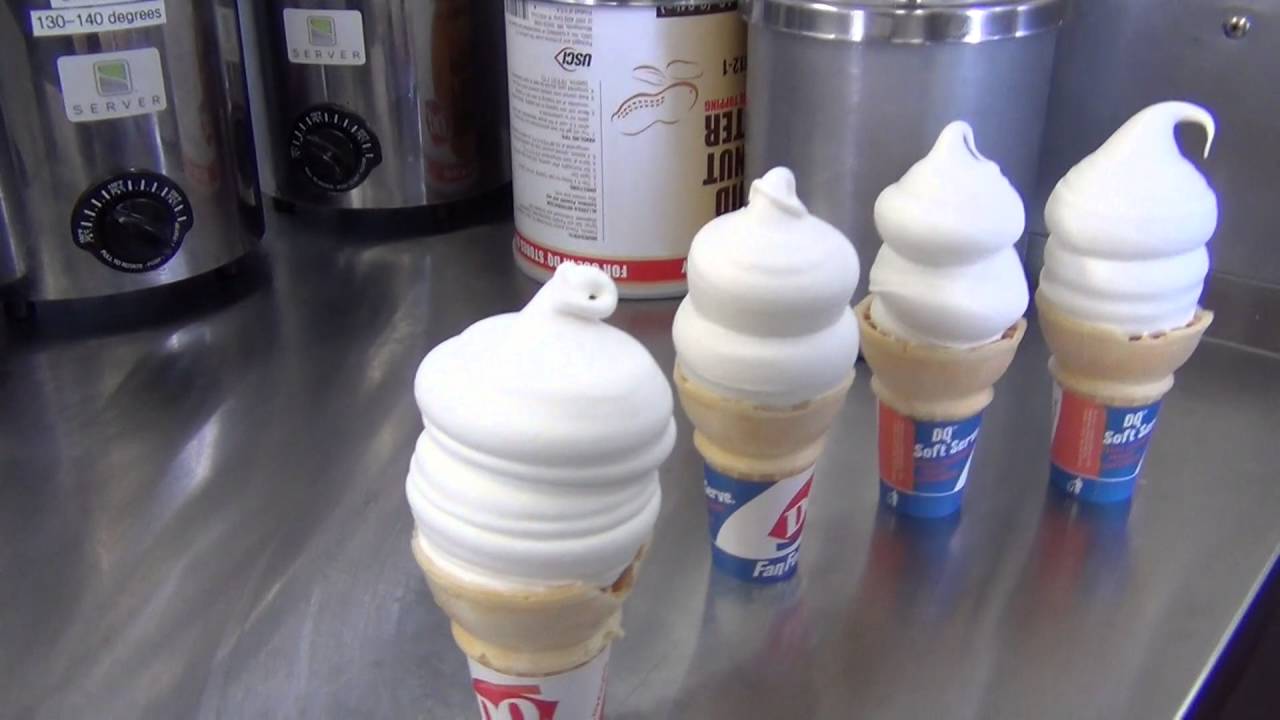
    Dairy Queen developed a localised menu for the territory with five core product categories. Offerings include milkshakes, parfaits, ice cream cakes, and its signature soft-serve dessert. The soft serve uses an exclusive full-fat dairy mix and an air overrun of roughly 40 per cent to maintain consistency.

    Shifting Rents and Tourist Spending

    Structural turnover continues across the city’s food and beverage sector. Prime commercial rents in core retail districts remain down 60 to 70 per cent from their 2013 and 2014 peaks. That drop lowers startup overhead for international franchise operators as legacy restaurants exit.

    Lower leasing costs arrive alongside a rebound in inbound traffic. Hong Kong recorded 31.22 million visitor arrivals during the first seven months of 2026, up 11 per cent year on year. Total retail sales value grew 8.9 per cent over the same period.

    Deploying across four separate districts in a single quarter lets foreign fast-casual operators build brand awareness quickly. The footprint tests local demand across tourist and suburban residential catchments.

    Fit-out work continues at the One Causeway Bay site ahead of the November launch. Opening dates for the New Territories and island locations are expected before year-end.

  • DFI Retail Group Tests Experiential 7-Eleven Formats Across Hong Kong

    DFI Retail Group Tests Experiential 7-Eleven Formats Across Hong Kong

    DFI Retail Group rolled out two distinct format concepts across its 7-Eleven network in Hong Kong, targeting airport transit traffic and young mall shoppers.

    The deployment includes a compact food-first site under 100 square metres at Hong Kong International Airport Terminal 2 and an entertainment-focused store at Kai Tak Retail Mall 3. Both formats shift floor space away from traditional packaged goods to generate higher footfall and basket values.

    Hot Food and Collectibles at Kai Tak

    At the airport location, DFI deployed its Hong Kong Taste cafe concept. The layout combines a fresh local hot-food counter, chilled ready-to-eat meals, self-checkout kiosks, and coffee counters within a compact sub-100-square-metre unit designed to compete directly with quick-service restaurants.

    The Kai Tak store focuses entirely on youth merchandise and interactive displays. Shoppers find collectible card vending machines alongside a dedicated K-pop merchandise section requiring staff assistance for access, concert light sticks, Tamagotchi devices, and miniature double-decker bus models. The branch also stocks exclusive collaboration apparel, including Gundam socks and 45th-anniversary branded merchandise, alongside an interactive mechanical keyboard sound wall.

    Yoep Man leads the format trials as chief executive officer of 7-Eleven for South China, Hong Kong, Macau, and Singapore at DFI Retail Group.

    Asian Convenience Chains Pivot to Experience

    Convenience operators across North and Southeast Asia are redesigning store footprints to defend operating margins against rising rents and saturated packaged-goods categories. Regional competitors in Japan, Taiwan, and South Korea have pursued similar split strategies, turning transit units into fast hot-food hubs while transforming suburban mall branches into lifestyle destinations with licensed character goods. DFI’s two concepts test how far a traditional convenience banner can push into quick-service dining and collectible retail within dense commercial districts.

    DFI Retail Group plans to present operational insights and format findings from the Hong Kong pilot during the NACS retail conference taking place from October 6 to October 9.

  • Del Monte Partners with Riverking to Expand Fresh-Cut Fruit in China

    Del Monte Partners with Riverking to Expand Fresh-Cut Fruit in China

    Del Monte Corp. Has formed a joint venture with Shanghai-based Riverking to sell fresh-cut fruit across China, targeting an Asian business that generated 9 per cent of its sales.

    The partnership, signed through Hong Kong subsidiary Del Monte Fresh Produce (HK), links the New York-listed group with Riverking’s network of 11 distribution centres across mainland China.

    Riverking was founded in 2003 and handles supply chains spanning cultivation, sourcing, harvesting and cold-chain distribution. Outside mainland China, the Shanghai firm operates international offices in Thailand, Australia, New Zealand, North America and South America.

    Distribution Across Eleven Hubs

    Fresh and value-added items delivered $2.62bn of Del Monte’s $4.32bn total revenue last year, while bananas contributed $1.49bn. The group, which changed its corporate name from Fresh Del Monte Produce in June, relies on third-party distributors across China, Hong Kong, Japan and South Korea.

    Up to now, South Korea housed the company’s only dedicated fresh-cut processing facility in East Asia. Partnering with an established domestic handler in Shanghai gives the brand immediate cold-storage reach into Chinese supermarket shelves without building out an entire standalone logistics fleet from scratch.

    Portfolio Realignment After Asset Deals

    The China agreement follows several portfolio shifts by Del Monte over the past year. In January, the group purchased vegetable, tomato and refrigerated fruit lines from California-based Del Monte Foods in a US bankruptcy transaction, after buying a majority stake in Ugandan avocado oil producer Avolio.

    Competitors in China’s packaged produce sector face high spoilage risks and fragmented retail networks. For Del Monte, the next metric to watch is whether Riverking’s 11 regional hubs can lift Asian sales above their current 9 per cent share of total revenue.

  • Domino’s China Operator DPC Dash Adds 235 Stores as Revenue Hits RMB3.13 Billion

    Domino’s China Operator DPC Dash Adds 235 Stores as Revenue Hits RMB3.13 Billion

    DPC Dash added 235 net new Domino’s Pizza stores in China during the first half of 2026. Group revenue rose 20.8 per cent.

    Revenue for the six months ended June 30 reached RMB3.13 billion (US$440 million). Net profit rose 22.9 per cent year on year to RMB81 million, supported by a 7.1 per cent lift in same-store transactions.

    That buildout took the chain’s network to 1,550 stores across 75 cities. The operator entered 15 new municipal markets during the period.

    Pushing Into Lower-Tier Markets

    Lower-tier Chinese cities now make up the bulk of the brand’s footprint. The operator runs 1,018 stores outside Tier 1 hubs, compared with 532 locations across primary metropolitan areas.

    DPC Dash holds exclusive master franchise rights for Domino’s in mainland China, Hong Kong and Macau. Chief executive Aileen Wang said the company will focus on lifting average transaction value and expanding customer volume as third-party food delivery subsidies diminish across the sector.

    Western fast-food chains in China have redirected capital expenditure away from saturated top-tier cities to capture cheaper real estate and consumer demand in secondary markets. While quick-service competitors battle heavy price discounting on aggregator apps, Domino’s relies on its own delivery network and lower operating costs to protect unit margins.

    Pipeline Toward 350 Openings

    Between June 30 and August 14, the operator launched another 27 stores across the country.

    Another 38 locations are under construction, with 36 additional leases signed or approved. Those sites keep the business on track toward its full-year target of approximately 350 net new store openings.

  • Yum China Opens 300Th Pizza Hut Burger Bar as Fast-Food Demand Grows

    Yum China Opens 300Th Pizza Hut Burger Bar as Fast-Food Demand Grows

    Yum China opened its 300th Pizza Hut Burger Bar in Wuhan, expanding a side-by-side restaurant format that reached the threshold within ten months of its national rollout.

    The concept grew from zero to more than 200 locations in its first six months, relying on shared kitchen space and existing staff inside established Pizza Hut outlets to keep capital expenditures low.

    Shared Kitchens and Dough Buns

    Pizza Hut entered the burger category two years ago by using baked pizza dough as buns. The Burger Bar format formalised that experiment into a dedicated counter model, preparing patties on a hot griddle in an open kitchen beside the main dining room.

    The 300th unit in Wuhan introduced regional menu items, including a crayfish crispy lotus root cheeseburger, tailoring offerings to local tastes. Management expects total burger sales across regular restaurants and dedicated Burger Bars to top RMB1 billion (US$148.6 million) this year. That total represents between 5 per cent and 6 per cent of Pizza Hut China’s overall revenue.

    Chasing Fast-Food Growth

    Fast-food chains across Asia are leaning heavily into lower-cost, single-diner formats to capture shifting customer habits. Smaller household sizes, tight consumer budgets and a preference for fast, individual meals have turned Western fast food into a contested segment in mainland cities.

    Market researcher Emergen Research valued China’s burger sector at US$18.4 billion in 2025, forecasting an annual growth rate of 8.7 per cent through 2035. While western burger chains continue adding standalone stores, Yum China is using its existing Pizza Hut footprint to capture market share without the overhead of building new restaurant shells.

    Yum China raised its expansion targets for the broader Pizza Hut chain, aiming for more than 800 net new store openings annually in 2027 and 2028, up from its earlier guidance of 600.