Retail News CRM

Tag: Foods

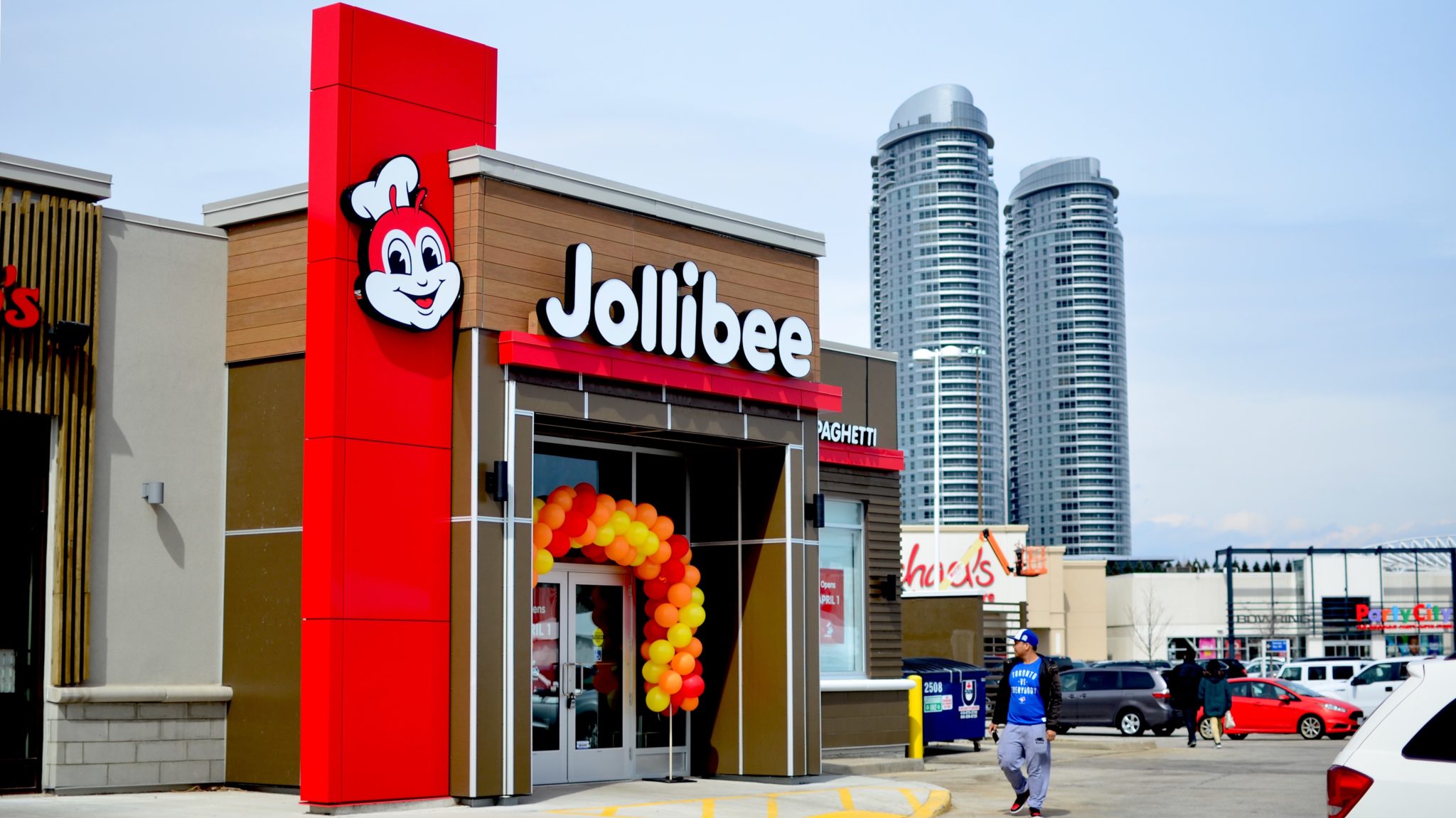
  • Global Expansion Fuels Record-Breaking Q4 Earnings for Jollibee Foods Corporation

    Global Expansion Fuels Record-Breaking Q4 Earnings for Jollibee Foods Corporation

    Jollibee Foods Corporation achieved record earnings in Q4, driven largely by an increase in demand and enhanced operational efficiency, according to CEO Ernesto Tanmantiong.

    Stellar Performance

    Tanmantiong expressed pride in the company’s performance over the past year. The final quarter saw a record-breaking operating income, which saw a 41.9% increase from the previous year. This surge was attributed to a combination of robust sales momentum and improved operational leverage.

    The corporation’s net income for the quarter rose by 20.1% to $37.8 million (PHP2.2 billion), making for a 5.4% total increase to $189 million for the entire year. Furthermore, the Q4 operating income experienced a 41.9% increase, reaching a remarkable $70.6 million – a record for this period.

    Sustained Demand and Growth

    The company’s system-wide sales grew by 16.6% over the year, bolstered by sustained demand in both its local Philippine markets and international markets. Consolidated revenue for the fourth quarter was up by 9.8%, leading to a 13% total increase for the year.

    The company’s EBITDA (earnings before interest, taxes, depreciation, and amortization) saw a rise of 18.7% to $169 million in the final quarter, and overall, a 13.8% increase to $727.4 million for the year.

    International Operations and Expansion

    International operations remained a potent catalyst for growth, contributing to a 27% system-wide sales increase. The coffee and tea segment of the business also exhibited strong sales momentum, with a 44.9% increase in system-wide sales.

    Tanmantiong spoke about the company’s future, emphasizing execution and expansion as cornerstones of their strategy. He stated, “Our priorities remain clear: profitable growth, operational excellence, and consistent value creation for our shareholders and other stakeholders.”

    Over the past year, Jollibee Foods Corporation opened 1126 stores worldwide, setting a new annual record. The corporation has planned to expand its network by an additional 1200 to 1300 stores in the coming year.

    Questions & Answers

    What factors contributed to Jollibee Foods Corporation’s record Q4 earnings?

    Sustained demand and enhanced operational efficiency were key contributors.

    What future plans does the company have?

    Its CEO, Ernesto Tanmantiong, stated that the company will maintain its focus on profitable growth, operational excellence, and value creation for shareholders and stakeholders.

    What expansion is expected for Jollibee Foods Corporation in the coming year?

    The corporation plans to expand its network by an additional 1200 to 1300 stores worldwide.
  • Unilever Courts McCormick for Potential Mega-Deal: A $33 Billion Foods Business at Stake

    Unilever Courts McCormick for Potential Mega-Deal: A $33 Billion Foods Business at Stake

    Unilever, a multinational consumer goods corporation, has confirmed that it is in discussions with McCormick & Company regarding the potential sale of its food division. The company has made this admission in response to ongoing rumours about the possible transaction, but has also made it clear that the completion of the deal is not guaranteed.

    Value of Unilever’s Food Business

    Unilever’s food business, which comprises around a quarter of the corporation’s annual revenue, is considered to be a very appealing acquisition. Brands like Hellmann’s, Colman’s, and Knorr form its diverse portfolio. If McCormick & Company were to acquire this business, it would represent the most costly purchase in their 137-year history.

    The food business is seen as a robust entity with a strong financial profile. The company’s management is confident about the future prospects of the food division, citing the presence of several market-leading brands in burgeoning categories as significant strengths.

    Unilever’s Future Growth Priorities

    In the company’s 2025 financial results report, Fernando Fernandez, the newly appointed CEO of Unilever, outlined the corporation’s objectives. Under his leadership, Unilever plans to build a future-oriented brand portfolio that focuses on beauty, wellbeing, and personal care. Premium segments and digital commerce will be the areas of priority. The company aims to root its growth in the US and India markets.

    Bloomberg has estimated the value of Unilever’s Food Business to be around $33 billion, which is more than double the market cap of McCormick, which stands at $14.5 billion.

    Questions & Answers

    What is the estimated value of Unilever’s Food Business?
    The estimated value of Unilever’s Food Business is $33 billion, according to Bloomberg.

    What brands are part of Unilever’s Food Business?
    Unilever’s Food Business includes brands such as Hellmann’s, Colman’s, and Knorr.

    What are Unilever’s growth priorities as set out by its new CEO?
    Unilever’s new CEO, Fernando Fernandez, has identified the development of a future-oriented brand portfolio focusing on beauty, wellbeing, and personal care as a major priority. The company also plans to prioritize premium segments, digital commerce, and growth in the US and India markets.

  • Jollibee Foods Sizzles up Asian Market with Korean Hot Pot Acquisition and Compose Coffee Expansion

    Jollibee Foods Sizzles up Asian Market with Korean Hot Pot Acquisition and Compose Coffee Expansion

    Jollibee Foods Corporation (JFC), a dominant player in the food service industry, is poised to strengthen its position in Asia through the acquisition of a South Korean hot pot buffet brand, Shabu All Day, and the anticipated introduction of a rapidly-growing Korean coffee brand, Compose Coffee, into the Philippines.

    Amplifying Asian Presence

    Jolli-K Co, a subsidiary of JFC, has acquired All Day Fresh Co, the company behind the operation of Shabu All Day, in a deal worth approximately US$87 million. Shabu All Day, established in 2014, boasts 169 stores distributed across South Korea. In addition to this acquisition, JFC’s South Korean portfolio encompasses the coffee chain, Compose Coffee, ensuring the company has a diverse presence across both full-service dining and beverage-led segments.

    Introducing Compose Coffee to the Philippines

    In a synergistic move, JFC is set to bring the Korean coffee brand, Compose Coffee, to the Filipino market. This will be achieved through a master franchise agreement facilitated by its subsidiary, Fresh N’ Famous Foods. The first Compose Coffee stores are projected to open in the Philippines later this year.

    Established in 2014 in Busan, Compose Coffee has witnessed prolific growth, with around 3000 stores in operation. This growth has positioned it as one of South Korea’s most significant value-driven coffee chains. JFC acquired a 70 per cent stake in Compose Coffee in 2024. This expansion into the Philippines is a testament to JFC’s ongoing commitment to the flourishing coffee and tea sector, where it already operates various brands, including Highlands Coffee, The Coffee Bean & Tea Leaf, and Milksha.

    Unprecedented Network Growth

    These growth strategies were announced against a backdrop of record sales for JFC in the preliminary fourth quarter of 2025. The food service giant reported systemwide sales of ₱122.3 billion (approximately US$2.1 billion), a 12 per cent increase year on year.

    The company’s total store network for the full year expanded by 5.9 per cent to reach 10,341 outlets, the highest level of gross store openings in the company’s history. This network comprises 3504 stores in the Philippines and 6837 international stores, demonstrating JFC’s consistent expansion across key markets. JFC operates 576 stores in China, 348 in North America, and 437 across Europe, Middle East, Asia, and Australia. The growth is largely driven by its diverse portfolio of brands, including Highlands Coffee, The Coffee Bean & Tea Leaf, Milksha, Compose Coffee, and Tim Ho Wan.

    Questions & Answers

    What is Jollibee Foods Corporation’s latest acquisition?
    Jollibee Foods Corporation has recently acquired Shabu All Day, a South Korean hot pot buffet chain, through its subsidiary, Jolli-K Co.

    What new brand is JFC introducing to the Philippines?
    JFC is set to introduce Compose Coffee, a popular and rapidly-growing South Korean coffee brand, to the Philippines.

    What was JFC’s growth rate for their total store network in the last fiscal year?
    JFC’s total store network grew by 5.9 per cent during the last fiscal year, reaching a total of 10,341 outlets.

  • Pure Foods Tasmania Chills Out: Sweeps Up Elato Ice Cream to Expand Frozen Dessert Empire

    Pure Foods Tasmania Chills Out: Sweeps Up Elato Ice Cream to Expand Frozen Dessert Empire

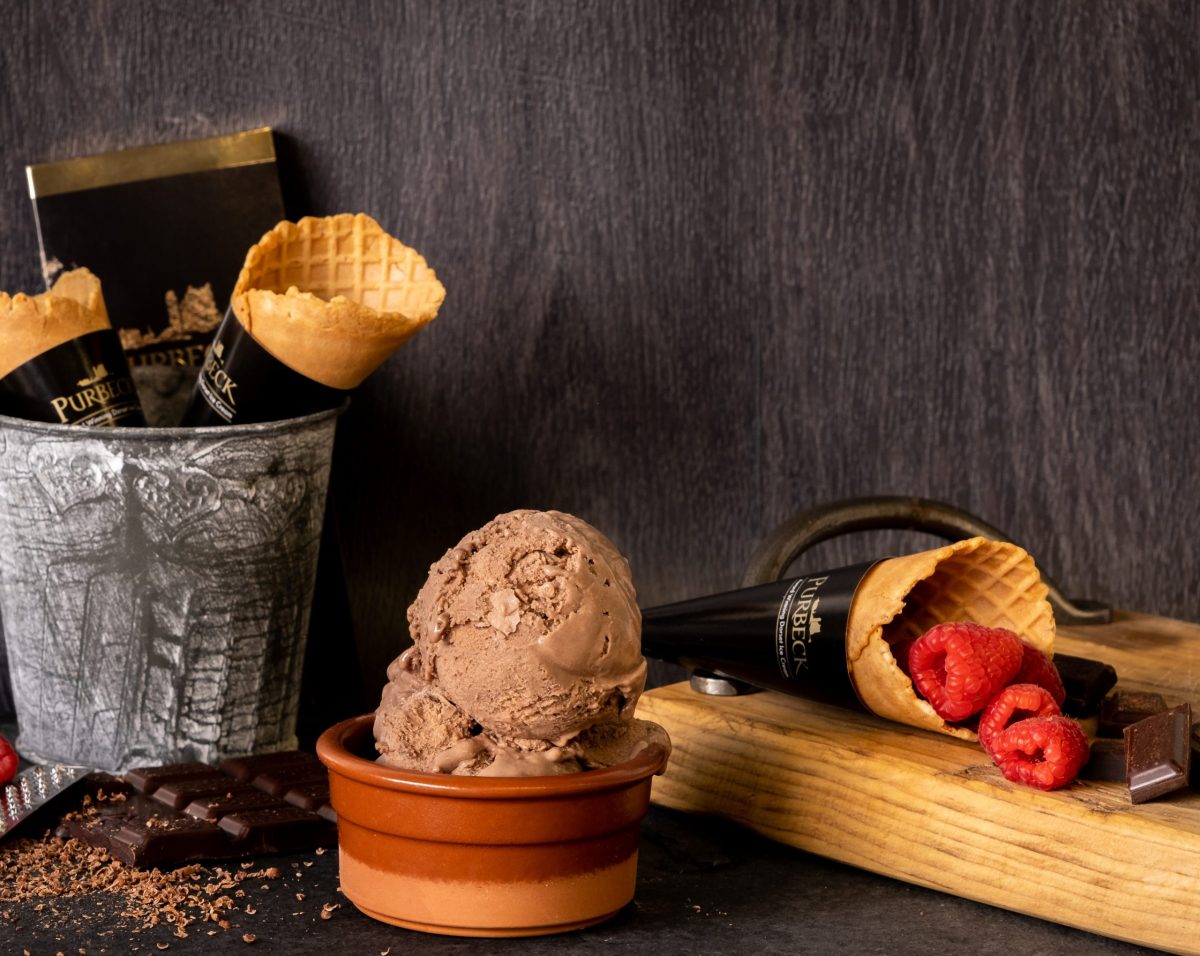
    Pure Foods Tasmania (PFT) has strategically broadened its stock of frozen dessert offerings by securing ownership of Elato Ice Cream.

    Implications of the Acquisition

    With this acquisition, PFT gains full ownership of all the intellectual property and brand assets associated with Elato Ice Cream. This encompasses recipes, formulations, and distribution arrangements. The aim behind this move is to lay the groundwork for a dedicated Ice Cream Division within the company.

    This new division is planned to be an amalgamation of Elato Ice Cream and PFT’s existing frozen dessert enterprise, The Cashew Creamery. It will offer consumers a wide variety of both dairy-based and plant-based ice cream products.

    New Leadership

    As part of the agreement, the founder of Elato Ice Cream, Roz Kaldor‑Aroni, has been named General Manager of the newly-formed division. She will be responsible for supervising product development, manufacturing processes, and sales growth strategies.

    On the acquisition, Kaldor-Aroni remarked, “Witnessing Elato being acquired after only four years in the market stands testament to the fact that award-winning products, which emphasize innovation and community support, hold immense appeal not just to ice cream aficionados but also to like-minded innovators such as PFT.”

    About Elato Ice Cream

    Elato Ice Cream was established with a dual mission to fight global hunger and to reduce food waste. The brand is distinctive for its authentic texture, reduced sugar content, and omission of artificial additives.

    Elato Ice Cream is available for purchase at select Woolworths Supermarkets, Woolworths Metro stores, and independent retailers. It has been the recipient of numerous awards since its inception.

    Questions & Answers

    What does the acquisition of Elato Ice Cream by Pure Foods Tasmania entail?
    The acquisition implies that PFT now owns all intellectual properties and brand assets of Elato Ice Cream. It intends to use this acquisition to establish a dedicated Ice Cream Division.

    What is the role of Roz Kaldor-Aroni in the new setup?
    Roz Kaldor-Aroni, the founder of Elato Ice Cream, will serve as the General Manager of the new division. She will oversee product development, manufacturing, and sales growth strategies.

    What differentiates Elato Ice Cream from other brands?
    Elato Ice Cream stands out due to its authentic texture, lower sugar content, and absence of artificial additives. It was founded with a mission to combat global hunger and minimize food waste.

  • Whole Foods Market Expands To Singapore With Exclusive Private-label Products

    Whole Foods Market Expands To Singapore With Exclusive Private-label Products

    Whole Foods Market, a renowned American gourmet grocery chain, has recently launched around 300 of its private-label products in Singapore.

    Exclusive Brand Offerings

    The assortment covers a wide range of products, including everyday grocery items, snacks, beverages, and pet food. This collection is derived from three of the grocer’s exclusive brands, namely 365 by Whole Foods Market, Whole Foods Market, and Whole Paws. All products are formulated according to the brand’s stringent ingredient regulations that prohibit the use of over 550 commonly used additives.

    Sonya Gafsi Oblisk, the Chief Marketing and Merchandising Officer at Amazon-owned Whole Foods Market, expressed the company’s commitment to making organic products more widely available. She also expressed her enthusiasm about exploring a new market where there is a growing demand for high-quality, sustainable grocery options.

    Partnership with Local Grocer

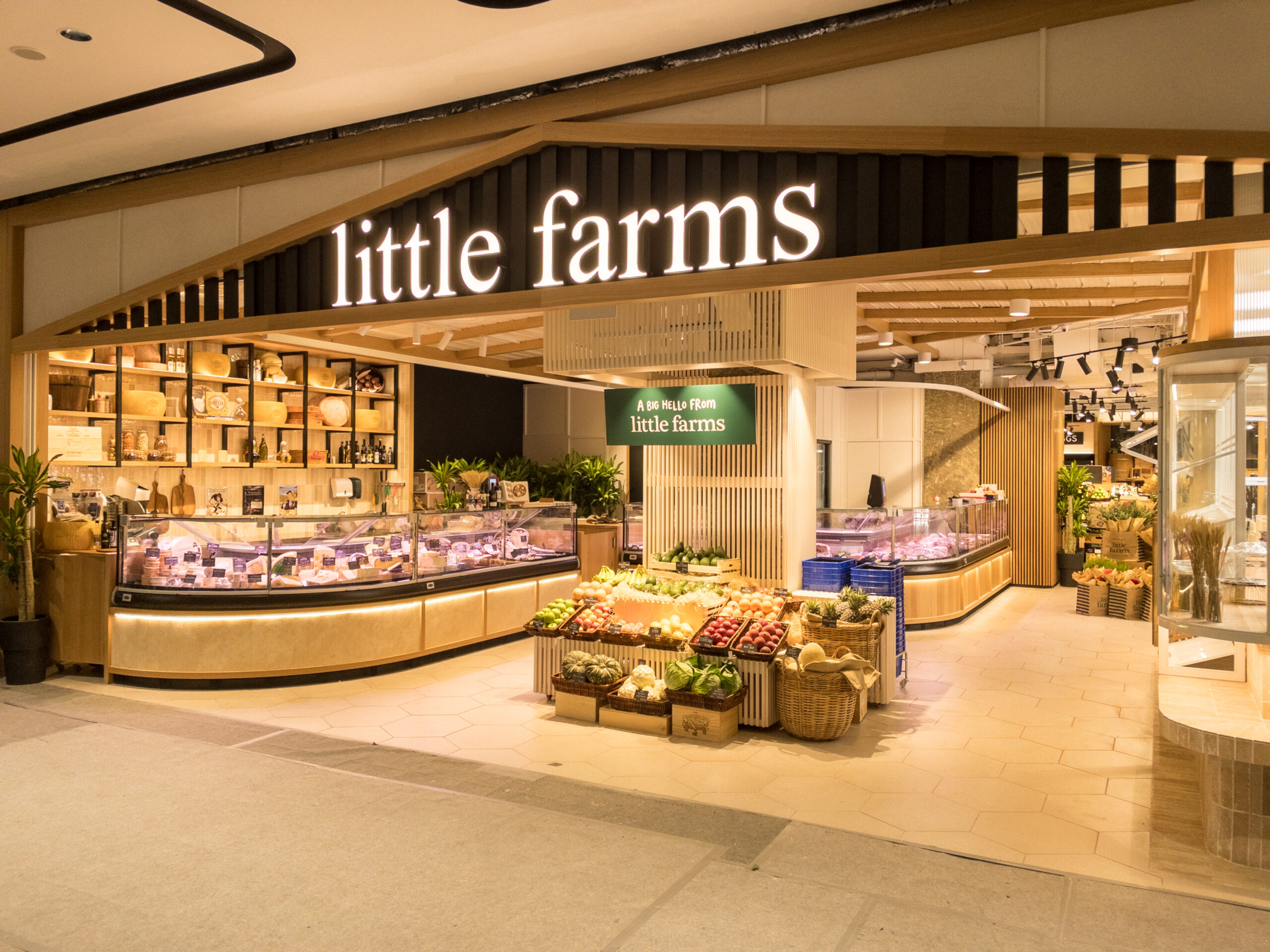
    Whole Foods Market’s products will initially be available online through the Amazon Singapore website and Amazon Fresh. The items will later be physically sold exclusively at Little Farms, a local premium grocer with eight branches across Singapore. This strategic partnership is designed to cater to the increasing number of health-conscious consumers who prefer clean-label and responsibly sourced products.

    Joe Stevens, the CEO of Little Farms, shared his company’s mutual commitment to quality ingredients, transparency, and responsible sourcing with Whole Foods Market. He also acknowledged the global standard set by Whole Foods Market for organic groceries.

    A Strategic Expansion

    The brand’s debut in Asia aligns with its broader growth strategy. This includes an international direct-to-consumer (DTC) expansion, new store formats such as the Whole Foods Market Daily Shop, and wider brand distribution through Amazon’s global platforms.

    Questions & Answers

    What are the exclusive brands of Whole Foods Market that have been launched in Singapore?
    Whole Foods Market has launched products from three of its exclusive brands in Singapore. These are 365 by Whole Foods Market, Whole Foods Market, and Whole Paws.

    Where will Whole Foods Market’s products be available in Singapore?
    Initially, the products will be available online on the Amazon Singapore website and Amazon Fresh. Later, the products will be physically sold exclusively at Little Farms, a local premium grocery chain in Singapore.

    What is the broader growth strategy of Whole Foods Market?
    The broader growth strategy of Whole Foods Market includes international direct-to-consumer expansion, the introduction of new store formats like Whole Foods Market Daily Shop, and wider brand distribution through Amazon’s global platforms.

  • Berjaya Food Reports Rising Losses: Starbucks Malaysia’s Struggles Amid Middle East Conflict

    Berjaya Food Reports Rising Losses: Starbucks Malaysia’s Struggles Amid Middle East Conflict

    Berjaya Food, a Malaysia-based company, has recently reported a significant increase in losses and a decrease in sales for both their fourth quarter and the entire fiscal year. Berjaya Food, which operates Starbucks Coffee in Malaysia and Brunei, along with Kenny Rogers Roasters and Paris Baguette in Malaysia, experienced reduced sales due to a decrease in store numbers.

    Quarterly Report

    The revenue for the group, for the quarter ending on June 30, experienced a decrease of 11 per cent compared to the previous year, settling at RM115.8 million (US$27.4 million). This reduction is mainly attributable to the decrease in the number of store locations. However, the management has noted a slight increase in sales compared to the third quarter. This increment is primarily due to an improved sales performance from Starbucks Malaysia.

    In this quarter, the loss before tax increased from RM42.6 million to RM183.7 million. The primary reason for this increase was the impairment of property, plant, and equipment (PPE) and right-of-use (ROU) assets linked to non-performing stores.

    Annual Report

    For the entire fiscal year, the revenue dropped by 36 per cent, amounting to RM476.7 million. This drop is linked to the ongoing sentiment surrounding the Middle East conflict, which has affected market dynamics and altered customers’ purchasing behaviours.

    The pre-tax loss for the year broadened from RM89 million to RM288.7 million. This loss was due to the necessary impairment provision to PPE and ROU assets, resulting from the downsizing of Starbucks Malaysia’s operations.

    Questions & Answers

    What were the main reasons for the loss in Berjaya Food’s fourth quarter and fiscal year?
    The primary reasons were the impairment of property, plant, and equipment (PPE) and right-of-use (ROU) assets of non-performing stores, and also the downsizing of Starbucks Malaysia’s operations.

    Did Berjaya Food see any improvement in the fourth quarter compared to the third quarter?
    Yes, sales were slightly higher in the fourth quarter compared to the third, primarily due to improved sales performance at Starbucks Malaysia.

    How did the Middle East conflict affect Berjaya Food’s annual results?
    The ongoing conflict in the Middle East has influenced customers’ spending patterns and affected market dynamics, which contributed to the significant drop in the annual revenue.

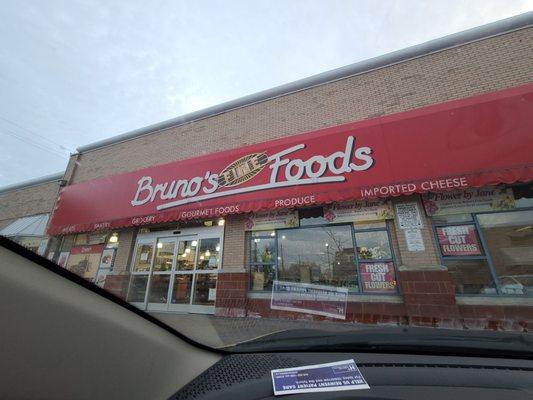
  • Bruno Fine Foods Expands Portfolio With Exclusive San Marzano Tomatoes Through Casa Marrazzo Alliance

    Bruno Fine Foods Expands Portfolio With Exclusive San Marzano Tomatoes Through Casa Marrazzo Alliance

    Bruno Fine Foods, a leading gourmet food provider, has expanded its premium product line through an alliance with Italian producer Casa Marrazzo, introducing San Marzano tomatoes to its portfolio.

    Certified Quality

    The newly added San Marzano tomatoes hold the prestigious DOP (Denominazione d’ Origine Protetta) certification, signifying their origin from a specific region and adherence to meticulous quality standards. These particular tomatoes are exclusively cultivated in a 3-square kilometer stretch in the Agro Nocerino-Sarnese region. Their limited production area elevates their exclusivity, making them a premium, albeit costly, product.

    Shared Vision

    The alliance between Bruno Fine Foods and Casa Marrazzo took shape following a meeting in 2023, where the teams discovered their shared commitment to high quality and sustainable land use. The two brands recognized a mutual vision for excellence that goes hand in hand with their respect for the environment.

    Australian Launch

    As part of its launch strategy, Bruno Fine Foods intends to introduce Casa Marrazo to the Australian market with a creative campaign that incorporates warehouse altars and field-side installations. This approach aims to encapsulate the essence of Casa Marrazzo’s tradition and creativity, bridging the gap between the old and the new.

    As of now, Casa Marrazzo’s hand-picked produce is readily accessible to Australian retailers, chefs, and hospitality venues, bolstering the local gastronomy scene.

    Questions & Answers

    What does the DOP certification signify?
    The DOP (Denominazione d’ Origine Protetta) certification is an Italian agricultural designation indicating that a product is grown and produced in a specific geographical region and adheres to strict quality standards.

    What makes the San Marzano tomatoes rare and expensive?
    San Marzano tomatoes are exclusively grown in a 3-square kilometer region in Agro Nocerino-Sarnese, Italy. The limited cultivation area, along with the stringent quality standards they adhere to, contribute to their rarity and higher price point.

    Where can Casa Marrazzo’s hand-picked produce be purchased in Australia?
    Casa Marrazzo’s hand-picked produce, introduced by Bruno Fine Foods, is now available to Australian retailers, chefs, and hospitality venues.

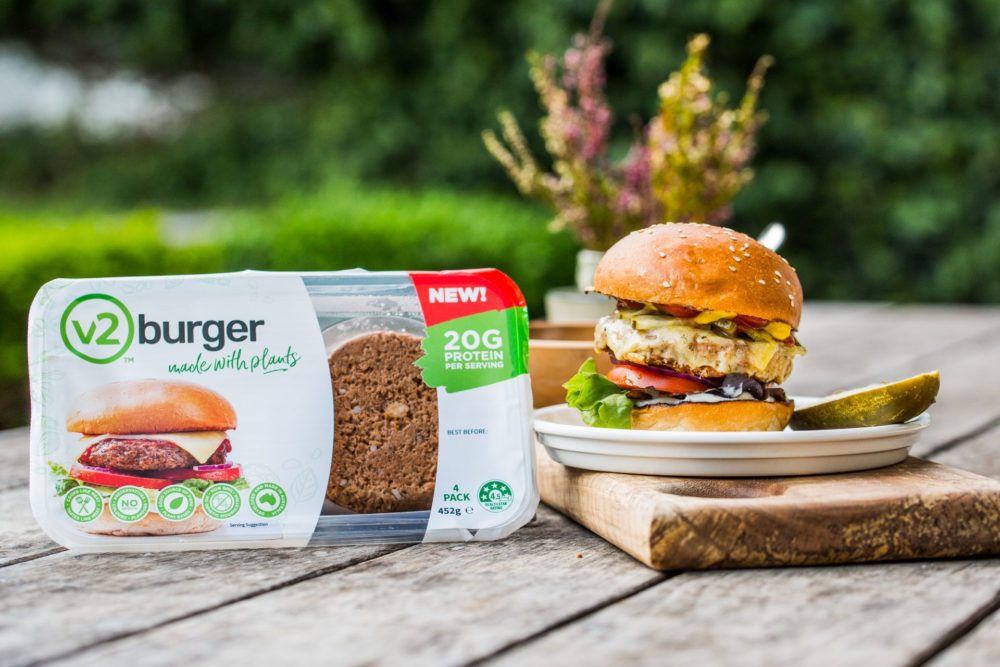
  • V2food Acquires Daring Foods, Forms Alliance With Ajinomoto In Global Expansion Move

    V2food Acquires Daring Foods, Forms Alliance With Ajinomoto In Global Expansion Move

    V2Food, an Australian alternative meat company that emphasizes plant-based products, has made a significant stride in its worldwide expansion by acquiring Daring Foods, a company based in the United States, and forming a strategic alliance with Ajinomoto, a renowned Japanese food conglomerate.

    According to V2Food, this deal integrates its proprietary protein technology with Daring’s robust retail footprint in the U.S. and Ajinomoto’s extensive global reach and food science expertise that spans over a century.

    Merging Technological Capabilities

    Tim York, the CEO of V2Food, commented on the newly formed partnership. He believes that merging their technological prowess with Ajinomoto’s global scale and profound knowledge in food science, as well as Daring’s tested market triumph, will result in an influential platform for sustainable nutrition. This platform will not undermine the taste or quality of the food.

    Daring, which currently ranks as the top unbreaded plant-based chicken brand in the U.S., will maintain its brand name and operations. The acquisition, however, enables the brand to serve as a springboard for the introduction of V2Food’s products to the American market.

    Key Roles of Ajinomoto

    Ajinomoto will play a crucial role in expanding the business on an international scale, concentrating on Asia and Africa. These regions are currently witnessing a surge in demand for accessible and sustainable protein sources.

    Shigeo Nakamura, the president and CEO of Ajinomoto, spoke about the strategic association between Ajinomoto and V2Food. He emphasized the mutual dedication of both companies to revolutionizing the global food system through innovation, sustainability, and co-creation in technology and business development. All these efforts are geared towards contributing to the well-being of individuals, society, and our planet.

    Future Plans

    Both companies plan to introduce clean-label products to the market, including a line of frozen meals. These products are aimed at meeting the consumer demand for healthier, more natural plant-based options. V2Food’s technology features methylcellulose-free formulations and an innovative use of algae for colour.

    Questions & Answers

    What is the significance of V2Food’s acquisition of Daring Foods and partnership with Ajinomoto?
    Answer: These strategic steps mark a major milestone in V2Food’s global expansion, combining V2Food’s protein technology with Daring’s established US market presence and Ajinomoto’s extensive food science expertise and global reach.

    What role will Ajinomoto play in this partnership?
    Answer: Ajinomoto will help scale the business internationally, with a primary focus on Asia and Africa where the demand for accessible and sustainable protein sources is on the rise.

    What future plans do the companies have?
    Answer: The companies plan to launch clean-label products, including a frozen meal line, to meet the consumer demand for healthier, more natural plant-based options. Additionally, they will make use of V2Food’s innovative technology that involves methylcellulose-free formulations and algae-based colouring.

  • Lee Kent Takes Reigns As Pepsico New Zealand’s GM Of Foods, Aiming To Amplify Brand’s Impact

    Lee Kent Takes Reigns As Pepsico New Zealand’s GM Of Foods, Aiming To Amplify Brand’s Impact

    PepsiCo New Zealand has announced the appointment of Lee Kent to the position of General Manager (GM) of Foods, effective from the 1st of August. He is set to succeed Michelle Cassettari in this role.

    Lee Kent’s New Role

    In his new position as GM of Foods, Kent will oversee operations, strategy, and management of the Bluebird brand, which is part of PepsiCo’s portfolio in New Zealand. Additionally, he will spearhead a cross-functional team with a primary focus on expanding the presence of PepsiCo within the country.

    Alexia Horley, the Chief Executive Officer (CEO) of PepsiCo Australia and New Zealand Foods, spoke highly of Kent’s abilities. She emphasized his bold strategic approach and his proficiency in establishing, managing, and executing business relationships. Horley believes that these skills will be a crucial differentiator in building effective leadership.

    Lee Kent’s Background

    Kent’s move to PepsiCo New Zealand comes after a notable tenure of more than 11 years at PepsiCo UK. In the UK, he held a number of senior commercial roles spanning organized trade, traditional trade, e-commerce, and value retail.

    In his most recent role, Kent served as the Senior Sales Director for PepsiCo’s Tesco business. He was an integral member of the UK sales leadership team. Additionally, Kent was responsible for leading cross-functional collaboration across marketing, supply, and finance sectors as the commercial lead for UK snacks.

    Questions & Answers

    Who is the new General Manager of Foods at PepsiCo New Zealand?
    Lee Kent has been appointed as the new General Manager of Foods at PepsiCo New Zealand, succeeding Michelle Cassettari.

    What will Kent’s responsibilities include in his new role?
    Kent will oversee operations, strategy, and management of the Bluebird brand, and lead a team aimed at expanding PepsiCo’s presence in New Zealand.

    What was Kent’s role at PepsiCo UK?
    Lee Kent served as the Senior Sales Director for PepsiCo’s Tesco business in the UK and was responsible for cross-functional collaboration across marketing, supply, and finance.

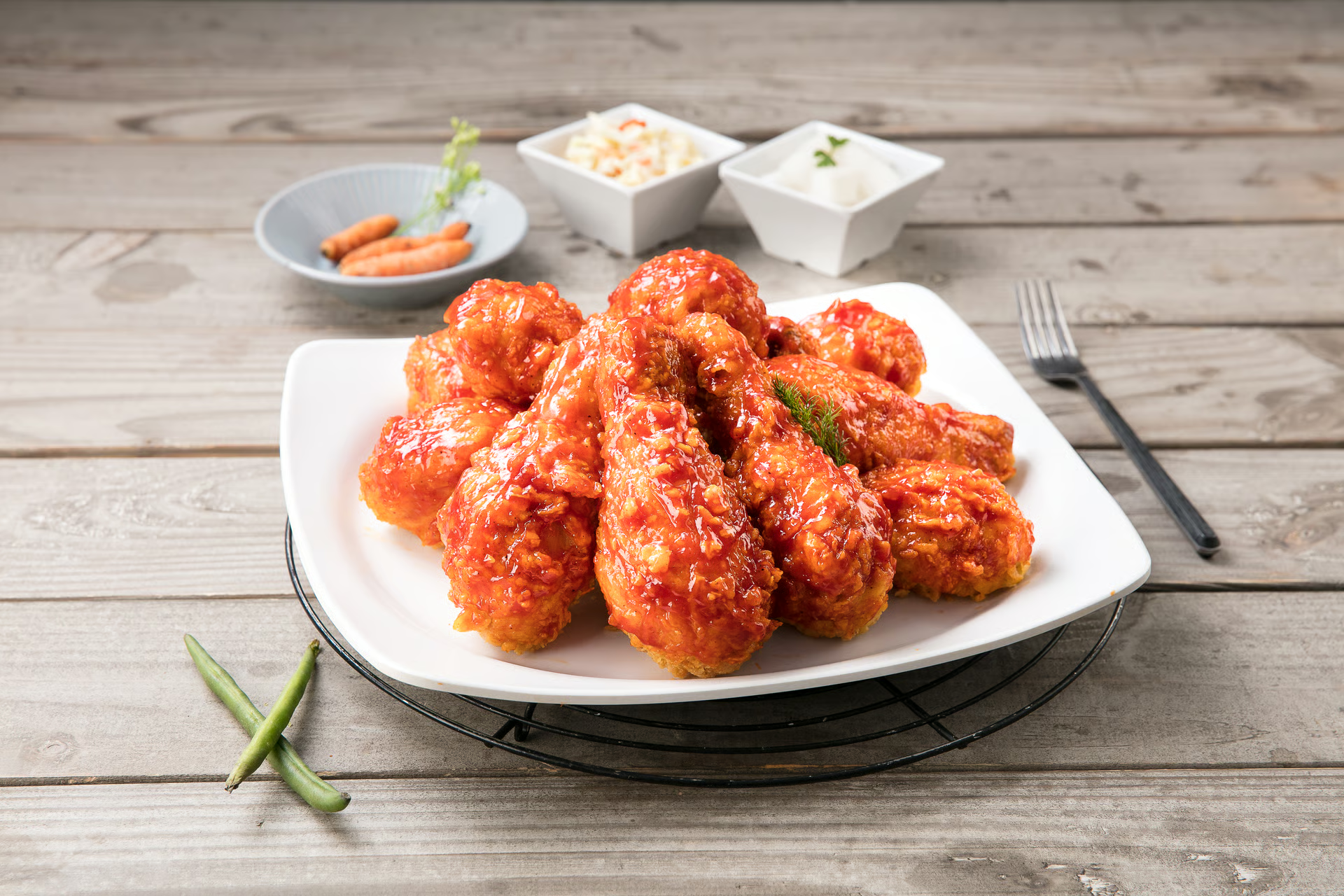
  • CJ Foods Launches Locally-sourced Bibigo Korean-style Fried Chicken In Australia

    CJ Foods Launches Locally-sourced Bibigo Korean-style Fried Chicken In Australia

    CJ Foods Oceania, a division of the international CJ Group, has introduced its Bibigo Korean-Style Fried Chicken line, produced and procured locally in Australia.

    New Korean-Inspired Chicken Range Launched

    The Bibigo Korean-Style Fried Chicken range boasts two enticing flavours: ‘Sweet & Spicy’ and ‘Soy & Honey’. Nationwide sourced whole chicken breast cuts form the heart of this product line, which are then coated with a light, crispy batter.

    Convenient and Quick Preparation

    Each product comes with a separate sauce pack for easy and quick preparation, providing options for oven-cooking or air-frying. This launch is a continuation of the company’s introduction of other frozen food items, such as Mandu (Korean dumplings), Gimbap (Seaweed rice rolls), Rice balls, Bao (Chinese steamed buns), Soup Mandu (Soup dumplings), and Seaweed Chips.

    A Taste for Authentic International Flavours

    Eugene Cha-Navarro, Managing Director and CEO of CJ Foods Oceania, noted Australia’s well-developed taste for bold, internationally influenced flavours and its ongoing preference for traditional Korean cuisine. “Our focus is not solely on packaging, but also on sourcing local ingredients, understanding local tastes, and cultivating relationships with Australian farmers and producers,” he added.

    The Bibigo Korean-Style Fried Chicken range is now available nationally across Woolworths and will be available from IGA starting from mid-August.

    Questions & Answers

    What flavours does the Bibigo Korean-Style Fried Chicken range offer?
    The range currently offers two flavours, ‘Sweet & Spicy’ and ‘Soy & Honey’.

    How can the product be prepared?
    The product comes with a separate sauce pack for quick and easy preparation, including options for oven-cooking or air-frying.

    Where can the Bibigo Korean-Style Fried Chicken range be purchased?
    The range is available nationally across Woolworths outlets and will be available in IGA stores from mid-August.

  • Del Monte Foods Files For Chapter 11 Bankruptcy To Facilitate Business Sale

    Del Monte Foods Files For Chapter 11 Bankruptcy To Facilitate Business Sale

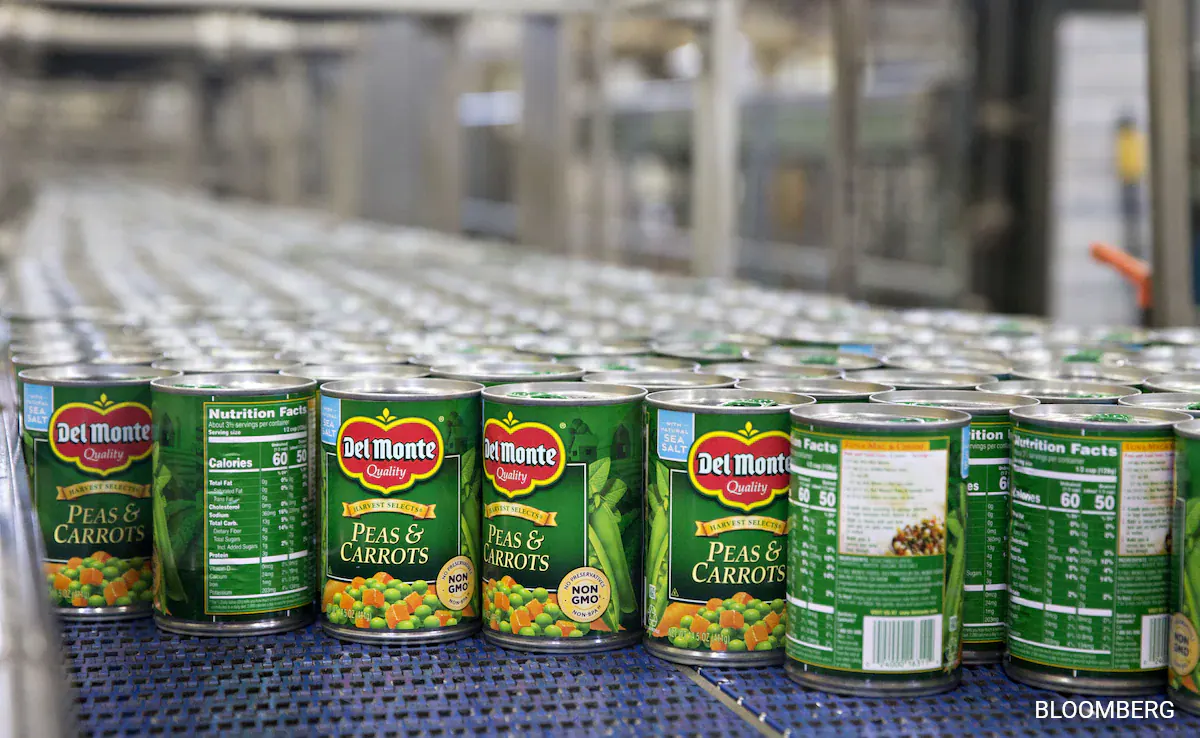
    Del Monte Foods, a renowned food production company, has recently applied for Chapter 11 bankruptcy protection within the United States. This move comes as a part of the company’s strategy to facilitate a successful sale of its business operations.

    Restructuring Support Agreement

    In order to conduct a comprehensive sale of all or most of its assets, Del Monte Foods has settled on a restructuring support agreement (RSA) with several of its lenders. Furthermore, to maintain sufficient liquidity throughout this transition, the company has secured a staggering $912.5 million in debtor-in-possession financing.

    Despite the ongoing bankruptcy proceedings, the company intends to keep its business operations running normally and without any interruptions.

    A Necessary Step Towards a Brighter Future

    The company’s President and CEO, Greg Longstreet, has acknowledged the challenging circumstances that have been accentuated by a rapidly changing macroeconomic environment. Longstreet stated, “After thoroughly evaluating all possible options, we concluded that a court-supervised sale process is the most effective method to expedite our turnaround and establish a stronger and more resilient Del Monte Foods.”

    He further added that the company, with a renovated capital structure, improved financial position, and new ownership, will be better equipped to ensure long-term success.

    A Rich Heritage

    Founded in 1886, Del Monte Foods boasts a vast portfolio including the canned fruits and vegetables brand Del Monte, the broth and stock business College Inn, and tea brands like Joyba. It should be noted, however, that certain non-US subsidiaries of the company are not part of the Chapter 11 proceedings and continue to operate as regular.

    Clarification on Affiliations

    In a recent development, Fresh Del Monte Produce Inc, which is listed on the NYSE, clarified that it has no financial or operational ties with Del Monte Foods. The two companies are entirely separate entities, with no shared ownership, governance, or operations.

    While both companies have rights to the Del Monte name due to historic licensing arrangements, they operate under unique ownership and cater to different geographical markets.

    Questions & Answers

    What is the purpose of Del Monte Foods filing for Chapter 11 bankruptcy?
    The company has filed for bankruptcy to facilitate a successful sale of its business.

    How will Del Monte Foods maintain operations during the bankruptcy proceedings?
    The company has secured $912.5 million in debtor-in-possession financing to ensure sufficient liquidity throughout the process.

    Are Fresh Del Monte Produce Inc and Del Monte Foods affiliated?
    No, the two companies are entirely separate entities, with no shared ownership, governance, or operations.

  • CJ Foods Expands Global Footprint with New Mandu Factory in Japan

    CJ Foods Expands Global Footprint with New Mandu Factory in Japan

    In an ambitious move to expand its culinary footprint, South Korea’s CJ Foods has announced a significant investment of approximately $73 million (KRW 100 billion) to establish a new mandu (Korean dumpling) factory in Chiba Prefecture, Japan. This state-of-the-art facility will cover 42,000 square meters and is equipped with cutting-edge production lines. Construction is on track to wrap up by July, with production slated to kick off in September.

    Strengthening Its Presence in Japan

    This initiative is designed to enhance CJ Foods’ presence in Japan’s lucrative frozen dumpling market, which boasts an impressive annual value of around $800 million (JPY 114 billion). The factory will be churning out popular items such as bibigo mandu, alongside innovative convenience products aimed at nationwide distribution.

    A Blossoming Market for Korean Cuisine

    Japan is a crucial market for CJ Foods, where beloved offerings like bibigo mandu and gimbap are already available at major retailers such as AEON, Costco, Amazon, and Rakuten. Notably, in 2023, bibigo gimbap sold 2.5 million units in Japan, showcasing the growing appetite for Korean cuisine.

    Global Expansion Plans

    But the excitement doesn’t stop in Japan. CJ Foods is also pushing the envelope with plans for a new factory in Hungary by late 2026 and a grand Asian food complex in South Dakota, USA, set to debut in 2027. Currently, the company operates 20 plants across the United States, four mandu factories in Japan, and production bases in Germany, Vietnam, and Australia.

    This expansion strategy underscores CJ Foods’ mission to elevate its global K-food business by boosting local production capacity and satisfying the surging demand for its delectable offerings. And with this rapid growth, one can’t help but wonder what tasty delights CJ Foods will dream up next!

    Questions & Answers

    • What type of products will the new factory in Japan produce? The factory will produce popular items like bibigo mandu and other convenience products for nationwide distribution.
    • When will production at the new factory begin? Production is expected to start in September, following the completion of construction in July.
    • Where else is CJ Foods expanding aside from Japan? CJ Foods is planning to open a new factory in Hungary by late 2026 and is developing a large Asian food complex in South Dakota, USA, projected to open in 2027.
  • Rice export prices soar to new record

    Rice export prices soar to new record

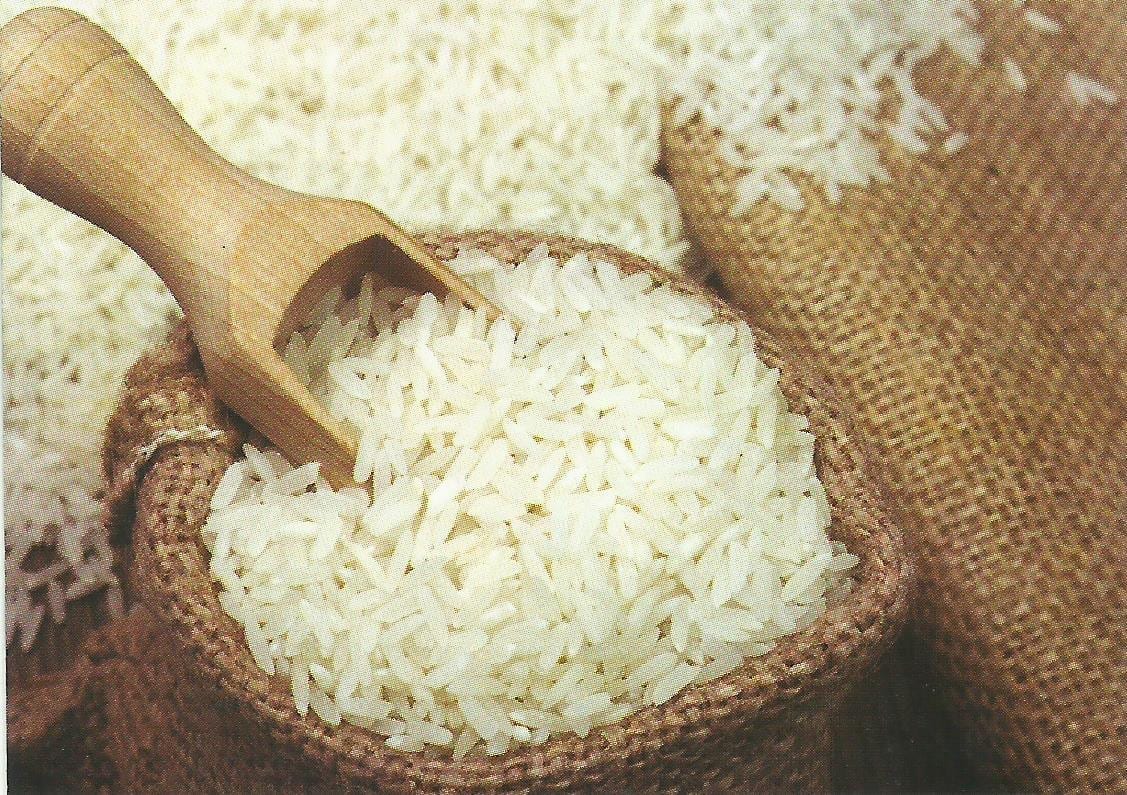
    Vietnam rice export prices have reached a new peak of US$663 per ton, the highest price in the world right now, amid rising global demand.

    On Monday prices rose 2% in a single day to $663. Rice from Vietnam’s competitor Thailand has also risen 8% in the last four weeks to $625 while Pakistan’s prices have risen 9% to $600.

    Traders say that rising global demand and declining supply in Vietnam are the reasons for the price hike.

    Dinh Ngoc Tam, deputy CEO of rice exporter Co May, said that India, which used to account for 40% of the global rice market, has not shown any sign of lifting its non-basmati white rice export ban since July.

    Concerns of trade restrictions and the impact of El Nino weather have prompted countries to increase their purchase to pump up reserves, which has sent export prices skyward.

    Up to 90% of Vietnam’s rice varieties are high quality and the country has enough for both domestic needs and exports. It can ship up to 8 million tons globally this year, according to Deputy of Ministry of Agriculture and Rural Development Phung Duc Tien.

    In the first 11 months, Vietnam exported 7.75 million tons worth a total of $4.4 billion, up 36% in value. Many buyers from the Philippines, Indonesia and China are competing to buy the rice.

  • Vietnam’s vegetable, fruit exports likely to hit $4B this year

    Vietnam’s vegetable, fruit exports likely to hit $4B this year

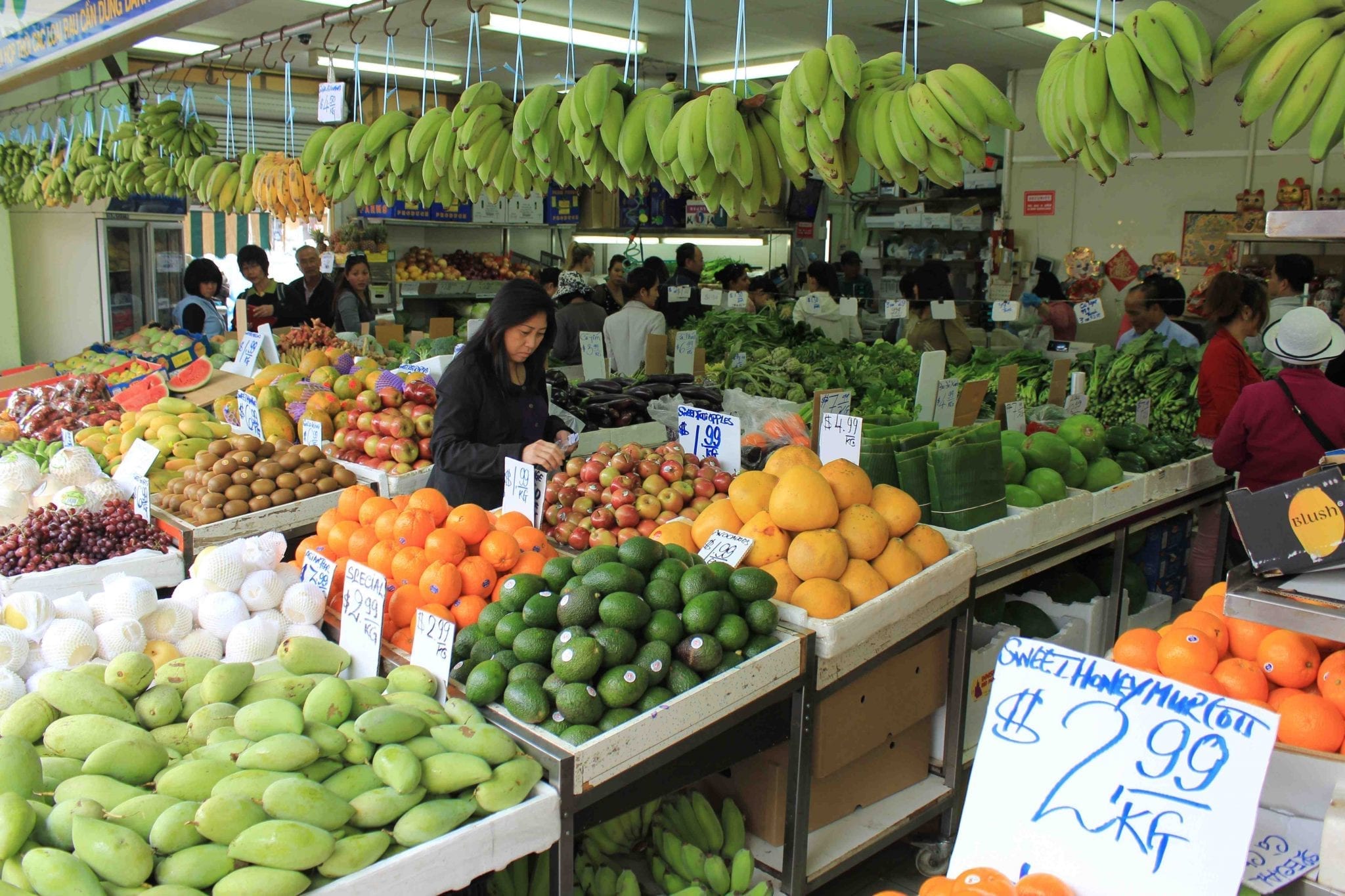
    As one of the few sectors reporting export turnover increase in the first quarter of 2023, Vietnam’s vegetable and fruit sector has a bright outlook to earn $4 billion in export revenue this year.

    Vietnam exported nearly $1 billion worth of fruits and vegetables in Q1, up 8% from a year earlier, with the Chinese market recording an impressive growth of 23%.

    Dang Phuc Nguyen, Secretary General of the Vietnam Fruit Association (Vinafruit), attributed the result to the signing of protocols on exports of durian, sweet potato and banana to China through official channels.

    The export of pomelo to the U.S., and passion fruit to New Zealand was also a driver for the overall growth of the sector.

    Durian was a big contributor to the impressive export results in the first months of this year. The export turnover of this fruit is expected to hit $1 billion, helping the sector’s total figure to $4 billion this year, up 20% year-on-year, said Nguyen.

    The implementation of free trade agreements is also an important driving force helping fruit and vegetable exports to increase sharply in the first months and make an important contribution to boosting the sector’s exports throughout the year.

    Good demand for fruit imports in China can help raise total fruit and vegetable exports in Q2 by 10% or higher, Nguyen noted, predicting that the revenue can reach about $2 billion in the first half of 2023.

    Vinafruit has proposed the Ministry of Industry and Trade (MoIT) and other ministries and agencies, especially the Vietnam Trade Office in China, study and negotiate for the signing of more protocols for several officially-exported products such as dragon fruit, mango, watermelon, jackfruit and rambutan, together with the opening of markets for other fruits such as green-skinned pomelo, fresh coconut, avocado, lemon, pineapple and star apple.

    Besides China, it is also necessary to step up trade promotion activities in other markets such as the U.S., China, the Republic of Korea and Australia, said Nguyen.

    According to the Vinafruit Secretary General, the greatest difficulty at present is that there are not many planting area and packing facility codes to meet the requirements of the Chinese market. Currently, there are only 246 planting area and nearly 100 packing facility codes granted, much lower than the respective 20,000 and 2,000 of Thailand.

    With an area of nearly 110,000 hectares, and an output of around 1 million tonnes per year, there will be a bottleneck in durian exports to China, if no more planting area code is granted this year.

    He also suggested the MoIT and other ministries and sectors to call on investment and advanced technologies for processors to improve the export value, and gain a firmer foothold in such choosy markets as the U.S. and the EU.

    Vietnam Trade Offices abroad were advised to regularly organize Vietnamese fruit festivals to introduce the fruits to people in their host countries and international visitors.

    Vietnam earned nearly $3.4 billion from vegetable and fruit exports last year.

  • Jollibee Foods struggles to make profits in Vietnam with 4 brands

    Jollibee Foods struggles to make profits in Vietnam with 4 brands

    All four brands that Jollibee Foods Corp of the Philippines operates in Vietnam, including coffee chain Highlands Coffee, posted losses last year.

    The corporation, founded by Filipino billionaire Tony Tan Caktiong, established its first company in the country, Jollibee Vietnam, in 2005, as a fast food operator.

    Since then it has branched into other food and beverage brands: Pho 24, Highlands Coffee and Coffee Bean & Tea Leaf Vietnam. But Highlands Coffee is its only profitable brand (except for last year), while all three other chains have been making losses for years

    Jolibee Vietnam planned to have 300 outlets in the country by 2020, but it only has 150 as of now, lower than its competitors KFC and Lotteria.

    It posted a loss of VND43.9 billion (1.83 million) last year.

    Pho 24, which sells the traditional Vietnamese rice noodles soup, is also struggling to make profits nearly 20 years after it was established.

    At one point, it had targeted 1,000 outlets, but only has 22 now, mostly in Ho Chi Minh City. It also has outlets in South Korea, Indonesia and the Philippines.

    It posted a loss of VND89.4 billion last year.

    The Coffee Bean & Tea Leaf is in an even worse situation with just six outlets in HCMC after 14 years in Vietnam. Its prices are 1.5-2 times higher than that of Highlands Coffee and its outlets are mostly located in large malls.

    It has been reporting an annual loss of VND26-29 billion in the last four years.

    Highlands Coffee, meanwhile, has reported profits for seven of the last eight years.

    The chain topped the VND1 trillion revenue mark in 2017 and doubled it in two years to cross VND2 trillion.

    Except for last year when it posted a VND19 billion loss due to Covid-19, Highlands Coffee had posted annual profits of VND55-100 billion in the previous four years.

    The chain now has 525 outlets in Vietnam and the Philippines.