Retail News CRM

Tag: Foods

  • Thai food giant to list on Vietnam stock exchange

    Thai food giant to list on Vietnam stock exchange

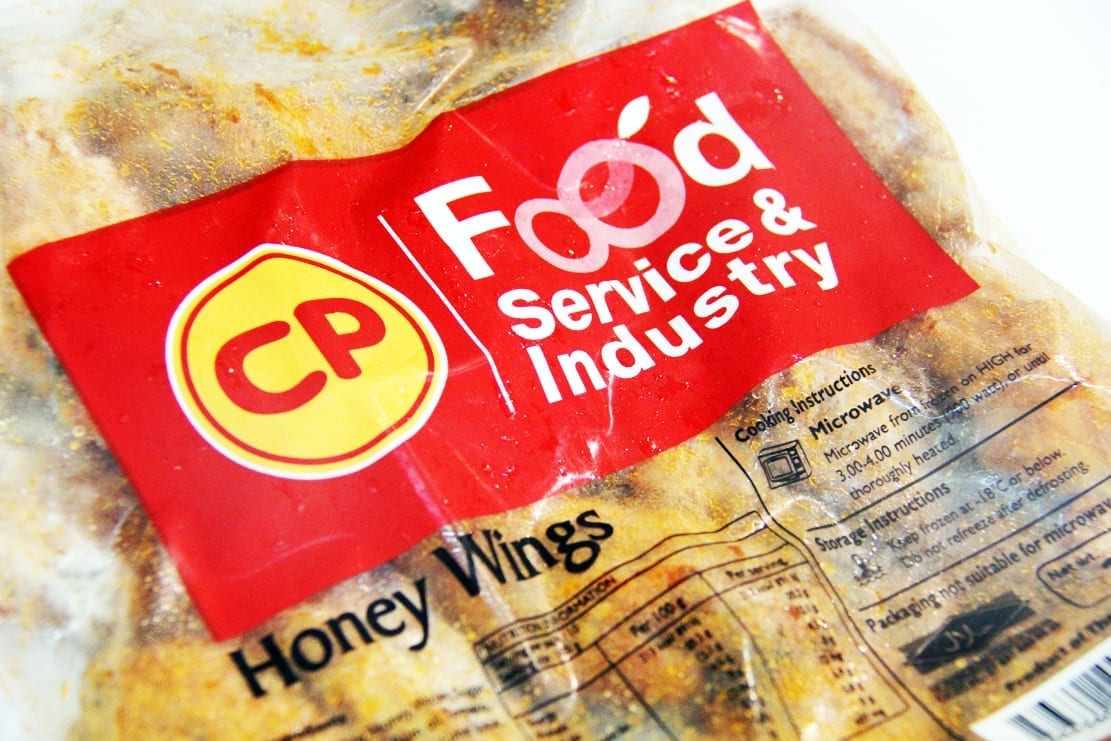
    Thai food giant Charoen Pokphand Foods has green-lighted its Vietnam subsidiary’s plans to list its shares on the Ho Chi Minh Stock Exchange.

    CPF has made a filing with the Stock Exchange of Thailand, but details are unavailable about plans for an IPO and others.

    C.P. Vietnam gets around 70 percent of its revenues from processed and fresh pork and chicken products.

    It built its first processing plant in Vietnam in 1993 and now has nine around the country.

    Vietnam’s stock exchanges have eight foreign companies listed on them, and they account for 0.3 percent of their market capitalization.

    Another foreign firm, Japanese retailer Aeon, has announced its intention to list in Vietnam.

  • Coles revamps health foods aisle, boosting sports and diet range

    Coles revamps health foods aisle, boosting sports and diet range

    Coles has transformed its health foods section, moving products traditionally found in the category, such as fodmap-friendly soups, gluten-free cereals, oils and nut spreads to their respective mainstream aisles.

    The revamp has provided space for more than 150 sports-performance and health products from brands like Amazonia Raw, Muscle Nation, and Botanika Blends, which join Coles’ shelves for the first time.

    These products include protein bars and custards from Muscle Nation, 20 new protein products and pure creatine from Body Science (BSC), Macro Mike’s powdered peanut butter and brownies mix, Dose & Co Marine Collagen and 180 Nutrition protein powder and bars. New health ingredients include Superfood Protein Ball Mixes from Mount Elephant and Melrose Superfood Powders and MCT Oils.

    According to Coles, the expansion of the health aisle comes as “Sports & Diet” was identified as the fastest-growing segment of the supermarket’s health food aisle between 2014 to 2019. Earlier this month, Coles revealed it had moved cereal products from the health-foods aisle into the breakfasts area.

    “Our transformed health foods aisle is a giant leap towards delivering Coles’ purpose to sustainably feed all Australians to help them lead happier and healthier lives,” said Leanne White, GM, Coles.

    “We’re seeing more and more customers look for healthier options or specific dietary requirements in the main grocery aisles – they no longer expect to go down one dedicated aisle to find these options.”

  • JBS Foods paid hackers US$11 million to end ransomware attack

    JBS Foods paid hackers US$11 million to end ransomware attack

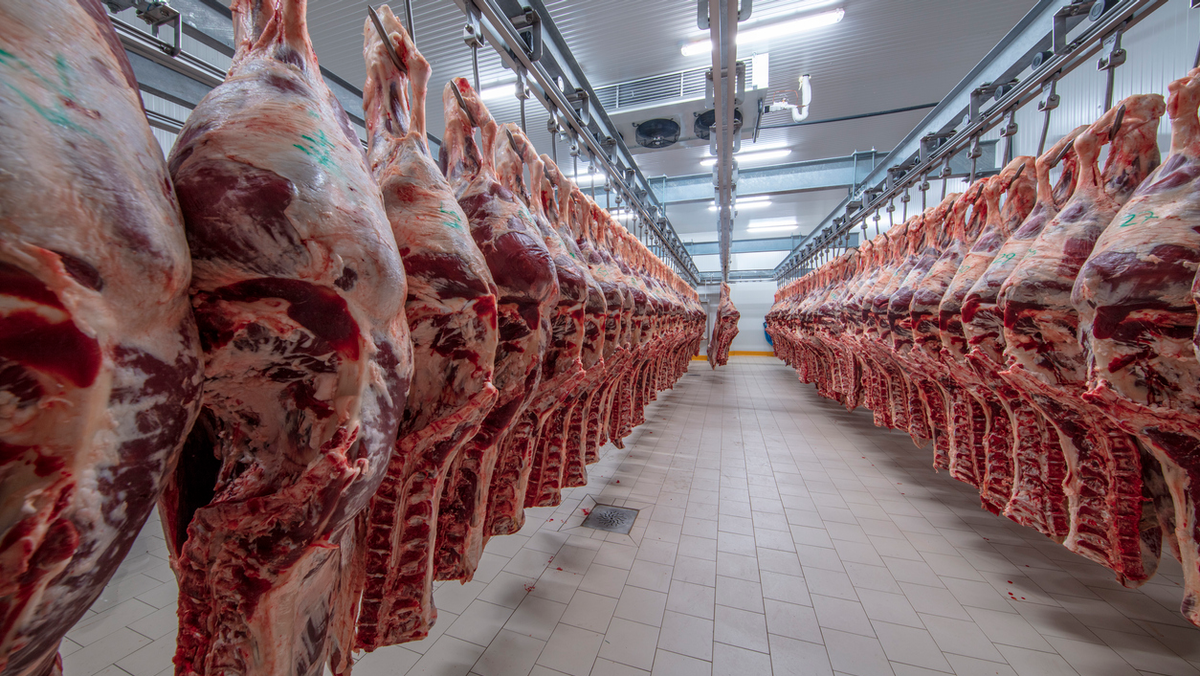
    Meatpacker JBS USA paid the equivalent of $11 million ransom in a cyberattack that disrupted its North American and Australian operations, the company’s CEO has said in a statement.

    The subsidiary of Brazilian firm JBS SA halted cattle slaughtering at all of its US plants for a day last week in response to the cyberattack, which threatened to disrupt food supply chains and further inflate already high food prices.

    The cyberattack followed one last month on Colonial Pipeline, the largest fuel pipeline in the US. It disrupted fuel delivery for several days in the nation’s Southeast.

    The JBS meat plants, producing nearly a quarter of America’s beef, recovered faster than some meat buyers and analysts expected.

    “This was a very difficult decision to make for our company and for me personally,” said Andre Nogueira, CEO of JBS USA of the ransom payment. “However, we felt this decision had to be made to prevent any potential risk for our customers.”

    The Brazilian meatpacker’s arm in the US and Pilgrims Pride Corp, a US chicken company mostly owned by JBS, lost less than one day’s worth of food production. JBS is the world’s largest meat producer.

    Third parties are carrying out forensic investigations and no final determinations have been made, JBS said. No company, customer or employee data was compromised in the attack, it said.

    A Russia-linked hacking group is behind the cyberattack against JBS, a source familiar with the matter said last week. The Russia-linked cyber gang goes by the name REvil and Sodinokibi, the source said.

    The Wall Street journal reported on Wednesday that the JBS ransom payment was made in bitcoin.

    The Justice Department on Monday recovered some $2.3 million in cryptocurrency ransom paid by Colonial Pipeline Co, cracking down on hackers who launched the attack.

  • Pepsi virtual restaurant matches fizz with foods

    Pepsi virtual restaurant matches fizz with foods

    PepsiCo in the US has launched a digital kitchen called Pep’s Place to encourage consumers to experiment with matching foods with various Pepsi beverages.

    From this week, consumers can visit a dedicated website to select from eight Pepsi drinks and match them with renowned American dishes like cheeseburgers, buffalo wings, Cajun chicken sandwiches, chopped pork sandwiches, spare ribs, and chicken caesar salads. Orders will be fulfilled by major food-delivery services Uber Eats, Door Dash, and Grub Hub, or by Pepsi itself.

    Customers order by first choosing a drink – Pepsi, Diet Pepsi, Pepsi Zero Sugar, Pepsi Real Sugar, Pepsi Wild Cherry, Pepsi Zero Sugar Wild Cherry, Pepsi Mango, and Pepsi Zero Sugar Mango. After that, they are prompted with a selection of food items Pepsi believes complements the drink.

    “For years we have known that Pepsi is the perfect complement to a variety of foods,” said Todd Kaplan, VP of marketing at Pepsi. “But even though consumers know that food tastes Better With Pepsi, they often still forget to order a beverage with their favorite meals.

    “With the launch of Pep’s Place, we have designed a new ‘fast beverage’ restaurant delivery concept that features a menu and experience literally built around the idea of what foods go best with Pepsi, allowing consumers at home to fully optimize their meals,” he said.

    Pep’s Place will trade for a month, supported by eight television commercials broadcast nationwide. The company says the ads were filmed without “unrealistic, idealistic perfection” of food, instead depicting “the celebration of unapologetic love of foods like juicy, drippy cheeseburgers, topping-heavy hot dogs, and pizzas with the extra-long cheese pull”.

    As the example below shows, some are amusing…

  • Impossible Foods and The Butchers Club commission 3D art work at K11

    Impossible Foods and The Butchers Club commission 3D art work at K11

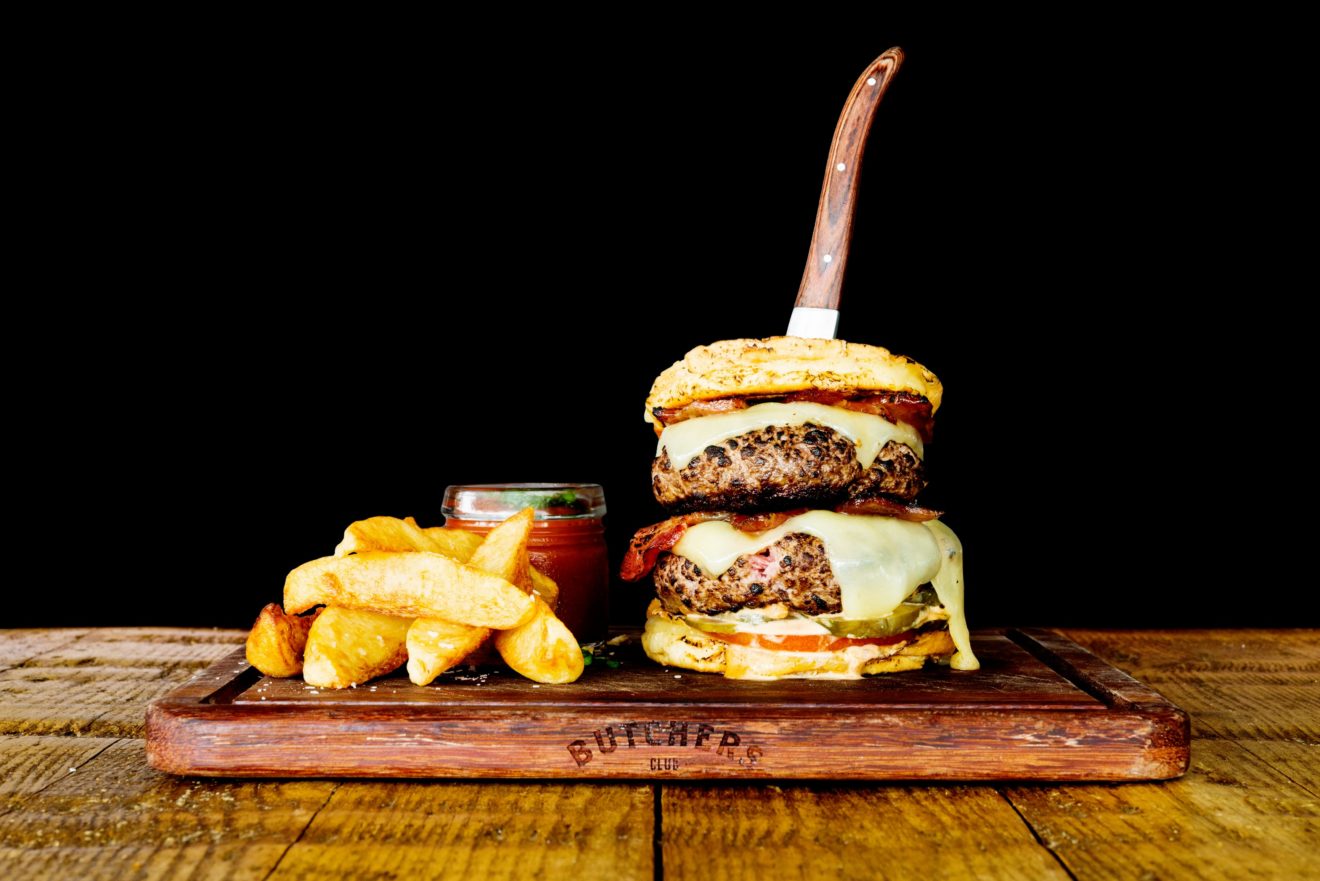
    The “Impossible Burger”, featured plant-based ‘meat’ from Impossible Foods, can now be bought at all The Butchers Club locations in Hong Kong.

    To celebrate the launch of The Butchers Club Impossible Classic Burger, the two companies have commissioned local artist Terena Wong to create a thought-provoking 3D artwork in the Piazza at K11.

    The artwork is a symbolic representation of Impossible Food’s stated mission to restore biodiversity and reduce the impact of climate change by transforming the global food system, as well as The Butchers Club’s ongoing commitment to being more sustainable.

    Impossible Foods’ long-term goal is to accelerate the switch to a more sustainable food system, starting with its burger offering and expanding to a range of pork, chicken, fish and dairy products made directly from plants.

    Served in more than 15,000 restaurants in the US, Hong Kong, Macau and Singapore, the Impossible Burger uses a fraction of natural resources needed to produce animal beef: 96-per-cent less land, 87-per-cent less water and 89-per-cent fewer greenhouse gas emissions.

    Terena Wong has completed more than 40 community art projects, street art works, 3D mural paintings and 3D floor paintings in Hong Kong, the US and China, and has worked with many different parties including the government and non-profit organisations.

    The artwork is available to view and interact with until August 31.

  • Amazon Starts to sell fresh produce online in Japan

    Amazon Starts to sell fresh produce online in Japan

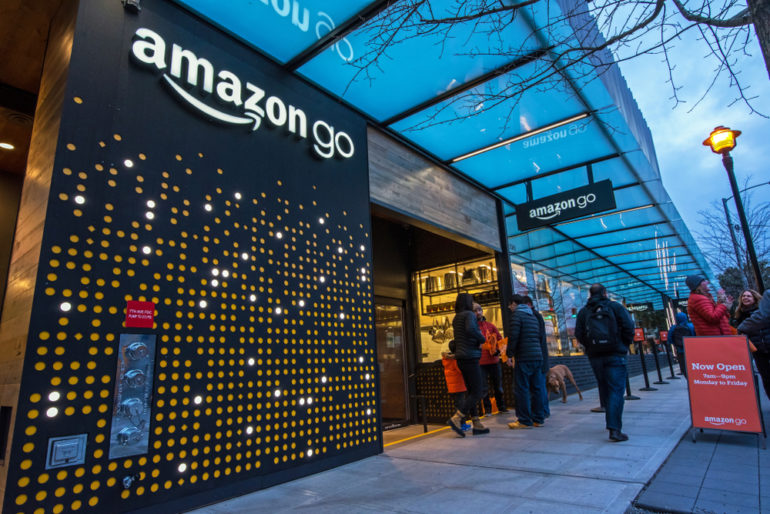
    Amazon Japan is partnering with local supermarket operator Life Corp to sell fresh foods online.

    The project will commence in parts of Tokyo later this year and provide a range of produce to Amazon’s Prime Now subscribers in Japan, offering order times as prompt as two hours for delivery. It is the first time the internet giant’s Japanese unit has partnered with a supermarket chain.

    Amazon Japan will handle all deliveries and process payments under the new venture, which targets those who face challenges leaving home to go shopping, such as the elderly or busy working professionals. The firm is hoping to use the service to meet a broader demographic for its Prime Now subscriptions.

    The arrangement is an opportunity for Life to extend its current online reach, which currently covers just over half of the Tokyo metropolitan zone. Profitability remains a limiting factor for supermarkets investing in online order infrastructure in Japan.

  • Kerry Logistics Expands Food Cold Chain Business in China

    Kerry Logistics Expands Food Cold Chain Business in China

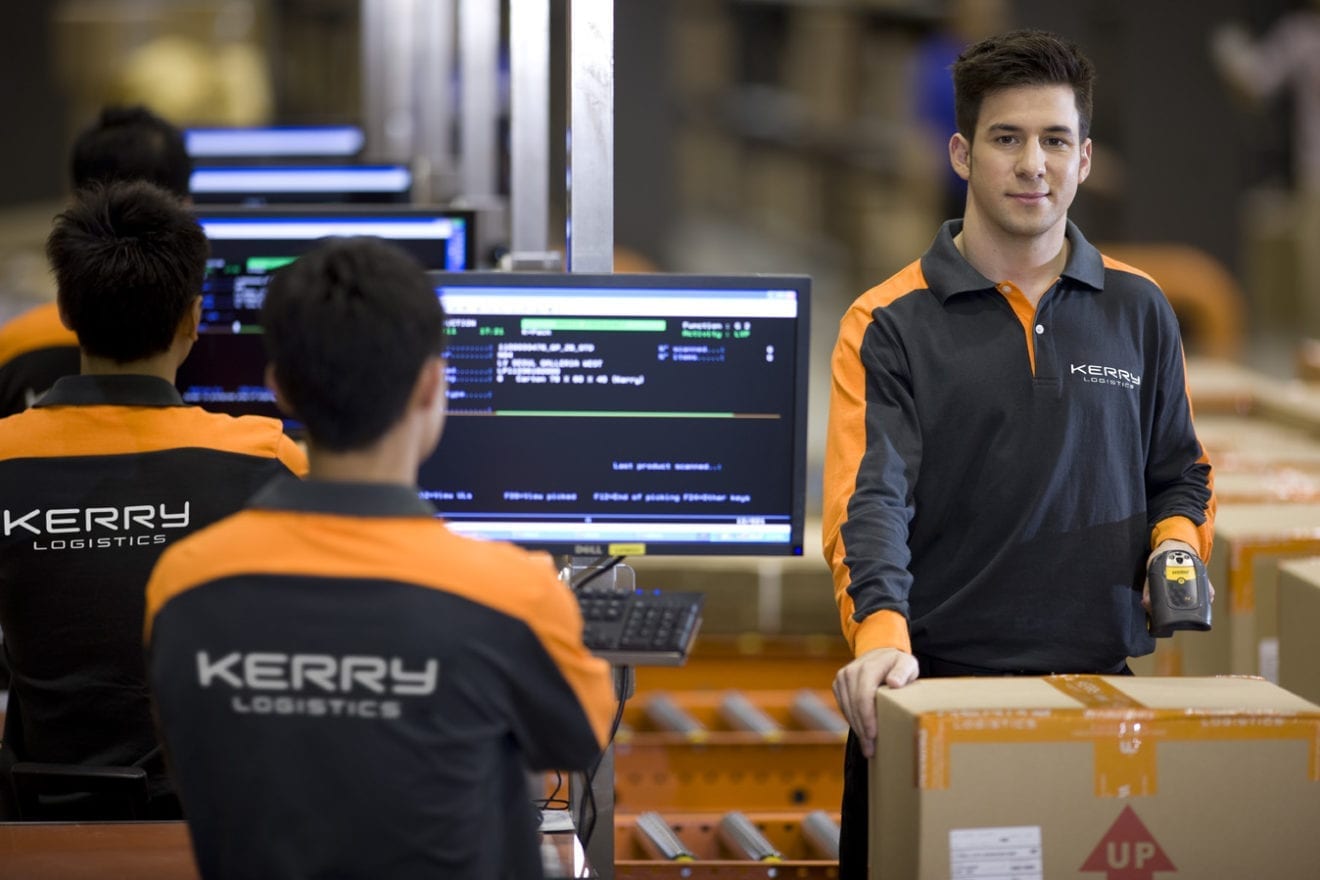
    Kerry Logistics Network Limited (‘Kerry Logistics’; Stock Code 0636.HK) has expanded its food-related cold chain capability in mainland China through the establishment of Kerry Cold Chain Solution Ltd (‘Kerry Cold Chain’), to tap into the fast-growing domestic market of niche food products.

    Kerry Cold Chain is a joint venture company formed with Shanghai Zhizhen Logistics Co Ltd (‘Zhizhen Logistics’) in which Kerry Logistics holds the majority interest. It provides comprehensive integrated cold chain logistics solutions from upstream to downstream. 

    Using self-owned cold chain facilities and partnering with local expertise, Kerry Cold Chain will handle a wide range of food products, from raw ingredients to dairy product additives.

    Edwardo Erni, Managing Director – China and North Asia of Kerry Logistics, said, “The market for food-related cold chain logistics in mainland China is immense with enormous growth potential. There is also ample room for technological growth to reach international standards.

    “Intending to fill a gap in the market, we welcome the collaboration with Zhizhen Logistics, which marks an important strategic step for Kerry Logistics to extend its footprint in the domestic cold chain logistics market, enhancing our service offerings and competitiveness.”

    Kerry Cold Chain currently operates more than 1 million sq ft of ambient and cold chain facilities in China, including a temperature-controlled facility of over 50,000 sq ft in Shanghai featuring automated storage and retrieval systems.

    Founded in 2008, Zhizhen Logistics serves the logistics needs of both domestic and international customers from locations across China including Beijing, Tianjin, Wuhan, Guangzhou, and Shenzhen. It commands a 90% market share for imported food essences in the Shanghai region.

    With a wealth of experience in cold chain logistics, Kerry Logistics offers seamless F&B solutions with complete cold chain integrity to food chain stores and restaurants in Hong Kong as well as hypermarkets and frozen food retailers in Taiwan.

    The Group also runs cold chain facilities of 70,000 sq ft in Oceania, serving supermarket chains, convenience stores, independent retailers, and food importers.

  • Walmart partners with Google for voice shopping

    Walmart partners with Google for voice shopping

    US retail giant Walmart and tech company Google have collaborated on voice technology to assist customers with grocery shopping.

    Starting this month, Walmart Voice Order will allow consumers to order groceries through Google Assistant by saying, “Hey Google, talk to Walmart”.  Google Assistant will then follow the orders directly and add grocery items to their Walmart Grocery cart.

    “We continue to innovate for the future and look to technology to make great services even better in the future. Introducing: Walmart Voice Order,” said Tom Ward, senior vice president, Digital Operations, Walmart US.

    “With the new voice ordering capabilities we’re building across platforms with partners like Google, we’re helping customers simply say the word to have Walmart help them shop … literally.”

    “Best of all, customers can be extra confident that we can quickly and accurately identify the items they are asking for with the help of information from their prior purchases with us. The more you use it, the better we’ll get,” added Ward.

    When shoppers say “add milk to my cart,” the Google Assistant will add the specific milk brand the customer usually buys, meaning there is no need to continually repeat the brand, volume and whether it’s a low fat or whole milk.

    Shoppers can use Walmart Voice Order on Smart Displays like Google Home Hub, Android phones, iPhones, watches, etc.

    “We know when using voice technology, customers like to add items to their cart one at a time over a few days – not complete their shopping for the week all at once. So, this capability aligns with the way customers shop. We can’t wait to hear what they think about it and how it’s making shopping easier for them,” Ward explained.

    Walmart, Amazon competes in the US grocery sector

    Walmart’s latest move comes in light of Amazon’s plans to slash prices at Whole Foods Market and to give major discounts to Amazon Prime members. Amazon also offers voice-activated shopping using its own Alexa-enabled devices, which dominates the US smart speaker market, with 67 per cent market share in 2018.

    “We still don’t see a lot of people shopping and buying with smart speakers yet, but this may change if more lower-cost models begin to incorporate screens. We’re also likely to see people doing more things with their voice assistants as they find their way into cars and other home-based devices,” said analyst Victoria Petrock.

    There are still a minimum number of shoppers who are using speakers to shop. Voice commerce in 2018 accounted for approximately 0.4 per cent of US e-commerce sales. Analysts expect it to increase in the next few years.

  • CP Lotus revenue drops

    CP Lotus revenue drops

    Revenue fell by 6.3 per cent for lifestyle retailer CP Lotus Corporation for its first half, dipping by RMB337.1 million (US$50.5 million) to RMB4.9 billion.

    It says the decrease was mainly the result of a 9.1 per cent decline in same-store sales, cushioned by the revenue generated from two new stores opened in the second half of last year plus two new stores and one Lotus Center opened during the review period.

    All merchandise categories had lower sales for the six months to June 30. Sales from apparel, electronics, hardline and personal care fell by about RMB189.7 million or 9.8 per cent, while fresh-food sales eased by 2.2 per cent.
    Gross profit margin was 17.5 per cent of sales (2016: 16.8 per cent), a reduction of RMB23.2 million or 2.6 per cent.

    The two stores opened during the six months were in Nanhai, Guangdong province, and Xian, Shaanxi province, where the Lotus Center mall was launched. The group owns and runs 63 retail stores, including 62 hypermarkets and one supermarket. It also runs two shopping malls.

    During the first half the group continued its efforts to enhance the merchandise mix and offerings. It continued to expand direct sourcing and more direct purchase of vegetables and fruit. CP Lotus says direct sourcing not only lowers prices but also allows for better control of product quality.

    “As consumers’ disposable income and their demand for high-quality imported food continued to rise, the group continued to bring in a wider range of imported products such as wine, beverages, snacks, health supplements, kitchenware and other groceries.”

    Also, the group’s house brand team continued to work with the merchandise and marketing team to develop competitively priced house-brand products.

  • Governement expects food self-sufficiency in 2018

    Governement expects food self-sufficiency in 2018

    Food self-sufficiency is expected to be realized in 2018, and there will be no imports in 2016, Vice President Jusuf Kalla asserted.

    “Food-sufficiency is expected to be realized within three years for which the efforts have started a year ago,” Kalla said here Friday.

    In order to reach the target several steps have been implemented, including improvement of irrigation methods, and seedling and fertilizer preparation, he added.

    Food security and resilience have been an issue for Indonesia for some time now. It was once a major rice exporter in Asia but is now relying quite heavily on rice imports to meet peoples staple food requirements.

    Food security is also an important social objective.

    Therefore, relying on food markets outside the country in order to meet the needs of Indonesias growing population is critical.

  • YCH inks pact with Indonesian food distributor

    YCH inks pact with Indonesian food distributor

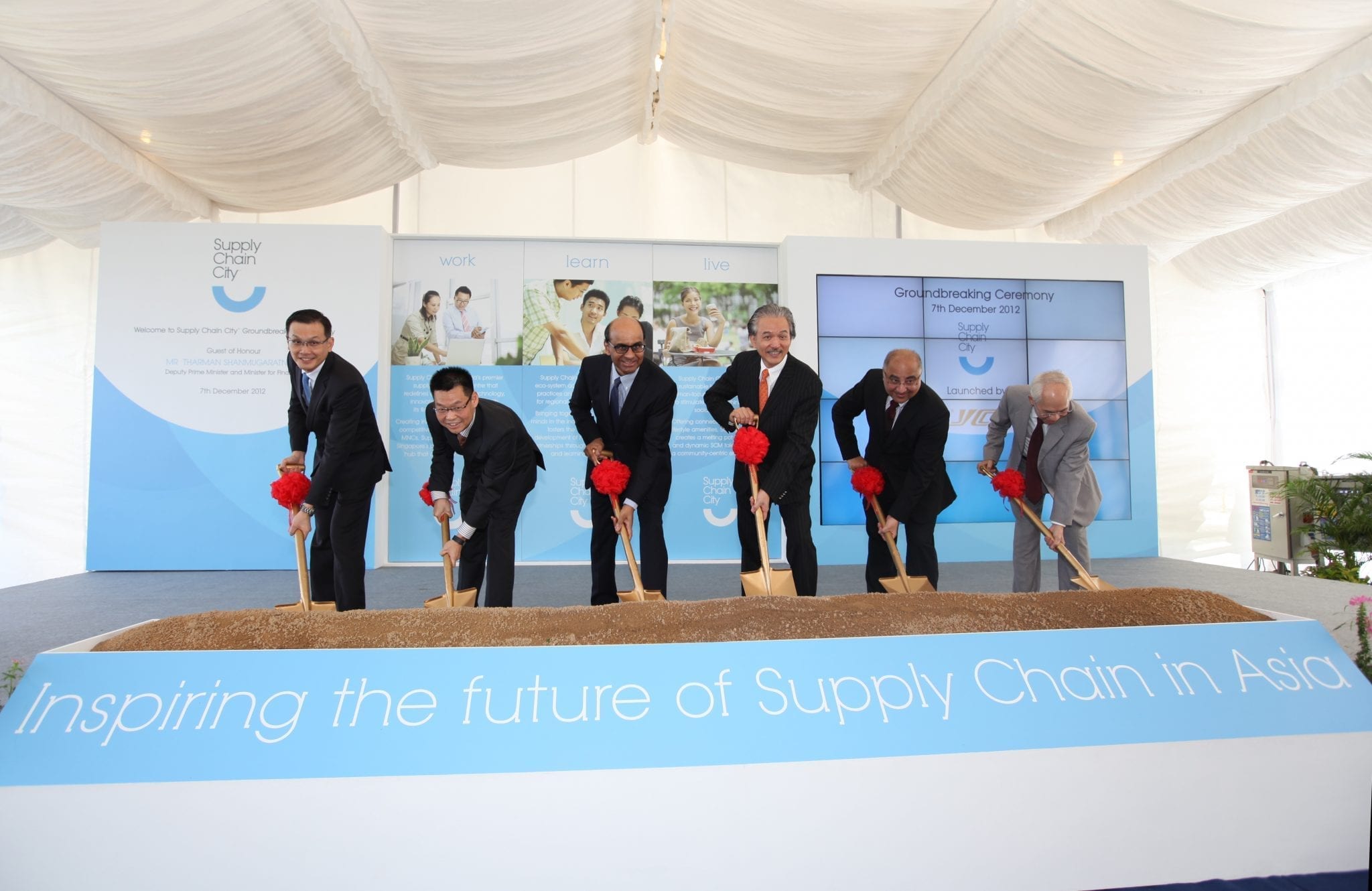
    Supply chain company YCH Group’s subsidiary YCH Indonesia has signed an agreement with a business unit of Sekar Group, one of Indonesia’s largest importers and distributors of food products.

    The memorandum of understanding (MOU) with Pangan Lestari was inked on the sidelines of a business mission co-organised by International Enterprise (IE) Singapore and the Singapore Business Federation.

    Announcing the pact in a statement yesterday, IE Singapore said it brought the two companies together last year, given Singapore- based YCH’s interest to expand further in Indonesia.

    Under the agreement, both companies will jointly develop integrated cold-chain supply management to facilitate retail, catering and distribution fulfilment.

    The MOU signing was witnessed by Ms Sim Ann, Singapore’s Senior Minister of State for Culture, Community and Youth, and Finance.

    Ms Sim, who also oversees issues related to small and medium-sized enterprises in the Committee on the Future Economy, is leading the business mission to Surabaya, Indonesia, which started on Wednesday and ends today.

    The mission comprises over 20 business representatives from 13 SMEs across business services, environment services, as well as the financial and manufacturing sectors.

    Ms Sim said in the statement: “Given the limited size of Singapore’s domestic market, many SME leaders are actively considering internationalisation as a means to bring their business to the next level.”

    She added that Indonesia’s young population and growing middle class present good opportunities for local SMEs.

    Indonesia is Singapore’s second- largest trading partner among Asean member states, with total trade at $59 billion last year. Singapore was Indonesia’s top foreign investor last year, with total realised investments amounting to $8 billion, IE Singapore noted.

    “Surabaya and East Java offer exciting growth opportunities, especially in sectors like trading, services and manufacturing,” said IE Singapore assistant chief executive Tan Soon Kim.

    Surabaya has a population of 3.2 million and its economic growth reached 6.7 per cent in 2014, exceeding East Java province’s growth of 5.9 per cent.

    Separately, IE Singapore also announced the signing of a “first-ever” MOU with business associations in Lombardy, Italy – Confindustria Lombardia and Assolombarda – to help SMEs access the region. The two groups have a combined reach of 17,000 Italian enterprises across diverse sectors, IE Singapore noted.

    The collaboration is aimed at helping local companies tap business opportunities in Lombardy via partnerships, as well as linking up enterprises in Lombardy with Singapore firms to jointly access the South- east Asian market.

    IE Singapore said the focus areas include design innovation, fashion and consumer products, technology development, urban solutions and hospitality real estate.

  • Garrett Popcorn opens second HK store

    Garrett Popcorn opens second HK store

    Garrett Popcorn has opened its second store in Hong Kong at the Festival Walm Mall in Kowloon Tong.

    Lance Chody, Chairman and CEO of Garrett Popcorn Shops, said the shop complements its first store located at the IFC Mall shop.

    “We like to say that Garrett Popcorn is Happy Food and we hope that our launch in Festival Walk will make our Hong Kong customers as happy as our popcorn makes us,” said Olivia Huynh, VP APAC Operations at Garrett Popcorn Shops.

    The gourmet popcorn brand is popular throughout the US and many places in Asia including Bangkok, Singapore, Seoul, Kuala Lumpur and Tokyo.

    Signature Flavors include: Caramel Crisp, Cheese Corn, various Nut Caramel Crisps, Buttery, Plain and the famous Chicago Mix, which blends Caramel Crisps’ sweetness with Cheese Corn.

  • Cheaper fuel encourages Australian shoppers to spend

    Cheaper fuel encourages Australian shoppers to spend

    Motorists in Australia have celebrated cheaper petrol prices by going shopping.

    Pump prices have fallen to the lowest point in four years, giving consumers something to be cheerful about following a run of bad economic news.

    The Australian Retailers Association, which represents small businesses and department store Myer, says this has encouraged people to spend, since suburban stores reopened after the Boxing Day sales.