Tag: Footwear

  • British footwear brand Tricker’s to launch in China

    British footwear brand Tricker’s to launch in China

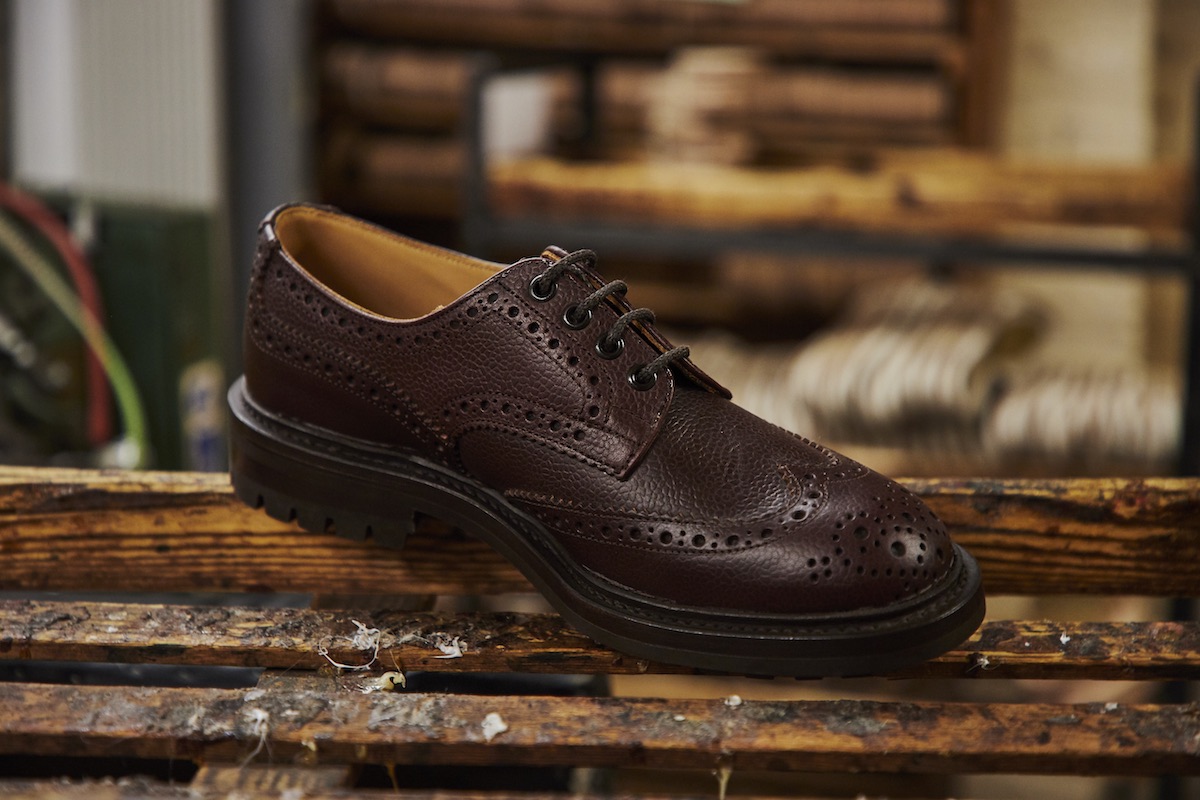
    The brand has held a Royal Warrant with Prince Charles since 1989 and was recently visited by the Prince of Wales to celebrate its 190th anniversary with a commemorative plaque. It manufactures its leather shoes and boots in a factory in Northampton, a town renowned for its shoe industry. A total of 260 individual processes are involved in the creation of each pair of shoes.

    Martin Mason, brand managing director, told BBC News that footwear made in Northampton was “revered” in Japan and that the brand’s products are seen as a luxury.

    “If you head into Tokyo, Northampton footwear has a really important place,” he said.

    Japan seems to be a big market for English footwear, with Northamptonshire shoemakers said to be exporting £20m worth of shoes to Japan each year.

    For Tricker’s, Japan helps boost international sales, which account for about 80% of the firm’s revenues. The brand is considering opening further stores in countries including South Korea and the United States.

    In a social media post, the brand said its new store located in the wealthy Aoyama neighborhood is an absolute replica of its Jermyn Street shop, which opened in the high-class destination noted for men’s tailoring in 1938.
  • Le Saunda roams from profit to loss

    Le Saunda roams from profit to loss

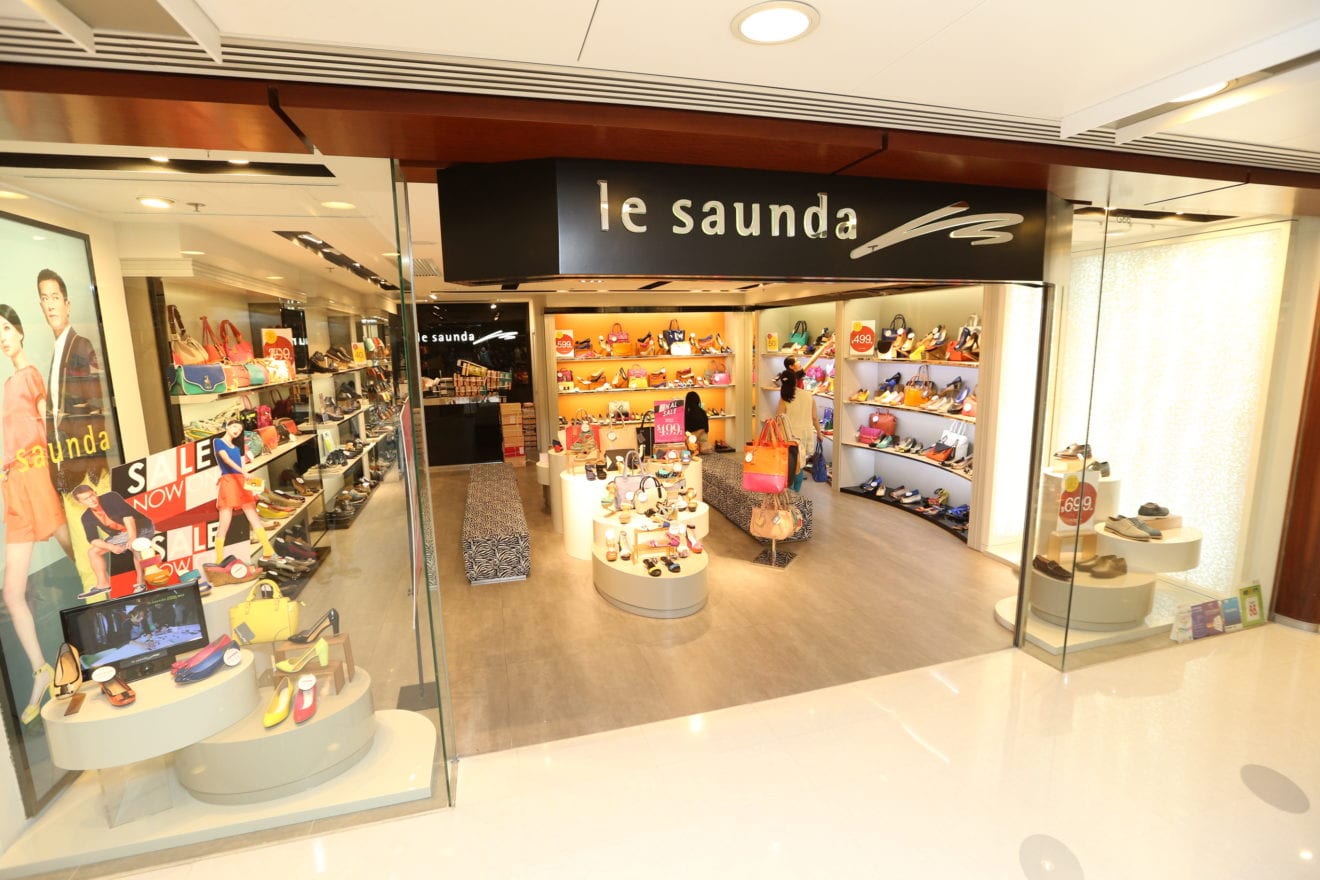
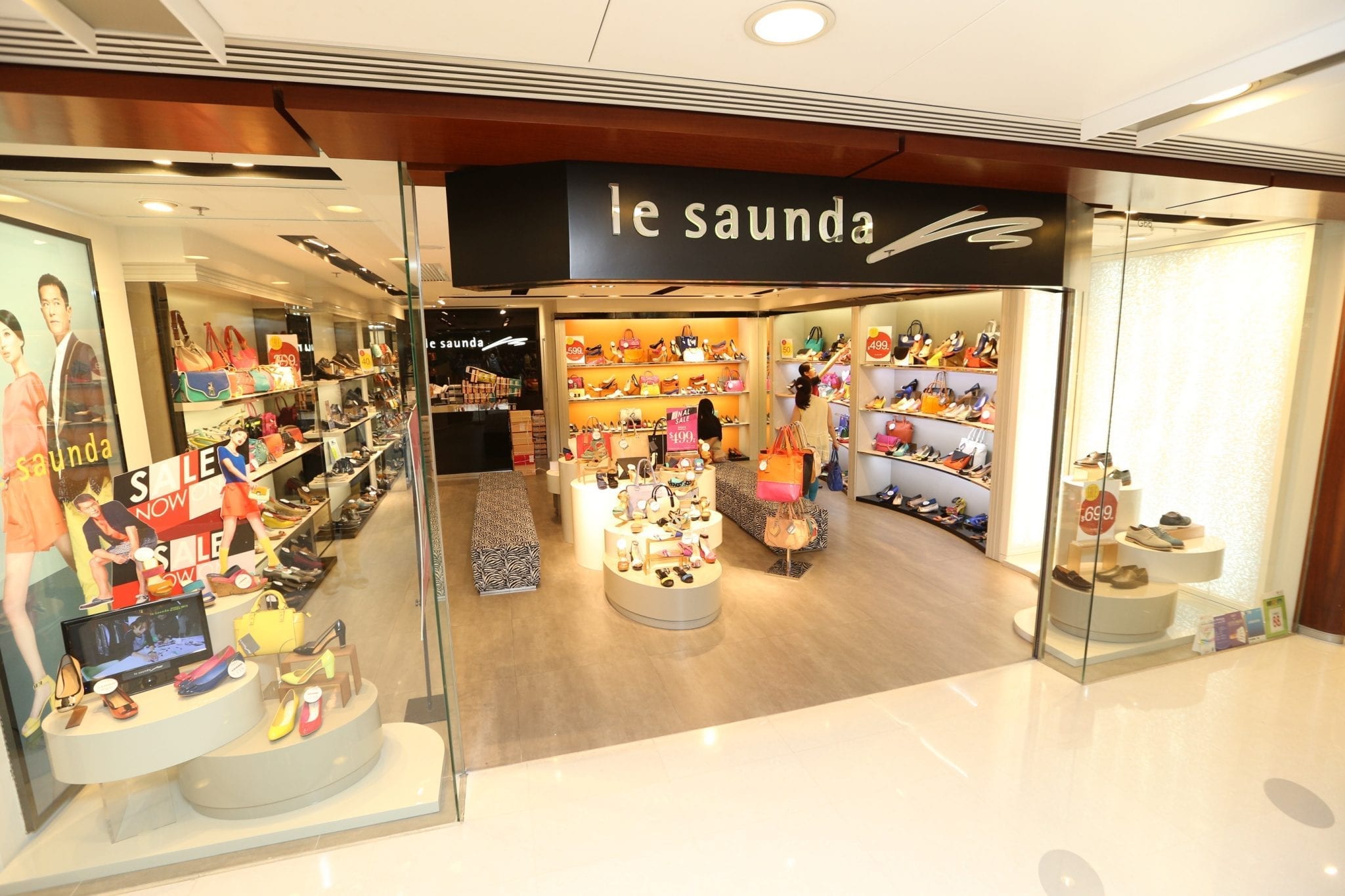
    Chinese footwear retailer Le Saunda saw revenue and profit fall by more than 30 percent in the last six months as the impact of the Covid-19 pandemic ravaged the fashion industry.

    Revenue for the six months to August 31 fell to US$38.7 million, 30.8-per-cent lower than the same period last year, while gross profit fell 32.1 percent to $24.24 million.

    The impact of Covid-19, which severely hit Le Saunda’s main markets of Hong Kong, Mainland China and Macau, led to a $4.4 million overall loss.

    “Overall, during the first half of the financial year, the group changed from profitable to loss-making,” the business said.

    “The group made timely adjustments to its strategy to reduce daily expenses, including a 25-per-cent pay cut for all directors for a period of six months from March and … tapped into emerging Mini Programs and social-media marketing platforms to expand its online sales channels.”

    However, the business’ e-commerce revenue also took a significant hit, down 15.7 percent during the six months.

    And now, with the worst of the virus seemingly behind it, Le Saunda is looking to learn from the “new normal” that has developed – investing in the development of goods in the athleisure space, as customers become more health-conscious, as well as sales and marketing on social media to better leverage social commerce and reach a younger consumer base.

  • Daphne closing all physical retail stores

    Daphne closing all physical retail stores

    Hong Kong-listed women’s footwear label Daphne International is withdrawing its physical retail stores from Mainland China and Taiwan in the face of steep losses.

    The brand’s most recent interim financial report shows an 85-per-cent drop in turnover to US$27.35 million and a loss of $18.2 million. The loss reflects the firm’s continuing strategy of closing Daphne and Shoebox-branded sales points, as well as the impact of the coronavirus pandemic.

    The firm has had longstanding issues with its sales performance and had already shuttered 900 stores by March last year.

    Daphne reported 2208 physical stores in June last year, which had dropped to 293 by the same time this year.

  • Bata plans hundreds more stores within the next three years

    Bata plans hundreds more stores within the next three years

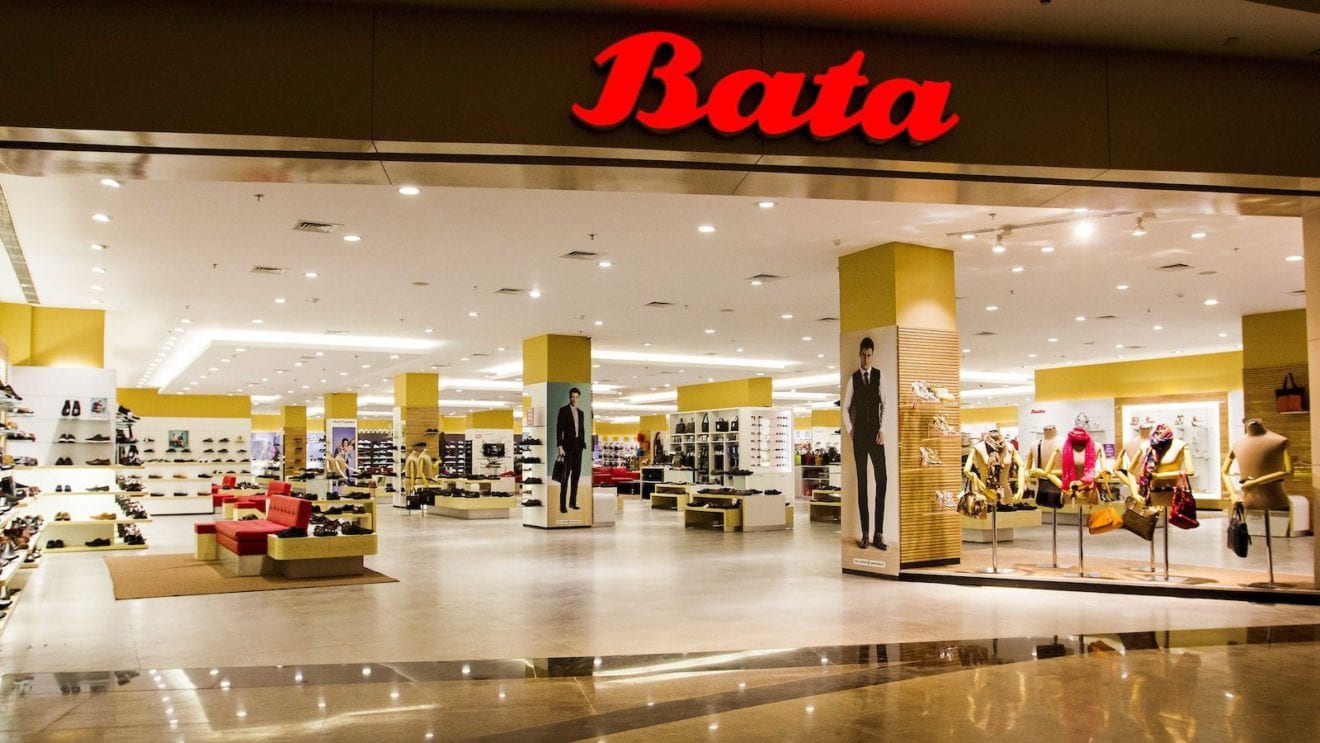
    Footwear brand Bata in planning to launch 100 new stores in India against the backdrop of the coronavirus pandemic.

    The openings are part of the firm’s plans to have 500 more outlets operating by 2023 in the territory above its current 1500 stores. The move is expected to improve Bata’s market penetration in semi-urban and rural areas.

    “We will open around 100 stores this year,” said Bata India chairman Ashwani Windlass, “and 80 percent of these outlets will be opened through a franchise model in tier-II and tier-III cities.”

    Stores will be selectively opened in areas that performed comparatively well economically despite the impact of the pandemic. More urban customers may be targeted with mobile shops driving into more remote regions and setting up temporarily in residential complexes.

    The firm is also boosting its efforts in e-commerce, making deliveries in more than 1300 cities. Bata management currently estimates that online sales make up 5 or 6 percent of total sales.

  • Christian Louboutin showcasting Hong Kong boutique

    Christian Louboutin showcasting Hong Kong boutique

    Christian Louboutin has opened a new boutique in Landmark Prince’s, at Hong Kong’s Central.

    Inspired by the brand’s first boutique in Galerie Vero Dodat, the store facade features red-tiled walls with “petroleum-blue ceramics” and a Christian Louboutin neon sign. The storefront also houses displaying areas behind large glass windows, showing the brand’s latest products.

    The boutique’s interior is decorated in two main colors – red and blue. At the heart of the store is a blue display podium, showcasing women’s footwear.

    Two large red sofas create a lounge for customers with a flower-painted backdrop designed by French artist Alexandre Poulaillon.

    Meanwhile, the men’s room features gold-stained elements together with brown and beige wallpapers, aimed at creating a masculine vibe.

    The boutique reflects the Maison’s signature visual elements while nodding to the designer’s “creativity and eclectic aesthetic,” the company said in a statement.

    The label’s new capsule collection of Cabaraparis is available only at the Landmark Prince’s boutique.

  • Skechers China growth drives optimism for global sales recovery

    Skechers China growth drives optimism for global sales recovery

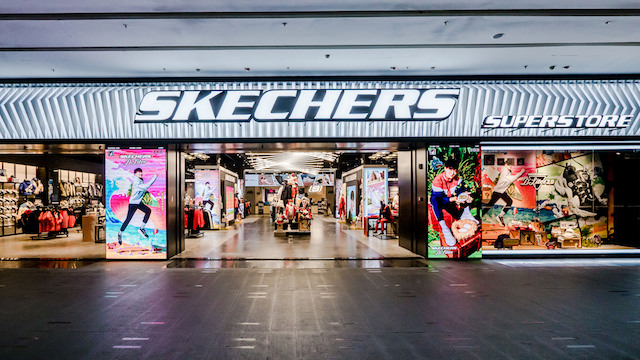
    Skechers China sales growth has fuelled optimism for the shoe brand after it reported a huge slump in sales for the June quarter due to stores being closed in other regions under Covid-19 lockdowns.

    The company reported group-wide sales of US$729.5 million, a 42 percent year-on-year decrease, and a net loss of $68.1 million during the three months to June 30.

    But sales in China rose 11.5 percent and sales on Skecher’s company-owned online store soared by 428.2 percent as buyers in some markets, unable to shop at physical stores, moved online.

    “Skechers, like most businesses around the world, has never faced a more challenging time than during the pandemic, which caused the closing of nearly every market worldwide,” said CEO Robert Greenberg. “Covid-19 continues to be a serious concern globally, and the health and welfare of our team, partners, and customers remain our number one priority.”

    Skechers stores were closed for varying periods of time in almost every market outside Asia.

    “However, we remain optimistic about the early signs of recovery we witnessed during the quarter, including a return to growth in China, consistent improvement each month in some markets outside of China,” said COO David Weinberg.

    “While every country’s recovery has been unique, we began to see a similar recovery trend, first reflected in China and now extending into other markets globally including Australia, Germany, South Korea, and Taiwan. We believe the positive sales trends in markets that have reopened, as well as the efficiency with which we addressed the pandemic challenges, are strong indicators that when the global health crisis stabilizes, Skechers will remain a global footwear leader.”

    Greenberg said the company was a “resilient organization” driven by a dedicated and flexible team determined to do whatever it takes to not only survive but position itself for a return to profitability.

    “Now, with more than 90 percent of our Skechers stores safely re-opened and some markets in the early stages of recovery, we believe that we will remain a brand consumers and retailers trust to deliver comfort, quality, and style. We are hopeful that global economies will continue to improve, and as they do, we will continue to operate efficiently and judiciously during this pandemic,” he said.

  • Christian Louboutin opens doors in Macau

    Christian Louboutin opens doors in Macau

    Christian Louboutin has opened its first boutique in Macau, at the Shoppes at Four Seasons.

    Located on the second floor of the shopping center, the Christian Louboutin Macau boutique’s design was inspired by the founder’s neoclassical apartment in Paris.

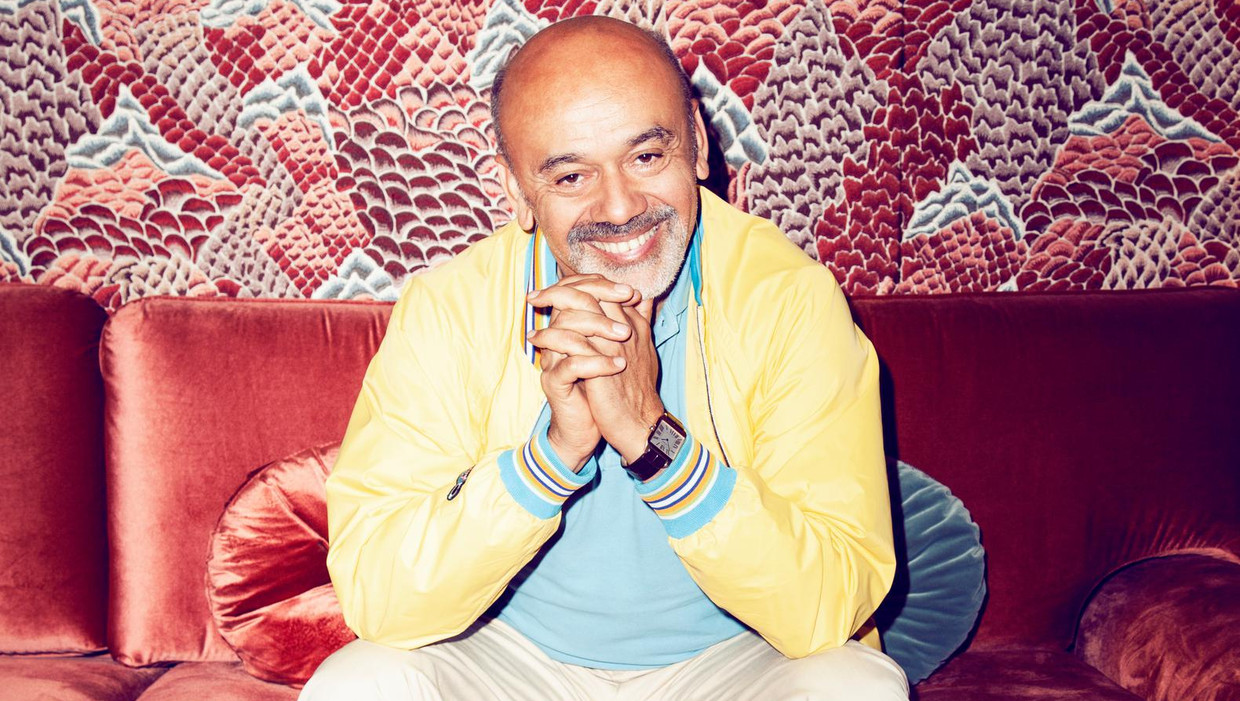
    The boutique “looks like a living room where women do not feel like they are in a store but in the home of a friend who loves them and knows them well,” says Louboutin.

    The store’s facade features red ceramic tiles and a Christian Louboutin neon sign, reflecting Parisian architecture style, and carpet in the brand’s signature red.

    When entering the store, customers are welcomed by flower-painted walls designed by French artist Alexandre Poulaillon. A marble table stands in the center of the room, displaying the sneaker range.

    The second room houses two sofas specially designed by French artisan Jean-Roger, using eye-catching fabric and ceramic scones. Gold-textured brass around the arched mirrors contributes to the feel of a cozy boutique.

    The store’s “study” displays the men’s collection with a “made-to-measure ethical canvas” by French Manufacture Le Manach

    The Christian LouboutinMacau store offers a wide range of men’s and women’s footwear and accessories collections, including its latest Fall Winter 2020 Collection.

  • Le Saunda posts third consecutive loss

    Le Saunda posts third consecutive loss

    Hong Kong shoe retailer Le Saunda has reported yet another annual loss – this time of US$4.28 million – as a “super-cold winter” hit Hong Kong’s retail sector.

    The loss followed last year’s $3.9 million, while in 2018 it lost $8.4 million. That adds up to a $16.6 million deficit for the last three years and given the tumult of the Greater China retail market in the wake of Covid-19, it is hard to see the beleaguered business returning to the black any time soon.

    The last time Le Saunda posted a profit was in the year to February 2017, of $10.5 million.

    Chairman James Ngai said in a results filing that the group’s total revenue in the year to February fell 19 percent to $103.26 million. The company, which trades under the brands Le Saunda, Linea Rosa, Pitti Donna and CNE, closed a net 85 stores during the year leaving its chain at 441. The majority of the closures were company-owned stores, the balance of 11 Mainland China franchised outlets.

    Ngai said the Sino-US trade conflict dampened consumer sentiment on the mainland, the major source of its revenue, and then the Covid-19 outbreak drove sales down further.

    “While the Hong Kong market was expecting that consumption would be stimulated during the traditional peak season of the Chinese New Year, there came the threat of the Covid-19 epidemic, worsening the already gloomy local market and pushing Hong Kong’s retail industry into a super-cold winter,” he said.

    Hit by the local social events, Covid-19 and the external economic uncertainties, sales in Hong Kong and Macau decreased by 46.8 percent to $4.3 million. Le Saunda now has just six stores left in Hong Kong and Macau, five fewer than at the end of the previous fiscal year, and Ngai said more will close “as appropriate” given Hong Kong landlords have not dropped rents in line with falling retail sales. Le Saunda will focus on accelerating the development of local online business and work to improve service and operating efficiency of those physical stores it retains.

    While the group managed to reduce its inventory by 16.1 percent year on year, because the decline in sales outweighed the change in stock levels, the inventory turnover days of finished goods stretched out by 43 days to 369 days.

    Subsequent to February 29, the group closed its factory at Shunde in Guangdong as it now outsources all footwear production to external subcontractors to better manage inventory and control costs. Space within the plant continues to be used as a warehouse and for offices.

  • Shoe retailer Clarks to cull management ranks worldwide

    Shoe retailer Clarks to cull management ranks worldwide

    Clarks, the UK-based shoe retailer, will cull the ranks of its corporate staff by a net 700 people worldwide, including in Asia during the next 18 months.

    In all, 900 jobs will be lost, the first 160 of which were announced in the UK this week. However by the end of the restructuring process, about 200 new roles will have been created.

    Stung by falling sales even before the Covid-19 crisis, Clarks last month announced an unspecified number of store closures in the UK in a move to right-size the business for a post-pandemic era.

    The job cuts and store closures are all part of a turnaround strategy dubbed Made to Last, unveiled at the end of last year and intended to reposition the 195-year-old company to trade into its third century of trading.

    CEO Giorgio Presca described some of the decisions as “difficult” but said the opportunities they would open up are exciting.

    “We thank all affected staff for their contribution to our business and they leave their roles with our heartfelt respect and support.”

    Most Clarks stores globally have been closed for weeks during the Covid-19 pandemic, however, those in China and parts of Europe are progressively reopening.

    Besides the behind-the-scenes restructure of the group, management are overseeing a refocusing of the brand to reflect its heritage and underline its relevance in today’s market.

    The turnaround strategy also includes exploiting the brand’s potential and leveraging its heritage and consumer relevance in today’s market. That includes embracing sustainability, quality, design and product innovation.

    “We are a business that walks its own path, and we are evolving to put our brand and consumers at the heart of everything we do,” said Presca.

    “This will ensure that our organization is made to last, empowering our people to contribute to a great future for the company.”

  • 7-Eleven and Nike to launch co-branded sneakers and other footwear

    7-Eleven and Nike to launch co-branded sneakers and other footwear

    7-Eleven and Nike will collaborate to create a new sneaker featuring the convenience-store chain’s distinctive logo colors, but the shoes will most likely be released only in Japan.

    According to multiple blogs covering sneaker news, the new 7-Eleven and Nike SB Dunk Lows will feature a color-blocking design in orange, green, and red and will come with a three-pack of extra laces to match, each with stripes in the three logo colors at the tips. Nike’s own logo will be displayed on the sides of the shoe with 7-Eleven’s logo seen embroidered onto the lateral heel.

    The midsole uses Nike Air technology to ensure consistent optimal cushioning.

    While initial reports suggest that the shoes may only be available in the Japanese market, some sneakerheads suspect the launch may this time be a little more widespread given 7-Eleven’s rapid spread across new markets, especially in Asia.

    This is Nike’s second collaboration with the chain since its Christmas SB Dunk High Pro sneakers were released in 2008.

  • Yue Yuen predicts $70 million loss for March quarter

    Yue Yuen predicts $70 million loss for March quarter

    Chinese sports-shoe manufacturer and retail conglomerate Yue Yuen Industrial is predicting a loss of up to US$70 million in the March quarter as a result of the Covid-19 crisis – a big turnaround from a $75 million profit in the same quarter a year earlier.

    In a profit warning filed with the Hong Kong Stock Exchange, chairman Lu Chin Chu said the pandemic significantly impacted the operations of various business segments of the company.

    Yue Yuen makes shoes for a raft of brands, including Geox, Levi’s, Rockport, Carters and Pony. Its subsidiary Pou Sheng operates a network of some 5500 directly operated stores and 3000+ sub-distributor stores, predominantly in Mainland China.

    The company was hit on both fronts: shipment delays of shoes led to manufacturing revenue falling by 9.6 percent year on year to US$1.26 billion and the closure of Pou Sheng’s stores across Mainland China meant retail revenues plunged as well. Pou Sheng recorded a net loss of about RMB167 million (US$23.6 million) for the quarter.

    At Yue Yuen, the decrease in revenue was “mostly due to shipment delays amid lower operating efficiency at some of the group’s manufacturing facilities in China and other countries resulting from the Covid-19 pandemic,” Chu said in a stock-exchange filing.

    “The pandemic delayed work resumption at the group’s factories in China after the Lunar New Year; it also adversely impacted its supply chain, resulting in a shortage of certain raw materials. This also led to additional production capacity adjustments in China and other countries.”

    As of this week, however, almost all of the group’s factories in China and more than 98 percent of stores run by Pou Sheng had resumed operations.

    “However, the spread of Covid-19 to US and Europe had severely dampened global consumer demand for athletic footwear, the chain effect of which is negatively affecting both footwear manufacturers and sports retailers,” said Chu.

    “In addition, government lockdowns and other social-distancing measures being imposed in various Southeast Asian countries to contain the Covid-19 pandemic is expected to further hinder the operating efficiency of the group’s manufacturing facilities in this region. This, together with uncertainty about demand, may result in temporary factory closures and further adjustments to the group’s production capacity.”

    Yue Yuen says the figures it has released are based on a preliminary assessment of accounts, with finalized figures for the quarter will be released on May 14.

  • Covid-19 blunts tremendous growth of footwear brand Skechers

    Covid-19 blunts tremendous growth of footwear brand Skechers

    US footwear brand Skechers has reported a modest 2.7-per-cent drop in first-quarter sales brought on by the coronavirus outbreak – and painted a rosy picture of life beyond the coronavirus crisis.

    “We are in unprecedented times, facing difficult decisions daily as we navigate this global pandemic that has negatively impacted every business throughout our industry and most others,” said Skechers CEO  Robert Greenberg.

    “We know from the triple-digit growth we are experiencing so far this month in our e-commerce business and the positive sales trajectory of our recovering business in China, that Skechers’ product continues to resonate with consumers. As our business begins to return to normal, we firmly believe that our retail partners and customers will look to a brand they trust that delivers comfort, innovation, style, and quality at a value.”

    The firm’s net earnings during the period were US$49.1 million, with adjusted net earnings $59.9 million, reflecting the impact of negative foreign currency rates and certain purchase price adjustments related to the company’s Mexico joint venture.

    “We experienced strong momentum throughout 2019, which continued into the first two months of 2020,” said Skechers COO David Weinberg. “However, due to significantly reduced economic activity in China after January, and the spread of the Covid-19 pandemic around the rest of the world in March, sales decreased 2.7 percent in the first quarter. Until then, Skechers’ business was on track for a new first-quarter sales record.”

    CFO John Vandemore said that despite “an extremely strong end” to last year and an equally strong beginning to this one, the company saw a notable slowdown in markets impacted by the Covid-19 pandemic.

    “We have taken decisive action to fortify our business for the duration of this crisis, including drawing down on our senior unsecured credit facility, actively managing operating expenses, inventory levels and production orders, and deferring non-critical capital expenditures. We are confident that the actions we have taken and will continue to take, combined with the global strength of our brand and balance sheet, will position Skechers to successfully navigate this situation, and poise us to return to growth in the future.”

  • Indian fashion chain W expands into footwear

    Indian fashion chain W expands into footwear

    Indian women’s fashion chain W is expanding its business into footwear.

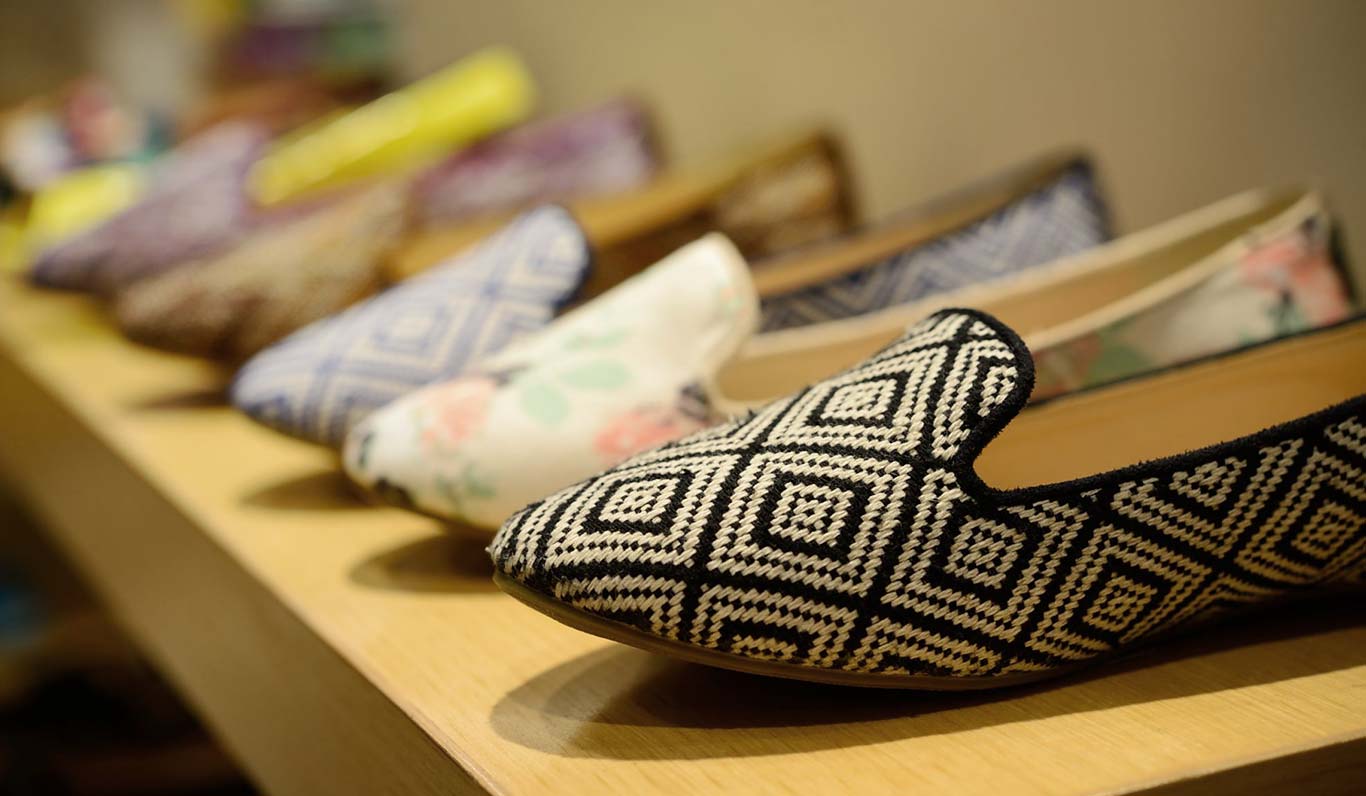
    The firm is preparing to retail shoes in more than 80 W stores across the country, as well as online, offering a collection of various styles of heels and flats. The collection presents classic Western designs with Indian flourishes.

    “At W, we have always strived to give the modern Indian woman a complete wardrobe solution,” said TCNS Clothing MD Anant Daga. “True to our brand promise, we are launching Footapparel, which is an amalgamation of fashion and functionality.

    “Looking at the footwear options available to our customers, we believe finding that one perfect pair which coordinates best, is fashion-forward yet keeps you comfortable throughout the day is a real challenge. This is the space we are addressing with our range of fusion footwear which is both fashionable and comfortable.

    The brand’s shoe designs feature craftwork such as embroidery, braiding, hand weaving, pleating, laser cutwork, quilting, and raffia weaving, amongst others.

  • New Crocs concept store openening in Manila

    New Crocs concept store openening in Manila

    The first modular Crocs concept store in the Philippines has opened in Estancia Mall, Metro Manila.

    Despite the “enhanced community quarantine” being implemented across Luzon, it didn’t stop the casual footwear brand from opening its 63rd store in the country.

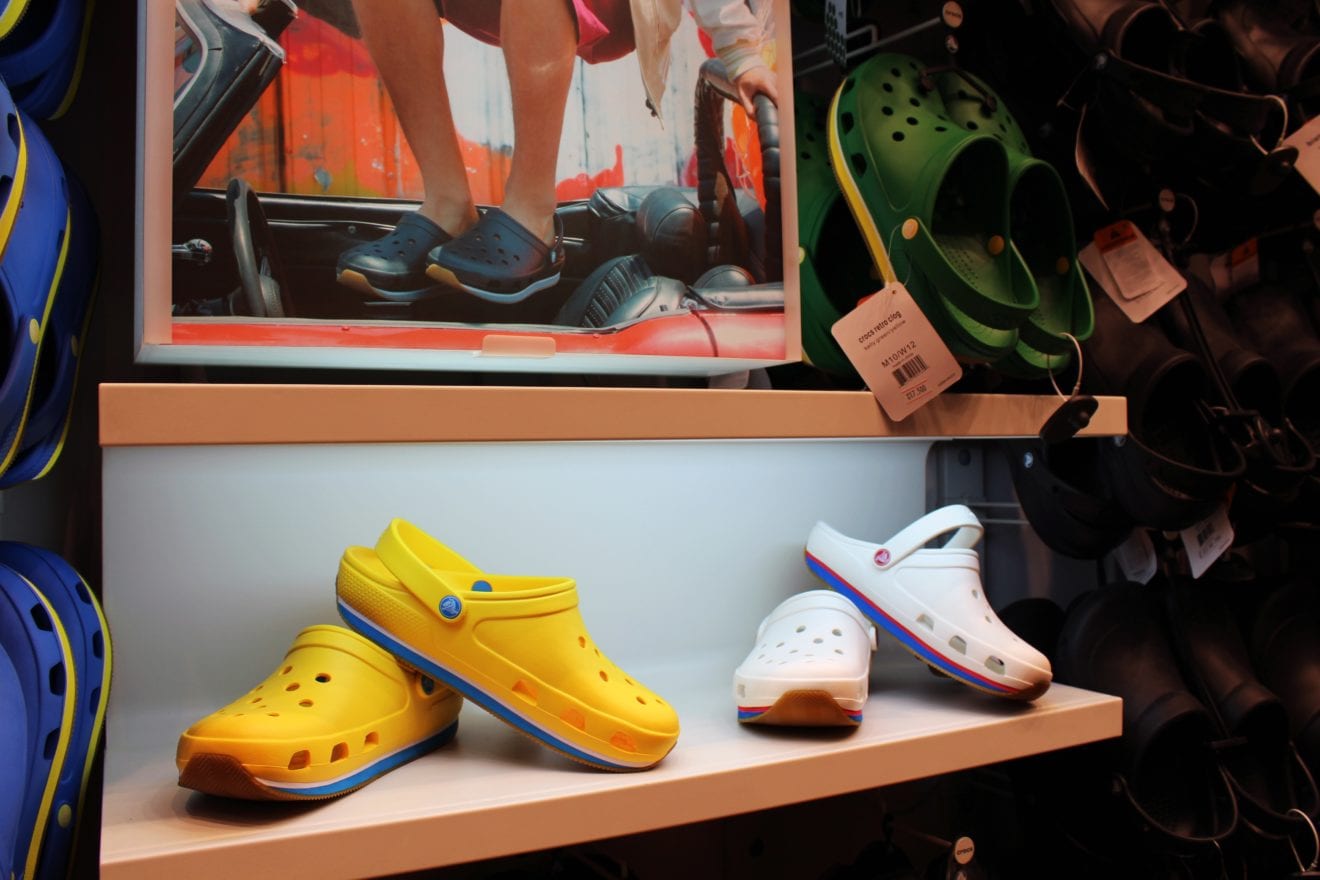
    The 85.5sqm Crocs concept store showcases the classic collection of Crocs such as clogs, slides, and flips with their Jibbitz accessories.

    Literide Collection which is the bestseller is also available in the latest spring/summer 2020.

    On its website, Crocs Philippines says it will operate a skeletal workforce which started on March 17 after Metro Manila was put into enhanced community quarantine.

    Crocs will continue to offer a delivery service, however, but customers have been warned that there might be delays in some areas where travel has been suspended due to the government’s move in fighting the spread of coronavirus.

    Crocs was founded in 2002 by Lyndon “Duke” Hanson and George Boedecker Jr in the US producing foam clog shoes. The shoe was originally developed for boaties, but later evolved into more widespread use and even for fashion.

  • Vans releases range of footwear for those with autism

    Vans releases range of footwear for those with autism

    Lifestyle fashion brand Vans has released a collection of shoes and apparel celebrating autism awareness.

    The range is designed for consumers with Autism Spectrum Disorder and comes in calming colors with features that focus on the senses.

    The collection includes slip-on shoes with squishy uppers and rubber toe caps, and an assortment of long- and short-sleeved tees. The firm collaborated with the International Board of Credentialing and Continuing Education Standards in crafting the designs.

    Part of the collection’s sales proceeds – a minimum of $100,000 – will be donated to the A.skate Foundation, which aims to help children with autism learn skateboarding. The charity provides grants to children with autism for skateboarding gear, teaching them how to participate in the sport and its inclusive culture.

    The autism footwear and apparel collection is available online and in Vans retail locations.