Tag: Footwear

  • Vivaia Amplifies US Expansion with Offline Stores, Catering Sustainable Luxury Footwear to New Markets

    Vivaia Amplifies US Expansion with Offline Stores, Catering Sustainable Luxury Footwear to New Markets

    Vivaia, a footwear brand originating from China, is extending its footprint in the United States with the launch of two new retail locations, highlighting the company’s ongoing commitment to increasing its physical availability globally.

    The first location was recently inaugurated at the Roosevelt Field Mall in Long Island, while the second store is scheduled to commence operations in late May at the Garden State Plaza in New Jersey.

    The Long Island outlet, encompassing 650 square feet, is architecturally fashioned after the ‘wabi-sabi’ principles. An inherent Japanese philosophy, wabi-sabi underscores minimalistic and pared-down aesthetics. The store boasts an ambiance marked by light wood finishes and soothing illumination, aimed at facilitating a serene shopping experience for the customers.

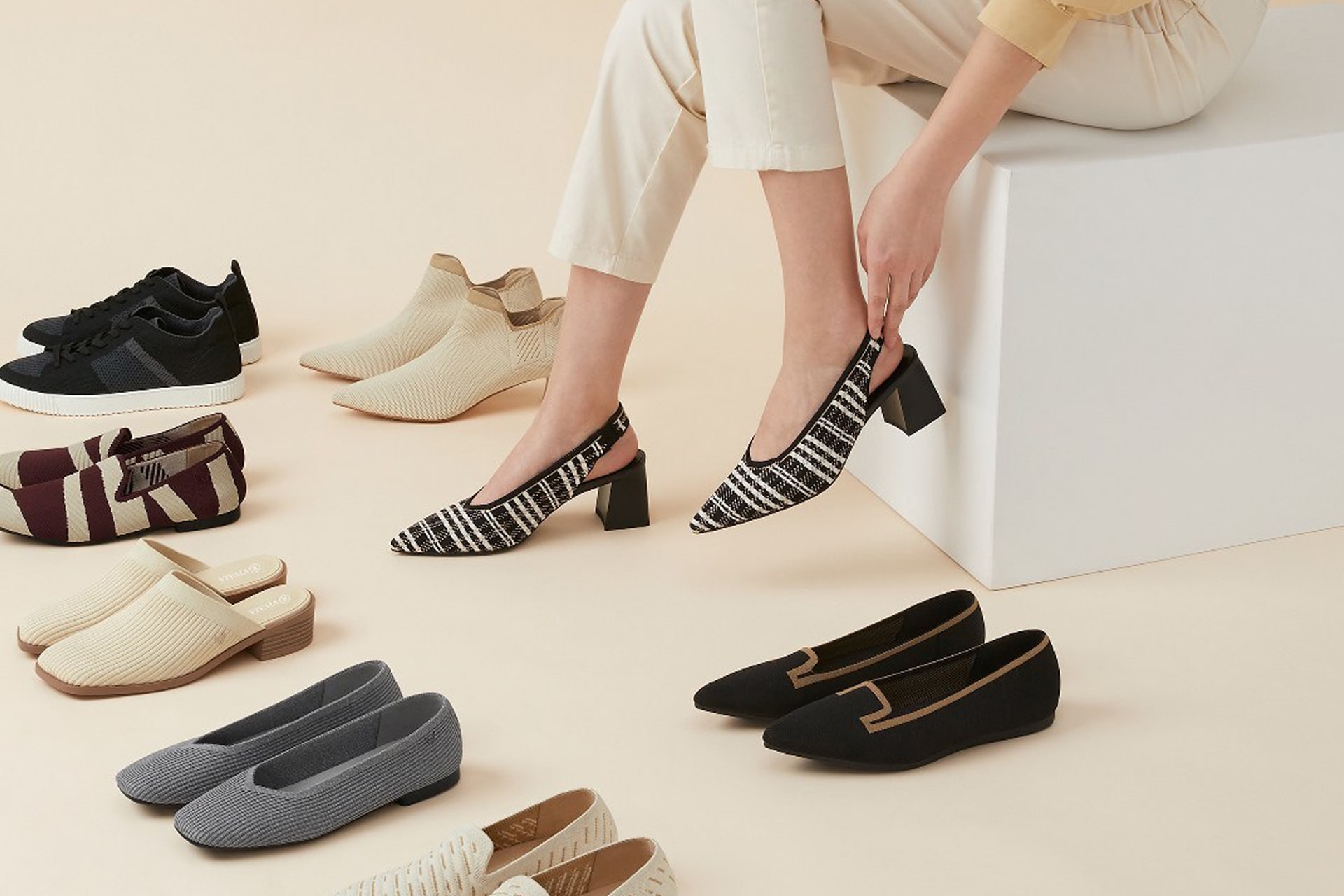
    Each store will showcase a handpicked assortment of Vivaia’s footwear offerings. The product line-up includes the Margot Mary Jane, Healing Garden Slingback Heels, and the Satin Sneakerina.

    Jeff Chan, Vivaia’s Co-founder, shared his insights on the brand’s US expansion strategy. He said, “Given that the United States constitutes our principal market and fuels our online growth, branching out beyond New York was a logical progression for us.” He added, “By synergising our robust digital presence with tangible retail outlets, we can better cater to our customers and make our comfort-centric, environmentally-friendly merchandise more accessible to them.”

    Established in 2020, Vivaia has garnered recognition for its footwear that seamlessly melds comfort and sustainability. The brand employs recycled materials in its manufacturing process, such as yarns derived from PET bottles, and leverages 3D knitting technology to minimise waste.

    Questions & Answers

    What is Vivaia’s expansion plan in the US?
    Vivaia plans to increase its US presence by opening two new retail outlets. The first store has already opened in Long Island’s Roosevelt Field Mall, and the second one is set to launch in late May at the Garden State Plaza in New Jersey.

    What are the principles behind the design of Vivaia’s Long Island store?
    The Long Island store is designed following ‘wabi-sabi’ principles, a Japanese philosophy that embraces minimalism and simplicity. The store is characterized by light wood finishes and soft lighting to provide a tranquil shopping experience.

    What is unique about Vivaia’s product offerings?
    Vivaia is known for its comfort-based and sustainably produced footwear. The brand uses recycled materials, including yarns made from PET bottles, along with 3D knitting technology to decrease waste.

  • Satorisan Marches into China: Spanish Footwear Brand Expands Asian Presence

    Satorisan Marches into China: Spanish Footwear Brand Expands Asian Presence

    Recognized as an influential player in the footwear industry, Spain’s Satorisan has successfully broken into the Chinese market. This strategic move is part of their ongoing venture to expand their reach across Asia, following a solid foundation laid in Europe and South Korea.

    Satorisan was established in 2010 by Alejandro Monzó Tadeo, who has over two decades of experience in the active footwear industry. Since its inception, the brand has witnessed steady growth, with sales surpassing 1.6 million pairs in over 100 countries worldwide.

    Satorisan’s Debut in China

    Satorisan unveiled its presence in China through a showroom presentation of their Fall/Winter 2026 collection at Shanghai Fashion Week. The brand also launched its official account on Xiaohongshu, a popular social media and e-commerce platform in China, marking its initial entry into this vast market.

    International Growth Strategy

    Satorisan has been working consistently on their international growth strategy. In Spain, the brand operates flagship stores under the ‘Satori Home’ concept. Their Valencia store, located at Calle Sorní 25, exemplifies this concept. Established in 2016 within a renovated modernist building, it serves as both a retail store and a showroom, hosting events and community-led initiatives.

    Entering the Competitive Chinese Market

    China’s footwear market is highly competitive, with both local and global brands vying for consumers’ attention. By entering this market, Satorisan positions itself among these contenders, aiming to meet the growing demand for comfortable, lifestyle-oriented footwear.

    Questions & Answers

    What is Satorisan’s background?
    Satorisan was founded in 2010 by Alejandro Monzó Tadeo, a veteran in the active footwear industry. It has witnessed steady growth, with sales surpassing 1.6 million pairs in over 100 countries.

    How has Satorisan entered the Chinese market?
    Satorisan made its debut in China through a showroom presentation at Shanghai Fashion Week and by launching an official account on Xiaohongshu, a popular social media and e-commerce platform in China.

    What kind of competition does Satorisan face in the Chinese market?
    The Chinese footwear market is highly competitive, with both local and international brands targeting consumers. Satorisan, with its focus on comfortable, lifestyle-oriented footwear, is positioning itself to meet this robust demand.

  • NewRee Sports Tapped to Boost Reebok’s Expansion in Greater China: A New Era for Athletic Footwear

    NewRee Sports Tapped to Boost Reebok’s Expansion in Greater China: A New Era for Athletic Footwear

    Authentic Brands Group has teamed up with NewRee Sports, designating them as the primary operating collaborator for Reebok in Mainland China, Hong Kong, and Macau.

    Details of the Partnership

    As per the agreement, NewRee Sports is charged with the supervision of the production, importation, distribution, and sales of Reebok products across the three markets. This encompasses a broad range of products, including footwear and attire for both adults and children.

    The initiation of this partnership comes subsequent to the early dissolution of Reebok’s former licensing accord with Tristate Holdings. As per the details disclosed, the agreement with Tristate Holdings came to an end on December 31st.

    A New Chapter for Reebok

    Authentic Brands Group took the reins of Reebok from Adidas in 2021 and since then, it has adopted a strategy of collaborating with regional partners to boost the brand’s presence in pivotal markets.

    Established in 1895, Reebok has built a reputation for its longstanding heritage in athletic footwear and sports culture. In the present era, it aligns itself at the crossroads of sport, activewear, and lifestyle.

    The collaboration with NewRee Sports signifies a new chapter in Reebok’s evolution in Greater China. Authentic Brands Group is perpetuating the expansion of the brand’s presence via local operating partners.

    Questions & Answers

    What is the role of NewRee Sports in this partnership?
    NewRee Sports will supervise the production, importation, distribution, and sales of Reebok products in Mainland China, Hong Kong, and Macau.

    When did the previous agreement with Tristate Holdings end?
    The agreement with Tristate Holdings ended on December 31st.

    What is the current position of Reebok in the market?
    Reebok, having a strong legacy in athletic footwear and sports culture, currently places itself at the intersection of sport, activewear, and lifestyle.

  • Surging Demand for Lifestyle Footwear Propels Asics to Stellar Q3 Performance

    Surging Demand for Lifestyle Footwear Propels Asics to Stellar Q3 Performance

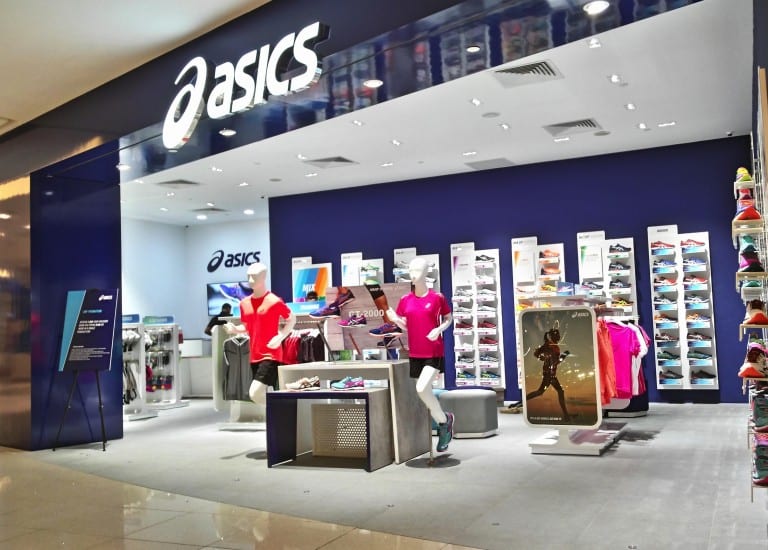
    Asics, the Japanese sportswear giant, has reported robust performance in both the third quarter and the overall nine-month period ending 30th September. This upturn is largely credited to growing demand for lifestyle-centric footwear and a steady flow in its key running sector.

    Surge in Q3 Sales

    The third quarter saw net sales soar to ¥218.5 billion (approximately $1.4 billion), marking a 17 per cent increase from the previous year’s corresponding period. Operating profit also witnessed a significant surge, reaching ¥46.2 billion ($298.9 million), a 38.5 per cent hike.

    Nine-month Period Profit

    During the nine-month period in question, Asics’ net sales touched ¥625.1 billion ($4.04 billion), a rise of 19 per cent from the same span the previous year. This, as the company revealed, was a first-time occurrence in nine months. The period also saw operating profit leap by 39.4 per cent, hitting ¥127.6 billion ($825.8 million), and gross margin bettering by 1.1 percentage points to land at 56.5 per cent. This surge is reflective of a beneficial product mix and an increase in direct-to-consumer sales.

    Driving Factors

    The upward trend in both periods was primarily driven by Asics’ SportStyle and Onitsuka Tiger lines, which registered about 45 per cent rise in net sales. The company’s core running products also maintained a steady pace, backed by continuous innovation and consumers’ propensity for premium footwear.

    Geographical Performance

    Region-wise, Japan, North America, and Europe emerged as the top performers with sales up by 34.5 per cent, 10.2 per cent, and 24 per cent respectively. Greater China also displayed robust growth, recording a 20.6 per cent increase.

    In a recent move, the company opened its first company-owned store in India’s Delhi metropolitan area and broadened its direct-to-consumer channel as a strategy to boost growth in the market.

    Factors Behind the Upturn

    Asics attributes its impressive results to strong product demand, disciplined inventory management, and efficient supply chain operations. However, the company also warned that it would need to keep an eye on currency fluctuations and high logistics costs as potential challenges in the coming quarter.

    Questions & Answers

    What led to the surge in Asics’ Q3 sales?
    The Q3 sales surge was primarily due to rising demand for lifestyle-centric footwear and consistency in the running segment.

    Which Asics product lines largely contributed to the sales increase?
    The sales uptick was mainly due to the SportStyle and Onitsuka Tiger lines, which reported around a 45 per cent increase in net sales.

    Which geographical areas showed significant sales growth for Asics?
    Japan, North America, and Europe were the standout performers, with Greater China also showing substantial growth.

  • South Korean Footwear Giant, Sappun, Makes Strides in Southeast Asia with Exclusive Indonesian Expansion

    South Korean Footwear Giant, Sappun, Makes Strides in Southeast Asia with Exclusive Indonesian Expansion

    South Korean female-oriented shoe brand, Sappun, has drawn out plans to broaden its global presence, beginning with Southeast Asia, Indonesia specifically.

    Expanding Footprints in Indonesia

    The footwear brand, which operates under the management of FNS Retail Co, has embarked on an exclusive alliance with Surya Bumi Retailindo. This Indonesian retail firm oversees over 20 international brands spread across sports, fashion, and lifestyle verticals, Salomon and Dickies included.

    The collaboration gives Surya Bumi Retailindo the exclusive distribution rights for Sappun within Indonesia while also setting a sturdy framework for sustained retail growth.

    Establishing Retail Presence

    Sappun, in accordance with this new partnership, has launched standalone outlets in three of Jakarta’s prime shopping precincts, such as Lippo Mall Puri, Plaza Senayan, and Grand Indonesia. Initial sales at these outlets have been reportedly on par with its flagship stores in South Korea, an indication of the strong demand from Indonesian shoppers.

    FNS Retail has plans to inaugurate five additional Sappun stores inside Indonesia by the conclusion of this year, with a future goal of reaching a total of 30 stores within the next five years.

    The entrance into the Indonesian market marks a noteworthy milestone as the first international expansion of a K-fashion women’s shoe brand. FNS Retail expressed their ambition to extend their presence further across Southeast Asia and Japan.

    The Growth of Sappun

    Sappun was founded in 2014 initially as an online-only brand which later expanded its operations to offline outlets across prominent Korean cities, including Seoul and Busan. To further extend its global reach, the brand continues to exploit e-commerce platforms like Shopee and Lazada.

    Sappun also has plans in the pipeline to launch operations in Vietnam in the near future.

    Questions & Answers

    What is Sappun’s expansion strategy?
    Sappun plans to broaden its global presence starting with Southeast Asia, specifically Indonesia. They aim to establish a robust retail presence through local partnerships and open standalone stores in prime shopping areas.

    How is the brand performing in Indonesia?
    Sappun has launched standalone outlets in three of Jakarta’s prime shopping precincts. The sales at these outlets have been reportedly on par with its flagship stores in South Korea, indicating strong demand from Indonesian shoppers.

    What are Sappun’s future plans?
    Sappun aims to extend its presence further across Southeast Asia and Japan. The brand also has plans to launch operations in Vietnam in the near future.

  • Le Saunda in Red: Unsteady Chinese Market Influences Major Losses for Hong Kong Footwear Retailer

    Le Saunda in Red: Unsteady Chinese Market Influences Major Losses for Hong Kong Footwear Retailer

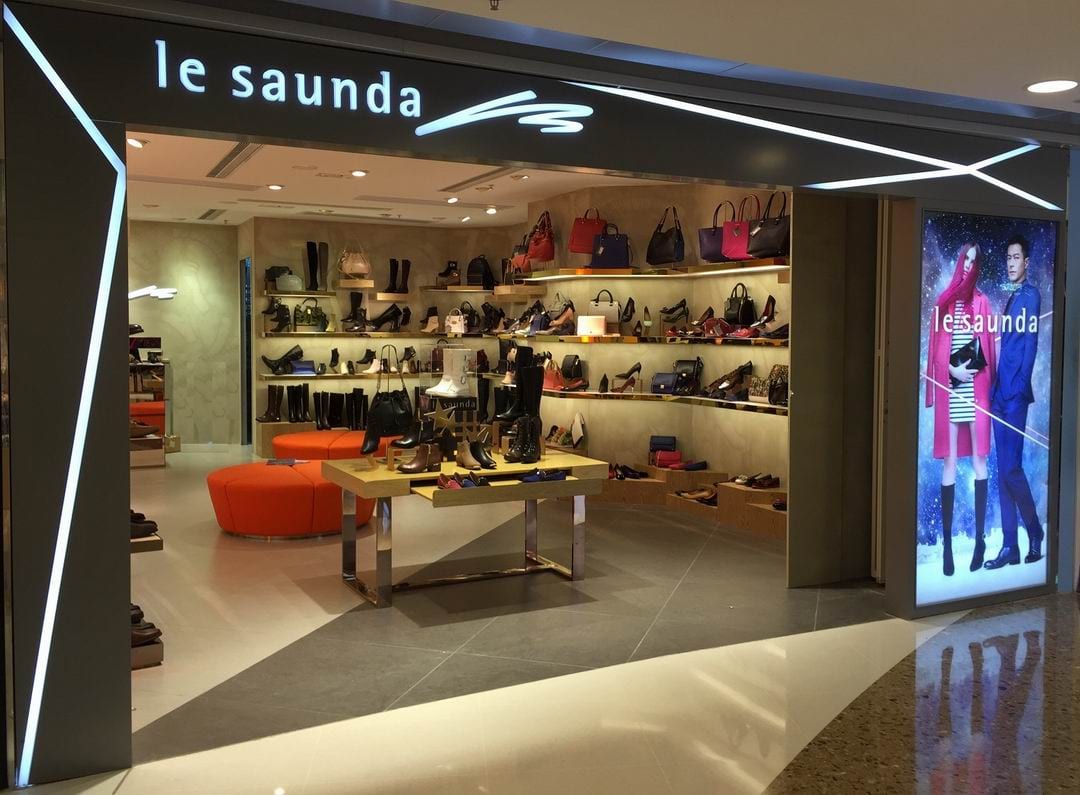
    Le Saunda, a prominent footwear retailer in Hong Kong, recently revealed disappointing financial results for the first half of the fiscal year. The company’s performance reflects a troubling trend, marked by widespread losses across its operations.

    Significant Revenue Drop

    During the six months ending on August 31, Le Saunda’s revenue slumped by 36 per cent. The figures dwindled from RMB146.9 million ($20.66 million USD) to RMB95.8 million ($13.47 million USD).

    Gross Profit and Shareholder Returns Decrease

    The retailer’s gross profit also bore the brunt of financial instability, experiencing a 30 per cent reduction. It plunged from RMB79.4 million ($11.2 million USD) to RMB55.6 million ($7.8 million USD). Meanwhile, shareholder returns nose-dived to a significant loss of RMB31.4 million ($4.4 million USD).

    Reduction in Physical Stores

    The adversity further reflected in the company’s physical presence, with Le Saunda reporting a net reduction of 133 stores in Mainland China, its primary retail market, by the end of the period. This leaves the retailer with only 91 operational stores as against a markedly higher number in the same period from the previous year.

    Global Economic Uncertainties

    Le Saunda attributed its underperformance to a number of factors. The first half of 2025 witnessed frequent fluctuations in international trade relations. Coupled with a sluggish retail environment and low consumer confidence, these developments fostered global economic uncertainties. The company indicated that these conditions have undermined its future growth prospects.

    Questions & Answers

    What was Le Saunda’s revenue for the six months ending August 31?
    Le Saunda’s revenue for this period was RMB95.8 million ($13.47 million USD), marking a 36% drop from the previous year.

    What is the extent of Le Saunda’s gross profit reduction?
    Le Saunda experienced a significant 30% reduction in gross profit, going from RMB79.4 million ($11.2 million USD) to RMB55.6 million ($7.8 million USD).

    How has Le Saunda’s physical store presence been affected?
    Le Saunda reported a net reduction of 133 stores in its key market, Mainland China, leaving it with 91 operational outlets.

  • On Unveils Flagship Store In Singapore: More Than Retail, It’s A Community Hub For Running Enthusiasts

    On Unveils Flagship Store In Singapore: More Than Retail, It’s A Community Hub For Running Enthusiasts

    Swiss-based shoe company, On, has marked its entry into Southeast Asia with the launch of its premier store at Jewel Changi Airport in Singapore. Covering an impressive 9300 square feet over two levels, the retail space is designed to reflect the brand’s ‘Dream On’ ethos, presenting an environment that is simultaneously practical and inviting.

    The Vision Behind the Store

    On’s CEO, Martin Hoffman, expressed that the store is not simply a retail outlet, but rather a fusion of innovation and community. The exterior of the store draws its inspiration from Singapore’s picturesque coastal running tracks, while the interior introduces customers to the brand’s unique technologies through interactive displays.

    Highlights of the store include a modular ‘Magic Wall’ designed for quick shoe try-ons, and an introduction to On’s patented innovations such as their CloudTec cushioning and Speedboard technologies. The ground floor of the store is dedicated to the Performance Zone, which showcases technical footwear and clothing items. This includes popular models like the Cloudmonster and Cloudrunner shoes, as well as the upcoming ‘Zendaya x On’ ‘Zone Dreamers’ collection and the LightSpray material innovation.

    More Than Just Retail

    The upper level of the store houses the Lifestyle and Expansion Zones, offering a diverse range of products. Customers can explore a tennis section co-created with tennis legend Roger Federer, a lifestyle wall featuring popular styles like the Cloudtilt and Cloud 6, and an outdoor section presenting travel-ready designs, including the Cloudultra and Cloudrock models. Customers can also get a sneak peek at On’s upcoming kids’ range.

    In addition to the retail offering, the store aims to become a community hub, hosting weekly group runs, training sessions, and workshops. The store will also serve as the headquarters for the On Run Club in Singapore.

    Hoffman stated that the ambition is to create an environment that not only showcases their cutting-edge products but also fosters a community of running enthusiasts. He believes that this commitment to community connection resonates with Singapore’s dynamic fitness culture and strengthens their presence in the region.

    Questions & Answers

    What is the concept behind On’s new store in Singapore?
    The new store is based on On’s ‘Dream On’ concept. It aims to be more than just a retail space, serving as a place where innovation meets community. The goal is to showcase their innovative products while also nurturing a community of passionate runners.

    What unique features does the store offer?
    The store offers a modular ‘Magic Wall’ for quick shoe try-ons and interactive displays introducing On’s proprietary technologies. It also houses a Performance Zone, Lifestyle and Expansion Zones, and will host weekly group runs, training sessions, and workshops.

    How does the new store align with Singapore’s culture?
    The store’s focus on community connection aligns with Singapore’s vibrant fitness culture. It aims to foster a community of running enthusiasts, thereby strengthening On’s regional presence.

  • Asics Boosts Indian Manufacturing Amid Regulatory Changes, Plans For Brand-owned Stores

    Asics Boosts Indian Manufacturing Amid Regulatory Changes, Plans For Brand-owned Stores

    Asics, the Japanese sportswear giant, has announced plans to increase its manufacturing operations in India from 30% to 40% over the coming years. This move is aimed at maintaining a stable supply chain, following changes in the country’s regulations that have led to a halt in footwear imports.

    The Indian government has recently introduced a set of standards for different footwear types. These regulations demand that both local and international manufacturers secure quality certifications. In response to these rules, Asics has paused its footwear imports, citing the impracticality of importing without the required government certification.

    Local Production Strategy

    In order to navigate this challenging situation, Asics is working towards enhancing its local production capabilities. “We are strategically developing local production capabilities,” stated Rajat Khurana, Managing Director of Asics India.

    During the 2024-25 fiscal year, Asics achieved 30% local production. This achievement meets the government’s required threshold, which permits foreign brands to run their own single-brand stores in India.

    Expansion Plans

    With approximately 125 stores currently being operated via franchise partners, Asics is now planning to open its first brand-owned store within the year. The company is actively exploring potential locations in and around major cities such as Delhi and Mumbai, with plans to establish a few more outlets in the years to come.

    In addition to directly owned stores, Asics also intends to open three new franchise stores every month until the end of the year. The brand, which competes with internationally recognized names such as Nike, Adidas, and Skechers USA in the Indian market, is set to capitalize on the country’s growing fitness culture.

    Financial Outlook

    Asics is optimistic about its financial prospects in India, predicting a revenue growth of between 35% and 37% for the fiscal year 2024-25. This projection follows a 26% increase in revenue during the previous fiscal year, which saw its earnings rise to 4.28 billion rupees (US$49.7 million).

    The company, which is particularly known for its running shoes, is benefitting from the rising interest in fitness, tennis, and pickleball among India’s affluent urban dwellers. The local market for sporting goods and apparel is anticipated to double by 2030, reaching US$58 billion, up from the 2023 levels, as per a 2024 report by Deloitte.

    Questions & Answers

    What is the reason behind Asics’ decision to increase manufacturing in India?
    Asics is boosting its manufacturing in India in response to new regulations that have halted footwear imports.

    What are Asics’ expansion plans in India?
    Asics plans to open its first brand-owned store in India this year and aims to establish more in the coming years. The company is also looking to open three new franchise stores every month until the end of the year.

    What is Asics’ projected revenue growth in India for 2024-25?
    Asics is expecting to see a revenue growth of between 35% and 37% in India for the fiscal year 2024-25.

  • Bata’s First Indian Ceo, Sandeep Kataria, Steps Down; Panos Mytaros Steps Up As Global Successor

    Bata’s First Indian Ceo, Sandeep Kataria, Steps Down; Panos Mytaros Steps Up As Global Successor

    Sandeep Kataria, the Chief Executive Officer of Bata, has announced that he will be resigning from his role in September to seek fresh prospects. The departure will coincide with the appointment of Panos Mytaros as the corporation’s new Global CEO.

    Transition of Leadership

    Kataria, who started his tenure with the Switzerland-based footwear company in 2020, was the first Indian to spearhead the brand, which has been in business for 130 years. During his time with Bata, Kataria played a crucial role in modernizing its global operations. His tenure witnessed a significant transformation of the brand, including a revamped identity, streamlined operations, and a shift towards digital and design-led innovation.

    In a highly competitive and digital-dominated retail landscape, Kataria was credited for enhancing Bata’s market positioning across Asia, Africa, and Europe. The company expressed deep appreciation for his contributions, emphasizing his tireless dedication to the people and his passion for the Bata brand.

    Looking back at his time with the company, Kataria portrayed Bata as “a community, a legacy, and a force for good,” expressing that leading the team was one of the most significant privileges of his life. It is expected that Kataria will remain with the company for several months to facilitate a smooth leadership transition.

    Appointment of New Global CEO

    The new Global CEO, Panos Mytaros, is an industry veteran with over 30 years of experience in the footwear and leather industry. Prior to his appointment at Bata, he held the position of CEO at the Danish shoe company, Ecco.

    Graham Allan, the chairman of Bata, praised Mytaros for his deep industry knowledge and passion for footwear craftsmanship. “His track record in brand building and developing compelling footwear collections, as well as in leading complex international organizations, made him the ideal candidate to guide Bata through our next phase of growth,” Allan added.

    About Bata

    Bata, established in 1894 in the present-day Czech Republic, continues to be a family-owned business. The company sells approximately 150 million pairs of shoes annually under roughly 20 brands, including Bata, North Star, and Power.

    In India, Bata operates over 1960 stores, selling roughly 50 million pairs annually. This makes it the country’s leading footwear company in terms of both revenue and volume.

    Questions & Answers

    Who is replacing Sandeep Kataria as the CEO of Bata?
    Panos Mytaros, previously the CEO of the Danish shoe company Ecco, will replace Sandeep Kataria as the CEO of Bata.

    What significant changes did Sandeep Kataria bring about in Bata during his tenure?
    During his tenure, Kataria led a significant transformation of the brand, including a revamped identity, streamlined operations, and a shift towards digital and design-led innovation. He also helped enhance Bata’s market positioning across Asia, Africa, and Europe.

    What is Bata’s standing in the Indian market?
    With more than 1960 stores and approximately 50 million pairs of shoes sold annually, Bata is the largest footwear company in India by both revenue and volume.

  • Vietnam’s Pierre Cardin Shoe Distributor Expands by Acquiring Thai Competitor

    Vietnam’s Pierre Cardin Shoe Distributor Expands by Acquiring Thai Competitor

    Emall Vietnam, the distributor for the prestigious Pierre Cardin shoe line, has taken a bold step by acquiring the franchise rights for the brand in Thailand. This strategic move marks a significant milestone in the company’s journey, as it welcomes a Thai operation that boasts 40 successful years and a loyal customer base in the millions under its wing, as confirmed by CEO Pham Minh Thang in a recent interview.

    Operating 100 stores across Vietnam under the Pierre Cardin and Oscar brands, Emall is not just a distributor; it also manufactures shoes, making strides in the competitive footwear industry. For the past seven years, Emall has been exporting its Pierre Cardin shoes to Thailand, asserting that the quality of its products stands tall against those produced in Thailand and China.

    “Thailand is a leading retail market for luxury brands in the region,” Thang emphasized. He further added that establishing a strong presence there opens new avenues for Southeast Asian expansion, particularly in challenging markets like Singapore.

    The acquisition process, which kicked off in March, is projected to double Emall’s revenues from Pierre Cardin footwear. To capitalize on this growth, Emall has plans to unveil additional retail locations in Thailand starting in July, eyeing high-profile shopping hotspots such as Central World and Siam Paragon. Back in Vietnam, the Pierre Cardin shoe range is available in over 50 shopping centers, making it a familiar name among luxury footwear enthusiasts.

    As this acquisition unfolds, many are curious about what lies ahead for retail dynamics in the region. Will Emall’s ambitious plans attract a wave of new luxury consumers? Who knows, perhaps future shoppers in Thailand will find themselves in an exclusive shoe wonderland!

    Questions & Answers

    **What led to Emall Vietnam’s acquisition of the Pierre Cardin franchise in Thailand?**
    The acquisition was driven by a strategic vision to expand Emall’s presence in a leading luxury retail market and significantly boost revenues.

    When does Emall plan to open new retail stores in Thailand?
    Emall intends to open new retail locations starting in July, targeting iconic shopping destinations such as Central World and Siam Paragon.

    How does the quality of Emall’s products compare to those produced in Thailand and China?
    Emall asserts that its Pierre Cardin shoes are comparable in quality to those manufactured in Thailand and China, bolstering its competitive edge in the luxury footwear market.

  • Hoka opens its first store in Vietnam

    Hoka opens its first store in Vietnam

    Footwear retailer Hoka has launched a store in Vietnam, marking its first physical presence in the market.

    Located at Ho Chi Minh City’s Saigon Centre, the store is in partnership with distributor Central Brand & Specialty Group (CBS) and offers a full range of products, from road and trail running to street-ready styles.

    The shop features 3D foot-scanning technology, which analyses consumers’ foot shapes and offers personalised shoe recommendations.

    “We chose Saigon Centre – the most strategic and vibrant location in Ho Chi Minh City – because it not only reflects the position of a leading brand like Hoka, but also perfectly fits CBS’s commitment to enhancing everyday lifestyle,” said Ty Chirathivat, CEO of Central Brand & Specialty Group (CBS), during the brand’s opening ceremony.

    Hoka was first launched in Vietnam four years ago, sold through Supersports retail channels.

    Earlier this year, Hoka opened its Bondi 9 pop-up in Hong Kong to mark the latest generation of its ultra-cushioned road-running shoe.

  • Ugg launches footwear collection with NewJeans’ Hanni

    Ugg launches footwear collection with NewJeans’ Hanni

    California-based lifestyle brand Ugg has launched a sandal collection, GoldenRise, in partnership with K-pop girl group NewJeans’ member, Hanni.

    The GoldenRise has a customizable strap that can be worn three ways: as a slide, slingback, or wrap sandal. According to the brand, the collection has 100 per cent recycled polyester straps that adjust over the top of the foot, and the back strap may be wrapped around the ankle, switched for a shorter slingback, or removed completely to create a slide.

    “Rooted in joy, renewal, vibrancy, and warmth, Ugg and Hanni explore the magnetic, effortless feeling that is ‘Big Spring Energy,’” the brand said in a statement.

    The GoldenRise sandal, which Hanni wears in the global Spring/Summer 2025 campaign, is available on Ugg’s website, at Ugg stores, and at select wholesale retailers nationwide.

    Ugg employed leftover leathers and suedes in a new footwear line last year in reaction to the previous seasons’ overstock.

  • Birkenstock opens House of Birkenstock in Singapore

    Birkenstock opens House of Birkenstock in Singapore

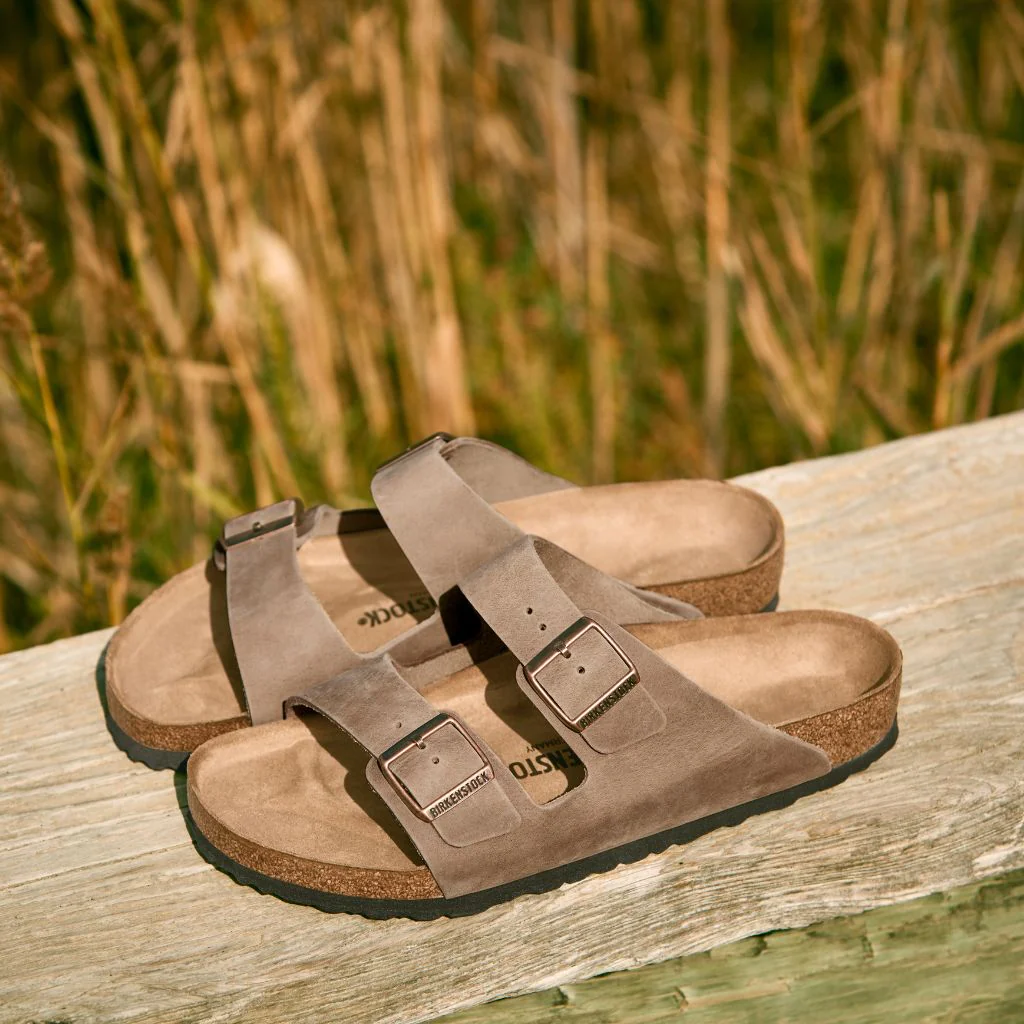
    German shoe manufacturer Birkenstock has launched its House of Birkenstock in Singapore, marking the first of its kind in Asia.

    The store, located in one of the Duxton shophouses, combines the local design elements with its traditional German heritage. It is also Birkenstock’s seventh location in Singapore.

    The store’s entrance includes a traditional Chinese wooden signboard, handmade paper lanterns and the installation of vintage tiles. There is also a 6-meter-high Birkenstock feature wall and a contemporary Peranakan water feature.

    The space offers more than 200 models and is also the first store in Southeast Asia to offer the Birkenstock 1774 collection.

    In addition, Birkenstock plans to introduce different services in the future, including customization and repairs, strengthening its sustainable commitment.

    The brand said it is growing its presence in the APMA (Asia Pacific, Middle East and Africa) region with new store openings in selected locations.

    Birkenstock named Tiffany Wu as MD for Greater China last month to lead the footwear company’s expansion in the region.

  • Worst is over for garment, footwear exports

    Garment and footwear exports have slumped from the beginning of this year but the drops slowed in recent months, signaling a slight recovery in the industries, experts said.

    Statistics of the General Department of Customs showed that the export of garments fell by 12.9% to US$27.7 billion in the first ten months of this year, and that of footwear by 18.3% to $16.4 billion.

    The October figures improved from the previous month, with footwear increasing 30.3% to US$1.7 billion. The garment shipments dropped only 0.1% month-on-month to $2.57 billion.

    According to Duong Thuy Linh, Deputy General Secretary of the Vietnam Cotton and Spinning Association (VCOSA), the difficulty was not unique to the garment and textile industry of Vietnam.

    Global exports dropped due to a decrease in global demand driven by geopolitical tensions, rising inflation in major markets such as the US and the EU, and tightened monetary policy in a number of countries. These moves forced global consumers to trim spending.

    Meanwhile, market requirements for sustainability standards were becoming more stringent, along with fierce competition from other exporters such as Bangladesh and Myanmar, resulting in fewer and smaller orders.

    Linh said that many textile companies were forced to narrow the production scale to 50-80% from the end of last year to the second quarter of this year. However, a slight recovery started from July with most producers resuming full capacity.

    VCOSA forecasts that challenges will remain for the garment and textile industry of Vietnam as low consumption demand will persist in 2024.

    The association projected that the export value will be around $40 billion this year, a drop of 10% compared with the previous year.

    Linh emphasized that the worst is over, adding that with efforts of the government and businesses, as well as increased market demand during major year-end holidays, it is expected that the billion-dollar export industry will recover in the near future.

    According to VCOSA, the consumer price index (CPI) for 2023 estimated at 3.2-3.6% will help stabilize inflation, retain people’s income and avoid purse tightening. Lending rates have been reduced to support enterprises, it said, adding that GDP growth projected at 5% is also a great effort of the government to provide a stable environment for businesses so as to maintain production and overcome difficulties.

    Linh pointed out that Vietnam’s garment industry still had a competitive advantage in terms of labor cost. The industry also benefited from new-generation free trade agreements (FTAs) Vietnam signed with major markets.

    Although local producers face difficulties in meeting sustainability standards, there are good signals as several fiber producers meet international standards such as Global Recycle Standard, Oeko-Tex and BCI. They are switching to using organic cotton, natural fibers and renewable energy in production, she said.

    Economic expert Huynh Thanh Dien said that recent forecasts of big organizations like the International Monetary Fund and the World Bank were better for global economic growth, laying the foundation for optimism about the recovery of consumption demand in major markets.

    He went on to say that new trends are emerging in a new economic cycle, thus enterprises are urged to be proactive in grasping these opportunities.

    Major markets such as the EU are strengthening the application of high requirements and standards on green and sustainable development, Dien said, adding that these are challenges but also opportunities for enterprises to make breakthroughs.

  • Skechers granted an injunction against Dockers for alleged patent infringement

    Skechers granted an injunction against Dockers for alleged patent infringement

    In August, Skechers sued nonslip shoemaker Laforst Shoes over the alleged infringement of the slip-in-heel design. These shoe styles were the subject of high-profile Super Bowl ads earlier this year featuring Martha Stewart and Snoop Dogg, and Skechers says it’s sold millions of pairs of the hands-free shoe.

    On October 5, the Düsseldorf Regional Court in Germany found that Dockers had infringed on one of Skechers’ heel pillow designs, per the Skechers release.

    In a news release on the ruling, Skechers President Michael Greenberg said the company would “continue to aggressively police and enforce” its proprietary rights for the sneaker design.

    “While the ruling can be appealed, we are very pleased that the German court in the first instance acknowledged Skechers’ rights and immediately stopped the sale of the offending shoe style throughout the European Union,” Greenberg said. “Skechers invests tremendous resources into product development to introduce fresh, unique, and exciting footwear to its customers year in and year out.

    While Skechers always prefers to compete in the marketplace rather than the courtroom, the Company has no choice but to seek legal recourse when competitors infringe on our intellectual property rights.”

    Skechers’ legal complaint against Laforst is ongoing, though court documents show the parties have engaged in settlement discussions. As of Sept. 26, a judge in the United States District Court Central District of California gave Skechers 30 days to finalize its settlement with Laforst.

    In April, Skechers settled a patent dispute with French luxury brand Hermès over its Massage Fit sole.