Retail News CRM

Tag: Footwear

  • Spanish footwear label Toni Pons opens first store in the Philippines

    Spanish footwear label Toni Pons opens first store in the Philippines

    When it comes to espadrilles, Toni Pons, a Spanish footwear company, is known as one of the pioneers in this design concept. Finally, the brand has officially opened the doors to its first official store in the Philippines at SM Megamall and Robinsons Place Manila. 

    Down the memory lane

    In 1946 Spain, Toni Pons founder, Antoni Pons Parramon, created the first traditionally-made espadrilles using jute or rubber in Osor, a small village near Girona. More than 75 years later, Toni Pons is now selling in different parts of the globe. 

    Influenced by the land where it was born, the Toni Pons brand maintains its Mediterranean character. The relaxed and carefree vibe of the region has accompanied the brand all throughout its history. The brand’s aesthetic of easy elegance and freshness is very befitting for a tropical country such as the Philippines, especially during the summer season. 

    On the Philippine market

    To make sure that there is something for everyone, the brand brings a wide array of collections in the country—from kids’ and men’s to bridal footwear. On top of that, the brand also introduced some of its other pieces such as bags and belts.  

    During the brand’s official launch last May 16, 2023 at SM Megamall, Fashion Hall, Jordin Pons, Toni Pons’ founder and president, told Manila Bulletin Lifestyle that the brand is looking forward to creating Philippine exclusive designs and incorporating local sustainable materials in the future designs. 

    “We know that the Philippine market is not new with handmade shoes, but we are not here to compete but to bring a new concept which is the espadrilles,” he said. “As a brand, we like to say that we arrive to a lot of people because we also do men’s, women’s, kid’s, and shoes for special events.”

    The event is an ode to summer as it celebrates its launch with a dance-infused fashion show. The show featured the Philippine Allstars as they strutted down the runway in their Toni Pons shoes, capping off the event with a dance number that is reminiscent of the movie musical, “Mamma Mia.” The brand is planning to open a total of 15 stores in the country by the end of the year. Last May 20, 2023, they opened a store at  The Hue Hotel Boracay.
  • Dr Martens shuts all stores in the Philippines

    Dr Martens shuts all stores in the Philippines

    German-founded British footwear and apparel brand, Dr Martens, has closed all of its physical stores in the Philippines.

    The brand announced on social media that it closed all of its remaining four stores in Glorietta 4, SM Mall of Asia, SM Megamall, and Manila Bay by the end of last month. However, Dr Martens did not disclose the reason behind its physical withdrawal from the market.

    Local sources said Dr Martens started shutting its stores in the country last February, including its flagship store in Two Parkade BGC.

    UK-based footwear retail reported a 13 percent year-on-year increase in revenue, reaching US$507 million in turnover for the first half of the fiscal year 2023. The brand opened 21 new stores and closed five stores during the period.

    “Although there are economic challenges ahead, we are well positioned for future growth,” said Kenny Wilson, CEO of Dr Martens.

    Dr Martens’ store closure in the Philippines occurred despite the market having seen growth in sportswear spending. Last month, US sneaker chain Foot Locker expanded into the country with the first store opened inside Manila’s Glorietta shopping mall under the partnership with Indonesian retailer MAP Aktif Adiperkasa.

  • 1,200 workers lose jobs as Taiwan footwear firm runs out of orders

    1,200 workers lose jobs as Taiwan footwear firm runs out of orders

    A Taiwanese shoemaker in HCMC’s Binh Tan District has laid off 1,185 workers and blamed it on a drying up of orders.

    In an announcement, Monday Ty Hung Co. Ltd, said its customers face financial issues and have not placed new orders.

    Despite trying everything it could, it is unable to maintain production as planned and has no choice but to terminate labor contracts with 1,185 people on Dec. 1, the statement said.

    It will pay a severance allowance to employees who have worked since 2008 and two months’ salary to all employees whose social insurance premiums are now cut due to losing their job.

    It will also pay one month’s salary as a bonus to those who worked for the entire year until being laid off and make pro rata payments to others.

    The Taiwanese firm has 1,800 employees and makes shoes for export to Europe.

    According to the Ho Chi Minh City Labor Confederation, textile, footwear, and electronic factories have lost orders due to difficulties in finding raw materials and falling demand.

    To cope, many factories in the city have cut workers’ hours or furloughed or laid them off, it added.

  • Nike says to end run club app in China

    Nike says to end run club app in China

    Nike is deactivating its Run Club app in China, becoming the latest Western company to reconfigure its business in the world’s second largest economy.

    The US sportswear giant posted a notice to runners in mainland China, saying the app will “cease service and operation” there starting July 8. A Nike spokesperson said that it would roll out a “localized” platform for Chinese runners in future, and continue to invest in updating its digital platforms in China.
    “We are creating an ecosystem from China for China, specifically catered to the region’s unique consumer needs,” the representative said.
    China is one of Nike’s top markets. The company made nearly $8.3 billion in revenue in Greater China, which includes Hong Kong and Taiwan, in the last fiscal year, according to its most recent annual report. That was more than its sales in the rest of Asia Pacific and Latin America combined.
    China is also a key manufacturing hub for the brand, with about a fifth of Nike’s footwear and apparel being made there.
    Nike Run Club, which allows users to track their runs and perform challenges with friends, has more than 8 million users in China who have collectively covered more than 600 million kilometers (nearly 373 million miles), according to a company statement on the app.
    Local users will be able to export their fitness data, Nike said.
    The move is the latest in a series of changes big Western companies have made to their businesses in mainland China in recent months. Last week, Amazon announced the closure of its Kindle bookstore in the country, as well as the discontinuation of Kindle device sales to retailers.
    This summer, Airbnb will take down all its listings in the country and concentrate instead on outbound travelers. The company made the decision because of mounting costs that were worsened by Covid-19.
    Last October, LinkedIn said that it would shut down the local version of its platform in China, citing a “significantly more challenging operating environment” and compliance hurdles. The platform, which is owned by Microsoft has decided to introduce an all-new, even more localized service, called InJobs.
  • Lululemon unveils its first footwear range

    Lululemon unveils its first footwear range

    Sportswear brand Lululemon has revealed its first-ever footwear collection for women, with a men’s collection to launch next year.

    The company will launch its debut running shoe called Blissfeel on 22 March online and in select stores across the UK, North America and Mainland China.

    Three additional styles will be released later in the year. Chargefeel – a cross-training shoe designed for gym training and short runs which will be available to buy alongside Restfeel – a post-workout shoe. While in the autumn the retailer will release Strongfeel, a training shoe designed to be used for “multi-directional movement”.

    Lululemon said that it applied insights and expertise gained over its 20 years of designing experience to create shoes that focused specifically on women’s requirements. It added that each design is meant to deliver a specific feeling and aims to create a balance of cushioning and support.

    Lululemon CEO Calvin McDonald commented: “Footwear is the natural next step for us to expand and apply our long history of innovation in fit, feel and performance, and it represents an exciting moment for our brand. We are entering the footwear category the same way we built our apparel business—with products designed to solve unmet needs, made for women first.”

    Sun Choe, chief product officer at Lululemon, said: “We intentionally started with women first because we saw an opportunity to solve for the fact that, more often than not, performance shoes are designed for men and then adapted for women.”

    “That didn’t sit well with us. Innovating for women is in Lululemon’s DNA – now we’re bringing that same expertise to footwear, and women were part of this journey every step of the way.”

  • Vietnam footwear exports slip on Covid-19 impacts

    Vietnam footwear exports slip on Covid-19 impacts

    Vietnam’s footwear exports plunged 44.2 percent year-on-year to about $700 million in September, according to the Vietnam Leather, Footwear and Handbag Association (Lefaso).

    Meanwhile, handbag exports also decreased by 48 percent.

    However, the industry still recorded positive growth overall thanks to increased momentum in the first half of the year.

    In the first nine months of 2021, footwear exports crossed $13.3 billion, up nearly 10 percent over the same period in 2020, while handbags exports slipped 3.7 percent year-on-year to around $2.24 billion.

    The U.S. remained a major export market for Vietnamese footwear and handbags, accounting for 41 and 44 percent of the total, respectively. EU ranked second at nearly 23 and 22 percent of footwear and handbag exports.

    Lefaso said prolonged social distancing has forced 80 percent of leather and footwear factories in HCMC, Dong Nai, Binh Duong, An Giang, and Kien Giang, accounting for 70 percent of the industry’s import and export turnover, to stop production.

    Businesses in the northern and central regions reduced production by 30-50 percent due to labor shortages, supply chain disruptions and other factors.

    The lack of containers, high cost of logistics and international shipping (5-10 times), expensive fuel and the rising price of imported raw materials have majorly impacted the industry.

    The association also said that conditions for receiving Covid-19 relief were too tough and relevant administrative procedures too complicated, making it difficult for businesses to access the promised support.

    Although the situation has improved since the end of September, production under the “new normal” has a long way to go, it said.

    Lefaso recommended that leather and footwear businesses reduce costs, take advantage of supportive policies and create favorable conditions, in line with safety protocols prescribed by the Ministry of Health to attract workers back to work.

    Businesses also need to make good use of incentives under free trade agreements, especially CPTPP and EVFTA, to boost exports in the last months of 2021, the association said.

  • Taiwanese footwear maker suspends 18,000 workers over Covid-19 linkage

    Taiwanese footwear maker suspends 18,000 workers over Covid-19 linkage

    Over 18,000 workers of Pou Sung Vietnam were temporarily suspended due to a worker having close contact with a suspected Covid-19 case.

    Health authority found the wife of a suspected Covid-19 case working at the Dong Nai-based firm with 27,000 employees. The worker, who came in close contact with the suspected Covid-19 case, had her sample taken and is awaiting results.

    The company has suspended 18,403 workers starting Saturday morning to disinfect the entire factory, according to Le Nhat Truong, chairman of the labor union of Pou Sung Vietnam.

    It is also tracing those who traveled in the same vehicle carrying the Covid-19 linkage worker. The firm employs 300 vehicles to pick up over 10,000 staff in remote areas across the southern provinces of Dong Nai and Binh Thuan.

    Dong Nai Province has 31 industrial zones and one high-tech zone, with 1,400 enterprises employing more than 620,000 workers.

    The province found two Covid-19 cases Saturday, ending its 45-day streak without new Covid-19 cases.

    Dong Nai has so far recorded three confirmed Covid-19 case since the fourth coronavirus wave hit on April 27.

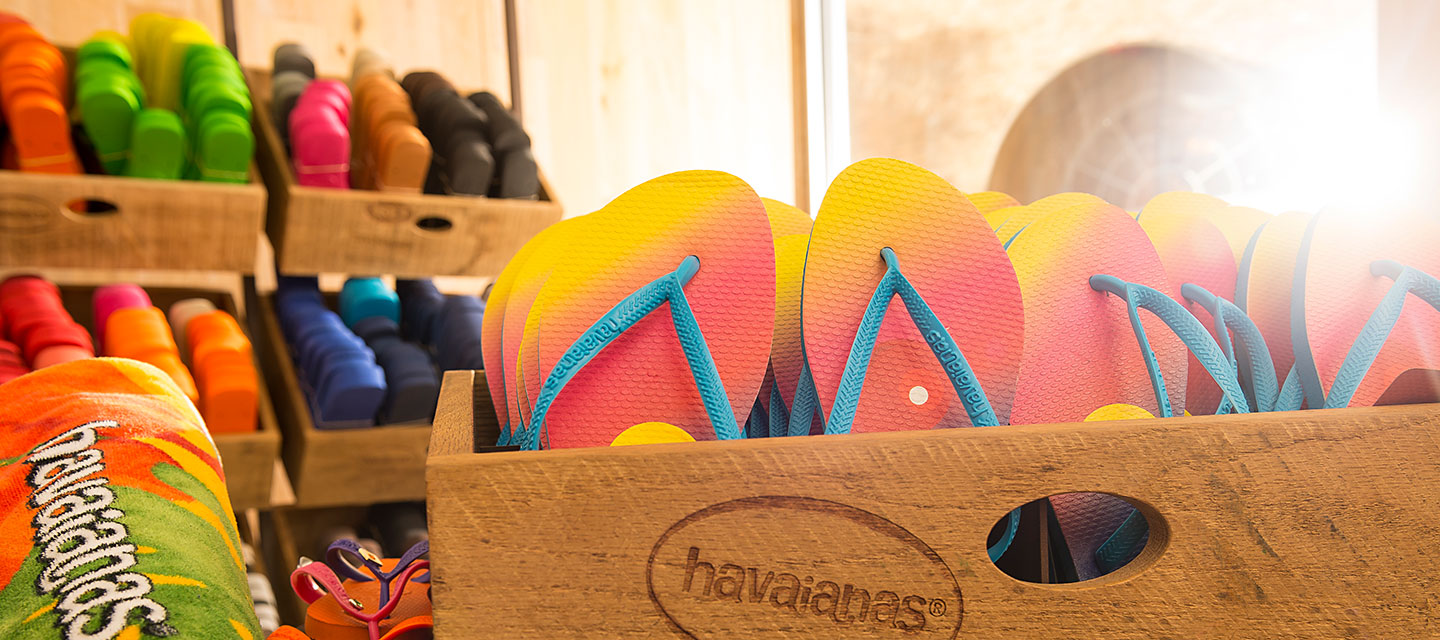
  • Havaianas has best quarter in a decade as China sales surge

    Havaianas has best quarter in a decade as China sales surge

    Havaianas’ global expansion — prioritizing Europe, China, and the U.S., in addition to Brazil — remains on a strong path. The world market leader in open footwear delivered revenue growth in all regions, including distributors. Outside Brazil, net revenues in constant currency reached R$317.9 million (~US$59.2 million) in 1Q21, climbing 27% year-over-year. Volume increased 34.3% in the period to 7.9 million pairs/pieces. At 24%, EBITDA was 16 p.p. higher than a year earlier.

    On May 3, Havaianas brand owner Alpargatas announced the acquisition of technology startup company ioasys to boost the Havaianas brand growth, with global expansion, acceleration of online sales, and extension of the product portfolio as its pillars. Acquired company ioasys has a proven track record of success in end-to-end digital solutions and a strong culture centered on user experience.

    In the so-called Big Bets, or priority markets, year-over-year growth in net revenues in constant currency reached 26% in Europe, 13% in the U.S., and 736% in China in 1Q21. All these markets also saw margin gains.

    “Havaianas is stronger than ever, inspired by people in Brazil and around the world. The brand has expanded globally, accelerated online sales, and broadened its portfolio with innovation and sustainable technologies. We take pride not only in our ability to expand revenues and profits, but also to support society in the fight against the pandemic and in socio-environmental causes. We are on the right track to capture the full potential of Havaianas,” says Beto Funari, CEO of Alpargatas, owner of Havaianas, a brand that is present in more than 130 countries. The Brazilian multinational disclosed earnings on Monday, May 3.

    After a solid performance in 2020, the company had its best first quarter in a decade, delivering expanding revenues, margins, and EBITDA. Consolidated net revenues climbed 32.7% year-over-year to R$901.3 million (~US$168 million). Recurring EBITDA totaled R$158.7 million (~US$ 29.6 million), almost double the figure seen in 1Q20. Recurring net income increased 73.3% year-over-year to R$135 million (~US$25.1 million). These results supported cash generation of R$237 million (~US$44 million), and the company ended the quarter with a financial position of R$698 million (~US$130 million).

  • Chinese ‘limited edition’ sneaker sales soar after Xinjiang backlash

    Chinese ‘limited edition’ sneaker sales soar after Xinjiang backlash

    Prices of some Chinese limited edition sneakers soared among collectors and speculators following calls for local consumers to boycott global brands that have said they don’t source products or yarn from China’s western Xinjiang region. Nike and Adidas came under attack on Chinese social media last month over past comments.

    Some researchers and foreign lawmakers say Xinjiang authorities use coercive labor programs to meet seasonal cotton-picking needs, which China strongly denies.

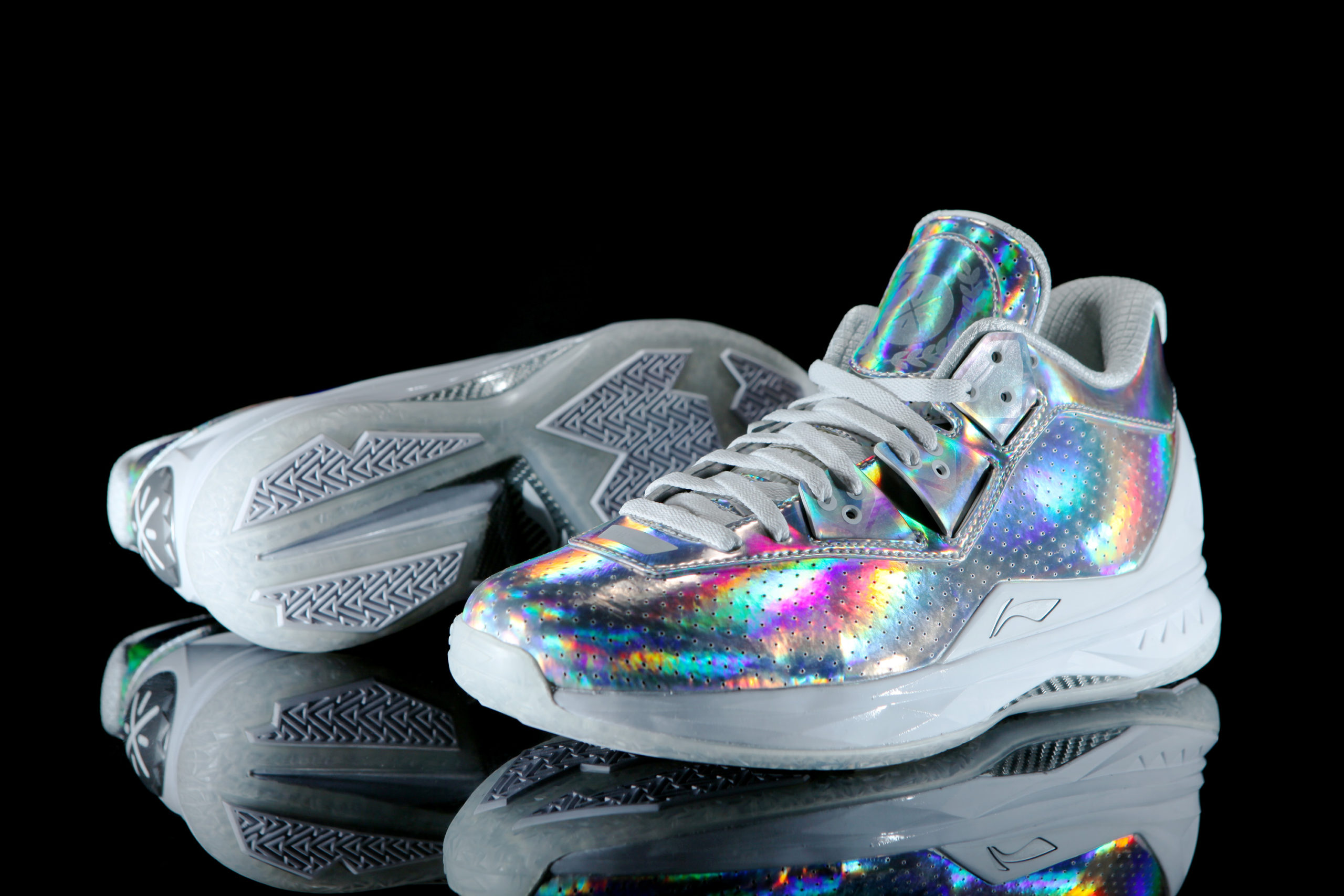
    The listed price of the “All Star” version of Li-Ning Way of Wade 4 on the Dewu App – the country’s largest sneaker resale platform also known as “Poizon” – reached 48,889 yuan ($7,463) per pair, 31 times higher than the official price of 1,499 yuan, the state-owned Global Times reported on Monday.

    Anta’s Doraemon-themed casual shoes on the platform were also eight times higher than the original price of 499 yuan.

    Both offerings disappeared from Dewu, which deleted listings for numerous local shoe models after state media criticized speculation on sneaker prices and taking advantage of people’s patriotic feelings.

    “A large number of internet users choose to support domestic brands, which is normal,” said a Tuesday opinion piece on People.cn, the website of the People’s Daily, the official newspaper of China’s ruling Communist Party.

    “But some scalpers though they have caught on to a business opportunity as if they smelled blood.”

    Dewu on Tuesday said that it deleted listings of 20 kinds of sneakers made by Chinese sportswear brands including Li Ning and Anta Sports after noticing abnormal price fluctuation.

    Michael John, research and strategy manager at Shanghai-based consultancy AgencyChina, said he believes the frenzy for domestic sneaker brands will pass.

    “First, the platform Dewu continues to facilitate the exchange of limited edition Nike and Adidas sneakers,” he told Reuters on Tuesday.

  • Li Ning ready to buy Clarks footwear

    Li Ning ready to buy Clarks footwear

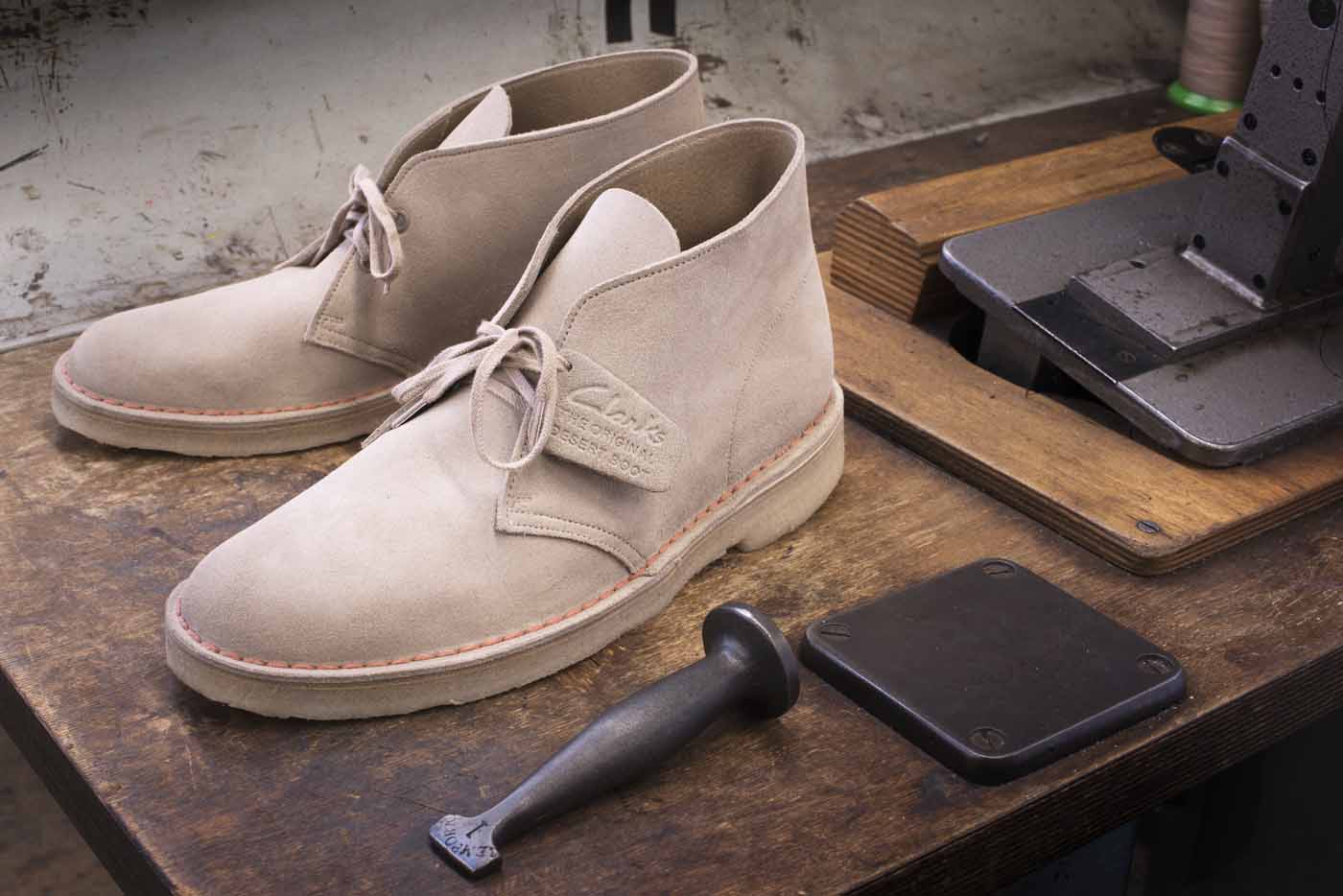
    Li Ning, the gymnast-entrepreneur who lit the Olympic flame during China’s 2008 Games, has bought control of one of Britain’s oldest shoe producers, extending the global shopping spree by Chinese companies for famous international brands. Viva China Holdings, the sports talent agency founded by Li, has agreed to pay £51 million (US$69.7 million) for 51 percent of LionRock Capital Partners QiLe Limited, the private equity firm which will own the Clarks brand, according to a filing to the Hong Kong stock exchange. The investment would give Viva China control of Clarks when LionRock completes its £100 million investment to recapitalize Clarks. Li is the non-executive chairman of LionRock.

    Based in the same village in south-western England’s Somerset county for nearly two centuries since its establishment in 1825, Clarks’ business has struggled along with the global retailing industry, as the raging coronavirus pandemic kept staff from workshops and sapped the appetite for consumption. The retailer, operating 320 stores in the UK alone, had to cut 900 jobs last May out of a global workforce of 13,000, after reporting a 2019 loss of £83 million. The company warned of deteriorating performance in 2020.

    “The challenges to our business brought on by Covid-19 have meant that we need more resources and investment to fully deliver [Clarks’] strategy and safeguard the future of our business,” said the shoemaker’s chief executive Giorgio Presca in November. “The new partnership with LionRock will provide this as well as the expertise to grow the Clarks brand in China, which remains a primary opportunity.”

    Li’s purchase of Clarks follows the acquisitions of dozens of global sports brands by Anta Sports, Xtep, and 361 Degrees International, which make up China’s four largest sportswear producers along with Li’s eponymous brand.

    Anta’s brands cover Fila, and Japan’s Descente, as well as an investment in the Finnish company Amer, which owns multiple brands, from Atomic skis to Salomon snowboards, Arc’teryx outdoor gear to Mavic bicycle wheels and Suunto sports watches.

    Xtep’s stable of brands now includes the hiking brand Merrell, leisure brand Hush Puppies, and running specialist Saucony, as well as the leisure brands K-Swiss, Palladium, and Supra.

    “Clarks is one of the world‘s most recognized consumer names,” LionRock’s founder and managing director Daniel Tseung said in November. “Our investment will not only strengthen Clarks’ position as one of the world’s most recognized brands but also allow growth into key emerging markets.

    Li owns a 92.91 percent of Viva China, which was established in 2009, according to its interim report for 2020.

    The price tag for Clarks would be set off against an equivalent amount of £54 million that Viva China lent to LionRock Capital last September, according to the statement on Friday.

    Shares of Viva China fell by 1.5 percent to HK$0.65 in Hong Kong after the announcement.

  • Dr. Martens set for London IPO, valuing shoe brand at US$2.7 billion

    Dr. Martens set for London IPO, valuing shoe brand at US$2.7 billion

    The British footwear brand Dr. Martens is planning a £3bn flotation, more than 60 years after its first pair of boots were stitched together in Northamptonshire.

    Best known for its 1460 boot featuring its trademark yellow stitching and chunky soles, the company expects to float at least 25% of the business on the London stock market.

    It comes nearly seven years after Dr Martens was bought for £300m by the private equity group Permira. Sales under its ownership have surged, rising from £160m in 2013 to £672m in the year to March 2020. Sources close to the plans said the shoe company expects to seek a valuation of about £3bn.

    The brand, which sells 11m pairs of shoes and boots a year across more than 60 countries, managed to grow throughout the pandemic, despite lockdowns that forced its 130 high street stores to close. Dr Martens reported an 18% rise in sales to £318m in the six months to September, while profits grew by a third to £86.3m. The majority of sales come from the wholesale business, which sells to third-party retailers.

    The first pair of Dr. Martens made in the UK was in 1960 at its original factory in Northamptonshire, where one of its two main offices is still based. The boots grew in popularity over the following decades, first adopted by skinheads in the 1960s, and later becoming fashion staples among punks, goths, and schoolgirls.

    However, Russ Mould, the investment director at broker AJ Bell, said there were some “red flags”, including consumer complaints about the quality of Dr. Martens footwear.

    “Could it be that the business has suffered under private equity ownership? Many investors are skeptical about backing companies that are being sold by private equity, for fear they might have suffered from underinvestment and subjected to a ‘quantity over quality’ approach for production,” Mould said.

    However, some critics have said the alleged deterioration came after it shifted the bulk of its production from the UK to Asia nearly 20 years ago, he said.

    Dr. Martens said it rejected allegations of declining standards and said Permira had continued to invest in the business since its takeover.

    The footwear firm also said on Monday it had diversified its supply chain, and reduced the proportion of shoes made in China from 46% to 32% between 2019 and 2020, but did not link the changes to quality concerns.

    Mould said Dr Martens’ IPO was coming at an interesting time for UK markets, hot on the heels of a Brexit deal and the best-ever start to a calendar year for the FTSE 100. “If ever there was a good time to market a well-known British name to investors, it is now,” he said.

  • British footwear brand Tricker’s to launch in China

    British footwear brand Tricker’s to launch in China

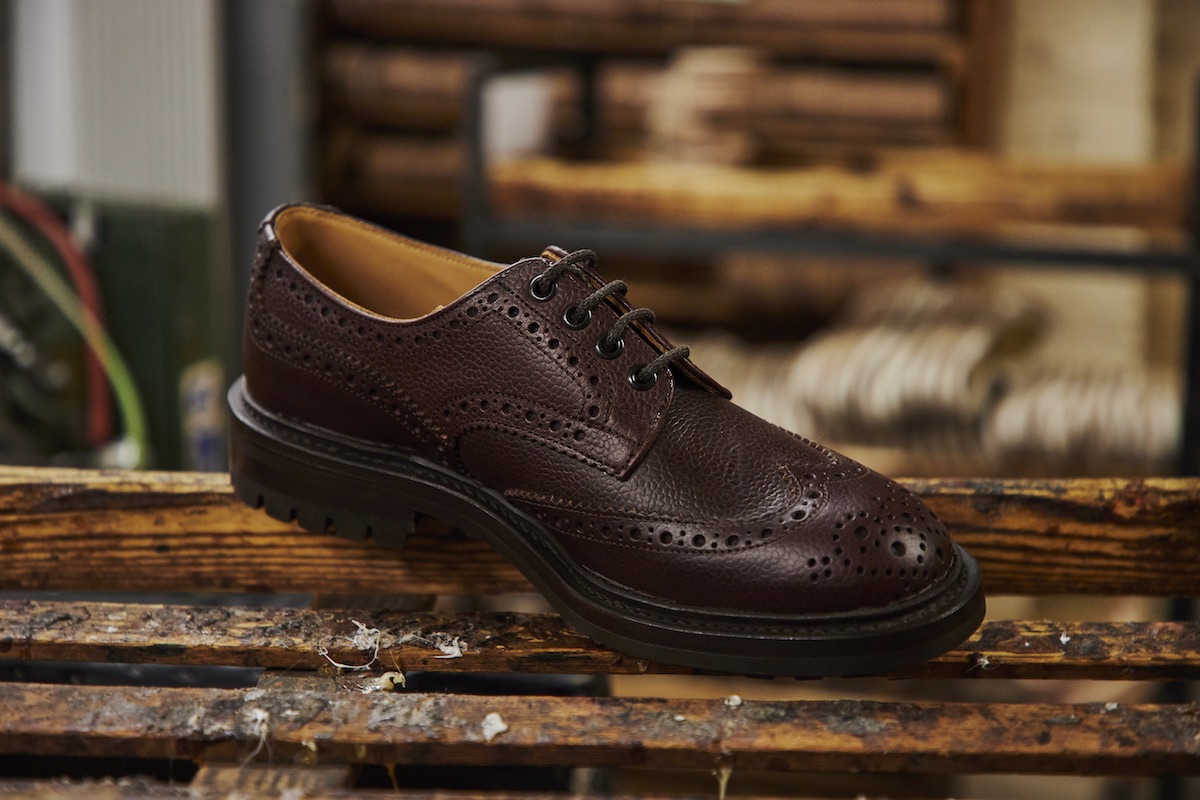
    The brand has held a Royal Warrant with Prince Charles since 1989 and was recently visited by the Prince of Wales to celebrate its 190th anniversary with a commemorative plaque. It manufactures its leather shoes and boots in a factory in Northampton, a town renowned for its shoe industry. A total of 260 individual processes are involved in the creation of each pair of shoes.

    Martin Mason, brand managing director, told BBC News that footwear made in Northampton was “revered” in Japan and that the brand’s products are seen as a luxury.

    “If you head into Tokyo, Northampton footwear has a really important place,” he said.

    Japan seems to be a big market for English footwear, with Northamptonshire shoemakers said to be exporting £20m worth of shoes to Japan each year.

    For Tricker’s, Japan helps boost international sales, which account for about 80% of the firm’s revenues. The brand is considering opening further stores in countries including South Korea and the United States.

    In a social media post, the brand said its new store located in the wealthy Aoyama neighborhood is an absolute replica of its Jermyn Street shop, which opened in the high-class destination noted for men’s tailoring in 1938.

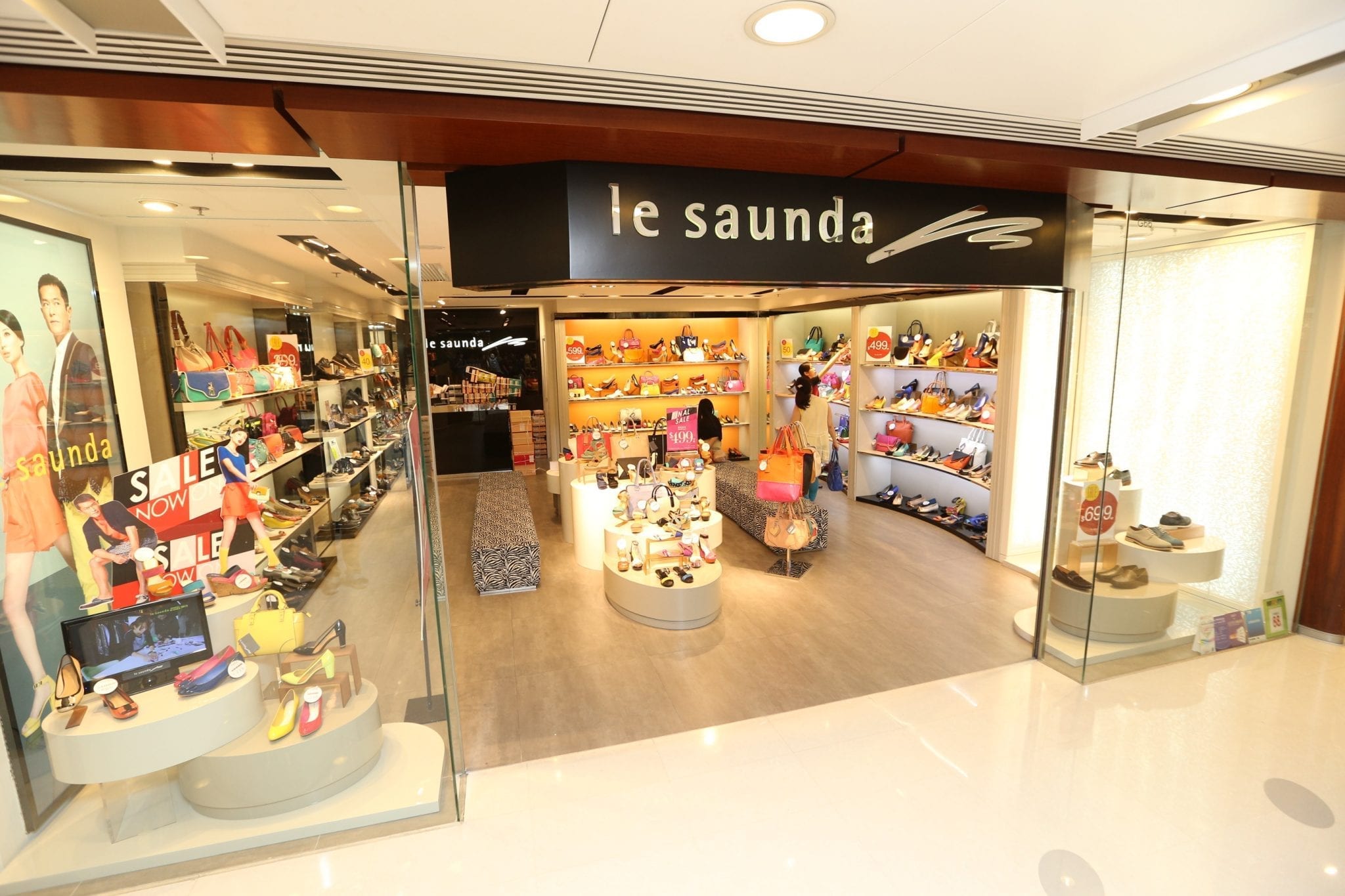
  • Le Saunda roams from profit to loss

    Le Saunda roams from profit to loss

    Chinese footwear retailer Le Saunda saw revenue and profit fall by more than 30 percent in the last six months as the impact of the Covid-19 pandemic ravaged the fashion industry.

    Revenue for the six months to August 31 fell to US$38.7 million, 30.8-per-cent lower than the same period last year, while gross profit fell 32.1 percent to $24.24 million.

    The impact of Covid-19, which severely hit Le Saunda’s main markets of Hong Kong, Mainland China and Macau, led to a $4.4 million overall loss.

    “Overall, during the first half of the financial year, the group changed from profitable to loss-making,” the business said.

    “The group made timely adjustments to its strategy to reduce daily expenses, including a 25-per-cent pay cut for all directors for a period of six months from March and … tapped into emerging Mini Programs and social-media marketing platforms to expand its online sales channels.”

    However, the business’ e-commerce revenue also took a significant hit, down 15.7 percent during the six months.

    And now, with the worst of the virus seemingly behind it, Le Saunda is looking to learn from the “new normal” that has developed – investing in the development of goods in the athleisure space, as customers become more health-conscious, as well as sales and marketing on social media to better leverage social commerce and reach a younger consumer base.

  • Daphne closing all physical retail stores

    Daphne closing all physical retail stores

    Hong Kong-listed women’s footwear label Daphne International is withdrawing its physical retail stores from Mainland China and Taiwan in the face of steep losses.

    The brand’s most recent interim financial report shows an 85-per-cent drop in turnover to US$27.35 million and a loss of $18.2 million. The loss reflects the firm’s continuing strategy of closing Daphne and Shoebox-branded sales points, as well as the impact of the coronavirus pandemic.

    The firm has had longstanding issues with its sales performance and had already shuttered 900 stores by March last year.

    Daphne reported 2208 physical stores in June last year, which had dropped to 293 by the same time this year.

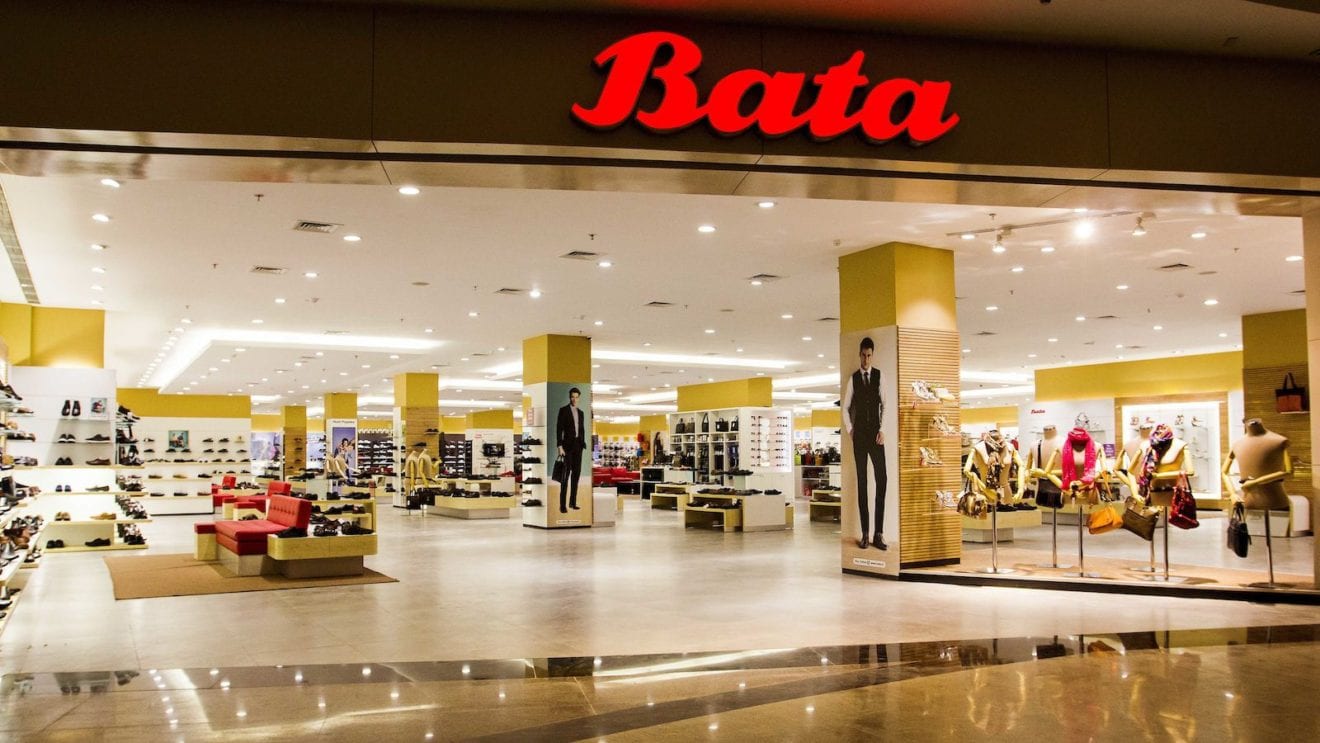
  • Bata plans hundreds more stores within the next three years

    Bata plans hundreds more stores within the next three years

    Footwear brand Bata in planning to launch 100 new stores in India against the backdrop of the coronavirus pandemic.

    The openings are part of the firm’s plans to have 500 more outlets operating by 2023 in the territory above its current 1500 stores. The move is expected to improve Bata’s market penetration in semi-urban and rural areas.

    “We will open around 100 stores this year,” said Bata India chairman Ashwani Windlass, “and 80 percent of these outlets will be opened through a franchise model in tier-II and tier-III cities.”

    Stores will be selectively opened in areas that performed comparatively well economically despite the impact of the pandemic. More urban customers may be targeted with mobile shops driving into more remote regions and setting up temporarily in residential complexes.

    The firm is also boosting its efforts in e-commerce, making deliveries in more than 1300 cities. Bata management currently estimates that online sales make up 5 or 6 percent of total sales.