Tag: Footwear

  • Secoo signs exclusive European footwear deal

    Secoo signs exclusive European footwear deal

    Chinese lifestyle platform Secoo Holding has signed a deal to be the exclusive partner in China for the European Confederation of the Footwear Industry (CEC).

    With the agreement covering more than 100 European footwear brands, Secoo Group has secured the exclusive China rights to 87 per cent of the supply of European premium footwear.

    Representing the footwear industry in the European Union, CEC has a membership that includes companies in 18 EU countries as well as five countries in Central and Eastern Europe. They include leading brands from Italy, France, Sweden and the UK.

    CEC sees China as its next major opportunity. President Cleto Sagripanti says many European footwear brands lack access to rapidly growing markets such China.

    “Secoo already has wide access to China’s high-end customers and, at the same time, provides protection for our intellectual properties.”

    Secoo has 15.4 per cent of the Asian market, as well as a quarter of the high-end online market in China.

    With nine years in the business, the platform has 15 million registered users with the average purchase per customer exceeding RMB3500 (US$520), and 300,000 SKUs in stock.

  • Superga Singapore opening third store

    Superga Singapore opening third store

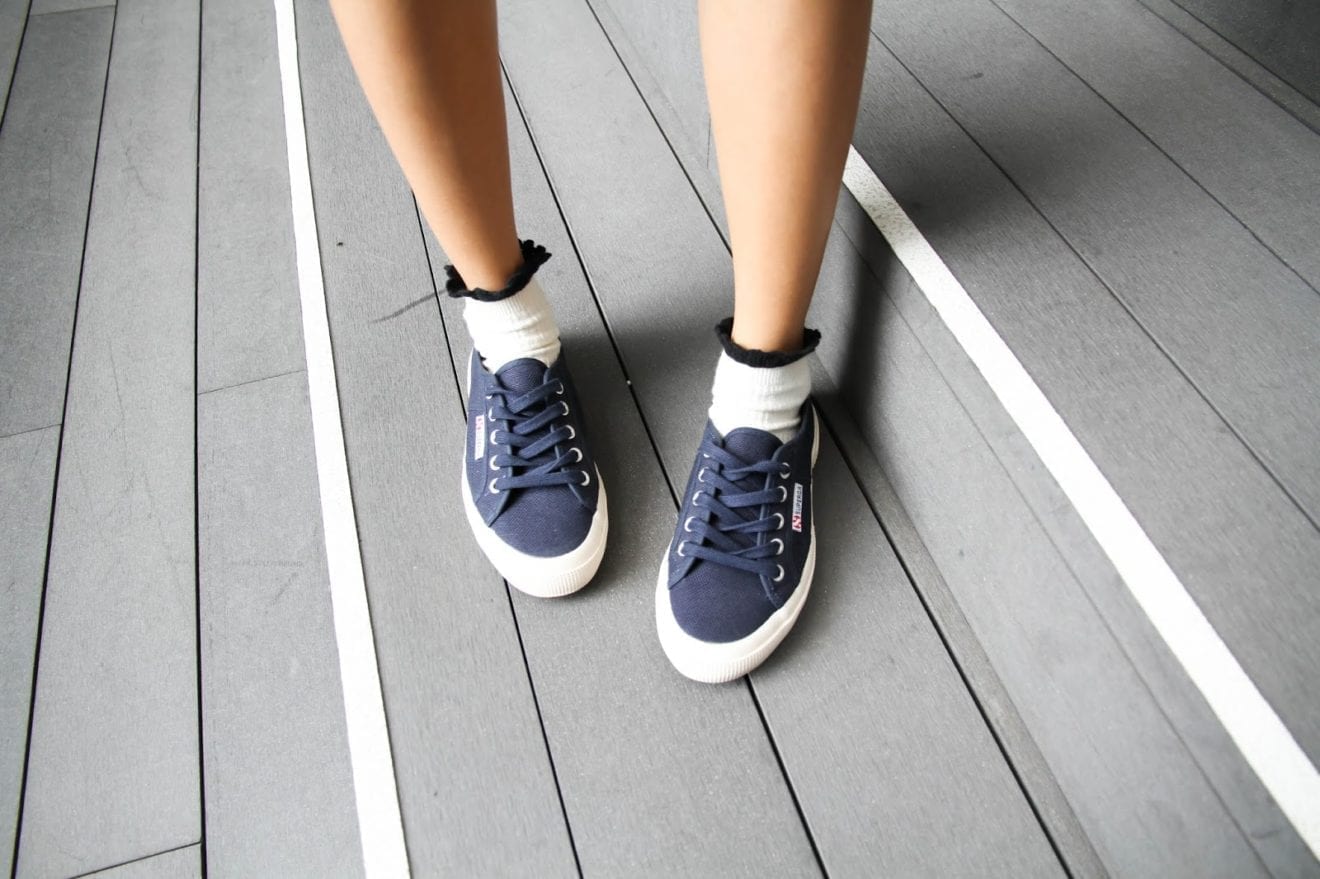
    Superga Singapore will open its third retail store on Friday, at Westgate Mall, Jurong.

    It will be the biggest Singapore store yet for the Italian shoe brand, covering 800sqft (74sqm).

    As well as the brand’s signature white interior, the store features a red background for the first time.

    To celebrate the launch of the store, five exclusive sneakers will be available at Superga Westgate, as well as the launch of the Superga X Marvel collection inspired by Captain America.

    Also exclusive to the store will be new items like the Superga 2750 Multi Sole and Superga 2750 Espadrille from the seasonal range – on sale for just the first week.

    For each of the first three days, the first 30 customers will receive a S$30 (US$22) Superga voucher.

  • Harrys of London taking steps toward India

    Harrys of London taking steps toward India

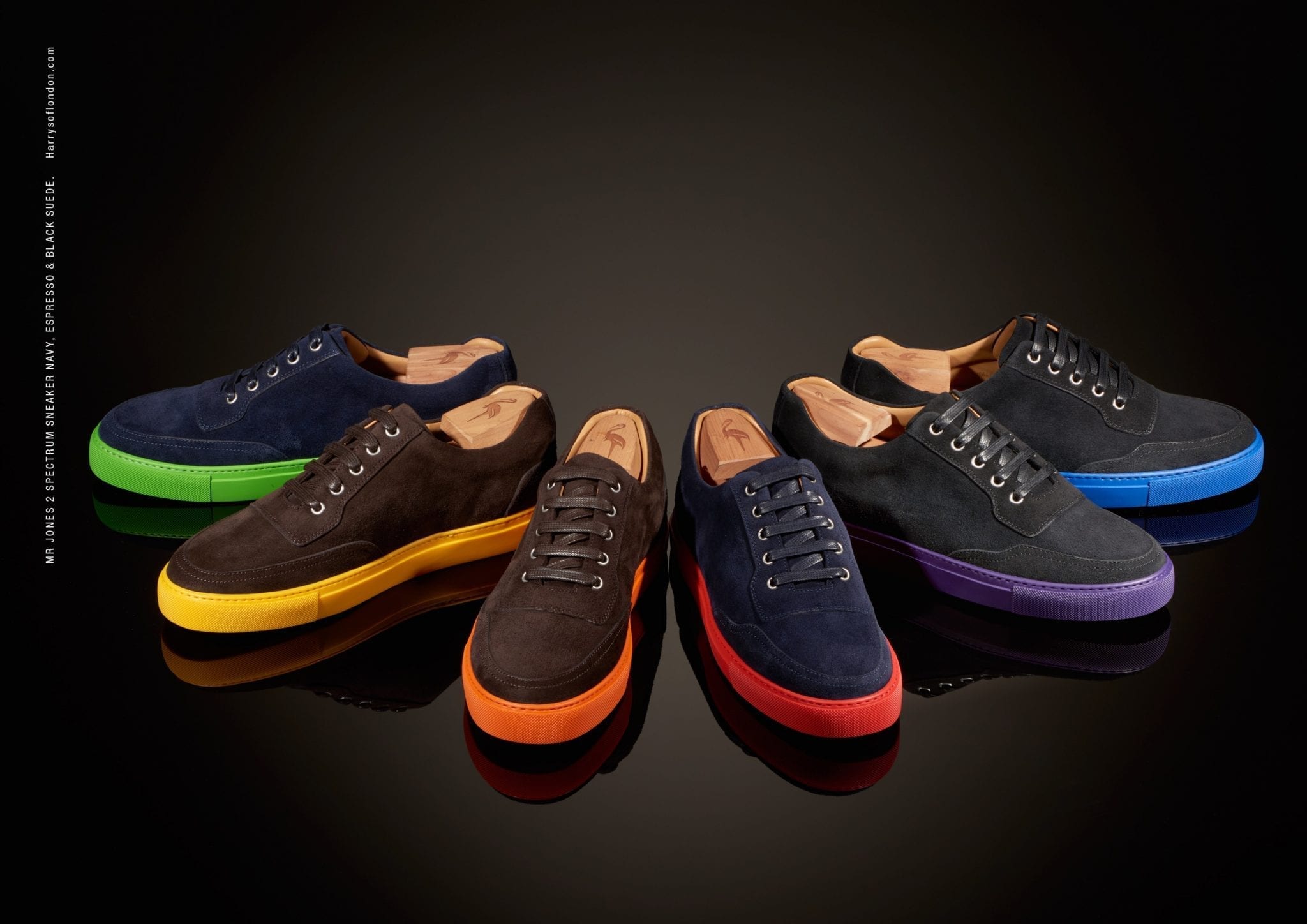
    Luxury men’s footwear and accessories brand Harrys of London has plans to enter India. Its first outlet will be in Delhi, followed by Mumbai early next year.

    Founded in 2001 and with stores in more than 20 countries, Harrys of London is seeking franchise partners in India.

    “India is an important market for us with our target group being businessmen and travellers between 25 and 60 years old,” says CEO Steven Newey. “Our collection ranges from contemporary London and formal footwear to sneakers.”

    The company also sells travel bags, wallets, shoe-care products, scarves and belts.

    Harrys plans to open five to six stores in India over the next five years and expects to earn £1 million (US$1.3 million) a store.

    “We have been growing at an annual rate of 20 to 25 per cent, and we sell 25 pairs of footwear every month, on average,” says Newey. “In five years, our India stores will be able to earn five to six million pounds.”

    The company, which has its own e-commerce platform, has its footwear manufactured in Italy.

    About 60 per cent of India’s branded footwear market is for men, according to KPMG figures.

    While the branded market is dominated by old brands like Bata, Liberty and Relaxo, much of the segment is unorganised.

    Meanwhile, with increasing disposable income and brand awareness, the men’s footwear segment is growing at a rate of 10 per cent while the women’s category is growing at 20 per cent, says KPMG.

  • Clothes and footwear tipped to top £68.8 billion

    Clothes and footwear tipped to top £68.8 billion

    The UK e-commerce market is forecast to rise 35 per cent over the next five years reaching £68.8 billion by 2022, according to business information and analytics firm, GlobalData.

    The company’s latest report found that although clothing & footwear will be the biggest contributor to growth, sectors that have traditionally experienced low online penetration such as health & beauty and furniture & floorcoverings, will rise significantly during the same period shopping via smartphone will continue to be consumers’ channel of choice as mobile spend rises 112 per cent over the next five years.

    According to GlobalData, this rising trend will be driven by improvements in retailers’ own mobile functionality together with the prominence of a ‘see now, buy now’, instant gratification consumer mentality.

    In the last 12 months 78 per cent of the UK population have shopped online the prime drivers being convenience and  the lure of lower prices.

    The report found online shopper penetration for 16-34 year olds above 90 per cent, affirming the importance of the online channel for younger consumers.

    “Online pureplays including Amazon and ASOS continue to innovate introducing new technology and driving up consumer expectations of delivery and user experience, requiring multi-channel players to quickly follow suit to maintain their relevance,” said Sofie Willmott, senior retail analyst at GlobalData.

    Despite low online penetration in 2017, the health & beauty sector is forecast to experience the highest growth in the next five years with sales set to rise by 66.2 per cent.

    “Market leaders Boots and Superdrug are well placed to benefit from the shift to online, with strong brand and delivery lead time propositions in place,” said Willmott. “However they remain under threat from online pureplays such as Lookfantastic.com and ASOS as well as the department stores which have rapidly improved their beauty propositions, – making brands and exclusives far more accessible.”

    Online returns are forecast to grow at practically the same rate as online spend over the next five years with clothing & footwear dominating the channel, accounting for 70 per cent of all online returns by 2022.

    “Despite the online channel providing a lifeline to bricks & clicks retailers experiencing tough offline sales, e-retail still imposes significant challenges, including the management of returned stock,” said Willmott. “Online returns will continue to rise over the next five years as consumers become more experienced and confident in managing the free and simple returns processes, combined with increased availability of online delivery saver schemes.”

  • World-first 3D-printed basketball boot unveiled

    World-first 3D-printed basketball boot unveiled

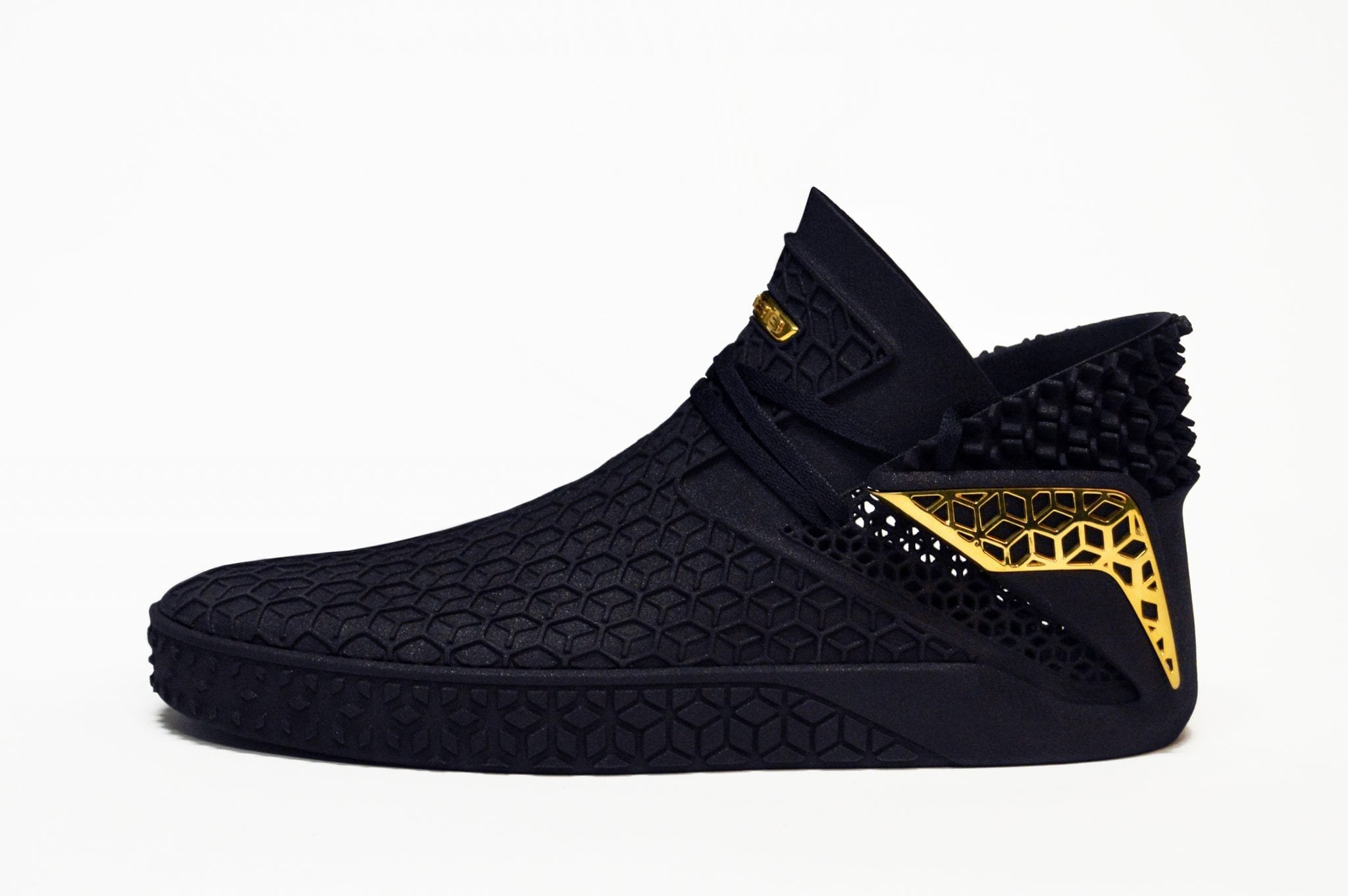
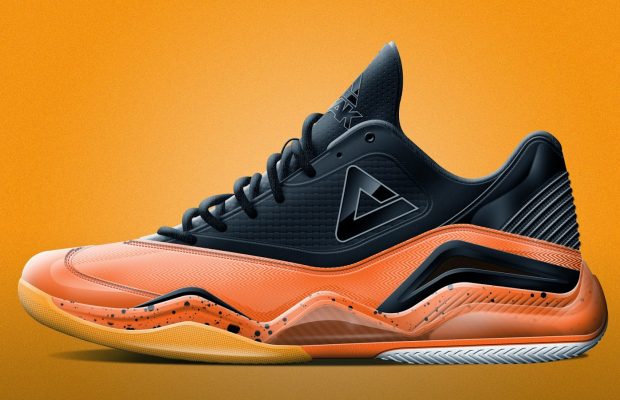
    US sports brand Peak has unveiled what it says is the world’s first 3D-printed basketball boot.

    Peak is one of the world’s first footwear brands to apply 3D printing technology to a sports shoe. Three years ago, the company acquired advanced 3D printing equipment and rolled out products based on the 3D printing concept.

    Peak launched the “Future I” 3D printed running shoes last May and believes the evolution to a 3D printed basketball boot moves the company into the position of being the world’s leading sports brand in the research and application of 3D printing technology.

    Peak uses SLS laser technology and printing prototyping of flexible and light TPU powders in the design.

    “As a new prototyping and processing technology, 3D printing is of great significance to Chinese sports brands and the country’s Made in China 2025 strategy,” said Peak GM Xu Zhihua.

    NBA professional player Dwight Howard III, who plays with the Charlotte Hornets, is impressed: “This pair of boots has obviously higher performance than traditional ones,” he said at the boot’s unveiling in China.

    “I felt that the 3D printed soles and vamp side walls enable a more comfortable wearing experience. Maybe, one day in the future, you’ll see me wearing the 3D printed basketball boots, footwear designed based on R&D carried out by Peak, during an NBA competition.”

    The Dwight Howard III 3D-basketball boot deploys a 3D-lattice structure in the middle of the sole, while using the 3D printed TPU structure for the vamp side walls, breaking existing design structure limits and expanding the room in which designers could allow themselves to be more creative.

  • Cole Haan signs China deal with Sitoy Retailing

    Cole Haan signs China deal with Sitoy Retailing

    US lifestyle group Cole Haan has signed a deal for distribution of its apparel, footwear and accessories in Greater China.

    It has formalised a long-term retail, wholesale and e-commerce distribution agreement with the Sitoy Group Holdings subsidiary that will introduce the Cole Haan brand in China, Hong Kong and Macau through all major retail channels from this summer.

    Active for nearly 90 years, Cole Haan has a retail presence in more than 40 countries across five continents as it focusses on a strategic initiative of global expansion.

    Beyond its direct retail businesses, the company has stores within top-tier shopping malls, department stores and specialty retailer locations in North America and Japan, as well as through distributor-run shops in Asia.

    In Hong Kong, it has stores in Harbour City, Festival Walk, Sogo Causeway Bay and Times Square, and nine in Mainland China, four of which are in Shanghai. Sitoy plans to launch more than 20 outlets in Greater China next year, and will also work through diversified e-commerce platforms.

    With its global headquarters in New Hampshire and its creative centre in New York City, Cole Haan retails men’s and women’s footwear, handbags, leather accessories, outerwear and eyewear.

    Sitoy Retailing has distribution agreements with such brands as A. Testoni, Bruno Magli, Jockey and Kenneth Cole. Its house brands include Fashion & Joy and Tuscan’s.

  • Thai retailers arrested for counterfeit footwear

    Thai retailers arrested for counterfeit footwear

    Thai authorities have arrested two men and seized 160,000 pairs of counterfeit footwear from six retail outlets.

    The footwear has a market value of about THB20 million (US$601,000), says Department of Special Investigation (DSI) deputy-chief Suriya Singhakamol.

    The DSI obtained warrants from the Central Intellectual Property and International Trade Court to search four locations in Samphanthawong and one in Rat Burana in Bangkok, plus another in Nakhon Pathom province.

    Suriya says 160,000 pairs of sneakers and other footwear were found falsely labelled as Adidas, Converse and Nike, as well as other brands.

    Two Chinese shop owners, Hongbin Lin and Lin Sow, have been charged with possession of products falsely labelled with registered trademarks, and with smuggling those products into Thailand in breach of trademark and customs laws.

    The men had set up companies to import counterfeit products, and traded them around the clock, says Suriya.

    The DSI has been talking with retail space owners over the past month, asking for their co-operation in not renting space to traders selling counterfeit products.

  • Puma sportswear finds traction with footwear

    Puma sportswear finds traction with footwear

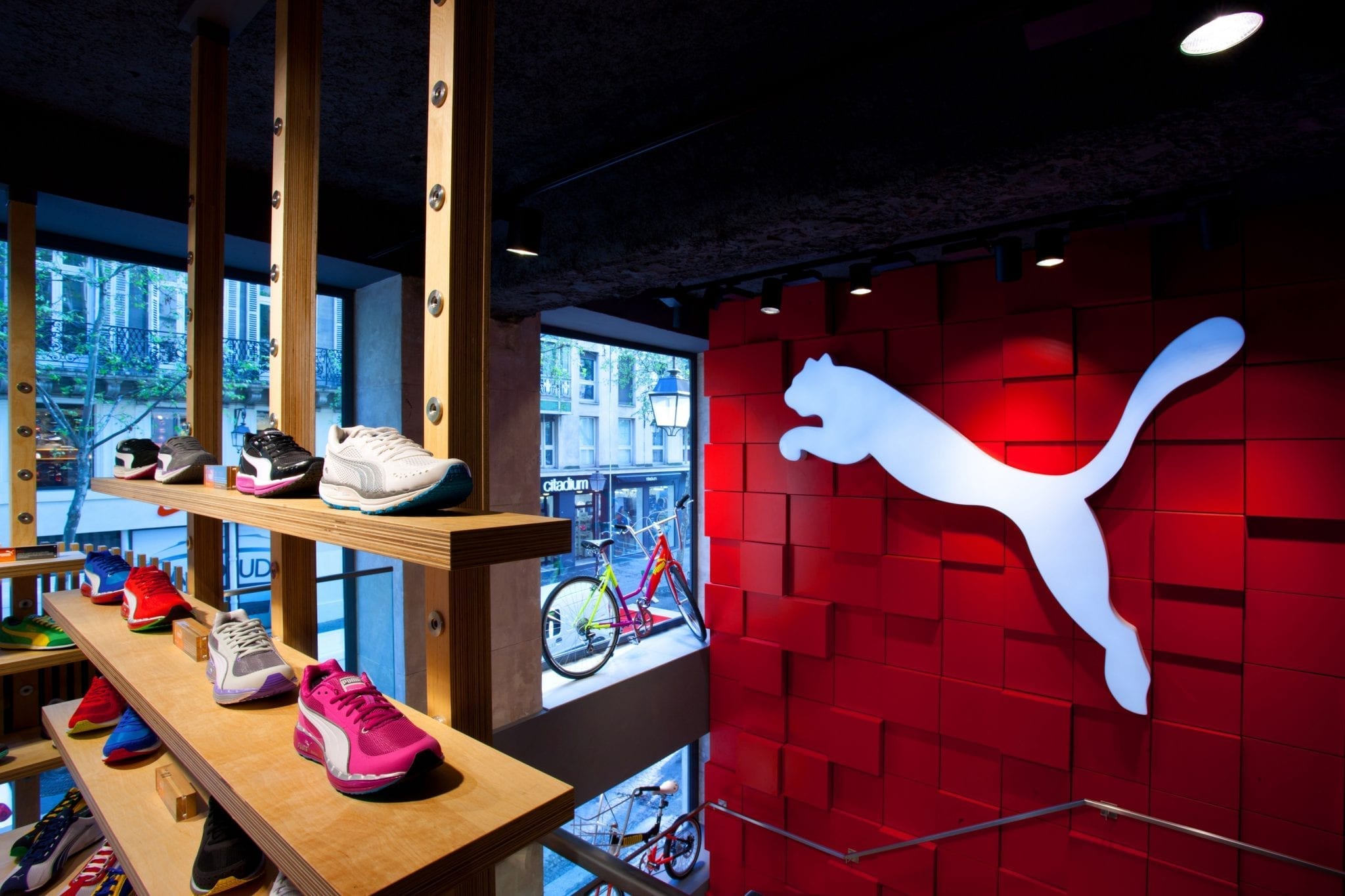
    German sportswear brand Puma achieved double-digit growth in all regions and in both footwear and apparel in the second quarter.

    CEO Bjørn Gulden says the company’s gross margin improved 90 points and sales grew 16 per cent on a currency-neutral basis. He credits the success to re-establishing strong traction in the footwear category and success with its women’s lines.

    In Asia/Pacific, sales increased 19.5 per cent on a currency-neutral basis in the quarter to €229 million (US$268.8 million).

    Overall sales jumped to €968.7 million (US$1.14 billion), footwear leading the way with sales of €463 million, up 27.2 per cent on a currency-neutral basis.

    Apparel revenues were €334.8 million, up 11.4 per cent, while accessory sales reached €170.9 million, up 1.3 per cent.

    Despite negative currency effects, the gross profit margin improved from 45.6 per cent in the quarter last year to 46.5 per cent, thanks to improving sourcing and price adjustments.

    EBIT increased from €11.9 million to €43.4 million, or 4.5 per cent of sales.

    Gulden says Puma started its turnaround plan four years ago with a mid-term aim to re-establish the brand “stone by stone”, but says revenues grew faster than expected.

    He says footwear is leading the way, which is critical for a sports brand because that’s where innovation and technology lie “and that’s where you get a niche for your brand”.

    But Gulden says there is still much that needs to improve, with the turnaround still a work in progress. But it is a step in the right direction as its operating margins still significantly lag competitors.

    “We feel more comfortable now than a year ago, and a year ago we felt more comfortable than the year before.”

  • Michael Kors to buy luxury shoemaker Jimmy Choo for $1.2 billion

    Michael Kors to buy luxury shoemaker Jimmy Choo for $1.2 billion

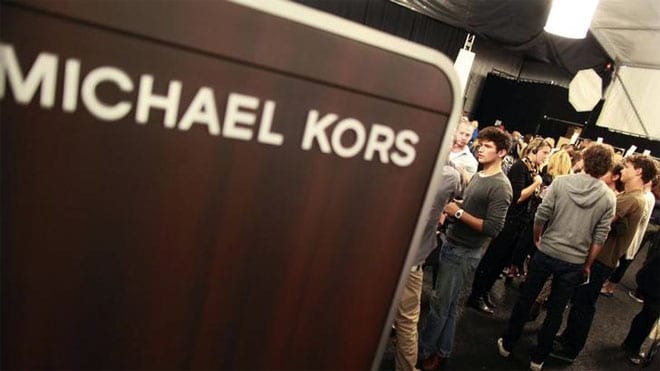
    Michael Kors has been struggling in recent quarters with declining same-store sales as fewer people visit its shops. U.S. retailer Michael Kors has agreed to buy luxury shoemaker Jimmy Choo for $1.2 billion, snapping up a British brand launched in the east end of London and made famous by celebrity fans including Princess Diana.

    Founded in the 1990s by bespoke shoemaker Jimmy Choo, the brand is known for its stiletto heals and accessories and sells in cities from London to Paris, New York and Tokyo.

    It put itself up for sale in April after its majority owner JAB signaled its intention to focus on consumer goods. At 230 pence in cash per share, the group is receiving a premium of 36.5 percent to its share price before the sale process was announced.

    Michael Kors, once the hottest name in affordable luxury with a hugely popular handbag range, has been struggling in recent quarters with declining same-store sales as fewer people visit its shops.

    In response, it has expanded into dresses and menswear, and invested in its online business. It said Jimmy Choo would continue to operate as it does today, under its existing management team.

    “Jimmy Choo is an iconic premier luxury brand that offers distinctive footwear, handbags and other accessories,” said Michael Kors, honorary chairman and chief creative officer.

    “We admire the glamorous style and trend-setting nature of Jimmy Choo designs.”

    Jimmy Choo floated on the London Stock Exchange at 140 pence in 2014. It closed on Monday at 195 pence.

  • Find Me A Shoe virtual footwear fitting service app in beta trial

    Find Me A Shoe virtual footwear fitting service app in beta trial

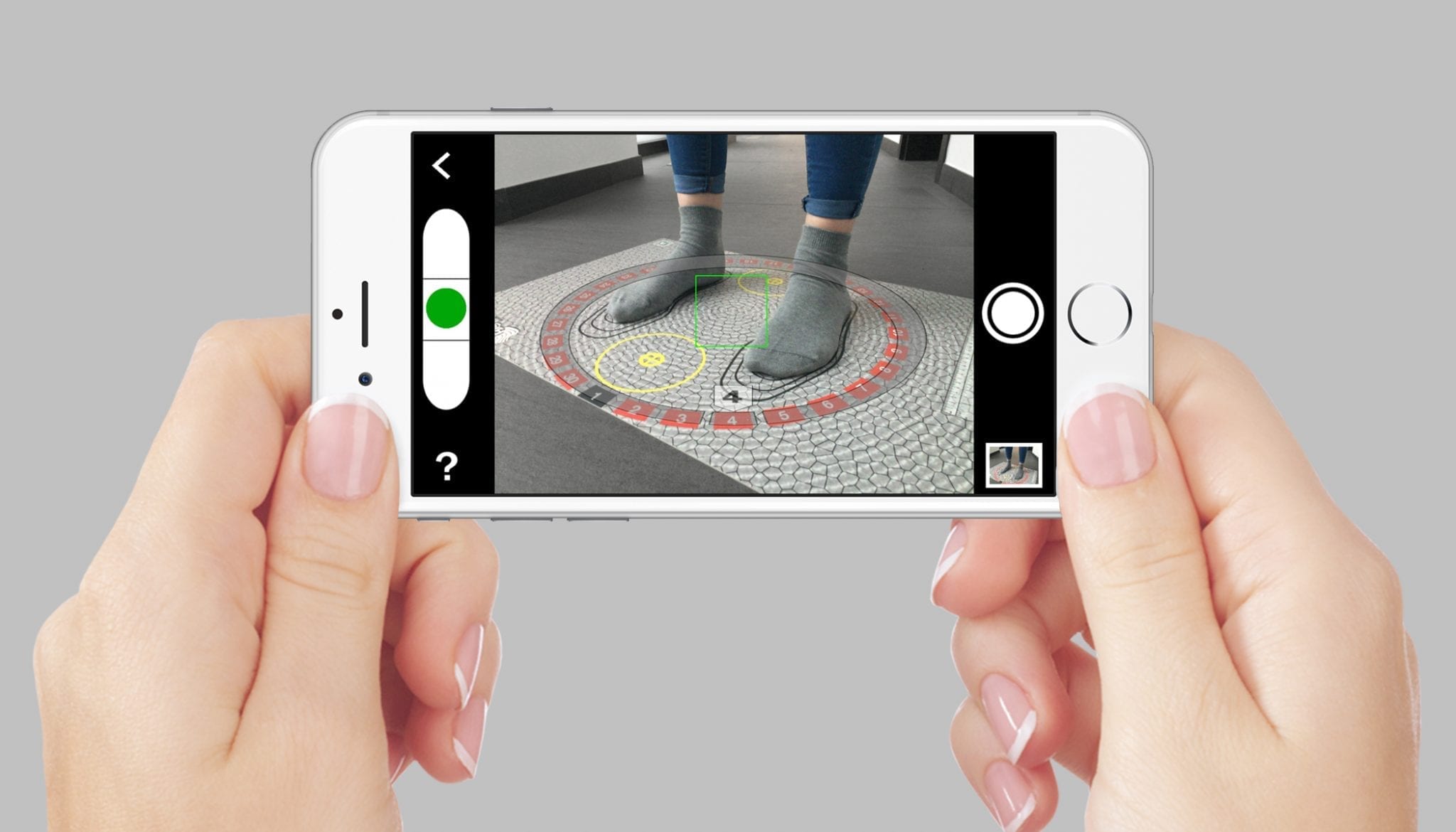
    Find Me A Shoe, a retail technology start-up has launched the beta version of its virtual fitting service for footwear called ‘Try Me’.

    The app is described as an “end-to-end footwear size and fit recommendation application that aims at giving all footwear shoppers an oh-so-easy footwear shopping experience online”. The mobile and vision-based technology provides consumers with shoe recommendations based on precision measurements and personalised fitting algorithms that go beyond the traditional shoe scale system.

    Unlike other virtual fitting solutions, the app does not use analytics or purchasing history.

    “Our technology takes the purist approach to shoe fitting,” said Anand Ganesan, CEO of Find Me A Shoe.

    “Research shows two main factors that increase customer loyalty in retail-time-savings and personal attention,” he said. “Find Me A Shoe creates a brick and mortar experience by delivering a spot-on fit recommendation that’s personalised to the customer’s foot. No more trials in store and no more online returns.”

    The California-based company offers its fitting service to footwear retailers and brand outlets. The patent-pending technology enables the shoppers to find a shoe that fits in just a click. The recommendation engine simulates a shopper’s foot (with 12+ parameters) inside every model before suggesting the best size and fit.

    With cloud-based servers running Artificial Intelligence-enabled complex computer vision algorithms in the background, recommendations ensure customer’s toes and heels will fit comfortably in that new shoe.

    “Personalisation and customisation are the pillars of the next generation retail experience,” said Ganesan.

  • Footwear company Red Wing opens first store in Malaysia

    Footwear company Red Wing opens first store in Malaysia

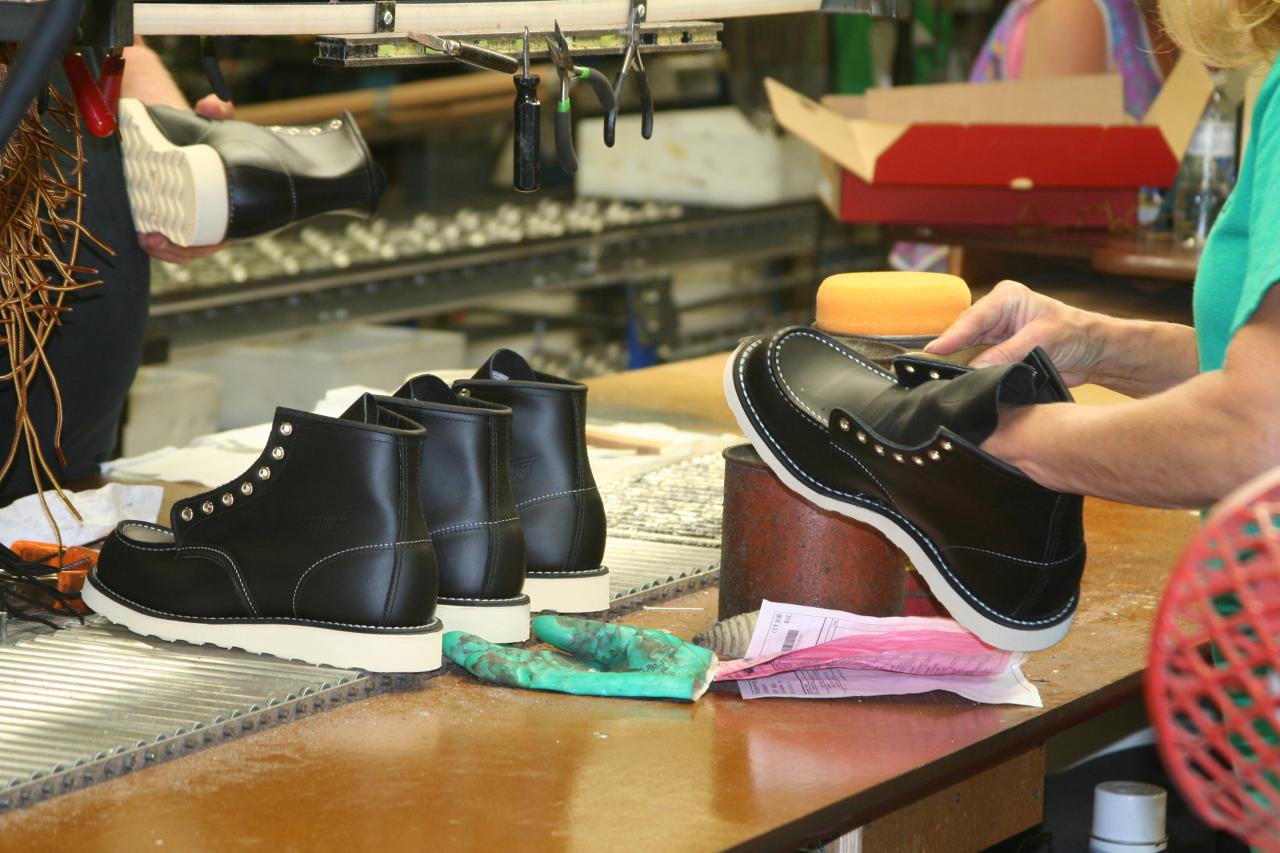
    Red Wing Shoe Company announced on Tuesday the grand opening of its first retail location in Kuala Lumpur. The store opening expands the footwear company’s retail footprint in Southeast Asia.

    The new store is a result of Red Wing’s partnership with Leeden National Oxygen (Leeden NOX), a distributor partner for over four decades. Prior to opening the new store in Kuala Lumpur, the two companies opened stores in Singapore.

    The Kuala Lumpur store, which is located in the Avenue K Shopping Mall, features an industrial work-themed interior with leather chairs, brick walls, and custom fixtures.

    In addition to offering the brand’s full product offering, including its namesake line, Vasque, the performance hiking boots and shoes collection, the Heritage collection that launched in 2008 and personal protective equipment and accessories, Red Wing Kuala Lumpur offers foot-scanning technology that identifies arch type, foot type and pressure points.

    “Red Wing Shoe Company has been a leader in the footwear industry for over 110 years, and for more than 50 years it has grown to become a top provider of head-to-toe solutions for the international energy industry,” said Paul Olson, Managing Director, Eastern Hemisphere for Red Wing. “From oil rigs to shipping docks, factory floors to refineries, we’ve supported Malaysian oil and gas workers for over three decades through our distribution services, and we’re now excited to offer those workwear products as well as new offerings for lifestyle and hiking footwear through our Kuala Lumpur retail store location.”

    Established in Red Wing, Minnesota in 1905, the Red Wing Shoe Company is a global designer, producer, and distributor of work, safety and lifestyle and work apparel. Today, Red Wing is distributed in over 110 countries in a multi-channel environment of 500+ stores, third party partners, and owned e-commerce platforms.

  • Shoes Of Prey delivers women’s custom footwear in two weeks at retail prices

    Shoes Of Prey delivers women’s custom footwear in two weeks at retail prices

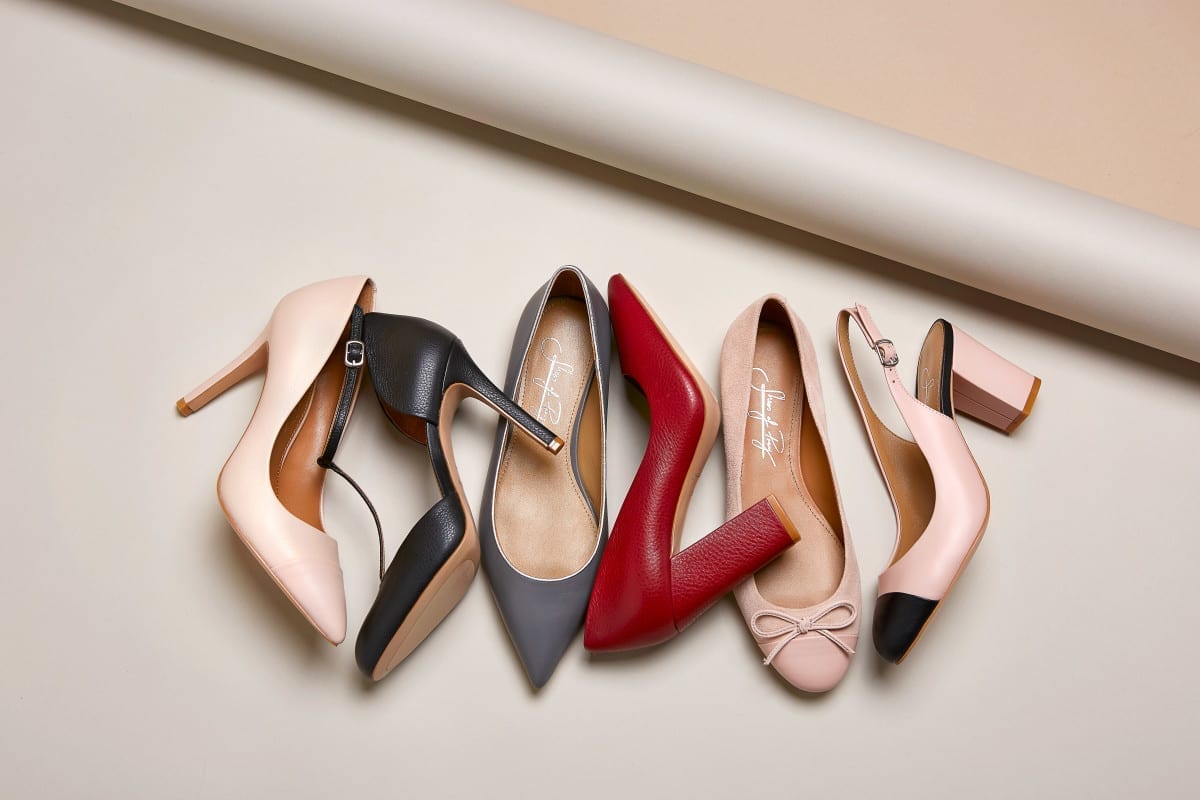
    The future of shoes is two weeks away. That’s how long it takes Shoes of Prey to build and deliver custom-made women’s footwear in just about any size, color and style imaginable.

    Founded in 2009 in Australia but now based here in Los Angeles, Shoes of Prey lets women choose from millions of design options, from gold metallic stilettos to purple fishskin peeptoes, at prices in step with everyday retail.  The company has designed more than six million shoes, according to the company’s 2016 end-of-year report, after raising $26 million in venture funding. Manufacturing is outsourced to China but plans are, ahem, afoot to speed delivery by adding factories in North America and Europe.

    Customers usually appreciate the idea of designing shoes. Psychologist Barry Schwartz famously talks about The Paradox of Choice and how option profusion makes consumers less happy rather than more. But the Shoes of Prey 3D design interface keeps people on track with recommendations for heel height, colors, materials… Possibilities are limitless, but framed pre-designed shoe options, hence helping clients.

  • Vietnamese footwear manufacturers ignore local market

    Vietnamese footwear manufacturers ignore local market

    Doan Ngoc Hieu, managing director of Leedo, confirmed that foreign countries were the target markets for most companies. Very few companies try to exploit the domestic market because they think big Vietnamese footwear manufacturers such as Asia and Biti’s hold much of the market share.

    However, there is still large room for Vietnamese manufacturers in the home market, as there is high demand for footwear makers.

    Hieu noted that the majority of Vietnamese footwear companies are household-run ones which follow old management ways. However, the companies need new management technologies to do business more effectively.

    Doan Ngoc Hai, the father of Hieu, established Le Doan Company in 1990, the predecessor of Leedo. By the end of 2015, Leedo had 300 workers and two workshops, one in Long An province and the other in Binh Chanh district of HCMC.

    Leedo provides 40 percent of PU soles in HCM City, churning out 4 million soles and 1 million pairs of footwear products a year.

    Hieu noted that with the old management method, companies didn’t pay much importance to marketing or sales. They just focused on wholesaling, supplying products to wholesalers at markets.

    However, he believes that companies need to change, because it is now the digital era, when Facebook and internet are popular.

    Hieu and his father argue about whether to bring Leedo’s products to international trade fairs to promote the brand. He also thinks that it is necessary to spend money on ISO and other certificates.

    “One cannot go far in the world market if he does not have certificates,” he commented, adding that footwear companies need to reform management to catch up with the times.

    According to the Taiwan Footwear Manufacturers Association, Vietnam’s footwear exports will increase by 20 percent this year thanks to free trade agreements, including TPP.

    Its shoe and handbag exports increased by 16 percent in 2015 with turnover of $15 billion in 2015, including $12 billion from footwear and $3 billion from handbags.

    Vietnam is the world’s third-largest shoe manufacturer, after China and India, and is the third largest exporter, after China and Italy.

    Vietnam expects a 20 percent growth rate in footwear exports in 2016 due to a number of new free trade agreements including the Transpacific Partnership (TPP).

  • Footwear, leather promotion conference scheduled this week

    Footwear, leather promotion conference scheduled this week

    A footwear and leather export promotion conference will be held in HCM City next week. In 2016, the sector earned an export revenue of US$16.2 billion, representing an year-on-year increase of 8.8 per cent.

    The information was released on Friday by the Viet Nam Leather, Footwear and Handbag Association (Lefaso), which said this would be an opportunity for the Vietnamese footwear sector in general and Lefaso in particular to promote images and improve prestige and positions in the Asian region and the world.

    The conference will also give an opportunity for local businesses to meet and share experiences with local partners, approach foreign importers and investors and seek co-operation agreements.

    Some 300 firms manufacturing footwear and materials for the industry inside and outside Viet Nam are expected to participate in the conference, which will focus on issues such as footwear planning and related policies, investment environment, impact of free trade deal on the sector, labour relationship management in the labour-intensive sector, and supply chain optimisation to boost competition and sustainable development.

    They will also discuss the state of the industry in Viet Nam in the context of integration, market demand and technical requirements for the industry to benefit from free trade deals.

    Viet Nam’s leather and footwear industry expects to reach a total export value of US$18 billion this year, up 10 per cent from last year, the association said.

    In 2016, the sector earned an export revenue of $16.2 billion, representing an year-on-year increase of 8.8 per cent.

    Of which, $13 billion came from footwear and the remaining was from handbags and leather items, marking respective annual rises of 8.2 per cent and 11.1 per cent.

  • Shares of world’s largest footwear maker plunge on false sales data

    Shares of world’s largest footwear maker plunge on false sales data

    Pou Sheng International Ltd, a unit of the world’s largest producer of branded footwear, recorded the largest intraday plunge in its stock price since 2008, after firing its chief financial officer for publishing inaccurate sales figures, and announced the departure of its chief executive.

    Shares of the company tumbled as much as 37 per cent to an intraday low of HK$1.30 in Hong Kong, wiping out HK$4.1 billion of its value. Share prices of Yue Yuen Industrial Holdings, the 62 per cent shareholder of Pou Sheng, fell as much as 9.8 per cent.

    “The Company discovered on 6 January 2017 certain incorrect sales records in the month of December 2016, which could potentially lead to recognition of revenue for sales transactions that did not take place before end of year 2016,” Pou Sheng said in its filing to the Hong Kong stock exchange.

    “The incident revealed weakness over the financial controls,”the Hong Kong-based company said, even though the relevant figures were not significant compared with the group’s overall revenue and did not materially affect any financial information published prior to the announcement.

    The retailer said it has sacked CFO Chen Luo-leng, while CEO Kwan Heh-Der has resigned.

    Pou Sheng is a spin off of Taiwan’s apparel and footwear maker Yue Yuen, which owns factories in mainland China, Vietnam and Indonesia, producing 300 million pairs of shoes every year for Nike, Adidas, Reebok, New Balance, Puma and Timberland.

    Deloitte has been hired by the Hong Kong-based retailer to carry out a check on accounting records of the company, Pou Sheng said.

    Pou Sheng has been in a tight financial spot for the past few quarters, as same store sales growth — a crucial gauge on a retailer’ s business well-being — slowed to 4.6 per cent for the first three quarters of the year from 6.7 per cent for the first half, spurring investor concerns over its long-term prospects.

    The incident has triggered a series of downgrades by research houses on Pousheng and Yue Yuen’s shares.

    “We are worried that a slowdown in Yue Yuen’s retail arm will only be more severe than what the market had feared, and the resignation of the CEO could lead to near term disruption of the company, indirectly affecting Yue Yuen’s financial performance,”a UBS report issued Monday said.

    Credit Suisse cut Yue Yuen’s rating to Underperform from Neutral, as it reckoned its earnings will be weighed down by a projected decline in Pou Sheng’s net profits, according to a Monday note. “This should significantly affect operations and financials of Pou Sheng in the near-term,”the investment bank suggested.

    However, Hugo Suen, an analyst with Sunwah Kingsway, painted a slightly rosier picture for Pou Sheng.

    “After all, this company has the best international sports brands [as its business partners], and the swift action by the board should be able to rescue its reputation in the long term,” Suen said.

    Pou Sheng closed Monday trading at HK$1.61, down 22.22 per cent while Yue Yuen erased some of the earlier losses to settle 6.88 per cent down from the previous close at HK$27.05.