Tag: Footwear

  • Gianvito Rossi Opens Its First SEA Flagship Store in Singapore at Marina Bay Sands

    Gianvito Rossi Opens Its First SEA Flagship Store in Singapore at Marina Bay Sands

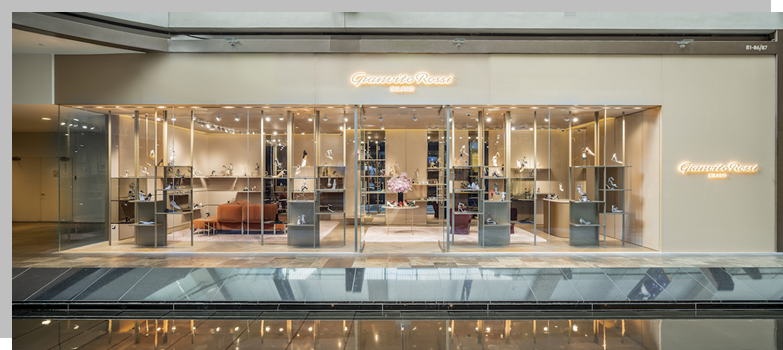
    The boutique is a further step in the collaboration between Gianvito Rossi and Milan based architect, Patricia Urquiola. The three backlit logos attract attention towards Gianvito Rossi’s refined world whilst the grand shop window, purposefully designed bilaterally, is the perfect showcase for the designer’s elegant collections.

    As each Gianvito Rossi store retains its unique flavour and individual characteristics, a single undercurrent unites each location reflecting the valued codes of the brand: elegance, feminity, and modernity, as well as impeccable quality and craftsmanship.

    Gianvito Rossi is now open to the public and is located at B1-86/87, Galleria Level, The Shoppes at Marina Bay Sands.

  • The Athlete’s Foot to open several more stores in New Zealand

    The Athlete’s Foot to open several more stores in New Zealand

    Performance footwear retailer The Athlete’s Foot has confirmed it will be opening at least 12 new stores across New Zealand and Australia in the next year.

    The news comes as the retailer opens a new flagship in Melbourne Central shopping centre in Australia today, featuring a new format that it hopes to replicate in upcoming store openings.

    “We’re not going to waste any time once we’ve proved this concept over the next couple of months,” The Athlete’s Foot general manager Steve Cohen told.

    “I think The Athlete’s Foot hasn’t opened a lot of stores over the last couple of years, and we have the appetite to absolutely get onto the expansion path.

    “If the Melbourne Central flagship works, and we’re confident that it will work, we see another half dozen of these across Australia and New Zealand pretty quickly… plus another half dozen that we’ve highlighted across the country.”

    The new store features an expanded product line and new technology to better suit product to consumer needs, and provides a roadmap for the future of the business.

    “We have had a few different store evolutions, but it’s been a couple of years now since we’ve really gone out and started again,” Cohen told.

    “Being a flagship, it needed to be at the forefront of the performance footwear space. I think our investment in the store, and the way we’ve progressed the whole experience, is leaps and bounds from where we’ve been in the past.”

    For the first time, The Athlete’s Foot has ditched the traditional foot measuring tool, the Brannock, in favour of its new MyFit3D measurement technology, which creates a 3D render of a customer’s feet and measures their gait and pressure points within 1mm.

    This technology is set to be pushed out across the brand’s 140 stores in the next nine months.

    “It gives you a lot more information relating to the consumer’s foot, and it actually ranks their foot relative to the rest of the population,” Cohen said.

    “People like hearing about themselves, so when you put them on the MyFit3D and you show them how long, or wide, or deep their foot is compared to the rest of the population, it’s a nice interactive way to engage with the customer.”

    With a more accurate measurement, the team in the Melbourne Central store will be able to recommend footwear from its expanded product line, which includes exclusive ranges from Asics and New Balance.

    The store also features LED screens that react to consumer behaviour; for instance, by displaying information about a particular shoe after the customer picks it up off the shelf. This keeps customers in the moment, rather than browsing for additional product information on their phones – and potentially purchasing an item online from another retailer.

    “The main thing is that we can be a lot more nimble in our messaging to the consumer [about] our new arrivals, or product or brand that we want to call out in store,” Cohen said.

    “It’s touch screen as well, so if we decide to go down the path of shopping online or engaging with the consumer from a people point of view we can do that as well.”

    The location played a large part in the product line The Athlete’s Foot was able to secure, with suppliers having been asking for a “cutting-edge performance execution” for some time.

    “What we’ve found off the back of that is that the suppliers are giving access to product that we might not have had access to, and we think that this is an exciting step forward for our brand,” Cohen said, indicating this access will filter through the rest of the business moving forward.

  • Cole Haan Launches GRANDPRØ TURF SNEAKER Collection for Spring 2019

    Cole Haan Launches GRANDPRØ TURF SNEAKER Collection for Spring 2019

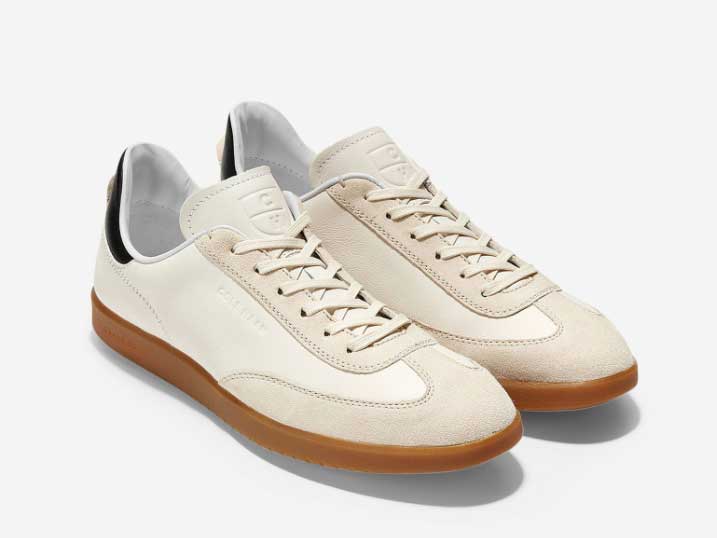
    Cole Haan, the innovative American lifestyle brand and retailer, will be introducing its newest dual gender collection, GRANDPRØ TURF, for Spring 2019. Providing the same featherweight construction as the top-selling GRANDPRØ TENNIS SNEAKER, the GRANDPRØ TURF SNEAKER offers retro style in a sports-inspired silhouette with versatile capability to be dressed up or worn casually.

    An instant classic with featherweight construction & retro T-toe styling

    Minimal, lightweight construction means everything you need and nothing you don’t, as the ultralight Grand foam allows you to move effortlessly. Craft, style and engineering combine to deliver Cole Haan’s operating system for footwear, Grand.ØS. Designed to drastically reduce weight, the Grand.ØS technology mimics the foot’s natural flexibility, offers dynamic breathability and provides responsive cushioning for maximum comfort.

    With silhouettes for both men and women, the GRANDPRØ TURF  features Cole Haan’s proprietary Grand.ØS energy foam integrated throughout the shoe and is fitted with a lightweight, injection-molded EVA sole for flexible ease. With the Grand.ØS technology, the sneaker allows for high rebound and lightweight cushioning that complements the natural running gait cycle of your foot.

    With a classic pivot point integrated onto its forefoot tread pattern, the GRANDPRØ TURF is paired with a rubber bottom for comfort and dual colour contrast effect. For retro finish, the sneaker features waxed handstitch detailing and classic T-toe styling in mixed material accents/full grain leather and crafted.

    The GRANDPRØ TURF collection is now available in Cole Haan Paragon and Suntec City stores.

  • Athleisure trend boosts Yue Yuen sales in 2018

    Athleisure trend boosts Yue Yuen sales in 2018

    Yue Yuen Industrial, the world’s largest manufacturer of athletic, athleisure, casual and outdoor footwear, boosted revenue by 6.3 per cent last year.

    Yue Yuen makes shoes for a raft of brands, including Geox, Levi’s, Rockport, Carters and Pony. Its subsidiary Pou Sheng operates a network of some 5500 directly operated stores and 3000+ sub-distributor stores, predominantly on the mainland.

    For the year to December, the Group recorded revenue of US$9.695 billion, with gross profit up by 4 per cent to $2.446 billion. However, profit attributable to shareholders fell 40.9 per cent to $307.1 million, mainly due to operating deleverage within the manufacturing business, a reduction of the non-recurring gain for the year, and higher finance costs.

    Yue Yuen said revenue attributed to footwear manufacturing (including athletic shoes, casual/outdoor shoes and sports sandals) declined by 1.5 per cent to $5.39 billion, whereas the volume of shoes produced increased by 0.4 per cent to 326 million pairs. The average selling price decreased by 2 per cent to $16.53 per pair, compared with the previous year.

    The group’s athletic footwear category outperformed all other categories as a result of the global athleisure trend, accounting for 79.2 per cent of footwear manufacturing revenue last year. Casual and outdoor shoes accounted for 19.1 per cent of footwear manufacturing revenue.

    The group’s distribution sales are derived primarily from Pou Sheng, involving in retail operations for international sporting goods brands in the Greater China region. Last year, the revenue attributable to Pou Sheng grew by 23.3 per cent to $3.422 billion.

  • JD Sports to acquire Footasylum

    JD Sports to acquire Footasylum

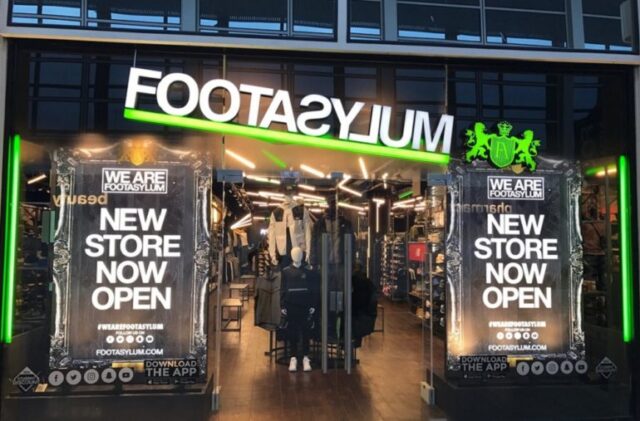
    JD Sports has launched a takeover bid for UK footwear retailer Footasylum. The offer, which amounts to up to US$119.6 million (£90.1 million) for the remaining shares the business does not already own, represents a 77.4 per cent premium on the closing price of Footasylum shares on the day prior to the announcement.

    JD executive chairman Peter Cowgill said the footwear business was “very complementary” to JD’s existing UK operations, due to its focus on a slightly older consumer, targeting 16-24 year olds.

    “We believe that there will be significant operational and strategic benefits through the combination of the very experienced and knowledgeable management team at Footasylum and our own expertise,” Cowgill said.

    Footasylum directors intend on accepting the offer in regards to the 63 per cent of shares they hold, and plan to recommend shareholders do the same.

    JD Sports has already procured a further 65.6 per cent of the available shares in the business, but requires 90 per cent of shares in order to make the offer final.

    According to GlobalData UK retail research director Patrick O’Brien, Footasylum had seen the wheels coming off of the business since May last year, with a highly promotional market smothering the business’ margins.

    O’Brien said the move appeared to be a defensive move by JD Sports against a potential acquisition by Sports Direct’s Mike Ashley.

    “With Footasylum’s share price so low, it looked like only a matter of time before the hoover of the high street would strike, before JD Sports began building its stake last month,” O’Brien said.

    “But, the deal seems a positive one for JD Sports, which has the clout to restart Footasylum’s expansion and use its sourcing scale to make it more efficient and we expect it to develop what is still a very marketable fascia.”

  • Shoe Mart operator S.Culture booking gains

    Shoe Mart operator S.Culture booking gains

    Footwear retailer S.Culture International has turned around its fortunes after closing non-performing stores and booking gains from property disposals.

    S.Culture sells a range of international footwear brands including Clarks, Josef Seibel, The Flexx and Yokono. It has a network of more than 100 stores across Hong Kong, Macau and Taiwan trading as S.Culture, Shoe Mart and Scoops and under individual brands, such as Clarks, Clarks Originals and Josef Seibel.

    In a note to the stock market commenting on a recent increase in the price and trading volume of its shares, the company said it expects an improvement in its 2018 results, based on a preliminary review of its accounts.

    “It is expected that the group will record a net profit for the year as compared to a net loss for the corresponding period in 2017 and a substantial decrease in loss attributable to

    owners of the company for the year by over 85 per cent, as compared to the loss the previous year,” write chairman Yang Jun.”

    He said closing down low-performing retail outlets and fine-tuning the group’s retail outlet mixt and a positive profit contribution from the newly acquired financial services business had driven the result, which will be released in detail later this month.

  • Dune London about to open in Singapore

    Dune London about to open in Singapore

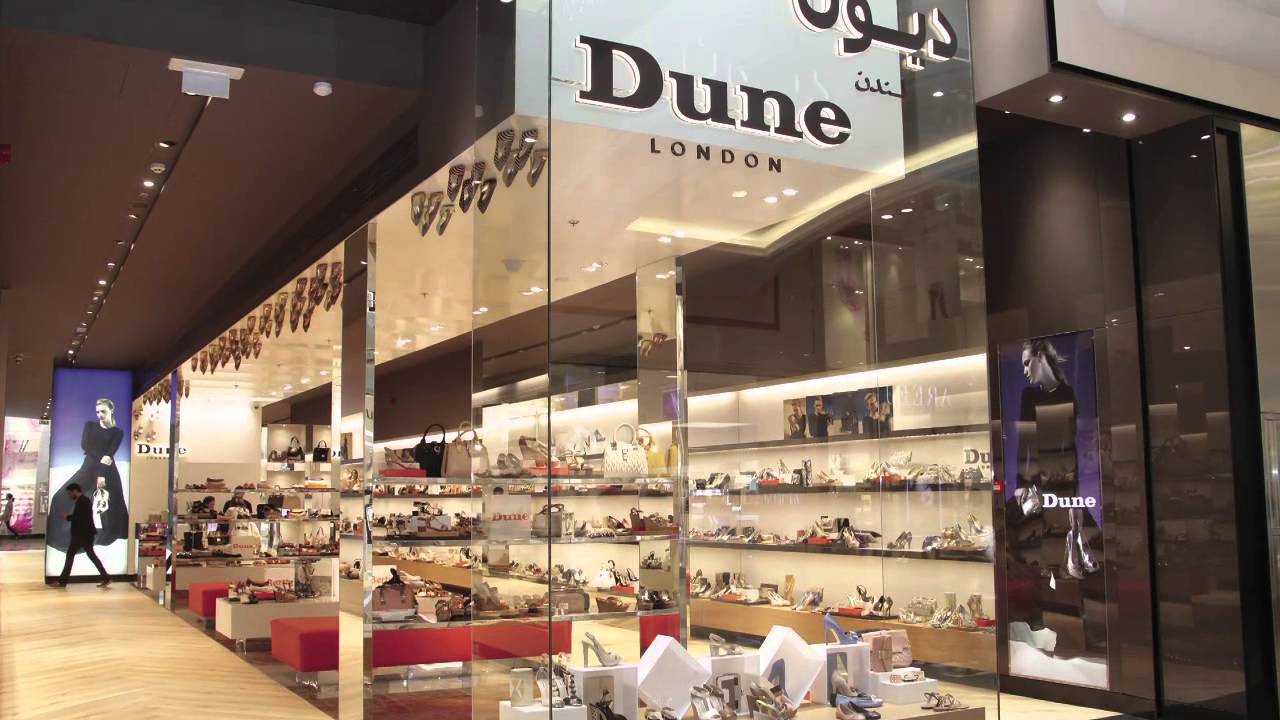
    Footwear brand Dune London is planning to expand into Singapore and Bangkok this year.

    The brand says expansion into new international markets is one of its core strategies for this year.

    In the UK, the brand will expand its standalone store network by opening a new location in Newcastle Eldon Square and opening outlet stores in Cheshire Oaks, Icon O2 and Kildare Village.

    South America is another focus area, and Dune plans to roll out eight new concessions with its existing partner in Chile. It will also debut in Romania.

    “This is a very exciting time for Dune London, as international expansion is a focal part of our overall growth strategy,” said James Cox, CEO.

    “We will focus our efforts on specific markets with best-in-class support strategies and tactical initiatives that are regionally appropriate and perfectly aligned with our product and marketing investments.”

    Dune has opened 10 new concessions in department stores in Mainland China, two in Macau and one in Hong Kong, as well as new standalone stores in Kuala Lumpur; Ho Chi Minh City and Hanoi in Vietnam; and Manila in the Philippines.

    In the Middle East, it trades in more than 50 locations.

  • Under Armour Thailand eyes 20 per cent sales growth

    Under Armour Thailand eyes 20 per cent sales growth

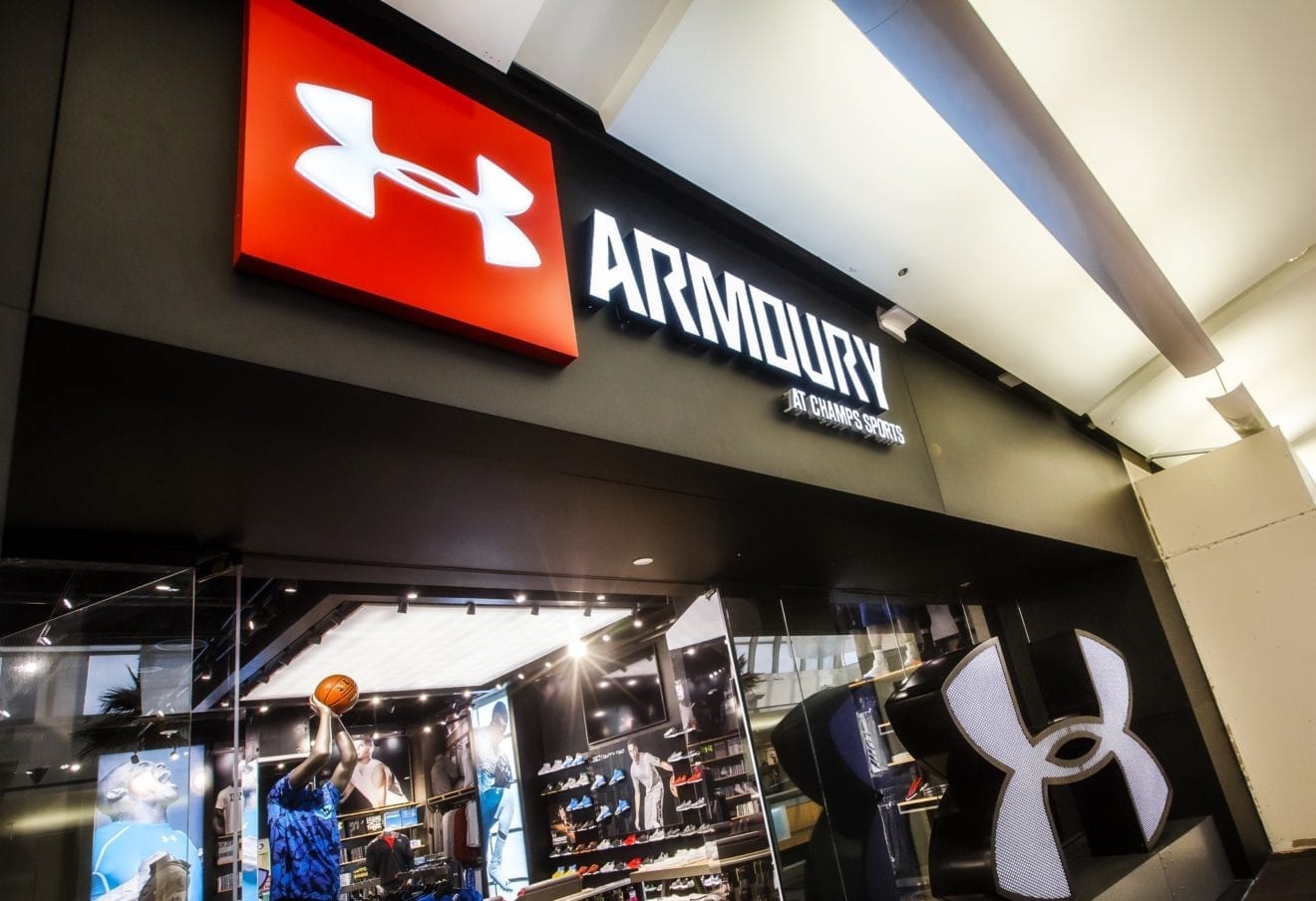
    Under Armour Thailand is targeting a 20-per-cent sales increase in the kingdom, according to the brand’s exclusive Asian distributor Triple Pte Ltd.

    The company is focusing on footwear sales to follow up on its gains in the apparel sector in a sporting goods market expected to see 5–7 per cent growth this year. It will also offer a wider range of branded products, including sleepwear.

    “Under Armour is a relatively new brand in Thailand, and it has huge potential to spread its wings here,” said company CEO Michael Binger during a visit to Thailand last week. “We want to grow our footwear business at a faster pace than in the past and expect footwear sales to increase to 35 per cent of total sales by 2020, up from 25 per cent last year.”

    As part of this year’s expansion plans, Triple Pte is planning exploratory Under Armour Thailand outlets in the country’s north, with a shop-in-shop scheduled for the Mall Nakhon Ratchasima as well as a potential new shop in popular tourist destination Chiang Mai. It will also launch another branch in suburban Bangkok.

    “We see huge potential in the sporting goods business in Thailand,” said Binger, “and we feel confident in our capability to propel Under Armour to success here because we are an alternative brand for people looking for innovative performance shoes.”

    Thailand is Under Armour’s second fastest-growing market in Southeast Asia after Singapore.

  • Anta Sports shows positive result

    Anta Sports shows positive result

    Anta Sports Products is planning more than 1000 new stores this year after revealing another record profit. The Hong Kong-listed Chinese sports apparel and footwear manufacturer operates more than 11,600 stores in Greater China and beyond under its own Anta brand, and banners like Fila and Descente, for which it owns regional rights.

    In September last year it led a takeover bid for Amer Sports, which owns Salomon, Wilson, Arc’teryx, Suunto, Peak Performance and Precor, among other brands – a deal likely to be completed as early as next month.

    This year’s net profit was the fourth consecutive annual record and reflects growing popularity of sport and fitness in Mainland China and a strengthening of its online offer.

    The company’s profit jumped 32.9 per cent to RMB 4.103 billion ($613.13 million) last year on sales up 44.4 per cent to RMB 24.10 billion (US$3.597 billion).

    In a stock exchange filing, Anta said it was “cautiously optimistic” about the prospects of the business in China in the coming year, despite reduced business confidence across the region. It plans to open more than 1000 Anta-branded stores on the mainland this year along with up to 250 Fila, Fila Kids and Fila Fusion stores on the mainland and in Hong Kong, Macau and Singapore.

    Anta-branded products saw a mid-teens increase in retail sales in the latest quarter compared to the same period last year, however sales in stores bearing other banners rose between 85 and 90 per cent.

    Anta Sports, was founded in 1991 as a manufacturing supplier to the footwear industry. Since then it has grown to become China’s largest domestic sportswear brand, and industry analysts estimate it is the world’s third largest by market capitalisation after Nike and Adidas.

  • Puma reports strong sales, profitability in 2018

    Puma reports strong sales, profitability in 2018

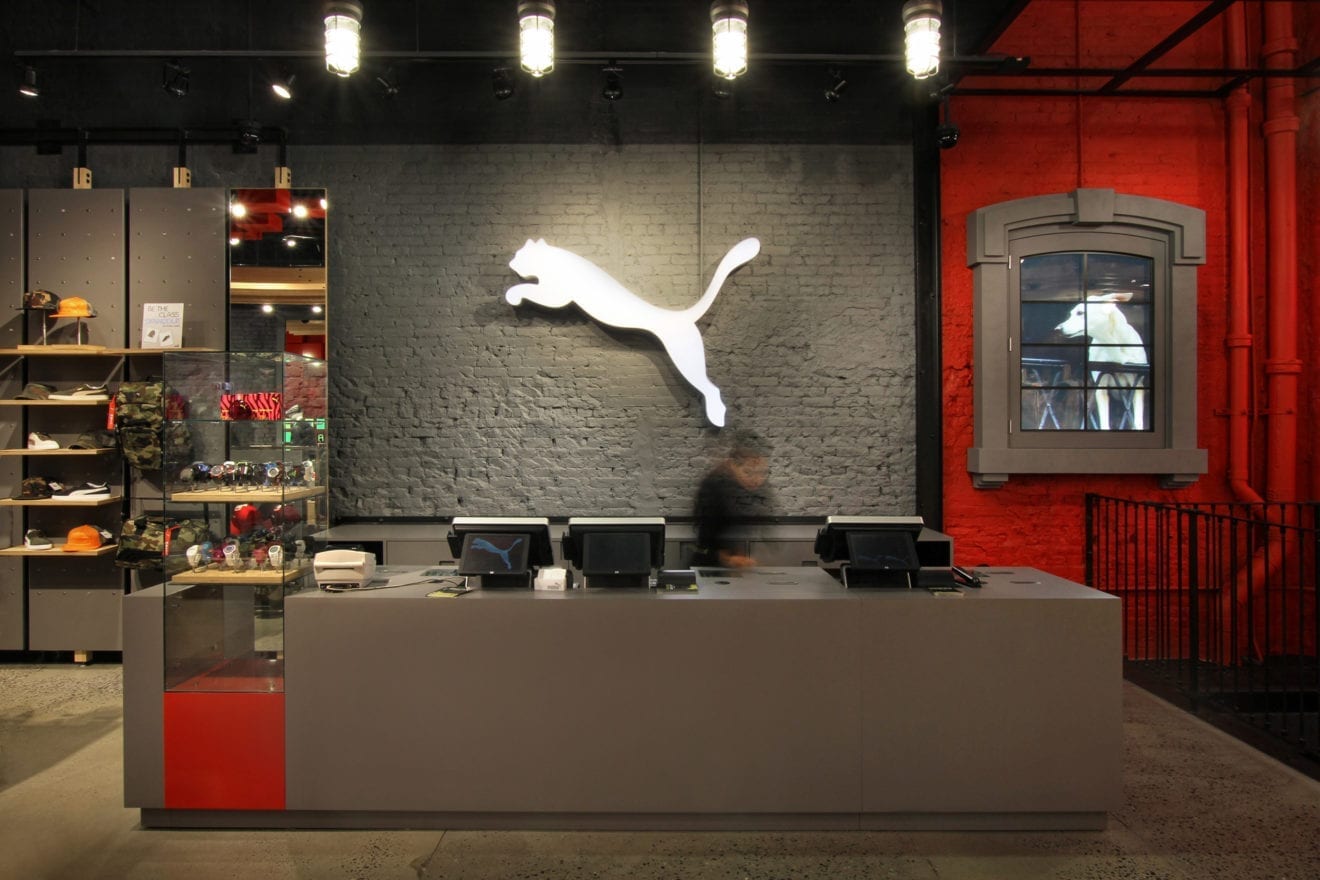
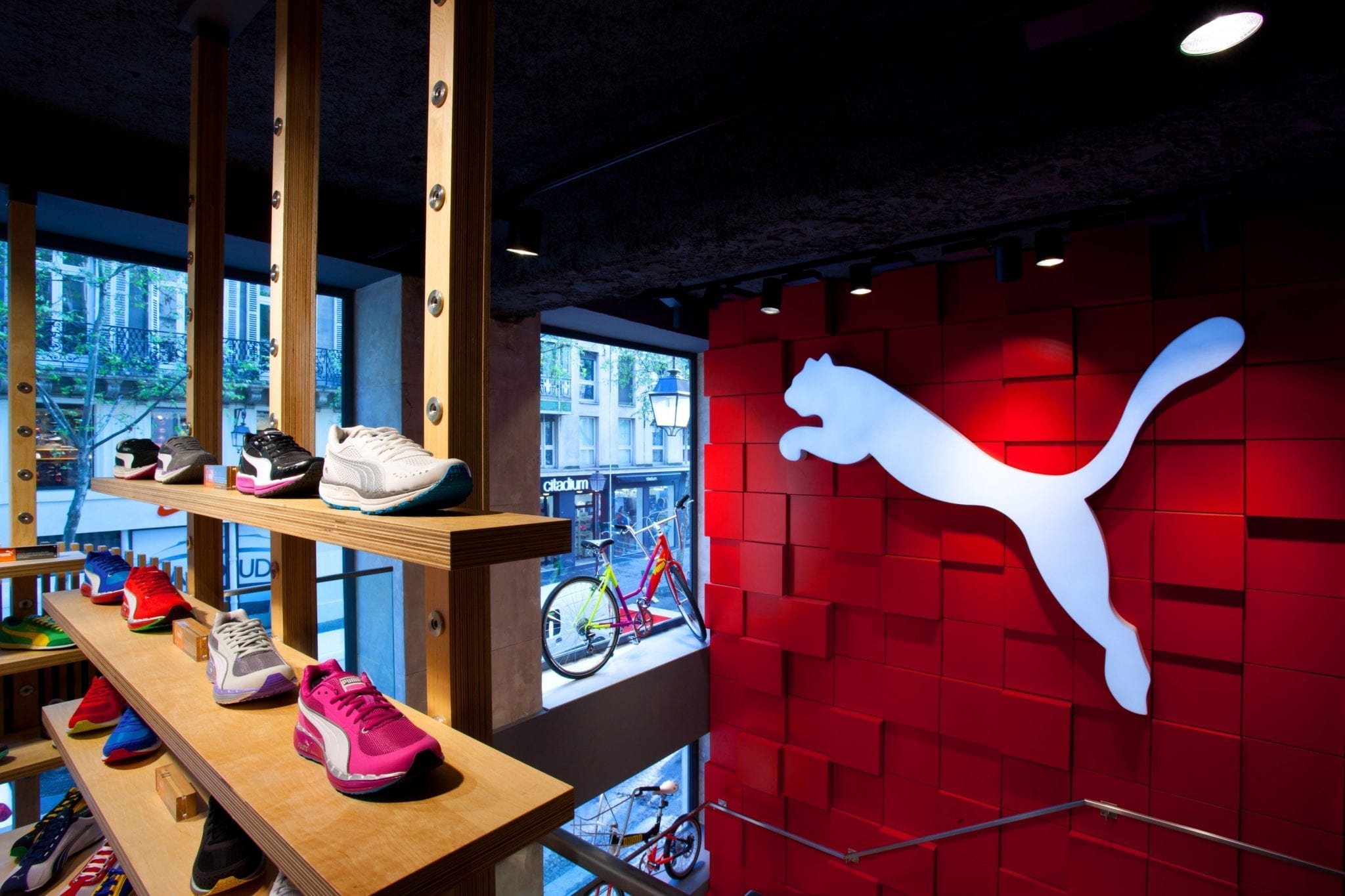
    Sportswear giant Puma reported strong annual results in 2018, as the German company witnessed double-digit growth across all geographic zones and product divisions. For the year ending December 31, 2018, the Herzogenaurach-based company said sales increase by 17.6% currency adjusted to €4,648 million (+12.4% reported) with double-digit growth in all regions.

    Asia-Pacific, despite being the smallest of Puma’s three regions after the Americas (+16.9%) and market leader EMEA (+11.4%), was the strongest in growth terms for 2018, up 28.8% to €1,235.5 million. APAC was mainly driven by high growth in China and Korea, while sales in Japan increased at a more moderate mid to high single-digit rate.

    In product terms, Puma highlighted the success of new sneaker styles Thunder, RS-0 and RS-X in 2018, as part of the company’s debut into the “chunky shoe” category.

    Puma also spent 2018 re-entering the basketball category after 20 years, and signed supermodel Adriana Lima as its women’s training ambassador.

    Net earnings increased by 38 % from €135.8 million to €187.4 million, and earnings per share lifted from €9.09 to €12.54.

    “We are very happy with how our business developed in 2018. Sales rose organically by 17.6% to €4,648 million and the operating result (Ebit) improved by 37.9% % to €337 million, which shows our strong momentum,” said Bjørn Gulden, Chief executive officer of Puma.

    “The double-digit growth in all regions is a proof that the we have strengthened the Puma brand globally and the double-digit growth in all product divisions shows that we have enhanced our product portfolio,” added Gulden.

    In 2019, Puma said it expects currency adjusted sales to grow around 10% and operating results to increase to a range between €395 million and €415 million.

    “We still have a lot to improve, but we feel we are moving our brand and company in a good direction,” said Gulden.

  • Puma pips rivals, becomes top sportswear brand in India

    Puma pips rivals, becomes top sportswear brand in India

    German sportswear major Puma on Monday claimed that it has become the top sportswear retailer in India, surpassing rivals such as Nike, Adidas, Skechers and Reebok in terms of yearly sales. Puma, the third-largest sportswear manufacturer in the world, has reported sales of Rs 1,157 crore for the 12-month period ending December 2018 against Rs 958 crore reported in the year ago period.

    The company follows the January-December calendar year, while its Nike, Adidas, Skechers and Reebok go by the April-March financial year (FY) cycle.

    In FY 2017-18, Puma’s compatriot Adidas had registered sales of Rs 1,132 crore, up from Rs 1,100 crore reported in FY 2016-17.

    During the same period, American sportswear giant Nike reported sales of Rs 828 crore against Rs 807 crore reported in the previous fiscal.

    Reebok, which is owned by Adidas, saw its sales drop from Rs 416 crore in FY 2016-17 to Rs 391 crore in FY 2017-18.

    Another American brand Skechers, which is relatively new in the Indian market, reported sales of Rs 440 crore in FY 2018-19, up from Rs 282 crore reported in FY2016-17.

    “We are making strong progress in both sports performance and sport style categories,” Puma India Managing Director Abhishek Ganguly was quoted as saying.

    Interestingly, India is the only country where Puma’s sales have crossed the sales of other sportswear giants such as Adidas and Nike.

    Over the past few years, India has rapidly caught up with the wider global fitness trends. From 2015 to 2016, the Indian sportswear market grew 22 per cent, outpacing the segment’s global increase of 7 per cent, according to Euromonitor International. By 2020, it is expected to grow an additional 12 per cent CAGR (compound annual growth rate) with sales expected to reach $8 billion.

    The bitter rivalry between Puma and Adidas goes beyond mere corporate competition. It was in fact a sibling fallout that created two of the world’s biggest sportswear brands.

    In the 1920s, German brothers Adolf and Rudolf Dassler launched a shoe company together. Their business picked up after Dassler shoes were used by medal-winning Olympians through out the 1930s.

    But along with sales, tension also spiked between the Dassler brothers, which reached a boiling point during World War II. While it was not clear what exactly caused the rift, it was said to be a result of miscommunication.

    The brothers eventually split in 1947 with Rudolf forming a new firm that he called Ruda – from Rudolf Dassler – later rebranded Puma, while Adolf, who preferred to be called Adi, named his business Adidas.

  • Foot Locker boosts capital expansion

    Foot Locker boosts capital expansion

    Foot Locker has announced a US$275 million capital expenditure program for this year, with Asia singled out as a target market. The investment is $75 million more than the US-headquartered sports-shoe and apparel retailer allowed for last year. “The capital spending planned for this year reflects increased investments in the company’s store fleet in all existing regions, including Asia, and in its digital initiatives,” the company said in a statement.

    “In addition, the company will continue to spend capital to build out its supply chain and other infrastructure capabilities.”

    Chairman and CEO Richard Johnson said Foot Locker sees “exciting opportunities” to invest in the business this year. The capital commitment followed decisions to launch a share buy-back program and to pay a dividend to shareholders.

    “Taken together, these actions demonstrate that our board is confident that Foot Locker can simultaneously deliver strong financial results, invest in the long-term growth of the business, and provide meaningful returns to our shareholders,” he said.

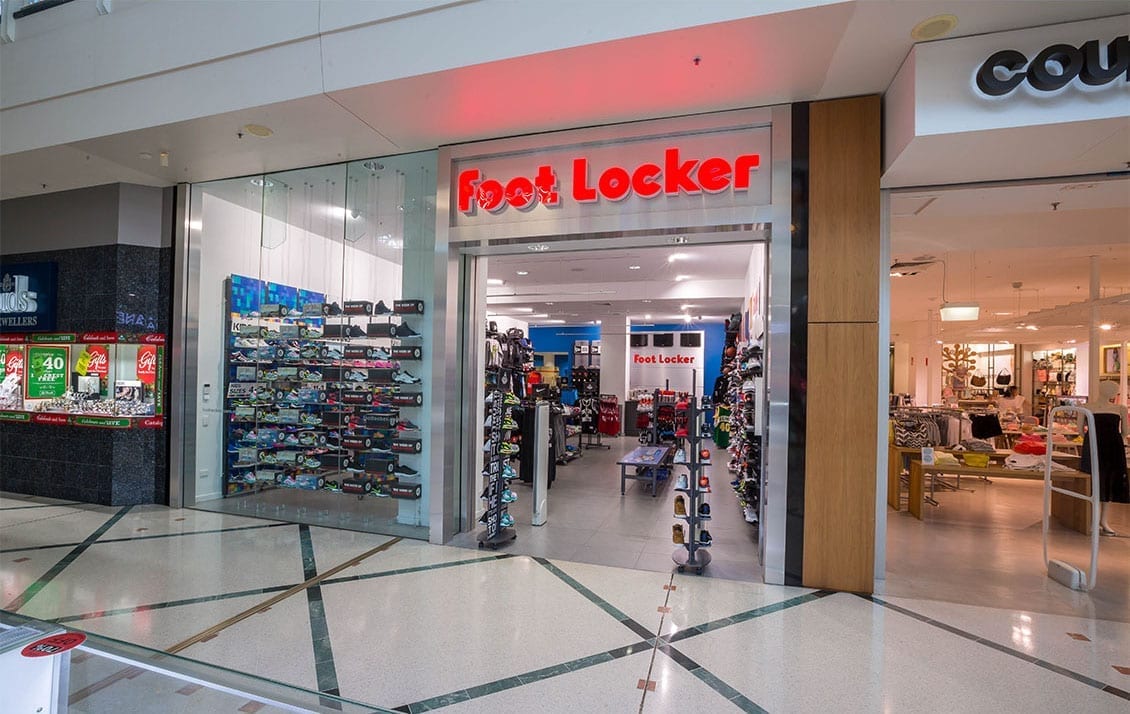
    Foot Locker currently operates 3221 stores in 27 countries in North America, Europe, Asia, Australia and New Zealand.

    In Singapore, Foot Locker opened three stores last year, in Jem Mall, Century Square and Suntec City.

  • Footasylum shares soar after JD Sports takes stake

    Footasylum shares soar after JD Sports takes stake

    Shares in Footasylum soared after British retailer JD Sports said it had acquired an 8.3 percent stake and could buy nearly 30 percent of its smaller rival. JD, which has used a number of corporate acquisitions to assemble its network of more than 2,400 stores over the past two decades, said that it “confirms it is not intending to make an offer for Footasylum” under merger regulations.

    But investors drove shares in the company, which is listed on the secondary market of the London Stock Exchange, rose 58.6 percent to 46 pence in the first hour of trading.

    Footasylum, started by JD Sports co-founder David Makin in 2005, was forced to cut prices at its 60 stores after a disappointing run up to Christmas which saw British consumers rein in spending.

    It now competes with JD Sports, Sports Direct and Asos among others, which are all feeling the impact of sluggish British consumer spending amid squeezed household incomes and uncertainty ahead of Britain’s impending exit from the European Union.

    Makin and fellow JD Sports founder John Wardle were bought out by the company’s current majority owners Pentland Group in 2005 and later resigned as directors.

    Footasylum said in January its full-year core earnings would come in at the lower end of analysts’ estimates.

    JD Sports shares were up about 1 percent at 454.03 pence.

  • Under Armour Thailand predicts sales growth

    Under Armour Thailand predicts sales growth

    Under Armour Thailand is targeting a 20-per-cent sales increase in the kingdom, according to the brand’s exclusive Asian distributor Triple Pte Ltd. The company is focusing on footwear sales to follow up on its gains in the apparel sector in a sporting goods market expected to see 5–7 per cent growth this year. It will also offer a wider range of branded products, including sleepwear.

    “Under Armour is a relatively new brand in Thailand, and it has huge potential to spread its wings here,” said company CEO Michael Binger during a visit to Thailand last week. “We want to grow our footwear business at a faster pace than in the past and expect footwear sales to increase to 35 per cent of total sales by 2020, up from 25 per cent last year.”

    As part of this year’s expansion plans, Triple Pte is planning exploratory Under Armour Thailand outlets in the country’s north, with a shop-in-shop scheduled for the Mall Nakhon Ratchasima as well as a potential new shop in popular tourist destination Chiang Mai. It will also launch another branch in suburban Bangkok.

    “We see huge potential in the sporting goods business in Thailand,” said Binger, “and we feel confident in our capability to propel Under Armour to success here because we are an alternative brand for people looking for innovative performance shoes.”

    Thailand is Under Armour’s second fastest-growing market in Southeast Asia after Singapore.

  • Skechers passes store milestone

    Skechers passes store milestone

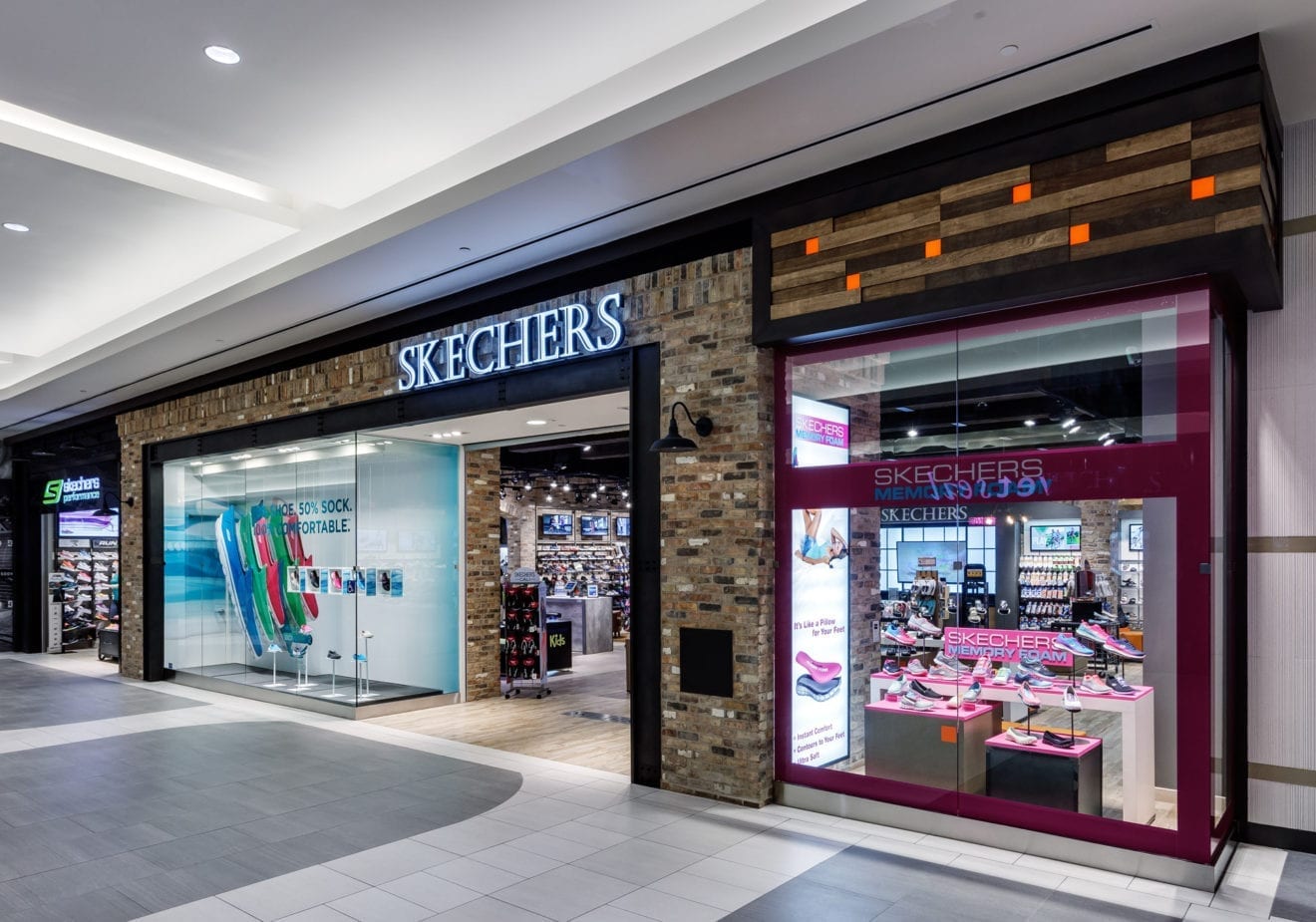
    Skechers China has opened a new superstore in Shenyang, the footwear brand’s 3000th globally. The footwear brand’s largest store yet covers more than 32,000sqft, showcasing a diverse range of footwear, apparel and accessories styles for men, women and children. It features shops-in-shops for different categories and a Skechers Kids entertainment zone.

    US-headquartered Skechers says it is continuing to expand its retail, sales and logistic infrastructure and is improving its customer experience with new-generation point-of-sale technologies.

    “We sell in more than 170 countries through our extensive network of distributors and joint ventures, and we have many more opportunities to build our retail store business even further and expand our global presence for years to come,” said Michael Greenberg, president of Skechers.

    China has the largest number of Skechers retail stores at 941, followed by the US at 472, and India at 222.

    To date, there are 690 company-owned stores worldwide, including two opened in the US in the first quarter. The company plans to open another 70 to 80 company-owned stores and another 500 third-party owned stores this year.