Tag: Footwear

  • ASICS India opens first store in Kolkata

    ASICS India opens first store in Kolkata

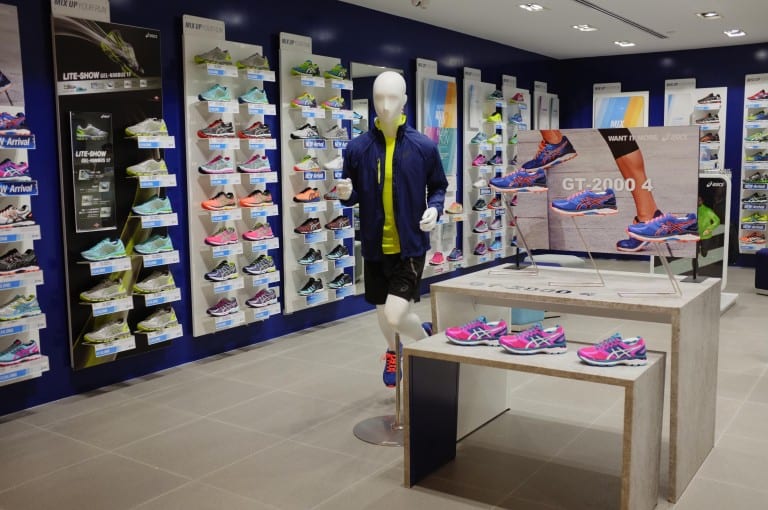
    ASICS, a true sport performance brand, launched its first store in Kolkata thereby expanding its retail footprint in a bid to strengthen its presence in India. With the opening of the ASICS Kolkata store, the brand has taken a step forward to strengthen its presence in the east region. The new store is located conveniently in one of the finest malls of the city – South City Mall. The store will offer a wide range of running, training and core performance sports shoes, apparel and accessories for men and women.

    The brand will accelerate its expansion of operations in India, bolstering sales and marketing support for retail stores in response to increasing consumer awareness of health and fitness and rise in spending power.

    Speaking on the new launch, Rajat Khurana, Managing Director, ASICS India said, “Given the potential and growing demand for fitness and sports, India has emerged as an important market for ASICS. This year, our focus is to expand our footprint in both tier 1 and tier 2 cities and offer our best in class products ranging from running, sports, for gym and other fitness-related gear. Kolkata is a very key market for us considering the large audience for sports and fitness in this market. We are hopeful that our products designed keeping core performance in mind will be able to cater to the needs of sports and fitness lovers in the city.”

    The store will showcase the latest ASICS AW18 collection that will host a range of key collections, like the newest additions to the ASICS running portfolio – ASICS Liteshow along with key products like Kayano 25 and Nimbus all featureing FLYTEFOAMTM, ASICS lightest-ever midsole technology. FLYTEFOAM works with the wearer’s foot to deliver superior cushioning every step of the way. It is also about 55 percent lighter than the industry standard midsole material, offering runners a comfortable fit with a fast, responsive feel.

  • Luxury footwear label A.Testoni bought by Hong Kongese group Sitoy

    Luxury footwear label A.Testoni bought by Hong Kongese group Sitoy

    Hong Kong leather goods manufacturer Sitoy Group has acquired Italian luxury brand A.Testoni. Sitoy’s investment allows A.Testoni to maintain its brand identity and maximise on its artisanal heritage in a long-term strategy to drive the brand’s ongoing development.

    Sitoy’s chairman Michael Yeung Wah Keung said: “We are very pleased to welcome A.Testoni as a part of the Sitoy Group and work together to realise the full potential of the brand. As we celebrate our 50th anniversary this year, the acquisition marks an important milestone in the transformation of our retail and brand management business into a global dimension.”

    CEO of A.Testoni Bruno Fantechi said the acquisition comes after many years of fruitful partnership in Mainland China, where Sitoy has been a key partner in developing the brand’s distribution.

    “It recognises the inherent value in the brand’s unique levels of quality, craftsmanship and innovation which will drive significant future growth and development.”

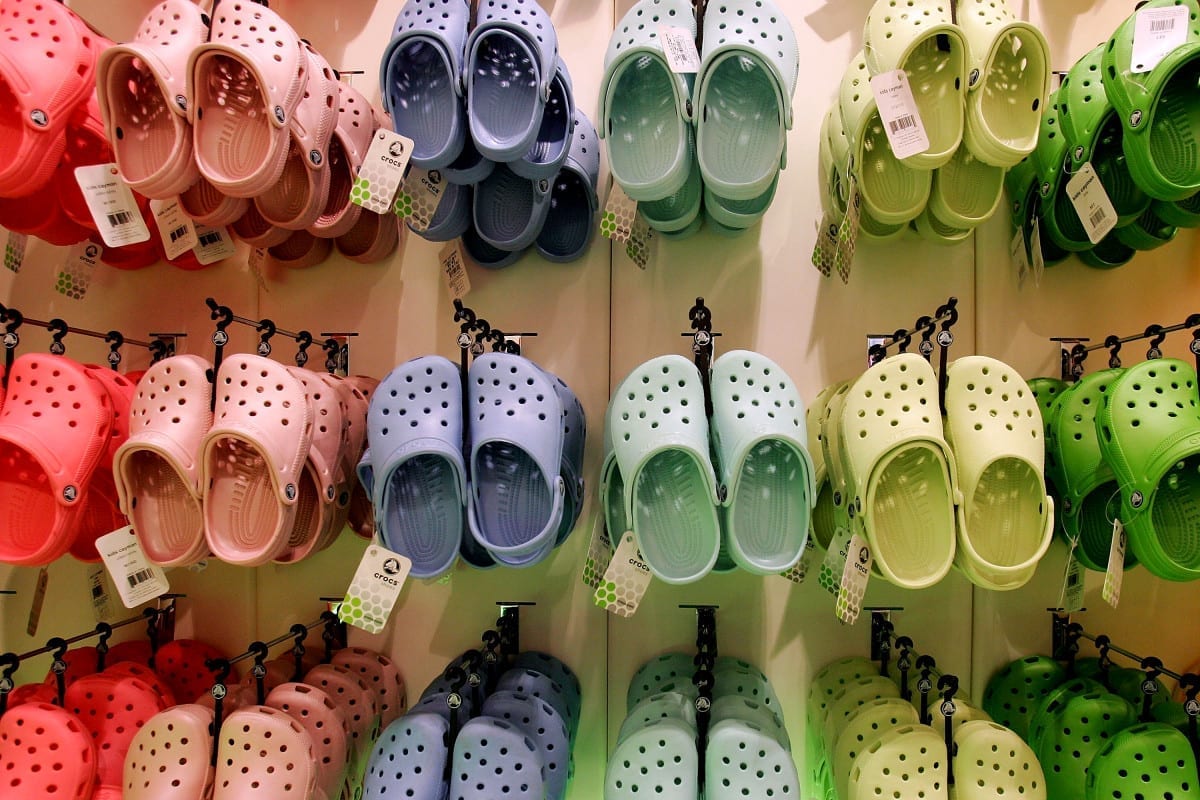
  • Crocs opens its 100th store in India at VR Mall Chennai

    Crocs opens its 100th store in India at VR Mall Chennai

    The new store, which spreads across 625 sq. ft., is Crocs’ third store in the city and 5th in the state of Tamil Nadu. Boasting a premium location at VR Mall, the hub for luxury and international brands in Chennai, the store promises to strengthen the reach of the iconic brand in the state capital.

    Since the opening of its first store in India in 2008, Crocs has successfully carved a distinct positioning for the brand amongst the Indian consumers akin to its global positioning and is growing at a robust pace with presence across 50 cities in India.

    Crocs, which is known globally for its iconic Clogs, is turning towards India to fuel its next phase of growth. India is currently the 6th biggest market for Crocs globally with a high double-digit growth year on year.

    Metro Shoes, the national franchise partner of Crocs India, will be operating this 100th store located in Chennai. The partnership with Metro Shoes began in 2014 which has helped the iconic footwear brand in expanding its reach to over 50 cities through its EBO operations.

    Speaking on occasion, Deepak Chhabra, CEO & MD, Crocs India, said, “We are excited on reaching the century mark in India. India is one of the rare markets where even after opening 100 stores we still feel under-penetrated. Our absolute focus for the next phase of geographical expansion will continue to be on top 6 metro cities across the country along with state capitals. Exclusive brand stores are a very significant part of our growth strategy. In addition to aggressively growing our EBOs, we will be strengthening our presence in Tier-II cities via MBOs and Kiosks. Further, e-commerce will remain an integral part of our distribution strategy and help us reach out to consumers where our brick and mortar presence is limited. Region-wise South India, due to its demographics and very high brand recall, contributes the highest amongst all regions in the country and will remain an integral part of our India growth strategy.”

    Commenting on the occasion, Rafique Abdul Malik, Chairman & MD, Metro Shoes, said, “We would like to congratulate Crocs India on the launch of their 100th store and are confident that this is just one of many more milestones to follow. Metro Shoes is glad to partner with a brand which despite being just 16 years old has an iconic status with probably the highest brand-recall across the globe. India as a nation has a high affinity for open shoes and sandals owing to the climatic conditions, making Crocs highly relevant in this market.”

    With its unique brand awareness and break-through product innovations, Crocs is progressing towards becoming India’s top non-athletic casual footwear brand. Other than its EBOs, Crocs asserts its strong presence in MBO channels through which its overall offline reach extends to more than 150 cities via 1,500 + points-of-sale. Additionally, it caters to 20,000+ pin codes translating to 400 cities via its e-commerce presence.

    Over the past 16 years, Crocs has sold more than 350 million pairs of shoes worldwide. Crocs as a brand will continue to focus on clogs and sandals, along with new product innovations and extensions of the current product line. This year, Crocs India launched LiteRide™, Drew Barrymore ♥ Crocs Collection, Crocband™ Platform Collection, and Luxe Lined Collection. Last year internationally, the brand has associated with designers like Balenciaga and Christopher Kane bringing in some exciting trends to the runway which further elevated the appeal of the iconic clog in fashion space.

  • Vietnam footwear exports benefit from US-China trade dispute

    Vietnam footwear exports benefit from US-China trade dispute

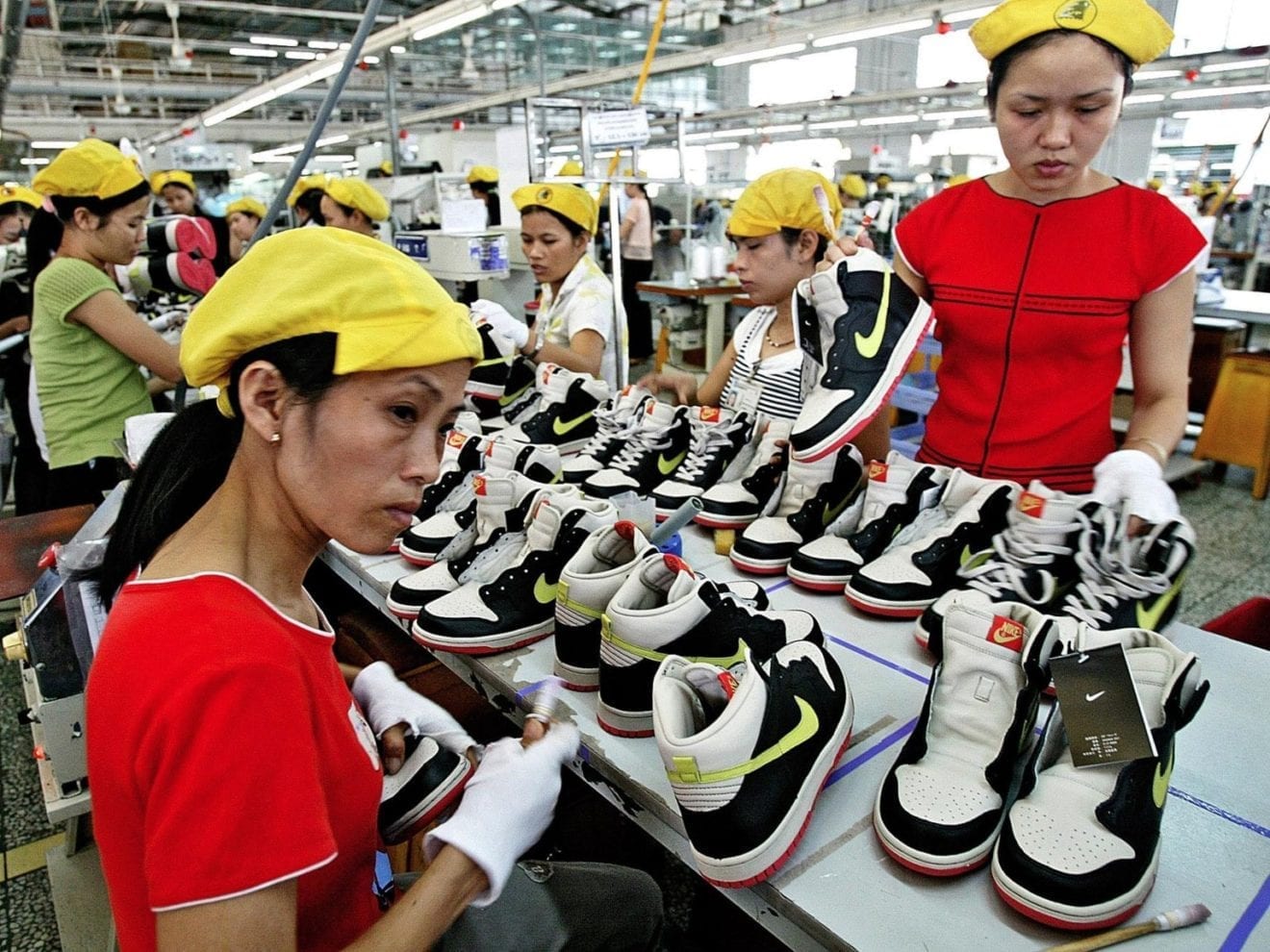
    According to customs statistics, Vietnam’s footwear exports in the first nine months of this year were worth $11.74 billion, a 10.2 percent year-on-year increase. Its exports to China in the period have risen by 28.5 percent, to Japan by 14.7 percent, and to the U.S. by 13.5 percent. Vietnam is the second biggest exporter of footwear to the U.S. behind China, shipping 404 million pairs of shoes last year.

    The upward trend is likely to continue, too, as rising wages in China increase the cost of goods produced there and the country is thus directing more of its manufacturing resources toward higher-priced goods like electronics.

    Adidas CEO Kasper Rorsted told last May that his company is shifting sourcing of footwear from China to Vietnam.

    Vietnam has in fact overtaken China as its top supplier, with Vietnamese factories producing 44 percent of its shoes by volume last year and Chinese manufacturers supplying 19 percent, according to Adidas.

    This would help shield the company from potential tariffs or supply chain disruptions if President Donald Trump’s trade war with China continues to escalate, a fact its competitors also seem to be taking notice of.

    Vietnam may see export orders surging as footwear importers shun China to avoid high U.S. tariffs and choose the Southeast Asian nation instead, local media quoted Diep Thanh Kiet, vice chairman of the Vietnam Leather, Footwear and Handbag Association (Lefaso), as saying.

    “Vietnam’s leather and footwear export can reach $19.5 billion or slightly higher this year depending on the situation,” he said. Vietnam’s footwear exports were worth $14.65 billion last year.

  • Geox China pop up Store Opens in Beijing

    Geox China pop up Store Opens in Beijing

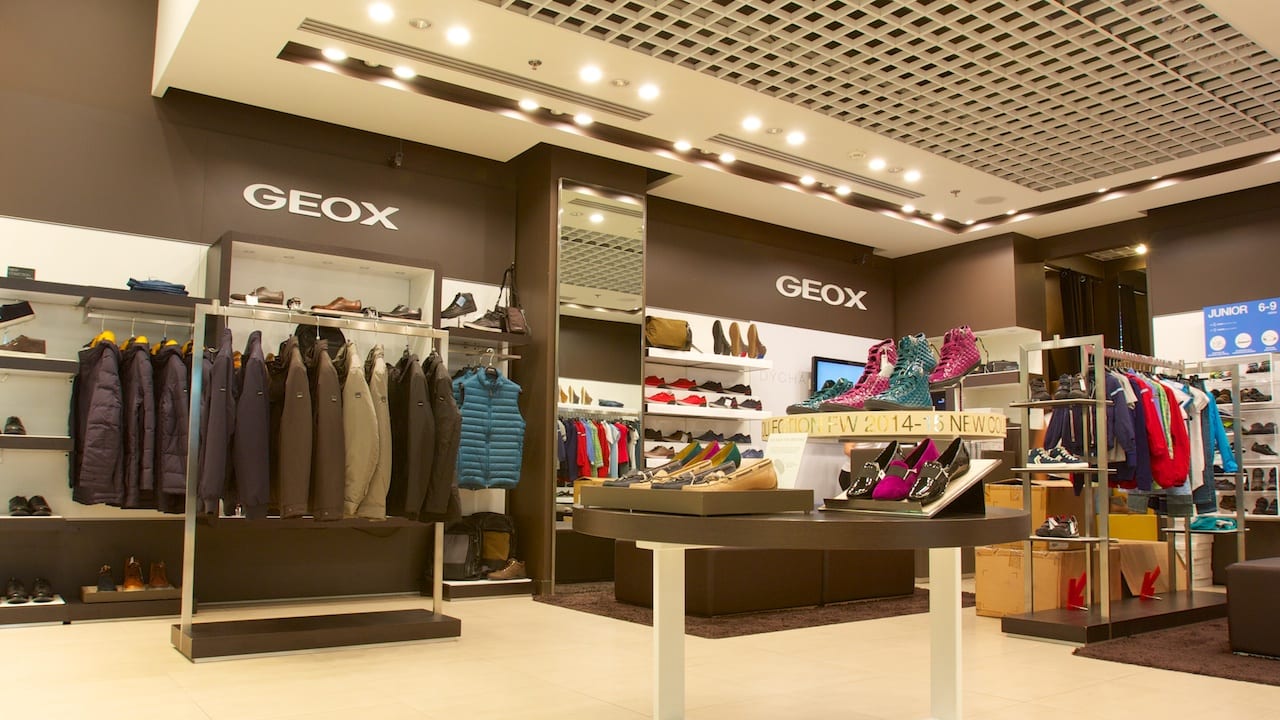
    Geox China has launched a pop-up store in Beijing’s APM Plaza, with Chinese actress Jing Tian being named as the face for its latest campaign.

    Geox founder Italian Mario Moretti Polegato says the fresh, lively and elegant image of the advertising campaign for China is perfect for the brand.

    As well as the latest spring/summer collections, the pop-up offers patented items from the Venetian company. Its collaboration with Italian footwear designer Ernesto Esposito continues with a women’s collection.

    Geox group produces classic and casual footwear and clothing for men, women and children. It derives 70 per cent of its turnover from more than 110 countries. At the end of December, the company had 10,000 multi-brand stores and 1095 dedicated stores internationally.

  • Clarks Kids teams with Avengers

    Clarks Kids teams with Avengers

    Global shoe brand Clarks has stepped out of its usual comfort zone with a range inspired by Marvel’s movie Avengers: Infinity War.

    The Clarks Kids range is described as “an exclusive multi-gender collection” (Yes, we are still wondering how many genders kids relate to, also) that “celebrates strength in unity”.

    Avengers Infinity War launched worldwide on April 27 and is set to be one of the year’s top-grossing movies.

    The Clarks Kids line was released on Friday.

    “Like every kid on the planet, the Avengers all have very different and distinct identities,” explains Jason Beckley, Clarks chief brand officer. “When they join forces, their strengths combine, and they become Earth’s mightiest team of heroes.”

    Beckley says the campaign – Greater Together – aims to encourage kids to celebrate their strengths and abilities and to stand together as one: “empowering them to be fearless, to believe in themselves, and always to support each other through strength in unity”.

    “Kids have the power to change the world. In our view, they are all superheroes. So, what better way to celebrate that than joining forces with Marvel.

    “We follow science and data to support the tradition of putting growing feet in safe hands. Combine that with collaborated passion, imagination and expertise, and you get an innovative footwear collection that provides kids with the freedom to be their true selves.”

  • Kathmandu raises $50 million

    Kathmandu raises $50 million

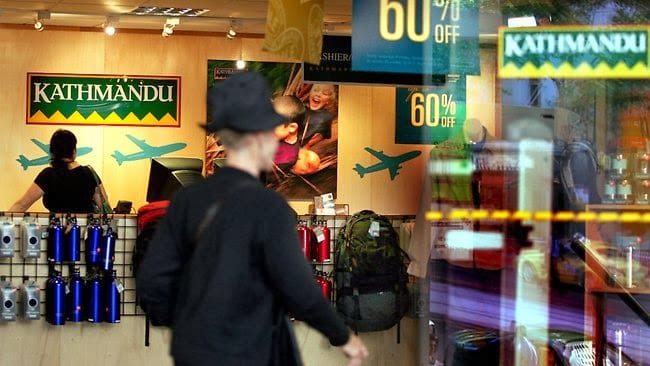
    Kathmandu Holdings will take up the full oversubscription in a share purchase plan, raising $50 million to help fund its purchase of US footwear supplier Oboz Footwear.

    The Christchurch-based company on Wednesday said it accepted $2 million in oversubscriptions for its share purchase plan, taking total subscriptions to $10m.

    That’s on top of $40m raised from institutional investors in a placement.

    Shares were sold in both offers at $2.16 apiece, a 10 per cent discount to where the shares traded before the announcement.

    The shares fell 0.4 per cent to $2.55 today.

    “We are delighted with the extent of support, both for our institutional placement last month and for the share purchase plan, and the affirmation by our shareholders of our growth plans for the business,” chair David Kirk said in a statement.

    “The board would like to thank all those shareholders who participated in the SPP for their continuing support of Kathmandu.”

    The capital injection will be used to help pay for the US$60m upfront purchase of Oboz, which Kathmandu pursued to expand its presence in the North American outdoor market.

    If the acquisition meets certain earnings targets in calendar 2018, Kathmandu will pay up to US$15m more.

    Some 1516 Kathmandu shareholders of its 3514 investors sought to participate in the share purchase plan, offering $14.5m, meaning their offers will be scaled.

    Briscoe Group, which made a failed takeover bid in 2015 when it built up a 19.8 per cent stake, participated in both the institutional placement and share purchase plan.

  • Vietnam footwear boasts strong development prospects

    Vietnam footwear boasts strong development prospects

    Vietnam’s leather and footwear industry will continue to develop in the coming years, according to the Vietnam Leather, Footwear and Handbag Association (Lefaso).

    Speaking at the two-day Vietnam Footwear Summit which opened in HCM City yesterday, Diệp Thành Kiệt, Lefaso’s deputy chairman, said exports of footwear and bags increased to US$18.1 billion last year from $16.2 billion in 2016.

    There are opportunities for the industry to continue developing, he said.

    Vietnam has free trade agreements with most major markets like Japan, the Customs Union of Russia, Kazakhstan and Belarus, South Korea, and ASEAN in addition to the Comprehensive and Progressive Agreement for Trans-Pacific Partnership and an agreement with the EU, he said.

    “We have a golden demographic ratio with 66.9 per cent of the population being of working age, providing an abundant supply of cheap and skilled workers.

    “ Vietnam can supply materials for the footwear industry and becomes a destination for large producers.”

    The country has succeeded in producing and exporting high-value products, he said.

    “This is a big opportunity for the industry. If we continue to promote the export of high-value products, the industry will develop strongly.”

    Replying to a question on the impact of the US’s withdrawal from the TPP on the footwear industry, he said this would not affect Vietnam’s footwear exports to the US much.

    Matt Priest, president and CEO of the Footwear Distributors and Retailers of America, said the US imported 2.39 billion pairs of footwear last year.

    “Per capita spending on footwear climbed to a record last year,” he said.

    China was the biggest exporter to the market, but China’s share is declining and Vietnam’s is increasing, he added.

    Talking about the EU- Vietnam FTA, Nguyễn Thị Xuân Thùy, a researcher at the Vietnam Institute of Industrial and Trade Policy and Strategy, said all tariff lines on leather, cases and bags and 37 per cent of tariffs on footwear would be removed immediately when the FTA comes into effect.

    To enjoy tariff incentives, the products must meet rules of origin and technical barriers to trade commitments with regard to labelling, conformity assessment, and market surveillance, increasing compliance costs, she said.

    Challenges

    Kiệt also spoke about the challenges faced by the industry such as increasing labour costs, automation, protectionism, and competition from other countries.

    Pointing out that between 2010 to 2017 the minimum wage increased 3.02 times while GDP per capita only increased by 2.04 times, he said: “If we had not improved productivity, labour costs will be high.

    “Large customers tend to shift orders to countries with cheaper labour costs, especially for simple and manual items. This initially will not have a great impact on Vietnamese footwear, but in the long term, if we do not adjust our strategy, we will lose orders to Cambodia, Myanmar, Bangladesh, and Ethiopia.”

    The application of automation and Industry 4.0 technologies will help raise productivity. But more than 75 per cent of footwear enterprises are small firms, and it is difficult for them to afford automation.

    Duncan Scott of New Balance Athletic Shoe, Inc, said countries moving up the value chain could stop making footwear and those continuing to make footwear would need “sophistication”.

    Low cost labour alone would not ensure success, and firms need to continue to drive efficiency and digital connectivity among others, he said.

    Delegates said proper use of automation could eliminate redundant workers and make factories much more efficient and profitable.

    The industry’s development plans target rapid, sustainable development and better use of the country’s FTAs to expand exports.

    It plans to restructure production to add value to products, increase local content, improve designs, and focus on medium- and high-quality products for the domestic and export markets.

    John Graebin from US footwear company Deckers Brands said: “More and more automation solutions will be used. I think that is a real opportunity for Vietnam so that the country can compete in a few more decades.”

    There are 939 enterprises in the footwear industry in Vietnam, which is the third largest producer and second largest exporter in the world.

    The US was the largest importer of Vietnamese footwear and bags (accounting for 35.9 per cent), followed by the EU (30.6 per cent), China (6.4 per cent), Japan (6.3 per cent), and South Korea (2.8 per cent).
  • Asia gives Dr Martens revenues a kick along

    Asia gives Dr Martens revenues a kick along

    A strong performance in Asia has helped boost UK footwear brand Dr Martens revenues by 25 per cent.

    Sales in Asia for its latest fiscal year grew by 43 per cent, to contribute £66.4 million (US$88 million) to its total revenues of £290.6 million.

    During the year the company added 18 stores globally, taking its total to 71. In Asia it increased its concessions in South Korea from 44 to 54 and had strong sales in Japan where it has opened five more stores for a total of seven. Two stores were also opened in Hong Kong.

    As well as opening a store in New York City, the brand has launched an experiential concept store in London and upgraded its European headquarters.

    EBITDA was up 27 per cent to £37.5 million from the investment in new stores, e-commerce (where sales grew 54 per cent to £32.4 million) and new products such as its DM’s Lite range.

    Chairman Paul Mason is acting as CEO on an interim basis following the departure of Steve Murray. Owned by European private-equity firm Permira, Dr Martens saw its revenue and profits drop in the previous year, except in Asia where revenues rose 19 per cent.

  • Juice Hong Kong in sneaker collaboration

    Juice Hong Kong in sneaker collaboration

    Hong Kong clothing shop Juice and London’s Footpatrol sneaker shop have collaborated on a collection for the Adidas Consortium Exchange.

    The exchange is a project that pairs two retailers to co-design limited-edition sneakers, with the latest match featuring two Adidas cult classics, the Handball Top and Matchcourt Mid. Juice and Footpatrol have drawn inspiration from tourism and street-vendor souvenirs for their collaboration.

    The Handball Top is dressed in a royal-blue suede with embroidered details on the tongue, inner lining and heel, plus gold shop logos on each tongue tab, gold Adidas branding on the lateral heel, snakeskin branding on the medial side and pony-hair stripes on the lateral side. The shoe is finished off with a leather insole and off-white midsole.

    The Matchcourt Mid has a black canvas upper covered in embroidery representing each shop’s city. Other details include a rubber toecap, gold eyelets, zippers on each heel, gold shop logos on each tongue, leather insoles and an off-white vulcanised outsole.

    The Juice x Foot Patrol Adidas Consortium Exchange collaboration will be released tomorrow week exclusively at the two stores and their websites, with a select global release scheduled for November 4.

  • Secoo signs exclusive European footwear deal

    Secoo signs exclusive European footwear deal

    Chinese lifestyle platform Secoo Holding has signed a deal to be the exclusive partner in China for the European Confederation of the Footwear Industry (CEC).

    With the agreement covering more than 100 European footwear brands, Secoo Group has secured the exclusive China rights to 87 per cent of the supply of European premium footwear.

    Representing the footwear industry in the European Union, CEC has a membership that includes companies in 18 EU countries as well as five countries in Central and Eastern Europe. They include leading brands from Italy, France, Sweden and the UK.

    CEC sees China as its next major opportunity. President Cleto Sagripanti says many European footwear brands lack access to rapidly growing markets such China.

    “Secoo already has wide access to China’s high-end customers and, at the same time, provides protection for our intellectual properties.”

    Secoo has 15.4 per cent of the Asian market, as well as a quarter of the high-end online market in China.

    With nine years in the business, the platform has 15 million registered users with the average purchase per customer exceeding RMB3500 (US$520), and 300,000 SKUs in stock.

  • Superga Singapore opening third store

    Superga Singapore opening third store

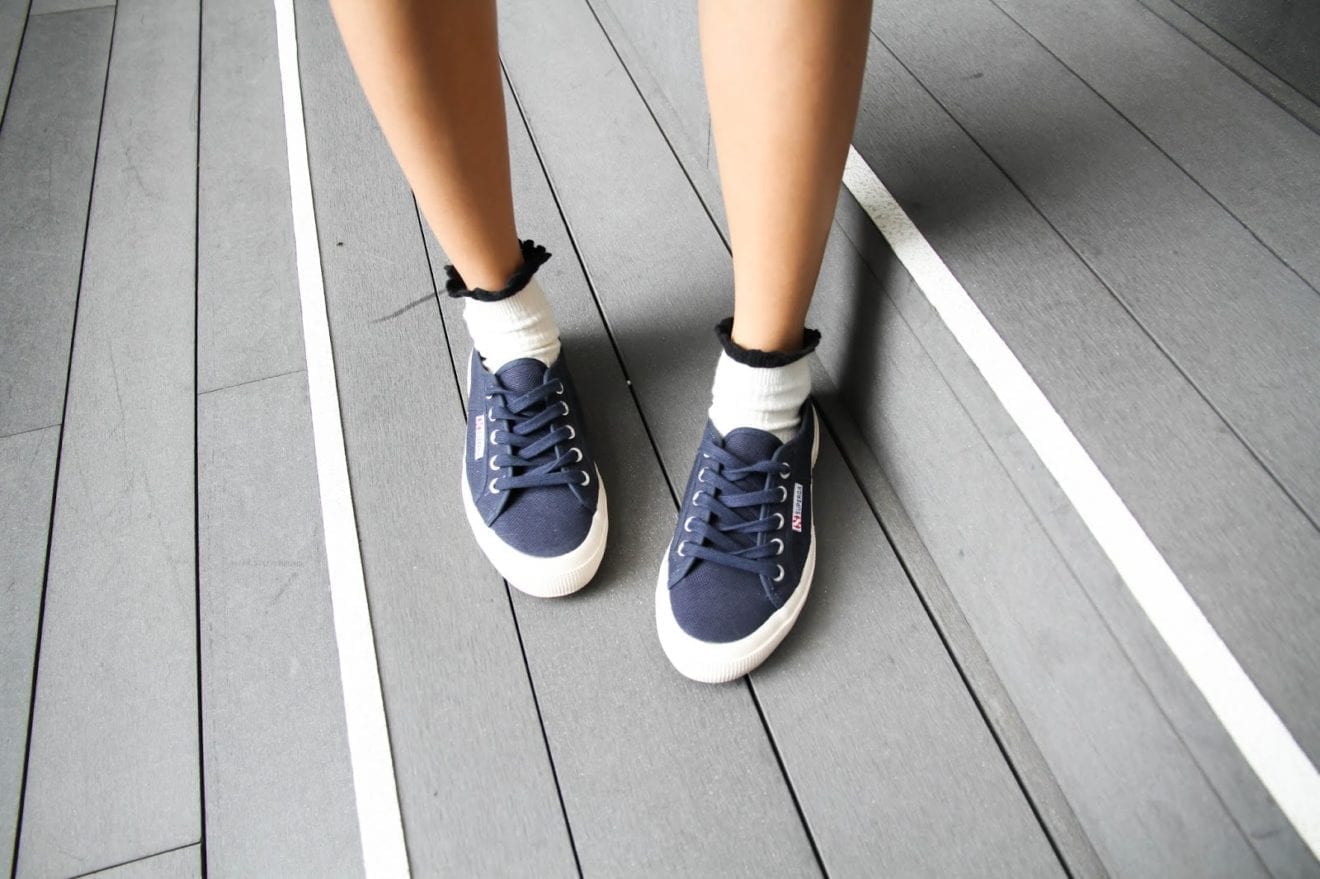
    Superga Singapore will open its third retail store on Friday, at Westgate Mall, Jurong.

    It will be the biggest Singapore store yet for the Italian shoe brand, covering 800sqft (74sqm).

    As well as the brand’s signature white interior, the store features a red background for the first time.

    To celebrate the launch of the store, five exclusive sneakers will be available at Superga Westgate, as well as the launch of the Superga X Marvel collection inspired by Captain America.

    Also exclusive to the store will be new items like the Superga 2750 Multi Sole and Superga 2750 Espadrille from the seasonal range – on sale for just the first week.

    For each of the first three days, the first 30 customers will receive a S$30 (US$22) Superga voucher.

  • Harrys of London taking steps toward India

    Harrys of London taking steps toward India

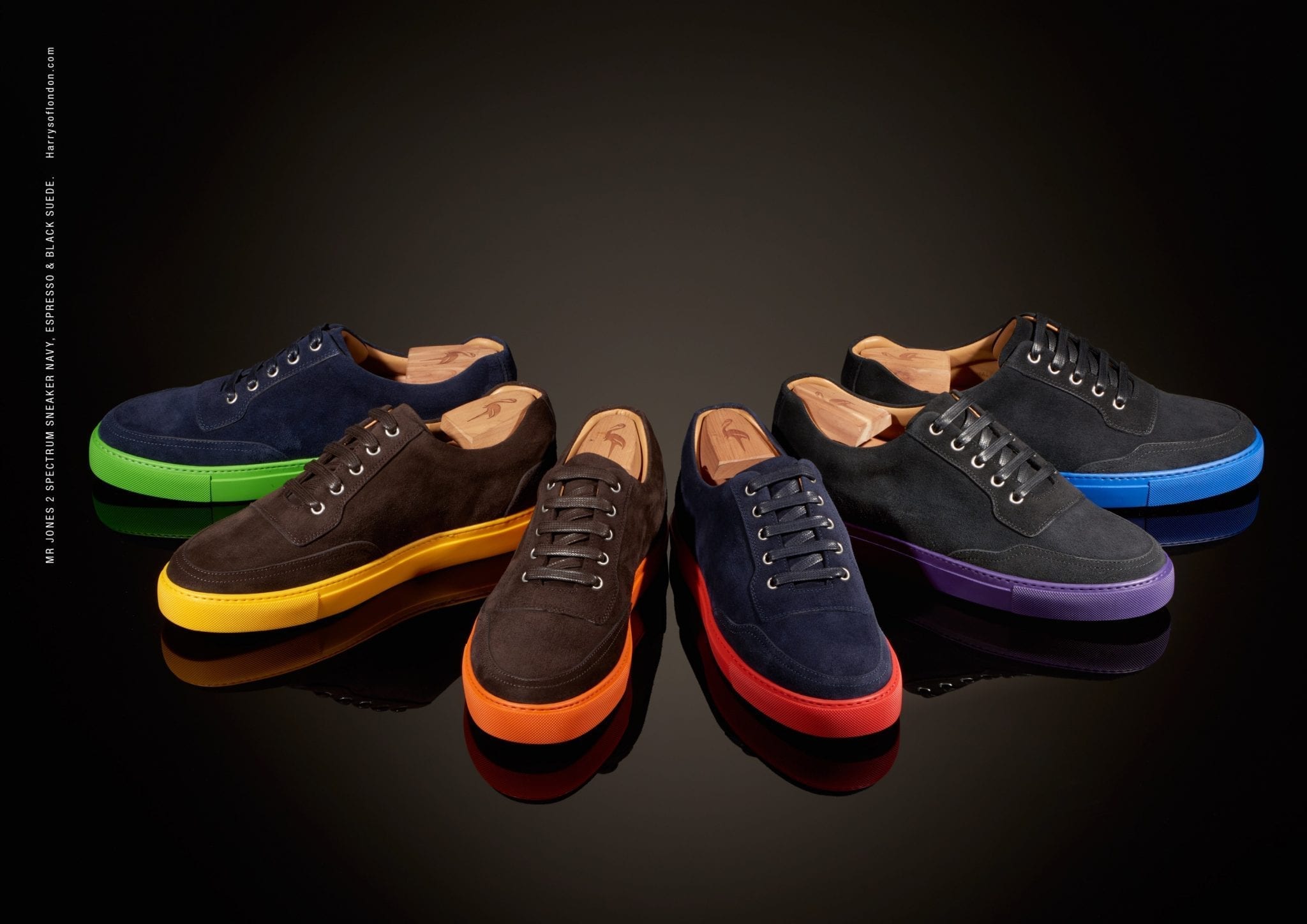
    Luxury men’s footwear and accessories brand Harrys of London has plans to enter India. Its first outlet will be in Delhi, followed by Mumbai early next year.

    Founded in 2001 and with stores in more than 20 countries, Harrys of London is seeking franchise partners in India.

    “India is an important market for us with our target group being businessmen and travellers between 25 and 60 years old,” says CEO Steven Newey. “Our collection ranges from contemporary London and formal footwear to sneakers.”

    The company also sells travel bags, wallets, shoe-care products, scarves and belts.

    Harrys plans to open five to six stores in India over the next five years and expects to earn £1 million (US$1.3 million) a store.

    “We have been growing at an annual rate of 20 to 25 per cent, and we sell 25 pairs of footwear every month, on average,” says Newey. “In five years, our India stores will be able to earn five to six million pounds.”

    The company, which has its own e-commerce platform, has its footwear manufactured in Italy.

    About 60 per cent of India’s branded footwear market is for men, according to KPMG figures.

    While the branded market is dominated by old brands like Bata, Liberty and Relaxo, much of the segment is unorganised.

    Meanwhile, with increasing disposable income and brand awareness, the men’s footwear segment is growing at a rate of 10 per cent while the women’s category is growing at 20 per cent, says KPMG.

  • Clothes and footwear tipped to top £68.8 billion

    Clothes and footwear tipped to top £68.8 billion

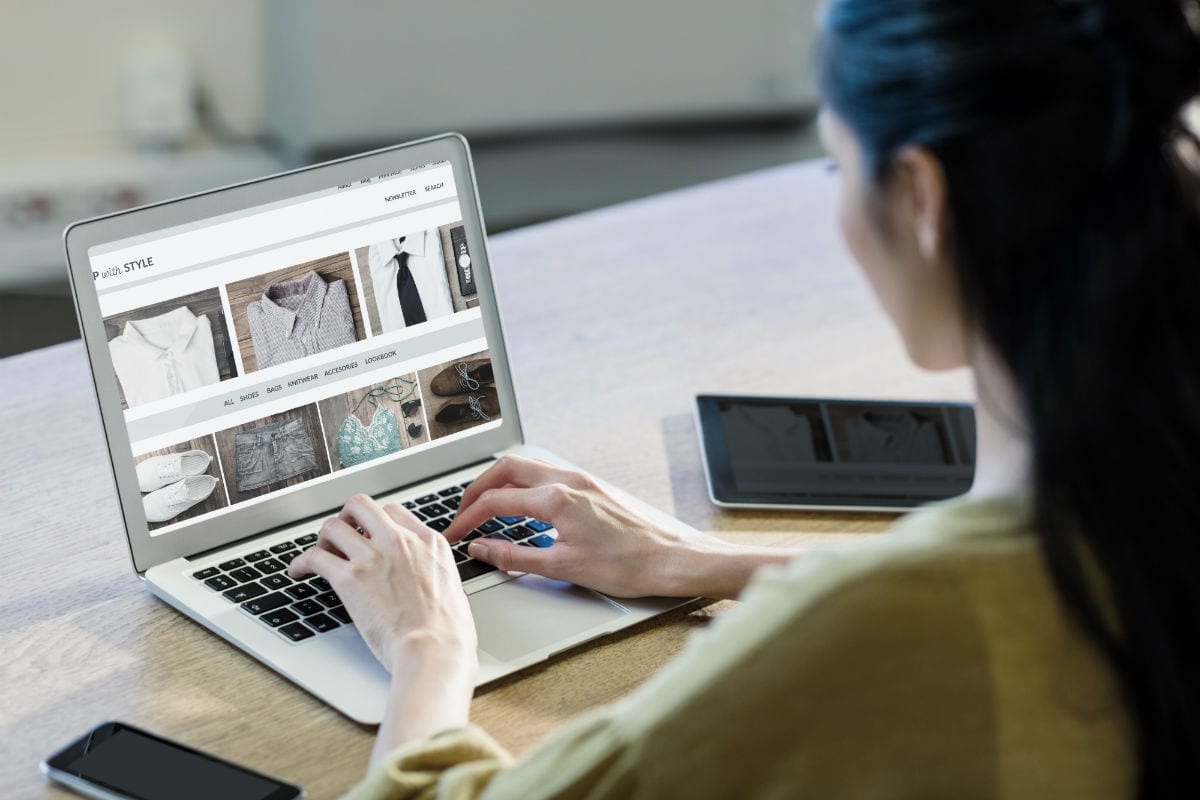
    The UK e-commerce market is forecast to rise 35 per cent over the next five years reaching £68.8 billion by 2022, according to business information and analytics firm, GlobalData.

    The company’s latest report found that although clothing & footwear will be the biggest contributor to growth, sectors that have traditionally experienced low online penetration such as health & beauty and furniture & floorcoverings, will rise significantly during the same period shopping via smartphone will continue to be consumers’ channel of choice as mobile spend rises 112 per cent over the next five years.

    According to GlobalData, this rising trend will be driven by improvements in retailers’ own mobile functionality together with the prominence of a ‘see now, buy now’, instant gratification consumer mentality.

    In the last 12 months 78 per cent of the UK population have shopped online the prime drivers being convenience and  the lure of lower prices.

    The report found online shopper penetration for 16-34 year olds above 90 per cent, affirming the importance of the online channel for younger consumers.

    “Online pureplays including Amazon and ASOS continue to innovate introducing new technology and driving up consumer expectations of delivery and user experience, requiring multi-channel players to quickly follow suit to maintain their relevance,” said Sofie Willmott, senior retail analyst at GlobalData.

    Despite low online penetration in 2017, the health & beauty sector is forecast to experience the highest growth in the next five years with sales set to rise by 66.2 per cent.

    “Market leaders Boots and Superdrug are well placed to benefit from the shift to online, with strong brand and delivery lead time propositions in place,” said Willmott. “However they remain under threat from online pureplays such as Lookfantastic.com and ASOS as well as the department stores which have rapidly improved their beauty propositions, – making brands and exclusives far more accessible.”

    Online returns are forecast to grow at practically the same rate as online spend over the next five years with clothing & footwear dominating the channel, accounting for 70 per cent of all online returns by 2022.

    “Despite the online channel providing a lifeline to bricks & clicks retailers experiencing tough offline sales, e-retail still imposes significant challenges, including the management of returned stock,” said Willmott. “Online returns will continue to rise over the next five years as consumers become more experienced and confident in managing the free and simple returns processes, combined with increased availability of online delivery saver schemes.”

  • World-first 3D-printed basketball boot unveiled

    World-first 3D-printed basketball boot unveiled

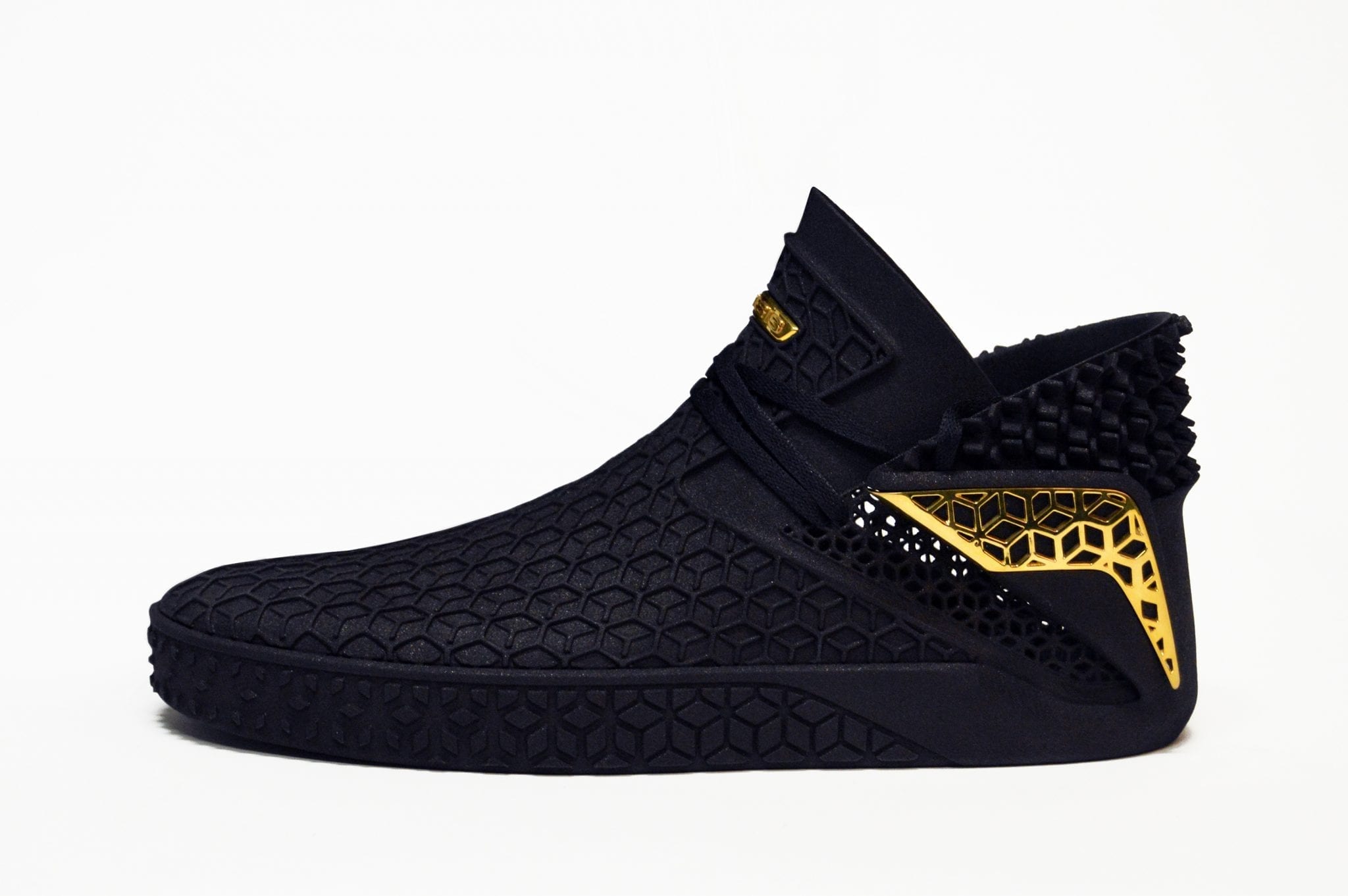
    US sports brand Peak has unveiled what it says is the world’s first 3D-printed basketball boot.

    Peak is one of the world’s first footwear brands to apply 3D printing technology to a sports shoe. Three years ago, the company acquired advanced 3D printing equipment and rolled out products based on the 3D printing concept.

    Peak launched the “Future I” 3D printed running shoes last May and believes the evolution to a 3D printed basketball boot moves the company into the position of being the world’s leading sports brand in the research and application of 3D printing technology.

    Peak uses SLS laser technology and printing prototyping of flexible and light TPU powders in the design.

    “As a new prototyping and processing technology, 3D printing is of great significance to Chinese sports brands and the country’s Made in China 2025 strategy,” said Peak GM Xu Zhihua.

    NBA professional player Dwight Howard III, who plays with the Charlotte Hornets, is impressed: “This pair of boots has obviously higher performance than traditional ones,” he said at the boot’s unveiling in China.

    “I felt that the 3D printed soles and vamp side walls enable a more comfortable wearing experience. Maybe, one day in the future, you’ll see me wearing the 3D printed basketball boots, footwear designed based on R&D carried out by Peak, during an NBA competition.”

    The Dwight Howard III 3D-basketball boot deploys a 3D-lattice structure in the middle of the sole, while using the 3D printed TPU structure for the vamp side walls, breaking existing design structure limits and expanding the room in which designers could allow themselves to be more creative.