Retail News CRM

Tag: fossil

  • Fossil to launch new Emporio Armani, Diesel and Michael Kors smartwatches

    Fossil to launch new Emporio Armani, Diesel and Michael Kors smartwatches

    Each year Fossil refreshes its stylish lineup of smartwatches with new models that feature updated hardware and, sometimes, different designs. This is year is no exception and a new set of Fossil wearable devices are expected to arrive as early as fall.

    A fairly sizable number of unannounced Fossil smartwatches have been recently spotted at FCC, and their codenames have been deciphered by Droid-life as belonging to brands like Michael Kors, Emporio Armani, and Diesel. There’s also one Fossil-branded smartwatch among those listed at FCC, but there might be additional ones that haven’t popped up yet at the Federal Communications Commission.

    Along with the listing of their codenames, we also have some pictures showing the Wear OS app drawer and settings, but aside from that, no exciting new info revealed in the documentation filed at FCC.

    We’re not even sure whether or not these will be equipped with Qualcomm’s new Snapdragon Wear 3100 chipset, which would be an upgrade from the current Fossil smartwatch. The good news is we’ll most likely learn more about Fossil’s upcoming smartwatches pretty soon now that they’ve been listed at FCC.
  • Smartwatch market set for a shakeup: Juniper Research

    Smartwatch market set for a shakeup: Juniper Research

    Big brands are set to lose share in a major shakeup of the smartwatch market. According to Juniper Research, the largest brands in the category now will see their market share fall by 2023 as new niche players gain ground. Four leading brands including Apple, Samsung, Fitbit, and Fossil will see sales decline from an estimated 58 per cent of the market last year to 47 per cent by 2023. The decline is due to the growth of smaller players such as Garmin, Huami and Huawei.

    Smaller players will thrive thanks to strategies tailored for niche markets, their choice of cases or price points, while other brands are releasing premium smartwatches combining the best of fitness, outdoor activity and health features. While Apple will remain the largest single vendor in terms of shipments over the next four years, Huawei will enjoy the fastest growth, at a CAGR of 20 per cent.

    An intensified focus on healthcare integration will also contribute to an increase in smartwatch shipments over the next few years. Juniper forecasts that Apple and Withings will lead this section, followed by Fitbit and Garmin.

    China to become the biggest market

    The rise of smaller players is linked to the rapid expansion of the Chinese market offering lower-priced smartwatches. The Far East and China have now overtaken North America as the largest geographical market, with more than 24 million smartwatches shipped last year, compared to 19.5 million in North America.

    The gap between these two markets will widen by 2023, with the Far East and China trebling its shipments by then.

    Slower hybrid market

    The adoption of hybrid smartwatches will be slower than expected. Last year, hybrid smartwatches represented about 22 per cent of all smartwatch sales. The slower growth is linked to smaller players focusing on digital smartwatches offering more possibilities in terms of apps, connectivity and sensors than hybrid watches, which remain limited in their functionality.

  • BMW to sell Fossil designed branded watches

    BMW to sell Fossil designed branded watches

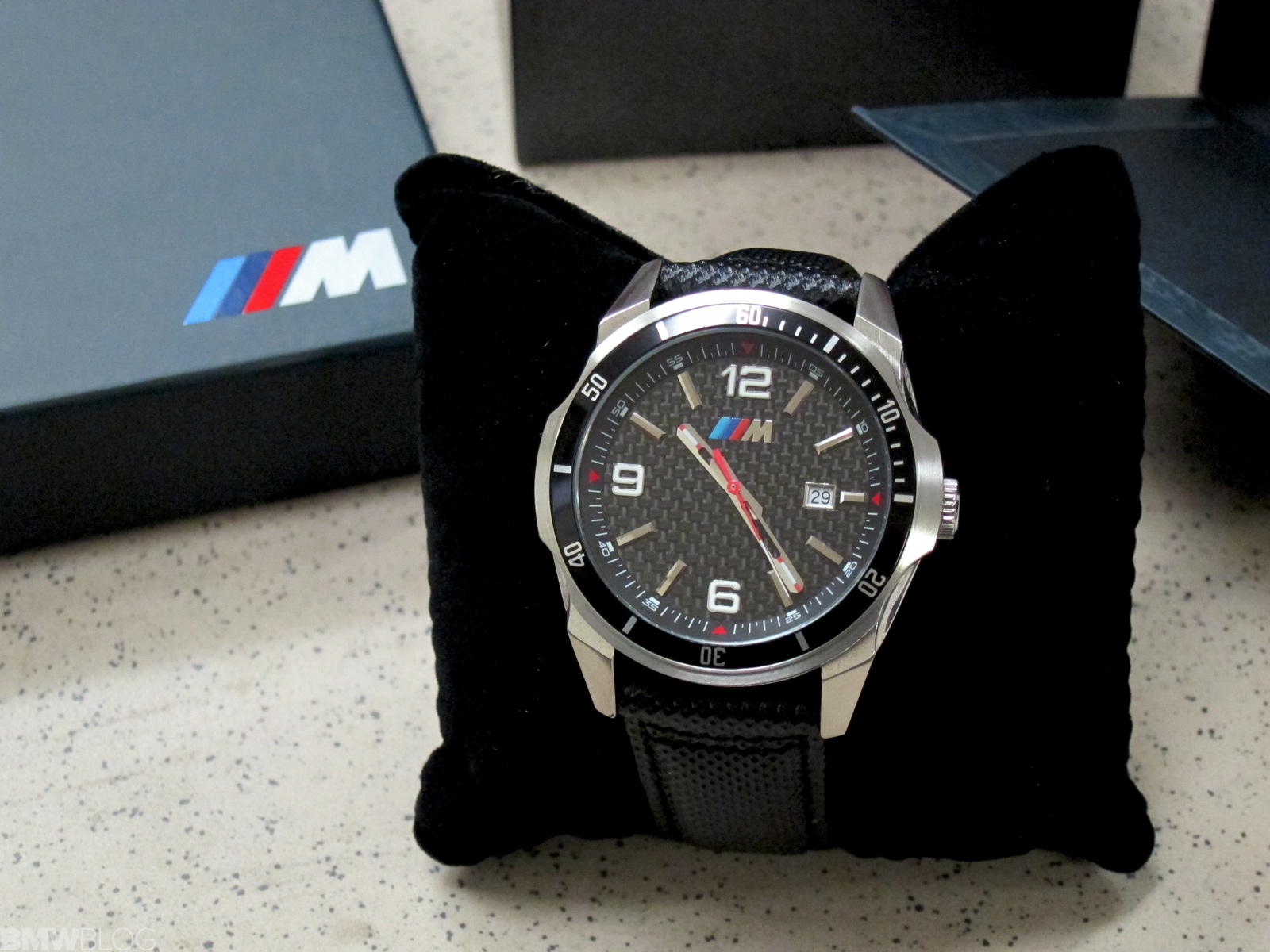
    Fossil Group has signed a global licensing agreement with BMW to design, develop and distribute BMW-branded watches and smartwatches until 2023.

    “BMW is one of the most iconic brands in the world,” said Fossil Group chairman and CEO Kosta Kartsotis. “We look forward to bringing our watch design expertise and smartwatch capabilities to BMW enthusiasts around the world.”

    The first collection of BMW-branded watches designed by Fossil will go on sale next year after a collaboration by designers from the two companies.

    The collections will be sold globally in more than 4000 BMW retail channels and key retailers in Fossil Group’s global network.

    Fossil Group already has design partnerships with licensed brands including Armani Exchange, Chaps, Diesel, DKNY, Emporio Armani, Kate Spade New York, Marc Jacobs, Michael Kors, Puma and Tory Burch.

  • Hybrid Smartwatches to Make Up Over 50% of Smartwatch Shipments by 2022

    Hybrid Smartwatches to Make Up Over 50% of Smartwatch Shipments by 2022

    Watches that appear to be analogue models but integrate smartwatch features will make up more than half of the smartwatch market by 2022, according to Juniper Research.

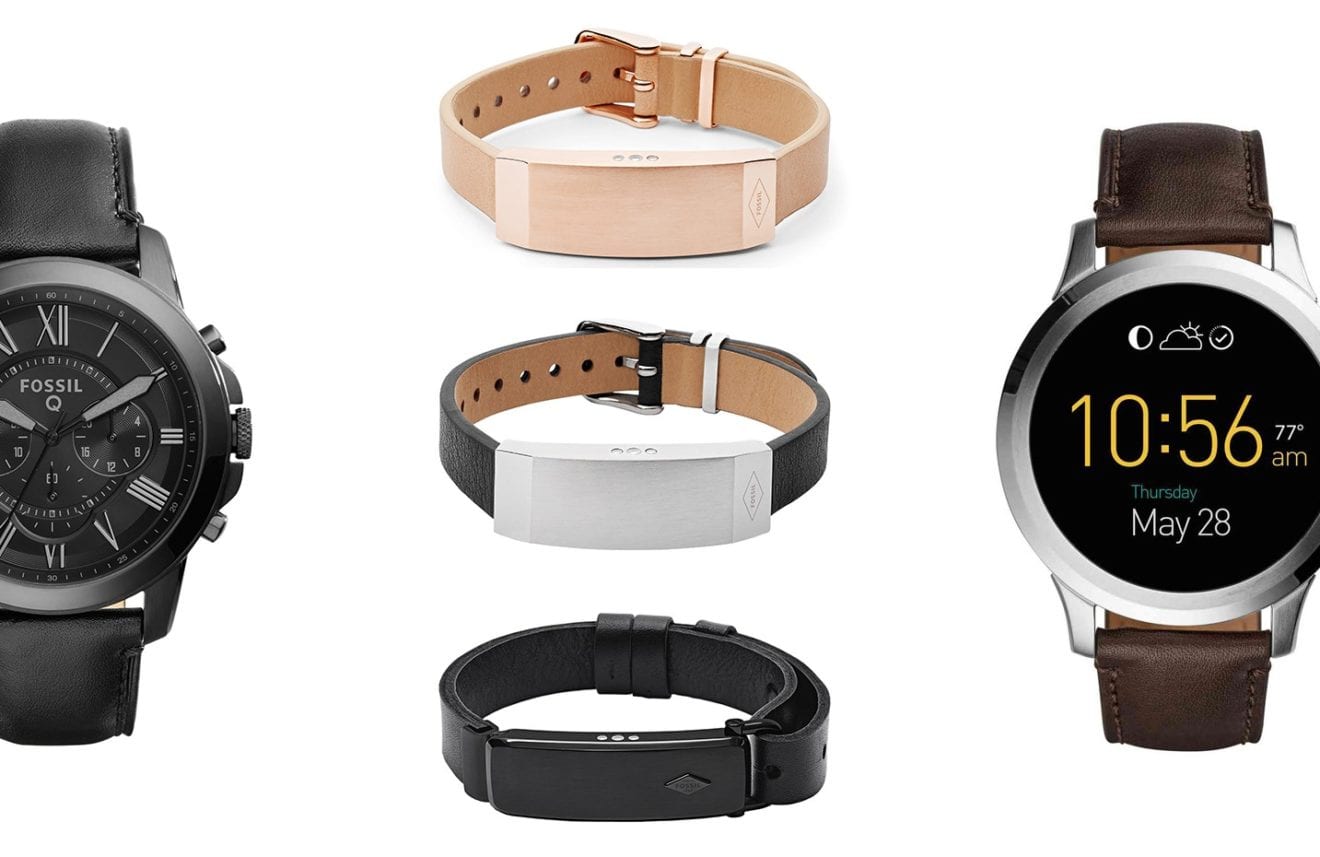
    This means that nearly 80 million hybrid smartwatches, such as Fossil Q and Nokia Steel, will be shipped by 2022, up 460 per cent from an estimated 14 million last year. However, for digital-display smartwatches like Apple Watch and Fitbit Ionic, Juniper lowers the rate of growth to 160 per cent.

    This slower growth has caused several manufacturers, including Huawei, Motorola and Sony, to leave the space, says Juniper’s new report, Smartwatches: Trends, Vendor Strategies & Forecasts 2018-2022. Those staying in play are pivoting toward specific uses, mainly fitness, which Apple, Casio, Samsung and others have emphasised in recent releases.

    “The smartwatch market is refining itself into a series of specific-use cases”, says research author James Moar. “This is having an impact on every aspect of smartwatches, from their design for increasingly specialised uses to their sale through specific retailers. While most vendors cannot necessarily hope to reach a broad coverage, the industry as a whole is here to stay.”

    Despite the renewed interest in hybrids, Juniper expects individual players to produce few smartwatches. Hybrid watch manufacturers generally ship fewer than 2 million units annually.

    An exception is Fossil, which has released many display and hybrid smartwatches. It is forecast to ship more than 6 million smartwatches annually by 2020.

    Meanwhile, the report has found that different connectivity technologies are becoming more prevalent for smartwatches, with GPS expected to be an element for nearly half of all smartwatches by 2022. In comparison, growth will be limited for near-field communication NFC technology as this is currently locked into specific ecosystems. Juniper does not foresee any change to this in the foreseeable future.

    Juniper Research provides research and analytical services for the global hi-tech communications sector, and has also just issued a complimentary white paper for vendors, Why Most Smartwatches ‘Fail’.

  • Fossil Group Asia sales down 9%, CFO quits

    Fossil Group Asia sales down 9%, CFO quits

    American watchmaker Fossil Group said total revenues took a dive in the second-quarter, on the back of soft sales in traditional watches and retail disinterest across all regions including Asia.

    For the three months ended July 1, the company’s net sales slipped 12.9 per cent to US$596.8 million from $685.4 million.

    By region, Asia was the best performing market, but still recorded a 9 per cent dive in revenues. This bettered the Americas down 16 per cent, while sales in Europe fell 10 per cent, said Fossil Group.

    By category, watch sales decreased 9 per cent, despite an increase in the connected watch business.

    Sales also declined in the company’s leather category, which was down 25 per cent, and in the jewellery category, slumping 22 per cent.

    “With the first half of 2017 now behind us, we believe that our traction in wearables, our significant progress in our supply chain evolution and our reduction in infrastructure costs show that we are pursuing strategies that can improve our profitability and return the company to solid growth over time,” said Kosta Kartsotis, chief executive officer, Fossil Group.

    The company’s net loss came to $344.7 million, or $7.11 a diluted share, compared with net income of $6 million, or 12 cents, a year earlier.

    Moreover, Fossil’s chief financial officer Dennis Secor has left the company due to personal/family reasons. The company said Jeff Boyer is set to join Fossil on October 16 as the new CFO. He is already a board member.

  • Innisfree to launch in Indonesia

    Innisfree to launch in Indonesia

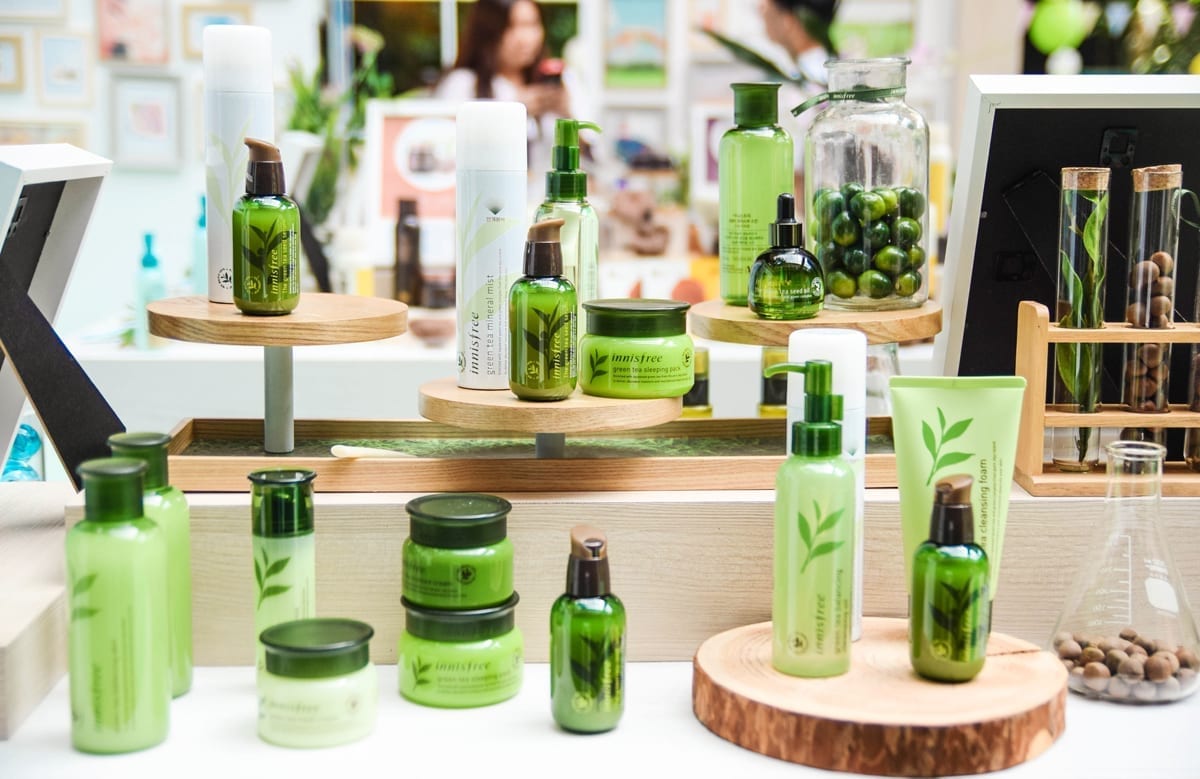
    Beauty products brand Innisfree is launching in Indonesia with brand curator Time International.

    Part of Korean global beauty company AmorePacific Group, Innisfree offers products made with natural ingredients from Jeju, a volcanic island off the southern coast of the Korean Peninsula.

    Innisfree’s first store will open at Central Park Mall Jakarta on March 24, following its introduction in such markets as China, Hong Kong, India, Malaysia, Singapore, Taiwan, Thailand and Vietnam.

    As well as skincare, Innisfree will offer colour cosmetics in Indonesia, says international business VP Chul Kim.

    Innisfree was launched by AmorePacific Group in 2000, joining its brands Laneige and Sulwhasoo.

    Founded in the 1960s, Time International manages multi-brand retail stores as well as mono-brand boutiques for such brands as Cartier, Chanel, Chopard, Diesel, Fendi, Fossil, Project X, Rolex, Sweet Monster and Tag Heuer.

  • Fossil wearables offering doubles

    Fossil wearables offering doubles

    Fossil Group will double its Fossil wearables production this year to 300 new products, plus add new brands.

    • Fossil Group has announced it will double its Fossil wearables production this year to an unmatched 300 new products, plus add new brands.
    • New connected products were also revealed by the US group’s brands…
      Armani Exchange has entered the wearables market with Armani Exchange Connected, a collection of hybrid smartwatches.
    • Fossil has extended its Fossil Q hybrid smartwatch line with Fossil Q Accomplice, with the brand’s slimmest case to date.
    • Skagen has introduced Hald and Jorn hybrid smartwatches, offering thinner cases.
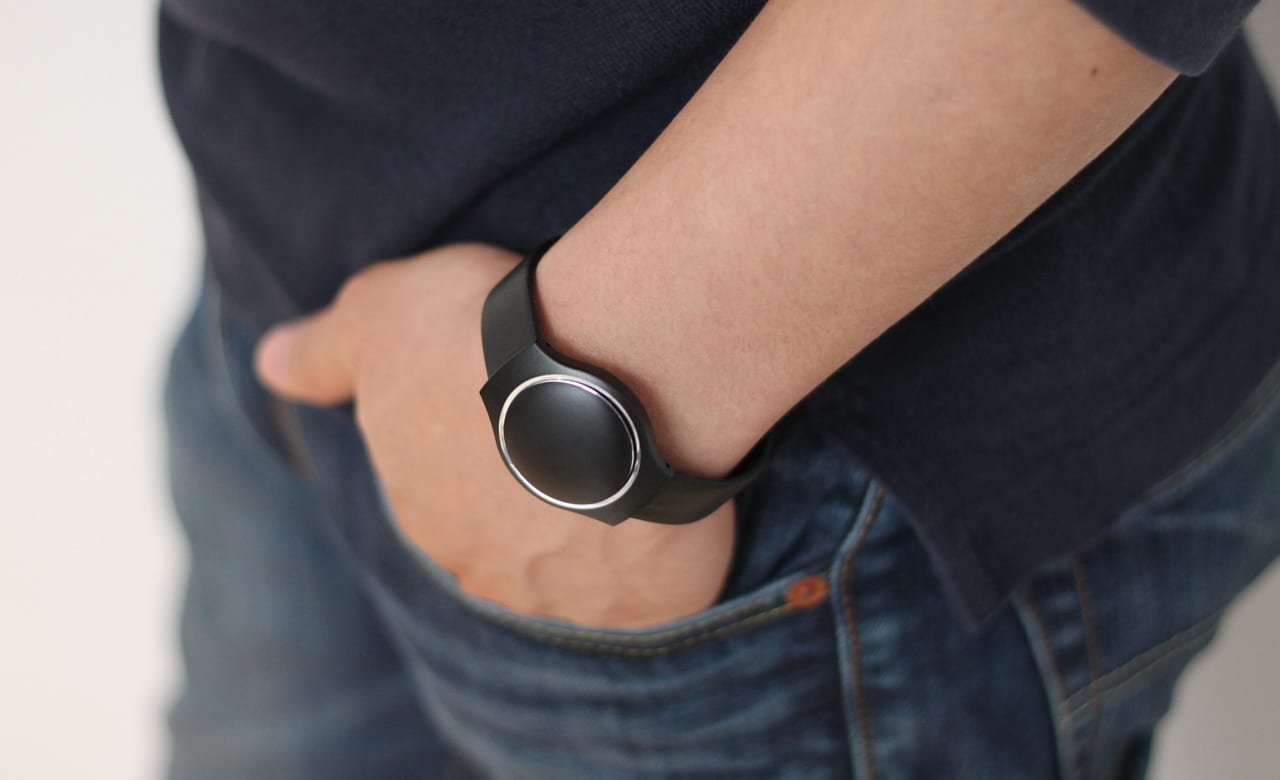
      Misfit has unveiled Vapor, the brand’s first touchscreen smartwatch featuring heart rate, GPS and standalone music access.

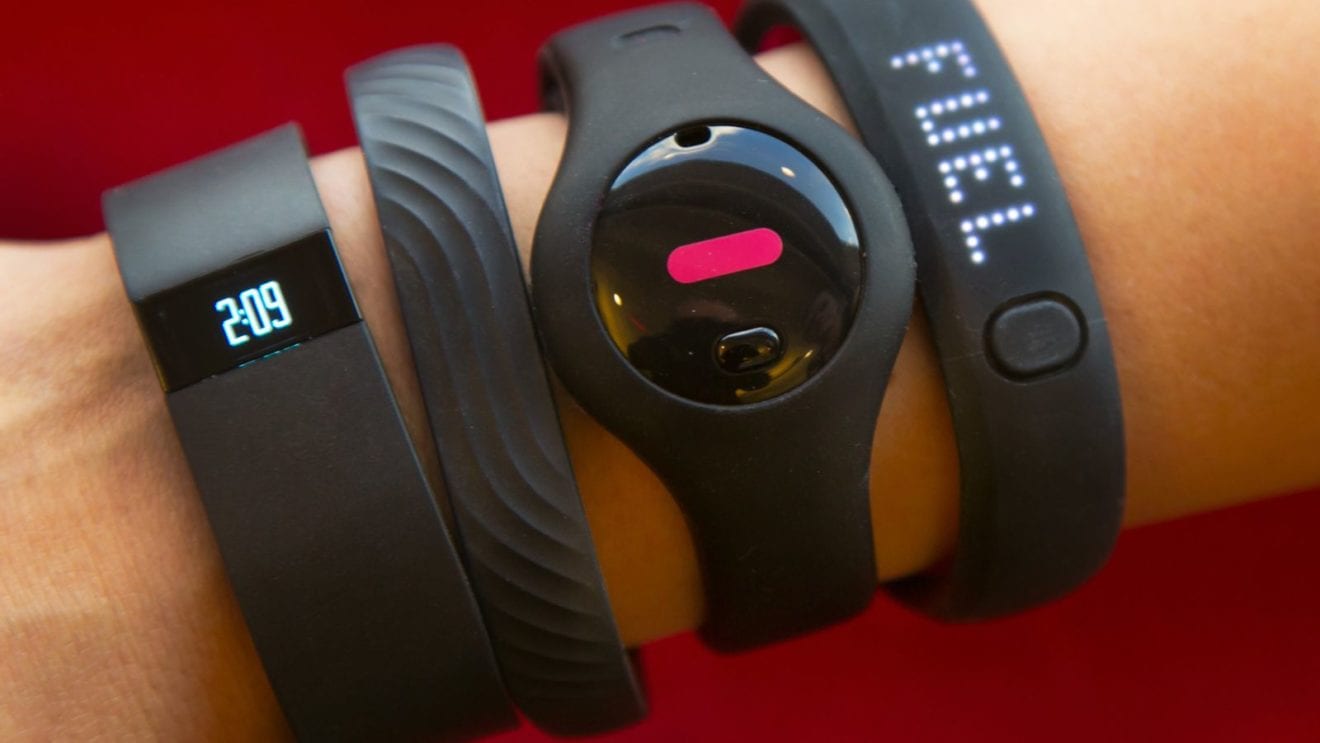
    Fossil Group’s wearables include touchscreen smartwatches, hybrid smartwatches and activity trackers.

    “Customers crave connectivity that doesn’t compromise style,” says Fossil Group chief strategy and digital officer Greg McKelvey. “We’re creating more options to seamlessly integrate desired tech features into our customers’ style and lifestyle.

    He says the group’s design, scale, speed to market and portfolio of fashion brands, coupled with its cloud and app platform plus tech and hardware innovation “have pulled us ahead of the wearables pack”.

    Fossil Group last year launched more than 140 wearables across Chaps, Diesel, Emporio Armani, Fossil, Kate Spade New York, Michael Kors, Misfit and Skagen brands throughout 40 countries and in 20 languages.

    “The success of our hybrid smartwatches has proven that our consumers want a balance of function and fashion,” says McKelvey. “We’ve effectively filled that gap in the market. Hybrids pack the power needed to efficiently accomplish daily tasks in a beautifully crafted timepiece.”

  • Multi-brand boutique Project X launches

    Multi-brand boutique Project X launches

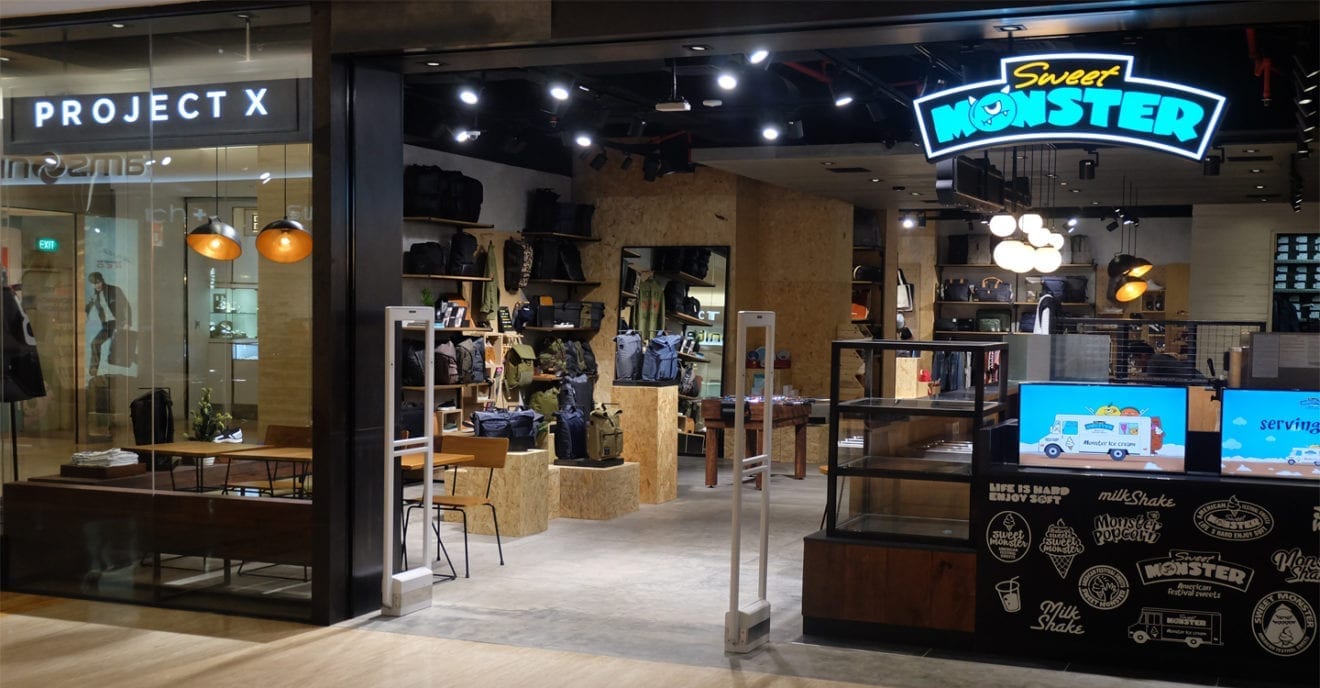
    Project X, a multi-brand boutique that caters to young creative minds, has launched at Plaza Indonesia in Jakarta.

    From Time International, Project X offers a new take on men’s and unisex casual fashion and lifestyle. Its curated retail concept introduces 22 international brands and includes innovative designs in apparel, bags, shoes and accessories such as sunglasses and watches.

    project-x


    From Australia, Japan, South Korea and the US, the products are displayed in fun and creative surroundings, including a dessert stall, Sweet Monster, which features popcorn soft ice cream.

    The store has a palette of white and grey with wooden accents.

    “People like to shop and discover edgy pieces, and they like to hang out. It is a lifestyle,” says Time International president director/CEO Irwan Danny Mussry. “We see an opportunity here.”

    A second Project X is planned for Pondok Indah Mall 2.

    Featured brands at the boutique are Andersson Bell (South Korea), Beyond Closet (South Korea), Blankof (South Korea), BLC & BLC Gray (South Korea), Buddy Happy (Japan), Kapten & Son (Australia), Kiruna (Japan), Lapiz+ (South Korea), Luccica (South Korea), Mascolanza (South Korea), Miel Homme (South Korea), Monofold (South Korea), National Publicity (South Korea), PKG (Canada), Rawrow (South Korea), Riokairyu (South Korea), Salad Bowls (South Korea), Supercomma B (South Korea), Thank You Studios (South Korea), Thread Etiquette (US) and Ul: Kin (South Korea), United by Blue (US).

    Founded in the 1960s, Time International manages and runs both multi-brand retail stores – including @Time, InTime, The Time Place and Urban Icon – as well as mono-brand boutiques for such brands as Cartier, Chanel, Chopard, Diesel, Fendi, Fossil, Liebeskind, Poney, Rolex, Tag Heuer and Tory Burch.

  • Fossil Asia all set to enter wearable segment

    Fossil Asia all set to enter wearable segment

    As a part of its exercise to strengthen its foothold in the Indian market, watch and accessories brand Fossil is looking not just at penetrating with mono brand retail stores but also introducing its wearable lines which marries technology and fashion.

    The company said it is also going from strength to strength in increasing its presence in the third party e-commerce sites even as it considers setting up its own e-commerce platform following the government’s recent change in rule regarding FDI in e-commerce.

    “Retail and especially, e-commerce, is growing in India. It is only a matter of time when a large chunk of purchases will happen through it. We are piloting our platform but it will be non-transactional for the time being. We may look at transaction from it after regulatory approvals sometime later this year,” Jack Quinlan, Senior V-P, Asia Pacific, Fossil Asia Pacific.

    The company said it is also looking to scale up its mono brand retail stores.

    Aims for 25 stores

    “Our own stores here have struck growth for us. Indian market is growing in double digits. In India, we have 14 mono brand stores. We are looking to take that to 25 in the next few years,” he added.

    Fossil India is the 100 per cent subsidiary of the global brand. It had previously sold through multi-brand retailers. However, following approval of its single brand retail licence, the company had set up its mono brand stores. It has so far committed an investment of $4.5 million (₹30 crore) in the Indian market for retail, Quinlan said. To attract consumers into the affordable luxury brand, the company is will be introducing its wearable line by August-September and it will be priced around $275, he added.

    According to data, smart watches and smart brands is a growing market. Gartner predicts that by the end of 2016, smart watches will constitute about 40 per cent of wearable devices for the wrist. It is estimated that seven out of the top ten smart phone vendors have either entered or are planning to enter the wearable space. Several watch makers have also joined the fray.

    In India, Fossil sells its watches, leather goods and jewellery. “We are also looking at multi-brand retail to bring in more products,” he added.

    Asked if the company is looking at sourcing or manufacturing in India, Quinlan said the company has a sourcing for its leather goods, and factory in Himachal Pradesh for its watches.


  • Fossil wearables teams with major fashion labels

    Fossil wearables teams with major fashion labels

    Fossil wearables has teamed with major fashion brands Chaps, Diesel, Emporio Armani, Fossil, Kate Spade New York, Michael Kors, Misfit and Skagen to launch in 40 countries in 2016.

    Fossil Group says it plans more than 100 wearables products – which include display- and non-display watches and trackers – will be available in 40 countries and more than 20 languages later this year. The category of wearables offered will vary by brand.

    Fossil Group will support the wearables with unique and branded apps across all brands, three product categories, and two operating systems. The 2016 launches are part of the company’s efforts to bring a fashion-first focus, innovation and an increased variety of products to the wearables industry.

    “One of the distinct advantages of a fashion company over traditional consumer electronics manufacturers is our product cycle,” said Greg McKelvey, chief strategy and digital officer with Fossil Group.

    “We demonstrate remarkable speed to market, from development to launch, in order to meet the retail industry’s seasonal new product deadlines.

    “The industry has been slow to adapt to growing consumer desires for new styles and options for wearables. With the diversity of major fashion brands we offer, customers will be delighted with the sheer volume of styles and options available when shopping for a wearable that fits their personal style.”

    With the look, feel and fashion appeal of traditional watches, Fossil Group’s digital display watches and non-display watches leverage the company’s core competency in making beautiful, quality watches.

    Since acquiring Misfit in November 2015, Fossil Group has increased capabilities for the development and production of the technology supporting its wearables products. The company’s wearable technology platform includes proprietary power management technology that enables coin cell battery-powered non-display watches and trackers to be deployed across the entire Fossil Group brand portfolio.

    Without the need for daily, weekly or even monthly charging, the new devices function much more like traditional watches and lifestyle accessories than as typical consumer electronic products that require daily maintenance.

    Concurrent with the advancement of Fossil Group’s owned technology and research and development capabilities, the company continues its strong partnerships with third-party technology partners, including Google and their Android Wear platform, to deliver on the company’s short- and long-term wearables strategy.

    Fossil Group this week displayed Fall products – including wearables, watches, jewellery, leather goods and other accessories – to business partners and media in its new European headquarters in Basel, Switzerland, during the annual Baselworld marketplace show for the world’s watch and jewellery industry.

    The new, 108,000 sqft, seven-floor Basel facility was constructed with modern geometric architecture. Three floors of brand showrooms present brand-immersive experiences for each of the company’s 17 owned and licensed brands, and a large auditorium and event space.
  • Global duty free retailing to hit US$98 billion

    Global duty free retailing to hit US$98 billion

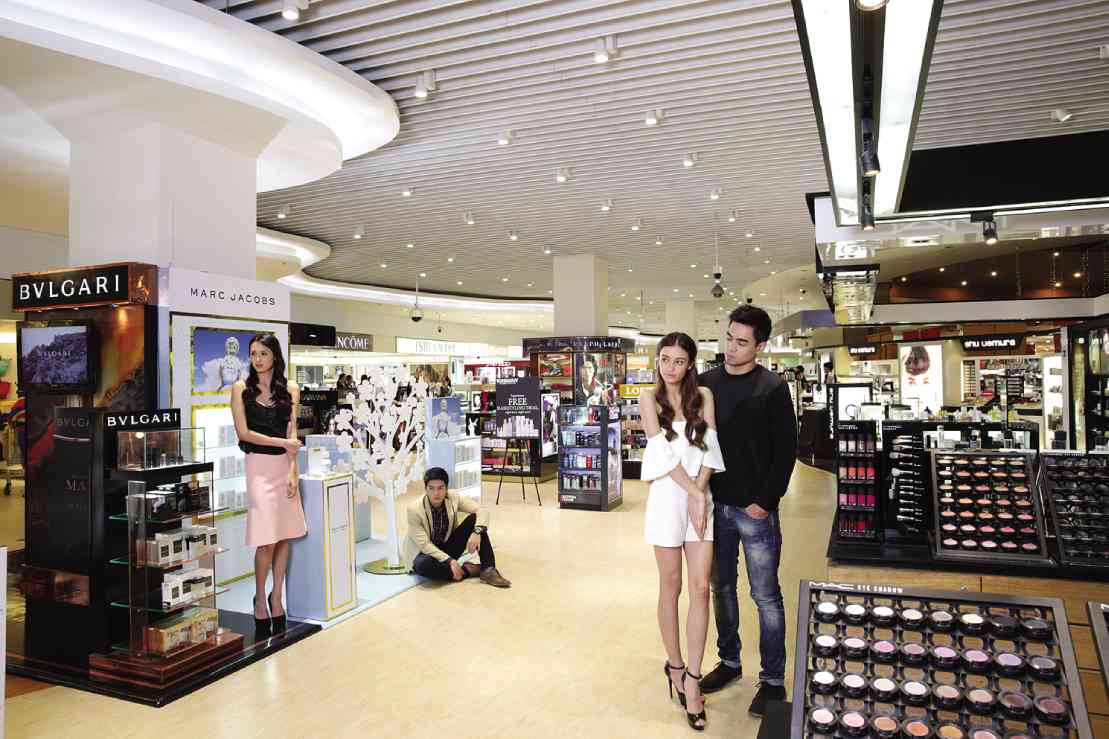
    Global duty-free retailing is expected to reach nearly US$98 billion in revenue by 2019, according to a new study by global technology research and advisory company Technavio.

    With the expansion of low-cost airlines, many middle-class travellers are taking inexpensive holidays, a trend that has helped the Asia Pacific and Middle East emerge as the fastest-growing regions for duty-free retail marketing, says Technavio analyst Vijay Sarathi.

    He says China, India, Indonesia, South Korea and Sri Lanka were among some of the most-desired inexpensive destinations in 2014.

    “During the same period, it is estimated that international tourist inflow in APAC increased to almost 263 million travellers, and it has largely helped the market grow until 2019.”

    Just released in London, Technavio’s report, Global Duty-Free Retailing Market 2015-2019, provides an in-depth analysis of market growth in terms of revenue and emerging market trends.

    By products, the global duty-free retailing market for 2014 comprised fashion accessories and hard luxury (32.1 per cent), perfume and cosmetics (29.21 per cent), wines and spirits (16.02 per cent), tobacco (12.43 cent), and confectionery and fine food (10.25 per cent), says the report.
    It says the fashion, accessories and hard luxury segment was valued at close to $20.81 billion, with the most in-demand products including precious jewellery, briefcases, handbags and shoes. The more popular brands include Armani, Burberry, Fossil, Gucci and Michael Kors.
    Technavio researchers say Chinese travellers emerged as the largest consumers of luxury brands last year, contributing nearly 25 per cent of global revenue.
    The perfumes and cosmetics segment is one of the fastest-growing categories in the global duty-free retailing market. APAC and the Middle East are the key regions for this category, with some of the top-selling brands including Chanel, Christian Dior, Estee Lauder and Guerlain.

    With close to 21.5 per cent of revenue share in the category, L’Oreal created a division especially for duty-free stores in 2013, describing the division as “the sixth continent”. In 2014, L’Oréal launched theVichy and Kerastase brands in the duty-free retail segment in Asia, and also launched the Three-Minute Beauty program to engage with potential luxury product buyers at airports.
    The liquor category is expected to grow to $13.47 billion in 2019. In 2014, Diageo opened two Johnnie Walker Houses in duty-free shops in India and Taiwan.

  • Fossil and wearable tech business

    Fossil and wearable tech business

    Fossil Group is to buy Misfit, an innovator in wearable technology and connected devices.

    The $260 million acquisition will enable Fossil to expand its addressable market, offering consumers both traditional timepieces and fashionable connected accessories. Misfit brings to Fossil a scalable cloud and app platform, a world-class software and hardware engineering team, a native wearable technology brand and a pipeline of innovative products.

    “We have a significant opportunity to add technology and connectivity across our platform of watches and accessories,” said Kosta Kartsotis, Fossil CEO.

    “With the acquisition of Misfit, Fossil Group will be uniquely positioned to lead the convergence of style and technology and to become the fashion gateway to the high-growth wearable technology and connected device markets.”

    Fossil Group is a global design, marketing and distribution company that specialises in consumer lifestyle and fashion accessories, including men’s and women’s fashion watches and jewellery, handbags, small leather goods and accessories, sold under 16 brands including Skagen. It sells through department stores, specialty retail stores and specialty stores in 150 countries, and has 600 of its own stores.

    Fossil says Misfit has already solved many of the biggest challenges with wearable accessories, including battery life.

    The deal will enable Fossil to expand its wearable market with new distribution channels, new products, new brands and new enterprise partnerships, including music, fitness, healthcare and digital entities.

    Misfit founder, Sonny Vu, said the two companies will now be able to introduce products that “blend Misfit’s seamless, intuitive technology and user experience with the design, style and branding that is the hallmark of Fossil Group”.

    Vu will serve as president and chief technology officer of connected devices for Fossil Group and will become a member of the company’s executive leadership team.

    Misfit was cofounded in 2011 by Vu and John Sculley, former CEO of Apple and Pepsi, and Sridhar Iyengar, co-founder and former CTO of AgaMatrix.

  • Fossil to invest USD6.3m to open 25 outlets in India

    Fossil to invest USD6.3m to open 25 outlets in India

    US-based watchmaker Fossil will invest up to INR40 crore (INR400 million, USD6.3m) to open 25 retail outlets in India by 2017 as it aims to reposition itself from a watch brand to a fashion lifestyle brand.

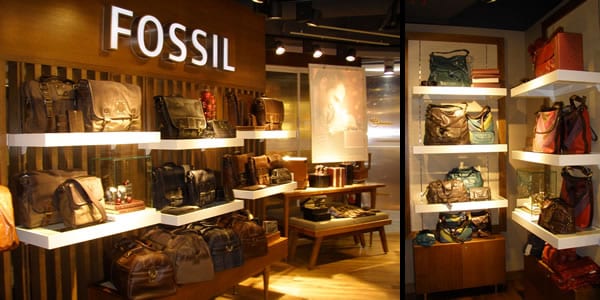
    The company, known for its range of watches, will sell non-watch products such as leather bags for women and men, wallets, eye-wear and jewellery through its retail outlets in the country.

    “We want to re-position Fossil from a watch brand to a fashion lifestyle brand. We will focus on developing non-watch categories. We will sell these products only through our retail stores. We plan to open 25 outlets by 2017 and will invest INR35-40 crore,” Fossil India Brand Head Sumit Ghosh told PTI.