Tag: founder

  • Miniso Founder Guofu Ye Doubles Down: Plans to Boost Stake by $6.4M Amid Company’s Rapid Growth

    Miniso Founder Guofu Ye Doubles Down: Plans to Boost Stake by $6.4M Amid Company’s Rapid Growth

    Guofu Ye, the founder of retailing company Miniso Group Holding, is planning to augment his ownership in the business by a minimum of HK$50 million (US$6.4 million). Over the course of the next year, Ye intends to elevate his shareholding by purchasing more company shares. This includes American Depositary Shares (ADSs) and ordinary shares that are publicly listed on the Hong Kong Stock Exchange.

    The method of transactions will vary, being made either on the open market or via private transactions. These transactions will be conducted directly or through entities that Ye controls, with all purchases funded by his personal finances.

    Ye is presently a majority stakeholder in Miniso, holding approximately 63.7% of the company’s shares, not including treasury shares.

    Reflecting on Miniso’s trajectory and performance in recent years, Ye stated that these elements have confirmed the company’s strategic direction and the team’s exceptional execution capabilities. He expressed his firm belief in Miniso’s ongoing growth and demonstrated his commitment through this proactive investment decision.

    However, with the company yet to release its financial results for the first quarter ending on March 31, Ye is bound by trading blackout restrictions and director securities transaction restrictions. He will initiate his plan to increase his shareholding following the end of this blackout period, which will occur post the disclosure of the company’s first-quarter results. Ye reassured that he would not have access to any significant non-public information during this period.

    The specifics regarding the timing, cost, and volume of each purchase will be ascertained based on the prevailing market conditions at the time.

    In the previous year, Miniso reported a substantial 26.2% surge in revenue, and the total number of stores climbed to 8,485.

    Questions & Answers

    What is the intended increase in Guofu Ye’s stake in Miniso Group Holding?
    Guofu Ye plans to increase his stake by at least HK$50 million (US$6.4 million).

    How will Ye execute the purchases for this increased stake?
    Purchases will be made either on the open market or via private transactions, directly or through entities controlled by Ye.

    What are Miniso’s recent performance indicators?
    In the previous year, Miniso reported a 26.2% increase in revenue and the number of stores rose to 8,485.
  • From MyMilk Founder to Fonterra CEO: Richard Allen to Guide Dairy Giant Towards Strategic Transition

    From MyMilk Founder to Fonterra CEO: Richard Allen to Guide Dairy Giant Towards Strategic Transition

    Fonterra, the world’s foremost dairy exporter, has concluded its internal hunt for a new Chief Executive Officer (CEO) by naming the veteran employee, Richard Allen, as successor.

    Richard Allen: The New CEO of Fonterra

    Richard Allen, who started his career path at Fonterra as a graduate in 2008, has recently held the position of president of global ingredients. His promotion comes in the aftermath of Miles Hurrell’s resignation in December of the previous year.

    Peter McBride, the Chairman of Fonterra, expressed the board’s satisfaction with the appointment. He emphasised that Allen is primed to steer Fonterra into the next stage of its strategic execution.

    During his tenure at Fonterra, Allen has accumulated a diverse portfolio of experiences. He managed Farm Source, the company’s farmer-oriented business, for five years and operated in China as the vice president of the food service sector. Further, Allen was the initial CEO of MyMilk, and more recently, he functioned as the president of Atlantic, located in Chicago. In this role, Allen was responsible for managing relationships with several of Fonterra’s crucial global clients.

    Transition and Future Plans

    On May 1, Allen will assume his new role as CEO. Hurrell will remain with Fonterra as an advisor until September, ensuring a smooth transition.

    Allen expressed his anticipation for his new appointment, acknowledging the significant impact Fonterra has not only on farmers in New Zealand but also on its international customer base. He pledged his commitment to maintaining the positive trajectory in company performance, the focused execution of strategy, and the financial discipline fostered over recent years.

    Questions & Answers

    When did Richard Allen start his career at Fonterra?
    Richard Allen joined Fonterra in 2008 as a graduate.

    What are some of the roles Richard Allen has held at Fonterra?
    Allen has held various positions during his tenure at Fonterra, including leading the farmer-facing business Farm Source, serving as vice president of the foodservice business in China, being the founding CEO of MyMilk, and most recently, acting as president of Atlantic in Chicago.

    When will Richard Allen officially assume his new role as CEO of Fonterra?
    Richard Allen will commence his role as the CEO of Fonterra on May 1.

  • Uniqlo Ceo Yanai Warns Of Economic Fallout From U.S. Tariffs; Unveils Plans To Raise Prices

    Uniqlo Ceo Yanai Warns Of Economic Fallout From U.S. Tariffs; Unveils Plans To Raise Prices

    Tadashi Yanai, the founder of the global fashion brand Uniqlo and CEO of Fast Retailing, has expressed his concerns over the impact of tariffs on international trade, particularly the United States. Yanai, who is Japan’s wealthiest individual, has previously vocalized his apprehensions about the potential economic fallout from the extensive tariffs put in place by the U.S. administration.

    Tariffs and their Impact

    Yanai aired his views during a Uniqlo event in New York City, where the brand was showcasing its LifeWear clothing line and an art collaboration with Toray Industries of Japan and The Museum of Modern Art. Speaking through a translator, he stated, “I fear the world could go bankrupt,” before adding, “America is the one that could suffer the most.” He did not elaborate further on his statement.

    Fast Retailing, under the leadership of Yanai, has grown to become a dominant force in the Asian apparel market and is currently executing an ambitious expansion plan in Europe and North America.

    Effects on Uniqlo and its Operations

    The company announced in July that the increase in U.S. tariffs would have a significant impact on its American operations starting from the later part of the year. To counteract this, the company plans to raise prices.

    The majority of Uniqlo products sold in the U.S. are manufactured in Southeast Asia and South Asia, making the brand particularly susceptible to any shifts in the tariff landscape.

    Questions & Answers

    Who is Tadashi Yanai?
    Tadashi Yanai is the founder of global fashion brand Uniqlo and the CEO of Fast Retailing. He is also Japan’s richest man.

    What is Yanai’s viewpoint on U.S. tariffs?
    Yanai is concerned about the potential economic fallout from extensive tariffs imposed by the U.S. administration. He believes that the United States could suffer the most from these tariffs.

    How is Uniqlo planning to counteract the impact of these tariffs?
    Uniqlo plans to raise prices to mitigate the financial impact of the increased U.S. tariffs on its operations.

  • Gojek Co-founder And Ex-education Minister, Nadiem Makarim, Detained In $121 Million Corruption Probe

    Gojek Co-founder And Ex-education Minister, Nadiem Makarim, Detained In $121 Million Corruption Probe

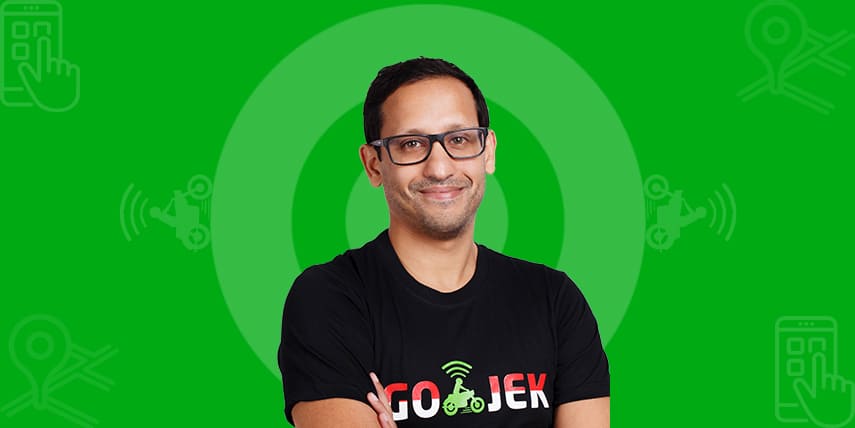
    Former Indonesian Education Minister and co-founder of the ride-hailing company Gojek, Nadiem Makarim, has been detained and named a suspect in a corruption case. The case involves allegations of malfeasance concerning laptop procurement. Makarim will be held for 20 days while the investigation progresses.

    Makarim’s Role in the Alleged Corruption

    Makarim served as the Education Minister from 2019 to 2024 and is accused of misconduct in the procurement of Google’s Chromebook laptops for his ministry and students. According to Nurcahyo Jungkung Madyo, the lead investigator, Makarim is believed to have misused his ministerial authority for personal enrichment or the benefit of a company, in violation of Indonesia’s anti-corruption laws. The damages from this case are estimated to have cost the state around 1.98 trillion rupiah (US$121.85 million).

    Before his detention, local media reported that Makarim stated, “I did not do anything. God will protect me, the truth will come out,” as he was leaving the prosecutor’s office for the detention house. No comment has been received from his legal representative.

    Procurement Specifications and Meetings with Google

    Prosecutors claim that Makarim had issued a directive in 2021, specifying procurement conditions that only the Chromebook laptop could meet. Furthermore, it is alleged that Makarim had six meetings with representatives from Google Indonesia prior to the selection of the Chromebook. Google Indonesia, however, declined to comment on the case involving Makarim, emphasizing that it operates with resellers and partners to provide its technology, and government agencies transact with them, not directly with Google.

    Gojek and the Investigation

    In July, the attorney general’s office conducted a search at the offices of Indonesian tech firm GoTo Gojek Tokopedia as part of the investigation. GoTo’s director of public affairs and communications, Ade Mulya, clarified that Makarim’s duties as education minister, including the procurement of Chromebooks for the ministry, were never related to GoTo’s operations. Makarim had withdrawn from Gojek in 2019 when he was appointed minister. In 2021, Gojek merged with the e-commerce startup Tokopedia to form GoTo Gojek Tokopedia, becoming Indonesia’s largest tech company.

    Questions & Answers

    Who is Nadiem Makarim?
    Nadiem Makarim is the co-founder of ride-hailing company Gojek and former Indonesian Education Minister.

    What are the allegations against Makarim?
    Makarim is accused of corrupt practices in the procurement of Google’s Chromebook laptops for his ministry and students. He is alleged to have misused his ministerial authority for personal or company enrichment.

    What is the potential cost of the alleged corruption?
    The estimated damages from the case are around 1.98 trillion rupiah (US$121.85 million).

  • Apple co-founder Wozniak fears that AI will be used to scam the public

    Apple co-founder Wozniak fears that AI will be used to scam the public

    Apple co-founder Steve Wozniak, affectionately known as “The Woz,” says that artificial intelligence could make it harder to spot scams. Wozniak says that content created by AI should clearly be labeled as such and that regulation is needed or else bad actors will take control of the technology. Wozniak talked to the BBC about this issue two months after he and other tech leaders, including Elon Musk, signed an open letter asking for a slowdown in developing powerful AI models.
    Speaking to BBC Technology Editor Zoe Kleinman, Wozniak said, “AI is so intelligent it’s open to the bad players, the ones that want to trick you about who they are.” While The Woz thinks that the lack of emotion will prevent AI from replacing humans in the workforce, he fears that it will make bad actors seem more convincing when they are trying to scam the public. That’s because conversational AI chatbots like ChatGPT can create text that sounds convincing to the layman.
    As a result, Wozniak says that those who publish text written by AI are responsible for labeling it as AI-generated. “A human really has to take responsibility for what is generated by AI,” Wozniak says. He wants regulation to hold big tech firms accountable. The Woz didn’t mention any particular firm but said these are the tech companies that “feel they can kind of get away with anything.”
    Not that Wozniak was specifically talking about the company he helped create, but Apple CEO Tim Cook said to investors during a conference call last week that when it comes to AI, Apple would be “”deliberate and thoughtful. Cook added, “We view AI as huge, and we’ll continue weaving it in our products on a very thoughtful basis.”
    The Woz was not optimistic that regulators will be able to oversee the use of artificial intelligence. “I think the forces that drive for money usually win out, which is sort of sad,” he said. While he doesn’t believe that the development of AI can be stopped, he thinks that people can be educated to help them find situations where their personal data is at risk due to fraud.
  • Crypto Platform Sponsoring World Cup in Qatar

    Crypto Platform Sponsoring World Cup in Qatar

    FIFA announces the world’s fastest-growing cryptocurrency platform as a sponsorship partner of this year’s World Cup soccer tournament held in Qatar.

    Crypto.com will be the exclusive cryptocurrency trading platform sponsor of World Cup Qatar 2022, the Federation Internationale de Football Association (FIFA) announced Tuesday in Zurich, expanding its reach in global sports.

    The sponsorship includes opportunities for some of the more than 10 million users of the platform to attend matches and win exclusive merchandise, FIFA said.

    Sports sponsorship is nothing new to Crypto.com, whose beneficiaries include Formula 1, MMA, basketball, ice hockey and soccer. The company also has naming rights for a sports and entertainment venue in Los Angeles; the Crypto.com Arena.

    «Through our partnership with FIFA, we will continue to use our platform in innovative ways so that Crypto.com can power the future of world-class sports and fan experiences around the world,» said Kris Marszalek, co-founder and chief executive officer of Crypto.com.

    The World Cup will be held in Qatar from November 21 to December 18, 2022

  • Grab Co-Founder Among New Pair of Directors at Wise

    Grab Co-Founder Among New Pair of Directors at Wise

    The London-headquartered online money transfer service plans to expand its product globally over the next few years to lower the cost of international transactions.

    Wise has appointed Tan Hooi Ling, co-founder of super app Grab, and Clare Gilmartin, former CEO of digital rail ticketing platform Trainline, to its board as director designates, the company announced in a blog post on Tuesday.

    The appointments will help the company with its next stage of growth, particularly in Asia Pacific, where the company operates in seven markets, co-founder and CEO Kristo Käärmann said in a the post. They will also help the board create a more inclusive work environment and more diverse and inclusive products, he said.

    The company, which recently rebranded from Transferwise to Wise, opened a new office in Singapore in February 2021, which will be used as a base for regional growth, while announcing major hiring plans.

    Wise was founded in 2011 by Estonians Taavet Hinrikus and Kristo Käärmann. Today, it boasts 10 million users which process over 4.5 billion British pounds ($6.3 billion) in cross-border transactions every month.

  • Huawei’s founder reveals plan to beat U.S. sanctions

    Huawei’s founder reveals plan to beat U.S. sanctions

    Last week we told you that starting on March 31st, Android phones uncertified by Google, including those made by Huawei, will no longer have access to the Google Messages app. While not too many Android handsets are uncertified by Google, Huawei’s newer models are because of its inclusion on the U.S. Commerce Department’s Entity List which prevents the Chinese manufacturer from using parts made by American suppliers. That includes software and since Google is a U.S. firm, Huawei cannot have the version of Android that is certified by the company.

    One Google app that Huawei users have been able to use without certification from Google is video chat app Duo. But just as Messages will be unavailable on uncertified Huawei devices this coming Spring, the same fate will befall the Duo app. According to XDA, strings of code found on version 123 of Duo reveal sentences that say, “Duo is going away soon,” and “Because you’re using an unsupported device, Duo will unregister your account on this device soon. Download your Clips and call history to avoid losing them.

    Note that the strings of code for Duo refer to unsupported devices as opposed to uncertified devices as with Messages. While unsupported phones do not comply with the Google Mobile Service ecosystem and are treated mostly the same as uncertified models, the difference is that after Duo shuts down for these handsets on March 31st, there will be a grace period of 14 days during which users will be able to save and download their data from Duo before the service shuts down.

    Right now, Duo can be installed and used on the Huawei P40 Pro series without requiring the phone to be running Google Mobile Services (GMS). This will end on March 31st unless Huawei is removed from the Entity List and is allowed to install GMS on its models missing Google’s ecosystem. For this to happen, the new U.S. president will have to decide what to do about the Chinese manufacturer in general. So far, there hasn’t been any word from the new administration on how it plans to treat Huawei, TikTok, Xiaomi, SMIC and other Chinese tech firms.

    Meanwhile, Huawei founder Ren Zhenfei had given a speech last June explaining how Huawei could survive the sanctions placed on it by the U.S. The speech was just published last week and ended up in the South China Morning Post (SCMP). Zhenfei, who is also Huawei’s CEO, said that the company needs to decentralize its operations, focus on making profits, simplify product lines, and freeze pay for three to five years. The 76-year old executive said that U.S. actions against Huawei have made it hard for the company to put its original globalization plans into play and have forced Huawei to develop its own production lines. As Zhenfei said, “There’s a big mismatch between our ability and strategy. It’s our weak link, and we are forced to start from the beginning like elementary school students.”

    Zhenfei says that Huawei will not be defeated, nor will it become resentful of the U.S. Speaking to Huawei back during the summer, Ren stated, “Please don’t be upset because of the temporary US pressure, or give up on our globalization strategy. There’s no future without embracing globalization (in development and research).” Besides having to motivate employees while keeping pay frozen for the next three to five years, Ren said that Huawei needs to focus on the bottom line. “We must gradually shift focus from the top line to the bottom line. All product lines … must not blindly pursue becoming No 1 … we don’t have the conditions to always fight to be No 1,” Ren said. “We must create value and reasonable profits to ensure healthy growth.” So instead of worrying about the number of units Huawei is shipping, the company’s founder says that it needs to focus on profitability.

    According to Ren, the U.S. wants Huawei to die. He said, “At the beginning, we thought we might have done something wrong in compliance and we carried out self-examination; but then the second blow and third blow followed. Then we realized that they want our death … but the desire to survive has also motivated us”

  • AirAsia founder Tony Fernandes claims governments ’ Covid-19 coordination ‘horrific’

    AirAsia founder Tony Fernandes claims governments ’ Covid-19 coordination ‘horrific’

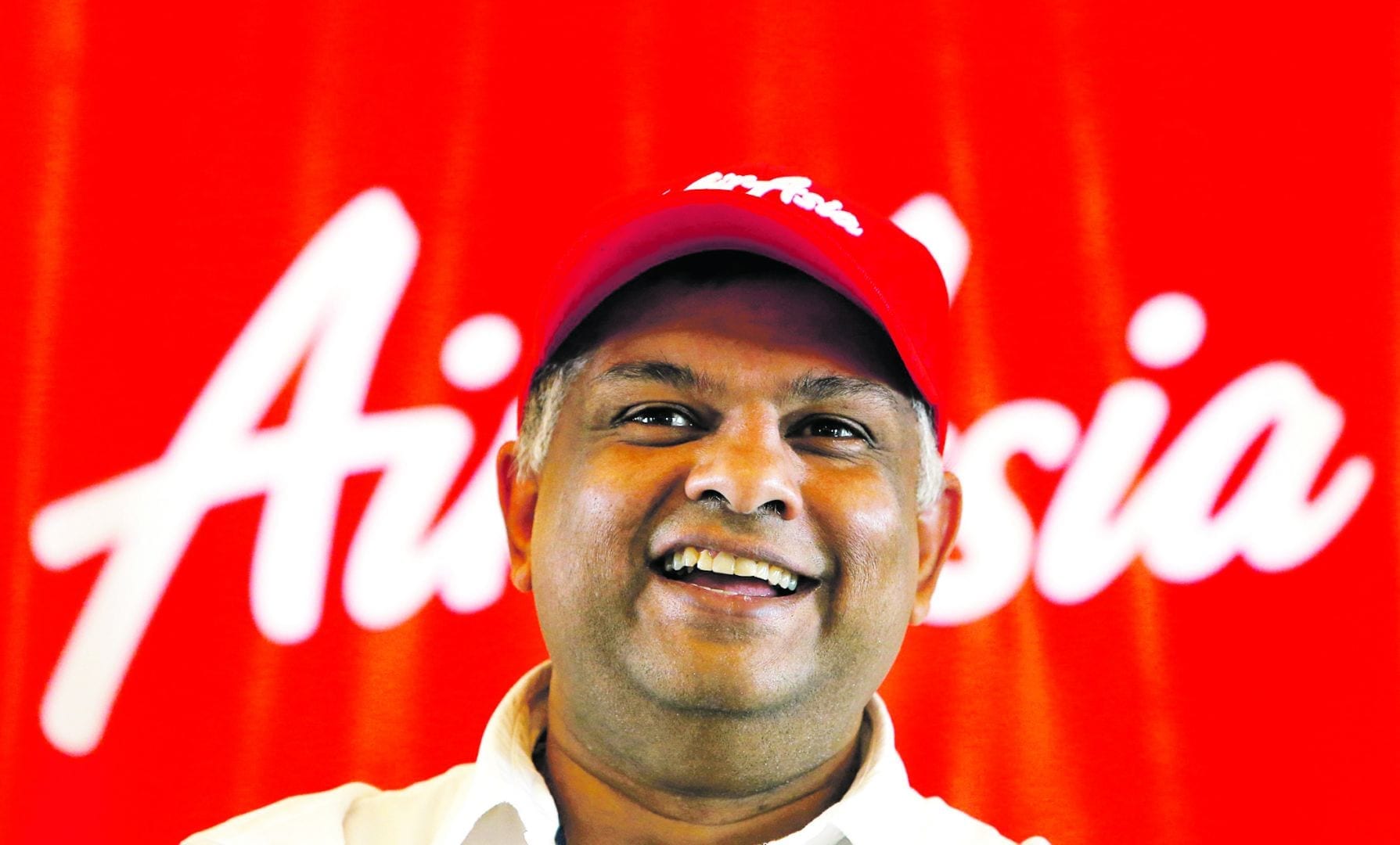
    “The coordination on Covid-19 is horrific,” AirAsia Group Bhd founder and group chief executive officer Tan Sri Tony Fernandes laments and claims in a direct swipe at world governments’ on how the global pandemic has been managed and its impact on the travel and aviation industries.

    BBC has today quoted Fernandes as saying that in his history of running an aviation business, he has never seen something so poorly coordinated.

    “It’s like nothing I’ve ever heard,” he said. “The United Nations, with the travel industry, should have come up with some standard protocols” earlier in the pandemic, but politics had got in the way, according to him.

    “Governments are petrified of their people, and they’re taking a very, very, very conservative view. They all want to be in control.

    “I just think that everyone’s… scared and just reacting in a very jingoistic and nationalistic way. I think countries are going to say, unless you’re vaccinated they’re not going to let you in without quarantine,” Fernandes said.

    The BBC report, which also quoted International Air Transport Association (IATA) director-general Alexandre de Juniac, said the world’s airlines need another US$70 billion (about RM283.5 billion) to US$80 billion of government support to get through the crisis caused by the coronavirus pandemic.

    de Juniac was quoted as saying the figures were “on top of the US$170 billion already granted”.

    It was reported that June 2021 is when he expects the first significant easing of travel restrictions, as the impact of vaccines begins to be felt.

    “Government travel restrictions and a huge fall in passenger confidence meant global demand for flights fell about 60% last year, according to IATA figures.

    “That means 2020 saw about 1.8 billion passengers fly, instead of the 4.5 billion in 2019. In an industry where profit margins were already thin it means airlines are estimated to have already lost US$118 billion, with worse set to come,” BBC reported.

  • Zappos founder dies

    Zappos founder dies

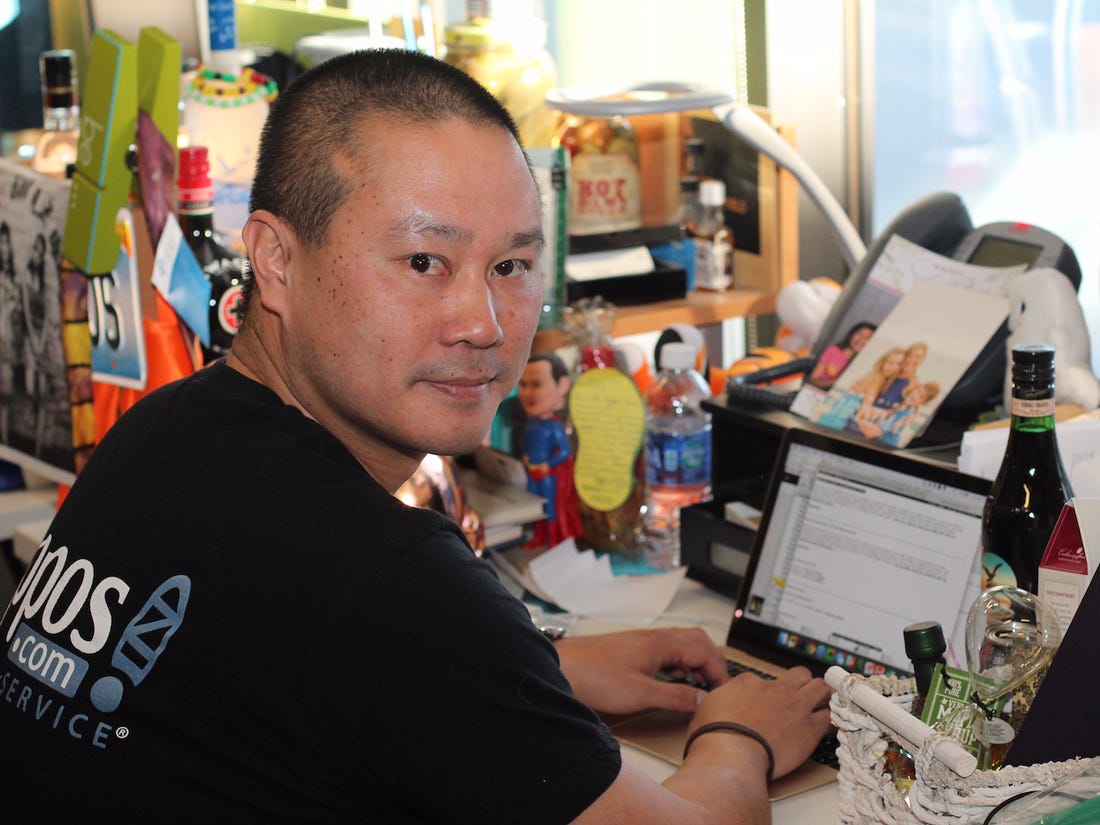
    Tony Hsieh, the former CEO of Zappos, died peacefully and surrounded by family on Friday, according to a statement emailed to CNN by Megan Fazio, a spokesperson for DTP Companies, a Las Vegas-based enterprise for which Hsieh served as the visionary.

    Hsieh, 46, died from injuries sustained in a house fire that occurred in Connecticut while he was visiting family, according to Fazio.

    “Tony’s kindness and generosity touched the lives of everyone around him, and forever brightened the world,” said a statement from his family that was shared with CNN by Fazio.

    His mantra: delivering happiness, his family says.

    “Instead of mourning his transition, we ask you to join us in celebrating his life,” their statement added.

    Hsieh was well known for his leadership of online shoe and clothing retailer Zappos. He had recently retired after spending 20 years with the company, Zappos CEO Kedar Deshpande wrote in a statement Friday.

    “The world has lost a tremendous visionary and an incredible human being,” Deshpande wrote. “We recognize that not only have we lost our inspiring former leader, but many of you have also lost a mentor and a friend.”

    Hsieh also played a “pivotal role in helping transform Downtown Las Vegas,” Nevada Gov. Steve Sisolak wrote on Twitter.

    “Kathy and I send our love and condolences to Tony’s family and friends during this difficult time,” he wrote.

    Las Vegas Councilman Cedric Crear said he was “saddened” to hear the news.

    “Such a creative & innovative person who positively helped change the landscape of Downtown Las Vegas,” he said on Twitter. “We have been working on some cool projects for Downtown. God speed to his family, coworkers and our community.”

    More tributes for Hsieh poured in on social media early Saturday — many from other business leaders and entrepreneurs.

    “Tony Hsieh was always generous with me,” Dan Price, the head of Seattle-based Gravity Payments, said. “He would talk to me about anything and it was always a good time. RIP Tony.”

    He was a “truly original thinker, a brilliant entrepreneur, and a kind-hearted and generous friend to so many,” wrote Max Levchin, co-founder and former chief technology officer of PayPal.

    “He questioned every assumption and shared everything he learned along the way,” said Chris Sacca, a billionaire tech investor, on Twitter. “The earth has lost a beautifully weird and helpful person.”

    And in a tweet, Nevada Gov. Steve Sisolak sent condolences to Hsieh’s family and friends, and said, “Tony Hsieh played a pivotal role in helping transform Downtown Las Vegas.”

  • Jack Ma calls 12-hour work days a “blessing”

    Jack Ma calls 12-hour work days a “blessing”

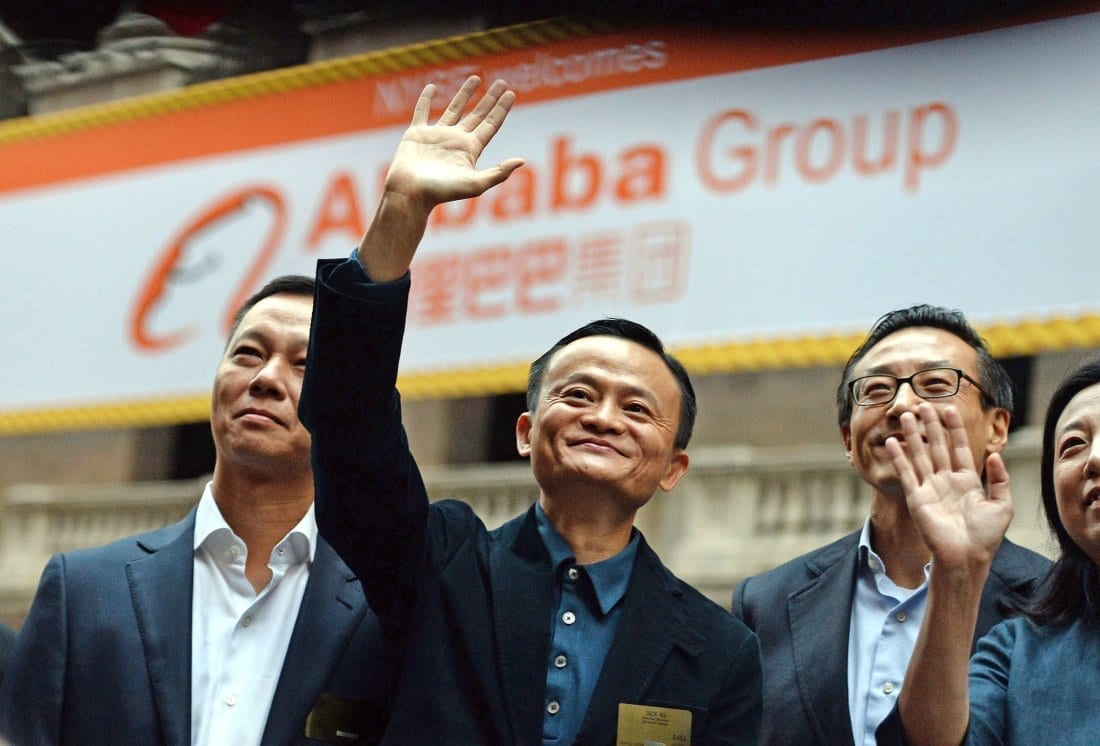
    In the middle of stress awareness month, Alibaba founder Jack Ma has told his company’s workers they should be working a “996” work schedule – that is from 9am to 9pm, six days a week.

    According to a speech made this week by Ma, working 12 hours a day for Alibaba was a “blessing” to staff, and necessary for the business to achieve success.

    Ma’s comments caused a stir in China, where a conversation about work-life balance has spring-boarded off of a slowing tech industry.

    “With the pressure of economic downturn, many enterprises are facing challenges to survive… but the way to relieve anxiety is not to let employees work overtime as much as possible,” an editorial wrote.

    Ma later backtracked on his comments, calling such a work regime inhumane, unhealthy and unsustainable.

    The comments come as LinkedIn revealed work-life balance is the top cause of stress at work for Australians, with 72 per cent of survey respondents struggling to keep a balance between the two.

    The report also found that executive-level professionals are the most stressed, more so than middle management and individual contributors.

    In terms of age demographic, Generation X is the most stressed generation with over half (54 per cent) claiming to struggle with confidence in the future of their work.

  • AirAsia to sell tickets of non-competing carriers on website

    AirAsia to sell tickets of non-competing carriers on website

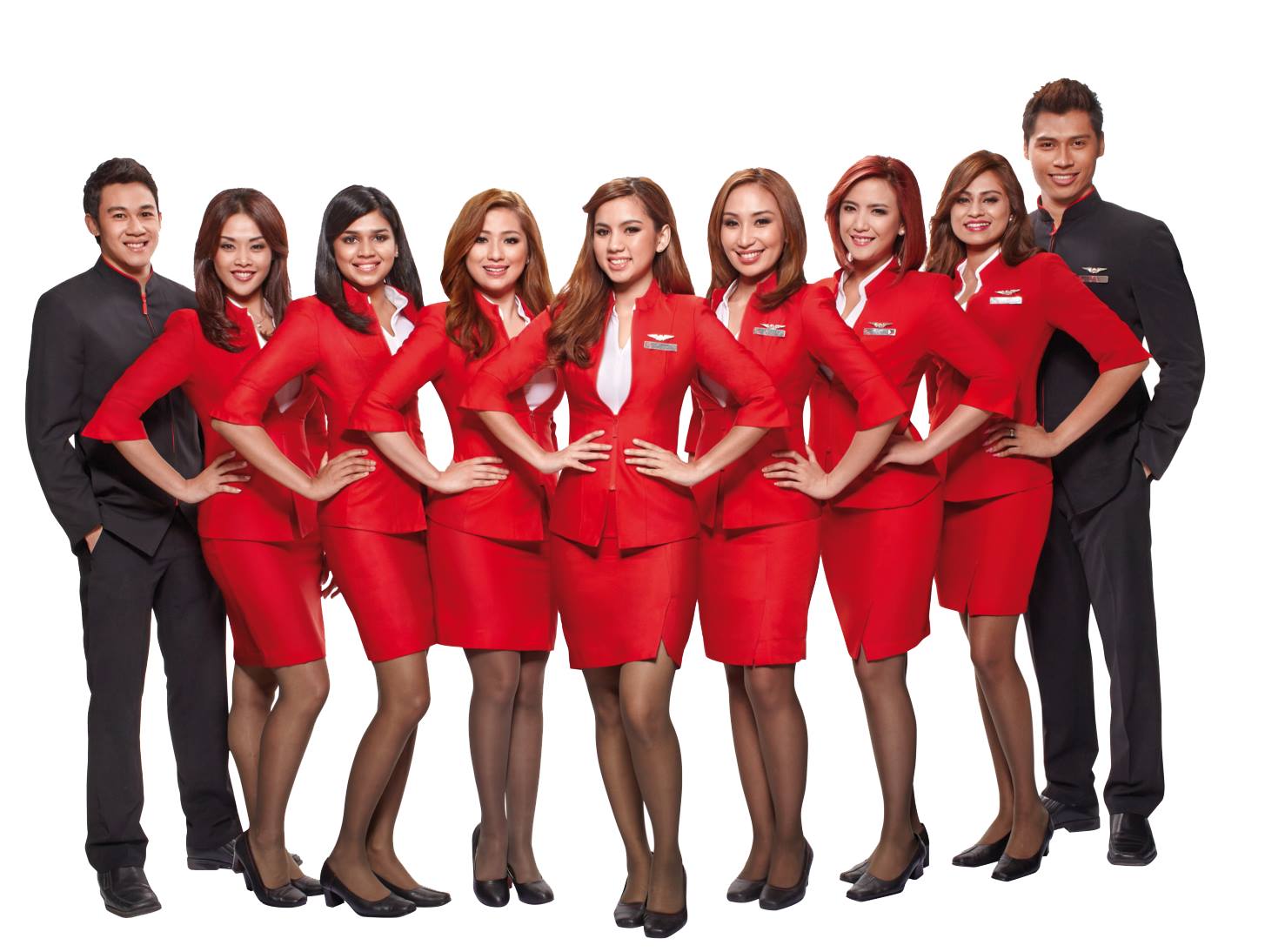
    AirAsia, whose website is used by 65 million customers every month, is considering a plan to sell tickets of non-competing carriers on airasia.com, using its size to give online travel agents a run for their money. The Kuala Lumpur-based carrier, Southeast Asia’s largest airline group, which already sells car rentals, accommodation at half a million hotels and serviced apartments worldwide and holiday packages in five regional destinations, thinks it can do a better job of selling these services than the travel industry because of the volume of data available from frequent travellers on its network.

    “I have a phenomenally strong platform that I [can] open for business to sell other content,” Tony Fernandes, AirAsia’s founder and chief executive, said in an interview with the South China Morning Post during Credit Suisse’s Asia Investment Conference in Hong Kong. “We can be as strong as any online travel agent in terms of selling hotel content. I think we can be stronger than Klook at selling activities.”

    Data is at the heart of the low-cost carrier’s ambitions to grab a bigger share of tourism revenue, which is projected to rise by 53 per cent to US$625 billion (S$847 billion) in Asia in the next five years, according to the Pacific Asia Travel Association (PATA). Airasia.com boasts 65 million unique monthly visitors, as well as data of 50 million repeat customers. Klook, an online tour agency and activities organiser founded in Hong Kong in 2014, had 16 million monthly visits last summer.

    The airline, which prefers to be seen and heard as part of a wider travel technology group, is leveraging data to know its customers better and keep them spending in its ecosystem.

    “Everyone is excited about platform businesses. Everyone is excited by GoJek and Grab and the unlimited potential of who they can reach and what they can sell,” the AirAsia founder added.

    Fernandes pointed out that the first thing people did when they wanted to travel was to buy an airline ticket, not a hotel. AirAsia.com generated US$4 billion in ticket sales last year for the budget carrier.

    “We are going to see the customer first, so we are going to take a large share of the wallet and we’re going to be good at it,” he said. “The first step would be to be as good as anyone selling hotels, selling activities. And then we may start selling [tickets of] airlines who don’t compete with us.”

    The plan may have easyJet or Ryanair selling their European flights to an Asian traveller planning a trip to the continent, he said, adding that AirAsia was currently not engaged in any active discussions with other airlines.

    “He is thinking more about a lifestyle, digital platform than a traditional airline,” said Mohshin Aziz, an analyst at Malaysian lender Maybank in Kuala Lumpur.

    AirAsia has enough user data to “formulate or create an algorithm to predict the buying pattern” of travellers, Mohshin said. “So many airlines are backwards – they don’t have a well-functioning distribution system. So [AirAsia] can easily become the one that is willing to share for some money and intelligence.”

    ​​​​​​​The scope and potential for AirAsia to sell foreign airline tickets was substantial, Mohshin said, particularly for carriers that operate services in Southeast Asia as non-stop flights to Europe or Australia, and did not have the same success in sales as a local airline would.

    Airlines such as KLM, which operates a connecting flight from Kuala Lumpur to Jakarta, or Ethiopian Airlines’ service to Singapore, could also benefit from AirAsia’s data and sales power.

    “For foreign carriers to try and get Singaporean customers, they are not going to put much effort into it. It is better for them to pass it on to AirAsia, to try and sell tickets on their behalf,” Mohshin said.

    AirAsia was well positioned in Southeast Asia, said Raini Hamdi, Asia Editor at travel and technology website Skift, citing a growing population of 650 million people, high mobile and internet use and a shift to online travel booking.

    “If AirAsia puts its energy into this, it will be successful,” she said. “It is a torch-bearer of great value, convenience, ease of use. It has a strong customer base. Add personalisation through data mining, AI, machine learning, ease of payment and ease of earning and burning points for customers, the stickiness of airasia.com will increase rapidly.”

  • TradeGecko launches Founder Plan giving commerce startups the technology superpowers to build amazing businesses

    TradeGecko launches Founder Plan giving commerce startups the technology superpowers to build amazing businesses

    TradeGecko, a leading technology company that provides cloud-based inventory and order management solutions for small and medium-sized businesses (SMBs), today launched its Founder Plan, expanding access to its powerful technology platform to early-stage commerce businesses. 

    The plan enables founders to integrate TradeGecko’s leading inventory and order management solution from the get-go, so that they can build their commerce businesses to scale quickly. This limits cumbersome and complex manual processes that may inhibit future growth, empowering entrepreneurs with the ability to level the playing field with bigger competitors. 

    Recent research by TradeGecko has shown that operational challenges are among the biggest headaches for commerce entrepreneurs. 31 percent of businesses under US$1 million still rely on spreadsheets for their inventory management, with another 24% using pen and paper and 19% not using anything at all. On average, 90 hours a month are spent on backend functions such as order and inventory management as well as product sourcing.

    From as little as US$39 per month, subscribers of the Founder Plan can access a fully automated system that consolidates operations management functions into one central location. This ensures that inventory levels, sales channels and accounting systems are always up-to-date and accurate. It also gives commerce businesses the power to add new sales channels, integrates with other business-critical functions and provides analytics to support decision-making.

    “At TradeGecko, no founder gets left behind. Our mission is to give founders the technology superpowers to compete in the global market. The Founder Plan is an accessible launchpad that enables entrepreneurs to scale, while ensuring they have the time and information they need to do what they do best – build amazing businesses,” said Cameron Priest, Co-Founder and CEO of TradeGecko. 

    The Founder Plan allows users to manage their total inventory starting with one eCommerce channel, integrated with accounting, manage sales orders and purchase orders, shipping and email support. It also gives access to TradeGecko Payments, TradeGecko Mobile App and TradeGecko Intelligence sales and inventory reports.

  • Jack Ma steps down from Alibaba divisions

    Jack Ma steps down from Alibaba divisions

    Alibaba founder Jack Ma has stepped back from active roles in five subsidiary companies as he prepares to hand over executive chairmanship of the company in September.

    Management of Alibaba say the moves were intended to improve the firm’s governance and administrative transparency.

    Ma has exited Alibaba’s Technology, Education Technology, Taobao Software, Network Technology, and Software departments.

    Stepping away from the business divisions was signalled before Ma announced last September his intention to resign as executive chairman and officials say the latest move is normal industry practice.

    One commentator described the step as “goodwill” and encouraging transparency when he is no longer active in Alibaba on a day to day basis.

    In an interview last September, which Ma owns, he said relinquishing the executive chairmanship was “not about retiring, stepping away, or backing off”. “This is a systematic plan,” he said.

  • Deciem skincare firm founder passed away

    Deciem skincare firm founder passed away

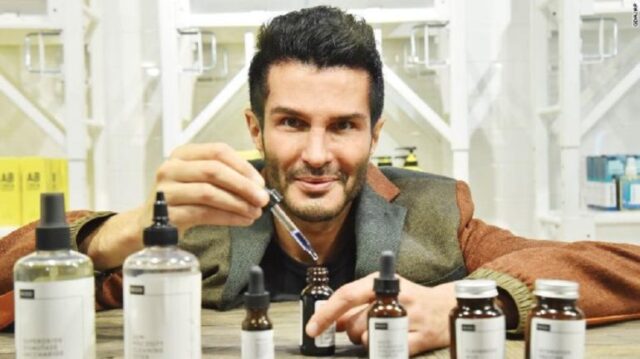
    Brandon Truaxe, the founder of Canadian skincare company Deciem, has died at the age of 40, the firm announced in an Instagram post. Truaxe launched the brand, best known for its affordable skincare line The Ordinary, in Toronto in 2013. Since then it has since expanded worldwide, with stores in the US, the UK, South Korea, Australia, Mexico and the Netherlands.

    “Brandon, our founder and friend. You touched our hearts, inspired our minds and made us believe that anything is possible,” a Monday post on Deciem’s Instagram reads.

    CIUDAD DE M?????????XICO, marzo 30 (EL UNIVERSAL).- Brandon Truaxe, joven creador del concepto, recibi?????????? a decenas de invitados en este nuevo espacio, donde las personas podr?????????n solicitar asesor??????????a sobre los tratamientos m?????????s efectivos para mejorar el estado del cutis y otras zonas del cuerpo. Foto: Agencia EL UNIVERSAL (GDA via AP Images)

    “Thank you for every laugh, every learning and every moment of your genius. Whilst we can’t imagine a world without you, we promise to take care of each other and will work hard to continue your vision. May you finally be at peace.”

    The Estée Lauder Companies, an investor in Deciem since 2017, said in a statement: “Truaxe was a true genius, and we are incredibly saddened by the news of his passing … he positively impacted millions of people around the world with his creativity, brilliance and innovation. This is a profound loss for us all.”

    Truaxe was removed as co-CEO of Deciem in October 2018 following a lawsuit brought by Estée Lauder, after his posts on the company’s social media accounts became increasingly erratic.

    “Brandon will always be the founder of Deciem,” the company posted on Instagram in October. “We will take the passion and values he has instilled within us as we continue to grow the brands we have created with transparency, integrity, authenticity, function and design.”