Tag: Franchising

  • Mixue Shifts Malaysia Strategy Toward Food Safety and Quality Control

    Mixue Shifts Malaysia Strategy Toward Food Safety and Quality Control

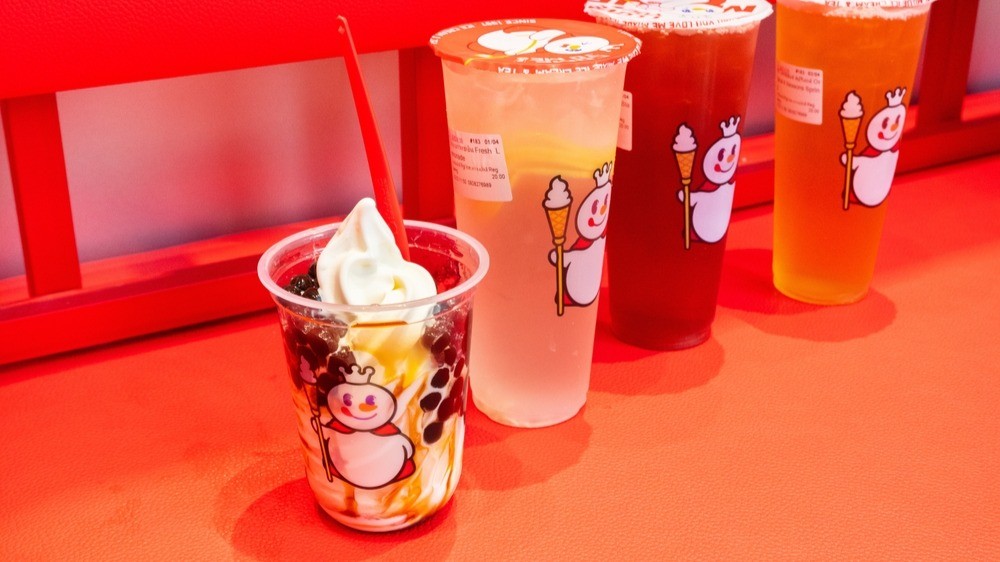
    Mixue has shifted its operational focus in Malaysia to food safety and standardized store management this quarter. It has slowed its rapid store openings to protect franchise consistency.

    The value-priced ice cream and tea operator is standardizing ingredient handling, audits, and franchise training across hundreds of independently run franchised outlets in the country.

    Standardising Store Operations

    Headquarters teams are rolling out stricter supplier checks, central storage compliance, and mandatory staff retraining. The goal is curbing hygiene inconsistencies across high-volume suburban counters.

    For franchisees, the tightened rules raise daily discipline and audit frequencies. Store managers face unannounced inspections covering temperature logs, equipment sanitization, and ingredient shelf-life tracking.

    Pressure on Value Tea Rivals

    Rival low-cost bubble tea chains in Malaysia now face immediate pressure. Many compete on single-digit ringgit price points. Churning out high volumes at discount prices leaves little room for error in cold chain logistics or store sanitation.

    Protecting customer trust before hygiene lapses damage the brand drives the compliance push. The main risk sits behind the counter. Enforcing uniform standards across hundreds of independently run franchised outlets demands continuous oversight costs.

    Next Phase of Southeast Asian Expansion

    Mixue entered Southeast Asia aggressively, relying on low franchise fees and an integrated Chinese supply chain to blanket Indonesia, Vietnam, and Malaysia. Rapid expansion quickly secured brand recognition across shopping malls and commercial shop lots.

    Maintaining product consistency across thousands of regional outlets poses a major challenge as local health authorities step up inspections of quick-service beverage chains.

    Malaysian franchisees will complete updated audit cycles over the coming quarter as headquarters evaluates network compliance across Peninsular Malaysia.
  • Philippine Seven Corp to Open 5,000Th 7-Eleven Store in Cebu

    Philippine Seven Corp to Open 5,000Th 7-Eleven Store in Cebu

    Philippine Seven Corp will open its 5,000th 7-Eleven store in Lapu-Lapu City, Cebu on Dec. 3, completing an expansion of 1,000 outlets in two years.

    The convenience chain closed June with 4,650 branches nationwide after net profit climbed 3.8 per cent to 1.84 billion pesos in the first half. System-wide sales rose 15.1 per cent over the same six months, with locations opened within the period generating more than 6 per cent of total turnover.

    Franchise Split and Store Economics

    Half of the 350 outlets needed to hit the year-end target will be company-owned, with franchisees taking the remainder. The rapid buildout follows the opening of store number 4,000 in 2024, four decades after 7-Eleven entered the Philippine market.

    PSC chair Victor Paterno told reporters that unit economics improved despite rising electricity, fuel and labor expenses. Cashless checkout terminals installed across tourist destinations and higher-income districts lifted average spend by enabling credit card transactions.

    The operator is also adjusting its merchandise mix to attract younger shoppers while brushing off competition from fast-spreading hard discounters. Paterno noted that discount grocers stock minimal immediate-consumption items, leaving local convenience formats largely insulated from their price pressure.

    Next Targets in Mindanao

    Across Southeast Asia, convenience store chains are racing to build dense logistics networks outside capital cities to capture rising provincial purchasing power before regional competitors establish dominance. PSC is mirroring strategies used by convenience operators in Thailand and Indonesia, where rural expansion delivers higher sales gains than saturated tier-one metros.

    PSC plans to open approximately 600 additional stores in 2027, subject to broader macroeconomic conditions. Distribution routes will push deeper into Western Mindanao, with Zamboanga City designated as a key focal point for logistics development.

  • Mixue Closes 89 Overseas Stores as First-Half Profit Drops 15%

    Mixue Closes 89 Overseas Stores as First-Half Profit Drops 15%

    Mixue cut its overseas footprint by 89 stores in the first half of 2026, driven by closures across core Southeast Asian markets Vietnam and Indonesia.

    Net profit fell 15 percent year on year to 2.32 billion yuan, even as total revenue edged up 2.3 percent to 15.2 billion yuan ($2.26 billion). Group filings show higher selling and distribution expenses ate directly into margins across its franchise network.

    Rising Distribution Costs Squeeze Margins

    The Henan-headquartered drinks giant operated 63,987 outlets globally by June 30, with 59,609 locations in mainland China. That leaves roughly 4,378 international stores, concentrated heavily in Southeast Asia where the brand sells budget soft-serve ice cream and milk tea.

    Mixue did not publish country-level closure totals for Vietnam or Indonesia. The company stated in its interim report that reducing store density improved individual unit quality and created a cleaner base for sustainable operations.

    Franchisee economics have tightened across the region. Rapid street-level expansion in major cities sparked cannibalisation between neighbouring outlets, forcing operators to absorb higher logistics costs on imported syrups and packaging without room to raise retail prices.

    Rebalancing Southeast Asian Footprints

    Vietnam was Mixue’s first international market when the chain launched in Hanoi in 2018. By September 2024, the brand ran 1,304 stores across the country, according to its Hong Kong listing prospectus filed in early 2025.

    Mass-market tea and coffee chains in Southeast Asia now face heavier competition from local discounters and Chinese rivals copying the low-price franchise playbook. Mixue’s retreat from sheer store count growth signals that overseas networks cannot rely solely on relentless opening schedules to deliver profit.

    Investors now await Mixue’s updated capital-raising timeline in Hong Kong, where full-year store productivity figures will test whether the overseas pruning protected operating cash flow.

  • Pizza Hut Owner Flynn Group Pledges $10 Million to Expand in Australia

    Pizza Hut Owner Flynn Group Pledges $10 Million to Expand in Australia

    Flynn Group will invest $10 million to overhaul Pizza Hut Australia and open 100 outlets across the country. The expansion aims to add 300 jobs and lift the chain from its current footprint of roughly 300 stores.

    US-based Flynn Group, which acquired the master franchise from private equity firm Allegro Funds in 2023, plans to roll out redesigned store layouts, updated menus and upgraded ordering hardware. The chain has traded in Australia since 1970, but recent financial filings from Flynn Group’s local operating division showed a $1 million loss for the previous financial year.

    Digital Sales And Store Redesigns

    Online channels now generate roughly 80 per cent of all sales for the brand in Australia. Flynn Group said the business has recorded seven straight years of same-store revenue growth, with average sales per location doubling over the past five years despite the recent bottom-line loss.

    “This isn’t a lick of paint; it’s a complete reinvestment in the product, the stores, and the people behind them, moving at a pace this category has never seen,” said Richard Wallis, president of Flynn Group Apac.

    Turning Around Australian Losses

    Across Asia-Pacific, legacy quick-service restaurant chains face tight margins from wage inflation and delivery aggregator fees, forcing operators to downsize dining rooms and automate order processing. Flynn Group is testing whether streamlined formats and higher store density can convert steady same-store sales momentum into sustainable net profits in a crowded fast-food sector.

    The group has not named the locations for the first batch of new outlets, leaving the timeline for reaching the 400-store mark as the primary metric for the turnaround plan.

  • Mega MGC Coffee Approaches 4,500 Stores Across South Korea

    Mega MGC Coffee Approaches 4,500 Stores Across South Korea

    Mega MGC Coffee reached 4,466 outlets in South Korea on August 27, widening its lead as the country’s largest coffee franchise by physical store count.

    The network now sits within striking distance of the 4,500-store threshold in a national market that holds more than 100,000 coffee shops. Founded in 2015, the brand expanded through a low-price, high-volume model built on large drink sizes and small takeaway shop footprints.

    Franchise density and territory controls

    Rapid growth has pushed Mega ahead of older rivals. Domestic competitor Ediya Coffee operates more than 4,200 locations, while Compose Coffee passed the 3,000-store mark last year. Starbucks closed last year with just over 2,000 outlets across South Korea, operating on a corporate-owned model rather than franchises.

    To prevent its own stores from cannibalising sales, the chain analyses pedestrian commercial zones before approving new franchise applications. A company representative said Mega evaluates whether both neighbouring existing units and proposed locations can generate stable returns before clearing an opening.

    Bifurcation in the cafe sector

    The scale achieved by Mega and Compose illustrates how deeply value-tier operators have penetrated South Korea’s daily commuter market. While premium brands focus on seated dining space and elevated menus, budget chains capture weekday takeaway volume through kiosk ordering and lower pricing.

    Foreign chains continue to test the opposing end of the market. Canada’s Tim Hortons is expanding its presence toward 50 locations across South Korea, adding 26 stores this year with larger flagship formats and broader food menus.

  • Chagee Same-Store Sales Fall 16.1% in China as Network Shifts Direct

    Chagee Same-Store Sales Fall 16.1% in China as Network Shifts Direct

    Chagee posted a 16.1 per cent drop in same-store gross merchandise value across Greater China for the second quarter, marking its fifth consecutive quarter of double-digit declines at home.

    Total revenue for the Nasdaq-listed tea chain edged up 2.5 per cent year on year to RMB3.4 billion (US$503.3 million) in the three months ended June 30, while operating income jumped 387.6 per cent to RMB524.7 million. Total gross merchandise value fell 5.5 per cent to RMB7.66 billion, weighed down by a 9 per cent contraction in Greater China to RMB7.16 billion.

    Network shifts to corporate stores

    Chagee is responding to cooling domestic demand by buying back franchised outlets and running them directly. In Greater China, company-operated stores jumped from 164 to 624 over the past twelve months, while franchised locations declined from a peak of 6,836 in September 2025 to 6,616.

    Those company-owned outlets made up 11.6 per cent of the total network at the end of June but generated 27.5 per cent of overall revenue. Direct-store revenue climbed to RMB940.6 million, offsetting an 18.1 per cent fall in franchise revenue to RMB2.47 billion. Meanwhile, active members fell from 50 million in the first quarter to 47.1 million.

    China’s beverage chains are grappling with the aftermath of an aggressive 2025 delivery platform price war that drove cup prices down to single digits. While rivals like Mixue and Heytea rely heavily on deep discounting and sheer store density, Chagee is attempting to lift unit margins by consolidating ownership of its best locations.

    Overseas footprint doubles

    Outside China, gross merchandise value rose 114.3 per cent to RMB504 million. Chagee expanded its international footprint to 399 stores from 208 a year earlier, with initial momentum in new territories including South Korea, where its first three Seoul locations sold more than 16,000 cups in three days.

    Yet existing international stores are feeling the same demand pressures as domestic sites. Overseas same-store GMV declined 15.1 per cent during the quarter, steepening from a 12 per cent drop in the first three months of the year.

    Investors will watch whether the pace of franchise buybacks can stabilize network revenue before international same-store sales deteriorate further in the third quarter.

  • Lotte GRS to Re-Enter Indonesia with 10 Angel-in-Us Coffee Outlets

    Lotte GRS to Re-Enter Indonesia with 10 Angel-in-Us Coffee Outlets

    South Korean restaurant operator Lotte GRS will reintroduce its Angel-in-Us coffee brand to Indonesia through a master franchise agreement with Surabaya-based Bogajaya Group.

    Bogajaya plans to open 10 outlets across Indonesia over the next five years, starting with a debut location before the end of 2026.

    The agreement brings Angel-in-Us back to Southeast Asia’s largest economy after Lotte pulled its direct operations in 2020. Bogajaya Group, an Indonesian food and retail operator with nearly 50 years of operating history, specializes in travel retail and runs concessions across the country’s major airports.

    Airport operator takes the master franchise

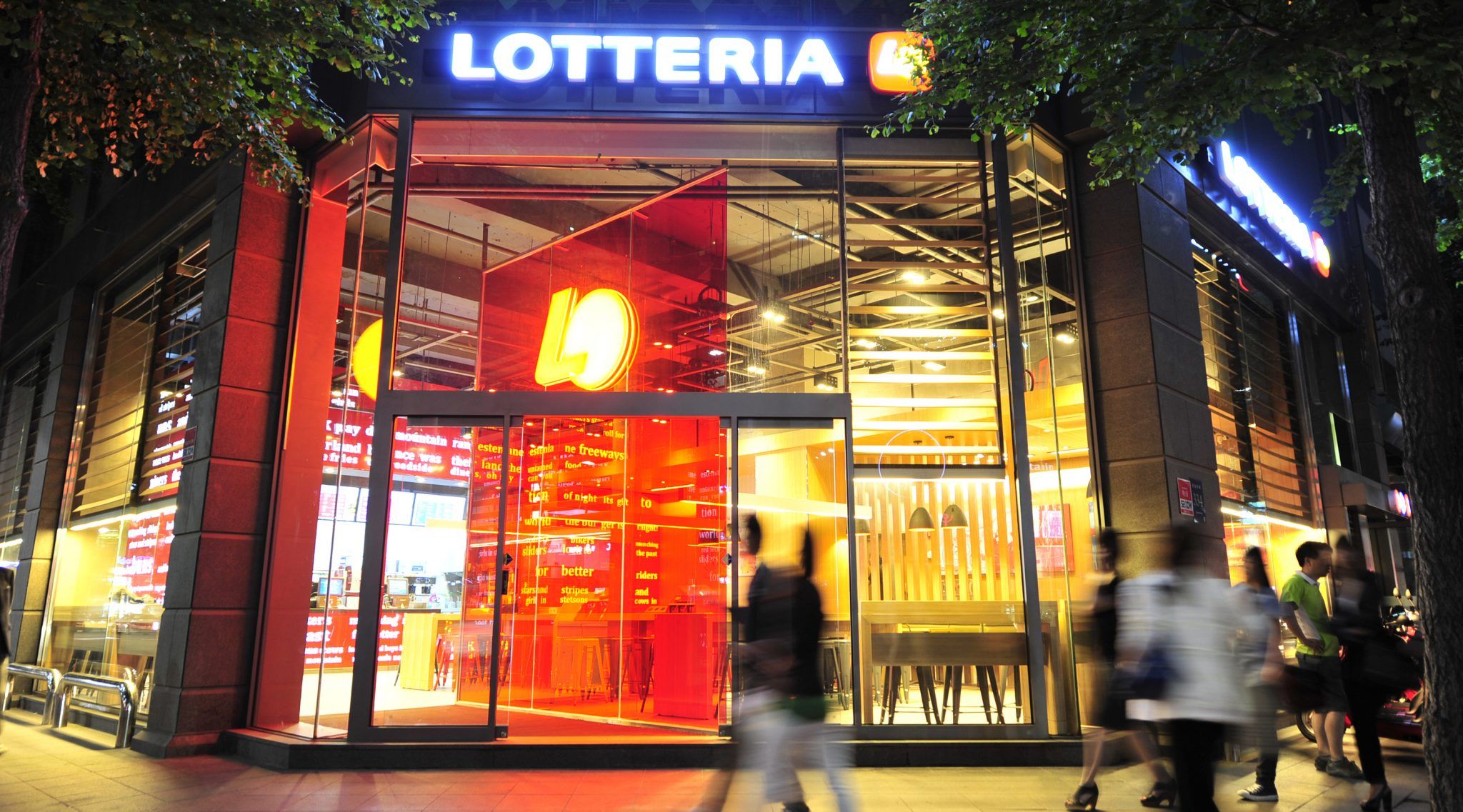
    Lotte GRS operates several consumer foodservice brands across Asia and the United States, including burger chain Lotteria, Krispy Kreme Doughnuts, Villa de Charlotte, and food hall concept Plating. Outside its home market in South Korea, the group runs locations in Vietnam, Malaysia, Singapore, and the US.

    Securing a local franchisee with established airport concessions allows foreign food groups to avoid the heavy capital commitments and real estate bottlenecks that often hamper direct store operations in Indonesia. South Korean food operators have increasingly favored asset-light franchise partnerships across Southeast Asia, shifting operational risk to domestic companies with existing commercial lease networks.

    Southeast Asian expansion targets

    The Indonesian rollout follows Lotte GRS’s push into neighboring markets earlier this year. The company introduced its Lotteria fast-food chain to Singapore in February with an opening at Jewel Changi Airport.

    Bogajaya will begin store buildouts immediately, targeting its first Angel-in-Us site launch before January 2027 as it starts the 10-unit rollout schedule.

  • Domino’s China Operator DPC Dash Adds 235 Stores as Revenue Hits RMB3.13 Billion

    Domino’s China Operator DPC Dash Adds 235 Stores as Revenue Hits RMB3.13 Billion

    DPC Dash added 235 net new Domino’s Pizza stores in China during the first half of 2026. Group revenue rose 20.8 per cent.

    Revenue for the six months ended June 30 reached RMB3.13 billion (US$440 million). Net profit rose 22.9 per cent year on year to RMB81 million, supported by a 7.1 per cent lift in same-store transactions.

    That buildout took the chain’s network to 1,550 stores across 75 cities. The operator entered 15 new municipal markets during the period.

    Pushing Into Lower-Tier Markets

    Lower-tier Chinese cities now make up the bulk of the brand’s footprint. The operator runs 1,018 stores outside Tier 1 hubs, compared with 532 locations across primary metropolitan areas.

    DPC Dash holds exclusive master franchise rights for Domino’s in mainland China, Hong Kong and Macau. Chief executive Aileen Wang said the company will focus on lifting average transaction value and expanding customer volume as third-party food delivery subsidies diminish across the sector.

    Western fast-food chains in China have redirected capital expenditure away from saturated top-tier cities to capture cheaper real estate and consumer demand in secondary markets. While quick-service competitors battle heavy price discounting on aggregator apps, Domino’s relies on its own delivery network and lower operating costs to protect unit margins.

    Pipeline Toward 350 Openings

    Between June 30 and August 14, the operator launched another 27 stores across the country.

    Another 38 locations are under construction, with 36 additional leases signed or approved. Those sites keep the business on track toward its full-year target of approximately 350 net new store openings.

  • Domino’s Cuts Discounts to Lift FY26 EBIT to $200.1 Million as Asian Earnings Jump

    Domino’s Cuts Discounts to Lift FY26 EBIT to $200.1 Million as Asian Earnings Jump

    Domino’s Pizza Enterprises lifted full-year underlying operating profit 1 per cent to $200.1 million in FY26, curbing heavy discounting and pruning underperforming stores across Asia.

    Total network sales fell 6.8 per cent to $3.87 billion, while group same-store sales dropped 4.1 per cent as the franchisor traded transaction volume for franchisee margin relief.

    Average franchise partner profitability rose 11.3 per cent across the network, pushing free cash flow to $164.1 million. The Brisbane-headquartered company captured $35.3 million in realized savings during the fiscal year toward an annualised target of $67 million, while global corporate overhead fell 5.8 per cent through stricter discretionary spending controls.

    Asia store closures lift regional margins

    Asia delivered the sharpest regional earnings rebound. Underlying earnings before interest and taxes across the Asian business climbed 19.7 per cent despite a 6.7 per cent drop in same-store sales, helped by tighter cost controls and the closure of unprofitable locations, particularly in Japan.

    Performance across Western markets was more mixed. Underlying operating profit in Australia and New Zealand slipped 5.9 per cent alongside a 4.7 per cent drop in same-store sales as the chain reduced promotional price cuts. European earnings rose 2.6 per cent against a 2.2 per cent same-store sales decline, with steady trading in the Benelux markets outweighing sluggish demand in France and Germany.

    Pricing discipline replaces mass vouchers

    The margin turnaround reflects a broad retreat from the low-price delivery wars that eroded quick-service restaurant returns across the Asia-Pacific region over the past three years. Fast-food operators in Japan and Australasia have faced stubborn ingredient costs and high delivery wages, forcing franchise systems to protect store-level solvency rather than chasing top-line market share.

    Executive chairman Jack Cowin said the company deliberately sacrificed short-term order counts to stabilize partner balance sheets. Group chief executive Andrew Gregory will now test whether the chain can rebuild customer order frequency in FY27 through menu execution and clearer base pricing without returning to blanket discount vouchers.

  • Retail Food Group EBITDA Drops 31% as Network Trims 29 Stores

    Retail Food Group EBITDA Drops 31% as Network Trims 29 Stores

    Retail Food Group posted a 31.4 per cent drop in underlying EBITDA to $20.3 million for FY26 as weak consumer spending dragged down domestic sales.

    Domestic network sales across its franchise brands dropped 3.1 per cent to $489.5 million, while same-store sales slipped 0.7 per cent over the twelve-month period.

    The company, which owns Gloria Jean’s, Donut King, Crust, Brumby’s and Beefy’s, closed 35 underperforming stores and opened six new locations during the financial year. That left the group with a net reduction of 29 outlets across Australia as management trimmed non-core real estate.

    Rolling Out Firehouse Subs

    To reverse the sales slide, the franchisor is leaning into regional expansion and imported quick-service formats. It launched the US sandwich chain Firehouse Subs in Australia during the year, opening the debut site at Mt Gravatt in Queensland. The location produced the highest opening-day sales of any international Firehouse Subs restaurant to date, the company said.

    Retail Food Group plans to have four Firehouse Subs locations trading by December. Management aims to expand that footprint to 15 stores by the end of next year.

    Cost Targets and Franchise Margins

    Multi-brand franchise operators across Asia-Pacific face squeezed household discretionary budgets and rising labor costs, pushing holding groups to prune marginal mall sites in favor of higher-volume fast-food models. The group spent recent years re-engineering legacy bakery and coffee networks to stabilize store-level profitability following earlier portfolio contractions.

    Executive chairman Peter George said trading conditions remained difficult throughout FY26, with macroeconomic pressures hitting the second half. The company is now pursuing between $5 million and $7 million in cost savings in FY27, with capital focused on franchise partner economics, cash generation and the planned December store openings.

  • Chick-fil-A Opens Second Singapore Store Under US$75 Million Asia Push

    Chick-fil-A Opens Second Singapore Store Under US$75 Million Asia Push

    Chick-fil-A opened its second restaurant in Singapore at Millenia Walk on July 30, backing a US$75 million capital commitment to expand across Asia over the next decade.

    The US fast-food chain appointed 23-year food and beverage veteran Deborah Ku as owner-operator after an 11-round interview process that screened more than 900 applicants over nearly two years.

    Single-unit operator model

    Unlike competitors that rely on master franchisees or multi-unit master developers across Southeast Asia, Chick-fil-A runs a single-operator structure. The Atlanta-based company assigns one dedicated local owner-operator to lead daily operations at each site.

    The Millenia Walk restaurant maintains standard corporate operating policies, including closing on Sundays. Prior to opening its doors, the branch donated S$25,000 to The Food Bank Singapore under the chain’s mandatory community contribution rule for new outlets. Ku adapted the menu for local palates with a Singapore Chili Sauce alongside distinct domestic architectural elements.

    Western fast-food expansion in Southeast Asia

    American quick-service brands face a fiercely competitive environment in Singapore, where high mall rents and persistent kitchen labour shortages have forced several established dining concepts to downsize or exit entirely since 2022. While rivals such as McDonald’s and KFC rely on mass-scale corporate franchising to protect margins, Chick-fil-A is testing whether high-touch individual owner-operators can carve out defensible market share in island retail hubs.

    Real estate watchers and franchisors now track site selection for the company’s next pipeline locations as it deploys the remainder of its 10-year, US$75 million regional capital pool.

  • Thai Ice-Cream Brand Hawell’s Put up for Sale for 165 Million Baht

    Thai Ice-Cream Brand Hawell’s Put up for Sale for 165 Million Baht

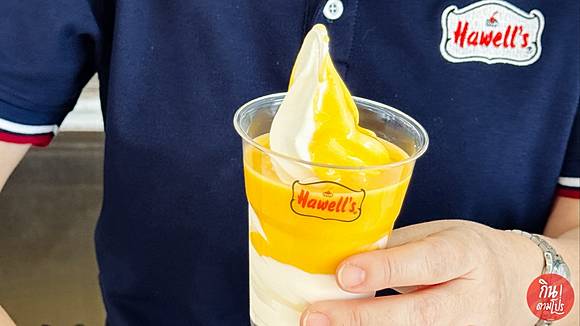
    Hawell’s founder Siripong Akkarasriyuk has put the Thai ice-cream chain up for sale for 165 million baht as he prepares to enter the Buddhist monkhood.

    The package covers seven rai of land, a production factory in Nonthaburi, recipes developed across 37 years, and the brand’s sole operating standalone outlet.

    What the 165 Million Baht Sale Includes

    Siripong announced the sale on Friday, offering a 5 million baht referral fee to anyone who secures a buyer. The assets bundled into the 165 million baht price tag include the Hawell’s trademark, operating licences, an office building, plant machinery, and proprietary formulas for both hard-scoop and soft-serve ice cream.

    The sale also comes with an expansion blueprint targeting 8.8 billion baht in annual revenue. That model requires rollouts across 300 soft-serve shops, 100 hard ice-cream stores, and 5,000 automated cup-dispensing machines nationwide, provided the incoming buyer secures capital within two years.

    From 22 Mall Stores to One Standalone Unit

    Founded in 1999, the brand opened its first branch at Central Pinklao and expanded to 22 mall locations within three years by positioning itself as an affordable, quality domestic alternative. Growth stalled when competing international and corporate-backed chains secured exclusive lease clauses with shopping centre operators, barring direct rivals from mall premises. The closures culminated in the shutdown of the original Central Pinklao branch in 2014.

    Retail landlords in Bangkok have long favoured well-funded conglomerate brands with exclusive tenancy covenants, squeezing independent operators out of prime foot-traffic corridors. Hawell’s pivot away from department stores toward standalone sites and automated vending mirrors broader efforts by local food operators across Southeast Asia to bypass mall lease restrictions and high occupancy costs.

    After opening a standalone restaurant in Bang Bua Thong in 2023, Siripong attempted to renegotiate entry into shopping complexes over the past two years without success. Having authored a book on Buddhist philosophy in 2016, he has committed to entering full monastic ordination within two years, making a complete transfer of the business his final operational deadline.

  • Vietnam’s Viva Star Coffee Expands to Malaysia with October Klang Store

    Vietnam’s Viva Star Coffee Expands to Malaysia with October Klang Store

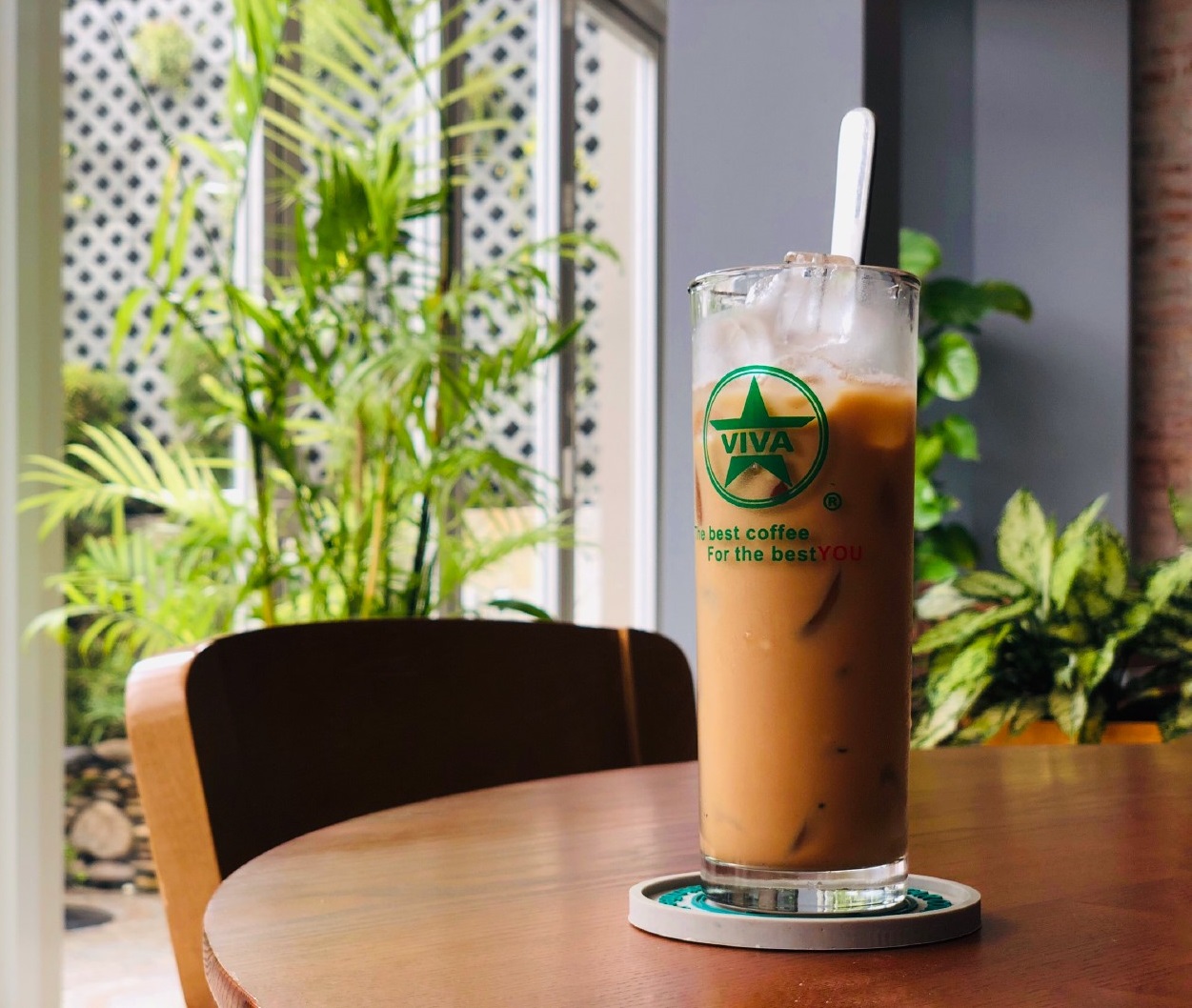
    Vietnamese cafe chain Viva Star Coffee will open its first Malaysian outlet in October at Wyndham Acmar Klang through a partnership with local firm GinsengWorld Biotech Berhad.

    Under the agreement, GinsengWorld will manage local operations while the Vietnamese group provides coffee sourcing, store formats and franchise systems developed over two decades in its home market.

    Franchise formats and supply chain

    Founded in Vietnam, Viva Star Coffee operates an integrated farm-to-cup model that spans bean cultivation, roasting, packaged exports and retail outlets. The chain relies on local master franchisees to scale across international borders rather than building corporate-owned store networks from scratch.

    Its retail lineup includes Viva Reserve, a higher-ticket format featuring six bean varieties and six brewing methods at a dedicated bar, alongside Viva Togo, a compact concept built for fast-service takeaway orders.

    Beyond store counters, the brand exports packaged coffee to South Korea, the United States, Czechia, Australia and Japan, where it established distribution channels in 2022.

    Regional coffee push into Malaysia

    Malaysia gives Viva Star Coffee its seventh overseas market since beginning its international push in Cambodia in 2018. The company has since added operations in Indonesia, Singapore, Thailand, China and India.

    Southeast Asian coffee operators are competing aggressively across each other’s home territories. Vietnamese chains such as Cong Ca Phe and Viva Star Coffee are taking their robusta-heavy menus into urban Malaysia and Indonesia, where local incumbents and international giants already fight for retail mall footfall and office lunch traffic.

    All eyes turn to the October opening in Klang, which will test how Viva Star Coffee’s franchise pricing and roast profiles compete against established domestic tea and coffee chains.

  • DFI Retail Group Unveils Three-Year Growth Plan: Franchising and Brand Expansion on the Horizon

    DFI Retail Group Unveils Three-Year Growth Plan: Franchising and Brand Expansion on the Horizon

    DFI Retail Group recently disclosed its three-year strategic growth plan, underscoring the development of a franchise model and launching more proprietary brands. Headquartered in Hong Kong, the group aims to use these strategies to enhance customer service across Asia’s varied markets and achieve exponential profit growth.

    Expanding Health and Beauty, Convenience Store Networks

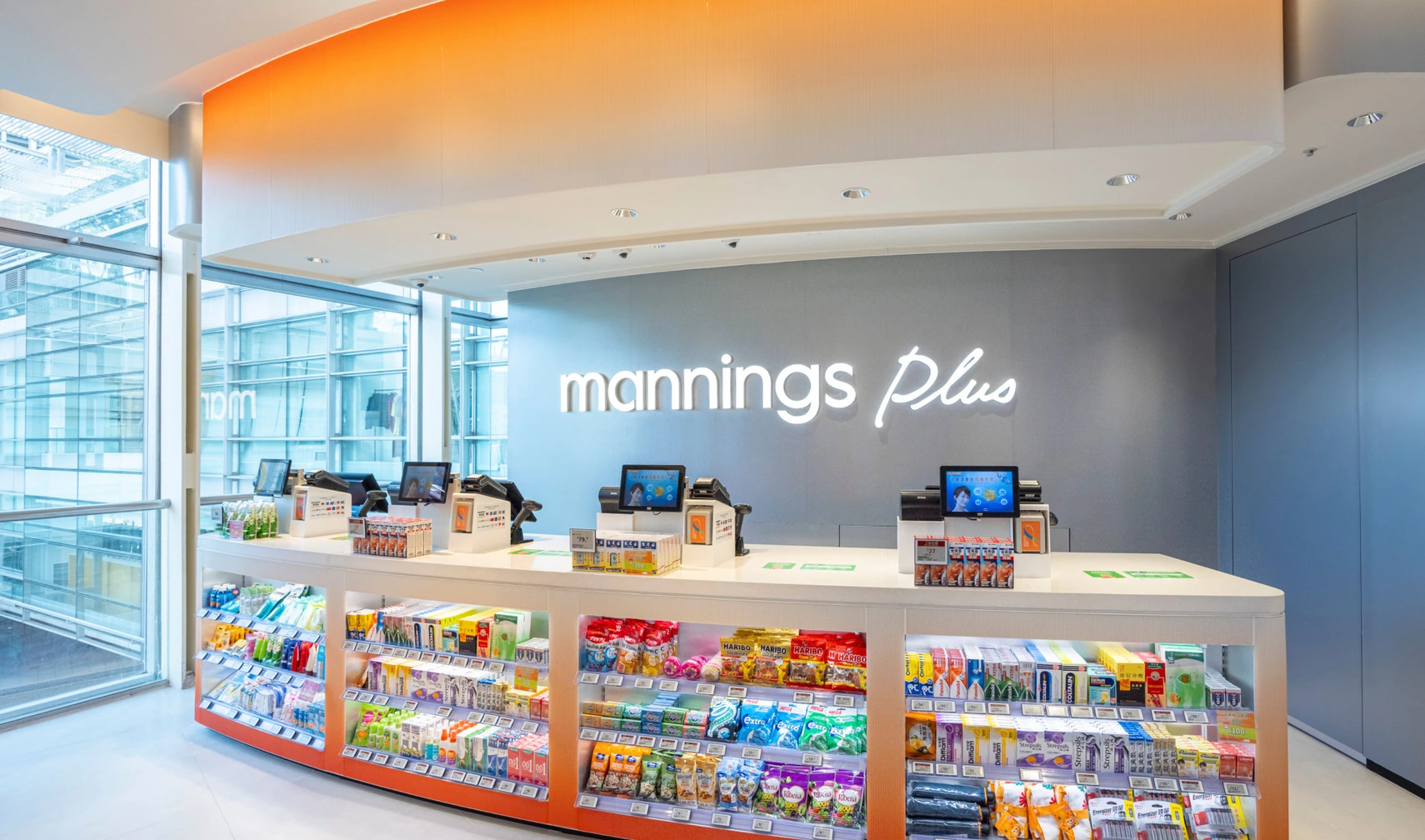
    One of the critical components of the plan is growing the health and beauty as well as convenience store networks using a capital expenditure-light franchise model. The health and beauty arm of the group operates the Mannings chain in Mainland China, Hong Kong, and Macau, and Guardian stores in Indonesia, Malaysia, Singapore, and Vietnam. The group’s convenience store network includes 7-Eleven outlets in Hong Kong, Macau, Southern China, and Singapore.

    Introducing More Proprietary Brands

    The company also plans to introduce more of its brand products, concentrating on affordable, high-quality options that cater to Asian consumers’ escalating demand for value. Other strategies include escalating store sales density, using customer data insights for digital growth, and maintaining strict capital allocation and cost efficiency.

    DFI’s CEO, Scott Price, stated, “Customers across Asia increasingly desire quality and convenience at excellent value. With our extensive format portfolio and omnichannel capabilities, we can effectively meet these needs across all channels.”

    Future Objectives and Profit Expectations

    Aligned with these aims, the group anticipates delivering an underlying profit Compound Annual Growth Rate (CAGR) of 11-15 per cent, aspiring to achieve US$310-350 million by 2028. The group also expects an organic subsidiary revenue growth of 2-3 per cent annually through 2028 and plans to reach online sales penetration of 7-10 per cent by the same year.

    Price further added, “Our robust balance sheet and disciplined capital use provide us the flexibility to invest in growth while consistently increasing returns to shareholders in the coming years.”

    As of December 1, DFI and its partners operated over 7,400 outlets across 12 markets. Despite flat sales growth in the first half of the fiscal year, the group reported double-digit profit growth.

    Questions & Answers

    What is DFI Retail Group’s plan for the next three years?
    DFI Retail Group plans to develop a franchise model, introduce more of its own brands, and achieve double-digit profit growth.

    What does the franchise model expansion involve?
    The expansion involves the health and beauty and convenience store networks, which include the Mannings chain and 7-Eleven outlets, among others.

    What are the group’s financial expectations by 2028?
    The group aims to deliver an underlying profit Compound Annual Growth Rate (CAGR) of 11-15 per cent, hoping to achieve US$310-350 million. It also targets an organic subsidiary revenue growth of 2-3 per cent annually and online sales penetration of 7-10 per cent.

  • Popeyes Expands In The Philippines: New Franchising Program Launched Amid Record-breaking Performance

    Popeyes Expands In The Philippines: New Franchising Program Launched Amid Record-breaking Performance

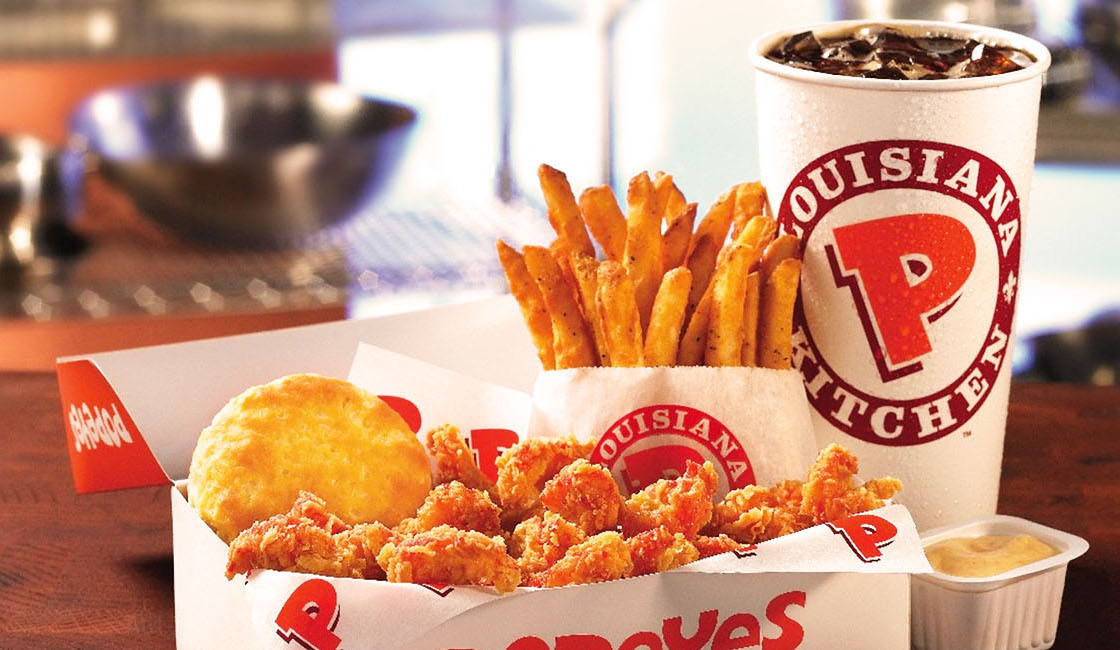
    Popeyes, the renowned American fast food brand, has initiated its franchise program in the Philippines. This move comes in the wake of the country’s stellar performance, making it the leading global market for Popeyes in terms of transactions, as reported by the company’s parent organization, Restaurant Brands International (RBI).

    Franchising: The Logical Next Step

    Dustin Ngo, the Managing Director for Popeyes Philippines, expressed his views on the new franchising initiative. According to Ngo, franchising was the logical next phase in the company’s growth trajectory. He lauded it as a lucrative investment opportunity that aligns perfectly with Popeyes’ expansion plans over the next three years.

    Franchise investment for a 1000sqm drive-thru store varies between PHP$45 million and $50 million, equivalent to US$793,000 to $800,000. The investment package encompasses construction, equipment, training, and a 10-year franchise fee. The continued costs include an 8 per cent royalty and a 5 per cent advertisement fee, calculated based on sales.

    Comprehensive Support for Franchise Partners

    RBI, along with the local team, will offer comprehensive support to ensure a smooth and efficient setup and operation for the franchise partners. The objective is to make the operation of Popeyes franchises as hassle-free as possible.

    Dan Hayton, the Chief Operating Officer of Popeyes Philippines, further elucidated this point. He expressed the company’s desire for franchise partners to run their Popeyes franchise effortlessly, with the operation starting up as easily as turning a key.

    Questions & Answers

    What is the investment range for opening a Popeyes franchise in the Philippines?
    The investment for a 1000sqm drive-thru store ranges from PHP$45 million to $50 million (US$793,000 to $800,000), which includes costs for construction, equipment, training, and a 10-year franchise fee.

    What are the ongoing costs for a Popeyes franchise?
    The ongoing costs include an 8 per cent royalty and a 5 per cent advertisement fee, calculated based on sales.

    What kind of support does Popeyes provide to its franchise partners?
    Popeyes, in collaboration with RBI and the local team, provides comprehensive end-to-end support. The focus lies on ensuring a fast setup and operational efficiency for the franchise partners.