Tag: Franchising

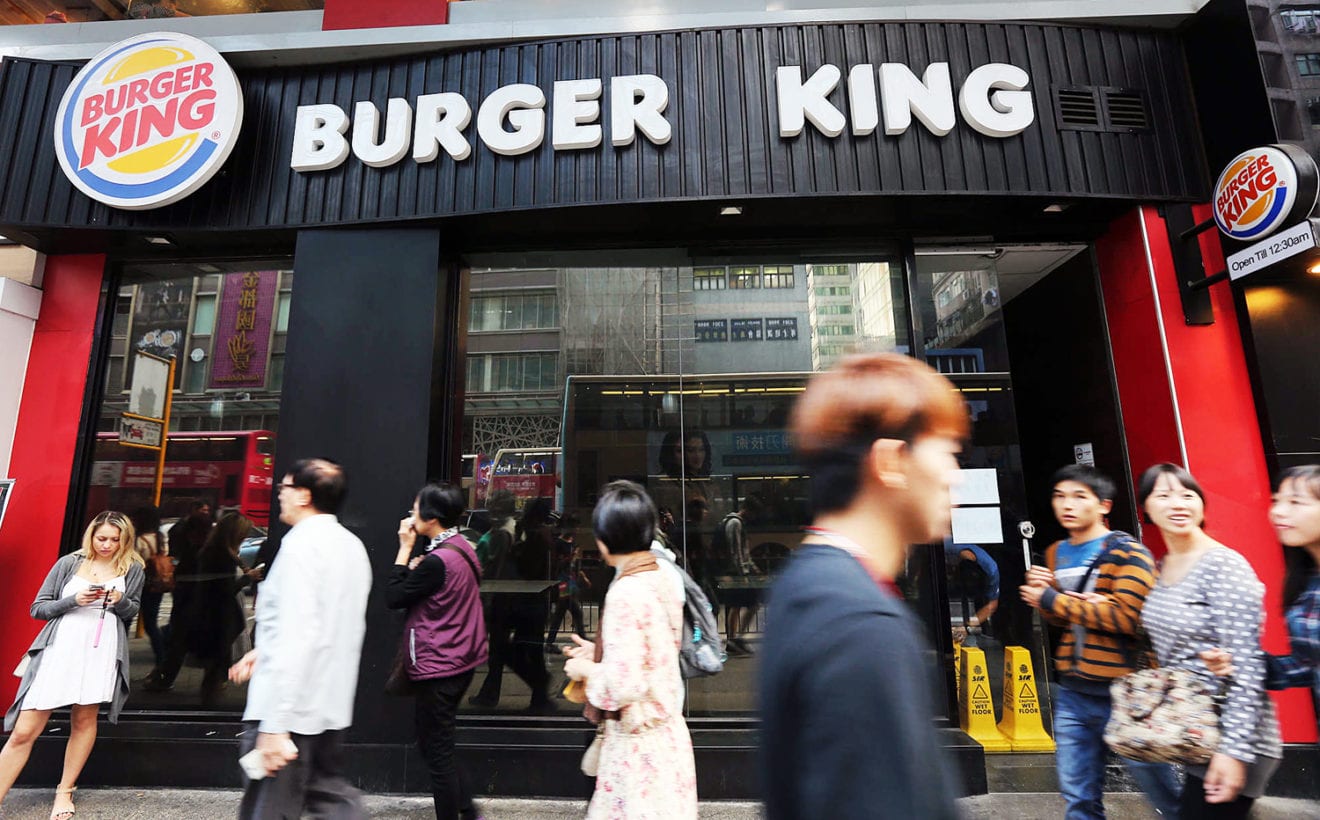
  • Everstone to sell Burger King India franchise

    Everstone to sell Burger King India franchise

    Singapore-based private equity firm Everstone plans to sell its Burger King India franchise.

    The firm is reportedly in advanced discussions with Rahul Bhatia-controlled InterGlobe group to sell the franchise a deal worth US$204 million.

    The fast-food chain operates 140 outlets, spread across cities in north, west and south India. Last year, its sales reached $54 million.

    Everstone has managed Burger King India since 2013, along with Coffee Bean & Tea Leaf, Copper Chimney, Bombay Blue and Noodle Bar in India.

    The discussions between the two parties come at a time when Bhatia is in dispute with Rakesh Gangwal over their flagship airline IndiGo.

  • Franchising report reveals “cultural problems”

    Franchising report reveals “cultural problems”

    The Australian Senate thinks there needs to be a comprehensive shift in power in the franchising sector.

    In a long-awaited report on its inquiry into the sector, released today, the Senate said the current regulatory environment has failed to deter poor conduct and exploitation within the sector and created an imbalance in power.

    On that basis, it recommends giving greater protection to franchisees and whistleblowers and applying greater penalties for misconduct. This would involve making several changes to the Franchising and Oil Codes and giving more responsibility and enforcement powers to the ACCC to conduct investigations into misconduct in the sector.

    “There are deeply rooted cultural problems that will not be resolved by a franchisor replacing a few senior executives,” the report stated.

    The report points out that disclosure has been the principal and almost only protection for franchisees, and that while many franchisors would like to keep it that way, it is no longer sufficient.

    “The extent and breadth of misconduct within the franchise sector demonstrates that disclosures and transparency alone, while vitally important, are an insufficient response to power and information asymmetry,” the report said.

    The report recommends more protection for franchisees and employees who want to blow the whistle on franchisors engaging in misconduct, and suggests that whistleblower protections should apply in these cases. The inquiry uncovered many instances of franchisors using intimidation to keep franchisees from speaking out.

    The report also recommends steeper civil penalties be introduced into the Competition and Consumer Act 2010, and the Franchising Code of Conduct, in order to ensure they act as a “meaningful deterrent” against further misconduct.

    The penalty amounts would be similar to those currently found under Australian Consumer Law, and should be prescribed in legislation so that the limit on penalties under industry codes does not apply to franchising.

    One of the major issues in the sector presented in the report is wage theft, partly due to the business model franchisors operate under, and partly due to social and cultural problems within the industry.

    “At times, wage theft is occurring as a way for franchisees to extract profits or service payments in order to stay afloat in a financially constrained business model (given wages are one of the greatest costs in the franchisee’s control),” the report said.

    “Whilst many franchisors cited greed as the primary motivation for wage theft, the committee notes that the issue is far more complex and partly inherent to the business models’ structural breakdown of power and the imposition of cost controls.”

    Last week, the Migrant Workers Taskforce recommended criminal penalties be put in place for businesses which intentionally conduct staff underpayment, noting it had found “widespread levels of non-compliance with relevant laws.”

  • Domino’s Franchising model’s uncertain

    Domino’s Franchising model’s uncertain

    The franchising model has been around a long time in Australia, but a raft of inquiries and negativity surrounding the sector is fuelling uncertainty over its viability moving into the future. The franchising sector has been on the receiving end of a lot of negative political and media attention over the past two years.

    The industry response has largely been to pop in earplugs and cover its eyes with blindfolds and just wait till all the problems go away.

    The Franchising Council of Australia continues to roll out media releases of self-congratulations for the industry, announcing award winners for franchising excellence and forums to showcase investment opportunities.

    The Council has protested the timing, intent and conclusions of inquiries into the sector claiming it is in robust health, despite the falls from grace of some of the most celebrated franchise systems.

    A little bit like the alcoholic who can’t rehabilitate without first acknowledging they have a problem, the franchise sector is certain to be plagued with serious problems well into the future, unless it recognises the limitations of the franchising business model.

    Franchising has been around for a long time and does undoubtedly have its success stories but it is uncertain that retail franchising systems can survive in their current form.

    At the very least, retail franchising systems are likely to become much less lucrative for franchisors who are unlikely in future to be able to obtain the level of franchise levies, marketing fees and even product supply charges that they have received in the past.

    Franchisors are also facing the prospect of higher operating costs associated with a tightening of regulations and legislative provisions to ensure the appropriate governance and accountability of their systems and enhance operational support for their franchisees.

    The franchise business model arguably works for service businesses, which in many cases have low ingoing costs and often provide a customer referral facility, which provides a clear and direct value for the fees.

    Retail franchises are an entirely different matter as they involve high entry costs for the franchise rights, store fit out costs, rent and occupancy charges for tenancies, inventory carrying costs and hefty wages bills resulting from extended hours trading in most locations.

    Franchisees have much longer hours to spend managing a retail business than investors in other types of franchises and, at the end of the day, many are effectively working for nothing after coughing up their various dues to franchisors.

    Pressure across all sectors

    The scandals and increased level of disputation involving retail franchise systems should not be surprising, given that the entire retail industry is under pressure with major local chains closing stores and others failing financially and international retailers such as The Gap and Esprit abandoning the Australian market.

    The seasonality and vagaries of fashion has meant there have been few apparel franchise systems.

    General merchandise chains like Beacon Lighting and The Good Guys bought back their franchises while the struggling Godfreys cleaning appliance chain has waxed and waned on its franchising program.

    Yum Restaurants Australia, which built its business around a pure franchise model has also been buying back KFC franchises, a move that led to a dispute with another franchise company, Jack Cowin’s Competitive foods, which triggered a parliamentary inquiry that led to the adoption of ‘good faith’ clauses in franchising legislation.

    Faced with a debilitating level of disputes with franchisees and the reputational brand damage of breaches of employment laws and underpayment of wages, Caltex, the fuel giant has also decided to exit franchising and to buyout its current franchisees.

    Among other casualties, the Angus & Robertson chain was one of many retail franchise chains to collapse, along with other systems such as the Allied Brands portfolio, Eagle Boys Pizza, Pie Face, Kleins and Kleenmaid.

    Most of the successful retail franchises in Australia have been food chains but food franchise systems are starting to struggle as evidenced by the problems at Domino’s Pizza, Pizza Hut, Retail Food Group and Craveable Brands.

    The wages scandals at 7-Eleven and Domino’s Pizza have forced both companies to change their profit sharing ratios to ensure their franchises are viable, after franchisees pleaded that their shortcuts on employee wages and entitlements had been their only hope of economic survival.

    Most food franchise systems in Australia are declining in numbers of outlets and have been for several years.

    The brands that are still growing are generally those that are expanding into overseas markets, usually under master license agreements, and advantaged by lower operating costs, especially in labour costs.

    While both the Queensland-based franchise systems, Domino’s Pizza and Retail Food Group, are facing challenges in the domestic market, including franchisee disputes, both are continuing to enjoy relative success with their overseas businesses.

    Interestingly, Domino’s Pizza and Retail Food Group are both listed on the Australian Stock Exchange with the pizza chain regarded as one of the best performers in terms of growth and shareholder investment returns.

    Craveable Brands, the owner of the Red Rooster, Oporto and Chicken Treat brands attempted to float on the Australian Stock Exchange last year in a transaction that would have valued the business at up to $400 million.

    Institutional investors had little appetite for the deal pitched by Archer Capital for the Sydney-based fast food company that was formerly known as Quick Service Restaurants.

    The float idea was abandoned in July 2017 and there has been no trade buyer interest in an acquisition of Craveable Brands because of doubts about the franchise systems and scepticism about bullish prospectus forecasts.

    Archer Capital had planned to expand overseas in New Zealand, China, the United States and the United Kingdom but the global push has not reached expectations and the store numbers for both the Red Rooster and Chicken Treat chains have fallen in the past six years.

    Those doubts that have been given further credence by a submission from a group of Craveable Brands franchisees to the current Senate Inquiry into the Franchising Code of Conduct.

    ‘Crisis point’

    Michael Sherlock, the former Brumby’s Bakeries CEO, argues the franchising sector is at a crisis point because of a lack of leadership by the Franchising Council of Australia which he claims has been “taken over” by lawyers and consultants.

    Sherlock believes the Franchise Council of Australia has failed to properly address issues in the industry and that its board should be overhauled with only current franchisors and franchisees as directors.

    The board currently does not include any franchisees.

    Sherlock argues directors on the board should have a minimum of five years trading experience with a proven ethical performance and a minimum of 30 franchise outlets.

    Under Sherlock’s proposal, current chairman and former Federal Minister for Small Business, Bruce Billson would be forced to step down along with former chairman and legal advisor, Stephen Giles.

    Sherlock sold Brumby’s to Retail Food Group in 2007 when the chain had 321 outlets.

    The chain currently has around 240 stores and its decline and the relationship between the franchisor and franchisees was one of the reasons the Australian Senate established an inquiry into the effectiveness of the Franchising Code of Conduct.

    Sherlock has been surprised at the Franchising Council of Australia’s denial of any problems in the franchising sector despite the scandals and disputes of the past two years.

    He argues franchisors should be more transparent with fees and charges, including supplier rebates and the application of marketing levies.

    Sherlock also believes franchise deeds should be registered in a similar manner to commercial leases.

    Submissions to the Joint Committee on Corporations and Financial Services inquiry into the Franchising Code of Conduct closed last week and a report to the Federal Parliament is expected in June.
  • Vietnam franchise rules under pressure to change

    Vietnam franchise rules under pressure to change

    At the end of the 1990s, franchise was still a strange concept to most people in Việt Nam. There were no opportunities to enjoy or even see the products and services of the world’s well-known brands in Việt Nam.

    KFC, McDonald, Starbucks and Lotteria were not familiar names for Vietnamese youth. However, this has changed.

    Now, you can start a beautiful morning with friends at a Starbucks or enjoy lunch with family at a KFC or Lotteria outlet. You could also purchase the latest Nike or Adidas products as well as those of other world famous brands at stores in Việt Nam.

    This change has been the result of a very effective business model – franchise.  After 40 years of  Đổi mới (Renewal) and more than 19 years since its entry into the World Trade Organization (WTO), Việt Nam has emerged as one of the most attractive countries for investors and franchisors, with a population of over 90 million, 65 per cent of whom are under 35 years old, and a very dynamic consumer class with a strong preference for foreign brands.

    Despite the global economic slowdown, thanks to its advantageous location, population size, and consumer habits, Việt Nam is now an ideal destination for many investors as well as franchisors.

    According to the Vietnamese Ministry of Industry and Trade (MoIT), around 160 franchises have entered Việt Nam so far. This is just the franchises that are required to register with MoIT before officially commencing their operation pursuant to the 2005 Commercial Law.

    The dominant business sectors for franchises are food services, retail, education, and entertainment. Food and beverage franchises account for 30 per cent of the registered franchises. The primary reason for the sustained increase in franchise activities in Việt Nam is the adoption of the 2005 Commercial Law and Decree 35/2006/NĐ-CP (later amended by Decree 120/2011/NĐ-CP), which, for the first time, provided a legal framework for franchising.

    Foreign franchisors are required to register their franchising activities before granting franchises in Việt Nam. If they carry out their franchise activities in the country without a certificate of franchise registration, they will face administrative sanctions, including fines ranging from VNĐ10 million to 20 million (approximately US$439-878).

    The franchisors must also consider the following conditions before registering their activities: The franchise network must have been in operation for at least one year.

    As regards Vietnamese sub-franchisors:

    – They must have operated the franchise business for at least one year before they initiate sub-franchising.

    – The goods or services that are the subject of a franchise agreement must not be on the Government’s list of banned goods and services.

    If they are on the list of goods and services subject to business restrictions, a special business license must be obtained before franchising is deployed.

    A franchise registration dossier must comprise:

    – An introduction of the franchise business containing the information as required by Circular 09/2006/TT-BTM guiding the commercial franchising registration;

    – A copy of the certificate of business registration or a legally equivalent document;

    – A copy of the certificate of protection of industrial property rights in Việt Nam or in foreign countries if the franchise includes a license of industrial property rights;

    – Approval from the primary franchisor to the sub-franchisee in case of a sub-franchisor;

    – Other documents required by the competent authority (including the franchise agreement or form of agreement).All documents issued in a foreign language must be notarized and legalized. The Vietnamese versions of such documents must also be notarized.

    According to Decree 35, the franchisor has an obligation to provide the franchisee with the information regarding the franchise system, namely a copy of a form of franchise agreement and an introduction of the franchise business, at least 15 days before signing the agreement. The franchisor must also notify the franchisee of all substantial changes in the franchise system.

    In case of a master franchise, in addition to providing the aforementioned information, the secondary franchisor must also provide a proposed franchisee with the following information in writing: (a) information about the franchisor which has granted the franchise; (b) contents of the master franchise contract; and (c) the manner in which secondary franchise contracts will be dealt with in the event of termination of the master franchise contract.

    If the parties select application of the law of Việt Nam, the franchise contract may contain the following main items:

    i. Contents of franchising;

    ii. Rights and obligations of the franchisor;

    iii. Rights and obligations of the franchisee;

    iv. Price and periodic franchising fee, and payment method;

    v. Term of the contract; and,

    vi. Extension and termination of the contract, and dispute resolution.

    The franchise contract must be made in Vietnamese. In the case of a franchise from Việt Nam to overseas, the parties must agree on the language of the franchise contract. Once registered, a franchisor must report any changes in the general information about the franchisor and/or changes affecting the relevant industrial property rights (i.e., changes in Part a) to the competent authority within 30 days after the date of change.

    In addition, by January 15 every year, a franchisor must send an annual report to the competent authority on the matters contained in the disclosure document.

    The above regulations regarding franchise activities in Việt Nam are provided in the 2005 Commercial Law. However, such regulations were issued in 2005 and there are some defects in this law: the definition of franchising is not clear for distinguishing between a trademark licence agreement or a technology transfer agreement; the conditions on franchisee and sub-franchisee do not offer sufficient protection for the rights of the sub-franchisees.

    In addition, the method and measures for controlling and checking the franchisee’s activities by the franchisor are not clear.

    Furthermore, numerous changes in the legal system, such as adoption of new investment and enterprise laws, the civil code, changes in the legislative mindset of lawmakers, have occurred in order to protect and ensure the freedom of enterprises as well as actual business conditions at a time Việt Nam is deepening its international integration.

    Therefore, the need to revise the said regulations should be taken into account. In fact, the drafting of a new commercial law is underway and, according to MoIT, the draft will be submitted to the Government in 2017 and publicised to collect feedback before it is submitted to the National Assembly for passage in 2018.

    The franchise business in Việt Nam has developed in a stable manner thus far. With a new commercial law to be adopted soon, this business will hopefully prosper further.
    Read more at https://vietnamnews.vn/economy/350237/vn-franchise-rules-under-pressure-to-change.html#wg0kz4K4qwK39BXg.99

  • Franchising and Licensing Awards 2016, a testament to the growth in internationalisation

    Franchising and Licensing Awards 2016, a testament to the growth in internationalisation

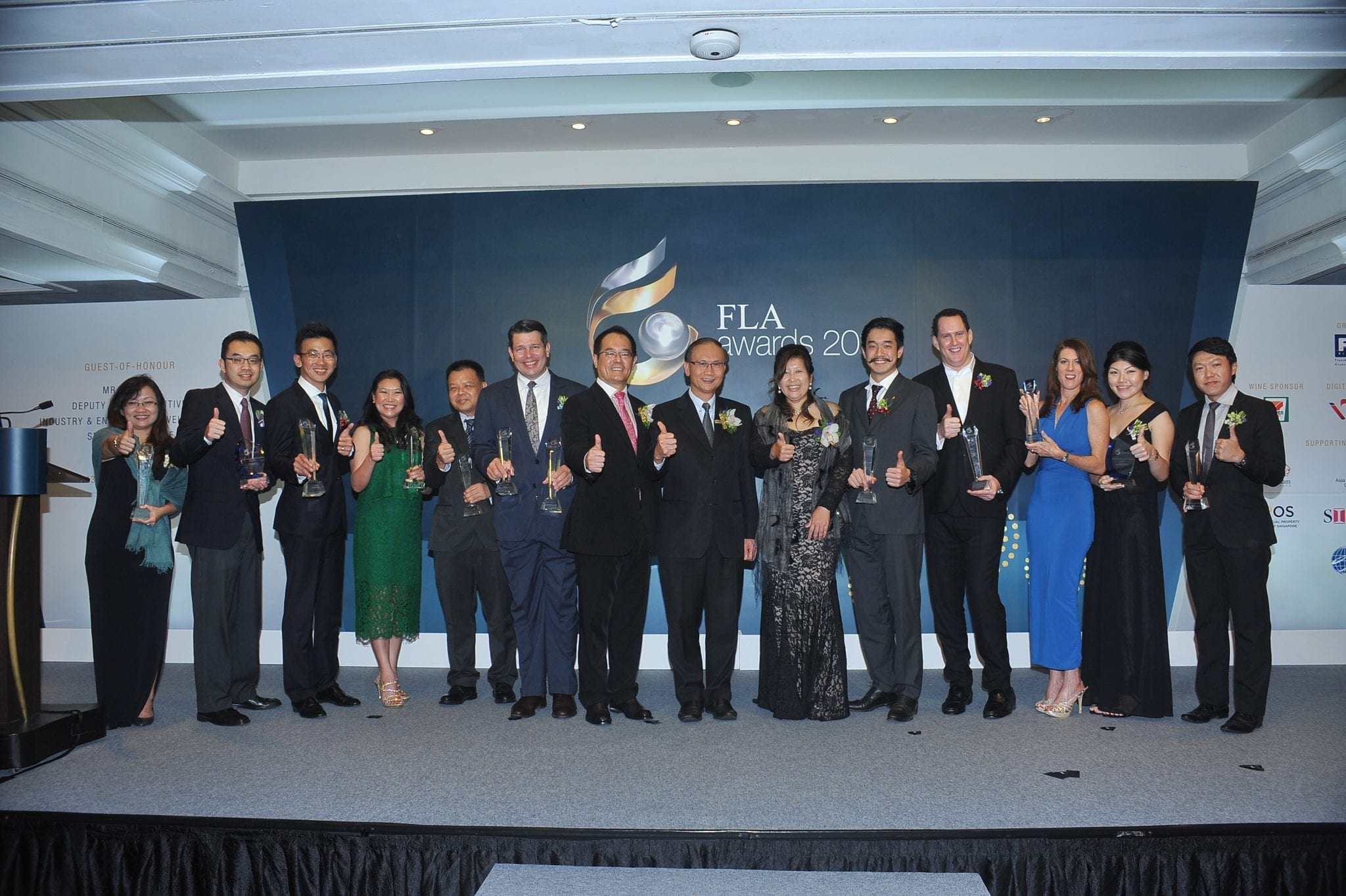
    Singapore’s top achievers in the franchising and licensing industry were recognised at the annual Franchising and Licensing Association (FLA) Awards 2016 held at the Marina Mandarin Ballroom last night.

    Currently in its 12th year, the FLA Awards continues to provide a formidable platform for successful franchise concepts and businesses to be showcased in the international arena. It also serves as a regional benchmark for franchise concepts aspiring to greater heights. The Awards, made up of both Competitive and Recognition Awards, comprises eight different categories that recognise and honour the various players in the industry – Franchisors, Licensors and Franchisees. 

    The 2016 Awards, which saw Sunflower Childcare clinching the title of ‘Overall Winner, Promising Franchisor of the Year’, had increased participation from the education sector. This reflects the continued growth of the education industry within the franchising and licensing scene. In line with the global trend of innovation, the Singapore-headquartered childcare group’s success can be attributed to its unique customisation model and record of constant innovation and development. Since starting its franchise business in 2005, Sunflower Childcare has opened 20 centres in total; 18 in Singapore and 2 in China.

    Sharon Lee, Director of Sunflower Childcare, said, “It is our first year participating in the awards and we are thrilled to have gotten the title of ‘Overall Winner, Promising Franchisor of the Year’. At Sunflower Childcare, we pride ourselves in the stringent process of acquiring franchisees and ensuring that they are well taken care of. We are looking to expand into international shores and FLA has been fundamental in enriching us with the relevant insights for expansion into our potential markets.”

    According to Donna Lee, Chair of FLA (Singapore), “The encouraging progress of our franchisors is a reflection of how companies can leverage on intangible assets like strong branding and innovative technology to penetrate new markets successfully. With the franchising and licensing landscape becoming increasingly diversified, it is key for companies to constantly innovate and expand into the global market in order to keep up with market trends and to remain competitive. FLA Singapore prides itself in equipping companies with the right toolset for internationalisation and we look forward to working with more businesses to help them successfully expand across markets and the region.”

    Earning the title of ‘Overall Winner, Franchisor of the Year’, veteran establishment 7-Eleven has constantly been at the forefront in the franchising and licensing playing field. Since opening its first franchised store in 1988, 7-Eleven has been offering entrepreneurs the unique opportunity to leverage on a renowned global platform to start a business. To date, it has a total of 207 franchised stores, forming 47% of its expanding network of 441 stores island-wide.

    David Goh, CEO of 7-Eleven, said, “Despite being in the franchising and licensing scene for more than three decades, we are continually learning and growing with the industry. Over the last few years, 7-Eleven has been constantly innovating and transforming its business model to be more relevant to its consumers and to add value to its franchisees. Our advice to franchisors looking to enter the industry would be to communicate with your franchisees, build a solid foundation of trust and constantly innovate your business model.”

    Traditional sectors like the Food & Beverage industry remained strong, with Thailand-established food service chain, The Pizza Company, being crowned ‘Overall Winner, International Franchisor of the Year’. Having adopted a master franchise model internationally, The Pizza Company has opened over 400 outlets in 9 countries in a span of 12 years.

    John Heinecke, Chief Operating Officer of Minor Food Group, said, “We are excited that The Pizza Company has been awarded ‘Overall Winner, International Franchisor of the Year’. This award showcases and recognises the systems that we have been building for the last 16 years to where it is today. With many of our brands operating in Singapore, we strongly believe in teaching our franchisees the art of learning to create wealth as we strive together towards success.”

    Donna Lee added, “FLA is proud to be able to bridge the gap between the global and local market with its strong government ties and prominent memberships in the World Franchise Council and Asia Pacific Franchise Confederation. Over the years, Singapore has been seen as a model test-bed and we are glad that we are able to assist international companies looking to penetrate the Singapore and Asian market.”

    The Awards were held in conjunction with FLAsia – an industry exhibition and conference, running from 13th to 15th October, showcasing both home-grown franchises and franchise opportunities from around the world. The exhibition this year saw participation from 17 countries, with international brands such as Swarovski, Delifrance, Gloria Jean’s Coffee and Coca Restaurant exhibiting. More information of the exhibition can be found on https://franchiselicenseasia.com/.

    Other Winners at the FLA Awards 2016 include Japan IPL Express, Mulberry Learning Centre, Anytime Fitness, Seoul Garden and Dancing Crab. The full winner list is attached separately and more information and images can be found on the FLA Awards website: https://www.flaawards.com/.