Tag: fruits

  • Early Arrival of Malaysia’s Durian Season Brings Creamier, Stronger-Flavored Fruits

    Early Arrival of Malaysia’s Durian Season Brings Creamier, Stronger-Flavored Fruits

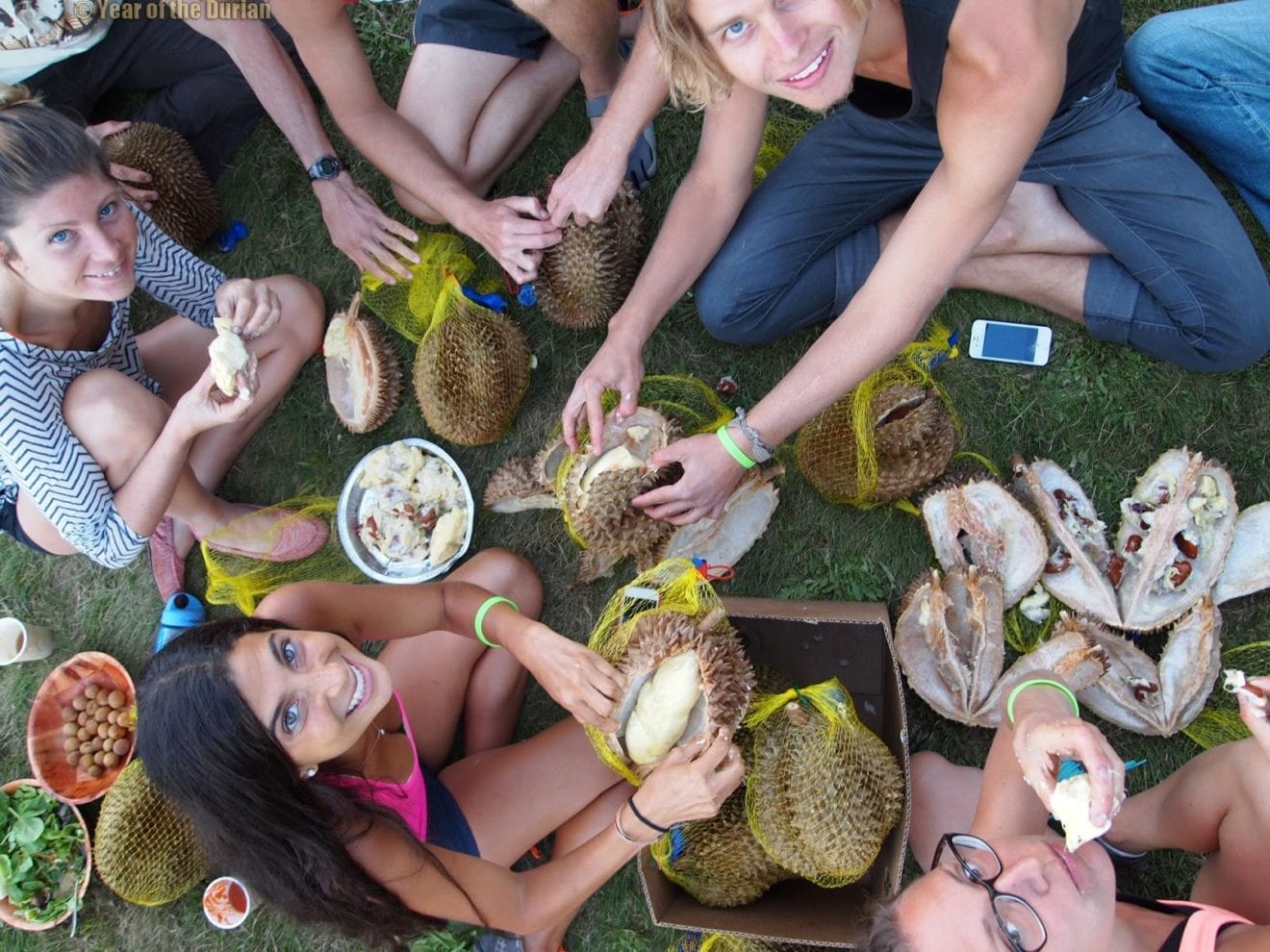
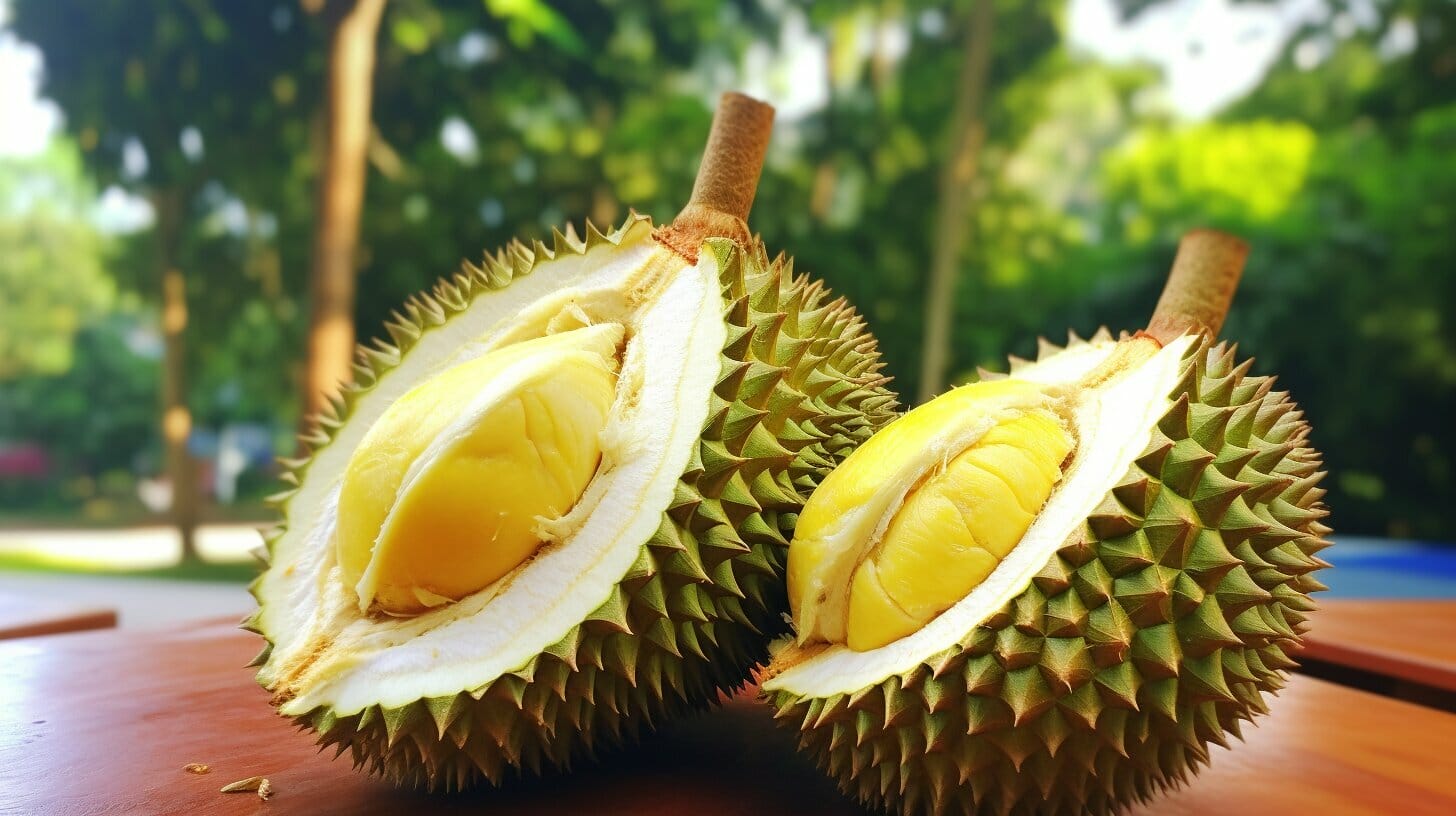
    This year’s early durian harvest in Malaysia is delivering creamier and more robustly flavored fruits to consumers. Durian types such as D604, Lipan, and Musang King have begun to catch the eye of passersby at various stands in Penang, a region renowned throughout Malaysia for its durians.

    Early Harvest, Creamier Durians

    Ang Hock Leng, a durian vendor in George Town, Penang, attributes the improvement in the fruit’s creaminess and flavor to the drier weather conditions this year. Despite the season only just beginning, these high-quality durians have already hit the shelves.

    With the early start to the season catching many off guard, it has primarily been the sight of these durian stands that has drawn in customers, claims Leng.

    Rising Prices

    According to Tan, another durian stand operator in George Town, the current supply of the fruit is limited, which has led to a price hike of approximately 20%.

    As an example, the early-season hybrid D604, known for its sweet, somewhat nutty flavor, is currently retailing at RM20-38 (US$5.1-9.6) per kilogram. The cost of the Musang King variety, on the other hand, is determined by factors such as grade and size, and its price ranges from RM45 to RM65 per kilogram.

    Despite the higher prices, Tan assures that this has not deterred durian lovers from indulging in the fruit. The fact that the season has started earlier than its usual mid-April commencement and the enhanced taste of the fruit are bonuses that consumers seem to be gladly accepting, regardless of the cost.

    Penang’s Durian Reputation

    Known for providing some of Malaysia’s most favored durians, Penang’s orchards had a difficult harvest last year, as the flowering stage was disrupted by rain and strong winds. This led to a delay in the season’s start, a shortened harvest period, and a decrease in yields.

    Nonetheless, once the season reached its peak later in the year, the region attracted large crowds to renowned durian hotspots such as Balik Pulau, Penang Hill, Padang Kota, and Batu Ferringhi.

    Longer Season, Lower Prices Predicted

    This year, however, Leng predicts that the season will last longer and that prices may decrease as production increases. He anticipates the fruit becoming cheaper from June onwards, due to what is expected to be a bumper yield.

    While the durian season has already commenced in Malaysia, the supply in Singapore, which imports a significant portion of its durians from its northern neighbor, has yet to pick up. Prominent vendors in Singapore, like 99 Old Trees Durian, Fruit Monkey Durian, and Combat Durian, currently only have limited quantities available, with a larger supply expected in early May.

    Questions & Answers

    Why are the durians creamier and more flavorful this year?
    According to durian vendor Ang Hock Leng, the drier weather conditions in Malaysia this year have resulted in creamier and more flavorful durians.

    What has caused the price increase in durians this season?
    The current limited supply of durians has led to a price increase of approximately 20%, as stated by Tan, a durian stand operator in George Town.

    When can consumers expect a decrease in durian prices?
    Prices are predicted to become cheaper from June onwards due to anticipated bumper yields, says durian vendor Ang Hock Leng.

  • US Fruits and Veggies Flood Vietnam Market: Imports Soar by 67%

    US Fruits and Veggies Flood Vietnam Market: Imports Soar by 67%

    Imports of U.S. fruits and vegetables to Vietnam have surged, showing a nearly 67% increase to US$900 million in 2025. This figure represents a tenfold increase from a decade ago and showcases the robust demand for U.S. produce in Vietnam. Among the top imports are cherries, apples, grapes, and oranges, as reported by Vietnam Customs.

    Disparity in Trade

    Despite the significant increase in imports from the U.S., Vietnamese exports to the U.S. have not shown the same growth. In 2025, the value of Vietnam’s fruit and vegetable exports to the U.S. was $546 million, a mere 1.49% share in a market dominated by suppliers from Mexico, Canada, and South American countries.

    Dang Phuc Nguyen, general secretary of the Vietnam Fruit and Vegetable Association, acknowledged the challenges of the U.S. market, noting its stringent technical standards and the geographical distance between the U.S. and Vietnam.

    Vietnam’s Position in the U.S. Market

    Vietnam currently ranks as the 13th largest fruit and vegetable supplier to the U.S., a position achieved through the concerted efforts of local businesses. There is potential for further growth in the U.S. market with the expanding list of fresh fruits allowed for export, including pomelo, mango, dragon fruit, longan, lychee, star apple, rambutan, and, most recently, coconut.

    Consumer trends in the U.S. are shifting towards exotic fruits, health-oriented products, and more processed items like frozen fruit, dried fruits, and juices. Vietnamese products like coconut, durian, and pomelo are becoming increasingly sought after in the U.S.

    Challenges to Exports

    Despite the potential for growth, Vietnamese exports face several hurdles. Starting from this month, the U.S. has tightened regulations on traceability and food safety, with a specific focus on pesticide residues. Inconsistent Vietnamese oversight of planting area codes and packaging facilities may lead to warnings or even temporary import suspensions by the U.S.

    The long distance between the two countries also incurs high logistics costs, making it challenging for Vietnamese fruits and vegetables to compete with suppliers closer to the U.S., such as those in Mexico, Peru, or Thailand.

    Changes in U.S. policies under the Trump administration have introduced unpredictability to trade defense measures designed to safeguard domestic agriculture. At the same time, green production, carbon emission, and social responsibility requirements in supply chains are gradually becoming mandatory, adding further pressure on exporters.

    Questions & Answers

    What are the top U.S. fruits imported by Vietnam?
    The top fruits imported by Vietnam from the U.S. are cherries, apples, grapes, and oranges.

    What are some of the challenges facing Vietnamese exports to the U.S.?
    Challenges include tightened U.S. regulations on traceability and food safety, high logistics costs due to geographical distance, and the increasing mandatory requirements related to green production, carbon emission, and social responsibility in supply chains.

    What potential does Vietnam have for growth in the U.S. market?
    There is significant potential for growth, especially as the list of fresh fruits permitted for export to the U.S. continues to expand. Moreover, with U.S. consumer trends shifting towards exotic fruits and health-oriented products, Vietnamese products like coconut, durian, and pomelo are gaining popularity.

  • Durian-Giveaway Mania: Over 500 Seniors Swarm Singapore Stall for Free King of Fruits

    Durian-Giveaway Mania: Over 500 Seniors Swarm Singapore Stall for Free King of Fruits

    In an act of goodwill and community service, a durian stall in Singapore, Famous Durian, recently held a sizable giveaway of the beloved fruit for senior citizens. The event drew a crowd of over 500 individuals, some of whom waited patiently for more than three hours to get their share of the prized fruit.

    A Popular Event for Seniors

    The giveaway event was scheduled to begin at 6 p.m. on Monday on Yishun Street 81. However, as early as 5 p.m., around 200 senior citizens were already lined up in anticipation. A 71-year-old retiree who was among the early birds expressed her joy at claiming the durians for the first time.

    An Appreciation Gesture

    The owner of the durian stall, a 43-year-old man, stated that the event was held as a gesture of appreciation to the community and as a means to allow elderly residents to enjoy the revered fruit. He prepared around 1,200 kilograms of durians, approximately 1,000 pieces, for the event, inviting anyone aged 60 and above. He noted that the distributed fruits were valued at over S$10,000 (US$7,730).

    Overwhelming Turnout

    Each participant could take home two durians, including one Mao Shan Wang (Musang King), a highly preferred variety in Singapore, and one of a different variety. Despite having organized such an event on three previous occasions, the turnout this time around was unexpectedly large, prompting the owner to distribute an additional 100 durians. Unfortunately, the entire stock ran out by 7:20 p.m., with some seniors eventually receiving only one durian instead of the promised two. The owner acknowledged that some participants were unhappy with this outcome, but assured that it was unintended.

    Spreading Love and Kindness

    In a post-event message, Famous Durian emphasized that the giveaway aimed to “spread a little love” with “no returns, no agenda” in a world that feels chaotic. The post read, “Kindness costs nothing, but it means everything. I hope everyone can pass this love forward and make our society a little softer.”

    Durians are a favorite among Singaporeans, with the city-state importing about 85% of its durians from Malaysia. During the peak season, the city-state imports around 100,000 kilograms of the fruit per day.

    Questions & Answers

    What was the purpose of the durian giveaway?
    The giveaway was organized by a durian seller as a gesture of appreciation to the community and as a way to allow elderly residents to enjoy the fruit.

    How many durians were given away and what was their value?
    The seller prepared around 1,200 kilograms of durians, approximately 1,000 pieces, for the event, with the distributed fruits valued at over S$10,000 (US$7,730).

    Were all participants able to receive two durians as promised?
    Due to the unexpectedly large turnout, some participants eventually received only one durian instead of the promised two. The entire stock ran out before everyone could receive their full share.

  • Vietnam’s Agricultural Exports Soar by 12.6%: Thriving Market for Coffee, Fruits, and Vegetables

    Vietnam’s Agricultural Exports Soar by 12.6%: Thriving Market for Coffee, Fruits, and Vegetables

    In the first eleven months of 2025, the exportation of agricultural, forestry, and fisheries products increased by 12.6% on a year-on-year basis, totaling a whopping US$64 billion.

    Breakdown of Agricultural Exports

    The agricultural sector contributed significantly to this figure, accounting for $34.24 billion, representing an increase of 15% over the period. In particular, the average price of coffee exports experienced a significant boost, escalating by 40% to reach $5,667 per ton. Germany, Italy, and Spain emerged as the primary destination markets for these coffee exports.

    Furthermore, exports of fruits and vegetables witnessed a near 20% rise, amounting to $7.91 billion. This surge was primarily driven by robust demand from the Chinese and U.S. markets.

    Challenges in the Export Market

    Despite the general upward trend, not all products enjoyed the same level of success. Cashew and pepper exports did increase; however, some key commodities encountered challenges.

    Rice exports, for instance, took a substantial hit, declining by 27.7% to $3.83 billion due to increased competition. Similarly, exports of tea and rubber suffered a downturn as demand for these products weakened.

    Government’s Future Plans

    Phung Duc Tien, the Deputy Minister of Agriculture and Environment, recently stated that by the close of the year, the export value of agricultural, forestry, and fisheries products could reach an approximate $70 billion.

    In an effort to boost this sector further, the government is focusing on promoting green, organic, and circular agricultural models. These initiatives aim to preserve natural resources and biodiversity. Additionally, the government intends to fortify regional linkages to create a more unified, strong sector.

    Questions & Answers

    What was the total value of agricultural, forestry, and fisheries exports in the first eleven months of 2025?
    The total value was US$64 billion, representing a 12.6% increase year-on-year.

    Which agricultural products saw an increase in export value?
    The price of coffee exports rose by 40%, and there was a nearly 20% increase in the exportation of fruits and vegetables.

    Which agricultural products faced challenges in the export market?
    Rice exports faced a significant decline due to rising competition, and the shipment of tea and rubber products also dropped because of weakened demand.

  • EU Boosts Imports of Vietnamese Fruits and Nuts, Opening New Doors for Tropical Delights

    EU Boosts Imports of Vietnamese Fruits and Nuts, Opening New Doors for Tropical Delights

    Vietnam is making waves in the European Union, with its fruit and vegetable exports booming in recent months. Leading the charge is the mango, which has become a standout success, raking in $27.6 million—an impressive 54% increase. Not far behind is pistachio, which surged to $17 million, reflecting a staggering 90% rise in demand. Pineapples have soared by a jaw-dropping 200% to reach $11 million, while coconut exports climbed by 41% to $10 million.

    The Netherlands Takes the Lead

    The Netherlands emerged as the largest E.U. importer, snapping up nearly $37 million worth of Vietnamese produce, accounting for 28% of the total exports to the bloc. Other countries are also joining the feast: Poland’s imports doubled compared to last year, and Spain enjoyed an impressive 83% increase, while Germany and France reported solid growth as well. Overall, Vietnamese fruit and vegetable exports soared by one third, totaling $132 million.

    A Sweet Spot for Vietnamese Produce

    According to Dang Phuc Nguyen, general secretary of the Vietnam Fruit and Vegetable Association, the increasing popularity of Vietnamese fruits and vegetables in the E.U. can be attributed to the revitalization of consumer demand as the region recovers from the pandemic. Furthermore, a decline in local fruit production in certain E.U. states due to unfavorable weather has created a greater reliance on imports. The advantages of the Vietnam-EU Free Trade Agreement, which has reduced or eliminated tariffs on many fruits, have given Vietnam a crucial competitive edge over countries without similar trade agreements.

    Going Green: A Golden Opportunity

    In 2022, Vietnam’s agricultural exports to the E.U. reached a staggering $4.21 billion, driven primarily by fruits that saw double-digit growth amid strong demand. The Vietnam Sanitary and Phytosanitary Notification Authority highlights a growing trend favoring organic and certified products in E.U. markets, presenting substantial opportunities for Vietnamese farmers. Tropical fruits such as dragon fruit, mangoes, lychees, and longans thrive in Vietnam’s climate—products that simply can’t be produced domestically in the E.U.

    Meeting Stringent Standards

    However, the E.U. has high bars for quality and safety, requiring compliance with strict sanitary and phytosanitary regulations on food safety and pesticide residues. Bui Xuan Hoang Henry, general director of the Hoan Vu Inspection Center, pointed out that cooperation between exporters, testing units, and farmers is crucial for maintaining high-quality agricultural products. “Quality control is a priority this season, allowing our fruits to increasingly align with the rigorous standards of the E.U. market,” he noted. And with that, it looks like Vietnamese produce is ready to take a bite out of the competition!

    Questions & Answers

    What fruit is leading Vietnam’s exports to the E.U.?
    Mango tops the list, with exports valued at $27.6 million, an increase of 54%.

    Which country in the E.U. is the largest importer of Vietnamese produce?
    The Netherlands stands out as the leading importer, purchasing nearly $37 million worth of goods.

    How has Vietnam adapted to meet E.U. quality standards?
    Through close collaboration among exporters, testing units, and farmers, Vietnam ensures that agricultural products meet stringent quality and safety standards required by the E.U.

  • Chinese Seedless Lychees Command Attention with $35 per Kilogram Price Tag in Vietnam

    Chinese Seedless Lychees Command Attention with $35 per Kilogram Price Tag in Vietnam

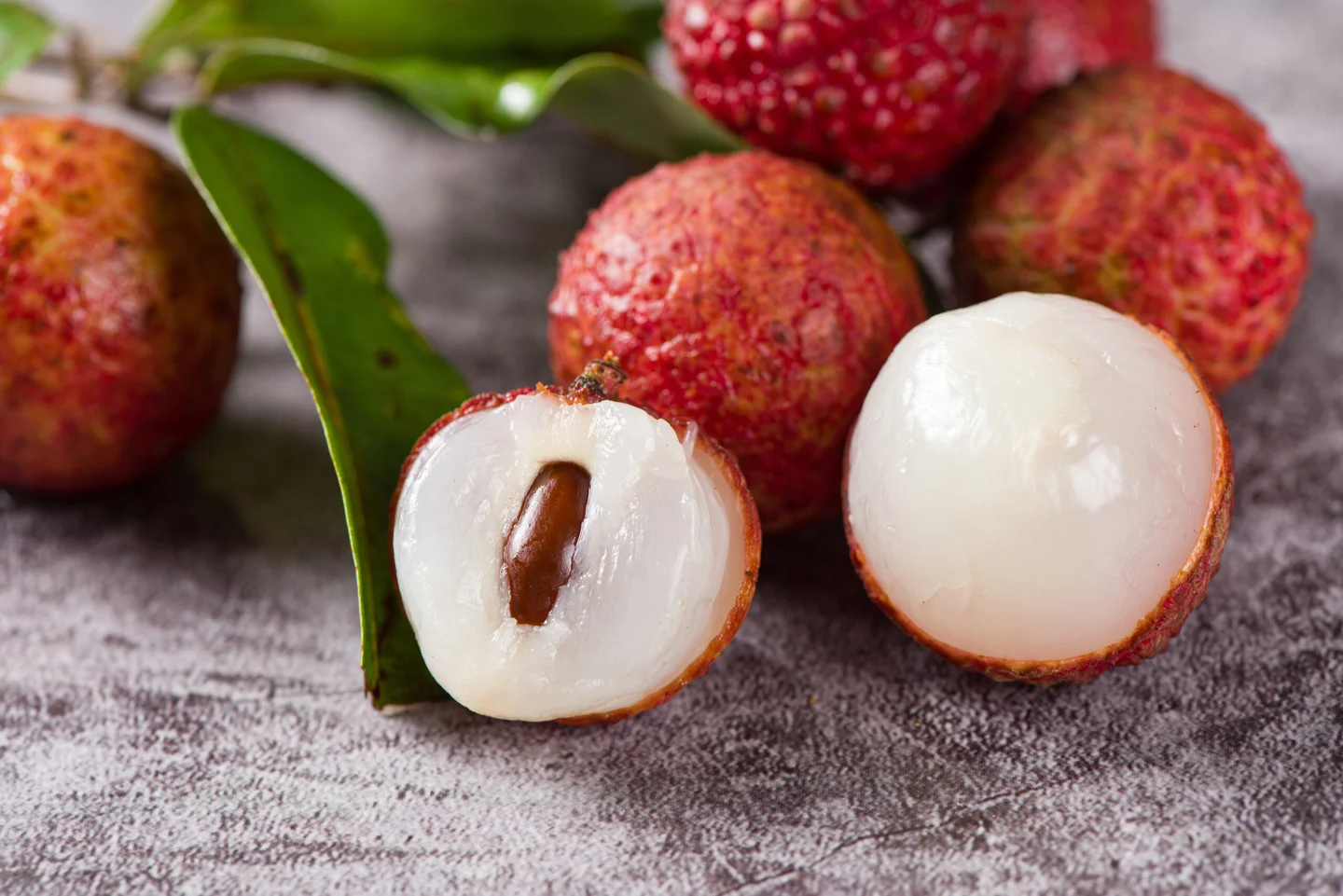
    The arrival of seedless lychees in Vietnam is stirring excitement among fruit enthusiasts, thanks to a recent bumper crop that has brought prices down to VND45,000-120,000. As farmers and vendors report, this year’s harvest is notably cheaper than in the past, making the delectable fruit more accessible to consumers.

    Luxury from Hainan

    Thanh Tam, who runs a fruit store in Nam Tu Liem District, revealed that the seedless lychees are a bit pricier due to their origins in China’s Hainan Province, primarily meant for the Japanese market. Buyers are often looking to gift this unique treat or indulge in a fresh experience.

    In Dong Da District, Ngoc, another store owner, has imported 200 kilograms of these lychees since early June. With their striking reddish-pink skin and thick, juicy flesh, they are visually appealing. While these lychees are mostly seedless, consumers may occasionally encounter a tiny seed the size of a mung bean.

    Freshness, with a Concern

    E-commerce platforms are hopping with activity as sellers offer the seedless lychees mainly in two-kilogram baskets packed with ice to maintain freshness. However, some vendors report that the fruit’s skin can discolor rapidly, resulting in mixed reviews from customers. Hoang Anh from Cau Giay District recently tried them and was left wanting. She remarked, “It had a slightly sour and bitter taste, and its skin darkened after just one day,” expressing disappointment compared to local varieties.

    While some seedless lychees are also cultivated in northern Vietnam, costing around VND280,000 per kilogram, the quality has been inconsistent. In Bac Giang Province, 500 trees have been producing fruit since 2022, but yields remain low. Le Ba Thanh, deputy director of the province’s Department of Agriculture and Environment, indicated that there are currently no plans to increase production.

    On a larger scale, a company in Thanh Hoa Province has taken the lead, cultivating seedless lychees on over 1,000 hectares and exporting them to markets as far as Japan and the U.K., where they command a retail price of VND800,000 per kilogram.

    In a world where exotic fruits are increasingly popular, seedless lychees bring a delightful twist—who would have thought lychees would join the ranks of luxury gifts?

    Questions & Answers

    What is the price range for seedless lychees in Vietnam this year?
    Prices range from VND45,000 to VND120,000, which is more affordable than the previous year.

    Why are the seedless lychees from Hainan Province more expensive?
    These lychees are primarily grown for export to the Japanese market, which drives up their price.

    Is there any local competition for the seedless lychees?
    Yes, there are seedless lychees grown in northern Vietnam, but their yields and quality are inconsistent compared to the imports.

  • Australian Mango Prices Plunge 80% in Vietnam, Now Selling for Just 20 Cents per Kilogram!

    Australian Mango Prices Plunge 80% in Vietnam, Now Selling for Just 20 Cents per Kilogram!

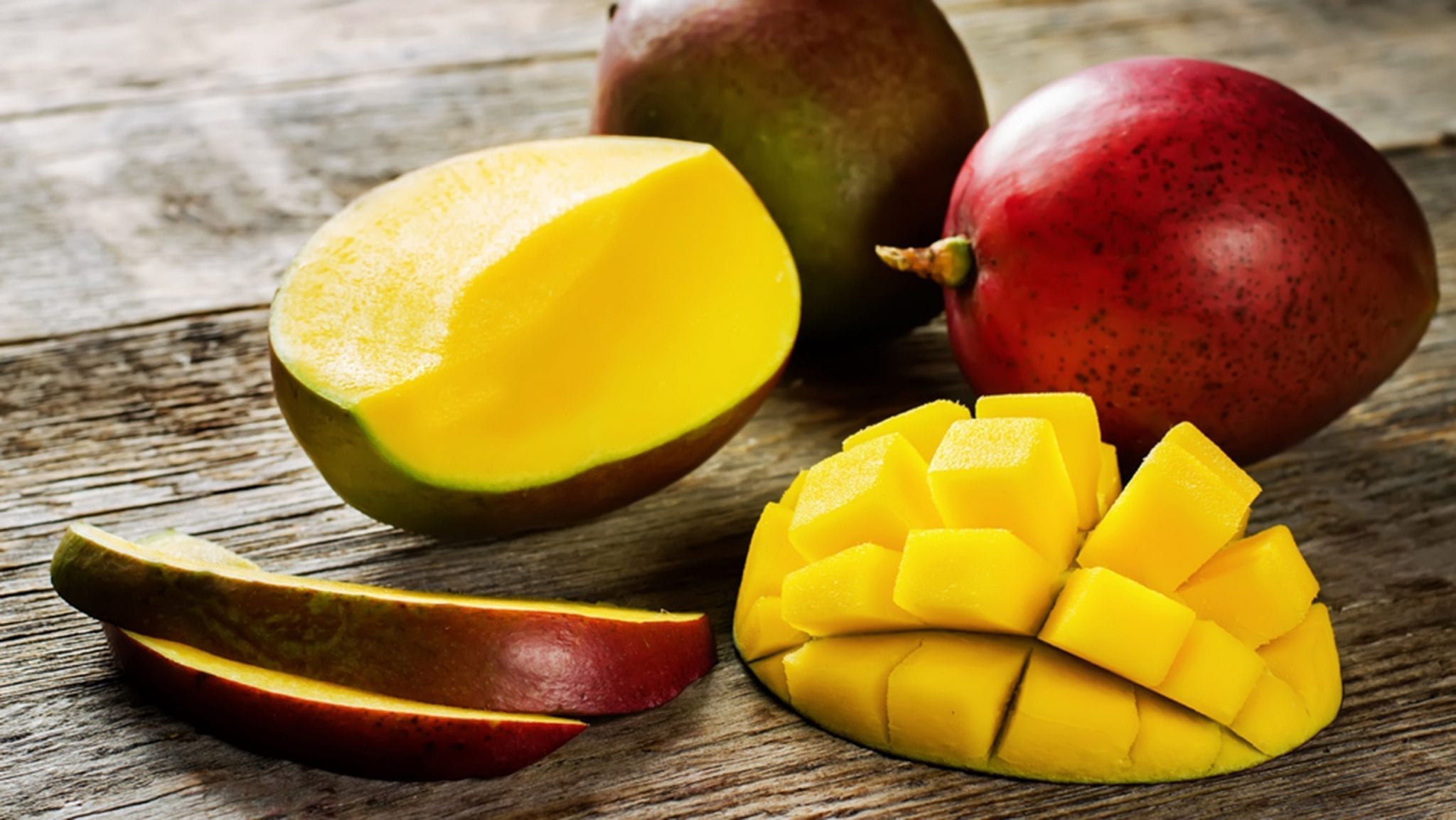
    In the heart of Khanh Hoa province, Vo Xuan Hien, a 60-year-old mango farmer, is grappling with a bitter irony: ripe mangoes are falling from his trees, yet his profits have vanished. The price slump has plunged to a mere VND5,000–8,000 (20-30 U.S. cents) per kilogram, a stark contrast to VND30,000 just a year ago. With the thought of unharvested fruit weighing heavily on his mind, Hien, who once enjoyed an annual income of VND400 million with a 50% profit margin, now only hopes to break even.

    “In my eight years of growing mango, this is the first time I am experiencing both a poor harvest and low prices,” he lamented, reflecting the turmoil facing many in his district. Cam Lam District, home to around 7,000 hectares of mango orchards, including 4,000 hectares dedicated to the Australian variety that has flourished in Vietnam since 2003, is at a tipping point. If left unharvested, thousands of tons of mangoes are set to rot within two weeks.

    Rethinking Demand in a Changing Market

    The plummeting prices can be traced back to a significant drop in demand from China, the traditional powerhouse in mango imports from this region. Huynh Uy Vien, the district’s vice chairman, highlighted that China’s increased domestic mango production has lessened its need for imports, leaving local farmers in dire straits. As a result, many of the mangoes are now sold locally or converted into dried products and juice.

    “Our farmers are facing a critical situation—up to 1,800 tons of mango are ripe and ready for harvest yet remain unsold, and the prices are now below production costs,” he added, revealing the desperate need for intervention. His office is actively collaborating with supermarkets and retail chains to boost local consumption, but the damage has already been done for many farmers.

    Local farmer Thao expressed her frustration, noting that prices have nosedived over the last month, leaving her expected losses at VND100 million. “Ripe mangoes are falling, and traders are paying dirt-cheap prices,” she said, encapsulating the despair shared among growers.

    Turning Dilemmas into Opportunities

    Amidst the turmoil, opportunities for processing mangoes are emerging. Dang The Thuyen, CEO of local processing company Camlamonline, remarked that unfavorable weather has led to a decline in the quality of many fruits. Still, he’s committed to supporting farmers by purchasing 100 tons this month for dried mango production. “We plan to buy more to help farmers recoup some of their investments,” he said, signaling a glimmer of hope amidst the challenges.

    The situation is dire, yet as the saying goes, sometimes when it rains, it pours—just not the kind of rain that helps mangoes thrive!

    Questions & Answers

    What has caused the recent drop in mango prices?
    A significant decrease in demand from China, which has ramped up its own mango production, has led to lower prices for exported mangoes from Khanh Hoa.

    How are local farmers responding to this crisis?
    Farmers like Vo Xuan Hien and Thao are struggling with unharvested crops and losses, with many resorting to selling their mangoes at unsustainable prices.

    What measures are being taken to address the situation?
    Local government officials are working to enhance domestic consumption by partnering with supermarkets and retail chains, while some processing companies are stepping in to buy mangoes to support farmers.

  • Durian exports soar by 74%

    Durian exports soar by 74%

    According to customs data, Vietnam exported US$919 million worth of durian in the first five months, up 74% year-on-year.

    This made durian its top fruit export at 3.5 times that of dragon fruit in second place.

    Exports of the odoriferous fruit were worth $450 million in May alone, more than double the previous month’s value and an 34% higher than a year ago, the General Department of Customs reported.

    They were estimated at $600 million in June, according to Dang Phuc Nguyen, general secretary of the Vietnam Fruit and Vegetable Association (Vinafruit).

    China has been Vietnam’s largest durian importer this year, he said.

    Vietnam harvests the fruit all year long, helping it avoid direct competition with durian from Thailand as the latter’s harvest is seasonal, he said.

    Being closer to China it also has lower transportation costs and faster shipping times.

    But some of its shipments have recently been flagged in China for containing banned substances, damaging the reputation of Vietnamese durian, Nguyen said.

    He underlined the need to strengthen quality control at both orchards and packaging facilities to ensure no contaminated fruit is shipped.

    In the first five months of 2024 Vietnam exported over $2.65 billion worth of fruits and vegetables, up 30.9% from the same period last year.

  • Imported Thai fruit prices plummet on rising supply

    Imported Thai fruit prices plummet on rising supply

    Mangosteen, mini durian, snake fruit, and rambutan imported from Thailand are 30-40% cheaper than a year ago since supply is high.

    Loan, who runs a shop that sells imported fruits in HCMC, said Thai fruits have never been as cheap as they are this year.

    Mangosteen and langsat are sold at VND55,000-60,000 (US$2.16-2.36) per kilogram, and rambutan at VND45,000-60,000, all 30-40% less than a year ago, she said.

    Lan, a fruit merchant at the city’s Ba Chieu Market, said the prices of premium products such as Thai snake fruit and mini durian are also down 40%.

    Snake fruit sells for VND60,000-70,000 and mini durian for VND60,000-130,000, she said.

    “This year Thai fruits outcompete Vietnamese ones in both quality and price.”

    Many kinds of Thai fruits are being sold in large quantities at wholesale markets in HCMC’s Thu Duc City and Hoc Mon District.

    Thanh, an importer in An Giang Province, said the supply of Thai fruits has doubled from last year due to bountiful harvests, causing their prices to fall sharply.

    The mangosteen, langsat and rambutan from that country are of higher quality this year, while Vietnamese crops have suffered from a poor harvest, he said.

    This year, mangosteen production in Binh Duong Province, one of the main growers, is estimated to have halved from a year ago, according to local farmers.
    Durian production in the Mekong Delta has declined by 20-40% due to prolonged dry weather and scorching temperatures.

    Farmers have also been shifting away from rambutan in recent years due to its low profitability.

    This year, shipping costs have decreased by 20-30% from last year, Thanh said. Many importers have begun to transport fruits from Thailand by road through Cambodia to lower costs, he added.

    In the first four months of 2024, Vietnam imported $643 million worth of fruits and vegetables, which was up 15% year-on-year.

    Thailand accounted for $13.3 million, marking a 5% increase from last year’s period.

  • Vietnam beats Thailand at durian exports to China

    Vietnam beats Thailand at durian exports to China

    Vietnam has surpassed Thailand as the top durian exporter to China, shipping 32,750 tons in the first two months of 2024.

    This accounted for 57% of China’s imports, up from 32% last year, according to Vietnam Customs.

    Vietnam’s export of the fruit to China rose by 2.4 times year-on-year.

    Thailand saw its exports plunge by half to 19,000 tons.

    At US$4,916 per container, Vietnam’s export price was almost 20% lower than Thailand’s.

    Dang Phuc Nguyen, general secretary of the Vietnam Fruits & Vegetables Association, said Vietnam’s weather allows durian to be grown all year round.

    It shares a border with China, which offers it an advantage in transportation.

    Farmers have been hiking durian prices in recent months thanks to high demand from China.

    In March the prices of the highest quality Monthong variety in the Mekong Delta were up 15% from a year earlier to VND218,000-230,000 ($8.7-9.2) per kilogram.

    Vietnam’s durian exports are expected to top $3.5 billion this year, up 66% from last year.

  • Coconut prices fall on bumper crop

    Coconut prices fall on bumper crop

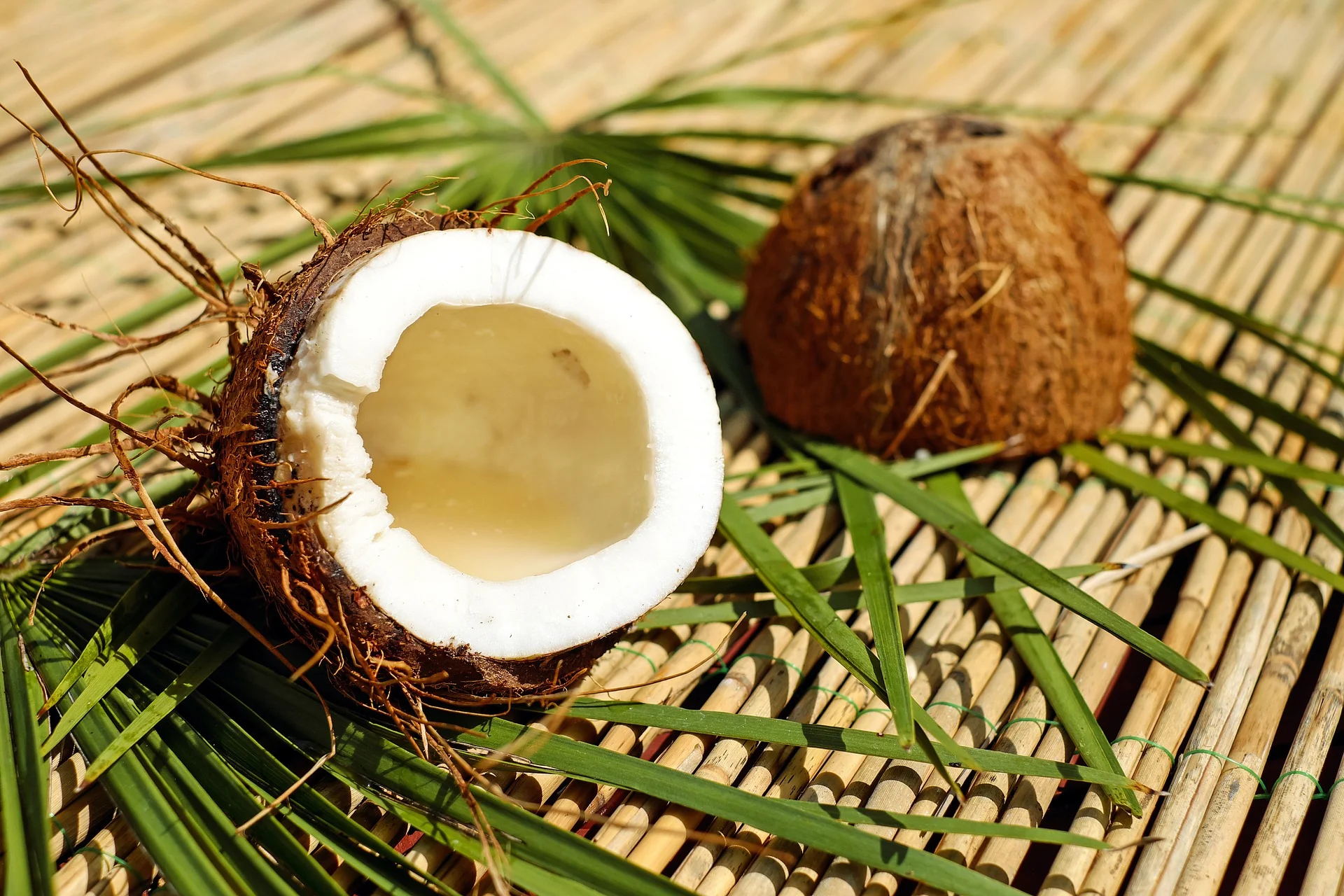
    It is the coconut harvest in the Mekong Delta, but with exports falling, prices have halved from a year ago to VND1,500-2,900 (US$0.06-0.12) for a nut, causing farmers losses.

    Phan Van Dinh, 68, of Giong Trom District in Ben Tre, Vietnam’s biggest coconut-growing province, has an orchard of 2,000 square meters.

    “At present, we only manage to sell VND1 million worth of coconuts a month, enough only to cover costs, not profit,” he said.

    Traders are buying at VND2,500-2,900 apiece, down from VND5,000-5,800 a year ago, he said.

    Le Van Trong, owner of a 6,000-sq.m orchard in Ben Tre, does not want to sell the 2,500 fruits he has harvested because traders are offering only VND1,500, saying they are too small.

    He is now drying the coconuts to sell them as seedlings for cultivation.

    Huynh Quang Duc, deputy director of the Ben Tre Department of Agriculture and Rural Development, said it is the coconut harvest season with large output, causing prices to fall.

    Ben Tre has over 74,000 hectares of orchards, or 80% of the total coconut growing area in the delta and 50% of Vietnam’s.

    Besides some exports to the U.S., coconuts are mainly exported to China via border trade.

    “We are waiting for exports to China through the official quota with a much bigger volume, so that the life of coconut growers will improve,” Duc added.

  • Low prices make Thai persimmons popular

    Low prices make Thai persimmons popular

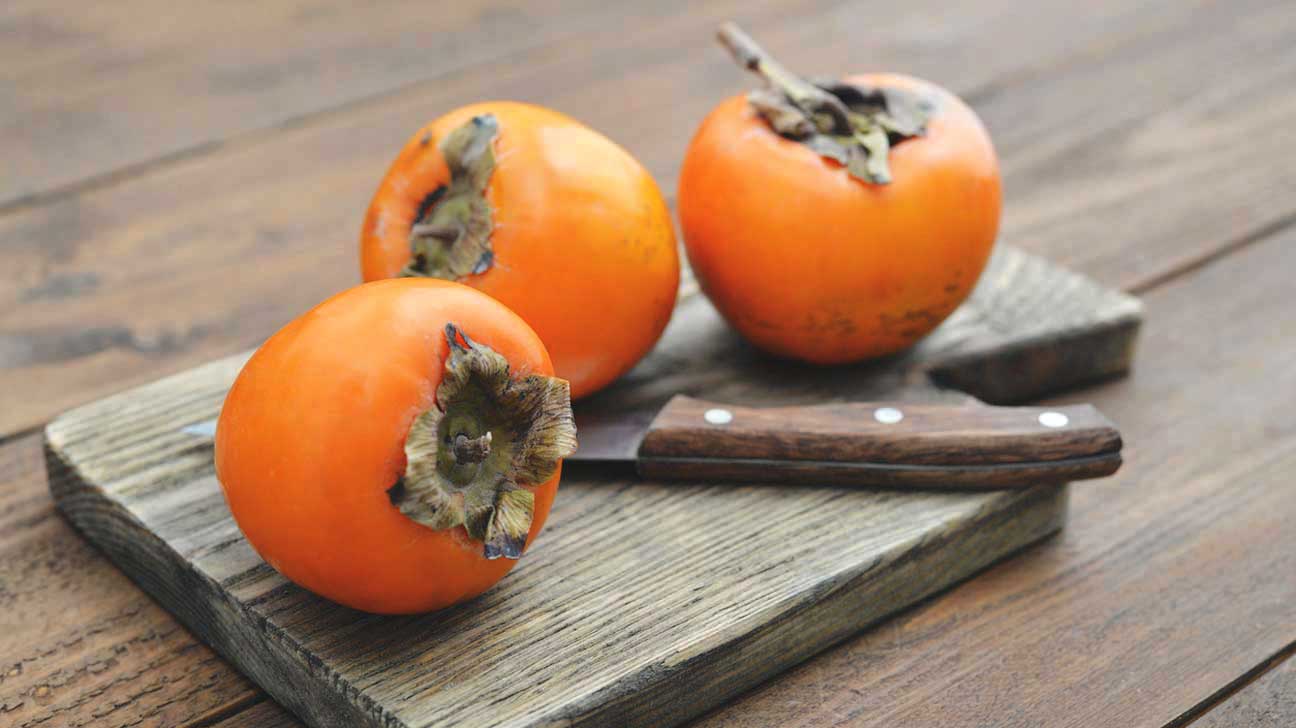
    Crunchy persimmons imported from Thailand sell for VND35,000 (US$1.5) per kilogram at wholesale markets in HCMC, VND5,000-10,000 lower than the Vietnamese variety.

    My Linh, the owner of a fruit stall in Go Vap District, said she had sold out 100 kilograms of Thai persimmons in two days.”It was very cheap, so I switched to selling Thai persimmons instead of the Vietnamese variety.”

    According to Thanh, the owner of a fruit stall at Ba Chieu market in Binh Thanh District, Thai persimmons are eye-catchingly yellow and sweet, and so attracts customers.

    “Every day, I sell three to five boxes (of 10 kg). Its retail price is VND55,000-60,000 per kilogram, while that of Da Lat persimmon is VND70,000-80,000.”

    A shop owner named Mai in Tan Binh District, who sells several tons of Thai persimmons a day, said due to higher harvests this year the fruit was exported to Vietnam at low prices.

    “I am selling three varieties of persimmons to markets: from Thailand, China and Da Lat. Currently the Thai fruit has the lowest price, with color and uniformity (in terms of size and quality) better than the other two.”

    A manager of the Thu Duc Agricultural Product Wholesale Market said Thai persimmons are being sold in the market for the first time, and are popular thanks to their low price.

  • Processed fruit, vegetable exports expected to rise by 20%

    Processed fruit, vegetable exports expected to rise by 20%

    Processed fruit and vegetable exports are likely to be worth US$1.2 billion from exporting processed this year, up from $1 billion last year, according to the Vietnam Fruit Association.

    Their exports rose by 23% year-on-year to $356 million in the first four months of the year, Dang Phuc Nguyen, the association’s general secretary, said.

    While exact figures are not available yet for May and June exports grew strongly in the second quarter, he added.

    But data is available for the combined exports of fresh and processed fruits and vegetables, and they surged by 63% to $2.8 billion in the first half, according to the association. They had been worth $3.4 billion last year, with 30% coming from processed items.

    For years Vietnam’s fresh vegetable and fruit exports have largely been to China, which accounts for a 60% share. But exports to the U.S., EU and Japan have grown rapidly.

    Nguyen called it “a good sign” as fruit and vegetable processors diversify into global markets and reduce their dependence on China.

    A large volume of Vietnamese canned fruit products and bottled juices with a shelf life of up to two years has gone to the U.S., Japan and Europe this year.

    According to the U.S. International Trade Commission, imports of Vietnamese processed fruits and vegetables have grown by 30-45% annually in the past three years.

    Exports to the EU have increased by 10-20% a year. Leading exporter Westfood shipped large volumes of processed fruits and vegetables to the world market in the first five months of this year, with exports to Europe growing by 22%, its chairwoman, Nguyen Thi Minh Nguyet, said.

    She said exports to China would increase dramatically this year, while South Korea, Japan, the Netherlands, and the EU (eh?) are increasing purchases.

    According to the Ministry of Agriculture and Rural Development, the country’s annual output of fruits and vegetables is more than 31 million tons, but only 4.5 million tons, or 14%, are processed.

    Most processing and preservation establishments are very small and run by households, and so their products often fail to meet export quality requirements.

  • Rice, fruits bright spot amid Vietnam export slump

    Rice, fruits bright spot amid Vietnam export slump

    While exports of textiles, wood products and seafood plummeted in the first five months of 2023, those of rice and fruits have risen.

    Overall exports between January and May were worth US$136.17 billion, down 11.6% year-on-year, according to the General Statistics Office.

    Seafood, wooden furniture, handicrafts, and textile exports fell by double digits. Many businesses ran out of orders.

    Fruits, rice and a few other staple products were bright spots, however. Fruit and vegetable exports grew by 29% to $1.9 billion, mainly due to increased Chinese imports, according to the Vietnam Fruit Association.

    Among the top fruit and vegetable markets, strongest growth was seen in exports to China, the U.S., the Netherlands, and Malaysia. China alone accounted for $805 million worth of products.

    Exports of processed foods such as instant and rice noodles and spices grew by 10-30%. Nguyen Anh Tuan, deputy general director of Colusa – Miliket Food Joint Stock Company, said exports, which went to 30 countries and territories, were 30% higher year-on-year.

    Shipments to key export markets such as the U.S., Japan and South Korea increased sharply, he added.

    Every year Lotus Rice exports several thousand tons of the grain to the EU market, but this year it is not “able to buy enough quality rice to sell,” its director Huynh Van Khoe said.

    “There has never been a year when we’ve seen this many rice export orders. Even though rice prices have increased, our partners still want to buy large quantities.”

    China’s reopening has greatly benefited, Nguyen Dinh Tung, general director of Vina T&T Import and Export Company, said.

    In the first four months of the year his company’s fruit exports grew by 20%, he said. He added that it has a contract to ship 1,500 containers (of 15 tons each) of durian to China.

    Dang Phuc Nguyen, general secretary of the Vietnam Fruit and Vegetable Association, said Vietnamese fruits are becoming popular because of their taste.

    Vietnamese durian, mango and dragon fruit are better priced and have higher quality than their competition from China and India, he said.

    Vietnam also has a favorable climate and better farming techniques than other countries, and grows fruits all year round unlike in other countries, where they are seasonal, he said.

    In the latter half of this year fruit and vegetable exports could spike if businesses meet the demands of the Chinese market using good agricultural practices, he said. “Fruit and vegetable exports this year could top $4 billion.”‘

    Several factors drive the export boom. China’s reopening has led to a rise in demand for food staples, the war between Russia and Ukraine has forced countries to create food reserves and drought has caused a decrease in global food supply.

    Markets such as Europe, the U.S. and the UK have increased food imports for their reserves.

    A report by the U.S. Department of Agriculture said global output in the 2022-23 rice crop is expected to reduce by 2% from last year to 503 million tons, the first annual decline since 2015-16.

    Yet businesses warned that the big picture for exports during the rest of 2023 is not very bright. The global economy is still in recession, inflation remains high and the risks of rising raw material prices still lurks.

  • Chinese growers put Vietnamese durian, dragon fruit in risky oversupply

    Chinese growers put Vietnamese durian, dragon fruit in risky oversupply

    Vietnamese dragon fruit is at risk of oversupply, while durian prices will likely plummet as China, the local fruits’ largest importer, continues growing an increasing amount of the two trees.

    Late last month, China announced its dragon fruit output reached 1.6 million tons a year, 200,000 tons higher than Vietnam’s output.

    According to Chinese customs’ statistics, Chinese demand for dragon fruit is two million tons a year.

    Regarding durian, China imported over 800,000 tons of fruit worth some US$4 billion last year.

    But the giant economy it is likely to import less this year because after years of failed experiments, the country’s farmers are finally growing the fruit successfully in China’s southern regions, according to experts.

    The Chinese Academy of Tropical Agricultural Sciences in Hainan Province reported that China’s southern provinces are growing over 2,000 hectares of durian, amounting to 45,000-75,000 tons of the fruit expected to be sold in 2024.

    Durian cultivation will also be expanded to the North, according to the academy.

    About 90% of Vietnam’s major agricultural products are exported to China.

    So the northern neighbor’s plan to ensure its own local supply of agricultural products puts key Vietnamese farm items exported to the Chinese market at risk of oversupply.

    According to statistics from the General Department of Vietnam Customs, 90% of Vietnamese dragon fruit is exported to China.

    Tran Ngoc Hiep, director of Hoang Hau Dragon Fruit Company in Binh Thuan Province said that Vietnam’s dragon fruit exports to China in the first months of this year have are already slowing under the weight of increasing supply to the north.

    In previous years, China imported more than 300 containers of Vietnamese dragon fruit every day through Vietnam’s northern border gates, Hiep said.

    But he added that the figure is now already less than 100 containers.

    Currently, Vietnamese dragon fruit prices remain high because local farmers can grow off-season fruit.

    But when Chinese dragon fruit in season, from March to September, Vietnamese dragon fruit will face the risk of oversupply and dropping prices.

    Ngo Tuong Vy, vice director of Chanh Thu Export and Import Fruit Company in Ben Tre Province, said if the quality of Vietnamese fruits could improve, they will retain the Chinese market to Chinese rivals.

    Vietnamese durian must also compete with Thai and Malaysian fruit in the Chinese market.

    Phan Thi Tra My, president of the Provisional Vietnamese Business Association in China, said Chinese demand for durian is still high, but if Vietnamese exporters continuing paying more attention to quantity than quality, they will soon find it hard to compete with Thai, Malaysian and Chinese durian.

    Vietnam currently has 246 durian growing regions that export China totaling 12,000 hectares. And 97 Vietnamese durian packing establishments are certified for official export to China.

    According to the Department of Crop Production at the Ministry of Agriculture and Rural Development, by the end of last year, Vietnam’s total durian-growing area had reached 110,000 hectares, some 35,000 hectares higher than the initial plan.

    In the first two months of this year, ass durian prices surged dramatically, many farmers in the Mekong Delta and the Central Highlands region replaced their coffee, pepper, and rice fields with durian trees.

    The department warned that the uncontrolled increase in durian acreage would lead to oversupply.

    To overcome the challenges, Dang Phuc Nguyen, general secretary of the Vietnam Fruit and Vegetable Association, asked the State to help with better planning of growing areas. He also asked the State for help in building a brand for Vietnamese durian.

    According to Nguyen, farmers should strengthen their off-season fruit production because Thailand and China cannot.

    In China, prolonged cold winters make it difficult for durian trees to bear fruit.

    “The Chinese acreage of banana, mango and dragon fruit is increasing sharply, but China still has to import large quantities of fruits when they are not in season,” he said.

    Fruit farms and traders should also further tap the domestic market, he added.

    Vietnam’s total fruit and vegetable exports in the first two months of this year increased by 17.8% year-on-year to $592 million.

    China accounted for 57.5% of all Vietnamese fruit exports, according to the Ministry of Agriculture and Rural Development’s department of agricultural products processing and market development.