Tag: future

  • Vietnam’s Gold Market Dips Amid Global Uncertainty: A Look into the Future of Precious Metal Prices

    Vietnam’s Gold Market Dips Amid Global Uncertainty: A Look into the Future of Precious Metal Prices

    Gold prices in Vietnam experienced a downward trend on Wednesday, continuing a 0.3% dip from earlier in the trading day. The Saigon Jewelry Company suffered a 0.67% price drop of their gold bars from the morning, bringing the total loss for the day to 1.1%. The new price for a tael of gold now stands at VND148.5 million (US$5,647.56). The price of gold rings also followed suit with a 1.1% decrease, rendering each tael to be VND148.2 million. For context, a tael is equivalent to 37.5 grams or 1.2 ounces.

    Global Gold Market and Geopolitical Factors

    On a global scale, gold prices remained relatively stable on Wednesday as investors awaited new indicators on the U.S. Federal Reserve’s interest rate projections. Renewed U.S. airstrikes on Iran raised fears that energy costs and inflation might experience an upsurge. Spot gold showed a slight increase of 0.4% to $4,123.55 per ounce after declining to its lowest since July 2 earlier in the trading day. U.S. gold futures for August delivery, however, fell by 0.5% to $4,135.

    Simultaneously, oil prices surged by over 3%, with U.S. Treasury yields rising and the dollar reaching its highest value in a week. Investors were keenly waiting for the minutes of the Federal Open Market Committee’s June 16-17 meeting, set to be released later that Wednesday, for hints on the Fed’s rate path under Chair Kevin Warsh.

    While gold is typically viewed as a safeguard against inflation and often sees gains during periods of geopolitical uncertainty, high interest rates usually put pressure on the non-yielding asset. Since the onset of the Iran conflict in late February, the precious metal’s value has dropped by more than a fifth.

    Views from Industry Experts

    Carsten Menke, Head of Next-Generation Research at Julius Baer Group Ltd., emphasized that the primary concern for gold and silver markets currently is whether the U.S. Federal Reserve will increase interest rates. He noted, “We do not expect the Fed to raise rates, as part of the inflationary pressure should turn out to be temporary.”

    Questions & Answers

    **What happened to gold prices in Vietnam on Wednesday?**
    Gold prices fell, with the Saigon Jewelry Company experiencing a 0.67% decrease in their gold bars from the morning, totalling a 1.1% loss for the day.

    **How has the recent geopolitical situation affected global gold prices?**
    The recent U.S. airstrikes on Iran have caused some anxiety in the market, contributing to a relatively stable gold price as investors wait for fresh signals on the U.S. Federal Reserve’s interest rate outlook.

    **What are experts saying about the U.S. Federal Reserve’s potential actions?**
    Industry experts, such as Carsten Menke of Julius Baer Group Ltd., do not expect the U.S. Federal Reserve to raise interest rates, believing that the current inflationary pressure could be temporary.

  • Vietnam’s Textile Exports Soar to $22.2B in H1: Embracing Sustainability and Tech for Future Growth

    Vietnam’s Textile Exports Soar to $22.2B in H1: Embracing Sustainability and Tech for Future Growth

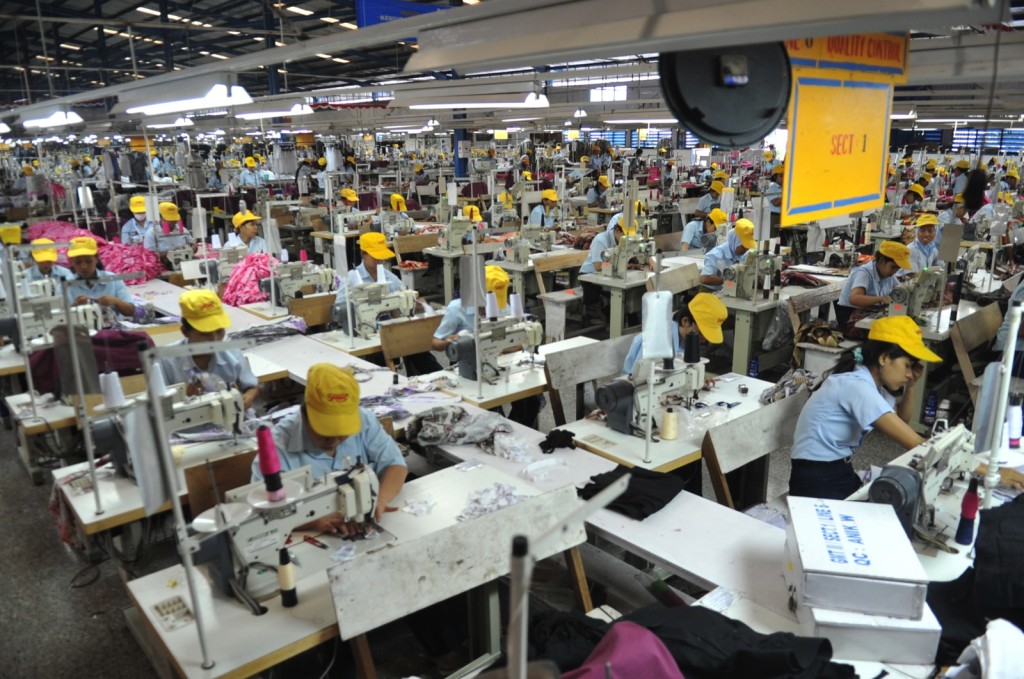
    Vietnam’s textile and garment industry saw a slight increase in exports for the first half of the year, reaching an estimated $22.2 billion, marking a 1.7% rise compared to the same period in the previous year. This information was released by the Vietnam Textile and Apparel Association (VITAS), which also noted that certain areas of the industry, including fibre, fabric, accessory, and nonwoven material exports, experienced a more substantial growth, with rates between 5.6% and 10.6%. However, the garment sector experienced a slight downturn, with exports decreasing by 0.4% due to weakened consumer demand in key markets.

    Export Markets and Trade Surplus

    In the first five months of the year, the U.S. continued to be the largest export market for Vietnam, with shipments amounting to $6.81 billion. This was a 1.3% increase, and represented approximately 45% of total exports. The E.U. market showed the strongest growth, with an increase of 8.8%, equating to $1.94 billion, whereas exports to Japan and the Republic of Korea dropped by 6.2% and 8.9% respectively. The industry was able to maintain a trade surplus of nearly $10 billion in the first half of the year.

    Challenges remain for the industry, despite the overall positive performance. VITAS outlined these obstacles, which include weak demand in key markets, high price competition, a heavy reliance on imported raw materials, increasing costs related to environmental, social and governance (ESG) standards and product traceability, and a growing uncertainty surrounding global trade policies.

    Future Focus and Strategy

    VITAS Chairman Vu Duc Giang spoke about the industry’s limited scope for expansion through solely increasing production volume. He expressed that the future growth of the industry hinges on enhancing productivity and creating higher-value products. This will be achieved by developing domestic sources of raw materials, diversifying export markets, and speeding up the digital and green transformations.

    To facilitate this shift, VITAS has given the green light for the establishment of four specialised committees during the 2025–2030 term. These committees will focus on fashion and domestic market development, international business and supply chains, sustainable development, and technology, innovation, and digital transformation. The committees are expected to commence their pilot operations in the third quarter of 2026.

    As the industry’s exports reached $22.2 billion in the first half of the year, the goal is to sustain an average monthly export revenue exceeding $4 billion in the remaining months. This will help to achieve the full-year target of roughly $48 billion. The industry’s key priorities in this endeavor include adapting to new purchasing strategies of global brands, expanding domestic supplies of raw materials, diversifying markets and products, preparing for potential legal and trade risks, and increasing investment in technology, automation, and digital transformation.

    Questions & Answers

    What growth did Vietnam’s textile and garment exports experience in the first half of the year?
    They experienced a slight increase of 1.7%, reaching an estimated $22.2 billion.

    What are the major challenges faced by Vietnam’s textile and garment industry?
    Major challenges include weakened demand in key markets, high price competition, reliance on imported raw materials, rising costs related to ESG standards and product traceability, and growing uncertainty regarding global trade policies.

    What strategies does the industry plan to implement for future growth?
    Strategies include enhancing productivity, creating high-value products, developing domestic raw material sources, diversifying export markets, and accelerating the digital and green transformations.

  • Apple’s Leap of Faith: Intel Chip Deal Sparks Debate on Future of U.S. Chipmaking Industry

    Apple’s Leap of Faith: Intel Chip Deal Sparks Debate on Future of U.S. Chipmaking Industry

    Apple’s transition to Intel chips, as reported last week, displays a strategic move driven by necessity and ambition. However, industry experts suggest this is not a straightforward transition, as advanced Intel chips typically require two to three years to manufacture. Moreover, the translation of this shift into tangible benefits may take even longer due to the extensive and meticulous production process.

    This potential deal, which has not yet been officially confirmed by either party, could present a mutually beneficial opportunity. Intel has been striving to reestablish its reputation as a credible contract chipmaker, while Apple seeks additional manufacturing capacity. This comes in light of Apple’s current supplier, TSMC, grappling with increased Artificial Intelligence (AI) chip demand led by companies such as Nvidia.

    Supply issues have impacted iPhone sales, as Apple CEO Tim Cook noted in April. The prospective agreement with Intel aligns with the U.S strategy to bolster domestic chip manufacturing, using tariffs and incentives. Intel, holding a 10% stake in the company and having received a $5 billion investment from Nvidia on the request of President Donald Trump, is considered a critical player in this initiative.

    However, Malcolm Penn, CEO of chip research firm Future Horizons, offers a cautious perspective. “The very best-case scenario would see the first chips produced within two to three years. Designing an SoC (system on chip) of this complexity takes two years, with an additional four months needed for production cycle time to ramp up,” he explained. Penn underscores that this estimation is contingent on Intel’s technology being fully developed and its design tools sufficiently reliable for Apple to rely on. He termed the deal as “a shotgun wedding,” due to the high degree of faith and commercial risk involved.

    Intel’s Prospects with Apple

    Despite being late to the AI boom, Intel has made tentative strides, securing Tesla as a customer in April and potentially entering a significant partnership with Apple. Experts are split over which Intel manufacturing process Apple will select.

    While some predict Apple will follow Tesla onto Intel’s forthcoming 14A process, others foresee Apple prioritizing reliability over cutting-edge gains, potentially favoring 18A-P, a refined version of Intel’s most advanced process, or a reliable, older node such as Intel 3.

    Bob O’Donnell, an analyst at TECHnalysis Research, believes Apple might opt for Intel’s 14A process technology, expected to be available by 2028 or 2029. He notes that if this comes to fruition, it would mark a pivotal development for Intel’s foundry business and U.S-based semiconductor manufacturing more broadly.

    Turning Apple’s Vision into Reality

    Daniel Newman, CEO of tech research firm Futurum Group, suggests that the mass production of Apple-designed chips may not commence until late 2027 or early 2028. It is anticipated that initial efforts will concentrate on less critical components used in MacBook Air or certain iPad Pro models.

    Apple might adopt a cautious approach, initially testing Intel with lower-end products before entrusting them with their most essential chips, as per analysts. Intel, which has faced challenges with the timeline and quality of its chips, will need to meet Apple’s high yield expectations—a standard that TSMC has accustomed Apple to.

    Paul Meeks, head of tech research at Freedom Capital Markets, voices skepticism. “Investors are betting on flawless execution by Intel, a company that hasn’t delivered for about 20 years. While Intel seems to have made progress with its latest manufacturing process, we should all at least modestly discount a perfect outcome,” he warned.

    Questions & Answers

    What is the predicted timeline for the production of Intel chips for Apple?
    The best-case scenario predicts that the first chips could be produced within two to three years. However, the mass production of Apple-designed chips may not start until late 2027 or early 2028.

    What factors could impact this timeline?
    The timeline depends largely on whether Intel’s technology is fully developed and its design tools reliable enough for Apple to depend on. It is also contingent on Intel meeting Apple’s high yield expectations.

    What could be the implications of this shift for Apple and for U.S. semiconductor manufacturing?
    The shift could potentially provide Apple with the additional manufacturing capacity it seeks and help Intel rebuild its credibility as a contract chipmaker. If successful, it could also mark a significant development for U.S-based semiconductor manufacturing.

  • Allianz GI Sets Eyes on Asias Potential: The Future of Asset Management in Rising Eastern Economies

    Allianz GI Sets Eyes on Asias Potential: The Future of Asset Management in Rising Eastern Economies

    The Asia-Pacific region is becoming a major focus for Allianz Global Investors (Allianz GI) as global growth trends shift eastward. The firm’s CEO, Tobias C. Pross, asserts that Asia remains one of the few regions where structural growth opportunities are still present despite geopolitical challenges and the slowing growth of Western economies.

    Allianz GI’s Growing Presence in Asia

    Allianz GI has been continually expanding its footprint across the Asia-Pacific region, as the firm sees the area’s growth dynamics moving away from conventional Western markets. Pross highlights that whenever growth is discussed in an inflationary context, the Asia-Pacific region stands out prominently.

    The firm has seen a promising start to 2026, reporting approximately €8 billion in net inflows during the first quarter, which has pushed the assets under its management above €600 billion for the first time.

    The company’s recent initiatives include investments in China, Indonesia, and Taiwan, launching new active ETF capabilities, and inaugurating a new office in South Korea. Julie Koo, former Citi executive, has been brought onboard as the Head of Asia Pacific to further strengthen Allianz’s leadership team in the region.

    Investment Opportunities and Market Expansion

    Allianz GI perceives Asia as a long-term source of investment opportunities and client growth, rather than just a distribution market. While some global investors have started to tread cautiously in the China market, Pross affirms that Allianz GI is still dedicated to China, seeing periods of geopolitical uncertainty as opportunities for active managers.

    Allianz GI is also expanding its private markets platform to offer access to infrastructure, private credit, and private equity strategies to a broader range of investors. Pross noted that demand is growing across Asia, as private banks, insurers, and wealthy individuals explore alternative income sources and diversification.

    Furthermore, Allianz GI views artificial intelligence as a significant investment area. The company is developing a global data platform and proprietary large language models to enhance investment research and portfolio management.

    Questions & Answers

    What is Allianz GI’s growth strategy for the Asia-Pacific region?
    Allianz GI aims to expand its presence by investing in key markets such as China, Taiwan, and Indonesia, and by launching new active ETF capabilities. The firm also plans to strengthen its leadership team in the region.

    How does Allianz GI view the China market?
    Despite some investors’ growing caution, Allianz GI remains committed to the China market. The firm believes that periods of geopolitical uncertainty often create opportunities for active managers.

    What role does artificial intelligence play in Allianz GI’s strategy?
    Allianz GI is significantly investing in artificial intelligence. The firm is developing a global data platform and proprietary large language models to enhance its investment research and portfolio management.

  • Johor Eateries Resist Price Hikes Amid Surging Ingredient Costs, but Future Increase Likely

    Johor Eateries Resist Price Hikes Amid Surging Ingredient Costs, but Future Increase Likely

    Even as the cost of raw materials rises, food service operators in Johor, the southernmost state of Malaysia, have not yet increased their prices. However, if the Middle East conflict continues, these increases may become unavoidable.

    Adapting to Rising Costs

    Hussein Ibrahim, the Secretary of the Johor Indian Muslim Entrepreneurs Association, shared that member restaurants have maintained current prices despite a 20-30% increase in raw ingredient costs since March. “We can’t just raise our prices as Malaysians are cost-conscious, which could impact our business,” he stated.

    The association boasts 338 members, including around 200 Indian-Muslim food service operators throughout Johor, with the majority in Johor Bahru, a city on the Singapore border. To deal with increasing expenses, many operators are considering reducing portion sizes, according to Hussein. He also mentioned that unavoidable price increases might be on the horizon if the current crisis continues.

    Roland Lim, head of the Johor Bahru City Businessmen and Traders Association, reported a similar narrative, affirming that member restaurants have also kept their prices steady. He pointed out that downtown Johor Bahru restaurants have been hit hard by tighter security measures at the Johor-Singapore Causeway. These new procedures, established earlier this year, have caused Malaysians commuting to work in Singapore to skip their usual breakfast stops and go straight to immigration checkpoints. Reduced dining out by families, combined with ongoing infrastructure projects and subsequent traffic congestion, have further decreased restaurant patronage.

    The Impact of Rising Food Prices

    The ongoing conflict has resulted in increased food prices in Johor and other regions of Malaysia since February 28. By March’s end, vegetable prices in Johor Bahru had surged by 20-30%, attributed to higher transportation costs due to diesel price hikes and a prolonged heatwave.

    More recently, Economy Minister Akmal Nasrullah Mohd Nasir reported price increases for certain food items in the first week of May. For example, the price of Indian mackerel increased by 3.9% to RM17.42 (US$4.43) per kilogram; white prawns were up 1.2% to RM32.11 per kg; and fresh coconut milk rose 6.7% to RM16.88 per kg. Despite these increases, he reassured that food prices remain within a manageable range, with some items, such as beef, experiencing price reductions.

    Mohamad Sabu, the country’s Agriculture and Food Security Minister, warned that food prices could escalate in the upcoming three to six months due to increased production costs, such as fertilizer, animal feed, and fuel. “When these costs rise, market prices may also be affected,” he stated.

    Questions & Answers

    What are the potential consequences of the Middle East conflict on Malaysian food service operators?
    If the Middle East conflict continues, price hikes may become unavoidable due to rising costs of raw materials.

    How are food service operators in Johor dealing with the increasing costs?
    To cope with the rising costs, many operators are considering reducing portion sizes.

    How have recent price increases in various food items affected the overall food prices in Malaysia?
    Despite recent price increases in certain food items, the country’s Economy Minister reassured that food prices remain within a manageable range, with some items experiencing price reductions.

  • Experience the Future of Retail: 7-Eleven Opens Innovative Concept Store in Hong Kong’s Kai Tak Sports Park

    Experience the Future of Retail: 7-Eleven Opens Innovative Concept Store in Hong Kong’s Kai Tak Sports Park

    7-Eleven Hong Kong has recently unveiled an innovative concept store within the boundaries of the burgeoning lifestyle and sports center, Kai Tak Sports Park. This modernized store model breaks the mold of traditional convenience store layouts and aims to offer a unique experience to its patrons.

    Creating a Unique Customer Experience

    The new 7-Eleven store, with a larger floor space, is designed to serve both the local residents and tourists visiting the Sports Park. It retains the essential convenience aspect that 7-Eleven is known for, while incorporating new features to encourage shoppers to spend more time exploring the store.

    The store is pushing the boundaries of its traditional merchandise range, now featuring stylish collectibles, toys, and the increasingly popular blind boxes, in addition to its standard ready-to-eat hot food and 7Cafe items.

    Themed Zones: A New Addition

    In an effort to diversify the shopping experience, the store layout incorporates a series of themed zones. One such zone is the Fun Zone, which caters specifically to K-pop enthusiasts with a selection of idol merchandise and collectible card machines. Another noteworthy addition is the Pet Zone, which offers a variety of pet accessories, snacks, and even a chilled gourmet pet cake line from Lifetastic Petisserie.

    Patrick Lui, Managing Director of 7-Eleven Hong Kong and Macau at DFI Retail Group, spoke enthusiastically about the new store format: “This new opening represents another progressive step for 7-Eleven Hong Kong in our ongoing quest to remain on trend, relevant, and closely engaged with our customers. We’re extremely grateful to our entire team for helping bring this concept to fruition. For those who haven’t yet visited, we invite you to come and experience it for yourself!”

    Aligning with Broader Business Strategy

    The launch of this concept store aligns with 7-Eleven Hong Kong’s broader business strategy to combine everyday convenience with an expanded product range and an experiential retail environment, in response to the changing consumer expectations.

    Looking beyond the borders of Hong Kong, 7-Eleven in the United States is also advancing at a rapid pace. The company has plans to open 1300 new stores by 2030, reinforcing foodservice as a key area for future development.

    Questions & Answers

    What is unique about the concept store that 7-Eleven Hong Kong has opened?
    The new store offers an enhanced shopping experience with expanded merchandise categories, introducing themed zones like the Fun Zone and Pet Zone for a more engaging customer experience.

    How does the concept store align with 7-Eleven’s broader strategy?
    The concept store is part of 7-Eleven Hong Kong’s broader strategy to meet evolving consumer expectations by blending usual convenience with a wider product mix and incorporating experiential retail elements.

    What are 7-Eleven’s growth plans in the United States?
    In the United States, 7-Eleven plans to open 1300 new stores by the year 2030, with a strong emphasis on expanding its foodservice offerings.

  • Unlocking the Future with 5G-A and AI: The Rise of the Mobile AI Era and Telco-Techco Transformation in the Middle East & Central Asia

    Unlocking the Future with 5G-A and AI: The Rise of the Mobile AI Era and Telco-Techco Transformation in the Middle East & Central Asia

    The partnership between 5G-Advanced (5G-A) and AI is crucial for unlocking the intelligent future of the Middle East and Central Asia. This strategic alliance transforms the network, allowing telecommunications operators to shift from selling capacity to offering differentiated, AI-managed services. This shift allows telcos to guarantee a quality that is essential for high-value services. This vital partnership pushes the development of Autonomous Networks (AN), ensures premium experience monetization, and propels the ‘AI-first, inside-out’ transformation for new economic benefits.

    Introduction: Catalyzing the Connected Future

    The Middle East and Central Asia (ME&CA) region has positioned itself as a global front-runner in digital innovation and transformation. From the implementation of 5G to ongoing and ambitious national digital transformation programs, no other region surpasses their pace of change and development. Building on this momentum, telecom operators now stand on the threshold of a significant technological milestone – the fusion of 5G-Advanced and artificial intelligence.

    This transformation goes beyond merely upgrading two separate technologies. It entails merging the ultimate connectivity infrastructure (5G-A) with the ultimate intelligence engine (AI) to herald the dawn of a supreme digital experience. This robust experience forms the foundation for initiating the new ‘Mobile AI Era,’ a paradigm shift that is redefining operational efficiency, unlocking unprecedented business value, and advancing the region’s socio-economic and digital inclusion objectives.

    Moving Towards the ‘Mobile AI Era’: The Essential Partnership of 5G-A & AI

    The integration of AI into mobile communications signals the rapid advent of the mobile AI era. Innovative services such as real-time multi-modal calling with AI assistants, autonomous robots with embodied AI, and real-time cloud rendering for AI-generated content are emerging as the game-changing applications of the 5G-A era.

    In this ‘Mobile AI Era’, networks are evolving beyond their traditional role as mobile data pipelines. They are becoming value platforms that underpin differentiated experiences for people, homes, vehicles, things, and industries. This evolution is where AI becomes indispensable. AI acts as the brain that operates the 5G-A network, infusing intelligence into 5G-A connections, and unlocking a plethora of new scenarios, applications, and business models.

    The shift from 5G to 5G-A is fundamentally about transitioning from best-effort services to delivering guaranteed quality and sticking to service level agreements (SLAs). However, the resulting massive increase in network complexity and data volume generated by these applications cannot be managed manually.

    5G-A Experience Management and Business Innovation: Supported by AI

    One significant change that 5G-A enables is fostering ‘intelligent connectivity,’ which means a transition from selling ‘generic bandwidth’ to selling ‘differentiated, scenario-based connectivity and experience’. This transition is the key to evolving from a ‘dumb-pipe’ to an ‘AI smart-pipe’ revenue model. However, successful monetization of this transition requires sophisticated, intelligent experience management.

    While AI empowers the network, 5G-A also empowers AI-based services and applications. Its high throughput, low latency, and edge computing capabilities allow real-time interaction and decision making. This combination of 5G-A and AI allows carriers to offer differentiated, guaranteed experiences for specific applications, thereby transitioning from a simple supplier to a vital technology partner that commands premium revenue.

    Building New Value with Al-to-X: The AI-First, 5G-A Driven Transformation

    For operators in the ME&CA region, the ultimate vision is to transform from traditional communication service providers into technology companies. This transformation requires an AI-first approach, which rests on the three pillars of ‘Servitization’, ‘Platformization’, and ‘Intelligentization’.

    Carriers are progressively integrating AI into their services to improve efficiency, productivity, and user experience, especially in the 5G-A era. However, to maximize these capabilities and ensure always-on services, carriers now need to implement these three strategies of ‘AI-to-X’, where this ‘X’ signifies one or more of ‘servitization’, ‘platformization’, and ‘intelligentization’.

    Questions & Answers

    What does the convergence of 5G-A and AI mean for the Middle East and Central Asia?
    This convergence represents a significant technological leap forward. It will allow for the provision of differentiated, AI-managed services and pave the way for the ‘Mobile AI Era’ in the region.

    How does the integration of AI into mobile communications contribute to the evolution of networks?
    The integration of AI into mobile communications transforms networks into value platforms that underpin differentiated experiences. AI becomes the brain that operates the 5G-A network, infusing intelligence into connections and unlocking new scenarios, applications, and business models.

    What is the ultimate vision for operators in the ME&CA region?
    The ultimate vision for operators in the region is to transform from traditional communication service providers into technology companies. This transformation requires an AI-first approach and the implementation of the three strategies of ‘AI-to-X’, representing ‘servitization’, ‘platformization’, and ‘intelligentization’.

  • Meituan Faces First Quarterly Loss Amid Alibaba-JD Price War: Future Challenges Expected

    Meituan Faces First Quarterly Loss Amid Alibaba-JD Price War: Future Challenges Expected

    Meituan, China’s leading food delivery conglomerate, has recorded its first quarterly loss since the final quarter of 2022. This is due to a fierce pricing battle with competitors Alibaba and JD. Further losses are predicted for the upcoming quarter as these price wars continue to affect profit margins.

    Financial Struggles Amid Competitive Tensions

    Meituan posted an adjusted net loss of 16 billion yuan ($2.26 billion USD) for the quarter concluding September 30. This figure contrasts significantly with the adjusted net profit of 12.8 billion yuan from the previous year. This marks the first occasion of a quarterly loss since December 2022.

    CEO Wang Xing has regarded the price competition in the food delivery sector as unsustainable, describing it as a classic case of “bad money driving out good money”. However, he reassured that Meituan continues to hold its leading position for medium to high-priced orders. He stated, “Our market share exceeded two-thirds for recent orders with a payment above 15 yuan, and over 70 per cent for orders valued over 30 yuan.”

    Increased Competition and Future Prospects

    Meituan has also cited intense competition as a significant factor affecting its financial performance. It is expected that operational losses will persist into the fourth quarter of 2022 for both the corporation as a whole and its primary local commerce sector. Meituan has invested heavily to protect its nearly 70 per cent market share from Alibaba and JD, who are also spending large sums on customer acquisition.

    This intense rivalry has been especially evident in the space of instant retail, a sector where goods are delivered within an hour. Meituan’s venture into JD’s main electronics and smartphone sales resulted in JD launching its own food delivery platform. Similarly, Alibaba, the e-commerce market leader, has increased its efforts in the instant retail sector.

    Changes in the Market

    Analysts predict that the price war will begin to soften by next year. As companies start to minimize subsidies and logistics costs decrease, Meituan’s unit economics are expected to become positive by the first or second quarter of next year.

    Regulatory bodies have suggested new pricing regulations to safeguard smaller retailers. All three companies have agreed to restrict price wars. Simultaneously, Meituan is fast-tracking the international expansion of its Keeta app into markets such as Hong Kong, the Middle East, and Brazil.

    Despite the challenges, Meituan’s quarterly revenue has risen by 2 per cent, surpassing analyst predictions. However, the company’s shares have experienced a drop of over 30 per cent so far this year.

    Questions & Answers

    What has caused Meituan’s first quarterly loss since 2022?
    Intense price competition with rivals Alibaba and JD has led to Meituan’s first quarterly loss in recent years.

    Has the price war affected the food delivery sector overall?
    Yes, the price war has been described as unsustainable and appears to have negatively affected the sector overall, with companies experiencing financial losses and reduced profit margins.

    What are the future prospects for Meituan according to market analysts?
    Analysts predict the price war will ease by next year and Meituan’s unit economics are expected to become positive by the first or second quarter of next year, indicating a potential financial recovery.

  • Alibaba Veteran Jia Hang Spearheads DCS Group’s Future; Set to Revolutionize Cross-Border Payments

    Alibaba Veteran Jia Hang Spearheads DCS Group’s Future; Set to Revolutionize Cross-Border Payments

    DCS Group, previously known as Diners Club Singapore, has announced the appointment of Jia Hang as its new executive chairman. This represents the most senior leadership addition in the group’s history, underlining its ambition to revolutionise cross-border and cross-rail payments from Singapore.

    Jia Hang Takes the Helm

    Jia Hang will lead DCS Group, which includes DCS Fintech, its global business, and DCS Card Centre, the group’s core entity based in Singapore. His mandate will include strengthening DCS’s role as a trusted payment institution under the Banking Act and the advancement of its vision to create seamless, interoperable payment flows across both traditional and blockchain rails.

    The move strategically places DCS in a position to speed up its dual-rail strategy across traditional finance and blockchain ecosystems. This comes at a time when regulatory trust and infrastructure preparedness are becoming key differentiators in Asia’s digital finance landscape.

    Focusing on TradFi-Web3 Convergence

    As executive chairman, Jia Hang will oversee corporate direction, governance, and business development. He will focus on enhancing DCS’s dual-rail infrastructure and improving customer experience. He has been tasked with deepening the company’s collaborations with regulators and partners to deliver secure payment solutions for consumers and businesses.

    Global Experience in Payments

    Jia Hang discussed his appointment and stated, “At every stage of my career, I’ve been guided by one enduring question – how can payments connect the world more inclusively, seamlessly, and securely?” He added that DCS is uniquely positioned with the regulatory trust and operational discipline needed to “reimagine that future from Singapore outward.” His ambition is to build a next-generation payments network merging the reliability of traditional finance with the agility of emerging technology.

    Recent Milestones in DCS’s Transformation

    Jia Hang’s appointment comes on the heels of major milestones in DCS’s transformation journey. Last month, the company completed its largest asset-backed securitization program, a S$450 million transaction that achieved AAA ratings on senior tranches. Earlier this year, DCS launched the DeCard Visa card, which allows stablecoin-to-fiat conversion for everyday transactions, extending real-world utility to Web3 users.

    A Career Spanning Leading Digital Commerce Platforms

    Jia Hang brings with him extensive experience from major Asian and global payments ecosystems. His prior roles include senior leadership posts at Ant Group, where he led the expansion of Alipay+ across Southeast Asia and Europe. He also spent nearly a decade at China UnionPay and UnionPay International, where he launched and built UnionPay USA.

    DCS: A Next-Generation Global Payments Provider

    DCS, established over fifty years ago as Diners Club Singapore, has evolved into a Singapore-licensed financial institution with dual capabilities in card issuing and merchant acquiring. Its infrastructure supports both traditional and cryptocurrency-funded payments through regulated partners and is compatible with global schemes, including Visa, Mastercard, UnionPay, and Diners Club. The group continues to position itself as a bridge between traditional and decentralized finance, aiming to deliver secure, borderless payments with real-world utility for businesses and consumers.

    Questions & Answers

    What is the role of Jia Hang in DCS Group?
    Jia Hang has been appointed as the executive chairman of DCS Group. His role involves overseeing corporate direction, governance, and business development, with a particular focus on enhancing DCS’s dual-rail infrastructure and improving customer experience.

    What is DCS Group’s aim with the appointment of Jia Hang?
    With Jia Hang’s appointment, DCS Group aims to reshape cross-border and cross-rail payments from Singapore. The move positions DCS to accelerate its dual-rail strategy across traditional finance and blockchain ecosystems.

    What is the significance of Jia Hang’s appointment?
    Jia Hang’s appointment is a significant move for DCS Group, marking the most senior leadership addition in the group’s history. It also signals the company’s ambition to become a leading player in Asia’s digital finance landscape.

  • Apple Fitness+ Future: Will it Weather the Storm or Face a Shutdown?

    Apple Fitness+ Future: Will it Weather the Storm or Face a Shutdown?

    Despite questions about profitability, Apple’s Fitness+ service is poised to remain a part of the tech giant’s offerings. According to informed sources, it is improbable that the health and wellness service will cease, although it may experience some internal challenges moving forward.

    Apple Fitness+ Likely to Persist

    Fitness+ might not be the primary revenue generator for Apple, but it boasts a substantial user base. A potential discontinuation of the service could trigger an avalanche of negative media attention and social media uproar. The consensus is that Apple cannot afford to terminate Fitness+, as negative feedback would inflict more harm than the operational costs incurred by the service.

    Pressure on Fitness+ to Enhance its Performance

    The road ahead isn’t entirely smooth for Apple Fitness+. Sumbul Desai, the Head of Apple Health, has incorporated Fitness+ into her responsibilities and will now be directly reporting to Eddy Cue, Apple’s Services Chief.

    This structural change could signal a probable push for Fitness+ to boost its performance. The service might witness a substantial increase in promotions or more likely, the introduction of innovative, useful features designed to organically drive subscriptions.

    Unanimous opinion suggests that Apple is unlikely to discontinue Fitness+. Any financial advantage gained from such a move would be meager and would likely be immediately nullified by the subsequent negative media coverage.

    While Fitness+ might not appeal to everyone, the service’s unique elements have garnered a loyal following. What Apple could consider is diversifying the range of programs offered by Fitness+, in an attempt to engage a broader audience.

    Future Pricing Considerations

    Should the service see improvements and start attracting a wider swath of fitness devotees, we might observe a rise in its $10 monthly subscription fee. Given the current speculation that Fitness+ is not yielding substantial profits for Apple, it is conceivable that this could lead to a potential price increase.

    In such a scenario, Apple would need to expertly balance the value proposition of its new offerings with an appropriate pricing strategy for its increasing consumer base.

    Questions & Answers

    What is the future of Apple’s Fitness+ service?

    Apple’s Fitness+ service is expected to continue, although it could face internal pressure to improve performance and drive results.

    What changes can users expect in Apple Fitness+?

    Apple might consider introducing new, useful features and diversifying the range of programs on Fitness+, aiming to attract a larger audience.

    Could there be a price hike for the Fitness+ service in the future?

    If the service sees substantial improvements and gains a wider user base, there is a possibility of an increase in its monthly subscription fee. However, this would need to be balanced with maintaining customer satisfaction and perceived value.

  • Shaping the Future: DHL’s Strategic Leap into Digitalization, Sustainability & Infrastructure Growth in Asia Pacific

    Shaping the Future: DHL’s Strategic Leap into Digitalization, Sustainability & Infrastructure Growth in Asia Pacific

    DHL Express has confidently set its sights on growth amidst a rapidly changing global trade environment. The company is guided by its recently launched Strategy 2030, marking a full year of an ambitious plan. CEO for Asia Pacific, Ken Lee, explains that the strategy focuses on harnessing key strengths such as a robust and resilient network, deep industry know-how, and a dedicated workforce. Simultaneously, it emphasizes proactive investments in infrastructure, digital transformation, and sustainability in order to capture opportunities in high-growth sectors.

    Strategic Highlights

    Strategy 2030 outlines five primary areas of growth: capitalizing on geographic advantages, targeting life sciences and healthcare, focusing on new energy, bolstering e-commerce, and enhancing digital sales. Additionally, it introduces a new “fourth bottom line” aimed at making DHL the preferred choice for green logistics, reflecting the company’s commitment to leading in low-carbon logistics.

    DHL’s investments in infrastructure, including expanding air hubs in Hong Kong, Singapore, and Kuala Lumpur as well as modernizing the Air Hong Kong fleet, aim to increase resilience, enhance capacity, and offer seamless connectivity across its global network. These tangible improvements are reinforced by innovations in digital technology, robotics, automation, and strategic partnerships to increase Sustainable Aviation Fuel (SAF) usage and develop carbon-neutral facilities. These efforts have led to DHL being recognized as the first-ever Sustainability Advocate of the Year at the 2024 Payload Asia Awards.

    Resilience amidst Global Trade Dynamics

    Global trade continues to be influenced by changing supply chain patterns, geopolitical tensions, and economic uncertainty. However, DHL maintains a robust position as a logistics leader and trade enabler, underpinned by three core strengths: a complete portfolio spanning air, road, and ocean transportation; a presence in over 220 countries and territories; and a seasoned, committed workforce.

    Lee acknowledges the uncertainty of the current trade environment but stresses DHL’s ability to navigate it, citing their agility and flexibility in adapting to shifting customer demands and trade regulations. This resilience bolsters DHL’s capacity to make bold, forward-looking infrastructure investments across the region.

    Expanding Hubs and Modernizing Fleet

    DHL’s role as a trade facilitator involves assisting customers in expanding internationally. This necessitates a network of hubs and gateways at critical airports, backed by service centers and state-of-the-art ground facilities. In recent years, DHL has consistently invested ahead of demand to accommodate rising shipment volumes.

    Significant developments include the second expansion of the Central Asia Hub in Hong Kong in 2023 to meet growing shipment demand within and outside Asia. DHL also opened an expanded gateway in Kuala Lumpur and upgraded its South Asia Hub in Singapore. These improvements cater to expected growth from e-commerce and the region’s increasing importance as a global trading partner.

    Additionally, DHL has modernized its fleet, upgrading the Air Hong Kong-operated fleet with 14 new A330 freighters and retiring the older A300-600 aircraft. Lee notes that companies are increasingly requiring their suppliers to diversify sourcing options to minimize operational risks, and this is where DHL’s expertise comes into play.

    Operational Excellence and Customer Flexibility

    DHL’s success is not solely defined by its physical infrastructure. The company is also deeply integrating advanced digital technologies into its operations to streamline workflows, enhance service quality, and create a safer, more efficient working environment.

    In warehouses, AI-based tools and robotics platforms are reducing travel distances for staff and speeding up robot integration. Automated guided vehicles transport shipments and cargo pallets safely, improving productivity while relieving employees from strenuous tasks.

    The introduction of On-Demand Delivery (ODD) offers customers the flexibility to reschedule contactless deliveries at their convenience. This not only optimizes operational and cost efficiencies but also enhances the overall customer experience.

    Green Logistics and Decarbonization

    DHL Express’ commitment to sustainability is evident in its recognition as the first-ever Sustainability Advocate of the Year at the 2024 Payload Asia Awards. With a clear target of achieving net-zero greenhouse gas emissions by 2050, DHL is advancing initiatives such as fleet electrification, carbon-neutral building design, and scaling of SAF adoption.

    However, the scaling of SAF does pose its challenges. Lee acknowledges that supply has not yet reached economies of scale, which is why DHL is investing in SAF and other areas that can significantly reduce GHG emissions. DHL is also aiming to electrify two-thirds of its pickup and delivery fleet by 2030, although progress in some markets is limited due to the lack of mature charging infrastructure.

    Future Growth and Employee Contribution

    Looking ahead, DHL is focusing on 20 markets worldwide that exhibit strong geographic and economic advantages, two-thirds of which are in Asia. These markets are expected to benefit from increasing domestic and foreign investment, reshoring, and nearshoring strategies.

    Life sciences and healthcare logistics remain a top priority, with DHL expanding its Health Logistics division and strengthening its pharmaceutical capabilities. Growth in e-commerce, particularly in emerging markets, also shows no signs of slowing down. “With more SMEs turning to e-commerce to engage more customer segments, we continue to put resources into capturing these opportunities,” Lee says.

    Lee emphasizes that DHL’s ability to execute these ambitious plans relies on its people. Hence, the company offers training programs to ensure staff alignment with DHL’s culture and equips them with tools for continuous improvement. Emphasizing the importance of employee contribution, Lee encourages team members to contribute ideas and solutions, thereby fostering a sense of ownership over initiatives.

    Shaping the Future of Logistics

    Beyond its network, DHL engages with partners, regulators, and governments to strengthen the logistics ecosystem. Lee underscores the importance of public forums, workshops, and seminars to identify sector challenges and encourage collaboration. Despite global uncertainties, Lee remains optimistic, attributing DHL’s competitive edge to the strength of its group and its presence in many markets worldwide.

    Questions & Answers

    What is DHL’s Strategy 2030?
    Strategy 2030 focuses on harnessing key strengths such as a robust and resilient network, deep industry know-how, and a dedicated workforce. It emphasizes proactive investments in infrastructure, digital transformation, and sustainability in high-growth sectors.

    How is DHL addressing the challenge of sustainability in its operations?
    DHL is advancing initiatives such as fleet electrification, carbon-neutral building design, and scaling of Sustainable Aviation Fuel (SAF) adoption. The company aims to achieve net-zero greenhouse gas emissions by 2050.

    What role do DHL’s employees play in the company’s strategic plans?
    CEO Ken Lee emphasizes that DHL’s ability to execute ambitious plans relies on its people. The company offers training programs to ensure staff alignment with DHL’s culture and equips them with tools for continuous improvement. Employees are encouraged to contribute ideas and solutions, fostering a sense of ownership over initiatives.

  • Qatar Airways Divests $897M Stake in Cathay Pacific, Streamlining Investment for Future Growth

    Qatar Airways Divests $897M Stake in Cathay Pacific, Streamlining Investment for Future Growth

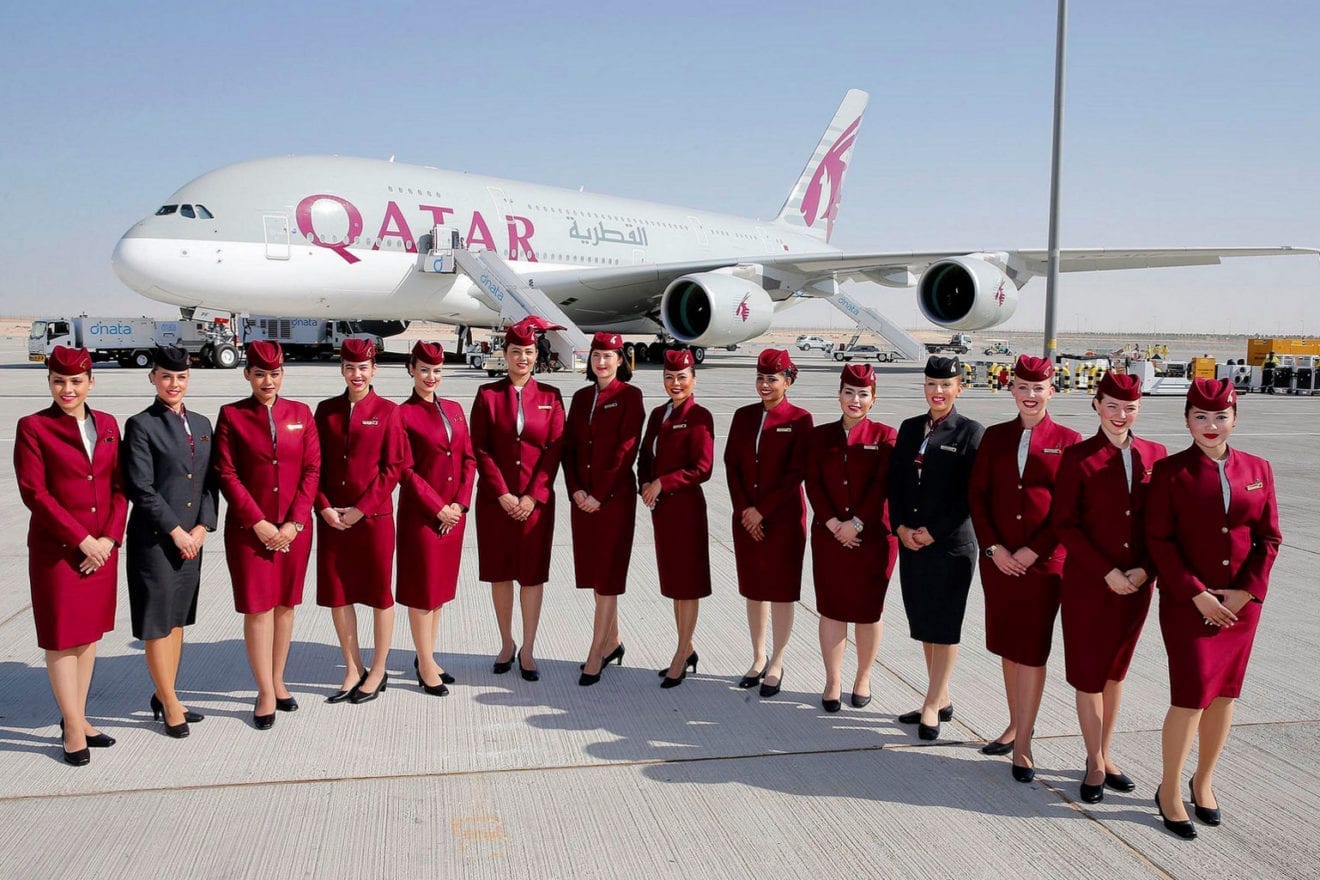
    Qatar Airways, the Doha-based airline, is set to divest its entire stake in Cathay Pacific Airways, a move that will mark its departure from the Hong Kong airline after an eight-year association. The transaction is estimated to be worth approximately $897 million.

    Stake Sale and Repurchase

    Late on Wednesday, Cathay Pacific reported that Qatar Airways had expressed an interest in offloading its 9.7% stake in the company. In response, Cathay intends to buy back the shares at a rate of HK$10.8374 (or $1.39) per share. This represents a roughly 4% discount to the closing share price prior to the announcement.

    Qatar Airways had initially acquired the stake in November 2017 from Kingboard Chemical Holdings, a Hong Kong firm. This investment made it the third-largest shareholder in Cathay Pacific, trailing behind Swire Pacific and Air China.

    Strategic Investment and Exit

    The investment in Cathay Pacific marked Qatar Airways’ first significant venture into an Asian airline. The move was intended to expand its global footprint and to increase passenger volumes through its Doha hub.

    According to Qatar Airways’ CEO, Badr Mohammed Al-Meer, the decision to exit Cathay Pacific aligns with the company’s disciplined investment strategy. This strategy has facilitated a period of strong performance, allowing the company to reassess its investments and plan for long-term growth.

    As part of its competitive strategy, the Middle Eastern airline has made a series of investments in airlines around the world. These investments include stakes in IAG, the parent company of British Airways, South American carrier LATAM, and Virgin Australia.

    Premium Buyback and Future Plans

    To acquire the stake, Cathay Pacific is set to pay a premium of approximately 35% over the original price paid by Qatar Airways. The Hong Kong airline plans to fund the transaction through its internal resources and existing credit lines.

    Patrick Healy, Chairman of Cathay Pacific, indicated that the stake buyback signals the company’s strong confidence in its future. The airline has proposed an ambitious investment plan amounting to HK$100 billion over the next seven years. This plan encompasses fleet renewal, cabin products, and lounge facilities.

    Upon completion of the deal, Swire Pacific, the controlling shareholder, will see its stake rise to 47.69%, up from 43.12%. Similarly, Air China’s shareholding will increase to 31.78%, up from 28.74%.

    Despite Qatar Airways’ planned exit, both airlines have committed to continuing their partnership via the Oneworld Alliance.

    Questions & Answers

    Why has Qatar Airways decided to sell its stake in Cathay Pacific?
    The decision aligns with the company’s disciplined investment strategy and follows a period of strong performance, allowing the company to reassess its investment portfolio.

    How will Cathay Pacific fund the buyback of the stake?
    Cathay Pacific will fund the transaction through its internal resources and existing credit lines.

    What impact will the stake sale have on Cathay Pacific’s shareholding structure?
    If the deal is approved, controlling shareholder Swire Pacific’s stake in Cathay will rise to 47.69%, while Air China’s shareholding will increase to 31.78%.

  • Undersea Superhighways: The Future of Digital Connectivity in Asia

    Undersea Superhighways: The Future of Digital Connectivity in Asia

    The majority of today’s internet traffic is transmitted via undersea fiber-optic cables, rather than through satellites or overland networks. The National Bureau of Asian Research reports that over 97% of transoceanic telecommunications—including financial, voice, and internet data—are facilitated by these underwater cable systems. This is especially true in Asia, where many countries are separated by bodies of water, making these cables crucial for digital connectivity.

    The Evolution of Submarine Cables

    Undersea cables have come a long way from their origins as colonial-era telegraph lines. They have developed into high-capacity systems capable of transmitting terabits of data per second. Modern technologies, such as optical amplification and dense wavelength division multiplexing (DWDM), allow these cables to stretch thousands of kilometers across oceans.

    Asia’s Digital “Bridges”

    These undersea cables, often referred to as digital “bridges,” are now jointly funded and operated by consortia of telecom firms, governments, and major tech companies. In managing these cables, these entities must balance commercial interests, abide by various regulations, and mitigate geopolitical risks.

    Asia’s most significant subsea cables include the Asia-Africa-Europe 1 (AAE-1), Asia-America Gateway (AAG), Asia Pacific Gateway (APG), Asia Submarine-Cable Express (ASE), South-East Asia-Japan Cable 2 (SJC2), SEA-ME-WE 6, and the PEACE Cable. These cables link various Asian countries with each other and the rest of the world, providing high-capacity connectivity across continents.

    The Importance of Undersea Cables in Asia

    Undersea cables are particularly crucial in Asia. Island nations, such as the Philippines and Indonesia, depend on these cables to connect to continental networks. Conversely, landlocked or peninsular states like Laos and Myanmar rely on terrestrial links that connect to undersea systems.

    The expansion of undersea cable capacity and routes promotes digital inclusion, reduces latency, and improves connectivity for remote and rural communities. Research indicates that doubling the capacity of these cables can decrease internet prices in a country by 30-50%, enabling wider online access.

    Fostering Connectivity and Cultural Exchange

    Submarine cables serve as the backbone of Asia’s digital regionalism. They facilitate the exchange of culture and knowledge across borders, enabling various professionals and creators to connect, learn, and collaborate with ease.

    Moreover, these undersea cables highlight Asia’s growing digital interdependence. No country can thrive alone; data, trade, and communication freely cross borders, uniting societies. Much like physical bridges, submarine cables connect Asia beneath the ocean, enabling the free flow of ideas and opportunities.

    Challenges and Considerations

    While undersea cables significantly enhance connectivity, they also come with their own set of challenges. If landing stations are monopolized or interconnection is gated, it may lead to the exclusion of certain actors such as small businesses or rural communities. Additionally, like physical bridges, submarine cables are vulnerable to sabotage, which could lead to significant disruptions in connectivity. Therefore, it is crucial to establish protective measures and governance to manage these risks.

    Questions & Answers

    What is the role of submarine cables in digital connectivity?
    Submarine cables facilitate the majority of transoceanic telecommunications, including financial transactions, voice calls, and internet data. They play a crucial role in connecting different countries and enabling the exchange of information across continents.

    How do submarine cables impact internet accessibility and costs?
    Expanding undersea cable capacity can significantly reduce internet prices in a country, thereby enabling wider online access. However, monopolization can undermine these benefits.

    What are the potential risks associated with submarine cables?
    Potential risks include monopolization of landing stations, sabotage of cables, and the possibility of cables being used as political tools in disputed sea regions. Therefore, protective measures and governance are vital to manage these risks.

  • HSBC and Standard Chartered Predict Blockchain and AI Boom in Hong Kong’s Fintech Future

    HSBC and Standard Chartered Predict Blockchain and AI Boom in Hong Kong’s Fintech Future

    During the 10th annual Hong Kong FinTech Week in 2025, HSBC CEO Georges Elhedery and Standard Chartered CEO Bill Winters discussed the city’s significant role as an international finance hub. Both CEOs shared a bullish outlook about the future of digital assets, blockchain, artificial intelligence (AI), and other tech-related advancements.

    The Future of Blockchain Settlements

    Standard Chartered CEO, Bill Winters, shared his vision for the future of money and settlements, anticipating a shift away from traditional methods. He expressed a mutual belief with Hong Kong’s leadership that, in due course, all transactions will be settled on blockchains and all money will become digital. “This implies a complete transformation of the financial system, although the specifics remain uncertain,” he stated.

    AI: Emphasizing Efficiency and Adoption

    HSBC CEO, Georges Elhedery, highlighted the distinctive approach to AI in Asia, particularly in mainland China and Hong Kong. This contrasts with the cutting-edge innovation focus in the US and the emphasis on safety through regulations in Europe. Elhedery pointed out the efficiency and speedy delivery showcased by AI, as well as the mass adoption of such emerging technologies, using the DeepSeek moment as an example.

    “This has truly been enlightening,” Elhedery commented.

    Tech Milestones in Hong Kong

    Both HSBC and Standard Chartered have been proactive in introducing new fintech innovations in Hong Kong, particularly in relation to digital assets. HSBC made several commendable strides, including being the first to complete a local blockchain-based settlement and the initial launch of tokenized gold. Standard Chartered has also shown leadership in crypto custody and the pioneering of tokenized money market funds.

    Elhedery reaffirmed their commitment to Hong Kong, stating, “HSBC announced on October 9th an investment exceeding HK$100 billion ($13 billion) for acquiring minority shares of Hang Seng Bank in Hong Kong. This demonstrates our strong confidence and belief in Hong Kong’s future outlook.”

    Questions & Answers

    What future predictions were made for blockchain settlements?
    Standard Chartered’s CEO, Bill Winters, predicted that all future transactions will be settled on blockchains and all money will be digital, implying a total transformation of the current financial system.

    What is the Asian approach to AI, according to HSBC’s CEO?
    HSBC’s CEO, Georges Elhedery, stated that Asia, particularly mainland China and Hong Kong, has embraced AI by showcasing efficiency, speed of delivery, and promoting mass adoption of such technologies.

    How is Hong Kong’s role as an international finance hub being reinforced?
    HSBC and Standard Chartered have been active in introducing new fintech innovations in Hong Kong, particularly in the area of digital assets. HSBC’s recent investment of more than HK$100 billion ($13 billion) in Hang Seng Bank also indicates confidence in Hong Kong’s future financial outlook.

  • Maxis Berhad Pioneers Quantum Safe Networking In Malaysia, Bolstering Data Security For Businesses

    Maxis Berhad Pioneers Quantum Safe Networking In Malaysia, Bolstering Data Security For Businesses

    Maxis Berhad (Maxis), Malaysia’s leading telecommunications company, has introduced the country’s inaugural Quantum Safe Networking (QSN) solution, primarily targeting government agencies and businesses. This cutting-edge security feature has been launched through Maxis Business – the company’s business-to-business branch – and was developed in collaboration with Nokia. The managed service offers data encryption directly at the optical layer.

    Securing Critical Information Against Quantum Computing Threats

    The QSN solution ensures the significant protection of critical data against possible risks linked to future quantum computing. It empowers businesses to prosper in the era of artificial intelligence (AI) and cloud technology. The introduction of this solution was made at the Cyber Digital Services, Defence and Security Asia 2025 event, hosted by Maxis Business.

    The aforementioned event was held at the Malaysia International Trade and Exhibition Centre (MITEC). Here, Maxis Business showcased an exhibition titled ‘Building Tomorrow’s Security Today,’ featuring the QSN solution, along with other innovative network monitoring solutions, real-time field visibility, and solar energy.

    This revolutionary solution offers quantum-safe encryption for data in transit. In doing so, it addresses the severe threat of future decryption by quantum computers of data intercepted today, a situation often dubbed as “harvest now, decrypt later.” The solution is particularly advantageous for sectors that demand stringent data integrity and sovereignty, such as banking and financial services, healthcare, and the public sector.

    Enhancing the Security of Maxis’s Fiber Connectivity Services

    The QSN solution augments the security of Maxis’s fiber connectivity services, which are particularly critical for enterprises, cloud providers, and financial institutions that rely on data center interconnects and high-capacity fiber links. This solution perfectly complements the company’s Data Centre Connect solution, thereby providing secure, private access to leading cloud providers and data centers nationwide for businesses operating in physical, hybrid, or multi-cloud environments.

    In the words of Prateek Pashine, Chief Enterprise Business Officer of Maxis, “Securing today’s data against tomorrow’s risks is a vital necessity for any organization, especially in the face of rising cyber threats. By becoming the first Malaysian telco to provide quantum-safe networking, we are establishing a new benchmark for network protection. This gives businesses and government agencies the confidence to expedite their digital transformation journeys. This initiative also showcases our dedication to strengthening Malaysia’s digital resilience, which aligns with the national cybersecurity agenda.”

    To this, Ming Kin Ngiam, Head of Southeast Asia South for Network Infrastructure at Nokia, added, “Our collaboration with Maxis tackles a pressing business requirement: safeguarding data in transit against evolving security threats without compromising the performance enterprises rely on.”

    Maxis’s Commitment to a Secure, Resilient Digital Infrastructure

    Maxis has successfully completed the fiberization of all major data centers in Malaysia, thereby connecting them to its national network. This robust infrastructure allows Maxis to provide up to three diverse fiber routes to these data centers, ensuring businesses benefit from exceptional resilience and high availability. Furthermore, this secure network can be fortified with quantum-safe encryption, thereby ensuring that data in transit remains secure against current and future quantum threats.

    The introduction of QSN enriches Maxis Business’s extensive spectrum of end-to-end solutions, which includes core connectivity, IoT, cloud computing, cybersecurity, and other digital services.

    Questions & Answers

    What is the Quantum Safe Networking (QSN) solution?
    The QSN solution is a security feature that offers quantum-safe encryption for data in transit, protecting it from potential threats posed by future quantum computing.

    Which sectors will benefit the most from the QSN solution?
    The solution is particularly beneficial for industries that require strict data integrity and sovereignty, such as banking and financial services, healthcare, and the public sector.

    What does the introduction of QSN mean for Maxis and its customers?
    The introduction of QSN establishes Maxis as a pioneer in network protection in Malaysia. For customers, it means enhanced security, protection against emerging cyber threats, and a boost in confidence to accelerate their digital transformation journeys.