Tag: game

  • Nubia’s new Gaming handset has Fresh Features

    Nubia’s new Gaming handset has Fresh Features

    Remember when there was all that concern about the Qualcomm Snapdragon 810 SoC overheating? The fear was so real that Samsung decided to power the Galaxy S6 line with its own Exynos 7420 chipset, even in the U.S. where it usually equips its phones with a Snapdragon chip. Some manufacturers started using small (.6mm) heat pipes in order to dissipate the heat generated inside a smartphone.

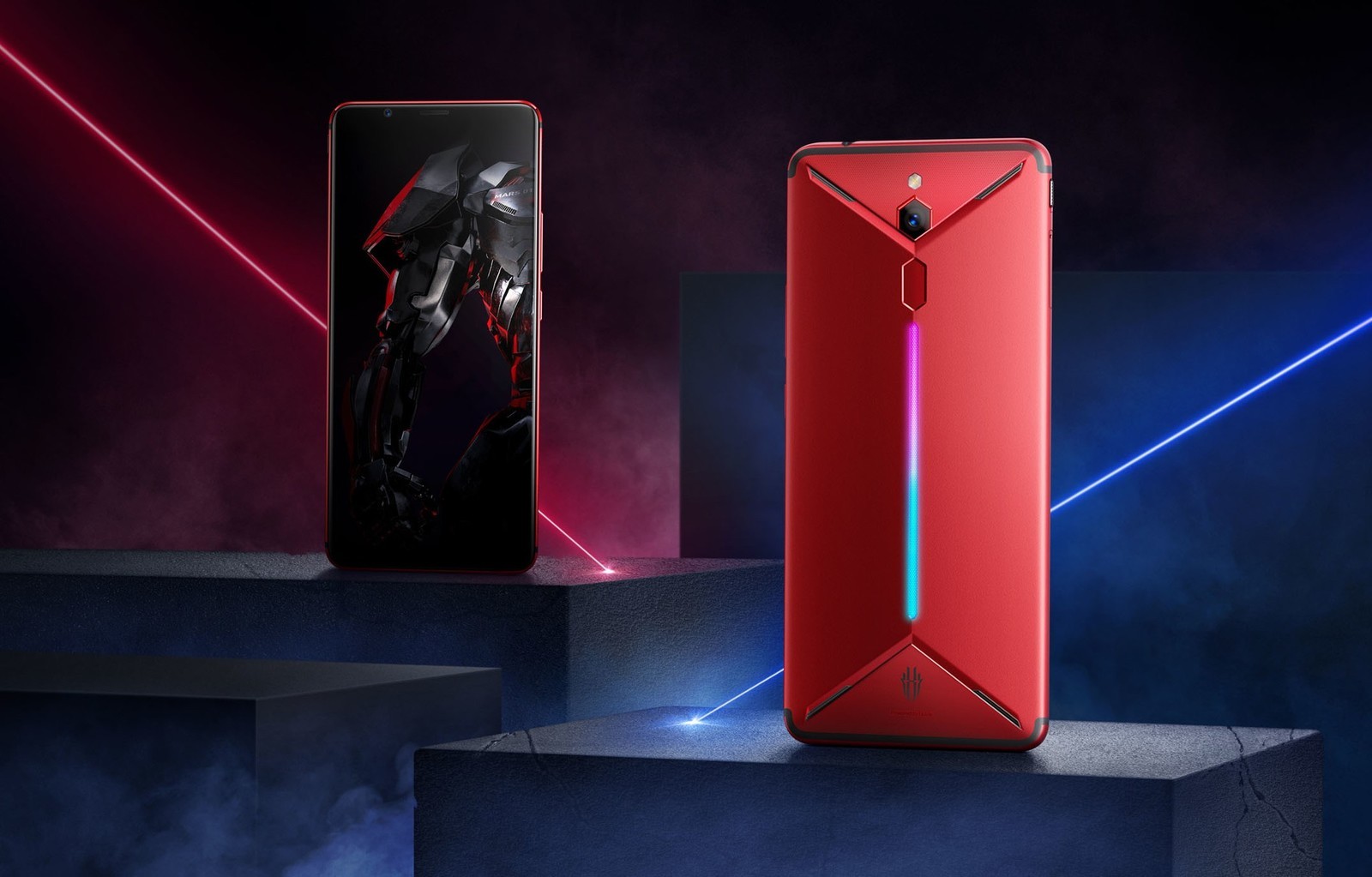
    Nubia announced the first smartphone to be equipped with a cooling fan, the Red Magic 3 gaming phone. To keep the handset’s internals cool, the device combines what the company calls “state-of-the-art liquid cooling technology” with an internal fan. Nubia says that this combination increases heat transfer by 500%; not only does this keep the phone cool in the user’s hand, it also boosts the performance of the device providing a smoother experience.

    While the Nubia Red Magic 3 will launch on May 3rd in China, it also will be available next month in the U.S., Canada and Europe (including the U.K.). Pricing has not yet been announced, but the phone does feature high-end specs. The device comes with a 6.65-inch AMOLED screen with an FHD+ resolution. With a refresh rate of 90Hz (most phones refresh at 60Hz) the Red Magic 3 will offer users smooth gameplay. The Snapdragon 855 Mobile Platform is under the hood, and there will be three different memory/storage configurations (6GB RAM/128GB storage, 8GB RAM/128GB storage and 12GB RAM/256GB storage). In addition, the phone features dual front-facing stereo speakers, DTS:X and 3D sound. This creates a “cinematic soundscape” with or without headphones. Instead of having to use a gamepad accessory, the handset has touch-sensitive shoulders that can be customized.

    The Red Magic 3 is more than just a gaming phone. It happens to be pre-installed with a nearly stock version of Android 9 Pie. On the back is a 48MP camera using Sony’s IMX586 sensor, and in front is a 16MP selfie snapper. With a 5000mAh battery inside, you won’t have to worry about finding an outlet in the middle of the day, and perhaps the next day as well. And if you happen to be an ardant gamer, the RedMagicGameSpace2.0 dashboard allows you to quick-launch games, optimize settings and the fan speeds, check the temperature inside the phone, and record in-game videos. It also allows you to block notifications so that you can enjoy uninterrupted game play. The Red Magic 3 will be available in Black or Red.

    Starting tomorrow, April 29th, consumers can sign up to win an opportunity to unbox the Red Magic 3 by visiting this website. Three first prize winners will receive the Red Magic 3 before the release date, and will get to do a live unboxing and hands-on over the Red Magic website and Nubia’s social media channels. Three second prize winners will have the opportunity to buy the Red Magic 3 at 50% off and four third prize winners get to take 20% off the price of the phone.

    Back in February, Nubia launched the Red Magic Mars gaming phone in the U.S. That model features a 6-inch LCD screen with a 1080 x 2160 resolution. While Nubia called this device a gaming phone and a daily driver in one unit (which it also says about the Red Magic 3), the $399 price surely caught the eye of smartphone buyers in the states. We don’t know the price of the Red Magic 3 yet; if Nubia keeps it low, it will be hard for U.S. consumers, unlike the phone, to keep cool.

  • Official Online Nintendo Store Opens Doors in Hong Kong

    Official Online Nintendo Store Opens Doors in Hong Kong

    An official Nintendo Hong Kong online store has opened this week.

    The new storefront eplaces a former Nintendo page that offered download codes which could be redeemed on WhatsMall.

    Now fans of the Japanese game platform can buy software online direct from the manufacturer.

    The Nintendo Hong Kong e-commerce site offers download codes for a range of Nintendo Switch and Nintendo 3DS games along with DLC, reports fansite NintendoSoup.

    The site features multiple languages as well, along with Chinese: American and UK English, Canadian French, French, Latin America Spanish and Spanish.

  • Apple is spending Millions on new Games for Arcade

    Apple is spending Millions on new Games for Arcade

    Last month, Apple Arcade was unveiled. Set to launch this fall, the service will offer subscribers access to over 100 “groundbreaking” new games. The Arcade will be available on all Apple devices including the iPhone, iPad and the Mac. And the only cost will be the monthly subscription fee; there are no in-game extras that Arcade members will have to shell out for. Besides allowing a family with up to six members to share, a whole new family of accessories certified MFi (made for iPhone, iPad), such as game controllers, will make playing games on an iOS device much easier.

    With iPhone sales struggling, the company is looking to take advantage of the large number of active units (nearly 1 billion at last count) by selling owners of these handsets subscription services such as Apple Music, Apple News+, Apple TV+ and Apple Arcade. Apple is looking to double its services revenue from the $25 billion it collected in 2017 to the $50 billion it hopes to garner next year. For the fiscal first quarter of 2019, the period covering October through December of last year, Apple grossed nearly $11 billion from its services unit, putting it on track to meet its goal for fiscal 2020.

    Apple has budgeted more than $500 million this year to spend on games for Arcade. In other words, the company is spending millions of dollars on each game. Will there be a payoff for the company after it keeps cutting such large checks? Global banking giant HSBC believes so. The firm’s analysts see Apple Arcade grossing $370 million next year, overtaking Apple TV+ by 2022 with $2.7 billion in sales, and generating $4.5 billion in revenue by 2024. In that year, HSBC expects Apple TV+ to bring in $4.1 billion in revenue, while Apple News+ takes in approximately $2.7 billion.

    To help generate business for Arcade, Apple is offering incentives to developers who are willing to give the new service exclusivity on new games for a few months. That would keep popular titles off of other platforms, including the Google Play Store, for a period of time. Apple is hoping that this will lead to developers debuting their games on Arcade first, which was a pattern seen years ago when App Store users spent much more money on games than Android users. Now, with Android’s huge global market share, new games are apt to launch on both platforms at the same time.

    The $500 million Apple has reportedly budgeted for Arcade is half the $1 billion it originally expected to lay out for Apple TV+. Games already announced for Arcade include one based on Sega’s popular Sonic the Hedgehog character. Subscribers will also be able to select titles from Cartoon Network and Lego. There will even be a new version of Frogger available. Independent developers, who have proven themselves with games listed on the App Store, have received larger than normal advances from Apple to deliver new titles for Arcade.

    HSBC forecasts that Apple Arcade will have 29 million subscribers by 2024, paying $12.99 a month for the service. But that is only an estimate. Only time will tell whether Apple has made the right move by laying out half a billion dollars for new, unproven games for its service. And if Arcade ends up being a big money maker for Apple, competition will surely follow. Still, Apple will have the advantage of plucking apples from the low hanging trees. Those are the nearly one billion owners of an active iPhone who will be receptive to Apple’s marketing of Arcade.

  • Pokemon GO’s most beloved event is back with stunning prizes

    Pokemon GO’s most beloved event is back with stunning prizes

    Niantic, the game studio behind Pokemon GO, has just announced that one of the title’s most popular events will be back for seven days starting next week. The Pokemon GO Eggstravaganza will start on April 16 at 1:00 pm PDT and should end on April 23 at 1:00 pm PDT.

    Pokemon GO veterans will be happy to know that during the event, many rare Pokemon will be available in 2 km Eggs such as Pichu, Smoochum and Magby, while Egg-focused Field Research will be available to complete.

    Obviously, that’s not all, as developers announced that every egg hatched during the event will also include bonus Candy that will help players to boost their newly hatched Pokemon. One other rare Pokemon – Buneary will join the even, and if you’re very lucky, you’ll be able to encounter its Shiny form.

    To sum it up, for exactly a week starting April 16, Pokemon GO players will receive bonuses (2x Hatch Candy, 2x Incubator effectiveness, Lucky Eggs will last twice as long) and a chance to catch rare Pokemon (Pichu, Smoochum, Magby, and Shiny Buneary). Make sure to turn on Adventure Sync to benefit from these prizes throughout the Eggstravaganza event.

  • Asus tipped to launch second-generation ROG gaming smartphone

    Asus tipped to launch second-generation ROG gaming smartphone

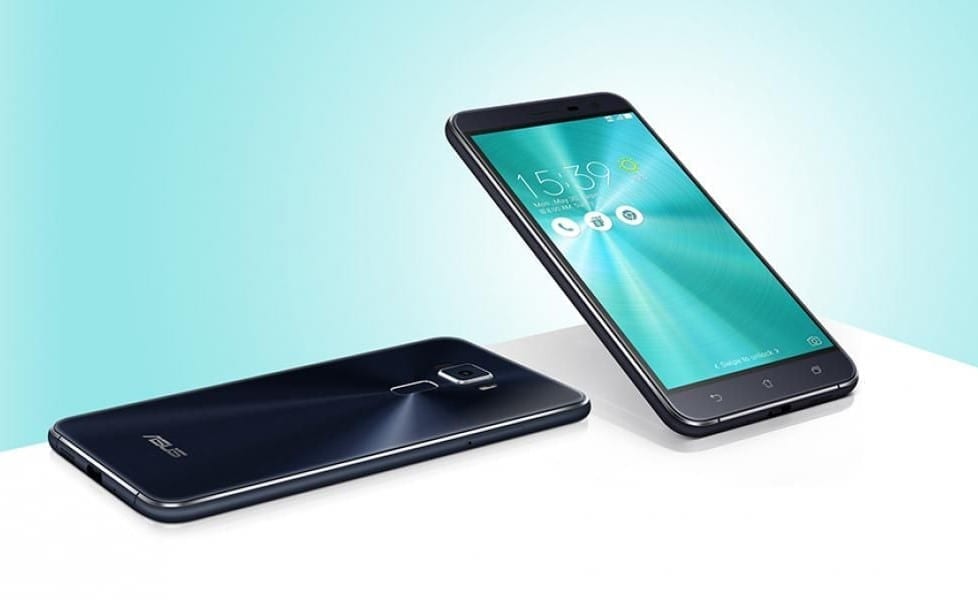
    The ROG Phone, Asus’ first gaming smartphone was quite expensive at launch, even when compared to other flagships released on the market around the same time. The cheapest Asus ROG Phone could be yours for $900 in the United States, while the most expensive model, which packs 512GB storage, was priced at $1,100 outright.

    Apparently, Asus plans to launch a sequel later this year, but the company will mainly focus on the Chinese market this time. Digitimes reports the second-generation ROG Phone will be launched in Q3 2019, and that Asus will team up with Tencent to advertise the flagship in China.

    Back in December, Asus outlined its new strategy to focus on gaming and premium smartphones rather than entry-level and mid-range models, which is meant to reduce the losses of its smartphone business.

    The report also claims Asus has a big chance of revitalizing its smartphone division if the partnership with Tencent goes through, even though gaming smartphones remain niche products that don’t generate significant profits.

    Although Asus plans to focus on the Chinese market with the next ROG Phone, there’s no reason not to sell the device in other markets like Europe and the United States.

  • Google Maps update brings Nokia’s classic Snake Game

    Google Maps update brings Nokia’s classic Snake Game

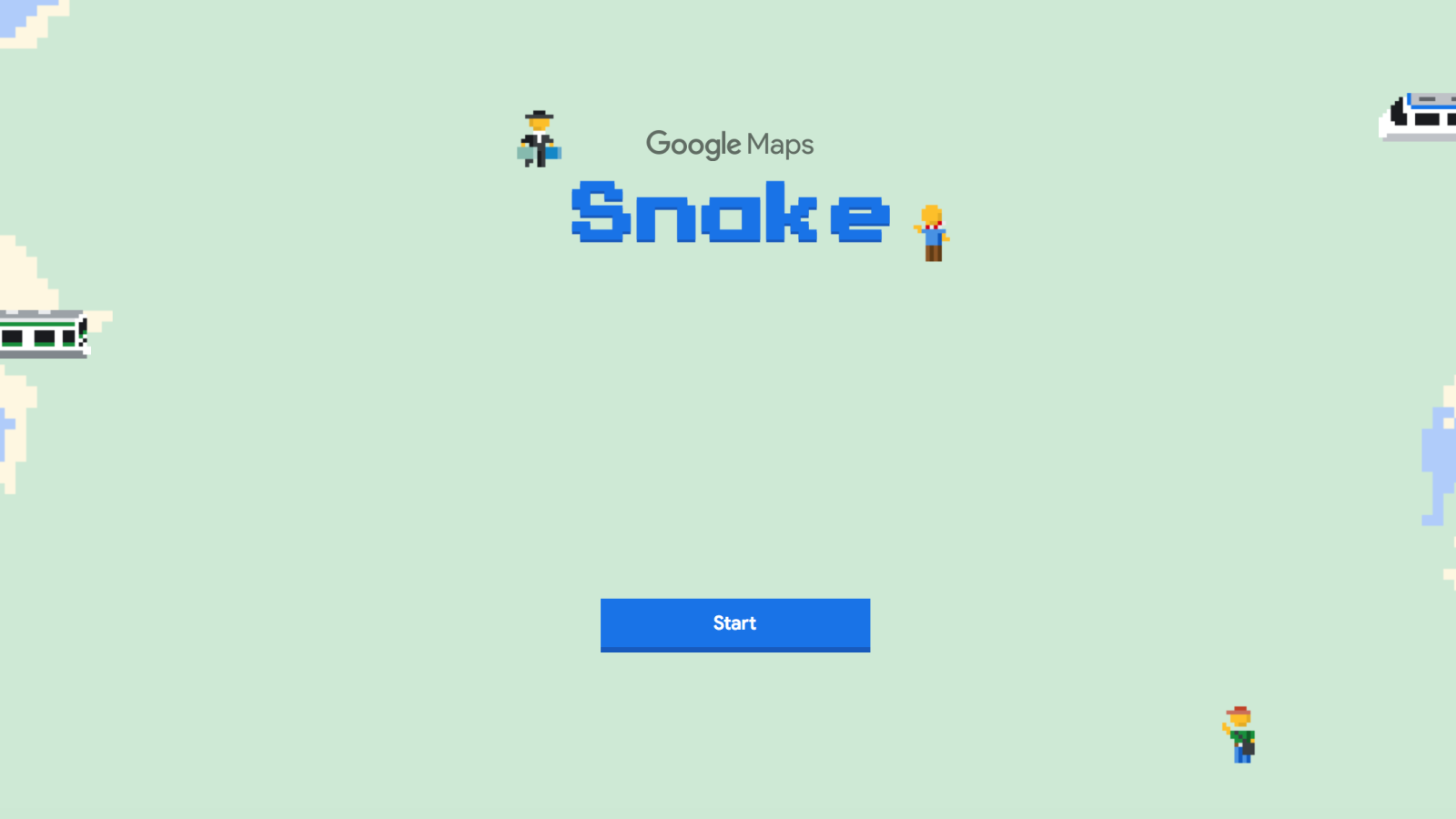
    The classic Snake game that made its debut on Nokia phones back in 2007 and achieved popularity not long after, is now available to all Google Map users. Well, let’s say that a very improved version of that game can now be played by Android and iOS users directly in Google Maps.

    Apparently, Google continues the tradition of celebrating April Fools with a long-lasting gag that will be available to those using some of its services on mobile and desktop. This year Google has decided to make Maps the main platform of its gag.

    All Android and iOS users will be able to play Snake on their phones and achieve high scores by picking up as many passengers and visiting as many iconic locations as possible. You’ll be able to play in different locations across the world, such as Cairo, London, San Francisco, Sao Paolo, Sydney, and Tokyo, or simply choose to play in the World.

    In order to start playing Snake, you’ll have to open the Google Maps app, tap on the menu icon on the top left corner, then select “Play Snake” to start playing directly in the app.

    Depending on what city you chose to play in, you’ll have to gather passengers with your ever-growing train and visit important locations around the world, including Big Ben, the Great Sphinx of Giza, and the Eiffel Tower.

    The Snake game is now rolling out worldwide on Android and iOS and will be available from within the Google Maps app for about a week.

  • AR version of Angry Birds comes to iOS this spring

    AR version of Angry Birds comes to iOS this spring

    Remember when Angry Birds was the most popular mobile game around? Many of you who played religiously ended up moving on to more graphically complex games. Maybe Rovio’s characters, which the company once said would make it the next Disney, suffered from overexposure with licensing deals. The fowl foul had their faces plastered all over the place from Band Aids to board games to underwear.

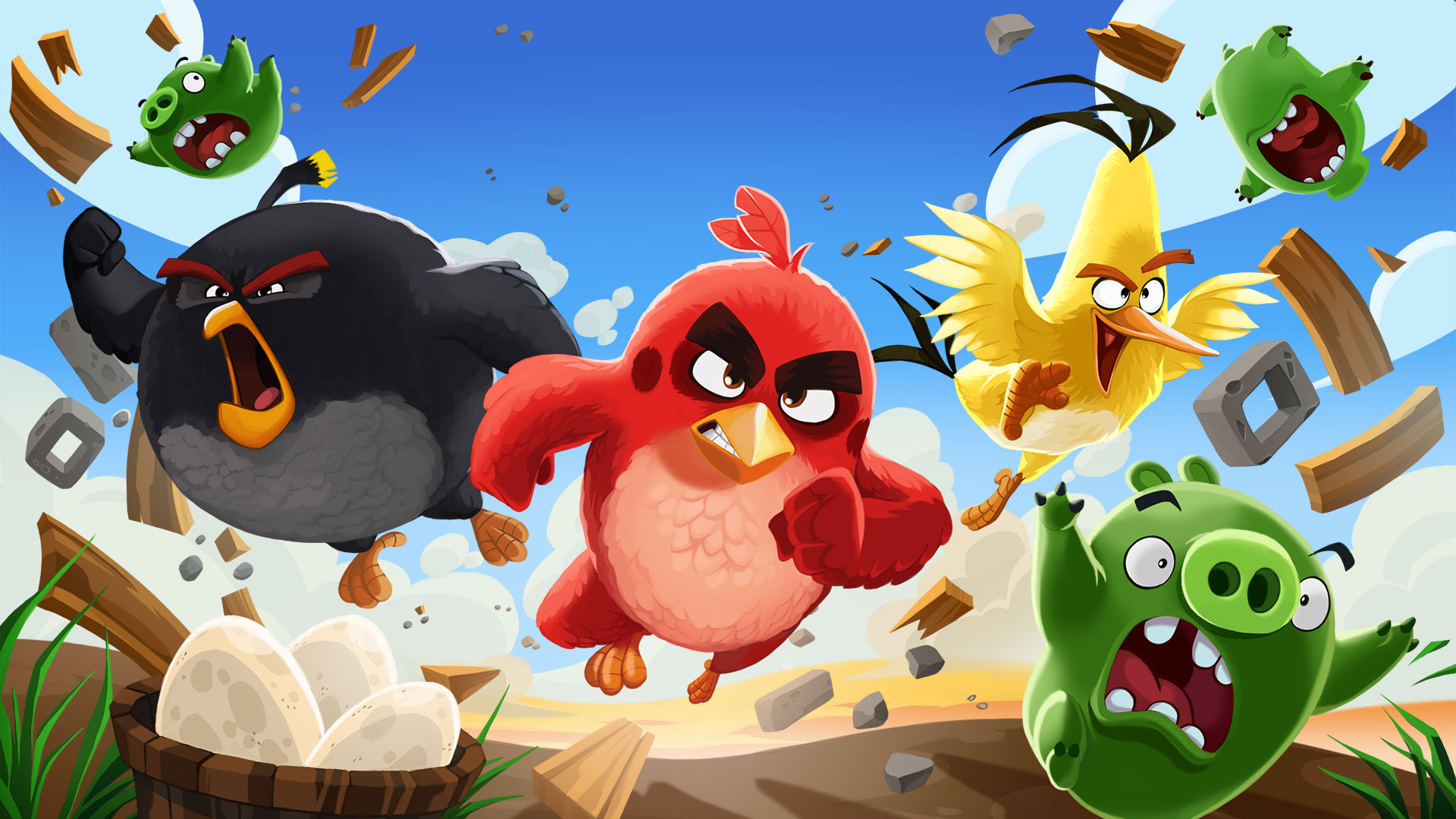
    You can’t say that Rovio hasn’t tried to keep up with the times. VR versions of Angry Birds are available for Oculus Rift and Vive, and an AR variant of the game can be played on the Magic Leap headset. And today, the company has announced that Angry Birds AR: Isle of Pigs will soon be available for certain Apple iPhone and Apple iPod models. Using Apple’s ARKit, a flat surface like a coffee table is overlaid with different stages while the phone itself becomes the slingshot.

    Players can walk around each stage, looking for hidden items and areas where the pigs might be most vulnerable to attack. Rovio is offering the game for free in partnership with Resolution Games, although we are pretty sure that there will be some in-app purchasers that players can make.

    “We’re delighted to bring the beloved physics-based gameplay of Angry Birds to life through augmented reality. It’s an especially timely moment to bring our avian friends to mobile AR for the first time, as this year marks the tenth anniversary since the release of the first Angry Birds game.”-Kati Levoranta, CEO, Rovio Entertainment

    “This game evokes the core of what makes AR gameplay truly AR. With its engaging characters, classic Angry Birds slingshot gameplay and ability to move around the structures, it utilizes the unique elements of Apple’s ARKit and showcases what AR gameplay is capable of, which is pretty amazing when you see it come to life.”- Tommy Palm, Resolution Games.

    Angry Birds AR: Isle of Pigs is available today to pre-order from iTunes and it will be released in the late spring of 2019. Don’t expect to see an AR version of Angry Birds for Android anytime soon since the phone version of the new AR Angry Birds game is an Apple exclusive for now.

    For those familiar with the old Angry Birds games, the rules are the same. You try to knock down as many pigs as possible by using a slingshot to propel one of the Angry Birds toward the swine. One difference is that now you see the slingshot from a first-person perspective. Fling back on your phone to send the Angry Bird flying toward its target. Originally, there will be as many as 40 different levels in the game.

    Angry Birds AR: Isle of Pigs is compatible with all iPhone models dating back to the iPhone 6s, all iPad Pro models, iPad fifth and sixth generation, and the new iPad Air and iPad Mini tablets introduced yesterday.

  • Globe opens its first Esports Center

    Globe opens its first Esports Center

    The Philippines’ Globe Telecom has announced the launch of its first Esports Center, aimed at supporting various local esports communities.

    The Esports Center at Play Nation in the UP Town Center in Quezon City will offer various initiatives including esports competitions, as well as support helping gamers create live streaming content and interact with other members of different esports communities.

    Globe SVP and head of content business group Nikko Acosta said the facility will help Globe’s Games and Esports division achieve one of its key goals of strengthening support for esports in the Philippines in cooperation with various fan communities.

    “We want to bring together different communities of popular games like Arena of Valor, Rules of Survival, League of Legends, and Tekken – among others – in one venue to upgrade their knowledge and gauge their skill levels with others through peer learning of new strategies and techniques,” he said.

    “We are positioning esports as a real sport, to make a gamer into a real athlete harnessing both physical and mental attributes by playing it right,” Acosta added, mentioning the company’s #PlayItRight advocacy campaign, which seeks to emphasize the importance of discipline, nutrition, physical wellness, and cognitive development in esports.

  • HKT Payment adds marketplace to mobile wallet

    HKT Payment adds marketplace to mobile wallet

    HKT Payment has launched a new virtual store within its Tap & Go mobile wallet to allow customers to purchase online game virtual gift cards.

    The new Tap & Go Marketplace will offer a wide range of gift cards including Google Pay Gift Codes, PlayStation Network, Xbox and hvmod cards.

    Once payment is complete, a PIN will be instantly installed within the Tap & Go marketplace that can be easily redeemed on the respective online marketplace.

    “We are excited to launch the Tap & Go Marketplace and extend the service to better meet the needs of the game-savvy segment,” HKT Financial Services head Monita Leung said.

    “Not only does online purchase via Tap & Go Marketplace give customers full control over their spending and peace of mind with secure payments, but it also offers gamers greater convenience and a seamless experience.”

    The launch follows the introduction of the Faster Payment System in September that allows customers to instantly top up their mobile wallet.

    Leung said HKT Payment plans to continuously expand the gift card categories available over Marketplace to cover music, videos and software.

    HKT Payment secured Hong Kong’s second ever stored value facilities license in 2016.

  • Nintendo makes comeback in Korea with Switch

    Nintendo makes comeback in Korea with Switch

    Nintendo, the Kyoto-based game company, returned to Korea. After almost disappearing over the past decade in the storm of mobile and online games, it is returning to the market with Switch, a retro console that marries the latest technology with old favorites, like Pokemon. A 41-year-old surnamed Kim, a father of three, recently found his new favorite hobby: playing Switch. His two favorite games are Diablo 3 and Legend of Zelda: Breath of the Wild, both of which he used to enjoy years ago at attending university.

    He now plays the latest versions.

    “To advance to a higher level on smartphone games, I have to spend a lot of time and money, so I lost interest,” said Kim. “As for Switch, it’s like the games I played when I was younger. Just like arcade games, I can save the game and can continue playing it where it ended whenever I want. Also, the game itself is not too difficult.”

    Plenty of people seem to agree with Kim.

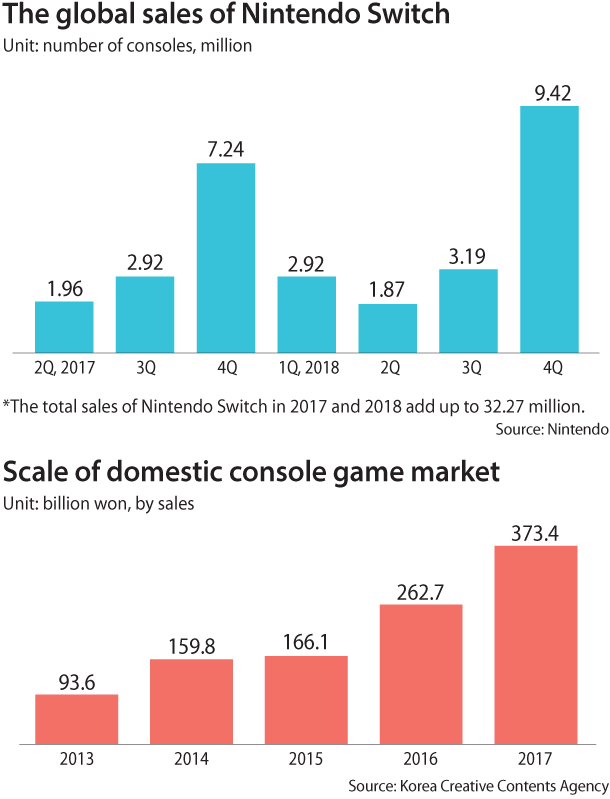
    Global sales of Switch from its introduction in March 2017 through late 2018 totaled 32.27 million units, according to a report from Nintendo. On average, 33.5 Switch consoles have been sold per minute. A total of 163.61 million Switch titles were bought during the same period.

    The Switch ended 2018 as the year’s best-selling hardware platform both in unit and in dollar sales terms, according to a report from NPD Group, a U.S.-based market-research company. Both in units and dollars, the Switch was the best-selling game since Sony PlayStation 4 in 2015.

    The Switch boom is evident in Korea, where consoles are not generally very popular. The product has been generating 51 percent of game sales at Emart, the main marketing channel for Switch.

    According to a report from Korea Creative Content Agency (Kocca), the size of the console game market in Korea grew by 42.2 percent from 2016 to 2017. Sales of Switch – which totaled more than 110,000 units in the first month of its release in Korea in December 2017 – and the rise of the related software sales were major contributors to the game market expansion, the report argues.

    Revival of Retro

    Nintendo, which was founded in 1889 as a playing-card company, most recently became an icon of innovation around year 2000 when it introduced Nintendo DS and Wii. Each sold more than 100 million units, and the strong sales in Korea led to the development of similar games locally.

    The success was short lived. The market began to change around 2010 as smartphone games started to develop and lead the market. In 2011, Nintendo experienced its first annual earnings loss since it was listed on the stock exchange in 1983.

    The company sought a rebound the following year with the Wii U, but only 13 million units were sold.

    Nintendo suffered losses for three years, and its presence in the console game market gradually waned with the dominance of the Sony PlayStation 4 and Microsoft’s Xbox. Nintendo’s share price dipped to as low as 8,060 yen ($73) from its November 2007 peak of 70,500 yen. The company’s weak performance continued until 2016, when Nintendo shook the game world with Pokemon Go, its wildly popular augmented-reality smartphone game.

    The comeback was confirmed with the release of Switch the following year.

    Popular with young and old

    Nintendo’s timing couldn’t have been better. It released Switch just as the newtro trend was gaining ground. Newtro, a portmanteau of new and retro, is reviving many long-dormant styles and products.

    The most popular titles in the early days of Switch – Super Mario Odyssey, Legend of Zelda and Pokemon: Let’s Go, Pikachu! – are the latest versions of classic games that people now in 30s and 40s used to enjoy when younger.

    “Switch looks very similar to the portable arcade games that people now in 30s and 40s first used in their childhood,” said researcher Jang Min-ji from Kocca. “As the generation that grew up with these games now has purchasing power, similar games are bought by people in that generation.”

    “Even younger people – those in their teens and 20s – who have never experienced these games, are finding Switch refreshing in that unlike smartphone and traditional console games, users can carry it around and play it while in bed, not to mention connect the games to television. Such charms of Switch have captivated people across age groups,” Jang said.

    The global newtro trend was evident at Consumer Electronics Show (CES), held in Las Vegas in early January. Though many people gathered to experience Sony’s state-of-the-art games with virtual reality and augmented reality, bigger crowds gathered at booths for classic games, like Street Fighter II and Double Dragon.

    “It has become a new trend for people in their 30s and 40s to reminisce about their past, while the younger generation fulfills their fascination for the newtro style,” said Kim Gyeong-geun, a merchandiser at a local toy seller, Toy Friends.

    Growing tired of mobile games

    Another key contributor to the growing demand for classic games is the gradual loss of interest in mobile games, which dominated the local market over the past several years. Players are growing tired of the free-to-play model, which is employed by the majority of mobile massively multiplayer online role-playing games (Mmorpg).

    With free-to-play mobile games, players can download the game either for free or at a low price, but they are compelled to spend more to improve the gaming experience.

    In a report on the success of Switch, Lee Taek-su from KB Research wrote, “In the past, most people did not agree with the idea of spending money on console game software that costs between 50,000 won [$44.40] and 60,000 won, since they could easily play mobile games for free or for around 1,000 won to 2,000 won. But as a growing number of players start to have the experience of spending much more cash on mobile games, their perceptions have started to change.”

    The diversity of games that could be interesting to people of different ages and gender, and the fact that these games can be enjoyed by multiple people at once through the connection of hardware, are few reasons Switch is gaining popularity.

  • Nintendo launches flagship store in Tokyo

    Nintendo launches flagship store in Tokyo

    Nintendo is opening a Tokyo flagship store, marking the iconic Japanese company’s first-ever domestic retail outlet. During Nintendo’s latest Corporate Management Briefing, the president of the Nintendo, Shuntaro Furukawa, announced the game company would be opening a store in the Japanese capital in 2019.

    The executive said that plans are set for Nintendo Toyko to be located in the tentatively named ‘Parco’, which is yet to be opened and will bow in the Shibuya district. The Nintendo store in Japan will have its own floor in a new department store and is targeted at teens and commuters.

    “We are hoping [the store] will be a new point of contact between consumers and Nintendo that a wide range of people, regardless of age, gender, or experience with games can enjoy,” explained Furukawa.

    The new store also hopes to attract shoppers to Nintendo Switch, which is struggling to draw a wider swath of users, according to Bloomberg. Last month, Nintendo cut its shipments forecast for the console, which can be used at home or on the go.

    “In addition to selling products such as video game systems, software and character-based merchandise, we plan to host events and offer opportunities to play games, and are preparing to make this shop a new base for communicating Nintendo information in Japan. We will announce further details on each of these initiatives at a later date.”

    Looking forward, Nintendo is also planning to open exhibits at Universal theme parks in Osaka, Orlando and Hollywood.

    Additionally, the company is looking to participate in more e-sports tournaments, where gamers get together and compete in stadiums

    Nintendo opened its first store in New York as Pokemon shop in 2005 in the city’s Rockefeller Centre, and has since rebranded as Nintendo New York.

    Nintendo Tokyo is scheduled to open in the fall of 2019.

  • Tablez to launch Build-A-Bear in India

    Tablez to launch Build-A-Bear in India

    To meet an ever-increasing demand for an engaging retail environment, Tablez India announces the partnership with Build-A-Bear, a global experiential retailer. U.S.-based, customized stuffed-animal retail-entertainment brand Build-A-Bear aims to reach as many as 9 million households in the top 15 cities in India by 2025. Besides standalone stores, shop-in-shop formats of Build-A-Bear would be launched within Toys“R”Us as part of Tablez, the retail arm of LuLu Group International.

    Adeeb Ahamed, MD, Tablez said, “The Build-A-Bear concept is a one-of-a-kind retail experience, and we are thrilled to bring it to India. We believe that children who come to our stores will be able to enjoy a different shopping experience that includes participation in creating stuffed animals of their own choice.”

    He also added, “At Tablez, we are continuously striving to meet the increasing demand for high-quality specialty toys, and we look forward to opening more Build-A-Bear and Toys”R”Us stores across India, as our company continues to grow.”

    On this occasion, Dorrie Krueger, Build-A-Bear Workshop Chief Strategy Officer, said, “We look forward to embarking on this new partnership with Tablez India and helping establish and grow the Build-A-Bear brand in this important global market. As our international franchise portfolio continues to expand, we are further assured that the hug of a teddy bear is understood in any language.”

    Established in 1997, Build-A-Bear has helped millions find their own meaning in a new furry friend. The brand has nearly 500 stores worldwide, and more than 175 million furry friends have been made globally in its 21-year history. Build-A-Bear helps guests mark special occasions, start friendships, and inspires people to make their own adventures. At Build-A-Bear, one is empowered to feel that anything is possible.

    The ‘Choose Me’ wall at every Build-A-Bear store is where the empowerment journey begins as each guest chooses an unstuffed animal to bring to life. Accessories give customers the reins to customize their creation. The heart ceremony is where one can add special wishes to their friend. During the stuffing process, a heart is placed in the bear along with special wishes, and the guests promises to care for their new furry friend. This signature ceremony brings each stuffed animal to life in a personal way, further ensuring a greater attachment. Guests find meaning in each of the animals designed – they are friends, playmates, heroes, look-a-likes and evidence of special memories. Dogs, cats, bunnies and even unicorns complement the timeless teddy bear to ensure there’s a furry friend for everyone.

    Tablez launched the first Toys“R”Us store in Bangalore in 2017. Before end of 2018, 4 stores will be operational, and another 20 stores are expected to be launched in 2019. In February 2019, Build-A-Bear will be launched as part of Toys“R”Us in Phoenix Marketcity, Bangalore. Further, a Build-A-Bear shop-in-shop format will follow in Vega City Mall, Bangalore; City Centre Mall, Mangalore and Phoenix Marketcity, Pune. The 20 additional standalone stores of Toys”R”Us are expected to be launched in major locations starting January 2019. Build-A-Bear plans to expand to as many as 65 shop-in-shop format stores and 20 standalone stores in India over the next 10 years.

  • Korean gaming firm could go up for sale at $7 billion

    Korean gaming firm could go up for sale at $7 billion

    The founder of Korea’s top gaming company Nexon has put the company up for sale, according to a local media outlet, in what could be the biggest such deal in Korean history. According to a report, Kim Jung-ju, chairman of NXC, the de facto holding company of Nexon, will sell a 98.64 percent stake in NXC worth around 8 trillion won ($7.1 billion). NXC owns a 47.98 percent stake in Nexon, worth about 6 trillion won.

    The shares include Kim’s holdings, at 67.49 percent, and those held by his wife, at 29.43 percent, as well as 1.72 percent held by Wise Kids, a software company Kim owns.

    Deutsche Bank and Morgan Stanley have been selected to oversee the sale, according to the report.

    A spokesperson for NXC responded to the report, saying that the company is in the process of confirming the news.

    “We are checking whether the report is true,” the spokesperson said, “It takes some time because of [the rules concerning] electronic disclosure. The official announcement will be unable to come out today.”

    As for the rationale behind the decision to sell, some media reports citing anonymous sources at Nexon point to Kim’s reluctance to deal with the government’s hefty regulations on the gaming industry.

    NXC, however, said that the reports are groundless, adding that “Chairman Kim hasn’t complained about government regulations.”

    While it is immediately hard to verify Kim’s motivations, financial reasons are unlikely to be the cause. Nexon, which trades on the Tokyo Stock Exchange, has shown strong earnings performance. Sales rose 18.7 percent in 2017 on year to 234.9 billion yen ($2.2 billion). Entering 2018, the company maintained steady growth with the third quarter seeing a 15 percent jump in revenue compared to the same month last year.

    Local media reports suspect that the potential buyer could be China’s Tencent Holdings or U.S. video game publisher Electronic Arts, given the massive size of the sale. Tencent already stands as the sole local publishing partner in China for Dungeon Fighter Online, a multiplayer video game developed by Nexon subsidiary Neople. The Chinese internet giant holds a sizable stake in Korea’s major game and entertainment units, including Netmarble and Kakao.

    Another focus of the deal is how NXC will process the sale of non-gaming affiliates.

    Non-gaming holdings owned by both NXC and Nexon span a wide range of industries.

    A Nexon affiliate took over Stokke, a Norwegian company famous for baby strollers, in 2013. NXC acquired a 65 percent stake in Korean cryptocurrency exchange Korbit for 91.3 billion won more recently in 2017 and Bitstamp, a Europe-based cryptocurrency exchange, last year.

    The founder could either split them from the sale or bundle them together.

    Built in 1994, Nexon made its name known with The Kingdom of the Winds, a 2-D fantasy massively multiplayer online role-playing game (Mmorpg). The game was recognized as the longest-running commercial graphical Mmorpg by the “Guinness World Records” in 2011.

  • Gaming gadget New Razer Phone 2 is launched

    Gaming gadget New Razer Phone 2 is launched

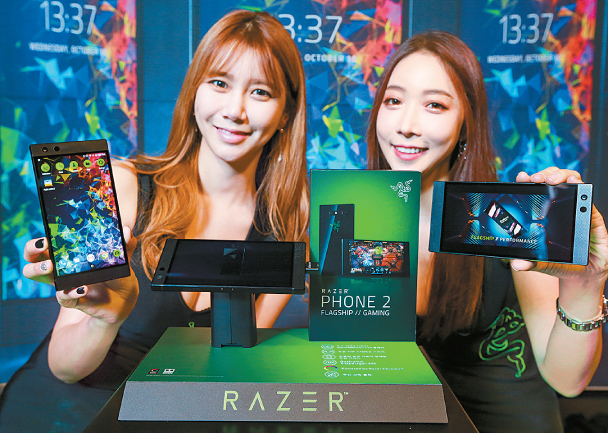
    Razer, a Singaporean gaming gadget company, unveiled the Razer Phone 2 – a smartphone specifically designed for gaming – on Friday in Seoul. Korea is the fourth-largest gaming market in the world with more than 28 million game users, according to the company.

    The Razer Phone 2 is equipped with a 5.7-inch display and offers a 120 Hz refresh rate, allowing users to enjoy mobile game with less delays and disconnections. The upgraded refresh rate helps the touch screen to react more precisely to user demands, according to the company.

    The screen is 50 percent larger than its previous version – the Razer Phone 1 – which launched last year.

    The Razer Phone 2 comes with a 400mAH battery which allows the phone to play games for 10 hours.

    Playing mobile games is not the only entertainment available on the Razer Phone 2. It is also optimized for watching videos.

    The company said the new phone includes Dolby Atmos technology in its dual speakers that are equipped on bezels both on the top and bottom of the devcie, providing a richer sound.

    In terms of camera, the Razer Phone 2 is equipped with a dual camera on the back – a wide-angle lens and telephoto lens – that offer 12 megapixels each. The front of the phone has an 8 megapixel camera.

    To optimize the display, Razer teamed up with popular games including PlayerUnknown’s Battlegrounds, Rival: Crimson x Chaos and Marvel’s Future Fight, among others.

    The Razer Phone 2 will go on sale on Dec. 4 in Korea in partnership with local distributors All Life Technology and CJ Hello.

    The phone sells for 990,000 won ($882.87). With subsidies from CJ Hello’s payment plan, the price can go down to as low as 599,000 won.

    “Razer was able to pull off a huge success last year with Razer Phone 1 by paving a new sector in the smartphone industry,” said Min-Liang Tan, CEO of Razer in a written statement Friday. “The new Razer Phone 2 will help us set a new standard in the gaming industry.”

  • First Sony Lounge opens in Malaysia

    First Sony Lounge opens in Malaysia

    Sony has opened its first Play Everything Lounge by PlayStation in Southeast Asia at Sunway Pyramid. The lounge, operated by Sony Interactive Entertainment’s local office, will be open until February 17. Sunway Malls and Theme Parks CEO HC Chan said he was honoured the mall has remained a mall-of-choice for experiences. “The partnership with Sony Interactive Entertainment signifies a true collaborative curation by two of the leading names of the industry. It is our privilege to work with a world-renowned gaming giant to bring another dimension of experiences for our shoppers. It is important for malls to go beyond conventions to stay relevant.”

    Sony’s regional head Hidetoshi Takigawa noted the strong performance of the PlayStation business in Malaysia, and said the Sunway Pyramid store is a means for the brand to engage with its local fans.

    Southeast Asia’s first PlayStation Experience was held in Kuala Lumpur last year.

    Gaming tournaments, community engagement activities and unreleased game trials are expected to be held in the space. A virtual reality area allows visitors to try Sony’s PlayStation VR gaming system for PlayStation 4.

    View the image of the lounge below (6 pictures) :