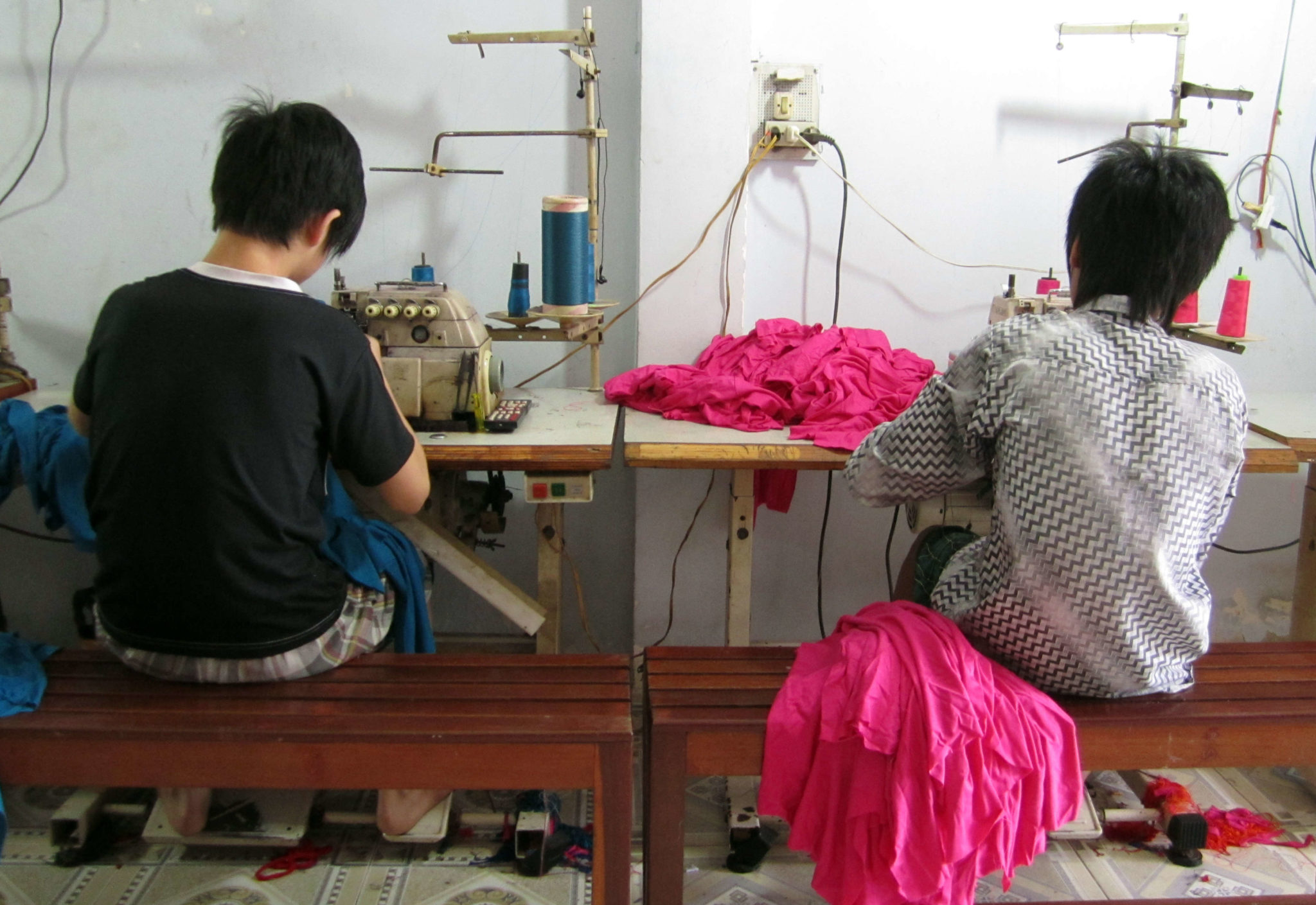
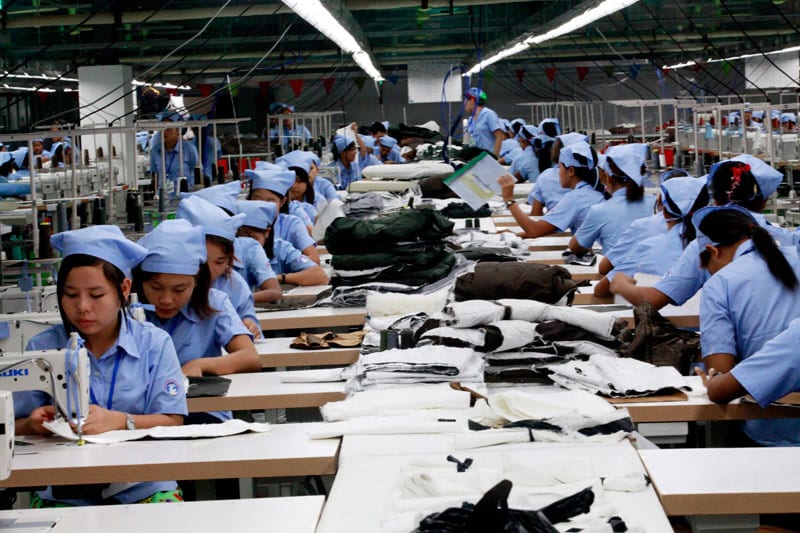
Myanmar’s garment sector is targeting a 300% increase in garment exports to the European Union (EU) by end of 2019 thanks to a EUR2.8m (US$3m) funding boost as the second phase of the SMART Myanmar project gets underway.
The EU-funded SMART Myanmar project – SMEs for Environmental Accountability, Responsibility and Transparency – aims to build the sustainable recovery of the Southeast Asian country’s garment industry.
Phase two of the initiative launched last week, with the goal of boosting productivity and creating over 300,000 jobs for low-skilled workers during the next four years. It has been implemented by a consortium of partners including Germany’s Sequa, the Foreign Trade Association of German Retail Trade (AVE), sustainable fashion group Made-by, the Myanmar Garment Manufacturers Association (MGMA), and the Association of Development Financing Institutions in Asia and the Pacific (ADFIAP).
More specifically, Jacob Clere, team leader with SMART Myanmar II, told just-style: “The project focus is on improving social and environmental compliance in garment factories, in particular, upscaling and mainstreaming some of the activities piloted and launched during the first project phase from 2013-2015. We’re targeting social compliance improvements in 100 factories during the next four years, as well as delivering HR management to 400 factory managers. As well, we plan to continue capacity building activities with the MGMA and with the training of local technical staff on compliance issues.”
Other activities will include educating factory workers on labour and OHS laws, working with the government on public procurement procedures, and educating local banks on financial products and services – including introducing the concept of green finance.
The ultimate goal of the SMART project, which has been running for three years, is to help Myanmar’s garment industry compete in the global market. At its inception, EUR2m was invested in a bid to improve the production and consumption of sustainably manufactured garments in the country.
Project partners hope other results will be achieved, such as a 20% reduction in waste production in 100 garment factories. Garment exports are also targeted for a 300% increase from 2015 to the end of 2019.
The consortium is also expecting that at least 150 garment factories will improve their working conditions as a consequence of participating in the SMART Compliance Academies, and that up to 30 banks will take part in at least eight workshops on green finance. In addition, the programme is targeting the training of 15 Safer Consumer Products (SCP) consultants to advanced level to deliver factory improvement programmes. And it is hoping the initiative will create new business opportunities, such as joint ventures between factories in Myanmar and EU brands.
Speaking at the launch ceremony, EU Ambassador Roland Kobia celebrated the achievements of Myanmar’s garment industry, noting that the value of garment exports has more than doubled in recent years, making it “a catalytic sector of Myanmar’s economic transition”.
SMART Myanmar is an EU-funded SWITCH Asia project, which, while promoting and supporting the sustainable production of ‘Made in Myanmar’ garments, strives to increase the international competitiveness of small and medium enterprises (SMEs) in the sector. It works alongside companies and business support organisations located in the country, helping build capacity and increase skills and knowledge in local partner organisations, facilitating the development of marketing and export strategies for the garment sector.
From 2013-2015 the project engaged with dozens of local garment factories on social and environmental compliance issues, providing technical support and capacity building. The project also assisted in boosting the capacity of business associations, helping the Myanmar Garment Manufacturers Association (MGMA) draft a first-ever Code of Conduct for its members.
Project director Simone Lehmann said at the press conference in Yangon that the focus of the next phase will be on “technical support and capacity building” through workshops engaging dozens of factory employers. She added that there will not be a focus on labour disputes in the sector, but instead, “developing the sector and providing professional support for MGMA”.
She added: “The garment sector has quickly become Myanmar’s main export sector after oil and gas. The value of exports has more than doubled in less than two years and is projected to continue to grow almost exponentially for the next several years. The growth of the garment sector will contribute to the growth of the industrial sector and create many new jobs.”