Retail News CRM

Tag: garuda indonesia

  • Garuda Indonesia to set up new company for non-core units

    Garuda Indonesia to set up new company for non-core units

    Garuda Indonesia (GA, Jakarta Soekarno-Hatta) is planning to establish a new holding company to contain subsidiaries that do not contribute to its core business.

    Airline president Arif Wibowo told the Asia Nikkei newspaper that the plan has already secured shareholder approval – including that from the Ministry of Transportation – with a proposal set to be submitted to the Ministry of State Enterprises in the middle of the year.

    “We hope this will increase the company’s leverage, as each business unit will have clearer management and they can develop more specific focuses,” he said.

    Garuda currently operates five subsidiaries including: budget carrier Citilink (QG, Surabaya); PT Aero Wisata which deals with travel, hotel, transportation and catering services; PT Abacus Distribution Systems Indonesia which handles GDS services; PT Garuda Maintenance Facility Aero Asia (GMFAA) which deals with aircraft MRO; and PT Aero Systems Indonesia which is an IT solutions provider.

  • Garuda Indonesia unveils new Business Class

    Garuda Indonesia unveils new Business Class

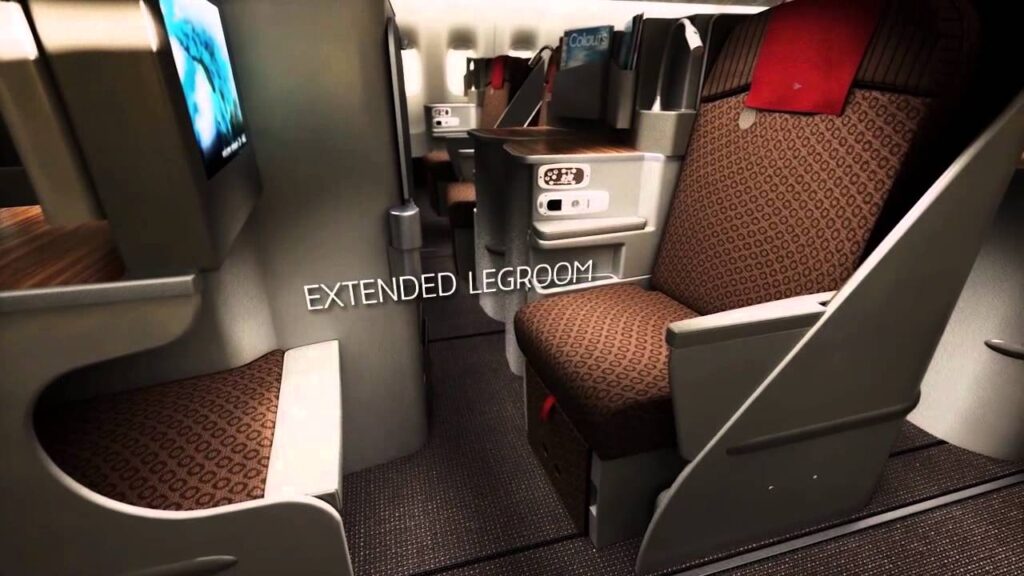
    The layout of Garuda Indonesia’s new Business Class with Super Diamond Seats is unveiled in this Garuda photo. The Airbus A330-300 is configured with 24 Business Class seats and 263 Economy Class seats.

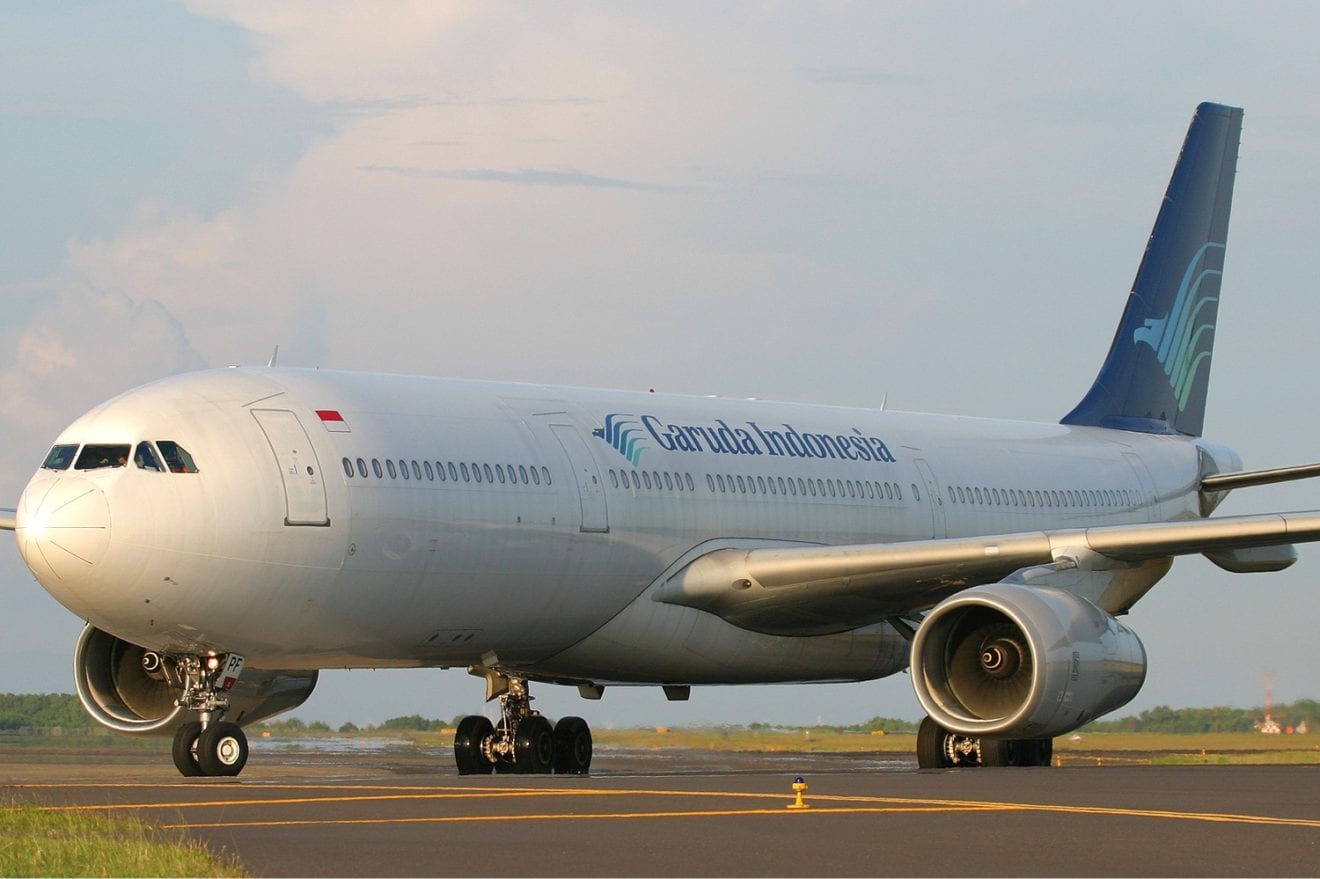
    Garuda Indonesia has unveiled its new Business Class service following the arrival of its latest Airbus A330-300 aircraft on Monday.

    The aircraft, which is the first of four Airbus A330-300s that will be delivered in 2016, features 24 and 263 Business and Economy Class seats, respectively.

    The former, dubbed Super Diamond Seats,  offer an all-aisle configuration (1-2-1), fully flat-bed seat, adjustable arm-rest, head-rest, meal table and reading light, integrated baby bassinet stowage, new mini bar display, 16-inch LCD touchscreen with a touchscreen handset/remote, double USB plug and power outlet.

    “Garuda Indonesia is the first airline in the world to implement the Super Diamond Seat Business Class service on its A330-300 aircraft; as opposed to competitors who implement it only on their A350 aircraft,” said Garuda Indonesia president and CEO Arif Wibowo in a press release on Monday.

    unnamed

    Meanwhile, passengers sitting in Economy Class seats can expect new features such as a 4-inch articulating recline ability, foot-rest, 11-inch LCD touchscreen, USB plug and power outlet.

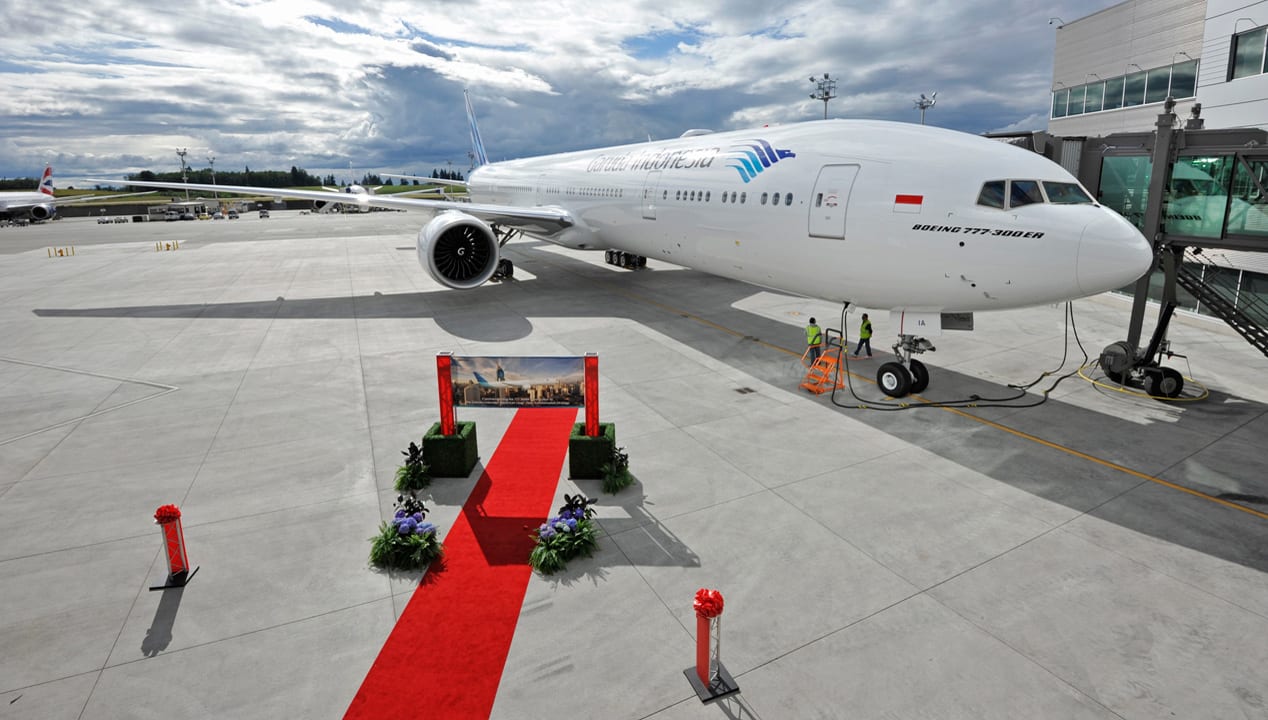
    The national flag carrier also received the delivery of its last Boeing 777-300ER aircraft on Monday, of a total of 10 that were ordered in 2013. Configured with a 393-seat capacity, the 10th aircraft consists of 26 Business Class seats and 367 Economy Class seats.

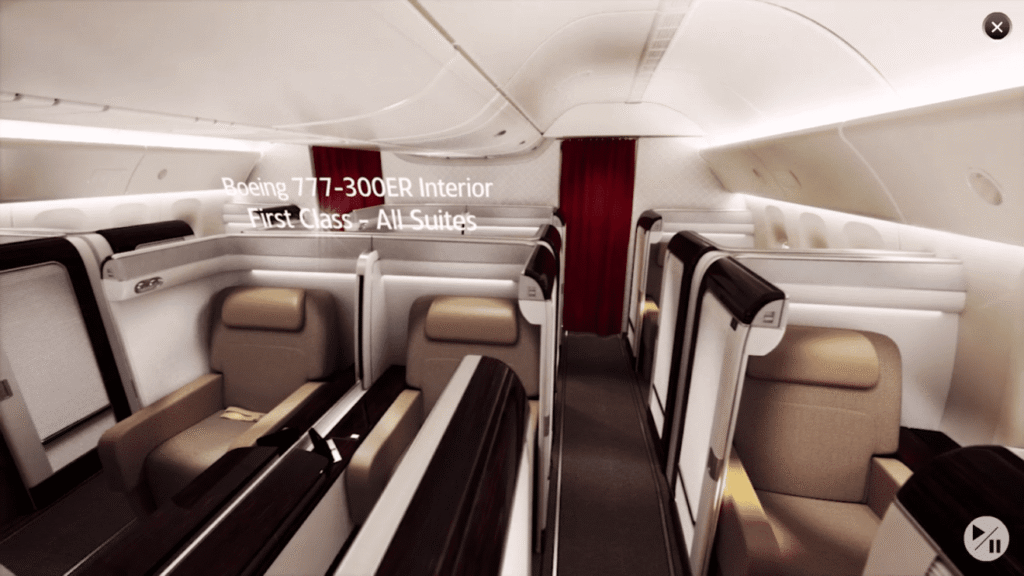
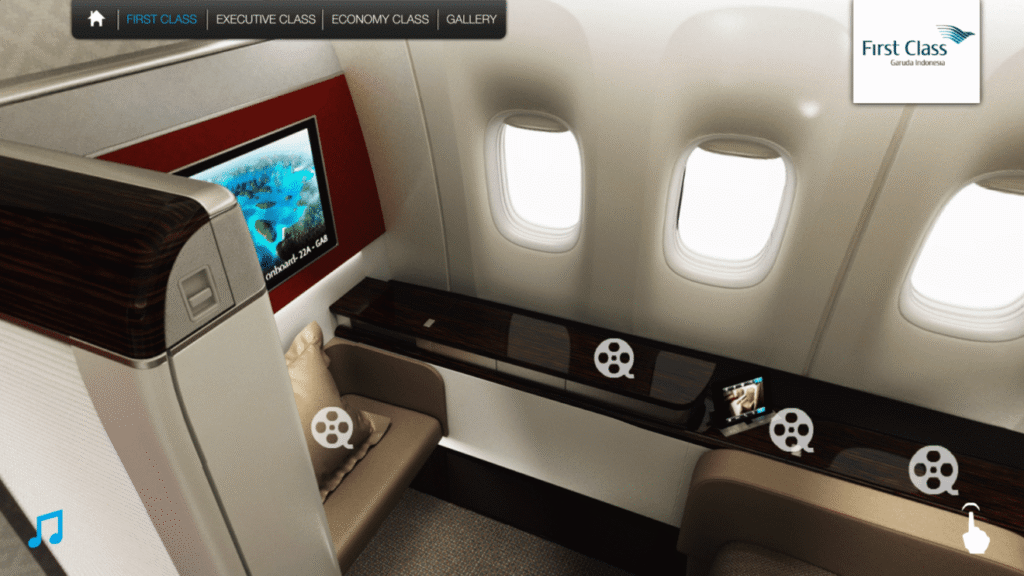
    Six out of 10 Boeing 777-300ERs operated by Garuda Indonesia are equipped with First Class service, with eight First Class seats, 38 Business Class seats and 268 Economy Class seats.

    unnamed (1)

    As part of Garuda’s fleet revitalization program, the airline is set to receive 16 new aircraft in total throughout this year, consisting of the one Boeing 777-300ER, four Airbus A330-300s, four ATR72-600s and eight Airbus A320s to be operated by Citilink.

    By the end of 2016, Garuda Indonesia Group expects to operate a total of 188 aircraft; 144 aircraft by Garuda Indonesia and 44 aircraft by Citilink.

    maxresdefault

  • Bee forces flight delay in Indonesia

    Bee forces flight delay in Indonesia

    An errant bee delayed the takeoff of a flight operated by Indonesia’s Garuda Indonesia, the flag carrier’s spokesman said Wednesday.

    Benny Butarbutar, the company’s vice president of corporate communications, told Kyodo News that the pilot of Flight GA197 decided to delay the flight for four hours Tuesday after finding some problems in one of the aircraft’s engines.

    The plane was scheduled to take off at 10.10am from Kualanamu international airport in the North Sumatra provincial capital of Medan bound for the capital Jakarta.

    “Based on a thorough investigation, the problem in the aircraft’s electronic engine control was caused by a bee entering the aircraft’s pitot tube located on the outer part of the cockpit, delaying the departure,” Mr Butarbutar said. The pitot tube measures airspeed.

    The incident, he added, “was beyond Garuda’s control and caused more by the airport’s situation and condition.”

    The problem was discovered just as the plane was about to take off, he said.

    “Considering safety aspects, Garuda Indonesia decided to delay the flight, and after a one-hour repair process, the aircraft was declared serviceable and ready to operate,” Mr Butarbutar said, adding that the incident was the first of its kind for Garuda.

  • Garuda Indonesia Expects 10% Passenger Growth

    Garuda Indonesia Expects 10% Passenger Growth

    President Director of national carrier PT Garuda Indonesia Arif Wibowo predicted that passenger growth of the airline would reach 8-10 percent in 2016.

    “The growth is supported by the booming tourism industry in Indonesia,” Arif said in Jakarta on Sunday (3/1).

    For the record, in 2015, PT. Garuda Indonesia reported a positive passenger growth, that is 25 million passengers or a 3 million increase from that in 2014.

    In the meantime, its subsidiary, Citilink, also posted a quite significant growth, that is 11 million passengers or a 2 million increase from that in the previous year.

    Therefore, to anticipate the increase in the number of passengers, Arif said that the airline would purchase 23 new aircrafts, which purchased with leasing mechanism.

    Furthermore, Arif also hoped that in May 2016, Garuda Indonesia could use Terminal 3 of the Soekarno-Hatta International airport that is now under renovation.

    “We hope that with the new terminal, our services could improve,” he concluded.

  • Garuda Indonesia Reports US$51.4 Million Third Quarter Earnings

    Garuda Indonesia Reports US$51.4 Million Third Quarter Earnings

    Garuda Indonesia booked a net income of $51.4 million through the third quarter 2015, an increase of 123.4% compared to the same period last year when it incurred a loss of $220.1 million.

    Garuda Indonesia President and CEO M. Arif Wibowo said that the Company also increased total revenue from $2.83 billion through the third quarter 2014 to $2.84 billion during the same period in 2015. Meanwhile, total expenses dropped from $3.08 billion to $2.72 million.

    “Improvements in the Company’s performance are the result of strategic business development measures being carried out through the ‘Quick Wins’ program, as well as a tight cost efficiency policy that was put into effect at the beginning of the year,” he said.

    Arif, who is also the Chairman of INACA (Indonesia National Air Carriers Association), further explained that this achievement came when the airline industry is facing huge challenges, from a sluggish economy to a number of “force majeures” or natural disasters, such as volcanic eruptions and haze.

    Speaking of Garuda Indonesia’s ongoing flight network development, Citilink Indonesia’s former president said that the Garuda Indonesia Group (including Citilink) together carried a total of 24.55 million passengers during Jan-Sept 2015, or an increase of 17.5% compared to 20.89 million passengers carried during the same period in the previous year.

    Garuda Indonesia carried 17.69 million, comprising 14.51 million domestic passengers and 3.18 million international passengers, through the third quarter 2015, whereas it carried 15.56 million passengers during the same period in 2014. Its subsidiary, Citilink Indonesia, transported 6.87 million passengers between Jan-Sept 2015, an increase of 28.8% from the 5.33 million passengers carried in the same period in 2014.

    Garuda Indonesia and Citilink flight frequency in the domestic and international sectors rose from 165,642 fights in the third quarter of 2014 to 186,105 flights in the same period of 2015. In addition, Availability Seat Kilometer/ASK increased from 36.9 billion in 2014 to 38.75 billion in 2015.

    Garuda Indonesia also succeeded in increasing Seat Load Factor/SLF to 77.3% in 2015 from 70.7% in 2014. In terms of on time performance (OTP), Garuda Indonesia achieved an OTP of 88.2% in 2015, with an aircraft utilization of 09:11 hours.

    Through the third quarter 2015, Garuda Indonesia was also able to increase its market share in both the domestic and international markets. In that time, Garuda Indonesia’s domestic market share increased to 44% from the previous 37% in 2014. Meanwhile, Garuda’s international market share from Jan-Sept 2015 reached 28%, an improvement from the previous year’s 22%.

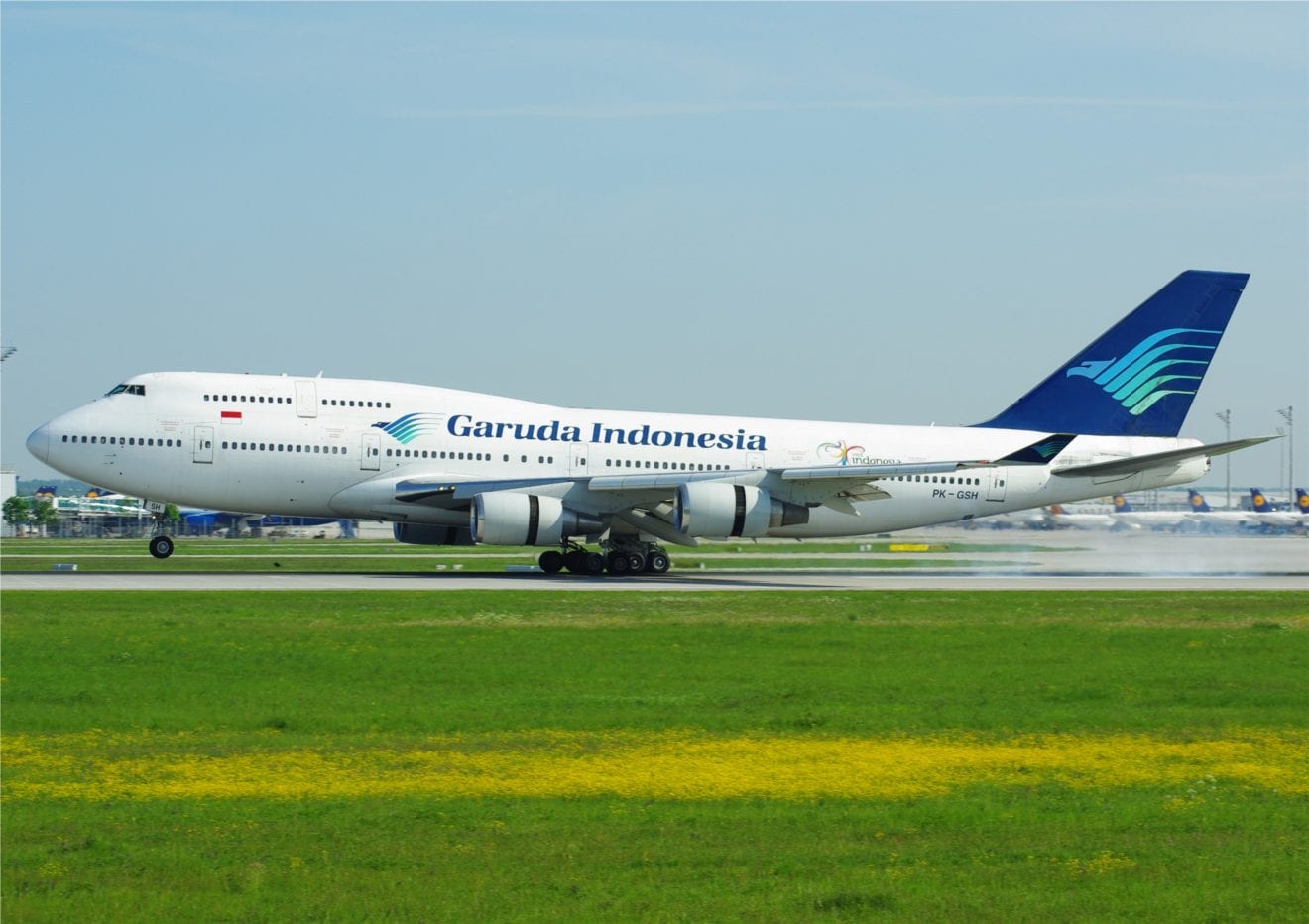
    The Garuda Indonesia Group operates a total of 181 airplanes to date, consisting of eight (8) Boeing 777-300ER, twenty-two (22) Airbus A330-200/300, two (2) Boeing 747-400, ten (10) ATR72-600, fifteen (15) Bombardier CRJ1000 NextGen, eighty-eight (88) Boeing 737-300/500/800NG, and thirty-six (36) Airbus A320, with an average age of 4.7 years. By the end of 2015, the Group will operate a total of 187 airplanes, of which 143 are Garuda Indonesia’s and 44 are part of the Citilink fleet, with an average age of 4.3 years.

    To anticipate the impact of the Rupiah’s weakening exchange rate against the US Dollar, since the first quarter 2015 Garuda Indonesia has signed hedging contracts using “Cross Currency Swaps” with several banks, on Rupiah loans into US Dollars amounting to a total of Rp2 trillion.

    By carrying out the Cross Currency Swap, the company will be able to avoid or minimize the risk of a rise in operational costs if paid in Rupiah due to the weakening of the Rupiah exchange rate against the US dollar. This is due to the fact that an airline’s operational costs that include the purchase of spare parts, aircraft maintenance, and aircraft leasing are mostly conducted in US dollar AS.

    The company is still watching market developments and at the right moment will again hedge and use Cross Currency Swap to leverage the Rupiah. This is part of the company’s ongoing Risk Management measures based on the prudence principle. Routine hedging transactions against IDR earnings and USD fuel costs have added to the risk management’s work load in the midst of an adverse economic condition at global, regional and national levels.

    Moreover, Garuda Indonesia was able to obtain new sources of funding through more competitive cost financing, and in May 2015 issued a 5-year Global Sukuk Bond worth USD 500 million with a coupon of 5.95%.

    In line with the airline’s continuous service development program, Garuda Indonesia’s cabin crew was once again presented with the “The World’s Best Cabin Crew 2015” award from Skytrax – the London-based independent airline and airport review specialist, for the second consecutive year, after beating other big players in the airline industry. During the “Skytrax Award 2015” event, Garuda Indonesia also came in eighth place in the “World’s Best Airline” list.
  • Garuda Indonesia expands maintenance facility

    Garuda Indonesia expands maintenance facility

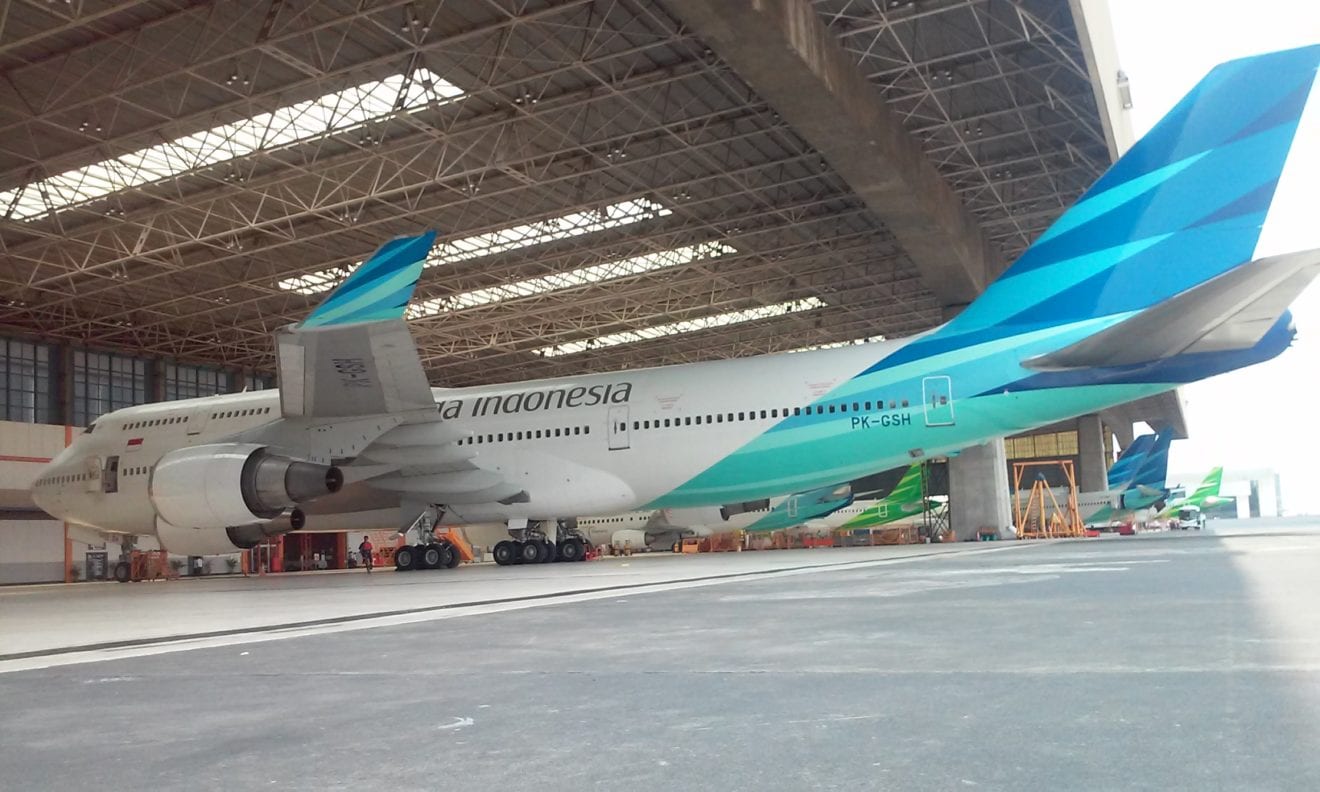
    Garuda Indonesia opened its biggest aircraft maintenance facility at Soekarno-Hatta International Airport on Monday, which will support the state-owned airline’s fleet as well as regional carriers tapping into Indonesia’s growing aviation market.

    The maintenance facility is the fourth for group subsidiary, Garuda Maintenance Facility (GMF) AeroAsia. With an area of about 67,000 sq. meters, it will nearly double GMF’s current capacity. The facility can store 16 narrow body aircraft, although due to limited personnel and technical capabilities, it can only handle 12 aircraft at the moment. GMF will invest a total of about 500 billion rupiah ($35 million) until it reaches full capacity in 2018.

    The facility’s main purpose is to serve Garuda’s growing number of aircraft. The airline plans to add 21 aircraft this year to reach a total of 190. At the Paris Air Show in June, it inked a deal to purchase 60 aircraft from Boeing and 30 from Airbus, together worth nearly $20 billion at catalogue prices.

    GMF posted revenue of $264 million in 2014, a 15% increase from the previous year. About 70% of its revenue comes from servicing Garuda aircraft, including those of budget carrier spin-off Citilink.

    GMF’s President and Chief Executive Officer Richard Budihadianto said it also aims to increase revenue from foreign carriers. The company has plans to build a maintenance facility in Bintang Island, which is close to Singapore. Airlines in Asian countries such as Singapore and Australia can save time by stopping in Bintang instead of at Soekarno-Hatta. “We want at least 40-45% of revenue coming from third party carriers,” Budihadianto said.

  • Garuda Indonesia to Launch Promotion on Friday

    Garuda Indonesia to Launch Promotion on Friday

    Garuda Indonesia will launch a three-day online sale on Friday.

    Between 9 and 11 October 2015, discounted airfares to 37 Indonesian destination will be available for travel between 13 October 2015 and 31 May 2016.

    The 7-month validity period offers the perfect opportunity to book and save on fares for short getaways to popular Indonesian hotspots such as Bali. Flights to the scenic island will be on sale from Sin$130 for a one-way flight and Sin$230 for a return, while seats to Surabaya will be available from Sin$110 for a single ticket and Sin$210 for a return.

    Travellers will be able to fly to Indonesia’s capital city Jakarta one-way from Sin$110, with return flights priced at Sin$185.

    Travellers can also take advantage of the online seat sale to discover other interesting Indonesian destinations such as Lombok, Jogjakarta, Makassar and beyond from Sin$180 one-way onwards via Jakarta or Bali.

  • Mid-flight theft increases in Asia

    Mid-flight theft increases in Asia

    Mid-flight theft-related offences on board airplanes have become more common in several Asian countries over the past two years, including in Indonesia.

    According to daily newspaper Kompas, the latest incident occurred on a Qatar Airways flight from Doha, Qatar, to Jakarta on Sunday evening, around three hours after the airplane took off.

    When the cabin lights were switched off and most of the passengers were asleep, offenders allegedly opened the overhead compartments, removed several bags and began searching through them back at their seats or in the plane’s main aisle. When the Qatar Airways plane landed, four bags were found to have been moved, allegedly by two different people.

    It was reported by tribunnews.com that four Chinese citizens, who were allegedly members of a theft syndicate, were being questioned by the Soekarno-Hatta International Airport Police on Monday.

    “We are still developing our investigation,” said head of airport police Iptu Waluyo.

    According to aviation analyst Gerry Soejatman, airlines are responsible for handling theft cases that occur during their flights.

    “Regarding the case involving Qatar Airways, it would be better if the police were joined by Qatar Embassy officials during questioning. Then the suspects could be extradited to Qatar to face legal proceedings there,” said Gerry.

    Separately, Qatar Airways corporate communications official Koh Wei Ling said that there was no official statement yet regarding the case.

    “We are still waiting for our head office in Doha to issue the official statement,” said Ling.

    Meanwhile, national flag carrier Garuda Indonesia has called on passengers to keep their belongings safe.

    “We always tell the crew to be alert when checking on the cabin, especially when passengers are asleep,” said Garuda Indonesia corporate communications vice president Benny S Butarbutar.

    State-owned airport operator Angkasa Pura (AP) II’s president director Budi Karya Sumadi said that theft-related offences on board airplanes were under the airline’s jurisdiction. But airport security are available to support them in bringing the alleged offenders to airport police.

    In a press release on Tuesday, Garuda Indonesia informed that these offenders usually checked-in without any luggage, stayed for only one day in their destination, owned passports and tickets issued outside Indonesia and allegedly were part of a criminal syndicate. The theft itself usually occurred during the night when passengers were asleep or at the lavatory.

    Currently Garuda is cooperating with other airlines through the Association of Asia Pacific Airlines (AAPA) to share information and conduct preventive actions, including conducting passenger profiling, issuing policies for assist air crew to prevent such incidents and providing security officers in destination cities.

  • Garuda Indonesia orders up to 30 Airbus jets

    Garuda Indonesia orders up to 30 Airbus jets

    Garuda Indonesia airline is on a buying spree at the Paris Air Show.

    Airbus announced Monday that the Indonesian flagship carrier signed a letter of intent for 30 wide-body A350 jets, which could serve routes from Jakarta or Bali to Europe. If confirmed, the order would be worth up to $9 billion at list prices, though airlines usually negotiate discounts.

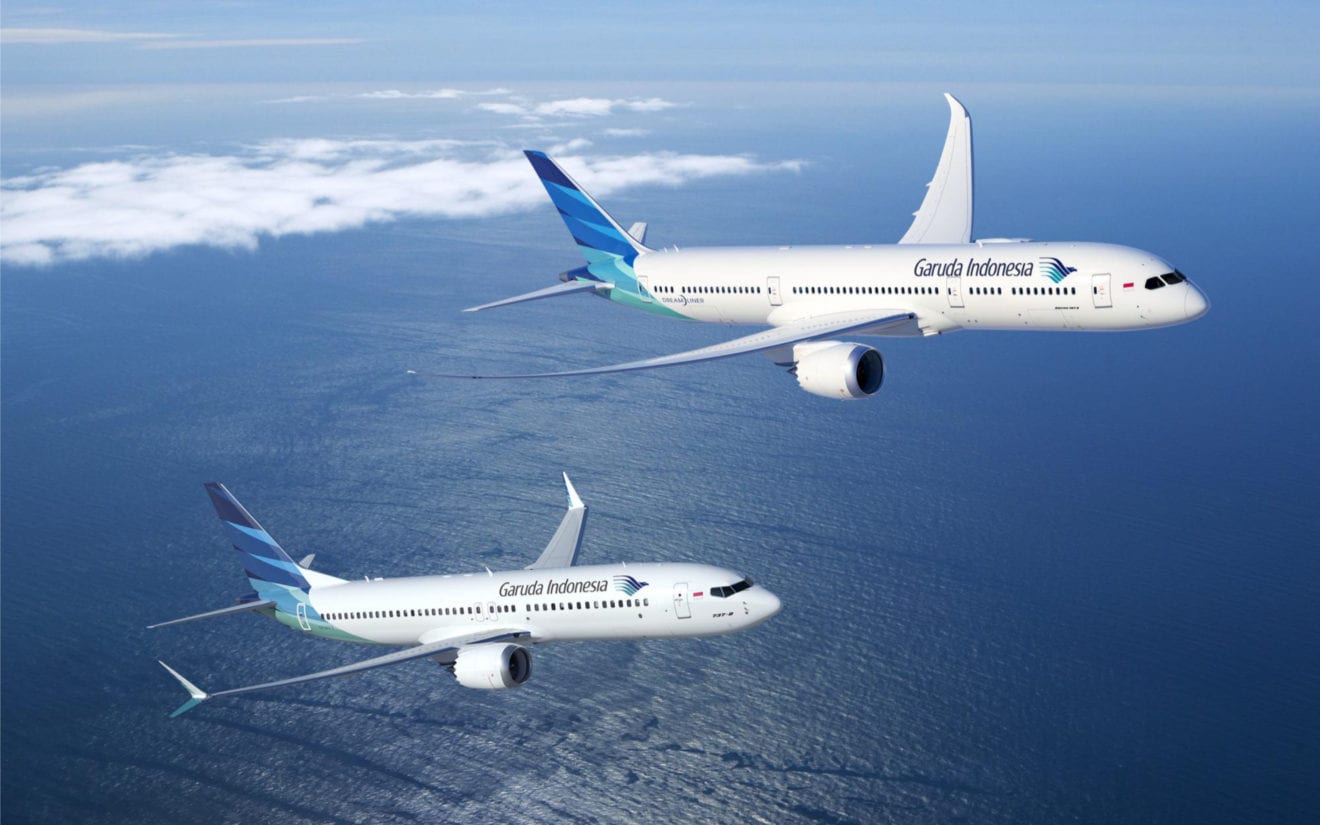
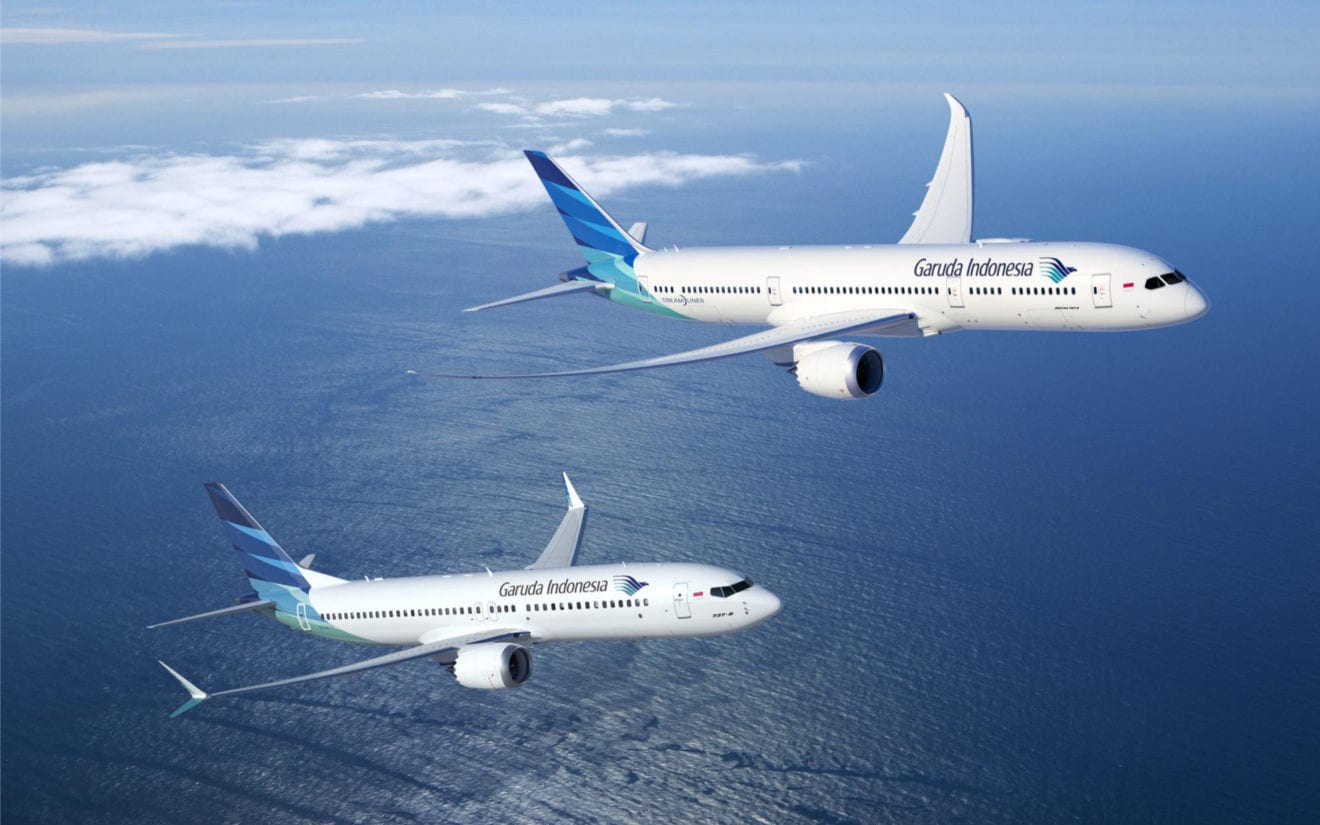
    Earlier Monday, Boeing announced a tentative order by Garuda Indonesia for up to 60 jets.

    Asian carriers are expected to dominate global aircraft demand over the next two decades, with Boeing estimating that roughly two out of every five new planes will head to Asia.