Tag: Gentle Monster

  • Gentle Monster Owner Takes Blue Elephant to Court in 12 Billion Won Copycat Case

    Gentle Monster Owner Takes Blue Elephant to Court in 12 Billion Won Copycat Case

    South Korean prosecutors have indicted Blue Elephant founder Choi Jin-woo for selling 12.3 billion won ($9 million) worth of eyewear allegedly copied directly from Gentle Monster parent IICOMBINED.

    The criminal case in Daejeon District Court is the first in South Korea to test whether unpatented fashion designs receive criminal protection against direct three-dimensional replication.

    Prosecutors allege Blue Elephant sent photographs of Gentle Monster frames bearing its own logo directly to overseas contract manufacturers between 2023 and mid-2025. The company produced and sold approximately 321,000 units across 51 separate models during that window. Forensic 3D scanning commissioned by IICOMBINED showed 29 models matched at least 95 per cent of Gentle Monster contour lines, with 18 exceeding 99 per cent congruence. The comparison matched Gentle Monster’s 2021 JEFF frame to Blue Elephant’s 2023 ZENTA model at 99.9441 per cent.

    Discounter growth collides with premium margins

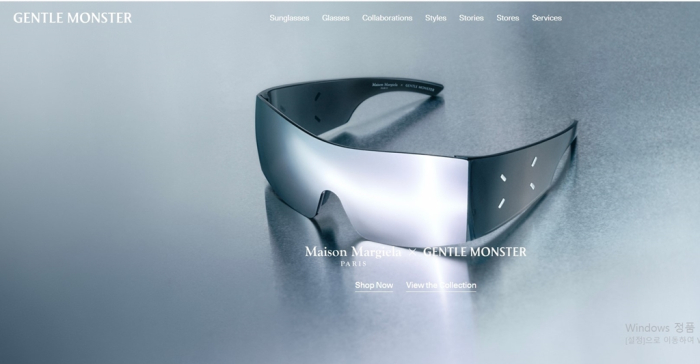
    The dispute exposes the commercial fault line running through the South Korean optical sector, which expanded 74 per cent between 2022 and 2025 to reach 4.7 trillion won. Gentle Monster built its brand equity on gallery-format flagship stores, celebrity campaigns featuring Tilda Swinton and Stray Kids’ Felix, and luxury partnerships with Maison Margiela and Prada. Its acetate frames retail between 200,000 and 300,000 won.

    Blue Elephant replicated the gallery retail concept in Seoul’s Seongsu-dong shopping district while pricing lookalike acetate frames between 50,000 and 70,000 won. That aggressive pricing lifted Blue Elephant’s revenue 69 per cent last year to 50.7 billion won. Operating profit collapsed 74 per cent to 3.3 billion won as retail overhead climbed.

    IICOMBINED experienced its first revenue contraction in years over the same period, with total sales slipping 2.1 per cent to 772.3 billion won. Overseas business cushioned the domestic slowdown, rising to 332.9 billion won and accounting for more than 40 per cent of top-line revenue.

    Private equity backing against legal exposure

    Despite criminal charges and an active civil damages lawsuit, private capital continues to fund Blue Elephant’s retail footprint. Singapore-based private equity firm Affirma Capital acquired a 25.8 per cent stake in Blue Elephant in August for 100 billion won, a deal that valued the discount eyewear startup at 400 billion won.

    That valuation demonstrates institutional confidence in fast-fashion optical margins, yet it shifts substantial compliance risk onto incoming investors. If courts rule that wholesale imitation of unpatented consumer products constitutes criminal intellectual property theft, low-cost fast-follower brands across Asian retail will face injunctions and sudden inventory write-offs.

    For retail landlords across Asia-Pacific prime high streets, the case determines whether experiential eyewear stores are sustainable standalone formats or short-lived arbitrage plays on designer intellectual property. Flagship rents in Seongsu and Tokyo depend heavily on foot traffic generated by concept showrooms.

    Tech partnerships separate brand tiers

    Gentle Monster has responded to lower-tier copycats by pushing upmarket into connected hardware and global retail real estate. The company operates 86 stores globally, with roughly 50 located outside South Korea, and plans to reach 200 outlets within five years.

    Capital markets have valued the higher-tier positioning accordingly. Alphabet paid roughly 145 billion won for a 4 per cent stake in IICOMBINED last year, valuing the Gentle Monster operator at 3.7 trillion won. That partnership yielded prototype smart glasses developed with Samsung Electronics and unveiled at industry events in London and Mountain View.

    Choi resigned as chief executive of Blue Elephant in February following the initial criminal complaint and secured bail in July after his March indictment. Daejeon District Court will resume witness examination hearings in December and January.


  • Asian Brands Drive Tokyo Retail Vacancy to Zero as Ginza Rents Hit 298,000 Yen

    Asian Brands Drive Tokyo Retail Vacancy to Zero as Ginza Rents Hit 298,000 Yen

    Asian consumer brands pushed street-level retail vacancies to zero across three of Tokyo’s four premier shopping districts during the second quarter, driving contract rents to record highs.

    Roadside retail vacancy in Shinjuku dropped to 0%, matching Ginza and Shibuya, while Omotesando-Harajuku fell to 0.1%, according to quarterly market data from CBRE.

    Regional fashion, fragrance and lifestyle labels are competing directly with established European and American luxury houses for ground-floor space. In Ginza, average monthly contract rents reached 298,000 yen ($1,881) per 3.3 square metres in the April-June quarter, a 0.7% increase from the previous year. Rents in Omotesando-Harajuku rose 1.6% to 256,000 yen per unit, while Shibuya climbed 2.7% to 187,000 yen. Shinjuku posted a 2% gain, also reaching 187,000 yen.

    Surging Demand Outbids Asking Prices

    Leasing agents report that intense competition is forcing tenants to pay above initial landlord rates to secure prime foot traffic. Bidding wars between incoming international retailers and domestic operators have pushed final transaction values past listed rates across core commercial arteries.

    Asian brands made up 17.5% of all companies planning to open roadside stores in major Japanese cities within twelve months as of June, nearly doubling from 9.3% in June 2025. This influx has depleted available high-street supply, leaving landlords with waiting lists for prime corners.

    Retailers treat Tokyo flagships as international marketing platforms rather than simple revenue outposts. Brands from South Korea and Southeast Asia use high-visibility stores in Harajuku and Aoyama to build credibility with both domestic Japanese shoppers and overseas tourists before expanding into broader Asian and Western markets.

    New Flagships Anchor Core Corridors

    South Korean apparel label Matin Kim, operated by e-commerce company Hagohaus, opened a standalone store in Harajuku in April after testing customer demand through temporary pop-up locations. Securing the space took twelve months of negotiations amid minimal market turnover.

    Thai luxury fragrance maker Panpuri, operating under Japanese cosmetics group Kose Holdings, opened an Aoyama flagship in August. The location offers bespoke fragrance blending on the ground floor and is scheduled to add a second-floor wellness spa later this month. Panpuri runs 31 stores across Thailand and selected Tokyo as its primary vehicle for international exposure.

    South Korean eyewear brand Gentle Monster has also broadened its footprint in the capital. The company added a street-level store in Ginza in August last year, following its initial Japanese opening in Aoyama in 2024.

    Shift in Tenant Mix and Landlord Power

    For commercial landlords, the aggressive arrival of Asian lifestyle names diversifies retail corridors long dominated by Western fashion conglomerates. Property owners in Omotesando and Ginza now have alternative tenant pools capable of absorbing record per-tsubo rental rates on multi-year commitments.

    The shift carries operational risks for incoming brands unfamiliar with Japan’s steep operating costs. High renovation expenses, rising staffing outlays and climbing rent hurdles require sustained sales volume once initial opening hype fades. Independent labels relying solely on tourist traffic remain vulnerable to foreign exchange fluctuations.

    Rival retail operators in Seoul and Singapore face increased pressure as Tokyo reasserts its role as the preferred testing ground for regional flagship concepts. Brands that previously targeted Hong Kong or Singapore for their primary cross-border show now allocate capital expenditure to Tokyo’s central wards to reach a denser mix of affluent Asian travelers.

    Expanding Store Pipelines

    Demand began accelerating late last year as inbound travel volumes rebounded and pedestrian traffic returned to pre-2020 levels across Tokyo’s transport hubs. Early retail entrants absorbed secondary side-street units throughout late 2025 before escalating their bids for main-street roadside frontage in early 2026.

    Brokers expect supply constraints to persist through the final quarters of the year. With virtually no new street-level retail development underway along Omotesando-dori or Ginza’s Chuo-dori, prospective tenants must wait for lease expiries or buyout opportunities.

    Leasing negotiations now turn toward early 2027 handover dates, with several regional fashion groups actively seeking ground-floor locations across Shibuya and Harajuku before year-end property allocations close.

  • Asia Shifts from Adopting Retail Formats to Exporting Global Innovation

    Asia Shifts from Adopting Retail Formats to Exporting Global Innovation

    Asian retail operators have shifted from adapting Western store models to exporting original store formats, testing methods, and experiential concepts to international retail markets in September 2026.

    The transformation spans a region home to more than half of the world’s population, where intense domestic competition forces retailers to treat physical spaces as media platforms rather than pure transactional outlets.

    Compressed Cycles and Cultural Platforms

    Retail concepts originating in East Asia have redefined how physical stores interact with consumer culture. Japanese operators such as Uniqlo and Muji established operational models focused on product simplicity, while lifestyle brands including Beams and niko and … developed blended formats combining apparel, dining, print media, and gallery spaces.

    Chinese operators have pushed product experimentation into compressed timeframes. Collectibles retailer Pop Mart built an international retail footprint by combining proprietary intellectual property, gamified blind-box purchases, and scarcity mechanics. Cosmetics retailer Harmay reorganized beauty merchandising around warehouse-style discovery layouts, replacing traditional cosmetic counters with unguided foot traffic flows.

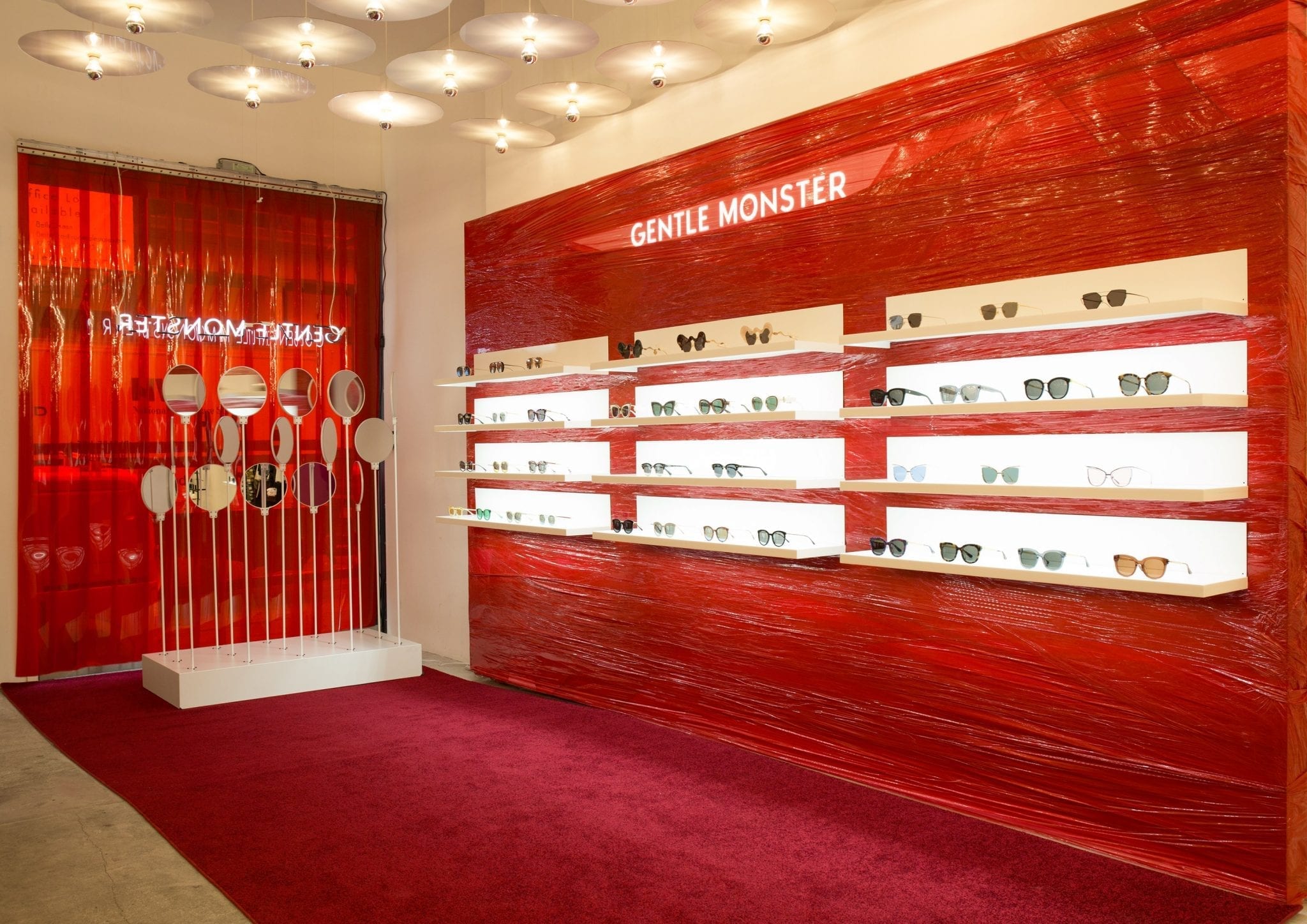
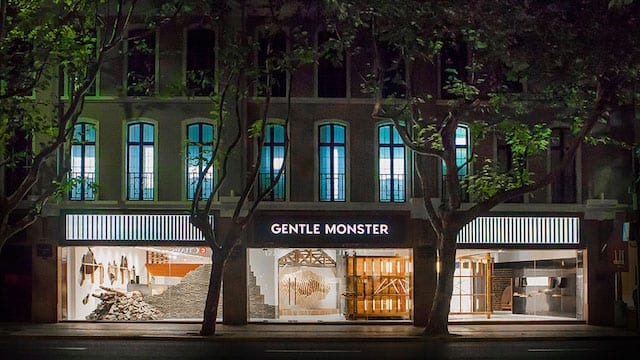
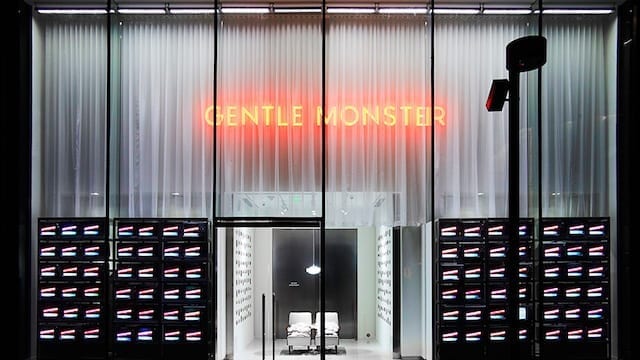
    South Korean retailers have centered physical retail on narrative spaces. Eyewear brand Gentle Monster builds flagship locations around large-scale kinetic art installations and architectural exhibits, treating optical frames as entry points to brand environments rather than primary display fixtures.

    Physical Real Estate as Entertainment Hubs

    In Southeast Asia, commercial developers are altering shopping center layouts to capture consumer footfall through leisure rather than tenant distribution. Bangkok properties including IconSiam, Siam Paragon, and One Bangkok allocate large square footage to indoor cultural floating markets, exhibitions, and public gathering areas.

    These developments operate on the principle that dwell time drives secondary spending. Landlords who prioritize transactional floor space over communal programming face higher tenant turnover as standard retail purchases migrate online.

    For global brand managers, the rise of Asian retail formats creates pressure to shorten product development cycles. International brands entering China, India, and Vietnam must build supply chains capable of responding to immediate consumer feedback rather than operating on seasonal six-month planning horizons.

    Operating Across Fragmented Retail Markets

    The operational discipline behind these models developed out of regional market complexity. In India, retail groups manage supply chains across multiple languages, varied regional income bands, and fragmented state-level tax structures, making standardized Western formats difficult to sustain without deep localization.

    Vietnam is replicating similar dynamics as rapid urban development and a high proportion of mobile-first shoppers accelerate the turnover of food, beverage, and lifestyle concepts in Ho Chi Minh City and Hanoi.

    Global retail operators are now monitoring flagship performance metrics and tenant lease structures at new mixed-use developments like Bangkok’s One Bangkok to measure returns on high-footprint experiential spaces.

  • Gentle Monster Parent Iicombined Appoints Renaud Divisia as Europe GM

    Gentle Monster Parent Iicombined Appoints Renaud Divisia as Europe GM

    In September 2026, Seoul-based Gentle Monster parent Iicombined appointed Renaud Divisia as general manager of Europe to lead its regional expansion.

    Divisia previously served as general manager of Puig Korea and international director of Byredo, following several years at LVMH’s Dior Parfums in leadership roles across Europe and the Middle East.

    In his new role, Divisia oversees organisation, retail expansion, and commercial strategy across Europe, where the South Korean group first launched in 2018.

    Expanding Beyond the London Beachhead

    Iicombined entered Europe in 2018 with a Gentle Monster store in London’s West End. Standalone locations in Paris and Milan followed. Those openings tested European appetite for the brand’s gallery-style retail spaces in competitive fashion capitals.

    Europe demands a different commercial model than Asia. In Asian markets, Gentle Monster built scale through experiential flagships that rotate art installations every few months. European high streets present steeper prime rents in cities like Paris and Milan. These locations require tighter retail economics and established wholesale accounts alongside mono-brand real estate.

    Bringing in a leader with roots in European luxury fragrance and cosmetics gives Iicombined a structure capable of handling multi-brand rollouts. The company cannot rely solely on the eyewear playbook that drove its early international visibility.

    Managing a Multi-Brand Portfolio

    Founded in 2011, Iicombined has expanded well beyond eyewear into a broader lifestyle business. Its wider portfolio includes fragrance and skincare brand Tamburins, bakery cafe concept Nudake, headwear label Atiissu and kitchenware brand Nuflaat.

    Tamburins gives the group a second growth vehicle with direct appeal to European department stores and specialty beauty retailers. Fragrance brands scale faster than luxury eyewear. Replenishment cycles are shorter, and distribution networks through multi-brand retail are already built.

    Operational risks remain across fragmented European real estate markets. Opening high-cost flagships in London or Paris requires major capital. Western European luxury consumers also demand sustained brand heritage rather than rapid trend turnover.

    Capital Backing and the Next Phase

    Private equity firm ZWC Partners invested in Iicombined earlier this year to finance global expansion. That capital targets growth across Asia alongside deeper penetration into Europe and North America.

    Divisia must now decide how to expand the wider portfolio. His immediate challenge is whether to introduce Tamburins and Nudake into existing flagships or secure dedicated real estate across prime retail streets in France, Italy and the United Kingdom.

  • South Korea Fashion Market Targets $25.15 Billion by 2029 as Domestic Labels Scale

    South Korea Fashion Market Targets $25.15 Billion by 2029 as Domestic Labels Scale

    South Korea’s fashion market is projected to reach US$25.15 billion by 2029, driven by an expanding roster of independent designer labels scaling across wholesale and retail channels.

    The figure reflects more than two decades of steady commercial development since Seoul Fashion Week debuted in 2000.

    Exporting Seoul’s Contemporary Aesthetic

    Seoul-based labels are capturing market share by combining technical fabrics with clean, structured tailoring. Amomento, founded in 2016 by designer Lee Mee-Kung, operates standalone stores in Seoul and sources textiles from South Korea and Japan. Open YY, launched by sisters Jiyoung and Boyoung Kim after rebranding from TheOpen Product, has secured global stockists through international luxury e-commerce platforms.

    Footwear and accessories have carved out dedicated niches. Heejin Kang established handbag label Osoi to target contemporary shoppers across Seoul. In jewellery, Numbering produces sterling silver and 14k gold-plated pieces. Eyewear specialist Gentle Monster built international presence through art-installation concept stores and high-profile product collaborations with Maison Margiela and Blackpink’s Jennie.

    Global Trajectories and Wholesale Reach

    Several Korean designers have anchored operations directly in major European fashion capitals. Rok Hwang, an alumnus of Celine, Louis Vuitton, and Chloe, established his label Rokh in Paris after training in London. Hyein Seo launched her utilitarian label in 2014 following graduation from the Antwerp Royal Academy of Fine Arts, staging runway presentations in London and New York.

    Veteran designers maintain long-running commercial runs at home. Former K-pop artist Seung Gun Park founded Pushbutton in 2003, making it one of Seoul’s most established independent brands. Other labels, including Lee Myoung Shin’s Low Classic, Hyunwoo Kim and Myungjun Shin’s Kijun, and outerwear specialist Dunst, continue to build volume through department store channels and multi-brand boutiques.

    For department stores and specialty stockists across Asia-Pacific, Korean contemporary labels offer mid-tier luxury price points with high cultural resonance among younger consumers. This commercial momentum increasingly challenges established Japanese and Chinese designers for shelf space across regional retail hubs.

    Buyers now track the upcoming seasonal order books, where South Korean labels must prove they can convert international runway visibility into steady wholesale reorders.

  • ZWC Partners Fuels Global Expansion of Korean Lifestyle Group Iicombined and Flagship Brand Gentle Monster

    ZWC Partners Fuels Global Expansion of Korean Lifestyle Group Iicombined and Flagship Brand Gentle Monster

    Asian private equity firm, ZWC Partners, has recently made an investment in the South Korea-based company, Iicombined, the force behind the renowned eyewear brand, Gentle Monster. This move is part of the firm’s plan to expedite its global expansion across the fashion, beauty, and experiential retail sectors.

    Investment to Bolster International Growth

    Established in 2011 and based in Seoul, Iicombined has evolved from being a single eyewear brand to a multi-brand lifestyle conglomerate. Its diverse portfolio includes the fragrance and beauty brand Tamburins, the experiential cafe concept Nudake, the headwear label Atiissu, and the tableware brand Nuflaat. These are in addition to its flagship business, Gentle Monster.

    The investment is intended to facilitate the group’s ongoing global growth, especially across Asia, encompassing regions such as China and Southeast Asia. Moreover, it aims to further the expansion into European and North American markets.

    ZWC Partners has expressed strong confidence in Iicombined’s capability to expand globally whilst preserving its design-first identity. According to Michael Yao, a partner at ZWC Partners, the firm believes that Iicombined is favorably positioned for rapid expansion, primarily in thriving consumer sectors like eyewear and fragrances, across China and Southeast Asia. This perspective aligns well with ZWC Partners’ long-standing emphasis on consumer and technology sectors.

    Driving Forward a Global Fashion Powerhouse

    Yao further stated that with the support of their offices and resources in Europe, Japan, and other key Asian markets, they are excited to aid Iicombined’s expansion across the Asia-Pacific region and further afield. Their assistance will include providing prime retail locations and brand elevation support as the group continues its journey towards becoming a global fashion powerhouse.

    The deal enhances ZWC Partners’ consumer portfolio, which already encompasses investments in global sports group Amer Sports, which owns brands such as Arc’teryx and Salomon, and the Italian luxury linen brand Frette. It also includes logistics, technology, and cross-border commerce companies such as J&T Express, GoTo, and Vevor. The financial specifics of the deal have not been disclosed.

    Questions & Answers

    **What is Iicombined’s flagship business?**

    Iicombined’s flagship business is the eyewear brand Gentle Monster.

    **How is ZWC Partners assisting Iicombined’s expansion?**

    ZWC Partners is aiding Iicombined’s expansion by providing prime retail locations, brand elevation support, and leveraging their offices and resources in key markets.

    **What are some other brands in ZWC Partners’ consumer portfolio?**

    ZWC Partners’ consumer portfolio includes global sports group Amer Sports, Italian luxury linen brand Frette, and logistics and technology companies like J&T Express, GoTo, and Vevor.

  • Gentle Monster, Backed by Google and LVMH, Fights Copycat Designs with Legal Firepower: Blue Elephant under Scrutiny

    Gentle Monster, Backed by Google and LVMH, Fights Copycat Designs with Legal Firepower: Blue Elephant under Scrutiny

    Gentle Monster, an eyewear brand under the ownership of Iicombined, has initiated legal proceedings against a fellow Korean eyewear company, Blue Elephant. The controversy revolves around accusations that Blue Elephant has been replicating Gentle Monster’s product designs and conceptual designs used in physical retail spaces.

    Alleged Copying of Product Designs

    Iicombined has confirmed that Gentle Monster, a brand that has garnered financial support from investment firms connected to Google and LVMH, does not maintain any business or production affiliations with other eyewear corporations. During an internal probe, it was discovered that Blue Elephant had a minimum of 30 eyewear items bearing a significant likeness to those of Gentle Monster.

    It has been noted that Blue Elephant’s products, similar in design, are retailed at a fraction of the price of those produced by Gentle Monster.

    Legal Responses and Actions

    In response to the alleged infringements, a design invalidation trial was lodged with the Korean Intellectual Property Trial and Appeal Board in March 2025. The board’s decision on the matter is still awaited.

    Iicombined is taking a two-pronged legal approach in its pursuit of justice. In December 2024, a criminal complaint was registered against Blue Elephant with investigative authorities. This was followed by a lawsuit in October 2025, in which Iicombined sought an injunction and damages under the Unfair Competition Prevention Act.

    Questions & Answers

    What are the allegations against Blue Elephant?
    Blue Elephant is accused of replicating Gentle Monster’s product designs and physical retail space concepts.

    What legal actions has Iicombined undertaken?
    Iicombined has initiated both civil and criminal legal proceedings against Blue Elephant, including filing a design invalidation trial and a criminal complaint. In addition, they have sought an injunction and damages under the Unfair Competition Prevention Act.

    What was the outcome of the internal investigation conducted by Iicombined?
    The internal investigation by Iicombined revealed that Blue Elephant had at least 30 eyewear items that bore a significant resemblance to Gentle Monster’s designs.

  • Haus Nowhere Makes Thailand Debut: Tamburins and Gentle Monster Unveil Largest Flagships in Bangkok

    Haus Nowhere Makes Thailand Debut: Tamburins and Gentle Monster Unveil Largest Flagships in Bangkok

    The South Korean lifestyle conglomerate, Iicombined, continues to broaden its retail footprint with the launch of its multi-brand platform, Haus Nowhere, in Bangkok, Thailand.

    Situated on IconSiam’s M floor, the venue hosts two significant brand flagships: the premiere Tamburins outlet in Southeast Asia and the most extensive Gentle Monster store in Thailand.

    Haus Nowhere’s inauguration in Bangkok forms part of Iicombined’s vision for ‘Future Retail’ across leading international cities. Bangkok, now home to the fifth Haus Nowhere location, follows in the footsteps of Seoul, Shanghai, Shenzhen, and Dosan.

    Introducing Tamburins and Gentle Monster

    Tamburins, a Seoul-based fragrance and beauty brand established in 2017, makes its maiden voyage into Southeast Asia. The brand brings a comprehensive product range and exclusive in-store items to its Bangkok store. Shoppers will find a Blue Hinoki edition of Tamburins’ signature Egg Perfume and a 2ml fragrance accompanied by a unique Puppy Case.

    Gentle Monster, a prominent eyewear brand, unveils its third and largest store in Bangkok. Prior to this, the brand had established outlets at EmQuartier and Siam Paragon, solidifying Thailand as one of its most robust Southeast Asian markets.

    Signature Design and Unique Installations

    The flagship outlet showcases the brand’s characteristic combination of product and installation design. This positions Bangkok as an influential market for the label, attracting both local consumers and tourists from across the region.

    An added attraction at the venue is the ‘Sunshine Giant Dog’ installation, making its debut outside of Seoul for the first time.

    Questions & Answers

    What is the concept behind Haus Nowhere?
    Haus Nowhere is a multi-brand concept by South Korean lifestyle group Iicombined. It aims to introduce various brands into global markets under a single platform.

    What are the exclusive items available at the new Tamburins store in Bangkok?
    The Tamburins store in Bangkok will offer exclusive items such as a Blue Hinoki edition of its Egg Perfume and a 2ml fragrance featuring a Puppy Case.

    How does the new Gentle Monster store in Bangkok compare to its other outlets?
    The new Gentle Monster store in Bangkok is the brand’s third and largest outlet in the country, marking Thailand as a significant market for the eyewear brand.

  • Iicombined Unveils Fourth Haus Nowhere In Seoul; A New Era Of Experiential Retail

    Iicombined Unveils Fourth Haus Nowhere In Seoul; A New Era Of Experiential Retail

    Iicombined, the parent company of Gentle Monster, continues to expand its unique, experiential retail approach with the opening of its fourth Haus Nowhere location in Seoul. This recent addition to their portfolio further solidifies the company’s commitment to blending retail and immersive experiences.

    Experiential Retail in Seoul

    The new Haus Nowhere flagship in Seoul spreads over four floors, providing a unique and conceptual retail environment. The location houses various brands, such as Tamburins, Nudake, Atiissu, and the freshly launched tableware brand, Nuflaat.

    In addition to these brands, the new location also serves as the headquarters for Iicombined. The launch of this new Haus Nowhere in Seoul coincides with the unveiling of Gentle Monster’s 2025 Bold Collection. This new collection is highlighted through pop-ups in Seoul, Beijing, and Tokyo, with each display featuring sculptural installations that echo the architectural aesthetic of Haus Nowhere.

    New Concepts and Installations

    The Seoul location introduces new concepts that contribute to the immersive retail experience. Nudake’s Tea House offers aromatic teas complemented with desserts, and Tamburins unveils its latest fragrance, Sunshine, showcased with an AI-powered photo booth. Atiissu reveals the Tracker Collection that combines fashionable headwear with knitwear, while Nuflaat debuts its inaugural line of fashion-inspired tableware under the theme “Dress Your Table.”

    Another highlight of the space is the ‘More is More’ installation by Max Siedentopf. This display features a realistic animatronic figure surrounded by black plastic bags with a single gold bag, an exhibit also planned to appear at Haus Nowhere locations in Dosan, Shanghai, and Shenzhen.

    A New Approach to Retail

    Iicombined views Haus Nowhere not just as a retail space, but as a platform for its experimental approach to the industry. Rather than focusing mainly on traditional sales, the company emphasizes the importance of emotion, narrative and spatial design in creating a unique and immersive shopping experience.

    Questions & Answers

    What is the 2025 Bold Collection by Gentle Monster?
    The 2025 Bold Collection is a new line from Gentle Monster unveiled at the Seoul Haus Nowhere location. This collection is featured in pop-ups across Seoul, Beijing, and Tokyo through unique sculptural installations.

    What is the concept behind ‘More is More’ installation?
    The ‘More is More’ installation, created by Max Siedentopf, features a lifelike animatronic figure surrounded by an array of black plastic bags with a lone gold bag. This installation is set to appear at other Haus Nowhere locations.

    What is the approach of Iicombined towards retail?
    Iicombined seeks to revolutionize the retail industry by focusing on immersive experiences. It aims to emphasize emotion, narrative, and spatial design over traditional sales models, creating a unique shopping experience for consumers.

  • South Korean Eyewear Innovator, Gentle Monster, To Launch Flagship Store In Canada

    South Korean Eyewear Innovator, Gentle Monster, To Launch Flagship Store In Canada

    South Korean eyewear brand, Gentle Monster, is poised to make its debut in Canada with a flagship store set to open later this year at the Yorkdale Shopping Centre in Toronto. The store, which will span over 5,300 square feet, is located in the luxury wing of the mall, keeping company with other high-end brands such as Louis Vuitton, Thom Browne, and Acne Studios. The brand, known for its bold, trendsetting eyewear and unconventional store designs, is expected to bring a unique shopping experience to the Canadian retail landscape.

    A Unique Retail Experience

    Founded in Seoul in 2011 by Hankook Kim, Gentle Monster treats each of its stores as a standalone creative installation. Every location showcases a distinctive theme, emphasizing the brand’s commitment to providing not just a shopping venue, but a complete immersive experience for its customers. The upcoming Canadian flagship is anticipated to follow this creative trend, offering an art gallery-style environment that marries fashion, design, and immersive experiences.

    Product Offering

    Gentle Monster’s eyewear is typically priced between US$200 to $500. The brand launches over 20 new styles annually, maintaining a catalogue of more than 50 silhouettes. This steady stream of new products, along with the brand’s distinctive designs, helps to ensure Gentle Monster stays at the forefront of the fashion industry.

    Global Presence

    Gentle Monster currently runs 78 flagship stores across 13 countries, and its products can be found in over 200 partner retail locations worldwide. The brand’s expansion into Canada demonstrates its continuing ambition to increase its global reach.

    Questions & Answers

    What is Gentle Monster known for?

    Gentle Monster is recognized for its innovative, fashion-forward eyewear and unique store designs. Each store is treated as a unique creative installation, offering an immersive shopping experience for its customers.

    Where is Gentle Monster’s Canadian flagship store located?

    Gentle Monster’s Canadian flagship store will be located at the Yorkdale Shopping Centre in Toronto.

    What is the price range for Gentle Monster’s eyewear?

    Gentle Monster’s eyewear is typically priced between US$200 and $500. The brand launches over 20 new styles annually, maintaining a catalogue of more than 50 silhouettes.

  • Google Teams Up with Gentle Monster to Unveil Innovative AI-Powered Smart Glasses

    Google Teams Up with Gentle Monster to Unveil Innovative AI-Powered Smart Glasses

    As Asia’s retail landscape continues to evolve, brands are increasingly turning to innovative strategies to capture consumer attention and drive sales. The latest trend highlights international pop-up stores, merging the excitement of limited-time offerings with immersive brand experiences. These transient spaces have been gaining traction across major Asian cities, allowing retailers to experiment with their concepts while maintaining a sense of urgency and exclusivity that consumers find irresistible.

    Pop-Ups Redefining Retail

    The rise of pop-up stores has given retailers a fresh avenue to interact with their target audiences in vibrant and engaging environments. For instance, in bustling urban centers like Tokyo and Shanghai, brands are setting up shop, often accompanied by high-profile collaborations with local artists, chefs, or influencers. This approach not only enhances the customer experience but also generates buzz on social media, drawing in crowds eager to connect with the brands they love.

    Mastering the Art of Engagement

    What makes a successful pop-up? According to experts, it’s all about creating memorable moments. From interactive installations to exclusive product launches, retailers are increasingly focusing on engaging consumers beyond mere transactions. Take, for example, a cosmetics brand that offers personalized consultations alongside complimentary experiences like high-tech skin assessments. These enticing interactions transform passive shoppers into enthusiastic brand advocates, reinforcing the idea that retail is about more than just buying goods—it’s about building relationships.

    The Asian Market’s Unique Pulse

    Asia’s diverse cultural landscape affords a unique opportunity for brands to tailor their pop-up strategies to local preferences. In South Korea, for instance, where trends can shift at the speed of light, brands are quick to adapt, often launching limited-edition items that speak directly to consumer desires. Meanwhile, in Southeast Asia, where street culture thrives, pop-ups are often set against the lively backdrop of local festivals or markets, integrating seamlessly into the community fabric. It’s a bit like a retail tango—where rhythm and location are key to keeping consumers coming back for more.

    A New Era of Sustainability

    Sustainability is another pivotal aspect shaping pop-up strategies in Asia. As consumers become more environmentally conscious, retailers have begun to craft pop-ups that emphasize eco-friendly practices. This includes using reclaimed materials for storefront construction or offering zero-waste products, which not only attract eco-aware shoppers but also reflect a brand’s commitment to social responsibility. In a market where customers increasingly demand transparency, this approach helps forge deeper connections, positioning brands as allies in the sustainability journey.

    Looking Ahead

    As we look to the future, the pop-up phenomenon is set to continually reshape Asia’s retail environment. What started as a temporary solution has morphed into a dynamic strategy essential for brands aiming to stay current and relevant. In a world where consumer loyalty is fragile and attention spans are short, retailers that embrace the thrill of temporary experiences are likely to secure a special place in the hearts—and shopping lists—of savvy Asian consumers.

    Questions & Answers

    What are the key benefits of pop-up shops for retailers?
    Pop-up shops allow retailers to engage consumers in new and exciting ways, create urgency with limited-time experiences, and experiment with different concepts without the long-term commitment of a permanent store.

    How do pop-ups differ across various Asian markets?
    Pop-ups are tailored to reflect local culture and preferences; for example, in South Korea, they often feature limited-edition items due to rapidly changing trends, while in Southeast Asia, they may integrate with local festivities, enhancing community engagement.

    What role does sustainability play in the pop-up trend?
    With a growing emphasis on environmental consciousness, many retailers are using pop-ups to showcase eco-friendly practices, from incorporating sustainable materials in their setups to offering zero-waste products, appealing to a more eco-aware consumer base.

  • Gentle Monster unveils its third Haus Nowhere flagship

    Gentle Monster unveils its third Haus Nowhere flagship

    South Korean fashion and lifestyle company Gentle Monster has opened its third Haus Nowhere store – in Shenzhen, China.

    The retail space spans 6914sqm across three floors and features kiosks from its eyewear brand Gentle Monster and perfume line Tamburins, along with other curated shops and brands.

    Inspired by the theme of “Insect Kingdom”, a fictional tale of the 10,000-year relationship between colossal humans, beasts, and insectoids, the store aims to evoke “unique emotions” as visitors are invited to step into the narrative and become part of the story.

    The Gentle Monster section is designed with an abstractly shaped concrete mantis head, with insect-inspired objects that give off an otherworldly atmosphere.

    Meanwhile, Tamburins’ section features silkworm installations and kinetic art pieces.

    “Haus Nowhere Shenzhen is more than just a shopping destination,” said the company. “It is a vast universe with its own narrative.”

    The Haus Nowhere Shenzhen marks the third chapter of the project, following the successful launches in Seoul and Shanghai.

  • Gentle Monster opens its first Australian store

    Gentle Monster opens its first Australian store

    South Korean luxury eyewear brand Gentle Monster has entered the Australian domestic market with its first store opened inside David Jones’ Elizabeth Street, Sydney site.

    Gentle Monster David Jones features the brand’s signature kinetic art installation ‘Giant Head’, allowing visitors to “experience mysterious emotions through its indecipherable facial expressions which seem to penetrate the essence of the viewer”. Overseeing all Gentle Monster’s operations in Australia, Bluebell Group plans to open a flagship store next July.

    “This first opening in Sydney’s domestic market is a significant milestone for both the brand and Bluebell,” said Nelly Ngadiman, MD of Bluebell Southeast Asia & Australia. “It is a recognition of a close, successful partnership.

    “The brand’s uniqueness and disruptive nature in the fashion eyewear category enhances our teams’ commitment to retail excellence even further.”

    The launch is in partnership with retail brand operator Bluebell Group, following last year’s opening of Gentle Monster’s first travel retail airside space in the Southern Hemisphere at Sydney airport.

    Gentle Monster has recently expanded in Asia Pacific to further capitalize on the region’s growing luxury market. The eyewear brand opened its first store in the Philippines last month at Shangri-La The Fort in Bonifacio Global City, after entering Thailand with the first store opened in Bangkok’s EmQuartier earlier this year. The first Gentle Monster store in Malaysia is set to open at Kuala Lumpur’s luxury premise The Exchange TRX.

  • Gentle Monster’s cafe brand expands in South Korea

    Gentle Monster’s cafe brand expands in South Korea

    Luxury companies are becoming serious about the restaurant business here as a way to maintain their posh image and continue to attract attention from young, trend-savvy consumers, according to industry officials, Tuesday.

    Italian high-end luxury fashion house Gucci has opened Gucci Osteria restaurant in Itaewon, Seoul, where it serves dishes cooked by a Michelin three-star chef. A burger costs 27,000 won ($18.91) and a course menu ranges from 120,000 won to 170,000 won there. Despite its high prices, reservations for the restaurant were sold out four minutes after it opened.

    French luxury firm Louis Vuitton also opened a pop-up restaurant called Pierre Sang at Louis Vuitton for just one month in May and it was fully booked as soon as reservations opened up. Global K-pop band BTS member J-Hope’s visit to the restaurant also played a key role in making it into one of the hottest places in Seoul.

    With this momentum, in September, Louis Vuitton opened a second pop-up restaurant in the posh district of Cheongdam-dong, Seoul. Despite most of its prices being in the 300,000-won range, it was fully booked as soon as it opened and people are now selling their reserved times to make a profit.

    Swiss luxury watchmaker Breitling introduced a restaurant and a coffee shop together with its brand shop, which opened early this year. The company expressed its luxury brand image in its food and beverages and has grabbed the attention of watch fans.

    Korean popular eyewear brand Gentle Monster did not fall behind the trend, opening dessert cafe Nudake at its flagship store in Apgujeong, Seoul, where it has attracted dessert lovers from across the country.

    The COVID-19 pandemic has pushed luxury brands to promote its fashion items in digital space, which turned out to be successful among not only among those in their 20s and 30s, but also those in their 60s and 70s.

    Amid this major paradigm shift, luxury brands have begun investing to offer experiences of their brands in various ways. However, companies have also learned that there is a limit for customers to experience fully their brand identities and products online.

    Thus, top-tier firms have begun opening restaurants and coffee shops. It costs less for customers to experience the luxury brands through food and desserts, compared to purchasing a handbag or clothing at a boutique. Such visits to restaurants are temporary but customers can experience the brand with their five senses without spending tens of millions of won.

    In short, opening a restaurant and coffee shop can lower the entry barrier for customers to experience luxury brands. This strategy has been proven with young customers of Korea’s MZ generation, millennials and Generation Z, who are emerging as a main consumer group of luxury goods.

    Luxury brands are strengthening their food and beverage (F&B) business because they want to expand their brand experience into the lifestyle sector. Companies can show their brand value and identity through a new gourmet field.

    “Luxury brands running restaurants and coffee shops focus more on the brand experience than its profitability. Food and beverages leave a strong impression for consumers and they naturally lead to creating bonds with the brand. In another words, this is good marketing strategy to build customers’ loyalty to luxury brands,” a luxury firm official said.

    Unlike restaurants in five-star hotels, luxury brand stores offer various consumer experiences through architecture, interior design and the cutlery items used at their restaurants.

    “As an extension of going to fashion shows, experiencing luxury brand restaurant cuisine provides opportunities for customers to experience the lifestyles of the upper class by eating the same food in the same spaces with them,” the official said.

  • Gentle Monster to launch in Thailand

    Gentle Monster to launch in Thailand

    Set to open this August 25, the first flagship store in Thailand will occupy a 340 sqm space in Emquartier, marking another milestone for the luxury brand’s success. Drawing inspiration from its signature futuristic and avant-garde aesthetics, the store promises to echo the brand’s experimental approach to design.

    Gentle Monster’s fans can eagerly anticipate an array of exclusive offerings, including the Bold Collection with its galactic motifs and the collaborative collections with the French luxury house, Maison Margiela.

    To commemorate its store launch in Bangkok, the brand is set to release a ‘Bangkok Limited Edition’ collection this coming September.

    Originating from Seoul in 2011, Gentle Monster, founded by Hankook Kim, has consistently captivated audiences with its unconventional beauty and boundary-pushing designs.