Retail News CRM

Tag: germany

  • German automakers set for record output expect further growth in 2018

    German automakers set for record output expect further growth in 2018

    German automakers, on course for record production this year, expect further output growth in 2018 powered by strong demand in Asia, the VDA carmakers’ lobby said.

    Producers including Volkswagen, Daimler and BMW may increase output “significantly” this year from 2016 levels to between 5.6-5.7 million units in Germany and about 10.8 million in the rest of the world, VDA President Matthias Wissmann said.

    “The automotive sector is and will remain a growth market,” Wissmann told an industry conference on Tuesday, citing momentum in China and India.

    “Current projections indicate that 2018 will also be a stable year,” he said, without being more specific.

    Separately, Wissmann said he expects demand in Germany for electric cars to show “a further significant gain” over the next three years as German carmakers plan to more than triple their offerings of purely battery-powered vehicles and plug-in hybrids to nearly 100 models from about 30 at present.

  • Multi-million dollar deals inked between Vietnamese, German firms

    Multi-million dollar deals inked between Vietnamese, German firms

    Prime Minister Nguyen Xuan Phuc is hoping expert German support will help accelerate Vietnam’s automobile industry. Vietnamese and German businesses signed 28 agreements totaling 1.5 billion euros ($1.7 billion) on Thursday during Vietnamese Prime Minister Nguyen Xuan Phuc’s trip to the European powerhouse.

    Trade between the two countries reached $9 billion last year, making up 20 percent of the total turnover between Vietnam and the European Union.

    German investment in Vietnam recently hit $1.8 billion, PM Phuc told a business forum on the same day.

    Phuc went on to say that Vietnam has been taking great strides in improving its business environment and opening up its market, with 12 free-trade-agreements already signed with different countries and blocs.

    With the automobile industry developing fast in Vietnam, he asked German firms to invest in the country’s support industries to enable it to produce more parts domestically, as well as cooperate with Vietnam in the energy sector.

    Responding to Phuc’s suggestion, a representative of leading German auto firm BMW said the company was interested in exploring investment opportunities and building an auto components plant in Vietnam.

    AeroGround Flughafen München GmbH, which offers ground handling services, said it was willing to train airport staff in Vietnam, while BPCE International expressed an interest in cooperating with Vietnamese lenders to pilot a new banking model.

    PM welcomed the interest, and said the Vietnamese government will create favorable conditions for foreign investors to operate in the country.

    Brigitte Zypries, German minister for economics and energy, said Germany wants to raise bilateral trade to $15-20 billion by 2020, while taking advantage of the free trade agreement Vietnam and the EU are about to sign.

    During his trip to Germany, the PM will attend the G20 summit on Friday and Saturday.

  • Apple opens new stores in China, Germany

    Apple opens new stores in China, Germany

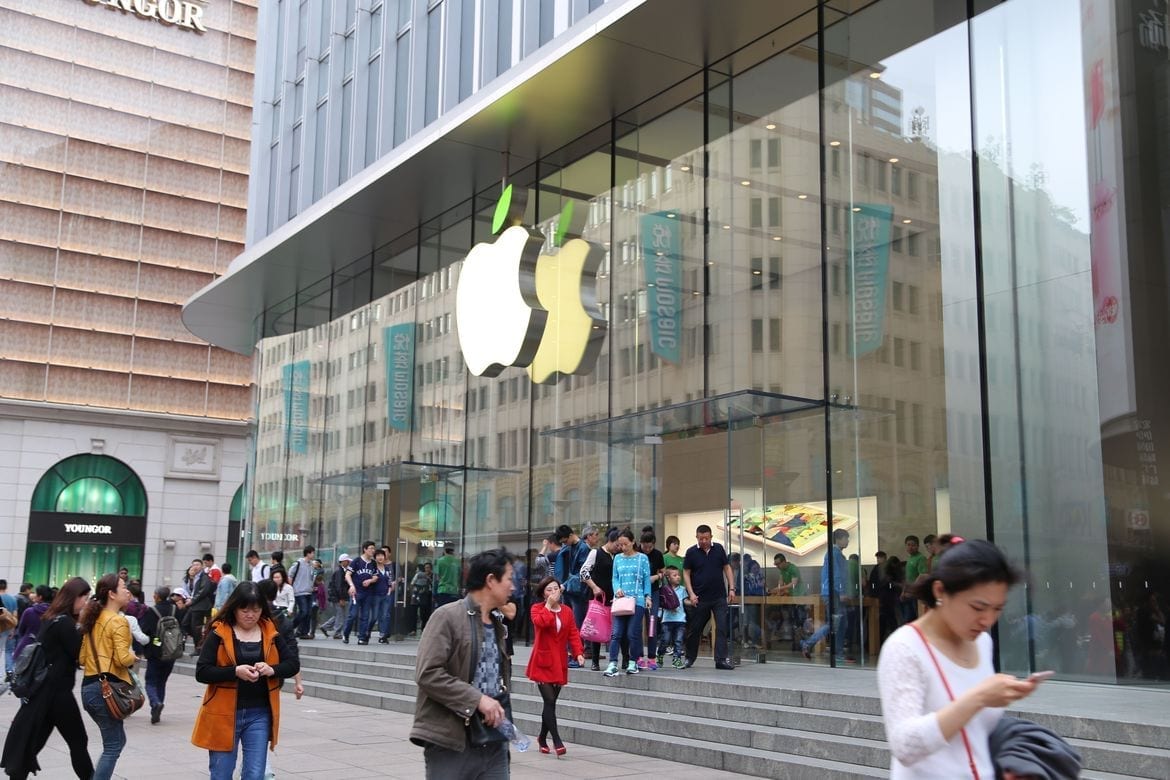
    While Apple’s retail team is currently remodelling all its stores, the company expanded its reach with three new stores in China, Germany and the US. More than 350 store employees at the new stores in Nanjing (China), Cologne (Germany) and Miami (US) welcomed thousands of customers at the grand openings. “Each store complements the local architecture, from the restored facade in Schildergasse to the 90-by-30-foot glass entryway of Apple Nanjing,” the company said in a statement on Saturday. For the first time in each city, customers can explore The Forum — a place where the local community can gather and learn.

    All the three stores also feature The Boardroom — a space for local entrepreneurs, developers and business customers to get hands-on advice and training. On March 12, Apple reopened its store in St. Johns Town Center in Florida — the 35th store company updated to its latest design in the US. Apple opened its first store on May 15, 2001, at the Tysons Corner Center mall, Virginia.


  • Indonesia to boost nutmeg exports to Germany

    Indonesia to boost nutmeg exports to Germany

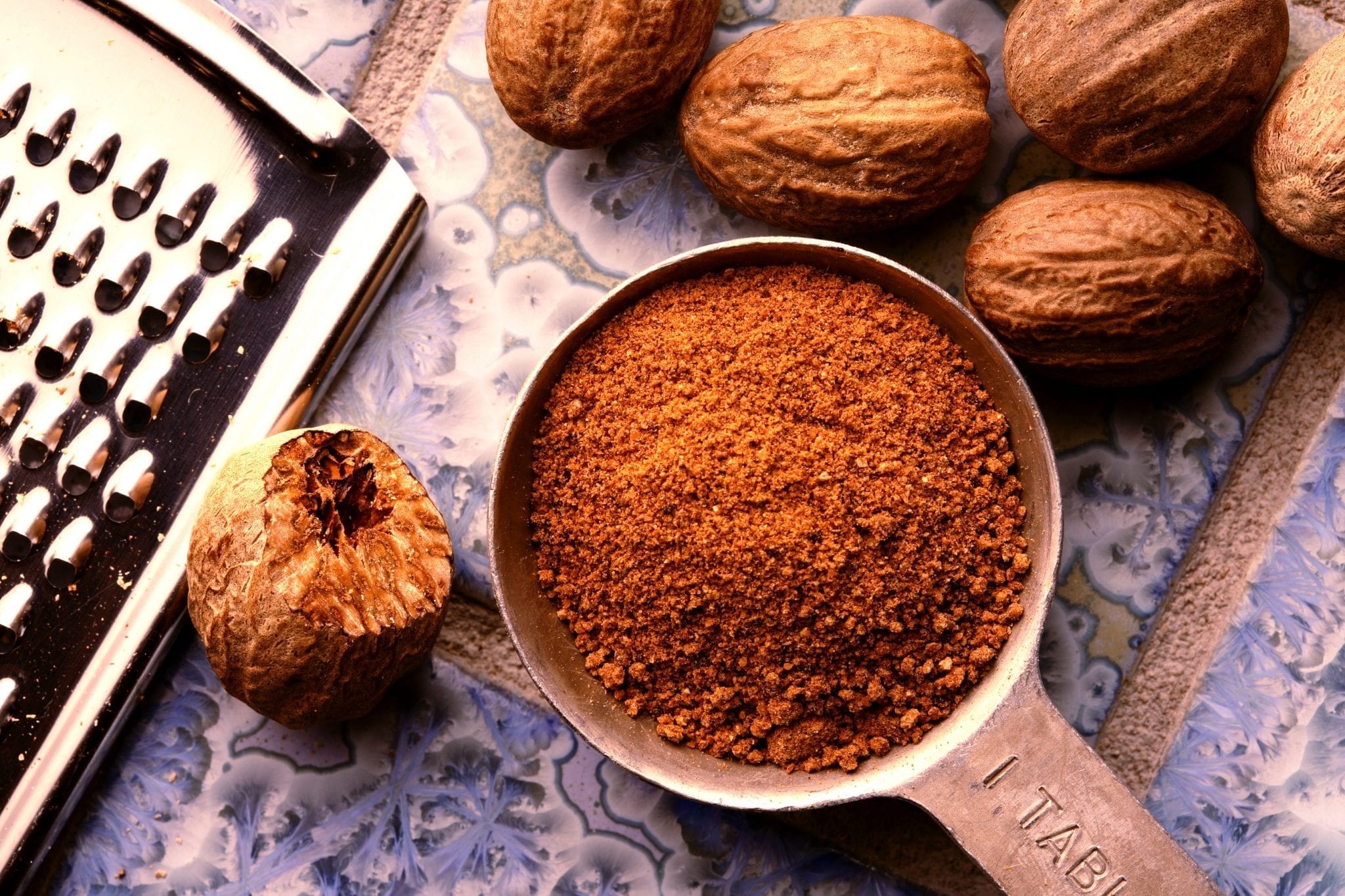
    The Indonesian government intends to encourage local exporters in North Sulawesi to sell nutmeg to Germany, as the country was the number one buyer of the spice in 2016.

    “The (nutmeg) demand from the Germans is high, with exports occurring every week,” said Secretary of Trade and Industry Department Darwin Muksin here on Tuesday.

    According to the North Sulawesi Trade and Industry Department, the export volume of nutmeg to Germany had reached 29 tons and earned US$234,725 in revenue by the end of 2016.

    Muksin added, the demand from Germany showed a positive trend that tended to increase occasionally, with imports arriving almost every month.

    “The export volume to and revenue from Germany is proof that food commodities have not been shaken by the global financial crisis that started in Europe,” he noted.

    The government is optimistic that the exports from North Sulawesi will continue to increase in December 2016, as no postponement of the trade contract has been reported.

    Besides nutmeg, North Sulawesis prime commodities are coconut powder, crude coconut oil, and fisheries products.

  • Germany To Help Iran’s Port Infrastructure

    Germany To Help Iran’s Port Infrastructure

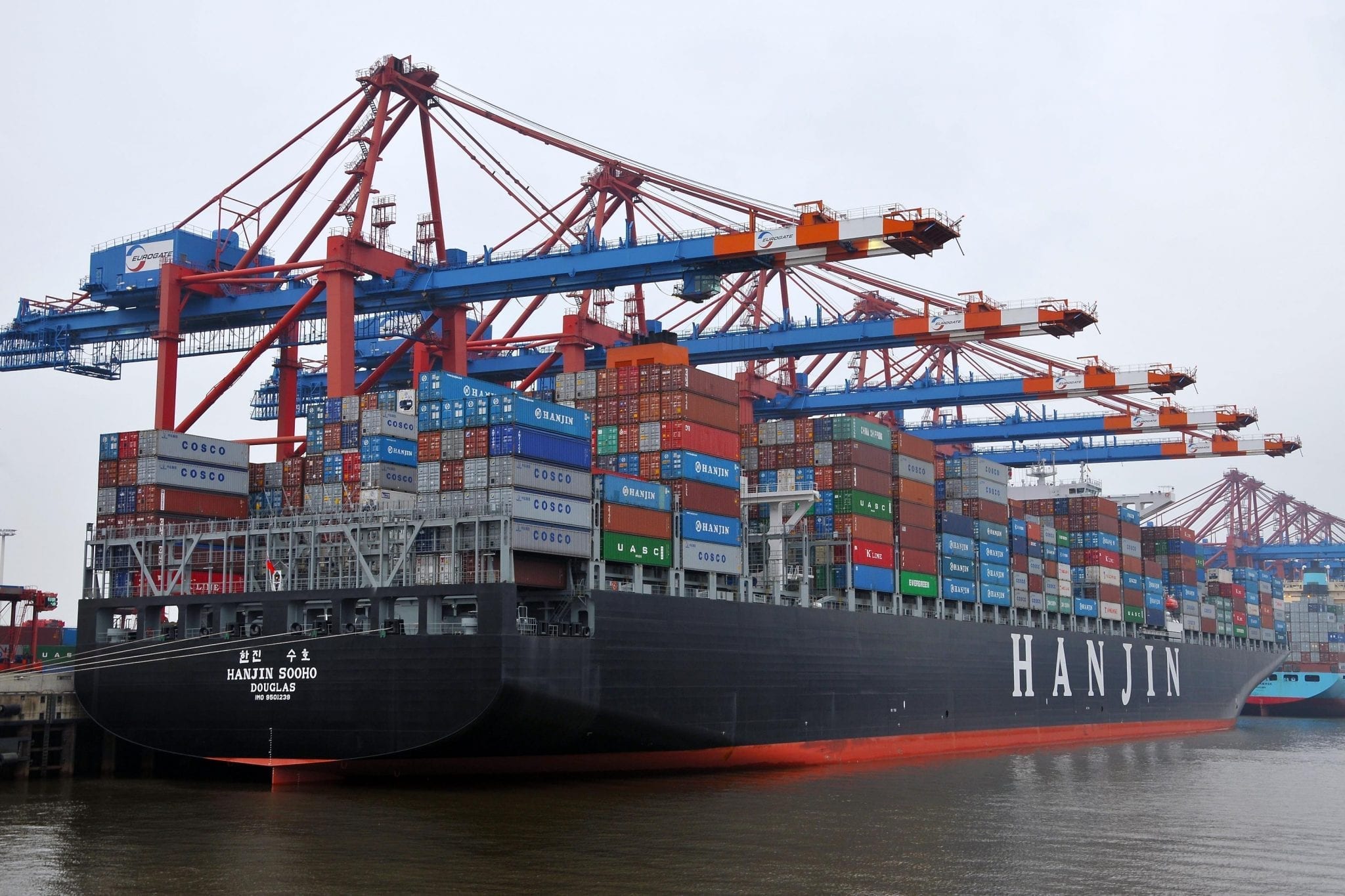
    Germany, which has been aggressively pushing for closer economic ties with Iran following the lifting of international sanctions against the latter, wants to play a pivotal role in the modernizing and upgrading of Iran’s dilapidated infrastructure and transport system. Germany signed six memoranda of understanding (MoUs) aimed at boosting transport cooperation following a late October meeting between Abbas Akhoundi, Iran’s minister of roads and urban development, and Alexander Dobrindt, Germany’s minister of transport and digital infrastructure, who led a delegation of major German shipping, port and marine companies.

    Iranian and German sources said that a German company is participating in a tender for completing two terminals at Chabahar Port in southeastern Iran, which was recently in the news because India is keen to develop it for strategic and trade reasons. German multinational Siemens is holding talks with Iran for developing suburb transport in Tehran and Tabriz, as well as the rail lines between Tehran and Tabriz.

    The lifting of sanctions against Iran has led German business executives and the shipping industry to tap what they describe as “huge business potential.” Hamburg Port, for example, has been trying to identify areas and ways to establish and upgrade ties with that country’s port facilities.

    Since the imposition of sanctions, Iran has struggled to have a normal trading relationship with the outside world. While the German industry has been euphoric – and this applies particularly to Hamburg, whose port prides itself as the “gateway to Asia” – the realities are different; indeed, access to Iran’s lucrative market is not an easy undertaking.

    Strategically located at the crossroads between the Arabian Peninsula and Central Asia, with ports in the Caspian Sea and the Gulf region, Iran is interesting for shipping lines. Iran also offers opportunities for foreign investment in important sectors such as oil and gas, electricity production, air, sea and road infrastructure, telecommunications, etc.

    Described as part of the “Axis of Evil” in 2002, Iran’s breakthrough came on January 16, 2016, when the first of the multiple layers of trade sanctions were removed, breaking the shackles that badly inhibited that country’s shipping and trade, and giving it access to huge sums of money that had been frozen under the sanctions regime.

    However, experts at a special event in Hamburg a few months back told shippers and others that only part of the sanctions had been lifted on January 16. While the ban on imports of Iranian oil and gas products, and against the country’s ship-building and shipping sectors, had been lifted along with restrictions on bank remittances, the situation remains complex in the sector of so-called “dual use” goods, which can be used both for civilian and military purposes.

    One of the first to take advantage of the lifting of sanctions was European aerospace company Airbus, which has bagged aircraft orders from Iran Air to replace its outdated A340 aircraft. The city of Hamburg, experts say, could flank trade with Iran by providing expertise in several areas, including modernization of Iran’s fleet of mercantile ships.

    US companies are not, yet, permitted to have dealings with Iran, although their associate companies in Europe can do so. However, weapons and certain police equipment are still prohibited. Also prohibited are deals with companies that are controlled by Iran’s revolutionary guards or those that have supported Iran’s atomic programme.

    Iran has been trying to recruit German companies to set up operations, particularly in the seven free trade zones in Iran for which the government has been dangling carrots in the form of incentives, including a 20-year tax holiday. Since Iran is keen to join the World Trade Organization, it has been trying to highlight the fact that many of its old agreements on trade and legal protection are in force. However, new companies to be established in Iran will be governed by certain religious laws and, as such, are required to have a Persian name or title, as Iranian legal experts have been saying during meetings with German companies. “Such a requirement can be a deterrent because many German companies are unsure what the implications would be on their business. I would suggest that companies do their homework before moving large-scale investments to Iran,” one German-Iranian told on the condition of anonymity.

    Meanwhile, Iran is in a rush to catch up with the rest of the world by modernizing its infrastructure and its economy.

    Hamburg and its port stand to benefit immensely from Iran’s opening. In 2014, German exports to Iran amounted to some €2.4 billion (approximately US$3.1 billion, in 2014 dollars), while imports from Iran were about €300 million, according to numbers from the German Statistics Bureau. Hamburg’s two-way trade with Iran amounted to roughly €214 million in the same year. International trade experts at Hamburg’s Chamber of Commerce are optimistic that German trade with Iran would double from its present level after all sanctions are lifted.

    Some 353 companies based in Hamburg already have business connections with Iran. Despite sanctions, some of these companies maintained business ties with Iran even during the embargo period. Hamburg, which is by far the world’s leading trading hub for Iranian products, including carpets, has the largest concentration – about 20,000 – of Iranian nationals or people of Iranian origin in Germany; the city hopes to resume its once flourishing trade and shipping through the Iranian diaspora.

    Another important German state interested in trade with Iran after the lifting of sanctions is Hesse, which recently sent a 40-member delegation led by Hesse minister for economics, energy and transport Tarek Al-Wazir to Iran. The trade volume between Hesse and Iran was around €212 million in 2015 (US$230 million), according to the state’s economics ministry.

    “The reputation of products and services offered by Hesse is traditionally good in Iran,” Al-Wazir said. There is huge potential in the expansion of the processing industry, the transport infrastructure and in urban development.

    During German minister for economic affairs and energy Sigmar Gabriel’s visit to Iran in early October, Gabriel’s second visit to Iran within 14 months, Iran’s oil minister had said that German banks were becoming a hindrance. “We have billions (of dollars) with which we could do good business with the Germans,” Bijan Namdar Zangeneh, the oil minister, was quoted as saying after his meeting with Gabriel in Tehran.

    The money cannot be transferred due to problems with the banks. Iran’s minister told journalists that that “is bad for us, but also bad for the Germans.”

    Germans say that although the sanctions against Iran were lifted in January, trade has not made much headway. A precluding factor is that part of the punitive measures – the so-called secondary sanctions – imposed by the United States are still in force. German and European banks are, consequently, dissuaded from financing Iran deals. In 2015, for example, Germany’s Commerzbank paid a hefty US$1.45 billion fine to US authorities because of violating American sanctions in deals with Iran. France’s large bank BNP Paris also had to pay a billion-dollar penalty.

    Iran’s economy has not done badly, with the International Monetary Fund forecasting an average growth rate of 4% for the next five years. Official Iranian projections suggest a GDP growth rate of 5% for 2016.

    Iran’s neighbour Turkey is also eyeing the opportunities unfolding in Iran; Turkey offers itself as an ideal transit point for German and other western companies wanting to enter Iran. Turkey trumpets its “manifold advantages,” particularly, for SMEs which can enjoy customs duty benefits. Turkish experts, who say that all the machinery and production tools in Iran are outdated, believe that German companies, with their past trade relationship with Iran, can look forward to a welcoming market with huge investment needs.

    Some German companies are looking at using Turkey to tap Iran’s huge business potential. Since 2014, Turkey has a preferential trade agreement with Iran. This agreement eliminates many customs duties. German companies can save customs duty twice because Turkey, a member of the European Customs Union, exempts German products from customs duty on exports to Turkey. All products shipped from Turkey to Iran are treated as Turkish products and thus spared the customs duties.

  • Restructure for Rakuten Europe

    Restructure for Rakuten Europe

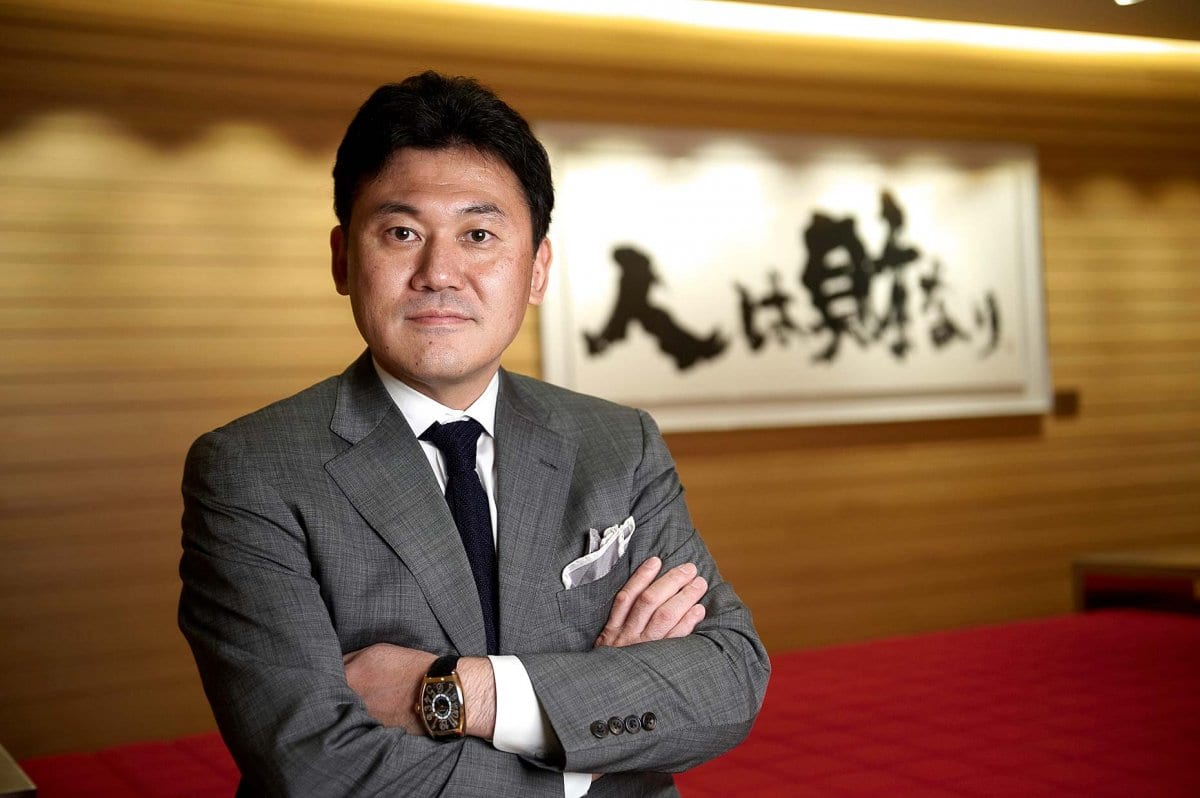
    A restructure of Rakuten Europe will see the Japanese eCommerce company exit two countries to focus on France and Germany.

    Following a strategic review of its operations in Europe, Rakuten has decided to close its operations in the UK and Spain, due to the high capital cost of growth relative to the size of the businesses. The company says the move will “ensure it is fit to capitalise on future opportunities in the region”.

    “Rakuten will focus its eCommerce marketplace investment in France and Germany as the businesses there have the scale and potential for sustainable growth,” it said in a statement.

    Rakuten has started to talk with employees around the its plans to close the Rakuten UK marketplaceand its Cambridge operations and the Rakuten Spain marketplace and its Barcelona operations.

    The company will also start serving Austrian merchants from its German operations base after closing its dedicated Austria portal, currently managed out of Vienna.

    Rakuten says the marketplaces will close by the end of August, subject to completion of the consultation process with impacted employees in relevant jurisdictions, as well as other legal processes.

    “Rakuten will continue to evolve the eCommerce business model in countries across Europe, including initiatives such as the launch of a new Price Club to enhance membership loyalty in France and Rakuten Pro in Germany, a low-commission model for merchants aimed at enhancing service quality,” the statement said.

    “Rakuten will also continue to grow its presence in Europe across its diverse business portfolio, from eCommerce to digital content businesses such as Wuaki and Kobo, to the Viber messaging platform and the adtech business Rakuten Marketing.

    Headquartered in Tokyo, Rakuten Inc is one of the world’s leading internet services companies, offering a wide variety of services for consumers and businesses with a focus on eCommerce, finance, and digital content. It is Japan’s largest online retail portal, long referred to as “Japan’s Amazon”.

  • Tram in Berlin Promotes Wonderful Indonesia

    Tram in Berlin Promotes Wonderful Indonesia

    Transportation in Berlin known as tram help promotes “Wonderful Indonesia” with images of various tourist attractions in Indonesia including Borobudur, Bali and Komodo Island.

    “I am proud to witness tram in Berlin decorated with various tourist attractions of Indonesia,” said Lina Berlina, Indonesian designer living in Berlin, Tuesday, March 8.

    The promotion is due to Indonesia’s participation in the world’s largest promotional exhibition ITB Berlin which will be held from March 9-13.

    Deputy Director for International MarComm of Tourism Ministry Agustini Rahayu said that Wonderful Indonesia promotion in Berlin trams will be from March 7 to April 25.

    The routes that are passed by the trams with Wonderful Indonesia promotion go through Zone AB/ABC or Berlin’s community activity center and have become Berlin’s city attraction. Tram No. M6 and M4 pass Alexanderplatz, which is the heart of Berlin, and Hackeser Markt.

    There are images of tourist attractions in Bangka Belitung, images traditional dancers from Nias Island and Barong from Banyuwangi, as well as images of traditional custom of Balinese, etc.

    Agustini Rahayu said the tram with “Wonderful Indonesia” promotion have a registration number of 1033, 1068, 1092, 1070, 1503, 1575, 1520, 4007, 4008, 4010, 8014, 8015, 8016, 8017, 8018 and also in two subways; number 1011-1 and 1011-4.

    The promotion of Wonderful Indonesia was decided to be applied on trams and subways since the 352 trams in Berlin have 181.1 million passengers per year.

    This means there are about 513,031 passengers per tram and the campaign from March – April is expected to cover 1,282,578 passengers.


  • Germany’s Metro Group might start Myanmar ops in 2016

    Germany’s Metro Group might start Myanmar ops in 2016

    Singapore’s Sia Huat, Premium Distribution JV for food distribution

    Singapore based Sia Huat and Myanmar based distributor Premium Distribution Co Ltd are looking into connecting food services brands worldwide with restaurants and hotels in Myanmar.

    They have already invested $1 million in Myanmar.

    The two have joined hands to form S&P Foodservice Distribution Co Ltd that opened a showroom in Yangon to better communicated with Myanmar’s food and beverages, hospitality and travel industry.

    Products include tableware, kitchenware and hygiene units.

    “The food & beverage industry in Myanmar is booming. We expect a strong demand for products that improve operations, food safety and quality, said Miki Ow, general manager of S&P.

    S&P is poised to bring some of the world’s top brands including Cerabon, Safico, Giesser, Atlantic Chef to the market and to have access to over 300 professional kitchen equipment suppliers.

    S&P’s current customers in Myanmar include hotels such as Novotel, Sedona, Parkroyal and franchise brands like Harry’s Bar, Yakun and some restaurants.

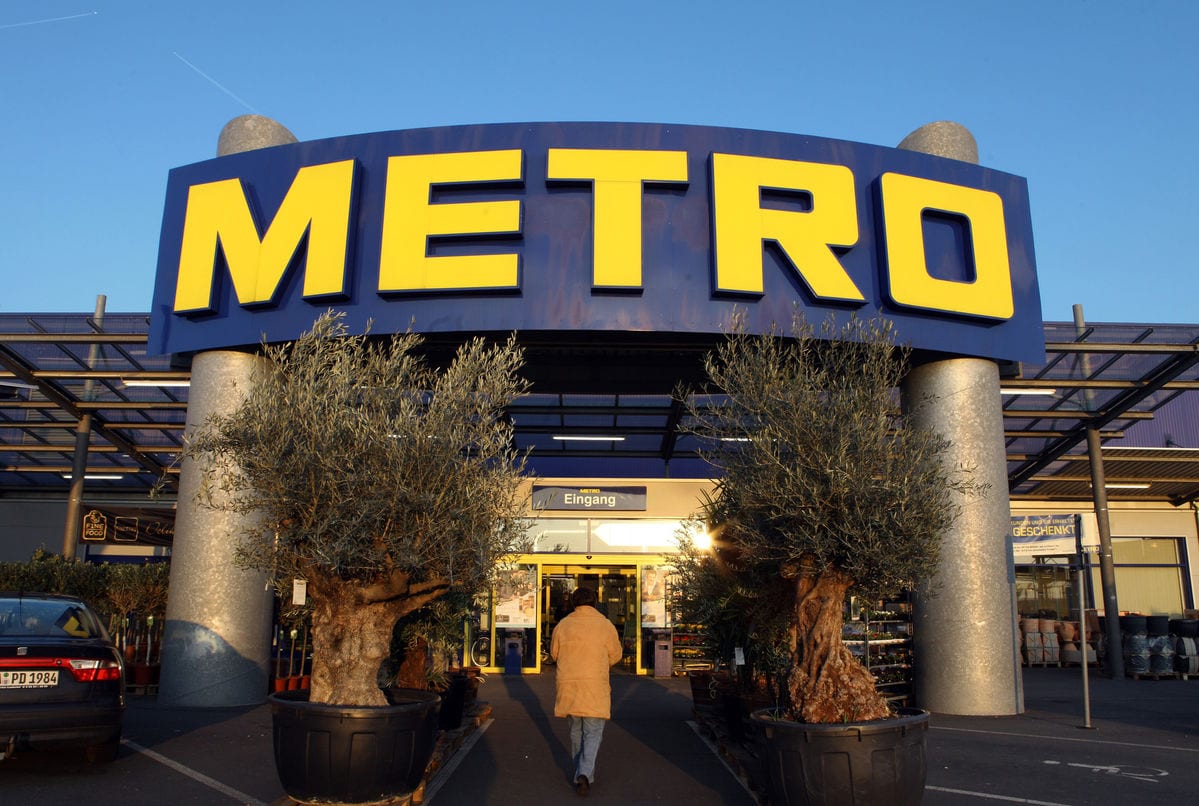
    Germany’s Metro Group looks to venture Myanmar by end of 2016

    Germany’s Metro Group, a wholesale retail group is planning a foray into two markets – Myanmar and Iran – by the end of 2016.

    Metro Group with its brands, deals with wholesale trade mainly for food and consumer electronics. They are also one of the largest specialist online discounters in Germany.

    “Myanmar is benefiting from opening up politically and has a high growth potential,” said Olaf Koch, CEO of Metro Group. Iran became free for the sanctions, they are thinking to examine what opportunities Iran will offer.

    The company’s preparations for the extension of its cash and carry business are in progress. METRO Cash and Carry is in 25 countries across Europe and Asia with 750 stores. They deal with about 20,000 food items and 30,000 non-food items.

    “We’ll decide by the end of the year which way our journey is headed,” said Koch.

  • Missha Barcelona debut

    Missha Barcelona debut

    South Korean cosmetics brand Missha has opened a new store in Barcelona, Spain.

    The new Missha Barcelona store marks the Able C&C-owned brand’s second European market, after it opened a store in Ingolstadt in Germany in February.

    Missha is the first Korean cosmetic brand to open a retail store in Spain.

    While Missha had ‘shop in shop’ stores in Seville and Madrid, the Barcelona store is its first stand alone shop in Spain.

    Missha management say they chose Barcelona as the location for the newest European store because Spain is the fifth largest cosmetics market in Europe.

    “Since the economic slump, the demand for middle-low priced cosmetics has risen. Imports of Korean cosmetics have been increasing, which made us decide to branch out to Spain,” said a spokesman.

    Missha currently manages 2100 stores in 30 countries, and is considering opening more stores in Berlin and Munich, Germany.

  • Apple IPhone 6s, IPhone 6s Plus To Be Available At Retail Stores From Friday

    Apple IPhone 6s, IPhone 6s Plus To Be Available At Retail Stores From Friday

    Apple Inc. said Monday that its latest smartphones, the iPhone 6s and iPhone 6s Plus, will be available at the technology giant’s retail stores at 8 a.m. local time on Friday, September 25.

    The company also noted that more than 50 percent of existing devices have upgraded to iOS 9, its newest mobile operating software that was rolled out last week, marking the fastest iOS adoption ever.

    Apple said its retail stores will have the new iPhones available for walk-in customers, who should arrive at a store early. Both models will also be available on Friday from AT&T Inc. ( T ), Sprint Corp. ( S ), T-Mobile US Inc. ( TMUS ), Verizon Wireless, additional carriers and select Apple authorized resellers.

    Philip Schiller, Apple’s senior vice president of Worldwide Marketing said, “Customer response to the iPhone 6s and iPhone 6s Plus has been incredibly positive, we can’t wait to get our most advanced iPhones ever into customers’ hands starting this Friday. iOS 9 is also off to an amazing start, on pace to be downloaded by more users than any other software release in Apple’s history.”

    In early September, Apple unveiled its iPhone 6s and iPhone 6s Plus smartphones with a faster processor, new 3D Touch capabilities and an improved camera, seeking to woo customers ahead of the holiday season and to assuage investors that its flagship device still has the mojo to sustain growth.

    The phones, which look like their predecessors, are powered by A9 chip, have a new feature called 3D Touch that lets users make commands as well as avail shortcuts and menus by pressing down on the screen.

    Last Monday, Apple said it is on track to beat last year’s record for first weekend sales of iPhone 6 and 6 Plus, when sales breached the 10 million mark within just three days of its sales launch on September 19, 2014.

    The iPhone 6s and iPhone 6s Plus will be available in gold, silver, space gray and the new rose gold metallic finishes for $0 down, with 24 monthly installment payments that start at $27 and $31 respectively, from Apple’s retail stores in the U.S., Apple.com, select carriers and Apple authorized resellers.

    Both the smartphone models will also be available from Friday in Australia, Canada, China, France, Germany, Hong Kong, Japan, New Zealand, Puerto Rico, Singapore, the UK and the U.S. The iPhone will be available by reservation only in China, Hong Kong, Japan and U.S. stores in tax-free states.

    Starting this Saturday, September 26, customers will be able to visit Apple.com to reserve their iPhone for pick-up at their local Apple Store, based on availability. Apple noted that most Apple stores will also have iPhone available for walk-in customers each day.

    Every customer who buys an iPhone 6s or iPhone 6s Plus at an Apple retail store will be offered free Personal Setup to help them customize their iPhone by setting up email and show them new apps from the App Store.

    Apple-designed accessories, such as leather and silicone cases in different colors and Lightning Docks in color-matched metallic finishes, will also be available.

    While unveiling the iPhone 6s and iPhone 6s Plus earlier in September, Apple had said that the devices will come with iOS 9, which would be available as a free software update.

    iOS 9 brings more features to iPhone with a Proactive assistant that is similar to Android’s Google Now service, powerful search and improved Siri features, along with an improved security feature.

    Built-in apps on iOS 9 feature redesigned Notes app, detailed transit information in Maps, and a new News app that displays news from several sources.

    AAPL is trading at $114.33, up $0.88 or 0.78 on a volume of 4.44 million shares.


  • Garuda to open flight to Germany and France

    Garuda to open flight to Germany and France

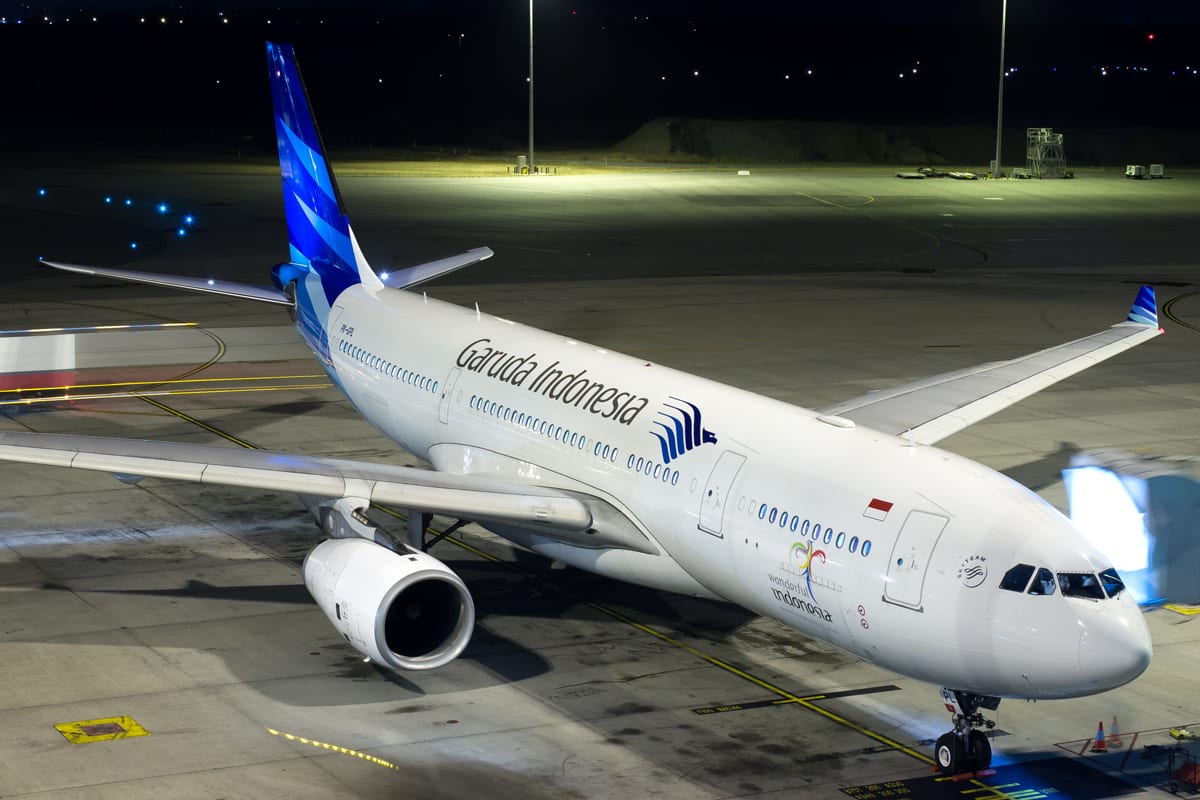
    PT Garuda Indoanesia Tbk. plans to open new routes to France and Germany this year to boost its income, Finance Director I.G.N. Askhara Dananiputra stated here on Tuesday.

    He noted that the routes would become operational between the second and third quarter this year after the delivery of the Boeing 777 that the national flag carrier has ordered.

    “We have ordered the Boeing 777 as in the same cost we would be more efficient if we use it to serve long-haul destinations rather than short- or middle-range destinations,” he pointed out after attending the signing of a hedging agreement between the company and four banks.

    The companys President Director, M. Arif Wibowo, noted that Germany and France had been chosen as the countries economic growth is more stable as compared to other European countries.

    “The European growth is still two to three percent with the biggest growth recorded by Germany and France. Frances growth is still lower than Germanys,” he elaborated.

    He noted that Garuda would fly to Paris in France and Frankfurt in Germany for the time being.

    He admitted to still calculating the possibility of operating direct flights due to the capability of runways in Indonesia which are not yet able to accommodate Boeing 777 maximally.

    In Indonesia, the take-off weight for a Boeing 777 class aircraft is only 329 tons while the maximum capability of the Boeing 777 reaches 351 tons.

    “Economically, this is not feasible. We are still calculating and finding ways with regard to destinations to get a higher income,” he remarked.

    To support the European routes, Garuda would deploy 10 aircraft providing dual and first class travel options on 18 aircraft to be delivered this year, he emphasized.

    Apart from opening new routes, Arif noted that Garuda would also increase the frequency. He further added that there will be four flights per week for destinations in France and Germany while there will be daily flights for the existing route such as to the Netherlands and England.

    With a capacity of 300 passengers, the Boeing 777 is expected to increase the number of passengers by 1.2 thousand per week or 62.4 thousand per year.

    “Apart from opening new routes in Europe, China and the Middle East, we will also expand our networks and streamline our operation schedules,” he added.