Tag: gm

  • GM’s Cadillac expects China sales to jump 60 percent in 2017

    GM’s Cadillac expects China sales to jump 60 percent in 2017

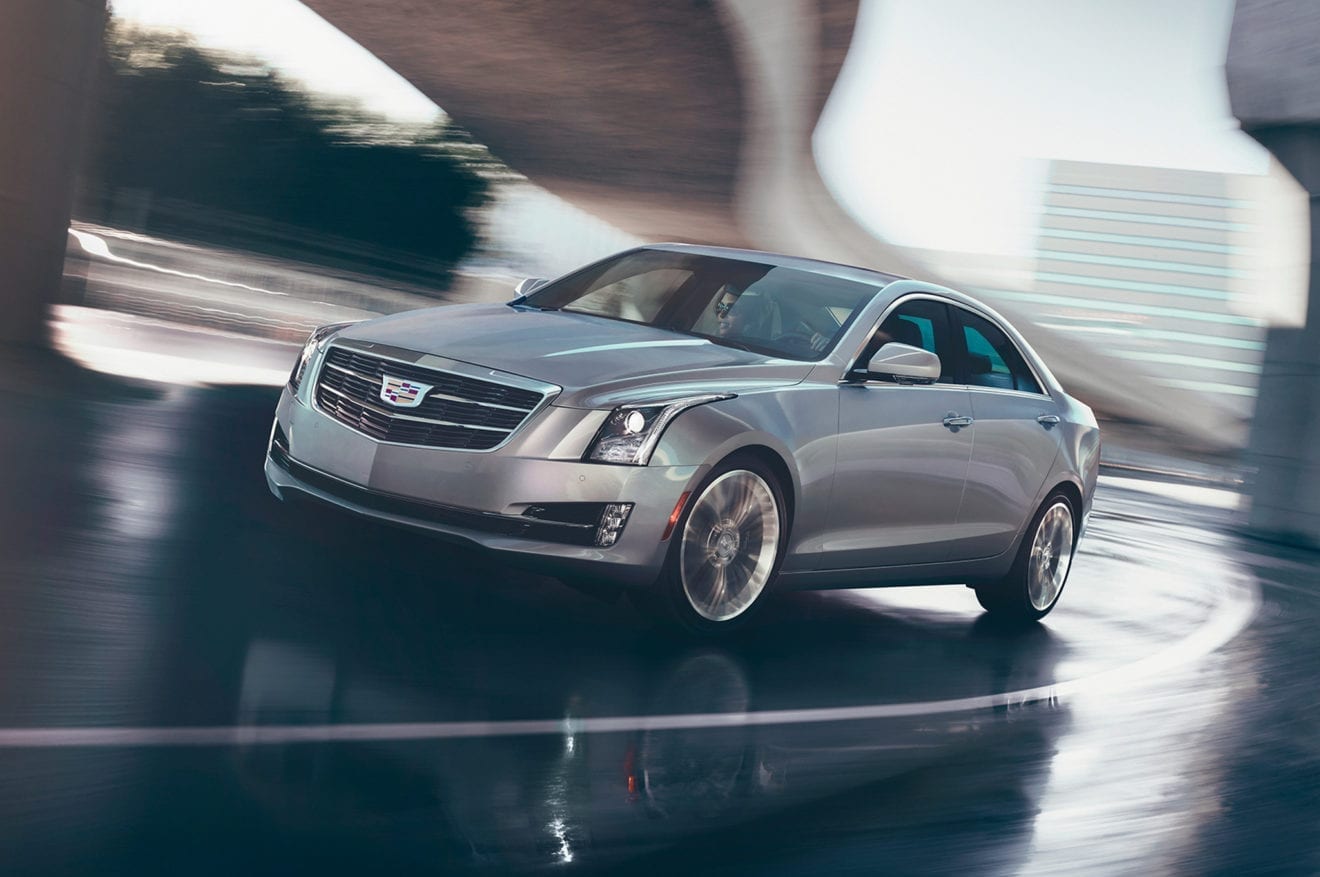
    General Motors’ Cadillac luxury brand expects its China sales to surge 60 percent in 2017, faster than it had projected at the start of the year, on strong demand from younger buyers, the brand’s country chief said.

    The GM premium brand, which saw a sharp spike in sales after it opened its first dedicated factory in the country last year, had said in January that China sales would continue growing at a double-digit rate but at a slower pace than the roughly 50-percent growth it posted in 2016.

    Cadillac, relatively late to introduce local production in the world’s biggest auto market, is among a second wave of luxury car brands in China that seek to take market share from established brands such as BMW (BMWG.DE), Daimler’s (DAIGn.DE) Mercedes-Benz, and Volkswagen’s (VOWG_p.DE) Audi.

    In order to sustain the momentum in Cadillac sales in China, the brand plans to double the number of retail stores over the next five years to more than 300, from the current 180.

    “A lot of younger people in China are looking for something different to stand out of the crowd. We have a very young target audience. That is a significant difference to the other countries in the world,” Cadillac’s China chief, Andreas Schaaf, told Reuters in an interview on Friday.

    The average age of Cadillac buyers in China is 33 years, compared to 50 years in Europe and the United States combined, Schaaf said.

  • Australian car manufacturing ends as GM Holden closes plant

    Australian car manufacturing ends as GM Holden closes plant

    Australia’s near 100-year automotive industry ended on Friday as GM Holden, a unit of U.S. carmaker General, closed its plant in South Australia to move manufacturing to cheaper locations.

    The closure comes a year after Toyota and Ford similarly moved out, eliminating thousands of manufacturing jobs. It adds pressure on the government to help those made redundant find work in a battleground state ahead of a federal election in 18 months.

    “The end of Holden making cars in Australia is a very sad day for the workers and for every Australian. It is the end of an era,” Prime Minister Malcolm Turnbull told reporters at a regular briefing on Friday. “Everyone has a Holden story.”

    Turnbull has sought to soften the impact of a declining automotive industry in a state which historically determines who forms government by making South Australia a defense industry hub.

    The government plans to increase defense spending by nearly A$30 billion ($23.52 billion) by 2022, with the manufacture of a fleet of frigates, armored personnel carriers and submarines to be concentrated in South Australia.

    But John Camillo, ‎state secretary at Australian Manufacturing Workers’ Union in South Australia, said nearly 2,500 newly unemployed will need government help finding work.

    “They need to be retrained to be able to work in defense, mining, aerospace, because we are going to be building ships,” Camillo told reporters outside the GM Holden plant in Elizabeth, 26 kilometers (16.1 miles) north of state capital Adelaide.

    Camillo was joined outside the factory by hundreds of workers and car enthusiasts who had gathered to greet the last car off the production line.

    “A BEAUTY”

    Rising discretionary income and record-low interest rates have encouraged consumers to buy new cars, but many turned against the large passenger cars for which GM Holden is known.

    “Consumers want fuel-efficient small cars and sports utility vehicles (SUVs), and overseas manufacturers have been able to profit from changing tastes,” William McGregor, industry analyst at ‎IBISWorld, told.

    Monthly SUV sales hit a record in June, surpassing 40,000 cars, Bureau of Statistics data showed.

    GM Holden, whose SUV range proved unpopular with Australians, will shift production to Germany where advanced automation will help keep costs low as it revamps its lineup.

    GM Holden began auto production in 1948 with then-Prime Minister Ben Chifley driving the first car off the production line, declaring it “a beauty”.

    “I have bought four of them,” said Shane Oliver, an AMP Capital economist who described the closure as a “sad day”.

    “But it’s clear that not enough Australians’ agreed, opting for foreign-made SUVs instead.”

  • GM joins other carmakers investing in self-driving startup Nauto

    GM joins other carmakers investing in self-driving startup Nauto

    General and Japan’s Softbank Group Corp are among the latest investors in Nauto, a Silicon Valley startup developing software for self-driving vehicles.

    Nauto, based in Palo Alto, said on Tuesday it closed a $159 million Series B funding round, led by Softbank and venture capital firm Greylock Partners. Previous investors included German automaker BMW and Japanese automaker Toyota, as well as German insurance firm Allianz.

    Nauto is unusual in attracting money from big-name automakers, and also in its focus on software and data, which cost less to develop than hardware or entire vehicles.

    “Any (vehicle) manufacturer is better than any startup at building cars,” said Stefan Heck, founder and chief executive officer of two-year-old Nauto. “Our aim is to provide the data, intelligence and a cloud platform” to automakers that plan to begin putting self-driving cars on the road from 2020.

    The amount of GM’s investment in Nauto was not disclosed. The Detroit automaker bought Silicon Valley startup Cruise Automation in early 2016 for more than $500 million.

    Heck declined to specify the company’s post-funding valuation. He did say it was shy of $1 billion, “unicorn” status in Silicon Valley shorthand.

    “But we’re getting there,” he said.

    To develop its technology, Nauto is retrofitting windshields of commercial trucks from North America to Europe and Japan with dual cameras: one aimed at the road and the other at the driver. The goal is to gather data on driver distraction and on the environment around vehicles and speed development of self-driving technology.

    Using such techniques as computer vision and deep learning, a form of artificial intelligence, the company is analyzing video feeds and data from the retrofit devices to improve driver performance and safety. Learning more about how humans drivers behave is critical, Heck said, because self-driving cars must share the roads with those vehicles for at least the next 20 to 30 years.

    “During that transition period, we need autonomous vehicles that are not just smart, but are able to collaborate with humans,” Heck said in an interview.

    Nauto is working with investors and other companies “to learn from human drivers, the best and the worst, to inform” the development of self-driving vehicles.

    Heck declined to say how many vehicles are using Nauto’s cameras and software, but said the company expects to accumulate more than one billion miles of real-world data within the next year.

  • GM leads March sales as automakers report record month

    GM leads March sales as automakers report record month

    Automakers sold a record number of vehicles during March, with General Motors leading in sales volume and posting its best monthly sales performance since 2008.

    Overall Canadian sales were driven by an 11.1 percent increase in consumer demand for pickups and sport utility vehicles during the month, which more than offset a 0.3 percent dip in passenger car sales.

    Carmakers sold 187,540 vehicles last month, a 7.1 percent increase over the same period last year, which at the time was the best March since 1988, according to industry data from Desrosiers Automotive Consultants.

    Sales growth for the first three months of 2017 was 4.6 percent.

    GM Canada, which makes Chevrolet and GMC vehicles, reported double-digit sales growth, selling 30,115 total vehicles in March, an increase of 22.9 percent from a year ago when it sold 24,498 cars and trucks.

    Fiat Chrysler Automobiles, which makes Dodge and Chrysler brands, posted a marginal sales rise, with 26,531 cars and trucks sold during the month, compared with 26,469 a year ago.

    Ford Motor sold a total of 26,487 cars and trucks in Canada last month, up from 26,447, a 0.2 percent rise.

    In the United States, monthly figures came in below market expectations, adding to concerns that the boom in U.S. auto sales may be waning. Shares of the three big automakers fell on Monday, with FCA falling nearly 5 percent, GM down 3.4 percent, and Ford closing 1.7 percent lower.

    Other automakers also reported a significant increase in Canadian sales, including Nissan Motor, which sold 14,523 vehicles, representing a 26.7 percent jump. Honda Canada reported an 18.7 percent rise, selling 17,392 vehicles.

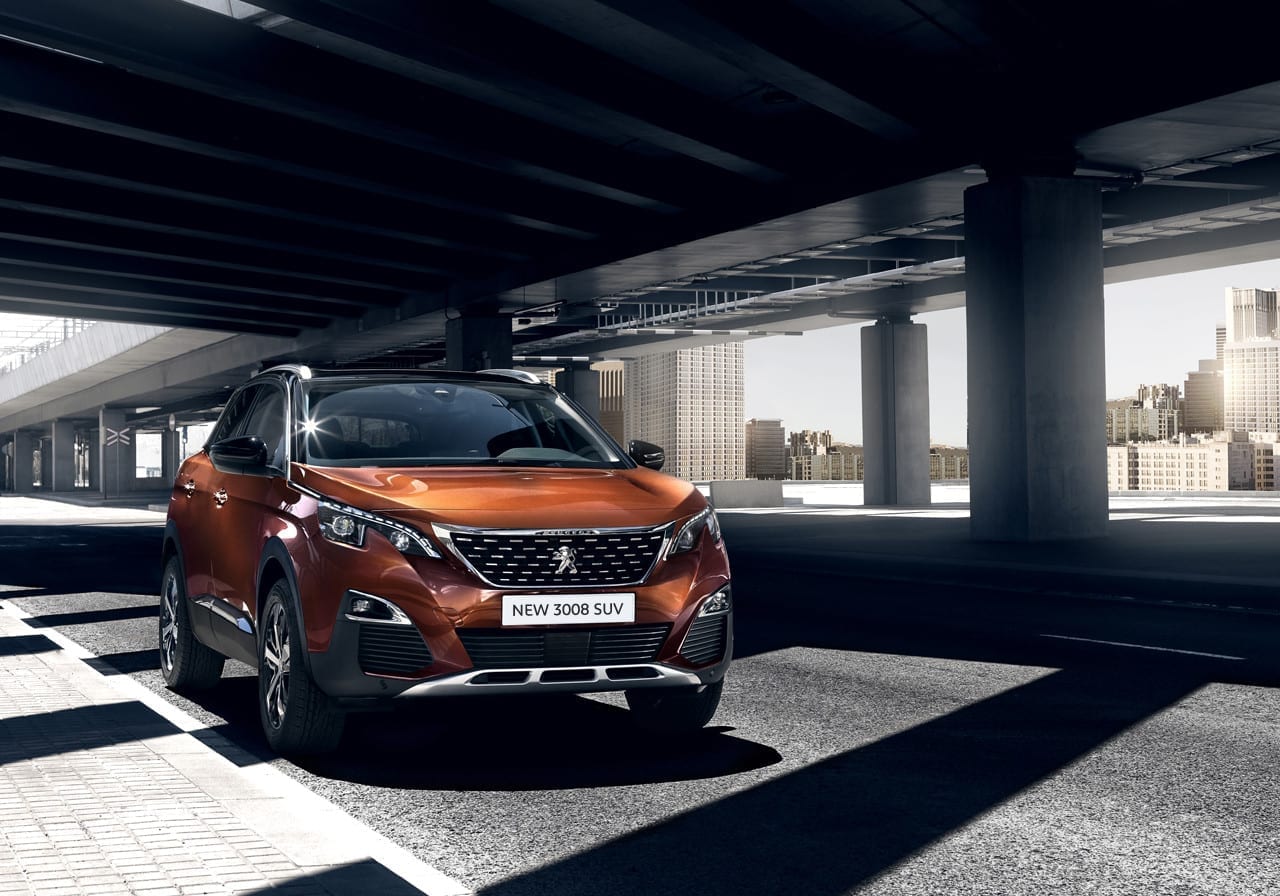
  • Peugeot poised to buy GM’s Opel, creating a car giant

    Peugeot poised to buy GM’s Opel, creating a car giant

    France’s PSA Group is set to announce a deal to buy Opel from General Motors (GM.N) on Monday after striking an agreement with the U.S. carmaker and winning the blessing of its board for the acquisition.

    The maker of Peugeot, Citroen and DS cars said on Saturday it would hold an early Monday press conference with GM, at which the transaction is expected to be presented after Reuters reported that a deal had been struck between the two automakers.

    By acquiring Opel, the French group will leapfrog rival Renault (RENA.PA) to become Europe’s second-ranked carmaker after Volkswagen (VOWG_p.DE) by market share. Between them, PSA and GM Europe recorded 71.6 billion euros ($76 billion) in revenue and 4.3 million vehicle deliveries last year.

    The tie-up was approved on Friday by the PSA supervisory board, on which the French government, Peugeot family and China’s Dongfeng (0489.HK) are represented as shareholders, one source with knowledge of the matter said.

    Spokespeople for PSA and Opel declined further comment.

    The two carmakers, which already share some production in an existing European alliance, confirmed last month they were negotiating an outright acquisition of Opel and its British Vauxhall brand by Paris-based PSA, sparking widespread concern over possible job cuts.

    In their jointly issued invitation to a Paris press conference at 0815 GMT on Monday, PSA and GM gave no indication of its subject. Separate briefings for the German press and Opel unions are expected to be held the same day.

    Sources close to the talks had reported progress on Thursday after the carmakers narrowed differences on a near-$10 billion Opel pension deficit and other issues. GM’s European arm recently posted a 16th consecutive year of losses.

    The negotiations had encountered problems over GM demands that a PSA-owned Opel be barred from competing against its own Chevrolet lineup in markets including China, they said.

    But the “non-compete” issues were finally resolved as GM agreed to inject “substantially more” into the pensions than the $1 billion to $2 billion it had initially offered, another person said. The sources declined to give further details. Detroit-based GM, which came close to selling Opel to Magna (MG.TO) in 2009, has faced investor pressure to offload its struggling European arm and focus on raising profitability rather than chase the global sales crown currently held by VW.

    After fending off 2015 merger overtures by Fiat Chrysler with support from her board, GM Chief Executive Mary Barra agreed to target a 20 percent minimum return on invested capital and pay out more cash to shareholders.

    For PSA, the Opel deal caps a stellar two-year recovery under cost-cutting CEO Carlos Tavares, who said on Feb. 23 he would apply the same methods to Opel if the deal went through. PSA averted bankruptcy by selling 14 percent stakes to France and Dongfeng in 2014, to match a diluted Peugeot family holding.

    The acquisition offered an “opportunity to create a European car champion” and quickly exceed 5 million annual vehicle sales, Tavares told analysts as he presented full-year earnings. PSA also expects savings of up to 2 billion euros ($2.1 billion) from the tie-up, sources have said.

    Tavares also told his board that PSA would redevelop the Opel lineup with its own technologies to achieve rapid savings, according to people with knowledge of the matter.

  • Potential bidders for Takata may balk at GM bankruptcy precedent

    Potential bidders for Takata may balk at GM bankruptcy precedent

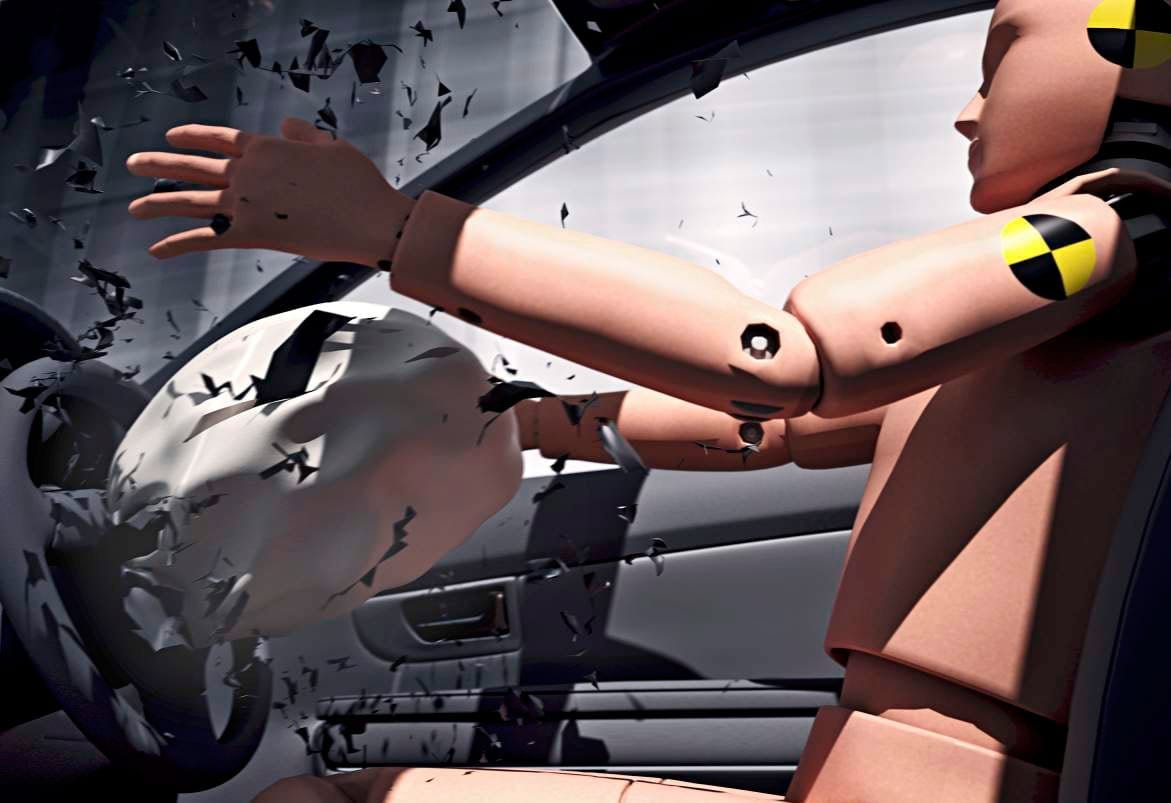
    As auto supplier Takata Corp (7312.T) prepares for a possible U.S. bankruptcy filing, potential bidders are poring over a recent U.S. court ruling that could expose a buyer to liability for the company’s defective air bags, sources have told Reuters.

    Takata faces potentially billions of dollars in costs from the world’s largest automotive recall, stemming from millions of its air bags that were equipped with malfunctioning inflators.

    The Japanese company has said it is seeking a financial backer. But interested bidders, if the parts maker goes up for sale, want Takata to put its U.S. business into bankruptcy first, the sources said.

    Generally, U.S. bankruptcy law allows a bidder to buy assets free and clear of lawsuits and other liabilities, and the selling company uses the money to repay its creditors.

    General Motors used the strategy when it filed for Chapter 11 bankruptcy in 2009. The automaker quickly sold its best assets to a so-called “new GM,” scrubbed free of billions of dollars of debt, which enabled the company to withstand an economic crisis.

    In July, the 2nd U.S. Circuit Court of Appeals in Manhattan held that General Motors Co (GM.N), the “new GM,” could be sued over faulty ignition switches made by “old GM.”

    The ruling set what some see as a troubling precedent.

    “What that says to me: buyer beware,” said Henry Jaffe, a bankruptcy lawyer with Pepper Hamilton in Wilmington, Delaware who represents debtors and creditors. Jaffe said the ruling could undercut what bidders are willing to pay for Takata.

    Takata’s air bags use a chemical compound that can explode with excessive force after prolonged exposure to hot conditions and have been linked to at least 16 deaths globally, mainly in the United States. About 100 million Takata air bag inflators have been classified as defective, leading to continuing safety recalls.

    Last month, the company received proposals from five bidders, all of whom have presented plans that require Takata to file for a GM-style bankruptcy protection.

    Takata’s creditors include automakers who want to be reimbursed for millions of dollars spent on recalls. They may also demand that any buyer of Takata’s assets share in some of those costs. The automakers could also try to use the tools of bankruptcy to protect themselves from lawsuits by car owners for the faulty air bags, according to bankruptcy attorneys.

    The U.S. government is also likely to play a role. Takata is operating under a five-year, $200 million consent decree with the U.S. National Highway Traffic Safety Administration.

    Given the uncertainties, bidders could propose using “holdback,” bankruptcy lawyers said. Some sale money would remain in escrow and be used to settle any unanticipated legal claims against the buyer. Over time, unused money would be released to the Takata bankruptcy estate.

    Takata and its creditors would likely resist a holdback, lawyers said.

    In Japan, Takata Chief Financial Officer Yoichiro Nomura told reporters on Friday that the company hoped to reach an agreement with its automaker customers on a restructuring by year end. He said the company preferred to avoid bankruptcy.

    Takata has posted a net loss in three of the past four financial years, but it remains one of the auto industry’s biggest suppliers of air bag systems. The company is also one of the world’s top seatbelt producers, and makes steering wheels, electronic control units and child safety seats.

    ‘GIVE A BUYER HEARTBURN’

    To get a sale approved quickly, a Takata buyer may have to assume some legal obligations, an approach used by “new GM” which took on 15 categories of liabilities.

    “That will give a buyer heartburn,” said Bill Weintraub at Goodwin Procter in New York, who worked with ignition switch plaintiffs on the GM appeals court case.

    GM has said it plans to ask the U.S. Supreme Court to review the July ruling, which it said wrongly punishes it, the buyer, for mistakes made by “old GM,” the seller. The company and business groups have argued that the ruling, if allowed to stand, will depress the value of assets that are sold in bankruptcy.

    Those who are close to GM and Takata are quick to point out the situations of the two companies differ in key ways.

    Takata’s air bags have been subject to headline-grabbing recalls for years. By contrast, GM knew its ignition switches were faulty when it introduced them in 2002 but concealed the problem until 2014, five years after its bankruptcy sale.

    Because of the concealment, the court of appeals reasoned that GM’s customers had been denied the opportunity to object or file a claim over the ignition switch defects as part of GM’s bankruptcy and sale. To remedy the lack of notice, the court said car owners could pursue a class action against the buyer of GM rather than the bankruptcy estate.

    Takata’s notoriety could work to the advantage of bidders, ensuring potential claims have been identified.

    “You have a known problem,” said bankruptcy lawyer Ed Weisfelner, who also represented some ignition switch plaintiffs in the GM appeal case.

    The GM ruling only binds U.S. Bankruptcy Courts in one of 11 U.S. judicial circuits, and Takata may look to other courts.

    In its appeals case, GM cited precedent in the 3rd U.S. Circuit, which it said is more protective of buyers in bankruptcy sales.

    Takata’s main U.S. subsidiary, Michigan-based TK Holdings Inc, is incorporated in Delaware, giving the company access to the state’s prominent bankruptcy court and 3rd U.S. Circuit precedent.

    “Any bankruptcy judge will be really nervous about this one,” said John Pottow, a professor at University of Michigan Law School who specializes in bankruptcy.
  • GM to add SUV production line at China JV in 2017

    GM to add SUV production line at China JV in 2017

    General Motors Co (GM.N) plans to launch a new SUV production line at its joint venture factory in the Chinese central city of Wuhan during the first half of 2017, the official Xinhua News Agency reported on Sunday, citing company sources.

    SAIC General Motors (SGM), a joint venture between China’s SAIC and General Motors, started operations at the Wuhan plant last year. The new production line will be able to produce 360,000 vehicles a year, bringing the combined capacity to 600,000, Xinhua said.

    SGM said it has invested 7.5 billion yuan ($1.1 billion) for the new production line, which has been under construction since January 2015, the news agency reported. It will manufacture a new generation of GM Chevrolet Equinox SUVs.

    The plant generated revenue of nearly 23 billion yuan ($3.4 billion) in the first nine months of this year, Xinhua said.

    GM’s China chief Matt Tsien told a press conference in March that Wuhan plant was operating at maximum utilization, and a planned second phase is being added there that will double capacity.

    He said that sport-utility vehicles, multi-purpose vehicles and luxury cars will continue to be hot segments in China going forward, with SUVs and MPVs accounting for 40 percent of firm’s overall China growth to 2020.

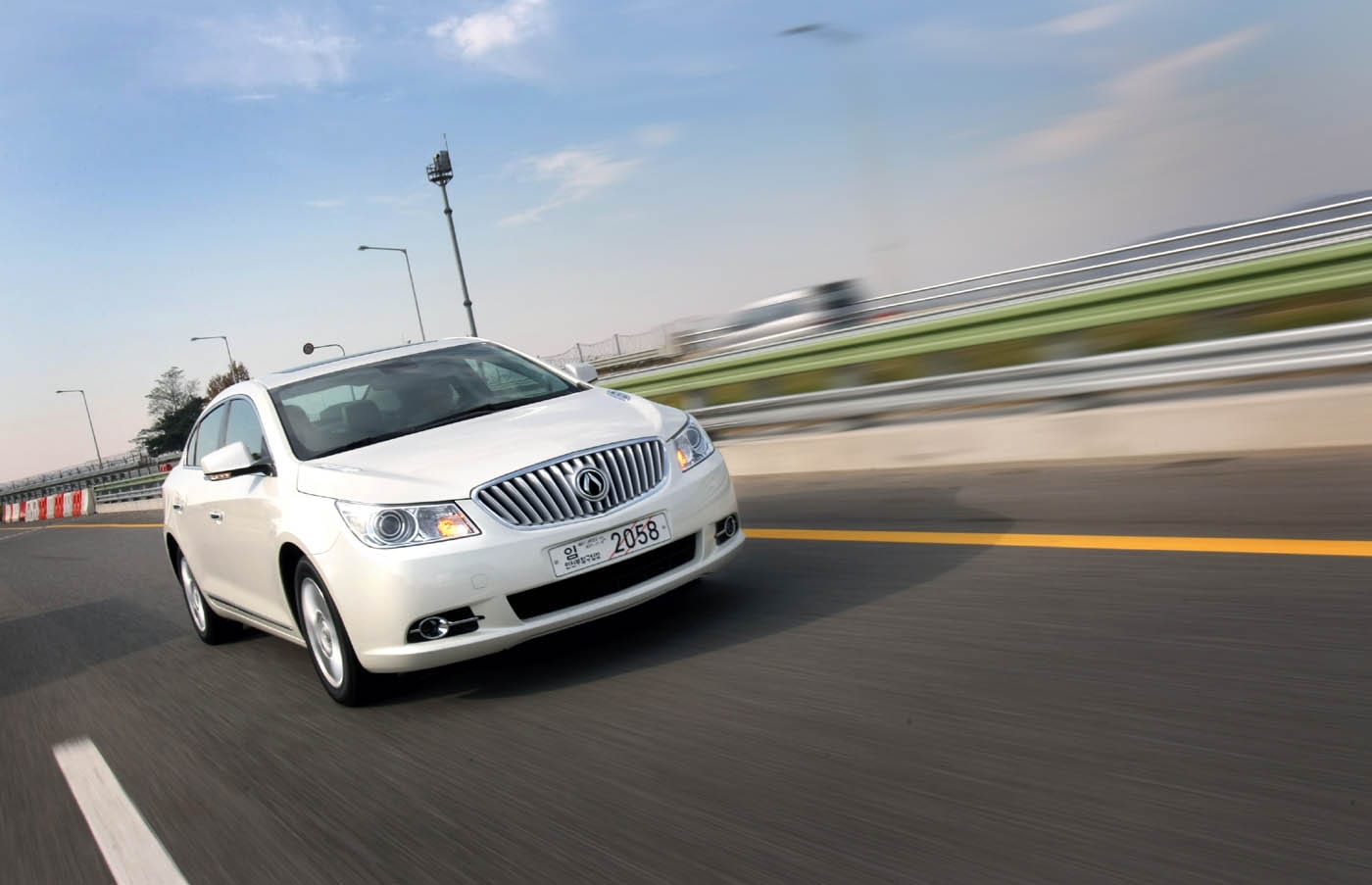
  • GM Korea sales plunge 12.4 pct on-year in September

    GM Korea sales plunge 12.4 pct on-year in September

    GM Korea Co., the local unit of U.S. automaker General Motors Co., said Tuesday its sales dropped over 12 percent from a year earlier last month as both its domestic sales and exports suffered heavy losses.

    In September, the company sold 45,113 vehicles globally, down 12.4 percent from the same month last year, the company said in a press release.

    Domestic sales tumbled 14.1 percent on-year to 14,078 cars, while exports retreated 11.16 percent to 31,035 vehicles.

    In the first nine months of the year, the company’s global sales slipped 4.4 percent to 434,573 cars despite a 12.3 percent on-year spike in domestic sales as its outbound shipments plunged 10 percent on-year to 306,583 units over the cited period.

  • GM Korea Posts Worst-ever Net Loss of 986.8 Billion Won in 2015

    GM Korea Posts Worst-ever Net Loss of 986.8 Billion Won in 2015

    According to industry sources on April 10, GM Korea reported 594.4 billion won (US$515.30 million) in operating losses and 986.8 billion won (US$855.48 million) in net losses last year. It is the worst-ever performance since its establishment in 2002.

    Industry watchers think that it is largely due to 186.9 billion won (US$162.03 million) of the equity method loss caused by its decision to shut its local factory following the withdrawal of the Chevrolet brand from Russia. GM Korea halted sales of the Chevrolet products in Russia last year.

    Last year’s poor performance is also attributed to the fact that the automaker had sold its mid-size sedan Cruze with a 1.8-liter engine for exaggerated fuel economy claims in the domestic market for five years. As GM Korea decided to pay Cruze owners up to 430,000 won (US$373) per person to cover the difference between the stated fuel economy and the actual one, the total amount of compensation reached as high as 37 billion won (US$32.08 million) last year.

    Moreover, higher labor costs despite the decrease in car sales also added to its worst-ever performance. The automaker shipped a total of 621,872 units at home and abroad last year, down 1.4 percent from the previous year. However, its labor union has strongly protested the company’s decision to continue importing all units of its full-size sedan Impala from the United States for sales in Korea despite strong sales at home.

    GM Korea is looking for various ways to improve its financial state. The automaker has decided to organize a special task force team with staffs across the company, including labor union and management, in a bid to prepare measures to revitalize sales in the local market. Starting in January, it has introduced a direct sales system that guides individual dealerships to sign direct contracts with the automaker unlike in the past when they were in touch with regional dealers. This change has simplified the overall retail structure of GM Korea and is expected to cut tens of billions of won of annual costs.

  • GM posts sales high of 3.61M vehicles in China in 2015

    GM posts sales high of 3.61M vehicles in China in 2015

    The carmaker said Wednesday that China remains the company’s largest sales market, as retail sales rose 5.2 percent from the previous high set in 2014. December 2015 sales also set an all-time monthly high at 445,227 vehicles, up 14 percent year-over-year. Industry sales improved later in the year after the stock market in China fell around mid year. The government in China in the fall also cut a tax and instituted incentives to help bolster demand for vehicles and aid sales.

    “We expect to have increased our market share in 2015 through great products and our team’s relentless effort,” GM China President Matt Tsien said in a statement. “We anticipate continued growth in 2016, as we plan to introduce 13 new and refreshed models starting with Cadillac’s all-new CT6 sedan later this month.”

    GM said SUV sales last year jumped 144 percent as SUVs accounted for 13 percent of the company’s sales in 2015 in China, up from 5.6 percent in 2014. Multi-purpose vehicle sales also increased 12 percent from 2014.

    Sales for the Cadillac luxury brand rose 17 percent from 2014 to 79,779 vehicles in 2015. Buick retail sales increased 12 percent to a record 989,167 vehicles. GM said sales were led by the Excelle GT, which sold 258,834 vehicles, followed by the Envision SUV, which had sales of 147,093. And Baojun sales surged 173 percent to a record 463,532 last year.

    Sales for Chevrolet fell 9.7 percent to 612,024 vehicles, which GM blamed mostly on vehicle model changeovers. The automaker said it expects sales in 2016 to improve with the new models such as the Malibu XL and Cruze XL. Wuling brand sales also slipped 7.5 percent to nearly 1.47 million vehicles.

    GM and its joint ventures last year added 12 new or refreshed vehicles.