Retail News CRM

Tag: Goldman Sachs

  • Goldman Sachs in Exclusive Talks for $452M Acquisition of Burger King Japan

    Goldman Sachs in Exclusive Talks for $452M Acquisition of Burger King Japan

    Goldman Sachs is reportedly in exclusive negotiations to acquire the Japan operations of Burger King from Hong Kong-based private equity firm, Affinity Equity Partners.

    The transaction is speculated to be worth around 70 billion yen (approximately US$452 million). Goldman Sachs is allegedly preparing to acquire BK Japan Holdings. The latter entity currently operates approximately 310 Burger King locations throughout Japan.

    BK Japan has ambitious plans to expand its footprint. By the end of 2028, the company aims to have established a total of 600 Burger King branches within the country. This represents a substantial growth, considering that the company had only 77 stores in 2019.

    Burger King’s journey in Japan has seen its fair share of highs and lows. The brand initially penetrated the market in the 1990s, only to withdraw in 2001 due to poor performance. However, it made a comeback in 2007 via a franchise partnership led by South Korea’s Lotte Group and Japan’s Revamp. The operations were subsequently handed over to Lotteria, a subsidiary of Lotte, in 2010.

    Questions & Answers

    What is the reported value of the acquisition deal between Goldman Sachs and Burger King’s Japan operations?
    The deal is reportedly worth around 70 billion yen (approximately US$452 million).

    How many Burger King outlets does BK Japan Holdings currently operate?
    BK Japan Holdings currently operates approximately 310 Burger King locations throughout Japan.

    What are BK Japan’s expansion plans?
    BK Japan aims to establish a total of 600 Burger King branches within the country by the end of 2028.

  • Goldman Sachs Benefits from the Turbulence

    Goldman Sachs Benefits from the Turbulence

    The Wall Street bank increased its profits significantly in the first quarter. The high volatility boosted trading income.

    Goldman Sachs increased its profit in the first quarter of 2025 by 15 percent to $4.74 billion or $14.12 per share.

    Revenues increased by 6 percent to $15.06 billion in the first three months. In the period from January to March, the financial institution posted earnings of – an increase of six percent.

    The turbulent markets led to a particularly strong increase in income from equity trading. Here, an increase of 27 percent to a record value of $4.2 billion was recorded. Income from trading in fixed-interest securities, foreign exchange and commodities rose by 2 percent to $4.4 billion.

    Our strong results this quarter demonstrated that in times of great uncertainty, clients turn to Goldman Sachs for execution and market insights, said CEO David Solomon. While we begin the second quarter in a significantly different environment than at the beginning of the year, we remain confident that we can continue to support our clients.

    By contrast, fees in investment banking fell by 8 percent to $1.9 billion in the quarter under review due to lower advisory fees.

    Income in the wealth management division fell by 3 percent to $3.68 billion due to losses in equities and bonds. At the end of the quarter, the bank managed record assets of $3.17 trillion.

    Morgan Stanley, J.P. Morgan Chase and Wells Fargo had already published their quarterly figures last week.

  • Apple, Goldman Sachs partnership reportedly coming to an end

    Apple, Goldman Sachs partnership reportedly coming to an end

    This past summer we told you that global investment banking firm Goldman Sachs, Apple’s partner in the Apple Card, was looking to exit the partnership. At the time, American Express was considered a possible replacement for Goldman Sachs. The Apple Card launched in August 2019 with no fees charged for late payments, going over the credit limit, or for an annual membership.

    Account holders get 3% back on Apple Pay purchases made using the Apple Card at the Apple Store (both physical and online), the App Store, Uber and Uber Eats, Walgreens, Nike, Panera Bread, T-Mobile, ExxonMobil, and Ace Hardware. On purchases made from other retailers that accept the Apple Card via Apple Pay, customers get 2% cash back. The cashback amount belonging to each cardholder is tallied daily and can even be swept daily into an interest-bearing savings account.

    Today, a person familiar with the situation told CNBC’s Leslie Picker that Apple has presented Goldman Sachs with a proposal that will dissolve the Apple-Goldman Sachs partnership within the next 12 to 15 months. This would force Apple to find a new financial partner to keep the popular Apple Card alive along with Apple’s high-yielding savings account. While Apple offers the card via its Wallet app, Goldman Sachs runs the operations’ back-end.

    An Apple representative told CNBC today, “Apple and Goldman Sachs are focused on providing an incredible experience for our customers to help them lead healthier financial lives. The award-winning Apple Card has seen a great reception from consumers, and we will continue to innovate and deliver the best tools and services for them.” It isn’t clear whether Apple has a deal with a new partner although, as we mentioned at the beginning of this article, American Express was rumored in July to be interested in the business.

    At the start of this year, a report said that Goldman Sachs had put aside $1.2 billion in loan-loss provisions for its consumer credit division covering the first nine months of 2022. These funds are put aside by a bank to cover debt that the bank believes will not be repaid. At the time, analysts said that the large increase in load-loss provisions was due to the Apple Card.

    Goldman originally hoped to have its consumer credit division, which includes the Apple Card, hit the breakeven mark in 2022. But that has been pushed back until 2025. Last year, Wolfe Research analyst Bill Carcache said, “The Apple Card portfolio may generate lower revenues and face higher loss content relative to the industry average.”

    If Goldman does want out, we’d expect Apple to announce a partnership with another firm fairly quickly. Stay tuned.

  • The Heads Start Rolling at Goldman Sachs

    The Heads Start Rolling at Goldman Sachs

    In the biggest wave of layoffs since the financial crisis, Goldman Sachs is cutting 6.5 percent of its jobs worldwide. Its Swiss subsidiary may be less affected.

    Packing their bags and rushing out of the office is the current feeling for Goldman Sachs employees who have to leave the bank due to job cuts. Last week, the Wall Street firm announced it would cut up to 3,200 jobs. Now the first people affected received the bad news Wednesday from New York to London to Hong Kong and escorted shipped out.

    The dismissals will result in the jobs of about 6.5 percent of the 49,000 employees being eliminated. After the collapse of Lehman Brothers in 2008, Goldman cut about 10 percent of its workforce

    Some fired employees were given a mere half hour to gather their belongings before their building access cards were deactivated.

    Many employees were terminated without getting a bonus for work done in the past year. In cases where severance packages were given, they differed significantly, according to the «FT».

    Many managing directors, the second-highest rank after partner, will be paid through the end of January and then given three months of paid leave, the report said, citing people familiar with the process. Younger employees at or below the vice-president level, are only being offered two months’ severance pay.

    A year ago, the world looked very different. Employees of the Wall Street heavyweight were showered with lavish bonus increases. CEO David Solomon was the highest-paid CEO of a major US bank, with $35 million in compensation for 2021, alongside Morgan Stanley’s James Gorman.

    The restructuring has been announced across the firm and affects all business units, including investment banking, asset management, global markets, and wealth management. But its Swiss operation is one of the most important locations for wealth management within Goldman Sachs and may be somewhat less affected because of that particular focus.

    Various reports estimate about one-third of the job cuts will come in core areas of trading and banking. The Swiss unit is located in the world’s largest offshore banking center and is planning a move to Zurich’s Bahnhofstrasse, and likely to be less exposed.

    Any layoffs still to be announced will be less dramatic and more orderly at Goldman’s Swiss subsidiary than elsewhere because of the protection against dismissal in Swiss labor law.

    The global layoffs come after Goldman’s headcount grew nearly 30 percent since the end of 2019, driven largely by the burgeoning investment banking business. But the unusually large round of layoffs is said to be because, during the Corona pandemic, underperforming bankers were screened out less than in previous years.

    Solomon is also working to reduce Goldman’s loss-making ambitions in the consumer business after investors criticized spending in the sector.

    More bankers are expected to leave the group in the coming weeks after managers announced the size of year-end bonuses for 2022. According to the report, investment bankers could see their bonuses cut by 40 percent. Traders can expect their bonuses to remain the same or lower due to the financial market slump.

    The layoffs at Goldman Sachs are the most striking example of the deep cost-cutting measures being taken by Wall Street banks. Morgan Stanley, Wells Fargo, Barclays, Credit Suisse, and Black Rock, among others, have either already laid off employees or announced job cuts. Some smaller companies have had several rounds of layoffs.

    That jobs would need to be cut became apparent when revenues at the five largest US banks from closing deals and selling new securities plunged by nearly half in the first nine months of last year. The upcoming quarterly reporting season of Wall Street banks does not bode well for improvement.

    Goldman reports its fourth-quarter results on Jan. 17.

  • Goldman Sachs Unloads 30 Bankers in Asia

    Goldman Sachs Unloads 30 Bankers in Asia

    As many as 30 bankers have left Goldman Sachs in Asia, as part of a global exercise to trim workers.

    Up to 30 investment bankers have left Goldman Sachs in Asia, sources said, across teams in equity capital markets, healthcare as well as technology, media and telecommunications (TMT), especially those involved in Greater China deals.

    Every year globally we conduct a strategic assessment of our resources and calibrate headcount to the current operating environment, said a spokesperson for the bank. We continue to remain flexible while executing against our strategic growth priorities.

    According to a source familiar with the matter, the job cuts are part of a yearly practice that has been paused for two years during the pandemic.

    Separately, a Reuters report last week said that Goldman’s annual exercise typically results in a 1-5 percent reduction of staff each year with 2022 expected to result in the lower end of that range. Globally, the bank’s headcount reached 47,000, as of end-June, up 15 percent year-on-year.

  • Goldman Sachs Expands Services to Swiss Clients

    Goldman Sachs Expands Services to Swiss Clients

    Goldman Sachs is expanding its investment banking services in Switzerland and Europe as it chases stable revenues on the continent.

    Goldman Sachs is offering transaction banking services to corporate clients in the EU, adding services outside of its investment bank’s core areas of trading and advisory, it said in a statement Tuesday.

    Rolled out from Goldman Sachs’ hubs in Frankfurt am Main and Amsterdam, the offering will address the day-to-day payments and cash management needs of businesses and be available to corporates in Europe and Switzerland, a spokesman from the bank confirmed.

    Transaction banking was named as one of Goldman Sachs’ key focus areas in the bank’s 2020 investor day presentation and was introduced in the US in the same year.  The additional service could help fill holes from deal-making losses within the investment bank this year, resulting from lower stock prices, rapidly accelerating inflation and interest rates as well as an energy crisis.

  • Citi Adds Prime Brokerage Duo in Hong Kong

    Citi Adds Prime Brokerage Duo in Hong Kong

    Citi has hired two new directors from BNP Paribas and Goldman Sachs for its prime brokerage unit in Hong Kong.

    Drew Kuech and Oliver Law join Citi as directors of the prime services sales trading team, according to a statement, reporting to APAC head of prime services sales trading Daniel Millwood.

    Kuech has 13 years of prime finance and delta one experience, most recently with BNP Paribas. Previously, he also worked for Societe Generale and Santa Fe-headquartered hedge fund Thornburg Investment Management.

    Law has 14 years of APAC prime finance and delta one experience and he joins from Goldman Sachs. Previously, he also worked for RBS and Credit Suisse.

    We are pleased to welcome two strong additions to our Prime Services trading team as we continue to focus on building out our hedge fund trading and client servicing areas, Millwood said in the statement.

  • Goldman Sachs Asset Management Files for Crypto-Linked ETF

    Goldman Sachs Asset Management Files for Crypto-Linked ETF

    Goldman Sachs continues ramping up its crypto-related efforts with the latest filing for an exchange-traded fund that will track related companies.

    Goldman Sachs’s asset management unit filed for an application with the U.S. Securities and Exchange Commission to offer an exchange-traded fund (ETF) focused on crypto-related companies.

    The Goldman Sachs Innovate DeFi and Blockchain Equity ETF will track the Solactive Decentralized Finance and Blockchain Index, according to the filing which is seeking approval as soon as practicable after the effective date of the Registration Statement».

    Goldman Sachs has been increasingly expanding its cryptocurrency offering in recent months.

    The bank reportedly restarted its crypto trading desk in March to deal bitcoin futures and non-deliverable forwards to support clients like hedge funds. And in June, it also announced plans to offer options and futures trading in ether – the second-largest cryptocurrency behind bitcoin.

    Goldman Sachs is not the lone Wall Street giant eyeing crypto opportunities with U.S. rivals J.P. Morgan recently opening access for its wealth clients to five related funds and BNY Mellon joining a crypto consortium that includes State Street and six unnamed banks.

  • Goldman Sachs Proffers Affluent Wealth App

    Goldman Sachs Proffers Affluent Wealth App

    The U.S. investment bank plans to expand its wealth offering to affluent clients. The move represents a further departure from its Wall Street roots.

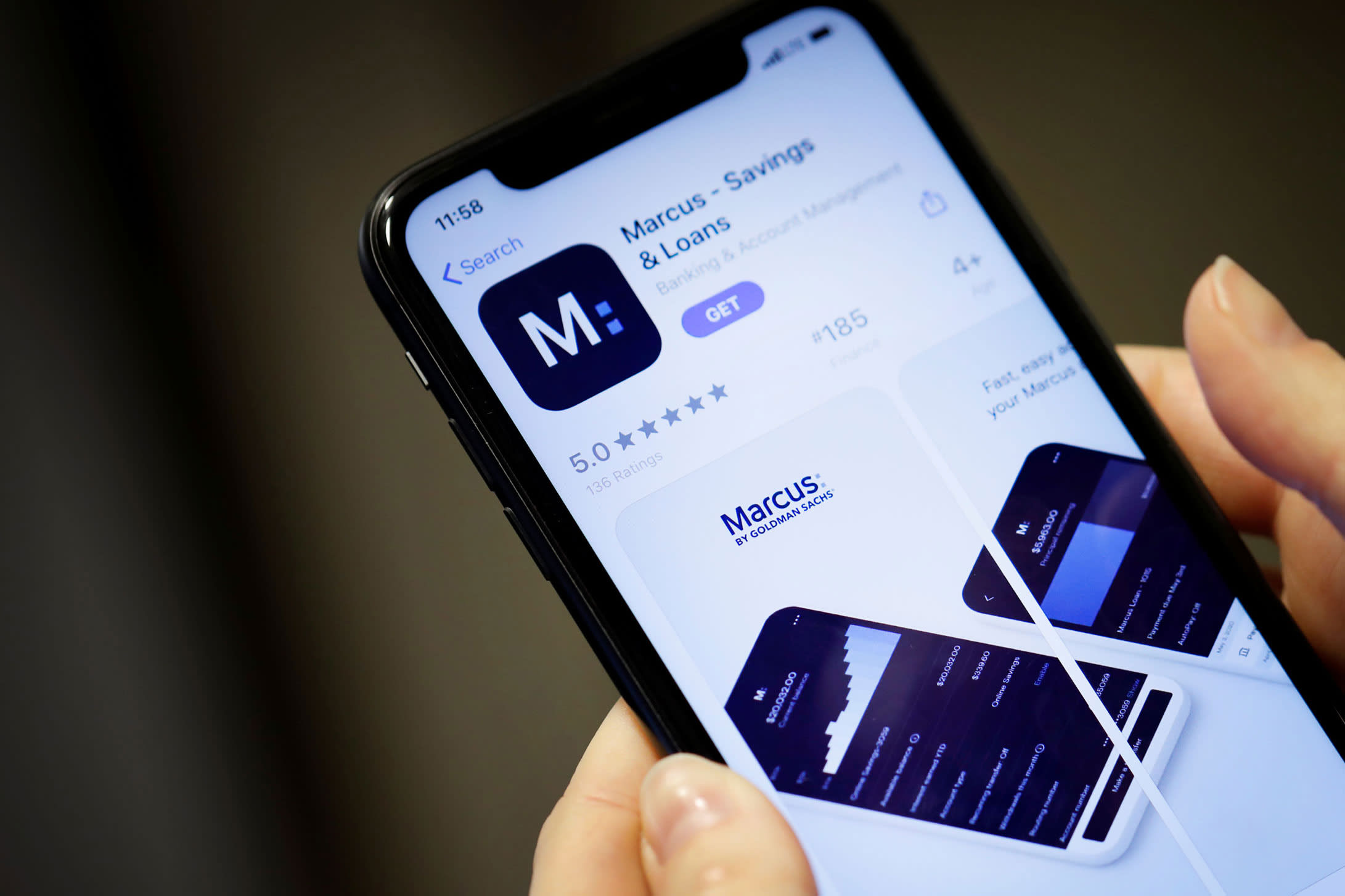
    Goldman Sachs, the best-known investment bank in the world, is pushing deeper into mass-market banking. Four years after launching Marcus for retail clients, the New York-based company is now releasing an app for affluent clients to invest, according to a report by CNBC which cites an internal memo.

    A beta version of the app – Marcus Invest – has already started and a wider launch is planned for the first quarter. Employees are the first to test Marcus Invest, which charges an annual fee of 0.15 percent of assets.

    The move is emblematic of how Goldman, known as Wall Street’s most voracious trading house, is quietly seeking a reinvention as a trusted wealth manager under CEO David Solomon. Though still minute in comparison to its investment banking activities, the wealth arm has steadily expanded in recent years – including returning to the world’s largest offshore center.

    Goldman’s entrance into the mass affluent market was foreshadowed by Marcus, which it launched in 2016 in the U.S. and expanded to the U.K. two years ago. Marcus was so successful in hoovering up British money that Goldman reportedly shut it to new clients this year. The app was meant to be launched in Germany as well, a move which was pushed back due to Brexit as well as the pandemic.

    Until recently, Goldman’s wealth managers catered only to the wealthiest of clients and those who also commanded investment banking-grade services (generally from $25 million in assets and up).

    Unlike traditional wealth managers, Goldman is making technology a backbone of its efforts to court the wealthy – plowing billions into its own development as well as into deals. It bought United Capital, a tech-backed wealth manager, last May, but has been quietly acquiring consumer banks and wealth managers since 2016.

  • Goldman Sachs MENA Head Retires

    Goldman Sachs MENA Head Retires

    Wassim Younan will retire from his position after nearly three decades with the bank and seeing its Middle Eastern expansion up close.

    Younan, 58, will retire by year-end, according to a report, and his role thereafter will be replaced by co-chief executive officers Fadi Abuali and Zaid Khaldi. The two will continue to retain their existing responsibilities in asset management and investment banking, respectively.

    Khaldi will relocate to Dubai and Abuali will stay based in London and split time with the bank’s MENA offices.

    Younan’s time with Goldman Sachs saw its expansion in the region since 2006 which included various milestones including the establishment of offices in Dubai, Doha and Riyadh as well as the achievement of key deals such as Saudi Aramco’s record $29.3 billion IPO earlier this year.

  • Goldman Sachs to Launch FX Platform in Singapore

    Goldman Sachs to Launch FX Platform in Singapore

    The platform is the company’s fourth global currency pricing, following others in London, Tokyo, and New York. Goldman Sachs will be launching a foreign-exchange (FX) trading and pricing engine in Singapore, planned for the first quarter of 2021, the company said in a statement on Tuesday.

    The platform aims to deliver improved low latency execution for clients and is built with the support of the Monetary Authority of Singapore (MAS), which aims to develop Singapore as a premier hub for foreign exchange trading in Asia Pacific.

    It makes perfect sense for us to be part of this initiative and to further develop the FX market ecosystem in Singapore, and Asia as a whole,» David Wilkins, Goldman Sachs global head of electronic FX distribution, said.

    The average FX daily trading volume in Singapore is the highest in Asia, trailing the U.S. and U.K. globally.

    We continue to actively develop our presence in Singapore and have seen consistent growth of our franchise here over a number of years in both FX and broader global markets,» E.G. Morse, Goldman Sachs Singapore chief executive, said in the statement.

    Goldman Sach’s FX engine follows similar moves by Standard Chartered, Citi, BNY Mellon, Barclays, BNP Paribas, J.P Morgan, Euronext, Jump Trading and XTX Markets, which have built their own regional trading infrastructure in the city-state.

  • Goldman Sachs Seeking Control of Chinese JV

    Goldman Sachs Seeking Control of Chinese JV

    In the application submitted to regulators, Goldman said it would absorb the securities sales, trading and research operations currently sit in the business of its partner in the joint venture.

    Goldman Sachs has applied to Chinese regulators for approval to gain majority control of the firm’s investment banking joint venture in China, as part of a plan to eventually gain full control of its China business.

    A spokesman at the bank confirmed to Reuters that Goldman applied to the China Securities Regulatory Commission to increase its stakes in Goldman Sachs Gao Hua Securities to the maximum 51 percent, up from the current 33 percent.

    The other shareholder in the joint venture, which focuses on equity and debt capital markets and mergers advisory, is Beijing Gao Hua Securities, controlled by Chinese banker Fang Fenglei and Legend Holdings.

    Until recently, foreign banks weren’t allowed to hold a majority stake in a joint venture in China. If approved, Goldman would join HSBC, J.P. Morgan, Nomura and UBS in owning controlling stakes in their onshore joint ventures in the country. Morgan Stanley and Credit Suisse are currently awaiting approval for majority control.

    China in recent years has indicated its desire to speed up the liberalization of its $44-trillion financial sector. In 2018, the country’s banking regulator removed the limits on foreign ownership of Chinese lenders and bad debt managers.

    In May, China Banking and Insurance Regulatory Commission announced plans to eliminate single shareholder limits for local banks, and allow foreign financial firms to buy shares in foreign insurers in China, among other measures.

    In July, Premier Li Keqiang said the country would lift the financial sector foreign ownership cap one year ahead of schedule and allow majority stakes in insurance and securities and commodities futures businesses .

  • Goldman Loses Indonesia Court Appeal in Hanson Share Ownership Dispute

    Goldman Loses Indonesia Court Appeal in Hanson Share Ownership Dispute

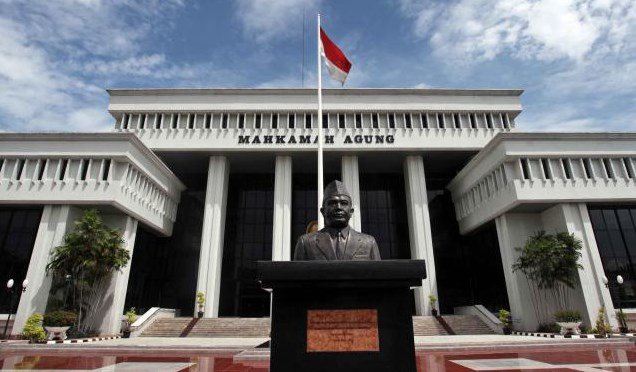
    Goldman Sachs has lost a court appeal in Indonesia over whether it should return shares in property developer Hanson International to tycoon Benny Tjokrosaputro in a legal tussle over ownership.

    Benny, president director of Hanson International, sued the US bank for Rp 15 trillion ($1.1 billion), accusing it of making “unlawful” trades in the shares and claiming ownership of 425 million shares.

    Goldman said Goldman Sachs International had bought the Hanson shares from New York hedge fund Platinum Partners in a series of “valid” transactions on the Indonesia Stock Exchange (IDX) between February 2015 and December 2015.

    The South Jakarta District Court ruled in favor of Benny in November last year, ordering the US firm to return shares and pay Rp 321 billion in compensation.

    The Jakarta High Court upheld this verdict on Thursday (19/07). The ruling, published on its website, said Goldman’s transactions had been done without Hanson’s knowledge and were against Indonesian law.

    Hanson shares last traded at Rp 127 apiece, valuing a parcel of 425 million shares at about $3.7 million.

    The bank planned to appeal the decision, Goldman Sachs spokesman Edward Naylor said.

    A lawyer for Benny, Oscar Sagita, declined to comment as he had not yet reviewed the judgment.

    The lawsuit has been seen by some legal experts as a litmus test for Southeast Asia’s largest economy, which has launched its biggest drive for foreign investment in a decade.

    At stake in the Goldman case is the protection of the rights of foreigners, amid a general lack of transparency in Indonesian court proceedings, they say.

    Benny had pledged Hanson shares to Platinum in return for funding on the basis he could get the shares back upon repayment, according to court documents.

    Such a repurchase agreement, or a repo, effectively acts as a loan but the deal involves temporarily transferring legal ownership of the shares.

    Goldman Sachs International bought the Hanson shares from Platinum as a hedge for the derivatives it had entered into with the fund, a bank spokesman has said.

    In late 2014, New York-based Platinum fell into financial difficulties and had trouble paying back a large number of investors, according to US authorities.

    Goldman started selling the Hanson shares in 2015, but was forced to stop after Benny filed a police complaint, which he followed up with the lawsuit.

    Goldman says in its court filings that it “understands” Platinum originally acquired the Hanson shares from an entity named Newrick Holdings, rather than from Benny.

    According to the “Panama Papers” online database as of 2015, which compiled millions of leaked documents from law firm Mossack Fonseca, Newrick is a company registered in the British Virgin Islands in which Benny was a shareholder.

  • Online-payment startup Paidy bags US$55m funding

    Online-payment startup Paidy bags US$55m funding

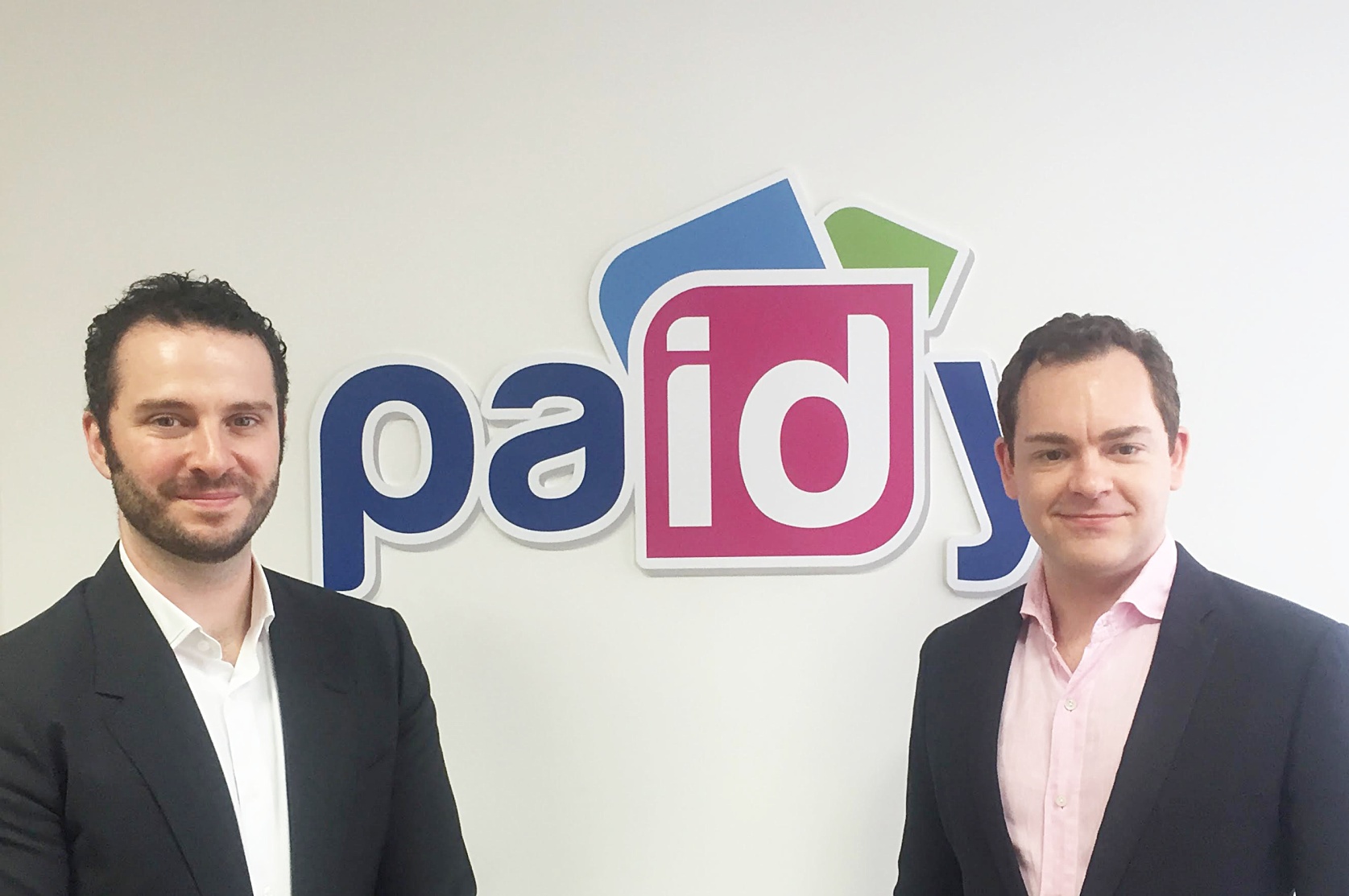
    Japanese startup Paidy has received US$55 million to build a scheme allowing online shoppers to buys goods without a credit card.

    The series-C funding was led by Goldman Sachs and Japanese trading house Itochu Corporation

    Paidy was created because even though Japan’s credit-card penetration rate is high, their usage rate is relatively low, even for online purchases. “Instead, shoppers pay cash on delivery or at convenience stores, which function as combination logistics/payment centers in many Japanese cities.”

    While that solution is convenient for cardholders worried about fraud, it inconveniences retailers because they have to maintain a pool of cash for merchandise not paid for.

    “Paidy makes it possible for people to buy online without creating an account or using their credit cards”. Instead, if a merchant uses Paidy, its customers are able to check out by entering their mobile phone numbers and email addresses. Then Paidy authenticates them with a four-digit code sent through SMS or voice. Every month, customers settle their bills, which include all transactions they made using Paidy, at a convenience store or through bank transfers or auto-debits (installment and subscription plans are also available).


  • Goldman Sachs studying whether to trade bitcoins

    Goldman Sachs studying whether to trade bitcoins

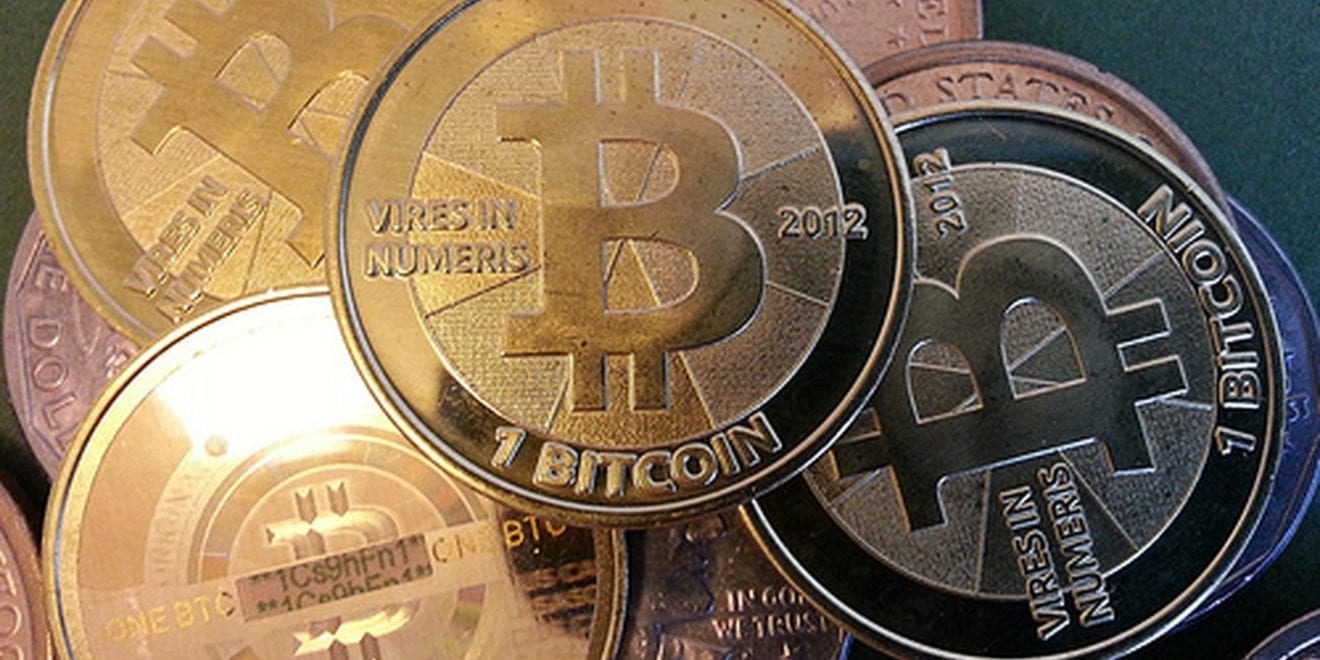
    Large banks have until now avoided trading in bitcoin due to its reputation as a conduit for illicit activity.Goldman Sachs is exploring whether to launch a trading  venture in bitcoin in response to client demand, a person familiar with the matter said Monday.

    Goldman’s consideration of the digital currency could give bitcoin a boost at a time when it is under criticism in China and by some large banks.

    Goldman is looking at establishing a team that could trade bitcoin and other digital currencies, said a person familiar with the bank’s thinking.

    The venture might resemble other Goldman teams that trade euros or treasury bonds. Goldman has received interest from a variety of parties, including investment funds, insurers and corporate clients. The study is at an early stage and may not yield a decision to proceed with such a venture, the person said.

    “In response to client interest in digital currencies, we are exploring how best to serve them in the space,” said Goldman spokeswoman Tiffany Galvin.

    Large banks like Goldman Sachs have until now avoided trading in bitcoin due to its reputation as a conduit for illicit activity.

    At the same time, financial companies have been active in the development of “blockchain,” the underlying technology of bitcoin, which is seen as a potentially important technology.

    Bitcoin critics include JPMorgan Chase chief executive Jamie Dimon, who called the digital currency a “fraud” that will eventually “blow up.”

    But Morgan Stanley chief executive James Gorman offered measured praise for bitcoin last week, calling it “obviously highly speculative” but “not something that’s inherently bad.”

    Bitcoin has retreated since breaching the psychologically important $5,000 level on September 1. On Monday, it traded at $4,375.