Retail News CRM

Tag: Goldman Sachs

  • Goldman Sachs linked to The Body Shop bid

    Goldman Sachs linked to The Body Shop bid

    Investment bank Goldman Sachs is reportedly preparing a £600 million bid for The Body Shop.

    Owner L’Oreal decided to put the ethical cosmetics brand on the market last month, apparently unwilling to invest in arresting falling sales and market share.

    The Body Shop bid price would fall considerably short of the £850 million L’Oreal is said to be seeking – a figure roundly considered as highly optimistic in the investment community.

    Private equity companies Carlyle, CVC Capital Partners, Advent International and Apax Partners have all been reported to have shown an interest in the business. L’Oreal paid £650 million for the business in 2006.

    Founded by Dame Anita Roddick and her husband Gordon in 1976, The Body Shop has grown to more than 3000 stores in 66 countries. The original concept was to create an ethical approach to cosmetics with fewer chemicals and no animal testing.

    Sales fell 3.2 per cent in the first half of 2016 and by 2.8 per cent in the third quarter. Another decline is expected to be reported when L’Oreal releases its results this month.

    Charlotte Pearce, an analyst with GlobalData, warns The Body Shop needs to freshen its offer or face its eventual demise.

    “The brand has become outdated and has failed to provide an innovative offer with exciting new products to entice customers into stores, causing the retailer to lose out to brands with more relevant beauty and skincare ranges,” said Pearce.

  • Alibaba Group Investments in Delivery Start Ups

    Alibaba Group Investments in Delivery Start Ups

    Alibaba and main rival JD.com will enjoy fast growth in the fast moving consumer goods (FMCG) market, according to research from Goldman Sachs, as more people in China turn to online shopping for daily grocery items like food snacks, body care products and soft drinks.

    The online grocery retail market is currently substantial and will continue to grow and support the two major e-commerce platforms in China, as they take away business from offline Chinese stores in the coming years and invest in a new type of courier service, according to a report published by investment bank Goldman Sachs.

    Alibaba will use start-ups courier businesses, which works much like Uber for delivery, and similar to Instacart. The start-ups run lean, with little infrastructure. When a customer logs onto the Alibaba website or app and purchases groceries, they will send contractor couriers, many of who ride electric bikes, to supermarkets, convenience stores and local groceries as well, where store employees bag the orders for the courier to pick up.

    While delivery start-ups like this have existed for the last couple years, they have gained position since a boost of funding from Alibaba and JD.com.

    In hundreds of cities around China, consumers can order their groceries on the Alibaba or JD.com app and have them delivered to their door within an hour.

    The company is still looking for the better ways to bring perishables like fresh seafood, meat and vegetables to its customers, according to Goldman Sachs analysts led by Ronald Keung. Last year both companies finished building its nationwide fulfilment centres, enabling more than 200 cities in China to enjoy same or next day delivery for groceries ordered online.

    “We expect Tmall and JD’s new supermarket initiatives to drive further online growth in the supermarket segment,” said Keung in the report.

    “These will be enabled by their logistics improvements, wider FMCG brand participation and ongoing new user adoption. We see the FMCG market big enough for two online winners.”

    FMCG currently accounts for 37 percent of all retail spending in China and the market is expected to increase on average by 6 percent annually to reach $2.6 trillion in 2020.

  • Chinese online sales reported to grow

    Chinese online sales reported to grow

    Chinese online sales are tipped to reach US$1.17 trillion by 2020, according to new research by  Goldman Sachs.

    That compares with $750 billion in 2016.

    “While there have been concerns of a slowdown following the deceleration in growth to mid-20 per cent in 2016, we expect online retail growth to sail on at 23 per cent CAGR over 2016-2020, continuing to grow at nearly triple the pace of offline retail,” the financier said in a research paper.

    And it says the internet’s share of total retail sales will climb from 16 per cent in 2016 to 25 per cent in 2020 – representing an increase in its protection of just a year ago.

    Augmented reality and virtual reality will help fuel a rise in apparel sales online from 31 per cent of the total market last year to 49 per cent by 2020.

    Goldman Sachs also predicts that the average spend will grow at a combined annual growth rate of 10 per cent from 2016 through 2020 as incomes grow and as consumers buy a wider range of products and more branded goods through the internet.

  • Delivery Hero takes control of Foodpanda

    Delivery Hero takes control of Foodpanda

    Control of the Foodpanda business has been sold by parent Rocket Internet, including the remaining Asian operations.

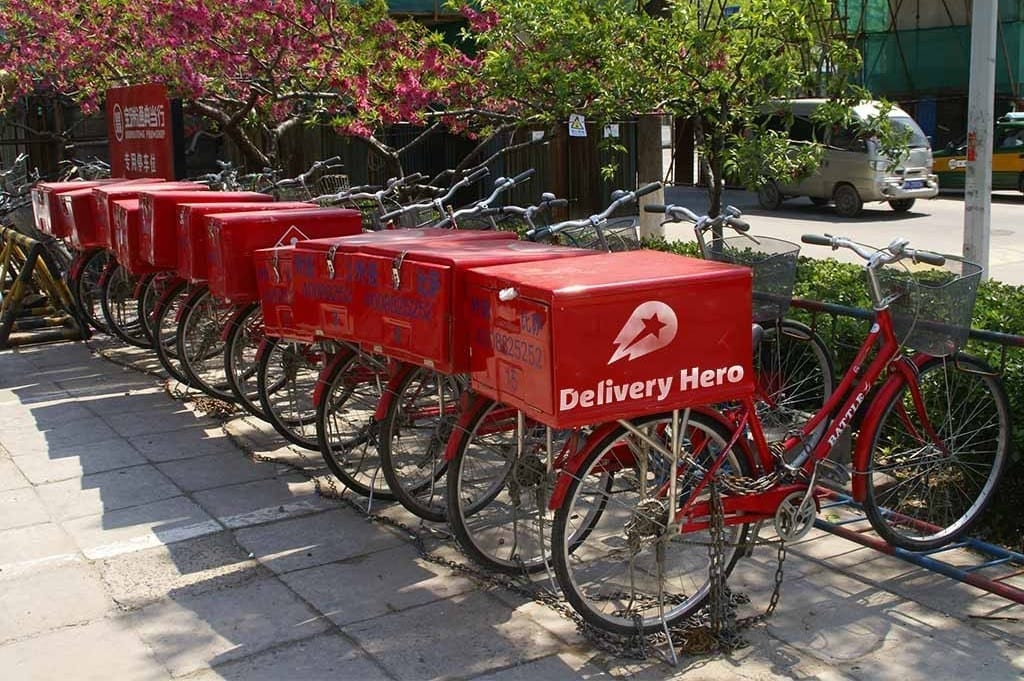
    German-based online food-ordering service Delivery Hero Holding, which is active in 33 countries, has acquired Rocket Internet-backed Emerging Markets Online Food Delivery Holding, parent of the shrinking Foodpanda business.

    Foodpanda, 49 per cent owned by Rocket Internet, has a presence in 22 countries, but shut its Indonesia business in October in the face of growing competition from app-based ride-hailing services that also offer food delivery, such as Go-Jek and Grab Bike. It has also exited Vietnam but remains operational in Singapore, Hong Kong, Thailand, Malaysia, the Philippines and Taiwan.

    In a partial share swap, the deal will see Rocket Internet’s stake in Delivery Hero increase from 30 per cent to 37.7 per cent. The sale will strengthen Delivery Hero’s global leadership position in online food ordering and delivery, with the combined group processing more than 20 million orders a month across 47 countries, says Rocket Internet.

    Bloomberg data shows that both companies together have raised more than $1.5 billion across several funding rounds with investors including Goldman Sachs and Insight Venture Partners.

    “The combination of Foodpanda and Delivery Hero, one of our most important companies, further consolidates key markets,” says Rocket Internet CEO Oliver Samwer. “Delivery Hero is also acquiring new markets.”

  • Alibaba to take stake in Yum China

    Alibaba to take stake in Yum China

    Yum! Brands has agreed with two partners to invest $460 million into Yum China, following its spinoff from the American fast-food giant.

    Also involved are China-based global private equity firm Primavera Capital Group and online and Alibaba subsidiary, mobile financial services provider Ant Financial Services Group, which runs the Alipay mobile payments platform.

    The spinoff and concurrent finalisation of the investment are expected to occur on October 31, with Yum China to start trading on the New York Stock Exchange the next day as an independent company.

    Under the terms of the agreements, Primavera and Ant Financial will invest $410 million and $50 million respectively in Yum China.

    Primavera founder Dr Fred Hu, former greater China chairman at Goldman Sachs, will be non-executive chairman of the board of Yum China.

    “Yum China is an established leader in the retail and restaurant industry, which we believe is poised for continued strong growth and unit expansion as cities across China invest in new transportation hubs, shopping malls and other physical and electronic infrastructure,” says Dr Hu, describing the Yum China moves as a “new and exciting chapter”.

    Membership services

    “Through this collaboration, we aim to help Yum China provide world-class mobile payment services for tens of millions of customers across its brands,” says Ant Financial Service Group president Eric Jing. “These services include hassle-free Alipay for customers to help shorten queues at the cashier, as well as membership services for Yum China designed to help manage its customer relations and promotions.”

    He says Yum brands KFC and Pizza Hut have seen promising marketing results through promotions on multiple Ant Financial platforms.

    “Primavera and Ant Financial both have deep insights into the rapid urbanisation and digital transformation that is driving the evolution of China’s economy,” says Yum China CEO Micky Pant.

    “The investments from Primavera and Ant Financial in Yum China mark another important milestone in our plans to separate the China business and create a solid foundation for Yum China as it prepares to become an independent restaurant powerhouse,” says Yum! Brands CEO Greg Creed.

    As a licensee of Yum! Brands in China, Yum China Holdings will have exclusive rights to KFC, Pizza Hut and Taco Bell, which has yet to expand to China. KFC and Pizza Hut have more than 7200 restaurants in more than 1000 cities in China.

  • LVMH affiliate invests $50m in Clio

    LVMH affiliate invests $50m in Clio

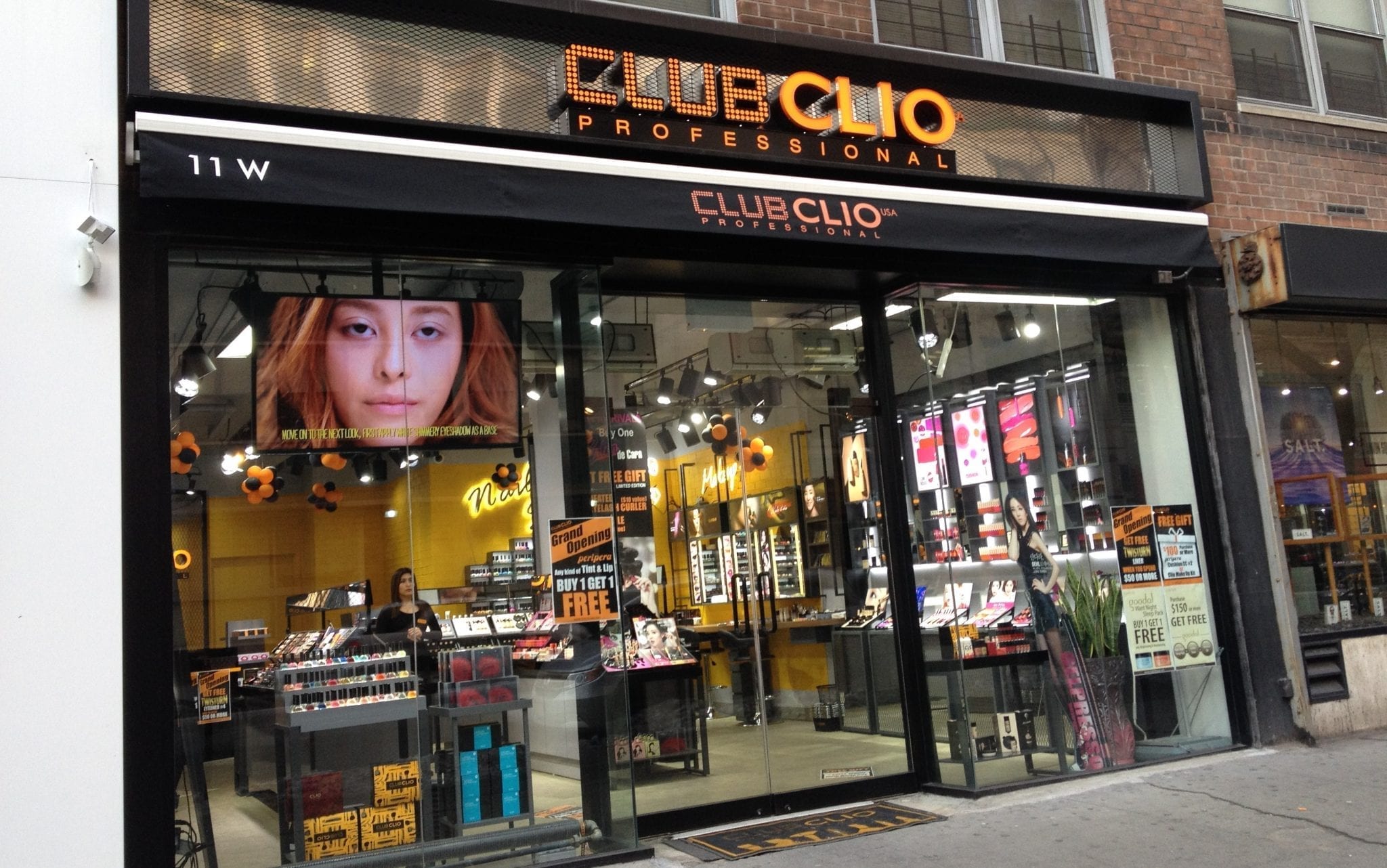
    L Capital, an affiliate of luxury brand group LVMH, will invest US$50 million in Korean cosmetics company Clio, which aims to go public by the end of this year.

    Clio will issue redeemable convertible preference shares to be taken over by the investment company, and an official agreement for this pre-IPO investment will be signed next week.

    After almost two decades of mediocre turnover since its establishment in 1997, Clio’s sales surged to 107 billion won ($93.07 million) last year with an operating profit of 22.5 billion won, boosted by an appearance on a popular TV show. Its total market value after IPO is expected to be more than 1 trillion won.

    L Capital ventured into the Korean corporate world two years ago by investing 60 billion won in YG Entertainment, becoming the second-largest shareholder of one of the top three entertainment companies in Korea.

    Its second choice of Clio reflects the growing demand in Asia, particularly China, for K-beauty products.

    Korean cosmetics exports to China alone last year were worth $1.09 billion, double the value of the previous year and coming in second to French cosmetics.

    US cosmetics company Estee Lauder last year became a major shareholder of Have and Be, the parent company of Dr Jart, while Goldman Sachs’ private equity fund took over Carver Korea, which owns AHC, for 520 billion won this year.

  • Vietnam payment platform wins PE funds

    Vietnam payment platform wins PE funds

    A Vietnam payment platform start-up has received a US$28 million shot in the arm from private equity investors.

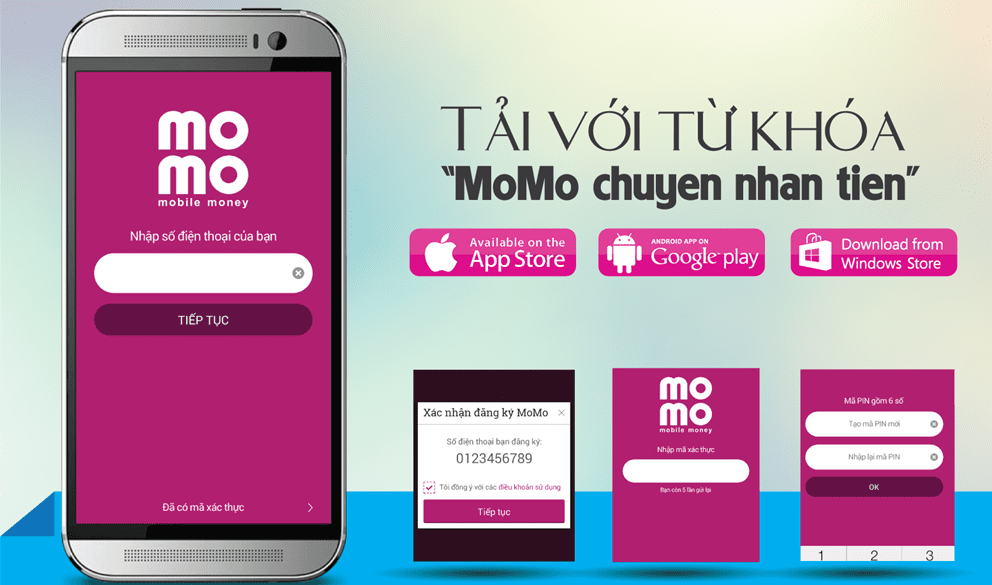
    M_Service, which launched the mobile e-wallet MoMo, received the boost from Standard Chartered Private Equity (SCPE), which invested $25 million, and existing shareholder and strategic investor Goldman Sachs, which added $3 million to its initial $5.75 million investment of 2013.

    More than half of Vietnam’s population of 90 million use the internet, and the app provides a useful service in a country where there are few debit or credit card users. Government data shows that mobile phone subscribers in Vietnam grew 26 per cent to 124 million during 2009-2013..

    Smartphone app MoMo provides eWallet services and over-the-counter remittance and payment platforms for a customer base of 2.5 million people, and already claims to have more than 1 million customers.

    “It is extremely exciting to see financial support and the customer base for MoMo growing,” says M_Service general director Pham Thanh Duc.

  • Goldman Sachs enters Singapore retail fund market

    Goldman Sachs enters Singapore retail fund market

    Goldman Sachs Asset Management (GSAM), the asset management arm of Goldman Sachs Group Inc, is making its foray into the local unit trust industry with the launch of 13 retail funds in 1Q 2016.

    The new GSAM unit trusts, previously available only to private banking and institutional clients, will consist of fundamental and quantitative equity funds as well as those that invest in fixed income and multi-assets, according to the fund house which manages assets in excess of US$1 trillion ($1.4 trillion).

    These 13 Goldman Sachs funds approved for retail sales in Singapore include the Goldman Sachs Asia High Yield Bond Portfolio, Asia Portfolio, European Equity Partners Portfolio, European High Yield Bond Portfolio, Global Core Equity Portfolio, Global Equity Partners Portfolio, Global High Yield Portfolio,

    Global Income Builder Portfolio, Growth & Emerging Markets Broad Equity Portfolio, Growth & Emerging Markets Corporate Bond Portfolio, India Equity Portfolio, Japan Portfolio and US Real Estate Balanced Portfolio.

    “The global market volatility we are seeing right now underscores the need for world-class investment solutions that deliver highly differentiated strategies with real diversification benefits. We look forward to meeting the needs of Singapore retail investors through this range of funds,” says Sheila Patel, who is Singapore CEO of GSAM, in a statement.

    Singapore is GSAM’s Asia regional investment hub. The fund house’s team of Singapore-based investment professionals has been providing investment and advisory solutions to institutions including pension funds, sovereign wealth funds and financial intermediaries in the city state and across Asia since 1991.

  • Tesco Asia carve up likely

    Tesco Asia carve up likely

    A carve-up of Tesco Asia operations seems increasingly likely with credible reports in three different nations now of serious expressions of interest.

    While markets await firm news of progress of HSBC’s quest to find a buyer for the Tesco Korea business, the latest news is that Japan’s Aeon has expressed interest in buying Tesco Malaysia, reportedly valued in the region of £900 million.

    That follows an approach from Thai billionaire Dhanin Chearavanont late last year who prepared a speculative bid by his company Charoen Pokphand Group (CP) to buy back the troubled Tesco Plc’s Thai business, which he sold during the Asian financial crisis. That bid was initially rejected but if Tesco is selling its Korean and Malaysian operations it is likely to let Thailand go as well if it can gain a fair price.

    If all three sales were to proceed, it would almost certainly see the Tesco Asia operations rebranded under new owners – in Thailand, most likely under the Lotus brand, in Malaysia stores would be merged into Aeon’s existing network and in Korea – that would entirely depend on the successful bidder.

    Reuters has reported reliable sources confirming Aeon’s interest in Tesco Malaysia. Aeon is cashed up, has a heavy focus on expanding across Southeast Asia and a merger of its network with Tesco’s would give it 29 stores, making it a formidable competitor to local hypermarket operator Giant, which has a lower market positioning to Aeon’s more premium offer.

    The Japanese retail and property giant entered Malaysia by acquiring the Carrefour operation in 2012 for €250 million.

    Meanwhile, KKR has reportedly rejoined the race to buy Tesco Korea’s Homeplus network which is estimated to be worth US$6 billion, after sweetening its preliminary offer. All the prospective shortlisted buyers reported by the UK and Korean financial press are private equity companies, including Affinity Equity Partners, Goldman Sachs, Carlyle Group and MBK Partners.

    However in a market as complex as Korea, it is highly likely any of those bidders would want to partner with a local retail operator for the business connections and local market knowledge.